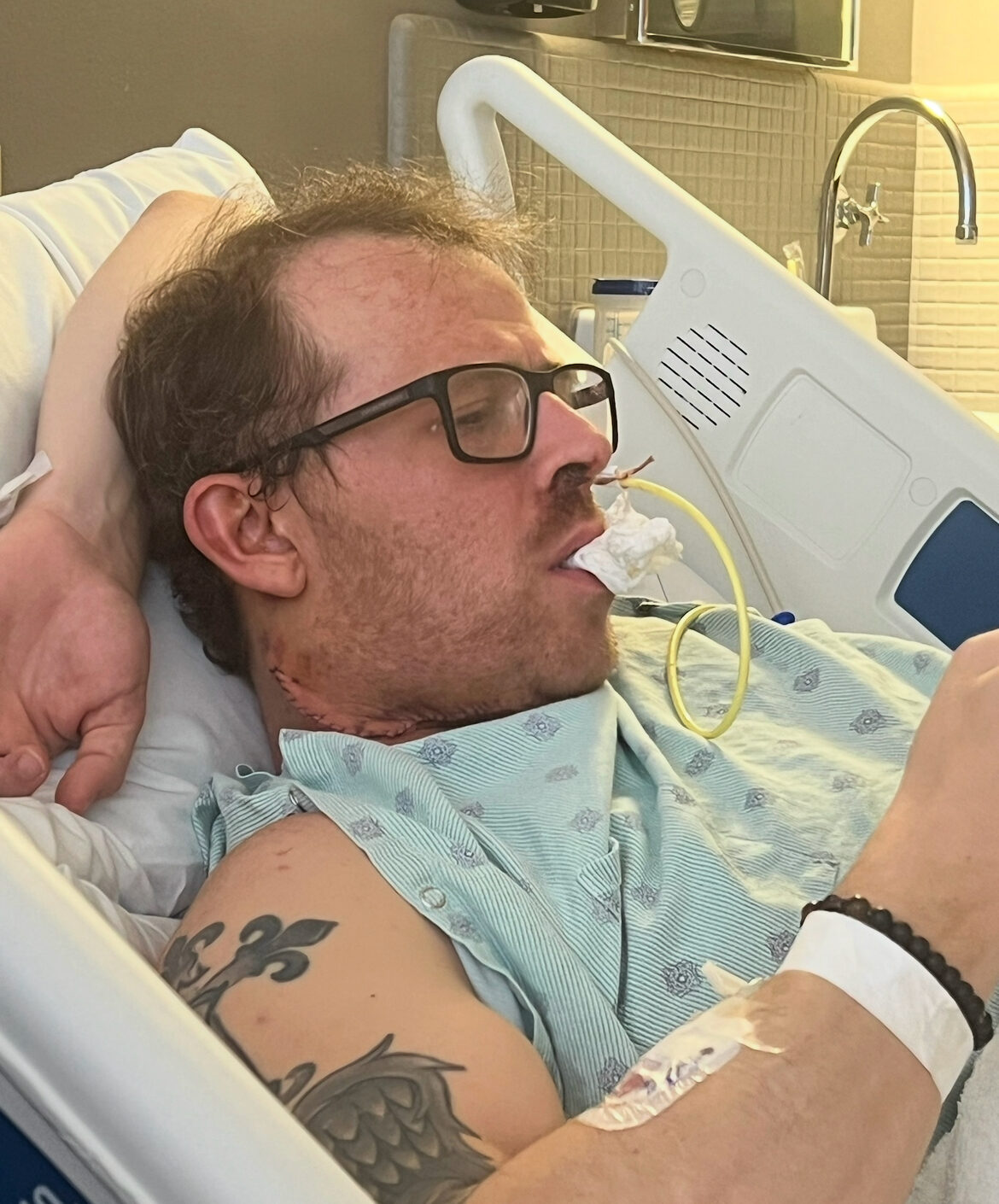
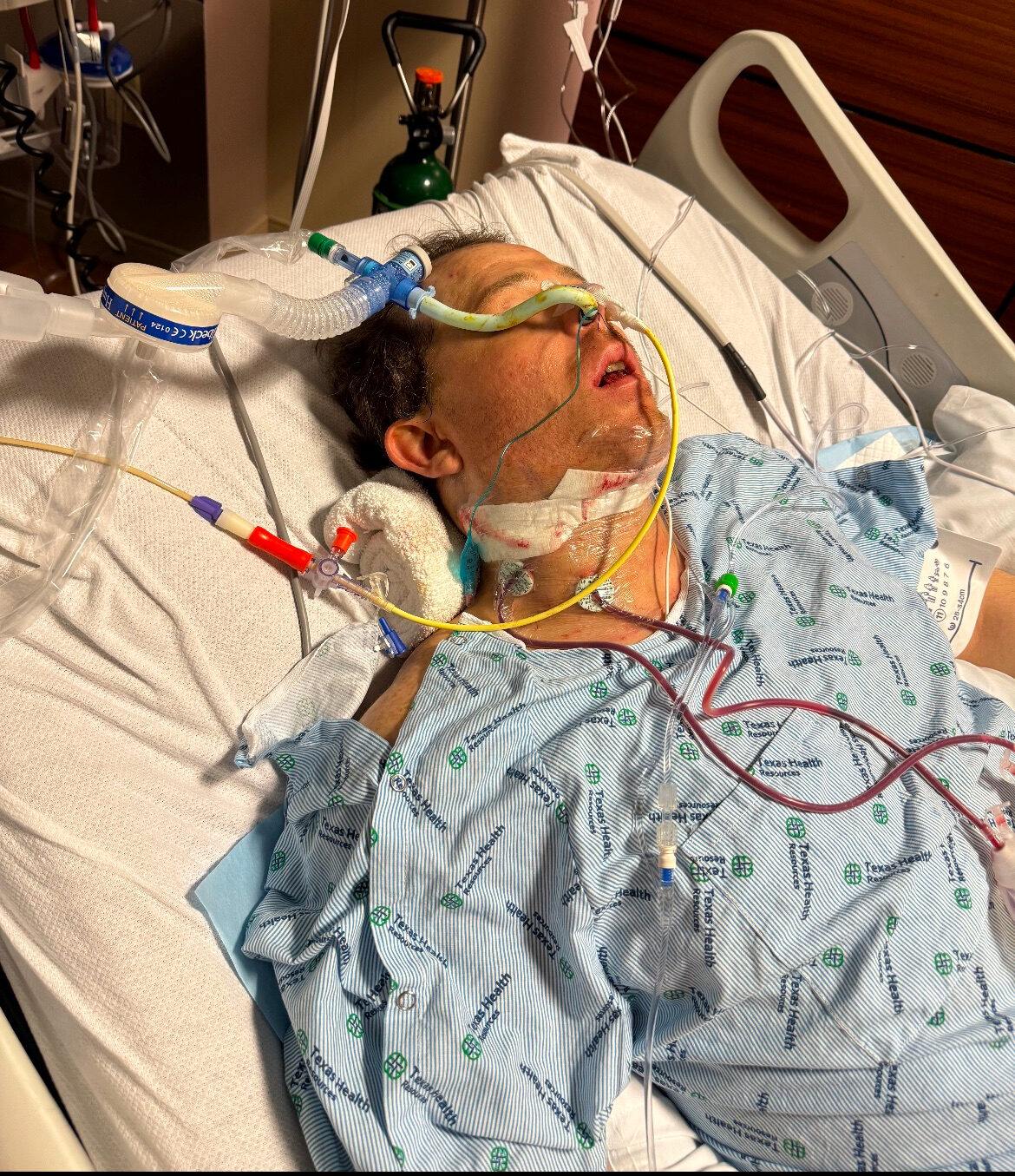
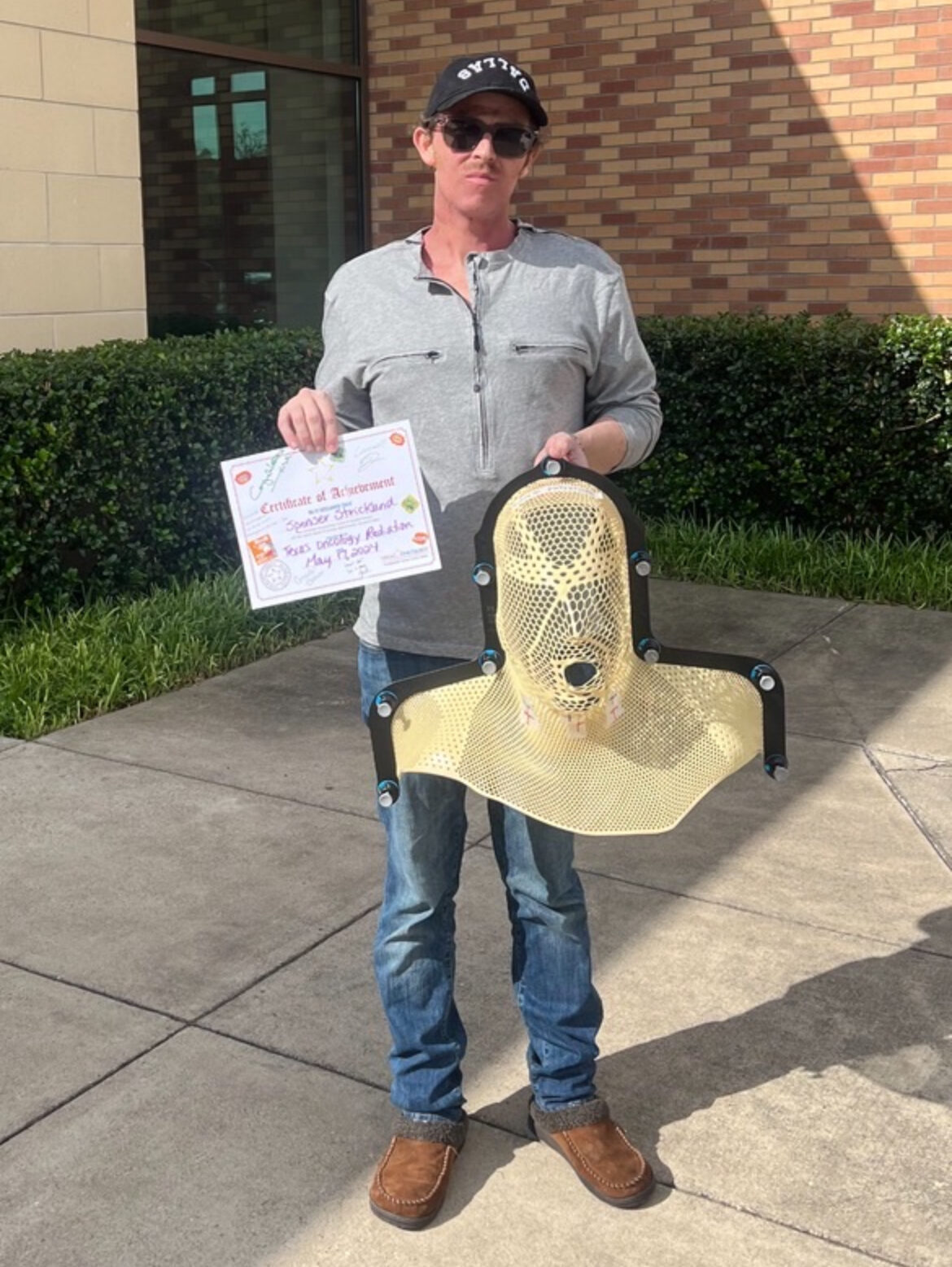
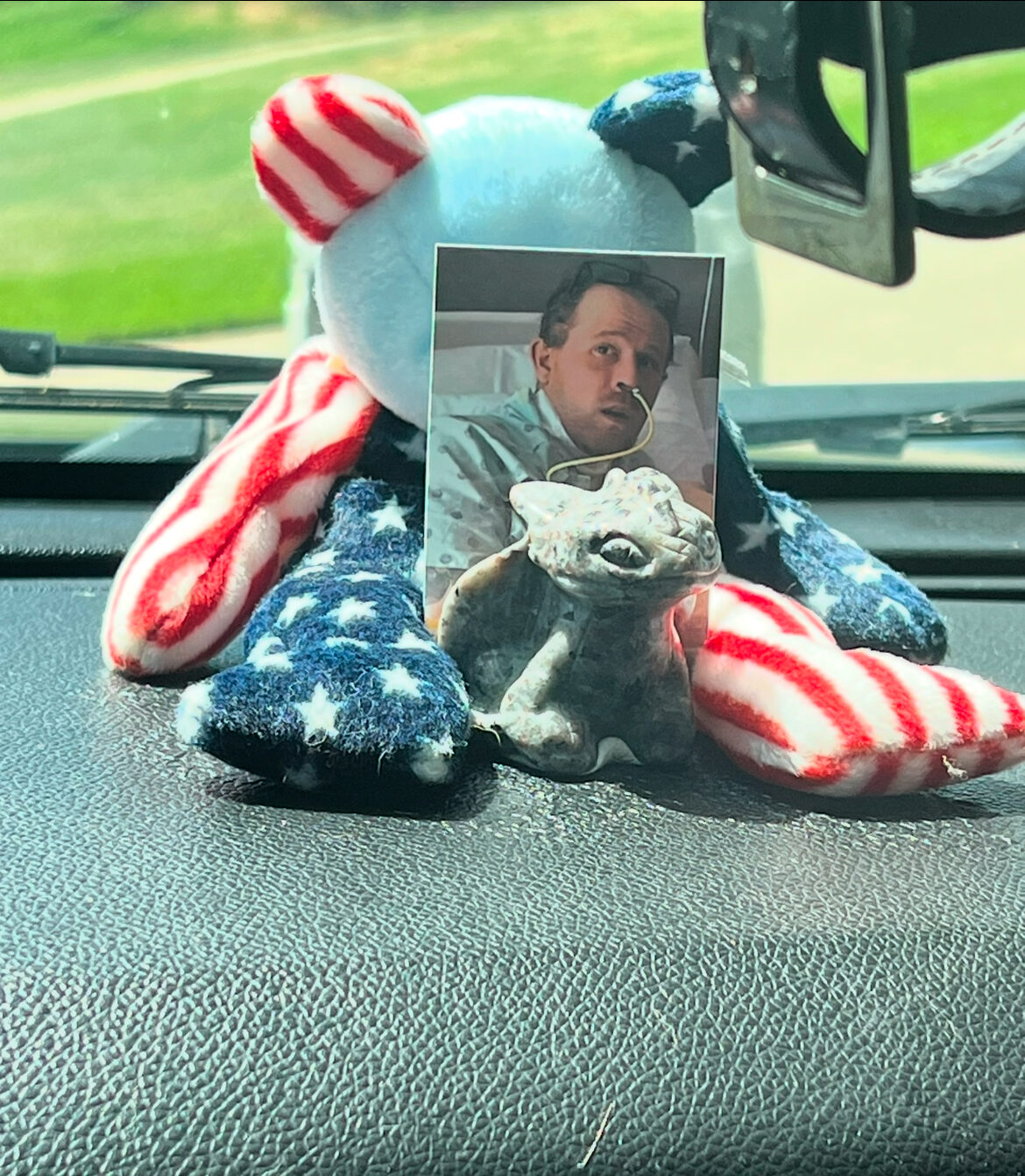
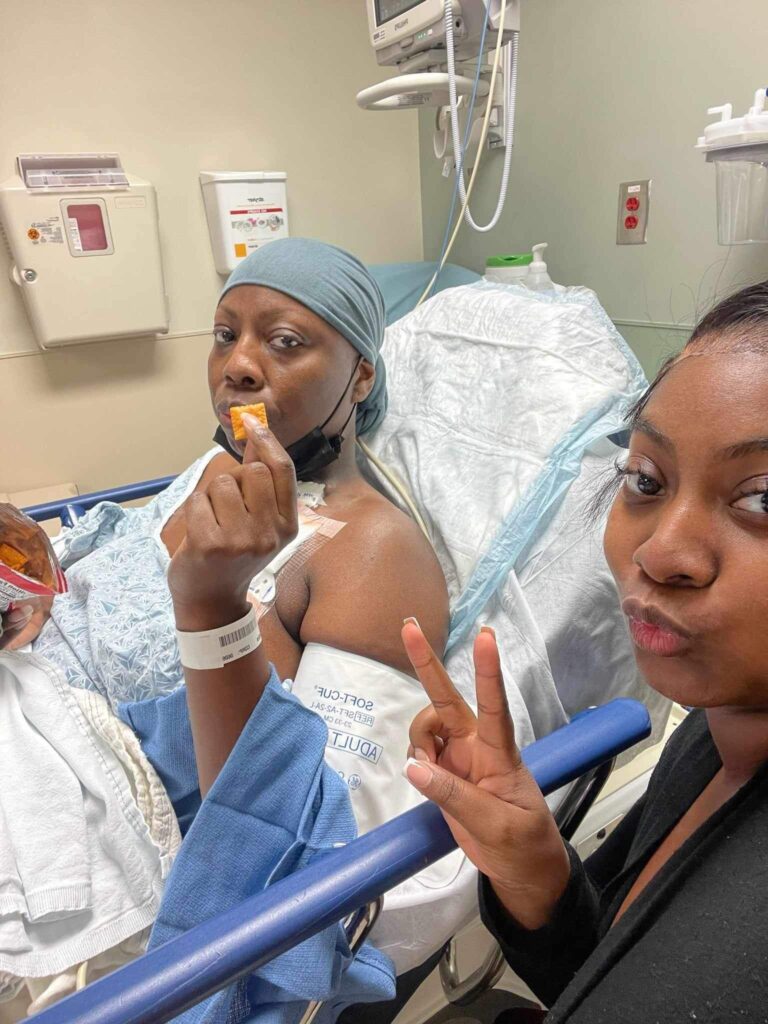
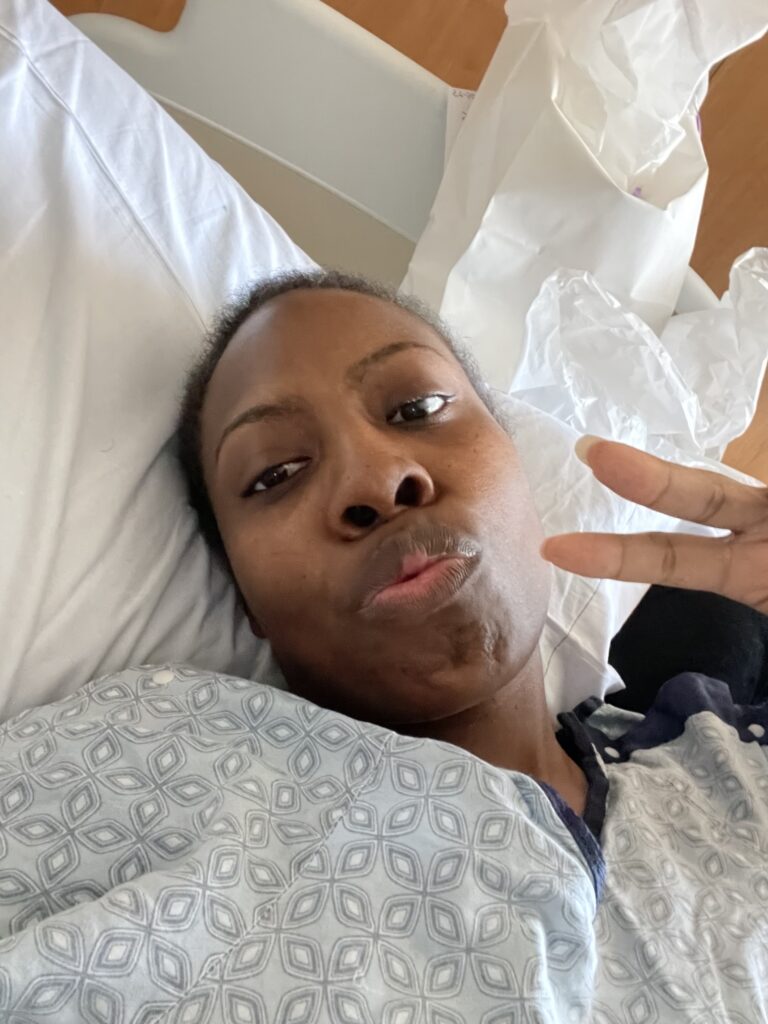
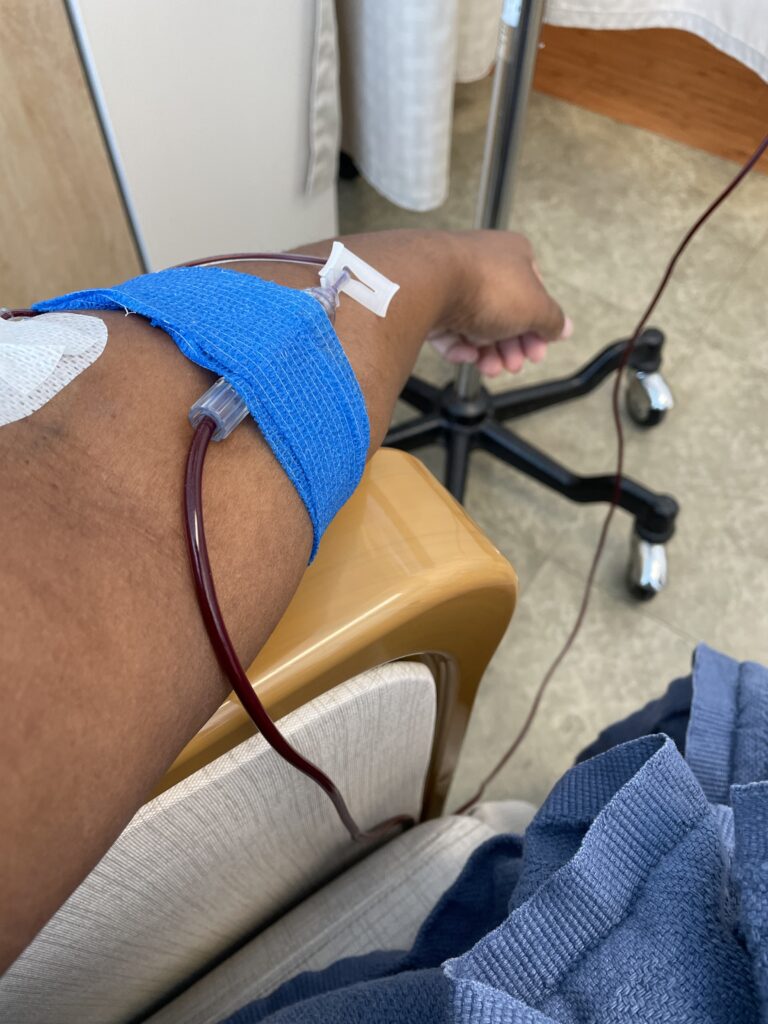
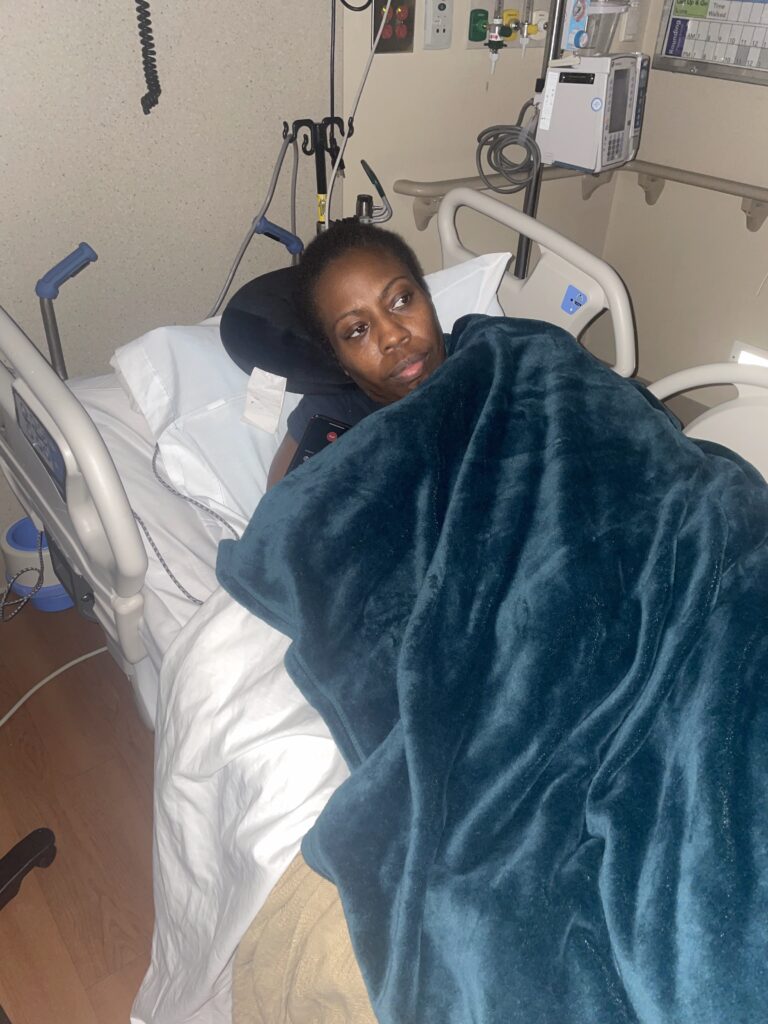
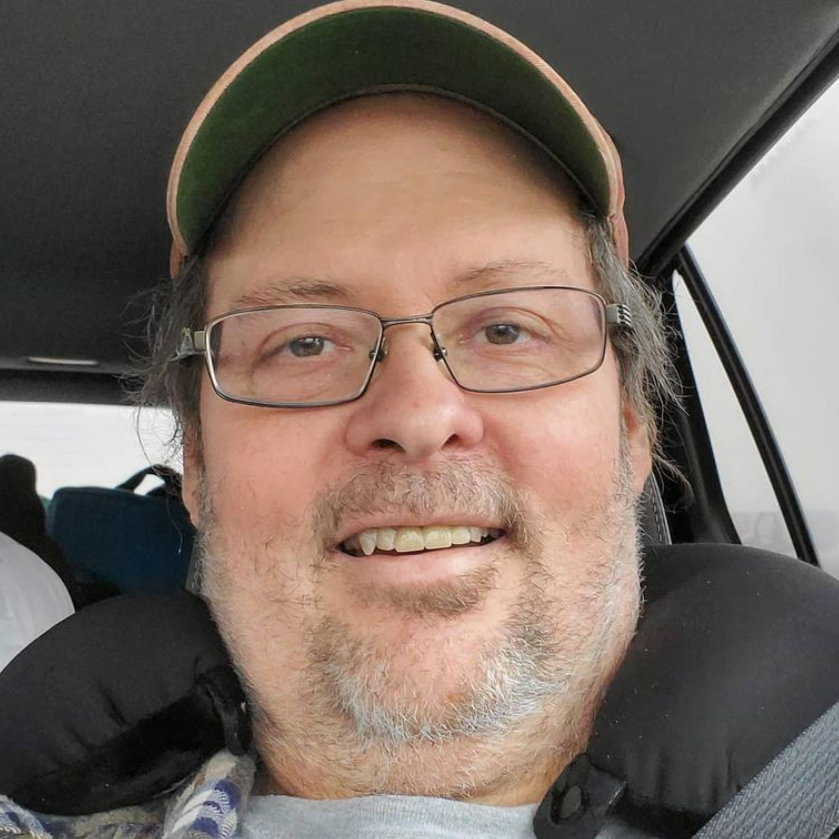
Spenser’s Stage 4 Oral Cancer Story: Turning Trauma into Triumph Against All Odds
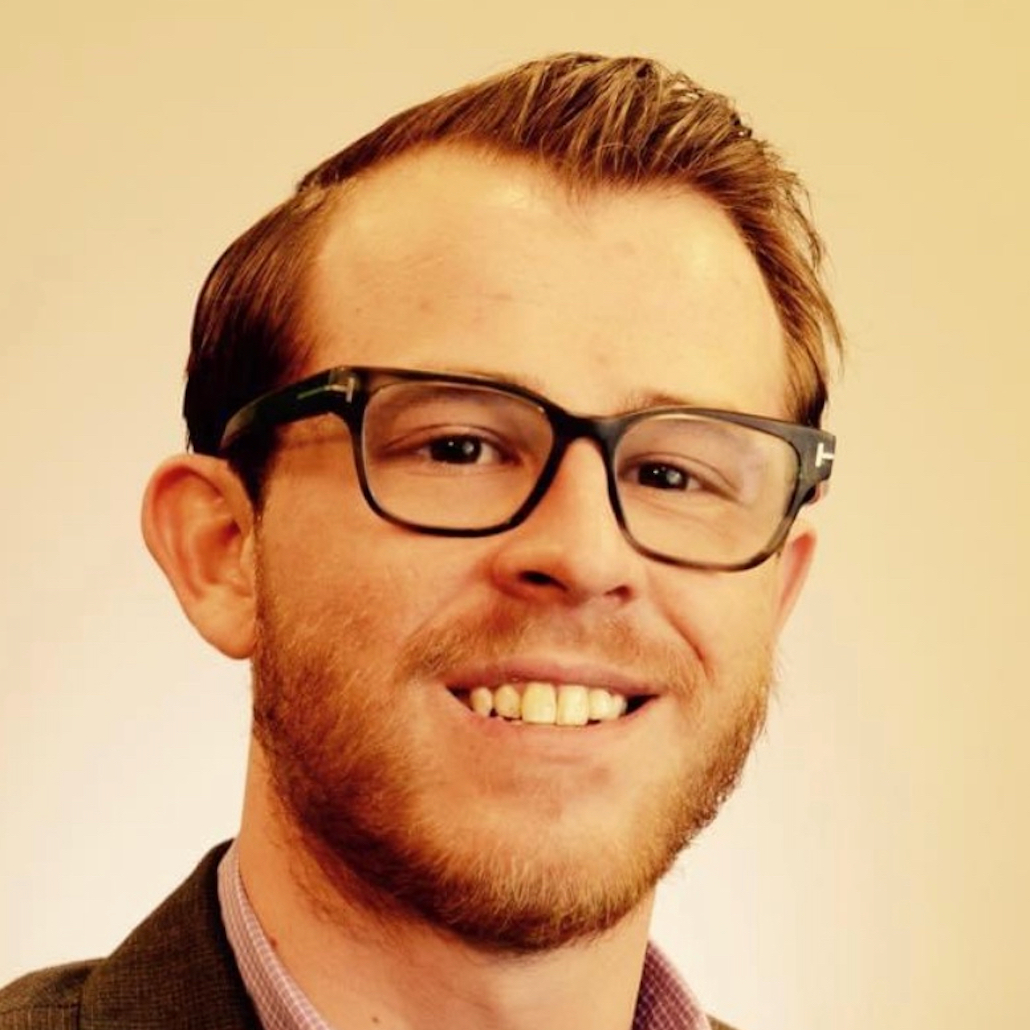
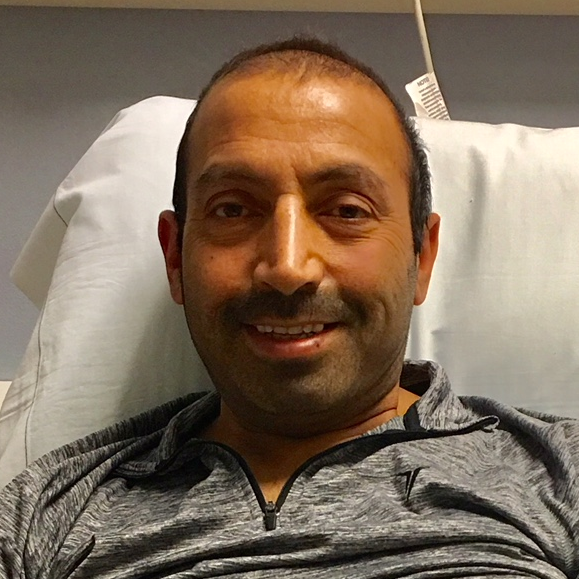
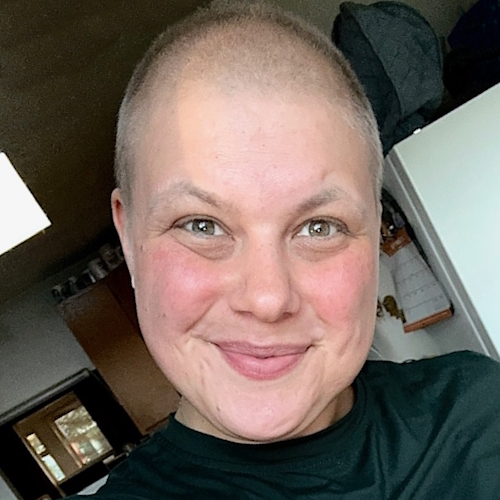
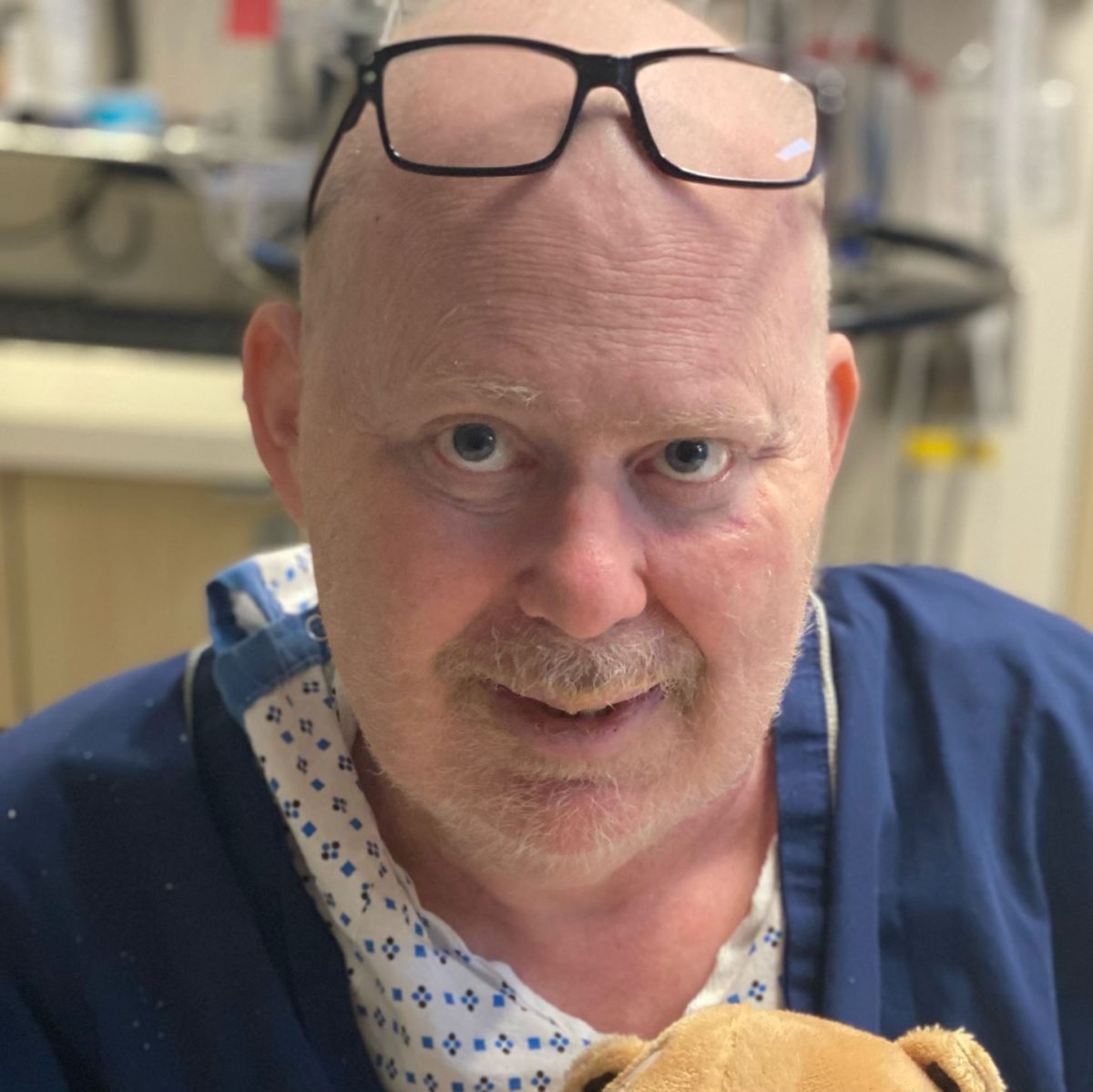
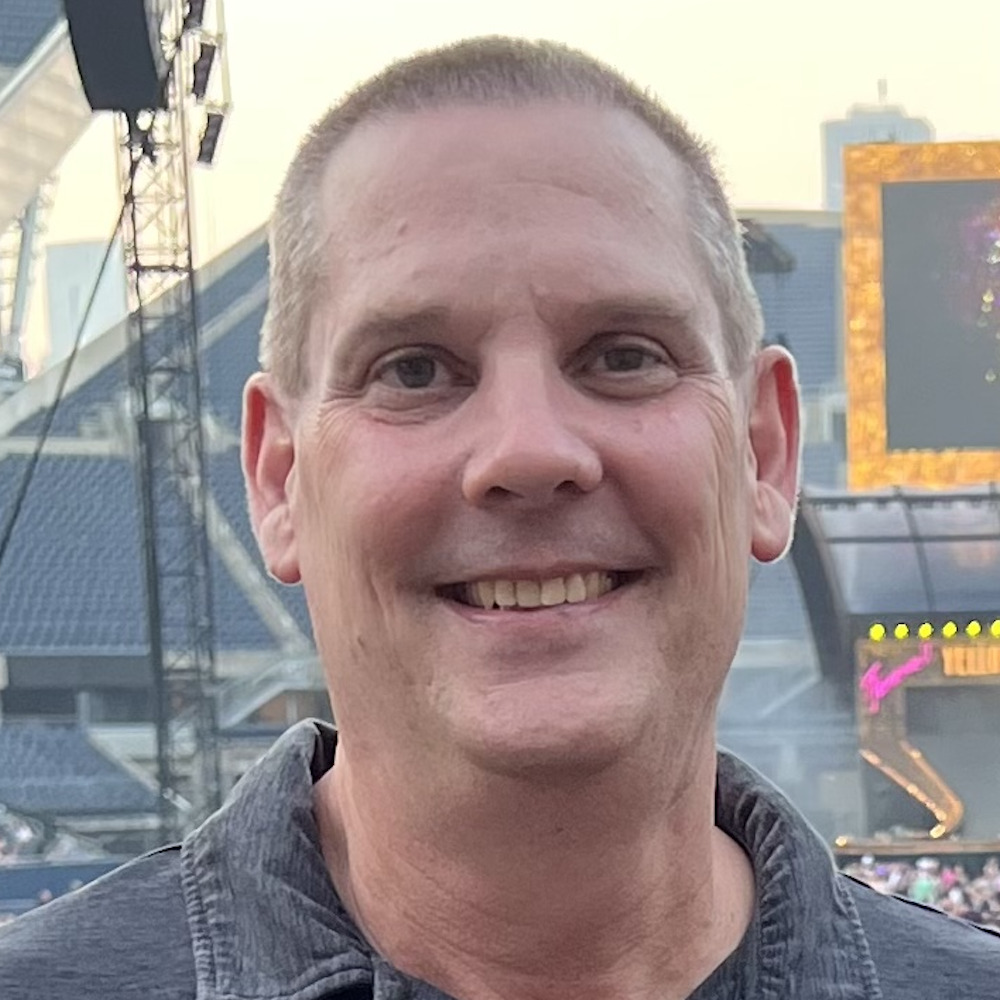
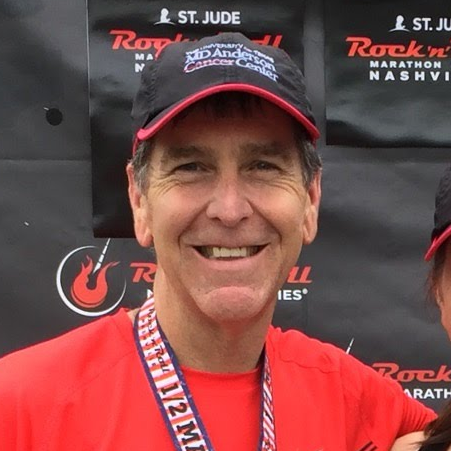
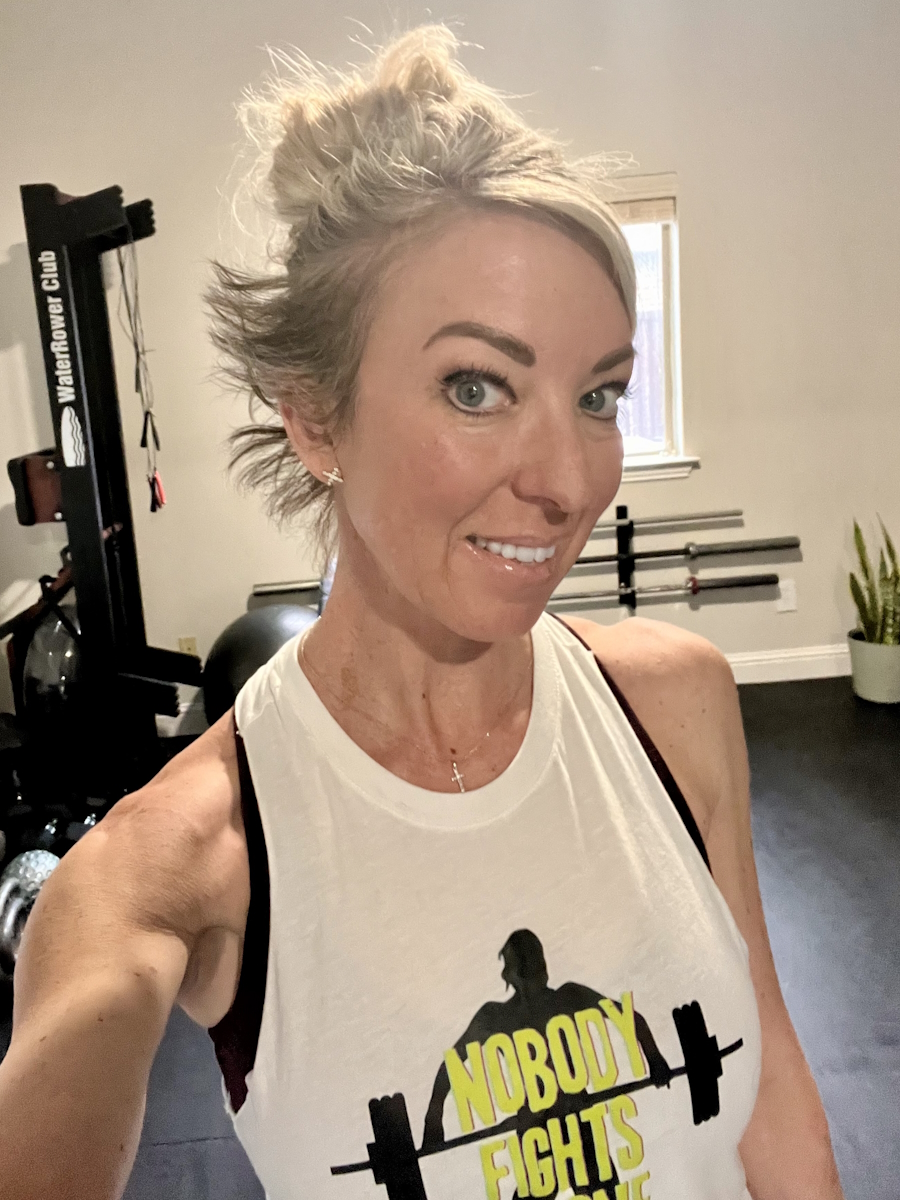
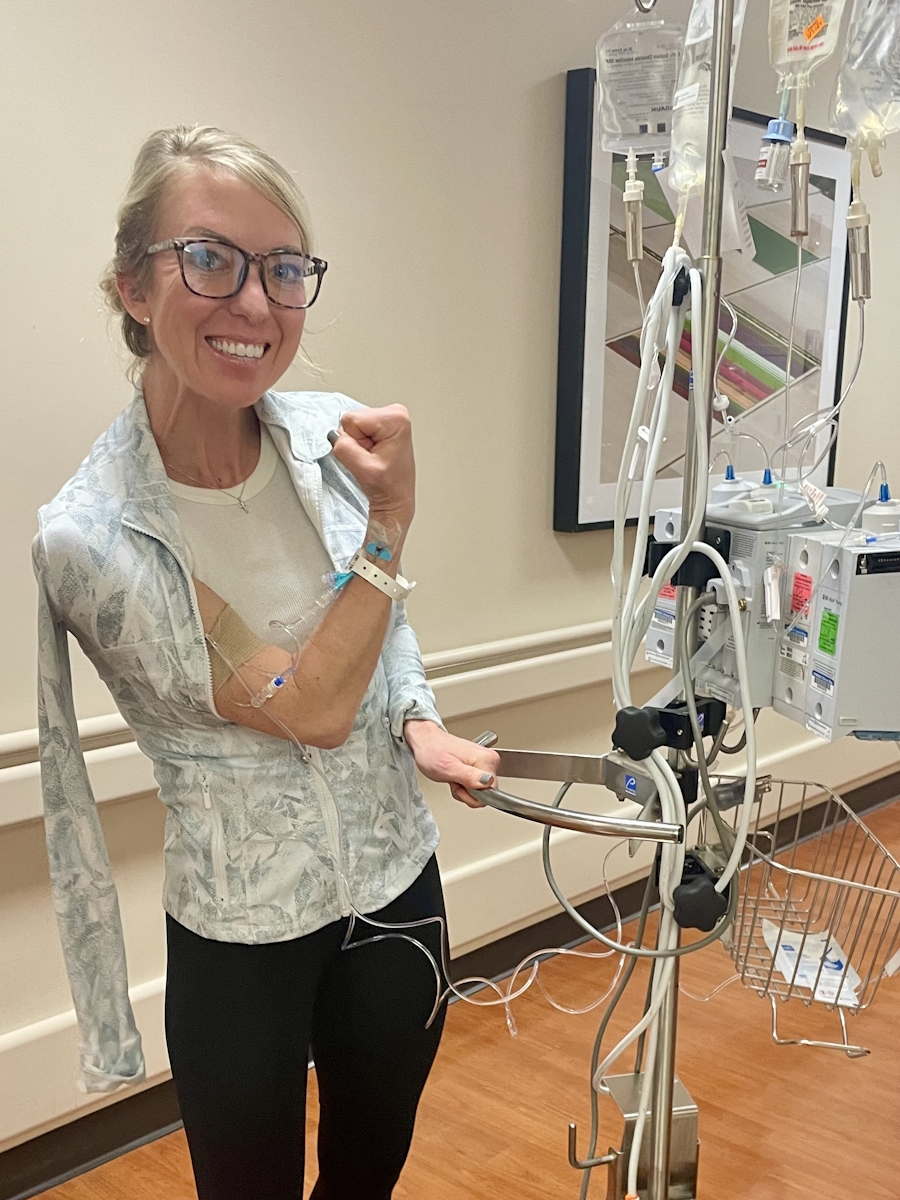
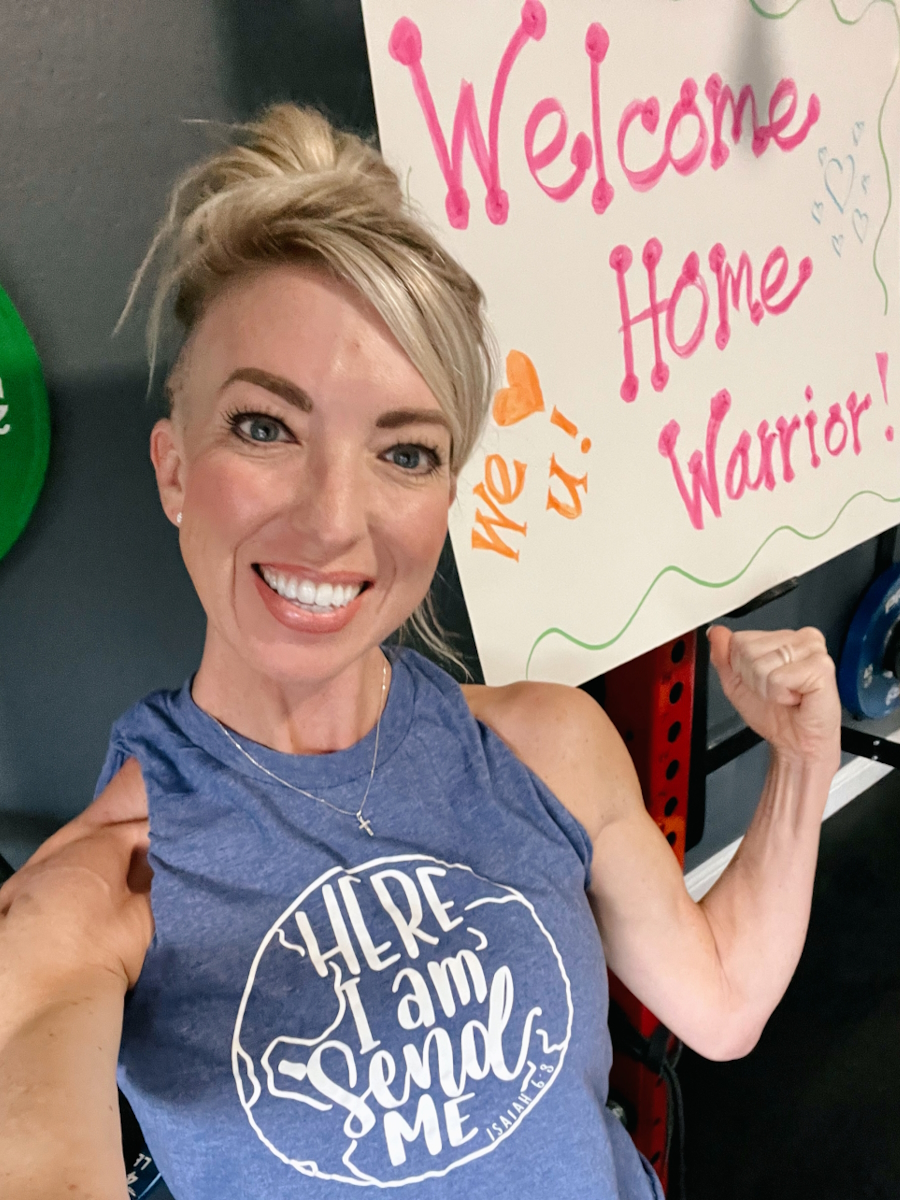
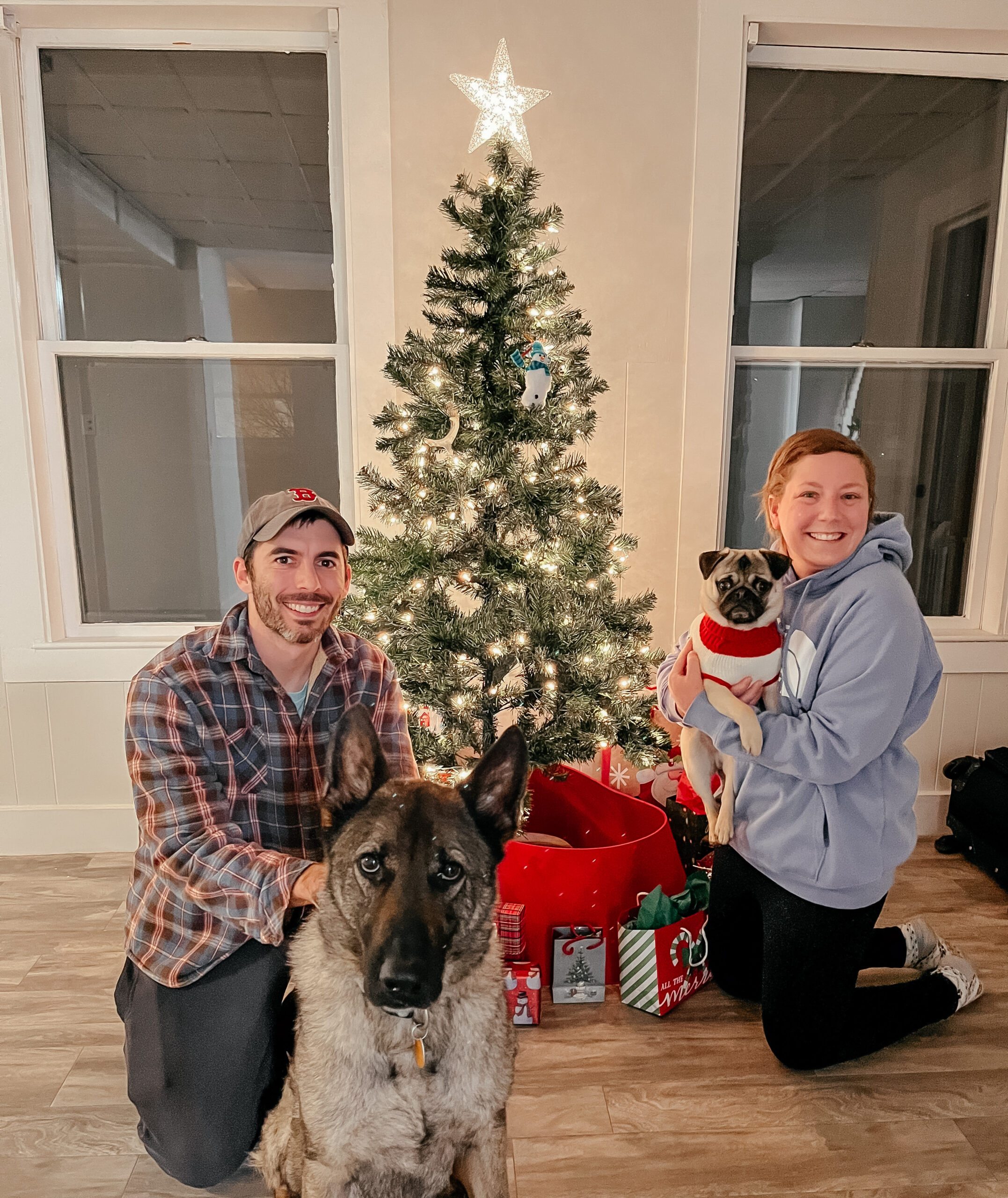
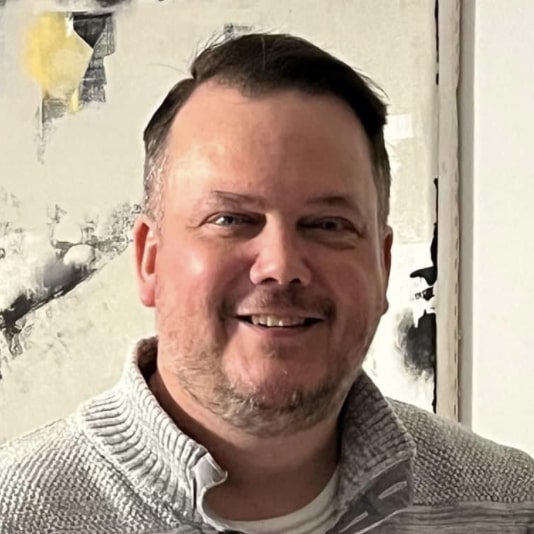
Spenser was diagnosed with stage 4 oral cancer. He had always been athletic and was training to be a professional bodybuilder. But in 2022, he experienced an excruciating toothache, which led him to visit the ER. Although he had the tooth removed, he still felt something was off.
Interviewed by: Nikki Murphy Edited by: Chris Sanchez
As time progressed, Spenser started to feel very tired and kept having canker sores. He powered through and continued his rigorous workout routines. By January 2024, though, he could no longer dismiss his symptoms. A dental visit revealed a jarring sight in his mouth, leading to a referral to an oral surgeon, who immediately suspected cancer.
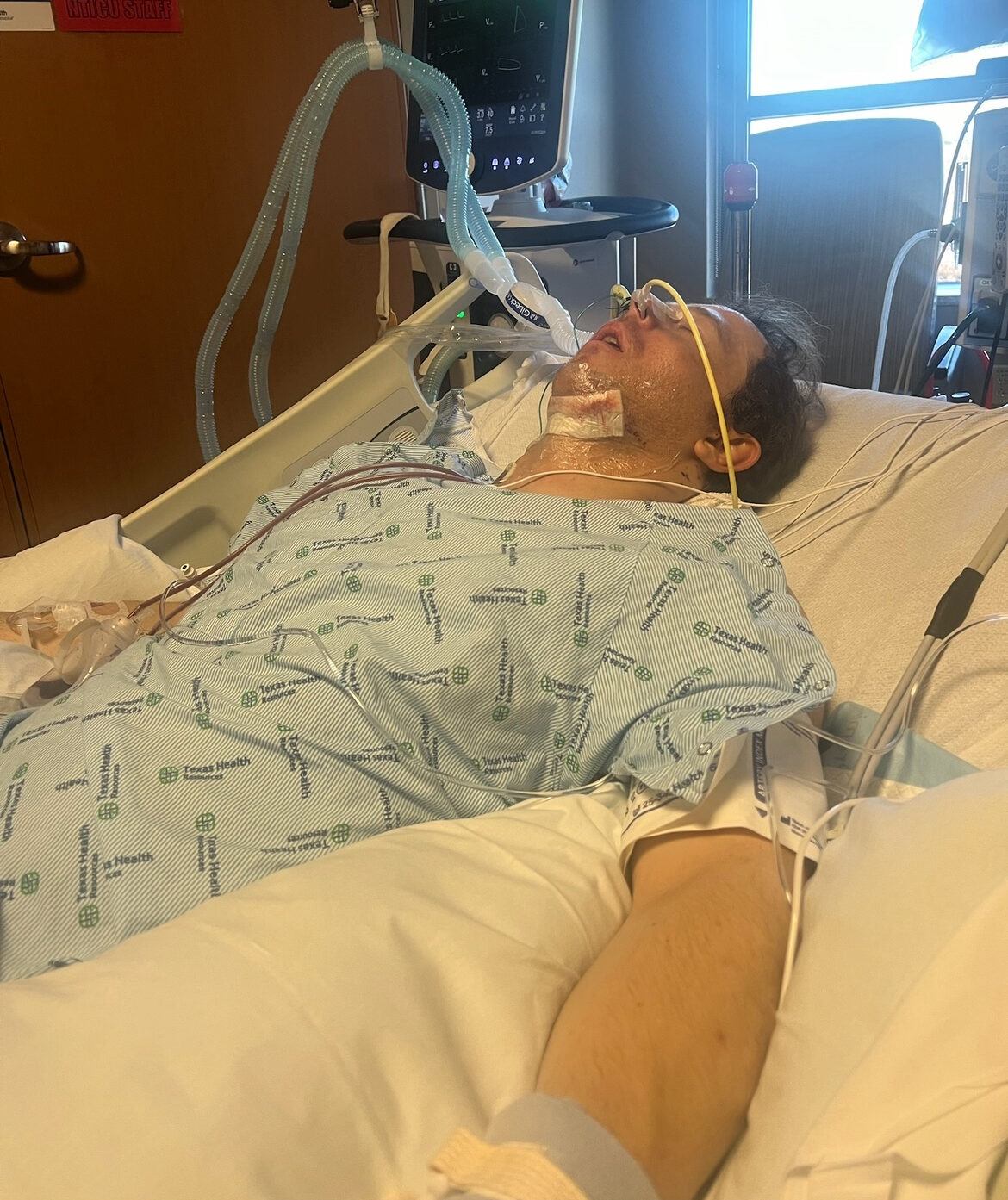
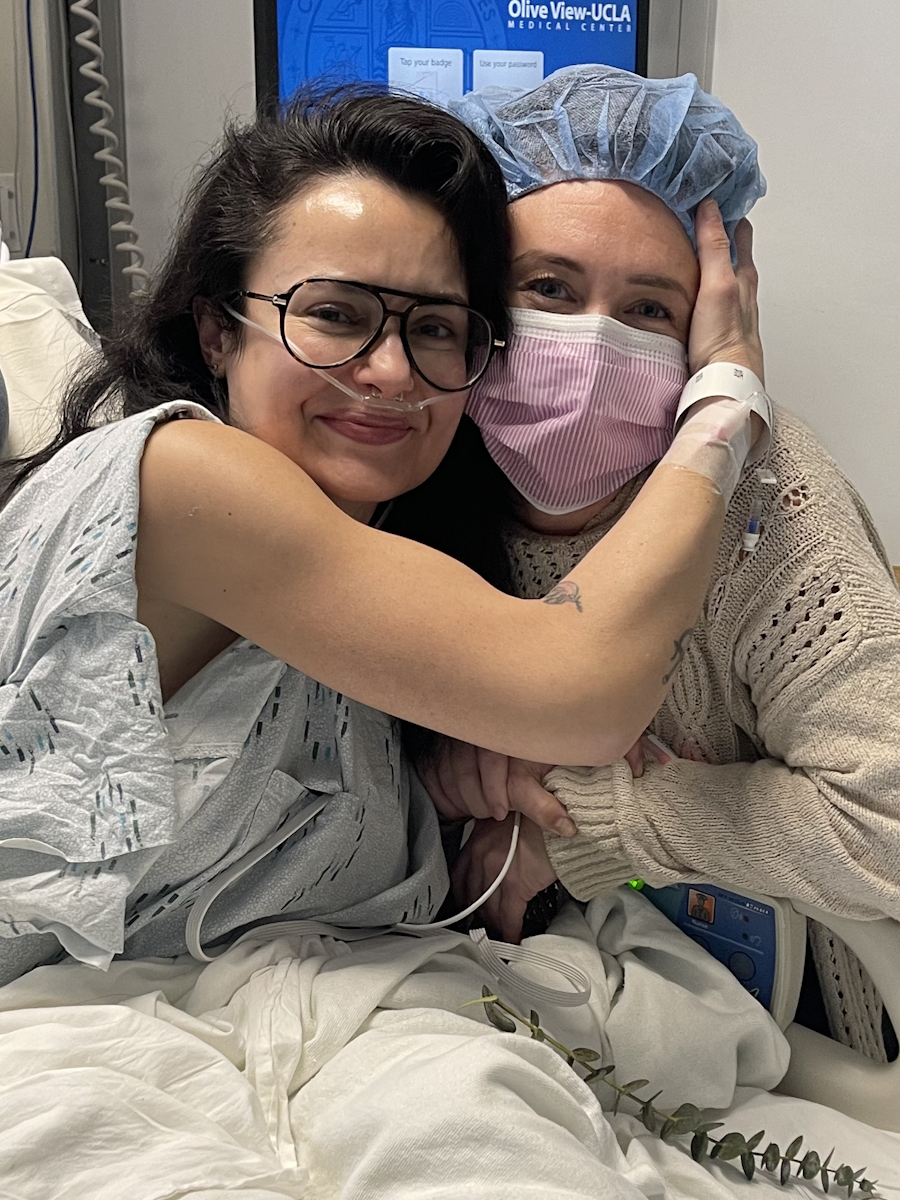
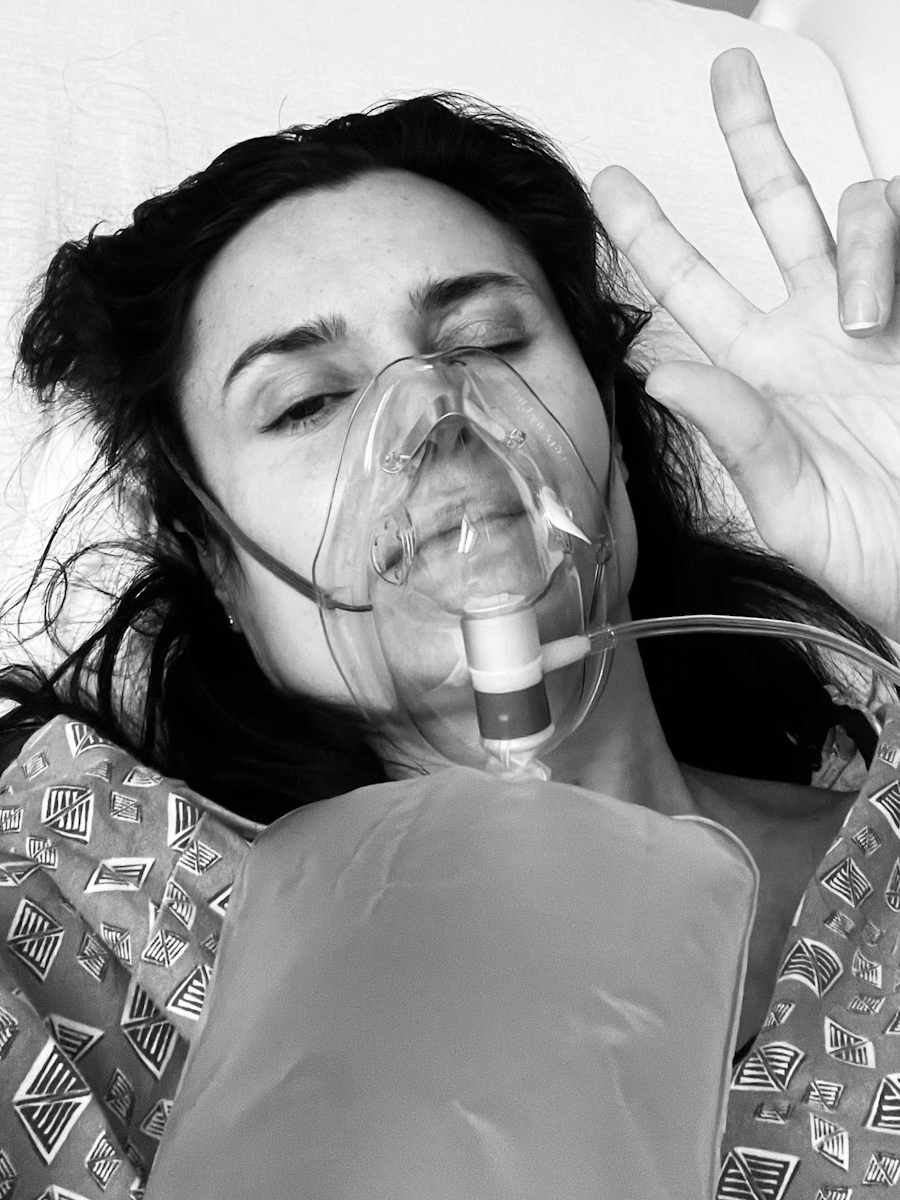
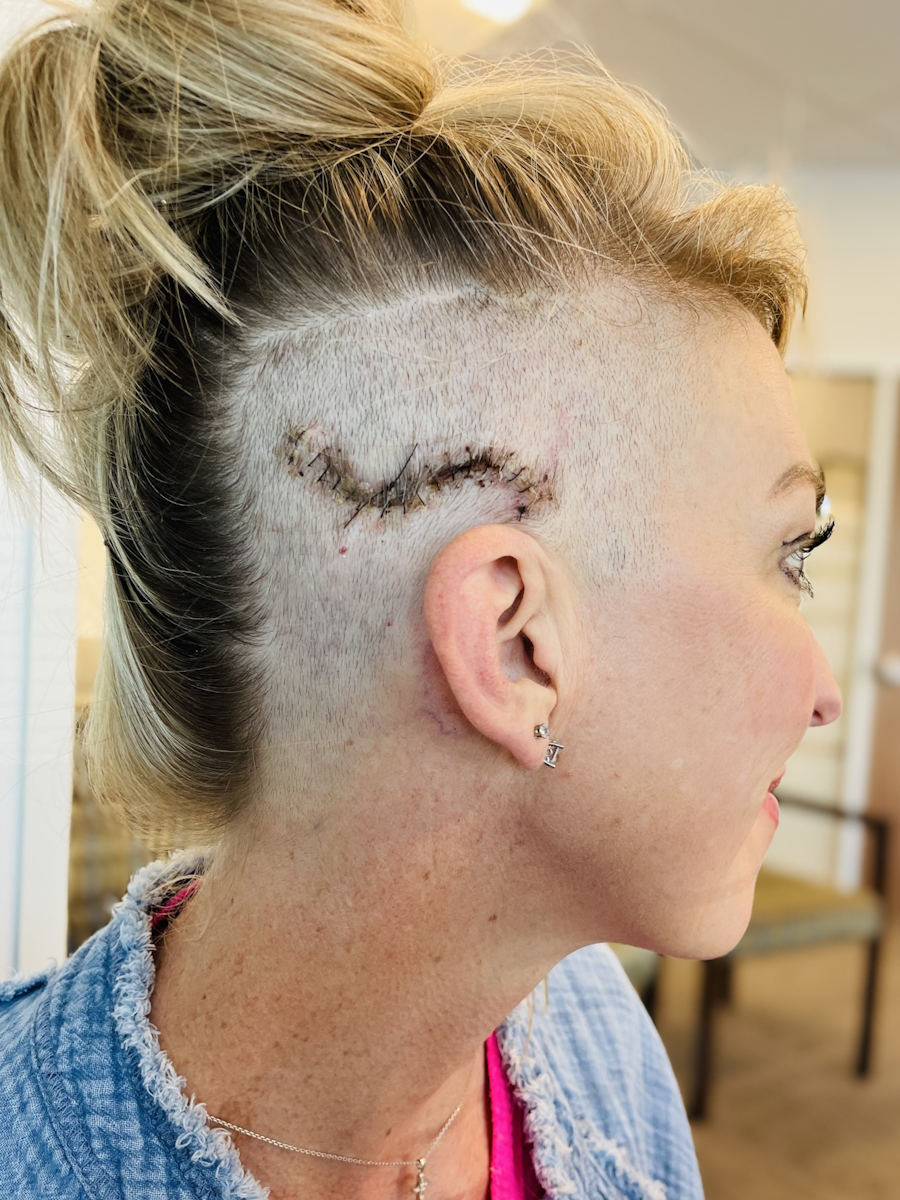
The surgeon’s suspicions proved true when Spenser was diagnosed with stage 4 oral cancer (squamous cell carcinoma of the tongue), which had spread to his neck and throat lymph nodes. To deal with a massive tumor, he underwent a grueling seven-hour surgery. The surgeon removed part of his tongue and numerous lymph nodes. The surgery was life-threatening, and his communication abilities were seriously jeopardized.
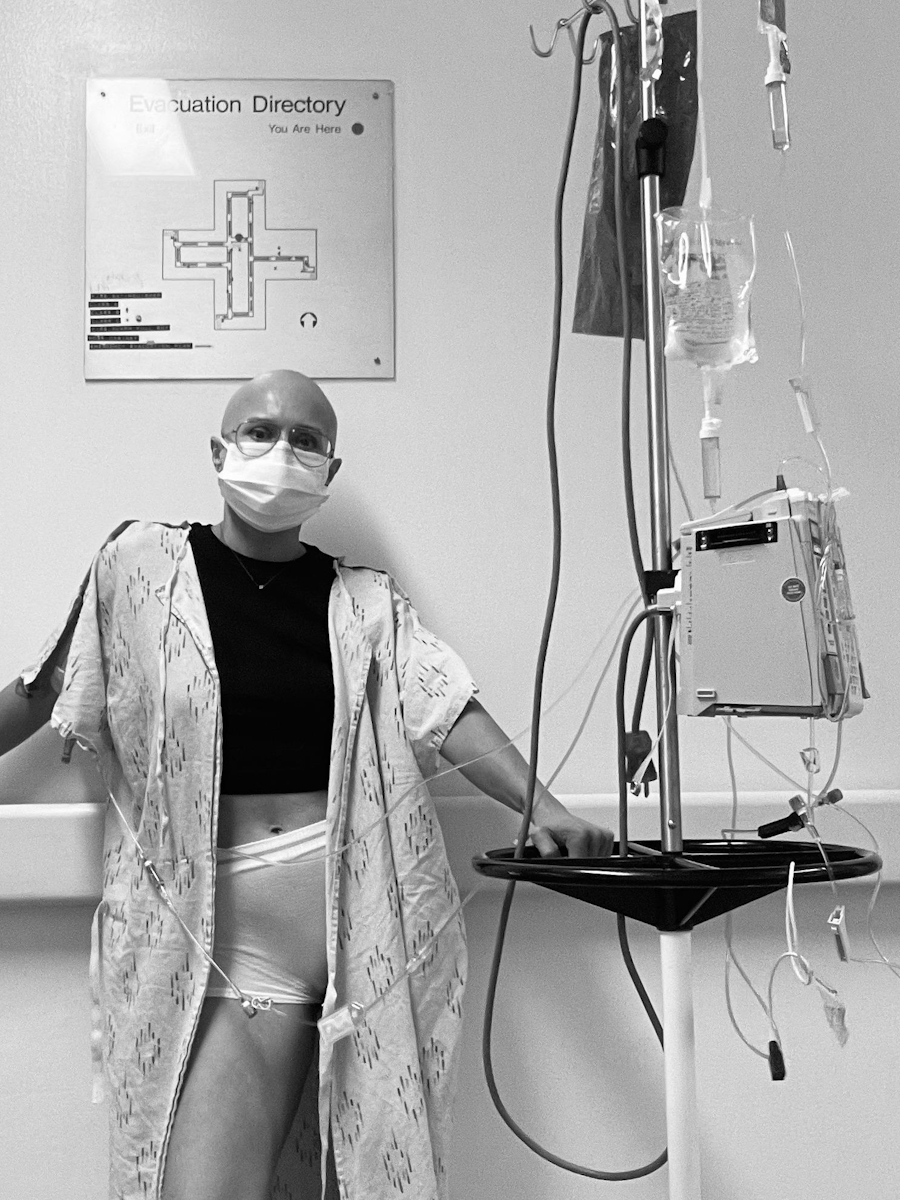
Recovering from surgery, Spenser next had to consider undergoing chemotherapy and radiation. He initially refused, but his doctors ultimately won him over. His treatment and its side effects were grueling, but Spenser’s resilience shone through. He defied expectations and refused to let his cancer defeat him.
Although Spenser survived stage 4 oral cancer, he experienced permanent kidney damage from chemotherapy and psychological scars, including PTSD and severe depression. Work became difficult, and he struggled under the pressure of his thoughts.
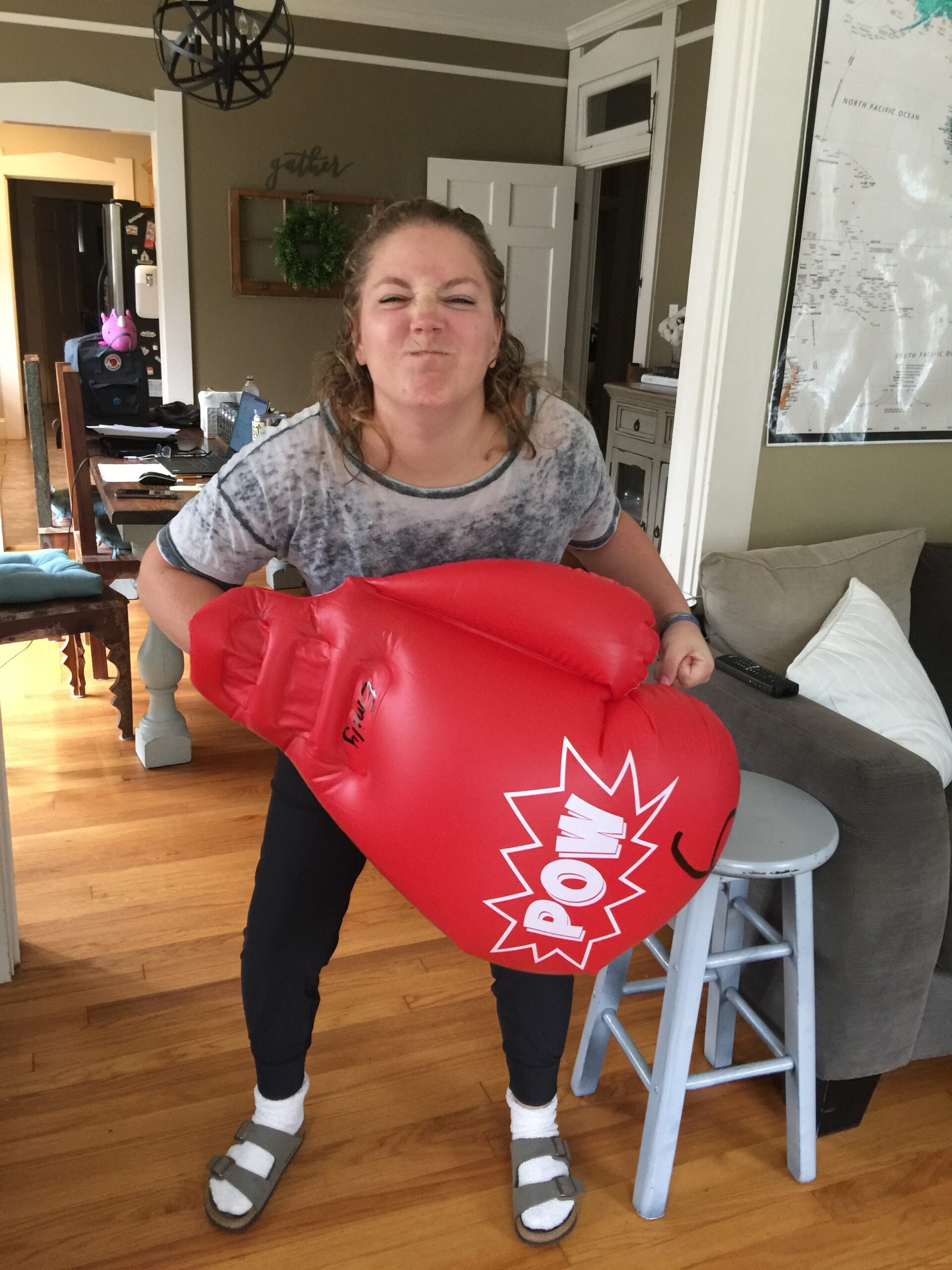
But Spenser rose to the occasion yet again. He found solace in boxing and embraced a new perspective on life. His story is about fighting against the odds, transforming trauma into strength, and never giving up.
Watch Spenser’s story for more about:
The importance of health and nutrition in cancer recovery.
How he remained resilient even during the hardest moments.
Listening to one’s body and seeking medical help if something feels wrong.
What he’d like other people to learn from his experience.
Name:
Spenser S.
Age at Diagnosis:
33
Diagnosis:
Oral Cancer (Squamous Cell Carcinoma of the Tongue)
Staging:
Stage 4
Symptoms:
Severe toothache
Excessive fatigue
Persistent canker sores
Appearance of a large cyst in the mouth
Treatments:
Surgery: partial removal of tongue, neck dissection with flap
Chemotherapy
Radiation
This interview has been edited for clarity and length. This is not medical advice. Please consult with your healthcare provider for treatment decisions.
Symptoms: Sore on the tongue, which caused pain during eating and speaking; changes in the color and texture of the tissue where the sore was located Treatments: Surgery (partial glossectomy, radical neck dissection, reconstruction), radiation
...
Beyond the Diagnosis: How Amanda Embraces Life with Terminal High-Grade Stage 4 Neuroendocrine Carcinoma
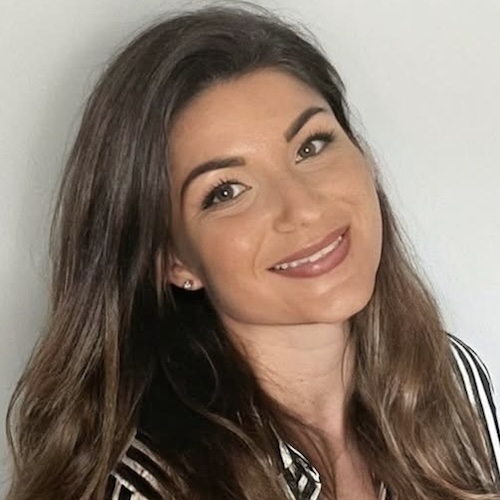
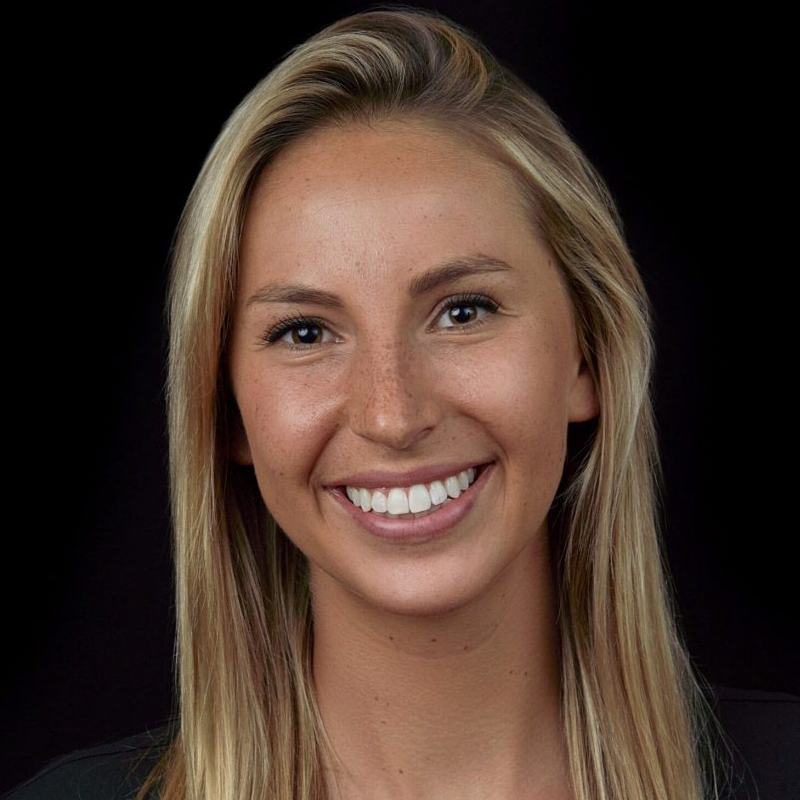
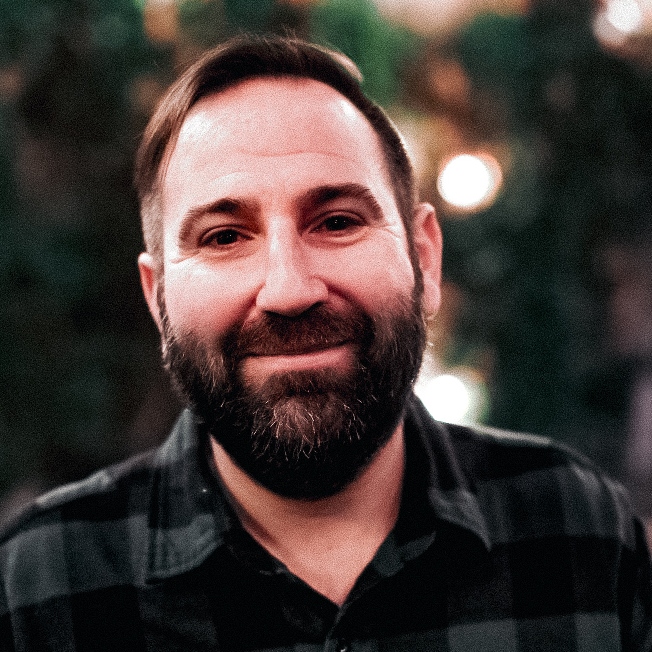
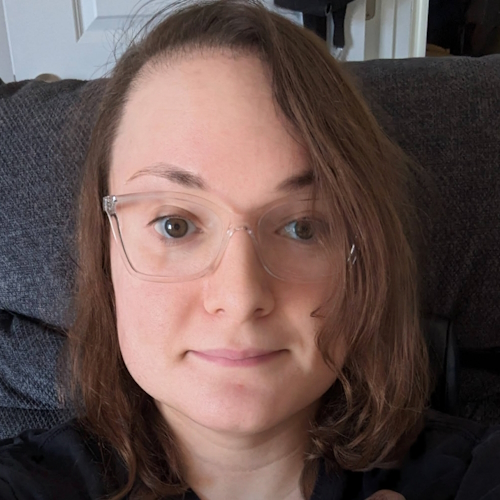
In January 2025, Amanda found out she had high-grade stage 4 neuroendocrine carcinoma. Her story began in 2023 with a persistent UTI and cough. Initially, she was misdiagnosed with an autoimmune disease and treated with immunosuppressants and cortisone. However, her original symptoms persisted, and she also started to experience other symptoms like coughing up blood and having difficulty breathing even while walking.
Interviewed by: Nikki Murphy Edited by: Chris Sanchez
An ultrasound finally revealed a rapidly growing tumor on one ovary. Amanda immediately had both the tumor and ovary removed. Afterward, pathology results determined it was stage 4 neuroendocrine carcinoma. Although it wasn’t the primary tumor, it had already metastasized to various parts of her body.
Amanda and her family grappled with the reality of terminal cancer. Clinical trials weren’t an option because she has an autoimmune disease and had previously taken cortisone. She struggled with whether or not to undergo chemotherapy, and after consulting with doctors and her family, she decided to try a cycle of chemotherapy. It initially improved her condition. But her fears came true when she soon began to experience serious side effects like throat sores and hair loss.
Despite the prognosis, Amanda remains hopeful. She plans to continue chemotherapy for six to eight months. She’s also exploring alternative and integrative therapies to support her body and potentially extend her life. At the same time, by openly sharing her stage 4 neuroendocrine carcinoma story, Amanda wants to inspire others to maintain hope.
Learn more about the following topics by watching Amanda’s story:
Learning to embrace life and being hopeful in the face of a terminal cancer diagnosis.
Finding strength in activities like yoga and meditation.
Exploring all possibilities for well-being.
Drawing solace from a strong support system.
Name:
Amanda S.
Age at Diagnosis:
32
Diagnosis:
High-Grade Neuroendocrine Carcinoma
Staging:
Stage 4
Symptoms:
Breathing problems, especially during activities like walking
Persistent cough
Coughing up blood
Urinary tract infections
Pain in belly
Treatments:
Chemotherapy
Surgery
This interview has been edited for clarity and length. This is not medical advice. Please consult with your healthcare provider to make informed treatment decisions.
The views and opinions expressed in this interview do not necessarily reflect those of The Patient Story.
Hope and Health: Luna’s Experience With Stage 4 ROS1+ Non-Small Cell Lung Cancer
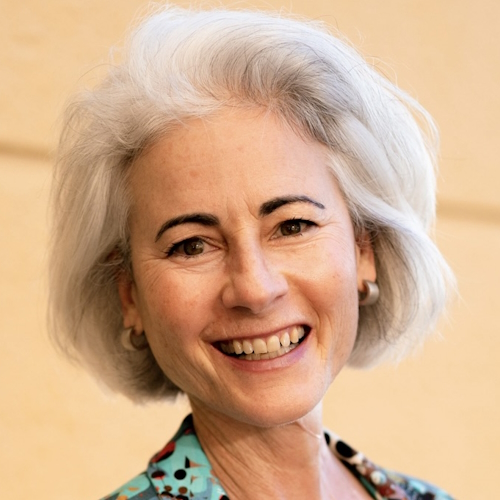
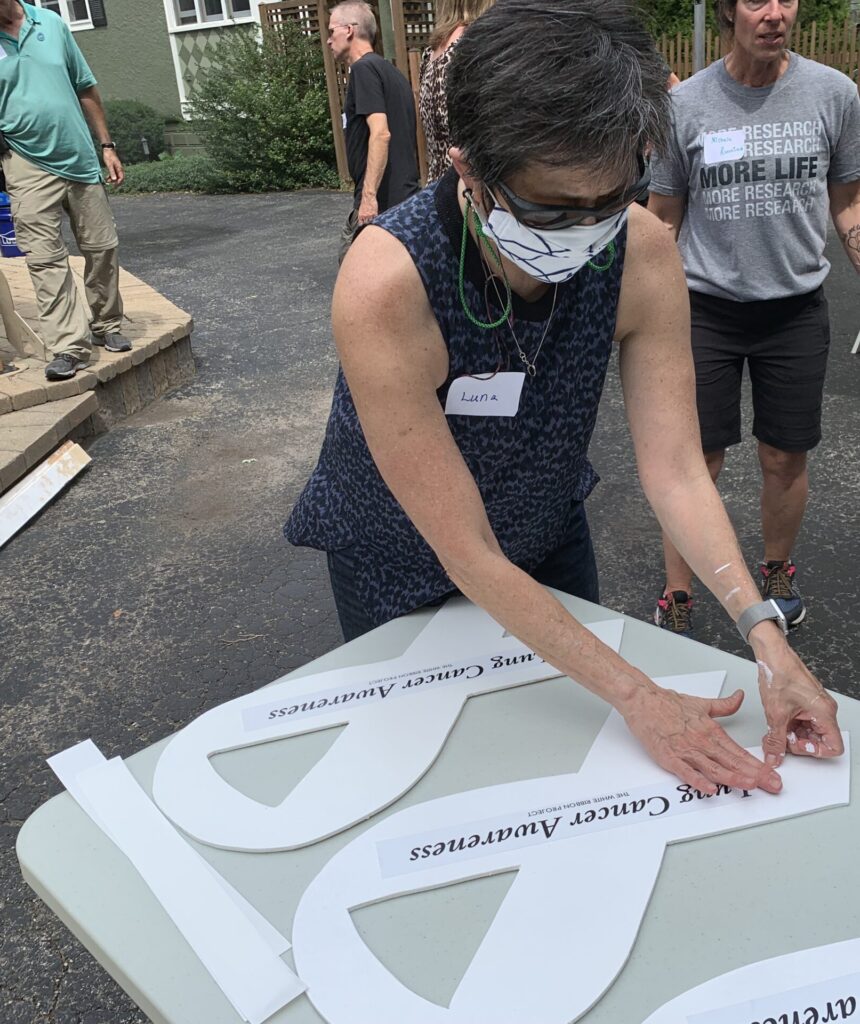
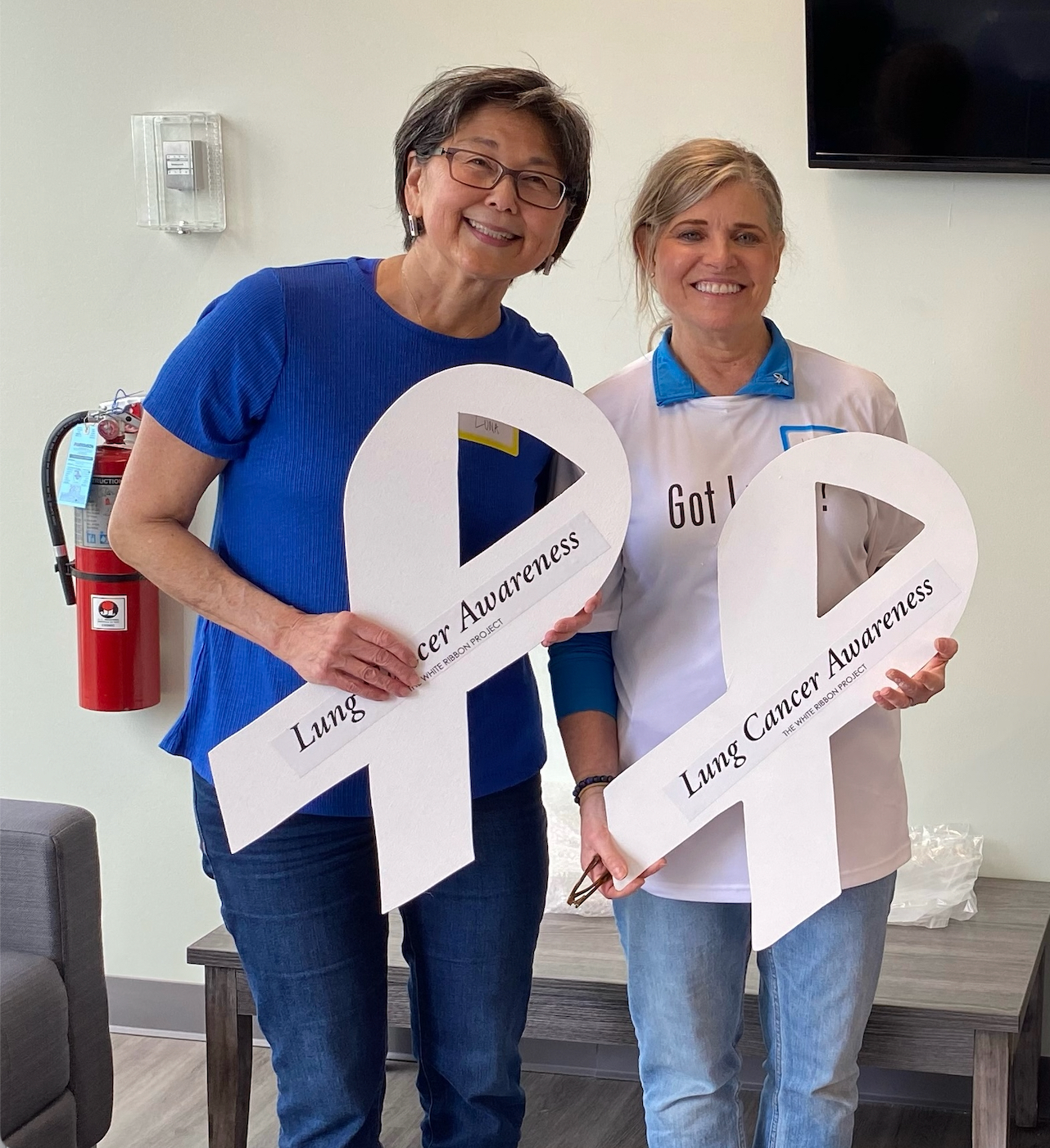
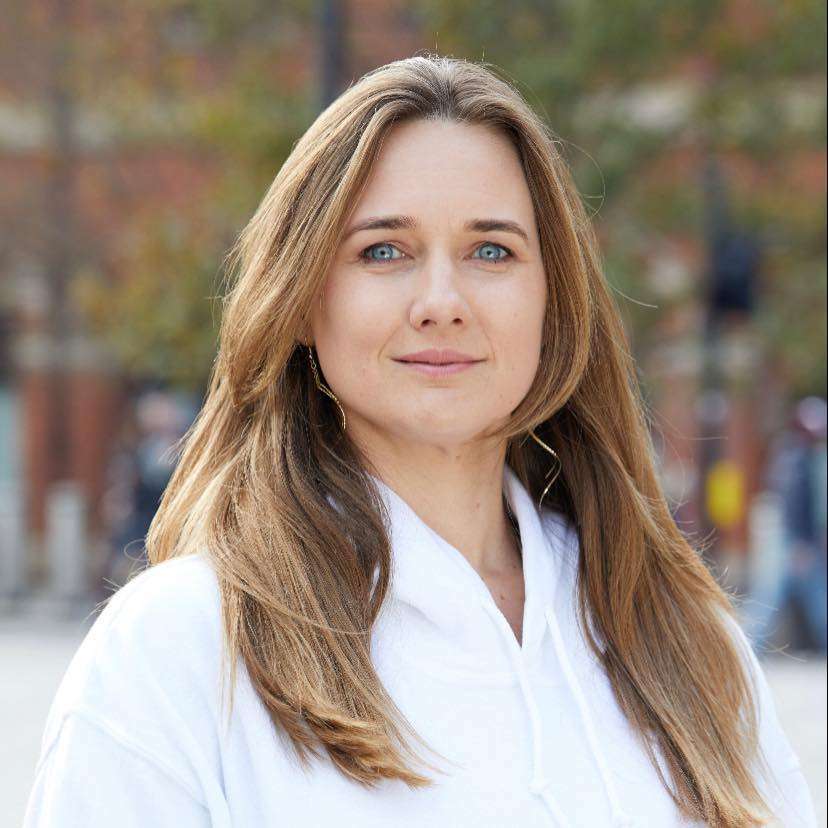
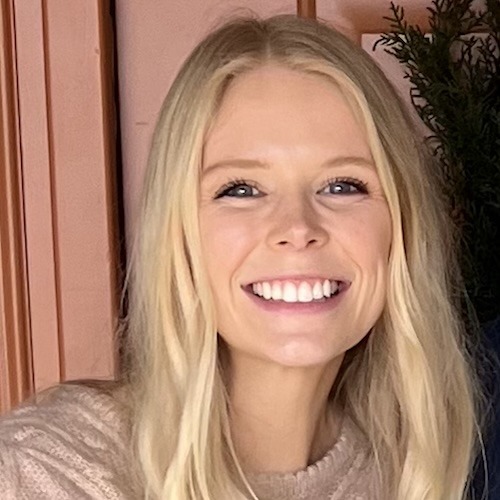
Luna, a retired genetic counselor, was diagnosed with stage 4 lung cancer (non-small cell adenocarcinoma of the lung, ROS1+) in December 2012 at age 54, despite having no lung symptoms before diagnosis. She shares her story of discovery, her reaction to hearing that she had cancer, and the steps she and her medical team took afterwards.
Interviewed by: Taylor Scheib Edited by: Chris Sanchez
The diagnosis was unexpected, as Luna had been active and healthy, with no risk factors for lung cancer. Her initial reaction was shock, but she subsequently maintained a practical approach, focusing on treatment options.
Luna underwent traditional chemotherapy and later got tested for the EGFR and ALK genetic mutations, for which she turned out to be negative. However, her doctors discovered that she had the ROS1 mutation. She was then given a targeted oral chemotherapy medicine that eventually stabilized her stage 4 lung cancer.
Luna finds hope and positivity crucial in managing her health, establishing a strong support system, and encouraging biomarker testing for comprehensive treatment plans. She emphasizes the importance of a positive attitude, a balanced lifestyle, and gratitude. Luna wishes to raise awareness about lung cancer, especially among non-smokers, and supports broader screening programs.
Name:
Luna O.
Age at Diagnosis:
54
Diagnosis:
Non-Small Cell Lung Cancer (Adenocarcinoma of the Lung)
This interview has been edited for clarity and length. This is not medical advice. Please consult with your healthcare provider to make treatment decisions.
So much of it is an attitude of gratefulness. I feel gratitude every single day, and that feeling keeps me going for tomorrow.
Luna, Non-Small Cell Lung Cancer Patient
Introduction
I was diagnosed in December 2012 at the age of 54 with stage 4 lung cancer. I had a small lung tumor, but my liver was loaded, and it had seeded many of my bones.
My husband is a pediatrician. We’ve been married for 38 years. We have two adult children, Nathan and Nina, and two grandsons, Nori and Kai. I used to be a genetic counselor and worked in pediatrics, prenatal genetics, and public health genetics. In 2024, I retired after 41 years of genetic counseling.
I’m grateful because I have such an incredible village of friends and family who’ve supported me not only after my cancer diagnosis but also pretty much throughout my life.
Before My Diagnosis
My stage 4 lung cancer diagnosis has a somewhat unusual history. I’ve never had any lung symptoms.
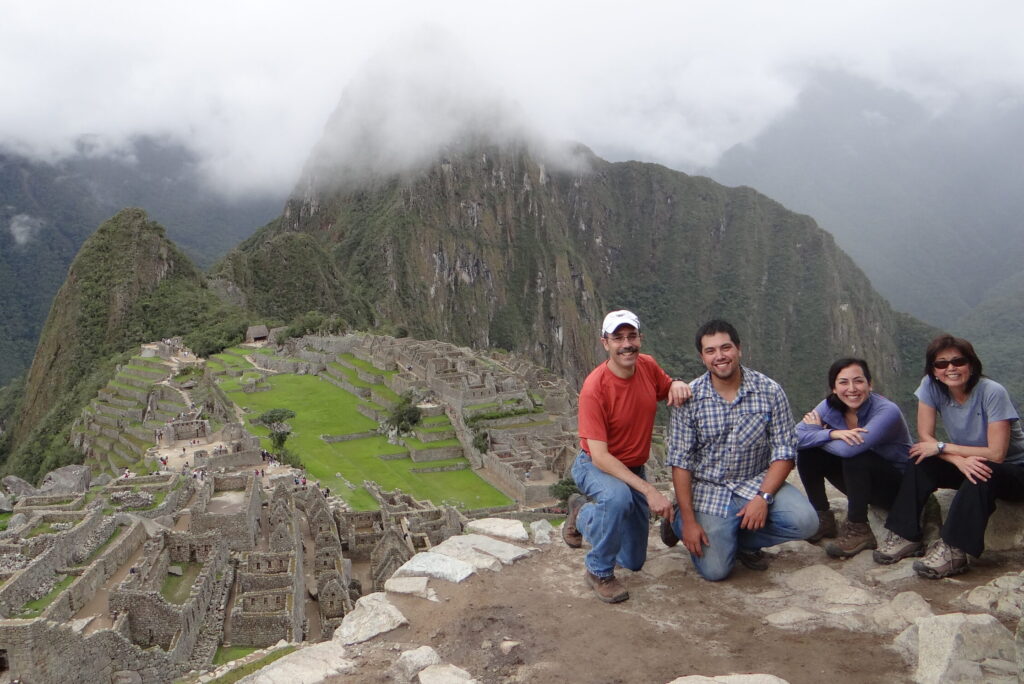
The week before my diagnosis, my family and I traveled to Machu Picchu in Peru. I had been training because I didn’t want to hold my family back. At the time of this trip, I was probably the fittest I had been in 20 years.
Two days after returning from that trip, I began to experience severe abdominal pain. I was convinced it was due to drinking contaminated water during my travels. I had to visit the ER. There, the doctors performed imaging and discovered that I had advanced cancer.
I’m grateful because I have such an incredible village of friends and family who’ve supported me not only after my cancer diagnosis but also pretty much throughout my life.
Luna, Non-Small Cell Lung Cancer Patient
My Stage 4 Lung Cancer Diagnosis
There was a small tumor in my lung. My liver was loaded and most of my bones had tumors in them as well.
We didn’t know how my stage 4 lung cancer started at the time, but I had no symptoms. No shortness of breath, nothing. I did experience some aches when I was training, but I thought they were due to my age and physical activity, so I brushed them off.
How I Reacted
The ER doctor took a long time to get back to my husband and me. I later learned from a friend of ours who works in the ER that this physician was looking at my imaging. He was having trouble coming in to talk to us about the findings.
When he finally did come in, he said, “We found lesions in your lung, liver, and bones. We’d like to admit you so we can figure out where these tumors came from.”
I said, “Time out. Are you telling me that I have cancer?” And he said, “Yes.” He never said the word itself.
I was stunned and couldn’t believe what he said. I was such a low-risk person for lung cancer and had always been such a healthy person. Again, we did not know how it started at the time. So, I was admitted for a couple of days and had lots of blood tests and more imaging.
I had no risk factors. Back then, I didn’t know that people who never smoked could still get lung cancer. I didn’t know enough about cancer itself, even about the stages of cancer. I was in that place of ignorant bliss. We were sitting with our friend who’s a surgeon and my husband was crying. I was so sad and said, “Don’t cry. Maybe this isn’t a big deal.” However, our friend said, “It is a big deal.”
That was good for me to hear. Here I was in this la-la land, thinking I could get over this and that it would go away. I got a pit in my stomach for the first time, but I wasn’t upset. I was grateful that he put it on the line like that for me. I’m a practical person and don’t want to read between the lines, so you don’t have to talk to me with a lot of fluff. Just tell me what’s happening.
I think I cried too because I was making everybody so sad. I think it’s somewhat cultural. My family is Japanese, so we want to know what the next step is with the realization that there is a circle of life and everything proceeds from one step to the next. I had this more practical approach to my stage 4 lung cancer diagnosis.
I was stunned and couldn’t believe what he said. I was such a low-risk person for lung cancer and had always been such a healthy person.
Luna, Non-Small Cell Lung Cancer Patient
Liver Biopsy
The next step was to do a biopsy. In 2012 and early 2013, they had just started testing for tumor markers. At the time, there were only two. Now, there are many more. However, two gene mutations were treatable with oral chemotherapy: EGFR and ALK.
We did a liver biopsy. I was hoping I would be positive for one of the mutations because the thought of having to take a pill a couple of times a day for my stage 4 lung cancer was appealing to me. However, I tested negative for EGFR and ALK. That was in mid-December to the end of December, about two or three weeks later. We had done all this testing, but we hadn’t done anything to fight the cancer.
My Treatments and Further Testing
Chemotherapy
I was getting anxious that my cancer was continuing to progress and I wanted to get something going. When we got the negative biomarker test results, I started traditional chemotherapy, a three-medication regimen.
My insurance hadn’t approved one of the medicines by the time I got to the chemo room. I would have to put it on my credit card. The cost stunned me — $7,800 for one dose. But if my insurance approved it and the practice received payment, I would be reimbursed.
I said, “Why don’t I just wait? I’ll come back and get that third dose when our insurance approves it.” My husband said, “No, no, no, we’re going to put it on the credit card.” But I said no. If worse came to worst, I didn’t want to leave any debt. Eventually, we put it on our card and my insurance ended up reimbursing us.
I had two rounds of that chemotherapy regimen and experienced all the classic side effects. Then when we did follow-up imaging, the doctors found that my stage 4 lung cancer had progressed, so the regimen wasn’t helping me at all. That’s when my doctor suggested that I get tested for this newly described gene mutation: ROS1.
I had no risk factors. Back then, I didn’t know that people who never smoked could still get lung cancer. I didn’t know enough about cancer itself, even about the stages of cancer.
Luna, Non-Small Cell Lung Cancer Patient
ROS1 Testing
ROS1 was new at the time and back then, they thought that it accounted for about 1% of people with adenocarcinoma of the lung. I thought, okay, that means a 99% chance that I won’t have this.
When I tried to get the pre-authorization from my insurance, they declined my request because I had already undergone gene testing for ALK and EGFR. It was going to cost thousands for us out of pocket. Again, my concern was not to leave debt in case things got bad. My husband and oncologist talked me into it. They said, “If you do have it, there’s an oral chemotherapy for it.”
The good news is that I was able to get this biopsy and turned out positive for ROS1.
In the last several years, every oncologist worth his or her weight in gold has been doing biomarker testing.
Luna, Non-Small Cell Lung Cancer Patient
Targeted Therapy and Successful Treatment
We wrangled with our insurance company and eventually got them to agree to cover my new medication, a targeted chemotherapy medicine. I’ve been on it for almost 12 years now and it’s controlling my stage 4 lung cancer. I ended up responding well to the medication and am among a handful of people who are getting long-duration on this oral chemotherapy.
There’s a bit of a backstory to it. Initially, the lab report came back saying that I was ROS1-positive. That was when we started scrambling. My doctor split the sample and sent it to another laboratory and the people there got back to us and said I was not ROS1-positive after all.
My oncologist called the director of the laboratory that conducted the test. They ran the test again and published a report saying that I was positive after all and that there had been a lab error. Once I got that reassurance from two separate labs that I had this mutation, I felt very confident.
The good news for me was that once I started taking this oral chemotherapy, I had tumor shrinkage. All my other biomarker tests went down within normal limits within a few weeks.
Currently, there are some side effects that I must manage, but I’m alive and my stage 4 lung cancer has been stable for going on 12 years. I’ve been lucky. I’ve had a bad disease that I’ve managed with good medicine and a lot of luck.
In the last several years, every oncologist worth his or her weight in gold has been doing biomarker testing. When I was first diagnosed, some oncologists were hesitant about it because they were waiting to see if it panned out. I get that because there were a lot of testing things that didn’t pan out in cancer, but this one was real.
At that time, when I was talking to fellow patients, I would urge them to get a young oncologist, someone who had training in their fellowship with genetics. Now, I don’t feel the need to say that because almost all oncologists will test for it.
There are a lot of people who have asked me, ‘Do you ever wonder: why you?’ I flip that a little bit and say, ‘Why not me?’
Luna, Non-Small Cell Lung Cancer Patient
Hope is a Part of My Vocabulary
Throughout my experience, I kept repeating this mantra: “I need a little more time.”
I felt that way because my kids were just being launched. They were in their early 20s and I felt like they were adults already, but I needed to let them know a few more things before I could check out and know that they were going to be okay. I did whatever I could to get a little more time with them.
Hope was wrapped up in all of that, but I also became very type A about my medications, vitamins, and exercise. I worked toward that mind, body, spirit triad, and its balance. That need for balance was my hope for my future.
It’s Crucial to Have a Positive Attitude
My recommendation for those facing stage 4 lung cancer and other cancer patients is to have a positive attitude.
When I started living longer than my “expiration date,” I wanted to be the healthiest-looking sick person I know. I planned to eat right, get enough sleep, and exercise every day. What happened to me when I got this new attitude was that I almost transformed. I felt much more positive about life, that I was not going to die of cancer, and that maybe I should get mammograms and restart my statin because I could die of something else.
So much of it is an attitude of gratefulness. I feel gratitude every single day and that feeling keeps me going for tomorrow. It is a positive way of looking toward the future.
The only risk factor I have for lung cancer is that I have lungs.
Luna, Non-Small Cell Lung Cancer Patient
My Identity Has Shifted Due to My Stage 4 Lung Cancer Experience
When I’m by myself, other than making sure I take my medications at the right time of the day, I don’t think about being a cancer patient. There are a lot of organizational things I must do, like scheduling CT scans and MRIs and taking care of my insurance. Those tasks eat up a fair amount of my week.
But do I identify as a cancer patient? I guess I do because when someone tells me they have cancer, especially if it is lung cancer, it automatically establishes a connection. I want to get to know them and their story as well. I guess when I think about it, I do identify as a cancer patient, specifically a lung cancer patient.
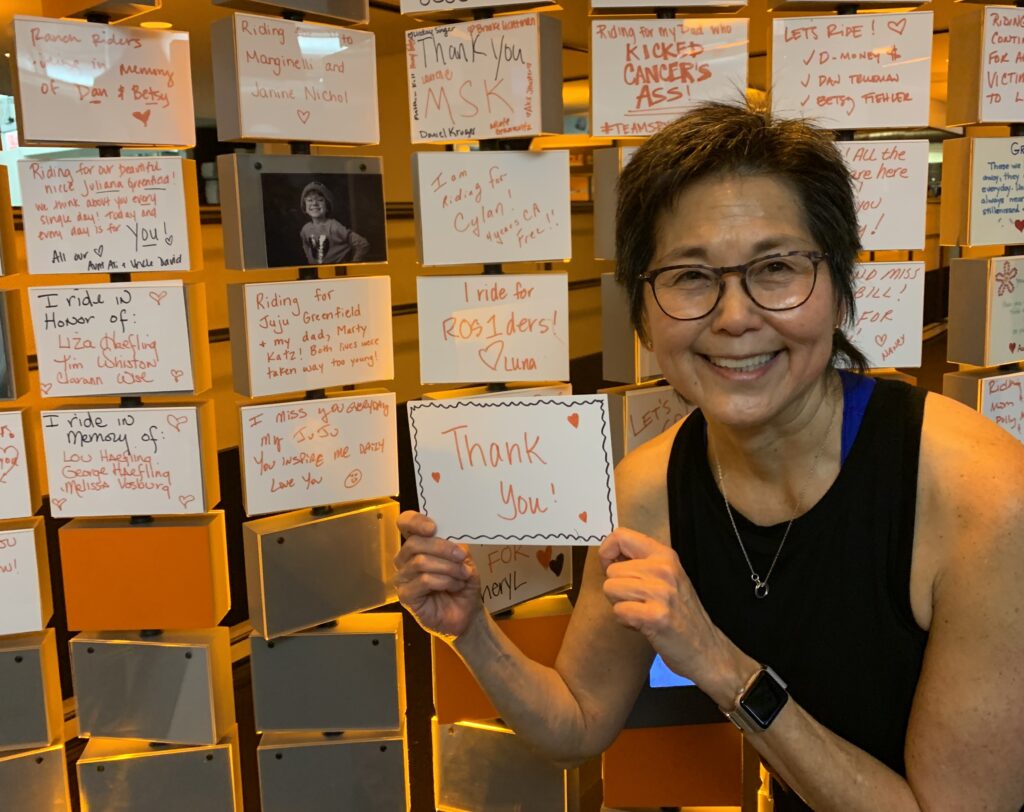
Moreover, when someone tells me that they are a ROS1 lung cancer patient, they get a hug. I joined a Facebook group called The ROS1ders. We are a small group because only 1% to 2% of individuals with lung cancer have a ROS1 mutation. In August, about 50 of us met in Colorado. We shared stories and contact information so that we could be in touch with each other.
Lung cancer can happen to anybody.
Luna, Non-Small Cell Lung Cancer Patient
There are a lot of people who have asked me, “Do you ever wonder: why you?” I flip that a little bit and say, “Why not me?” I feel that I’m human and vulnerable to disease, a very practical person, and a realist in terms of everybody eventually dying of something, so I never took it personally.
It’s better for me because I think there’s so much stigma surrounding smokers. Even if I were a smoker, I still wouldn’t deserve to have lung cancer. Some of my nurses have asked me, “Do you smoke?” My response is, “No, why do you ask?”
I try to educate them that roughly 40% of us have never smoked and the only risk factor I have for having lung cancer is that I have lungs. I don’t know why I have it. There’s an uptick in Asian women who have lung cancer. Maybe it has something to do with our pollution and that kind of thing, but there’s no single thing that I can put my finger on, so why not me?
What I Want People to Know About Lung Cancer
Lung cancer can happen to anybody.
I’m very supportive of screening programs. The current screening criteria are very narrow. You must have smoked for many years and be over 50. But if you’re concerned, if you have a family history, or if you qualify for screening, have testing done because lung cancer is a very treatable condition in its early stages.
Don’t just brush off any symptoms you might have. Seek medical care, take things in stride, and be brave and strong.
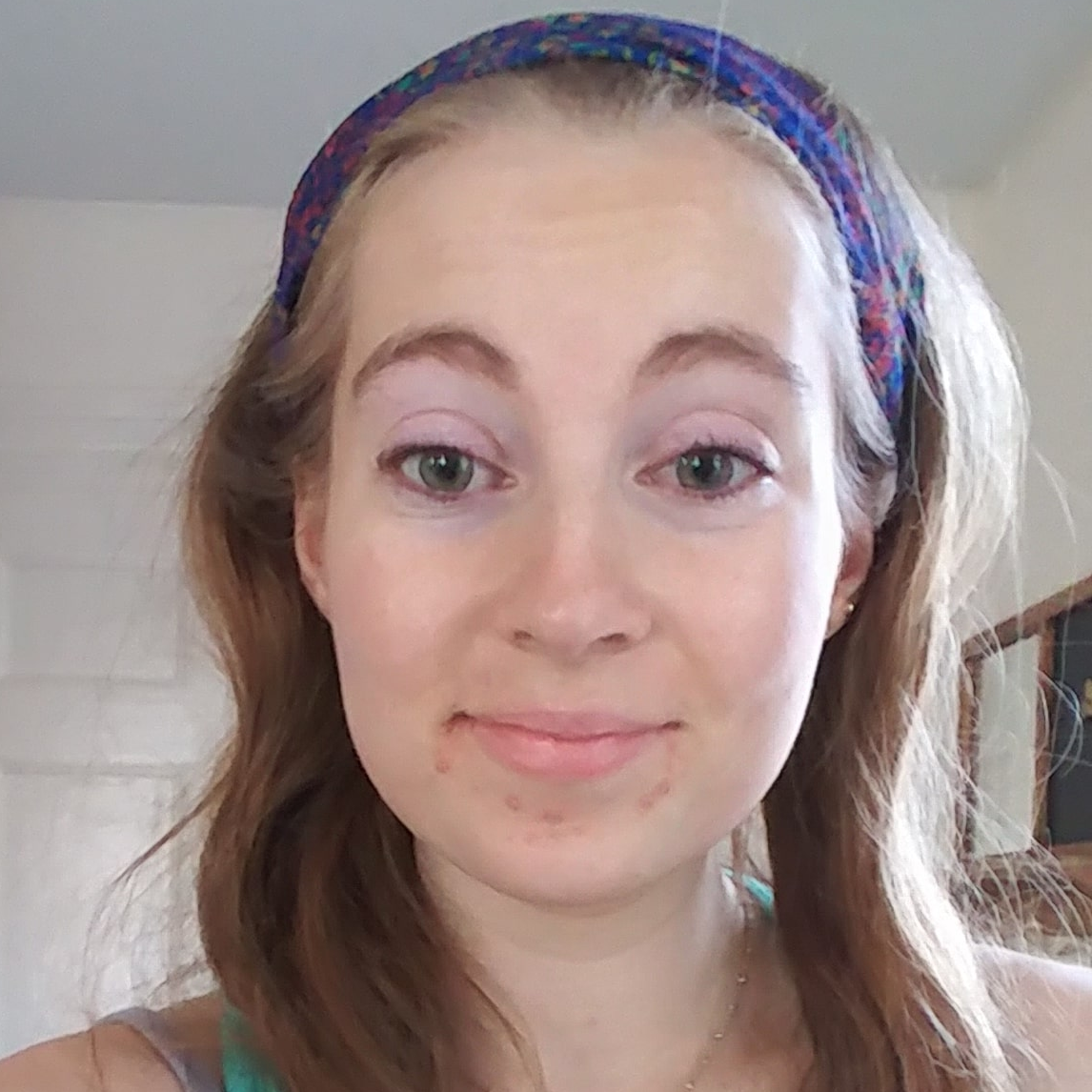
Sandy was diagnosed with stage 4 non-Hodgkin lymphoma in 2024. Her initial symptoms included persistent coughing, weakness, and shortness of breath. After weeks of worsening symptoms and ineffective treatments, an MRI revealed a large mass in her chest, which eventually led to the collapse of her left lung due to a massive tumor. A biopsy confirmed the diagnosis of lymphoma, a cancer that Sandy later described as a blessing in disguise due to its responsiveness to chemotherapy.
Treatment began immediately, consisting of six intense rounds of chemotherapy, each lasting five days in the hospital followed by two weeks of recovery at home. The process was physically and emotionally grueling, marked by extreme fatigue, weight loss, and hair loss. Despite these challenges, Sandy focused on mental resilience, which she believes was critical to her survival. She emphasized the importance of maintaining movement, even during the most debilitating moments.
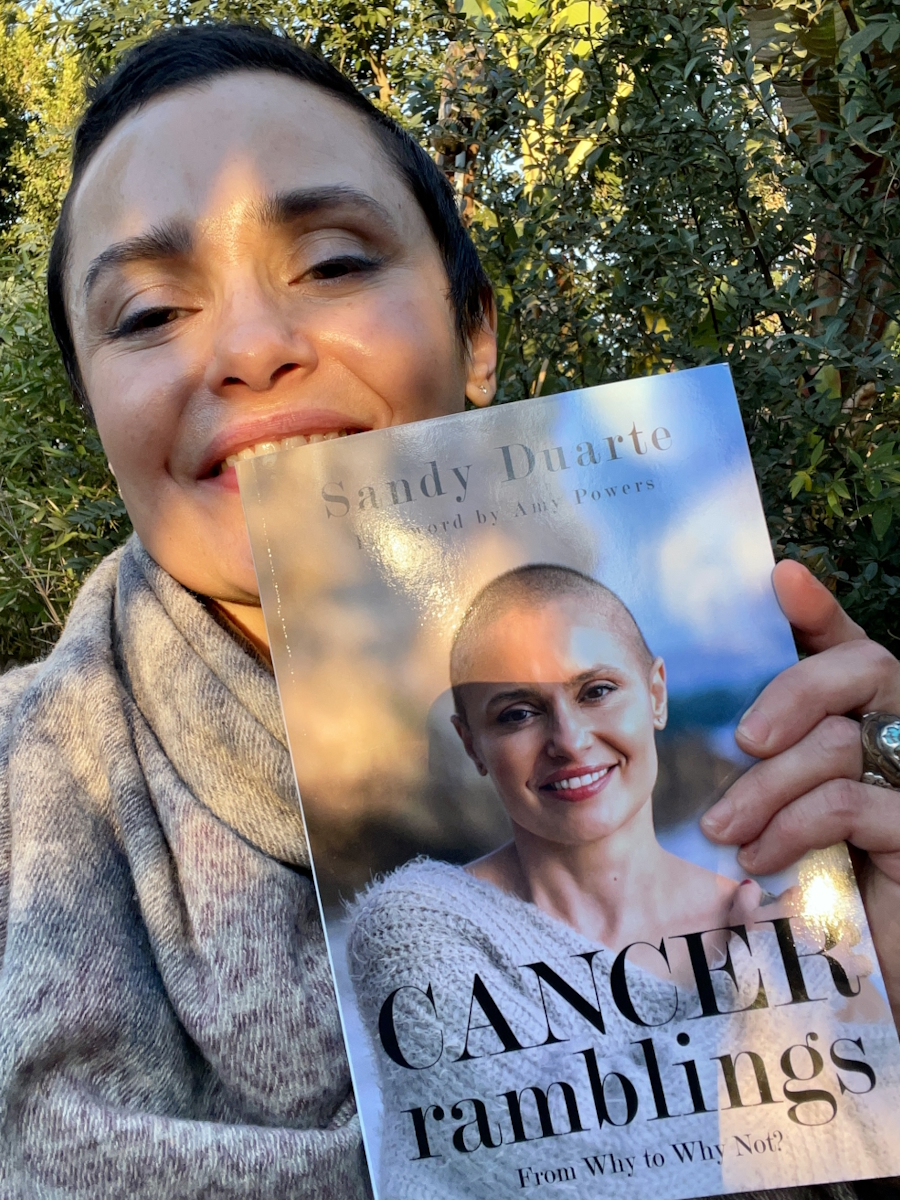
To cope mentally with stage 4 non-Hodgkin lymphoma, Sandy turned to spirituality, meditation, and writing. She frequented a meditation garden where she found solace. Writing became a therapeutic outlet, leading to the creation of her book, Cancer Ramblings. Writing helped her process her experience and turn her pain into purpose.
Sandy celebrated her remission as a profound moment of liberation and gratitude, describing it as a second chance at life. She plans to monitor her health closely while maintaining a conscious lifestyle. She views sharing her story as a way to inspire others, providing hope and comfort to those facing similar challenges. Her key advice is to visualize a positive outcome and hold onto it as a guiding light through the darkest moments. Sandy’s enduring image was of herself running on the beach—a vision she ultimately realized.
Name: Sandy D.
Age at Diagnosis:
45
Diagnosis:
Non-Hodgkin lymphoma
Staging:
Stage 4
Symptoms:
Persistent coughing
Weakness
Shortness of breath
Treatment:
Chemotherapy (six rounds)
This interview has been edited for clarity and length. This is not medical advice. Please consult with your healthcare provider to make informed treatment decisions.
The views and opinions expressed in this interview do not necessarily reflect those of The Patient Story.
Symptoms: Severe fatigue, deep shoulder pain, ear pain with inflammation, abdominal and pelvic pain, bloating, early fullness, nausea, difficulty eating, inability to urinate despite feeling an urgent need, internal bleeding, delayed period/bleeding, intense whole‑body pain leading to collapse
Treatments: Surgeries (emergency laparoscopic surgery with left ovary removal), chemotherapy (R‑CODOX‑M/IVAC), immunotherapy, hormonal therapy (to protect the remaining ovary)
...
Symptoms: Feeling like holding breath when bending down or picking up objects from the floor, waking abruptly at night feeling “off,” one episode of fainting (syncope), presence of a large mass in the breast
Treatments: Chemotherapy, bridge therapy of chemotherapy and radiation, CAR T-cell therapy
...
Symptoms: Constant fatigue, tongue deviated to the left, abscess in right breast, petechiae on legs, night sweats, nausea and vomiting, persistent cough
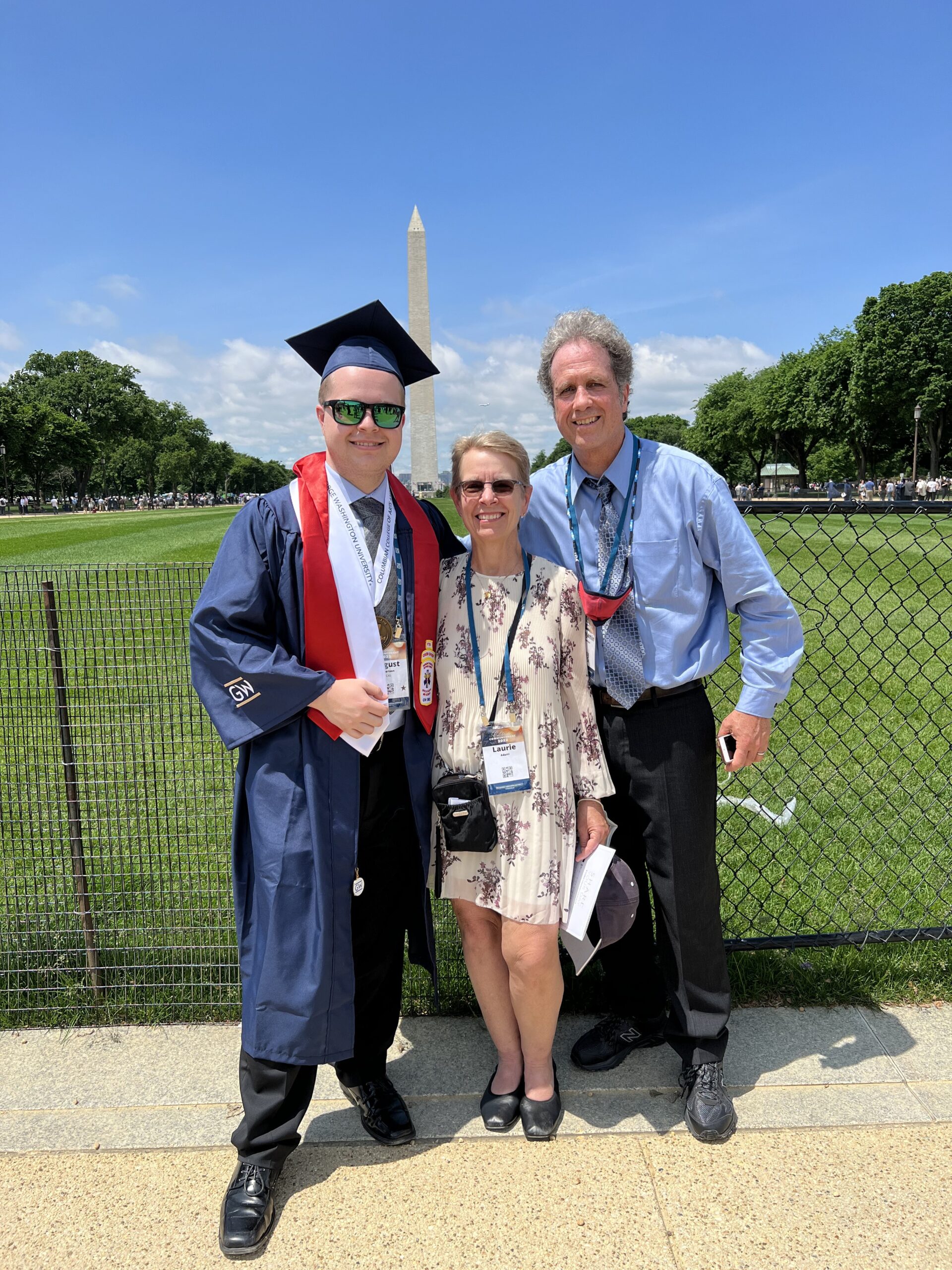
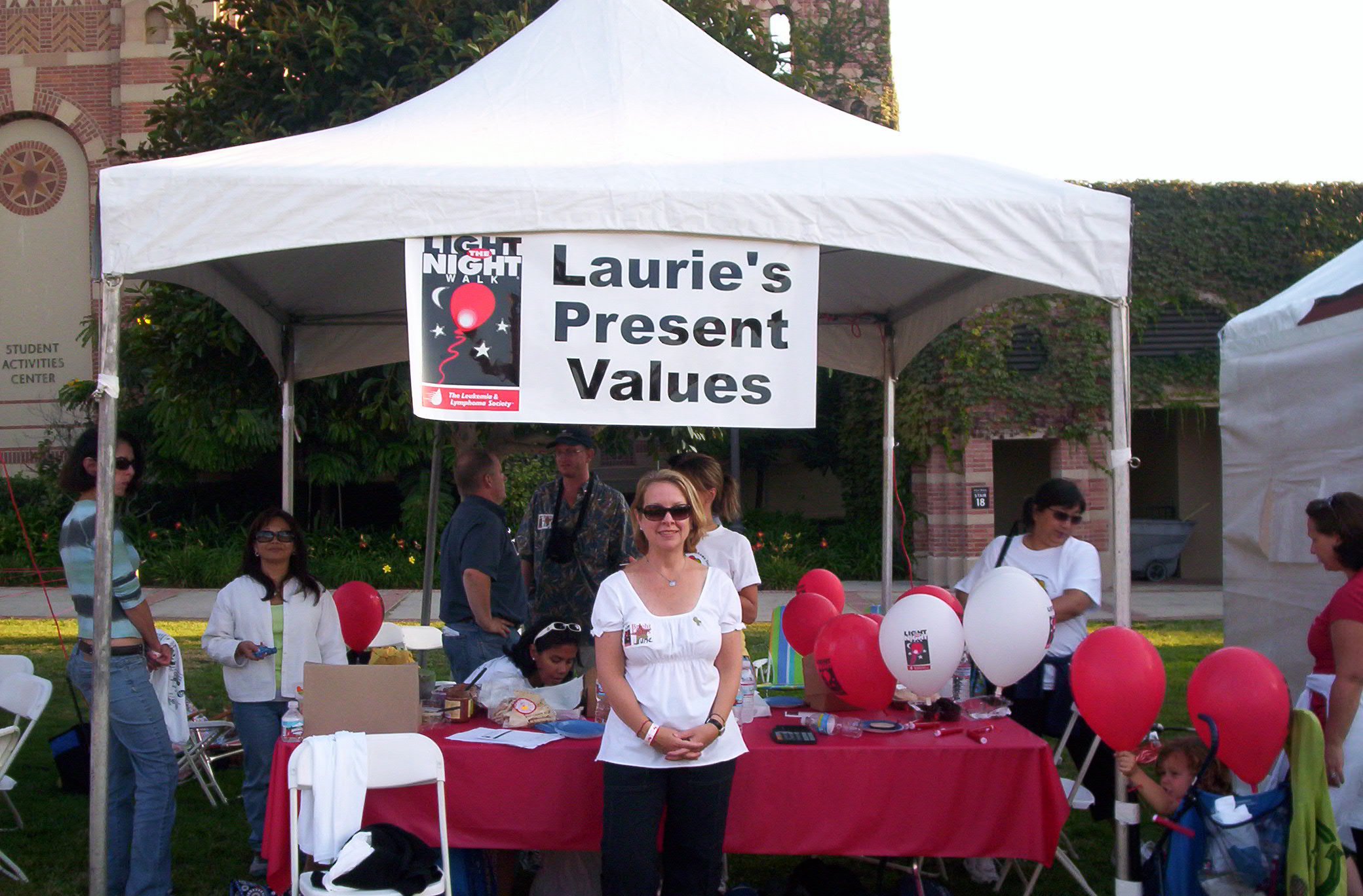
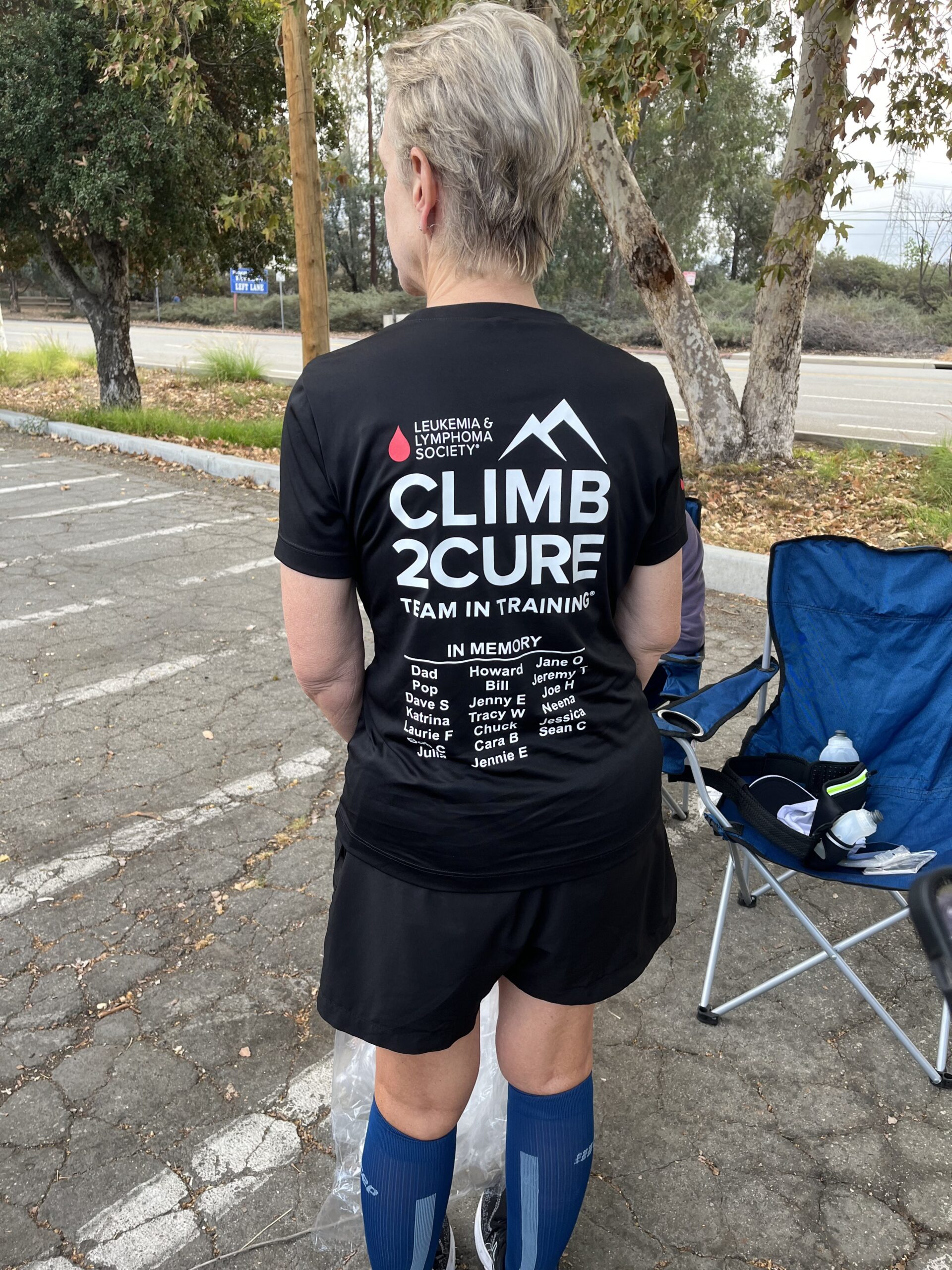
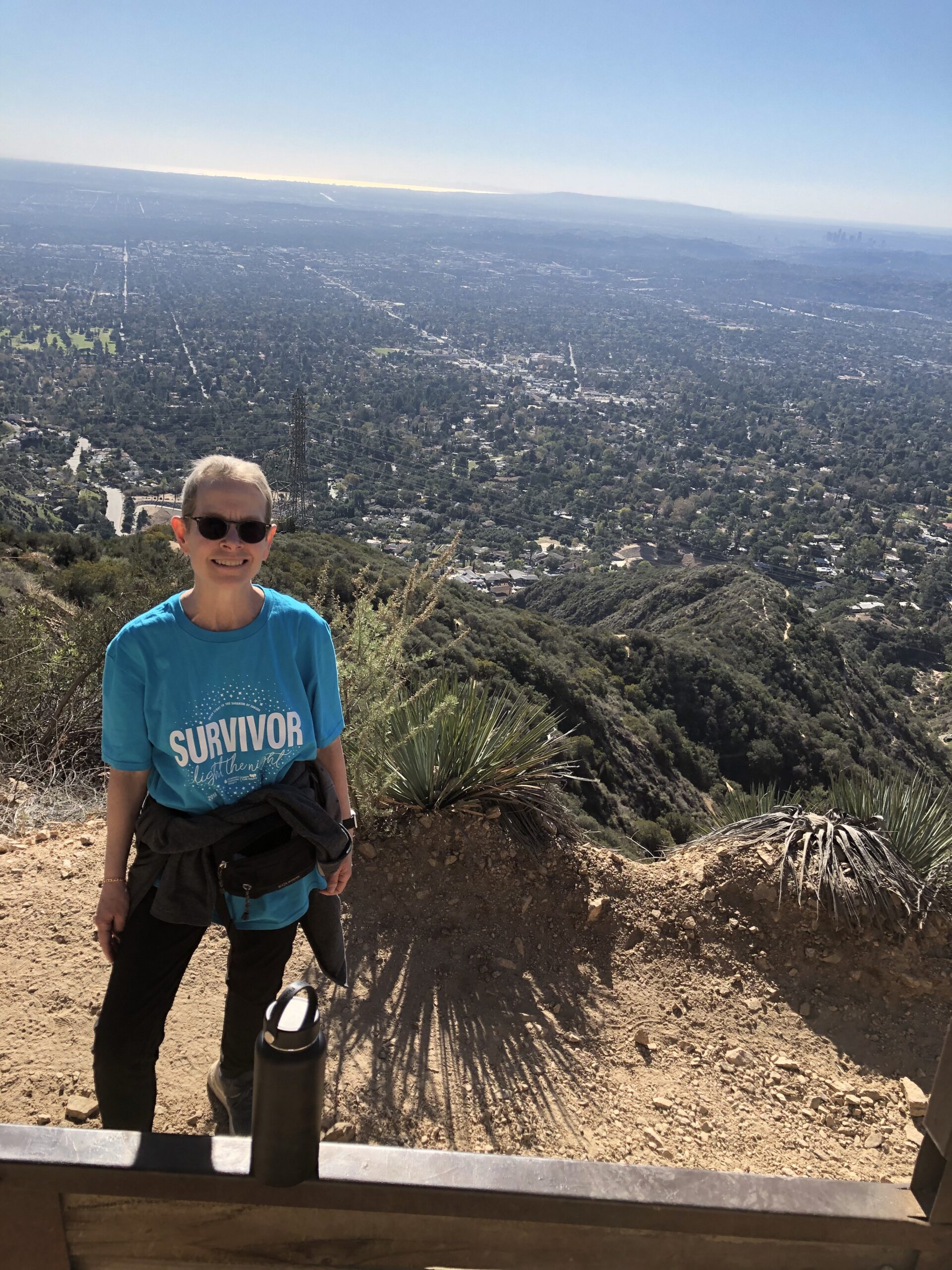
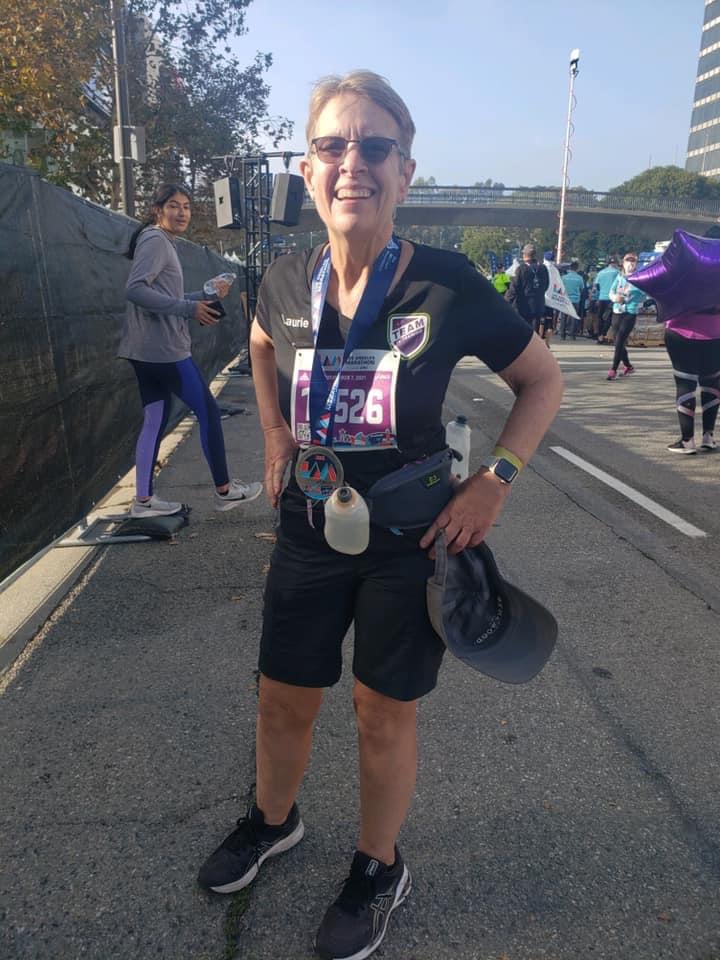
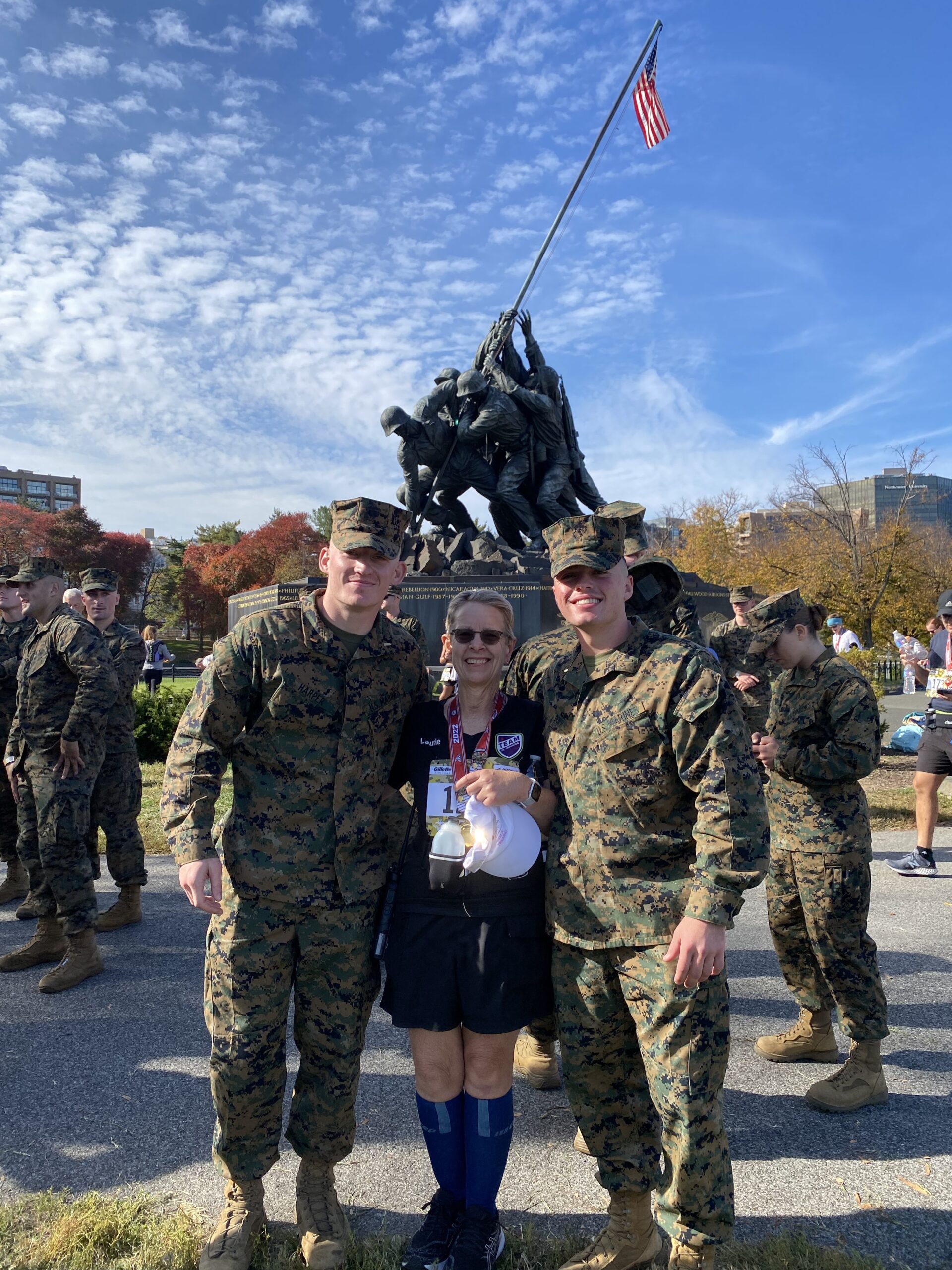
Laurie, a Los Angeles resident, was diagnosed with stage 4 follicular non-Hodgkin lymphoma in 2006, when she was 46. Her journey to diagnosis began years earlier with vague symptoms—frequent sinus infections, a tendency for her right eye to dry out, fatigue, and a lump in her abdomen. Multiple doctors dismissed her concerns, with one attributing the lump to a hernia. But a diagnostician ordered a CT scan, and it revealed a grapefruit-sized tumor and spots on her lungs.
Interviewed by: Nikki Murphy Edited by: Chris Sanchez
After undergoing a series of tests, including biopsies, Laurie learned she had follicular non-Hodgkin lymphoma, a type of cancer affecting the lymphatic system. Her initial response to the cancer diagnosis was shock, followed by depression and uncertainty about how to explain the situation to her young son and husband.
Laurie’s treatment regimen started with chemotherapy and a monoclonal antibody, which successfully reduced the tumors after 6 rounds. However, her cancer relapsed, and she explored additional treatment options, including a clinical trial using an HDAC inhibitor (therapy that helps control how cancer cells grow and divide by affecting the cancer cell DNA). It initially stabilized the cancer but ultimately failed after 11 months. Consequently, Laurie turned to alternative therapies, including radioimmunotherapy (delivering high dose radiation directly to the tumor cells) and a more aggressive chemotherapy regimen, but these also proved unsuccessful.
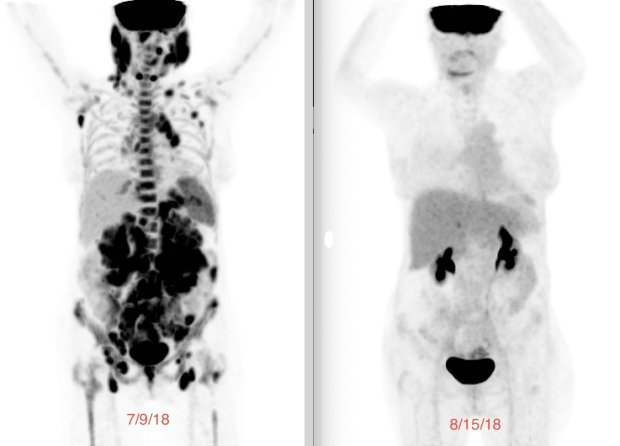
In 2011, Laurie enrolled in a clinical trial for a Pi3 kinase inhibitor (a treatment that works to block a pathway cancer cells use to grow and survive that can slow a cancer’s growth and help keep it under control), which kept her cancer stable for over 5 years, albeit not fully eliminating it. During this time, she learned about CAR T-cell therapy, a cutting-edge treatment using a patient’s own T cells to target cancer cells. While initially not available for follicular lymphoma, CAR T-cell therapy became an option for Laurie in 2018. She consequently underwent the procedure — a remarkable 7th line of cancer treatment. As a result, she achieved remission for the first time in 12 years. As of 2024, Laurie has remained cancer-free. Her oncologist considers her cured, as her CAR T-cells continue to be detectable in her system.
Throughout her treatment journey, Laurie faced numerous challenges, including the side effects of chemotherapy, radiation, and steroids. She developed avascular necrosis, which required hip surgery, a consequence of long-term steroid use. However, despite these struggles, Laurie’s battle with cancer transformed her into a passionate patient advocate. She now works with 3 nonprofits, helping others navigate cancer treatment and advocating for more accessible and less potentially toxic therapies like CAR T-cell therapy. Laurie emphasizes the importance of finding a specialized oncologist, self-advocacy, and the value of second opinions and clinical trials in managing cancer.
Laurie’s story underscores the evolving landscape of cancer treatment, particularly in the context of immunotherapy. She highlights the importance of staying informed and advocating for oneself or having someone advocate on their behalf, especially as new therapies emerge. Through persistence, resilience, and research, Laurie continues to support others facing similar battles. She shares her journey to inspire hope and grow awareness.
Name:
Laurie A.
Age at Diagnosis:
46
Diagnosis:
Follicular lymphoma
Staging:
Stage 4
Symptoms:
Frequent sinus infections
Dry right eye
Fatigue
Lump in abdomen
Treatments:
Chemotherapy
Targeted therapy
Radioimmunotherapy
This interview has been edited for clarity and length. This is not medical advice. Please consult with your healthcare provider to make informed treatment decisions.
The views and opinions expressed in this interview do not necessarily reflect those of The Patient Story.
Early Testing Could Have Changed My Colorectal Cancer Story—Don’t Ignore the Signs
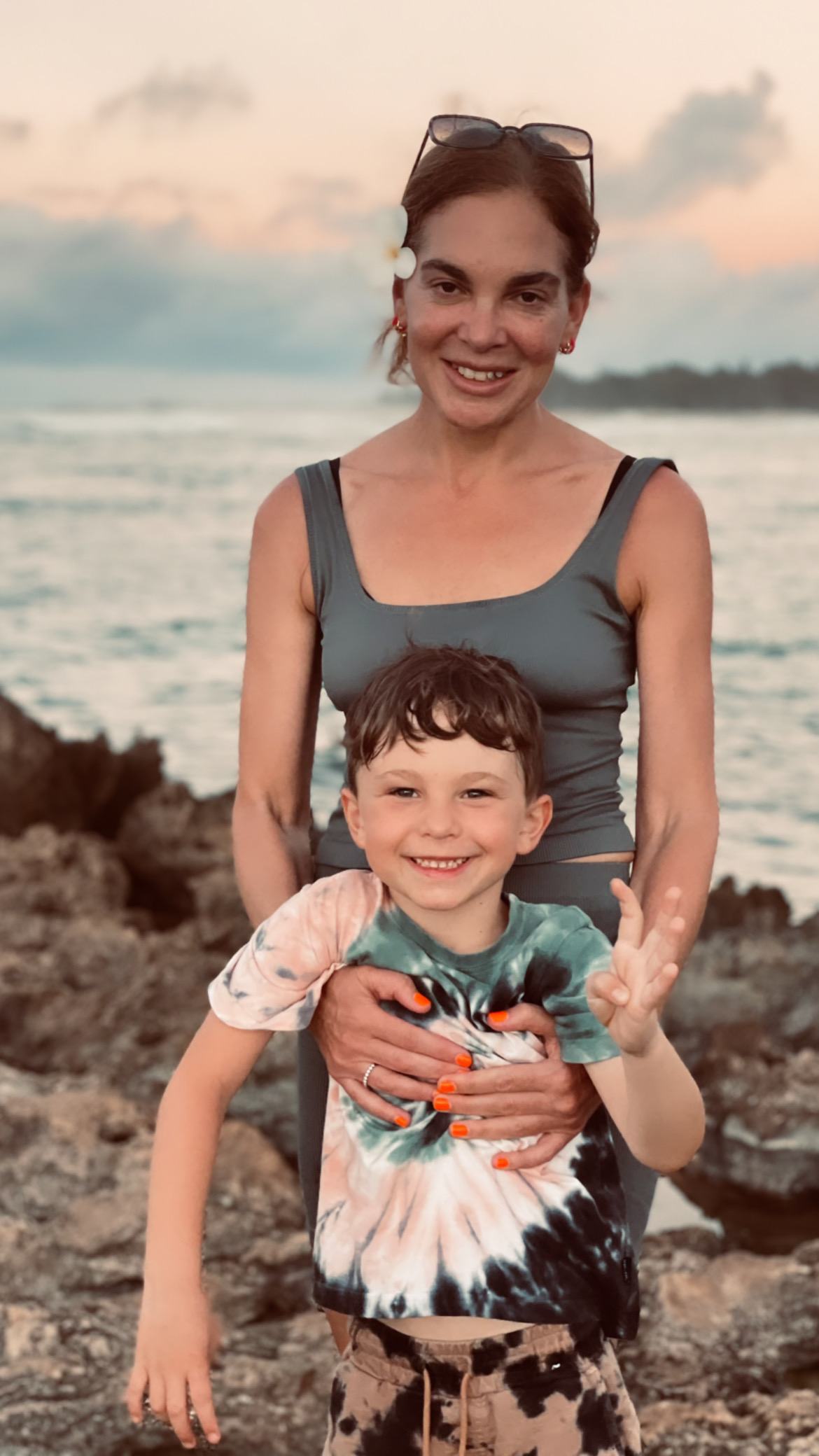
Nicola is a mother and anesthetic technician who loves traveling and spending time with her dogs, cat, and 2 children. In 2020, doctors diagnosed her with colorectal cancer. By the end of 2021, she learned that her colorectal cancer had become stage 4 and had metastasized to her brain. After undergoing a craniotomy, she has been in remission for 9 months.
Interviewed by: Nikki Murphy Edited by: Chris Sanchez
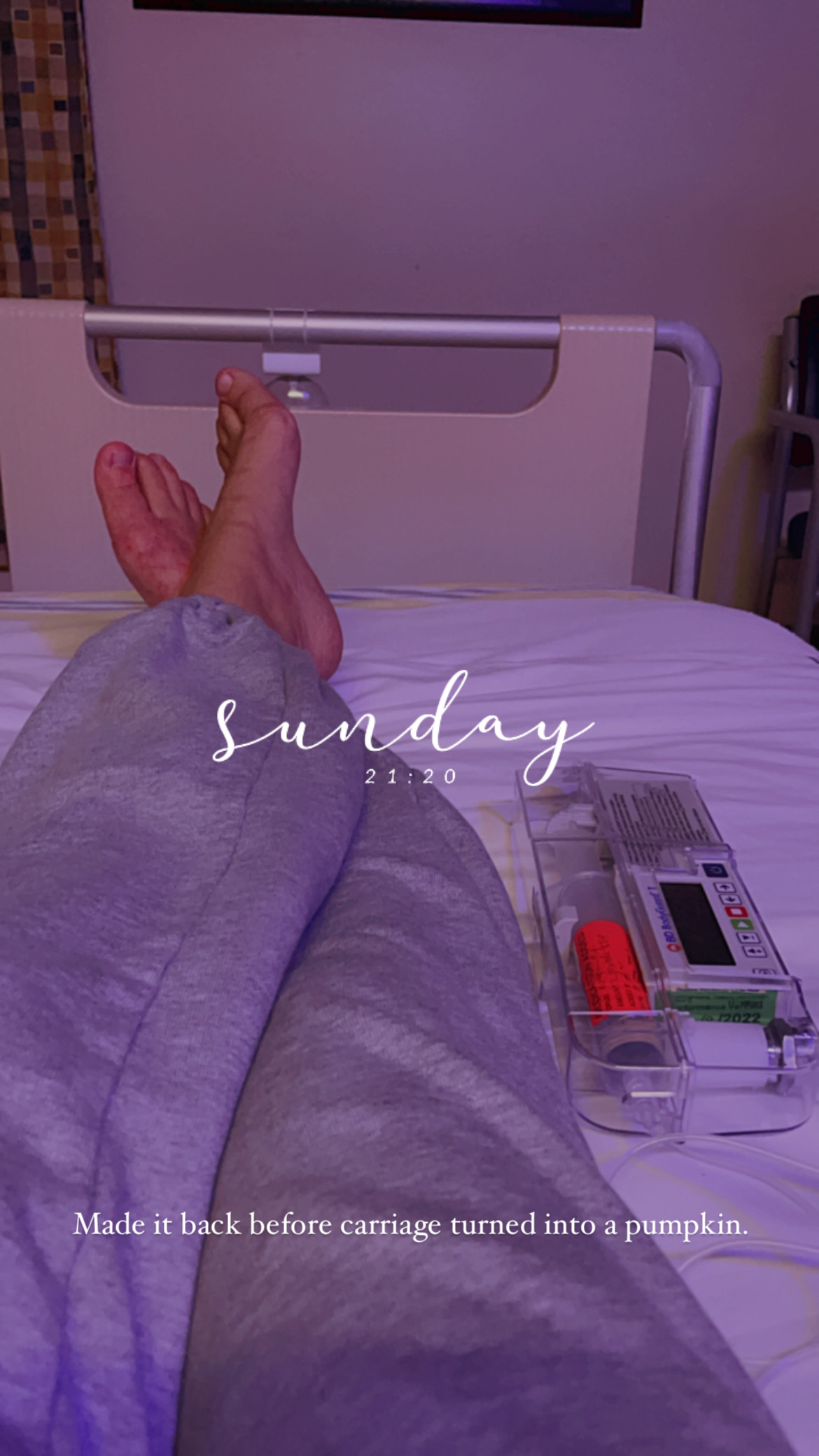
Initially, Nicola experienced rectal bleeding. Doctors thought it was nothing more than hemorrhoids, but eventually, they conducted a colonoscopy. The surgeon found a 4-cm tumor and performed surgery just before Christmas, and also discovered that 4 of her lymph nodes tested positive for cancer cells. She then underwent adjuvant chemotherapy, which is treatment to keep cancer from returning.
With no significant family history of cancer, although her father also had bowel cancer, Nicola’s case involved a non-BRAF, wild-type adenocarcinoma. Her chemotherapy initially made her very sick, leading to weight loss and hospitalization. Eventually, she switched treatments and completed 5 rounds before doctors declared her NED (No Evidence of Disease) for her stage 4 colorectal cancer.
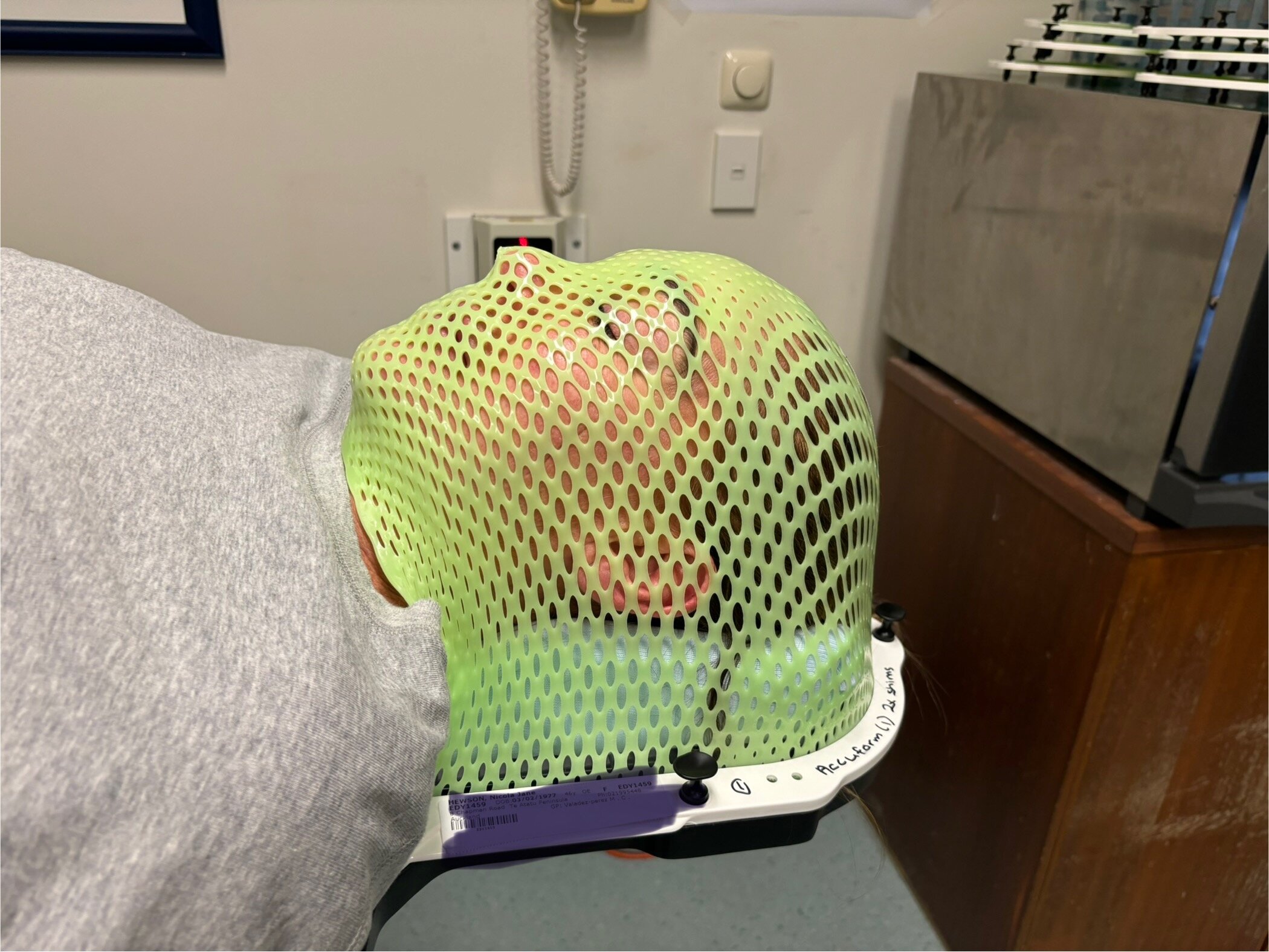
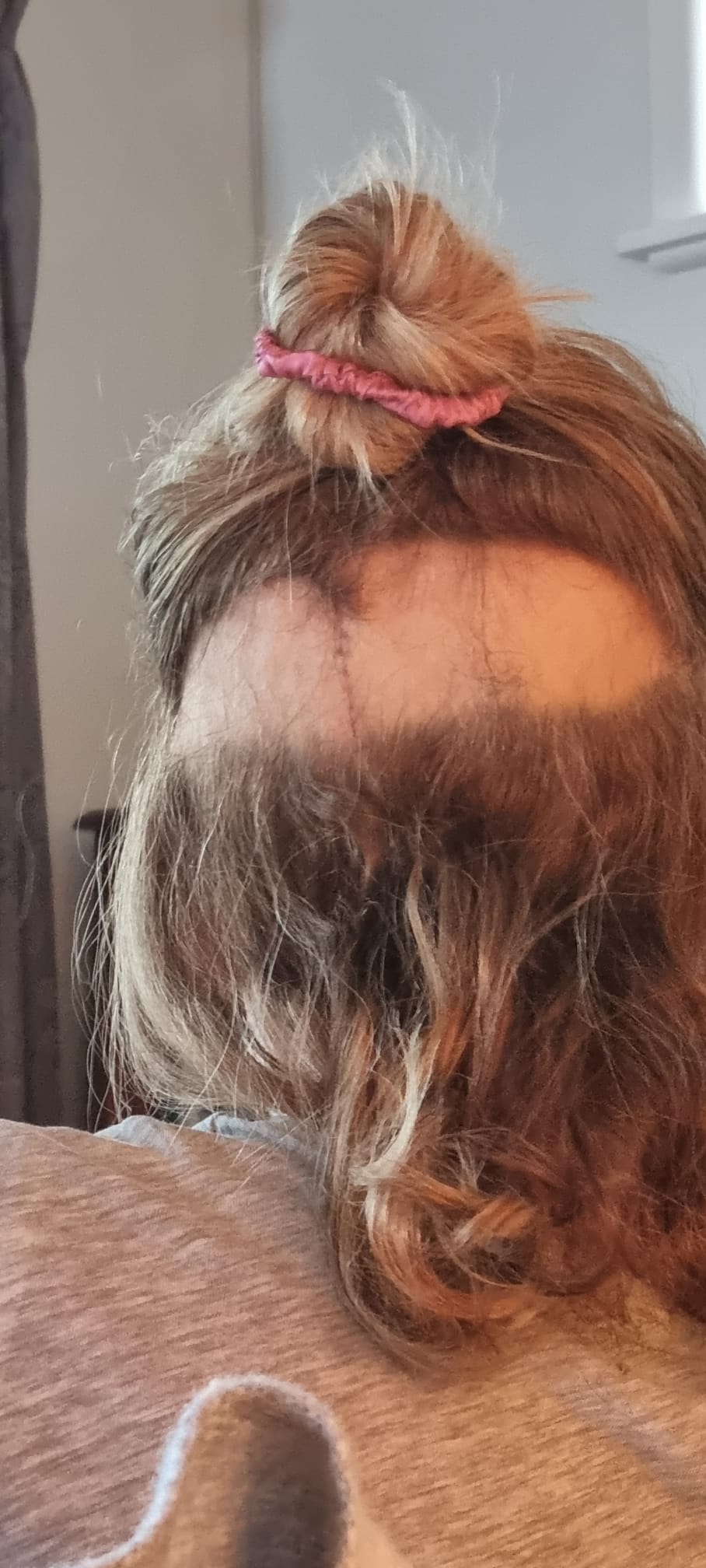
Months later, Nicola began to experience symptoms such as profound migraines and vision changes. These led to the discovery of a large brain tumor; her original cancer had metastasized to her brain. She promptly underwent a craniotomy, which was deemed successful. Afterward, she received targeted radiation therapy, which thankfully did not significantly affect her vision.
Nicola remains under high-risk monitoring. She advocates for personal vigilance and early testing, sharing that she might have pushed for a colonoscopy sooner despite her age, had she known that younger people can get colorectal cancer. Now, she focuses on being present with her family and friends, and cherishes each day with gratitude.
Name:
Nicola H.
Diagnosis:
Colorectal cancer 2020
brain cancer
Staging:
Initial stage 3 in 2020
Metastasized to her brain in 2021 (stage 4)
Initial Symptoms:
Bleeding, pain (Colorectal cancer)
Focal migraines (Brain cancer)
Treatments:
Chemotherapy (Colorectal cancer)
Radiation (Brain cancer)
This interview has been edited for clarity and length. This is not medical advice. Please consult with your healthcare provider for treatment decisions.
Meridith, a fitness trainer and mother of three, was diagnosed with stage 4 melanoma in September 2023. Despite being physically fit and vigilant about her skin health, she experienced no warning signs until a sudden seizure led to her diagnosis.
Interviewed by: Taylor Scheib Edited by: Katrina Villareal
Doctors discovered two brain metastases connected to her stage 4 melanoma, one of which was operable. She underwent a craniotomy that successfully removed one tumor, but the second, inoperable tumor presented ongoing challenges. Seeking alternatives to radiation, Meredith’s network led her to an expert at MD Anderson who proposed immunotherapy, which effectively attacked the tumor. However, the treatment triggered severe side effects, including seizures and encephalitis, leading to a prolonged recovery.
Meridith’s year-long recovery has been marked by physical, mental, and emotional challenges. After seven more seizures in 2024, she focused on lifestyle changes to support brain health. While returning to her previous fitness activities has been slow, she finds healing in nature, spirituality, and spending time with family. Her experiences have brought a new perspective on life, emphasizing gratitude, faith, and the importance of close relationships.
Meridith continues to navigate survivorship with regular scans and a profound sense of purpose, offering encouragement to others facing similar struggles. She believes in the power of hope, community, and finding joy in life’s small moments, even amidst adversity. Her message is one of resilience, emphasizing that light and support can overcome even the darkest times.
Name: Meridith B.
Age at Diagnosis:
43
Diagnosis:
Melanoma
Staging:
Stage 4
Symptom:
Seizure
Treatment:
Surgery: craniotomy (to remove a brain metastasis)
Immunotherapy
This interview has been edited for clarity and length. This is not medical advice. Please consult with your healthcare provider to make informed treatment decisions.
The views and opinions expressed in this interview do not necessarily reflect those of The Patient Story.
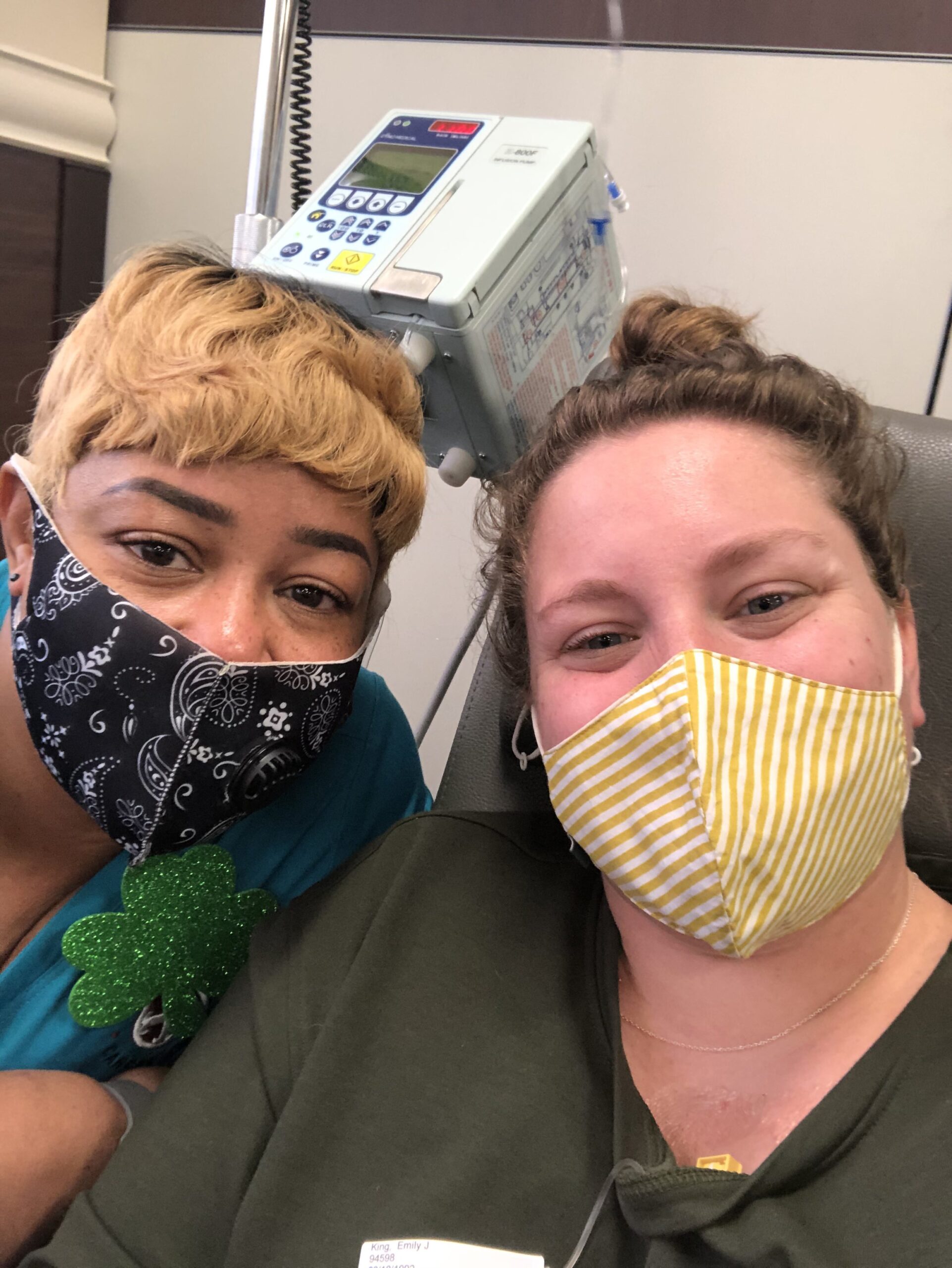
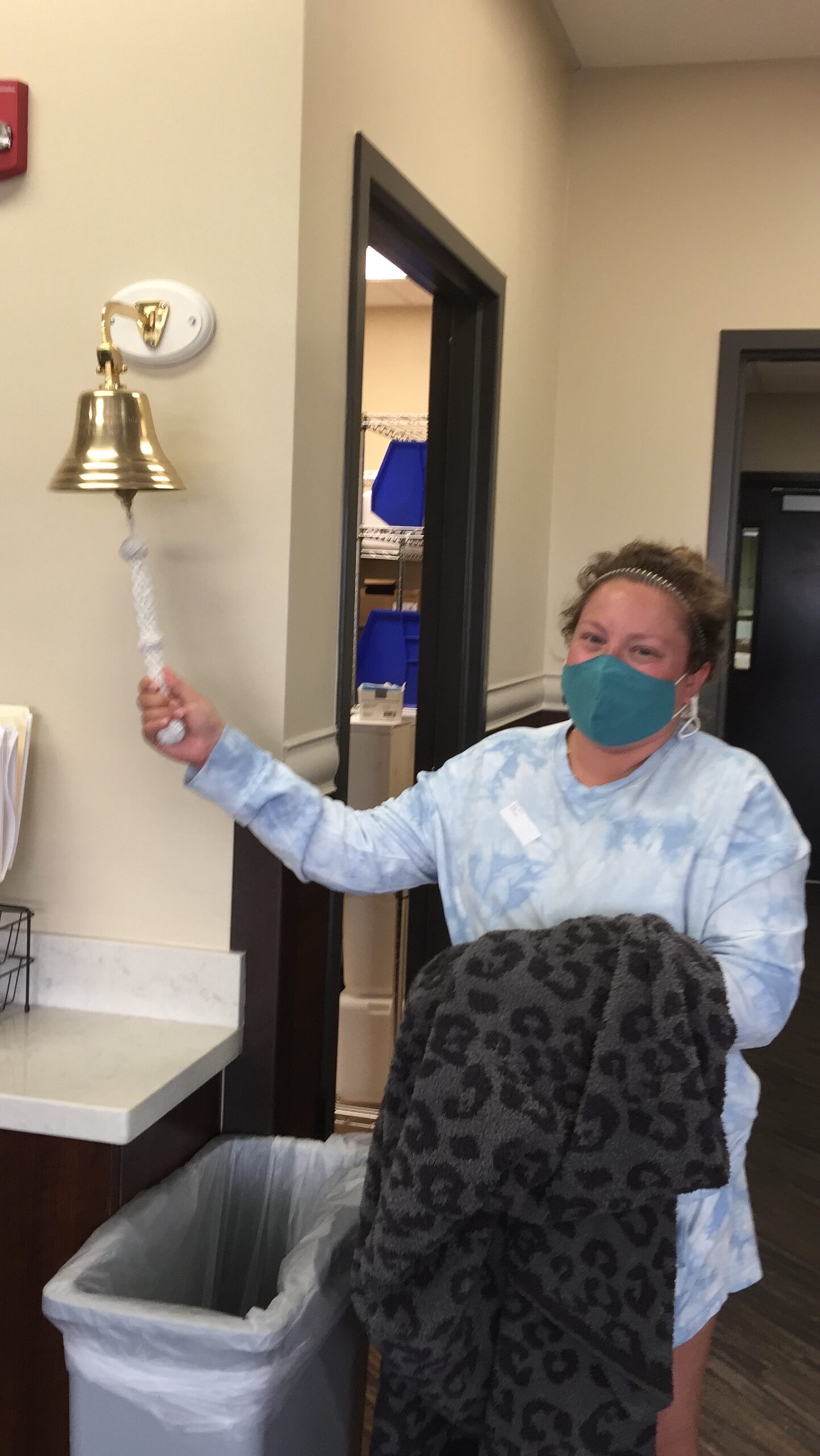
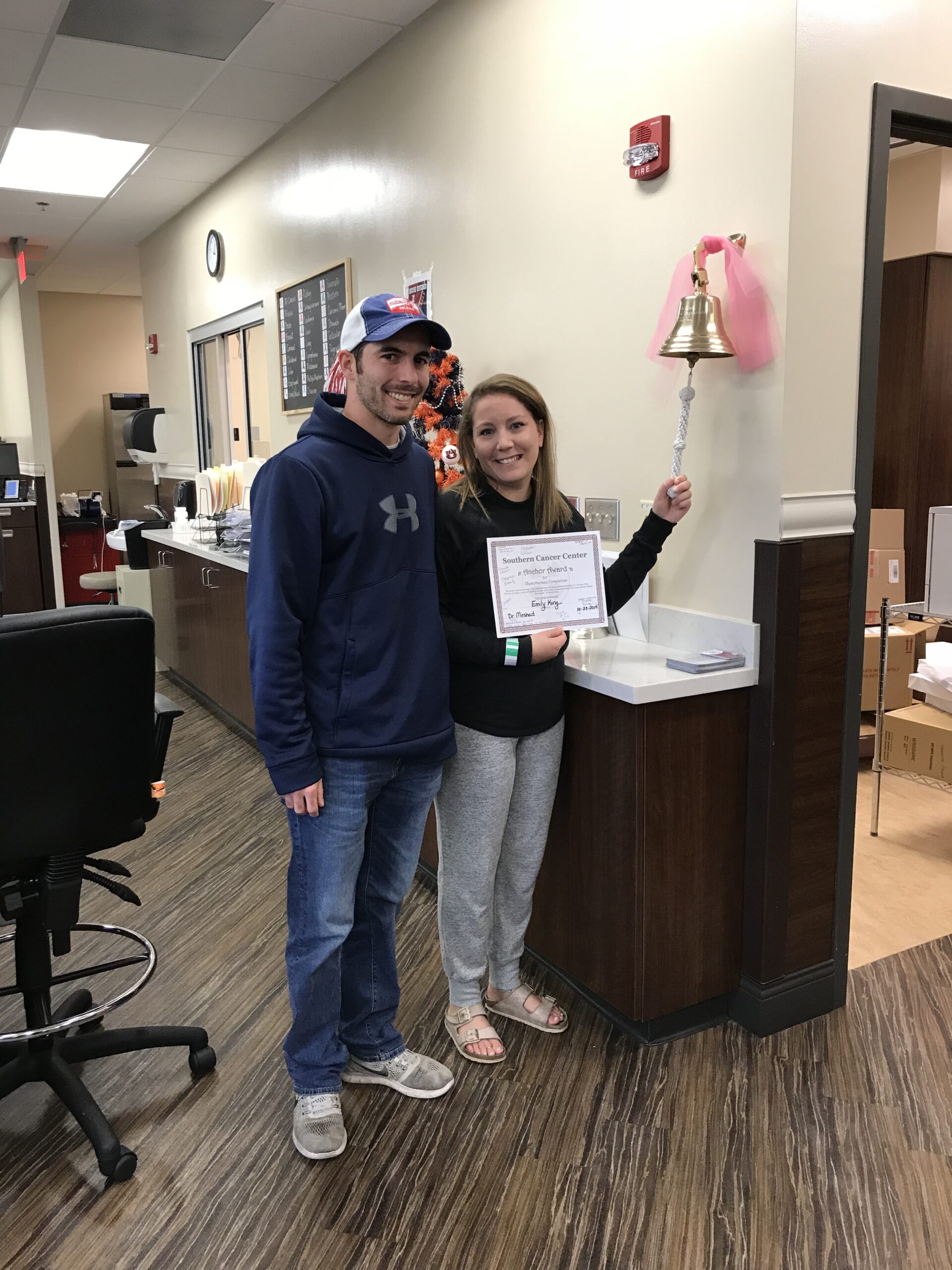
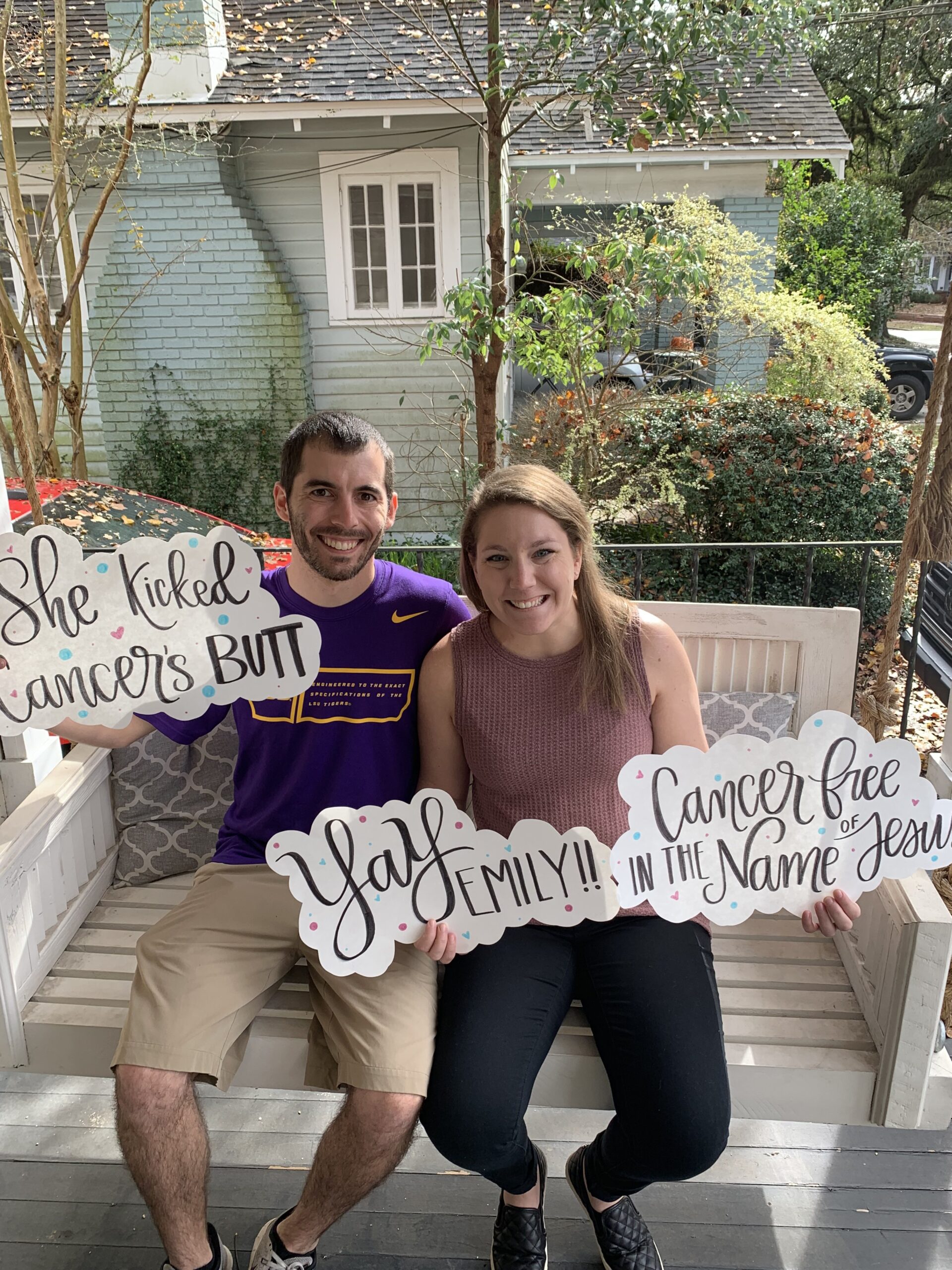
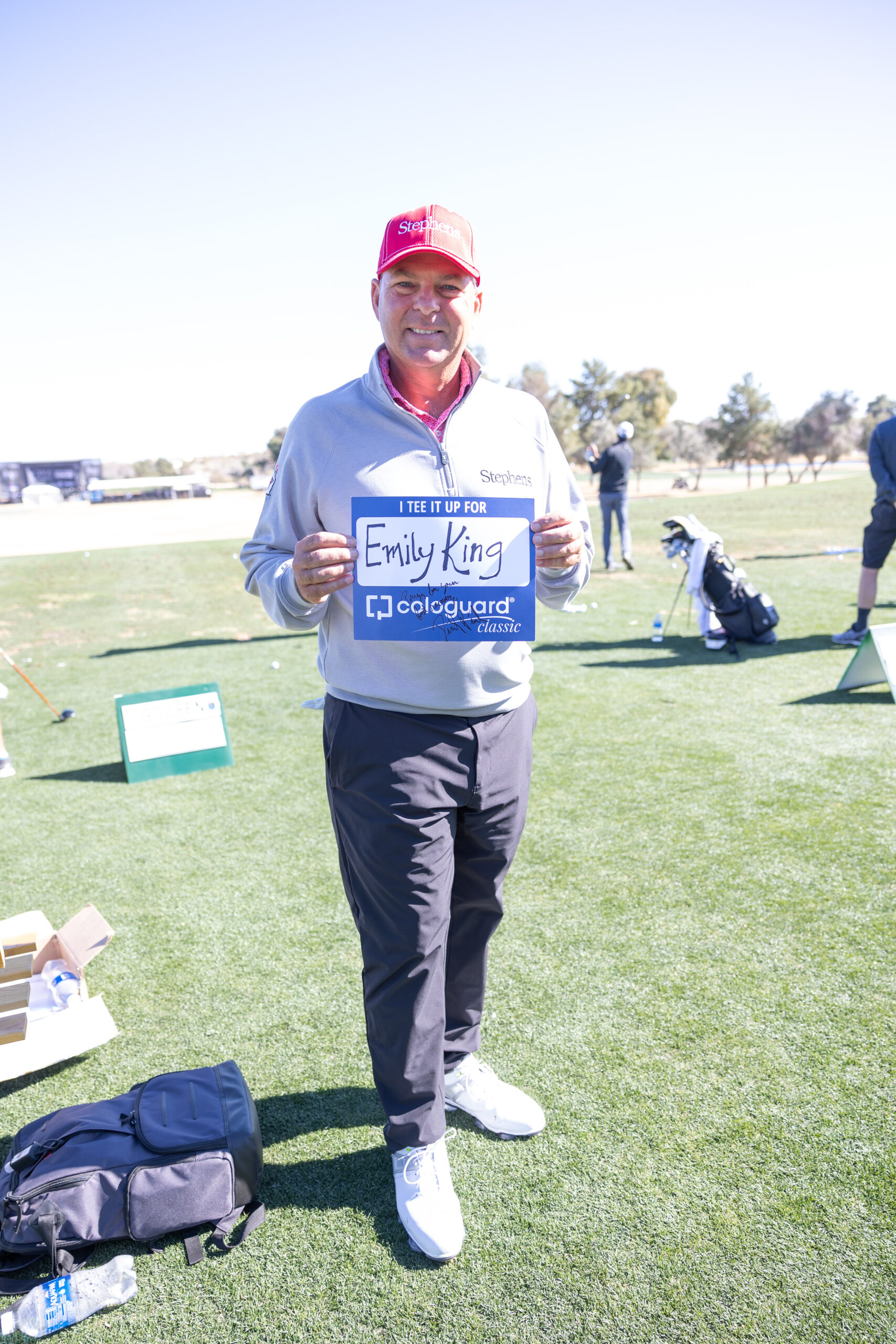
Emily, a 32-year-old from Alabama, was diagnosed with stage 4 colon cancer at age 27, despite having led an active and healthy lifestyle since her youth. Initially, she experienced abdominal pain and blood in her stool, which led to a life-changing ER visit. Doctors found a tumor in her colon, determined that it was cancerous, and also found that it had already spread to her lymph nodes. This discovery began a grueling series of surgeries, chemotherapy, and setbacks, including bowel obstructions and pancreatitis.
Interviewed by: Taylor Scheib Edited by: Chris Sanchez
Emily endured multiple chemotherapy regimens with debilitating side effects like neuropathy, nausea, fatigue, and early menopause. Despite these challenges, her faith and determination kept her strong. When standard treatments failed, she turned to immunotherapy and clinical trials at Dana-Farber Cancer Institute. Although some therapies stopped working, she found hope in a clinical trial medicine that reduced her lung tumors by 20%. Despite the trial’s discontinuation, the treatment remains available to her, for which she feels immense gratitude.
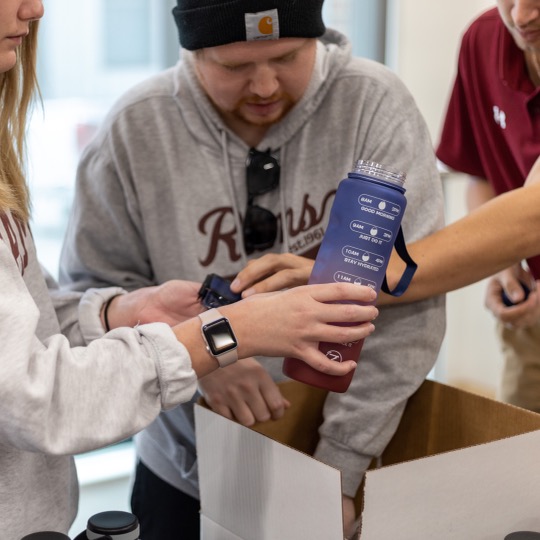
Throughout her stage 4 colon cancer journey, Emily and her husband have relied on their faith, community, and a desire to help others. Recognizing the emotional and physical toll of cancer, they founded Fighting with Hope, a nonprofit that sends free chemo care boxes to patients worldwide. These boxes contain over 20 thoughtfully chosen items, such as blankets, ginger candies, and other sweets to help with port flushes, alongside handwritten notes of encouragement. With support from volunteers and media coverage, the organization has delivered just over 1,000 boxes to date.
Emily’s advocacy also emphasizes the importance of early detection. Reflecting on her missed diagnosis due to her young age, she urges healthcare professionals and patients alike to remain vigilant.
Despite ongoing treatments and the unpredictable nature of cancer, Emily remains a beacon of hope. Her faith provides her with peace and strength, enabling her to inspire others through her story and nonprofit work. She advises fellow patients to fight relentlessly, embrace their support systems, and accept help when needed.
Emily’s mission goes beyond her personal battle. She hopes her journey demonstrates the power of resilience, community, and faith in facing life’s greatest challenges. Through her advocacy, she continues to bring light and support to countless individuals navigating the trials of cancer.
Name:
Emily K.
Diagnosis:
Colon cancer
Staging:
Stage 4
Age at Diagnosis:
27
Symptoms:
Abdominal pain
Blood in stool
Treatments:
Surgery
Immunotherapy
Targeted therapy
Clinical trials
This interview has been edited for clarity and length. This is not medical advice. Please consult with your healthcare provider to make informed treatment decisions.
The views and opinions expressed in this interview do not necessarily reflect those of The Patient Story.
Ashlee was diagnosed with stage 4 Burkitt lymphoma on July 9, 2024. Before her diagnosis, she had been active and health-conscious, even competing as a bodybuilder. In June 2024, she experienced abdominal pain, night sweats, and some bleeding, which she initially attributed to her IUD and the intense physical demands of bodybuilding. However, things took a turn when she noticed a mass on her abdomen during a workout. She went to an ER where a CT scan revealed a large mass near her femoral artery, though doctors were uncertain of its nature.
Ashlee sought further medical evaluation at the University of Florida, where the mass was discovered to be much larger than expected and appeared to be cancerous. After a biopsy, she received the devastating news that she had stage 4 Burkitt non-Hodgkin lymphoma. The doctors warned her of a 70% chance of not surviving, given the aggressive nature of the lymphoma and its potential spread to her central nervous system.
Her treatment began promptly with chemotherapy, starting with a spinal tap to check for cancer in her brain and spine. Her chemotherapy regimen included five-day continuous drips every three weeks. The side effects were intense, including an allergic reaction to one of the drugs that caused her to stop breathing. Despite the challenges, Ashlee continued to work full-time while undergoing treatment, maintaining a sense of normalcy for her two young children, especially her daughter who struggled with the illness.
Throughout six chemotherapy treatments, Ashlee dealt with extreme physical exhaustion, nausea, and other side effects. She remained focused on being present for her children, despite the toll the illness took on her body. By the end of her treatment, she was physically drained, but mentally, she found herself reflecting on the fragility of life, mending relationships, and prioritizing time with her family. She also began to come to terms with the emotional challenges of living with cancer, including the impact it had on her future and personal life.
Currently, Ashlee is on a sabbatical, enjoying time with her children and focusing on her health. She is dealing with medical menopause as a result of her treatment and remains concerned about the possibility of relapse, though her doctors remain optimistic. Moving forward, she will continue to have regular check-ups, including bloodwork and CT scans every three months.
Name: Ashlee K.
Age at Diagnosis:
29
Diagnosis:
Burkitt lymphoma
Staging:
Stage 4
Symptoms:
Abdominal pain
Night sweats
Visible mass in the abdomen
Treatments:
Surgery: partial colectomy (removed 14 inches of the intestine)
Chemotherapy
This interview has been edited for clarity and length. This is not medical advice. Please consult with your healthcare provider to make informed treatment decisions.
The views and opinions expressed in this interview do not necessarily reflect those of The Patient Story.
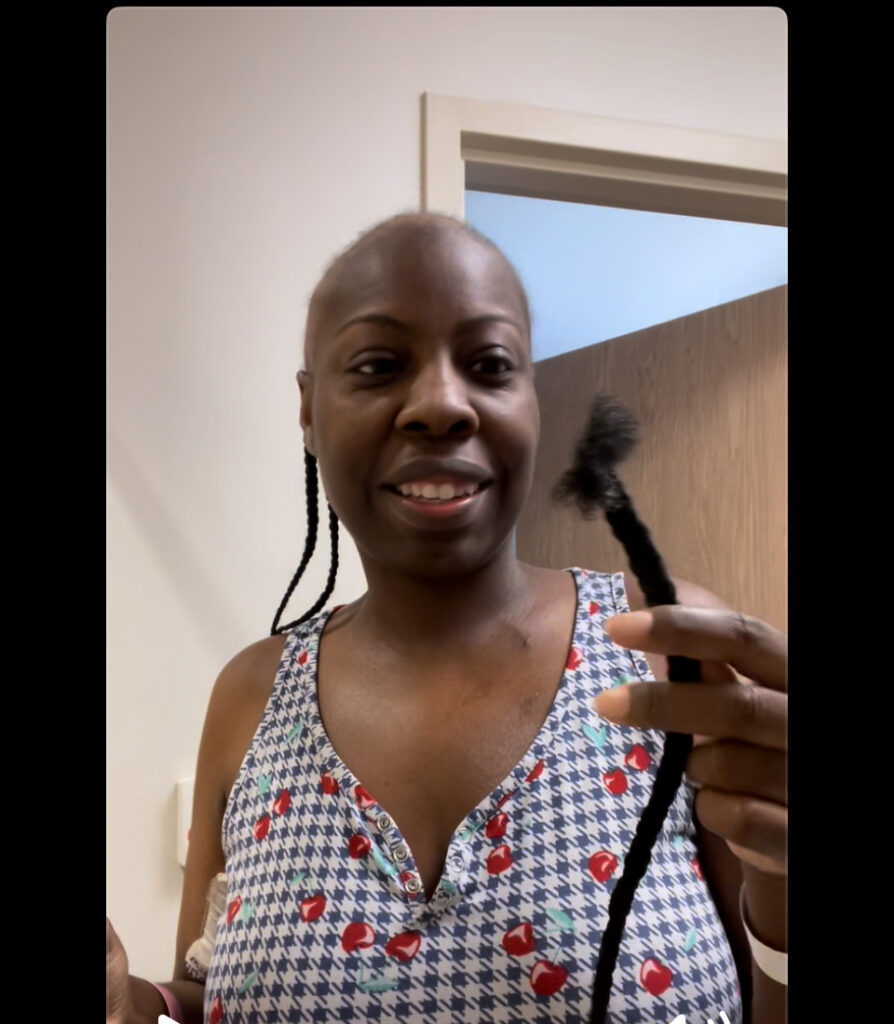
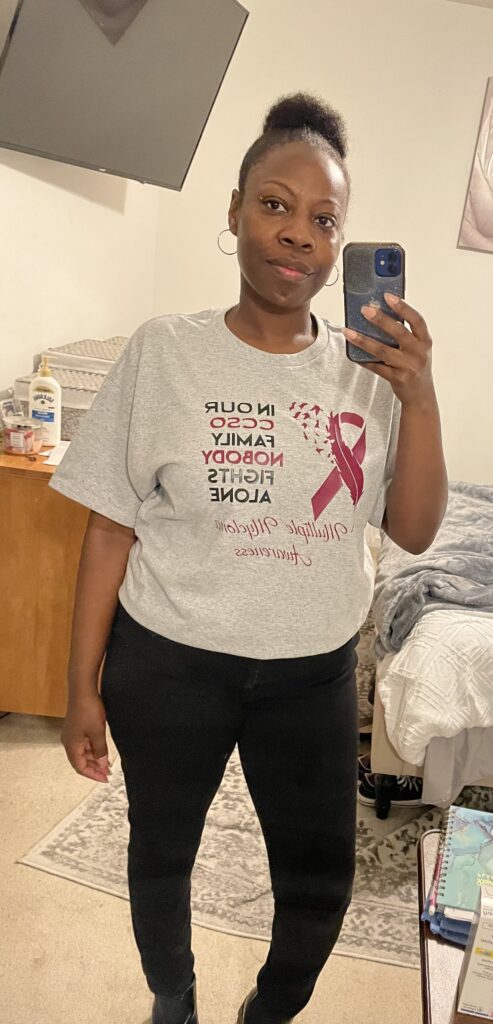
Krystal’s Stage 4 IgM kappa Multiple Myeloma Story
Krystal, a 42-year-old mother from Georgia, shares her journey after being diagnosed with Stage 4 IgM kappamultiple myeloma in June 2022. Before her diagnosis, she experienced troubling symptoms like tachycardia, shoulder pain, and shortness of breath, but initially dismissed them as effects of aging, weight gain, and other factors. A critical moment arose when she felt a severe pain in her back, leading to an urgent care visit, where she learned it might be cancer. Her 2 daughters were present during the devastating diagnosis.
Interviewed by: Taylor Scheib Edited by: Chris Sanchez
Krystal emphasizes the importance of self-advocacy in navigating cancer treatment. Initially overwhelmed, she grew to actively participate in her care, seeking multiple opinions and eventually finding a team that communicated effectively and monitored her condition closely. She initially underwent chemotherapy and a bone marrow transplant, which provided temporary relief. However, persistent relapses led her to pursue CAR T-cell therapy, a promising avenue that has since improved her condition.
The journey has strengthened Krystal’s bond with her daughters, who have been her caretakers and constant support. She highlights the mental health challenges accompanying cancer, advocating for therapy and open communication. Despite the physical and emotional toll, she leans on her faith and resilience to maintain a hopeful outlook.
Community support plays a pivotal role in Krystal’s coping mechanism. Family, friends, colleagues, and online connections have provided essential emotional and practical support, allowing her to manage daily life and medical responsibilities. While acknowledging she is no longer the person she once was, she embraces her new reality and encourages others facing similar challenges to advocate for themselves, accept help, and stay encouraged. Her story is one of perseverance, faith, and the transformative power of love and community.
Name:
Krystal S.
Diagnosis:
IgM kappa multiple myeloma
Staging:
Stage 4
Initial Symptoms:
Back and shoulder pain
Tachycardia
Heart palpitations
Shortness of breath
Loss of appetite
Fatigue
Malaise
Treatments:
Chemotherapy
Bone marrow transplant
CAR T-cell therapy
Thank you to Johnson & Johnson for their support of our patient education program! The Patient Story retains full editorial control over all content.
This interview has been edited for clarity and length. This is not medical advice. Please consult with your healthcare provider for treatment decisions.
… as hard as myeloma is, you can still come out of it and still rock it.
Introduction
Hi, my name is Krystal. I currently reside in Georgia. I am 42 years old. I was diagnosed with IgM kappa Multiple Myeloma in June 2022.
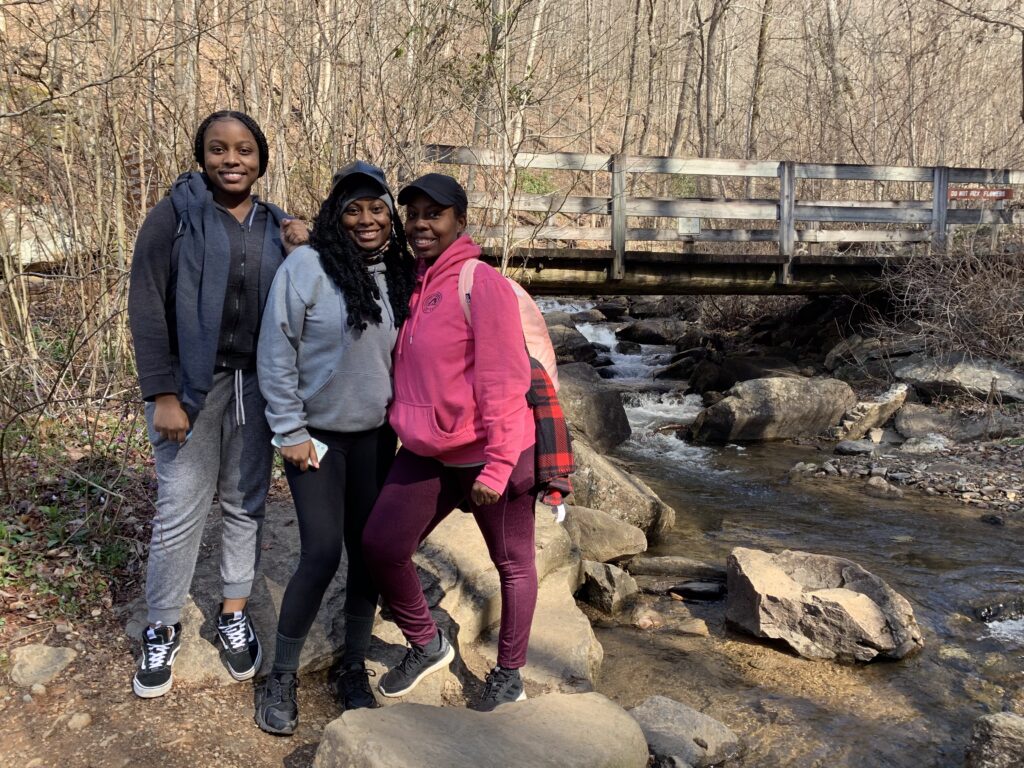
I am a mother of two beautiful young adult daughters. I am an accountant. I love light hiking, walking on trails, parks, painting, and just spending time with family when I can.
Pre-diagnosis
Before I got diagnosed with multiple myeloma, I was having tachycardia, shoulder pains, heart palpitations, shortness of breath, nausea, loss of appetite, and back pain. My resting heart rate was at 130 beats per minute, which is not normal at all. And these things were not getting better with over-the-counter medicine.
I was also experiencing some weird pop-like sensations. After I felt the first pop, which was on the right side of my chest area, I went to the doctor and they told me that I had probably pulled a muscle. They did do a chest x ray, but that was clear. And after that, the shortness of breath progressively got worse, as well as the heart palpitations.
I went to the doctor again in probably the second week of June 2022, and I got an EKG done. It was normal sinus. And then the next day, I felt another pop, this time on the left side of my chest area. I didn’t go to the doctor because of the diagnosis last time.
About a week after that, I felt and heard a really loud pop in my back and fell to the ground in excruciating pain. Later on that evening, I ended up going to urgent care and they did a bunch of tests and scans. That’s when they told me that it looked like cancer. I was finally diagnosed with multiple myeloma in June 2022.
I just couldn’t put my finger on what was happening to me. I would blame it on things like my age, the fact that I had gained weight, and so on. It was just extremely frustrating because I didn’t have any answers and I couldn’t figure it out. But never in a million years would I have thought it was cancer.
Reaction to the diagnosis
When I heard that, looking back, the first word that comes to mind is devastation. We cried so hard that day. It was just unbelievable. And it really felt surreal — this can’t be happening. There is no way that I have cancer.
My daughters were with me at that time. We were just heartbroken. I think I blanked out at that point, and I don’t really remember anything else until one of the days I was in the hospital.
There was so much I had to learn. I have extensive bone damage, including lesions literally all over my body from the skull, all the way down. So I was confused — how is it a blood cancer? You’re talking about my bones all the time. They did explain it, but there was just a lot going on.
But the doctors really did educate me. And then I was overly consumed with trying to learn about multiple myeloma and read and do my own research.
Finding the best care
I saw a doctor while I was in the hospital, and she is still currently my oncologist. I did also see a multiple myeloma specialist, which is something that other multiple myeloma patients should also consider doing. So I had that team of doctors to support me.
However, that team was not the best. I just feel like the communication wasn’t there, and I really feel like they dropped the ball with me. I also don’t think they were monitoring me as closely as I needed them to.
So now I see another specialist, and this team is awesome. They are really on top of things. I’m getting blood work, bone marrow biopsies, and bone surveys, which are X-rays.
Also, the communication is great. They have different numbers that I can call anytime and I can ask them as many questions as I want. They will call me back. I’m always going to get an answer. If they don’t know something, they’re going to figure it out.
They’re also making sure to monitor me. Right now, it’s not as often as before, when it was as often as every day, even on weekends and holidays.
The importance of self-advocacy
I think self-advocacy is one of the most important things that you can have when you’re dealing with cancer. In the beginning, I was so scared. I didn’t know what was going on. And so I was just going with the flow. But I’ve been in the game for a couple of years now, and so I’m asking all the questions.
You just have to speak up. I mean, let the doctors know how you feel. If you don’t want to do something, let them know and discuss it with them. And maybe there are other options. They should be talking to you about those things.
It’s your body and it’s your life, and you deserve the best. I mean, it is so hard going through this, and you need to have a team that you feel like is for you, and who’s going to support you no matter what.
I’ve talked to my specialist about getting the vaccines again. I’m on the fence about that. And she said, that’s okay. If you don’t want to, you don’t have to. She explained to me, it’s about exposure and you might have to do some lifestyle changes, but if you don’t want to, you don’t have to. And I love that.
Definitely speak up. I know, sometimes it can be intimidating, but you just have to. You’ll get used to it.
I keep going and fighting because I love life and I want to be here.
Treatment plan for IgM kappa multiple myeloma
Chemotherapy
I first started intravenous chemotherapy in August 2022. Initially, I would have to go twice a week for that IV chemo, and each session took about 4 hours or so. I wasn’t doing well in the beginning, so I did pills as well, daily for 21 days and then off for a week.
I didn’t feel really bad. I mean, I was sleepy because I had pre meds. And then after the second treatment, I was starting to feel better. And so then after that, I just got better and better.
However, I ended up relapsing at least 2 or 3 times. And usually when I relapse, I know something’s going on. My body just feels prickly and I get a little achy. And the fatigue gets a lot worse. That’s how I know — oh, something’s happening.
Bone marrow transplant
I had my bone marrow transplant on February 28th, 2023. I would say that the procedure itself is simple; everything before the transplant, as well as the recovery, is all the work.
So beforehand, I got a large dose of chemo and that made me really fatigued. I also experienced nausea, mild vomiting, and diarrhea. And then I got my transplant, which took just 10 minutes and I felt fine immediately afterwards.
After the procedure, you just build up strength. You go through a basement period where you really, really feel bad, where your immune system plummets down to nothing. And then it ramps up.
It took me about 2 weeks before I felt better. And then that’s how long you’re usually in the hospital, or at least it was for me.
But after my bone marrow transplant, I quickly relapsed. The bone marrow transplant ended up lasting me maybe 2 or 3 months at the most. And the old specialist that I had didn’t have a plan, and so my oncologist was trying to figure out what to do next. That’s where I feel they dropped the ball. The myeloma had gotten out of control, and then finally I started another chemo regimen.
And that is when I started seeing the new specialist, and she told me, since the bone marrow transplant did not work for you, you need to do CAR T if you relapse again. And so we had a plan. So when I was in the hospital for that month, it was so I would stabilize in order to get CAR T.
CAR T-cell therapy
Just like with a bone marrow transplant, there’s a lot of stuff that you have to do prior to getting CAR T. There are so many appointments and so many tests. And then finally you get to the CAR T procedure itself.
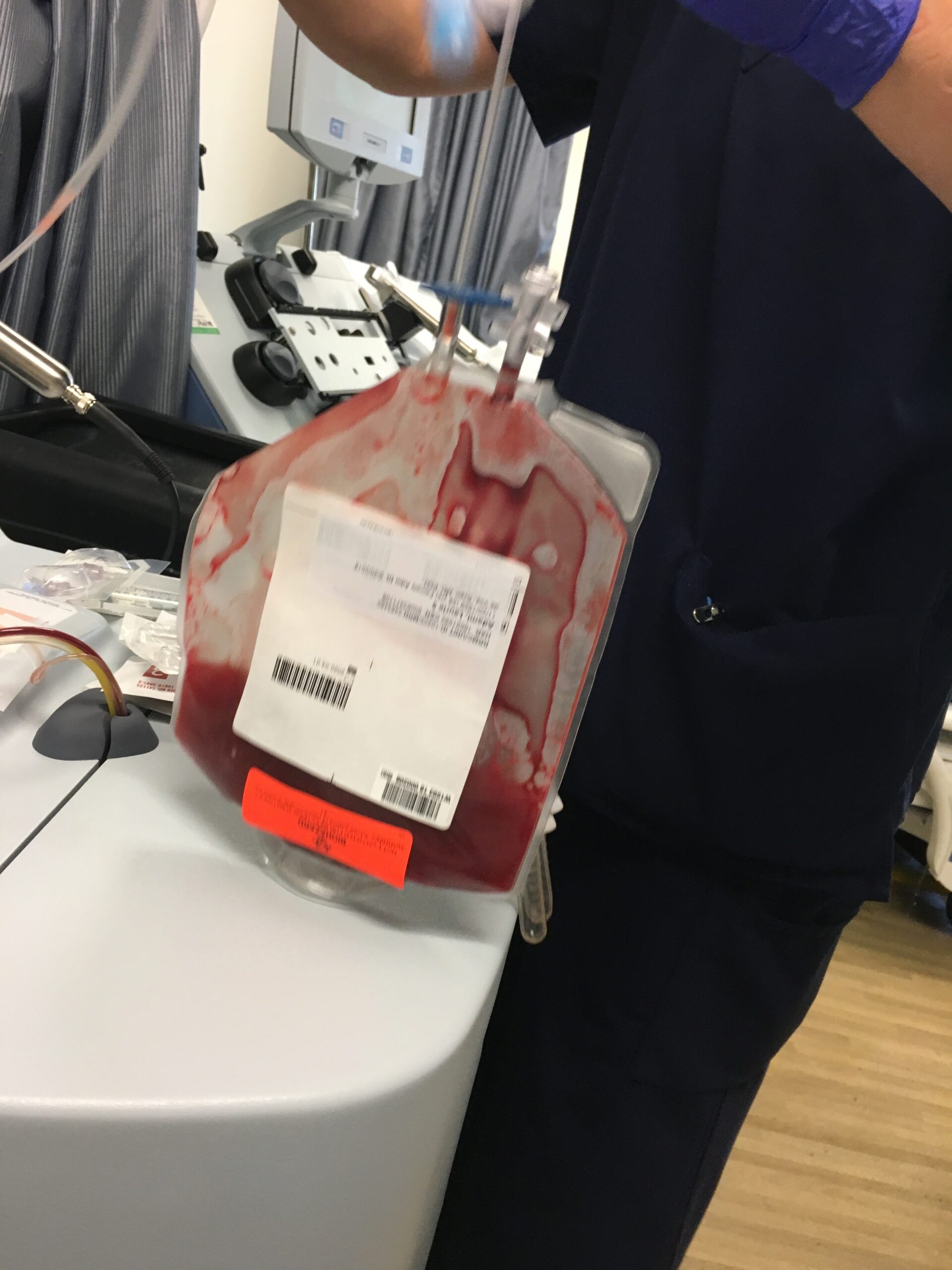
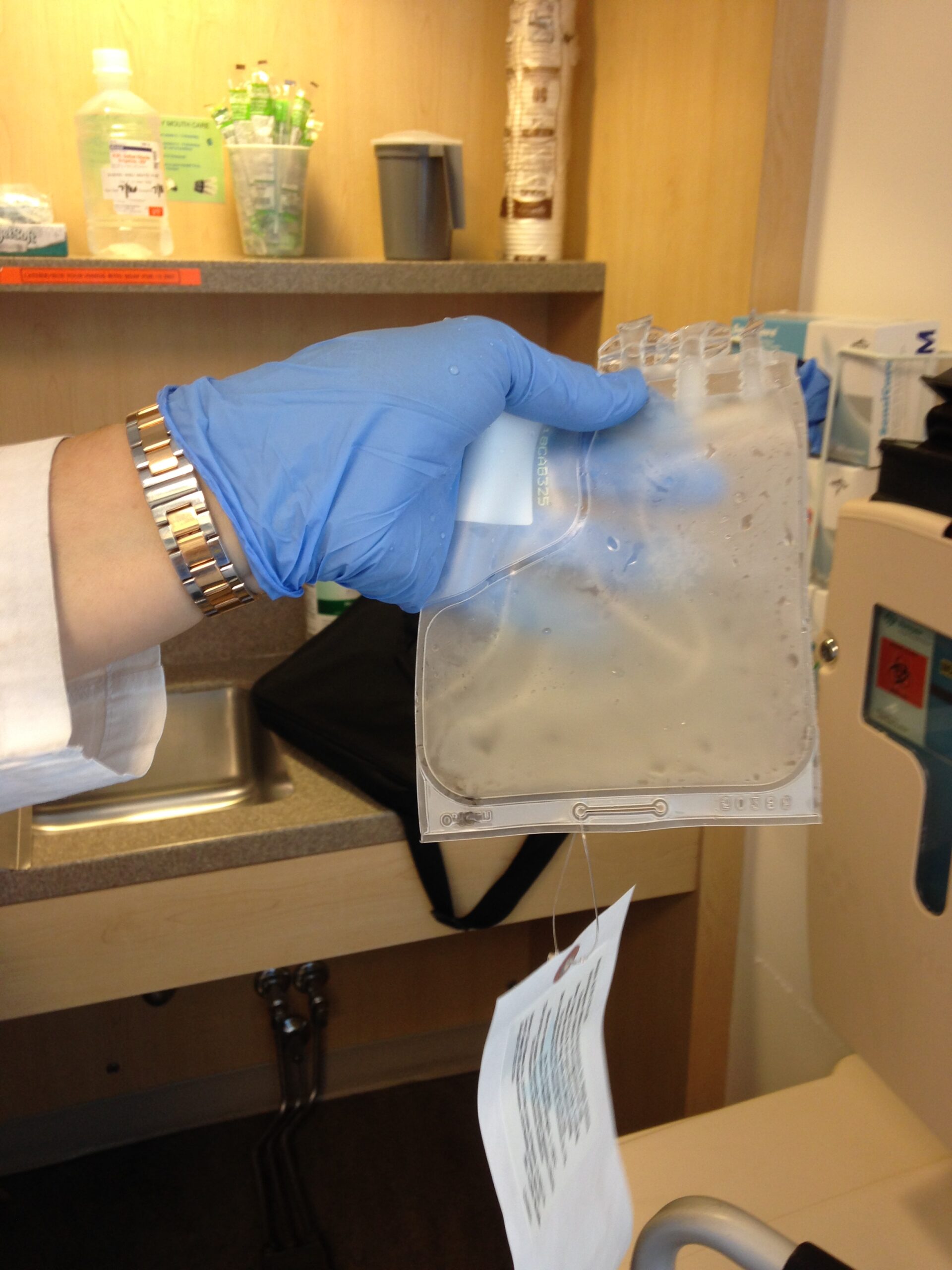
I had my CAR T procedure on September 3, 2024. It took me maybe only 15 minutes. As an aside, it tasted and smelled like tomatoes to me, and they say it can taste like tomatoes or creamed corn for some people.
After CAR T, my body would feel sore, but other than that I would be feeling fine.
I’m done now with CAR T and I’m feeling good.
It’s not my time to go yet. I am too young.
So I have to fight and get through it.
Her motivation
I keep going and fighting because I love life and I want to be here.
I have 2 beautiful daughters that I want to be here with. It’s not my time to go yet. I am too young. So I have to fight and get through it.
People probably wouldn’t believe me if I were I tell them all the things that have happened. But yeah, I’ve gone through them. I’m a resilient person, and I’m truly blessed. And I’m thankful that I’m here and I’m going to keep fighting.
My daughters are amazing. They have taken care of me throughout this whole time. They literally stopped their lives to take care of me, and I just appreciate them so much. We’ve gotten a lot closer, and we were already close. But, you know, this brings a better bond. Because they are with me every step of the way. And they’re my cheerleaders.
My girls have gone through a lot. It’s [a parent’s IgM kappa Multiple Myeloma diagnosis] mentally draining on them as well. But they handle it well. They rely and lean on each other a lot. We definitely keep the communication going. I’ve had them in therapy. We just keep praying and just try to keep positive.
Her mindset
I haven’t been diagnosed with multiple myeloma that long, I’m going on 3 years. Having relapses as often as I have had is tough, but I have to keep going.
Mental health, I think, is a huge factor. I don’t think it gets discussed enough. I think anybody that has a cancer diagnosis, and maybe their family too, would need to speak with somebody. I will be honest. I haven’t talked to a therapist as much as I would like to, but I have seen one, and it absolutely helps.
I also try not to stay in a negative mindset. I mean, I allow myself to feel all the feelings. They are valid. I’m frustrated, angry, sad, and I do get depressed sometimes. Though I allow myself to be in those feelings, I try not to stay there that long. You have to come up out of it and just get through it. And, really, it’s a day by day thing.
I’m never going to be the same person I was before all this happened. Not ever again.
But it’s okay.
Creating community
Community is so important. You need to have a support system, or you would just be a mess.
I have lots of support from my daughters, my mother, my friends, my family, my coworkers. Without that support system, I don’t know how I would have survived.
People want to help, and there are a lot of good people out there in the world. The little things count so much and are so helpful. I’ve had people bring us groceries or just bring us a meal, come down to visit and clean the house or whatever. That is super helpful.
Coworkers have given me leave donations, and that has been such a blessing, to be able to still pay the bills even though I’ve been in and out of work.
I’ve done online chats and connected with people on Tiktok. That helps. Because just meeting people living with the same thing as you is just really heartening. It really has been almost therapeutic. Because it felt like I found my people.
Her life right now
I’m never going to be the same person I was before all this happened. Not ever again. But it’s okay.
It is hard. You know, you think back sometimes — oh, man, I used to be able to do this or that, or, I used to be so lively — that’s no longer the case. It’s hard and it’s definitely challenging. It takes time to get used to.
But I feel like you’ll be fine once you get to that point where you realize and accept that you’re no longer that person you used to be, but you’re just a different version of that person. I’m still the old Krystal, but I’ve just had to tweak some things.
It did take me a while, though, you know? And even now, I’m kind of hard on myself, so just giving myself grace, learning how to do that.
My biggest piece of advice is to stay encouraged.
What Krystal wants to share
I always feel like multiple myeloma has taken literally everything from me.
It’s taken my vision. At one point, I couldn’t walk. I was using a wheelchair. I was in excruciating pain. I’ve had strokes. I’ve had everything. But I’ve come out of it like nothing ever happened.
Hope is a good word. Yes, I hope for the best. And I think I go more towards faith. My faith has gotten stronger during all of this. And that is really what I hold on to.
My biggest piece of advice is to stay encouraged. It is going to be so rough at times. You’re going to feel waves of emotions. It will be like a rollercoaster. But just stay encouraged. Speak up and ask all the questions. Be your own advocate. Accept help. You’re going to need that support from others, and you will be surprised at how many people really want to help you and will support you throughout all of this.
So as hard as IgM kappa multiple myeloma is, you can still come out of it and still rock it.
Special thanks again to Johnson & Johnson for their support of our patient education program! The Patient Story retains full editorial control over all content.