
Stage 1 Ampullary Cancer and New Motherhood: Michelle’s Story of Grace and Strength
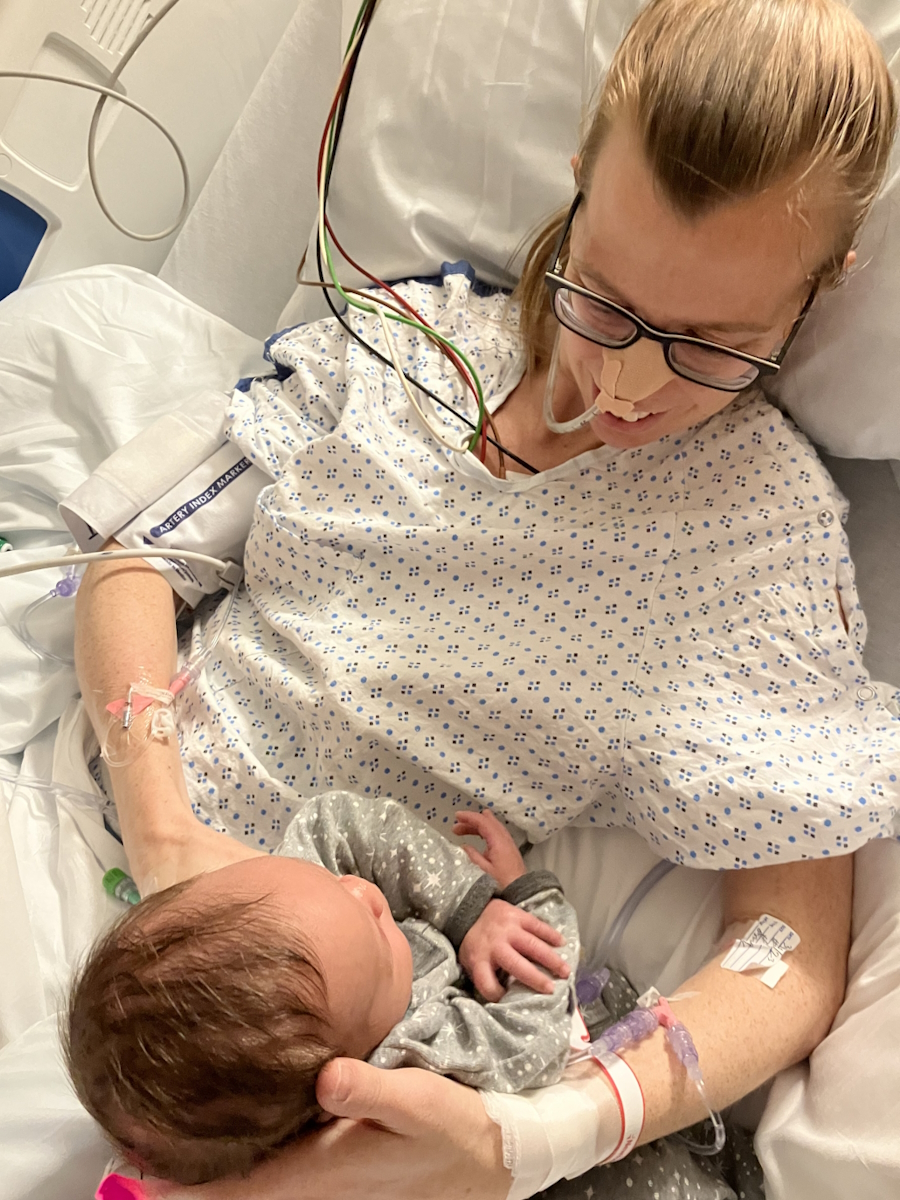
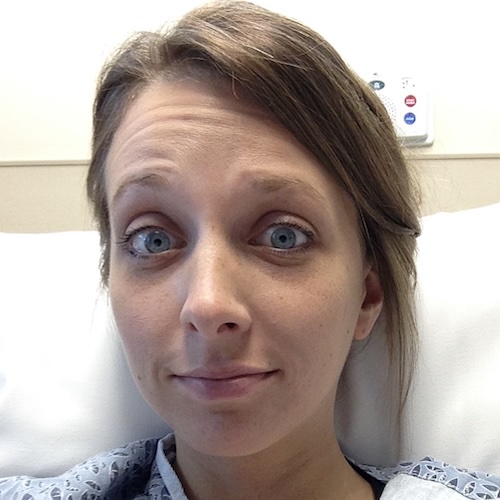
When Michelle welcomed her first child in early 2023, she never imagined that just three weeks later, she’d be facing a diagnosis of stage 1 ampullary cancer. Settling into new motherhood should’ve been a time of bonding, baby cuddles, and late-night feedings — not scans, surgeries, and chemotherapy. Her world turned upside down almost instantly, and what followed was a blur of medical decisions and emotional upheaval.
Interviewed by: Nikki Murphy
Edited by: Katrina Villareal
Michelle first noticed something was off during her pregnancy. Recurring bouts of pancreatitis led doctors to discover gallstones and a small, benign tumor. Since everything seemed under control, her care team agreed to wait until after her baby was born to remove it. But when surgery day came, doctors discovered that the tumor had grown, and that it was cancerous.
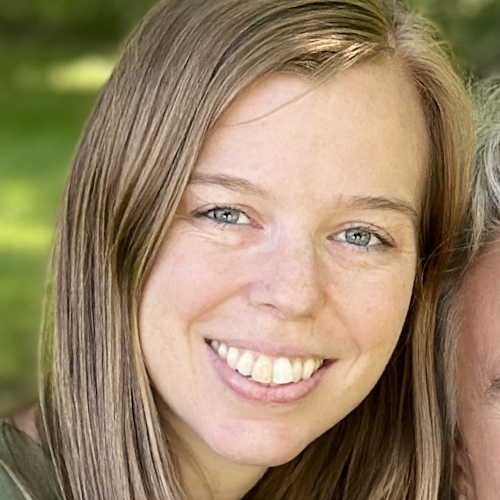
That moment changed everything.
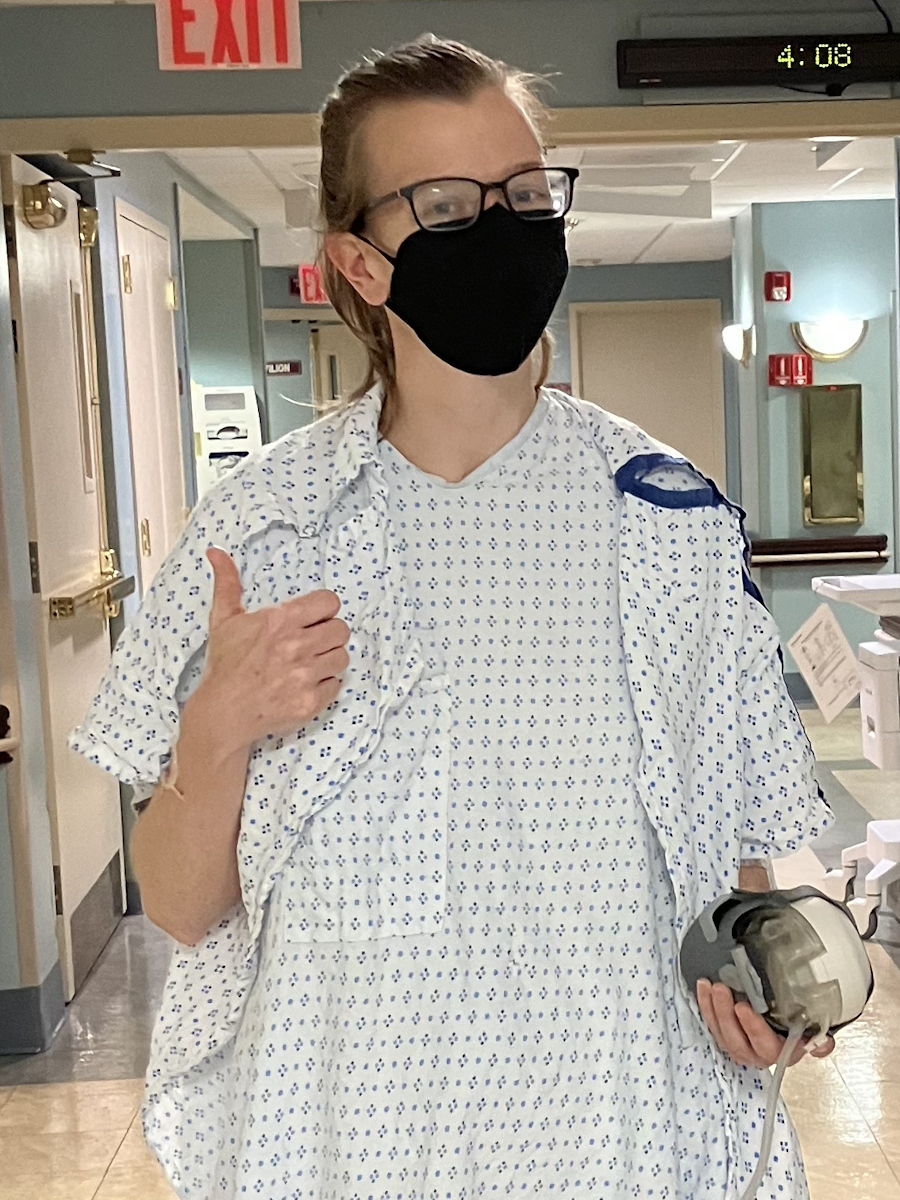
Suddenly, Michelle found herself navigating the complexities of parenting a newborn while preparing for a major procedure: the Whipple surgery. That day marked the first time she had to leave her baby. It wasn’t just physically painful; it was emotionally gut-wrenching. But with her husband by her side and her family caring for her infant, she leaned on her faith and support network for strength.
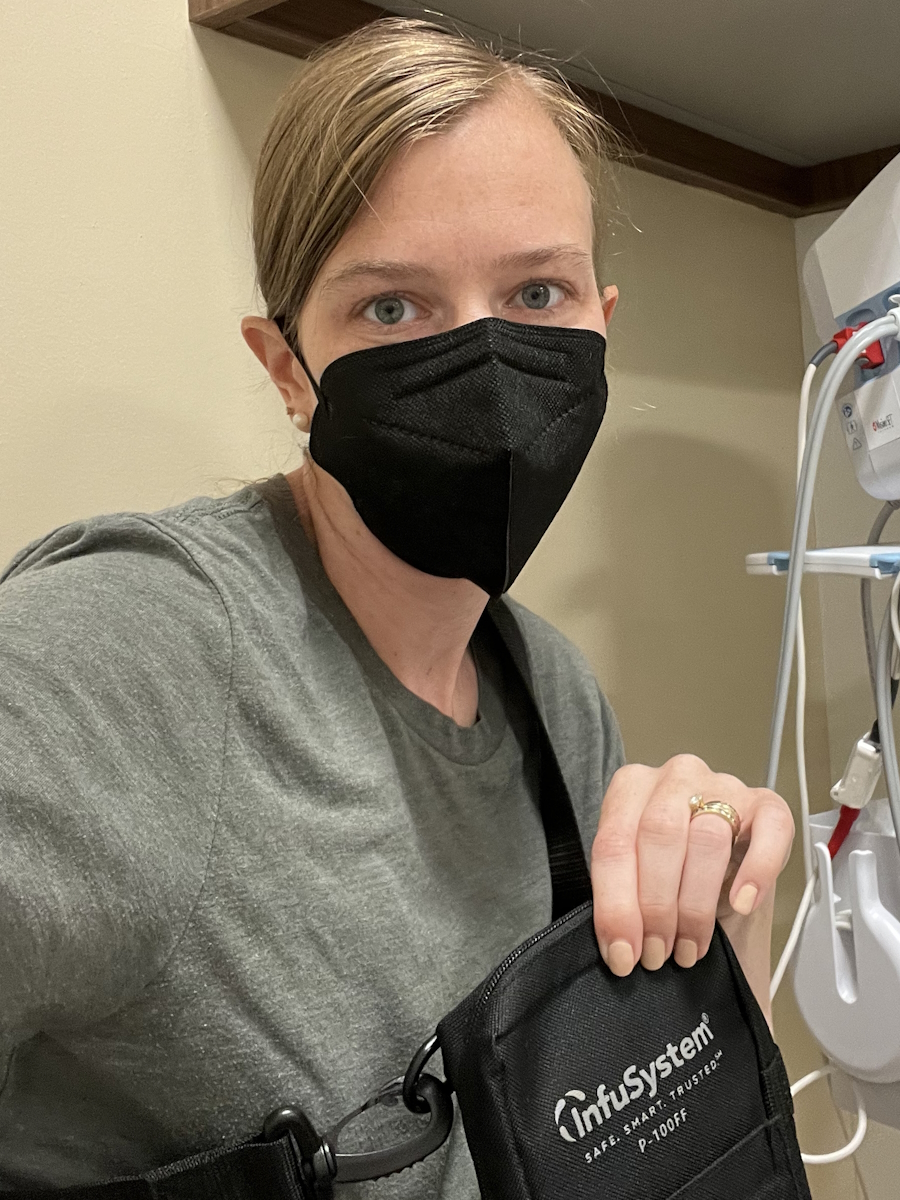
Even after the successful surgery, her path was far from over. Michelle went through 11 rounds of chemotherapy for stage 1 ampullary cancer, each session draining her physically and emotionally. She candidly shares how fatigue and sensory triggers, like the smell of the alcohol swab at the infusion center, made each treatment harder. Yet, through it all, she never stopped showing up for her child or for herself.
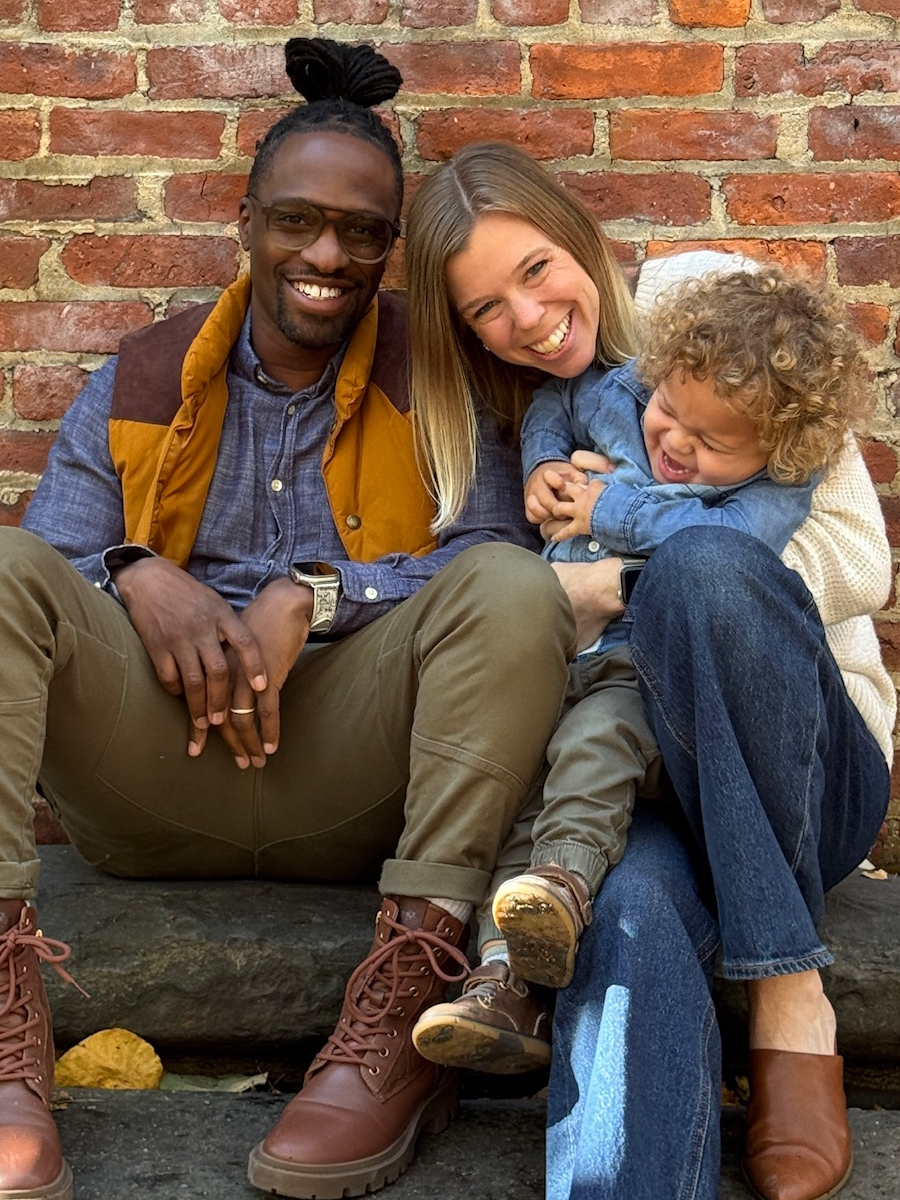
Now two years in remission from stage 1 ampullary cancer, Michelle is in the thick of survivorship. She admits that this stage brings its own set of challenges: processing the trauma, managing lingering pancreatitis, and learning who she is now. Celebrating her son’s birthdays is bittersweet; it reminds her of the season her life took such a dramatic turn. But Michelle is honest, hopeful, and deeply grounded in faith. She’s also fiercely committed to creating space for other young adults going through similar diagnoses.
For Michelle, hope comes in the form of connection, whether it’s a single friend who gets it or a support group of people living with rare cancers like stage 1 ampullary cancer. She advocates for more resources, more empathy, and more grace. Most of all, she encourages others to stay open to faith, healing, and people.
Watch Michelle’s story to find out more:
- What happens when your cancer diagnosis comes just three weeks after becoming a mom?
- Michelle reveals the emotional weight of leaving her newborn for surgery.
- Discover how faith and family supported her through stage 1 ampullary cancer.
- Learn why survivorship might be the most emotionally complex phase.
- Michelle’s story shows that hope, connection, and grace go a long way.
Michelle’s Diagnosis Facts
- Name: Michelle K.
- Age at Diagnosis:
- 31
- Diagnosis:
- Ampullary Cancer
- Staging:
- Stage 1
- Symptom:
- Recurrent pancreatitis
- Treatments:
- Surgery: Whipple procedure (pancreaticoduodenectomy)
- Chemotherapy

This is not medical advice. Please consult with your healthcare provider to make informed treatment decisions.
This interview has been edited for clarity and length. The views and opinions expressed in this interview do not necessarily reflect those of The Patient Story. This content does not replace professional medical advice.
Inspired by Michelle’s story?
Share your story, too!
Hear from people living with rare cancers
Real experiences with diagnosis, treatment choices, side effects, and life beyond rare cancers — in their own words.






Leave a Reply