
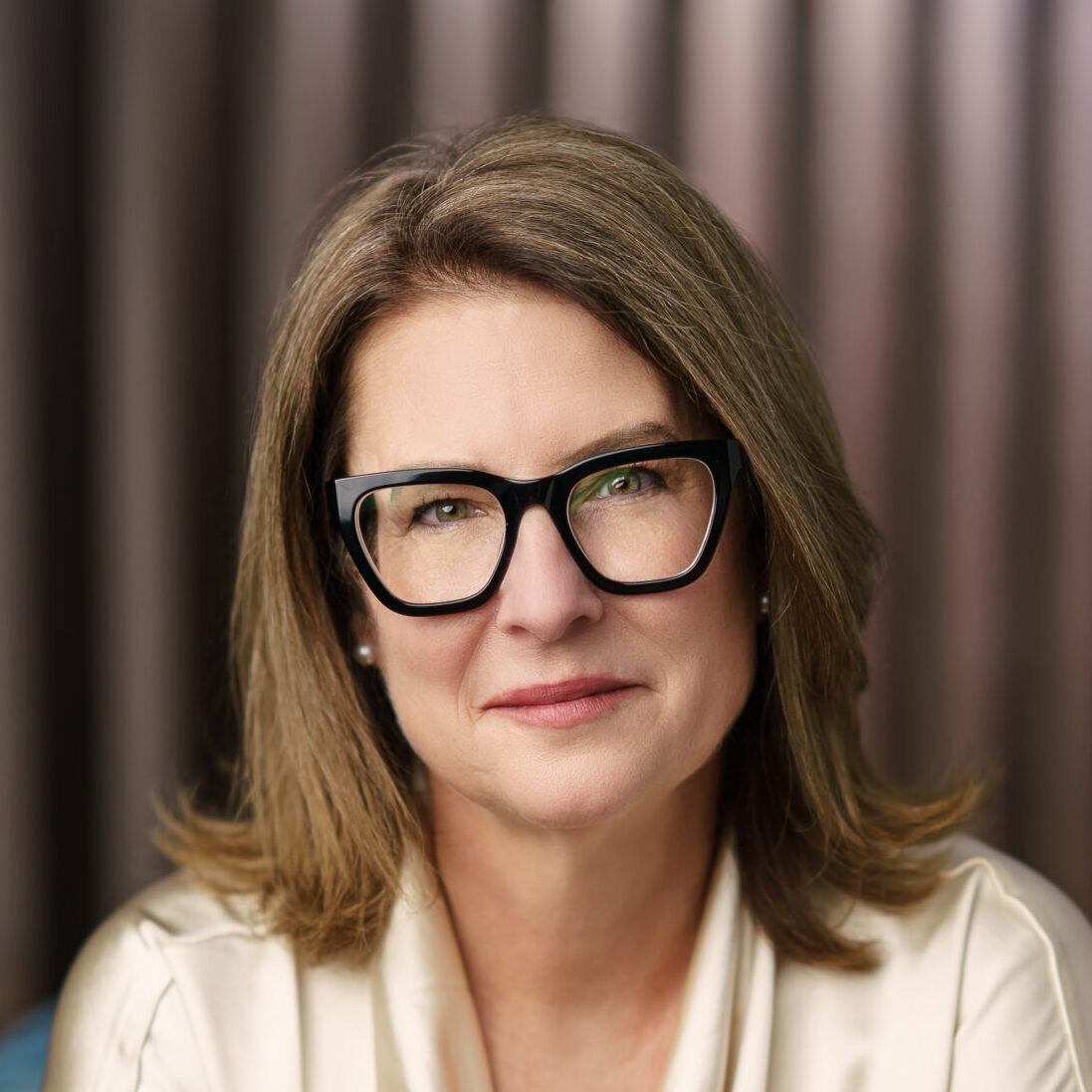
14 Years Into Metastatic Breast Cancer, Lesley Glenn Asks for a New Biopsy at Every Progression
Lesley Glenn was 47 years old and had a history of years of clear mammograms. One day, she found a lump that she says felt like it had appeared overnight. A biopsy confirmed it was breast cancer in November 2012, the day before Thanksgiving. Two weeks later, a scan found the cancer had already spread into her bones. Then came the phone call: she was told that she had stage 4 metastatic breast cancer (MBC). She remembers being alone in the moment, thinking she was going to die.
Interviewed by: Stephanie Chuang
Edited by: Chris Sanchez
Lesley says she had fewer than five spots in her bones at the time, which was described to her as oligometastatic disease. As a result, she says her care team recommended and then pursued radiation with a curative intent, since it had only spread to a few spots. She followed her original oncologist’s plan of chemotherapy until, after her second round of chemo, she landed in the hospital with sepsis from an infected chemo port.
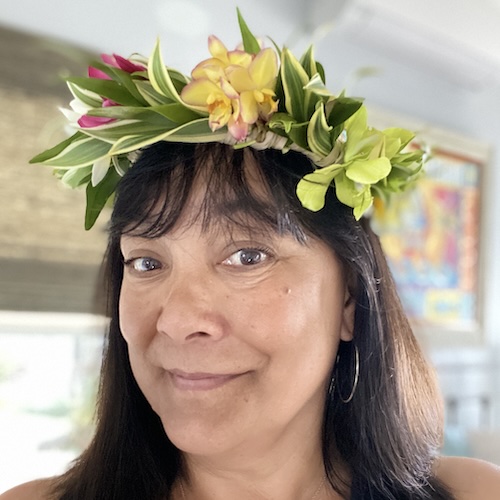
That crisis is where something shifted. She insisted the port come out and refused to continue the treatment plan as written, then sought a second opinion outside her original medical system. An orthopedic surgeon who was helping her with a shoulder biopsy advocated to get her into a new academic cancer center, where she says her new team took the time to explain her case and where they removed the tumor in 2013. She was placed on tamoxifen, a maintenance therapy, since the CDK4/6 inhibitors used today weren’t yet available.
Over the years that followed, Lesley’s disease has changed and mutated in ways she has had to track closely. The cancer lost its PR-positive status, and she later learned through a liquid biopsy that her cancer had shifted from HER2-negative to HER2-low. This meant new treatment options were available for her. Testing along the way has identified that her cancer has developed, and at times lost mutations including PIK3CA, ESR1, PTEN, and AKT.
Each mutation shaped which treatments were available as targeted therapies. Lesley is on her ninth line of therapy and says even with so many years under her belt, she has had to request a liquid biopsy at every progression herself rather than have it offered automatically. She is working to ensure other MBC patients and care partners know to ask for it, too.
Lesley founded Project Life, a virtual wellness community for people living with metastatic breast cancer and their loved ones. She built Project Life around the same belief that has carried her through treatment: that patients deserve a voice in their own care. Together, with The Patient Story, we’ve developed a Breast Cancer Biomarker Testing Toolkit to help you discuss biomarkers and the importance of testing at progression with your healthcare team.

Watch Lesley’s video and read the edited transcript of her interview for more about her story.
- Lesley says she has had to ask for her own liquid biopsy at every progression, even though repeat biomarker testing at progression is something many oncologists now recommend. Her experience is a reminder that getting a widely supported standard can still depend on whether or not the patient asks for it.
- Lesley’s cancer has changed classification more than once over 14 years, moving from HER2-negative to HER2-low and gaining and losing mutations like PIK3CA, ESR1, and PTEN along the way. Each shift has opened or closed a specific treatment option, which is why she advocates for always testing at progression and treats every new test result as information she needs to inform the next treatment choice.
- Learning to speak up for yourself is worth doing early. Because she’d already spent years advocating for other people, she says stepping in for herself felt less like something new and more like something familiar. Not everyone comes into a diagnosis with a background in advocacy.
- A second opinion can mean confirming a plan already in place or surfacing new options. And it also can mean sticking with your team, adding the voice of a specialist, or landing with an entirely new team. For Lesley, that meant both new ideas and a new team that fit her. When her oncologist recommended more of the same treatment and offered a second opinion from someone else in the same practice, she said no to both. She wanted a team outside those walls entirely, and that’s what got her to doctors she says finally took the time to listen.
- Lesley points to how metastatic breast cancer patients often call themselves thrivers rather than survivors, and says part of thriving is “being brave enough to ask the questions that may be scary.” Fourteen years and nine lines of treatment past her original diagnosis, she still asks them.
Lesley’s Diagnosis Facts
- Name: Lesley Glenn
- Age at Diagnosis:
- 47
- Diagnosis:
- Breast Cancer
- Staging:
- Stage 4 (De Novo Oligometastatic)
- Biomarkers:
- HER2 (status has shifted from HER2-negative to HER2-low over the course of treatment)
- ER
- PR (formerly PR-positive, but status was lost around 5 years after treatment)
- Mutations:
- PIK3CA
- ESR1
- PTEN (detected at earlier biopsy, but undetected at most recent one)
- AKT
- Symptom:
- Appearance of a palpable lump in breast
- Treatments:
- Chemotherapy
- Radiation therapy
- Surgery: tumor resection
- Hormone therapy: tamoxifen
- Targeted therapy

Story Partner

Thank you to Project Life for their partnership. Project Life is a virtual wellness house offering community, mentorship, and wellness programming that is free to all who join. Our collaboration brings that same spirit of support directly into this toolkit.
Story Sponsors



Thank you to our sponsors for their support of our independent patient educational content. The Patient Story retains full editorial control over all content.
This is not medical advice. Please consult with your healthcare provider to make informed treatment decisions.
- Lesley’s Diagnosis Facts
- Compassionate, outgoing, and willing to take risks
- Hearing “stage 4” over the phone, alone
- Finding the lump after a year of clear mammograms
- Following the plan until I couldn’t any longer
- Refusing to go back on chemo and asking for a second opinion
- The orthopedic surgeon who got me into a new cancer center
- What changed at the new cancer center
- Why being treated as a person and not a patient number mattered
- Redefining what a good patient looks like
- A timeline of the cancer losing PR status and becoming HER2-low
- Why understanding biomarkers and mutations matters
- Why I have had to ask for a liquid biopsy at every progression
- What targeted therapy gave me
- Thinking of my children when I thought my time was limited
- From Dandelion Wishes to becoming a cancer advocate
- Asking isn’t difficult; it’s necessary
- Hear from people living with metastatic breast cancer
Metastatic breast cancer patients like to call themselves thrivers, and part of thriving is being brave enough to ask the questions that may be scary.
Lesley Glenn, Metastatic Breast Cancer Patient Advocate
Compassionate, outgoing, and willing to take risks
My best friends would describe me as compassionate, outgoing, adventurous, kind, and willing to take risks.
Bringing art into women’s prisons and rehab centers through Dandelion Wishes
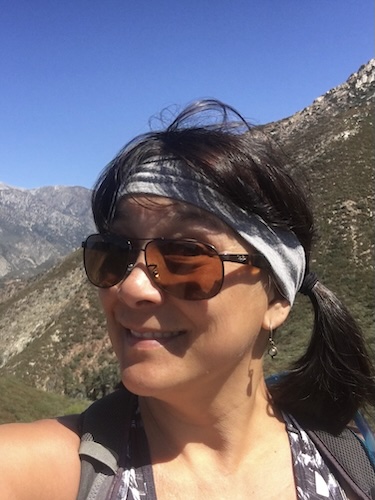
Dandelion Wishes was my nonprofit that I ran before I was diagnosed with cancer. It came out of my love for art and my realization that art is a process and a way for people to connect with their feelings. I found that through teaching preschool and bringing art into the classroom for children who were having a hard time. I wanted to move that to the adult setting, and I wanted to go into the rehab centers and the prisons.
That’s where I took Dandelion Wishes. I took it into the women’s prisons, rehab centers, and detention centers to allow the individuals to have an opportunity to play with art mediums that they’ve never played with before, and to have conversations around creating and watching sparks in their eyes as they touch paint for the first time.
It was something that I found freeing for myself, and I knew that they would also, and it’s what I wanted to do for the rest of my life: take art to prison.
The woman who used art to process her pain
My experience working with the women in the prison system was eye-opening but not surprising. I knew that if we were to allow these women to express themselves in a way that was different for them, it would be great. A lot of them had come into the prison system with a history of art. They were tattoo people. They were taggers. They got into trouble because they were putting their artwork in different places in public. And there’s a reason for that. It’s their way of expression.
Now, I didn’t diagnose them. I wasn’t there to help them figure things out. I was there to give them an opportunity. The art, the paint, crayons, colored pencils, chalk, or whatever I brought that week allowed them to open up with the prompts that I gave them. They came to their own conclusions. The lights went on, and they were holding their piece of artwork, saying, “I need to go to my therapist, and I need to tell them what I discovered.”
They were taking what they created and taking it to their therapy sessions. For example, one of the women started crying as we were doing these holding mirrors, and she was drawing her reflection on a piece of paper, and she broke down in tears. When I asked her to tell me more about how this made her feel, she said: “I’m the same age as my mom when she passed away, and I don’t know how to live older than I already am.” That was something that she came up with all on her own, that she wanted to take to her therapist to talk about, because she didn’t know how to live beyond those years, because her mom passed away at such a young age.
The women I met in the prisons were welcoming, compassionate, and hungry for something new.
Finding empowerment in collage
When I am making a collage, I feel empowered. I lose track of time. I focus on what my intention is for the project that I’m working on.

I was diagnosed in November 2012, the day before Thanksgiving. At that time, I was just told that it was confirmed that I had breast cancer. Two weeks later, I had a scan, and the scan found that it had already spread into my bones.
Lesley Glenn, Metastatic Breast Cancer Patient Advocate
Hearing “stage 4” over the phone, alone
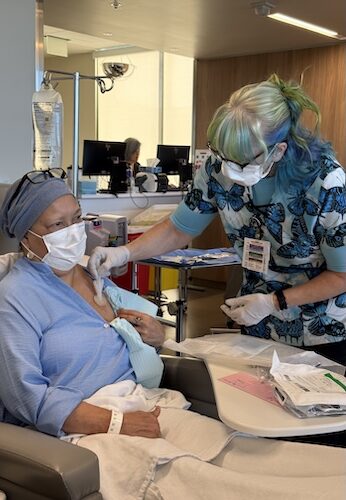
I was diagnosed in November 2012, the day before Thanksgiving. At that time, I was just told that it was confirmed that I had breast cancer. Two weeks later, I had a scan, and the scan found that it had already spread into my bones. And I found that out through a phone call. I wasn’t in the doctor’s office.
The doctor called me and told me over the phone. I was by myself. The conversation was very short, and I fell apart. I was by myself, looking for someone to call. I called my best friend, who was at work. She was in a meeting. I made them get her out of the meeting because I had to tell somebody that I was actually stage 4 and not early stage, as they first thought.
“I’m going to die”: What went through my mind at 47
“I’m going to die.” That’s the first thing that I thought of. It’s spread. It’s already in my bones. I have limited time. I’m going to die. And I need someone to understand and to hear me.” I was 47.
Finding the lump after a year of clear mammograms
I felt the lump. After you take a shower, you put on your lotion, and all of a sudden, it’s like, “Oh, what is that? That’s not normal.”
It was definitely a lump. It was large in size. I feel like it had just popped up overnight, because I had already been having my regular mammograms and had clear mammograms up until that point. So when I found the lump and went to the doctor, I already pretty much knew that it was going to be a cancer diagnosis.
It’s probably been a year since my last mammogram before I found the lump.
Telling my family all at once at Thanksgiving
I was thankful that the year I was diagnosed, everybody, from my side of the family and my ex-husband’s side of the family, was coming down for Thanksgiving. It was the opportunity to tell everyone all at once, when everyone was present. I counted that as a blessing, being able to be with family and tell everyone all at once, and to process it all at once.
Understanding what stage 4 actually meant
I didn’t really understand what stage 4 meant. All I knew was that it was incurable. I knew that what I thought was going to be eight months of chemo and then radiation was going to end up being something a lot longer. I didn’t know what they did for cancer in the bones; that was all new to me. We talked about radiation.
When I was first diagnosed, I had fewer than five spots in my bones, which is called oligometastatic, so they try to do it for curative intent. If there are five or fewer, they’ll try to radiate and try to cure you, but that didn’t work out in the long run. (EDITOR’S NOTE: According to MT UT Anderson, cancers are oligometastatic when cells from an original tumor go to one or a few sites, where they form new tumors. It’s an intermediate stage of cancer, between being localized and widely spread.)
I was dead set on going through the regular chemo, surgery, chemo, and then radiation, and following the doctor’s orders of what they recommended… Until I landed in the hospital with sepsis after my second round of chemo.
I was dead set on listening to my oncologist at the time. She told me exactly what we were going to do, and I was ready to stick to the plan and follow it. It wasn’t until I realized that I could no longer follow her plan that I had to say something for myself.
Lesley Glenn, Metastatic Breast Cancer Patient Advocate
Following the plan until I couldn’t any longer
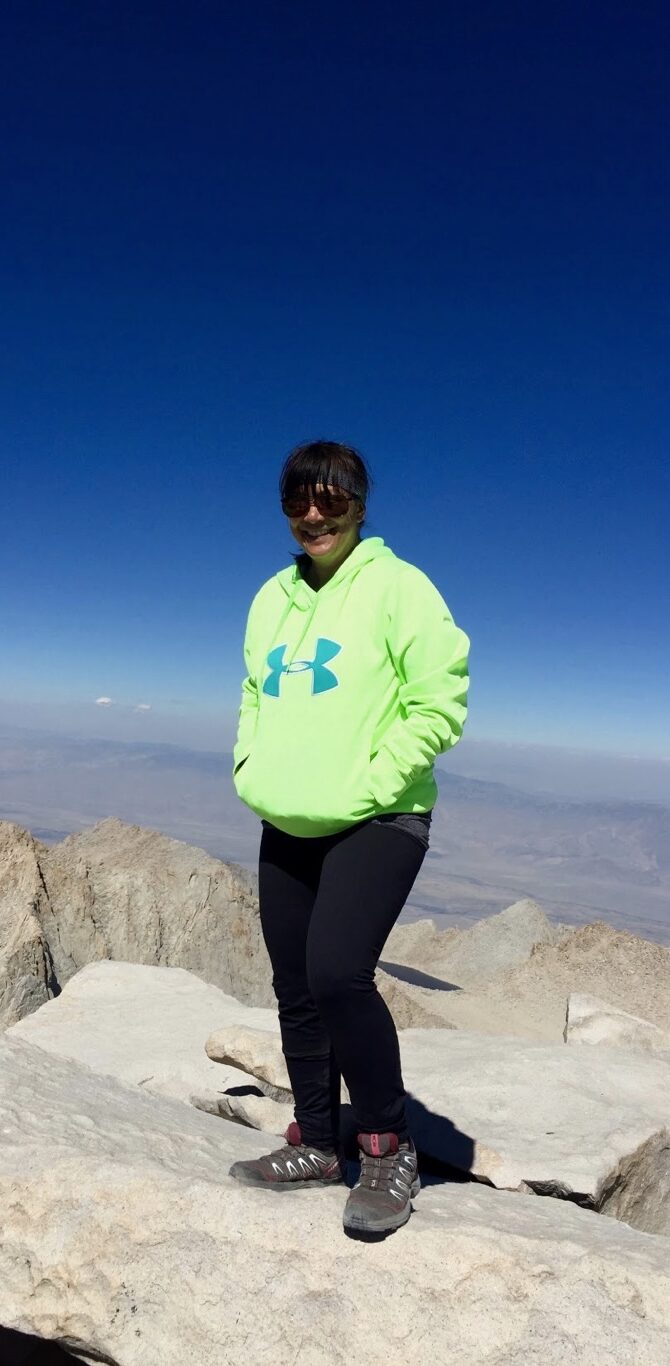
I was dead set on listening to my oncologist at the time. She told me exactly what we were going to do, and I was ready to stick to the plan and follow it. It wasn’t until I realized that I could no longer follow her plan that I had to say something for myself.
Learning to speak up for myself
When I realized that something was definitely wrong, it wasn’t hard for me at all. I had spent so many years advocating for others who needed encouragement and empowerment. I was always one for the underdog. And now I found myself, and I felt like the underdog.
I knew that I needed to speak up for myself, because what was happening to me in the hospital was that I was dying. I was dying of sepsis. I was dying from a port that was implanted in me that had gotten infected, and my medical team did not want to remove it. They wanted me to keep it.
I said, “No, we are going to remove it.” Not only did I say we are going to remove it, but we’re not going to continue with this treatment plan, because it’s not working. It’s killing me.
Refusing to go back on chemo and asking for a second opinion
I was a good patient in the beginning. I listened. I marked everything down in my calendar. I had everything planned out for a couple of months, when my chemo sessions were, and when we were going to have surgery. After surgery, I was supposed to go back and have a different chemo, and I just said, “No, I’m not doing this.” It just didn’t feel right in my body that I should be going through this. I spoke up for myself.
Now, I waited until I got out of the hospital before I decided to fight that battle with my oncologist at the time, and she was very disappointed that I refused to go back on chemo. I had only been through two rounds at that point, so I didn’t finish the full course. They wanted me to go back on this chemo, and I said no way. They said, “We can do surgery, and then you can go back on chemo.” And I said I wasn’t doing that either.
I asked for a second opinion. The oncologist at the time said, “I can get you a second opinion with an oncologist that’s in our practice.” I said, “No, I don’t want to have a second opinion from anyone in the practice. I need to go outside of the walls and find a second opinion from somewhere else.”

The orthopedic surgeon who got me into a new cancer center
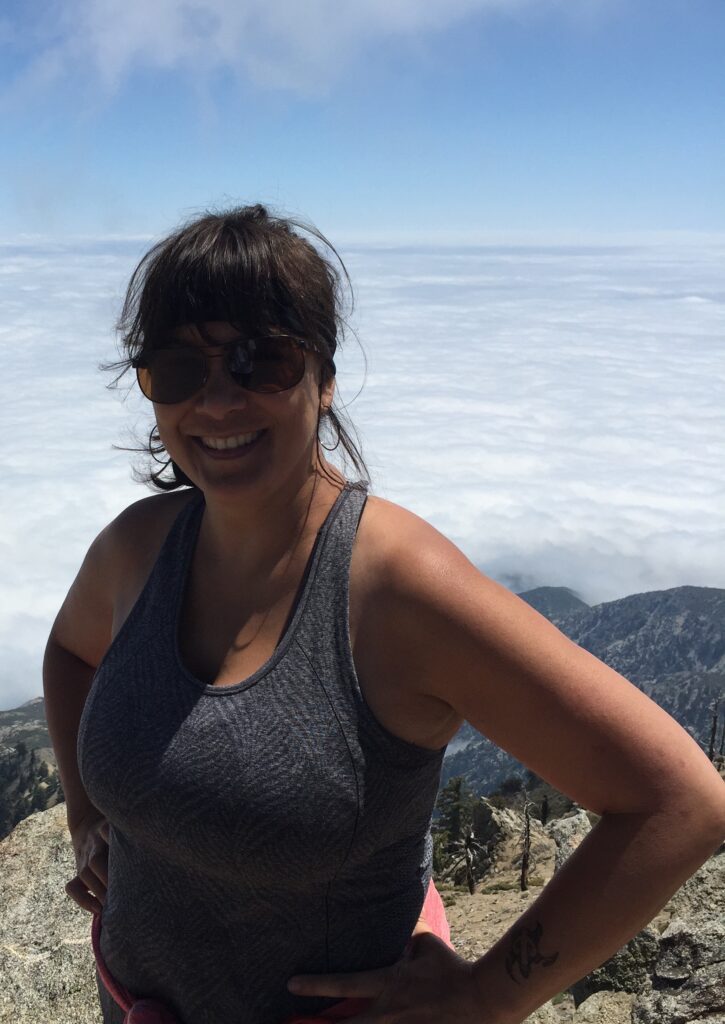
Thankfully, because of the mass in my shoulder and the cancer in my shoulder, I needed to have a biopsy, and I ended up going to an orthopedic surgeon. His name was Dr. Hernandez. He saw me walk in the door. I was just out of the hospital. I was swollen and puffed up because of all the inflammation from all the antibiotics that I was on. I was on IV antibiotics.
Before we even talked about my shoulder, he got on the phone, called one of his good friends over at one of the big cancer centers, and got her to accept me as her patient. I ended up having one of the best teams at this cancer center, where they all rallied around me. It was a team that rallied around me, not just one doctor. It was the surgeon, the orthopedic surgeon, the medical oncologists… Everyone was having a part in taking care of me and listening to what my fears were. They actually listened.
I had done a little Googling. Of course, everyone says not to go on Doctor Google when you get a diagnosis, because you’ll have yourself dead in a couple of weeks. I went on Doctor Google and did some research. Now, this was back in 2012. None of the CDK4/6 inhibitors were ever out. They were still in clinical trials, so none of these new treatments were out. What they were putting everyone on at the time was like a maintenance therapy. I suggested it, and my new oncologist said, “That seems reasonable,” and so we put me on it, and that kept me stable for a couple of years. They put me on tamoxifen, a maintenance therapy.
I asked for a second opinion. The oncologist at the time said, ‘I can get you a second opinion with an oncologist that’s in our practice.’ I said, ‘No, I don’t want to have a second opinion from anyone in the practice. I need to go outside of the walls and find a second opinion from somewhere else.’
Lesley Glenn, Metastatic Breast Cancer Patient Advocate
What changed at the new cancer center
They were specialists. They were in a community center. When I moved over, I moved over to the University of Southern California (USC).
At the new place, they listened to me and told me things that I didn’t necessarily want to hear. For example, I didn’t need to go on chemo as the first step. It was a toss-up: Do you want to have surgery or not? It wasn’t how it is nowadays, where they don’t usually do surgery for those with stage 4. They usually leave the primary. They went and got my primary tumor out, back in 2013.
It was a very different atmosphere of being compassionate, listening, meeting with me, and spending as much time with me in the examining room, drawing diagrams on the whiteboard so that I understood everything that was happening to me. They were very much in tune with who I was. I didn’t feel like they had to catch up reading my chart. I felt like they read my chart before they even walked in. They knew they were talking to me, and I was the only one in the room at the time.
Why being treated as a person and not a patient number mattered
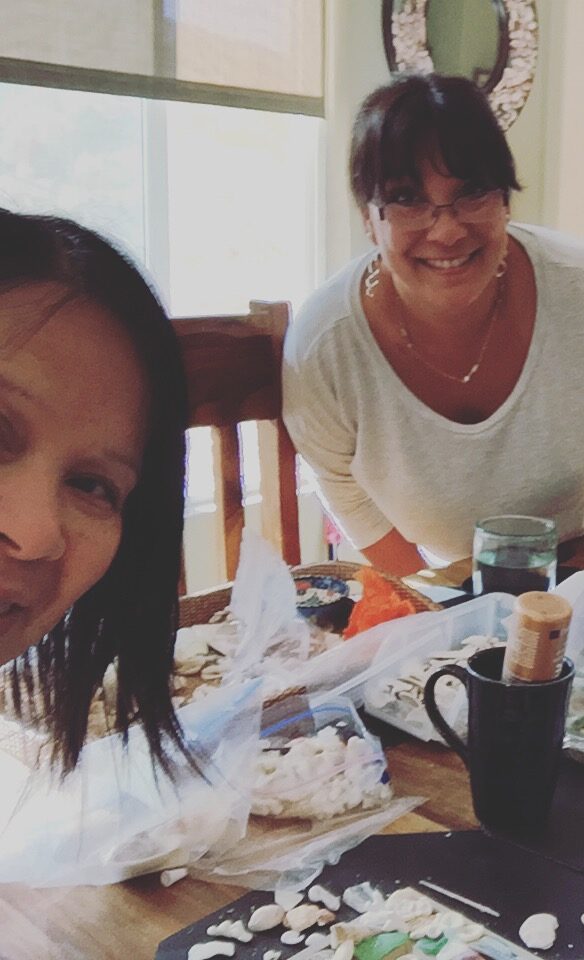
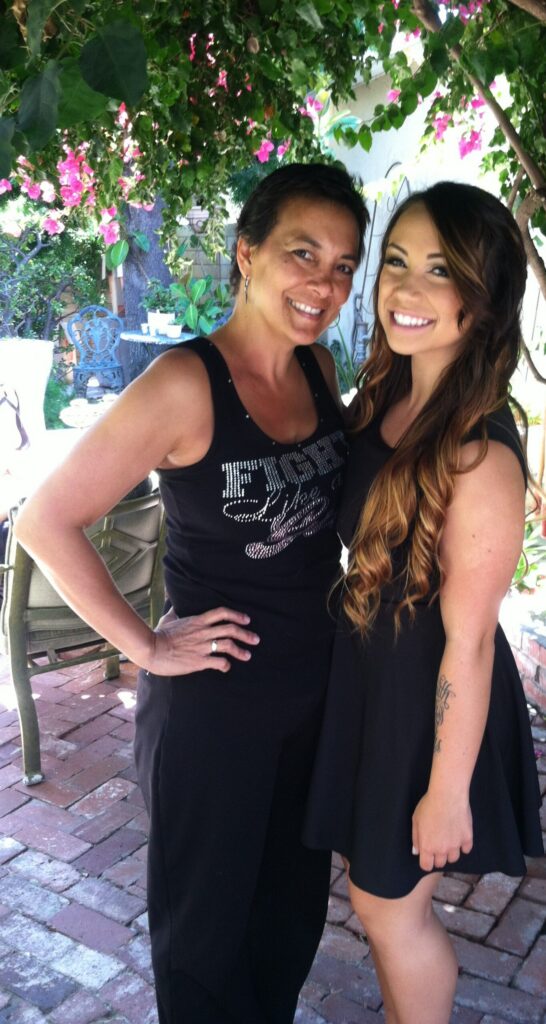
You don’t want to feel like you’re a number on a file folder or just your name. You want to feel like a human being and that someone is actually listening to how you’re feeling and how everything is making you feel. You don’t even know how you’re feeling because things are coming at you so quickly. But those doctors can just sit and hold space. There aren’t very many doctors who can hold space very well for their patients, and my team did, at the time that I needed it.
What I realized about myself was that I had to determine what kind of doctor I needed and wanted. Before, it was who the insurance is telling you to go to because they’re in network or whoever your insurance allows, and that was the first oncologist who was assigned to me. I went, I trusted, and when I didn’t feel that I was heard, I went somewhere else, where I was listened to. We started building a relationship of trust.
I was able to move my care over to the team of doctors that I knew that I needed for myself. Now, I don’t need a team of doctors that are all touchy-feely, but I do need a team of doctors that can have some compassion, can listen to what I am saying, and give their opinion on what they’re saying.
I’ve had a couple of oncologists since I’ve moved away from Southern California. I feel like my relationship with my oncologist over the years hasn’t always been with someone who is prone to having these conversations. I’ve had to assert myself in a way that this is the way that I want to have a relationship with you, that we can talk, and we can have a back-and-forth conversation. I might not always agree with you, and you might not always agree with me, but can we have a dialogue and reach the treatment that I’m going to be on, whatever treatment that looks like, or the testing or scans. Can we have these conversations where they’re back and forth, and we are listening to one another?
Redefining what a good patient looks like
What a good patient is [to me] now is coming in with all of my information.
Over the years, I have tried my best to understand my diagnosis and follow along with research. I’ve probably done more than the regular patient has done, but it’s just how I’m wired. I want to find out as much information as I possibly can and equip myself.
From the information that I’ve gleaned through my research, I write down questions for my oncologist. Why not this drug? Why this drug? Let’s talk about the two different drugs and which treatment option would be the best for me. But let’s also take quality of life into consideration. That is crucial for me. Quality of life is the most important thing for me. I need you to hear what’s important for me as we work together to be sure that we keep the cancer at bay.
How my cancer has changed over the years
My cancer has changed over time. I’ve lost one of my hormone receptors. I’m estrogen-positive and progesterone-negative. I was HER2-negative, and now I’m HER2-low. So things can change over time, and we need to know about these changes that go on in our body. We need to know about any genetic mutations, any somatic mutations that come up, so that we have something to target. (EDITOR’S NOTE: The National Cancer Institute defines a somatic mutation as a change in DNA that happens after conception. These mutations can cause cancer or other diseases, but this doesn’t always happen.)
Understanding that for myself has helped in advocating for the things that I needed as my cancer progressed over the years. Back in 2012, a liquid biopsy was a new concept. We were all amazed that this was coming down the pipeline. To see it with biomarker testing and the things that I have found out about my cancer through testing over the years has helped with deciding what treatments I’m going to go on next.

Things can change over time, and we need to know about these changes that go on in our body. We need to know about any genetic mutations, any somatic mutations that come up, so that we have something to target.
Lesley Glenn, Metastatic Breast Cancer Patient Advocate
A timeline of the cancer losing PR status and becoming HER2-low
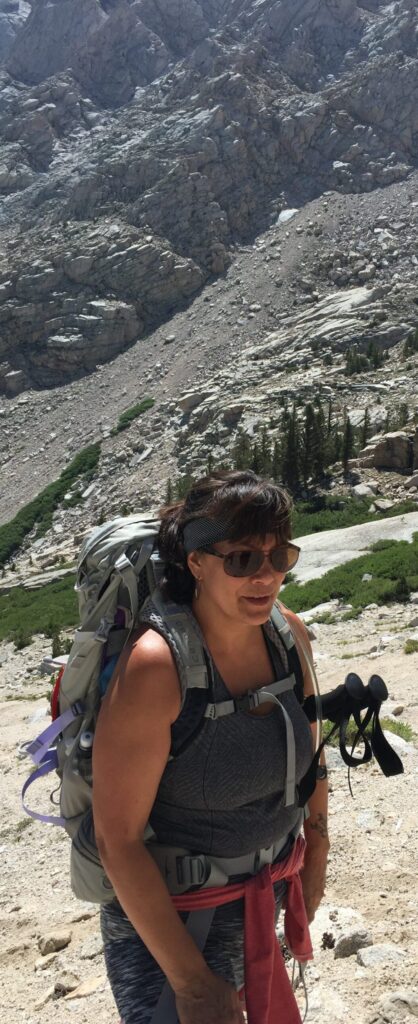
I was diagnosed in 2012 with ER-positive, PR-positive, HER2-negative breast cancer. I lost my PR status five years later, but they still consider me to be hormone-positive.
When I had progression and I had a liquid biopsy, we found that my HER2 had gone from negative to 2+, which is HER2-low.
(EDITOR’S NOTE: Breastcancer.org unpacks HER2 status and the scores patients can get when they take tests for the HER2 protein. The immunohistochemistry, or IHC, test uses a chemical dye to stain HER2 proteins on the surface of cells in a breast cancer tissue sample and provides a score of 0 to 3+ depending on the amount of these proteins. A score of 0 to 1+ is considered HER2-negative. A score of 2+ is considered borderline or equivocal. Another test called fluorescence in situ hybridization, or FISH, may be done to determine if the sample is actually HER2-positive. A score of 3+ is considered HER2-positive. In some cases where the cancer is considered HER2-negative, there are extra HER2 proteins, but there simply aren’t enough for the cancer to be HER2-positive, and these cancers are classified as HER2-low, like Lesley’s.)
What finding new mutations meant for my metastatic breast cancer treatment
After finding out I was HER2-low, but also finding out that I had certain mutations that I could only find out through the liquid biopsies, we were able to put me on specific treatments that targeted the PIK3CA mutation, which I have.
I also have the ESR1 mutation. I had the PTEN mutation, but I lost that mutation this last go around. Even with mutations, you can lose one or gain more, and I’ve gained more mutations over the years. (EDITOR’S NOTE: As Susan G. Komen explains, over the course of treatment for breast cancer, tumor mutations can develop or change, for instance, so that patients’ treatments can’t affect them. Even patients who’ve already been tested for genetic mutations need to know that this is a possibility.)
It’s always good to know exactly what you’re dealing with, especially when you’re dealing with progression, and you have to decide what treatment to go on next. It’s good to know exactly what’s going on in ourselves to inform what the next treatment should be.
Why understanding biomarkers and mutations matters
Each of our bodies is unique and holds its own story within itself. Getting a cancer diagnosis isn’t a one-and-done. It isn’t take this cancer bag and here’s the remedy for it. You need two apples, three stalks of celery, and that’s going to benefit you. You might need one apple and five stalks of celery, but you don’t know that unless you know what’s going on in your body, which only your body is going through. And it’s different than somebody else who’s going through the same thing.
That’s why being informed about what’s going on at every level, especially during progression with your cancer, is so very important to educating and informing what your next treatment should be.
Clinical trials are so very important as far as research goes and finding new treatment options for those living with metastatic breast cancer.
What a liquid biopsy actually is
A liquid biopsy is basically just a blood test. It’s one vial of blood that the phlebotomist will take, put your name on it, pack it up, and send it off. But there’s also tissue biopsies, so if you have the opportunity to do both, that’s the gold standard to be able to do both.
But if you do not have a solid tumor that is large enough for a tissue biopsy, you can always ask for a liquid biopsy. And one should always be asked for with every single progression.

Why I have had to ask for a liquid biopsy at every progression

I have dealt with progression consistently since 2018, so I would say at least once a year since 2018. I’m on my ninth line of treatment. Back in 2018, liquid biopsies still were not that popular. But as soon as they started using them, I started asking for them. With every single liquid biopsy that I have had, there has been something different on my report, which is telling for the treatments that we’re going to focus on next.
The first one, I found out about all the mutations that I had: PIK3CA, PTEN, AKT, all of those different things that we don’t quite understand. I don’t quite understand them. All I know is that they’re targetable and that there are treatments that can target them, and that’s what I want. (EDITOR’S NOTE: According to the National Breast Cancer Foundation, while mutations in the BRCA1 and BRCA2 genes are the best-known and most-discussed genetic risk factors, many more, including but certainly not limited to the ones Lesley mentioned, are being discovered regularly. Check the link to read about other genes that may increase the risk of developing breast cancer.)
The second liquid biopsy found that I had lost one of my mutations. Then my third liquid biopsy reiterated that I was HER2-low. There are several other mutations that they also found. But what’s interesting is that none of these mutations are targetable yet, but they could be down the line.
What progression and new mutations feel like
I always hold out hope that there’s something out there that is going to be able to work within my body to hold the cancer at bay. We all need to have hope. With each report, with the education that I’m getting, and with the information that I’m getting from these reports, I take them when I meet with my oncologist, and we talk about them. It informs my next treatment option, and I look for them.
I also look through the clinical trials to see if there’s anything out there that I would qualify for, whether it’s within my area and that I don’t have to travel very far, and it’s actually going to benefit me. I look at the side effects of the clinical trials as well. What is my quality of life going to look like?
Always hold out hope that there’s something out there that is going to be able to work within my body to hold the cancer at bay. We all need to have hope.
Lesley Glenn, Metastatic Breast Cancer Patient Advocate
What targeted therapy gave me
Targeted therapy gave me hope that there is something that the treatment out there has something to go after.
It gave me a visual of something going on in my body, however I took it, whether it was orally or through an IV. That something was going into my body that was going to attack something that we had found, that could kill the cancer cells, and that could help it not spread or progress.
The frustration of having to advocate for basic testing
From personal experience, I have had to ask for liquid biopsies every single time I have progression. I also know of others who have had to ask for liquid biopsies. Even though the research is out there and it is known to do it at every progression, we still have to ask for it. I wish that we didn’t have to. I wish it was just: progression, liquid biopsy. But it seems to be: progression, ask for liquid biopsy.
I feel frustrated because this isn’t my first walk around the park with progression. I’ve had numerous progressions, and every single time, I’ve had to ask for a liquid biopsy. Why do I continue to have to ask for it? I had to ask for a tissue biopsy as well this time around.
I don’t know if it has to do with insurance or cost. I don’t understand that part. Because if anyone gets the bill, I’m going to get the bill. My insurance is going to be billed. If I have to fight insurance, I’m going to be the one who needs to fight insurance. I feel like the liquid biopsy should be a given.
Let me work out the details on the side, maybe with a nurse navigator. I never had the luxury of having a nurse navigator, so I don’t know. I’ve had to do all of this on my own. It would be nice to just say, “Okay, we’re here with progression. Let’s get a liquid biopsy.”
What happens when a mutation gets missed
The cost of not getting a liquid biopsy when you should get one is missing one of these mutations that you may have that another treatment can target. If you have an ESR1 mutation, it means that the cancer cells know how to get around the estrogen, and it’s estrogen-resistant now. There are treatments out there that target ESR1 to destroy the mutation so that the treatment can work.
You may miss out on another targeted treatment that you may qualify for. There may be three targeted treatments that you might qualify for, and you have a decision to make. It’s great when you have a decision to make about which one you want to go on, because you have choices: quality of life, what you can live with, what’s hard to live with. You have these three options, and maybe one option is really great right now, but two of them might be something that you might consider down the road. There are three options right there that the biomarker testing has already brought out that you can take.
The top two questions that I always ask my oncologists when we’re facing progression are: Have you been thinking about what I should go on next? I always want to know if they’ve already been thinking about it. When can I have my liquid biopsy?
We have a downloadable toolkit that we would love for patients to download. It’ll give them some ideas of questions to ask their oncologists. It’ll also give them some educational material on what exactly a liquid biopsy is, how they work, and information to get you to the next step of getting it done.

Thinking of my children when I thought my time was limited

I thought about my children. My boys were in their 20s, and my daughter was a senior in high school. I felt like I was going to leave them. I wasn’t going to be able to watch my daughter graduate from high school and go off to college. I wasn’t going to be able to watch my older boys do what they were going to do in their lives eventually.
There are still things that I want to experience. I’d love to have grandchildren. Therefore, I will continue to advocate for myself for as long as possible, because there are still things that I want to enjoy in this life. If there is a way for me to speak up and to direct my care, my treatment, and my quality of life, then I’m going to do it.
Living 14 years past a stage 4 diagnosis
I never imagined being where I am today. I always hoped that I’d be here. Everyone says, “Don’t count yourself as a statistic.” I believe that too, but you can’t help but listen to the statistic as well.
Lifespan is usually around 3 to 3-and-a-half years, and the percentage of those who live past five years is not very high. I’ve lived past five years. I’ve lived past 10 years and am going on 15 years.
I hope that continues. I will do whatever I can to be able to advocate for myself.
Crediting my advocacy for being here today
What happened to me in the hospital, when I was septic, was that there was a shift in my thinking in that I was the one who wanted to live. No one wanted to live more than I did. And if I wanted to live, I needed to speak up for myself.
I learned early on to fight for myself. Because not only was I fighting for myself, I was also fighting for my family, to be able to spend more time with my family, my kids, my friends, and my loved ones. It’s what drives me today. I want to be around for my family. I don’t want to miss out on things.
I learned early on to fight for myself. Because not only was I fighting for myself, I was also fighting for my family, to be able to spend more time with my family, my kids, my friends, and my loved ones. It’s what drives me today.
Lesley Glenn, Metastatic Breast Cancer Patient Advocate
From Dandelion Wishes to becoming a cancer advocate
I was the little girl who wanted to be a veterinarian. All my life, I wanted to be a veterinarian. Why I never went down that path, I don’t know. But I wanted all the animals. I wanted to rescue all the animals.
That continued into my adulthood. I would always notice the homeless person or volunteer at a shelter and make friends with some of the young single moms. I knew that I was always going to have a soft place in my heart for the underdog.
When I started Dandelion Wishes, it made sense for me to do it. Now, when I entered the cancer community, I didn’t know that I wanted to be an advocate at all. I actually questioned whether I wanted to be an advocate in the cancer setting.
After a few years of getting to know the community and what the community was struggling with, what the challenges were, I decided, “Let’s not complain about it. Let’s do something about it.”
Building Project Life, a virtual wellness home for the metastatic breast cancer community
Project Life is a virtual wellness house for those who are living with metastatic breast cancer and their loved ones, so caregivers, spouses, and children of adult age can join. They can find integrative oncology-type modalities that we offer, such as yoga and meditation, a book club, cooking classes, writing workshops, and therapeutic art.
We want to bring education to the community. We want to teach, equip, and empower patients to be a part of their patient care, to have a voice, and not to be afraid to speak up when they feel like they have something to say. Sometimes it can just be walking in with that piece of paper with your questions down on it, and maybe you’re not brave enough to voice it, but you can hand that piece of paper over to your oncologist and say, “These are the questions that I have.”

Asking isn’t difficult; it’s necessary
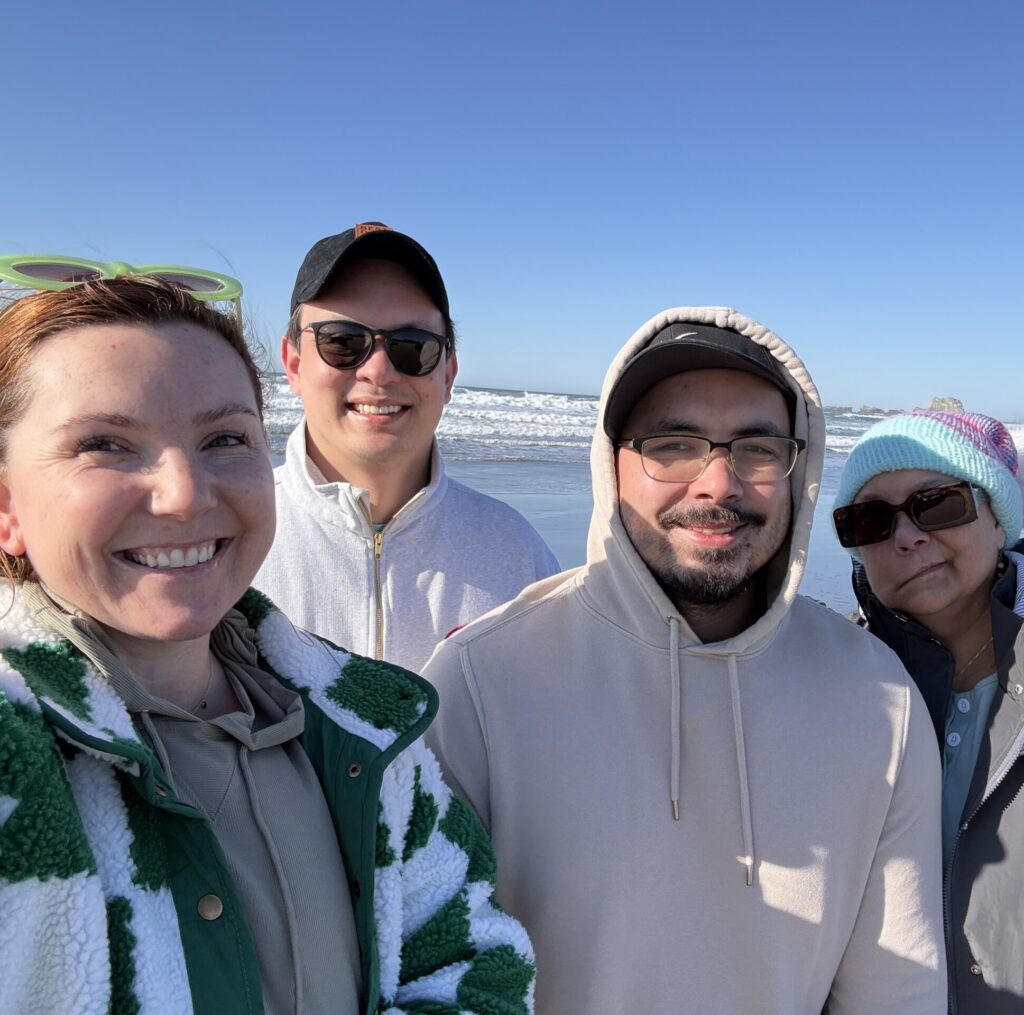
Asking isn’t difficult when your life is at stake. Asking becomes something that you need to do for yourself.
The best thing that I did for myself was to decide what kind of medical team I needed. With everything, that is where we need to start. What kind of medical team do I need in order for me to thrive? Metastatic breast cancer patients like to call themselves thrivers, and part of thriving is being brave enough to ask the questions that may be scary.
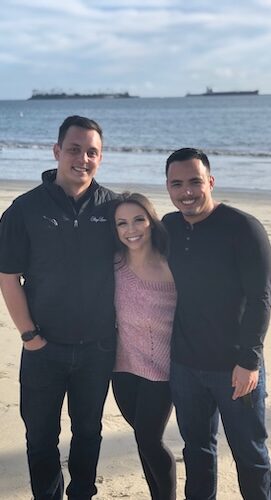
My children, in my own words
Jillian is my youngest, and her personality fills every inch of the room that you walk into when she is present. She is full of light, love, and personality.
Justin is deeply compassionate. He’s my deep thinker, always thinking and wanting to articulate the right answer.
Jordan is the protector of the family. He wants to feel like he protects all of us, even though he’s the oldest. Maybe that’s something that the oldest always does, feeling like I need to protect my family.
Asking isn’t difficult when your life is at stake. Asking becomes something that you need to do for yourself.
Lesley Glenn, Metastatic Breast Cancer Patient Advocate
Story Partner
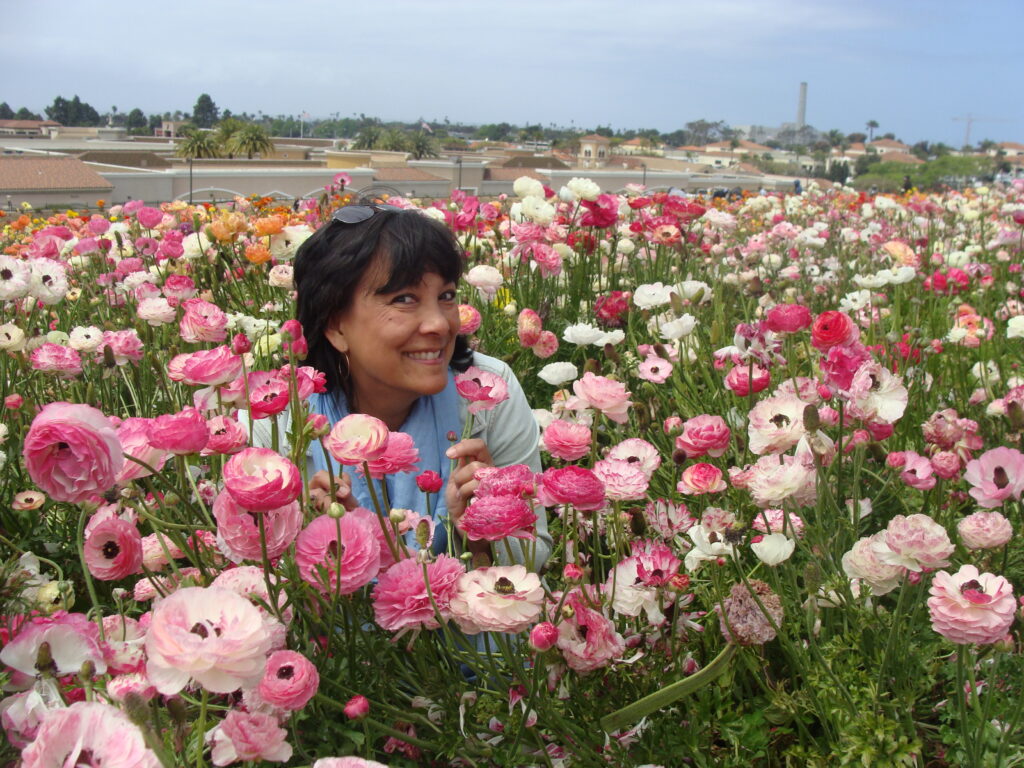
Thank you to Project Life for their partnership. Project Life is a virtual wellness house offering community, mentorship, and wellness programming that is free to all who join. Our collaboration brings that same spirit of support directly into this toolkit.
Story Sponsors
Thank you to our sponsors for their support of our independent patient educational content. The Patient Story retains full editorial control over all content.
This interview has been edited for clarity and length. The views and opinions expressed in this interview do not necessarily reflect those of The Patient Story. This content does not replace professional medical advice.
Inspired by Lesley’s story?
Share your story, too!
Hear from people living with metastatic breast cancer
Real experiences with diagnosis, treatment choices, side effects, and life beyond stage 4 breast cancer — in their own words.

Leave a Reply