
Sponsor the content patients want to see
Our content engine aids the patient journey at more points of care.
The Patient Story turns complex health and treatment decisions into clear, human stories and expert-led educational programs (eg. live broadcasts) to motivate patients and care partners at the exact moments they’re seeking answers. Thanks for scanning at ASCO. Here’s what’s on the flyer, plus our 2026 poster.
Now at ASCO 2026 · Abstract #9019

Digital Information Seeking Behavior in Patients with Cancer Through Storytelling
Learn how video storytelling combined with our YouTube Health partnership brings sustained reach to audiences.
The Patient Story
by the numbers
285K
Channel subscribers
1,200
Stories and counting
150M
Lifetime video views
Where we help patients
Covering more points of care.
01 · Precision Care
Biomarker literacy that leads to the right test, the right treatment options.
Most patients don’t know to ask for comprehensive biomarker testing, and many never get it. Our content meets patients at and around diagnosis with plain-language explainers of testing, what the results mean, and how to advocate for targeted therapy options.
- Indication-specific biomarker explainers in NSCLC, breast, GI, ovarian, and heme.
- Patient-led conversations with KOLs that translate guidelines into next questions.
- Care-partner content for the people doing the asking on a patient’s behalf.
43%
Average gain in self-assessed knowledge after a TPS program.
Recent series
NSCLC · Comprehensive biomarker testing
Breast · HER2-low and what it changes
Ovarian · HRD testing and PARP eligibility
02 · Clinical Trial Access
Pre-educate patients before they walk into screening.
56% of patients have no trial at the site where they receive care, and most never hear about one that fits. We build indication-specific content that explains participation in human terms — what to expect, what to ask, and how to evaluate a fit — so the conversation with their oncologist starts further down the field.
- Trial-aware editorial series tied to therapeutic area + line of therapy.
- Potential direct referral pathways into community provider networks like Kaiser Permanente Northern California.
- Another goal: compressed screen-to-consent timelines and lower dropout from informed patients.
55%
of patients say yes when actually offered a trial — the gap is the conversation.
Trial-aware formats
Webinar · Patient + PI panel
Editorial · “What it’s like in a Phase 2 trial”
YouTube · First-person trial journey videos
03 · Bridging Information Gaps
The hours between appointments are where decisions get made.
The average oncology visit is 17 minutes. Patients and care partners spend considerable time sifting through bits of info themselves on YouTube, in Google, in Facebook groups, and elsewhere. We meet them where they are with credible, condition-specific content that holds up to a clinician’s scrutiny.
- YouTube Health verified where our content is surfaced in prime patient search results as a verified health source.
- Written, video, and audio formats for the way each patient actually consumes.
- Care partner specific tracks because the questions rarely come from the patient alone.
2 in 3
viewers leave our webinars ready to act.
Where we reach them
54% · plan to discuss the educational content with their oncologist
21% · 1-in-5 feel activated to research clinical trials
36% · plan to share the educational content with others
Unlocking system-wide access
Editorially-independent content vehicles.
01 · Empathy-Driven Learning · Patient & Care Partner Stories
Real patients, real lines of therapy, real watch time.
Our long-form patient narratives follow the arc of a real cancer journey, including diagnosis, treatment decisions, side effect management, self-advocacy, all using the patient’s own voice. Editorially independent.
- 1,200+ stories across 60+ cancer types and rare subtypes.
- Distributed across YouTube, web, podcast, and condition-specific newsletters.
- Always on content with an enduring shelf life months and years after posting.
6:04
Average watch time per video = focused intent, not impressions.
Industry benchmark
On 10-14 minute patient story videos, we deliver 6:04 of average attention — TED Talk-level engagement on condition-specific content, and 25-60x the attention of social video
02 · Educational Programming
Live webinars & expert panels that move people to act.
Patient-moderated, HCP-led discussions on treatment landscapes and decision-making, biomarkers and targeted therapy, trial participation, and survivorship topics. Post-program surveys consistently show measurable shifts in knowledge and stated behavior, including intent to discuss the program content with their physician.
- Patient moderators + multidisciplinary clinicians on every panel.
- On-demand replays + edited shorts for evergreen reach after the live airing.
- Post-program surveys to gauge impact.
68%
of respondents plan to take action after a program — including talking to their doctor.
Recent programs
MDS · Quality of life gains with transfusion independence
NSCLC · Comprehensive biomarker testing
Follicular lymphoma · Active surveillance and knowing when to consider treatment
03 · NEW · Sponsored Contextual Digital Media
Native, contextual, clearly disclosed.
The newest content vehicle with The Patient Story is sponsor-supported placements that live inside the formats patients already trust: eNewsletters, condition-specific content hubs, on-page website placements, and YouTube mid-rolls of our best stories. Disclosed up front. Editorially supervised. Built so the patient never has to wonder whether what they’re reading is real.
- Condition-specific eNewsletters with engaged, opted-in patients and care partners.
- YouTube mid-roll placements that earn watch-through, not skips.
- Content hubs & site placements indexed by indication and line.

Trusted-source verification badge and premier placement in search results where we appear where patients are most engaged.
Native formats
- Mid-roll narrative placement
- Consistent reach via new stories and long-time performers
- Videos and video segments built to target how patients search for cancer information
A pathway into community oncology — at scale
A working relationship with one of the nation’s most integrated health systems to facilitate clinical trial recruitment.
The Patient Story is in active conversations with oncology leaders at health systems to boost access to patient populations. Below is an example relationship in development.
4.6M
Covered members
23K
Incident cancer cases per year across 20+ oncology centers
+80%
Race / Ethnicity / Language EHR capture vs. 24% industry avg.
01 — Trial Awareness
Indication-specific content pre-educates patients on possible participation: think compressing screen-to-consent time and reducing dropout.
02 — Local Access
Trials where patients already receive care. 56% of patients have no trial at their site. Goal to bring Phase 2/3 studies into a captive network.
03 — Compliance
Networks can support a turnkey path to FDA Diversity Action Plan compliance via more complete EHR data on race and ethnicity.
Patient willingness is not the bottleneck. When patients are actually offered a trial, 55% say yes — and Black patients say yes at the same rate as White. The gap is access, trust, and the conversation. The Patient Story + health system access closes all three.
ASCO 2026 · Abstract #9019
Digital information seeking behavior in patients with cancer through storytelling.
Submission · Social Media & Education Research
Digital Information Seeking Behavior in Patients with Cancer Through Storytelling

Abstract summary
- Background. Narrative peer support can lift QoL, emotional health, and self-efficacy when classically delivered as static web text. Less is known about video-based engagement.
- Methods. Website & YouTube data collected 2022–2025 plus a retrospective study of 4,065 webinar survey respondents.
- Reach. Algorithm-driven organic video reach far outpaces organic web 72.4M views at 6:04 avg duration vs 1.8M website views (89.7% engagement).
- Audience. Video viewers skewed female (72.9% vs 64.4%) and older (24% age 65+ vs 13%) — the demographic clinical trials struggle to reach.
- Conclusion. Video-first storytelling is a novel, feasible channel for peer support and activation.
Key findings · N=1,452
+16.7%
Change in topic awareness (3.6→4.2 on 5-pt scale)
51.5%
Intent to discuss webinar content with doctor
20.1%
Intent to research clinical trials
Download
Get the poster.
Submit for a download link
No list resale, ever.
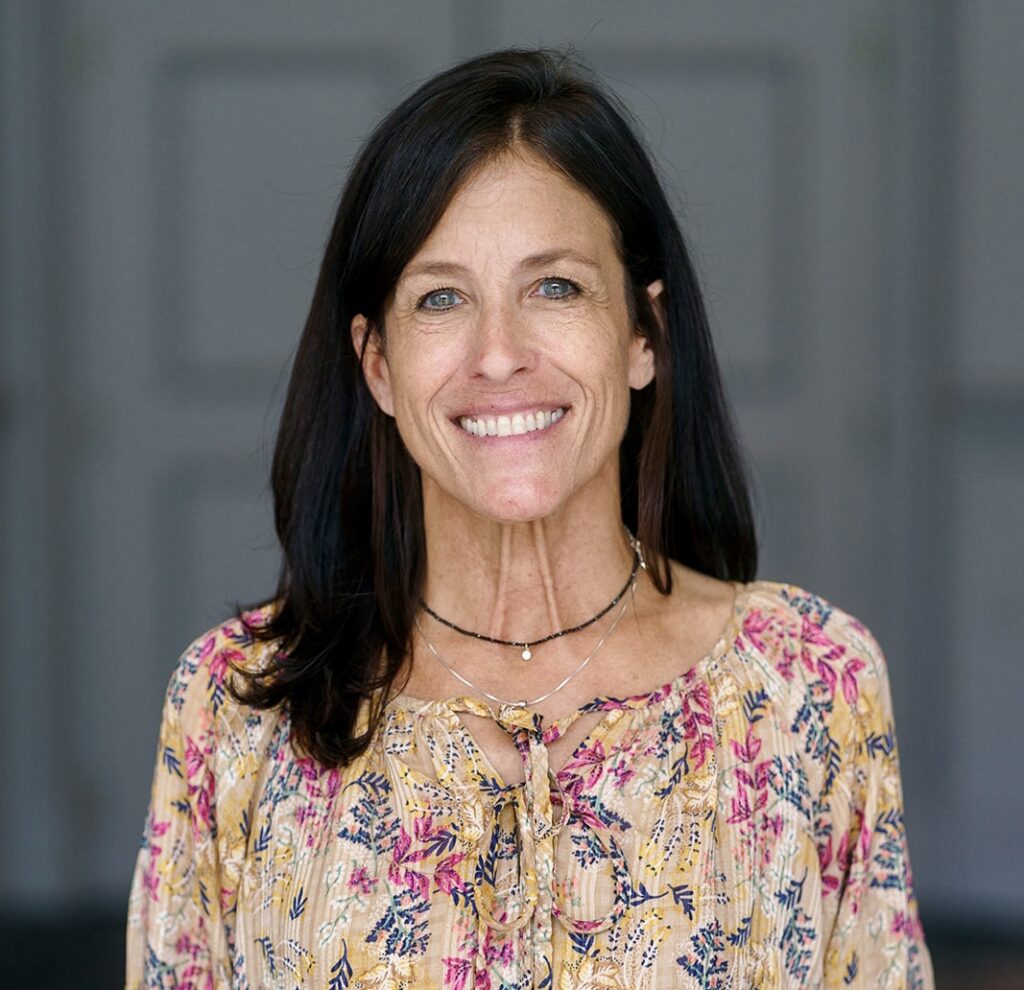
“When someone shares their story, it reminds us that we are not alone. For me, these stories become connection, education and action. And for people who are newly, or yet to be, diagnosed, the education is empowering and fuels self advocacy.”
Jill Feldman · EGFR Resisters Co-Founder
Non-Small Cell Lung Cancer Patient Advocate