
Allison’s 15 Years of Caregiving Through Fanconi Anemia and Multiple Cancers
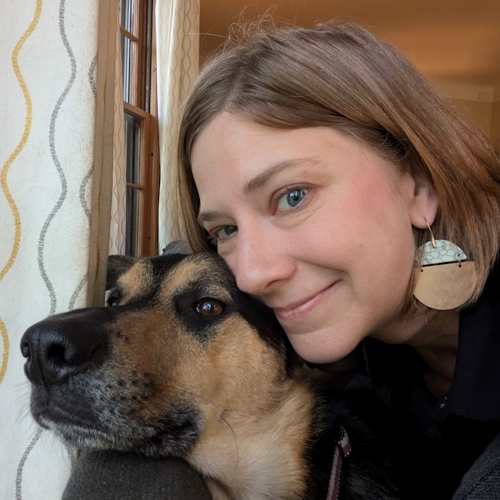
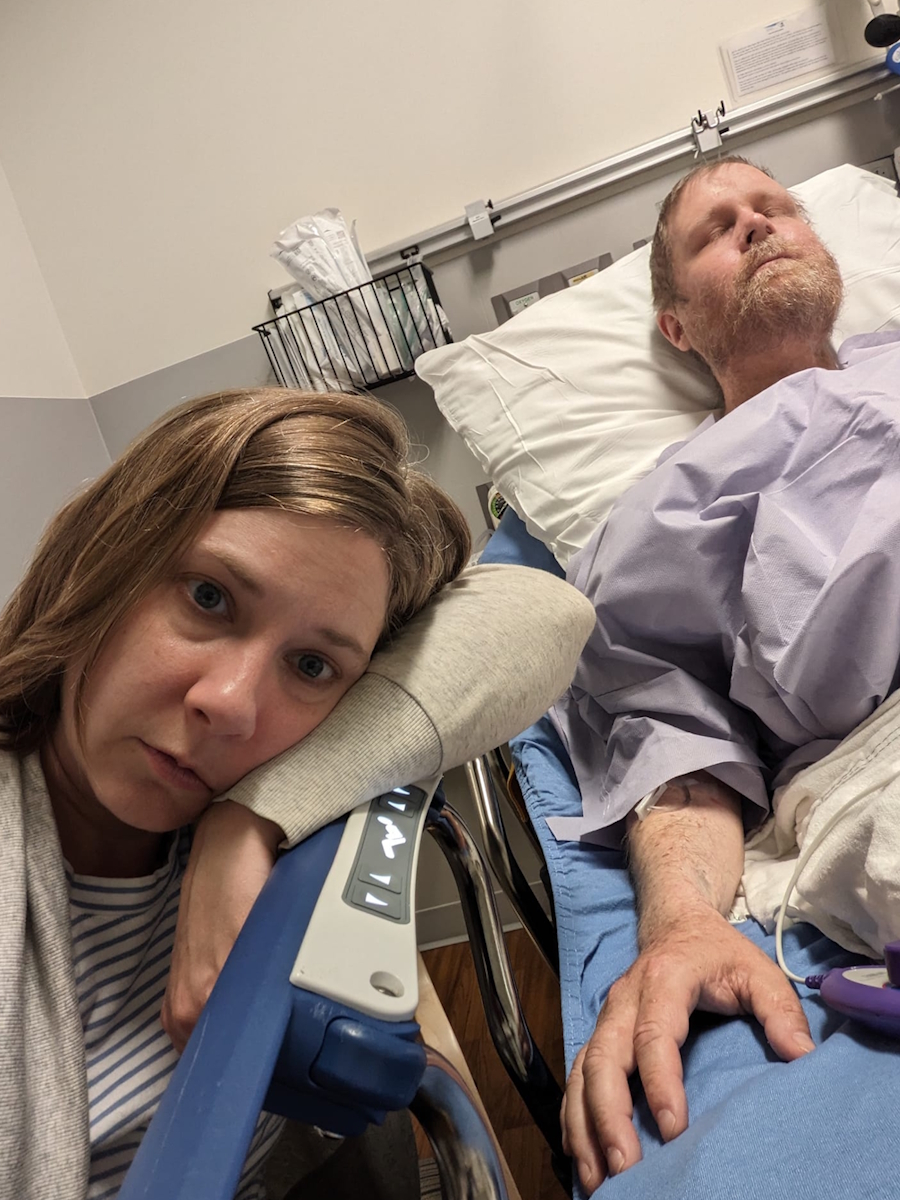
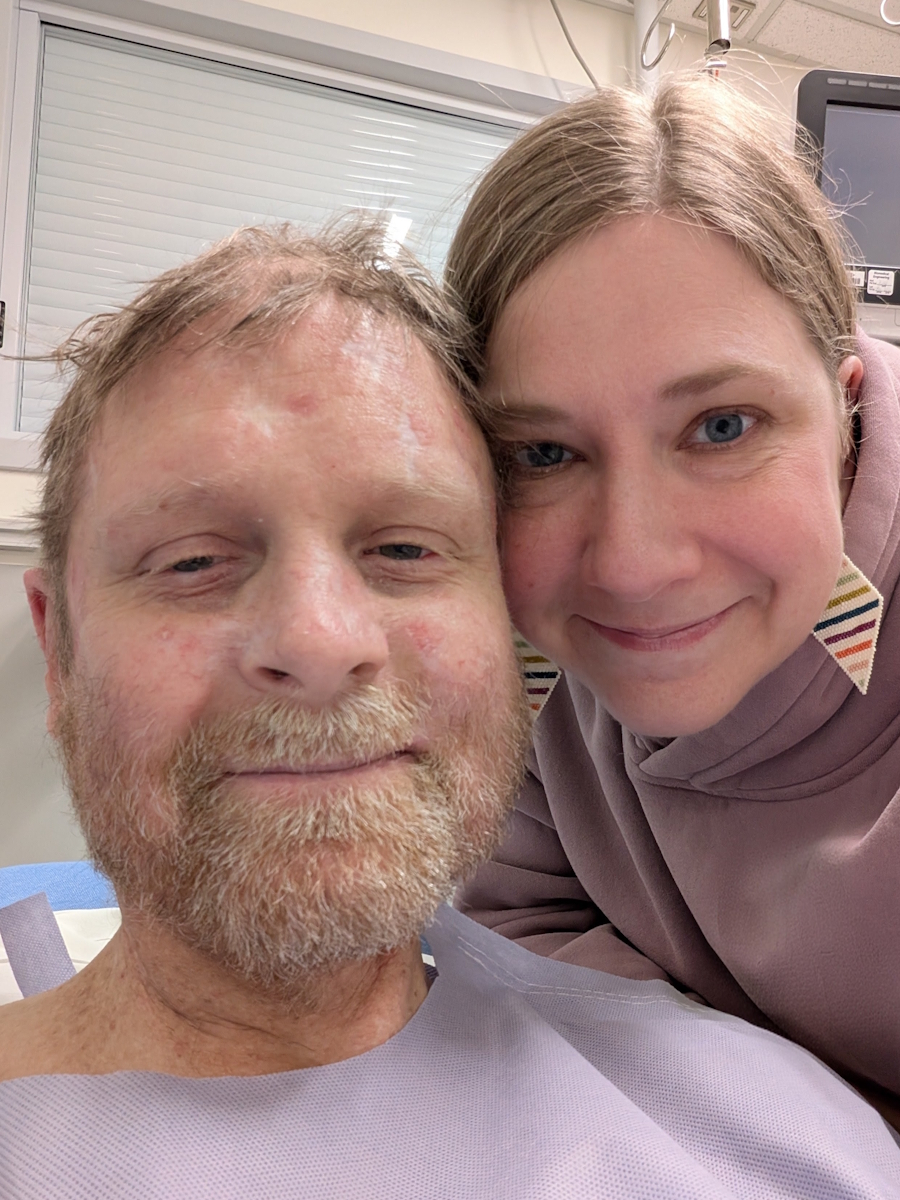
In 2011, when Allison and her husband Sean were both just past 30, a string of strange symptoms started piling up. A bump on Sean’s head turned out to be skin cancer, and doctors found close to a dozen more nearby. Blood work came back odd. On a family trip, Sean caught hand, foot, and mouth disease (HFMD), typically a childhood illness, and nobody else in the family got it. An urgent care doctor told them to go home and get answers. What they eventually found was Fanconi anemia (FA), a rare genetic disorder in Sean that causes bone marrow failure and dramatically raises the risk of certain cancers.
Interviewed by: Tory Midkiff
Edited by: Chris Sanchez
The bone marrow failure led to a bone marrow transplant, one of the most physically intense things Sean would go through. Three years later came his first major cancer: tongue cancer so aggressive that surgeons removed half his tongue and rebuilt it with tissue from his arm. He relearned to eat, swallow, and speak. Then came a bladder cancer so rare that, according to what the family was told, only around 41 people in the world had been diagnosed with it. Surgeons removed his bladder, prostate, and lymph nodes, and he has lived with a urostomy, a surgical opening connected to an external pouch that collects urine, ever since.
In the years since, Sean has had esophageal cancer, repeated gum surgeries, and hundreds of skin cancers removed, so many that his care team now schedules surgery before a dermatologist even examines him. One incidence of throat cancer was considered too risky to operate on. Specialists at two different hospitals gave Allison and Sean opposite recommendations, and the couple had to decide for themselves. Sean went through 35 days of radiation therapy. Today, he is being treated for liver cancer with immunotherapy and targeted therapy, after earlier ablations failed to stop new tumors from growing.
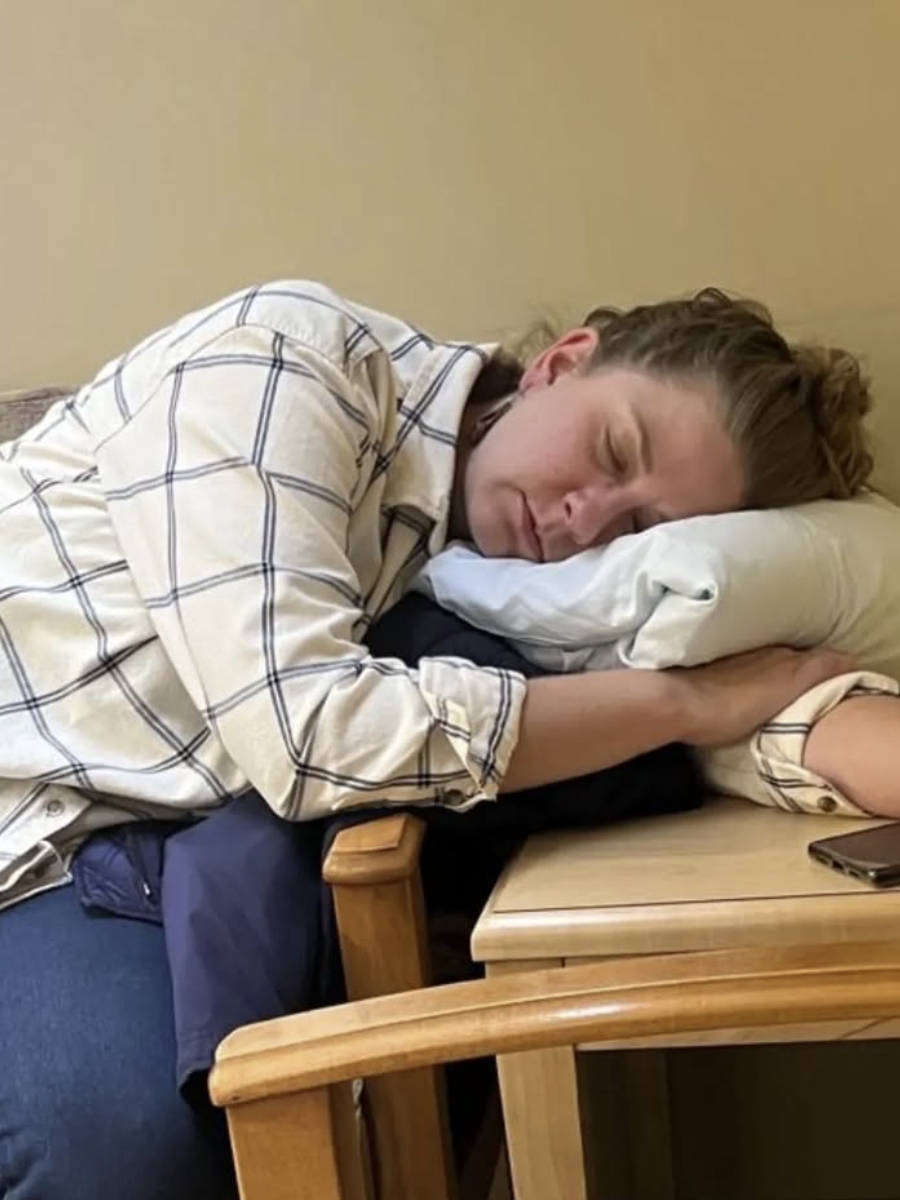
Somewhere in the middle of all of it, Allison became her husband’s full-time medical advocate and, eventually, an advocate for caregivers more broadly. After a support group where other spouses insisted they only felt blessed, she realized how rarely caregivers are allowed to say a diagnosis is simply hard, and she started writing and eventually founded a nonprofit, The Negative Space, for people in her position.
Watch Allison’s video or read the edited transcript of her interview to find out more about her story:
- Allison has learned to keep pushing when something feels wrong, even when it makes her, in her own words, “kind of obnoxious.” When a post-transplant complication went unexplained, she refused to let the care team move on without answers, and a nurse practitioner later told her she was exactly the kind of advocate she’d want if she were the patient herself.
- When two hospitals gave Sean opposite recommendations for throat cancer (surgery at one, radiation at the other), Allison and Sean were the ones left to decide, with almost no precedent for how someone with his rare disease would respond to either option. He went through 35 days of radiation not knowing whether he would survive it, and he did.
- A caregiver’s exhaustion doesn’t disappear just because you aren’t the person who’s sick. Allison spent years believing she wasn’t allowed to say caregiving was hard, until a room full of other spouses were afraid the same thing back to her, and that permission is something she now tries to hand to every caregiver she meets.
- Because Sean’s underlying condition makes chemotherapy and radiation far more dangerous for him than for most patients, his care has centered on catching cancers early through constant screening rather than aggressive treatment after the fact. It’s a strategy that has meant hundreds of procedures over the years, but one that has also kept him alive through cancers that would otherwise have had far fewer options.
Sean’s Diagnosis Facts
- Name: Sean B.
- Age at Diagnosis:
- 32
- Diagnosis:
- Fanconi Anemia (FA); Skin, Tongue, Bladder, Esophageal, Throat, and Liver Cancer
- Symptoms:
- A bump on the scalp
- Abnormal routine blood work
- An episode of hand, foot, and mouth disease in adulthood
- Low white blood cell count
- Treatments:
- Bone marrow transplant
- Surgeries: tongue resection with reconstruction, radical cystectomy, prostatectomy, lymphadenectomy, urostomy, esophagectomy, mandibulectomy with reconstruction, repeated Mohs surgery, tumor ablation
- Radiation therapy
- Immunotherapy
- Targeted therapy
This is not medical advice. Please consult with your healthcare provider to make informed treatment decisions.
- Sean’s Diagnosis Facts
- A bump on his head, and a year of strange things stacking up
- Hearing “Fanconi anemia” for the first time, and what it meant for our family
- Learning to live with constant screening
- Watching my husband come close to death during his bone marrow transplant
- Learning to ask for help and accept it from day one
- Coming home to a new normal, and all the side effects that no one warned us about
- Three years later, tongue cancer arrived
- Being careful not to let our daughter become a caregiver too
- Learning high-stakes medical tasks with no training at all
- Finding a community for caregivers, then building one of my own
- An unusually rare bladder cancer, and a decision no one saw coming
- What “normal” looked like before, and what it looks like now
- So many cancers that a doctor wanted to write a case study about him
- Making the hardest decisions together, as high school sweethearts
- The jaw surgery: Another body part, another impossible decision
- A word I’d never heard before, delivered through a phone screen
- Radiation on hold, and into a whole new department
- Facing the jaw surgery a second time, knowing exactly what it would cost
- Becoming my husband’s voice: What medical advocacy actually looks like
- When every body part is competing for attention
- Living on borrowed time, and choosing to notice the small things
- My advice to anyone just stepping into the caregiver role
- Hear from cancer caregivers and care partners
A bump on his head, and a year of strange things stacking up
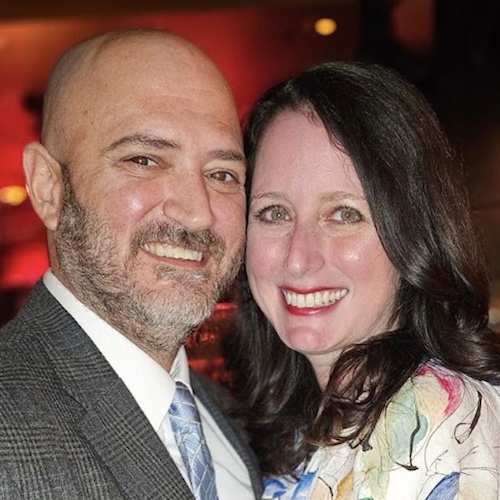
I’m Allison. I’m a caregiver for my husband, Sean. In 2011, things started to shift. He had never had any medical issues before, but he got a bump on his head. He went in, and it turned out to be skin cancer. While he was there, they found 10, 11, 12 other skin cancers, which was very strange. Around the same time, he had a doctor’s appointment, and they did blood work, and the blood work came back a little strange. So many strange things were stacking up.
And then we were on a family vacation in Colorado, and he got hand, foot, and mouth disease, which is typically a childhood illness. Our little one didn’t get it. He was the only one who got it. It was actually somebody at an urgent care in Colorado who said, “I think something is going on with you. I think you need to go back home and figure this out.” So then we went down a whole path for about a year of trying to figure out what was going on with him. But that was where it all started, in 2011.
Hearing “Fanconi anemia” for the first time, and what it meant for our family
The initial diagnosis, and the underlying diagnosis, is actually called Fanconi anemia or FA. It’s a genetic, rare disease that causes bone marrow failure, and it causes cancer at a rate of around 750 times that of a typical person. (EDITOR’S NOTE: The Fanconi Cancer Foundation says that a kind of head and neck cancer, head and neck squamous cell carcinoma or HNSCC, is the most common solid tumor in patients with FA. The incidence of HNSCC in FA patients is 500 to 700 times higher than in the general population.) The original thing we heard was skin cancer, in the very beginning, but at that point, it didn’t feel like a big deal. It was just strange, but not a big deal. The first big diagnosis we got was Fanconi anemia. We didn’t know exactly what it meant yet, but we knew it was a huge deal and that our life had just changed.
At that point, we had adopted our daughter from Haiti. She was around three and a half. She’d only been here with us for about a year. We were in the process of starting paperwork to adopt more children internationally. One of my first thoughts and realizations when we got the Fanconi anemia diagnosis was that, even though I didn’t know exactly what it meant for our future, I knew it meant this adoption wasn’t going to go through. This is a big deal. We will not be deemed healthy enough to do this.
That’s a clear memory I have from when that happened. That diagnosis led to the bone marrow failure, which led to the bone marrow transplant, which was one of the very first things he had. Then it was about three or four years later that he got his first big cancer, which was his tongue cancer.
I remember our daughter at that point was maybe seven or eight. For her, hearing the word “cancer” for the first time was different, even though he had gone through so much already, because until then, each thing had had a different name. When we said, “Dad has tongue cancer,” that hit her hard, because it was the first time we were using that word specifically. Since then, we’ve used it a lot. But I do know there was a really big moment for us, and for her as a small child, when she heard that Dad had cancer.
Now what? The first wave of questions after a life-altering diagnosis
I think the biggest one was just, “Okay, now what? What does this mean?” We live in the Twin Cities of Minnesota. We had gone to Mayo Clinic, which is about an hour and a half away, because that was known, but in our heads was, “Is this the best place? Are we at the right place? What happens next?”
He appeared fine at that point. On paper, he wasn’t, but day to day, he felt okay. So it was this very strange disconnect of him feeling okay, but us having this name for this thing that was going on with him internally. The biggest questions were just, “Now what? What does this mean for today, for tomorrow, for our lives? Long term, short term? What do we do with this information?”
Learning to live with constant screening
The first thing was, they did a whole bunch of tests and realized he was in bone marrow failure. Almost immediately, he went for a bone marrow transplant. We’ve been through so many things since, but a bone marrow transplant is, in my opinion, one of the most intense things a human can go through, because essentially they have to bring you this close to death to wipe out all your old cells. So really quickly, we got into that world. He went through the transplant, and that was our focus. We weren’t even thinking about what else this disease might mean. It was just, this is the thing that’s right in front of us.
So for many years, it was mostly all of the fallout from the transplant and all of the side effects. But knowing that he has this underlying disease, he was being screened, especially by head and neck cancer ENTs, because that’s often where cancers show up with this disease. So he was being screened more often than a typical person. It wasn’t related to anything he’d had before. It was more, “We’re going to check this and check this.” Very frequently, he was going in and getting checked in all the places, so that if we can find these cancers when they’re small, we can remove them before they turn into something bigger. He’s been doing screenings regularly since the beginning.
Watching my husband come close to death during his bone marrow transplant
So much of it is almost an out-of-body experience at the beginning, because you’re so in it. It’s almost more in the reflection afterward that it’s like, “What did we just go through?” I remember a time our pastor came to visit us in the hospital, and he looked at me and said, “Is he actually going to make it? Is he going to survive this?” It was almost like seeing it through someone else’s eyes that made it more real, because as the caregiver, you’re the primary person right there taking care of him. I was at the front line. I was just in go mode. It was terrible, and it was horrible, but I was also “on,” if that makes sense.
There was a moment during that transplant time when his esophagus ripped open, and he was vomiting blood. It was terrible. They were trying to decide if he was going to need surgery, and of course the surgery would have been really dangerous. I remember being in the cafeteria with a friend, and we got the call from the doctor that said he was not going to need surgery, and our friend who was with us wept with relief. I remember I just thought, “Okay, all right. Well, we’re on to the next thing.” Not that I wasn’t emotionally attached. It was just that there was too much going on. I was too in it to even have the luxury of feeling the emotions and taking it in. We’ve talked a lot with his brother, who was here and was his donor, about how traumatizing it was for him to watch all of that, because he was a step removed, whereas I was so in it that it was hard, but it was more like, go time.
Learning to ask for help and accept it from day one
One nice thing about a big diagnosis like a bone marrow transplant is that people understand it’s a big deal, so people rallied around us. From the beginning, we had support teams of people bringing dinner and doing this and that. From moment one, we were asking for help and accepting help, because we had to. Our daughter was in kindergarten, and he was in the hospital for, I think, 38 days. Then once he was back home, he was back and forth a lot.
My mom, who was living out of state at that point, took a sabbatical from her university job for a semester to live with us. We just said, “This is what we need.” The things that helped me were asking for help and accepting help, which I think the severity of what was going on helped me do that right from the beginning. Whereas I’ve talked to a lot of caregivers who, if it’s a dementia diagnosis or typical aging, they have a much harder time asking for and accepting help. But because this was such a big thing, I just had to, from the beginning. And I think that has served me well.
Crying to the cat: Finding a release valve at the end of each day
We were fortunate that his transplant was able to happen in our hometown. We had started at the Mayo Clinic, but we found out that the University of Minnesota is actually one of the world’s leading places for transplants for people with this disease. We are just very, very fortunate. There are people who come from all over the world to Minneapolis to have this transplant, and this is just where we happen to live. So I was able to be at the hospital with him but also come home to sleep and to be with our daughter.
What I would notice is that when I would come home from being “on” at the hospital, I’d walk in the door, and often, if my daughter wasn’t home yet, I would see the cat, and I would start crying to the cat. It was this end-of-day release of what I had just experienced and noticed and seen and gone through that I could do in that moment with the cat, that I couldn’t do with the small child, because I still had to be “on” for her. It was hard, and I broke down in the hospital as well, but there was something about coming home and having that release every day of what I had just seen and experienced.
Coming home to a new normal, and all the side effects that no one warned us about
A bone marrow transplant is so intense that there were so many side effects from the transplant itself, but also from the chemo, from the radiation, from the steroids he had to be on. It was this really hard season of things. He had to have cataract surgery because of the steroids he’d been on. He had to have a hip replaced because of the steroids he’d been on. He had graft-versus-host disease. There were so many things that it was like, “Oh great, the transplant worked, and now we’re dealing with all of the side effects from the medications he needed. Those medications saved his life in the moment but were now causing lots of other issues.”
So the year, or two, or three after the transplant was just a lot of navigating all of that. And on top of that, all of the screening for the other body parts began. We were trying to make sure those were okay. It just felt, for quite a while afterward, like people would say, “Oh, you made it through the transplant.” Yes, and the transplant has now also caused lots of other issues.
Even the fact that he’s gotten so many cancers, part of that could be from the transplant itself. At the time of the transplant, he had chemo. He had total body radiation. He had to be on steroids for a long time. That messes with your head as the wife and the caregiver. We did these things and took these medicines because we needed to in the moment, and now, because of those, we have a whole new medical problem we’re dealing with. That can feel really frustrating.
Three years later, tongue cancer arrived
I think it was about three years, maybe; I want to say 2014. Something showed up on his tongue, and they biopsied it. At first they were like, “It’s nothing.” And then it just grew very quickly. He actually has photos, photo evidence of how fast it spread and turned into something that was clearly cancer. They were checking him and watching him, but it happened so fast that the cancer in his tongue was severe enough that he had half of his tongue removed and replaced with a flap from his arm. And then they took a blood vessel from his arm that they had to put in there. They took all these lymph nodes out. It was super intense. Again, this was another very, very intense medical experience: the ICU, having a trach, and not being able to talk or eat or swallow. That was around 2014, when that one happened, and that was one of the biggest ones we’ve experienced.
Relearning to communicate without a voice
Communication was really hard at the beginning because he couldn’t use his mouth and had a trach. He had a little whiteboard in the hospital, but because they had used part of his arm for the reconstruction, he couldn’t write very well either. This was 2014. There’s a lot more quick-text technology now that probably would have helped us. But he was trying to use the whiteboard, and I was trying to understand, and the nurses were trying to understand, and it was really hard.
There were times I would leave to go home to sleep, and he’d be pushing the call button, and they would say, “How can I help you?” without realizing he wasn’t able to speak. Then they would just hang up. I felt like I wasn’t able to leave his side as much as I probably needed to. I felt like I had to translate for him frequently, because if anyone was going to understand him, it was going to be me.
But also, to see your person in that much pain, and then for him to not be able to express his needs in that moment when he was feeling so terrible, was just so hard to see. I kept trying to say, “Is it this? Is it this? What can we do?” It’s one thing to go through something and be able to ask for what you need. But when you aren’t able to do that, there’s a whole extra layer of vulnerability for him and then also frustration.
Being careful not to let our daughter become a caregiver too
It’s interesting, because we’ve gone through so much that sometimes it’s all a little bit of a blur. But with her, and she’s 19 now, and he’s still going through it, what we’ve tried to figure out is the age-appropriate thing at any given moment for her. When he was having his bone marrow transplant, she was four or five; she helped him put on his little hospital socks. When he was having the tongue surgery, I remember there was a time I said, “Do you want to help fill up the bag for his feeding tube?”
I’ve always tried to be very careful not to have it feel like she has to be a caregiver. I don’t want her to feel like she’s in that role. I just want her to be the daughter. So there are times I’m like, “Would it feel cool to hook this thing into Dad’s stomach? Does that feel cool, or does that feel gross?” If she wants to try it, great. But we’ve been careful, even now that she’s an adult, not to put that responsibility on her, and to let the two of them have that daughter-father relationship.
That’s how we’ve navigated that piece, and how we’ve transitioned. When we went in for the bone marrow transplant, we were brand-new to all of this. We’d never really been in the hospital before. And now this was, “Oh my gosh, here we go again, and it’s the same hospital,” which is helpful, but also traumatic, and it just felt like, “Oh man, we did this thing, and now we’re doing this again.” It was eye-opening. This is a whole other section of this disease we’re now moving into. It felt like a punch in the gut of, “Oh man, we’re back here again, and we’re probably going to be back here again and again.”
Whereas most people, we hope, if they have cancer, for most people it’s their one thing. They have the diagnosis, and it was terrible, and they got through it, and then they talk about that one thing. For him, it’s just been thing after thing after thing after thing. As we’ve gone through so many of these different surgeries and treatments, it’s not just, “Let’s get through it,” because it’s, “Let’s get through it, and the next thing is coming.”
Now, as he’s getting older, the things are even starting to overlap. Before, it was like we’d have a cancer, and then it would be four years or so before the next thing. Now they’re starting to actually overlap, and there’s not even time to recover from the last one. That can feel really defeating for both of us. It’s never just, “Okay, we’ll get through this.” It’s, “Get through this in time for the next one.” That can feel really hard to keep going.
Learning high-stakes medical tasks with no training at all
I think it’s baffling when we look at what family caregivers are asked to do without any training. When we’re in hospital situations, people will ask, “Do you have a medical background?” Just because I’m so well-versed, but I’m well-versed because I’ve had to do it for all these years. I have no formal training. I wasn’t in the medical field before this.
It was scary, really, especially after the tongue surgery. There were so many moving pieces. At that point, he wasn’t able to swallow for quite a while, so we were crushing up all of his medications and squirting them through the G-tube. If you get that wrong, that can be really scary. He’s had times at home where he’s had an IV, and I’ve been flushing the IV. Again, if you get these things wrong, these are really serious things they’re trusting me to do. There was dealing with the trach, this terrible wound from where they’d taken all of the tissue, and I was in charge of wound care. And also all of the assessing of symptoms and deciding: Do we call 911? Do we go to the ER? Was this normal or not?
If you had told the Allison of 15 years ago that I would be doing any of these things, she would never have believed it. I have done so much medical work without training. It’s almost this otherworldly feeling of, “Okay, here we go. This is the thing I’m going to do.” But it can feel really daunting when you’re doing something that can literally be a life-or-death thing; if you mess up the meds, if something gets infected. And to have that responsibility while you’re exhausted, sleep-deprived, and emotionally attached to this person and everything else, it’s a lot to take on.
Even with this, he had surgery a few months ago, and I had a nurse friend come over. Between the two of us, it took three hours to organize all of the medications and wound care. It blows my mind, basically, what family caregivers end up doing and are asked to do, and are doing behind closed doors. Few people know that’s their reality.
Finding a community for caregivers, then building one of my own
I remember when he was having his bone marrow transplant, they had a weekly coffee for caregivers right there in the hallway of the transplant unit, so you didn’t have to leave the hospital. I went to a few of those. An interesting thing, at least at that point, was that if I heard about another caregiver whose person was doing better than he was, it was a little bit like, “Oh no, we’re not doing that well.” And if I heard someone doing really poorly, it was like, “Oh no, maybe that’s going to happen to us.” So in the moment, it didn’t feel helpful, in part because we were all in the same moment, and I took on a lot of comparison.
We’ve also gone to camps and conferences for this rare disease, and it was at one of those, a support group for spouses or partners of people with Fanconi anemia, so a very niche little group, that I had a real moment. The social worker asked, “How is everybody doing?” I thought, “These are my people, here we go, we’re all going to talk about it.” And everybody just said, “I’m blessed to be able to help my person. This is a gift.”
I literally put my fork down and said, “What’s happening? Isn’t this really hard? Don’t you guys think this is really hard?” I could see around the table that everyone was like, “We’re not supposed to say that. You’re not supposed to talk about it, because you’re not the one who’s sick, so we’re just supposed to say we’re blessed and grateful.”
That was a watershed moment for me, realizing something is happening here for caregivers. That’s what inspired me to start writing and to start the nonprofit, The Negative Space. One of our goals is to not “bright-side” people, and to be able to say, this is hard, and it’s okay to say that it’s hard. Yes, you’re not the one who has the disease, and you still are going through it, and it’s impacting every part of your life.
It has felt really empowering. My husband was in nonprofit management before his diagnosis, so he’s able to use those skills for our nonprofit, and I was in education, content creation, coaching, and training. So it feels like we’ve been able to take our lived experience and our work and training experience and bring it together to fill a need we were personally seeing was there.
An unusually rare bladder cancer, and a decision no one saw coming
The recovery from the tongue cancer was intense, one of the most intense he’s had, because again there were so many parts involved: a big incision, a trach, the G-tube. There were so many systems in place. He needed speech therapy and swallow therapy, and even physical therapy and occupational therapy for his arm and shoulder. The recovery took quite a while.
We then had maybe a year-ish of quieter time. And then he had bladder cancer. This was very strange, because with this disease, they expect a lot of head and neck cancers; that’s typically what happens to people. But this was a very rare one. I remember going to an appointment with a urologist to figure out what was going to happen, and I was supposed to go on a trip right after. I said to my friend, “Of course I’ll still go, because what’s the worst thing they’re going to say? Maybe he’s going to do chemo or radiation.” We went to the appointment, and they said, “We’re going to remove his bladder.” I was just like, “I would have never guessed that you would say that sentence.”
Needless to say, I did not go on that trip, because we were so floored by what was happening. They ended up removing his bladder, prostate, and lymph nodes, all of it, so now he has a urostomy pouch. That was a whole other adjustment. We had maybe gotten used to the fact that he was going to have these cancers, but thought they’d be in one place, and then it was a whole different body part, which opened up the idea that this could be anything. Obviously, that’s a huge surgery, but then getting used to him having a urostomy was a huge adjustment for him, and for us as a family, to get used to what life looked like now with that piece. At that point, he was only, I don’t know, maybe 40 or younger. It was a big adjustment to have that new thing happen.
What “normal” looked like before, and what it looks like now
Before any of this happened, my husband was working full-time. He was the regional director for a big nonprofit that supported orphan homes in Latin America and the Caribbean. I was working too, and we had this new toddler, and our biggest thing was trying to figure out how to get her to sleep. We were a typical young professional couple, doing the things.
After that, it’s all different. He hasn’t been able to work since his diagnosis. I was working, but there were a couple of different times I needed to take a leave of absence; other times, I did contract work so I could take breaks. Work looked totally different. There were travel opportunities for work that I had to say no to.
Parenting, too, trying to figure out how to adjust the parenting piece along the way. In 2016, my parents decided to move from Indiana to Minnesota for us. That was huge. Throughout the different surgeries, treatments, and transplants, they had taken turns coming and staying with us, but in 2016, they moved five minutes away, and that was a game changer, having another set of people on-call for us and for our daughter, able to help with whatever popped up.
Daily life in 2016 then has been a lot of doctor’s appointments and medical stuff at home, constantly, reactive things, but often also proactive pieces, the screenings and all of that.
So many cancers that a doctor wanted to write a case study about him
One interesting thing we just learned from one of his doctors is that she asked for permission to write a research article about him, because she said she cannot find in any literature anyone who has had as many primary cancers as my husband; that he’s had more primary cancers than anyone else she can find in the world. It’s been interesting to digest that. We knew it was bad, but I guess this is really bad.
In the years since then, they were looking in his mouth a lot, so there were a lot of gum surgeries; smaller than the other ones, but still intense. At one point, he also had esophageal cancer, and they removed that. The goal is to check him constantly so they can find something and remove it, because with this disease, they want to avoid chemo and radiation. Because it’s a DNA breakage syndrome, chemo and radiation are much more dangerous for people like him, so they try to avoid that as much as they can. So they’re trying to find the cancers when they’re small, which is why we look all the time. But even a small thing can turn into an infection or pain, and it accumulates.
At one point, there was a throat cancer that was surgically removed, and then another throat cancer that they said was in too dangerous a spot to remove surgically, so then they decided to do radiation. But as I said, they don’t really want to do radiation, so it became a whole thing of getting more opinions. We went to our clinic, which said surgery is too dangerous; we’ll do radiation. And then we went to Mayo Clinic, which said radiation is too dangerous; we’ll do surgery. So we were essentially the ones having to decide.
An interesting thing, because it’s a rare disease, is that he’s essentially the first of everybody to go through some of these things. There were moments where they said, “Well, you guys decide what you want.” And we’re like, “We’re not the ones with the degree or the research.” It was nice for them to give us that autonomy, but at the same time, it’s terrifying that we’re the ones being asked to make these decisions.
He ended up staying at the University of Minnesota and having 35 days of radiation for throat cancer. That’s terrible for anybody, but it was terrifying because people were basically telling us they didn’t know if he would survive it. But they were basically saying, “This is your only option, so you’ve got to do it.” We went through 35 days. He obviously survived. It was successful. It wasn’t pleasant; it was pretty rough, but he got through it.
In the middle of all these big cancers, he’s also had, I would say, we should really count, but probably 150 to 200 skin cancers. They’re everywhere to the point that, at this point, they’ll schedule the surgery without the dermatologist even seeing him first. My husband will just walk in and say, “Here’s one, here’s one, here’s one.” There are so many that they have to ask, “How many can you handle us doing in one day?”
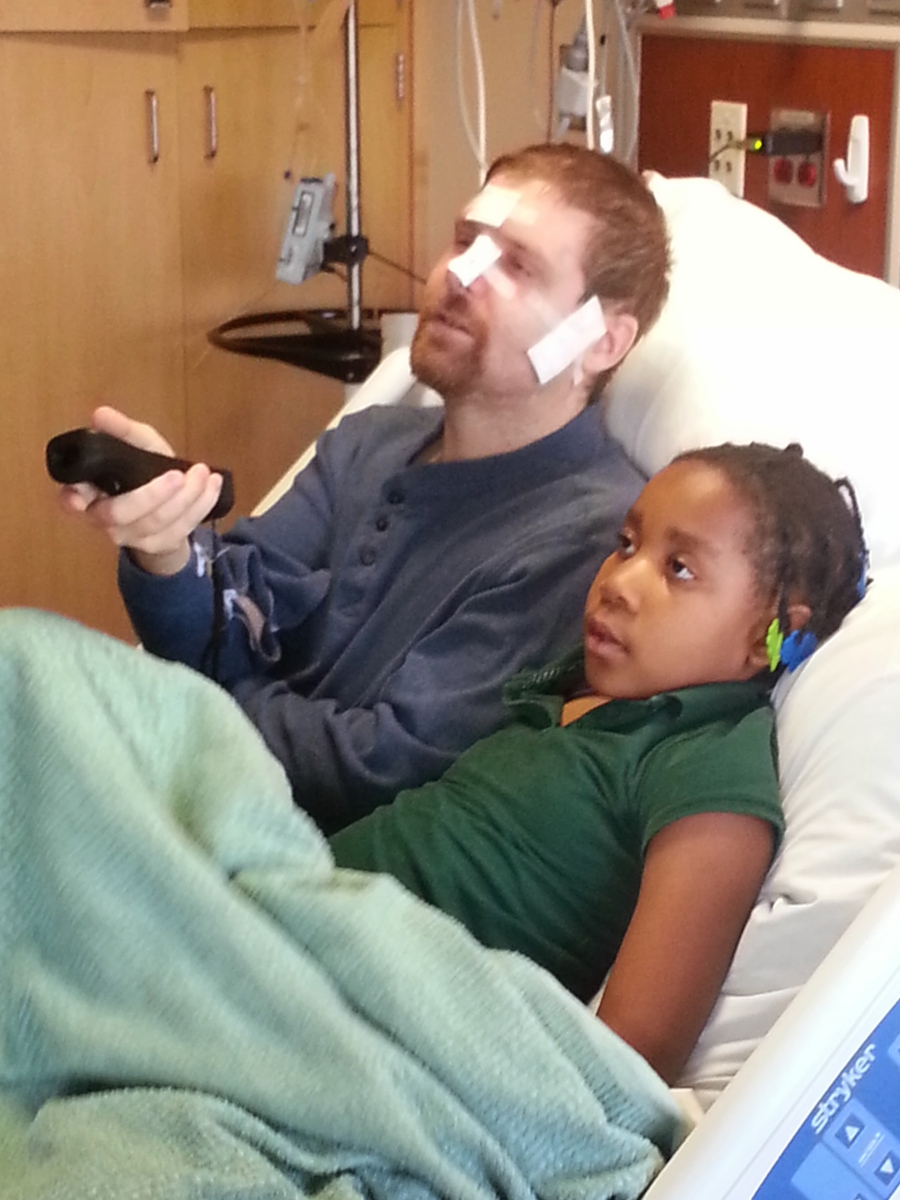
So they’ll do what’s called a Mohs procedure, which is pretty gross and intense; you have to be awake for it, and it takes hours. He’s had so many of those. A lot of the photos we have over the years are just him with these big bandages. That’s just been another piece of this. Some people say, “Oh yeah, skin cancer, I had one of those.” But he usually has four or five at a time that are treated, and then he has to go back three months later and do it again and do it again and do it again. It’s almost turning into a triage now of which body part we have to prioritize, because so many different things are happening.
Making the hardest decisions together, as high school sweethearts
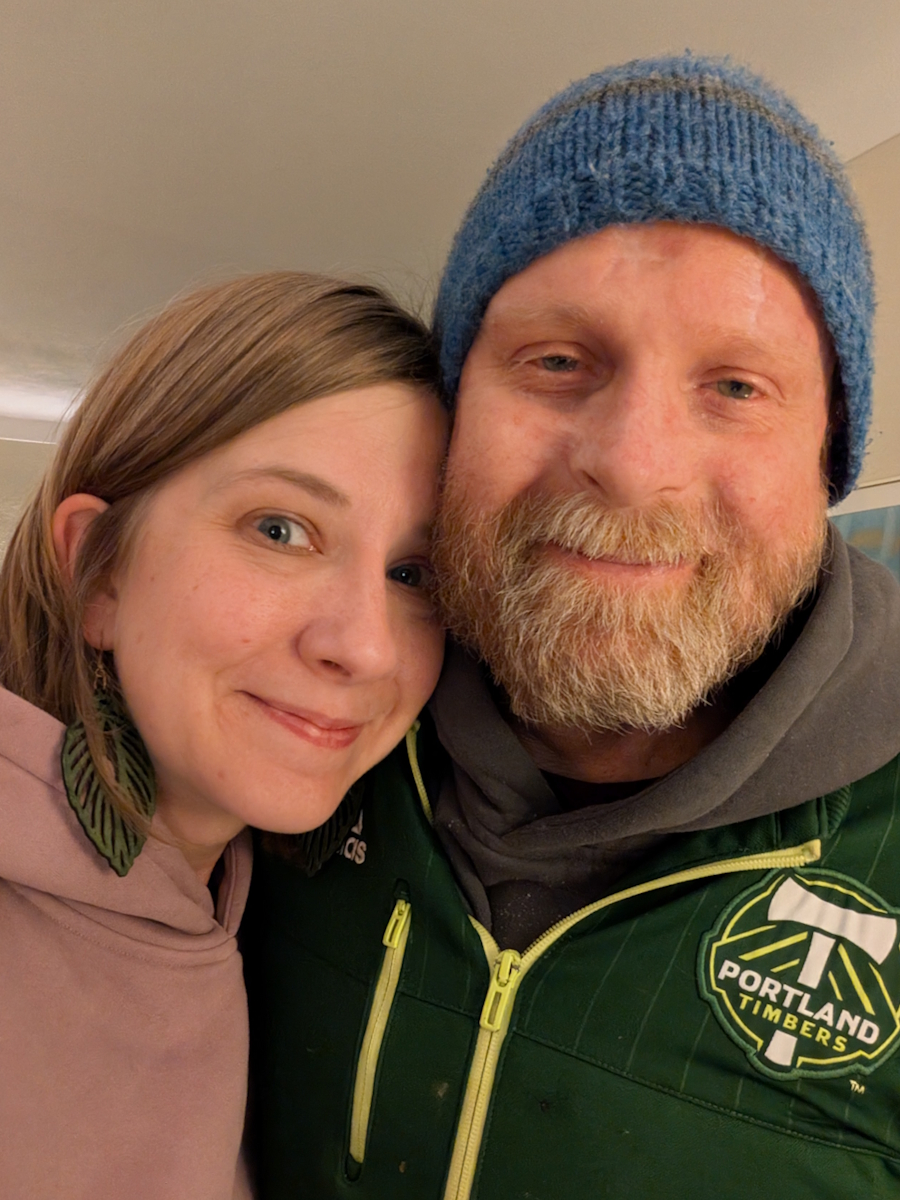
We were actually high school sweethearts, so we’ve been together a very long time. I know that in some cases this can really challenge a marriage, but for us, it’s been a beautiful, strengthening thing, and we’re grateful for that. We’ve had to make a lot of really hard decisions, especially the longer we go, and even with some of the surgeries, like the tongue and the bladder, and this summer, he had a jaw surgery. “The team has said, you don’t have to do this. This is a really big deal, and you can choose not to go forward.” We’ve had to sit with some of those decisions this summer, with the big one, they said, “If you don’t do it, you probably have three to six months to live. If you do push through with it, it might not work, and it might be terrible, and you might live, but your quality of life might not be great.” So we spent a long time this summer, really in a discernment phase, thinking about how do we make these decisions, what’s important to us, what’s important to him, what’s important to me, what’s important to our daughter. Modern medicine is amazing, and it can do so many things, and they’re doing it all to him. Does he have to keep saying yes, just because there’s a thing out there that’s possible? I think we’re exceptionally good at coming to these decisions together.
He is beautiful about also paying attention to how it’s going to impact me. For this big surgery this summer, he said, “You’re going to take the lion’s share of this. You’re going to have to care for me, and it’s going to be really hard on you.” We really look at both pieces of how it is going to impact him and how it is going to impact me. Even with something like the Mayo Clinic decision, we could go there, but that’s a 90-minute drive each way. So yes, they might have a better reputation, but what does that mean for our quality of life, being away from home?
We try to really think about all of those pieces. With the decision this summer, we brought in a friend who’s a death doula, and we talked to her, and we brought in people from our faith community and talked to them, and had a lot of really beautiful, important conversations that I think everybody should probably be having, but that we’re being forced to have earlier in our lives than most people. We come to those decisions together, really trying to look at the big picture, not just this next one, knowing there will be more, and how does knowing there will be more impact the decision we’re making right now?
The jaw surgery: Another body part, another impossible decision
Chronologically, I’ll start with the jaw. There had been spots in his mouth that they kept removing and removing, and then finally realized the cancer was in the tooth socket. They did surgery, and then said, “We can’t get it all; the only way to truly get it is to remove this portion of your jaw.” That was the big surgery we really had to stop and think about: “Are we going to do this?”
Similar to the tongue, they were going to take the whole bone, then take a bone from his leg, put the leg bone up in the jaw, and take skin from the leg to put there too. So again, it was a whole other body part that was going to be involved; there was a potential for the trach again, the feeding tube, all of it.
In the end, we did decide to go for it, and he did better than anyone expected, so that was great. But the caregiving was so intense: the surgery, the hospitalization, and then coming home. I always say I get home from the hospital, and suddenly I’m doing everything it took a whole team of people to do. The physical therapist, the nutritionist, the wound care specialist, the nurse, and now all of those jobs are mine, and I’m not trained for this, and I don’t get to clock out after eight hours. It was a really intense recovery. He couldn’t walk for a while because of the leg.
And on top of that, here’s where the overlapping happens: they said they couldn’t get quite all of it even with that big surgery, and for a typical person, they’d recommend radiation. For him, though, we went back to Mayo, because Mayo Clinic has proton therapy, which is more targeted, so potentially less damaging. We went to Mayo for a consult, and they wanted their own scans, so he ended up having a PET scan months earlier than he would have had here. He got the scans early in the morning, and then we were just sitting in the hotel room waiting for the appointment, really nervous, because we thought, “If the doctor says you’re going to do radiation, then suddenly what does that mean for the next six weeks? Are we moving to this other city? What if he says no, what does that mean?”
A word I’d never heard before, delivered through a phone screen
So we’re already very heightened and nervous, and then, ding, here comes the MyChart message. This is our life. We see this all the time, and we’re pretty good at reading these results and knowing what they mean. The PET scan said something like suspicious for malignancy in the hepatocellular region. It was a word I didn’t know; I didn’t know that body part, and I had to Google it to figure out that it meant the liver.
So here we sit, the two of us in this hotel room, with about three hours until we get to talk to a professional. We’ve had to wait weeks before for appointments, so three hours isn’t that bad. But this is not why we’re here; this is not why we’re at this appointment; this is not what we’re expecting; this is not the doctor we’re supposed to be talking to. Liver was not on anybody’s radar. It was really awful to be sitting there with that information, and to Google it, and then, what does that tell you?
We’ve had a lot of moments like that, unfortunately. With modern technology, it’s great that you can get your results so quickly, and often we can look at it and know what it means, but there have been a bunch of times we get it, and we don’t know what that means, and often we’re seeing it even before the provider sees it. Then you wonder: Do you look? Do you not look?
That was a pretty striking moment. I saw it first, and I gasped so loudly that he, from the other side of the room, said, “What? What happened? What’s going on?” So then I was the one who had to say, “I think something’s in your liver.” And then we just had to sit there with that information by ourselves for several hours.
Sitting with the unknown, and learning that no one else saw this coming either
Not expecting it, right. Exactly. And actually, one of the nurses who first started seeing us was talking about all the radiation stuff, and I said, “Okay, but what about the liver?” And she said, “What do you mean, the liver?” I said, “Well, this liver thing just came through,” and she wasn’t prepared either, because nobody was expecting this to be a thing.
I think it’s like the story I told about the bladder. You just can’t ever ask, “What’s the worst thing that’s going to happen?” Because you can’t let your guard down. What’s the next body part going to be, for him, or with his disease?
Radiation on hold, and into a whole new department
At that point, it was like, “Radiation, what, what are we even doing?” Again, we had to do this triaging. Suddenly, now the liver is at the top of the list; the jaw gets to come down here. They had actually already decided, regardless of the liver, that he could have radiation right now for the jaw, but it would be more of a nice-to-have than a need-to-have, because you can only have radiation so many times, and he’d already had it for his throat. They said, “We feel like you should save this card, because you might need to play it again later. You might get another head and neck cancer that really needs radiation.” So we thought, “Yeah, I guess you’re right, it’s probably going to happen again.”
So regardless of the liver, they said they didn’t think he should have radiation right now; he should wait. But especially because of the liver, we suddenly moved into this whole other department. We came back home, came back to the U, and went into this whole other department. What is this? Who are the liver people? Who takes care of the liver? We don’t know. Meeting with different people, learning what tests they want. So much of it is waiting, waiting for the next appointment, waiting for the test, waiting for the test results, waiting for the scheduler. It’s so hard to be in the waiting and trying to enjoy the moments in between, but at the same time, this is the unknown. Everybody knows that if we plan something, write it down in pencil, because you just never know what’s going to be happening with us.
Facing the jaw surgery a second time, knowing exactly what it would cost
He kept saying that in some ways it helped, because he knew what he was getting into, and in some ways it was worse, also because he knew what he was getting into. With the tongue, the communication was so hard that he was really traumatized by it: pushing the call button and no one coming, not being able to communicate his needs, the pain being so great. Knowing all of that, and how intense and terrible it was, and the whole wound care thing, I don’t want to do this again. A lot of it was harder. If we had never been through anything and they said, “You’re going to do this jaw thing,” we’d say okay. But it was more like, “We’ve been through that, it was terrible, and he was a lot healthier back then.” Do we really think this is a good idea to do this again?
But also, because of that, we were able to advocate for what we needed. The team was amazing and worked really hard to not give him a trach; obviously, if he’d needed it, they would have given it to him, but they said, “We want you to be able to communicate your needs,” and they did everything to avoid a repeat of that. Because they knew our history, they knew we’ve used palliative care for years; they’re the best team, so we had the palliative team on board and ready to go, the consult already in, so they could check on us if pain wasn’t being managed. Knowing what we knew made it more terrifying, but it also helped us be more prepared, even for things at home, what we were going to need to have and do. It made it more daunting, but it also helped us be more prepared, I guess.
Becoming my husband’s voice: What medical advocacy actually looks like
The advocacy part is a huge part of what I have to do, being his voice, his literal voice, sometimes. He is the kindest, gentlest soul, and he’s the last person to say, “Hey, I need something.” So instead, I’m always monitoring and watching, like, something is off; he needs more of that.
There was a time, post-transplant, when something was going on, and they couldn’t figure out what it was, and I could see they were ready to give up, and I said, “I’m not going to let you do that. I’m not going to let you not figure this out. We have to figure this out.” The nurse practitioner told me, “If I were sick, you are exactly the kind of person I would want taking care of me.”
So I knew that, for her job, I was kind of obnoxious; I was making her job harder because I kept pushing, but she could recognize what I was doing and the benefit it was having for my husband, and that I wasn’t going to let this go. Even with things like appointments, where they’ll say, “Our next appointment is in three months,” and I’ve had to say, “That’s absolutely not going to work; he’s in pain, or whatever it is; I need you to find something sooner than that.”
I’ve had to really build those muscles over these 15 years. My mom used to joke that there’d be a little picture of me on everybody’s computer screen that said, “Watch this one,” because I’m not going to mess around. Over the years, we’ve honed our team, and we’ve been willing to say, “You are not the one for us; we’re going to have a different person on your team,” because these decisions and these moments are too important to have somebody who isn’t the right fit, or who you don’t feel is doing their job.
When every body part is competing for attention
I think it feels a little bit like we can’t relax. Before, it felt like we had chunks of time where we were like, “Okay, we’re okay.” Now it’s more like, if one body part is quiet, well, there’s a bunch of other body parts that need attention. Even with his hips, he had one hip replaced after his bone marrow transplant because of the steroids, and the other one has needed to be replaced for about 10 years, and every once in a while, things get quiet, and he thinks, “Maybe I’ll get my hip replaced,” and then some other thing comes up, because it’s considered elective.
Same thing right now with skin cancers. We haven’t gone to the dermatologist, and we can see that there are skin cancers, but we haven’t gone because this liver thing is happening, and the liver treatment means he can’t do anything that would cause bleeding.
And then his kidneys: he has chronic kidney disease, mostly just because he’s gone through so many things. So that’s another piece: “Okay, we could do this, but it will hurt his kidneys. Is that what we need to do?” It’s hard to always be playing which body part is the most important, or which domino is going to tip something else into happening.
And I have to keep all of that in my brain. I have to be the one telling the practitioners, “His kidneys are really bad, so you’re not going to do it that way,” and they’ll say, “Oh! Okay.” There’s just so much going on in that chart that I often have to be the one to remind them that they need to triage too, and pay attention to more than just the body part they’re trained for.
Living on borrowed time, and choosing to notice the small things
Both in making decisions about things, but also, right now, he has liver cancer. They did some ablations, and a couple of weeks after, they checked to see if it was successful, and new spots had already grown. So now he just started a regimen of immunotherapy and targeted therapy last week.
We know, in a lot of ways, that we’re probably on borrowed time, and we don’t know exactly what that means, but we know it from all of these things that are happening. So we spend a lot of time talking about how we should be spending our time. These are conversations we should all be having, but we’re forced to have them. If this liver thing doesn’t work, what does that mean? And how do we want to be spending our time right now? What do we want to be doing?
I think a beautiful thing we’ve realized is that, over the years, because of all this, we’ve gotten really good at enjoying the little things. If I see our daughter and my husband together, it’s just always, “Oh, my heart.” Just enjoying and appreciating these small things.
A friend of mine, this past summer, when I was in the middle of this, asked, “Should we be doing a bucket list? What should we be doing?” And she said, “That’s how you live, by surrounding yourself with the things you love to do and see.” We’re not the “let’s go on a big trip” type. We’re more “Let’s have our favorite people over and spend time and have meaningful conversations.” I think we’re being way more intentional about that, especially since his energy is limited, so if you only have this much energy, how are we going to spend it?
I hate “bright-siding,” but I think a gift that’s come from this is that we’re very grateful and appreciative of things, like, “Butterfly! Did you see that?” Just these little things that we don’t take for granted.
My advice to anyone just stepping into the caregiver role
You are part of the story too; this is going to impact every part of your life and your well-being. Recognize that and name that from the beginning.
Don’t wait until you’re burnt out to ask for help. Realize that you’re part of the story, but from the start, set up systems of support for yourself and for your person. Even if you think, “Oh, I can do it, I can do it,” you can, maybe, but that’s probably also not sustainable. Let the people around you who are willing, whether that’s friends, family, community, or maybe it’s services like a neighbor’s kid mowing your lawn.
Take anything you possibly can off your plate, and delegate it. I like to say that delegation is a form of self-care. Delegate those things so you can really spend your time and energy on what’s important, which is being with your person during this time.
This interview has been edited for clarity and length. The views and opinions expressed in this interview do not necessarily reflect those of The Patient Story. This content does not replace professional medical advice.
Inspired by Allison’s story?
Share your story, too!
Hear from cancer caregivers and care partners
Real experiences with caring for cancer patients — in their own words.
Leave a Reply