Categories
Astrocytoma Brain Cancer Diffuse Intrinsic Pontine Glioma Glioma Patient Stories

LeeAnn Found Meaning After Her Adult Diffuse Intrinsic Pontine Glioma (DIPG) Brain Tumor Diagnosis

LeeAnn Found Meaning in Her Adult Diffuse Intrinsic Pontine Glioma (DIPG) Brain Tumor Diagnosis

When LeeAnn was diagnosed with an adult diffuse intrinsic pontine glioma (DIPG) brain tumor at 44, she was a mom juggling a five-year-old daughter and a newborn son. What started as subtle facial tingling and hard-to-describe vision changes during pregnancy was initially brushed off as a normal part of being in her mid-30s and pregnant, too. Only after she drove herself to a postpartum appointment and realized she was seeing the road through a “kaleidoscope” did her OB-GYN recognize the seriousness of her double vision and urgently refer her to a neurologist. An MRI the day after Christmas revealed a tumor on her brainstem, and suddenly LeeAnn’s world shifted.

Interviewed by: Tory Midkiff
Edited by: Chris Sanchez

The first phone call about the MRI results came from a physician she had never met. It was short, clinical, and transactional, delivered without checking if she was alone, had support, or could write down unfamiliar medical terms. Soon after, an oncologist explained that DIPG is a very rare and aggressive kind of brain tumor that’s usually seen in children. A second-opinion visit at a major cancer center left her feeling even more devastated; the physician told her the tumor would “kill” her and that she might have about five years with treatment. She walked out feeling robbed of a future with her children.

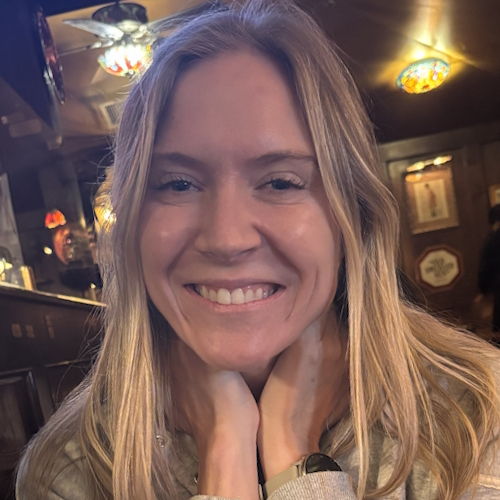
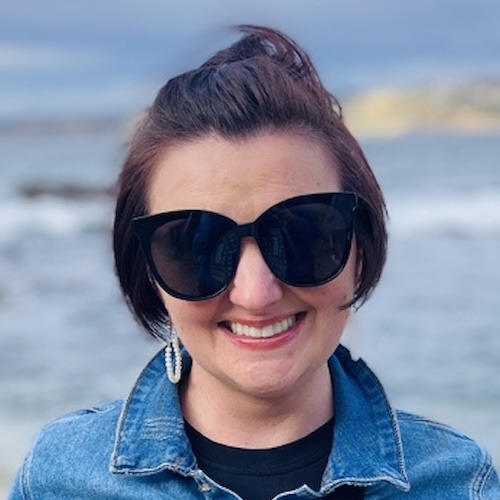
LeeAnn T. brain cancer

Instead of accepting that timeline, LeeAnn pushed for more information about her brain tumor. She sought out a neurosurgeon experienced in brainstem biopsies, despite being warned about the risks. The biopsy confirmed a grade 2 astrocytoma and a DIPG in her brainstem, and a local tumor board recommended radiation. LeeAnn underwent 36 radiation treatments to her brainstem, and follow-up imaging showed her tumor had shrunk significantly. She then entered observation mode and, eventually, remission with regular MRIs.

Surprisingly, remission was when she struggled the most. LeeAnn describes bitterness and fear as she tried to “re-assimilate” into a life that would never be the same. She focused on what cancer taught her: slowing down, staying present with her kids, writing down life lessons for them, and becoming more compassionate toward other people’s invisible burdens.

Now more than 11 years out from her adult DIPG brain tumor diagnosis, LeeAnn has watched her son grow into an 11-year-old and her now-16-year-old daughter approach high school graduation. She moved from healthcare marketing into higher education marketing, launched her own consulting business, and wrote a book, Finding the Rainbow: The Other Side of a Cancer Journey. Hearing a doctor finally say her prognosis is “unknown” once felt terrifying, but she has come to embrace it as a leveling truth: none of us has an expiration date. For LeeAnn, that “unknown” has become permission to live fully in the present.

Watch LeeAnn’s video above or scroll down to browse the edited transcript of her interview to learn more about her story.

  • Subtle symptoms like facial tingling and double vision during pregnancy can signal something serious, and trusting your instincts when things feel “off” can be lifesaving.
  • A rare, typically pediatric diagnosis, DIPG does not define a person’s worth or limit their right to advocate for more information, second opinions, and safer treatment options.
  • How a diagnosis is delivered matters: patients deserve compassionate communication, time to process, and clear guidance (including when not to Google) rather than rushed, transactional phone calls.
  • LeeAnn’s experience shows that remission does not necessarily mean “back to normal”; many people struggle after treatment, as they live with long-term uncertainty, fear, and both visible and invisible scars.
  • LeeAnn describes a powerful transformation from asking, “Why did this happen to me?” to asking, “What can this experience teach me?” This was a mindset shift that helped her find meaning, deepen compassion, and rebuild a life that feels more aligned with what makes her come alive.

  • Name: LeeAnn T.
  • Age at Diagnosis:
    • 33
  • Diagnosis:
    • Brain Tumor (Diffuse Intrinsic Pontine Glioma or DIPG)
  • Grading:
    • Grade 2
  • Symptoms:
    • Facial tingling
    • Double vision
  • Treatment:
    • Radiation therapy
LeeAnn T. DIPG brain tumor

This interview has been edited for clarity and length. This is not medical advice. Please consult with your healthcare provider to make informed treatment decisions.

The views and opinions expressed in this interview do not necessarily reflect those of The Patient Story.


Introduction

I’m LeeAnn. I am 44 years old. In 2014, I was diagnosed with a type of brain tumor called a diffuse intrinsic pontine glioma (DIPG).

Central Pennsylvania life and work

I’m in central Pennsylvania. I lived in Ohio before this.

I work for Penn State. That’s why I live in central Pennsylvania.

My DIPG brain tumor diagnosis while I was pregnant

So my story really begins, I like to say, with my children. At the time this all started, I had a five-year-old daughter, and I was about seven or eight months pregnant with my second child, my son, who is now 11. But toward the end of my pregnancy, I noticed two things were happening. One was that I had a really specific tingling sensation on one side of my face, and it felt like water kind of dripping on the inside. That was unusual. I hadn’t experienced that with my pregnancy with my daughter. So I remember talking to my OB physicians about it, and they said that it could be common in pregnancy. I was considered a late or an older pregnancy because I was in my mid-30s at that point, but they weren’t too concerned about it.

The other thing that I noticed in my second pregnancy, around the same time, was a little bit of a vision change, and I noticed it enough that I went to the eye doctor just to see if anything was changing. It was really hard to describe. It was subtle, but it was noticeable enough that I went to the eye doctor, and that exam showed that everything seemed fine. They said, “If it gets worse, you can come back and see us.”

I hadn’t put the tingling sensation and the vision changes together. For some reason, I just didn’t say anything to my OB-GYN doctors about the vision changes. After I had my son, I remember driving myself to my postpartum checkup with my OB-GYN. As I was driving, it felt like I was looking through a kaleidoscope. It was very strange and concerning, and I hadn’t noticed it until I made the drive to that appointment, because I was at home taking care of my son, who was a newborn, and so I wasn’t driving, and I wasn’t really leaving the house much. Around the house, I was fine, but when I left home and went to that appointment, I noticed that something was really wrong with my vision.

I went to that OB-GYN appointment, and she said to me at the end of the appointment, “Everything looks great. You look good, and it sounds like the baby’s all good.” I said, “Yes, there is this one thing that I’m noticing: my vision seems off; something seems wrong.” She said, “What does it seem like?” I said, “It feels like I’m seeing double.” Her face just kind of fell, and she said, “We need to get you to a neurologist now, because that is not good if you’re seeing double.” That led me to a neurologist later that week, I think it was, and that individual still couldn’t tell what was really going on with me.

He did a physical exam, and everything seemed fine, but he said, “Because of this vision change, you really need to have an MRI.” The day after Christmas that year, I went to have the MRI. I was really thinking that this was nothing, that this was maybe something left over from pregnancy or some weird hormone stuff. But I got a call about an hour after I had the MRI at the hospital, and the neurologist on call told me over the phone that the MRI picked up what looked to be a glioma on my brainstem and that she thought it was very treatable, but that I would need to see an oncologist really quickly. That led me to the oncology appointment the following Monday. That oncologist said, “Based on the MRI, this is a very rare type of brain tumor. It is more often diagnosed in children, and when it is diagnosed in children, it is often a very aggressive tumor. Brain tumors in children are often given, sadly, months or possibly years with treatment to live. DIPG is the name of that tumor.”

Getting a life-changing brain tumor diagnosis by phone

After the MRI, when I had it done, I really wasn’t expecting anything to come back that was serious. I really thought this was just something related to the pregnancy. To have the physician, whom I had never met, call me and give me that news over the phone was very jarring. I tell people now, “If you’re waiting for results after having any type of scan and the phone rings, before that moment happens, really try to brace yourself for any type of news that a physician may tell you over the phone after any type of imaging that you may have done.”

I like to advise people to have someone with them if the phone rings, and they are getting some news. I would advise them to take their time with the phone call, write down any terms that you’re not familiar with, ask them to spell everything for you, and see if you can have someone with you in that moment. Because when I got the phone call, I didn’t have any of those things. I wasn’t expecting to get a call, much less one that was really life-changing news. That physician, in that moment, looking back now, I think there were a million ways that physician could have given me that diagnosis. She could have asked me, “Do you have someone with you? Do you need to sit down? Do you have a piece of paper and a pencil or a pen handy, or a computer that you can type these words down? They’re not going to be familiar to you.”

I wish she had told me to stay off the internet, because the phone call was very short. It was all business. It was, “There seems to be a glioma on your brainstem. I think this is treatable. You are going to need to see an oncologist. I can help you get a referral there. Do you have any questions for me?”

I was really floored by the whole conversation. I didn’t know what a glioma was. I didn’t understand the gravity of that news. I knew it was serious when she said “oncologist.” I knew that word, and I knew that was serious. But I was so stunned at hearing this that it kind of stunned me into silence. Looking back on this, this was a physician whom I had never met, and I never saw that physician after that phone call. That was the only time that the physician had communicated with me. Looking back, there were definitely some things that I think the individual got really wrong with giving that news. I hope other physicians do a better job. I’m sure that they do, but I have to believe that some still see it as very transactional and don’t really think about the impact that could have for someone who’s receiving that news.

A rare adult DIPG brain tumor, and a devastating second opinion

My oncologist told me that this is a very rare type of brain tumor. It’s often diagnosed in children, not adults. He was recommending that I meet with a neurosurgeon locally to get his thoughts on this tumor type. I met with that individual. He agreed that this is very rare and that it’s often diagnosed in children, very rarely in adults. He recommended that I get a second opinion, and he helped me get an appointment at one of the best cancer centers in the world, actually. Maybe a week later, I took the out-of-town trip to go see this state-of-the-art, innovative, best-in-class cancer center.

I have to tell you that when I went for that second appointment, the physician walked in. She didn’t look at me. She washed her hands, and she asked me, “What brings you here today?” I was confused at the question because my neurosurgeon made it sound like he had had a whole conversation with her about my case and that he worked with her to get me in in a really short period of time. So when she asked me what I was there for, I felt really thrown by that question. I thought she would know me better or understand why I was there.

When I explained, “I’m here for a second opinion on a DIPG diagnosis,” she caught up pretty quickly and said, “Oh, okay, I remember, I understand.” Again, that visit felt very cold. It felt very sterile. It actually felt kind of rushed. She told me that I could go home and have radiation therapy. I did not have to go to that center for therapy. My local hospital had the same linear accelerator that they had. There was no clinical trial at the time that I would be eligible for. So really, my best shot at this was to go home and get my treatment.

I asked the physician, “What do you think my prognosis is?” I remember her biting her lip and saying, “Not good.” I said, “Will this kill me?” She didn’t hesitate. She said, “Oh my, yes.” I must have looked stunned because, of course, I went on the internet, and, of course, I Googled this. But I also knew not to really trust what I was seeing on the internet, that every patient is different, every case is different. I tried very hard not to focus on the worst possible outcome for myself. I was really hoping that she would tell me, “Actually, it’s hard to predict your outcome,” or, “We just don’t know enough about this tumor type,” or, “It’s so rare altogether.”

And it’s even more rare for adults that it’s difficult for us to say. But for her to definitively say, “This is going to kill you.” My next question to her was, “When? How much time do I have? Is it months? Is it years?” She said, “It’s hard to say. You might have five years with treatment. I’ve seen that happen.” I said, “What about ten years?” She said, “Ten, I can’t guarantee that. I don’t have a crystal ball. It’s hard to say.”

For me, as the patient, when you start putting timelines on things, and you start thinking about milestone moments, in my mind, I was thinking, “Okay, in ten years, my daughter won’t even be in high school. I won’t get to see her graduate, let alone get to high school. My son, who is a newborn, will be finishing up elementary school.” You start going through these milestone moments that you may not get to see. In that moment, when I heard that this was terminal and it likely would only be five years for me, the best way I could describe that feeling was it felt like I had just been robbed blind. I had no idea that that type of prognosis was coming. I did not expect to hear it from a physician at one of the best cancer institutes in the world. I felt really defeated in that moment. I remember sinking into that exam chair, with the terrible neon lights above, and just feeling so defeated already, and I hadn’t even started this battle yet.

Choosing a brainstem biopsy and radiation for my brain tumor

Somehow, I got myself together, came home, and really just had a shift in my attitude. I thought, “I’m not going to go by what that physician told me. That’s one physician. I’m one person. I don’t think that I have an expiration date. I certainly don’t feel like it’s going to be on that timeline. Maybe it will be, but I feel like I need more information.” We were going by an MRI, and MRIs are very accurate, I understand that, but that’s when I started looking into biopsy options for the tumor, because I really wanted to make sure, before I went ahead with radiation — which you can’t undo — and you really only have one opportunity with my tumor type to have radiation therapy. You cannot go in and keep radiating that same area.

For me, it was very important to have all the information I needed to move forward with the decision for radiation therapy. I found another physician who was doing biopsies on the brainstem regularly. He was doing them regularly with success. I moved forward against the advice of a lot of people who told me that it’s just way too risky, it’s way too dangerous, the brainstem is highly sensitive, and we really don’t advise that you have the biopsy. But I felt personally that I needed that information. I did have a brainstem biopsy done.

The biopsy confirmed what was in the MRI. It told me that it was a grade two astrocytoma, and it was a diffuse intrinsic pontine glioma, meaning it was in my brainstem. I presented that information to my local hospital. The tumor board at the hospital met, and they decided, “Yes, the next best step for you is radiation therapy.” In the spring of 2015, I had 36 radiation therapy treatments to the brainstem. I had a follow-up MRI, and the MRI mercifully showed that it had helped shrink the glioma significantly. From there, I was placed in observation mode, which meant that I would have to go every six months to have an MRI to see if there was any change in the tumor.

Going into remission and the hidden emotional toll

After months and then years of this, eventually a physician told me that I was in remission. This is now in remission. Now I have an MRI every two years to monitor the glioma. But I have to say that in my journey, that period of remission was actually when I struggled the most, and I did not expect that. 

People think that the hardest part of the battle is getting through treatment, and that is a very significant part of the cancer journey. But for me, I wasn’t expecting to struggle as much as I did in remission. When you think of the word remission, you often think of celebration and that it’s all behind you. But I realized quickly that it was never going to be behind me. It was now a forever thing in my life, and it was really hard for me to navigate and re-assimilate back into my old life, knowing that it would never be the same as it was before this, and learning to live with having this every day and managing all of the anxiety and the fear that you carry as a cancer survivor.

Finding meaning and gratitude after cancer

I think what really helped me — like I said, in remission, I still felt very bitter — I was asking myself a lot, “Why did this happen to me? Why did I have to go through this as a young mom with two children at home? Why me?”

I started asking the question differently. I started asking, “Why did this thing happen to me?” — with the emphasis on “this.” What was this meant to show me that my everyday living wasn’t teaching me? When I started really thinking about that question, that changed my outlook completely. I started realizing that one thing cancer will do for you, for sure, is slow you down. It will command your attention like nothing else can in your life, because you’re fighting for your life.

When I look back now at that period, I realize that I did things that I probably would never take the time to do, but I did them because I was really trying to stay present and trying to ground myself in the blessings of my life. I took time to think about who made an impact in my life up until that point and why.

What did they teach me? I also thought a lot about what I could share with my children now that I want them to know, in case I’m not here someday to teach them — whether it’s this is how you cook, this is how you make friends, this is what to look for in a future partner, this is what to do when you’re having trouble with your friends or your family, this is how you manage conflict. I know for sure that I would not have thought about those things as much as I did had I not been facing my mortality, thinking about what would happen if I weren’t here for them someday. That was actually a great blessing that I found that cancer gave me that probably nothing else would.

I also realized that cancer made me become a much more compassionate individual. I already considered myself to be an empathetic person, but it changed entirely for me. Now I feel like I’m someone who lives with this invisible scar. To meet me, you probably would have no idea that I had a brainstem biopsy, that I went through brain surgery, that I went through radiation to my brainstem, that I’m a brain tumor survivor. But one of the lingering symptoms for me is that I still struggle with my vision.

Living with lingering vision changes and invisible scars

I have now gone through two rounds of vision therapy. It’s gotten better, but it’s one of those symptoms that will just never really change for me. It might get a little better, but it will never be back to where it was. I feel like now, if I’m carrying this, then I can only imagine what other people are carrying — that everybody has something, something deeply painful, because we’re all human and we can’t escape life without, unfortunately, some deeply painful moments.

Knowing this now, I really try to think about what other people might be carrying and not worry so much if they’re rude to me or if they’re unkind. I now know that everyone’s carrying something invisible about them because I know that for myself, and I can only imagine that that’s true for other people.

Redefining purpose and what it means to come alive

The other great lesson that stayed with me is a quote by Howard Thurman, because I really think he said it best. When you’re thinking about your purpose in this life — what you’re meant to do, what you’re called to do — he says, “Don’t ask yourself what the world needs. Ask yourself what makes you come alive, because what the world needs are more people who have come alive.” Truly, I strive to do that every day. I think about what lights me up and what fills me up.

It doesn’t have to be big, extravagant things. It could be something as simple as just taking a break and getting outside for a walk or a jog, or connecting with my kids, or taking time with my pets. Simple things can really fill your cup. I really try to spend as much of my time doing those things and being around those people that give me really good energy and light me up and make me come alive.

Surpassing milestones I thought I would never see

When I think about the milestones that I was afraid I would miss, and I see myself now meeting those milestones, seeing those things happen — seeing that my daughter now will be a junior in high school next year, she graduates in two years — that’s a moment that I thought I would not get to see. It’s all extra blessings. It’s all extra special to me because those were moments that I thought I would not get to see, that I would not live to see. It makes them even more special.

Embracing an unknown prognosis and focusing on the present

One of the things that really changed my attitude toward all of this was when I was in observation mode and having the MRIs. I would always ask the physician, “What is my prognosis?” They hated that question because they didn’t know how to answer it. They really, truly didn’t know. At one point, one of my physicians said, “Your prognosis is unknown.”

At first, that felt very scary, to be unknown. But when I reflected on it, I thought, “Actually, I like that, because in a sense we’re all unknown.” That puts me on the same playing field as everyone else. Now I don’t feel like I have an expiration date. I really believe that I could have worried about that, or I could continue to worry about this tumor all day, every day, and it still may not be the thing that kills me. I still may have it be a car accident; any number of things could happen to me. It still may not be the thing that defines my life.

I choose to see it that way — that we’re all unknown. None of us really has an expiration date. We should be joyful for the time that we do have, because that’s the only thing we own for sure, the present moment.

Life 11 years after my DIPG brain tumor diagnosis

So looking back now, 11 years later, it is really amazing to me to see all of the things that have happened to me that I never thought would have been possible 11 years ago. Seeing my son, who is now 11, and my daughter, who is now 16, is really remarkable.

Since my diagnosis and since my treatment, other amazing things have happened for me. I was working in healthcare marketing at the time of my diagnosis and during the treatment and for a few years after that. I now work in higher ed marketing, so I changed industries completely, and that has been an amazing journey. I also published a book, Finding the Rainbow: The Other Side of a Cancer Journey, which talks a bit more about my lessons learned after the cancer diagnosis and treatment. I also started my own company, so I do marketing consulting as well. It’s been an amazing, incredible journey that I never would have expected for myself, and I probably never would have ventured into had I not faced this challenge and this unique journey.


LeeAnn T. brain cancer
Thank you for sharing your story, LeeAnn!

Inspired by LeeAnn's story?

Share your story, too!


More Brain Tumor Stories

Categories
Adenoid Cystic Carcinoma Head and Neck Cancer Patient Stories Radiation Therapy Surgery Treatments

Parenthood, Persistence, and Rare Cancer: Ali’s Adenoid Cystic Carcinoma Experience

Parenthood, Persistence, and Rare Cancer: Ali’s Adenoid Cystic Carcinoma Experience

Ali shares her adenoid cystic carcinoma story, a rare head and neck cancer. Her experience includes noticing a small lump under her jaw after childbirth to specialized surgery, radiation therapy, and learning to advocate for care with a rare cancer.

Interviewed by: Carly Knowlton
Edited by: Katrina Villareal

Ali was adjusting to life with a newborn in the Twin Cities, learning the rhythms of early parenthood while her body slowly recovered from pregnancy. Around that time, she noticed a small lump under her jaw. It didn’t hurt, and nothing else felt obviously wrong. Like many new parents, she assumed her body was still recalibrating.

At her six-week postpartum appointment, Ali mentioned the lump. She was reassured it was likely a swollen lymph node, something common for breastfeeding mothers. “Your body’s doing weird things right now, so I’m sure it’s fine,” she was told. Still, the lump didn’t go away. Over time, a quiet instinct stayed with her that something wasn’t quite right.

A year later, her instinct told her something was still not right. As a dental hygienist, Ali knew her anatomy well, finally prompting her provider to check again, leading to referral and a needle biopsy. “I brought it up to my doctor again. She palpated it and referred me to an ENT… They saw that it was not normal. It was cancerous.”

The diagnosis was adenoid cystic carcinoma, a rare head and neck cancer best managed by a specialized team. Ali’s aunt performed her surgery and coordinated care with an expert oncologist. Decision-making wasn’t straightforward: guidelines for this rare cancer are sparse. Surgery was followed by 30 sessions of targeted radiation therapy. The toughest side effects, like painful, sunburned skin and a sore mouth and throat, were often harder than surgery itself.

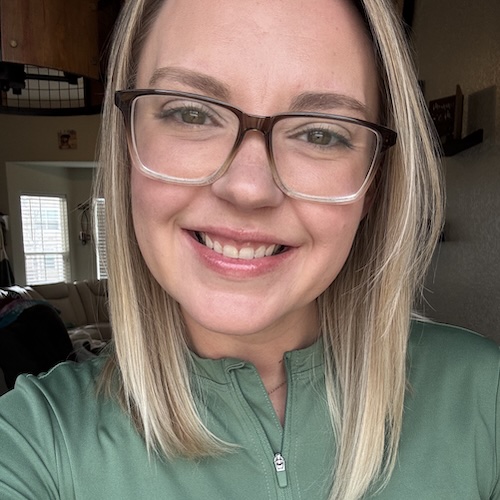
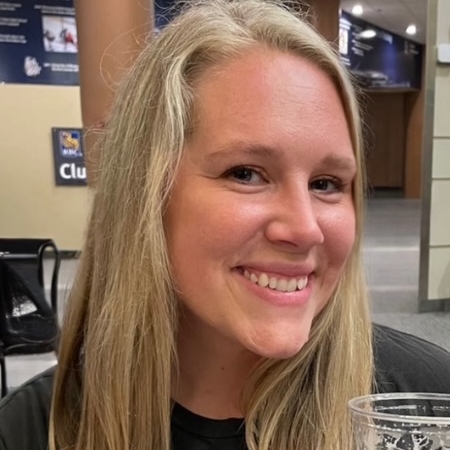
Ali C. adenoid cystic carcinoma

Ali’s adenoid cystic carcinoma experience forced daily adaptations as a mother. When treatment left her exhausted, her extended family cared for her children, then ages one and three. Her youngest’s separation anxiety and the family’s emotional toll were the price of vigilance and perseverance. Advocacy became a driving theme: “Always listen to your gut, seek a second opinion if needed, and don’t hesitate or feel guilty for asking for another doctor to look into it.”

Inspired to embrace life’s small joys and contribute to rare cancer research, Ali now runs, creates in her home pottery studio, and values each moment of wellness. “Take it one day, one hour at a time… See the good in everything and the magic in small things.” Her adenoid cystic carcinoma experience, shaped by intuition, advocacy, and community, is now a message of resilience for others facing rare diagnoses.

Watch the video of Ali’s interview or read the transcript below to find out more about her story:

  • Early persistence and trusting personal instincts can lead to critical early detection
  • Rare cancers require extra self-advocacy and aren’t always recognized by general doctors
  • Always listen to your gut, seek a second opinion if needed, and don’t hesitate or feel guilty for asking for another doctor to look into it
  • Transformation included learning not to take life or “shoulds” so seriously, and to prioritize joy, self-expression, and family
  • Support networks, appointments, and daily routines change for patients and their families. Acknowledge the full impact

  • Name: Ali C.
  • Age at Diagnosis:
    • 33
  • Diagnosis:
    • Adenoid Cystic Carcinoma (Submandibular Salivary Gland)
  • Symptom:
    • Small lump under the jaw
  • Treatments:
    • Surgery
    • Radiation therapy
Ali C. adenoid cystic carcinoma

This interview has been edited for clarity and length. This is not medical advice. Please consult with your healthcare provider to make informed treatment decisions.

The views and opinions expressed in this interview do not necessarily reflect those of The Patient Story.


My Name is Ali

I live in the Twin Cities area of Minnesota and Wisconsin. I was diagnosed with adenoid cystic carcinoma in 2023. It has been a couple of years. I was in my salivary gland. Right under my jaw is where they found it.

I love traveling. There are so many places on my bucket list. The most recent one coming up is Hawaii, where none of us have been before, so I’m excited for that. Other than that, I love getting together with family. I love doing pottery on the wheel, just using my hands and creating something from basically nothing. I also like photography. I haven’t done it in a while, but I do enjoy it.

First Symptoms That Were Early Red Flags

Really, it was just feeling something there. It was kind of tricky because I noticed it right after having a baby, so it was hard to tell. Was this postpartum stuff? Maybe I lost a little weight in my face, and that’s why I could feel it better. I don’t know. There wasn’t anything blatantly wrong, other than a small lump under my jaw.

I brought it up at my six-week appointment after having the baby. Because I noticed it, it was on my mind. The doctor asked if I had any concerns or anything new. I brought up the lump, and she didn’t pay much mind to it. She didn’t even feel for it. She just said, “Your body’s suggesting you’re breastfeeding. I’m sure it’s just a lymph node. Your body’s doing weird things right now, so I’m sure it’s fine.”

Confirming Something Was Wrong

A year later from that initial appointment, I said, “Yeah, I think something is going on.” Again, there weren’t any other symptoms, but it never went away. As a dental hygienist, that probably helped me notice, “Yeah, this isn’t right.”

I brought it up to my doctor again. She palpated it and referred me to an ENT. At the ENT, the first thing they did was a needle biopsy, which is not pleasant. They took a portion of that tissue, and from there saw that it was not normal — it was cancerous. We scheduled surgery, and that gave them a more detailed look at what exactly it was.

Receiving My Adenoid Cystic Carcinoma Diagnosis

I had heard of adenoid cystic carcinoma; it’s a very rare type of cancer. Years ago, I was in Waco at Magnolia, the silos with Chip and Joanna. They talked about someone who trained them for a marathon, a woman from the Twin Cities, like me, who had this type of cancer. When I was researching after my diagnosis, I found her account. She created a huge organization and raised a lot of money for rare cancer research, which is amazing. It’s so bizarre that I learned about such a rare cancer, and then years later, I ended up with the same type, from the same area.

Finding My Care Team and Evaluating Treatment Options

Through my aunt. She is amazing. I love her. She is extremely intelligent. She was the surgeon who did my surgery. She gave me a couple of options with my location and was concerned about how far I was willing to drive. I ended up picking an area that had a more dense population of cancer patients, rather than somewhere more convenient but less specialized. From there, she worked hand in hand with my oncologist. They are an amazing team, coordinating before each of my appointments, and it has been great so far.

With rare types of cancer, there’s not a lot of research, so they don’t know exactly how to plan treatment. There is a wide range of guidelines. The most typical treatment for this cancer is radiation therapy; it is chemo-resistant, so we didn’t pursue chemotherapy. After surgery, we decided on 30 rounds of radiation — Monday through Friday, with weekends off. Near the holidays, I had to do a couple of days of double doses, which completely zapped my energy. By the end, I was so, so exhausted.

Side Effects of Radiation

Since it was head and neck radiation, it was very targeted. My mouth and throat were very sore. Toward the end, I had to blend up my food because I couldn’t swallow without pain. We had a lot of people bringing us meals, which was very helpful. My voice still gets scratchy if I talk a lot. My skin felt like a sunburn times a hundred, oozing and requiring dressings. The bandages made me feel secure. The worst part was the water from showering — so painful.

Moving my neck wasn’t difficult during radiation, but after 30 doses, the muscles in my neck got really tight. Even after treatment, the radiation kept working for weeks. I saw a physical therapist for stretches and to improve my range of motion, which still isn’t what it once was.

I spent more time in the car than at the hospital. Daily appointments lasted only 15 to 20 minutes. I’d listen to a podcast on the drive to avoid thinking too much, do my session, then return home, continuing my day. Even now, I do the same routine for check-ups.

Surgery Experience and Recovery

For surgery, they took out the tumor and about eight lymph nodes to check for spread. I don’t know how long the surgery lasted, but it was a same-day procedure, and I could go home. I had a drainage tube, which was a first for me, even though I’d had surgeries before. The recovery was more tolerable than the treatment; the treatment was far worse than surgery.

The Hardest Parts: Uncertainty, Anxiety, and Parenting

The hardest part was not knowing what they’d find in surgery or biopsies, if it had spread to lymph nodes, or what the future holds. My mind went to dark places, especially when thinking of my kids and “what ifs.” I knew I could handle pain, but not knowing outcomes was hardest.

Homeschooling came after the fact, but during treatment, my kids were one and three. Grandparents were amazing, and toward the very end, when I was sleeping most of the day, the kids stayed with my in-laws. My one-year-old experienced a lot of separation anxiety. Even after returning home, he would throw himself over baby gates or out of his crib trying to get to me. The whole family was traumatized, even if the kids didn’t understand why.

Self-Advocacy and Second Opinions

The biggest issue is that the first person you go to is your general doctor. You often take your doctor’s word as final. If I had done that, the cancer would have progressed further, and my outcome would have been worse. Always listen to your gut, seek a second opinion if needed, and don’t hesitate or feel guilty for asking for another doctor to look into it.

Giving Back: Advocacy, Awareness, and the Adenoid Cystic Carcinoma Community

Having a rare cancer [like adenoid cystic carcinoma] and connecting back to that person and her organization, Brave Like Gabe, has been powerful. I ran a 5K with their team, have raised money for rare cancer research, and I’ll be running a 10K this spring. We need the research because everyone’s treatment ends up different without clear guidelines.

I’ve found people through Instagram and Brave Like Gabe. It’s helpful to meet others with the same rare cancer. You can share everything with people, but only those who’ve actually gone through it truly understand.

Advice for Cancer Patients and Survivors

I don’t take life as seriously as I once did. Work and other “shoulds” don’t matter the way people think they do. There’s so much you don’t do in life because it seems like you shouldn’t, or “You’re 35, you shouldn’t be doing that.” Before radiation, I never had a tattoo; it felt like a “no-no.” But for radiation alignment, I got tattooed for the process, so afterward I decided to get my first real tattoo — one that says “magical” — as a reminder that life is magical.

Take it one day, one hour at a time. Some days are better than others, even now. The mind is powerful — good or bad. See the good in everything and the magic in small things.

I had two babies and cancer in three years, so I felt lost. It took a year or more after finishing treatment to feel like myself again. It’s crucial to do things for yourself, whatever brings joy, especially after long periods of illness or caring for young children. I set up a pottery studio at home so I can create whenever it works. Doing what makes you happy makes your family happier, too.


Ali C. adenoid cystic carcinoma
Thank you for sharing your story, Ali!

Inspired by Ali's story?

Share your story, too!


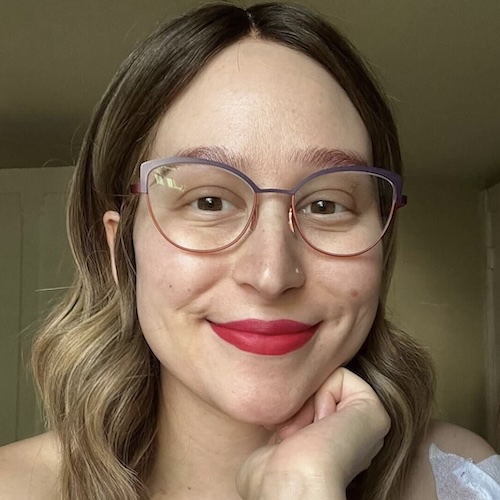
Vikki F. nasal squamous cell carcinoma

Vikki F., Head and Neck Cancer (Nasal Squamous Cell Carcinoma)


Symptoms: Nosebleeds that persisted for years, nose changed in shape, nasal pain, migraines

Treatments: Surgeries (subtotal rhinectomy, reconstruction surgery including radial forearm free flap, bone grafts, and cartilage), chemoradiation
...
Red S. tongue cancer

Red S., Tongue Cancer (Squamous Cell Carcinoma of the Tongue), Stage 3


Symptom: Persistent tongue ulcer that increased in size

Treatments: Surgeries (partial glossectomy, flap surgery), radiation therapy
...
Alyssa N. feature profile

Alyssa N., Adenoid Cystic Carcinoma


Symptoms: Persistent jaw pain, lightning-like facial pain during the first bite of meals

Treatments: Surgery (tumor removal), radiation
...
Eva G. feature profile

Eva G., Oral Cancer, Stage 4


Symptoms: Sore on the tongue, which caused pain during eating and speaking; changes in the color and texture of the tissue where the sore was located
Treatments: Surgery (partial glossectomy, radical neck dissection, reconstruction), radiation
...
Teresa B. breast cancer survivor experience

Teresa B., Recurrent Breast Cancer (Hormone-Positive), Oral Cancer (Lip Cancer), and Skin Cancer (Melanoma)


Symptoms: Lip cancer: chapped lips & a pimple-like growth on lip, breast cancer: enlarged left breast with lump, melanoma: none

Treatments: Surgeries (bilateral mastectomy with reconstruction, lumpectomy, craniotomy, Mohs, surgery, wide local excision), hormone therapy, radiation therapy
...

Categories
Chemotherapy Ewing Patient Stories Sarcoma Surgery Treatments Tumor excision Wide Local Excision

The Nickel-Sized “Bruise” That Changed My Life: Sophie’s Stage 2 Ewing Sarcoma Story

The Nickel-Sized “Bruise” That Changed My Life: Sophie’s Stage 2 Ewing Sarcoma Story

Sophie’s story begins with a strange, round robin’s-egg–blue spot on her upper arm that didn’t hurt, fade, or otherwise behave like a normal bruise. Pushing for answers led to a diagnosis of soft-tissue Ewing sarcoma, a rare kind of cancer, at age 31. Initially, a doctor thought it was nothing serious. But Sophie trusted her gut and insisted on further checks. Her persistence led to an ultrasound, a surgery, and eventually the devastating phone call: it was cancer. She had never even heard of Ewing sarcoma before that day.

Interviewed by: Nikki Murphy
Edited by: Chris Sanchez

Sophie’s experience emphasizes the importance of self-advocacy, particularly for adolescents and young adults. She quickly learned that waiting months to be rechecked wasn’t an option. Pushing for answers, she navigated multiple appointments, imaging scans, and pathology reviews until she received a clear diagnosis. Along the way, she also discovered the emotional toll of rare cancers like Ewing sarcoma, namely fear, uncertainty, isolation, and how it can feel when life halts while friends and peers continue moving forward with weddings, new jobs, and other milestones.

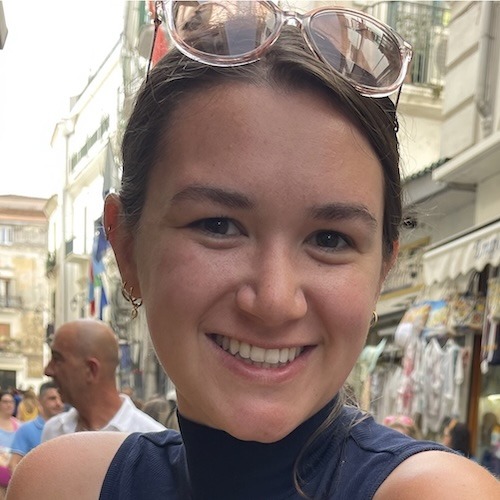
Sophie F. Ewing sarcoma

Sophie’s treatment involved 14 cycles of chemotherapy over 10 months, split between inpatient and outpatient sessions, plus a second surgery to secure clean margins after the first removal proved insufficient. Uncomfortable side effects like fatigue, nausea, food aversions, and hair loss became part of her new reality. But she found ways to manage the cycles and focus on what she could control. She realized that mental health was as important as physical health, and leaned on family and close friends who stayed present through the hardest days.

She now has no evidence of disease (NED), and continues regular scans and bloodwork to monitor her health. Sophie hopes her story encourages others to listen to their bodies, speak up if something doesn’t feel right, and seek specialists for rare cancers like Ewing sarcoma. She also wants to shine a light on the psychological impact of cancer in young adults: how it reshapes expectations, identity, and hope, and stresses that research into rare cancers must continue to grow.

Watch Sophie’s video and check out the transcript of her interview. You’ll find out more about:

  • The little round blue “bruise” that turned out to be something far more serious
  • How one young woman pushed for answers when doctors said to wait six months
  • How Sophie’s story evolved from a casual doctor’s visit to a life-changing cancer diagnosis in just weeks
  • The emotional toll of facing mortality at 31 while friends moved forward with life milestones
  • Hard-won lessons on self-advocacy, resilience, and finding strength in the face of Ewing sarcoma

  • Name: Sophie F.
  • Diagnosis:
    • Ewing Sarcoma
  • Age at Diagnosis:
    • 31
  • Staging:
    • Stage 2
  • Symptom:
    • Appearance of a nickel-sized, blue, and solid but soft and spongy mark on upper left arm
  • Treatments:
    • Surgeries: cyst excision surgery and wide excision surgery
    • Chemotherapy
Sophie F. Ewing sarcoma

This interview has been edited for clarity and length. This is not medical advice. Please consult with your healthcare provider to make informed treatment decisions.

The views and opinions expressed in this interview do not necessarily reflect those of The Patient Story.


My name is Sophie

I am from Syracuse, New York, and I was diagnosed with Ewing sarcoma soft tissue in 2022.

I was in the prime of my life. People around me were getting engaged, getting married, having kids, buying houses. I felt stuck in time while everybody else was advancing, and I was standing still, finding out whether or not I was going to die.

Cancer was unexpected, very challenging. It completely changed who I am as a person, but also brought some good things into my life.

The first symptom I noticed

I actually only ever had one symptom before I was diagnosed. It was back in fall 2021. I was looking in the mirror one day and caught a glimpse of the side of my left upper arm, and it looked like there was a bruise there.

It was a weird-looking bruise. We all know what bruises look like, and this was bruise-like but just slightly different. It was not a faded look. It did not have that kind of blue-yellow. It was just pure blue, almost like robin’s egg blue. It was pretty much perfectly symmetrical, nickel-sized, perfectly round.

It was not sore to the touch or anything. It did not hurt at all, and it did not come out of my skin; it was not raised. When I touched it, I could move it back and forth under the skin. At first, I thought it was just a weird bruise, and there was blood pooled under there, like happens with bruises sometimes, but it was moving as a solid.

The blue would move as one, and then I would push it back, and it would move the other direction. That was the only symptom I had. I felt totally fine otherwise. Within a week or two of noticing that, I went to the doctor because a bruise typically goes away pretty quickly and usually hurts or is from something.

I knock into stuff all the time, but this was significant enough that I should have known what I did. I went to the doctor, and the doctor I saw, who was not my PCP but was in the practice, barely examined me. I do not even know if she touched it. She looked at it and basically said, “That looks fine. You are young and healthy.” I was 30 years old, and I had no other symptoms. She said it was probably a hematoma, a bruise, or maybe a lipoma, a fatty deposit, but she was not really worried about it. She said if I was still experiencing symptoms in six months, I could come back.

I went home, and it did not sit right with me. The fact that she barely examined it and what she said about it did not make sense with what I was seeing and feeling. Within maybe two weeks after that, I called the doctor’s office back and said I needed to get in sooner. I said I was not comfortable with somebody not taking a closer look at this. I was told that there were no spots available for three months, which is not accurate in my opinion. There have to be sick visits.

Finally seeing my primary care doctor

I have a friend who went to the same doctor’s office who got a sick visit when he had a sore throat, but apparently, there being something wrong with my arm was not enough for a sick visit. They basically blew me off and said the doctor did not want to see me back for six months anyway.

So I waited three months. In that period, I thought about it a lot. I thought about trying to be seen somewhere else, but I had just moved back home to Syracuse after being away for over a decade, and it was hard enough to find a PCP, much less to try to find another PCP. The spot on my arm did not change after the first time I saw it. It remained the same, looked the same, and I felt fine otherwise.

The people in my life were not worried about it. I am kind of a hypochondriac; I always have been. They said, “You need to trust the doctor on this. If she is not worried, you do not need to be.” Finally, I went back three months later. I saw my actual PCP. She was also not super concerned, but she definitely took it seriously. She thought it was weird that it had not gone away and suggested an ultrasound to get more information. It took a couple of weeks to get the ultrasound.

The ultrasound results showed an abnormal cyst. It looked like a cyst, a fluid-filled sac, but it had blood flow, which cysts usually do not. I asked what that meant, and she said it could mean a variety of things. She said she was still not concerned, but we had a couple of options: watch it for a few months, do an MRI to get more information, or have surgery to get it taken out.

At that point, it had been about four months since I first noticed it, and I just wanted surgery. I did not know anything about what steps you are supposed to take if something is suspicious because I had not dealt with that before, and she never said, “I think this might be cancer.” I said, “Let’s just schedule surgery so we can get it out. I do not want to deal with this anymore. I just want it gone. It is weird.”

It took another two months to get the surgery scheduled. This was fall–winter 2021 into early 2022. COVID was still in full force. There was a new wave and a new strain, so it was really rough trying to get medical care.

The day of my surgery

In February 2022, I finally had it removed by a regular surgeon, just a run-of-the-mill surgeon. She was great. She also was not worried about it. After the surgery, she called and said it went awesome. It was mostly just blood in the cyst, and it did not look weird. She was not concerned but was sending it to pathology because that is what you do. I felt it was no big deal. It was a very small incision, and I felt fine.

A week later, she called me and said, “I am really sorry. I was wrong. It actually is cancer.” They did not know what type of cancer it was. They had sent it to pathology in Syracuse, and they were not coming up with a definite diagnosis. It could have been anything from blood cancer to skin cancer to what they wrote down as their best guess, which was Ewing sarcoma, which I had never heard of before.

She told me not to look that up because they really did not know what it was yet, and she did not want me to freak out. They were sending it to Memorial Sloan Kettering in New York City so they could run their pathology. Knowing it was cancer, I was set up with an oncologist and a surgeon. It was three weeks before I got my official diagnosis, which ended up being their best guess: Ewing sarcoma. That was March 1st, 2022, when I finally got the confirmed diagnosis.

How I reacted to my diagnosis

I was shocked. I was really surprised and terrified. That phone call where she said, “You have cancer,” was the most scared I have been throughout the entire experience. Not only was I hearing “you have cancer” when I had just turned 31, but they did not even know what it was.

I was distraught. I was with my friend when I got the phone call. It was a regular weekday afternoon. I immediately called my parents; they came over. My friend left. It traumatized her, understandably. I cried for a good while, but more than anything, I was scared. I was imagining all the things it could be and what that could mean, with no information yet on how aggressive it was, whether it was localized, or even what category I was dealing with.

I mentioned earlier that I have been a hypochondriac my whole life, though “health anxiety” is probably a better phrase. It had always been unfounded. I would get something checked out, and it would be nothing. I would always hear “you are young and healthy, you are fine.” I had been concerned that it was cancer or something more serious, but in the same way I had always worried, not more than usual.

When I found out that it was cancer, I felt a little validated or vindicated, like, “I told you so.” I had said this was weird. I had said it did not sit right with me that I was having to wait. Finally, after pushing and not getting answers and after basically a lifetime of health anxiety, my anxiety was right.

That was something I went on to struggle with for the next three years: what do you do when you are anxious about something for so long, and then one time you are right? What does that mean for every other thing you are going to be anxious about in the future? How do you not believe it is something life-threatening every time?

My treatment plan

I was referred from the general surgeon to an orthopedic surgeon in Syracuse, who is the person for cancer of the limbs. Even without an official diagnosis, he looked at the clinical signs, symptoms, and the pathology report and was pretty convinced it was going to be Ewing’s.

He said, “We do not know for sure what this is, but here is what you probably have in front of you.” That was very helpful. He was the first person who told me I was probably going to need surgery and chemo, if not also radiation. Once I got the official diagnosis a few weeks later, I met with my medical oncologist, whom he referred me to, and I had scans to stage the cancer.

The treatment plan was the same as for pretty much anybody else with Ewing sarcoma. It is very specific and targeted. It was five chemotherapy drugs over the course of about eight months to a year, depending on how long it takes and how your body reacts. For me, it was 14 cycles total: seven inpatient and seven outpatient.

The outpatient chemo was what you imagine when you think of chemo. You go to an infusion room with a lot of other people and get an IV with chemo. The other seven cycles were inpatient, where I had to live at the hospital for a week and get drugs every day for five days in a row. It was either three drugs every day for five days or two drugs for five days.

I would have two days of outpatient chemo, then two weeks later, five days of inpatient chemo, and then two weeks later, another round. It had to be spread out more as I went on because my body took longer to recover. It ended up taking about ten months.

With Ewing’s, if the tumor is operable, which mine was because it was in the soft tissue, you typically have surgery about halfway through. After the first six cycles of chemo, you have surgery and then eight more cycles. When I had the initial cyst removal, which turned out to be the tumor, they could tell they did not get clean margins because they were not operating as if it were cancer. They were operating as if it were a cyst, so they did not take much of the area around it.

I had to get a second wide excision surgery in the middle of chemo to take an extra inch in all directions around where the original tumor was to get clean margins. I did not need radiation. Some people do, especially if they cannot operate in the area. They got clean margins with the second surgery, so I did not have to do radiation.

My wide excision surgery and its physical impact

The wide excision surgery was actually an easier part of my treatment. Because it was in the soft tissue layer, not in the muscle or bone, it was essentially digging around in my soft tissue and then sewing it back up. There was a chance I was going to need a skin graft, but my surgeon was awesome and was able to do it, so I did not need that.

I have a pretty gnarly scar, and you can tell there is a chunk out of my arm. It should be one shape, and it is not, but I have full function of the arm. I might have a little less than full muscle capacity, but it was about an hour-and-a-half-long same-day surgery with a fairly easy recovery. The chemo was the truly challenging part.

The side effects I experienced

I had a whole host of side effects, but the main one was extreme fatigue. I was insatiably exhausted after chemo. After outpatient chemo, usually two to three days later, I would crash and be crashed for five or six days.

For inpatient chemo, the first or second day might not be so bad, but by the third day, I was exhausted, and that lasted up to a week after I got home. I would sleep 12 to 14 hours a day and still be exhausted. I would wake up, force some food down, and go back to sleep.

Other common side effects were nausea and lack of appetite. I only vomited once during the entire treatment, but I had really severe nausea and zero appetite. I did not want to eat. I had a food aversion; I knew I had to eat, but seeing food grossed me out.

At the beginning of treatment, I had to go to the ER a couple of times when my immune system was really down, and my blood counts were low. After my second round of chemo, I noticed a little pimple on my leg that, within an hour, became really big and looked angry and infected. That meant an ER visit. It turned out to be a skin infection that normally probably would not have done anything, but with almost no immune system, it was dangerous. I had IV antibiotics, was there for 24 hours, and they monitored me closely.

A few cycles later, I was back in the ER because I spiked a fever, which is really dangerous when your blood count is low, even if you feel fine. I had IV antibiotics again and a blood transfusion. I had another blood transfusion one cycle after that, or a few days later in the same cycle.

I got tired easily. A walk around the block would leave me exhausted. It was a physical and mental-emotional fatigue that was very heavy. It felt almost impossible to lift it. I lost all my hair on my entire body. That is a side effect I usually do not think about because it just happened and stayed that way for ten months, but it was still not easy.

I also had occasional mouth sores and sometimes gland pain. Once I spaced out my treatments after the third or fourth round, many of those side effects improved. I did not go to the ER again. I learned how to manage the cycles of fatigue and nausea, and it became a little easier.

Finishing chemotherapy

I finished chemo the day before my birthday. I had set goals for when I wanted to finish. I wanted to go to my best friend’s wedding, but after spacing out treatments, I was still in treatment then and could not go. I wanted to finish before the holidays so I would be home; that did not happen. My final goal was to be done before my 32nd birthday, and I did that.

I wish I could say I felt absolutely amazing and it was awesome, but at the time, it was not as joyful or as much of a relief as I expected because I was so tired. After 14 rounds of chemo and two surgeries, I kind of collapsed. I was really proud and really grateful to be done. Ringing the bell was meaningful; I got to do it twice, once for inpatient and once for outpatient. I felt a big sense of relief.

It was not rainbows and kittens. The transition from chemo back to regular life was tough. I had been in a routine for almost a year. It felt like a loss to be done and scary to step outside a routine that included knowing the next step and feeling like I was actively fighting cancer. Suddenly, I was done and just sitting there.

I went from seeing my oncologist and surgeon often to being told, “See you in three months,” which was surprisingly difficult. There were mixed emotions. I was grateful to be done, grateful to be alive, and grateful to be told my scans were clear. I do not take that for granted; it was huge, and I am very fortunate. But it was not as straightforward as I expected.

Finishing chemo felt less like a victory lap and more like collapsing at the finish line and realizing you have to figure out how to live again.

Life as “No Evidence Of Disease”

For Ewing’s, and maybe all sarcomas, they do not use “in remission” or “cancer-free.” They use NED: no evidence of disease, or sometimes NEAD: no evidence of active disease. I was considered NED after my second surgery, about six months before I finished treatment, because the evidence of disease was the positive margins after the first cyst removal surgery. Once they got clean margins, I was technically NED.

My NED anniversary is in July every year, but I still had to do the rest of the chemo because that is the protocol for Ewing’s. For the first two years, every three months, I had scans of my arm, where the cancer was, and my chest, because that is the most likely place Ewing’s would metastasize. It could come back in the original spot or metastasize to the lungs.

I also had blood work to check whether my body was bouncing back as expected or if anything new and weird needed investigation. Starting last July, which was two years ago, my schedule changed to every four months for a year. This upcoming July, when I am three years NED, it will switch to every six months for years four and five. After five years of NED, it becomes every year forever.

I just had scans two weeks ago and got my official results yesterday that they are all clear. I am definitely in a good mood this week.

My NED anniversary is in July, and even though I’m ‘clear,’ I still live scan to scan, year after year, for the rest of my life.

The hardest part of my diagnosis

Many things were hard and continue to be hard. I do not want to downplay how hard chemotherapy was. It was a living hell a lot of the time. But even harder was the psychological and emotional toll that having cancer took and continues to take on me.

Any time you are told you have cancer, it is awful and life-changing in a way you do not want. Being told that at a relatively young age was even harder. I was in the prime of my life. People around me were getting engaged, married, having kids, and buying houses. I felt stuck in time while everybody else was advancing. I was standing still, finding out whether or not I was going to die, fighting for my life.

It really messed with my perception of my life, what I thought it was going to be, and what I expected for myself. I assumed I would be healthy until I was old. My mom is a breast cancer survivor of ten years this month, and she was 60 when she was diagnosed. I knew bad things could happen before people are elderly, but she was 60. I was 30. I never saw it coming.

The hardest part was facing my own mortality at a young age when other people in my peer group were not even thinking about it. For them, health and long life were a given. That is how it had been for me until it was suddenly taken away.

The part of my old self I will never get back

What I miss most about myself is the innocence I had about my expectations for my life, my hopes and dreams, and how I wanted my life to look. It is different now.

People, including me, often assume you go through cancer and then go back to normal. That is not the case for me, and for many adolescent and young adult cancer survivors I have talked to. There is no normal to go back to. It is rebuilding and figuring out who you are after this.

I miss the version of myself that had days when I never worried about anything. If I felt good, I just felt good. Now, when I feel good, it is “I feel good for now” or “I feel good, except the cancer could come back.” I am always looking over my shoulder, waiting for something else bad to happen, whether it is recurrence, metastasis, secondary cancer, or long-term side effects. It never goes away completely. It has gotten easier with time, but it is an intrinsic part of who I am now, and I could never have imagined that four years ago, before cancer.

I miss the version of myself who could feel good without an asterisk, without wondering if it was just a calm before the next storm.

What I want others to take away from my story

There are really two main pieces of advice I would want someone in a similar situation to take away from my story. One is logistical, and one is more emotional.

Logistically, advocate for yourself. Do not take no for an answer if you think something is weird or wrong, even if you have health anxiety or are an anxious person. Push anyway because you never know, and it is better to be safe than sorry. It is better to have something looked at and find out it is nothing than to not have it looked at, or to be brushed off, and have it turn out to be serious at a later stage.

Push for answers. Push for yourself. Take care of yourself. Make sure people are listening to you. If you are diagnosed with cancer, get a second opinion, ideally somewhere with a specialist for your case. For me, there was no sarcoma specialist at my local hospital. It is not a sarcoma center. Going for a second opinion at MSK was necessary for peace of mind that I was getting the right treatment.

On the emotional side, it is easy to say things like “cancer is tough, but you are tougher” or similar platitudes. I do not want to say that. What I will say is that you are stronger than you think you are. I was squeamish and scared of blood, needles, and doctors’ offices. One of my first thoughts was, “How am I going to get through this? I am not someone who thrives in this environment. I hate being sick. What if I cannot do this?”

The answer is you just have to, and so you will. You can do many more things than you think you are capable of, simply because that is the situation you find yourself in, and it is what is in front of you. Take it one step at a time, day by day. Look at what you need to do to move from one place to another. Eventually, you will be in it, and hopefully, eventually, you will be done with treatment and living a cancer-free life.

Whether you are NED or still in treatment, lean on your supports. Do that all the time. Find the people in your life who are going to stay and help you. They will help you get through anything.

You are stronger than you think you are; sometimes you only find out because you have no choice but to keep going.

Why advocacy for young adults with cancer matters to me

There is so much more to say about my experience. The biggest thing I am most passionate about is advocacy, not only self-advocacy but also advocating for increased awareness and resources for cancer, especially for adolescent and young adult cancer patients. It is a very overlooked demographic.

The young adult age range, roughly 25 to 39, has one of the highest recent increases in cancer rates. It is a strange space where more cancer cases are showing up, but there are fewer resources and less awareness. That does not align.

I am passionate about telling my story, talking to others who have been through the same thing or are starting their own journeys, and making sure they feel they are not alone. I am also passionate about advocating at a higher level to make sure providers take this seriously so people do not go through what I went through, being brushed off and told multiple times it was nothing serious.

I hear that story all the time from other authors and patients, and it has to change. People are being diagnosed at stage 3 and 4 when they could have been diagnosed at stage 1 and 2 if they had been listened to.

Another piece of advocacy for me is better treatment options and more research. It is not that people do not want to do the work. There is not enough funding. We are not going to have fewer cancers; we are going to have more people getting cancer. Research is key.

I am very lucky that there was research in the 1980s that gave me the treatment I got. It has not changed since the 80s. It would be amazing if it changed so people did not have to go through 14 rounds of chemo. If they had not done that research, I probably would not be alive right now. Many people are not getting the opportunity to be treated effectively and to live after treatment because of a lack of research funding.

I want people to be aware that this is happening. If someone watches or reads this who did not know, maybe they can talk to others and advocate for young adult cancer survivors.

I’m alive today because of research from the 1980s, and the treatment hasn’t changed since then — that should scare all of us into demanding more.


Sophie F. Ewing sarcoma
Thank you for sharing your story, Sophie!

Inspired by Sophie's story?

Share your story, too!


More Ewing Sarcoma Stories


Ariane B., Ewing Sarcoma (Bone)


Symptoms: Aching in arm, lump in forearm
Treatments: Chemotherapy (14 rounds), surgery (of radius), radiation (36 sessions)
...
Brandi

Brandi B., Ewing Sarcoma (Soft Tissue), Stage 1B


Symptoms: Extreme fatigue, lump in pelvic area
Treatments: 17 cycles of chemotherapy in-patient at hospital with (leg-sparing) surgery in between
...
Sophie F. Ewing sarcoma

Sophie F., Ewing Sarcoma (Soft Tissue), Stage 2


Symptoms: Appearance of a nickel-sized, blue, and solid but soft and spongy mark on upper left arm

Treatments: Surgeries (cyst excision surgery, wide excision surgery), chemotherapy

...

Categories
Chemotherapy Colostomy Cystectomy Hysterectomy (partial) Malignant Peripheral Nerve Sheath Tumor (MPNST) Patient Stories Proctectomy Rare Reconstruction Sarcoma Soft Tissue Sarcoma Surgery Treatments Urostomy

How Getting a Second Opinion Saved Crystal’s Life After a Rare Soft Tissue Sarcoma Diagnosis

How Getting a Second Opinion Saved Crystal’s Life After a Very Rare Soft Tissue Sarcoma Diagnosis

Crystal is the kind of person who lights up a room — bubbly, energetic, and always smiling. But in February 2022, her world shifted when she started having severe trouble urinating. What started as one uncomfortable ER visit turned into a life-changing realization: she had a malignant peripheral nerve sheath tumor (MPNST), a very rare type of soft tissue sarcoma tied to her neurofibromatosis type 1 (NF1).

Interviewed by: Nikki Murphy
Edited by: Katrina Villareal

Doctors initially thought it was a urological issue. After being catheterized twice, Crystal pushed for more testing. When her request for a CT scan was denied, she advocated fiercely for herself until they agreed. That scan revealed a mass. It was a shocking moment that would eventually lead to the correct diagnosis of MPNST sarcoma, a type of cancer that requires highly specialized care.

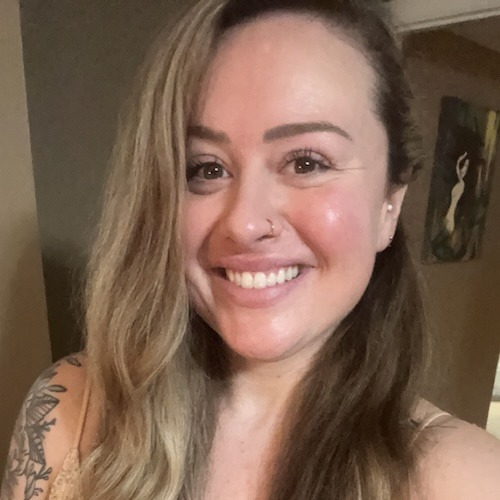
Crystal S. MPNST

Despite discomfort with change and loyalty to her first care team, Crystal followed her instincts — and the advice of supportive family and friends— and got a second opinion. That decision changed everything. Her new sarcoma specialist reviewed all her records and immediately diagnosed her with MPNST sarcoma, which aligned with her NF1 diagnosis.

Not only did this doctor explain the cancer more clearly, but he also had a complete surgical plan laid out at their very first meeting. Crystal finally felt seen, heard, and, most importantly, safe. That second opinion gave her more than just answers; it gave her a confident path forward for treating her MPNST sarcoma.

Crystal’s surgery was complex and intense: a procedure that included bladder and rectum removal, a permanent colostomy and urostomy, and reconstructive work. Recovery was rough, both mentally and physically. However, Crystal managed to get through it by staying informed, engaging with online communities, and learning how to adapt to her new normal. Social media became unexpected lifelines for practical advice and emotional support. Navigating life after MPNST sarcoma isn’t easy, but Crystal found strength in unexpected places.

Crystal is now nearly three years cancer-free. She emphasizes how essential it is to advocate for yourself, ask questions, and not be afraid to speak up, even if doing so feels uncomfortable. Her story highlights how vital it is to meet with a doctor who specializes in your specific cancer, especially with rare cancers like MPNST sarcoma. A second opinion didn’t just help; it gave her a real shot at living her life again.

Watch Crystal’s full video to find out more about her story:

  • Hear how a wrong diagnosis nearly changed everything and how Crystal uncovered the truth about her MPNST sarcoma.
  • Find out why she pushed for a CT scan and how speaking up became her most powerful tool.
  • Learn how social media and community support helped her face life after surgery with two ostomy bags.
  • Discover why choosing a sarcoma specialist made all the difference in Crystal’s care.
  • See how Crystal’s second opinion gave her not just a new diagnosis but a real plan and peace of mind.

  • Name: Crystal S.
  • Age at Diagnosis:
    • 29
  • Diagnosis:
    • Malignant Peripheral Nerve Sheath Tumor (MPNST)
  • Symptoms:
    • Inability to urinate
    • Intense pain due to inability to urinate
  • Treatments:
    • Chemotherapy
    • Surgeries: cystectomy (bladder removal), proctectomy (rectum removal or Barbie butt surgery), permanent colostomy and urostomy, partial hysterectomy, reconstruction
Crystal S. MPNST
Crystal S. MPNST
Crystal S. MPNST
Crystal S. MPNST
Crystal S. MPNST
Crystal S. MPNST
Crystal S. MPNST

This interview has been edited for clarity and length. This is not medical advice. Please consult with your healthcare provider to make informed treatment decisions.

The views and opinions expressed in this interview do not necessarily reflect those of The Patient Story.


Crystal S. MPNST
Thank you for sharing your story, Crystal!

Inspired by Crystal's story?

Share your story, too!


More Soft Tissue Sarcoma Stories


Kara L., Synovial Sarcoma, Stage 1B


Symptoms: Pain behind left knee, needle-like sensation in left foot
Treatments: Surgery to remove what was thought to be benign tumor, chemotherapy, final surgery, radiation (36 sessions)
...

Jillian J., Synovial Sarcoma, Stage 3


Symptom: Pain in leg for over 15 years
Treatments: Surgeries (tumor resection, thoracotomy)
...
Marisa C. feature profile

Marisa C., Synovial Sarcoma, Stage 4


Symptom: Small bump on the foot (stable for years, then grew during pregnancy), pain when pressed

Treatments: Surgeries (below-knee amputation, pulmonary wedge resections, segmentectomy), chemotherapy, radiation (lungs & hip)
...
Julie K. stage 4 synovial sarcoma

Julie K., High-Grade Poorly Differentiated Spindle Cell Synovial Sarcoma, Stage 4


Symptoms: Chest and back pain after car accident, trouble breathing

Treatments: Chemotherapy, surgeries (lung resection, video-assisted thoracoscopic surgery or VATS, neurectomy, rib removal), radiation therapy (CyberKnife)

...
McKenna A. synovial sarcoma

McKenna A., Synovial Sarcoma, Stage 3 Grade 3B


Symptoms: Insomnia, weak immune system resulting in persistent illnesses such as UTIs and strep throat, severe swelling in left leg

Treatments: Surgery (tumor excision), chemotherapy, radiation therapy (proton radiation), integrative therapies
...
Monica

Monica H., IDC, Stage 2B & Undifferentiated Pleomorphic Sarcoma


Symptoms: Tightness and lump in left breast
Treatments: Chemotherapy, radiation, surgery

Nicole B., Undifferentiated Pleomorphic Sarcoma, Stage 3


Symptoms: Severe intolerance to food, nausea
Treatments: Surgeries (cholecystectomy, Whipple), chemotherapy (Gemcitabine and Taxotere)

Louis D., Gastrointestinal Stromal Tumor (GIST)


Symptom: Feeling the need for constant urination
Treatments: Surgery to take out the tumor, maintenance chemotherapy (3 years)
...

Categories
Chemotherapy Clinical Trials Patient Stories Radiation Therapy Rhabdomyosarcoma Sarcoma Soft Tissue Sarcoma Surgery Treatments

Choosing Quality of Life in Her Rhabdomyosarcoma Treatment

How Brittany Chooses Quality of Life in Her Stage 4 Rhabdomyosarcoma Treatment Decisions

Brittany received a life-altering diagnosis of stage 4 rhabdomyosarcoma in July 2024. What started as a small lump on her jaw quickly escalated into a whirlwind of hospital visits, major surgeries, and tough decisions. But throughout it all, Brittany has remained grounded in her values, fiercely committed to preserving her mental health, self-worth, and autonomy.

Interviewed by: Nikki Murphy
Edited by: Katrina Villareal

When Brittany first noticed the lump, doctors thought it might be a cyst. But after it rapidly swelled during a biopsy, further testing confirmed it was cancer. That moment, she recalls, shattered her sense of normalcy. Getting that phone call was a deeply painful turning point. From there, she had to quickly learn how to advocate for herself.

Initially, Brittany’s first oncologist didn’t offer many choices. She sought a second opinion, and that’s when things began to shift. Despite being a young adult, Brittany learned that stage 4 rhabdomyosarcoma is often treated as a pediatric condition, which brought its own emotional weight. But the new oncologist gave her options, including fertility preservation, which was emotionally and physically taxing but important to her.

Brittany C. stage 4 rhabdomyosarcoma

Brittany started chemotherapy and endured severe nausea, weight loss, and exhaustion, only to find out that the treatment wasn’t effective. In October, doctors removed the tumor surgically, replacing her jaw with titanium and using bone and muscle from her leg for reconstruction. She lost some facial movement in the process, a harsh reminder of the physical toll this diagnosis has taken.

Radiation therapy came next, damaging her salivary glands without improving her condition. Then the cancer spread to her lungs. After more chemo and even a clinical trial, Brittany made the decision that her treatments and their impact on daily life were stealing the quality of life she wanted. She bravely chose to stop her clinical trial treatments and take a more holistic approach, focusing on diet, lifestyle, and emotional healing. She is monitoring her lungs and scheduling a second surgery to work on her jaw.

Mental health has been the toughest part. Losing her physical strength, independence, and even pieces of her identity has been crushing at times. But Brittany has also grown immensely. With unwavering support from her boyfriend and his community, she’s learning to trust herself again, reclaiming her life on her own terms.

Brittany wants others to know they aren’t alone. Stage 4 rhabdomyosarcoma is terrifying, but fear doesn’t get to make the rules. You do. And she’s living proof that, even in the darkest hours, hope and strength can coexist.

Watch Brittany’s video to find out more about:

  • How Brittany found clarity and control after a devastating diagnosis
  • Why she has a titanium jaw
  • The emotional toll of stage 4 rhabdomyosarcoma
  • Why Brittany walked away from treatment to protect her quality of life
  • What it means to find your voice when the world tells you what to do

  • Name: 
    • Brittany C.
  • Age at Diagnosis:
    • 22
  • Diagnosis:
    • Rhabdomyosarcoma
  • Staging:
    • Stage 4
  • Symptom:
    • Small, sharp lump on the right side of the jaw
  • Treatments:
    • Surgeries: tumor removal & planned corrective jaw surgery
    • Chemotherapy
    • Radiation therapy
    • Clinical trial
Brittany C. stage 4 rhabdomyosarcoma

This interview has been edited for clarity and length. This is not medical advice. Please consult with your healthcare provider to make informed treatment decisions.

The views and opinions expressed in this interview do not necessarily reflect those of The Patient Story.


Brittany C. stage 4 rhabdomyosarcoma
Thank you for sharing your story, Brittany!

Inspired by Brittany's story?

Share your story, too!


More Sarcoma Stories


Ashley W., Desmoid Tumor


Symptoms: Leg tightness, increased swelling in leg
Treatments: Chemotherapy infusion (Methotrexate, Navelbene), oral chemotherapy (Nexovar)
...

Demi D., Desmoid Tumor


Symptoms: Fatigue, lump in hip
Treatments: Surgery, radiation, chemotherapy
...

Alicia B., Desmoid Tumor, Stage 4


Symptom: Lump in right armpit
Treatments: Chemotherapy, radiation, targeted therapy, clinical trials, surgery, including forequarter amputation
...

Ariane B., Ewing Sarcoma (Bone)


Symptoms: Aching in arm, lump in forearm
Treatments: Chemotherapy (14 rounds), surgery (of radius), radiation (36 sessions)
...
Brandi

Brandi B., Ewing Sarcoma (Soft Tissue), Stage 1B


Symptoms: Extreme fatigue, lump in pelvic area
Treatments: 17 cycles of chemotherapy in-patient at hospital with (leg-sparing) surgery in between
...
Sophie F. Ewing sarcoma

Sophie F., Ewing Sarcoma (Soft Tissue), Stage 2


Symptoms: Appearance of a nickel-sized, blue, and solid but soft and spongy mark on upper left arm

Treatments: Surgeries (cyst excision surgery, wide excision surgery), chemotherapy
...

Louis D., Gastrointestinal Stromal Tumor (GIST)


Symptom: Feeling the need for constant urination
Treatments: Surgery to take out the tumor, maintenance chemotherapy (3 years)
...

Kara L., Synovial Sarcoma, Stage 1B


Symptoms: Pain behind left knee, needle-like sensation in left foot
Treatments: Surgery to remove what was thought to be benign tumor, chemotherapy, final surgery, radiation (36 sessions)
...

Jillian J., Synovial Sarcoma, Stage 3


Symptom: Pain in leg for over 15 years
Treatments: Surgeries (tumor resection, thoracotomy)
...
Marisa C. feature profile

Marisa C., Synovial Sarcoma, Stage 4


Symptom: Small bump on the foot (stable for years, then grew during pregnancy), pain when pressed

Treatments: Surgeries (below-knee amputation, pulmonary wedge resections, segmentectomy), chemotherapy, radiation (lungs & hip)
...
Julie K. stage 4 synovial sarcoma

Julie K., High-Grade Poorly Differentiated Spindle Cell Synovial Sarcoma, Stage 4


Symptoms: Chest and back pain after car accident, trouble breathing

Treatments: Chemotherapy, surgeries (lung resection, video-assisted thoracoscopic surgery or VATS, neurectomy, rib removal), radiation therapy (CyberKnife)

...
McKenna A. synovial sarcoma

McKenna A., Synovial Sarcoma, Stage 3 Grade 3B


Symptoms: Insomnia, weak immune system resulting in persistent illnesses such as UTIs and strep throat, severe swelling in left leg

Treatments: Surgery (tumor excision), chemotherapy, radiation therapy (proton radiation), integrative therapies
...
Monica

Monica H., IDC, Stage 2B & Undifferentiated Pleomorphic Sarcoma


Symptoms: Tightness and lump in left breast
Treatments: Chemotherapy, radiation, surgery

Nicole B., Undifferentiated Pleomorphic Sarcoma, Stage 3


Symptoms: Severe intolerance to food, nausea
Treatments: Surgeries (cholecystectomy, Whipple), chemotherapy (Gemcitabine and Taxotere)

Categories
Adrenal Cancer Adrenalectomy Chemotherapy Nephrectomy Patient Stories Surgery Treatments

Janelle’s Stage 4 Adrenal Cancer Story of Connection

Janelle’s Stage 4 Adrenal Cancer Story: The Power of Persistence and Connection

Janelle is a spirited 42-year-old whose resilience shines through despite her rare diagnosis of stage 4 adrenal cancer. Her experience underscores the importance of self-advocacy, mental health, and the power of community support.

Interviewed by: Nikki Murphy
Edited by: Chris Sanchez

Janelle’s health concerns began in 2013 with an unusual thirst — she was drinking as much as 300 oz of water daily. Despite numerous doctor visits, misdiagnoses, being gaslit, and even being dismissed as “attention-seeking,” her persistence never wavered. She navigated through multiple endocrinologists until her trusted primary care physician took her symptoms seriously. In 2021, a sudden sharp pain from a kidney stone led to a CT scan, revealing a four-centimeter mass on her adrenal gland — a life-saving discovery hidden behind unexpected agony.

Janelle C. stage 3 adrenal cancer

The diagnosis? Stage 3 adrenal cancer (adrenocortical carcinoma), which later advanced to stage 4 adrenal cancer after it was found to have spread to Janelle’s lungs. The emotional weight of the news, compounded by family health crises and feelings of isolation, was overwhelming. But she found solace in connecting with others across the globe facing the same rare cancer. These connections became her anchor, offering an invaluable sense of belonging in a sea of uncertainty.

With a treatment plan involving an oral chemotherapy medicine derived from a compound as controversial as its history (it’s related to the banned pesticide DDT), Janelle faces harsh side effects: relentless fatigue, nausea, and more. Despite these challenges, her mental fortitude remains strong. She copes with the invisible nature of her illness, combating not just stage 4 adrenal cancer but also the misconceptions of those around her. Her husband’s unwavering support and the thought of her beloved niece fuel her determination.

Janelle’s message is clear: self-advocacy is non-negotiable. Her story is a testament to the importance of trusting your instincts, pushing for answers, and never settling when it comes to your health.

Watch Janelle’s video and find out more about:

  • How a kidney stone turned out to be the unexpected hero of her life.
  • The rare cancer community that spans continents and hearts.
  • How Janelle’s persistence saw her through, even though she kept getting dismissed by doctors.
  • The unseen battles and silent strength that are part and parcel of living with stage 4 adrenal cancer.
  • The everyday heroes behind Janelle’s fight — family, friends, and fierce self-advocacy.

  • Name:
    • Janelle C.
  • Age at Diagnosis:
    • 38
  • Diagnosis:
    • Adrenal Cancer (Adrenocortical Carcinoma)
  • Staging:
    • Stage 4
  • Symptoms:
    • Excessive thirst and water intake
    • Interrupted sleep due to waking to drink and urinate
    • Suspicious weight gain despite working out
  • Treatments:
    • Surgeries: adrenalectomy, nephrectomy
    • Oral chemotherapy
    • Steroids
Janelle C. stage 3 adrenal cancer

This interview has been edited for clarity and length. This is not medical advice. Please consult with your healthcare provider to make informed treatment decisions.

The views and opinions expressed in this interview do not necessarily reflect those of The Patient Story.


Janelle C. stage 3 adrenal cancer
Thank you for sharing your story, Janelle!

Inspired by Janelle's story?

Share your story, too!


More Adrenal Cancer Stories


Ashley S., Adrenal Cancer, Stage 4


Symptoms: Swollen ankles, very low potassium levels

Treatments: Surgery (removal of tumor, open-heart surgery), chemotherapy, immunotherapy, radiation
...
Ashley P. feature profile

Ashley P., Adrenal Cancer, Stage 4


Symptom: Mild back pain on her left side that escalated in severity
Treatments: Chemotherapy (etoposide, doxorubicin, and cisplatin), mitotane, surgery, lenvatinib
...
Cassandra R. stage 4 adrenal cancer

Cassandra R., Adrenal Cancer (Adrenocortical Carcinoma), Stage 4


Symptoms: None; inconclusive bloodwork during a blood test to determine her baby’s gender

Treatments: Surgery (adrenalectomy), radiation therapy, chemotherapy, immunotherapy
...

Hope L., Adrenal Cancer, Stage 2


Symptoms: High blood pressure, butterfly rash, joint pain and swelling, rapid heart rate

Treatments: Surgery (adrenalectomy), chemotherapy
...
Janelle C. stage 4 adrenal cancer

Janelle C., Adrenal Cancer (Adrenocortical Carcinoma), Stage 4


Symptoms: Excessive thirst and water intake, interrupted sleep due to waking to drink and urinate, suspicious weight gain despite working out

Treatments: Surgeries (adrenalectomy, nephrectomy), chemotherapy

...

Categories
External Beam Radiation Therapy (EBRT) Patient Stories Plasmacytoma Radiation Therapy Rare Solitary Plasmacytoma of Bone (SPB) Treatments

Abbie’s Rare Cancer Diagnosis of Solitary Plasmacytoma of Bone

I Have a Rare Cancer Diagnosis: Abbie’s Solitary Plasmacytoma of Bone Story

When Abbie was diagnosed with solitary plasmacytoma of bone at just 21, her world didn’t just pause — it shifted completely. Living in Des Moines, Iowa and studying abroad right before her diagnosis, she went from planning medical school to confronting the realities of a rare blood cancer that most people her age have never heard of. While her condition was caught relatively early, the emotional and mental weight of it all hit just as hard as the physical effects.

Interviewed by: Taylor Scheib
Edited by: Katrina Villareal

It all began with rib pain that seemed minor but wouldn’t go away. Even though a lesion had been spotted years earlier during a scan, it wasn’t until the pain worsened and a biopsy confirmed the diagnosis that everything became real. And like many young people navigating healthcare, Abbie had to advocate for herself before finally finding a doctor who truly listened, which made all the difference.

Abigail W. solitary plasmacytoma of bone

Abbie underwent six weeks of daily radiation, and although treatment was quick and effective, it wasn’t without challenges. Pain became unbearable, landing her in the hospital and on a complex pain regimen. Still, she managed her treatment largely on her own, even driving herself to appointments. Her resilience is clear but so is the mental toll.

Abbie opens up about what it’s like living with constant uncertainty. With a 70% chance her cancer could progress to multiple myeloma, “scanxiety” is real and ever-present. Every six months, she returns to the Mayo Clinic, holding her breath and hoping her scans are clear.

Yet amidst this uncertainty, Abbie has found a new kind of clarity. Her solitary plasmacytoma of bone diagnosis reshaped how she views success, purpose, and even her identity. She no longer chases external expectations; instead, she’s intentional with her time, her relationships, and her choices. She doesn’t take anything or anyone for granted.

Despite feeling isolated at times due to her age and the rarity of her condition, Abbie is committed to sharing her story, hoping others with solitary plasmacytoma of bone or any rare diagnosis feel less alone. Her advice is simple but powerful: Be grateful. Be vulnerable. Be open. And know that even in moments of solitude, you’re never truly alone.

Watch Abbie’s story to find out more about:

  • What it’s like to be diagnosed with a rare cancer at 21 and feel like no one gets it.
  • How one supportive doctor changed everything for Abbie.
  • The emotional rollercoaster of living with “scanxiety” every six months.
  • Why Abbie walked away from her medical school dreams.
  • The unexpected ways cancer redefined her idea of happiness and success.

  • Name: Abigail W.
  • Age at Diagnosis:
    • 21
  • Diagnosis:
    • Solitary Plasmacytoma of Bone (SPB)
  • Symptoms:
    • Lesion on rib visible on earlier scans
    • Persistent rib pain (localized)
    • Fatigue
  • Treatment:
    • Radiation therapy
Abigail W. solitary plasmacytoma of bone

This interview has been edited for clarity and length. This is not medical advice. Please consult with your healthcare provider to make informed treatment decisions.

The views and opinions expressed in this interview do not necessarily reflect those of The Patient Story.


Abigail W. solitary plasmacytoma of bone
Thank you for sharing your story, Abbie!

Inspired by Abbie's story?

Share your story, too!


Clay

Clay D., Relapsed/Refractory Multiple Myeloma


Symptoms: Persistent kidney issues, nausea

Treatments: Chemotherapy (CyBorD, KRd, VDPace), radiation, stem cell transplant (autologous & allogeneic), targeted therapy (daratumumab), immunotherapy (elotuzumab)
...
Melissa

Melissa V., Multiple Myeloma, Stage 3


Symptom: Frequent infections

Treatments: IVF treatment & chemotherapy (RVD) for 7 rounds
...

Elise D., Refractory Multiple Myeloma


Symptoms: Lower back pain, fractured sacrum

Treatments: CyBorD, Clinical trial of Xpovio (selinexor)+ Kyprolis (carfilzomib) + dexamethasone
...
Marti P multiple myeloma

Marti P., Multiple Myeloma, Stage 3


Symptoms: Dizziness, confusion, fatigue, vomiting, hives


Treatments: Chemotherapy (bortezomib & velcade), daratumumab/Darzalex, lenalidomide, revlimid, & stem cell transplant
...
Ray H. feature

Ray H., Multiple Myeloma, Stage 3


Symptoms: Hemorrhoids, low red blood cell count

Treatments: Immunotherapy, chemotherapy, stem cell transplant
...

Categories
Chemotherapy Immunotherapy Myxofibrosarcoma Patient Stories Sarcoma Soft Tissue Sarcoma Treatments

A Second Opinion Changed Joel’s Grade 2 Myxofibrosarcoma Treatment Plan

Why Getting a Second Opinion Changed Joel’s Grade 2 Myxofibrosarcoma Treatment Plan

Joel has always valued family, faith, and community. Married for 31 years with a daughter and several foster children, he never imagined cancer would be part of his life. However, in a life-changing moment, in December 2024, at age 57, he was diagnosed with a grade 2 myxofibrosarcoma, a rare soft tissue cancer.

Interviewed by: Nikki Murphy
Edited by: Katrina Villareal

A small lump on his shin seemed minor at first, and he initially dismissed it as a fatty growth. However, over several months, it grew larger, prompting him to visit his doctor. As a precaution, though the doctor believed it was likely benign, they ordered tests to rule out any serious issues. An ultrasound came back inconclusive, leading to an MRI, which heightened concerns. Seeking a second opinion, Joel consulted a friend who connected him with a sarcoma specialist at the University of Iowa. Within hours, Joel received a call confirming that he had myxofibrosarcoma.

Joel S. feature profile

The uncertainty of his diagnosis was overwhelming. Not knowing whether he had months or years left to live was a heavy burden. However, after a biopsy confirmed it was grade 2 myxofibrosarcoma and contained, he felt a sense of relief. His doctor reassured him that they could treat his condition and manage it if it recurred.

Joel’s grade 2 myxofibrosarcoma treatment plan consists of radiation therapy, which he undergoes daily for a few minutes. Though he hasn’t experienced significant side effects yet, doctors have advised him that he may develop skin irritation in later weeks. After radiation, surgeons will remove the tumor and perform a skin graft and muscle repositioning to help the area heal properly.

Despite these medical interventions, Joel remains physically strong, continuing his workouts and daily routine without pain. Emotionally, Joel finds strength in his faith, family, and supportive community. His wife has been his rock and his close-knit group of friends offers him unwavering encouragement. His belief in God provides reassurance, removing the fear of death and allowing him to focus on living fully.

Beyond his experience with grade 2 myxofibrosarcoma, Joel emphasizes the importance of seeking medical advice early, especially for men who often downplay health concerns. He considers how his initial reluctance to get checked could have caused worse outcomes. Now, he encourages others to listen to their bodies and take proactive steps.

His outlook on life has shifted, centering on gratitude and using his experience to uplift others. He firmly believes in leveraging crises to bring awareness, comfort, and inspiration to those in need, rather than letting them go to waste. Instead of letting cancer define him, Joel is choosing to make a difference, reminding others that hope and purpose can thrive even in the face of adversity.


  • Name: 
    • Joel S.
  • Age at Diagnosis:
    • 57
  • Diagnosis:
    • Myxofibrosarcoma
  • Grade:
    • Grade 2
  • Symptom:
    • Lump on shin (gradual growth over several months)
  • Treatments:
    • Radiation therapy
    • Surgery: tumor removal & reconstruction of affected area
Joel S.
Joel S.
Joel S.

This interview has been edited for clarity and length. This is not medical advice. Please consult with your healthcare provider to make informed treatment decisions.

The views and opinions expressed in this interview do not necessarily reflect those of The Patient Story.


Joel S. feature profile
Thank you for sharing your story, Joel!

Inspired by Joel's story?

Share your story, too!


More Sarcoma Stories


Ashley W., Desmoid Tumor


Symptoms: Leg tightness, increased swelling in leg
Treatments: Chemotherapy infusion (Methotrexate, Navelbene), oral chemotherapy (Nexovar)
...

Demi D., Desmoid Tumor


Symptoms: Fatigue, lump in hip
Treatments: Surgery, radiation, chemotherapy
...

Alicia B., Desmoid Tumor, Stage 4


Symptom: Lump in right armpit
Treatments: Chemotherapy, radiation, targeted therapy, clinical trials, surgery, including forequarter amputation
...

Ariane B., Ewing Sarcoma (Bone)


Symptoms: Aching in arm, lump in forearm
Treatments: Chemotherapy (14 rounds), surgery (of radius), radiation (36 sessions)
...
Brandi

Brandi B., Ewing Sarcoma (Soft Tissue), Stage 1B


Symptoms: Extreme fatigue, lump in pelvic area
Treatments: 17 cycles of chemotherapy in-patient at hospital with (leg-sparing) surgery in between
...
Sophie F. Ewing sarcoma

Sophie F., Ewing Sarcoma (Soft Tissue), Stage 2


Symptoms: Appearance of a nickel-sized, blue, and solid but soft and spongy mark on upper left arm

Treatments: Surgeries (cyst excision surgery, wide excision surgery), chemotherapy
...

Louis D., Gastrointestinal Stromal Tumor (GIST)


Symptom: Feeling the need for constant urination
Treatments: Surgery to take out the tumor, maintenance chemotherapy (3 years)
...

Kara L., Synovial Sarcoma, Stage 1B


Symptoms: Pain behind left knee, needle-like sensation in left foot
Treatments: Surgery to remove what was thought to be benign tumor, chemotherapy, final surgery, radiation (36 sessions)
...

Jillian J., Synovial Sarcoma, Stage 3


Symptom: Pain in leg for over 15 years
Treatments: Surgeries (tumor resection, thoracotomy)
...
Marisa C. feature profile

Marisa C., Synovial Sarcoma, Stage 4


Symptom: Small bump on the foot (stable for years, then grew during pregnancy), pain when pressed

Treatments: Surgeries (below-knee amputation, pulmonary wedge resections, segmentectomy), chemotherapy, radiation (lungs & hip)
...
Julie K. stage 4 synovial sarcoma

Julie K., High-Grade Poorly Differentiated Spindle Cell Synovial Sarcoma, Stage 4


Symptoms: Chest and back pain after car accident, trouble breathing

Treatments: Chemotherapy, surgeries (lung resection, video-assisted thoracoscopic surgery or VATS, neurectomy, rib removal), radiation therapy (CyberKnife)

...
McKenna A. synovial sarcoma

McKenna A., Synovial Sarcoma, Stage 3 Grade 3B


Symptoms: Insomnia, weak immune system resulting in persistent illnesses such as UTIs and strep throat, severe swelling in left leg

Treatments: Surgery (tumor excision), chemotherapy, radiation therapy (proton radiation), integrative therapies
...
Monica

Monica H., IDC, Stage 2B & Undifferentiated Pleomorphic Sarcoma


Symptoms: Tightness and lump in left breast
Treatments: Chemotherapy, radiation, surgery

Nicole B., Undifferentiated Pleomorphic Sarcoma, Stage 3


Symptoms: Severe intolerance to food, nausea
Treatments: Surgeries (cholecystectomy, Whipple), chemotherapy (Gemcitabine and Taxotere)

Categories
Neuroendocrine Tumors Paraganglioma Patient Stories Radiation Therapy Rare Targeted Therapy Treatments

Stage 4 Mediastinal Paraganglioma Can’t Stop Jonathan

Stage 4 Mediastinal Paraganglioma Can’t Stop Jonathan from Living His Life

Jonathan has stage 4 mediastinal paraganglioma, a rare neuroendocrine cancer. His experience is a testament to resilience, purpose, and the power of living fully, even with metastatic cancer. A dedicated lung transplant nurse practitioner, devoted husband, and proud father, he never let his diagnosis define him. Instead, he’s turned it into a mission to inspire, educate, and give back.

Interviewed by: Nikki Murphy
Edited by: Chris Sanchez

In 2021, while training for the Ironman World Championships, Jonathan started experiencing troubling symptoms — shortness of breath, facial swelling, and dizzy spells. As an experienced healthcare professional, he suspected something serious. A trip to the emergency room confirmed his fears: stage 4 mediastinal paraganglioma, a rare cancer that had already spread throughout his body.

Jonathan P.

But Jonathan didn’t crumble under the weight of his diagnosis. Instead, he approached it with the mindset of a clinician and an athlete — problem-solving, strategizing, and pushing forward. His stage 4 mediastinal paraganglioma treatment plan included radiation to shrink the primary tumor near his heart, targeted therapy to slow the cancer’s spread, and surgeries to stabilize his spine after painful fractures. Despite the challenges, he remained active, racing in marathons and triathlons and even completing the Ironman World Championship in 2023, an achievement that proved that stage 4 cancer is not a death sentence.

Jonathan refuses to let stage 4 mediastinal paraganglioma dictate his life. He returned to his work in lung transplantation, finding deeper connections with his patients who also face mortality. His focus on sports helps him stay mentally strong in the face of his challenges. He also started giving back by fundraising for cancer patients and their families, hosting JP’s Backyard Ultra, an annual ultra-marathon that has raised thousands for those in need.

Through it all, Jonathan has embraced gratitude, acceptance, and purpose. His message is clear: cancer is not the end — it’s a call to live with intention, advocate for oneself, and find ways to give back. For him, being a “force for good” starts with kindness to oneself and extends to uplifting others. His story is not just about surviving but about thriving, making an impact, and redefining what it means to live with cancer.

Watch the video to learn from Jonathan about:

  • How he crossed the Ironman finish line after his stage 4 diagnosis.
  • Why he says stage 4 cancer is not a death sentence.
  • How he turned a rare cancer diagnosis into a mission to help others.
  • From marathons to fundraising, how he’s proving life doesn’t stop at stage 4.

  • Name: 
    • Jonathan P.
  • Age at Diagnosis:
    • 47
  • Diagnosis:
    • Mediastinal Paraganglioma
  • Staging:
    • Stage 4
  • Symptoms:
    • Shortness of breath
    • Facial and neck swelling
    • Vein distension
    • Dizziness and fainting
    • Blacking out after standing up
  • Treatments:
    • Radiation: external beam radiation therapy
    • Targeted therapy
    • Surgery: cement injection for spinal stabilization
Jonathan P.
Jonathan P.
Jonathan P.
Jonathan P.
Jonathan P.
Jonathan P.

This interview has been edited for clarity and length. This is not medical advice. Please consult with your healthcare provider for treatment decisions.


Jonathan P.
Thank you for sharing your story, Jonathan!

Inspired by Jonathan's story?

Share your story, too!


More Rare Neuroendocrine Cancer Stories

Regina J. lung neuroendocrine tumor

Regina J., Lung Neuroendocrine Tumor


Symptoms: Wheezing, back pain, coughing that sometimes produced blood

Treatment: Surgery (partial lung resection)
...
Tabbie V. neuroendocrine pancreatic cancer

Tabbie V., Pancreatic Neuroendocrine Tumor (pNET)


Symptoms: Abdominal pain, unusual organ "inflammation" feeling when walking, fatigue
Treatments: Chemotherapy (oral and IV), surgeries (Whipple procedure or pancreaticoduodenectomy, liver resection or partial hepatectomy)
...
Hayley O. neuroendocrine pancreatic cancer

Hayley O., Pancreatic Neuroendocrine Tumor (pNET)


Symptoms: Severe right-sided pelvic pain, nausea, diarrhea
Treatment: Surgery (pancreaticoduodenectomy or Whipple procedure)
...
Drea E. stage 3 neuroendocrine tumor

Drea E., Gastric Neuroendocrine Tumor (gNET), Stage 3, Grade 1


Symptoms: Fainting spells, fatigue, dizziness, anemia, shortness of breath, absence of menstruation, unexplained weight loss, night sweats
Treatment: Surgery (total gastrectomy with a Roux-en-Y reconstruction)
...

Categories
Chemotherapy Gemzar (gemcitabine) Leiomyosarcoma Patient Stories Sarcoma Soft Tissue Sarcoma Surgery Taxotere (docetaxel) Treatments

Angela’s Stage 4 Leiomyosarcoma Story

Angela’s Stage 4 Leiomyosarcoma Story

Interviewed by: Nikki Murphy
Edited by: Chris Sanchez

Angela J., who has been diagnosed with uterine leiomyosarcoma, shares her experiences and challenges related to her illness. She provides a detailed account of her journey from the onset of symptoms to the current state of her health.

Angela describes how she first started experiencing irregular menstrual cycles in 2017. Over time, these cycles became progressively worse, accompanied by increased pain, heavier bleeding, and other symptoms. She sought medical help and was put on hormone treatments to manage the symptoms. Additionally, she underwent a uterine ablation in hopes of reducing the bleeding and controlling her condition. However, despite these efforts, the symptoms persisted and worsened over time.

In 2023, Angela’s condition deteriorated, leading to severe pain and significant weight gain. An emergency situation ensued, which required her to undergo surgery. It was only then that the doctors discovered that she had uterine leiomyosarcoma, a rare and aggressive form of cancer. This diagnosis marked a turning point in Angela’s journey, leading to a shift in treatment and care.

Following the diagnosis, Angela underwent chemotherapy. The chemotherapy regimen brought its own set of challenges, including difficult side effects. Despite these hardships, she received the positive news that her cancer had stabilized and is not currently progressing.

Angela shares her experience with the ongoing adjustments to her life post-diagnosis. She is currently on disability retirement, which has allowed her to focus more on personal interests and passions, such as painting, arts and crafts, and spending time with her grandchildren. She finds solace and joy in these creative activities, as well as in writing a book, which has become another outlet for her emotions and reflections during this period.

Angela expresses a sense of resilience and hope as she navigates her new reality. She expresses gratitude for her current stable condition, acknowledging the difficulties she has faced but also the strength she has found in creativity and family support.


  • Name:
    • Angela J.
  • Diagnosis:
    • Uterine leiomyosarcoma
  • Age at Diagnosis:
    • 46
  • Staging:
    • Stage 4
  • Initial Symptoms:
    • Pain in the left hip, thigh, back, and abdominal area
    • Difficulty passing stools, alternating with diarrhea
    • Nausea
    • Swollen abdomen and stomach
    • Feeling full quickly
    • Rapid weight gain
  • Treatment:
    • Surgery (hysterectomy, partial salpingectomy)
    • Chemotherapy

This interview has been edited for clarity and length. This is not medical advice. Please consult with your healthcare provider to make informed treatment decisions.

The views and opinions expressed in this interview do not necessarily reflect those of The Patient Story.


Thank you for sharing your story, Angela!

Inspired by Angela's story?

Share your story, too!


Related Cancer Stories

More Sarcoma Stories

Alicia B., Desmoid Tumor, Stage 4


Symptom: Lump in right armpit
Treatments: Chemotherapy, radiation, targeted therapy, clinical trials, surgery, including forequarter amputation
...