
“There is No Normal Anymore”: Men with Cancer Open up to Reclaim Their Mental Health
Men’s Mental Health Awareness Month brings together powerful reflections from men facing cancers like leukemia, pancreatic cancer, lung cancer, colorectal cancer, and more, regarding the impact of cancer on their mental health. They describe the shock of hearing, “You have cancer,” the feeling that the room is spinning, and intrusive thoughts like, “Am I going to die?” Several share being told they may have limited time, or trying to act as if the diagnosis never happened, before realizing that denial cannot disguise the emotional impact.
Edited by: Chris Sanchez
Cancer is not just physical; it is deeply emotional and mental. One man calls it “an emotional and a mental disease,” while others name depression, anxiety, and scanxiety, the intense fear tied to every new ache or upcoming scan. For some, the hardest part is not chemotherapy or radiation, but life after treatment, when people expect them to return to “normal” even though they feel deeply changed on the inside.
The men also talk about loss of identity and roles. Some go from packed schedules of travel and work to long stretches at home, feeling no longer useful to themselves or anyone else. Others talk about losing a sense of invincibility, shifting from seeing themselves as healthy to fighting for their lives with rare or unexpected cancers.
Alongside the pain, there is a meaningful transformation. These men describe how therapy, counseling, mindfulness, gratitude practices, and faith helped them cope and rebuild. One reframes adversity as a kind of gift because it pushes him to notice small, beautiful things and shift his language from “I have to” to “I get to.” For some, cancer even led them to a healthier lifestyle.
Throughout this conversation, they emphasize that no one should have to go through cancer alone. Long‑term cancer, including advanced diagnoses, takes a team that includes family, friends, and peers who understand. Several regret trying to handle everything by themselves at first, and encourage other men to ask for help and allow vulnerability. Their stories normalize cancer’s impact on men’s mental health and show that seeking support is an act of courage, not weakness.
Watch the video or read through the edited transcript below for more:
- Cancer is not just physical; it is also an emotional and a mental disease, and feelings like fear, depression, and scanxiety are common and valid.
- There is no right way to respond to any cancer diagnosis; every person’s experience and emotional timeline is different, even with similar staging.
- Building mental strength can involve mindfulness, gratitude, counseling, spiritual support, and allowing yourself to feel hard emotions rather than locking them away.
- Patients do not have to do this alone; involving friends, family, and peer communities can ease isolation and reduce regret about trying to handle it all themselves.
- Many of the men share a clear transformation from shock and denial to perspective and purpose, including using their stories to help others and redefining what a good day can look like now.
This is not medical advice. Please consult with your healthcare provider to make informed treatment decisions.
- Men’s Mental Health Awareness Month
- Cancer as a mental and emotional disease
- The hidden mental toll of survivorship
- There is no one-size-fits-all cancer journey
- “Why Me?” Versus “Why Not Me?”
- Realism, toxic positivity, and honest hope
- Support systems, faith, and accepting all the help
- Purpose after cancer and using my story to help others
- Finding community and realizing we are not alone
- Finding the silver lining and seeing cancer as a new beginning
- Adversity as a gift and winning the day
- It takes a team: Asking for help and letting people in
- Hear from patients on how their experiences have affected their mental health
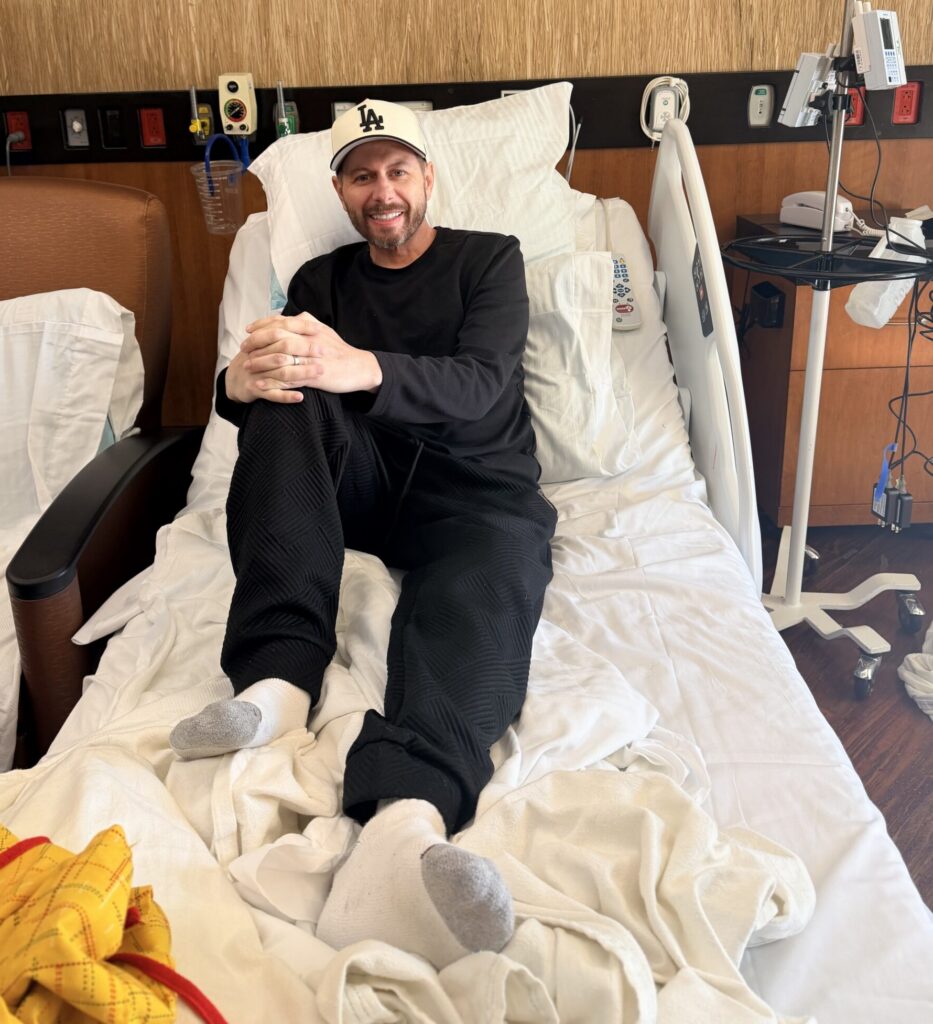
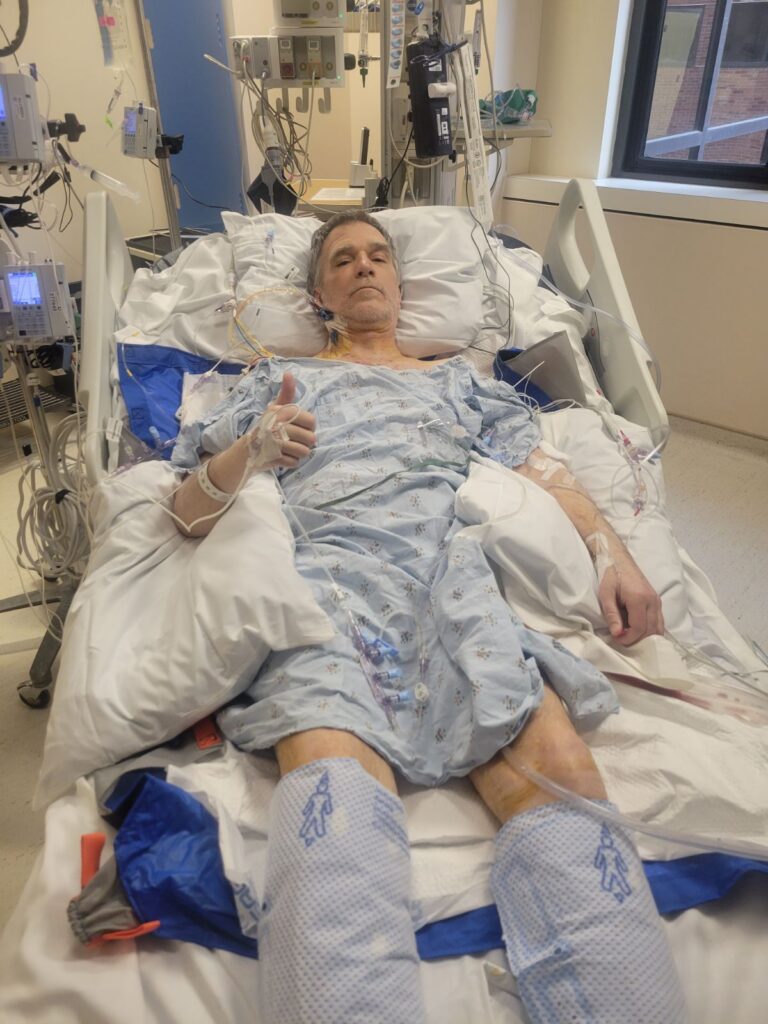
I was told, ‘It looks like you have pancreatic cancer,’ and the room started spinning. I was just like, ‘This can’t be happening.’
Rich N., Stage 4 Pancreatic Cancer Patient
Men’s Mental Health Awareness Month
Rich N., stage 4 pancreatic cancer patient: I was told, “It looks like you have pancreatic cancer,” and the room started spinning. I was just like, “This can’t be happening.”
Jake L., stage 4 lung cancer patient: I was feeling all my emotions. I just could not stop thinking, “Am I going to die?” That was the only thought that crossed my mind. It was a scary time for sure.
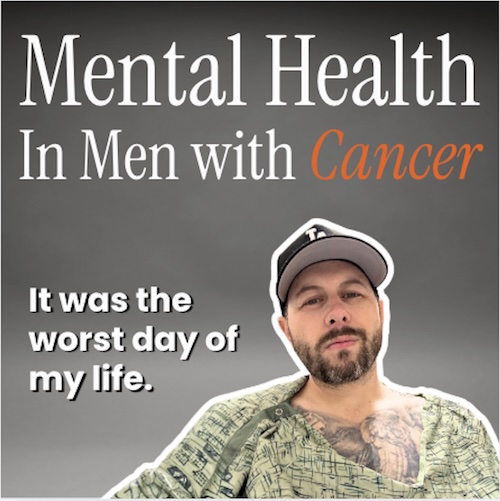
James S., stage 4 colon cancer patient: That was honestly the worst day of my life. The doctor told me I had less than two years left because my case was so advanced.
Ken S., stage 4 colorectal cancer patient: I got my diagnosis, and it was so dramatic and traumatic, and everything changed.
Jesse G., leukemia patient: I was still kind of in denial. It was one of those where I half accepted it and half wanted to act like it never happened and did not exist.
Cancer as a mental and emotional disease
Jake M., stage 4 breast cancer patient: Cancer is also an emotional and mental disease. You can go down all the dark rabbit holes.
When you are dealing with cancer when you are not supposed to be dealing with cancer… as a young person, as a guy with breast cancer, as a woman with colorectal cancer, when you are in a group that you do not necessarily belong to, it makes it hard. It makes dealing with the cancer that much harder.
David J., stage 4 colon cancer patient: If you get diagnosed, experience all the emotions. They are all real. It is all real life. Cry in the shower if you need to, and smile as much as you can around as many people as you can.
Losing invincibility and grit as a young man
Jake L: I always had this gritty mentality where I could do everything myself.
I thought I was invincible when I clearly was not.
It is a lot to wrap your head around, especially going from this normal and healthy guy, or so I thought, to somebody who is fighting for my life with a cancer that I had never heard of before.
Keaton H., Bile Duct Cancer Patient
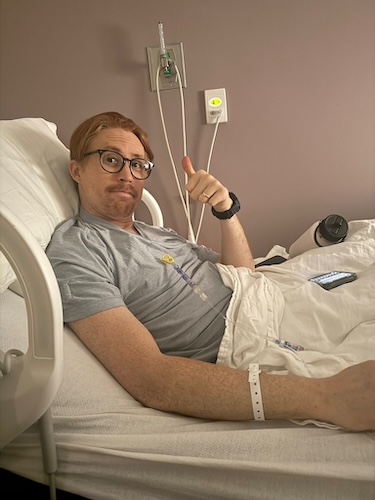
From being healthy to fighting for your life
Keaton H., bile duct cancer patient: When you look back on it, cancer is a lot of just sitting around and waiting, right? But when you are in it, it feels like you are constantly moving and going from one thing to the next.
It is a lot to wrap your head around, especially going from this normal and healthy guy, or so I thought, to somebody who is fighting for my life with a cancer that I had never heard of before.
It is a really weird shift. There is no normal anymore.

Losing roles, routine, and a sense of usefulness
Jesse G.: Honestly, it was depressing. It went from airports, racetracks, business meetings, and client meetings to sitting around.
That feeling of being useful for yourself and then not being able to be useful for anybody, hurts.
That was rough.
Survival mode, walls coming down, and emotional flooding
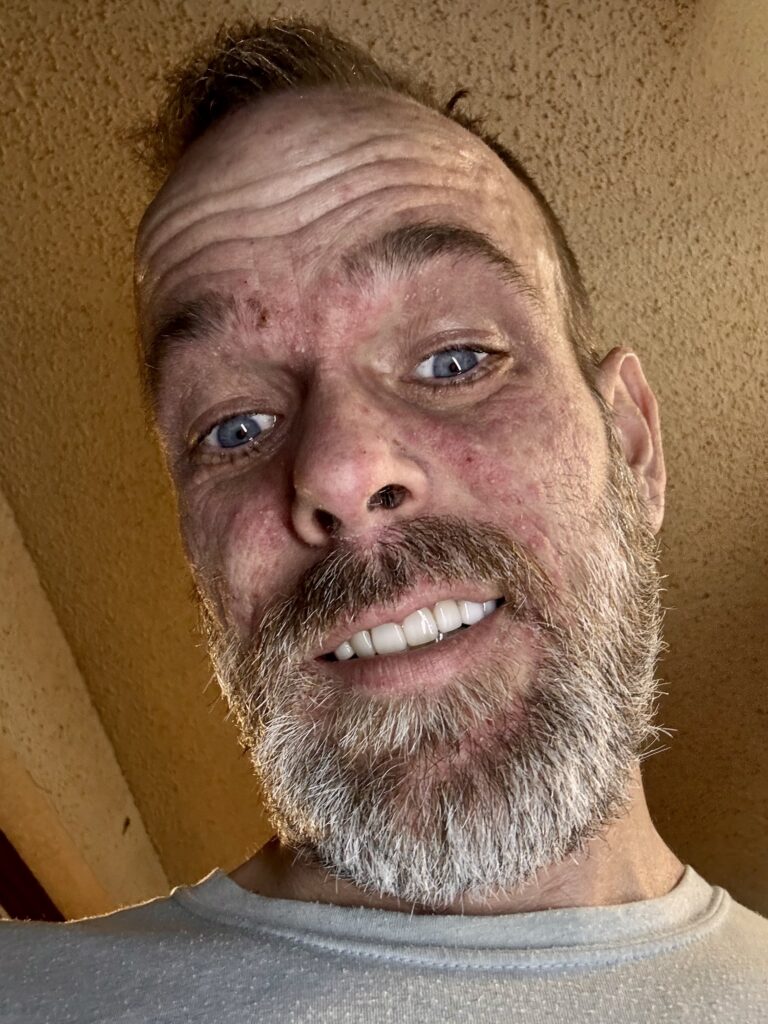
David J.: I was stuck in this survival mode for so long.
A lot of the little emotional stuff you lock away. You start to let the walls down, and then everything starts to flood in.
This stuff where people say you are strong is really just surviving.
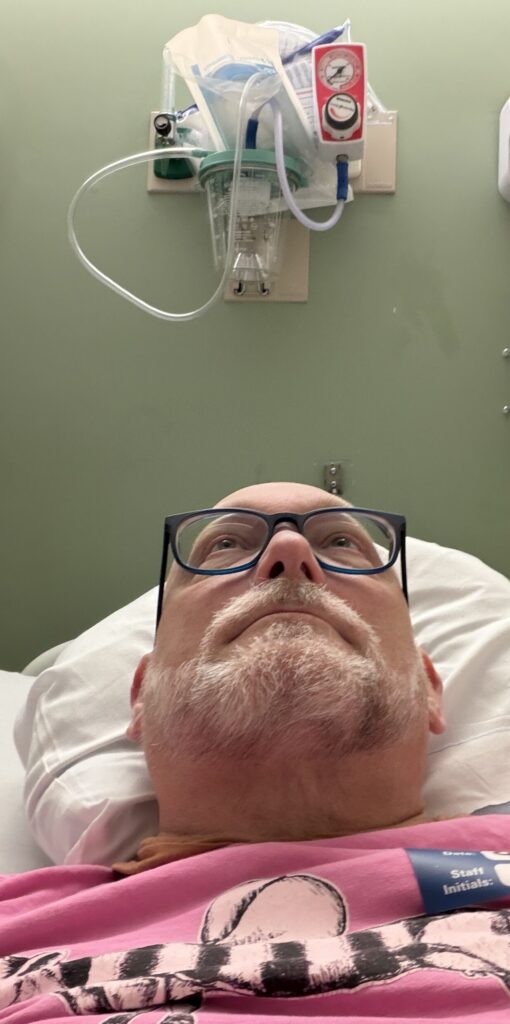
I was in probably the hardest emotional and mental state of my entire cancer journey. It was not chemo. It was not radiation. It was survivorship, and this notion of survivorship.
Jake M., Male Breast Cancer Patient
The hidden mental toll of survivorship
Jake M.: I was in probably the hardest emotional and mental state of my entire cancer journey. It was not chemo. It was not radiation. It was survivorship, and this notion of survivorship.
Survivorship to me, even though I am stage 4, and survivorship does not necessarily apply to me because survivorship is mostly for stage 0 through 3; this is what it’s like: you come out of it, you are done with your stuff, and then you go on with the rest of your life.
Everybody expects you to just go back to work, and they say, “Oh, you can go work again, oh, it is so great that you can.” And you are like, “I have gone through hell for the past two years, or whatever your time frame is.”
People are like, “Oh my gosh, you can go back to work, or you can go do all these things,” and you are like, “I am not that person.”
Scanxiety and building mental strength
Zed D., stage 3 colon cancer patient: The biggest buzzword is scanxiety, but it is so true. It is hard.
Any little pain, to be honest, if I feel a pain, I am like, “Oh my God, what is that?” So it is hard to keep yourself level-headed.
But I think the greatest thing you learn throughout cancer and during chemo and other treatments is to learn how to build your mental strength during those times. You can use those same practices beyond cancer treatment, and that’s how I apply them today: mindfulness practices, gratitude practices, meditation. I have done hypnotherapy, seen a counselor, those things.
That is why I do not necessarily like remission or going back to normal because your normal has shifted, and that is okay.
There is no one-size-fits-all cancer journey
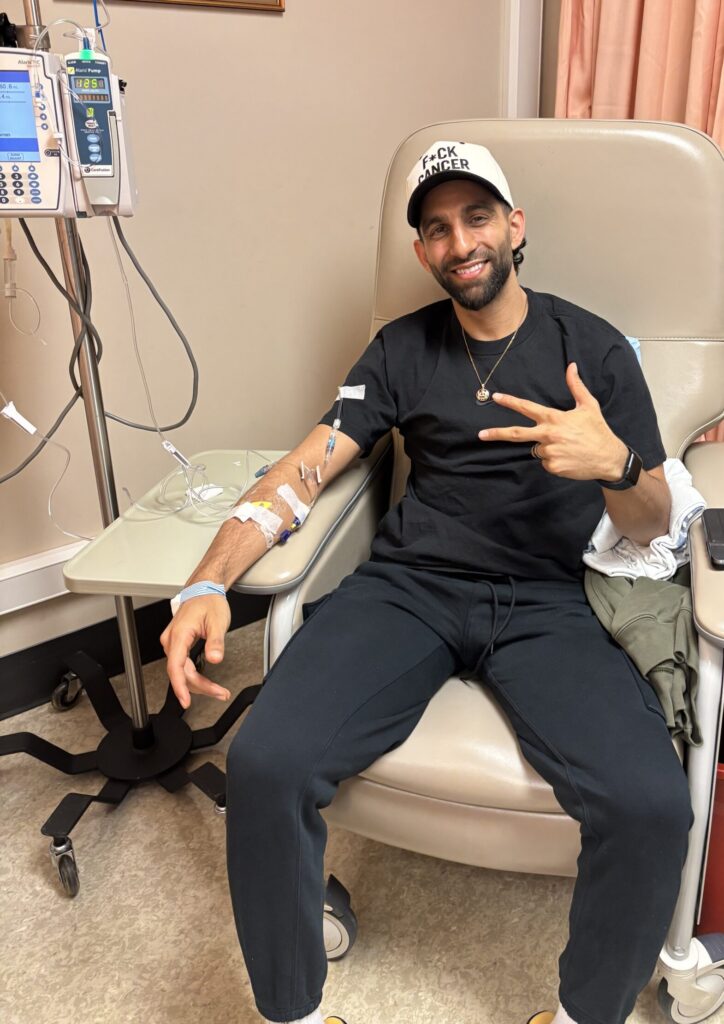
Ken S.: Looking back, I think, ”How did I get through that?”
It is part of the realization, like I said, that there is no cookie-cutter for this.
Everybody’s story is different. Even if you have almost the same diagnosis, it can go in different directions.
Everybody’s story is different. Even if you have almost the same diagnosis, it can go in different directions.
Ken S., Stage 4 Colorectal Cancer Patient
Anxiety, dark days, and never wanting to go back
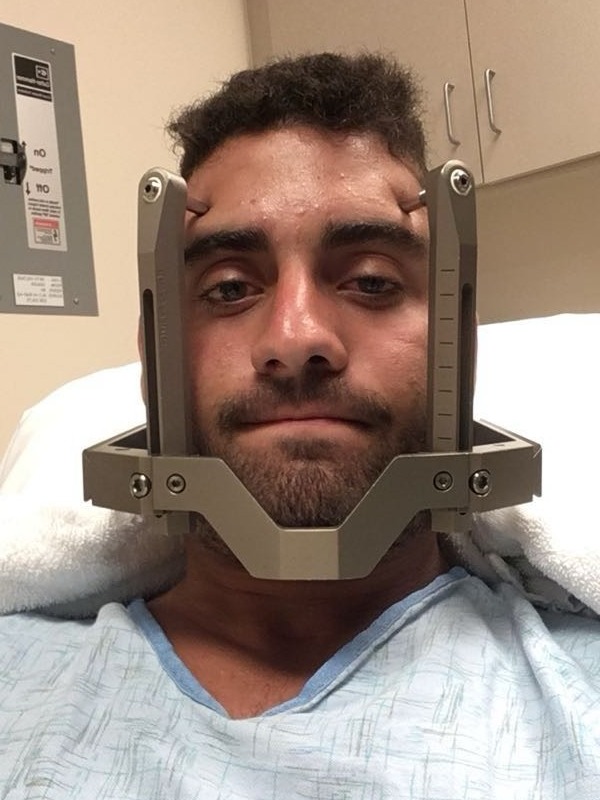
Jake L.: For sure, it took maturity for me to be able to talk about it and not have some of that anxiety, bringing myself back to those moments of those dark days.
I had a ton of mental health issues, too, in a couple of those years, and it is a dark spot.
I never want to go back.
Survivor’s guilt and gratitude for extra time
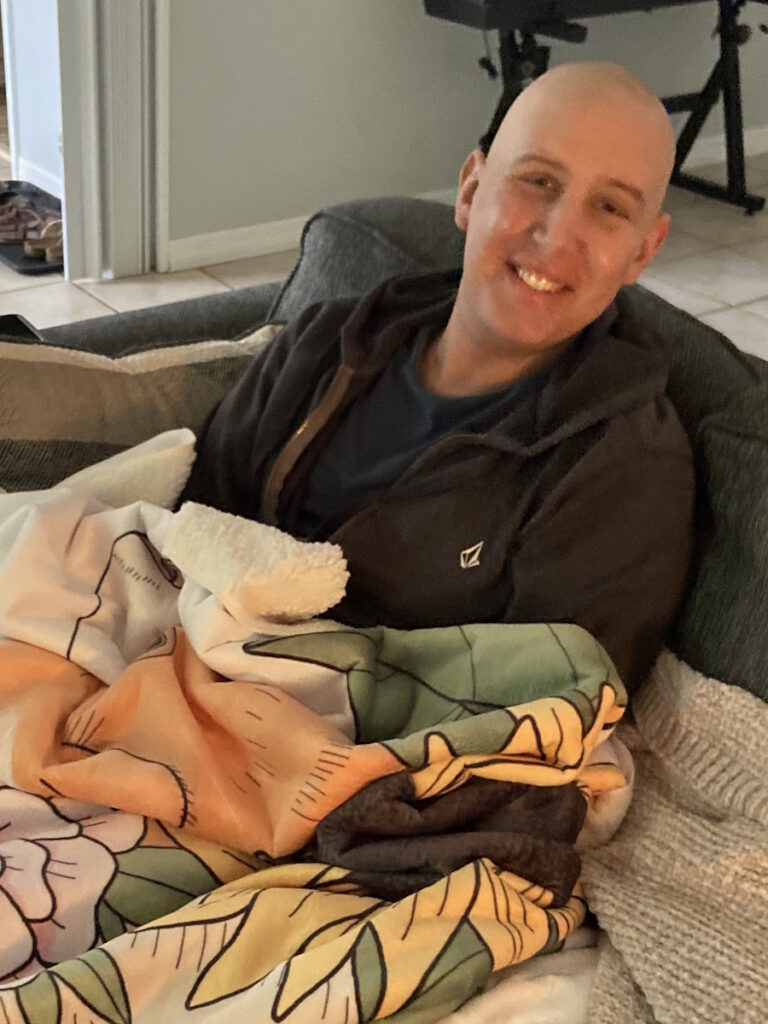
Jesse G.: I would say I personally feel elated because I am here. I get this extra life to live. But there is a bit of survivor’s guilt.
It is kind of like, “Why me? How am I lucky to get this when I know there are so many others that do not?”
It is a mix of a little guilt and a little happiness.
“Why Me?” Versus “Why Not Me?”
Chris K., stage 4 melanoma patient: A lot of people, when they get cancer, will say, “Why me? Why did this happen to me?”
I kind of look at it as, “Why not me?”
I am not any better than anybody else. I am not. Things happen.
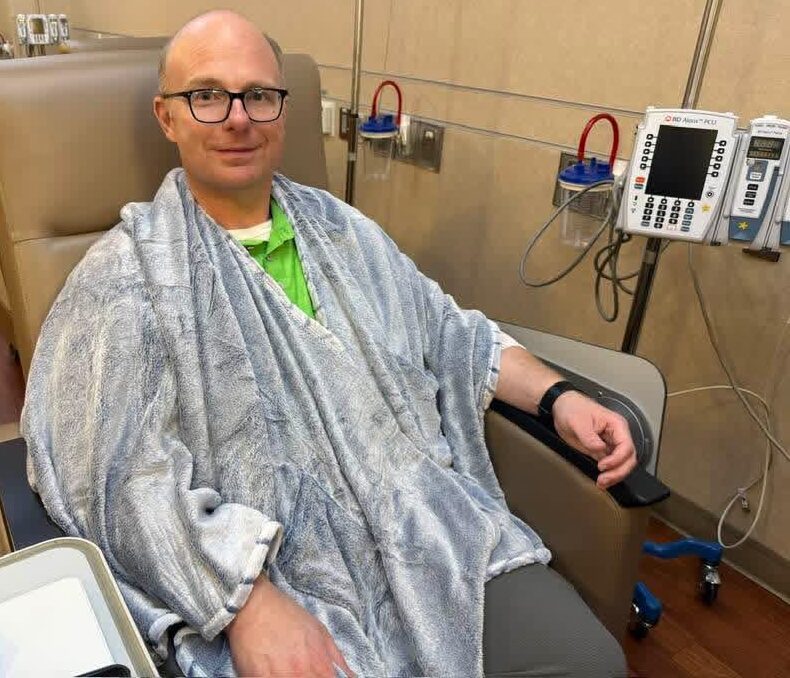
A lot of people, when they get cancer, will say, ‘Why me? Why did this happen to me?’ I look at it as, ‘Why not me?’
Chris K., Stage 4 Melanoma Patient
Realism, toxic positivity, and honest hope
Ken S.: I have always tried to be a realist.
We have talked, even here on your channel, about toxic positivity and rainbows and unicorns and stuff like that. I am not that kind of person.
But I am someone who wants to be realistic, and being realistic involves being honest about the odds, the challenges, and the difficulties, while also having that hope.
The hourglass: Anxiety, depression, and living for today
David J.: You can count those little sand grains as they go through and remember every one of those memories, or you can worry about each one of those grains — when they are going to come and what they are going to do — but that is anxiety.
If you are worried about all the sand in the bottom, that is depression. So you have to live for today.
Do what you can today. Nobody is guaranteed tomorrow.
Rejecting a victim mentality and finding pride in resilience
Jake L.: You can have a victim mentality, and it is warranted. It is 100% validated for you to feel that way.
But it is never the way I felt. I am so proud that I dealt with everything that way. It gives me hope today, honestly.
Do what you can today. Nobody is guaranteed tomorrow.
David J., Stage 4 Colon Cancer Patient
Support systems, faith, and accepting all the help
Chris K.: It is very daunting having cancer. It is very challenging, but it does show where your support is.
It is tremendous and humbles you to see the support system that can be there.
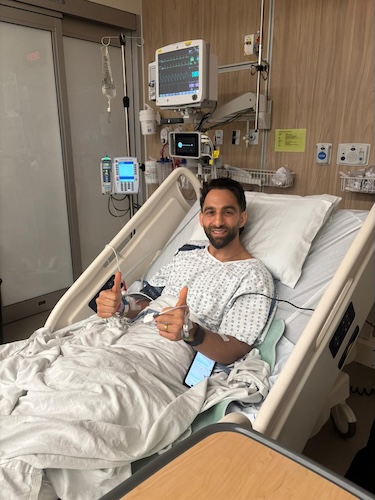
I lay it all out there. All the prayers, all the help, anything I can get, I will take.
Perspective shifts and noticing small, beautiful things
Zed D.: Perspective is undoubtedly important. Through cancer, so many people say, you get a second lease on life, or you have some big epiphany.
I do not know if I had a big epiphany or a second lease on life, but what I started to really notice are the small, beautiful things. I think that makes all the difference.
Your perspective matters. A lot of us compare ourselves to others and their successes, which is okay to celebrate, but if it hurts you, then it is not really productive. I think it is okay to have the perspective of: “I am grateful for these things. I still have this. I still have my vitality.”
I can still wake up. A lot of people do not get to wake up.
Purpose after cancer and using my story to help others
Keaton H.: My purpose is to help as many people as I can with my story, whatever that looks like, and I am still figuring out what that looks like.
I feel like I have been given this opportunity to do something good with all of this.
It is an opportunity that a lot of people do not get, and I am grateful for it.
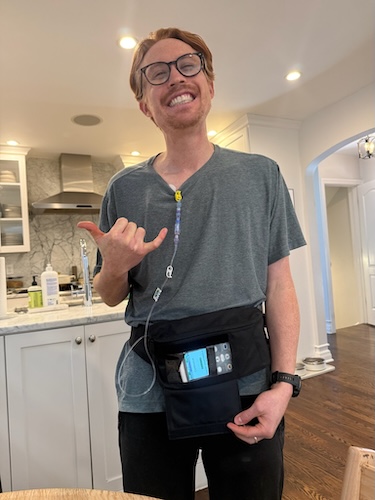
I feel like I have been given this opportunity to do something good with all of this.
James S., Stage 4 Colon Cancer Patient

Men, mental health, and reframing “Have to” as “Get to”
Zed D.: I can touch on mental health a little bit. Especially for males. I am a stubborn male who never sought out help, never prioritized mental health.
As there continues to be more awareness of mental health, in general, a lot of people still underutilize resources and things we can do to strengthen our minds. I personally believe that even changing how we word things is important.
The biggest simple change I made was to replace “I have to do things” with “I get to do things.” Even when referring to something like chemotherapy, I say, “Get to.” Someone else might not even have chemo as an option. I think that is powerful. It is a powerful, simple practice we can all embody a little bit more to enjoy life.
Finding community and realizing we are not alone
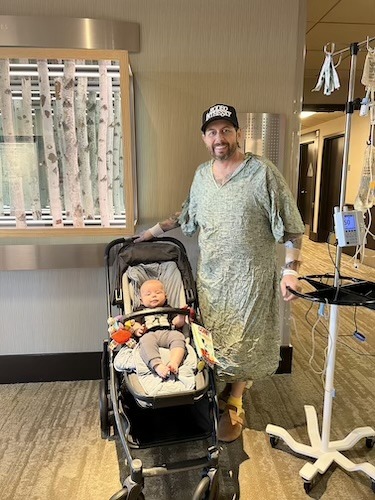
Rich N.: When I first got diagnosed, I was like, “Oh my gosh, I am alone on this island.” Then I realized how many people are truly affected by cancer.
We were all going through chemo and all going through things, and we really leaned on each other for support.
Finding the silver lining and seeing cancer as a new beginning
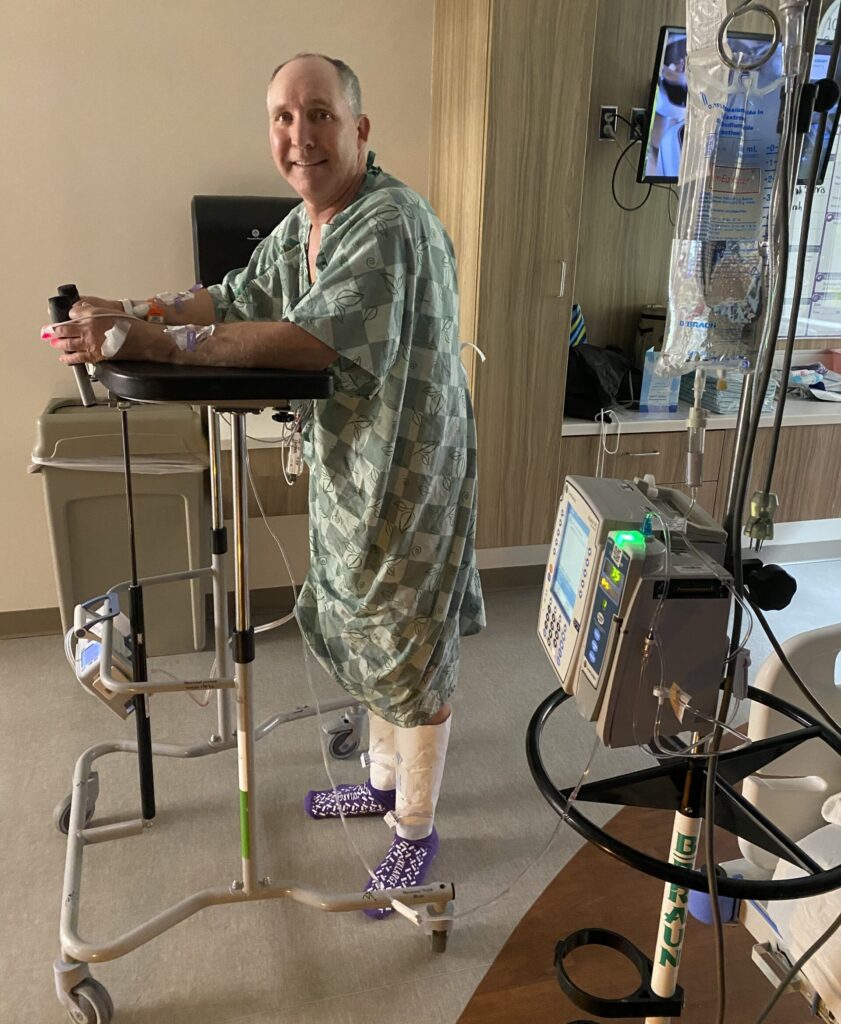
Roy B., stage 2B lung cancer patient: Both my wife and I try to find the silver lining in everything. I think there are some positives you can find. Even if you are going through something devastating, there is always a way to look at things in a positive light.
It sounds a bit crazy, but I say now that lung cancer probably saved my life. I am living a much healthier lifestyle now after that health scare.
It can be a new beginning. You can thrive. You can be joyous. Life can be bigger and better than it was before.
You can thrive. You can be joyous. Life can be bigger and better than it was before.
Roy B., Stage 2B Lung Cancer Patient
Choosing your attitude on the worst days
Jake M.: Not every day is going to be a good day, not by a long shot. But you can choose to make it the best day possible. You can choose to have the best possible day.
It could be a one-out-of-ten day, a craptastic day. But you can choose the day you have, by your own attitude, by your own thoughts, by your own well-being.

Adversity as a gift and winning the day
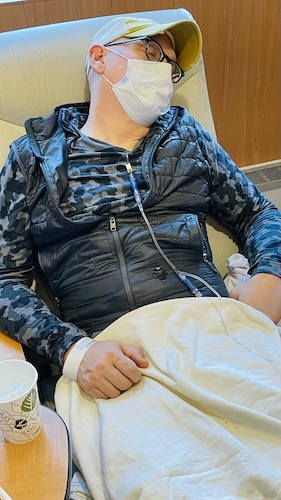
Zed D.: For people watching this video, I would say adversity is a gift, even when it does not feel like it in the moment. Sometimes we cannot control what happens to us, but we can choose what we do with it.
No matter what — cancer, adversity, or anything in between — nothing can rob you of your vitality for life. You can still enjoy the little moments. You can still choose your attitude. It is okay to meet yourself where you are, but you can also choose your attitude for the next day.
My advice is to win the day, whatever that looks like for you. Take the small step, enjoy the little things in life, and have a great perspective, because things could always be worse. Tough times do not last, but tough people do.
It takes a team: Asking for help and letting people in
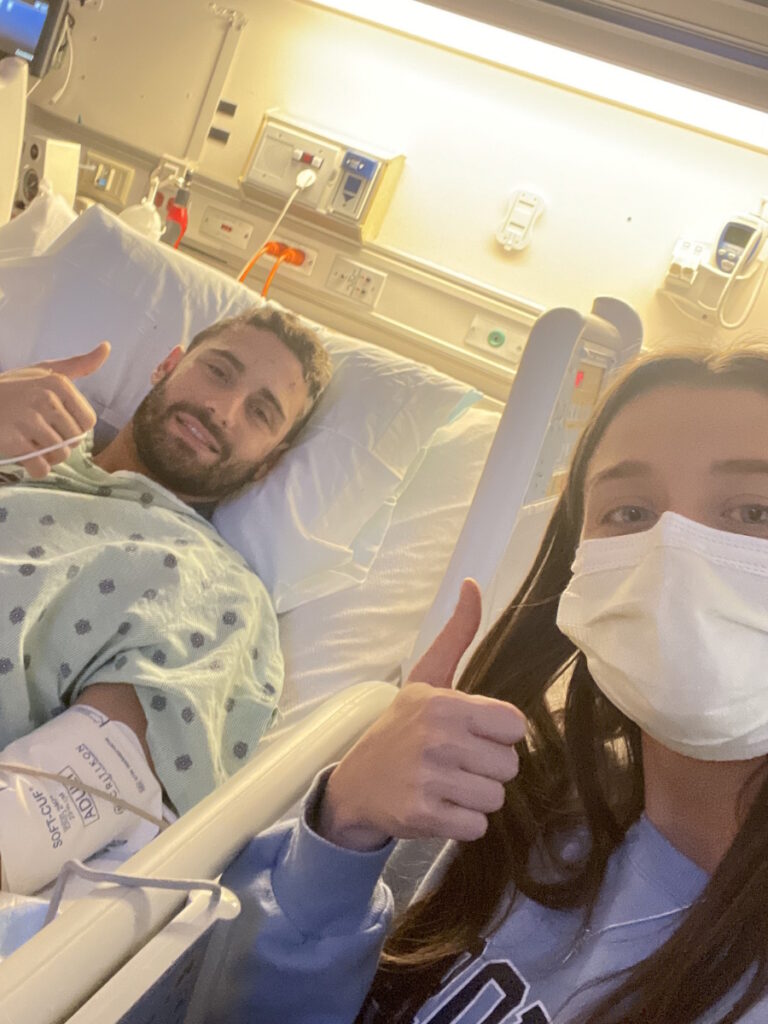
Jake L.: When you are dealing with cancer for over a decade, it takes a team. It is not just you versus cancer. You need a whole support team.
You need to involve your community. You need to involve your friends. Not involving your friends is one of my biggest regrets. I learned to always ask for help.
No one is in this alone. I’ve learned that life is precious.
No one is in this alone. I’ve learned that life is precious.
Jake L., Stage 4 Lung Cancer Patient
This interview has been edited for clarity and length. The views and opinions expressed in this interview do not necessarily reflect those of The Patient Story. This content does not replace professional medical advice.
Hear from patients on how their experiences have affected their mental health
Real experiences with diagnosis, treatment choices, side effects, and life beyond cancer — in their own words.



Leave a Reply