
Top Colorectal Cancer Stories
If you arrived here from our survey, we say thank you. Explore our top colorectal cancer stories to help understand colon cancer, then explore real-world cancer tips from patients. Through their personal journeys, you’ll discover invaluable insights into symptoms, diagnosis, and treatment options.
These stories are more than just narratives; they serve as a powerful resource for those seeking to comprehend colorectal cancer from the very human perspective of patients themselves.
1. Colorectal Cancer Symptoms
Our colon cancer symptoms page continued to be one of our top posts as people looked to understand a complex and scary disease. This article outlines various symptoms of colon and rectal cancer. It therefore emphasizes that symptoms can vary greatly between individuals and may not be present in early stages. Real patient stories are shared to illustrate common symptoms like stomach pain, weight loss, and blood in one’s stool.
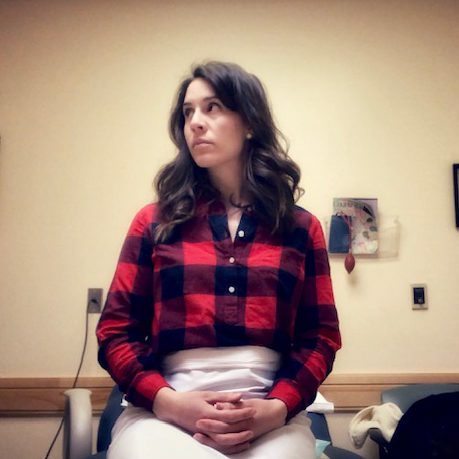
Shannon describes the most common “symptom”: no symptoms.
“…I didn’t have any symptoms. I didn’t know anything was wrong…”
Symptoms | Members Describe Their Symptoms
2. A Navy Veteran’s Stage 4 Diagnosis
Navy veteran Jason Randall received a diagnosis of stage 4 colon cancer. Read or watch his story of diagnosis and treatment. He then details fighting the VA for coverage, receiving financial support from the Pact Act, and getting an ostomy. Now he’s giving back as a colon cancer survivor and mentor.
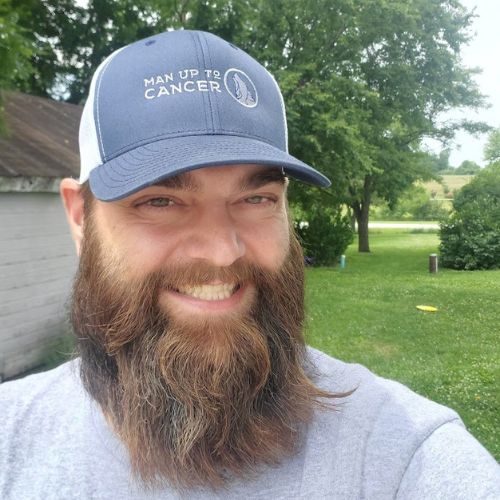
“No matter how much you think you know about cancer, unless you’ve experienced it firsthand or been a primary caregiver or even a secondary caregiver to someone, there are so many misconceptions about it.”
Jason R. | Jason’s Full Story
3. Navigating Life After Diagnosis
In her story below, Barbara highlights navigating life after her colon cancer diagnosis, including how she advocated for herself as a patient, how she was able to ask for the right support, managing through scanxiety, and transitioning into survivorship.

“Unfortunately, because of people’s bias or doctors’ bias, I was very much dismissed. It was IBS. Take out dairy. Take out wheat. Try to drink more fluids. You have hemorrhoids.“
Barbara M. | Processing a Diagnosis
4. Medical Gaslighting and Diagnosis
Amanda’s journey to her stage 2A colon cancer diagnosis began with gastrointestinal symptoms, including bloody stools. Initially, her symptoms were attributed to other causes like poor diets and grief. Subsequently, her symptoms intensified, leading to a delayed diagnosis. Her story underscores the challenges of navigating healthcare systems and the importance of advocating for one’s health.

I laughed in the office and said, “I don’t want to have like colon cancer or something,” and the doctor reassured me, “I don’t think you have cancer. I think that’s a little outlandish even to assume that. I think you’re fine.”
Amanda G. | Gaslit with Ignored Symptoms
5. Digging Deep After a Relapse
Lindsay shares her experience with stage 4 metastatic relapsed colon cancer. Initially, her symptoms included a lump in her pelvic area and unexpected weight loss. Her story covers the diagnosis process and the treatments she underwent (chemotherapy, surgery, maintenance chemo, a second surgery). She also discusses self-advocacy, the emotional challenges of a relapse, and her approach to alternative therapies.

“It was like starting all over again. I just felt like everything I had just done over the past year — going through that surgery and everything — and it was like, ‘Okay, here we go again.”
Lindsay D. | The Emotions of a Relapse
It’s important to remember that each person’s experience with colorectal cancer is unique. If you or a loved one is facing this disease, consulting with healthcare professionals is essential to determine the most appropriate treatment plan based on individual circumstances. Please consult with your healthcare provider for all of your medical and treatment decisions.
Discover 10 Patient Tips from Our Colorectal Cancer Community
Hear from people living with colorectal cancer
Real experiences with diagnosis, treatment choices, side effects, and life beyond colorectal cancer — in their own words.