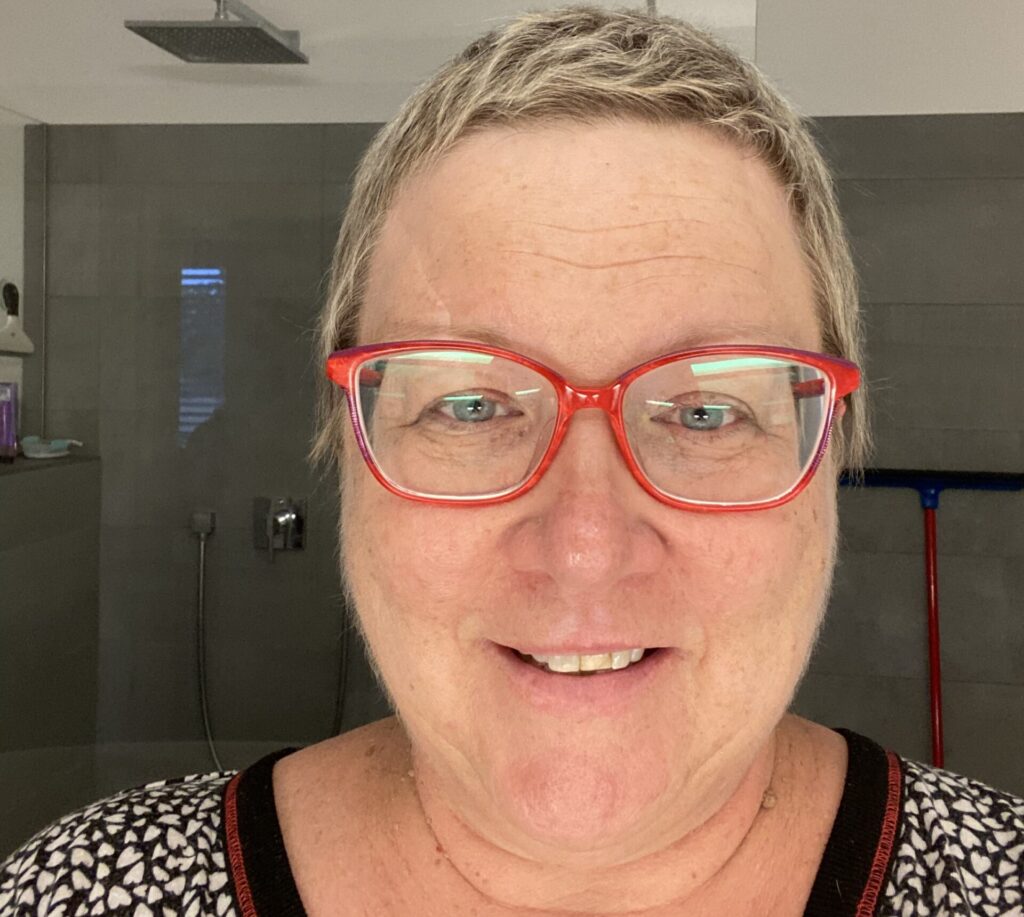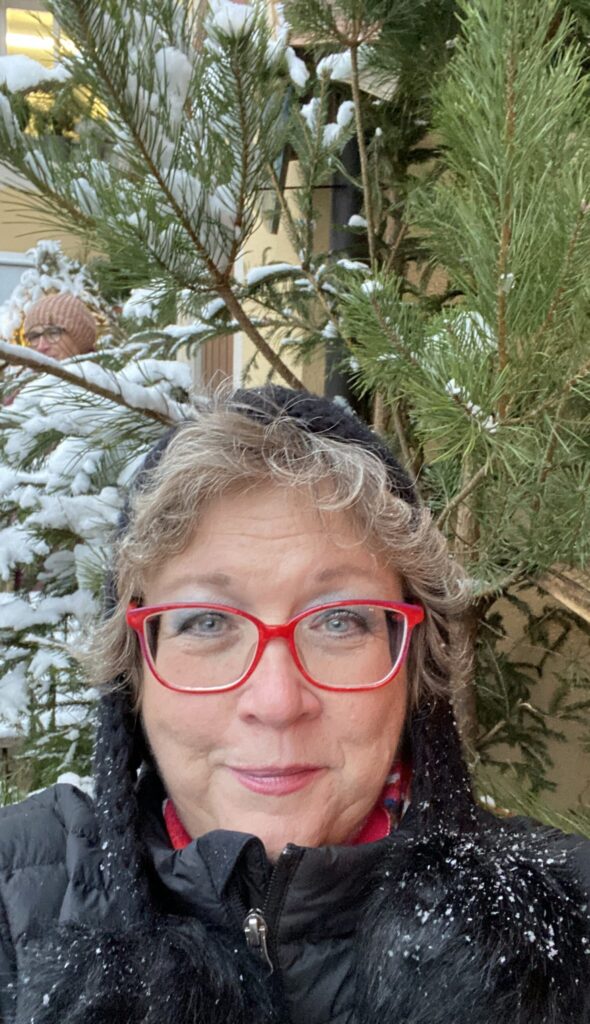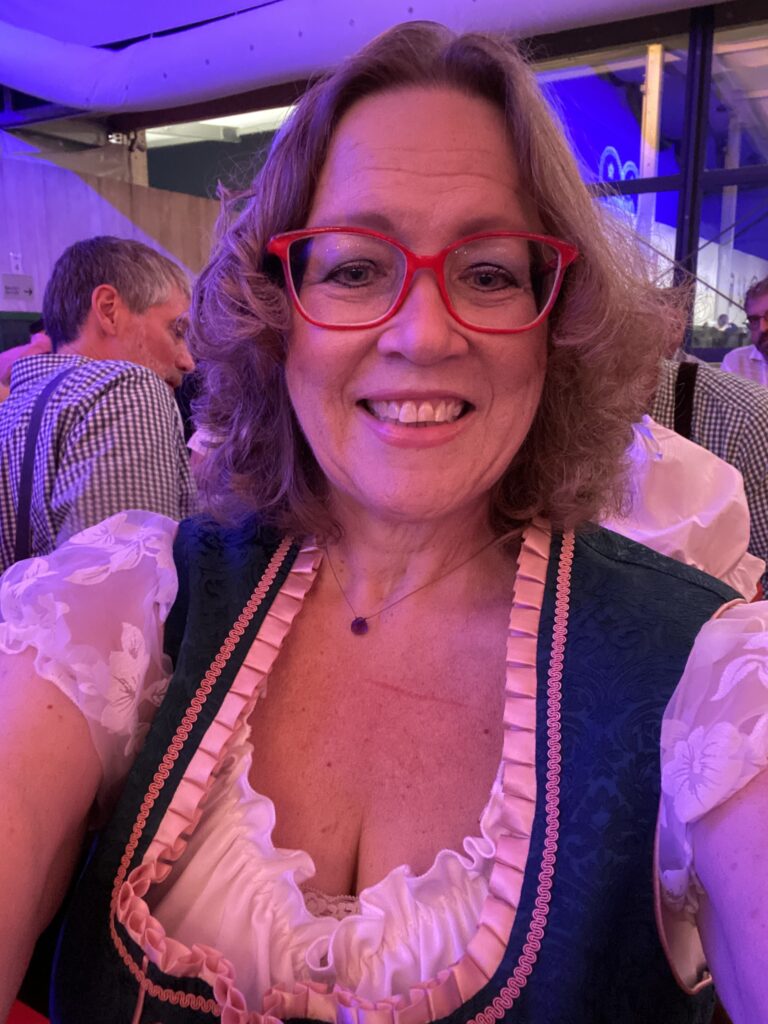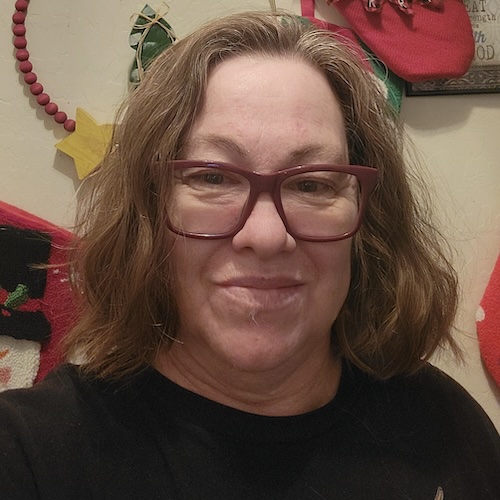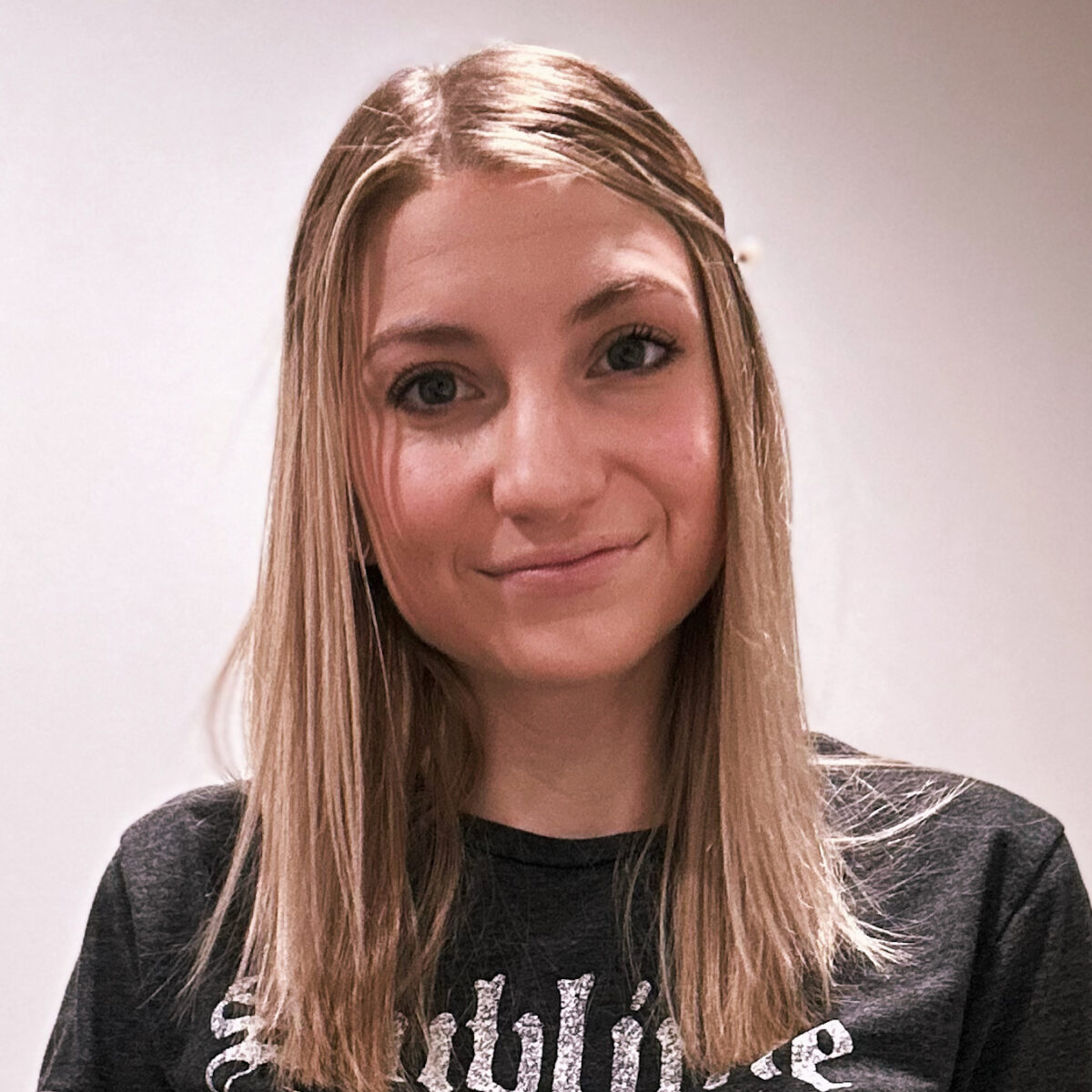
From Nursing Student to Hodgkin Lymphoma Patient: How Sarah Rebuilt Her Life
When Sarah first noticed a lump in her neck during nursing school, she had her suspicions it was cancer. She was 29, working night shifts, preparing for finals, and doing everything “right” — waking up at 4 a.m. to go to the gym, pouring herself into her accelerated nursing program, and building the life she’d envisioned for herself. The swelling in her neck, initially dismissed as a possible infection, slowly became impossible to ignore. As test results came back mentioning “abnormal lymph nodes” and her questions went unanswered, she pushed harder for clarity and learned firsthand how exhausting it can be to advocate for yourself in the health care system.
Interviewed by: Taylor Scheib
Edited by: Chris Sanchez
When a biopsy finally confirmed that she had Hodgkin lymphoma, Sarah read the word “malignant” in her patient portal before any phone call came. The diagnosis collided with her dreams: if it were lymphoma, she would have to leave nursing school because treatment would make her immunocompromised. She describes this season as a grieving process; mourning the life she thought she’d have, the graduation date she’d targeted, and the sense of control she realized she’d never truly held in the first place.
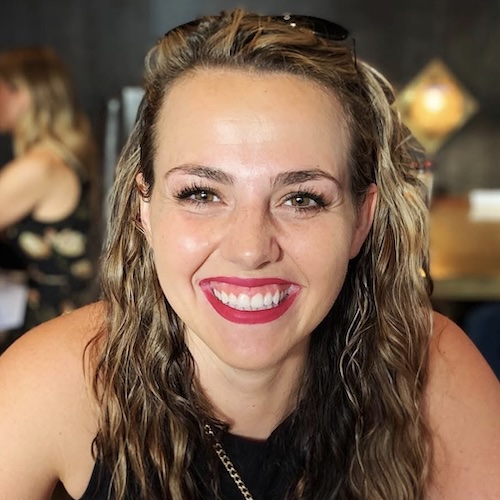
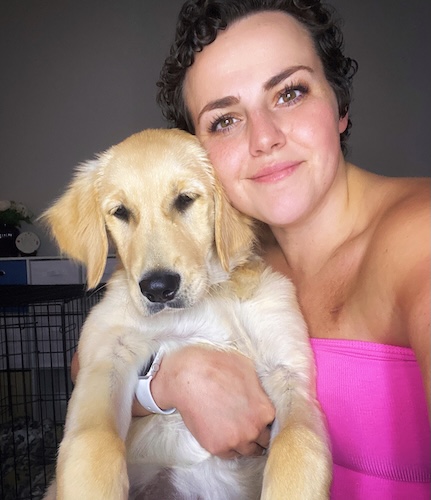
Chemotherapy for her Hodgkin lymphoma brought on nausea, sleepless nights from steroids, and unexpected abdominal pain. Sarah had to take a harsh anti-nausea medication that made her feel worse than the chemo itself. Her treatment also came with deep emotional impacts: hair loss that felt like losing a shield and part of her femininity, weight gain that would not budge, and survivor’s guilt that still surfaces when she thinks about others facing terminal outcomes. Through it all, she leaned on online support groups, telehealth therapy, her parents, her “soul dog” Willow, and the stories she found on The Patient Story to feel less alone.
Today, Sarah is a registered nurse, a profession she has always believed she was meant for. Her Hodgkin lymphoma experience continues to shape how she shows up for patients: validating their feelings, rejecting toxic positivity, and reminding them it’s okay to say that something simply “sucks.” She lives by a simple but hard-earned motto: take it one day at a time.
Watch Sarah’s video and read the edited transcript of her interview to find out more:
- It matters to listen to your body and continue to advocate for yourself
- A cancer diagnosis can trigger real grief for the life you expected, including school plans, career timelines, and body image — and that grief deserves validation, not minimization
- It’s not the patients’ fault that they’re sick; the disease and its treatments drive so much of what happens, and blame has no place in healing
- Support from family, pets, peer communities, and mental health care can transform an isolating experience into one that still holds connection, perspective, and meaning
- Sarah’s transformation from overwhelmed nursing student to registered nurse illustrates how lived experience with Hodgkin lymphoma can deepen empathy, advocacy, and a commitment to telling patients, “It’s okay to say this is hard.”
- Name: Sarah K.
- Age at Diagnosis:
- 29
- Diagnosis:
- Hodgkin Lymphoma
- Staging:
- Stage 2
- Symptom:
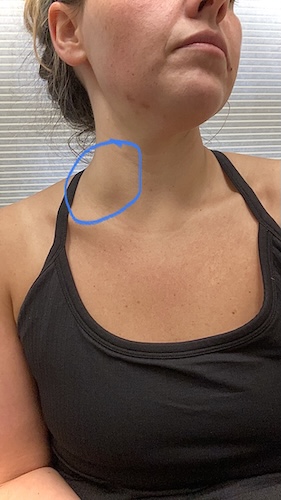
- Swollen lymph node in the neck and collarbone
- Treatment:
- Chemotherapy
This interview has been edited for clarity and length. This is not medical advice. Please consult with your healthcare provider to make informed treatment decisions.
The views and opinions expressed in this interview do not necessarily reflect those of The Patient Story.
- My name is Sarah
- My first symptoms
- Balancing school while trying to find answers
- How I pushed for answers
- The moment everything changed
- I had to drop out of nursing school
- Dealing with chemotherapy & survivorship mode
- How my physical appearance impacted me
- I decided to go back to nursing school
- Starting my life again
- The survivor’s guilt I feel
- How The Patient Story helped me feel less alone
- What I want others to know
My name is Sarah
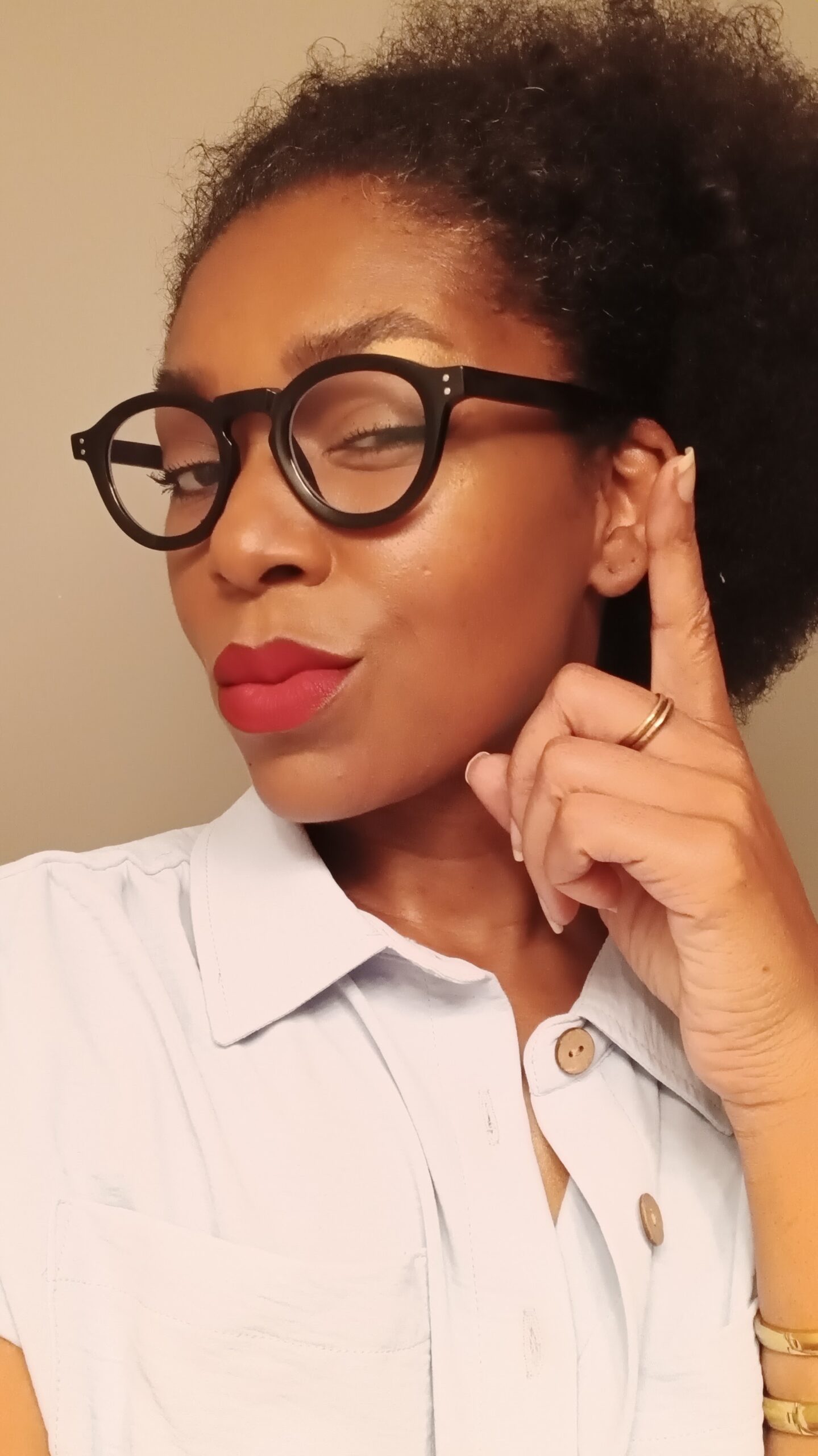
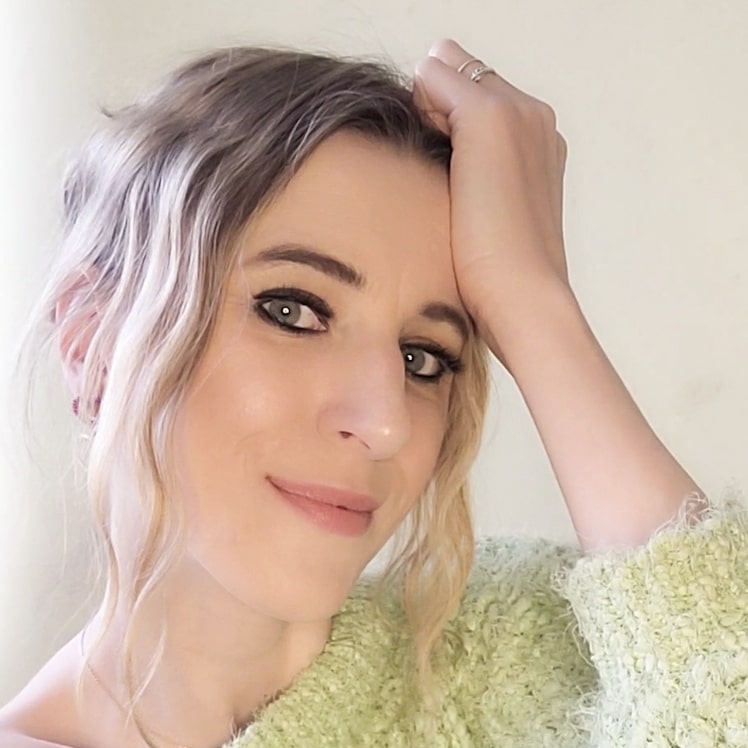
My name is Sarah. I’m from Michigan, born and raised. I was diagnosed in September 2020 with stage 2 Hodgkin’s lymphoma.
I’m very family-oriented. I’ve been in the healthcare field for more than ten years. I’m a registered nurse now. I love dogs. I’m obsessed with dogs. It’s an issue, but it’s also a coping mechanism. I love not taking life too seriously. I like to laugh.
I’ve always kind of said that I was an old soul, but cancer changes you in ways that you just take it a little bit more seriously, because you know how short life is. So I feel like it changed me in a lot of ways, but also I’ve kind of always been like that.
This probably sounds so stupid, but when I was young, I had my grandma. We called her Nanny, and she always told me that I had this very calming spirit to be around. So I always thought in the back of my mind, and I don’t think I’ve ever actually told anybody this, that a big reason why I’m part of the healthcare field is because of that calming spirit. Now, do I believe it in myself? Not necessarily, but I’ve been told that again and again since then, and it just kind of reaffirms that it’s a gift to be in the healthcare field. It’s a challenging gift, but it’s also a really big blessing. I get a lot from it.
My first symptoms
I was working night shift. It was just about to be finals for my second semester of nursing school. I woke up in the middle of the night, and I heard this sound. It sounded so disturbing, but it really was like a spring, like something bounced. I was so tired from working nights that I just went back to sleep.
Then I woke up the next morning, and I started feeling around, and I was like, “There’s a lump there.” I kind of blew it off. I had a little bug bite on my arm, and I took a thousand pictures because I’m so overdramatic that I was like, “It’s cancer.” But I thought maybe it was an infection, and that’s why that lymph node was swollen, even though it wasn’t even that lymph node that would have popped up. It would have been my armpit lymph node. So I kind of let it roll for a little bit, and then after finals, I went to the doctor for the first time.
Super dramatic. My heart rate was so high, my blood pressure was so high, because I just had a feeling. I remember at clinicals a couple of weeks prior, I was walking down the hallway, and I kind of felt odd, but I blew it off because I thought, “My body is not my own right now.” Then I sat down, and I was like, “Sarah, you’re so dramatic. Stop it.” And then two weeks later, that’s when it popped up.
That was my only real symptom. I didn’t have night sweats. I didn’t have unexplained fevers. I didn’t have unexplained weight loss, which I was dramatic about, not because that would have been a good one, but at the time, I was working really hard to lose weight, and there was nothing. I was still getting up at 4 a.m., going to the gym before clinicals. I had my energy. It just threw me for a loop for sure.
Balancing school while trying to find answers
There’s this saying that busy hands make an absent mind, or something like that. I’m probably butchering it. I tried to throw myself into work and school and tried not to think about it. But of course, the more you try not to think about something, the second that you have a quiet moment, you’re spiraling.
I remember having that swollen lymph node and Googling and finding The Patient Story and just binging on it. By the time I was actually diagnosed, I knew what my treatment would be. I knew it all. When she was telling me about the chemotherapy that I would be on, I was already familiar with it because I was already binging and spiraling. I was spiraling a little bit.
At my first doctor’s appointment, they prescribed me an antibiotic just in case, because I had that weird bug bite. Nothing happened. It kept growing. Then I went back because we had gone on vacation up north in Michigan. I was putting ice on it because it was uncomfortable. It was uncomfortably swollen, and I don’t know if that was because I was aware of it at that point or if it was growing.
So I went back to my doctor, and she was like, “Oh, that is a little bit bigger,” but she was never concerned. I had to really push for it. She ordered an ultrasound. I think I got the ultrasound done on a Saturday. The results were posted, and it said abnormal lymph nodes. They didn’t scan my thyroid, and I wanted my thyroid scanned too because I didn’t know. I knew it was cancer; I had a feeling. I just didn’t know what kind.
I was being proactive. I went to my professors and said, “Hey, this is what’s going on.” They told me that if it were a thyroid cancer, I could stay in my nursing school program, but if it was anything else, if it was lymphoma, which it was, spoiler alert, I would have to drop out of the program because I would be immunocompromised.
I remember praying, and it sounds so disturbing, that it was thyroid cancer, so I could stay in the program. I was doing really well. I felt like I was finding my niche. I was getting really good grades. I was in such a good flow that it felt like I was going from 0 to 100. It was so heartbreaking even thinking about dropping out of the program.
That was the beginning. That was the first phase. I was in an accelerated nursing program, so that all happened in about a three‑week time span. After my abnormal lymph node ultrasound came back, they recommended either a fine needle aspiration or a surgical removal.
How I pushed for answers
I don’t recommend this, but I was the patient who was looking in her chart and seeing some of those messages you can clearly tell weren’t for the patient. I was freaking out, and I needed to know because I was either going to drop out of the program or stay in the program. They kind of took their sweet time getting back to me.
I sent a lot of messages, like, a lot, trying to get them to schedule something, because I wanted the lymph node removed. It was uncomfortable. I had to book an appointment, and of course, the surgeon is a week out. Everything is hurry up and wait.
I showed up, and my heart rate was so high. They were like, “Are you okay?” and I said, “Yeah, I’m just freaking out.” They were very gracious in that office. For a surgeon to tell me this (it meant a lot because she wouldn’t cut; she said, “I don’t know what it is.”
I remember the medical assistant who brought me back. He hugged me, and I’m going to tear up, and this is another thing that has carried me through as a nurse, too. He just said, “I’ve got you. We’ve got you.” That felt so good because I felt like I was spiraling and nobody would believe me, which I think is really common for women in healthcare, unfortunately.
She scheduled a thyroid ultrasound. I think it was the next day. I went after school because I just wanted it done. I ended up having nodules on my thyroid. Of course. I had like six. So I was like, okay, for sure, this is thyroid cancer. I can stay in the program.
I remember being so relieved. I remember where I was. I was at a lab at school and thinking, this sounds so disturbing: “Oh, thank God I can stay in the program.”
We did the excisional biopsy, fine needle aspiration, on a Friday. My mom took me, and we were getting everything ready because, of course, you’re scared. You’re having a needle in your neck. The radiologist scanned beforehand, and he just said, “Oh, yeah,” and I was like, “Okay, cancer for sure.”
I was trying not to freak out. The needle biopsy ended up not being as terrible as I thought it would be. It wasn’t painful. They numb it pretty well. But everyone just kind of looked at me with sympathy in their eyes, and I already kind of knew it was something malignant. I knew for sure after that.
The week after was completely agonizing, waiting for those pathology results. Everyone was like, “It’s probably nothing. Everything’s great. It’s going to be nothing. You’re going to be fine.” I remember where I was when I read it in my chart again. It’s a blessing and a curse. It’s a good thing and a bad thing. Anything you can take to the nth degree can be harmful in a way, but in another way, I’m…
It was hard reading that because it said malignant. Malignant in all caps. But I already kind of knew. Patient portals really give you power in your hands. My doctor didn’t call me until the following Monday, after I had already called to transfer my care to an oncologist. All she said was, “I know you know. I got a referral request. If you need anything in the future, let me know.” And what was she supposed to say? It is what it is. But it was hard getting “malignant” and not knowing anything about it at that time.
They got my samples from the fine needle and confirmed lymphoma: Hodgkin’s lymphoma.
The moment everything changed
That Monday, I called my oncologist, and the appointment wasn’t for another month. Hurry up and wait. I scheduled a PET scan and had all of my samples transferred so they could review them.
The day of my PET scan, I was getting ready, and my oncologist called. My phone was dead, charging in my room. She called me, nobody answered, and then she called my mom. My mom answered, and the oncologist said, “Hey, we have a cancellation. Do you want to come in today?” That was unheard of. She didn’t even have anybody else call; it was literally her calling. That was such a blessing.
We went that day before my PET scan, and she already knew everything we were dealing with. The first thing you go through, and it’s not talked about enough, is the guilt you feel about having cancer. Society doesn’t help that because there’s so much of “Oh, sugar causes this,” and the reality is that so much in our environment and culture has the potential to cause cancer. That’s an unfortunate truth. But you would never say that to a kid who got diagnosed with cancer, so why would you say that to yourself?
The first thing she said to me (she got down on eye level) was, “I just want you to know this is not your fault.” I was instantly tearing up. Another thing that has carried me through: “It’s just bad luck.” That’s what she said to me. It was really affirming to hear, and you need to hear that, especially at that time.
She went through everything to expect: hair loss. They can be kind of careless about hair loss, but it’s a big hit for women, especially. I was 29 when I was diagnosed, so at that time, it was devastating to lose my hair. I’m still dealing with it. That’s my biggest thing right now. Two years later, my hair is still not where I want it to be. I’m still not confident in it. And these are extensions. Spoiler alert.
She wrote down on a piece of paper: if I were stage 1 or stage 2, I would have X; if I were stage 3 or stage 4, I would have Y. I went to do my PET scan. I had that lovely drink, and they put a little umbrella in it for me, which I thought was really sweet.
I ended up having stage 2. It was like a cluster of grapes in my left neck, and then I had one spot in my chest, which made me stage 2. All of my labs were normal; well, normal‑ish. My sed rate, which is an inflammation marker, was high but not crazy high. It was just elevated.
I had to drop out of nursing school
I was immediately angry; angry that I would have to drop out, and I didn’t feel like I needed to at that time. I felt like I could have kept going, and that would have been good for me in a way, because it would have distracted me from chemo. Chemo was every other week. I would have chemo treatment day, then two weeks off. I did that for eight rounds.
Towards the very end, the last two months, it’s a cumulative effect. It really took me out. I look back at those pictures, and I looked and felt ill. It was really isolating because, of course, you’re immunocompromised, so you’re isolating from the world. I didn’t want my treatment delayed, so I took that to the nth degree. I didn’t want to risk it.
It was really hard, especially watching people move on and keep going with the program, because I had formed such a bond with those people. They had my back, and I didn’t want to lose that. But it was out of my hands, and I just had to trust God that it would, for whatever reason, make sense in some aspect. I’m never going to understand it this side of heaven, but I tried to trust in that.
I was in online therapy for most of my treatments. I would do telehealth visits on the off weeks when I felt not good, but decent. That helped me a lot, because it’s a grieving process. You’re grieving. I was 29 at the time, and I really wanted to have my degree by the time I was 30. Did a year make a difference? No. But I really wanted to. That was my goal. To have that taken away from me, out of my hands, because you’re just at everybody else’s whim and it’s completely out of your control; that’s hard.
So yeah, I was angry at first, but in the end, I was thankful. I lost my dad in January, very suddenly. I remember, I think it was Alexandra B.’s or something on YouTube. I was watching her videos, and she asked, “What about this time am I most thankful for?” Sort of checking your perspective.
I was with my parents at the time. I’m still living with my mom, but I’m so thankful I had that time with my dad. My mom and dad were there for me, just providers. I would watch sports with my dad to feel that life was still happening outside my little bubble. It was hard, but I’m thankful for it in the end because I got that time with my dad, and I don’t know what I would have done without that.
Dealing with chemotherapy & survivorship mode
I didn’t think treatment would be easy. In some ways, it was easier than I thought it would be, and in other ways, it was harder. When you’re going through treatment, you have this survivor mentality; you’re just in it. You’re in war mode. After treatment is when it all really hit me personally.
I joined a support group online on Facebook, and that really helped me. I know it’s a common trend: after treatment, you’re like, “What did I just go through?” In my first couple of rounds, I did decently physically. The first couple of days were nausea, no appetite, and no energy. I slept a lot.
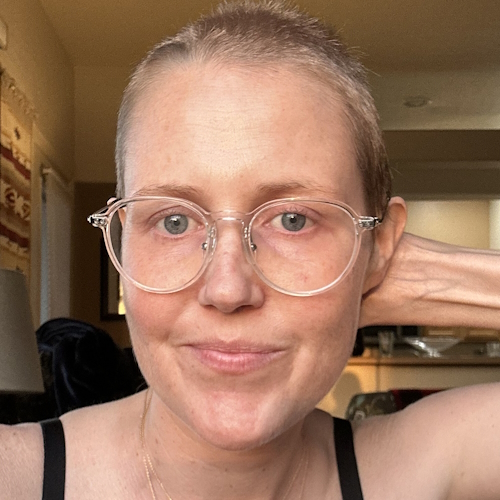
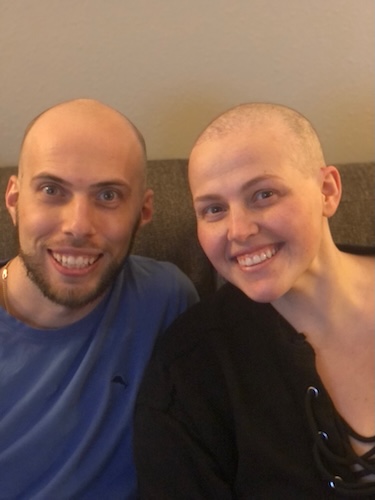
After those first couple, when I started losing my hair, that was really hard. It was a slow trickle. I didn’t actually shave my head until a couple of weeks after I was done with treatment because I felt like I needed a new start.
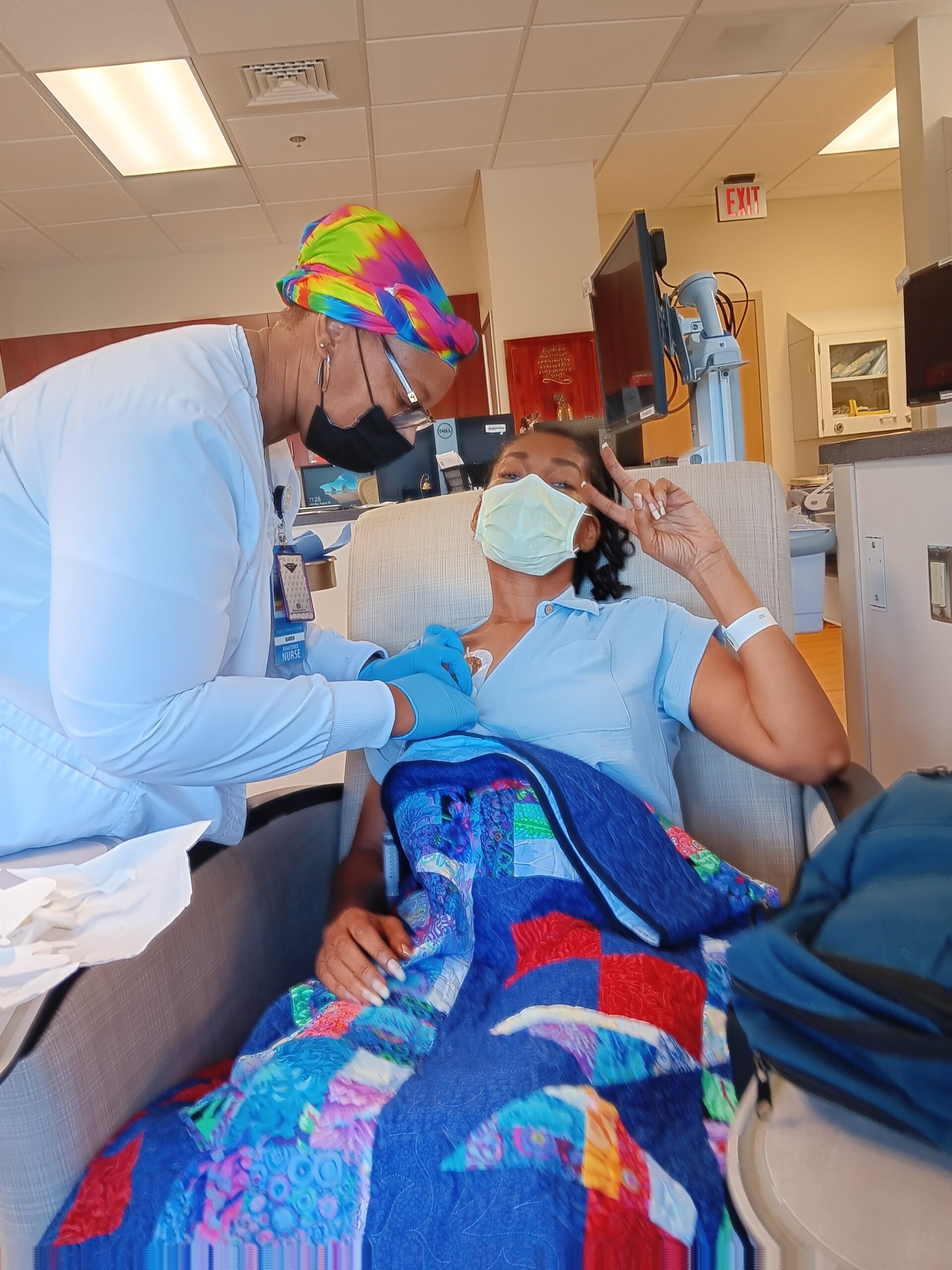
The first couple of days of each cycle were hard physically: sleeping, nausea, discomfort. The steroids they give you mean you can’t sleep. You need sleep, but you can’t sleep, so you’re jittery. During treatments, they gave me Cinvanti, a long‑acting anti‑nausea medication. That made me so sick. It made me sicker than the chemo. It was like having cement poured in the back of your throat, that gross feeling.
I complained about it from the first infusion on. They tried tips like sucking on a mint, sucking on a Jolly Rancher, pushing it really slow, and diluting it a lot. Nothing worked. I was dry heaving every time they pushed it. It was horrible, and then I would be super nauseous the rest of the time. Infusions were three hours.
I made it through all of my infusions. I remember my second‑to‑last infusion was really bad. I was dry heaving the whole time. I had a nurse, an angel from heaven, who advocated heavily for me, saying, “She can barely tolerate her treatment. Can we do anything else?” They ended up switching my drugs to Emend, and my last infusion was better. I didn’t have that Cinvanti pushing. Cinvanti was not my friend, which is weird because that wasn’t even the chemo.
Then there was the chemotherapy. After the chemo, it was almost like a heat in your chest that progressed into nausea as time went on. My mom was always with me at my infusions — another angel from heaven. It was hard to watch her watch me. You try to be strong because it’s heartbreaking to watch your kid go through chemo.
I remember when I was diagnosed, my dad never cried, but he had tears in his eyes, and he said, “It should be me.” I said, “I’m thankful it’s me because I know I can handle it.” That memory has stuck with me, especially living with me; I knew it was hard for them to watch.
Treatment was tough. You go into survivor mode and tell yourself it’s not that bad when you’re going through it. Even now, I say, it was what it was. I’m not going to say it was impossible to get through, because you get through it. You lean on people, and you take it day by day. Even now, my motto is one day at a time.
I had a friend from the support group who also had Hodgkin’s and had just gone into remission. Her motto was “Faithful God, strong body, powerful mind,” and she would say, “You’re one day closer.” I had that posted on my mirror. It was my go‑to for everything, and I still find myself living day to day.
How my physical appearance impacted me
I’m an introvert, and I find myself — I didn’t know this at the time — hiding behind my hair. Losing my hair almost felt like losing a shield, losing my femininity. At the time it happened, I felt kind of numb because I was losing my hair anyway. It’s uncomfortable to lose your hair. Your scalp is sore. You can’t do anything with it. Even washing it, you lose heaps. I could put it in a half pony, and the next day, when I took out the pony, half my hair would be gone because it was dry and brittle and dead.
I felt like I was ready to shave it after treatment because I was still losing my hair, but I was supposed to be done with treatment. It felt like the next step to regrow from the start. I didn’t fully know how long it would take, and that really hits you. I still think, what if I had kept the dead hair and just let it grow — would I be better off now? Would I have longer hair?
It’s awkward growing out. The hair grows at the same rate, but it shows up differently on your head, so it’s a bunch of choppy layers. I’m never getting layers after this.
It took a lot, and I still feel like part of my confidence and femininity was stripped from me, and I still struggle to get that back. I also gained weight during and after treatment, and it’s been really hard to get off. In fact, it’s not coming off.
When I was younger, I lost 60 pounds and kept it off for almost six or seven years. Then I got diagnosed and gained 20 back during treatment, and then 10 after. I didn’t fully understand why, and I still don’t. I don’t know if it was steroids or my body being in shock, but it will not come off. I’m really struggling with that.
Two parts of my confidence were taken away from me against my will. When I spiral about it now, which still happens, I get really mad because it was completely out of my hands. It still feels out of my hands. I’m just at the whim of time. I try not to dwell on it. I tell myself, you can be angry for a minute or two, but it is what it is, and you’re just going to move forward. But it’s hard, especially as a young female.
I decided to go back to nursing school
I always knew I was going to go back. I had to reapply to get back into the program, wait for a spot, and then restart from there. Even going through treatment, I kept saying, “This is going to make me a better nurse. This is going to change my mentality. I’m going to learn from this. It’s all going to be great.”
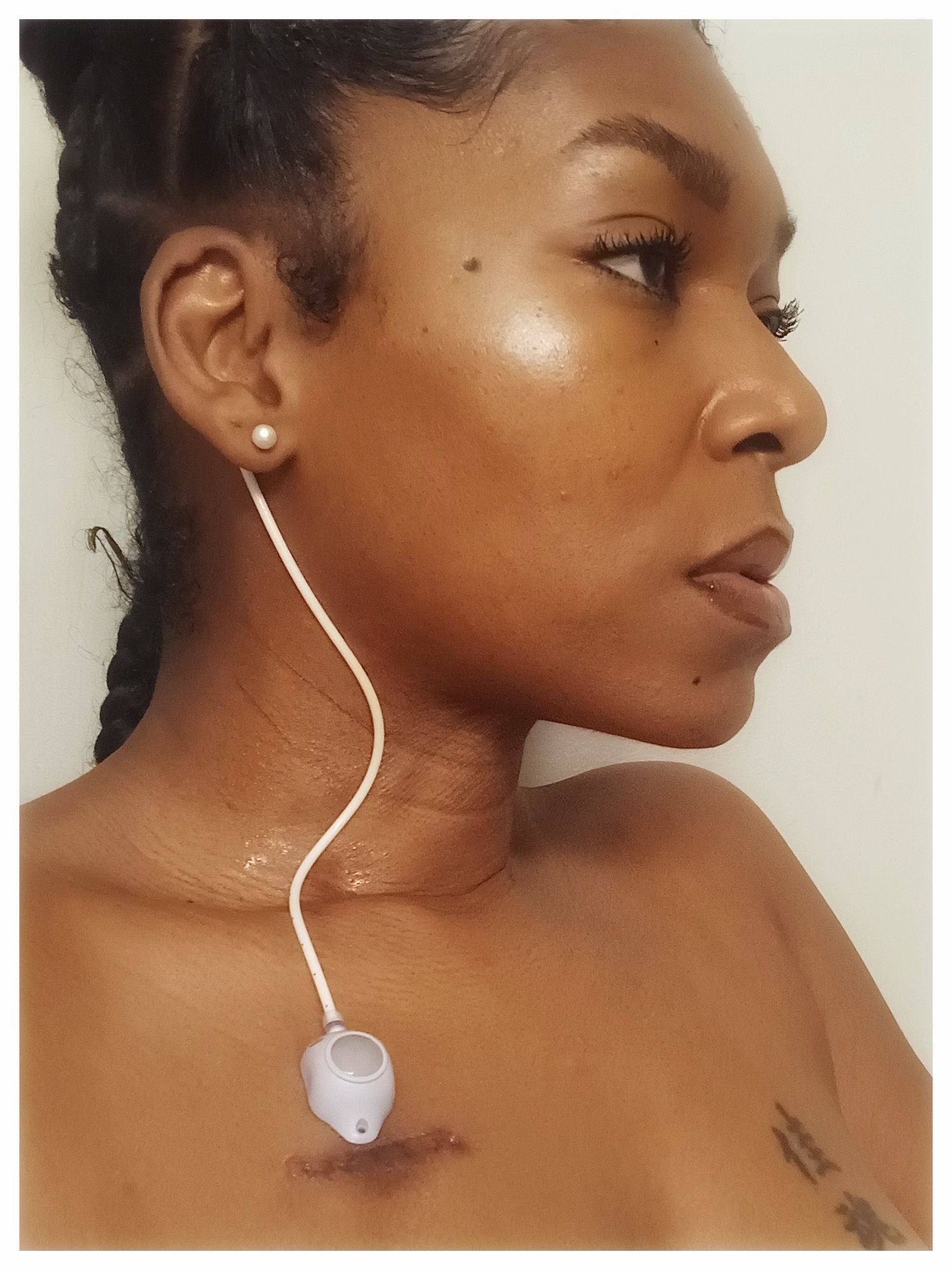
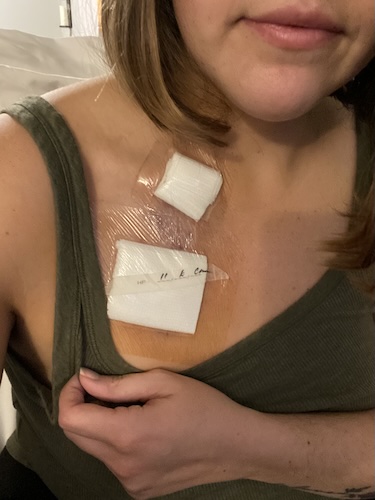
It did change me in a lot of ways. I had nurses advocate heavily for me. I didn’t start with a port. I have really crappy veins. I don’t understand why more people don’t go straight for the port because a lot of those chemotherapy drugs are heavy-duty. If they leak into your skin, it’s not a fun time. I saw nurses advocate. I saw how they handled things, and I thought, “Okay, I’m going to use this and move forward in how I care for my patients.” Advocating is something I really learned going through it.
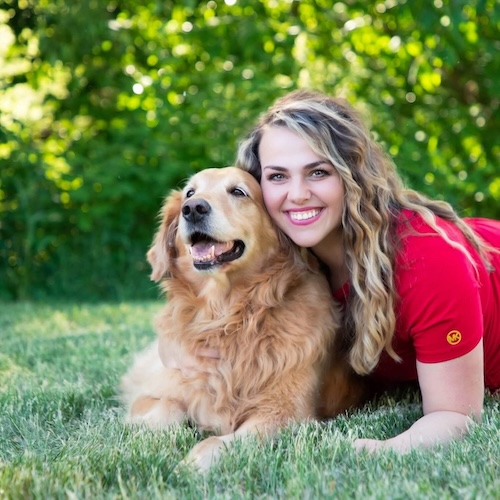
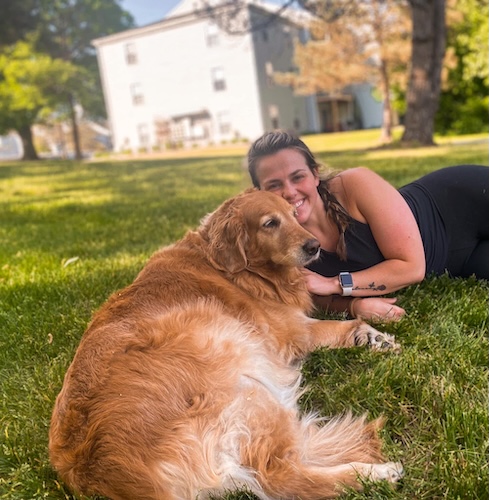
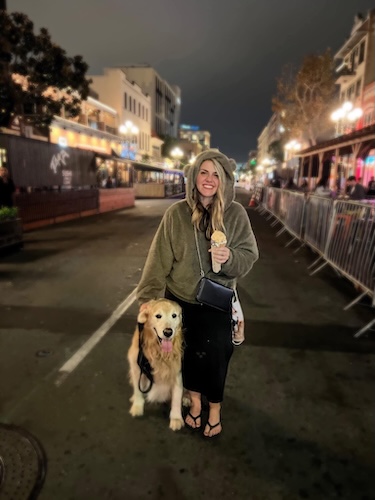
I went back to school after reapplying to the program. I also had my dog. Her name was Willow. She actually got diagnosed with osteosarcoma right before I got diagnosed with Hodgkin’s lymphoma. She was my what I call my soul dog. Ruthie’s okay, but she’s still learning. I love Ruthie too, but Willow was my soul dog.
That was really hard. Willow was limping on one leg. She was only supposed to make it a couple of months, and she made it another year before we went in. The day we went to the vet to put her down, because it was time and she was clearly in too much pain, I got back into the program with her snuggled into my lap. That was hard, but it almost felt like she was an angel in another way. She carried me through. She got me through that year, and then it was her time.
It was difficult to reset because I had dropped out halfway through the program, so all those friendships were already formed. I’m an introvert and take a while to warm up to people. It was hard to start in the middle of someone else’s program.
Starting my life again
Restarting was hard, but everyone I started with was super nice. They kind of gravitated toward me and got me through. They were really there for me when my dad died, too. I got to meet people I would have never met in another world, and I try to keep that perspective.
When I was supposed to graduate, which was May of that year, my best friend from nursing school asked me to pin her. I went and did that. It was so hard. I remember getting through it and then going home and sobbing. I felt like I was grieving the life I should have had.
I remember hugging my dad, and he gave me a big hug and wouldn’t let go. I let myself be sad and then reminded myself, it is what it is. You can’t change it. Being sad or mad doesn’t change the outcome. Then I tried to move forward.
That was the peak of it. I started angry, then I got sad. You get through the program, and in a lot of ways, my treatment helped me through the program. The cancer units were a breeze for me.
Now that I’m out of it, I don’t really feel any emotion toward it, because I’m done with it. It’s over. But going through it is hard. You hype it up in your mind, like most things.
The survivor’s guilt I feel
It feels almost surreal. I talk about it all the time, but it almost feels like it happened to someone else because I’m so disconnected from it. I remember reading that in my support group while I was going through treatment and thinking, “That’s never going to happen to me,” because when you’re so in it, you don’t see anything outside of it.
Now that I’m two years out and life has happened — I lost my dad; someone close to me was diagnosed with melanoma — that was harder for me to watch than going through it myself. I wanted to be the one to take it. Survivor’s guilt is very real. I still struggle with that: why am I okay now, and someone else is terminal?
Even with nursing, being exposed to it so often and having to check yourself, you really have to get good at compartmentalizing while trying to be gracious. That’s been hard. Two years out, it feels like it happened to someone else. I try not to dwell on it. It always creeps up when I’m trying to get dressed or dress up and feel pretty again. I haven’t felt pretty in three years. That’s when the anger creeps up.
I spin out about it, and then I’m okay. That’s when it hits. Other than that, I try to think about how I felt in all those phases, especially during the diagnostic phase, which is grueling. Of all phases, that’s the one I would never relive. The anxiety ate me alive, not knowing what was wrong and having to really fight, which you shouldn’t have to do, but it is what it is.
That carries through to how I handle my patients. I try to keep that in mind. I never take anything too personally because I know what that was like. It’s not personal; it’s people coping however they cope, and there’s no right or wrong way.
I was reading on a cancer site about how to empathize with patients through hard stuff. One line I screenshotted and wanted to keep in my back pocket was: this isn’t an easy thing, you’re handling it with grace, but it’s okay if you don’t. I try to tell that to my patients when they say, “I’m sorry for complaining.” I tell them, this isn’t complaining. You can complain to me all you want. I’m not going to tell you that you have to be positive. Toxic positivity is a real thing. You can say something sucks. You don’t have to dwell on it, but if something sucks, say it sucks.
It’s changed me in a lot of ways; mostly good, some bad, but mostly good.
How The Patient Story helped me feel less alone
I found The Patient Story right after everything started happening. Google is your friend, but also your foe. I found The Patient Story and started binging videos. I remember I was still in school at that point, and our first unit, ironically, was on cancer, so I felt like in a way I was still kind of studying.
I was reading about it, watching a lot of videos, not reading my book at all, just watching videos. Seeing everybody go through it and knowing they were okay made me think, okay, maybe it’s not the end of the world. You do feel less alone because it’s so isolating. People can’t really understand it until they go through it themselves, and it’s not something you’d wish on someone.
That’s another thing with survivorship. You feel alone because no one truly understands you, other than other survivors. I found The Patient Story for that, and even going through treatment, I watched videos because I feel less alone. The steroids kept me up doomscrolling. I also had abdominal pain a lot through chemo, and I wasn’t prepared for that. It would creep up at night, so I was up a lot, watching videos and feeling less alone.
Even now, I still watch the videos. There’s such a community behind it, and you really don’t get it until you’ve gone through it, especially as a young adult. It is what it is.
I have a friend who was diagnosed a year before me. We went to high school together. She had Hodgkin’s, too, stage 2, so we were like twinsies. We message each other all the time, usually going off about our hair. It’s curly, different than what we’re used to, so we complain about our hair. It’s nice to have someone who understands, instead of someone trying to say, “Oh, it’s okay, it’s not that bad.” You can acknowledge it sucks. You don’t have to dwell on it.
That’s my mentality a lot with cancer: you don’t have to say “yay,” but you can be honest. It took a while for us to reach out after I was diagnosed and build that camaraderie, but in the meantime, The Patient Story was like having a friend.
What I want others to know
My biggest advice is to take it one day at a time. It seems so cliché, and I probably rolled my eyes at it in a past life, but when you’re in it, it really is one day at a time. Don’t skip ahead. So much of it is out of your control.
It deepened my faith a lot — leaning into others, leaning into God, knowing it’s out of my hands. Part of the grief you feel is that you think you’re losing control of your life, and realistically, you never had control. That was big for me: one day at a time, leaning into my faith and others.
Another thing: acknowledge it sucks. Don’t dwell on it. I’ve said that a thousand times, but I really harp on it. People can take that and only think about it — “My life sucks” — but then you’re doing yourself a disservice by dwelling. If you dig deep, there are lessons, perspective shifts, a lot in it.
I remember reading that people moved on from cancer and thinking in my support group, “That’s never going to be me,” because when you’re in it, you’re so in it. But it really does start to drift off, which is beautiful.
I still go for blood work every six months now that I’m almost at the two‑year mark, and I go for visits. It’s never gone; it’s always in the back of my head, but it’s less prominent, which is awesome. Right after treatment, I remember being at a family wedding. I started having a panic attack because I had a rash on my hand. When I got diagnosed, I had a rash and unexplained itching with Hodgkin’s, so I spiraled. The rash came back; it turns out I just had psoriasis, and it was irritated, but I spiraled. There’s a picture of me mid‑cry. It could be a meme. It’s objectively funny now. It wasn’t funny at the moment.
Those emotions creep up. Acknowledge that it’s okay. Cancer is always going to be in the back of your mind, but it doesn’t have to take over. Compartmentalizing is a big thing, and that’s something I learned in therapy. I recommend telehealth. It helped me say, “Okay, this is what I’m thinking, these are the facts, and what else might be true?” That framework, especially with cancer, has helped me a lot.
Inspired by Sarah's story?
Share your story, too!
More Hodgkin Lymphoma Stories
Jessica H., Hodgkin’s Lymphoma, Stage 2
Symptom: Recurring red lump on the leg (painful, swollen, hot to touch)
Treatment: Chemotherapy
Riley G., Hodgkin’s Lymphoma, Stage 4
Symptoms: • Severe back pain, night sweats, difficulty breathing after alcohol consumption, low energy, intense itching
Treatment: Chemotherapy (ABVD)
Amanda P., Hodgkin’s Lymphoma, Stage 4
Symptoms: Intense itching (no rash), bruising from scratching, fever, swollen lymph node near the hip, severe fatigue, back pain, pallor
Treatments: Chemotherapy (A+AVD), Neulasta

Brescia D., Hodgkin's Lymphoma
Symptom: Swelling in the side of her neck
Treatment: Chemotherapy: 6 rounds of ABVD