
Nick Napolitano’s Shocking PV Diagnosis: Understanding Polycythemia Vera with Dr. Jennifer Vaughn
Nick Napolitano hadn’t had a physical in over five years when a checkup through work flagged two numbers that led to a polycythemia vera (PV) diagnosis. His hematocrit level and platelet count were high. He planned to let it go, but his wife urged him to follow up. More blood tests and a bone marrow biopsy confirmed polycythemia vera, a blood cancer in which the marrow overproduces red blood cells. Nick was 37. In the same week he learned about his blood cancer, he found out that his wife was pregnant with their second child.
Edited by: Katrina Villareal
“I remember getting the diagnosis and going blank, quite literally, in the doctor’s office,” Nick says. The doctor wanted to do a phlebotomy that day, which involves drawing blood and inevitably lowering the red blood cell count. Nick asked for time and a second opinion. In the car, he Googled life expectancy and called his brother, as he literally could only think about dying. The second-opinion doctor drew a picture of Nick’s bone marrow, which he still keeps.
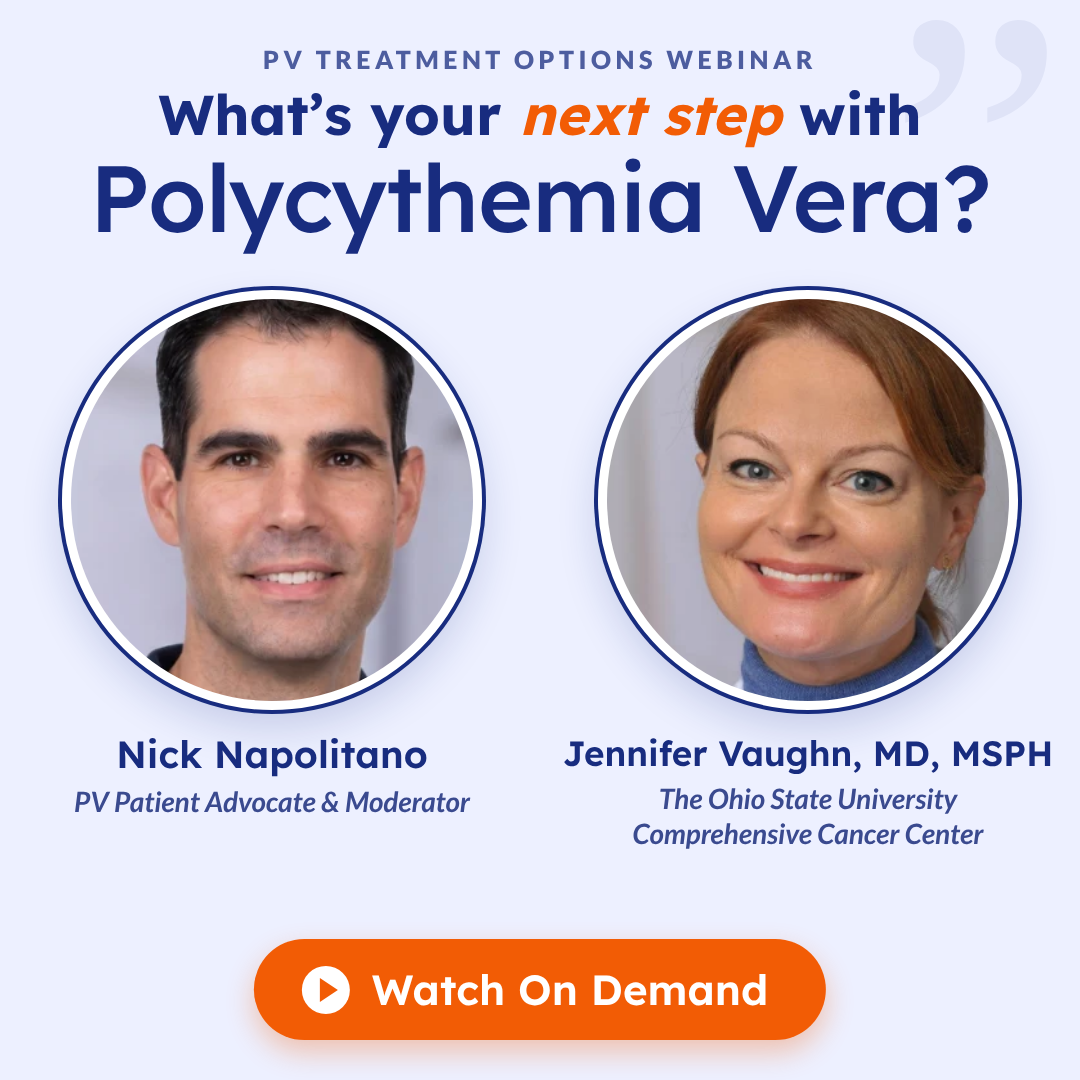
Dr. Jennifer Vaughn of The Ohio State University Comprehensive Cancer Center joined The Patient Story and Nick for a conversation on polycythemia vera (PV). She explained that in most people with PV, an acquired change in the JAK2 gene leaves a “light switch” flipped on, so the bone marrow keeps making red blood cells. Nick had assumed being diagnosed young made him high risk. In PV, Dr. Vaughn explained that risk means your near-term chance of forming a blood clot. Doctors calculate it using two factors: whether you’re 60 or older, and whether you’ve had a clotting event in the past, like a blood clot, heart attack, or stroke.
Nick started on phlebotomy and aspirin. Working with his doctor, he moved to ropeginterferon alfa-2b-njft (Besremi), an injection based on interferon, an immune system protein. He now injects Besremi once a month. Dr. Vaughn covered how Besremi stimulates the immune system to target mutated cells and can lower JAK2 levels over time, and also covered hydroxyurea (Hydrea), which slows blood cell production; ruxolitinib (Jakafi), a pill that targets the JAK2 pathway; and rusfertide (Mimrylo), a new drug limiting the iron the marrow needs to make red cells
At the 10-year mark, Nick tracks his numbers and symptoms, including fatigue so heavy that he couldn’t get off the couch. He calls the mental health side of PV a silent symptom. He says it’s good to think about it, but to not let it consume you.
Key Story Moments
Watch the video or read the edited transcript of the interview to find out more about Nick’s story and understanding polycythemia vera:
- A routine blood test can be the first sign of PV. Nick had no reason to suspect anything when a work physical flagged his hematocrit and platelets. Following up on those numbers, at his wife’s urging, is what led to his diagnosis.
- Asking for time is a decision, too. In the moment, Nick didn’t have questions. Asking for a second opinion gave him room, and a doctor who drew a diagram of his bone marrow helped relieve fears in a way he still hasn’t forgotten.
- In PV, high risk is about near-term risk of forming blood clots, not about being young. Diagnosed at 37, Nick assumed more years ahead meant more risk. Dr. Vaughn explained that PV risk categories rest on biological age (being 60 or older) and any past clotting event like a blood clot, heart attack, or stroke.
- Treatment can be an ongoing conversation. Phlebotomies didn’t feel proactive to Nick, so he raised newer options with his doctor early on. His move to Besremi, and later from every two weeks to once a month, was very much a collaborative decision.
- The mental side of PV belongs in the exam room. Nick’s anxiety once sent him to the emergency room, and he calls it a silent symptom doctors don’t always hear about. Tracking symptoms alongside his numbers and talking about both is part of how he keeps the unknown from consuming him.
Nick’s Diagnosis Facts
- Name: Nick Napolitano
- Age at Diagnosis:
- 37
- Diagnosis:
- Polycythemia Vera (PV)
- Symptoms:
- None; caught at routine physical
- Treatments:
- Phlebotomy
- Aspirin
- Interferon: ropeginterferon alfa-2b-njft (Besremi)
Story Sponsor

Thank you to our sponsor for their support of our independent patient education program. The Patient Story retains full editorial control over all content.
This is not medical advice. Please consult with your healthcare provider to make informed treatment decisions.
- Key Story Moments
- Nick’s Diagnosis Facts
- A routine physical provided by my employer was what flagged my hematocrit and platelets
- Blanking out after finding out I have polycythemia vera, a blood cancer
- Dealing with the unknowns of polycythemia vera and the anxiety it brings
- Asking the doctor who I sought a second opinion from to walk me through what PV was doing to my body
- What’s happening in the bone marrow with PV? Dr. Vaughn explains the JAK2 mutation
- Diagnosed at 37, I assumed I was a high-risk patient: What PV risk stratification means
- Tracking my symptoms and the MPN Symptom Assessment Form
- The mental health aspect of PV and why Nick believes it’s a silent symptom worth naming
- First-line treatment of phlebotomy and aspirin, and why I wanted something more proactive
- More PV treatment options than ever: Hydroxyurea, interferon, ruxolitinib, and rusfertide
- Reaching the 10-year mark living with polycythemia vera and finding my happy place
- Hear from people living with polycythemia vera
The week I found out my diagnosis, I also found out that we were having our second child.
Nick Napolitano, Polycythemia Vera (PV) Patient Advocate
A routine physical provided by my employer was what flagged my hematocrit and platelets
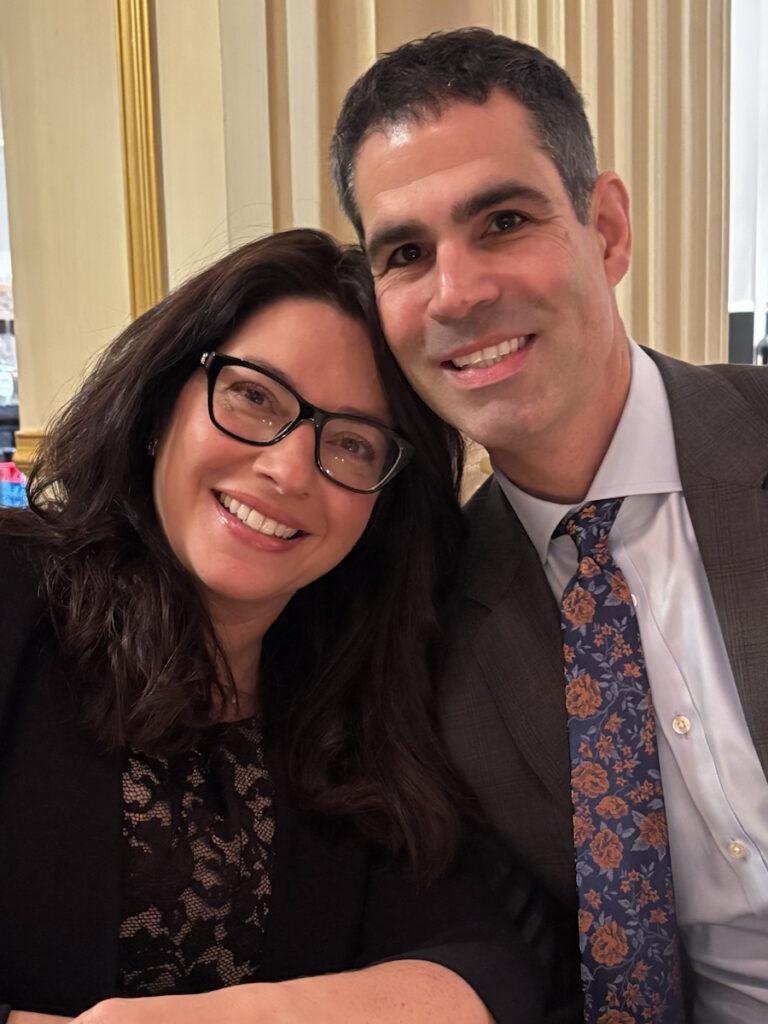
Nick Napolitano: I hadn’t gone to a physical for, I think, over five years and I happened to go to a physical that my work at the time provided for me. It was an all-day physical and it sounded interesting. You get pampered a little bit while you get all these tests done, so I went just because of that. They flagged my hematocrit and platelet count. They said I could follow up with a hematologist-oncologist or just monitor for a year. I was going to let it go, but my wife said, “No, you should follow up,” and see it through. I did, and that was how I got diagnosed with PV. They did some additional blood tests and a bone marrow biopsy, and that’s when they diagnosed me.
At the time, you feel impenetrable. You’re going through life and you wouldn’t even think that you would have a diagnosis like that. I was very much in that mindset. I had a kid at the time, and my wife was pregnant also. The week I found out my diagnosis, I also found out that we were having our second child. It blinded me to the fact that I would actually be diagnosed with a blood cancer. It totally caught me off guard.
Blanking out after finding out I have polycythemia vera, a blood cancer
Nick: I hadn’t heard of it before. I remember getting the diagnosis and going blank, quite literally, in the doctor’s office. I think the doctor said, “You have PV. I’d like to do a phlebotomy today.” My wife wasn’t with me because I didn’t think that anything of note was going to happen. In the moment, I didn’t have questions. I said I needed a little bit of time and I would like to get a second opinion.
As I was walking out of the doctor’s office, I was staring at the ground while I walked to the car. When I got in, I started Googling stuff, which is the worst thing you could do. You start seeing life expectancy. You start seeing chemotherapy, drugs, and bad symptoms.

A flood of emotions came over me. I remember calling my brother, who’s a dentist. I’m close to my older brother and respect his opinion. He had never heard of it before. We were working through this together, while I was sitting in the car, five minutes after the doctor’s appointment. It took me until the second follow-up appointment to get my thoughts together and have some thoughtful questions.
I remember going to the emergency room one day because I thought I was having a heart attack… Turns out, it was anxiety.
Nick Napolitano, Polycythemia Vera (PV) Patient Advocate

Dealing with the unknowns of polycythemia vera and the anxiety it brings
Nick: It was stressful, to say the least. There was a ton of unknown, and there’s a ton of unknown with our disease in general, because it’s very unpredictable. You don’t know when it’s going to progress. You don’t know when you’re going to have symptoms. You don’t know how severe they’re going to be.
In the early stages, it’s such a foreign concept to have this kind of diagnosis. You don’t know how you acquired it. You don’t know if it was something you ate. You don’t know if it’s something you were exposed to. There are so many different questions and unknowns that went through my head that it was very stressful and caused a lot of anxiety, especially in the beginning.
I remember going to the emergency room one day because I thought I was having a heart attack; that’s how severe the pains were. Turns out, it was anxiety. I still deal with it to this day, because I still think about the unknown, how it’s going to progress at some point, and what that might look like.
Asking the doctor who I sought a second opinion from to walk me through what PV was doing to my body
Nick: I immediately went to the worst possible place. I quite literally could only think about dying, to be frank. I started to look ahead at some of the life moments that I wouldn’t be there for and I spiraled. I would’ve wanted to know and say: Take a pause, take a breath, and start from the beginning. How did I get this? Walk me through what’s happening to my body.
At the appointment when I got a second opinion, I had the doctor walk me through what was going on in my body, why I might be feeling certain things, and why I might feel certain things in the future. He broke that down and it made me understand some of the things that were going on in my body. I’ll never forget that. It was a great doctor’s visit. He took the time to care.
It’s important to understand the disease and what’s going on in your body, and try and get trusted sources of information. In that follow-up appointment, I asked a lot of questions about where I could go to get information. He was able to give me a few websites and some materials, and that set me at ease.
I definitely wanted to obtain as much information as possible, so I felt like I was making the right decision… It’s important to understand the disease and what’s going on in your body.
Nick Napolitano, Polycythemia Vera (PV) Patient Advocate

Why I wanted a second opinion and the doctor’s bone marrow drawing I still keep
Nick: What it came down to was that I didn’t believe I had what I had. I was diagnosed with a blood cancer. It was shocking. I wanted to pause. It’s almost like how I’ve been my whole life. I don’t love to rush into things. I like to think things through and make an informed decision. And this was no different.
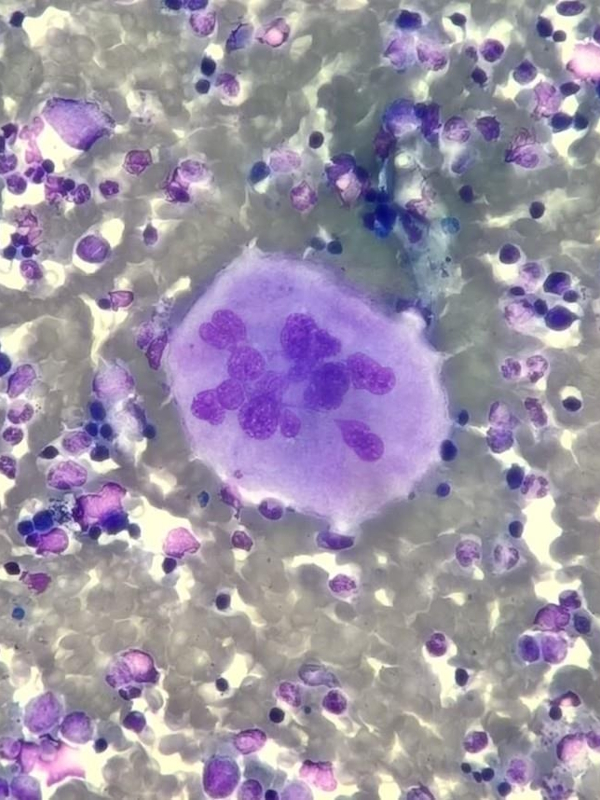
My brother and my wife were very much on board with a second opinion. I definitely wanted to obtain as much information as possible, so I felt like I was making the right decision. And it was totally the right decision. That doctor spent a lot of time with me. I remember him drawing a picture of my bone marrow and what was going on. I have that picture to this day. He took the time to help me understand and relieve my fears.
What happens in MPNs [myeloproliferative neoplasms], specifically in polycythemia vera, is that the vast majority of patients will, over time, develop an acquired genetic mutation.
Dr. Jennifer Vaughn, Hematologist-Oncologist Specializing in Myeloproliferative Neoplasms (MPNs)
What’s happening in the bone marrow with PV? Dr. Vaughn explains the JAK2 mutation
Nick: When I was first diagnosed, I had a doctor who walked me through the mechanics of what was going on within my body. He actually drew something out to help me understand what was happening in my bone marrow. For someone who was just diagnosed, can you walk through exactly what’s happening in the bone marrow with someone who has an MPN?
Dr. Jennifer Vaughn: I’m so glad to hear that you had someone who took you through it at that level. As you mentioned, the bone marrow is the site where this all gets started. All of the blood cells that are circulating in our blood vessels are made primarily in the bone marrow from what we call hematopoietic stem cells, which are the earliest form of a blood cell.
What a stem cell will do is, as it goes through its period of development, it will differentiate to become a cell that follows a myeloid pathway, a lymphoid pathway, or some other pathway, depending on where the cells are located. But the myeloid pathway ultimately leads to the development of most of our blood cells: our red blood cells, our platelets, and our white blood cells (not all of them, but a good number of our white blood cells), particularly our neutrophils, which are some of the ones you’ll see when you look at your blood count differential. And then we have our lymphocyte line that leads to the development of lymphocytes, which you also will see as part of your white blood cell count differential.
What happens in MPNs, specifically in polycythemia vera, is that the vast majority of patients will, over time, develop an acquired genetic mutation. I emphasize the word acquired because we believe that the vast majority of patients haven’t inherited this mutation, so they’re unlikely to directly pass that mutation on to their children.

I always tell my patients that we’re constantly making cells and when you have cells that need to be constantly replicated, there is a chance for mistakes to happen. Normally, we have mechanisms to try to catch those mistakes, like an inspector in a factory looking at each individual cell to make sure it’s top of the line before it moves forward. But occasionally, a mistake happens.
In this case, the JAK2 mutation occurs. It’s like a light switch being flipped on. The normal regulatory mechanisms tell a cell that we need to produce more, but when we have plenty of those cells, we slow that down or stop it. That has been disrupted and now you’re in a permanent state of having those hematopoietic stem cells turned on, where they’re continuously producing more red blood cells, despite our body’s normal mechanisms trying to tell the bone marrow we don’t need any more of these.
The first time I meet a PV patient, the first thing I’m going to do is decide this person’s risk stratification… Thankfully, most patients live decades with this condition, but there are some risks of developing more serious problems.
Dr. Jennifer Vaughn, Hematologist-Oncologist Specializing in Myeloproliferative Neoplasms (MPNs)
Diagnosed at 37, I assumed I was a high-risk patient: What PV risk stratification means
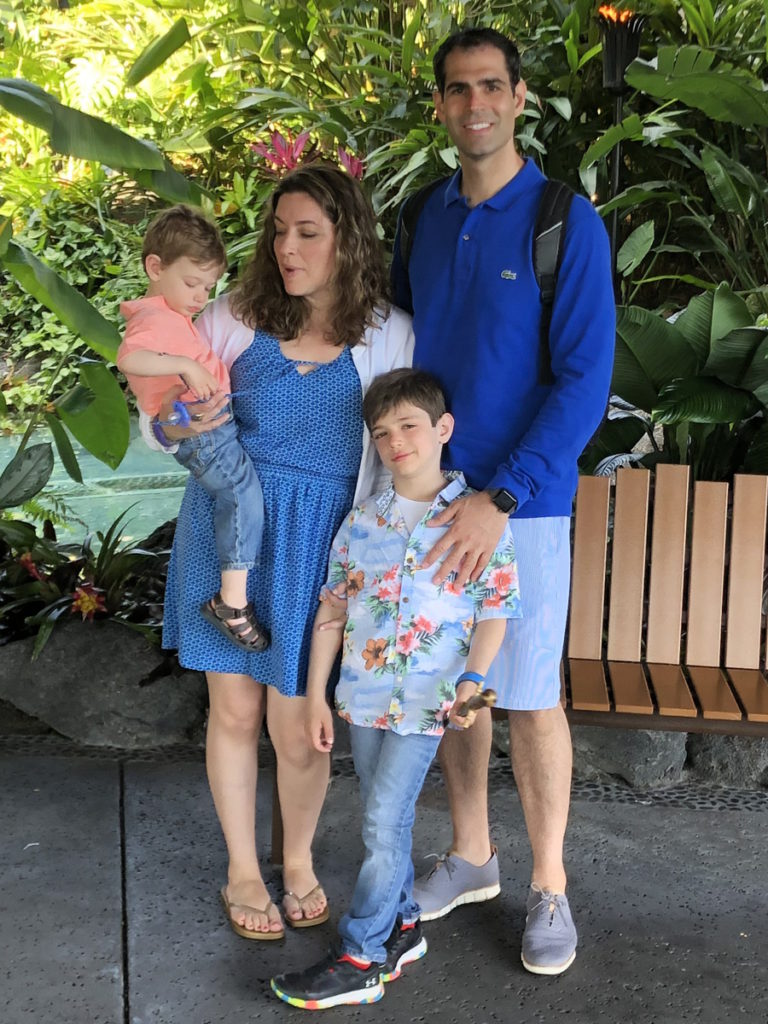
Nick: One thing that came up when I was first diagnosed was the risk factor. I kept hearing the term risk stratification. I was a little confused. I was diagnosed at 37 and, being on the younger side, I was under the assumption that I was high risk because there’s more time for something to happen and for it to progress. I’ve come to know that that’s not necessarily the case. Let’s talk about risk stratification. What does it mean? And how do you decide between low risk and high risk?
Dr. Vaughn: The first time I meet a PV patient, the first thing I’m going to do is decide this person’s risk stratification. Your point is well taken; you are thinking about risk in a different way. In PV, the most immediate risk is the risk of having a thrombotic or blood-clotting event, so that is what we want to determine in the first meeting. What is your risk in the near future of having a blood clot in the veins or arteries around the heart or in the brain, which would be a heart attack or a stroke?
Traditionally, we think about risk as: What is my risk of developing a more serious form of this in the future? Or what is my risk of dying from this in the future? Thankfully, most patients live decades with this condition, but there are some risks of developing more serious problems. Treatment decisions are based on mitigating the immediate risk of blood clotting.
It’s very simple. Your risk is determined by whether or not you’ve ever had a blood clotting event and whether that is thought to be attributed to your disease. Also, are you age 60 or greater? Age 60 can be a little bit arbitrary. Some patients are probably higher risk who are younger than 60 from a physiologic standpoint because of other comorbidities that put them at risk for blood clotting. And there are probably some fit 60-year-olds who have taken care of themselves and have reduced their risk. But in general, we tend to look at the age over 60 as being the point when we want to start getting a little more concerned about the risk increasing.
The MPN Symptom Assessment Form (MPN-SAF), which has been studied in a lot of different venues, [is] thought to be a good representation of a lot of the symptoms that patients experience and gives a broad number of symptoms.
Dr. Jennifer Vaughn, Hematologist-Oncologist Specializing in Myeloproliferative Neoplasms (MPNs)
Tracking my symptoms and the MPN Symptom Assessment Form
Nick: I track all my numbers. I kept a spreadsheet for a while, but it’s very important to see the trends. Sometimes they’re not very apparent from visit to visit, so you have to look at them over time. It’s very important to track all that and symptoms as well.
Fatigue is total body draining. There were times I would have it so bad that I couldn’t get off the couch. I’d have to rest for an hour or two, but I’m drained from head to toe. I can barely open my eyes and I’m struggling to walk. It’s a level of fatigue that I’ve never experienced in my life until that point.
Dr. Vaughn: There is a patient questionnaire that we physicians and companies use in tracking patient symptoms. Theoretically, we should be tracking this with you every time you come to our clinic, although sometimes, that’s a little more difficult than it should be. This is called the MPN Symptom Assessment Form (MPN-SAF), which has been studied in a lot of different venues.
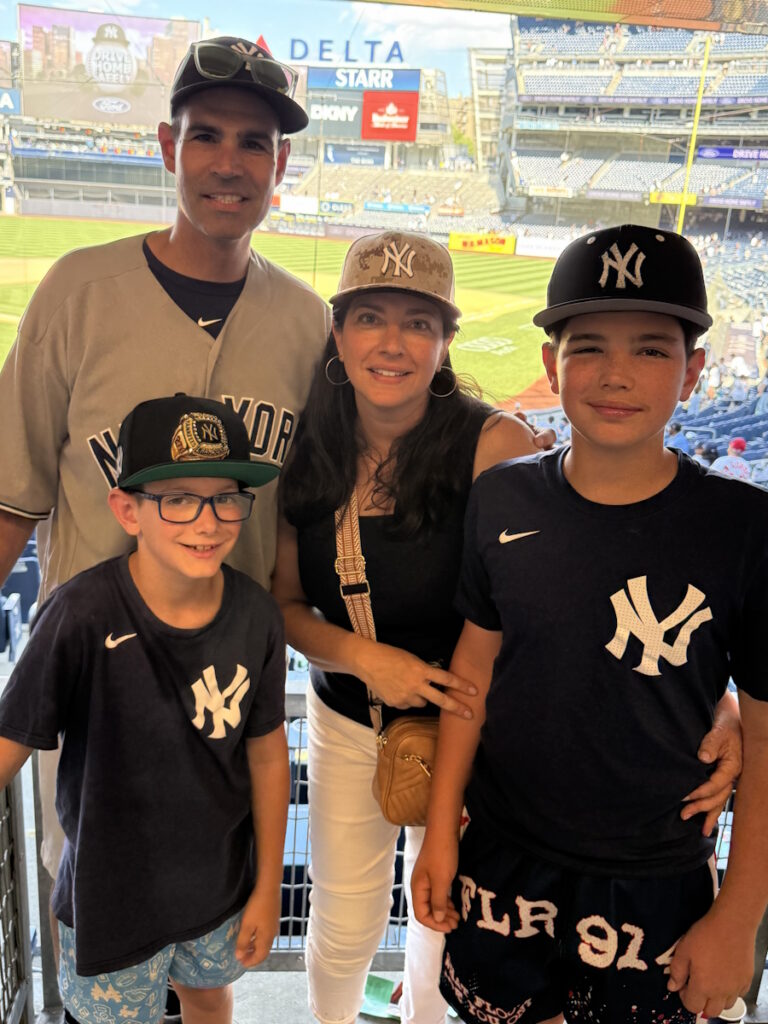
It’s thought to be a good representation of a lot of the symptoms that patients experience and gives a broad number of symptoms, like weight loss, a feeling of your spleen being enlarged, and fatigue, which is a very important component of these conditions.
One of my most important goals when taking care of patients with MPNs is to make sure that they have optimal quality of life. To the best of my ability, I want to give that to them because they’re going to be living with this for a long time.
You may be going through this disease and not realize how much you’re thinking about it and how much it’s eating at you inside. Communicate as much as you possibly can.
Nick Napolitano, Polycythemia Vera (PV) Patient Advocate
The mental health aspect of PV and why Nick believes it’s a silent symptom worth naming
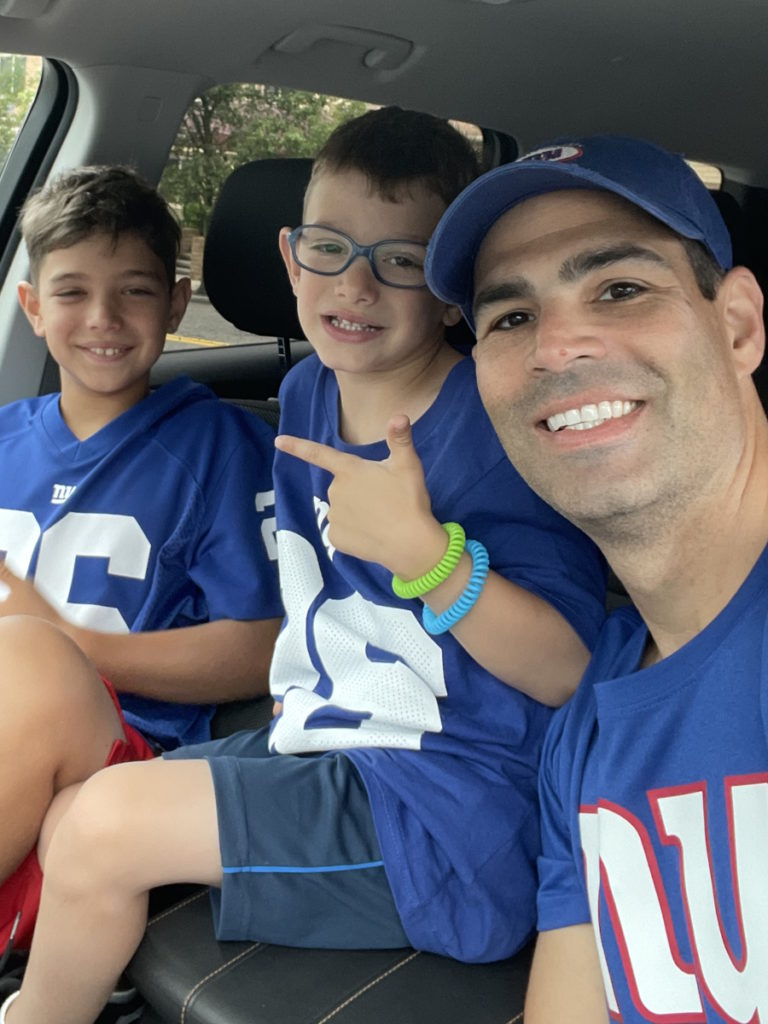
Nick: The mental health aspect is extremely important. I struggled with that in the beginning. It ate me alive. The more you try to communicate that to your doctors, the better. I think it’s a silent symptom of the disease that doctors don’t always hear much about because there’s been a stigma against mental health. But we’re in a better place now as a society to have those conversations.
This disease will beat you down mentally. We talked about the symptoms, how random they are and how much they are. You talk about the unknown: How did I get this? When is it going to progress? Those things can eat you alive. You have to talk. Talk to your doctor, talk to a loved one, talk to a friend. Try and communicate that so you don’t keep it all inside. You may be going through this disease and not realize how much you’re thinking about it and how much it’s eating at you inside. Communicate as much as you possibly can.
When I was first diagnosed, I dealt with the mental health aspect of MPNs, which I think is a silent symptom that people don’t always report that they experience. I’m fortunate to talk to different patients and that has come up a lot.
For MPN patients and PV patients, it’s the unknown. How did I get this? When are my symptoms going to be severe? What kind of symptoms am I going to have? When is it going to progress? How long am I going to live? That can weigh on someone mentally.
Dr. Vaughn: On top of the unknown, which I’ve heard from many of my patients, you also have many aspects of the condition or the treatment that can heighten those things. Iron deficiency, which is present in a huge number of patients with PV, can impact your overall mental or psychological well-being. The fatigue, the inability to do the things that you want to do, and financial pressures and stress to get your treatments can also be factors. I could go on and on.
For many years, the regimen of aspirin and phlebotomy was the only treatment available for low-risk patients.
Dr. Jennifer Vaughn, Hematologist-Oncologist Specializing in Myeloproliferative Neoplasms (MPNs)
First-line treatment of phlebotomy and aspirin, and why I wanted something more proactive
Nick: I remember early on having conversations about other people who are on drugs and having a conversation with my doctor about wanting to be as proactive as I possibly could. I didn’t feel like the phlebotomies were proactive. It wasn’t affecting the biology of the disease at all. There wasn’t a cure at the time, but I heard about drugs that were possibly coming and we identified one that, once it got approved, would be a good option for me. I’ve been on that drug for about two years and it’s been great for me. My symptoms are a lot less now. It’s affecting the biology of the disease, where we’re slowing progression, so it’s been great. That’s what’s so exciting about MPNs in general. There are great options now for patients.

Let’s switch gears to the treatment landscape. There’s probably no more exciting time for patients than right now. I think back to the last 10 years, where I was when I first got diagnosed, how much has changed, and the potentially new options for newly diagnosed patients.

Let’s talk about treatment options. The backbone of every PV story, regardless of risk category, is phlebotomy and aspirin. Walk us through that treatment option, who gets that, and what that actually does.
Dr. Vaughn: For many years, the regimen of aspirin and phlebotomy was the only treatment available for low-risk patients. Again, these are patients who are below 60 years old and who’ve never had a thrombotic event in the past. If you’re not aware, if you have PV, you’ve probably experienced phlebotomy at least once. I tell my patients that it’s like a blood donation process where they will insert a needle and take out around 500 cc of your blood. Unfortunately, once you have a diagnosis of PV, it’s no longer a donation. You’re receiving this as a therapy, so the blood can’t be used.
The point of that procedure is to immediately reduce the amount of circulating red blood cells to allow your blood to flow more efficiently. If you think about the difference between drinking a glass of water through a straw as opposed to drinking a milkshake through a straw, it’s a lot more sluggish to get the milkshake through that thin tube. That’s a little bit of an oversimplification, but that’s the way I think about what’s happening in polycythemia vera.
You have high hemoglobin and hematocrit levels that are causing your blood to flow at a much more sluggish pace throughout your body and that predisposes you to blood clotting.
For many years, the regimen of aspirin and phlebotomy was the only treatment available for low-risk patients.
Dr. Jennifer Vaughn, Hematologist-Oncologist Specializing in Myeloproliferative Neoplasms (MPNs)
More PV treatment options than ever: Hydroxyurea, interferon, ruxolitinib, and rusfertide
Nick: For higher risk patients who need more than that, what are the first-line cytoreductive options? And how do you and a patient decide between something like hydroxyurea and interferon-based therapies?
Dr. Vaughn: Once you’re in the high-risk category, the recommendation is for you to go on cytoreductive therapy, meaning we’re going to reduce your blood cells. It’s exactly how that translates.
Traditionally, we’ve had an effective, old-school drug called hydroxyurea, which has been around for decades. It’s very cheap and easy to get at your regular pharmacy, which is nice. It works by slowing down the genetic replication of those cells inside your bone marrow. I tell people it kind of acts like a brake on your cell production from the bone marrow. Often, if you stop it, you’ll start to see that cell production ramp up again. We’re not doing disease modification. We’re not getting rid of the cells so much. We’re just slowing down their ability to grow and multiply.
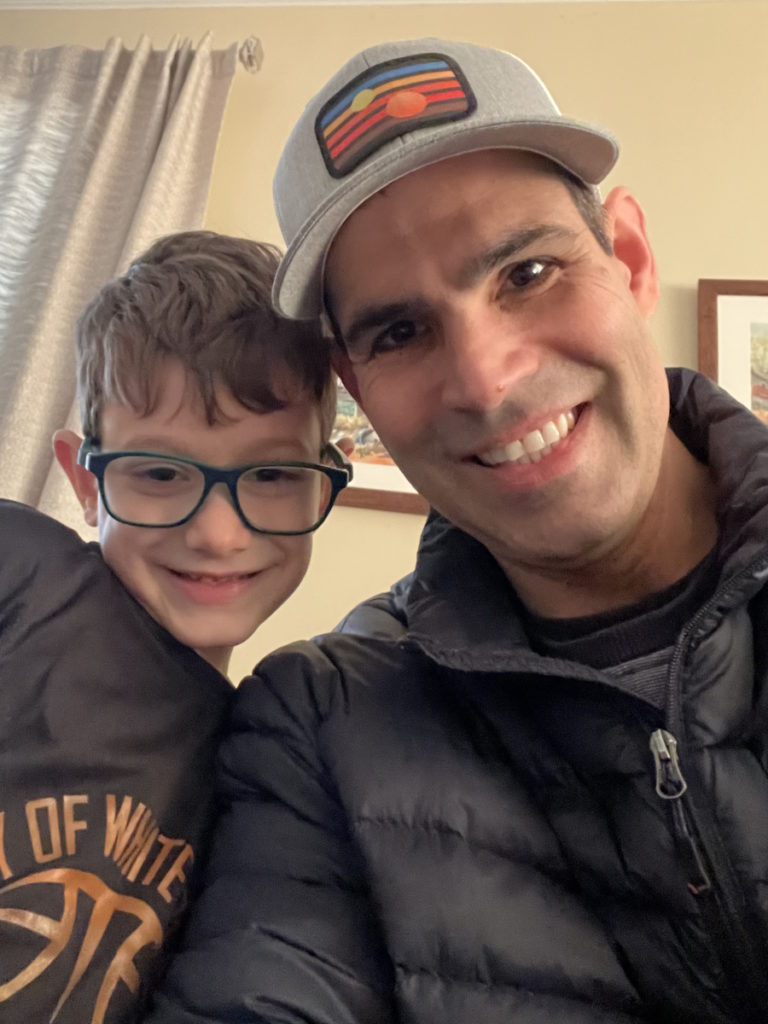
Now we have additional drugs approved. We’ve always had a drug class called interferon alpha. Interferon is a protein, or a cytokine, in our body that we make, which is used as a signal for our immune system to ramp it up whenever we need to fight off an infection or something.
Theoretically, we should be able to use it to ramp up our cells to fight off malignant cells as well. Interferons not only stimulate your immune system to fight off early mutated stem cells in the bone marrow, but what we understand is that they can also trigger them into exhaustion, into a state where they’re being pushed into an over-replicating state, get exhausted, and die from that. We’ve been able to see patients being treated with interferons have a molecular response, where over time, their JAK2 mutation that’s detectable in their peripheral blood will start to decrease, although that does take a few years on treatment to see dramatic differences.
These drugs have been reformulated. In the past, they could be pretty nasty. They used to have to be given almost daily to be effective. Now they’ve been reformulated so they can be taken weekly. Now we have a drug called ropeginterferon alfa-2B, which is also known as Besremi. That started the dosing at every two weeks. What’s great is that the more you can delay the next dose, theoretically, the less toxicity patients will have because people will report having the greatest toxicity the first day or so after treatment. We don’t give the old-school, every-day kind anymore. We either do it once a week, but with Besremi available, we usually start treatment once every two weeks.
For patients who don’t have great responses to either hydroxyurea or Besremi, we also have a drug called ruxolitinib (Jakafi) available. It works by interfering with the abnormal JAK2 signaling pathway that’s been altered by this mutation. One of the benefits of it is that it can really have an impact. Not only can it control the blood counts, but it has an anti-inflammatory component to it as well that I see a lot of patients benefit from. For example, I’ve seen patients who have a lot of itching as one of their symptoms respond to this anti-inflammatory JAK inhibitor that I’ve been giving them. That’s been neat to have as another option for management.
There are some options, which is the key… People react differently to different medications and different treatment options. But there are good options out there and people doing very well on a variety of them.
Nick Napolitano, Polycythemia Vera (PV) Patient Advocate
There’s a brand-new drug with a very unique mechanism that’s now been approved for PV. This drug is in the category of hepcidin mimetics or hepcidin agonists. Hepcidin is a protein that your body makes to help regulate your iron transferrin or shipping of iron around your body is a good way to say it, I guess. It’s made in your liver and when your liver cells detect that you have a high degree of iron in your blood, they will actually increase production of hepcidin. When you have increased amounts of that, it reduces your uptake of iron from your diet, so it slows it down.
But importantly, it slows down the mobilization of iron from storage areas in your body into the blood. What somebody figured out brilliantly is that by slowing down the iron from getting into the blood, you’re also depriving your bone marrow of having access to iron. Basically, the main way your bone marrow gets access to iron is it’s mobilized from different storage areas when it needs it; it gets to the bone marrow, and then it starts using it to build red cells.
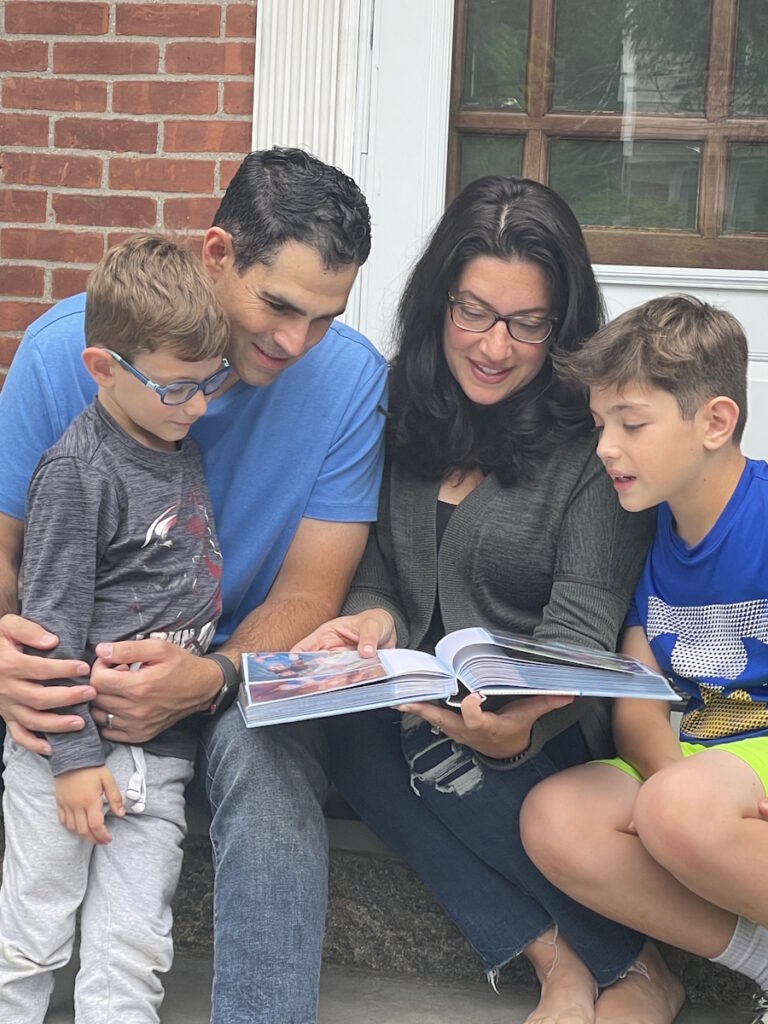
By creating a drug that mimics the effects of hepcidin, we are basically figuring out a way to deprive the bone marrow of iron while still allowing the body to have the iron it needs in other organ systems, hopefully reducing some of the symptoms that patients get from phlebotomy-induced or disease-induced iron deficiency.
It’s a drug called rusfertide and it directly mimics the effects of hepcidin. By giving it, you’re basically increasing the hepcidin in your body. In many ways, I hate to use this term, but it’s almost like a chemical phlebotomy, where you don’t have to go through the bloodletting process. You’re actually giving a medicine that’s going to have the same impact as phlebotomy without systemic deprivation of iron.
Nick: There are some options, which is the key. I happen to be on Besremi. I started on phlebotomy and aspirin, then I had a dialog with my doctor almost from the beginning about what’s out there, what’s to come, and what we would pivot to if we decided to. It’s a collaborative decision between my doctor and me. I started at every two weeks and now I’m injecting once a month. People react differently to different medications and different treatment options. But there are good options out there and people doing very well on a variety of them.
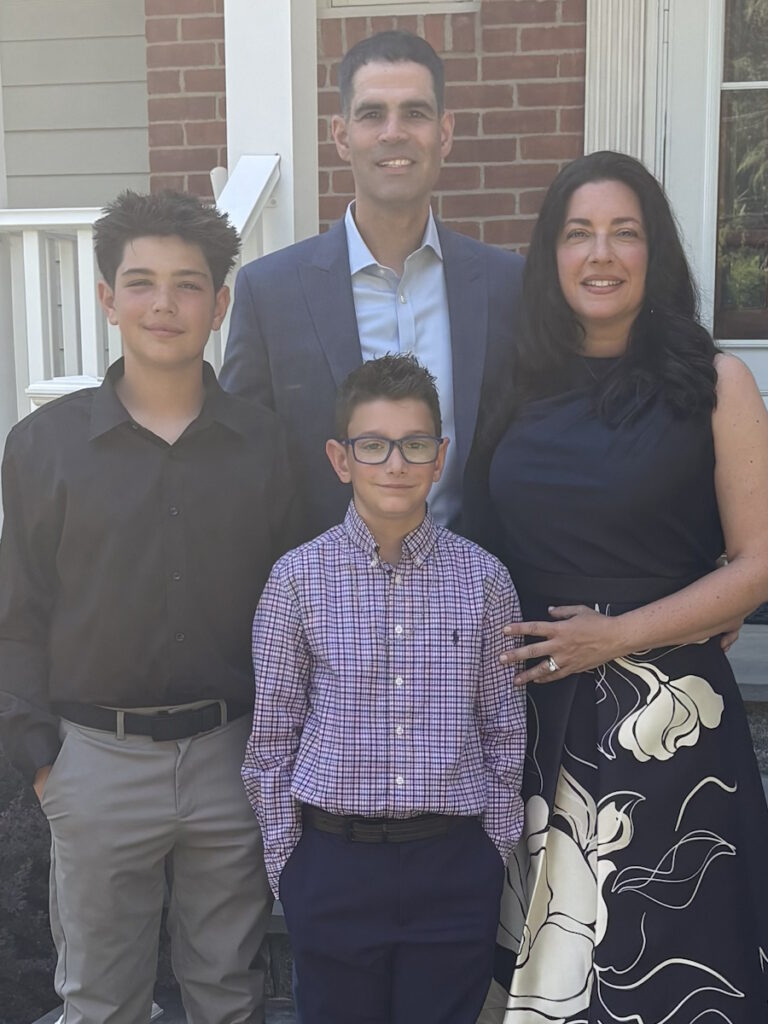
Reaching the 10-year mark living with polycythemia vera and finding my happy place
Nick: I’m proud of the milestone. It seems like it was only yesterday when I was diagnosed, and my wife and I were going through that. It brings up some emotions. Based on a lot of the research that I’ve done, the disease can change. It can change at that 10-year mark. It could change in less than 10 years. It could change in 20 years. But once you get to the 10-year mark, you start to get into the range where the disease can pivot, so it brings up a lot of emotions.
I’m in a great place in my life, but I also understand that I’m entering a stage where the disease can change and there’s that unknown. I very much try to push that to the back of my brain now, because I’m in a very good spot. It’s good to think about it, but don’t let it consume you, so I try not to let it consume me.
Story Sponsor
Thank you to our sponsor for their support of our independent patient education program. The Patient Story retains full editorial control over all content.
This interview has been edited for clarity and length. The views and opinions expressed in this interview do not necessarily reflect those of The Patient Story. This content does not replace professional medical advice.
Inspired by Nick’s story?
Share your story, too!
Hear from people living with polycythemia vera
Real experiences with diagnosis, treatment choices, side effects, and life beyond PV — in their own words.






Leave a Reply