
Angela Thought a Hysterectomy Ended Her HPV Cancer Risk, Until a Colonoscopy Found Anal Cancer
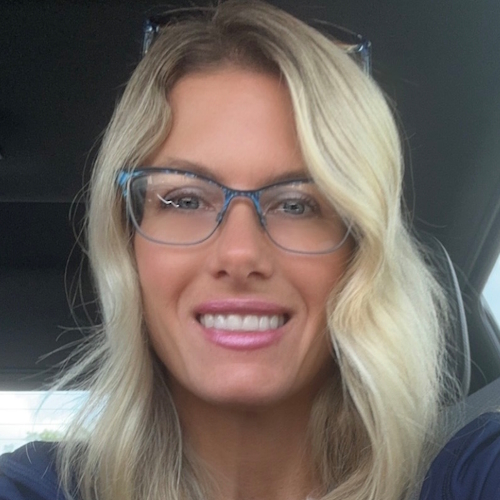
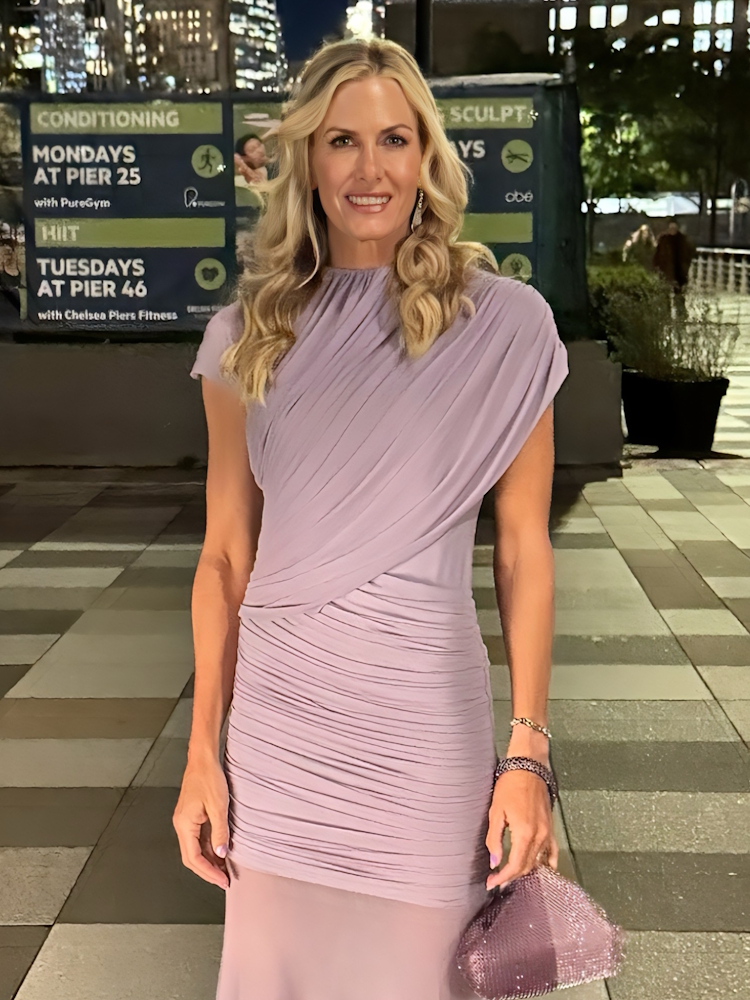
Angela had no symptoms of anal cancer when a routine colonoscopy at 45 turned up something her gastroenterologist said looked like a polyp. She had tested positive for HPV 16, a high-risk strain of the human papillomavirus, since she was 30. After a hysterectomy, she believed she was safe and thought that chapter of her life was behind her. No one had told her the virus could resurface in the anal canal.
Interviewed by: Tory Midkiff
Edited by: Katrina Villareal
The biopsy result came by phone: high-grade squamous cell carcinoma in the lower rectal area. She thought it was rectal cancer until her patient portal showed the final pathology: anal squamous cell carcinoma. Her doctor said the cancer was confined to the lining, so the plan was a high-resolution anoscopy (a magnified exam of the anal canal) every three months. She couldn’t even say the word “anal” out loud; she whispered it instead.
Soon after, a nodule formed near her surgical site. Her colorectal surgeon first read it as swelling after surgery, but it grew sore and itchy, so Angela kept bringing it up. The biopsy showed stage 2 invasive cancer with poorly differentiated (more aggressive) cells and lymphovascular invasion, meaning cancer cells were in lymph or blood vessels. A staging MRI showed it had not reached her lymph nodes.
A radiation oncologist recommended chemoradiation at UT MD Anderson Cancer Center in Houston. Waiting to start brought on her first panic attacks. Each Monday brought a cisplatin infusion and a fluorouracil (5-FU) pump she wore through Friday. In the final week, radiation enteritis, an inflammation of the intestinal lining, took hold. With one radiation session left, her team stopped and admitted her to the hospital. Over eight days, she had diarrhea up to 24 times a day, needed IV nutrition, and dropped from about 125 to 106 pounds. She says that hospital stay was probably the hardest days of her entire life.
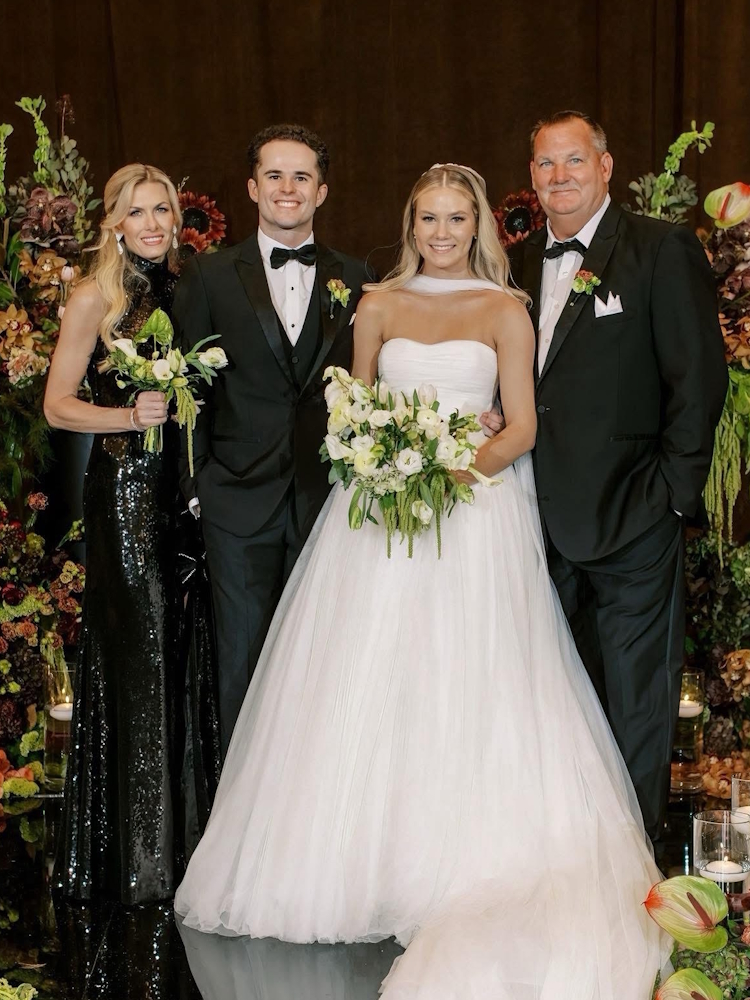
Two weeks after ringing the bell, she watched her husband walk her stepdaughter down the aisle. She still lives with bowel motility issues from radiation. She now speaks to resident physicians, mentors patients through the Anal Cancer Foundation, and wrote a memoir, “The Whisper in the Fire.” She says she doesn’t want anyone to ever feel like they have to whisper their diagnosis as she did.
Watch Angela’s video or read the edited transcript of her interview to find out more about her story:
- A hysterectomy didn’t end Angela’s HPV risk. She stayed positive for HPV 16 for years after her cervix was removed, and no one raised the chance that the virus could show up in the anal canal. That gap is why she now pushes for dual-site screening, checking the anal canal as well as the cervix for people with a history of high-risk HPV.
- A symptom that won’t go away is worth raising again. The nodule her surgeon first read as swelling after surgery turned out to be stage 2 invasive anal cancer. It was biopsied because Angela kept bringing it up as it got sorer and itchier, and a staging MRI showed it had not yet reached her lymph nodes.
- Radiation side effects build up and can appear near the end of treatment. Angela felt little from radiation at first, but the effects were cumulative, and radiation enteritis in the final week left her unable to keep food down. She was brought to acute care, where she started to faint, and was admitted for eight days.
- Shame keeps people quiet about where their cancer is. Angela whispered her diagnosis at first and let some people assume colon cancer, until that silence started to anger her. She wants everybody to know that, “Cancer is cancer. It doesn’t discriminate where it is in your body.”
- Someone close to your treatment timeline can light the way. Kelly, a week ahead of Angela in treatment, and Judy, a week behind, became her support system. It’s why she now tells patients to talk to people in the waiting room, and why she volunteers as a peer mentor.
Angela’s Diagnosis Facts
- Name: Angela F.
- Age at Diagnosis:
- 45
- Diagnosis:
- Anal Squamous Cell Carcinoma
- Staging:
- Stage 2
- Biomarker:
- p16 positive
- Symptoms:
- None; found on a screening colonoscopy
- Later, a visible nodule at the surgical site that became sore and itchy
- Treatments:
- Surgery: tumor excision
- Chemoradiation
This is not medical advice. Please consult with your healthcare provider to make informed treatment decisions.
- Angela’s Diagnosis Facts
- I was a lifelong fitness enthusiast
- Testing positive for high-risk HPV 16 and choosing to have a hysterectomy
- Getting my first colonoscopy at 45, which was moved up because of a receptionist’s note
- Hearing “carcinoma” over the phone, thinking I had rectal cancer
- Reading “anal squamous cell carcinoma” on the patient portal
- Learning that anal cancer is rare and that Farrah Fawcett and Marcia Cross had it
- Starting with active surveillance and checkups every three months
- Learning to say “anal cancer” out loud
- The nodule that wouldn’t go away turned out to be stage 2 anal cancer
- Choosing between two treatment options and being referred to UT MD Anderson
- What anal cancer treatment looked like
- Ringing the bell to hard-fought hallelujah and having my support system
- Praying for purpose and advocating for screening
- What I’d tell someone facing a new cancer diagnosis
- Hear from people living with anal cancer
I was a lifelong fitness enthusiast
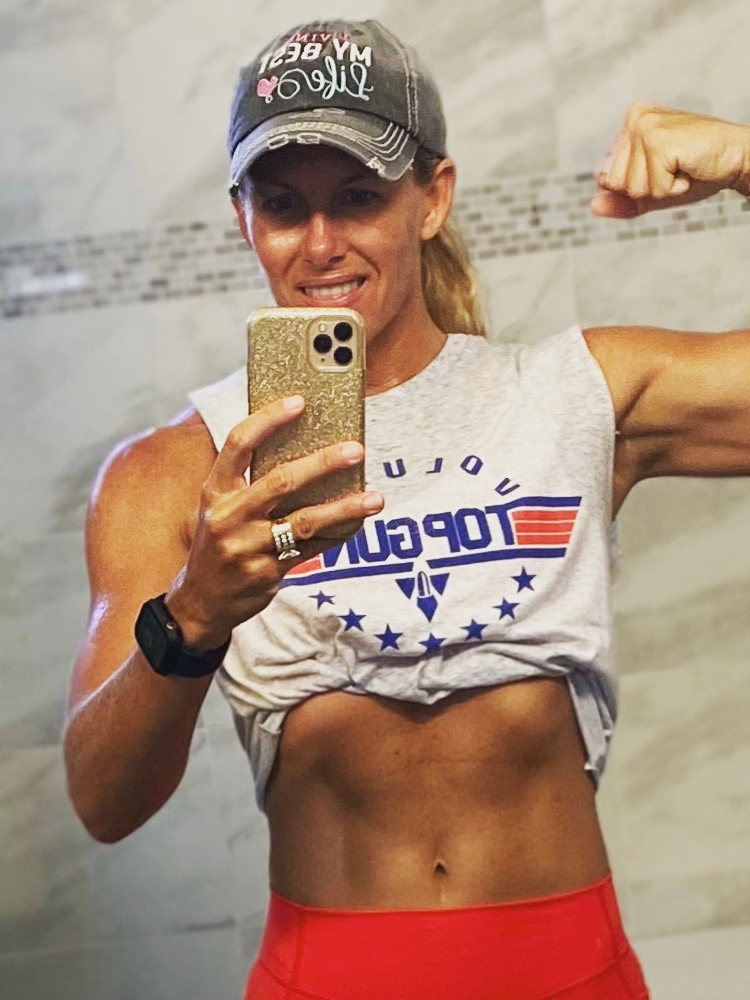
I’m from Daytona Beach, Florida, born and raised. I’m a lifelong fitness enthusiast. I work out six days a week. I’ve run many half marathons. I always made sure my diet was super healthy. I was the picture of health, you would say. I’m very active and very proactive about my health. I’m a pharmacist, a wife, a stepmother, a dog mom, and most importantly, a daughter of Christ.
Testing positive for high-risk HPV 16 and choosing to have a hysterectomy
When I was 30 years old, I had a Pap smear come back positive for HPV 16. We pretty much all have it at one point in our lives. Over 90% of us at one time will have it or contract it and we don’t even know it a lot of times, because our bodies will eradicate it. (EDITOR’S NOTE: According to Cleveland Clinic, HPV, or human papillomavirus, is the most common viral sexually transmitted infection in the US. Most sexually active people who aren’t vaccinated will become infected at some point.)
Unfortunately for me, I missed the boat on the Gardasil vaccine, which was released in 2006, so I contracted a high-risk strain, which is more likely to cause cancer. HPV is associated with six different cancers. Virtually all cervical cancers. It also includes head and neck cancers, anal cancer, penile cancer, vulvar cancer, and vaginal cancer.
I didn’t have any symptoms, only that abnormal Pap smear. Then we had to watch me. We did multiple colposcopies, where they looked more closely at the cervical dysplasia; it was precancer, so they were just monitoring. Throughout the years, I wasn’t getting a negative test, so we ultimately ended up doing a hysterectomy. I also developed uterine fibroids at that time and was bleeding quite a bit.
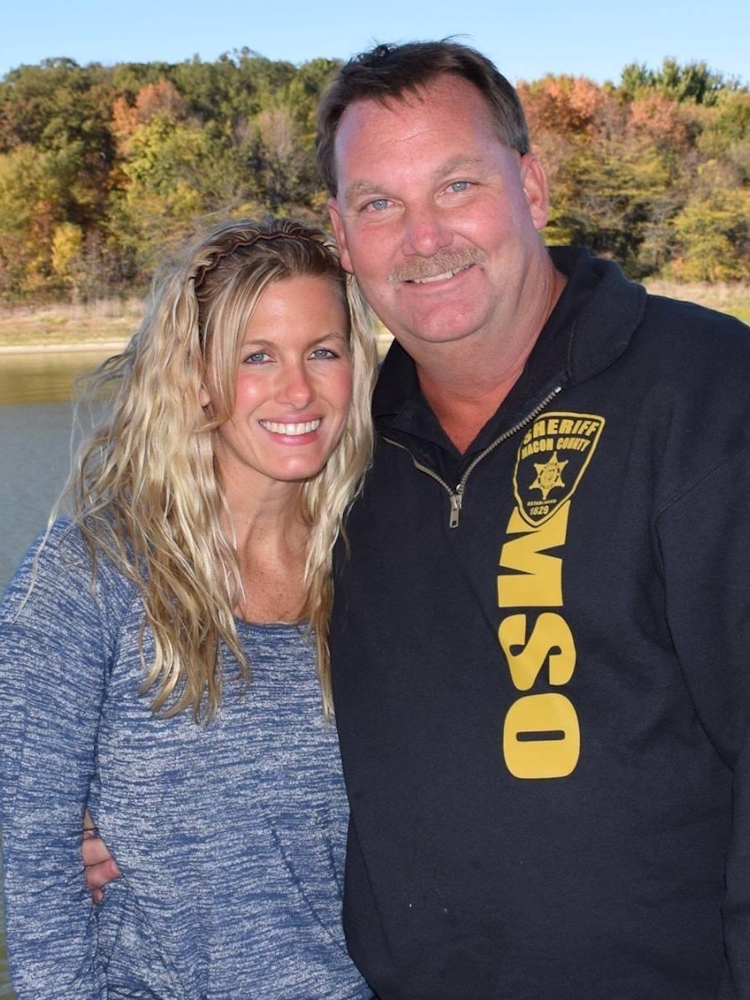
I knew I had to do something before this became full-blown cervical cancer, so I proceeded with the hysterectomy. It was a hard decision, because I was still considering having a child. My husband’s 10 years older than me. He has a daughter who was 11 when I came into his life. My stepdaughter and I are very close, so that eased the blow a bit of not being able to have a biological child. We’re incredibly close and I adore her.
Once I had that done, I felt a sense of safety, like I no longer had to worry about HPV causing cancer. I’m a pharmacist and I only knew about it causing cervical cancer, so I thought that chapter of my life was behind me and that I was safe from HPV causing any kind of cancer. I guess I had a false sense of security in that aspect.
Still positive for HPV 16 after the hysterectomy, still with no symptoms
My OB-GYN was on top of my annual Pap smears and I continued to test positive for HPV 16. My body wasn’t clearing it. I attributed it to the fact that I was just burning the candle at both ends. I had a high-stress job. I commuted. I woke up super early to work out. I always pushed my body to the limit. I rarely allowed myself time to rest, so my immune system wasn’t the best, and I thought I wasn’t able to clear the virus on my own.
But I quit worrying about it, because once my cervix was gone, I thought it’d eventually clear and we’d be good. I don’t have to worry about cancer. It became a side note. But looking back, at some point in the decade that went by, when I was being closely monitored, I was never told of the risk of it later resurfacing in the anal canal. I had no idea that was even a thing. But at some point, it should have been a discussion.
I’m a big advocate now for dual-site screening. It should be that whenever you go for your Pap smear, the pelvic exam should include a digital rectal exam. It’s not sexy and we don’t want to do it, but we would have known about this sooner. It should be part of the standard. Everyone should have it done. While anal cancer is rare, it’s on the rise, so an anal Pap smear should be a part of it. If they don’t want to do it, find a doctor who will do it.
I never had any symptoms. Anal cancer symptoms would be very similar to if you had a hemorrhoid. It’s very similar. You would have itching, bleeding, a lump, or pain down there, or a sensation that you’re sitting on something. I had a little bit of constipation, but I don’t know many women who don’t suffer from that, so I wouldn’t have seen that as a red flag.
Getting my first colonoscopy at 45, which was moved up because of a receptionist’s note
Thank God they lowered the age to get the first colonoscopy to 45. I’ve always been super proactive about my health. I turned 45 and at my annual physical with my physician, he said, “You’re 45 now. We should probably think about a colonoscopy.” I said, “Eh, okay, I guess so.” My mom has Crohn’s disease. I don’t have any GI symptoms, other than constipation, but I said, “Sure, let’s be proactive. Let’s go ahead and do it.”
We live in Illinois for most of the year and we also reside in Florida, especially during the winter, so I said, “If we can get this done before I go to Florida, that would be great.” They didn’t have any availability until January and I said, “Nope, sorry, that’s not going to happen. I’ll do it in the spring when I get back,” because there was nothing pressing. I didn’t feel like it was urgent.
I never asked the receptionist to put me on a waiting list or anything, but she took it upon herself to make a little note if an availability came up. She was the first miracle in my story, because by that one little act of going above and beyond, she very well could have saved my life. They called and offered for me to come in a couple of days later for a consultation and days later, I had the colonoscopy.
Waking up from the colonoscopy knowing something was wrong
When we had the colonoscopy, I wasn’t nervous. I always knew that the prep was the worst part. But when I woke up from the procedure, I knew right away that something was wrong. I had a lot of pain and cramping in the rectal area. When I got up to go to the bathroom, there was a little puddle of blood where I was lying down. I thought it wasn’t normal. I went to the bathroom and there was more blood.
When I went back, the gastroenterologist was there and he said, “We found something like a polyp in the lower rectal area. I went ahead and removed it. We’re going to biopsy it, and you’ll hear back from us within a week or so.”
I left there with the deep knowing that something was not right. My intuition told me that something was wrong. I knew that wasn’t normal.
Hearing “carcinoma” over the phone, thinking I had rectal cancer
It felt like an eternity, but it was about four or five days. My husband and I were in the middle of building a new home, so I had a plethora of things to do to keep myself busy. That’s always the way I handle stressful situations; I keep myself super busy. I always say that I try to outrun anxiety and keep super busy.
The day that I got the call with the results, we had been shopping for patio furniture in a little Amish town. It was a beautiful sunny day. Everything was great. We picked out great furniture. My husband stopped at a gas station and while he was inside getting ice, I got the phone call from the gastroenterologist himself.
When he called, he had a very serious tone, so I knew it wasn’t good. He told me that it was high-grade squamous cell carcinoma in the lower rectal area. He never said the word “anal.” I don’t know if he was embarrassed. I don’t know why he never said that, so I thought I had rectal cancer, because he kept saying “lower rectal area.”
He proceeded to say, “In a few days, I’m going to refer you to the colorectal surgeon, where they will remove more tissue and biopsy that again to check for margins and to see more of what we’re dealing with.” But honestly, everything that he said after the word “carcinoma” was like a blur. It was just background noise. I was silent, so finally he said, “Are you still there?” I said, “Yeah, I am, but I’m sorry. Did you say carcinoma?” This happens to other people. I’m healthy. This can’t be reality.
I’ll never forget that feeling, the out-of-body experience, and as if all the air left my lungs. I was probably white as a ghost because when my husband then got back in the car, he asked, “What’s wrong?” I told him the doctor called and he said, “And? Angela, what’s wrong?” I said the words I thought I’d never say: “I have cancer.”
It was a very quiet ride home. We didn’t know what to say. We were both very numb and in disbelief. When I got home, I did what I would tell any of my patients in the pharmacy not to do: I started consulting Doctor Google. I was Googling “rectal cancer,” because that’s what I thought I had, so I went down a spiral with that.
Then I made the calls I never wanted to make to my parents and told them. My mom caught the next flight to come and be with me, which was very therapeutic. No matter what age you are, you always want your mom. She was going to be with me for the upcoming surgery with my colorectal surgeon to take the next steps.
Reading “anal squamous cell carcinoma” on the patient portal
I was confused because I didn’t have any symptoms. I asked, “Shouldn’t I have had some symptoms?” He said that the good thing is we won’t know until we take more and biopsy it to find out whether it’s superficial or more invasive. But he said, “The fact that you don’t have any symptoms is probably a good sign.”
Honestly, I was anxious to hurry up and have this surgery, because I was in disbelief. I thought that maybe somehow the pathology was wrong and the surgery would prove otherwise, that it wasn’t quite as serious as what had initially been found.
We did the surgery upwards of five days later. The waiting in between obviously was super hard. That’s always the hardest part, the unknown. Then I had to wait for about seven days for the results. I was checking the portal 24/7. I didn’t wait for the doctor to call as I should, because it’s better to hear it from them.
When it finally popped up, it said, “Final pathological diagnosis: anal squamous cell carcinoma, p16 positive.” That was the first time I ever saw the word “anal.” I said, “Anal? What do you mean, anal? I thought I had rectal cancer.”
I immediately called the doctor’s office because he was going to be out for a couple of days. They said, “As soon as he’s back, I’m sure he’ll call you.” That was scary, because now I had a definite diagnosis. I had all of these questions and I wasn’t going to have them addressed for a couple of days. That was crucial. Again, I started Googling. I’m a pharmacist. I know this. I graduated top of my class, but I had never heard of anal cancer from HPV 16, so I was dumbfounded.
Learning that anal cancer is rare and that Farrah Fawcett and Marcia Cross had it
It’s very rare. I had never met anyone else who had anal cancer before. But when I Googled it, I came across the fact that the beautiful Farrah Fawcett from “Charlie’s Angels,” who I’ve always admired, passed away from anal cancer. When I Googled more, I found out that the beautiful Marcia Cross, from “Melrose Place” and “Desperate Housewives,” is also a stage 2 anal cancer survivor and a big advocate.
Somehow maybe that made it a little bit more acceptable to me. These are other beautiful, otherwise healthy women who this happened to and that made me feel a little less embarrassed. There’s absolutely no reason to ever be embarrassed about HPV or anal cancer.
Starting with active surveillance and checkups every three months
The doctor called me back in to go over the results of the test. They called it anal squamous cell carcinoma. The cancer is confined to the lining of the tissues and hasn’t invaded the deeper areas, so it’s not quite invasive. At this point, they didn’t want to jump right into chemotherapy, radiation therapy, or anything. They wanted to do surveillance.
They said that going forward, they would refer me to have a procedure called a high-resolution anoscopy, where they go in and look in the anal canal. It’s very similar to what they would do for your cervix. They go in, look at the cells, and see if there are any abnormal cells. Every three months, you’re on top of it, so that it doesn’t become invasive. That was the plan going forward. I had a plan and it wasn’t invasive, so I felt a little bit of relief.
When I came home, I said, “All right, it’s time to probably tell more family.” We didn’t want to tell anyone until we knew more. It was time to call my stepdaughter, some more extended family, and some of our friends to tell them about what’s going on.
During the very first time I had to tell someone that it was anal cancer, I had a major feeling of embarrassment come over me. I couldn’t say the word “anal.” I said it in a whisper. I whispered “anal cancer” and then quickly followed it up with, “That’s the cancer that Farrah Fawcett had,” almost like it would make it easier to reference a beautiful celebrity.
I didn’t feel shame. It’s just that the word “anal” is weird. If it was called distal outlet cancer, I could talk about it all day long, but it’s just a weird word. We all have an anus. Thank God we do. I’m thankful for mine. If my cancer were to come back, it would have to be removed, and I would have a bag for the rest of my life, and that’s okay. I would still be grateful to be alive.
It’s something we all have and we all need to get comfortable saying the word. So many people will go through this and they’ll go through it alone, because, for whatever reason, they feel embarrassed or ashamed about it. We need to break that stigma. There’s nothing to be ashamed of. That doesn’t mean that you’ve been promiscuous in your life. It doesn’t mean a partner has cheated on you.
The very first time you ever had any intimate skin-on-skin contact with anyone in your life, you can contract it. It’s a very sneaky virus. It can go dormant in your body for years and decades, and all of a sudden become active again. In the same way that the chickenpox virus that you had reactivates as shingles later in life. That’s exactly how HPV behaves. (EDITOR’S NOTE: Cleveland Clinic explains that viral infections can cause serious complications, can stay in your body for a long time, reactivate, and cause symptoms years later, and can even cause cancer.)
Learning to say “anal cancer” out loud
At one point, I started to realize that I have to get over this embarrassment of saying the word “anal”, because we all have an anus. It’s part of our anatomy and cancer there deserves the same amount of attention as cancer anywhere else. Your anus is literally the final few centimeters of your digestive system and it’s as important as anywhere else. It would be much easier to say I had colon cancer or breast cancer, but for some reason, “anal cancer” brings on a bit of embarrassment.
At first, when I didn’t whisper it to other people, I would say, “I had a colonoscopy and the results weren’t good.” That probably led them to think I had colon cancer and, believe it or not, I was okay with that. At the time, I didn’t have it in me to say I had anal cancer. But when I started to think about it, it made me a little angry at myself. I thought, “No, you have to be mature, help break the stigma, and get comfortable with saying it.”
The nodule that wouldn’t go away turned out to be stage 2 anal cancer
Shortly after the surgery, I developed what I thought was a nodule or a cyst. I have never had hemorrhoids in my life, but I thought it felt like what a hemorrhoid would feel. It was visible with the naked eye. I had my mom look to take a picture so I could see it. I thought it was weird. I didn’t know what it was.
I called the colorectal surgeon, who had me come in. He looked at it and brushed it off as post-operative swelling, because it was in the area where he had cut. He said, “Don’t worry about it. That’ll eventually go away.” We’re doing the high-resolution anoscopy every three months, and that little nodule was never going away. But I didn’t worry about it much, because I was having this procedure every three months. I figured if the doctor wasn’t concerned about it, then I didn’t need to be concerned about it.
But it continuously became more problematic. It was starting to get sore and itch badly. Finally, I said, “Doctor, this isn’t going away. It’s getting worse.” He said, “Let me examine it in the office.” He squeezed on it a little bit and said, “Yeah, I think it could be an undissolved stitch that’s inflamed, but to be safe, at your next HRA, I’m going to biopsy it.”
Thank God I kept advocating for myself and kept bringing it up, because when he biopsied it, that’s when we got the bad diagnosis. That little nodule or post-operative swelling that was reluctant to go away ended up being a stage 2 invasive, aggressive carcinoma. They call it poorly differentiated cells, which means they’re extremely abnormal and more aggressive.
There was some lymphovascular invasion as well. The lymph blood vessels had cancerous cells in them, but we had to do further workup. We had to do a staging MRI, which thankfully determined it hadn’t quite entered the lymph nodes or spread, but we were very close to that point. We would have been looking at a much worse prognosis had we not done the biopsy when we did.
Thank God I kept mentioning that little persistent nodule. I’m a big proponent of the idea that you have to advocate for yourself, trust your intuition, and speak up. Don’t let them brush it off. Anal cancer is very treatable if it’s caught in the early stages. But unfortunately, a lot of doctors brush it off as hemorrhoids or anal fissures because the symptoms are very similar, so they get sent home with some ointment, which doesn’t work, because it’s not a hemorrhoid. Unfortunately, when they finally get diagnosed, it’s in a later stage, which is very unfortunate.
No one should die from anal cancer from HPV. If you are young enough to get the vaccine, it’s completely preventable. Some people who have had the vaccine can still get an HPV-related cancer, but it has a very high rate of prevention. I was very lucky, because it’s not typically diagnosed in a colonoscopy, since the anal canal is where they go in and out. (EDITOR’S NOTE: According to the National Cancer Institute, clinical trials have shown that HPV vaccines are highly effective, with widespread vaccination having the potential to reduce cervical cancer incidence around the world by as much as 90%. It’s also very important in preventing other HPV-associated cancers.)
My doctor actually did something called retroflexion of the scope, so he was able to see the anal canal as he was pulling it out, which is when he caught it. I was very lucky. It’s not always caught that way. But they should do the anal Pap smears if you have a history of a high-risk strain of HPV or long-standing cervical dysplasia. That should be standard protocol to check for HPV. There’s a high percentage that if you have HPV present in your cervix, it’s potentially present in your anal canal as well.
(EDITOR’S NOTE: The Mayo Clinic says that the HPV test is approved only for cells from the cervix. HPV testing on anal cells is not suggested in general, but higher-risk individuals may benefit from the screening. A study, “Anal Human Papillomavirus Infection in Women and Its Relationship with Cervical Infection,” suggests that anal and cervical HPV infections are strongly correlated.)
Choosing between two treatment options and being referred to UT MD Anderson
I now had the stage 2 diagnosis and we need to take further steps. He gave me two options and said, “We can try surgery again to get the rest of the tumor out, or have chemotherapy and radiation.” I said, “If it were you, what would you do?” He said if it were him, he would try surgery one more time.
You’ve got to think: I’ve had this area cut on a lot, and that sphincter has already been rather compromised. But he already said, “I want you to speak with our radiation oncologist.” Luckily, he ran into her in the hallway and she said, “I’ll see her right now.”
Because of the poor differentiation and the lymphovascular invasion, and it’s been going on a year since my colonoscopy, she said, “No. She needs the curative chemoradiation.” She was previously affiliated with UT MD Anderson in Houston with the doctor who became my radiation oncologist, and she wanted me to go there. Not all facilities will do this, but they place a vaginal dilator during the radiation, because it preserves sexual function.
She also said, “Especially with someone of your age, I want you to go there, because they do this and they’ve been doing this,” so she made a direct referral for me to go there. That was a big turning point for me. I wanted to go to one of the best cancer centers and you don’t get any better than UT MD Anderson.
Then there was the waiting period. She made the direct referral, but there was a decent amount of time I had to wait to get all my records transferred. I’ve always been a competitive, tough person, so I tried to minimize the effect this was all taking on me emotionally, because I wanted to protect my family, my mom, and my husband. I knew that if they saw me being tough, not letting it bother me that much, or didn’t seem too scared, it would somehow lessen the blow for them.
I kept myself super busy, but subconsciously, it was taking its toll. I began having panic attacks. I had this stage 2 diagnosis and I felt like I was basically doing nothing. I knew I had this cancer and now I had to wait. I felt like it was gaining ground and could be potentially getting worse or spreading, and I was doing nothing. That was eating at me subconsciously.
I had never had a panic attack in my life, so when I had my first one, I literally thought I was having a heart attack. Then they began to happen so frequently. They would happen while I was driving. It was such a scary experience. I was in bumper-to-bumper Orlando traffic and there was nothing I could do. There was nowhere to get off. I didn’t realize that what I was having was a panic attack. One time I had one so bad that I drove myself to the emergency room because I thought for sure I was having a heart attack and that was it.
The emotional toll of it all finally started to get to me. I have always been one who thinks that I don’t need to talk to anyone and that I can handle things on my own. But when they persisted, I knew I needed to go talk to somebody, so I made an appointment to see someone. The best thing that came out of that was that I learned some breathing techniques, which have helped me to this day.
Feeling safe and preparing for radiation therapy for anal cancer
UT MD Anderson was massive. People from all walks of life come there. But the minute I walked through the door, I felt safe. I can’t explain it. I had this overwhelming feeling that I was in the right place and right where I needed to be.
My first appointment was with my radiation oncology team. I was walking down the hallway and this lady came up to me out of the blue. There are thousands of people in the hallways walking, and she comes right up to me and says, “I just found out I’m cancer-free. I’m going to go get my port removed. Praise God! Hallelujah! You came to the right place.”
I stood there in total disbelief. I was so scared when I walked in. I swear she was an angel. She came up to me and handed me hope, and then she started singing praises to God as she walked down the hallway. To this day, I still think she turned the corner and just disappeared. I still think it was an angel. Out of all the people there, she walked up to me and gave me that, and I had this feeling of peace come over me again.
I met my radiation oncology team. First the physician’s assistant, Angie, and then my radiation oncologist, and I immediately just fell in love with them. I literally felt like I’d known them my whole life. I had a book full of questions, and they took their time with me and answered everything. They felt bad that I had gone through a year of what I went through. They had a lot of compassion for what I’d already been through. I definitely went through the battle before the war even began, the war being radiation and chemo, which, for anal cancer, they say is the third most painful, barbaric treatment.
Treatment is quick at five weeks of concurrent chemo and radiation, but it’s brutal. Radiation in that area is extremely painful toward the end. They explained what to expect and that I won’t feel much from it at first. It’ll be a 15-minute session. I’ll be in an awkward position on the radiation table. She explained the side effects and said that I would be a bit more at risk for radiation enteritis, which is inflammation from the radiation to the lining of your intestine.
What created the perfect storm for that was I was very lean from years of working out, so I had very little body fat, and I had a hysterectomy, so there wasn’t a lot of fluff there to protect me from the radiation beams. They’re very precise with it, but obviously it’s going to hit other structures, so my intestine was fair game. She said everyone will start to have diarrhea in the later weeks of radiation, but I’m at a little higher risk, so I was prepared for that.
Then they took me to do the simulation. I lay on the table and they had a mold specifically made for the pelvic region. They put me in a frog-like position. You lose all your dignity. You’re naked from the waist down and lie in a frog-like position. They will put the vaginal dilator in, which helps to protect the vaginal walls from the radiation. When it’s all done and over with, you don’t have as much scar tissue or damage to that area and it can preserve your sexual function.
They want you to drink about 28 ounces of water before treatment. You’re already nauseous from the chemo, and now you have to drink all this water. They want you to have a full bladder because that helps to lift it out of the way so it doesn’t get affected by the radiation. Imagine: You’re nauseous, you have to pee worse than you’ve ever had to pee in your life, you’re in this cold room, and you have a vaginal dilator in and taped up so it stays. Thankfully, it’s only 15 minutes, because it’s very uncomfortable. As soon as it’s over, you run to the bathroom and pee like you’ve never peed before.
Unless you’ve experienced it or seen someone in that position, the whole radiation experience is quite traumatic. But that’s what it takes to save your life, so it’s worth it.
What anal cancer treatment looked like
Chemo is on Mondays, which was my long day. I get cisplatin, an infusion. They start with pre-meds, with anti-nausea meds, and then hydration. After that, they start the cisplatin infusion and they do post-hydration as well.
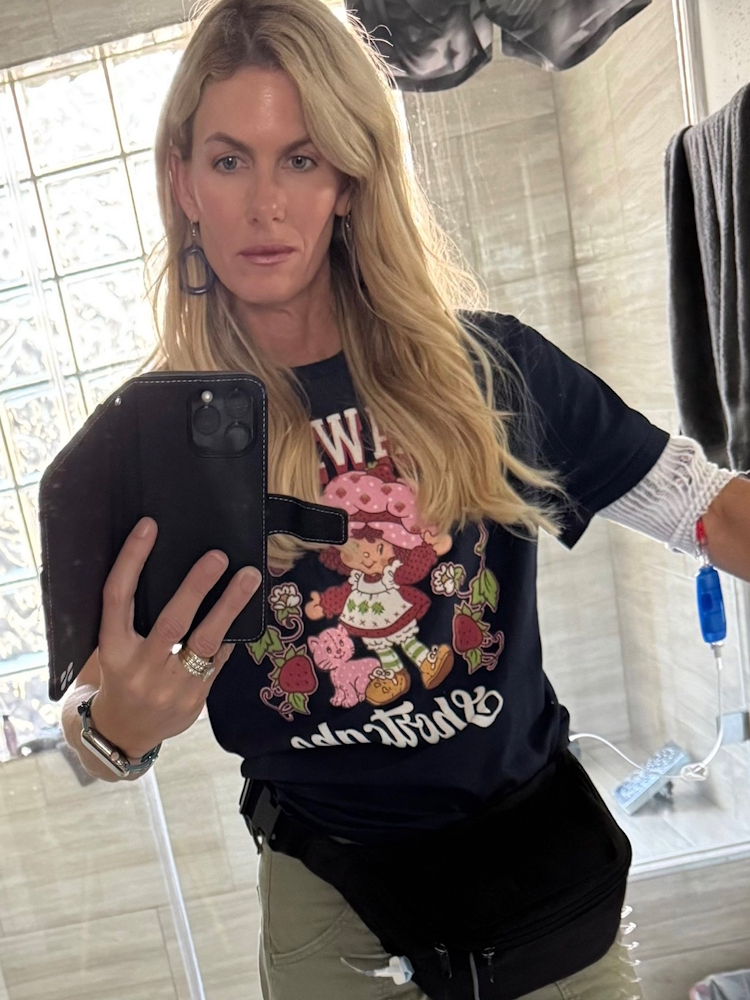
After that, they would connect the other chemo, a drug called 5-FU, which is in a pump. They put that in a little fanny pouch that you wear around the waist and connects to the PICC line, so it’s quite the setup. I do the cisplatin infusion every Monday and wear the pump Monday through Friday. On Friday, they disconnect it, and I enjoy my weekend free from the pump.
I ended up naming the pump Karen, because why not? She was a pain. You can’t get your PICC line wet, so showers became difficult. I had to put the pump on the ground, get in the shower, and try not to get it wet. I have a sleeve to protect the PICC line from getting wet as well.
If I could talk to an engineer, I would say we need to do something better, because you can hear it every time the pump releases the chemo. It’s not very loud, but it’s very audible. When you’re already feeling nauseous, that’s the last thing you want to hear because it reminds you of it.
I called it poison. The nurse got frustrated with me and told me, “Don’t call it poison. This is what’s going to save your life.” But a lot of people refer to it as poison. It has to do what it has to do, but it’s the poison that will save you, if you will. As a lifelong fitness enthusiast, I resented it, because I thought this wasn’t healthy. I looked forward to my weekends to get a break from the pump. I did simultaneous chemo and radiation for five weeks. All in all, I had 25 radiation sessions.
At first, I was dealing more with the nausea from the chemo. I didn’t feel much in the beginning from the radiation, but they were right. The effects were cumulative. Over time, the burns began to get worse and worse. When I made it to the final week, the radiation enteritis took hold. I can’t tell you how many times I had diarrhea.
I got to a point when I couldn’t even keep a cracker down. The minute I would try to eat anything, it was going straight through me. I lost a tremendous amount of weight. I wasn’t able to absorb any nutrients whatsoever, because everything was going straight through me. All of my numbers were plummeting. I was dehydrated.
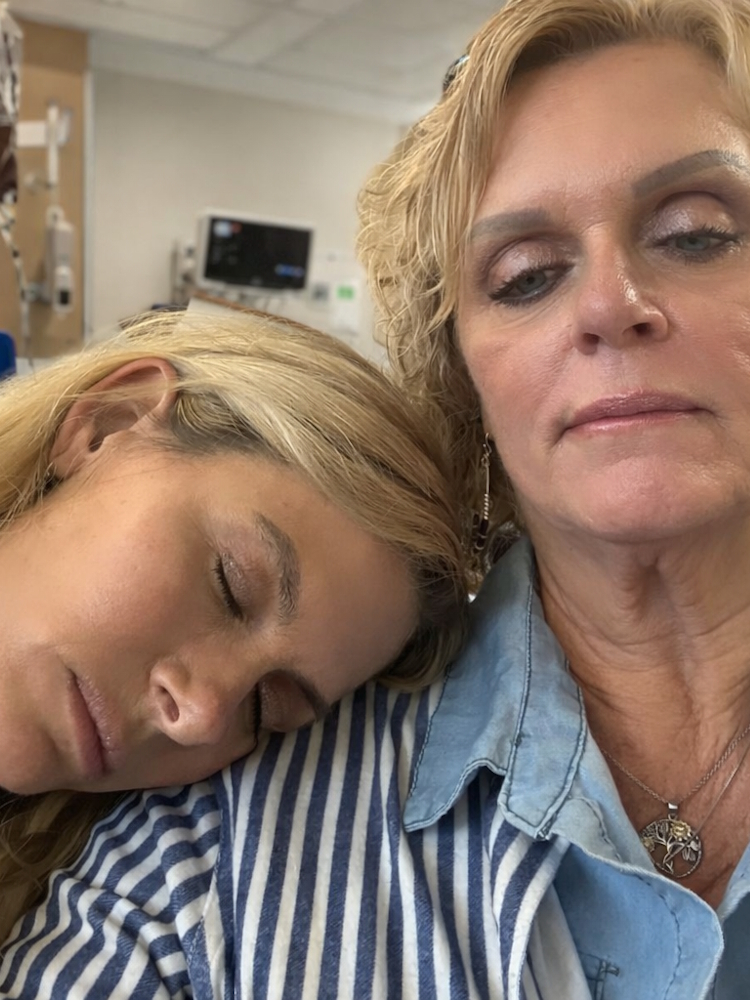
I had only one treatment left. I was in the cafeteria with my mom. I took one bite of chicken when I said, “I’m not going to make it to the bathroom in time.” By the grace of God, I somehow made it, but I knew this wasn’t normal. I called my PA and she said, “No, this is not normal. You need to go to our acute care center.”
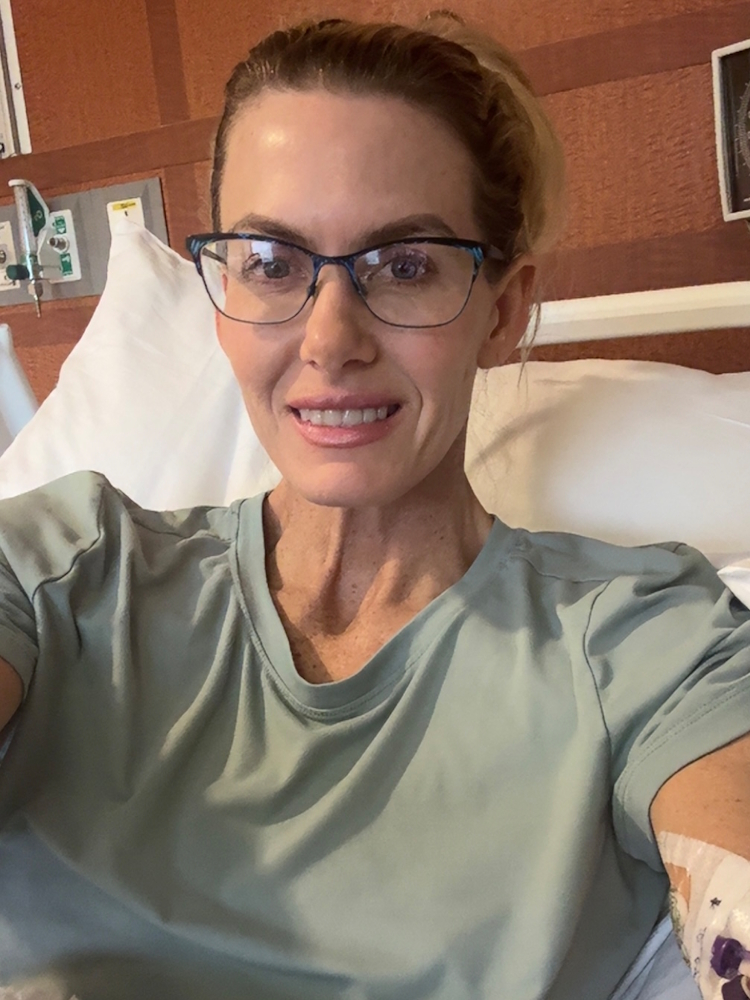
Thank God I did, because when I got there, I started to faint. They immediately put a fall-risk bracelet on me and ran a bunch of tests. She said, “Do you think you can give me a stool sample?” I said, “If you give me a cracker, you’ll have your stool sample in a second.” I don’t think they believed me. I barely swallowed the cracker and they had their stool sample. They did a CT scan and it revealed that I had severe radiation enteritis, so they were going to admit me.
My radiation oncologist came in to see me before they admitted me and told me that they were going to stop the radiation. She said, “You only have one treatment left, but you’re done. You can’t take any more. It’s not worth it. Trust me. Believe me, you’ve had enough. It’s going to be effective.” I was worried that if I don’t have that last radiation, maybe we won’t be successful in the treatment. But she said, “No, you’ll be fine. But you definitely need to be admitted. You’re very malnourished. We need to get this under control.” That began what became an eight-day hospital stay, which was probably the eight hardest days of my entire life.
I began treatment on Labor Day in September, so it was pretty much a year to the day from my initial colonoscopy. I was supposed to be done in early October. My stepdaughter was getting married on October 25th and my goal from the beginning was to make it to the wedding. I was supposed to complete treatment on October 3rd, so I would have several weeks to recover.
When this complication occurred, I was starting to worry about that. Each day that went by, I was getting worse. I was having diarrhea 24 times a day. I was a fall risk, so whenever it would happen, they wouldn’t let me get out of bed. I had to ring the bell and they would have to be there with me.
I had no control. It just came out. Now, at this point, you’re getting toward the peak of radiation burns, which they say is like a third-degree burn, so you can only imagine the pain. It’s excruciating to have a bowel movement when you’re burnt down there like that. I had open blisters as well, so they wouldn’t let me clean myself. Talk about embarrassing. But at this point, I was in too much pain to be embarrassed. The nurse would stand there while I was going, then I would get back in bed, and she would clean me and put the barrier creams.
I felt so bad because we’d go through this whole process and within seconds, it would happen again and again and again. I cried and said, “I’m so sorry. I know I’m not your only patient,” and she said, “No, you didn’t choose this. It’s not your fault.” Going into this, I was 125 pounds and my weight went down to 106 pounds. I was skeletal and getting worse by the day.
They would get me up at 3 a.m. to weigh me; that’s how worried they were about my weight. My labs were so bad that they decided that they were going to put me on total parenteral nutrition (TPN) through my PICC line, because I had to get nutrients somehow. Sometimes being a pharmacist and knowing things is a good thing, but sometimes it’s not. I knew that meant it was serious, because it can be used as a last resort sometimes and can come with risks for infection to have TPN for very long. That hit me pretty hard. But I was going to do whatever I had to do.
I was lying in bed with constant diarrhea. My stomach was like an orchestra. It churned and churned and never stopped. It was relentless. Before TPN, I was on a liquid diet, but nothing would stay down. I was on my back because it was the best position for me, but eventually, your back starts to hurt, and you want to lie on your side. Either way, it made it worse.
I was in there for six days by this point and nothing was getting better. It was getting worse. From lying on my back so much, I developed a rash, which was so itchy and so uncomfortable. There was nothing I could do. I couldn’t lie on my side and when I was on my back, it was so incredibly uncomfortable.
That was when I hit a point when I said, “Everyone has been praying for me, and I’ve never taken the time to pray for myself.” I knew at that point that I couldn’t do it alone anymore. I was by myself in my room that night. I didn’t know if I was even going to make it. I knew I couldn’t continue to lose weight like this. I completely surrendered it to God and said, “Take the wheel. I can’t do this anymore. I’m miserable.” I fully gave it to Him and that became a turning point, giving me some peace, which became the turning point altogether.
I prayed for the doctors to figure this out and the next day, the gastroenterologist came in and said, “We’re going to start these medicines.” They wanted to do a colonoscopy, but we couldn’t do that because my burns were too bad. It put me at too high a risk, so they started me on different meds that they use for someone with ulcerative colitis or Crohn’s disease. They put me on medicines called mesalamine and budesonide.
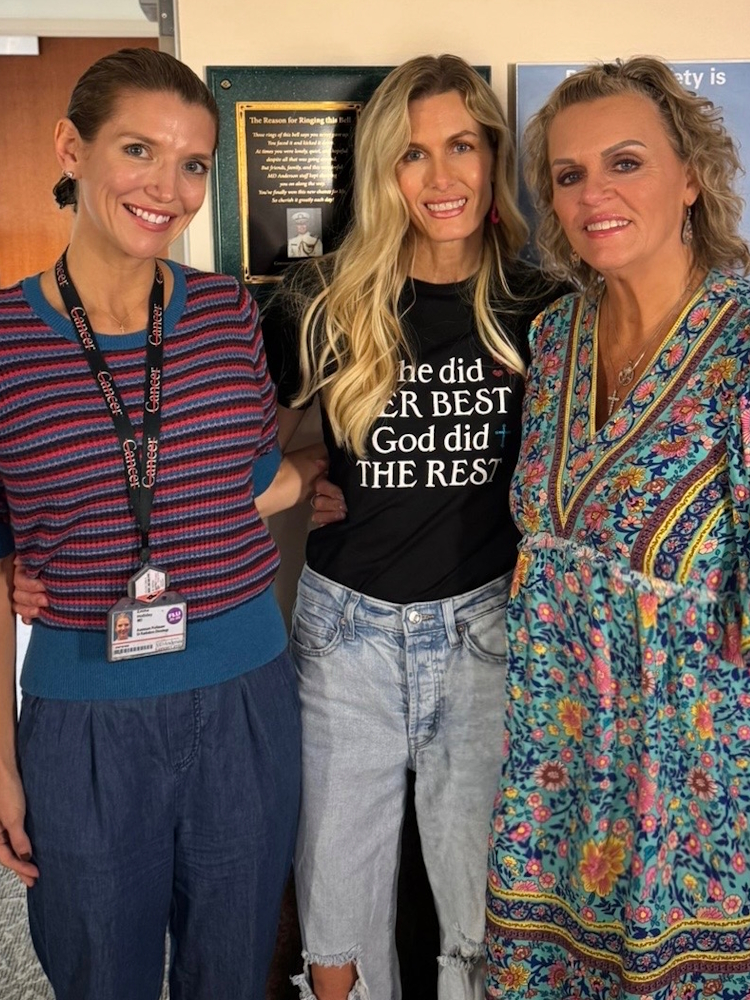
I was on five anti-diarrheal medications, but nothing worked. After five, they were almost at a loss. But when they initiated these new meds, almost immediately, the diarrhea went from 24 times per day to 15, and then eight to 10, and it started getting more normal. Finally, eight days later, I heard the word “discharge,” so I was very excited. I wanted to come back the following week to officially ring the bell.
Ringing the bell to hard-fought hallelujah and having my support system
It was so surreal. Instead of getting a medal around your neck, ringing the bell was crossing the finish line. It’s hard to put into words. This is something that you fought so hard for. I was so grateful to be able to ring the bell, because a lot of people don’t ever get to do that. They’ll always have to be on treatment.
There were some songs that I listened to a lot during treatment, and one of them was Brandon Lake and Jelly Roll’s “Hard Fought Hallelujah.” I didn’t plan it, but when I started ringing the bell, I said the words, “Hard fought, heartfelt, been through hell,” and then I looked up and I said, “Hallelujah.”
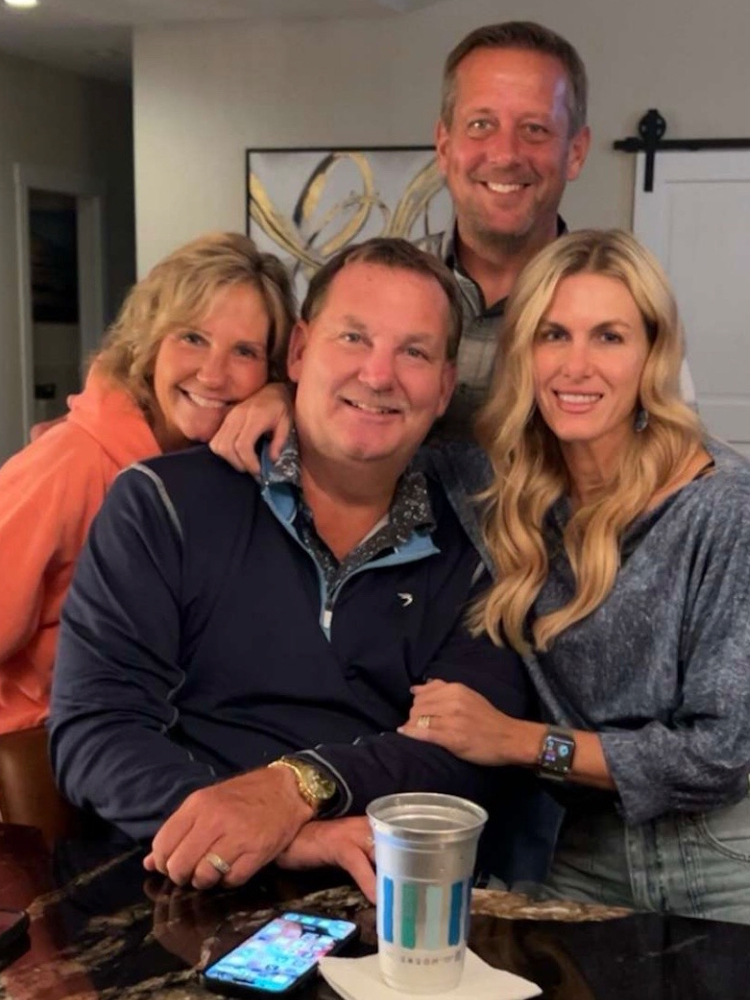
I had my team and my mom there. My husband was also a big part of my support system, but he had a lot going on with work. We operate a 15-store pharmacy chain, so he couldn’t be there that day, but he was certainly with me in spirit. He was wonderful. I was so blessed to have my mom and my husband with me. I also brought my two dogs. We relocated to Houston for a little over two months. I was very blessed with friends and family checking in on me all the time.
Even though anal cancer is very rare, I happened to meet two other ladies at the beginning of treatment who were also going through anal cancer treatment. Kelly was a week before me, and I met her during the PICC line care class. Later, my mom met Judy in the bathroom. No one ever said anal cancer, but talking about the symptoms, we put two and two together.
We found each other and that was a miracle in itself, because it’s such a rare cancer. We had the same doctors and were going through the same treatment plan. I had Kelly leading the way a week ahead of me in treatment and Judy a week after me in treatment. She could give me a heads-up on what to expect, and I could give the other a heads-up on what to expect.
We have become dear friends. To this day, we still keep in touch. Throughout treatment, we were each other’s support system. If I could tell someone who’s going through it, I would say talk to people in the waiting room. The older lady who I went through treatment with is a widow, so she didn’t have the support system that I had. It’s therapeutic for you and them. You’re going through the same thing at the same time, and that’s hard to find with anal cancer. That was a huge help.
There are resources out there, like the Anal Cancer Foundation, the HPV Cancers Alliance, and IANS. I didn’t look for those when I was going through it, because I tried to take it all on myself. I also didn’t feel the need, because I had Kelly and Judy. That was so important and so wonderful. Finding them was another miracle. I truly feel like God made our paths cross for that reason.
Making it to my stepdaughter’s wedding two weeks after treatment
After ringing the bell, I had two weeks before the wedding. I was emaciated and very weak. The radiation burns peak within the next couple of weeks afterwards, so that’s when you’re in the worst pain. I thought, “Oh goodness, how am I going to navigate this wedding?” But I was so grateful to be able to be there. It was absolutely magical.
That was my goal from the beginning, so to be able to watch my husband walk my stepdaughter down the aisle was so much more of a celebration. She was such a beautiful bride. It was a celebration of life and love. It was literally the happy ending to the worst chapter of my life.
The hair and makeup people did a great job, because I should have looked like absolute death, but it all worked out. Even though I lost so much weight, by the grace of God, my dress still fit. But it was funny because a lot of people didn’t know. Some people didn’t know what I had just been through and were wondering why I was so thin. I explained it later.
I don’t think I’d ever felt a level of gratitude like that. I never knew a level of gratitude even existed like that in my life. When I set my mind on a goal, I always attain it. I’m that type of person. I knew I would be there, but when I was so sick in the hospital and things were getting worse day by day, I started to doubt it. I said, “Nope, nope, nope, you will be there.” It was so surreal and so magical. I kept looking around. It was overwhelming.
Praying for purpose and advocating for screening
I began to pray for a purpose in all of this, instead of simply praying for results. Obviously, there’s the survivorship aspect and worrying about the next scan. Is it going to come back? Did the treatment work? Those things are out of your control. There’s no sense in worrying. You have to start re-regulating your nervous system and getting back to living your life again, as my husband would say.
I began praying for a purpose in all of it and God heard that. Literally the next day after I prayed, I received a call from my radiation oncologist’s PA, Angie, who asked me to speak to a panel of resident physicians to give a patient perspective. I immediately said yes. What better way to educate our future physicians on what it’s like to be on the patient side of it? In school, you learn about the medical aspect, but to learn what a real-life patient goes through would help them treat patients better and help them empathize with patients better.
As soon as I hung up, I thought, “My biggest fear is public speaking.” But I knew that that was the answer to my prayer and you don’t say no to God. I have to get out of my own way. I have to use my voice to advocate for anal cancer and help break the stigma, to help people not whisper their diagnosis, and to feel no shame about it. I want to help advocate to the doctors about multisite screening and catching it sooner by doing the digital rectal exams or anal Pap smears. HPV should be on a medical history form. They ask about every other condition that you’ve ever had. Especially if you’ve had a high-risk strain, that should be on your medical form, so that they can screen for these cancers more diligently.
I knew I had a lot to say and advocate for, and I don’t want anyone to ever feel like they have to whisper their diagnosis as I did. I want people to feel empowered, take initiative, listen to their bodies, and advocate for themselves. I knew I’d have to get outside of my head and get past this fear of public speaking. Since then, I’ve had so many different opportunities to speak and to attend other cancer events. Wherever God leads me, I will go. This advocacy journey is just getting started.
I’m still navigating the aftermath of radiation. I still have the issues. I still have motility issues. But I’m so grateful. Whenever I start to feel sorry for myself because I don’t make it to the bathroom or have an accident, I think to myself that it’s better than the alternative. It’s a level of gratitude that I never had before, so that is a gift in all of this. You have to see the silver lining.
I recently got back from New York City. I’m hoping to start working with Lillian Kreppel and Marcia Cross, who are the co-founders of the HPV Cancers Alliance. They’re big on trying to do exactly what I want to do: Advocate for the vaccine and for all these changes that need to happen in the OB-GYN’s office, the doctor’s offices, and also working with patients. I’m also a peer mentor for the Anal Cancer Foundation. I’m open to anyone if they want to talk, or if they need someone who’s been through it, understands it, and knows what they’re going through. I want to offer myself to be able to help in any way I possibly can.
Writing a memoir about anal cancer
I started writing when I was going through treatment, journaling my experience. There were so many miracles that happened that I knew I couldn’t keep it from the world. I felt a moral obligation to share, to explain the whole process and what I went through, but also my spiritual journey and the miracles that happened along the way, so I started to write.
It’s called “The Whisper in the Fire,” and that was basically the whisper that I initially did when I couldn’t say the word “anal” out loud and that whisper became a fire. What began as a whisper became a fire. That would be the fire of the treatment itself, the fire that God ignited within my spirit through this journey, and the fire that compels me to advocate and help to break the stigma and make sure that no one ever feels like they have to whisper their diagnosis or face this or any other cancer alone.
What I’d tell someone facing a new cancer diagnosis
Give yourself grace. Let yourself have the hard days. Let yourself cry.
Reach out to people. People want to help. Don’t feel like you have to get through this alone.
Whatever it is, whatever the cancer is, wherever it’s located in your body, do not feel shame. You did nothing wrong. Cancer is cancer. It doesn’t discriminate where it is in your body.
It’s hard, but you’re going to get through this, though. The way you feel right now is not how you’re going to feel forever. There’s still so much joy ahead of you and you will discover a whole level of gratitude that you’ve never experienced before.
There are so many things in your life that you might have overlooked or taken for granted before cancer, like a beautiful sunny day or a cup of coffee. You will have such a higher level of appreciation for everything. You just have to find the positive and the good in every single day.
No matter if you believe or don’t believe in God, lean on whatever resources you have and whoever you have in your life to help you through this and get you through this. Don’t feel like you have to carry it all on your own.
This interview has been edited for clarity and length. The views and opinions expressed in this interview do not necessarily reflect those of The Patient Story. This content does not replace professional medical advice.
Inspired by Angela’s story?
Share your story, too!
Hear from people living with anal cancer
Real experiences with diagnosis, treatment choices, side effects, and life beyond anal cancer — in their own words.
Leave a Reply