
No Symptoms, No Warning: How a Fertility Scan Revealed Lynn’s Stage 4 HLRCC Kidney Cancer
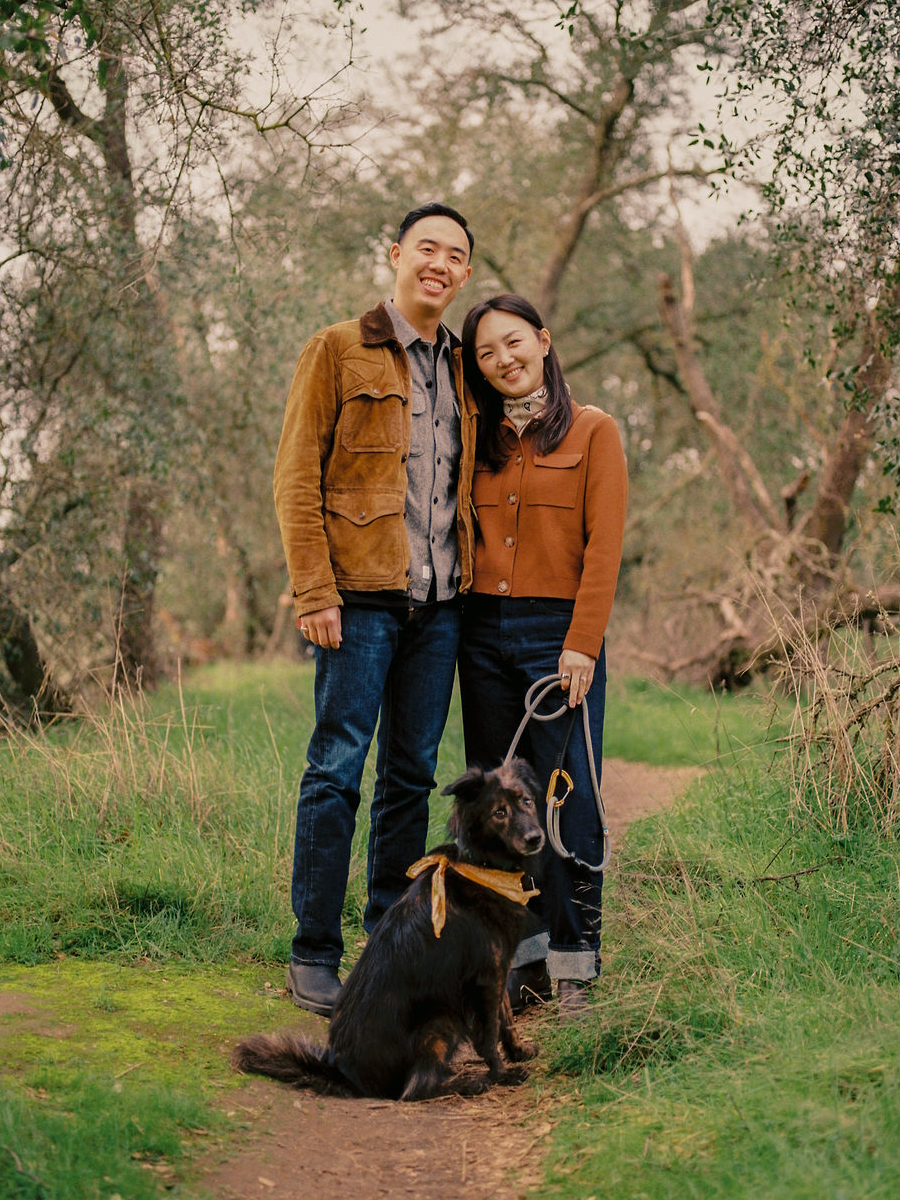
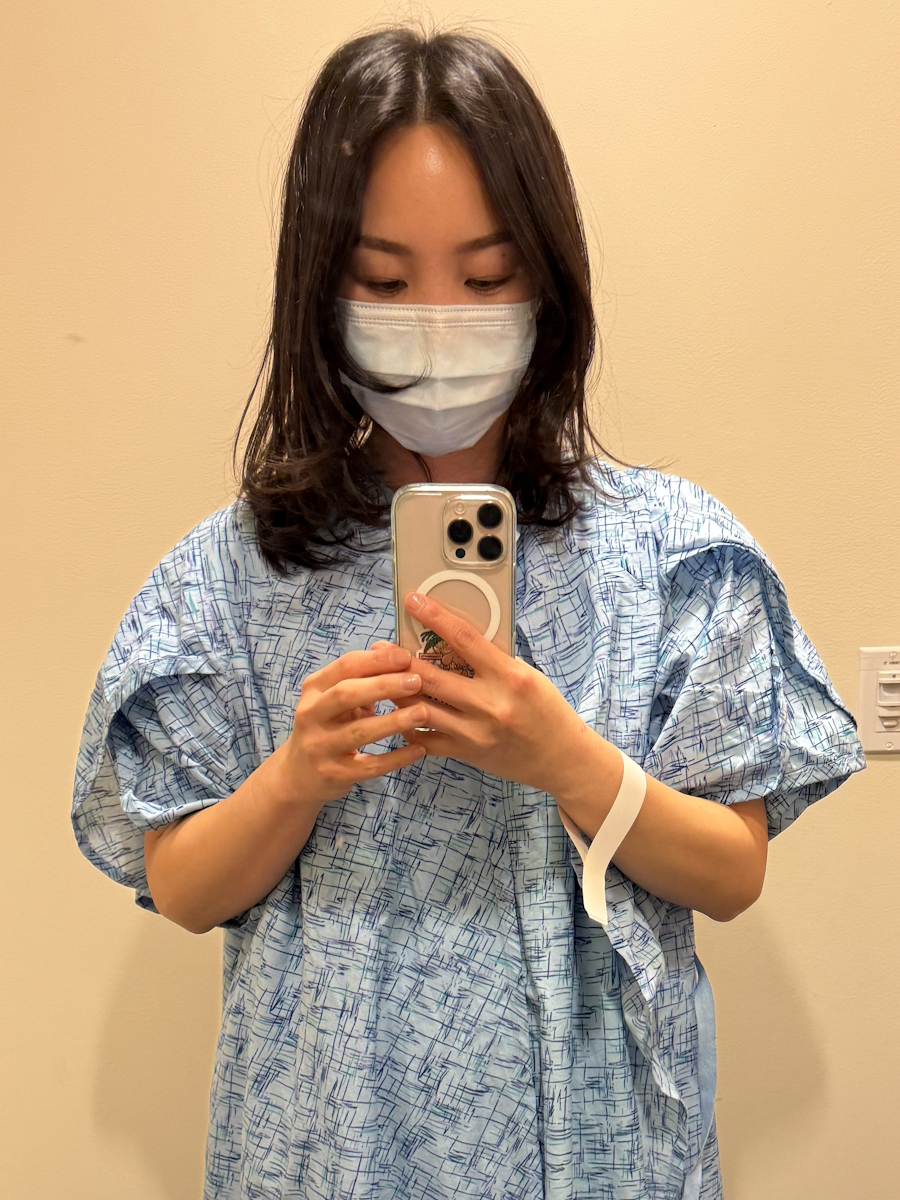
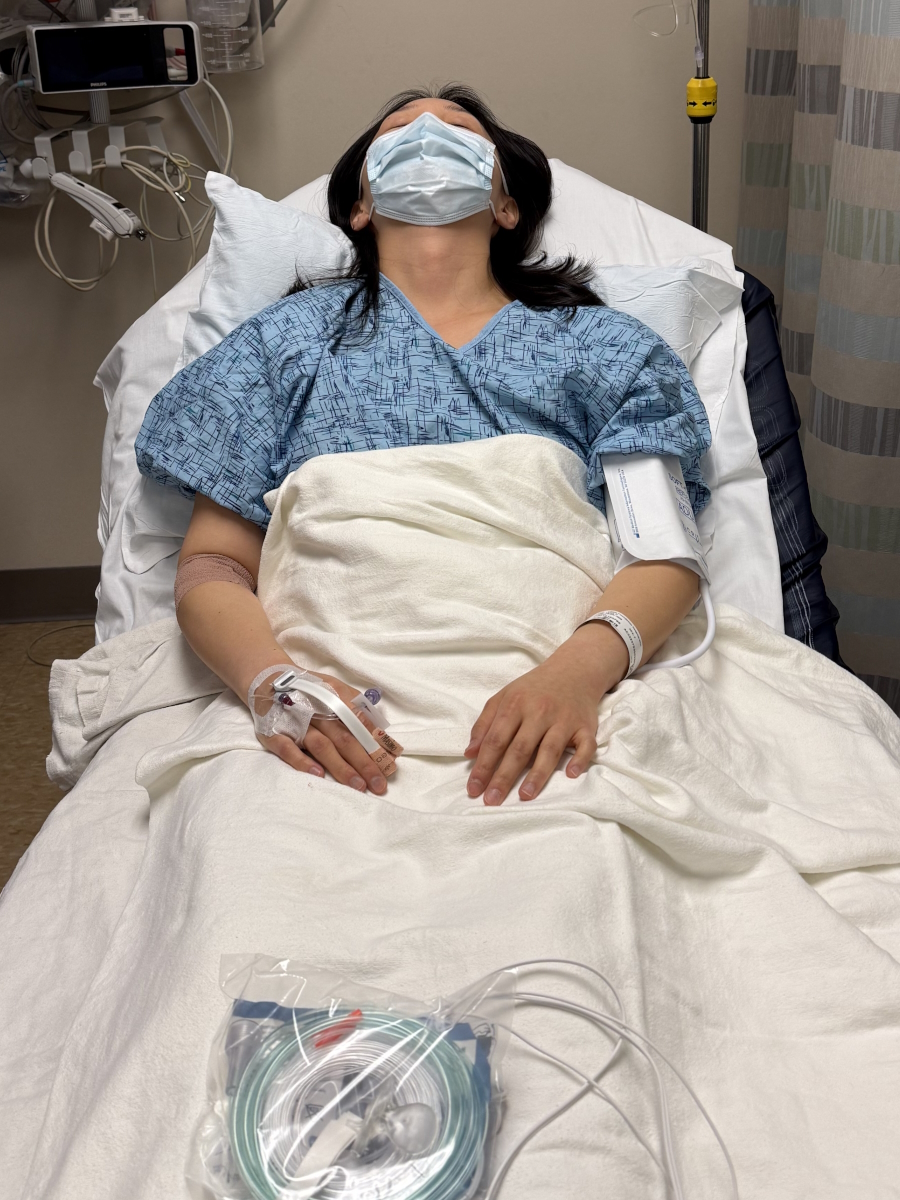
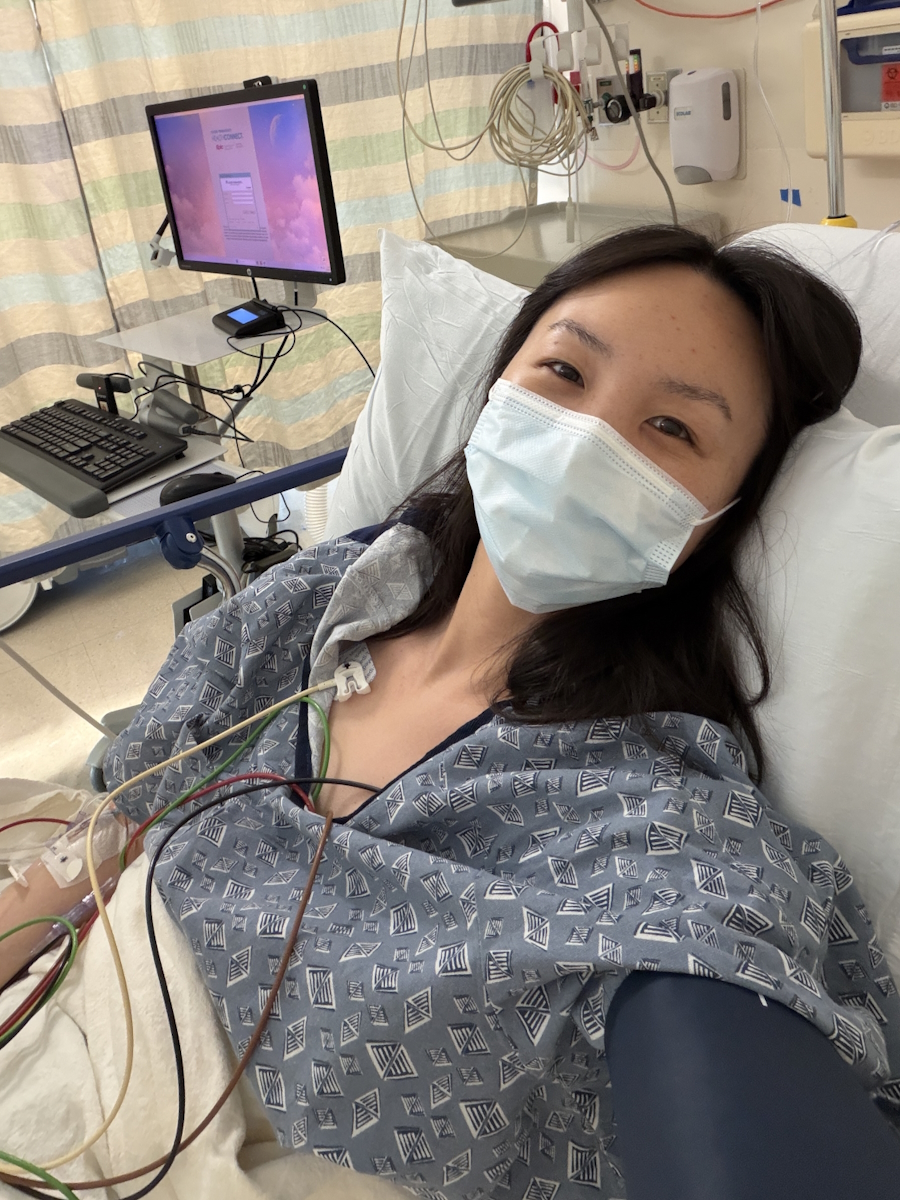
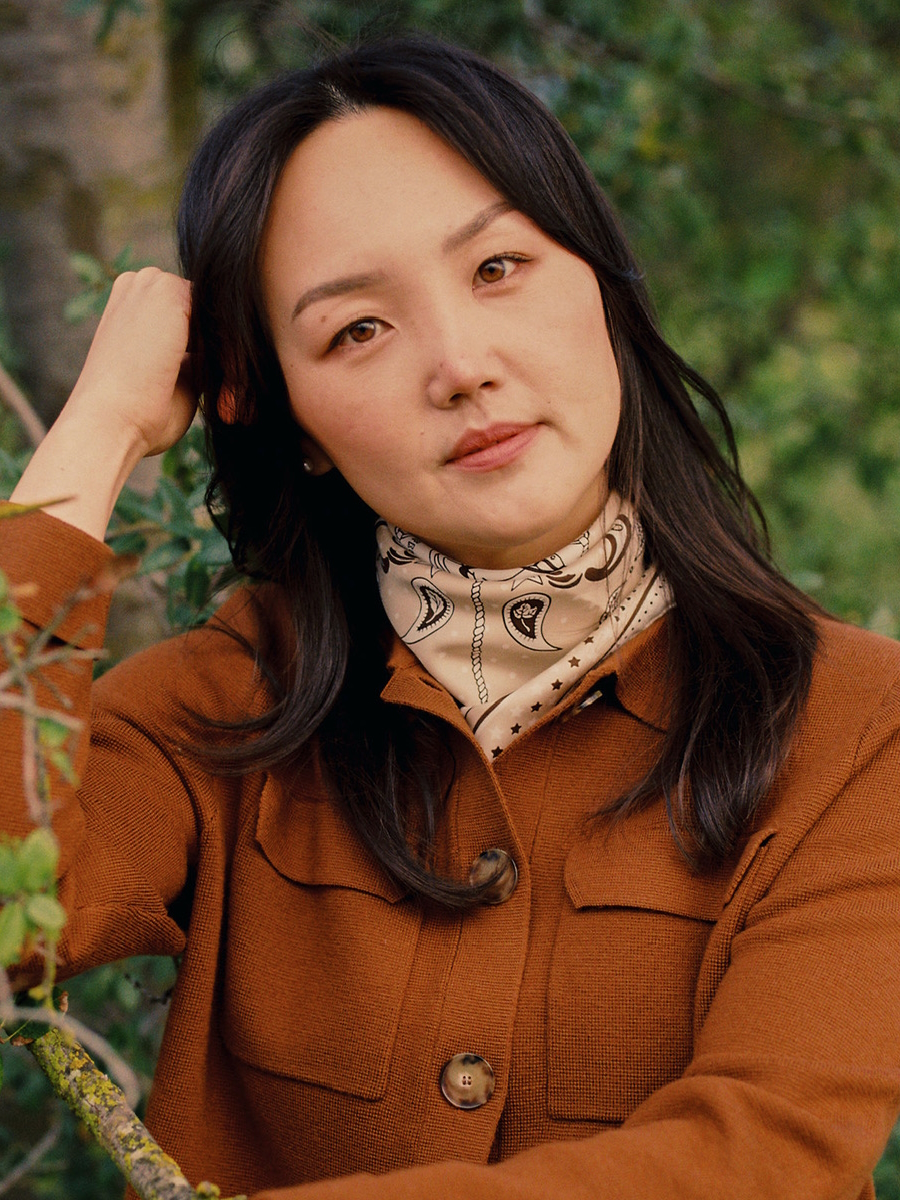
Lynn was 36 years old, married, and trying to start a family when a pelvic MRI for her uterine fibroids treatment, returned a result that changed everything: “bone metastases suspicious for malignancy.” That scan, prompted by a fertility concern, led to the discovery of a 10-centimeter tumor in her right kidney. Lynn was diagnosed with stage 4 HLRCC kidney cancer, a rare hereditary subtype called FH-deficient renal cell carcinoma (FHdRCC). There were no warning signs.
Interviewed by: Taylor Scheib
Edited by: Katrina Villareal
Hereditary leiomyomatosis and renal cell cancer (HLRCC) is an aggressive and rare form of kidney cancer with a known connection to uterine fibroids. For years, Lynn’s fibroids had been dismissed as unremarkable by her gynecologist. It wasn’t until she and her husband David pressed for answers, and he independently identified a pathologist’s note in her report suggesting FH-deficient RCC, that the rare diagnosis was even considered. Her first oncologist initially dismissed the possibility. The confirmatory testing proved she was right to push back.
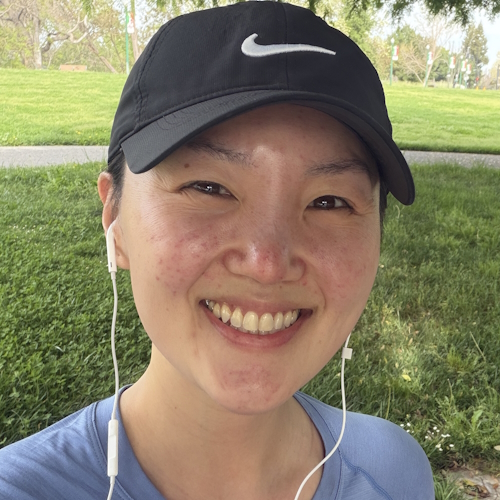
Before starting treatment, Lynn made one of the most consequential decisions of her experience: to delay treatment briefly to complete one cycle of IVF. Despite devastating bedside comments from her first oncologist, Lynn and David moved forward, successfully freezing embryos, a big reason to stay hopeful. That same tenacity led David to online patient forums, which ultimately connected them to Dr. Rana McKay at UC San Diego, who enrolled Lynn in a clinical trial combining bevacizumab, atezolizumab, and erlotinib. Lynn has now completed multiple infusions and remains stable, a remarkable outcome for a cancer known for its aggression.
Today, Lynn returns to her elementary school classroom between treatment days, training for the San Francisco Half Marathon, and fundraising for the Kidney Cancer Association. She speaks openly about the isolation of a young, rare cancer diagnosis, the emotional weight of looking healthy while navigating a life-threatening illness, and the power of community in online patient groups and in faith. She has grown into an advocate for herself and for other patients who may one day receive the HLRCC diagnosis that their doctors say is too rare to consider.
Watch Lynn’s video or read the edited transcript of her interview to find out more about her rare cancer story:
- Incidental findings can save lives. Lynn had zero classic kidney cancer symptoms. Her stage 4 HLRCC diagnosis was discovered through a pelvic MRI ordered for a completely unrelated fertility concern, a reminder that staying on top of unrelated health concerns can mean scans that find other pressing medical conditions.
- Uterine fibroids and HLRCC are clinically linked. Women living with fibroids, particularly those being evaluated for fertility, may benefit from awareness of HLRCC and the importance of advocating for a thorough workup when symptoms are repeatedly dismissed.
- Every patient deserves a treatment plan tailored to their specific disease. Lynn’s first oncologist proposed a generic RCC treatment plan before confirmatory testing was complete. Her insistence and her husband’s research led to the correct rare subtype diagnosis and a targeted clinical trial that has kept her disease stable.
- A care partner who researches and advocates can be transformative. David’s relentless nights in patient forums, his connections across the HLRCC community, and his willingness to question pathology reports directly accelerated Lynn’s path to the right clinical trial and the right care team.
- Clinical trials are not a last resort. They can be the best option for rare cancers. For patients with rare subtypes like HLRCC, clinical trials may represent the most evidence-based, personalized treatment available. Lynn’s experience challenges the misconception that trials are only for when everything else has failed.
- Transformation through adversity is possible without minimizing the loss. Lynn openly mourns the life she had planned while simultaneously training for a half-marathon, preserving embryos, returning to teaching, and building a voice in the patient advocacy community. Her experience is one of profound loss and profound growth, held together at the same time.
Lynn’s Diagnosis Facts
- Name: Lynn T.
- Age at Diagnosis:
- 36
- Diagnosis:
- Kidney Cancer (Hereditary Leiomyomatosis and Renal Cell Cancer or HLRCC)
- FH-Deficient Renal Cell Carcinoma (FHdRCC)
- Staging:
- Stage 4 (Metastatic)
- Mutations:
- FH (fumarate hydratase) gene mutation
- HLRCC hereditary syndrome
- Symptoms:
- None; caught during a pelvic MRI for uterine fibroids
- Treatments:
- Surgery: nephrectomy (right)
- Clinical trial: bevacizumab + atezolizumab + erlotinib
- Lynn’s Diagnosis Facts
- How an incidental finding led to a cancer diagnosis
- The unexpected red herring that saved my life
- Navigating fertility preservation after a stage 4 cancer diagnosis
- Self-advocacy, dismissed symptoms, and the link between HLRCC and fibroids
- The isolation of a young, rare cancer diagnosis
- The hereditary HLRCC gene: Family testing and future children
- What it means to have a partner who becomes your advocate and project manager
- Misconceptions about clinical trials and the decision to participate
- Living a double life as a cancer patient and an elementary school teacher
- How I view the future: Faith, hope, and running a half-marathon
- Hear from people living with kidney cancer
How an incidental finding led to a cancer diagnosis
I actually had no symptoms before my diagnosis. That’s the thing with kidney cancer. I’ve learned that most of us go in for something else, we incidentally find a tumor, and that’s how we discover the cancer.
My husband and I had been married for almost four years at that point, and we were getting ready to start a family. We don’t have any kids of our own yet. We have one lovable dog, but no human children. We had been trying to conceive for about eight months. The whole time, I was going to my gynecologist and letting them know, “We’re not getting pregnant. What can we do?” We knew that I had a history of uterine fibroids, and we suspected that it may be impacting our chances of getting pregnant, but I was pretty much dismissed. I was told that 1 in 3 women have fibroids and can have normal, healthy pregnancies. The only thing we’d want to watch out for is that if I were to get pregnant, I may have to get a C-section. That’s all I was ever told.
After eight months, the gynecologist finally agreed to refer me to get my fibroids removed, because I complained a great deal about my heavy periods. I had to exaggerate my symptoms for them to take it seriously. Finally, they said, “Okay, let’s look at getting a myomectomy. You need to have an MRI of your pelvis done to get that started.”
I went in excited. I was like, “Oh, we’re finally going to get these fibroids removed. We’re going to get pregnant. It’s going to be super exciting.” I did my MRI without any hesitation. I had no anxiety about it. I got my results a couple of weeks later, which, in hindsight, was a little strange because those shouldn’t have taken that long. But finally, when those results came, they said that there were bone metastases in my pelvis that were suspicious for malignancy. I had never read such words in any of my medical reports. I’ve had nothing short of a pristine medical history. I get my yearly checkups. I go to the gynecologist, and I’ve always been told, “You’re very healthy. There are no issues.”
That was the first shock that my husband and I experienced. Things moved quickly after that. The doctor explained to us what that meant. Based on those scans, they were suspicious that I had cancer somewhere else in my body that had spread to my pelvis. I was 36 at the time. We thought we were starting a different chapter of our lives. To be told that news was devastating, and it set off a cascade of more tests.
I had a CT scan of the body, and that’s where we discovered the kidney tumor in my right kidney. Based on the scans, it looked like it was a 10-centimeter tumor, which was large. But again, I hadn’t experienced any of those symptoms. The doctors called and asked, “Have you experienced blood in your urine? Are you experiencing flank pain?” I said no. Nothing had alerted me to this at all. It felt like the biggest gaslighting of my life. I was like, “There’s no way this is happening, because I feel perfectly fine.”
My primary care physician (PCP) called me, as she must have seen it in my chart somehow. She said, “Lynn, what’s going on? I was so shocked to read this. You’ve been so healthy.” That wasn’t very helpful.
I had the CT scans done. They didn’t want to biopsy the kidney because they said it was too risky. Thankfully, I was able to get a surgery date fairly quickly. That first MRI of my pelvis was in February, after my 36th birthday. In March, I got my CT scan done, and they got me in for a biopsy of that spot in my pelvic bone.
The unexpected red herring that saved my life
That biopsy came back negative for cancer, interestingly enough. My husband and I felt like that was a red herring that alerted us to the real cancer. I feel incredibly blessed that we were able to discover it when we did, in such a weird and unexpected way.
My surgery was scheduled for April. I’m an elementary school teacher. We had spring break in April, so we had plans to visit my husband’s family in Taiwan. We were able to get a surgery date for when I got back from that trip. I had the surgery and, thankfully, it went smoothly. My scar isn’t as tiny and cute as my surgeon had promised and I will remember those words forever. She said, “You’re going to end up with a cute and tiny scar, and that’ll be that.” At the time, they didn’t know what stage I was at.
After the surgery, the pathology came back confirming it was renal cell carcinoma. In my follow-up scans a couple of weeks afterwards, they discovered some lesions in my liver and lungs that weren’t there previously. In that short time, the cancer had already spread. They couldn’t give me an official stage 4 diagnosis, however, until they did a biopsy. We did a biopsy of my liver, and it came back positive. I was officially at stage 4.
Yet again, it felt like the ground beneath me had disappeared. I was like, “There’s no way. There’s no way I’m at stage 4.” I’d never had any close experiences with this. My mom had thyroid cancer when I was in college, but she dealt with it. She had it removed and was taking medication. She passed away in 2017. It wasn’t officially related to thyroid cancer, but now I don’t know, because it turns out I have a genetic kidney cancer. She passed away so suddenly that this wasn’t something we were looking for, so we’ll never know.
After I received that stage 4 diagnosis, I had my very first meeting with an oncologist, and I was very nervous. The pathology report came out, and the doctor went over what it meant. Immediately, my husband and I felt overwhelmed. I was so overwhelmed with all the information and uncertainty. My husband has been so incredible throughout all of this. In MyChart, you get the pathology reports before you meet the doctor. I’m always too afraid to look at any of that until I’m with the doctor.
How my husband identified my rare HLRCC diagnosis
My husband had looked through the pathology report and noticed a couple of things that the pathologist had pointed out. They pointed out that it wasn’t clear cell RCC, which most kidney cancers fall under, but it wasn’t yet determined what type of non-clear cell RCC I had. The pathologist had also written some notes at the bottom saying that the cancer cells themselves display some characteristics of FH-deficient renal cell carcinoma, which is a rarer subtype.
When my husband looked that up on his own, he read that this was one of the rare hereditary cancers that can be more aggressive. He also noticed that women who have this specific kidney cancer tend to have fibroids, so we went into that first oncology meeting with that information.
The oncologist gave us her take and told us what treatment she had in mind. I don’t even remember which one she pointed out, but she said, “I have a go-to for RCC, and this is what we’re going to do, and we’ll see if it works or not.” That didn’t feel right to me at all. I was like, “You can’t just slap a kidney cancer label on a person and say, ‘This is what we’re going to do.’”
My husband then asked about the note in the pathology report. He said, “The pathologist thinks it could be this rare variant. Do you think Lynn could have it because she has fibroids?” And the oncologist said, “No, that’s too rare. She doesn’t have that rare kidney cancer.”
We waited for additional staining to come back. Further testing had to be done based on the pathologist’s findings. And, of course, it came back confirming I had FH-deficient renal cell carcinoma, the rare cancer she said was too rare for me to have. Then I had genetic testing done.
Whenever I get a chance to reflect on it, I’m like, “Wow, we’ve gone through so much. There have been so many things that have happened in the last year.” But that’s how we found out I had HLRCC.
My mother and father have both passed away. My dad passed away in July 2025, after my diagnosis, and we haven’t had the chance to do genetic testing on either side, so we’ll never know which side it came from. In parallel to my receiving treatment for kidney cancer, my husband and I have been hoping to still build our family.
Navigating fertility preservation after a stage 4 cancer diagnosis
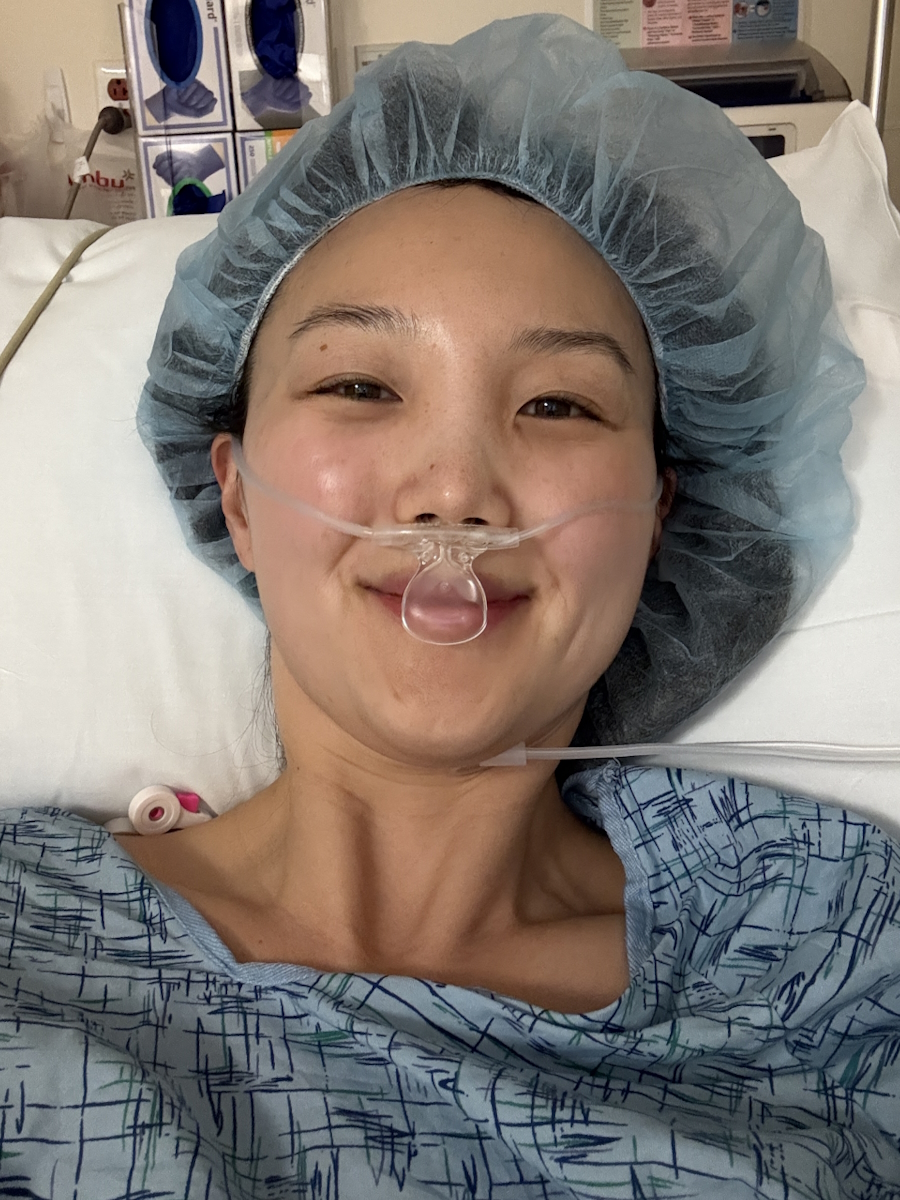
We were rushed into a cycle of IVF after that stage 4 diagnosis. I posed the question about fertility preservation to my first oncologist. I don’t even know how I thought to do that because I was in tears, devastated, and in shock. I asked, “Before I start treatment, can I pursue fertility preservation? Because I still want to have children.” I didn’t quite know at the time how much cancer treatment and medication can impact your fertility, but I did know enough to think ahead, at least in that meeting, and I’m glad I did.
The oncologist said, “Oh yeah, that’s something you and your husband should discuss. But I do want to let you know that you should think about it, because most stage 4 kidney cancer patients don’t live past five years. Would you be okay with leaving your husband potentially as a single father?” Which was bad enough as it is. I was like, “Oh my gosh, you are doing so much projecting right now.”
In retrospect, I don’t think it was very wise to tell a newly diagnosed kidney cancer patient, age 36, that news in that way. But you know what? I’m glad we had that conversation, because it motivated my husband and me to get on this. We had those hard conversations, and then we were able to rush into one cycle of IVF.
My husband was in all the Facebook groups about HLRCC, connecting with patients and caregivers. He was on Reddit, making all the connections with people who had so much more information than we had. Kidney cancer treatments have come such a long way in the last 10 to 20 years, and HLRCC is a rare subtype, so there’s even less information out there.
Being able to connect with those few people who have gone through this specific cancer and received treatments has been truly such a lifeline for us. It was in those forums and in those interactions that we learned about the NIH and that they had run clinical trials for stage 4 RCC patients that have been amazing. I would go to bed in tears every night.
Finding the NIH, building connections, and getting into a clinical trial
My husband would be up researching while I slept. When I’d wake up, he’d share something else that we needed to do urgently. One morning, he said, “Lynn, I know what we need to do. We need to get you to the NIH. I’m going to save your life. We’re going to get you to the NIH, and you’re going to get on this clinical trial.”
At the time, I was like, “The NIH is such a big organization. How are we going to get connected and get me onto this clinical trial?” But we were fortunate to connect with someone else in the Bay Area whose husband had stage 4 HLRCC. He unfortunately passed, but his wife, with whom we’re still friends today, connected us by email to the doctors and researchers at the NIH, introducing us. That got us on a fast track. The whole team at the NIH was so wonderful. They expedited an intake interview with us, and we were set to fly out to Maryland to get on their clinical trial.
While that was happening, my husband also got connected to another family, an older gentleman who had HLRCC and was able to get onto the clinical trial at UT MD Anderson in Houston. He lives in San Diego, but his daughter was able to get him into the clinical trial because there was a spot open. After a while of being on the treatment there, he had gone into remission and was looking for care closer to where he lives. They were able to connect with an oncologist at UCSD who opened up a clinical trial so he could be closer to San Diego. Talk about caring, compassionate doctors.
We asked, “Is there any way we could get in? We heard there’s a clinical trial in San Diego now.” That trial had opened up the week before we were scheduled to go to Maryland. This family connected us to the doctor. I called the office on a Monday or Tuesday and they said, “We can get you in this Thursday. She can see you in person. Can you be here on Thursday?” And I said yes. This was in May.
I didn’t realize that they were going to sign us up for the clinical trial at that meeting. I thought that we were meeting her and she’d do an exam. But she brought out the paperwork. They stayed after hours from 6 to 8 p.m. so they could meet with us. They signed us up for the clinical trial and I immediately canceled my trip to Maryland.
The plan was that I was going to fly from San Jose to San Diego every three weeks, which I’ve been doing since June. My amazing doctor, Dr. McKay at UCSD, is truly an angel. She and the team there are wonderful. I hope anybody who is going through a cancer diagnosis has the privilege of meeting a doctor like that. When she was talking to us and listening to us, it felt like the first time I could truly exhale.
Up until that point, it felt like it was just go, go, go, and all the burden was on my husband’s and my shoulders. It finally felt like we met a doctor and a care team who said, “We’re going to do this together. Anything you need, any office we need to call for you, we’re here for you.” They have stayed true to their word to this day.
I’ve been flying down to San Diego every three weeks. I had my 15th infusion recently, and my disease is stable, which is awesome, especially for an aggressive cancer like HLRCC. That is a gift. We’re all praying that, eventually, we can get to no evidence of disease (NED) and also be able to say I’m a cancer survivor. But until then, I feel fortunate and blessed to feel as good as I do.
I went back to work full-time in January 2026. I had taken time off since my surgery until the end of winter break. I’ve been tired, but to be able to go back into the classroom has been good for me mentally.
Self-advocacy, dismissed symptoms, and the link between HLRCC and fibroids
If I had gotten pregnant and listened to what the doctors were saying that I could have a normal pregnancy, what if my cancer had progressed while I was pregnant? I was experiencing some symptoms, like bleeding, and those probably would have been dismissed as pregnancy symptoms. When I think back on it, it does make me angry. I feel really frustrated that the concerns I had brought up were dismissed.
I know this is a rare cancer, and I understand that most doctors probably won’t ever see a case of HLRCC specifically, but it’s so frustrating. I feel like fibroids aren’t taken seriously enough, separate from cancer. Fibroids can severely impact a woman’s life. To learn that this cancer is so connected with fibroids, and then to think back on how my fibroids had been dismissed and I was told they were totally normal, is frustrating for me.
When I was starting the journey of trying to conceive, I told my gynecologist from the very beginning. My husband and I had taken some time to calibrate our timeline, but finally, when we were ready, we were excited. I felt like I was being communicative the whole time. And every time, the doctor pushed back. “Fibroids are normal. Keep trying. Let’s give it six months. Let’s give it eight months.”
I reverted to being the good, reserved Asian girl who doesn’t bring up too many complaints because, quite frankly, that was how I was raised. I was raised to respect people in authority, and doctors are obviously people I view as authoritative figures. I wish I had asked more and pushed back more. It pains me to think about how things might have been different if I had been more assertive and advocated for myself. I feel like now I’m still growing into that stronger advocacy voice that I aspire to be.
Resetting hope at every setback: The emotional rollercoaster after surgery
We had that mindset constantly. We reset the bar every time we were let down. When we found out about the pelvic metastases, we thought, “This is probably not actually what they think it is.” When we had the kidney removed, we thought, “Okay, the tumor is removed. Maybe it’s out. Maybe this is over.” That’s what we prayed for.
When the pathology came back and told us it was renal cell carcinoma, we said, “Okay, this is kidney cancer. Maybe it’s out.” The doctor even said, “You might have to do some medication just to make sure it’s clear. It very well could be all done, but we want to clean up anything that may have remained.” Then, when we did the liver biopsy, we prayed that it would come back negative. And when it came back positive, I was completely devastated again.
And then we prayed, “Okay, maybe this is it. Once we get on treatment, those tumors will shrink.” And then when I had those follow-up scans after my surgery and found out I had lesions in the lungs, it felt like we kept resetting that line for ourselves. Negatively, you could view it as setting ourselves up for failure. But I like to view it as not giving up hope. We’re constantly looking for hope.
I do have so many reasons to have hope. This could have gone a totally different direction. We might not have discovered this until much later, when I was looking sick and feeling sick. The treatments might have affected me differently then. I could have possibly not done IVF. I came close to choosing not to do IVF because I was so afraid at that point that a two-week delay of treatment would impact me greatly.
I cried all night. I had an appointment to go to the clinic, and I called one of my best friends and said, “I don’t know if I should be doing this,” because I felt like I was being unfairly forced to choose between the possibility of motherhood and living. I’m so thankful that we were able to do that. We were able to have embryos frozen. Those are our very big reasons to be hopeful.
Each time I fly down for treatment, and my labs are pretty normal, and I’m able to receive treatment — those give me reasons for hope. Each scan that comes back telling me my disease is stable gives me reasons to hope. It’s like constant conditioning and building that resilience to face things that are so scary, but then also conditioning me to identify reasons to have hope. And hope goes such a long way.
The isolation of a young, rare cancer diagnosis
This whole journey has been pretty isolating. I don’t know anyone in my close circle who has been diagnosed with cancer, let alone stage 4 cancer, and no one around my age. From the beginning, it felt like none of my friends would understand, even if they wanted to.
They’ve been nothing short of loving and supportive, but therapy has been good for me. It’s so crucial for me to have a designated space where I’m able to express how I’m feeling and feel heard and understood. In the beginning, it was hard navigating that sense of, “None of these people who care for me understand.” I felt myself becoming bitter.
Every family has drama, right? Early on, we had all gone together, and there was some minor drama. I’m the oldest sister in the family, and it’s very natural for me to take on a lot of the responsibility and go into problem-solving mode. I reverted to that, and my husband looked at me and said, “Why are you stressing yourself out over this? You have other things to deal with. You need to establish some boundaries and let people know this is not something that should be on your plate.”
That was a big growth moment for my family and for me. An opportunity for me to let them know how I was feeling. “Hey, guys, I don’t think you understand what I’m feeling lately, but my life has changed. It’s flipped upside down, and I don’t have the energy for this. I need to prioritize my health.”
Finding those people in the communities, like Facebook groups and the kidney cancer community, who understand has been such a lifeline for us. In times when my husband and I felt down and disappointed, we connected with other people who may be a little further along in treatment and are feeling hopeful. We’ve been able to borrow hope from them and get to the next step that way.
Another thing that has made me feel less isolated is my broad community. My wonderful friends, family, wonderful in-laws, and my church community have been supportive. My faith has played a big role in my having hope. I hope for a future where there will be no more cancer. My faith teaches me that there’s a God who has a plan for me. I may not understand it on this side of heaven, but one day I will.
The hereditary HLRCC gene: Family testing and future children
When we found out it was a hereditary cancer, we were advised to let all of my family members know, and it was up to them if they wanted to get genetically tested. But I’m not a sister who’s going to leave it up to them. I immediately got my genetic test results to my brother and sister and told them, “You need to get tested right away.”
Funny enough, right when my diagnosis had come out, my sister had revealed that she was pregnant with her first child, so she had other concerns and so many questions. Thankfully, her test came back negative. She’s not a carrier; she doesn’t have the gene mutation, and she will not pass it down. My brother also got genetically tested and came back negative. I inherited it from either my mom or my dad. We’ll never know. I’ll ask them in heaven.
Because I have the mutation, each one of my children, if I ever have them, will have a 50% chance of getting that mutation. Now, because you have the mutation doesn’t mean you will develop the cancer. It just means you have the condition, HLRCC. Even if you were to have it, it doesn’t mean you’ll have cancer. You’ll just have to be monitored after a certain age to see if a tumor develops.
The daughter of the gentleman in San Diego found out she had the mutation after her dad’s diagnosis. She’s been tested; she has it, but she hasn’t developed the cancer. She will continue to be monitored closely, which is great.
That’s something my husband and I have thought about as we embarked on the journey to have children. We’re waiting to have our embryos PGT-M tested so we can learn whether any of them have inherited the mutation. We’re praying none of them have. Odds are pretty good that at least one of them won’t have it. Genetic testing should be something everyone gets done, because it gives you so much information.
When a doctor’s words cause harm: Processing devastating bedside manner
In that oncology meeting, I was told it was confirmed I had kidney cancer, and the doctor was reading off all the notes and telling us all the possible treatment plans. I hadn’t cried yet. I was holding it in. I was devastated, but trying to understand everything she was telling me.
It wasn’t until she made that comment that I cried. “Are you prepared to leave your husband as a single father?” I remember either she or my husband grabbed a box of tissues from the counter and gave them to me. That’s when the diagnosis hit me.
As I said earlier, she told me, “Most stage 4 kidney cancer patients don’t live past five years. You may have to leave your husband as a single father.” It felt like I was seeing my life flash before my eyes. I was not prepared to think through all of that in that moment, in that doctor’s office, with a person I had met for the first time.
I felt overwhelmed and devastated. It felt like I was already starting to mourn. I’ve been constantly mourning the life that I thought I would have had, and that’s something I still have a hard time with today. I’ve always wanted to be a mom. That’s the only thing I’ve ever wanted in my life. My husband knows. I don’t even care for material things. To be confronted with that decision in such a harsh way was very difficult.
What it means to have a partner who becomes your advocate and project manager
I feel incredibly blessed and privileged to have my husband, who goes above and beyond with everything in life. He’s the type of person who goes after anything he sets his mind to. Now that I’ve become his highest priority, everything related to my cancer has become his top priority.
I know not everyone has a David in their corner, and I wish everyone did. I credit being on the clinical trial and so much of the peace I feel now to knowing that I have him, always doing research. He would wake up and tell me his piece of news. “This is something we need to do.” My piece of news was the realization: I’d wake up and say, “I’m so glad I married you. The single best decision I’ve ever made in my life was marrying you. And I’m confident it will be the best decision I’ve ever made, even if I’m able to live into old age.”
He’s such a caring, loving guy. On top of that, he’s so capable and so smart. There were times when his work was getting busy, and he’d say, “Lynn, it’s time for you to take the reins.” Each time, I’d tell him, “I can’t. I don’t think I can do this,” he’d say, “Okay, we’re going to do it together.” I’ve jokingly called him my project manager, as he’s the one to lead all of this. He has been irreplaceable. I don’t think I would be where I am today without him.
Misconceptions about clinical trials and the decision to participate
When David brought up clinical trials, I was skeptical at first. I had this perception that a clinical trial was where people go as a last-ditch effort, when everything else they’ve tried hasn’t worked, and you’re going to see if this new treatment might work. Plus, I thought there was a placebo, so I felt like it was way too risky. I was hesitant at first.
But my husband had done all the research and connected with other people who had been on this clinical trial and seen such success. That gave me a lot of confidence. Finally, I said, “Okay, it sounds like this is what we need to do.”
As I’ve been on the clinical trial and worked with my doctor and the team, I’ve come to realize that clinical trials are where it’s at. This is how we come up with treatments for people who come after us. I’m benefiting directly from people who have come before me. I don’t even feel like it’s a risk to go on a clinical trial. Everyone on the trial receives the treatment until it’s determined that it’s not helping.
I hope that by participating in this treatment today, I will help it become the standard of care for people with HLRCC, because there are so many more people with this rare cancer that doctors may not have heard of. I’m flying to San Diego to participate in the UCSD clinical trial day, as they’ve asked me to participate and share my experience.
The logistics of my clinical trial
I receive infusions every three weeks. We live very close to the airport in San Jose, so I get to the airport, take the first flight to San Diego in the morning, get in an Uber, go to the hospital, get my labs done, and then see the doctor. After that, I have my infusion. I receive two medications by IV: bevacizumab and atezolizumab. On top of that, I take an oral medication every day, erlotinib. That is the clinical trial I’m on.
Every time I fly down, I get a little anxious leading up to the labs, because obviously, my labs will fluctuate. Overall, they’ve been pretty normal. But the medications will sometimes impact parts of my labs. There was a time when my thyroid levels were off, so I had to be on thyroid medication. Then there was something with my liver numbers. I love to be in the green, so I’m always a little anxious about what my labs will show, because in the past, we had to stop one of the medications for a couple of cycles.
Anytime there’s a risk of stopping medication, I spiral. I’m like, “Oh my gosh. What’s going to happen? Is the cancer going to spread everywhere if we stop medication?” It’s always a roller coaster of emotions. It’s an exhausting day physically, of course, but the mental toll far outweighs the physical.
After my infusion, I get an Uber back to the airport, fly back, get home in the evening in time to have dinner with my husband, and then go to work the next day. My infusions are normally scheduled on a Monday or a Thursday, so I have work every time I come back. That’s been hard, to be honest. I thought I’d try it out and see if it would be okay, but the longer I’m on the medication, the more I feel the side effects, like fatigue. It’s something we’ll have to consider changing and tweaking. But so far, that’s what my treatment days look like.
Living a double life as a cancer patient and an elementary school teacher
I feel like I’m living a double life. It feels like being a spy sometimes, because my students have no idea. I haven’t announced it at my school because I don’t feel quite ready yet. They know that I went out for surgery last April, because I keep my students for two years for a multi-age class.
My older students know I had a big surgery in April, and I was gone until January. When I tell them I’m leaving, I’ll say, “I have a medical appointment. I won’t be here tomorrow.” Once in a while, a kid will ask, “Are you having another surgery?” They remember, but they don’t know what’s going on. I wish people knew without me having to tell them. I wish people just got it. But then at the same time, I don’t want that. I don’t want people to pity me.
When I first received my diagnosis, I heard from so many people around me, “But you don’t look sick. You don’t look like you have cancer.” That messed with my head for a little bit, because it felt like, “Wait. Does that mean you’re not taking me seriously? Am I being dramatic if I don’t look sick?” People still make those comments. They say, “You look so good. You look great. You look beautiful.” I know it comes from such a kind place. But each time someone says that, it’s like a dagger to my heart. I may appear to look good on the outside, but on the inside, I’m not okay. I feel so tired and I want to cry sometimes, for no reason.
Because I don’t look like what people expect a cancer patient to look like, they have these expectations of me. I’m also so quick to tell people I’m fine. Even the ones I love and care for, when they ask, “How are you feeling? What’s going on?” I’m so quick to say, “I’m fine. I’m okay. I’m tired, but who isn’t tired? I’m exhausted, but every teacher is exhausted.”
My husband and I went to Tokyo for spring break in 2026. It was so great because nobody knew what I was going through. I looked like any other tourist: dressed in cute outfits, taking photos, eating amazing food, enjoying cherry blossoms, and going shopping. That felt different from when I’m here at home. There, it felt like I was a normal person again. I enjoyed being treated like any other tourist.
How I view the future: Faith, hope, and running a half-marathon
When I think about the future, it’s complicated. I do have a lot of hope. I have so many reasons to have hope, like our embryos: our amazing, miraculous reasons to be hopeful.
I’m hopeful because I do believe that my Creator has a plan for me. It’s probably not going to look like what I have planned, as it hasn’t panned out that way. But every time I’m able to refocus and align my vision for the future with the vision that God has for me, I’m able to feel centered again and feel like I’m okay to go on to the next step.
I have to take the next step in faith because I have no control over anything. I don’t know what tomorrow is going to look like for me. I don’t know if teaching is going to be something I’ll be able to do constantly, or if that’s even something I want to do anymore, because I’ve changed so much as a person. My priorities have changed, and I’m sure they will continue to change.
I’m proud of myself for how far I’ve come. Because I have such an incredible support system, including my husband, my family, my friends, my church community, and the incredible people I’ve met in the kidney cancer patient community, I feel like there is so much reason to be hopeful.
New treatments are coming out, new clinical trials, and so much research is happening right now. I’m hopeful that one day, cancer will be nothing more than a chronic illness. I don’t view a stage 4 diagnosis as a death sentence. Imagine how much more we’ll be able to do in the future with all this technology. AI is incredible with all the amazing things we’re able to do now. I don’t see why we won’t be able to cure cancer in the near future.
My husband has been pushing me to do more cardio because aerobic exercise is good for the immune system, especially with all the medication I’m on. Cardio is my least favorite activity. I call myself a city hiker. I lived in San Francisco for 10 years and I love walking everywhere. But a couple of months ago, I was thinking about what kind of cardio would be easy enough to get into, and what wouldn’t require a lot of equipment. I thought of jogging. But knowing myself, if I just decide to jog, I’m going to do it three times and be back on the couch. I needed a forcing function.
I Googled a reasonable time for a beginner runner to train for a half-marathon, and it said four to six months. I looked up what marathon was four to six months out from that day, and the San Francisco Marathon popped up. I said, “That’s it. This is the one.” I signed up for the San Francisco Half Marathon before I could back out, and I’ve been training for it. I’m also fundraising for the Kidney Cancer Association.
Training for this marathon has been such an unexpected source of hope for me. Every time I run another mile, every time I’m able to run for 20 minutes without stopping, I’m amazed at my body and everything it’s able to do. I’ve never been a runner. I’ve always hated it. How much I hated running was like a part of my identity. But now, every mile, every step is like a celebration of what my body can do. Knowing that one day, I may not be young enough or healthy enough to do something as hard as this gives me that extra motivation.
I’m excited about doing something hard for me. I look forward to finishing that race and being able to say that I did it.
This interview has been edited for clarity and length. The views and opinions expressed in this interview do not necessarily reflect those of The Patient Story. This content does not replace professional medical advice.
Inspired by Lynn’s story?
Share your story, too!
Hear from people living with kidney cancer
Real experiences with diagnosis, treatment choices, side effects, and life beyond kidney cancer — in their own words.
Leave a Reply