
Unconditional Love: Tom’s Caregiver Story of Loss and Resilience
Tom describes his caregiving experience as an act of unconditional true love, a commitment that saw him through two of the most difficult chapters of his life. For six years, Tom served as the primary caregiver for his mother during her experience with stage 4 uterine cancer. He went to all of her treatments, which meant navigating the long drives to Memorial Sloan Kettering Cancer Center and learning to find clarity through compassion amidst a grueling schedule of chemotherapy, radiation, and surgeries.
Interviewed by: Ali Wolf
Edited by: Katrina Villareal
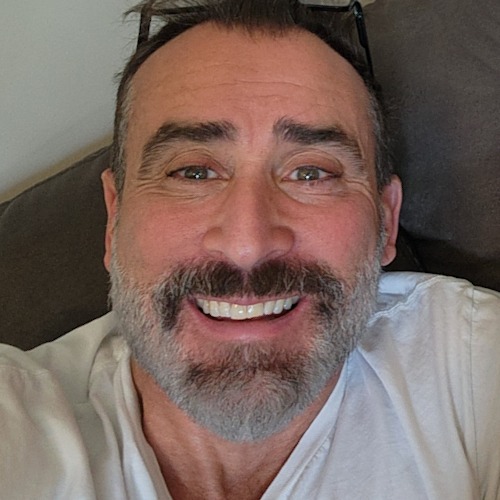
Years after mourning his mom’s death, Tom’s experience shifted when his younger sister, Kath, was diagnosed with stage 4 bile duct cancer (cholangiocarcinoma). Having already endured the anticipatory grief of one terminal diagnosis, Tom found himself putting on a familiar armor of robotic efficiency and outward positivity to protect his family. Becoming a caregiver to his sister meant reliving a nightmare in the same hospital hallways. Still, Tom says he would have given every organ in his body to change the outcome for those he loved.
Despite his profound exhaustion six months after his sister’s passing, Tom remains a grounded advocate for the importance of being present. He acknowledges the emotional complexity of caregiving, from the pins and needles of chronic anxiety to the quiet, transparent conversations on the way to chemotherapy appointments. His story serves as a reminder of the power of showing up as a radical expression of dignity and care.
Watch Tom’s video or read the interview transcript below to know more about his story:
- The reality of anticipatory grief: Caregiving for a terminal loved one often involves a state of chronic anxiety and grieving the loss before it occurs.
- The armor of the caregiver: Many caregivers adopt a robotic or stoic persona to shield their loved ones from their own pain and fear.
- Advocating in the hallways: Tom highlights the importance of seeking unedited truths from medical teams, often by catching doctors outside the patient’s room for direct updates.
- The burden of familiarity: Returning to the same medical institutions for a second family diagnosis can trigger intense trauma and PTSD-like symptoms.
- A universal truth: Life is about the quality and depth of the love shared between people.
Diagnosis Facts
- Name: Tom M. (caregiver)
- Loved One 1: Mother (Deceased 2011)
- Diagnosis: Uterine Cancer
- Staging: Stage 4 (Metastatic)
- Symptom: Stomach pain
- Treatments: Surgery (removal of grapefruit-sized tumor), chemotherapy, radiation therapy, laser therapy
- Loved One 2: Kath (Sister, Deceased August 14, 2025)
- Diagnosis: Bile Duct Cancer (Cholangiocarcinoma)
- Staging: Stage 4 (Metastatic)
- Symptoms: Initially suspected UTI, intense pain
- Treatments: Chemotherapy, palliative care/hospice
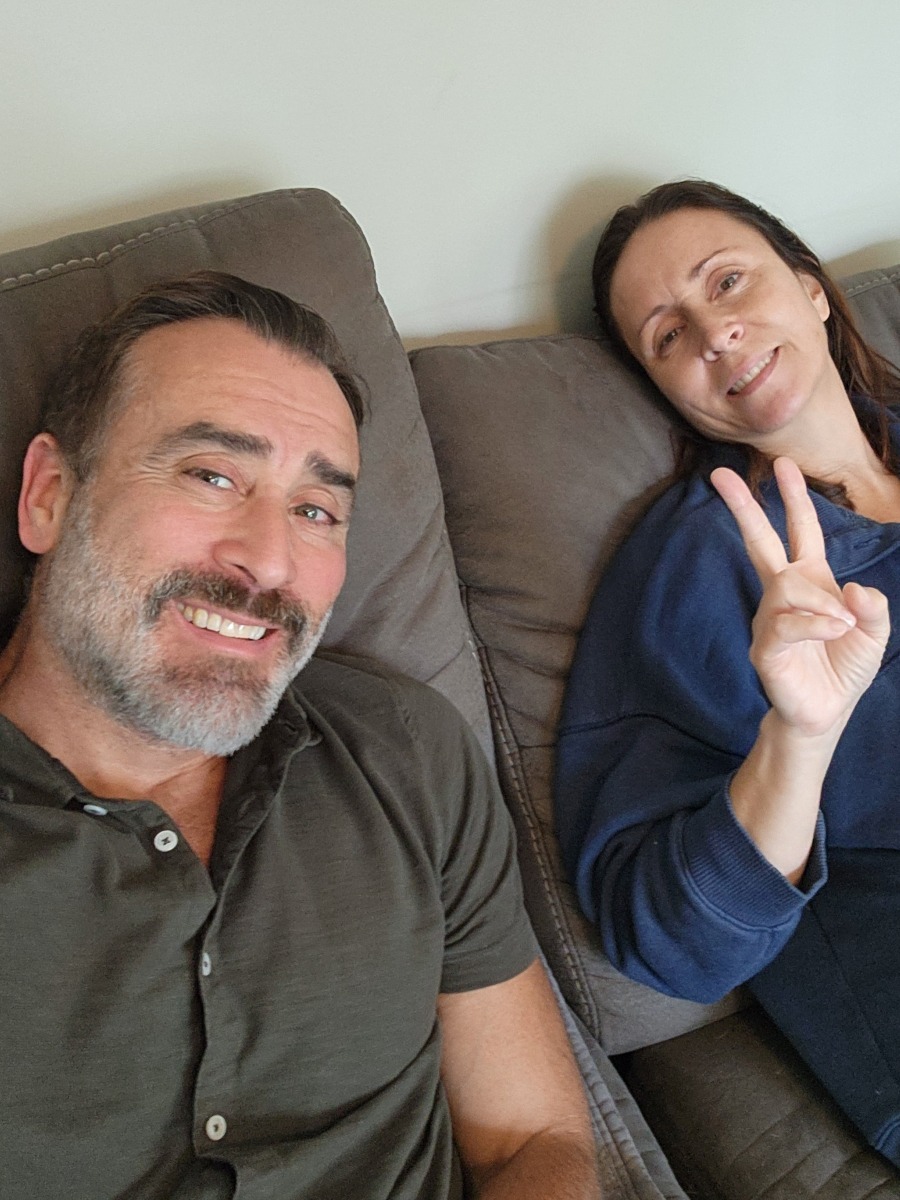
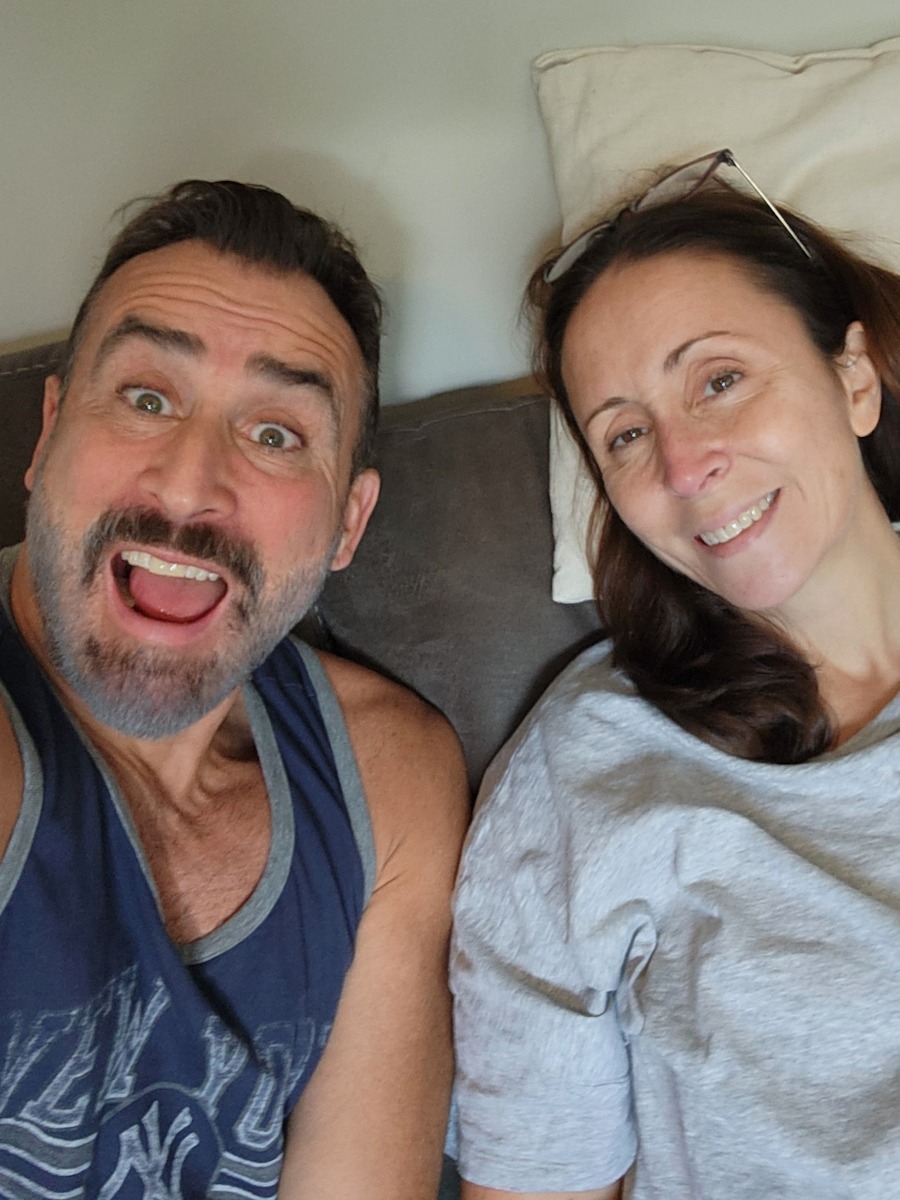
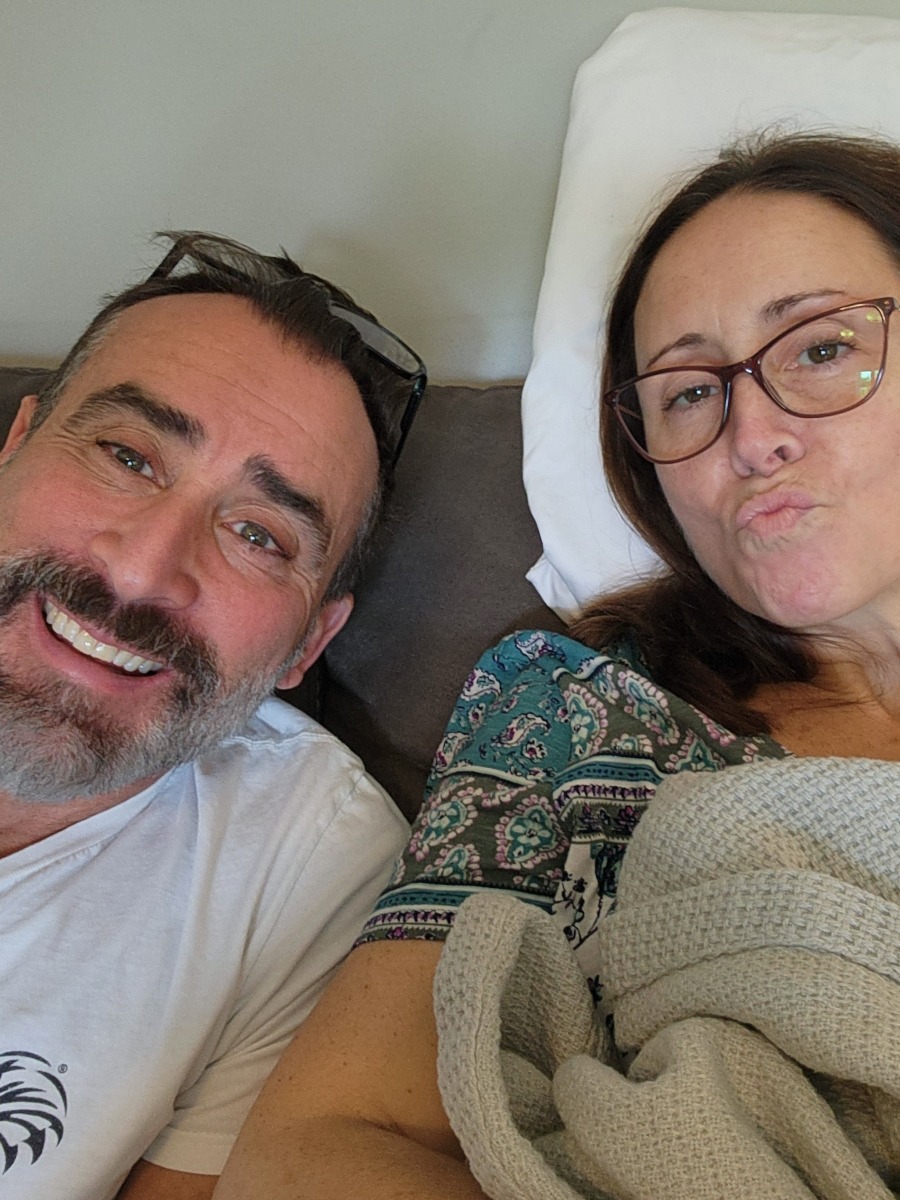
This is not medical advice. Please consult with your healthcare provider to make informed treatment decisions.
- Diagnosis Facts
- Introduction
- Unconditional true love
- Putting on my robotic armor
- My mother’s life before cancer
- Gratitude for time with mom
- Having mixed feelings about prolonged suffering
- My mother’s initial symptoms
- My sister’s initial symptoms
- Putting on armor for my sister’s diagnosis
- Being a full-time caregiver for my sister
- The rawness of a recent loss
- The life lessons I learned
- My final message as a cancer caregiver
- Hear from cancer caregivers
Introduction
My name is Tom, and I was a son to a mother with stage 4 uterine cancer and a big brother to a younger sister who had stage 4 bile duct cancer.
Unconditional true love
The definition of love comes in a million different ways. Loving someone can be very hard, especially when you see someone suffering to the point where they’re suffering literally to death.
In my mom’s case, it was six years of her suffering before she died. They’d only given my mother a few months to live, and she ended up going six years. It was hard to watch, and it was hard to show up for it all.
When you have someone close to you who’s suffering and dying, you get a pretty good glimpse of what unconditional love is. You keep running at seeing something so horrific happening to someone you love so much.
It hurts. My love for my mom and my sister, my family, and all mankind, for the most part, is unconditional. It hurt badly to keep showing up, going to the appointments, chemotherapy, radiation, and surgeries, and everything for so many years. It was exhausting, and I didn’t shy away from it.
Putting on my robotic armor
I almost became robotic. It was exhausting.
Anytime I was around my mom, my sister, my father, or my sister’s children, I put on a whole bunch of armor. I marched in there like, “We’re going to do this.”
When my mom got sick, I unfortunately knew what to do because I had done it with my mom. It goes back to unconditional love. I had no choice. Wherever they were and whatever I had to do, I was going to do it. I would have given every organ in my body for either of them. I just kept going. I did my best. A lot of it was out of my hands.
Experiencing post-grief exhaustion
I’m exhausted now, sitting here from it. It left me pretty tired.
It’s been several years since my mom and six months since my sister. I’m tired. I’m very tired from it. I’m still moving slowly, but I’m getting there.
My mother’s life before cancer
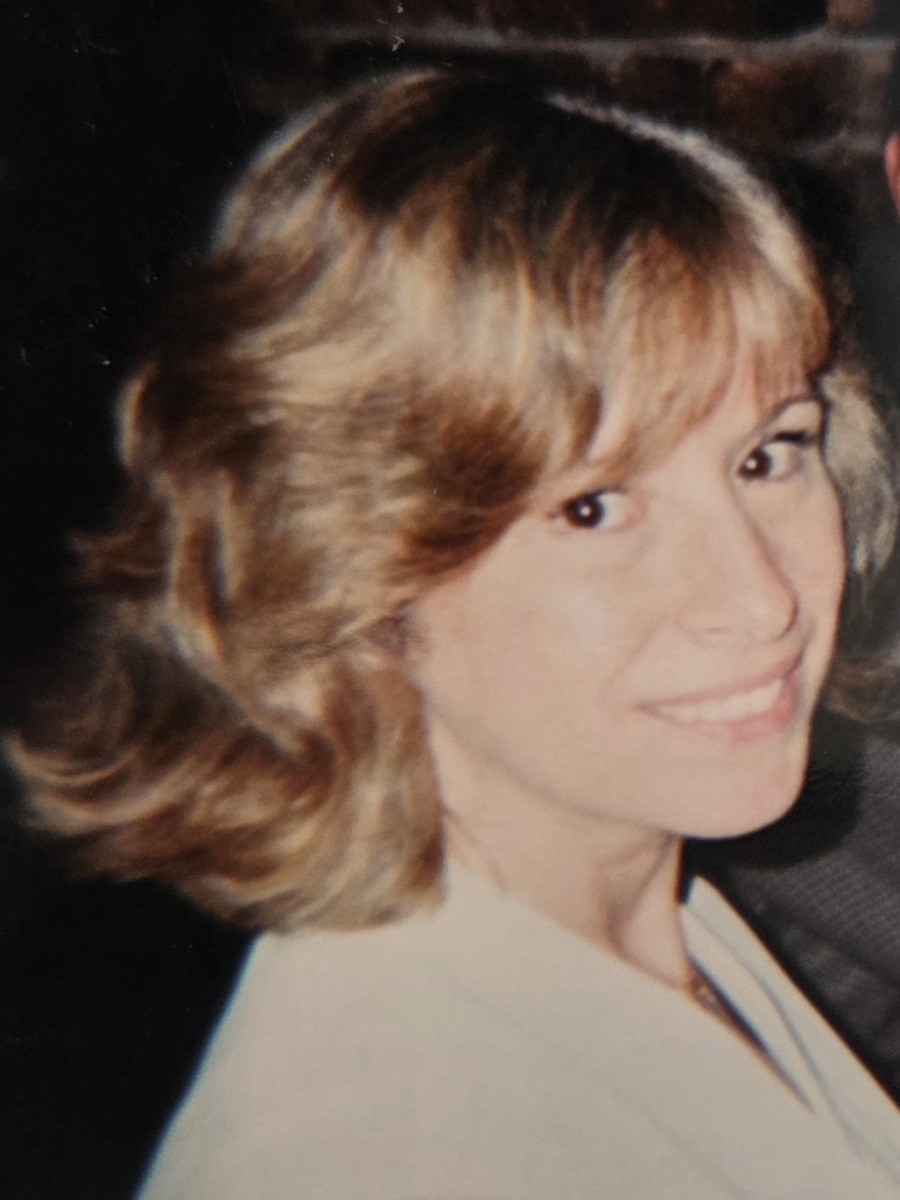
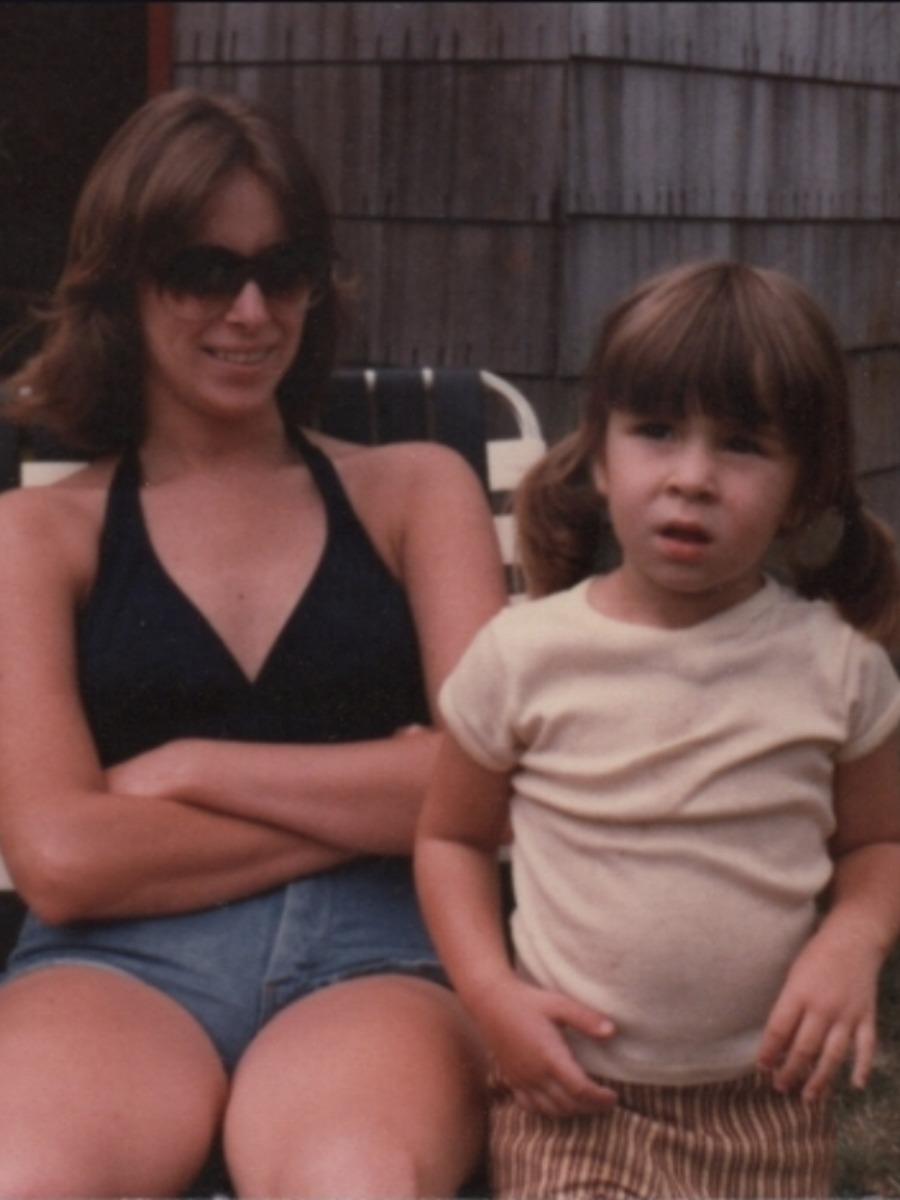
My mom and I thank God all the time. After she passed, my sister and I would talk all the time about how she had us very young. She was a teenage mom.
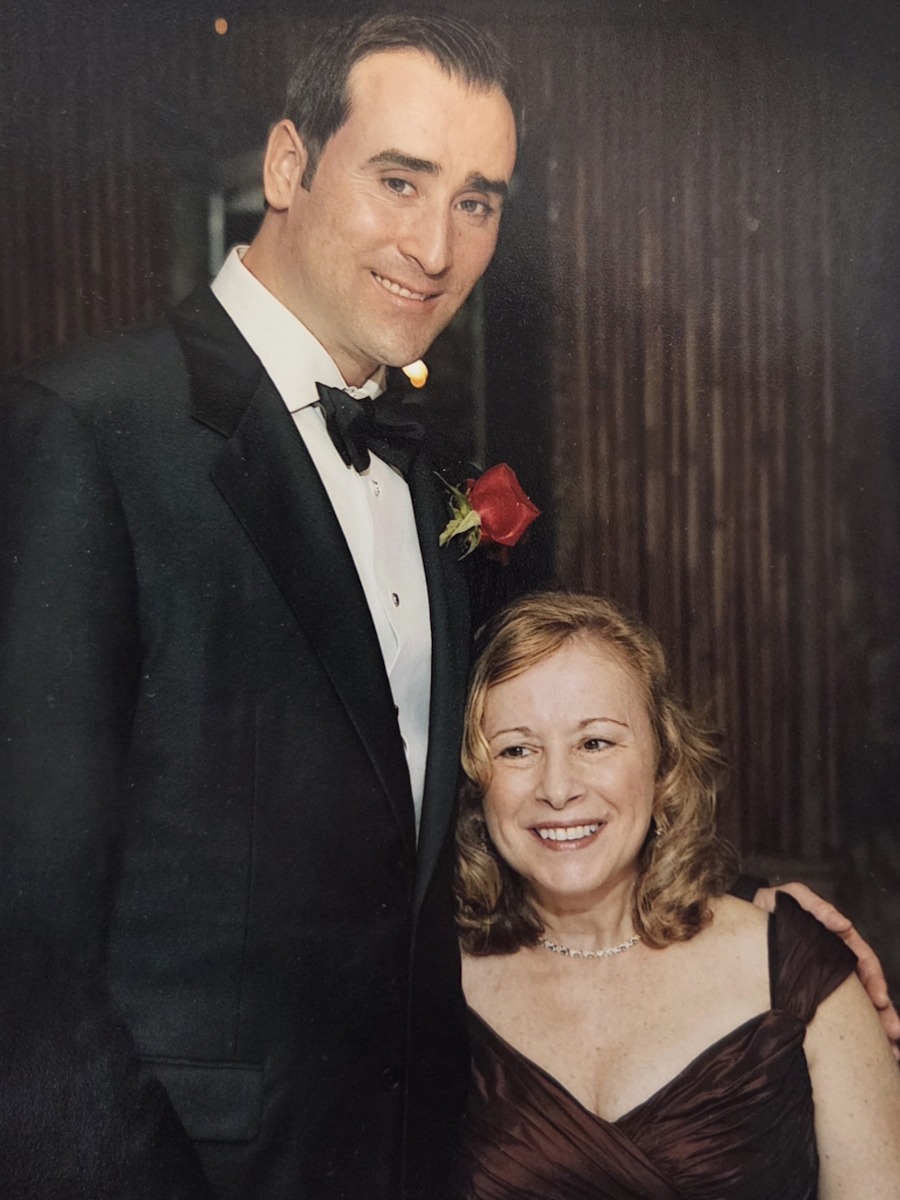
I’m lucky that I almost grew up with my mom. She was my mother above and beyond everything else, but she was my friend as well. We were very close her entire life. I was very much a mama’s boy, and she was a great person. She was the most loving human I’ve ever met in my life by far.
My mom had the most beautiful soul. She just had love. Even in the face of death and everything, she faced it with grace and bravery. She had a tough life towards the end.
My mother’s family losses
She lost her brother when he was 48. He died of a heart attack a few years prior to her getting diagnosed with cancer. That hurt her badly. I saw incredible pain. Now losing my sister, I know what I was seeing.
My poor mom was diagnosed with this terminal illness and given months to live. In the same timeframe, she lost her father to cancer. Then she lost my cousin, the daughter of her brother who died, to suicide.
My mom endured pain before she even had cancer. She was so tough and resilient, but the love that she had for other people never subsided. There was never any bitterness or anything, even towards the disease.
She grew up in Maine as a kid, so she was fond of the outdoors. She loved kayaking and swimming. We used to go to the beach as kids, and she would swim from one jetty to the next. She was very athletic and a cool, down-to-earth person.
Gratitude for time with mom
After our mom passed away, my sister and I would talk about how lucky we were to have her. She died at 58, which is extremely young. We were in our 30s, so we were blessed to have her in our lives that long.
The tragic part of it, based on conversations I had with my sister, which still haunts me, is that we almost felt like Teflon after my mom died. We had given enough. You took our mom, this angel human. My sister and I are almost like Teflon now. What are the chances of anything like this ever happening to us?
We would talk about us being lucky because if we were to die, our kids are so much younger. That’s why when my sister got sick, it was unbelievable. I wouldn’t trade my mom or any of it for anything. I’m lucky and blessed. She was a wonderful human being.
Hospital awe and chronic anxiety
Everyone at the cancer hospital and everyone that she encountered was in awe of my mom. They were all like, “Wow. This lady is a whole other level of a human.” She fought. It was incredible, but it wasn’t pretty. It was six years of chemotherapy and radiation, and then more chemo, radiation, and surgeries. It put our family in a chronic state of anxiety.
I still have pins and needles now. I had this radiating feeling of anxiety for six years when my mom was sick, thinking she was going to die the next day. She was only given a short amount of time to live. The fact that she lived a year was wow. Then she lived another two years, then three years, and then four years. You’re waiting for the shoe to drop, and she kept swinging and fighting.
Hospice box rejection
They brought her the hospice box with the morphine and all that. My mother refused it one time and gave me the box to give to the people.
When they want you to go on hospice care, you know it’s bad. She ended up living another three months. It was incredible, but it was grueling and painful for her, obviously. For us watching it and not knowing when she was going to die, that was hard.
I found out later on that I was experiencing anticipatory grief. It’s a terrible feeling.
Taking on the primary caregiver role
I spent most of my time with my mom. My father was working full-time, my sister was a school teacher, and I had more of a flexible job, so I was able to take my mom to all of her appointments. It seemed like every Tuesday, we would drive from New Jersey to New York City for treatment. It was like that for years.
I was grateful that I was able to spend time with her in the car. I think back at New York City traffic. I’d be in the car with my mother for hours, going back and forth to treatments. The conversations we had were on a whole other level. My mom was very transparent and very manipulative, but in a good way. I know that she was preparing me during those car rides.
I’m lucky that I got the opportunity to see my mom on her way out and listen to all of her stories. She was a straight person. She would tell you how it is. She told me what she expected out of me. She even told me how I would feel after she was gone, what she expected, and what type of man she wanted me to be. For that, I’m extremely lucky.
Having mixed feelings about prolonged suffering
I’m so blessed that my mom and I had six years past what they had told her, as awful as that. Sometimes I don’t know if it was good for her to suffer like that. It’s what she wanted. She had two new grandbabies. My mother said she wasn’t going anywhere.
When she died, my sister was six months pregnant. My mother tried so hard, which is why she gave back the hospice box. She was trying to make it for my sister, knowing that my sister was pregnant and everything was going to hurt her, and she told me that. Everything with my mom, I know because she told me. For that, I’m lucky, but the cancer at that point was just too much. She died at 58 years old on December 21, 2011. We had her funeral on Christmas Eve. It was awful. It was a bad Christmas for sure.
Taking on the role of the family rock
I was in that mode for six years for my mom, my sister, and my father. They looked at me as the rock of our family. A lot of it involved shielding them. I shielded my sister from a lot of it. I didn’t even share my pain with my sister. She’s my younger sister, so I was very protective of her. I didn’t want her to feel the same pain that I felt.
I never wanted her to go to the hospital. I never wanted her to go to chemo. I shielded them from all of it, trying to protect them from what I was seeing at the hospital and what they were doing to my mom. I continued doing it, knowing that they were protected from it. That kept me going and kept me strong.
Hospital waiting room horror
We were in Memorial Sloan Kettering in New York. It was horrible. It was awful seeing everyone. What would hurt a lot was when I would see the children. Seeing little babies and toddlers going through this was brutal.
With my mom, it became a routine. I ended up knowing the people in the kitchen and security. We were there every week for years. In those six years, my mom went through either chemotherapy or radiation.
I would sit in the same place with my laptop because I had to work. I would sit next to my mom for chemo a lot of the time. When she would get surgery, I would sit in the cafeteria to work. The hospital became a place I was very familiar with.
Reliving trauma at the same hospital
The horror was when I had to go back to the same hospital for my sister. I spent so much time there that you could probably blindfold me and I’d still be able to walk through and show you where everything is.
I cried in the same bathroom about my sister, where I did about my mother; the same bathroom to hide from them so they wouldn’t see me.
My mother’s initial symptoms
She had stomach pain. When she went to a doctor, they were able to see the mass, but they discounted it.
My mother was very athletic and very in tune with her body. She didn’t feel right, so she got a second opinion. Then all the sirens started going off. We ended up at Memorial Sloan Kettering, and the next thing we knew, she was in emergency surgery to have this massive grapefruit-sized tumor removed from her body. It was terminal cancer.
I remember where I was sitting when the doctor came out and told us what was going on. It was a nightmare. That was the beginning. It didn’t stop until she died. It was exhausting.
My sister’s initial symptoms
They thought it was a UTI at first. She was in and out. They were doing all kinds of different tests to rule out everything but cancer. They didn’t anticipate anything crazy. My sister was 48 years old.
Then it became so painful that she ended up in the hospital. When I went to the hospital, I thought, “Why is she in the hospital?” I saw the nurses with the oncology shirts. “Why is my sister on the oncology floor?”
I’ve seen the faces before and I could tell that it wasn’t good. They had a pretty good indication of cancer, but they wouldn’t tell me at that point. I had a bad feeling. I tried to shake it off. I tried to will myself to not believe that my sister would have cancer at any level, let alone terminal.
It was one of the most aggressive cancers known, and that turned out badly.
Putting on armor for my sister’s diagnosis
I was immediately prepared. I knew even my fake facial expressions. I had the fake smile and fake positivity. It was all smoke and mirrors because I knew from seeing my mom how this ends.
Seeing my little sister beaten up like that was like ripping open a scar that hasn’t healed fully and probably never will be. It was brutal. It was a nightmare relived.
My sister also received care at Memorial Sloan Kettering, the same cancer hospital my mother was in. I recognized that the security guard at the front desk was the same one. Same elevators. Same floor tiles. Same walls. It killed me.
My sister’s guilt over trauma
My sister felt terrible for me. She knew I was with my mom all those years at that same place. My sister didn’t go there, so she wasn’t familiar with it. My sister apologized pretty much until she died, knowing that I was going to relive a nightmare wheeling her around like I did my mom.
Experiencing PTSD from returning to the same hospital
Those images haunt you. Returning to a place that caused intense trauma is a form of post-traumatic stress. I had to do it twice and hold it together again, watching my sister go through treatment.
Being a full-time caregiver for my sister
After my mother died, my sister built a house right across the street from our father to make sure he’s okay. My father didn’t remarry. My mother and father were teenagers when they met, married for nearly 40 years.
When my sister got sick, I immediately moved in with my father across the street. I was with my sister every day from when she was diagnosed until she died. I took her to all of her appointments with her husband. I wheeled her around to chemotherapy. I was with her at every doctor’s appointment.
I was an actor. I knew how bad stage 4 bile duct cancer at the level that she had was. I knew she didn’t have long.
Anticipatory grief came in like a monster, but I think I pulled it off. I never cried in front of my sister until I said goodbye to her. She probably could hear me because hearing was the last to go when she was on hospice.
I was very vocal and very aggressive. I was begging them to take part of my liver. I would have died for my sister.
Velcro brother presence
I was with her every single day, whether she was in the hospital or at home. I was either in her house or across the street in my father’s house. I would go over and be with her, her husband, and the kids to try to love her up.
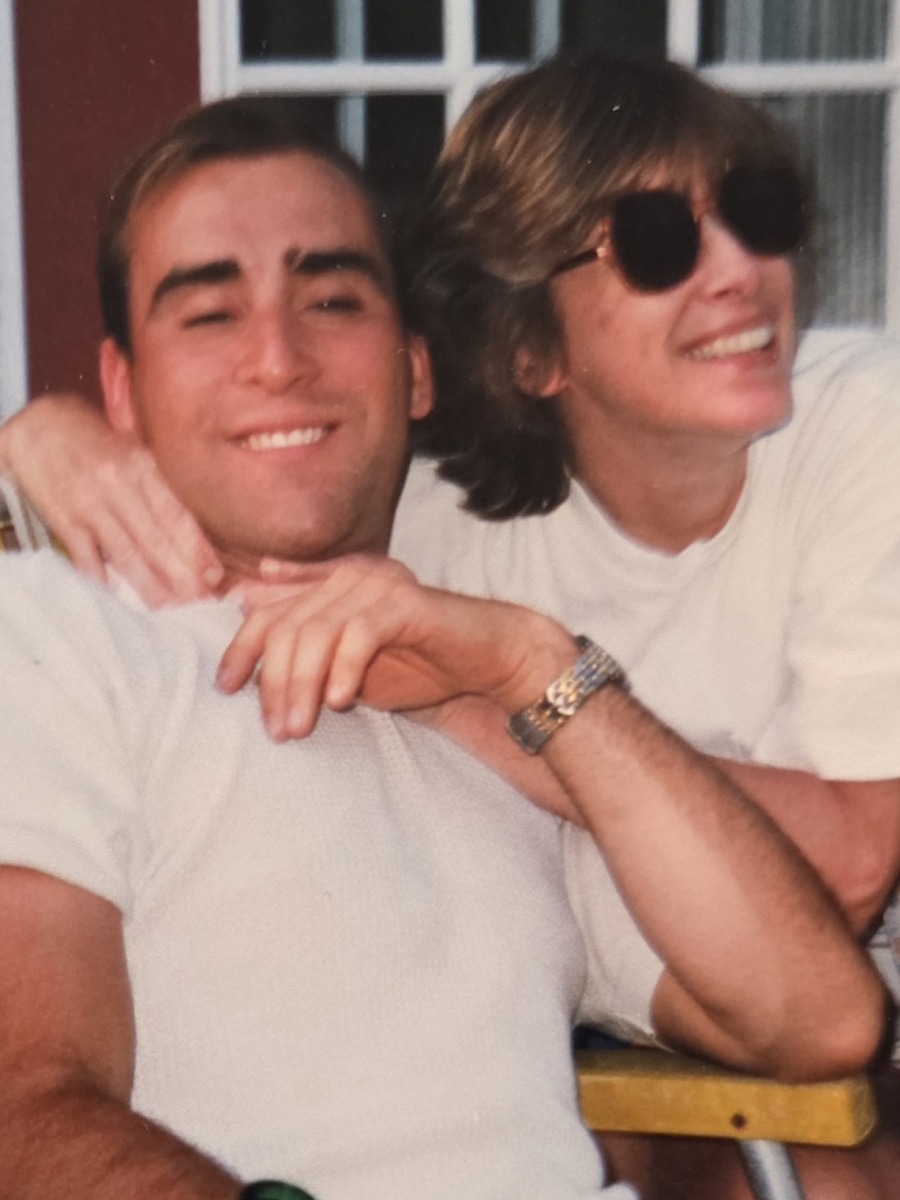
She called me a Velcro brother. She made fun of me, but I was always like that with her. She was my sister. She wasn’t my equal in a way that she was mine, but I felt she was my responsibility since I was a kid. There was no bullying or anybody messing with my sister.
Not being able to do anything for her is what haunts me now. I wish I could have done something, but I couldn’t. I’m lucky I had her.
Ongoing family responsibility
My sister has three children: a 15-year-old daughter and 13-year-old twins. It’s my responsibility now, too, to be there for them and my brother-in-law. I do whatever I can to make their life better, however I possibly can. That’s what I’m going to do.
The rawness of a recent loss
My sister died on August 14th, which is my daughter’s birthday. This weekend will be six months. It’s still all raw.
It’s better for the audience to see someone fresh out of it. This is about as vulnerable as I could be. Though it’s hard to talk about it, I want to honor my sister and my mother. I want anyone else who’s in the position of being a caregiver or in the aftermath to know that they’re not alone. I wish I could take an ounce of weight off. That’s why I’m here.
The life lessons I learned
Be nice and loving. Life is about who you love. It’s pretty basic.
As far as the people going through the end of things, I’m no expert, but I probably understand a little bit of how they feel. I want them to know that I care deeply about them, especially the ones suffering from cancer.
If I could wave a magic wand, I would eradicate cancer right now for the benefit of everyone. It’s a nasty disease.
I hope our leaders have the same sense of urgency with cancer that they did with COVID. Cancer destroys not only the person but leaves all this damage behind.”
My final message as a cancer caregiver
My sister said that she would never allow me to trade with her because she knew how painful it is to be left behind. I hope that whoever reads this knows that I care about them, love them, and wish them well in their journey.
This interview has been edited for clarity and length. The views and opinions expressed in this interview do not necessarily reflect those of The Patient Story. This content does not replace professional medical advice.
Inspired by Tom’s story?
Share your story, too!
Hear from cancer caregivers
Real experiences with diagnosis, treatment choices, side effects, and life beyond cancer — in their own words.

Leave a Reply