
The Pain Felt Like Food Poisoning: Lori’s Path to a Stage 4 Bladder Cancer Diagnosis
When Lori was diagnosed with stage 4 metastatic bladder cancer in 2025, she had no idea what she was actually dealing with. What started as what she assumed was food poisoning turned out to be a serious underlying illness that had already quietly spread to her liver, lungs, lymph nodes, and bladder. Her metastatic bladder cancer diagnosis came not with a clear conversation, but with a Google search of her own CT scan results, where she read “life expectancy: six months.”
Interviewed by: Taylor Scheib
Edited by: Katrina Villareal
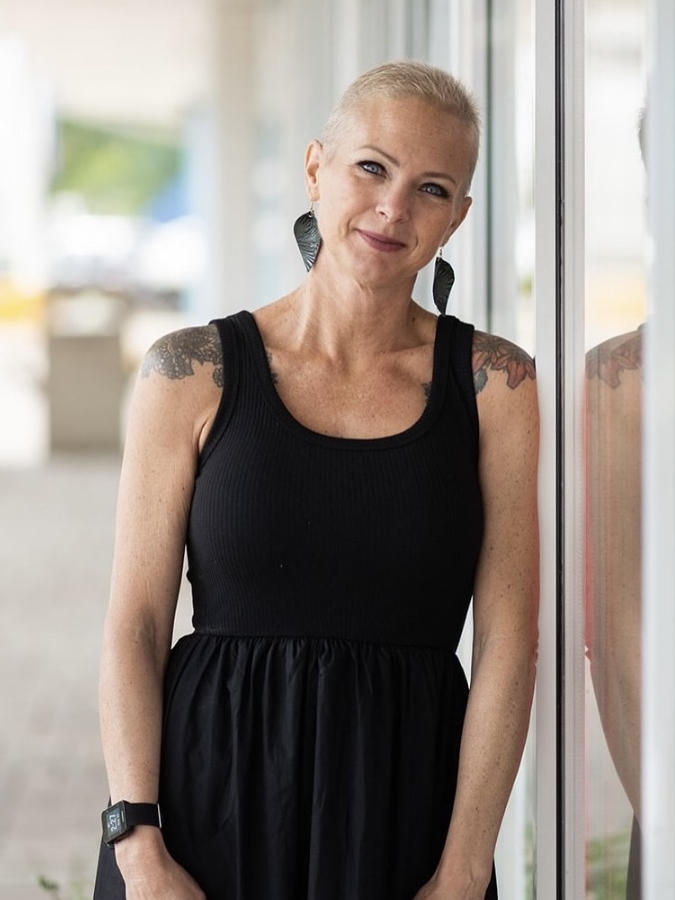
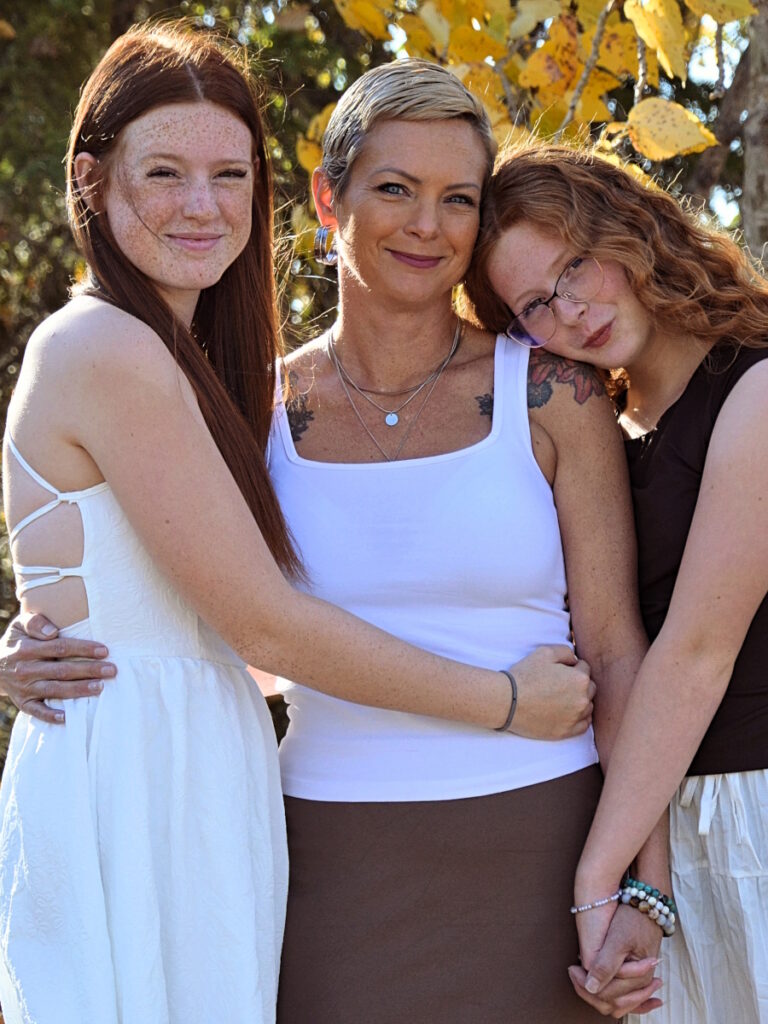
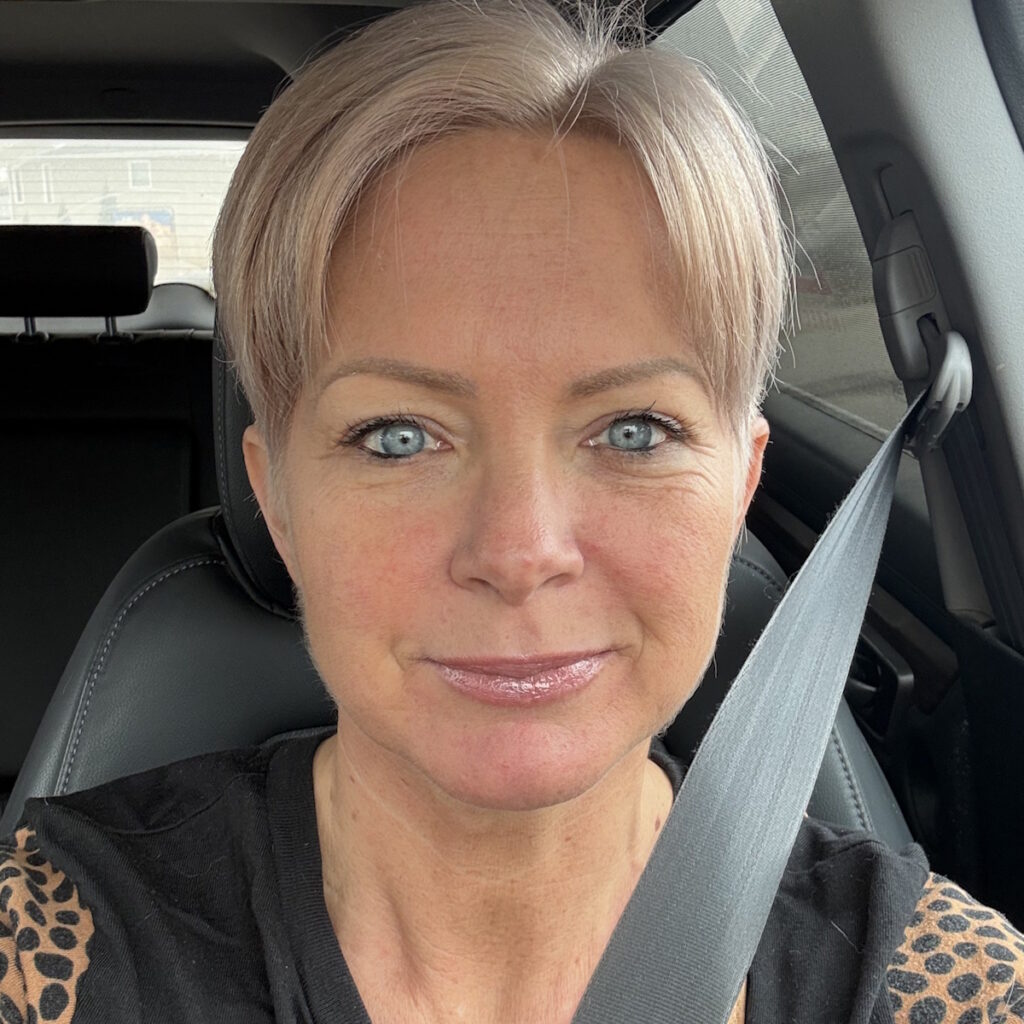
Lori is a single mother of two daughters and an electrician who has spent 25 years in a male-dominated field. By her own admission, she is someone who pushes through pain. She went to work bawling in her car. She pulled over on the side of the road to call her mom and say, “I have cancer,” then went back to work. It was a nurse friend who urged her repeatedly to seek medical care before it was too late.
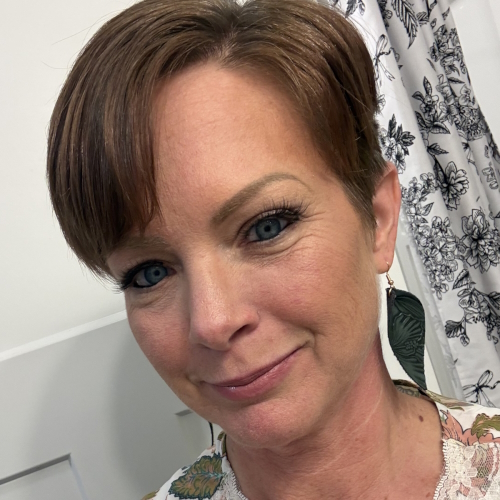
After a kidney removal surgery (nephrectomy) that lasted eight hours instead of two, Lori’s oncologist didn’t think she would make it past six months. She had lost 30 pounds in a month. The treatment she qualified for was so new that she had to apply for it and receive it outside her home hospital. She has completed more than 20 cycles of combined immunotherapy and chemotherapy before neuropathy in her hands and feet required the chemotherapy to be discontinued. Her first scan showed approximately 67% of the cancer had been cleared.
What has carried Lori through is a combination of radical gratitude, a fierce support system, the grounding reality of raising her girls, and an unshakable will to live. She returned to work. She visited her sister in Canada. She took her daughters to Mexico. She practices daily gratitude, meditates, and has shifted from long-distance running and soccer to hiking, yoga, and walks by the lake because, as she says, you just have to shift.
Now, Lori is planning to live 20 more years. She is honest that there is no clear plan, but she has the resolve to try something else if and when the cancer returns. She also carries something harder to quantify: a transformed sense of self.
Watch Lori’s video or read the edited transcript of her interview to find out more about her story:
- Bladder cancer symptoms in women can be atypical. Lori experienced extreme lower back pain, stomach issues, and kidney complications, but no blood in the urine, which is the most commonly associated symptom. This delayed her path to diagnosis and underscores the importance of advocating for testing even when symptoms don’t fit the textbook.
- Caregiver and provider roles can be barriers to self-care. As a single mother and the sole provider in her home, Lori consistently placed her needs last, a pattern she recognizes even now. Many patients, especially women, may need permission or encouragement from a trusted person to seek care.
- A strong support system can help physically and emotionally. Lori credits her friends, family, and a nurse friend as directly contributing to her survival. Who supports a patient matters as much as what supports a patient.
- Metastatic bladder cancer is isolating in ways that most patients are not prepared for. Lori struggled to find community among non-metastatic bladder cancer patients and felt the weight of a disease that is widely misunderstood, under-discussed among women, and underrepresented in peer support spaces.
- Treatment goals can be palliative (which is not the same as hospice) and yield remarkable results. Lori’s treatment was initially framed as keeping her alive for as long as possible, yet her first scan showed 67% clearance. Statistics do not determine individual outcomes.
- Transformation is possible even without a cure. Lori describes herself as a completely different person. She’s more present with her daughters, more intentional with her relationships, and more at peace with mortality. Her experience did not simply challenge her; it fundamentally reshaped her sense of what matters.
Lori’s Diagnosis Facts
- Name: Lori M.
- Age at Diagnosis:
- 45
- Diagnosis:
- Bladder Cancer
- Staging:
- Stage 4 (Metastatic)
- Symptoms:
- Stomach issues resembling food poisoning
- Extreme lower back pain
- Dramatic weight loss
- Declining kidney function
- Inability to eat
- Treatments:
- Surgery: nephrectomy
- Chemotherapy
- Immunotherapy
Story Sponsors


Thank you to our sponsors for their support of our independent patient education story. The Patient Story retains full editorial control over all content.
This interview has been edited for clarity and length. This is not medical advice. Please consult with your healthcare provider to make informed treatment decisions. The views and opinions expressed in this interview do not necessarily reflect those of The Patient Story.
- Lori’s Diagnosis Facts
- My early signs of bladder cancer
- The role of a nurse friend in getting myself diagnosed
- Finding out it was stage 4 metastatic bladder cancer
- The emotional impact of a stage 4 cancer diagnosis as a young mom
- Having an amazing support system, which helped me the most
- Feeling isolated as a young woman with metastatic bladder cancer
- My bladder cancer treatment plan
- The decision to accept treatment and try to stay alive
- How bladder cancer changed my daily life and physical abilities
- My will to live: A message of hope and resilience
- Hear from people living with bladder cancer
I thought I had food poisoning… I wasn’t feeling well and had stomach issues, but they didn’t go away.
Lori M., stage 4 bladder cancer patient
My early signs of bladder cancer
I started getting sick in December, and then I had surgery. They found a mass in my kidney, but it was inconclusive whether it was cancer or not. When they performed the kidney removal (nephrectomy), that’s when they saw that it was in my bladder. That would have been February 2020.
It’s pretty funny because I thought I had food poisoning. We had a Christmas party and I went all out. I had raw steak and different drinks. The next morning, I wasn’t feeling well and had stomach issues, but they didn’t go away. I waited a couple of days before going to ambulatory care. They did some blood work, which included tests for kidney function, and it showed that something was going on. They rushed for an ultrasound and saw a mass. They did a biopsy and it came back inconclusive. They decided it would be best to remove the whole kidney.
In between that time, I had extreme lower back pain. I was still working and I drive a lot for work. I would keel over in pain. I would have hot baths throughout the night as it was the only thing that soothed the pain. I didn’t have the typical symptom of blood in the urine. It honestly felt like food poisoning.
Pushing through the pain: How women often ignore their symptoms
It’s how I am. I push through it. I didn’t want to be like, “Oh, I’m just being a wimp,” so I would go to work every day, and I would be bawling in my car because of so much pain. I was in denial for a long time. I thought I was going to get better. Even when they did the biopsy, I thought, “Oh, it’s probably a kidney stone or something.”
I pulled over, called my mom, and said, ‘I have cancer,’ even though it wasn’t confirmed at that time. Then, I cried and went back to work.
Lori M., stage 4 bladder cancer patient
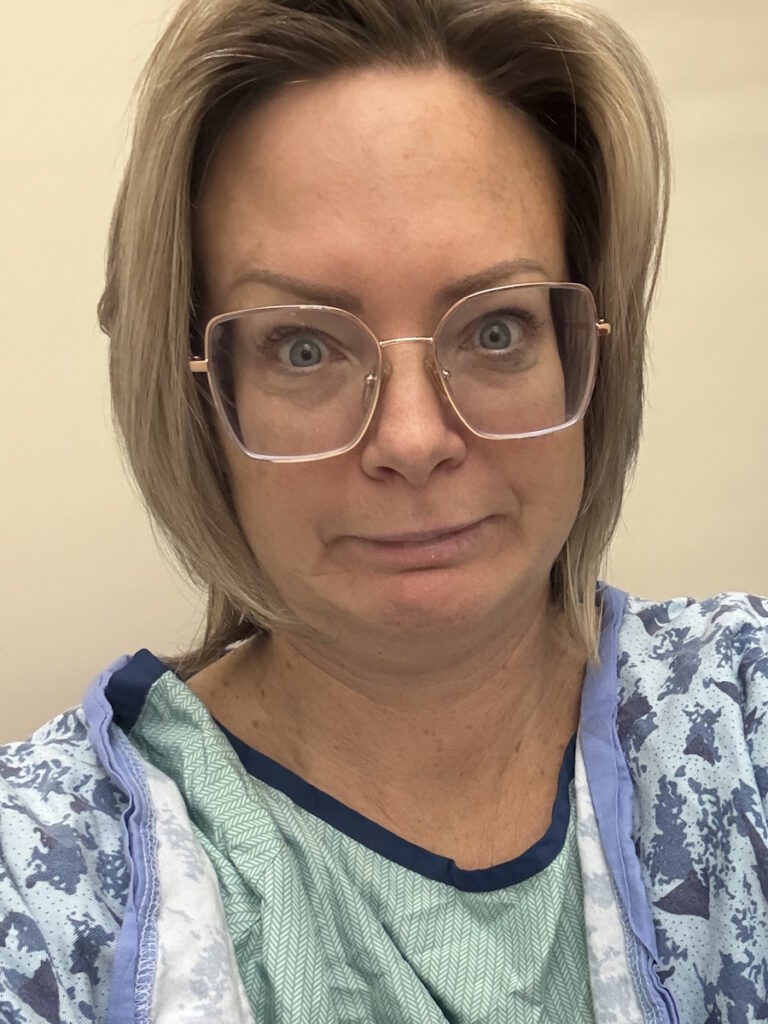
I wasn’t thinking about it until my surgeon called. He said, “We think it’s cancer, so we’re going to remove the kidney. It’s the safest option, because if they remove part of it and there’s more…” I pulled over, called my mom, and said, “I have cancer,” even though it wasn’t confirmed at that time. Then, I cried and went back to work. That’s how I process. I push through. I pushed through a lot in that time and was in a lot of pain.
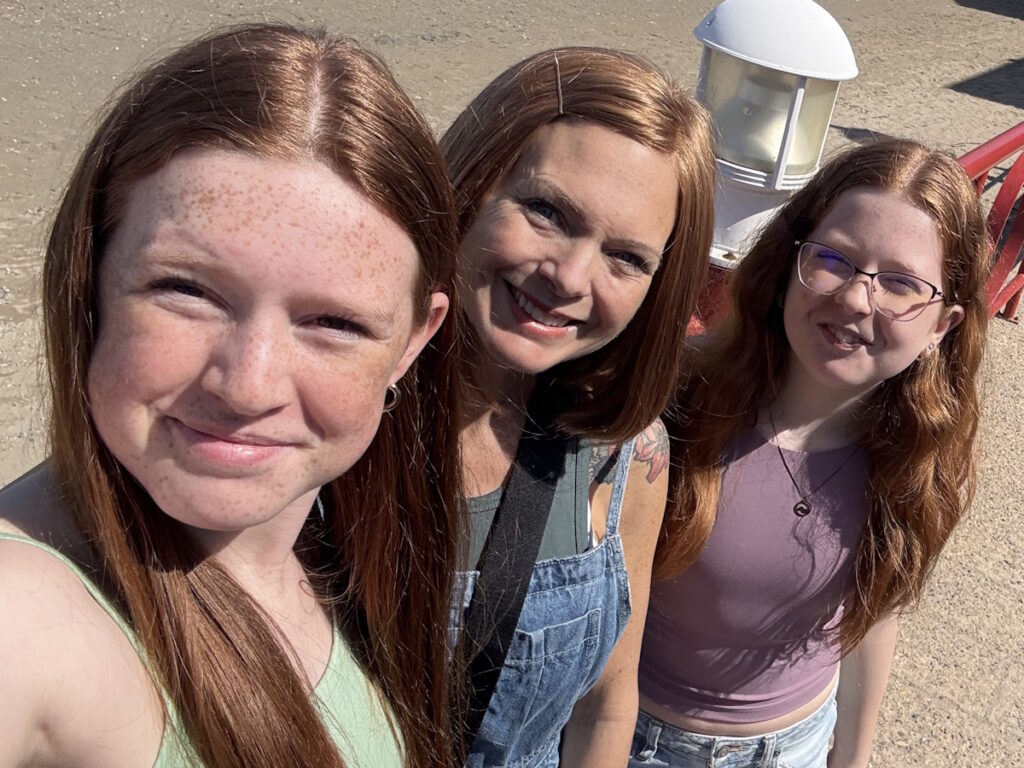
I think about this a lot, because even now, I’m struggling to slow down. I wouldn’t even say it’s badass. It’s that we don’t take care of ourselves. We’re always focused on everybody else. I’m a single parent to two daughters. I co-parent, but when I have my girls, it’s just them and me. I have to provide, so I have to go to work. I was an electrician by trade, so I’ve been in a male-dominated field. I’ve been trying to prove myself for the past 25 years, and no one’s asking me to do it. My boss would have been totally fine if I’d taken a bit of a breather.
They knew I was in pain at times. My youngest is 13 now, but she was 11 at the time. She didn’t get it. I was freaked out when they said my kidney function had gone down. I said something to her and she said, “When’s dinner?” Kids are self-absorbed. They’re concerned about being fed and driven places. I wasn’t in pain all the time. It would come and go in waves. I don’t even think they noticed until everything happened.
When they went to remove my kidney, they couldn’t get at it because the cancer had taken over.
Lori M., stage 4 bladder cancer patient
The role of a nurse friend in getting myself diagnosed
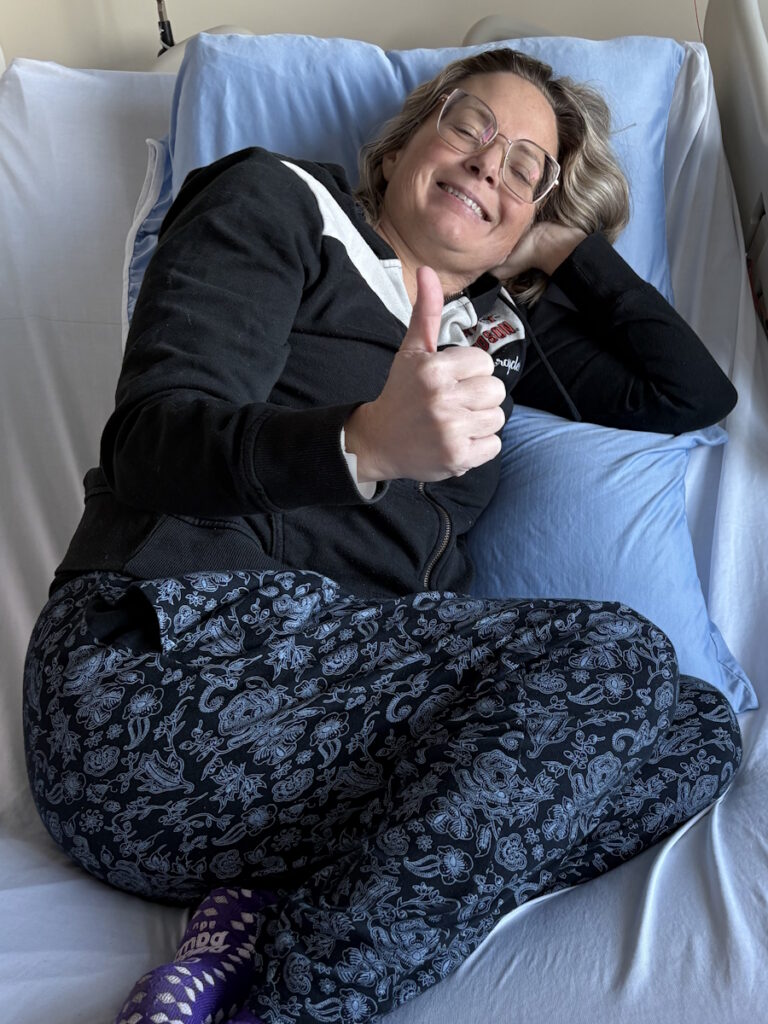
I have a friend who is a nurse, and I would message her all the time. She said, “Lori, if it wasn’t for me, you wouldn’t have gone.” I would tell her my symptoms and she’d say, “It sounds like this or that. You need to go.” Even when I was sick and couldn’t go to the bathroom, she said, “You need to go.”
I was almost in kidney failure after they removed one kidney. It’s almost like I needed someone else’s approval to say, “You need to go,” because I wouldn’t have gone on my own. I was very stubborn about it. Even when I would go, I felt like I was such a burden to the healthcare system. I felt bad about going. I don’t know what it’s like where you are, but the system is overworked. I never want to go because I feel bad.
Finding out it was stage 4 metastatic bladder cancer
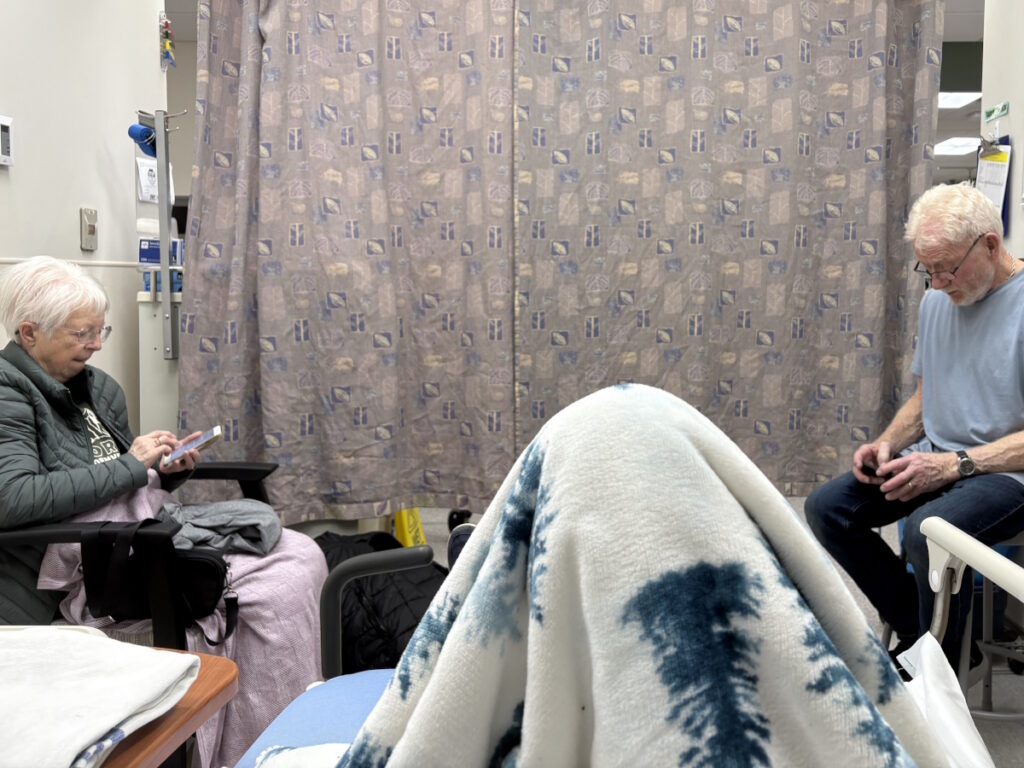
I had my kidney removal surgery booked, and they said it would be about two hours. It ended up taking eight. I was heavily medicated. My mom was with me. My surgeon came in and said the surgery didn’t go as well as planned because my bladder was rock hard, full of cancer inside and out. When they went to remove my kidney, they couldn’t get at it because the cancer had taken over. That’s when I found out.
My oncologist didn’t think I was going to make it past six months because I was so incredibly sick.
Lori M., stage 4 bladder cancer patient
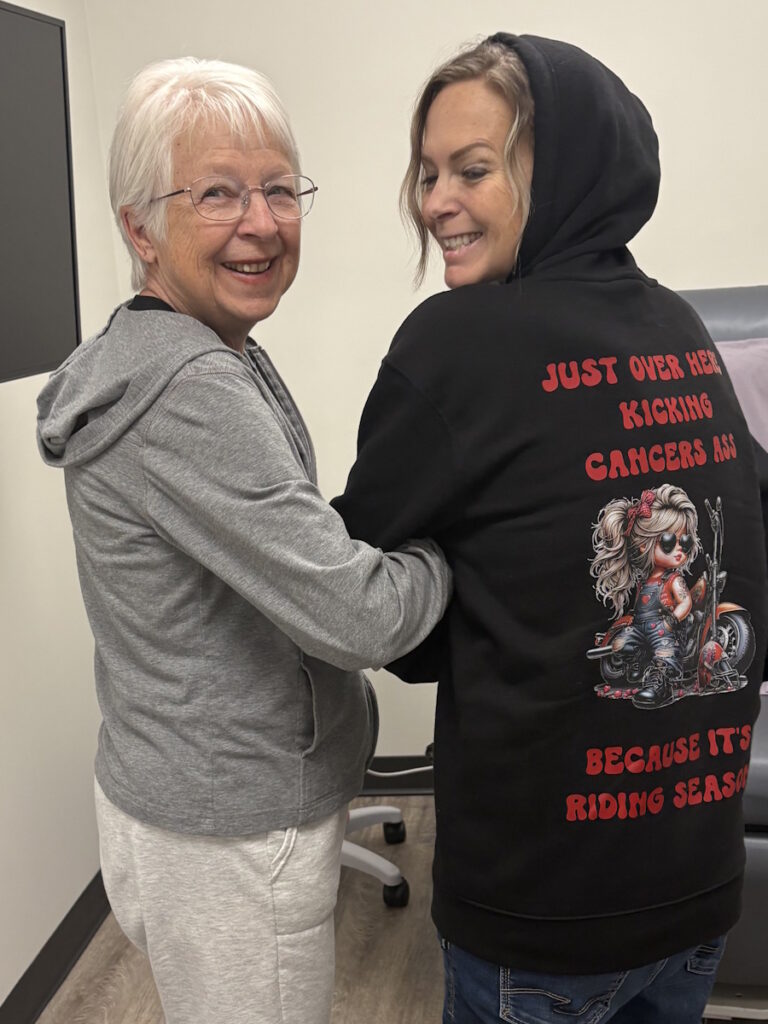
My mom started crying and she never cries. She said, “Can I cry?” As if she needed permission. I didn’t know how bad my cancer was until after my first scan. I Googled what it said on my CT scan: metastatic bladder cancer. It said, “life expectancy: six months.”
I didn’t know it was stage 4. They didn’t tell me. I asked what stage, and they said, “We don’t use stages anymore,” because a stage 1 could turn into a stage 4. I think they did that on purpose. I lost 30 pounds in about a month. My skin was drooping. I couldn’t eat. My oncologist didn’t think I was going to make it past six months because I was so incredibly sick. I didn’t know the stage until probably that summer, when I Googled it.
The emotional impact of a stage 4 cancer diagnosis as a young mom
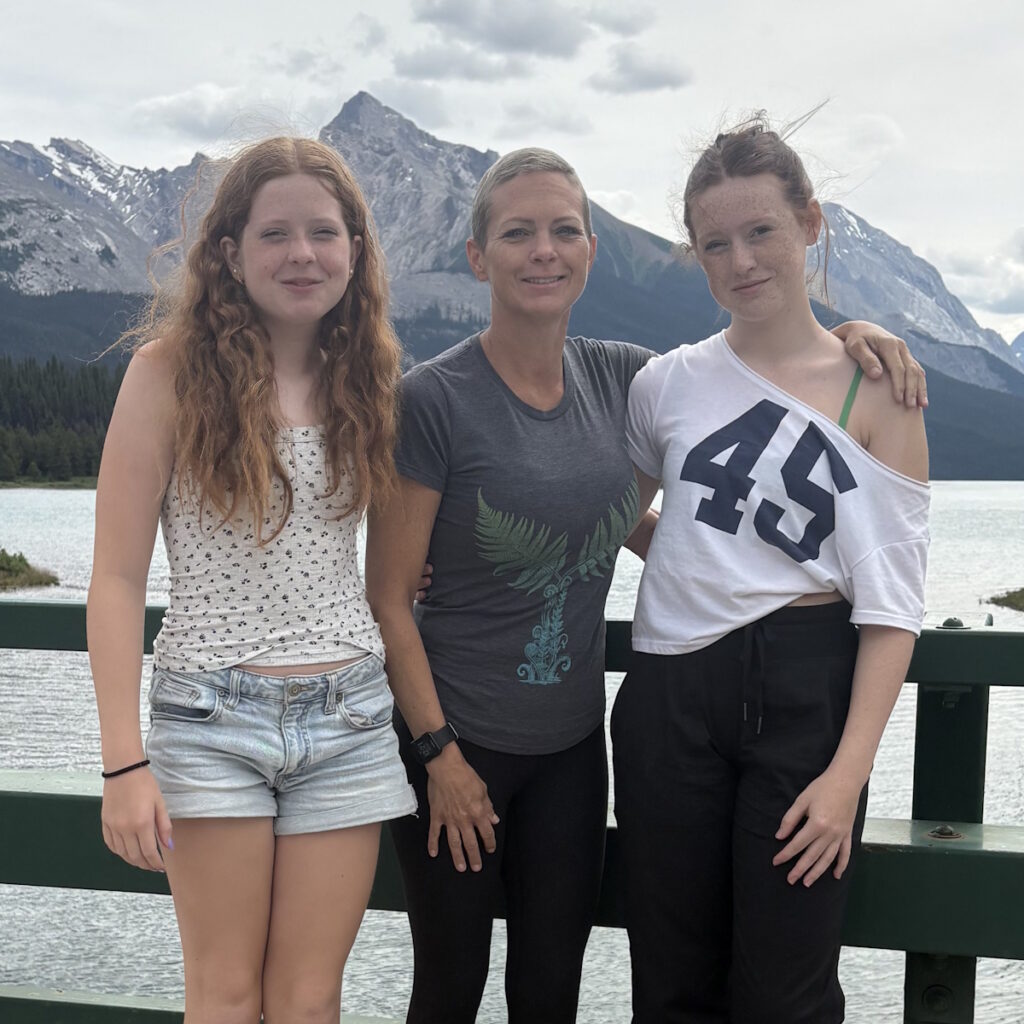
I went into a very deep depression during that time. I remember we went to Jasper, Canada, and I wasn’t myself. We were taking nice pictures, and my girls were joking around, and I lost it because I thought this was my last trip to Jasper. I was thinking these were all memory pictures.
I’m a very positive person, so I wasn’t outwardly showing it. I don’t think people would have known unless they were my close family. I was back to work, doing the daily things, but I was not okay. I was very, very depressed. I was eating like crap, having wine at night, and eating sugar. I was not in a good spot.
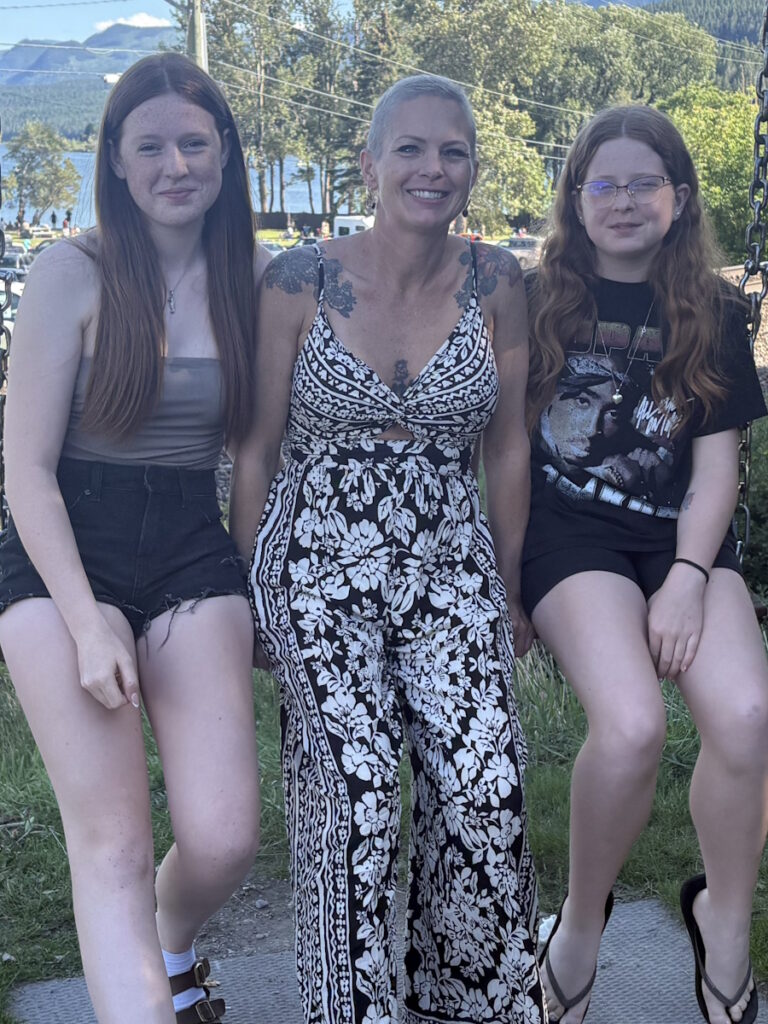
My support system has been amazing, which has been huge.
Lori M., stage 4 bladder cancer patient
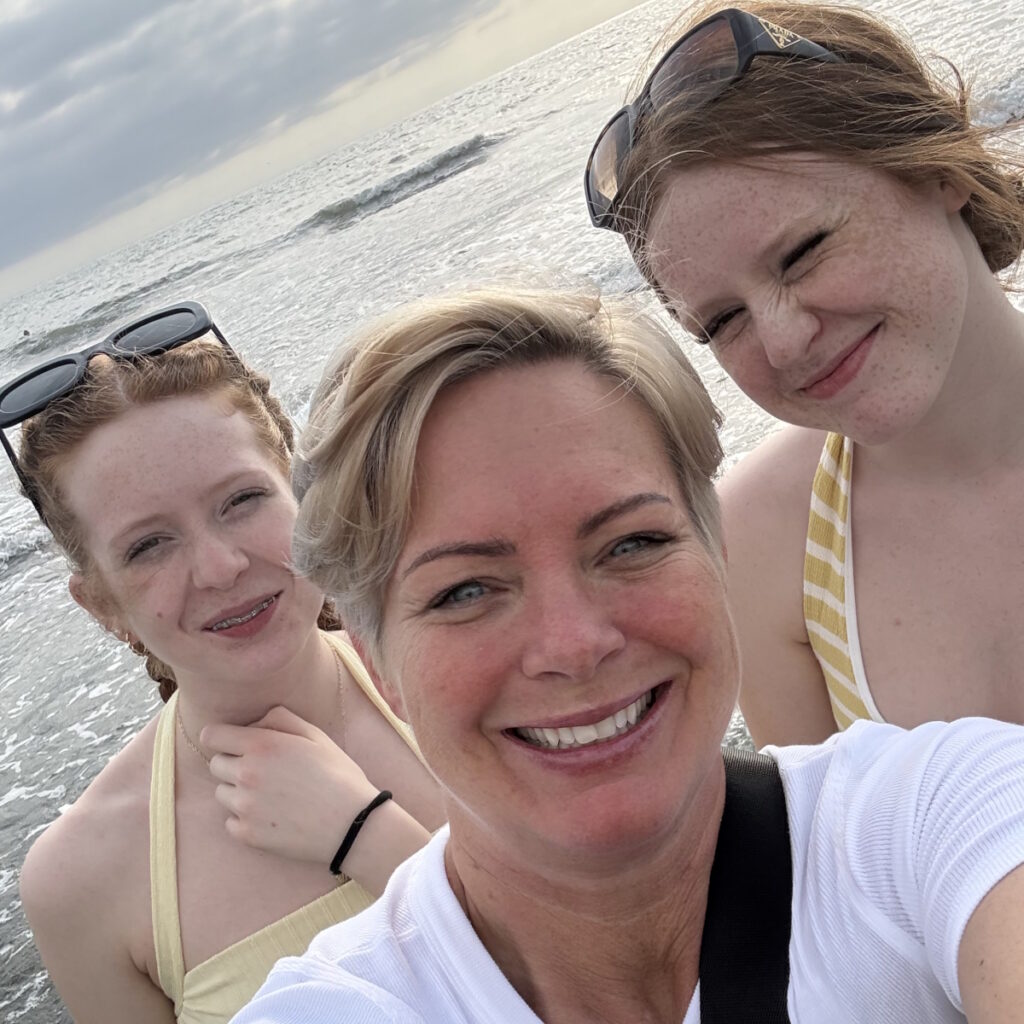
Pulling through: gratitude and immunotherapy
I practice a lot of gratitude every day, even with my girls. At dinner, we would say three things we’re grateful for. I was also listening to a lot of radical remission stories from people who had been given six months to live and survived. Those stories were huge because they gave me hope.
Then the immunotherapy started to do its job. I was slowly gaining my weight and strength back. I was back to work. My work is such a positive atmosphere. Doing the day-to-day things allows you to get your mind off of it. A lot of people can’t work because certain therapies are hard on the body, but getting back to work helped me. I wasn’t thinking about cancer every minute. I had other things to occupy my mind.
Having an amazing support system, which helped me the most
My support system has been amazing, which has been huge. My friends and family have rallied. It’s so weird, but there have been so many positive things that have come from this.
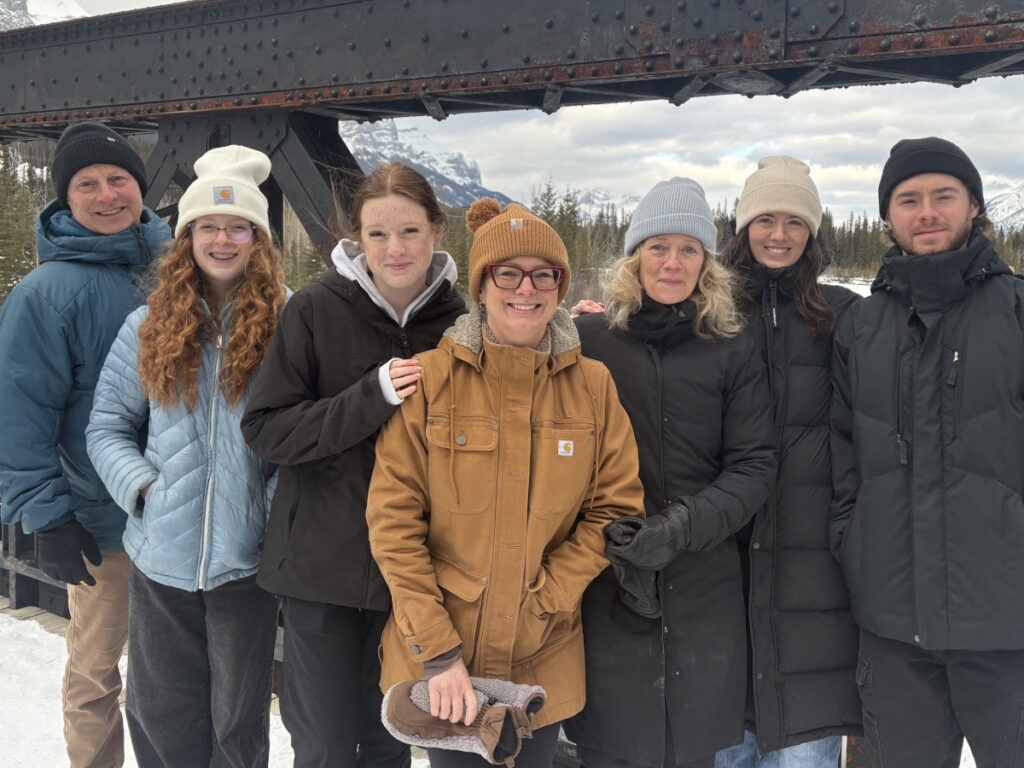
I didn’t want to join any cancer groups because I thought it was going to be negative and a downer. But it’s hard not having someone to talk to about it.
Lori M., stage 4 bladder cancer patient
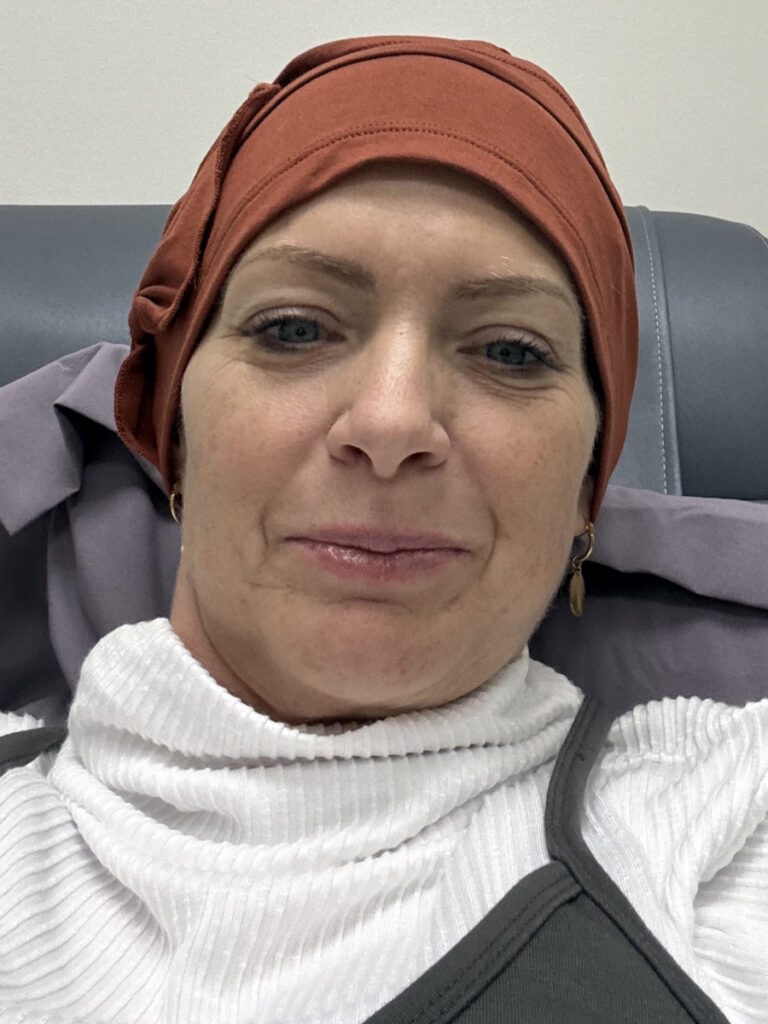
Where did the bladder cancer spread?
Very shortly after my first CT scan, they did another one. It had spread to my liver, lungs, and lymph nodes.
Because it’s metastatic, they said, “You’ll always be stage 4.” I was always thinking, “I’m going to live.” I never thought I was going to pass in six months. I came to terms with things, but it was more like, “What does that mean for my life?”I’m single. Can I live a normal life with this diagnosis?
Bladder cancer is hard. It spreads, and it comes back easily. All I knew then about bladder cancer was that it was an old man’s disease.
Feeling isolated as a young woman with metastatic bladder cancer
It’s very isolating. You can’t have conversations about certain things with your friends and family because there are some very deep, dark feelings. I joined a bladder cancer women’s group, but most of the women there did not have metastatic cancer. For lack of a better term, I felt like I didn’t fit in. People were feeling sorry for me, which I don’t like. I felt like I wasn’t part of that group.
There is a metastatic group I’m a part of now, and there are women in it too, which is fantastic. I didn’t want to join any cancer groups because I thought it was going to be negative and a downer. But it’s hard not having someone to talk to about it. If it were breast cancer, I’d probably know five people I could have a conversation with.
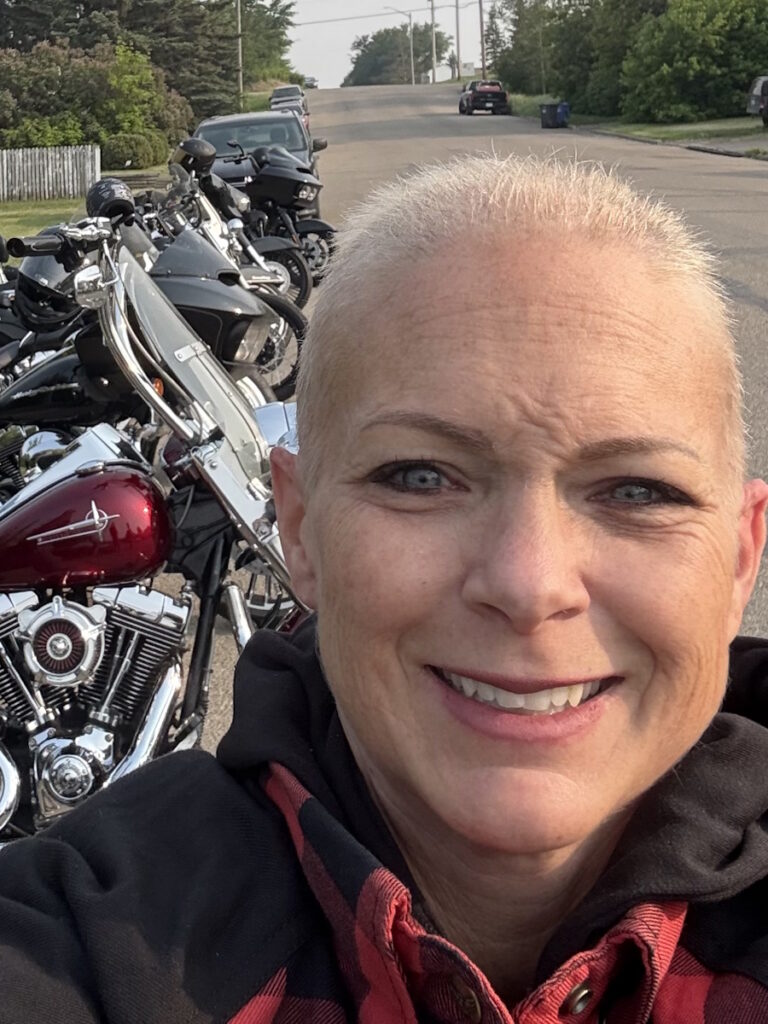
I 100% trust my oncologist. I trust that he has my best interests in mind.
Lori M., stage 4 bladder cancer patient
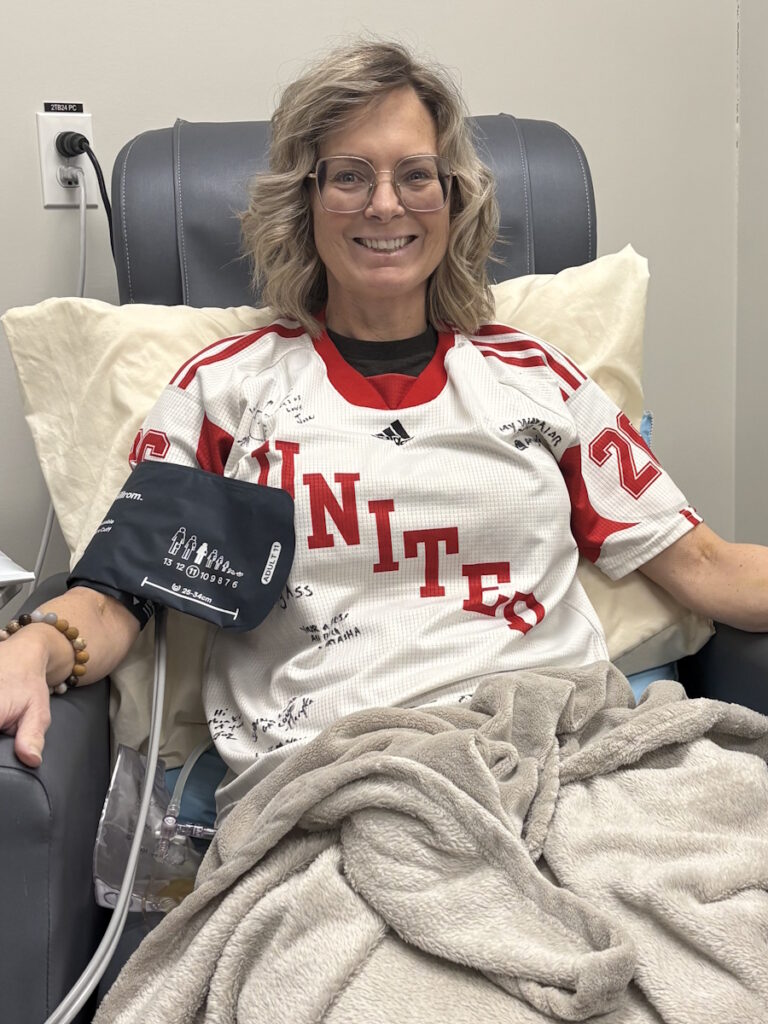
My bladder cancer treatment plan
The treatment I was on was so new that I had to apply for it and had to go somewhere else. My oncologist said, “We’ve got it for about 10 rounds, but it’ll be so hard on the body that you probably won’t make it through all 10.” He also said I’d probably be dead in three years. He was having a bad day that day, but that one was hard.
Basically, I was to do this treatment until I couldn’t tolerate it. It was more palliative, basically to keep me alive for as long as possible. The statistics aren’t good for metastatic bladder cancer.
My treatment involved chemotherapy and immunotherapy together. Day one, I would do both. On day eight, it would be just chemotherapy. Then I’d get a week off and repeat. I’ve done over 20 cycles. Recently, they dropped the chemotherapy and I’m on immunotherapy now, because my neuropathy was getting so bad.
The decision to accept treatment and try to stay alive
My mom was worried. She thought I was going to be a guinea pig. I don’t like taking medication, and I was scared about the side effects of chemotherapy because I’d seen a friend go through it with breast cancer.
But I was so sick. I knew that if I didn’t get this treatment as soon as possible, I’d be dead, so it didn’t matter. I was trying to stay alive. Even though there was that one bad appointment, I 100% trust my oncologist. I trust that he has my best interests in mind. I think he will fight for me.
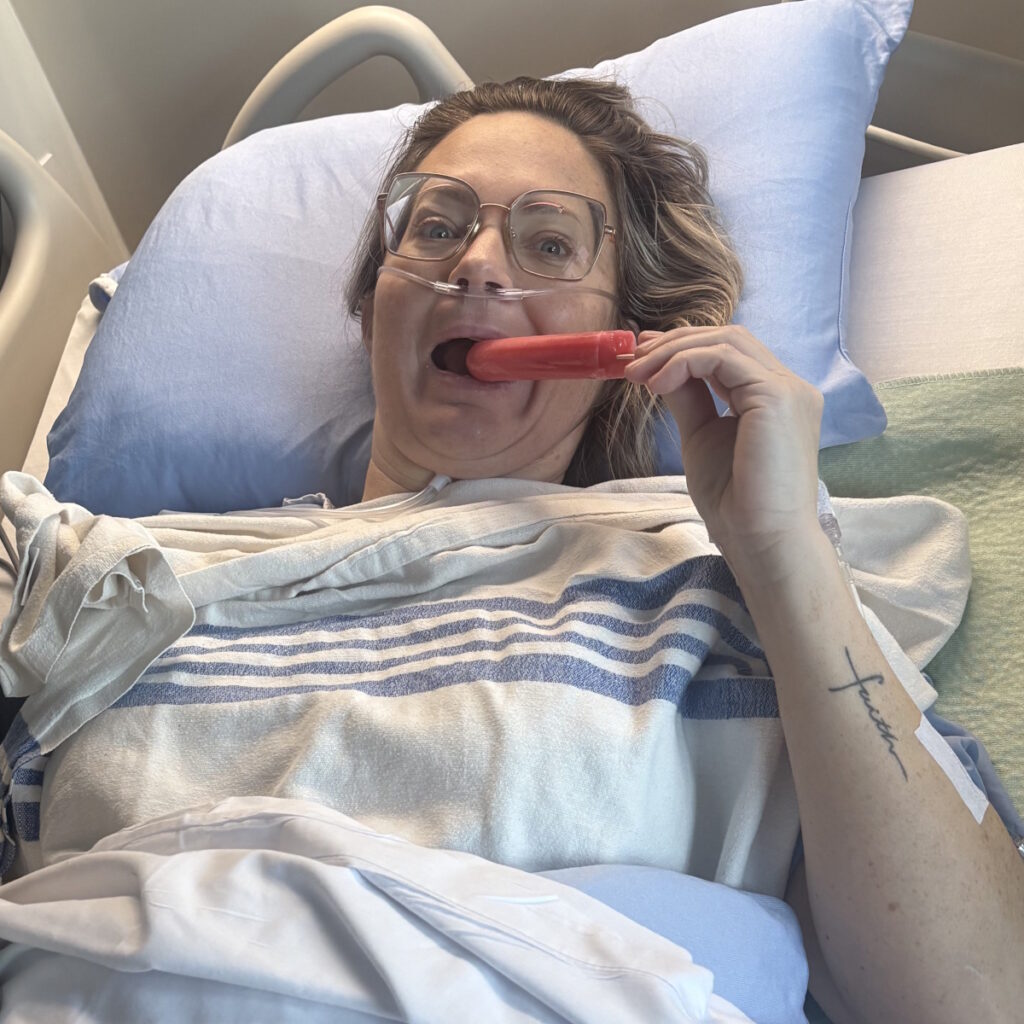
I’m a completely different person, but hopefully, for the better.
Lori M., stage 4 bladder cancer patient
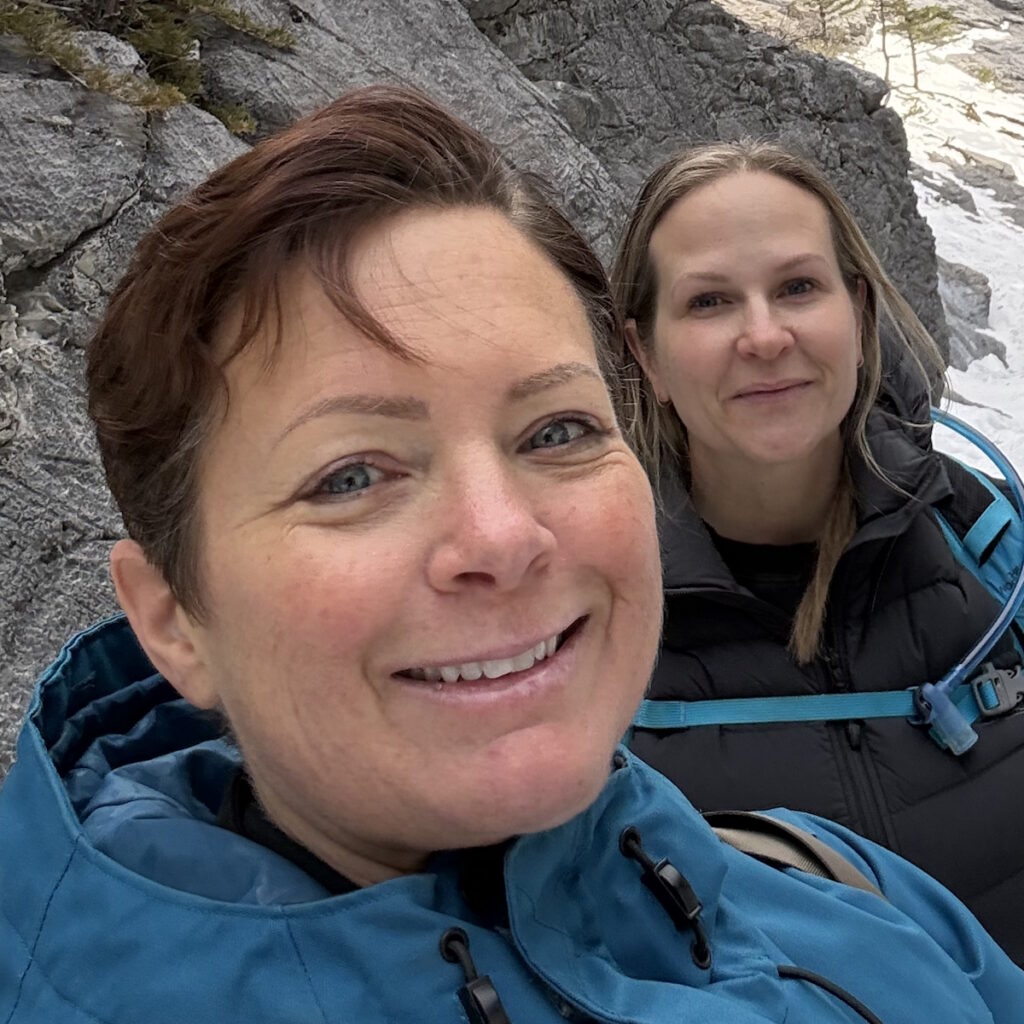
When I was at my sickest, after surgery, I couldn’t even walk up the driveway without getting sick. My first scan was about three months later, and about 67% of it had been cleared. It was an amazing scan. It’s funny because that’s when I went into my depression.
I went to visit my sister in Nanaimo. We did some light hikes, and I felt somewhat normal. I was tired, but I was doing the normal things, like going back to work, making my kids supper, and taking them to dance. Those were the good moments. I was doing normal day-to-day stuff, so I’m doing okay.
How bladder cancer changed my daily life and physical abilities
Before, I used to play soccer and run long distances. I was very physical. Now I have neuropathy in my foot, so I don’t know if I’ll ever be able to play soccer again. I’ve shifted. I go for walks. I’m back at the gym and trying to get my strength back. I used to be very social, but now I’m a homebody. I work hard on the relationships that are important.
I’ve been doing yoga, walking by the lake near where I live, and going on hikes. There are a lot of things I do. You just have to shift. It’s changed me completely. I’m a completely different person, but hopefully, for the better.
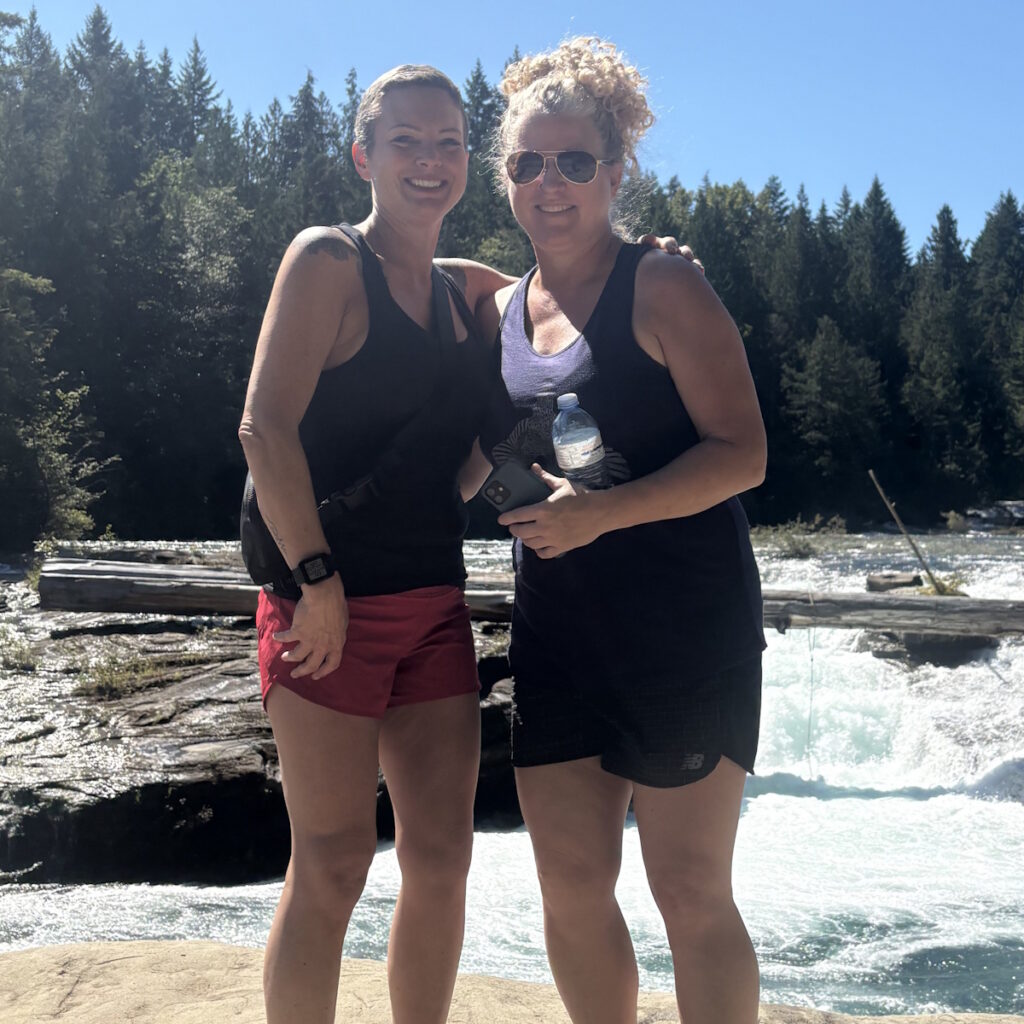
I’m trying to be in the moment with my girls by having good conversations and showing affection.
Lori M., stage 4 bladder cancer patient
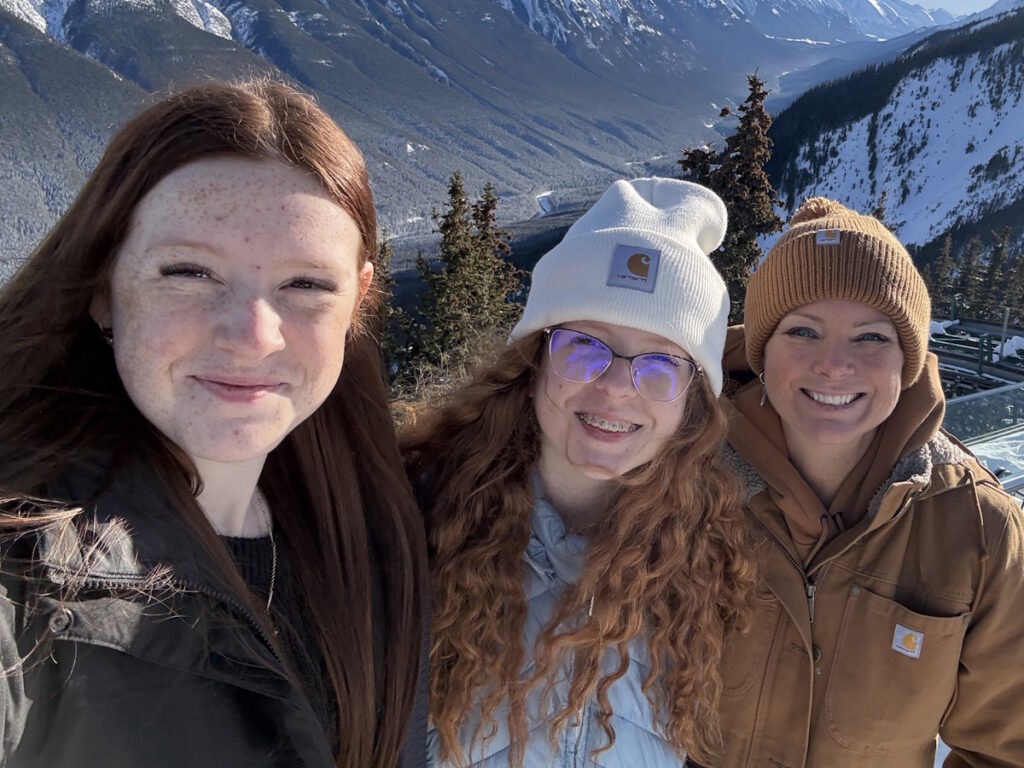
I’m not scared of dying. Because of all of this, I’ve come to terms with that. I try to be in the moment. I read this book about living your life as if you’re going to die in a year, and I think that’s a good concept to live by.
I’m trying to be in the moment with my girls by having good conversations and showing affection. I pick and choose who I spend my time with. The hard one is trying to be more relaxed, meditate more, and be more aware of myself. We’re not as intuitive as we could be.
Navigating dating and relationships with stage 4 cancer in my 40s
When I understood the diagnosis, I thought, “Darn it. I should have locked down somebody, because I don’t know if anybody would date someone with stage 4 cancer.” But then on the flip side, I don’t have to worry about anybody else. I’m a huge empath, so they would have their feelings about this, and it would be devastating for them. Seeing my parents go through it was worse than going through it myself. I would hate it if my parents had this. It’s worse when it’s other people.
I haven’t been lonely. I’ve just been so tired that I didn’t need that type of connection. My support system is so good. It would have been harder if I had somebody, because you would have to think about them. At least with me, I can be completely selfish. On the weeks I don’t have my kids, I can do whatever I want. I can go to bed at 8 p.m.
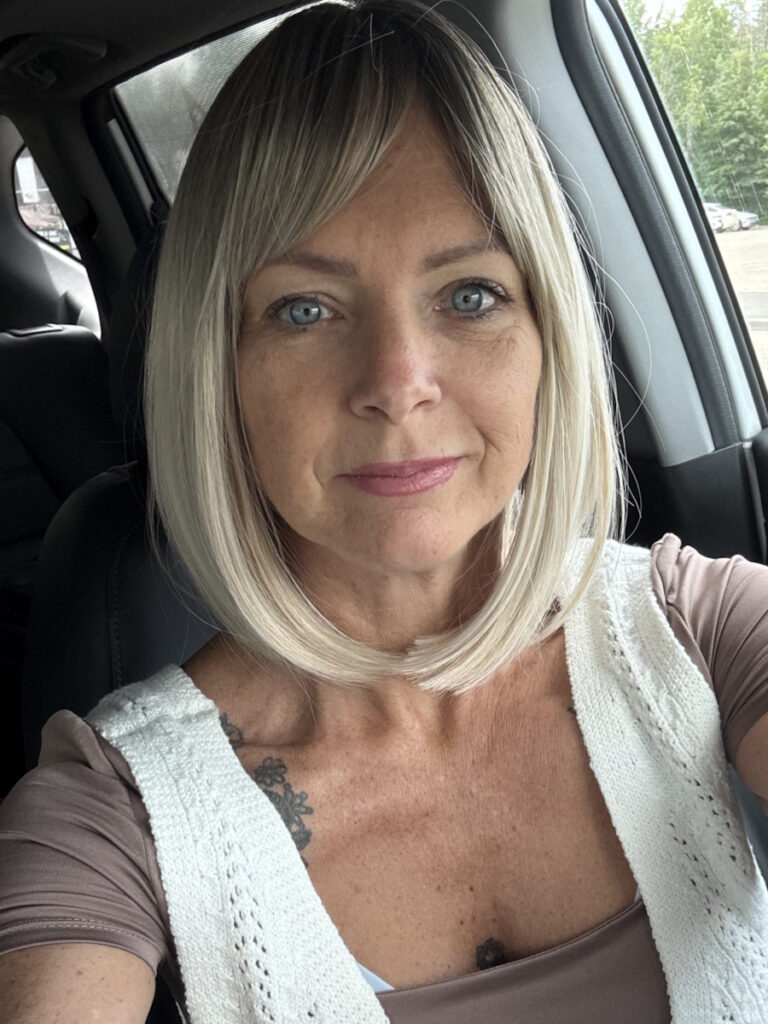
My scans have been good, but I don’t know where the cancer is right now… I’m basically on this treatment plan until the cancer comes back, and then we try something else.
Lori M., stage 4 bladder cancer patient
Looking to the future
I wish I had a crystal ball. If I only had four years to live, I would do things completely differently, but I plan to live 20 more years or so. I’m trying to slow down. I was recently in Mexico with my girls. It was so good that I was thinking, “I should move to Mexico when my girls are grown and live an easy life.” We work so hard in Canada that we don’t sit and take it all in.
Sometimes my care team’s verbiage doesn’t seem positive. I was doing chemotherapy and immunotherapy together until I couldn’t tolerate it anymore. The neuropathy in my hands and feet was so bad that we stopped.
My scans have been good, but I don’t know where the cancer is right now. It’s hard to tell. All I know is it’s always planning for when the cancer comes back. It’s hard. I would have appointments every three weeks, and I have to prepare myself. I can’t stand the word “tolerate.”
There is no plan. I’m basically on this treatment plan until the cancer comes back, and then we try something else. Hopefully, that works.
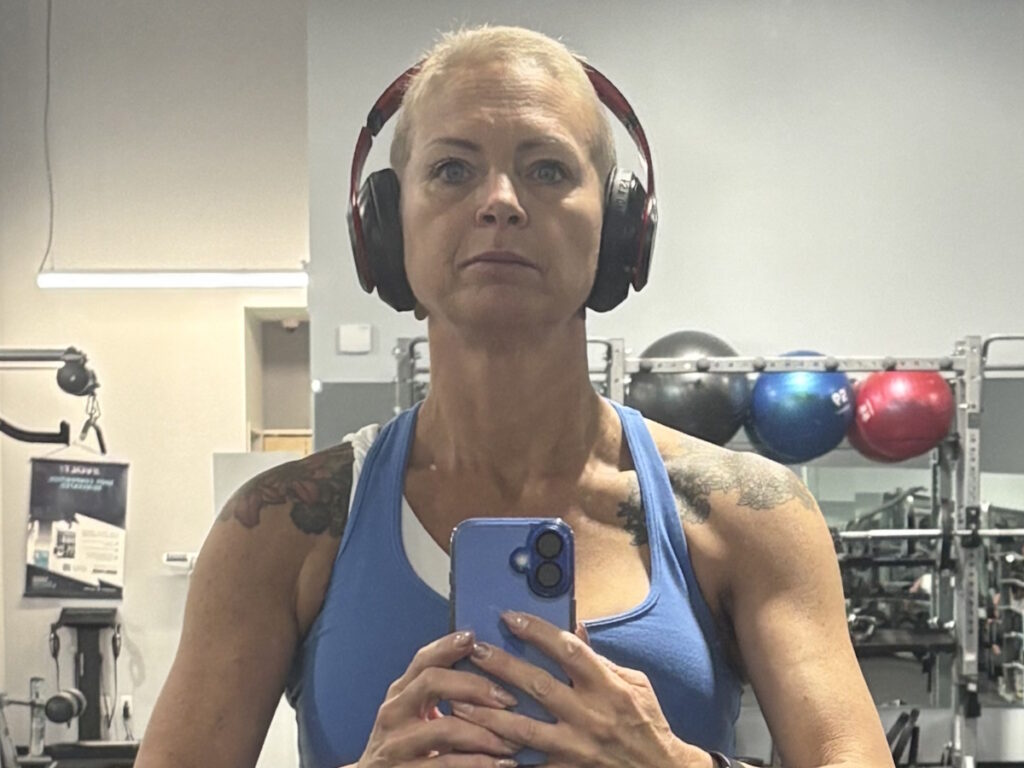
I need to get my strength back so that if I have to fight again, I can.
Lori M., stage 4 bladder cancer patient
My will to live: A message of hope and resilience
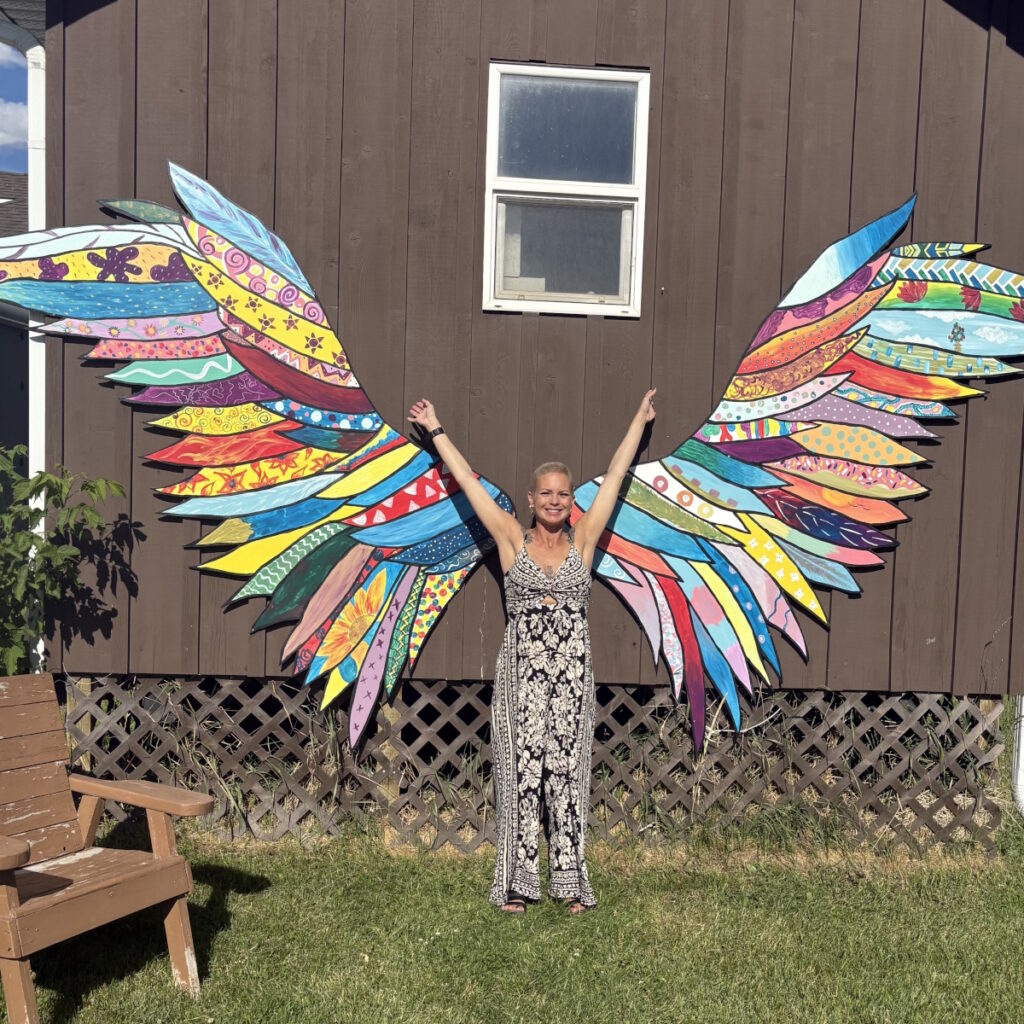
I will do anything. I’m extremely nervous about my next scan. Going off chemo, I’m hoping the cancer doesn’t come back. I need a little bit of a break, though, because it was hard. Writing my story for Bladder Cancer Awareness Month was hard. I don’t even realize how much I’ve gone through in the last year and a half.
I have a huge will to live. But I need a little bit of a break from cancer. I need to get my strength back so that if I have to fight again, I can.
Story Sponsors
Thank you to our sponsors for their support of our independent patient education story. The Patient Story retains full editorial control over all content.
This interview has been edited for clarity and length. This is not medical advice. Please consult with your healthcare provider to make informed treatment decisions. The views and opinions expressed in this interview do not necessarily reflect those of The Patient Story.
Inspired by Lori’s story?
Share your story, too!
Hear from people living with bladder cancer
Real experiences with diagnosis, treatment choices, side effects, and life beyond bladder cancer — in their own words.
Leave a Reply