
Lyn: Muscle-Invasive Bladder Cancer, Hairdressing, and Finding Health Again
For hairdresser Lyn, a muscle-invasive bladder cancer experience began with a pink tinge in the toilet water, then bright red urine that would not go away. She had worked in salons for more than five decades, specializing in hair color and breathing in chemical fumes daily. She had no idea there could be a link to bladder cancer. When her general practitioner reviewed her urine test and said there were cancer cells, Lyn described the moment as a complete shock, upending the life she’d built around her salon, her family, and her travel plans.
Interviewed by: Taylor Scheib
Edited by: Katrina Villareal
As her muscle-invasive bladder cancer (MIBC) experience unfolded, Lyn learned that surgery to remove her bladder was too risky because of a longstanding abdominal overhang. Instead, her care team recommended trimodal therapy (TMT): transurethral resection of bladder tumor (TURBT) followed by chemotherapy and radiation.
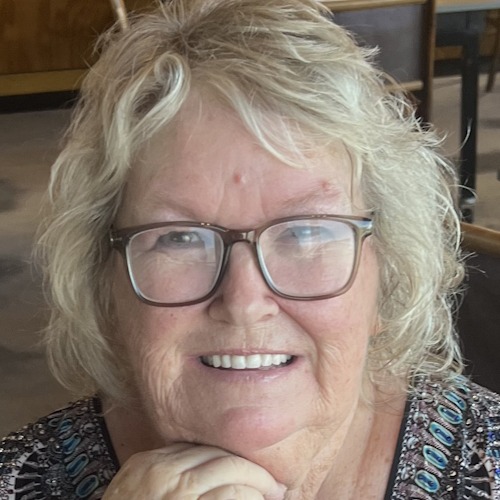
Lyn describes the months that followed as a blur of scans, daily drives to the hospital, 33 rounds of radiation therapy, and seven weeks of chemotherapy. There were hard moments, like squatting by the roadside when bladder irritation made a bathroom break urgent, and losing the comfort of having her husband, John, at her side during chemo when visitor rules suddenly changed. Still, she felt deeply supported by her oncology and radiation teams and leaned heavily on mindset work, gentle movement, and her partner’s presence.
Lyn’s muscle-invasive bladder cancer experience also intersected with another unexpected diagnosis. A PET scan revealed spots in her thyroid and bowel. The bowel issue turned out to be polyps, and she ultimately had her thyroid removed. Her doctors reassured her that this was separate from the bladder cancer and, in a way, lucky to have been found early. Through it all, Lyn educated herself by reading about trimodal therapy, exploring immunotherapy options that aren’t yet widely funded in Australia, and asking about other forms of testing after hearing another patient’s story.
Today, Lyn is focused on living well between three‑month cystoscopies. She’s lost significant weight intentionally, improved her type 2 diabetes, and says she now feels healthier than she has in a decade. She continues her health and wellness work online by advocating for young hairdressers to wear masks when mixing color. Lyn urges anyone with blood in their urine not to accept “just a UTI” as an answer. Above all, she wants people to know they can still grow, thrive, and protect their quality of life, even while living with cancer.
Watch Lyn’s video or read the edited transcript of her interview to find out more about her story:
- Lyn connects decades of hairdressing and daily exposure to hair color fumes with her diagnosis of muscle-invasive bladder cancer and now advocates for better protection in salons.
- When bladder removal surgery (cystectomy) was deemed too risky, she moved forward with trimodal therapy (TURBT plus chemotherapy and radiation) and focused on what she could control: mindset, information, and daily choices.
- A thyroid cancer finding during staging scans reframed bad luck into early detection, showing how one diagnosis can sometimes uncover another treatable condition.
- Lyn emphasizes that quality of life matters as much as quantity, highlighting her transformation toward strength training, weight loss, improved diabetes control, and feeling healthier than she has in years.
- Patients often need to advocate for themselves, especially when symptoms like blood in urine are minimized as a urinary tract infection or when follow-up appointments fall behind schedule.
Lyn’s Diagnosis Facts
- Name: Lyn U.
- Age at Diagnosis:
- 69
- Diagnosis:
- Muscle-Invasive Bladder Cancer (MIBC)
- Symptom:
- Blood in urine
- Treatments:
- Surgeries: transurethral resection of bladder tumor (TURBT), thyroidectomy
- Chemotherapy
- Radiation therapy
Story Sponsors


Thank you to our sponsors for their support of our independent patient education program. The Patient Story retains full editorial control over all content.
This is not medical advice. Please consult with your healthcare provider to make informed treatment decisions.
- Lyn’s Diagnosis Facts
- Introduction
- My first symptoms and the shock of the diagnosis
- Telling my children, and my early bladder cancer treatment plan
- From non-muscle invasive to muscle invasive bladder cancer, and discovering thyroid issues
- Going through chemotherapy and radiation therapy
- Mindset, movement, and coping with bladder cancer treatment
- Learning about the Signatera test and the financial toll of cancer treatment
- Discovering the hairdresser–bladder cancer link
- Wishing I had known the risks earlier
- What I want others to understand
- Living with uncertainty and learning patience
- Hear from people living with bladder cancer
I was working six days a week, not aware at all that hairdressing could end up being the cause of my bladder cancer.
Lyn U., Muscle-Invasive Bladder Cancer Patient

Introduction
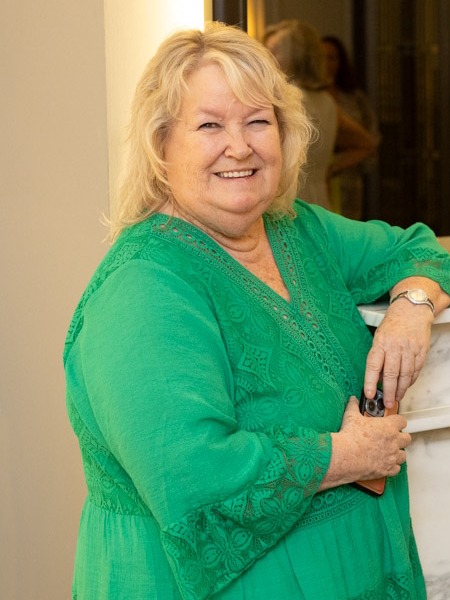
I’m from Tasmania, the little island right at the bottom of Australia, probably the closest you could get to the South Pole. When I was 16, I started a hairdressing apprenticeship and absolutely fell in love with hairdressing and looking after my clients. At 20, I bought my first salon. At 22, I headed to London to go to the world-renowned Vidal Sassoon hairdressing school, where he was groundbreaking at that time, particularly in haircutting. I had a two-year-old, who I left at home with my mum and dad, and headed off to further my career, which was successful.
A year later, I was able to move my salon to a larger space. Another year later, my staff had grown to 14. I had one of the top three largest salons for the next 25 years in Tasmania, with an average of 10 to 15 staff at any time. I loved it. I loved having the team of hairdressers. I had about 50-odd apprentices over time, along with other fully qualified hairdressers.
Of course, there were a lot of other things that happened in my life, but I was working six days a week, not aware at all that hairdressing could end up being the cause of my bladder cancer.
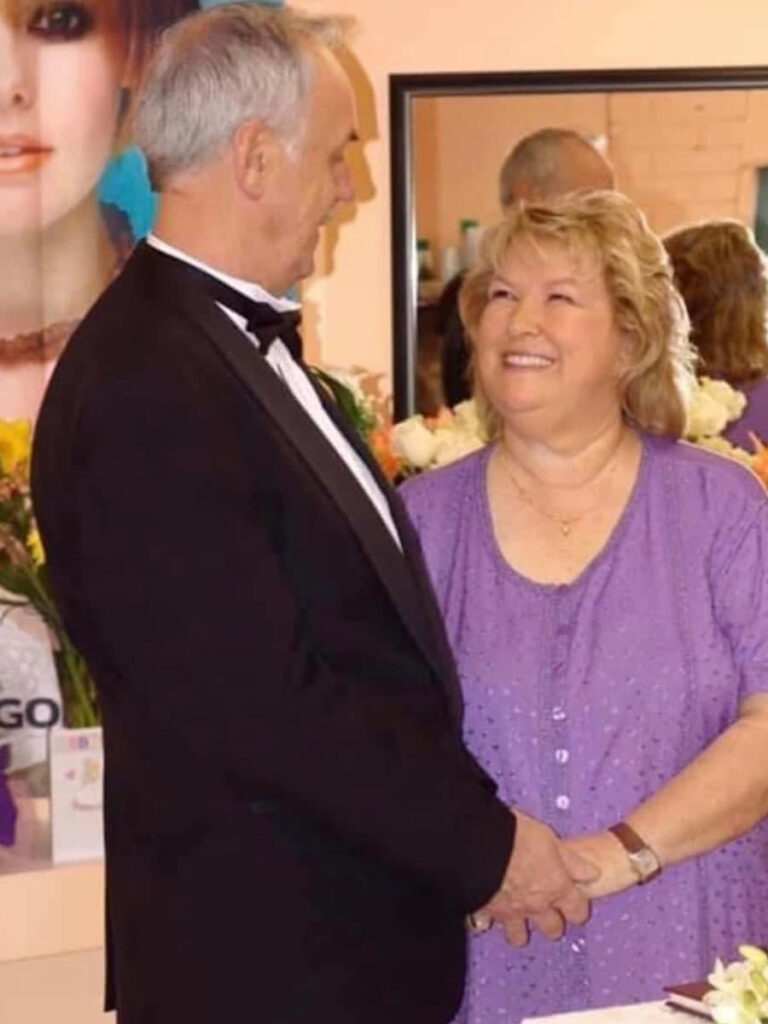
Fast forward from that, I had a marriage breakdown, and a couple of years later, I was fortunate to meet my now husband, John. I sold the salon, and we moved it into our house. We have a lovely little setup. I was also working six days a week in the salon, because I had a large clientele who followed me. I’d been doing their hair for a long time, so they didn’t want to go elsewhere.
John and I love traveling, so moving the salon home gave me the freedom to travel. I have two adult children. My daughter lives in Western Australia, which is a good four-hour flight. It takes nearly all day to get to her. She’s a submariner in the Australian Navy. My son lives in Victoria, which is closer. I have three grandchildren that I, unfortunately, don’t get to see very much.
I tell my hairdresser now, ‘When you’re mixing colors, wear a mask…’ I honestly don’t think she thinks I’m serious.
Lyn U., Muscle-Invasive Bladder Cancer Patient

I took on another job on the side, doing online selling, about eight or nine years ago, which allowed me to cut back my days in the salon, giving me more freedom to travel and do other things that we enjoyed. Around the time of my diagnosis, I was still working two days a week, Fridays and Saturdays. As soon as I was diagnosed, I quit that altogether, because I knew it would be nearly impossible to change appointments all the time. People are locked in when they have their hair appointments, so it’s very difficult.
I’m missing that now, but my side job still gives me the sense of community and connection with the customers. It’s a health and wellness business, so it came at a good time. It was a new company that I started a month before I was diagnosed. With that, I’ve been able to concentrate and work on my wellness journey.
I stopped hairdressing in 2024, when I was 69, and started at 16, so I was working for 53 years. When I had the salon, I did a lot of hair coloring. Even when I worked from home, I was still doing six days a week. I specialized in hair coloring. When I had the salon, I was mixing colors for the apprentices. I tell my hairdresser now, “When you’re mixing colors, wear a mask.” The person having their hair colored is fine; they’re only doing that every six weeks or so. But the hairdresser is mixing colors all day, every day, and those fumes come up.
I honestly don’t think she thinks I’m serious. Maybe I need to go online a little bit more and tell people not to dismiss this as nonsense. I know painters are also at risk because they’re breathing in those chemical products. I believe firemen are also high on the list.

I went to the toilet one day and the water was a little bit pink… That happened twice in a row and then it stopped, so I brushed it off.
Lyn U., Muscle-Invasive Bladder Cancer Patient

Why hairdressing meant so much to me
With so many years of hairdressing and the connection with my clients, I remember being trained when I was younger as an apprentice myself, that it’s the only job where you can come up behind someone and touch them without them feeling like, “Get away from me.” You can put your hands on them and say, “Hi, how are you today? What are we looking at doing?” You can touch them while having that open consultation.
The feeling of giving up hairdressing was hard for me, thinking I was going to lose my connection with all of my clients. But my online business still comes back to communication and looking after the customers. Customer service is a big thing for me. It’s an effect of having done that for so many years in hairdressing. If you’re used to that, you do miss it when something is taken away very suddenly.
John’s always said, “You could write a book.” There are so many stories that I could tell, but I never would. As a hairdresser, what’s said in the salon stays in the salon.
My first symptoms and the shock of the diagnosis
The first sign happened on August 24th. I went to the toilet one day and the water was a little bit pink. I don’t know if it had happened before, as I wasn’t looking to see, but it was the first time I noticed anything. That happened twice in a row and then it stopped, so I brushed it off.
About a week or so later, when I went to the toilet, it was bright red to the point that I wasn’t even sure where it was coming from. Was it from my urine or elsewhere? It looked as red as when you’d have your period, but I was at the age when they had stopped, and I still wasn’t sure. Every time I went, it was bright red.
I worked out that it was the urine. I thought maybe it was a urinary tract infection (UTI). I looked up “blood in urine,” and everything I Googled – which I know we shouldn’t do – led towards a UTI. I’d never had a UTI ever, so I had no idea what that would feel like. I had no other symptoms except for this blood.
Our GP was brilliant. He flew into action straight away.
Lyn U., Muscle-Invasive Bladder Cancer Patient

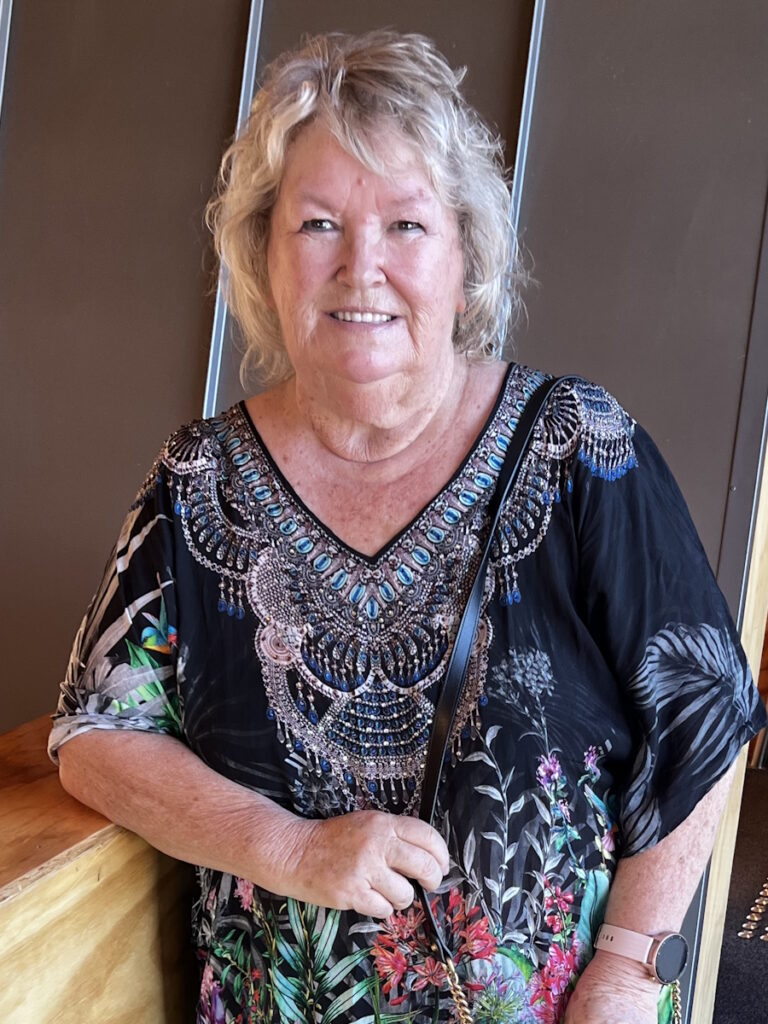
Luckily, my husband had an appointment with our general practitioner (GP) the following week, so I took his appointment and brought a urine sample. Our GP was brilliant. He flew into action straight away and said, “Oh my gosh. We have to send this off for testing. Come back in four or five days.”
It was September 10th; I’ll always remember the date. When I went back, he pulled his chair between John and me and said, “Look, I’m sorry, but there are cancer cells in your urine.” That was such a shock, because it’s not something that I was expecting. I was expecting him to say, “You have a UTI. I’ll give you an antibiotic.”
I was in shock. It was unbelievable. John cried. Our GP sat there comforting us both. That was probably one of the hardest things, seeing how your loved ones react and telling them, particularly having to call my daughter.
Telling my children, and my early bladder cancer treatment plan
We’re very close and we talk every day. How much easier can you tell your children that you have cancer? You have to just come out with it. With my son, I had to wait three weeks because he was overseas with his wife and two children on a trip of a lifetime that they’d saved five years for. To leave Australia and go overseas is very expensive, and I did not want to ruin that trip by telling him, so I waited until he got home.
My GP flew into action. I’m so grateful and always will be. He ordered an ultrasound and a CT scan, and said, “I’m referring you to a urologist at our hospital about an hour away. By the time you get the appointment, he’ll have the scan and ultrasound results.” All of that happened by October, which was the following month. I was already booked for my first transurethral resection of bladder tumor (TURBT).

Everything moved very quickly. Even now, it still seems a bit like a blur.
Lyn U., Muscle-Invasive Bladder Cancer Patient
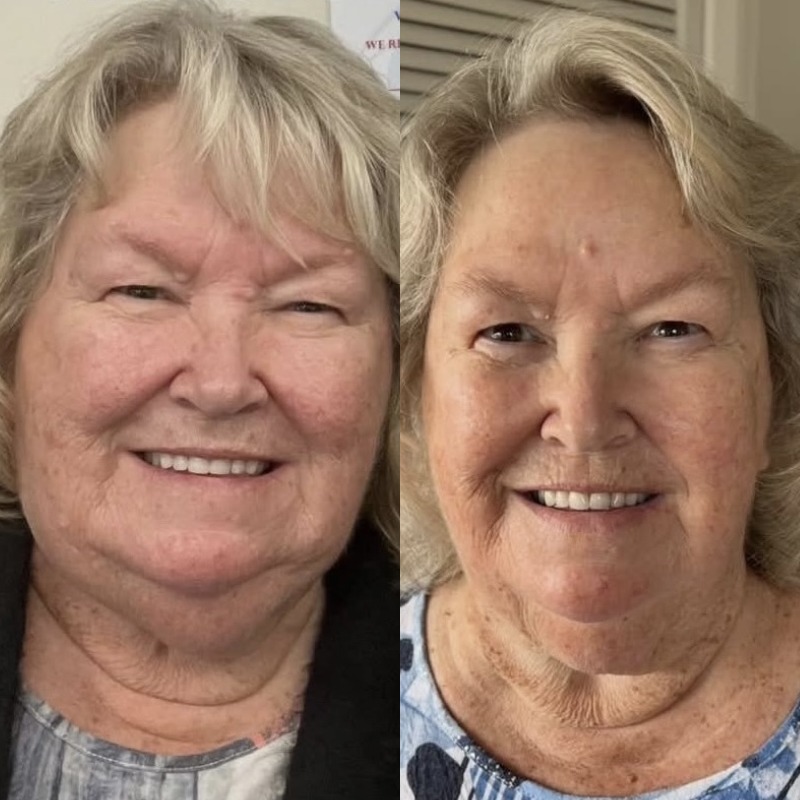
The only setback that we had was that I had lost quite a bit of weight since then, which was intentional because I wanted to get healthier and stronger. The weight loss resulted in a tummy overhang, and my urologist said he would not do a bladder removal because of that, as it would be too dangerous. There’s a urology department at this hospital. They had a meeting, and the other urologists there agreed that none of them would do it. If it had to be done, I’d be sent to Sydney.
He said it was very dangerous to cut through. A bladder removal surgery is a big surgery in itself, but to cut through that extra fat in the overhang… He said, “I’m not trying to scare you, but I’ve done it once, and I was so scared because I thought I was going to lose the lady. She ended up in the hospital for six months and was lucky to survive.”
I didn’t want a bag anyway, which was my personal choice. Even with the weight loss, that overhang is still there. We talked about having that removed, but that’s a 12-hour surgery, and then that would have to heal before they can do the bladder removal. It would be a massive undertaking.
From non-muscle invasive to muscle invasive bladder cancer, and discovering thyroid issues
My first TURBT was in October, which came back as non-muscle invasive. We went back, they had a meeting about the tummy area, and they didn’t want to do a bladder removal. He wanted to do a second TURBT in January, which was a couple of months later, to check that he’d gotten everything out. When I had that done, it was then found to be muscle invasive. Either it had changed a little bit, or he found a tumor that was muscle invasive.
Everything moved very quickly. Even now, it still seems a bit like a blur. When I look back, I think, “How did I cope with all of that?” I think it was one foot in front of the other, one step at a time.
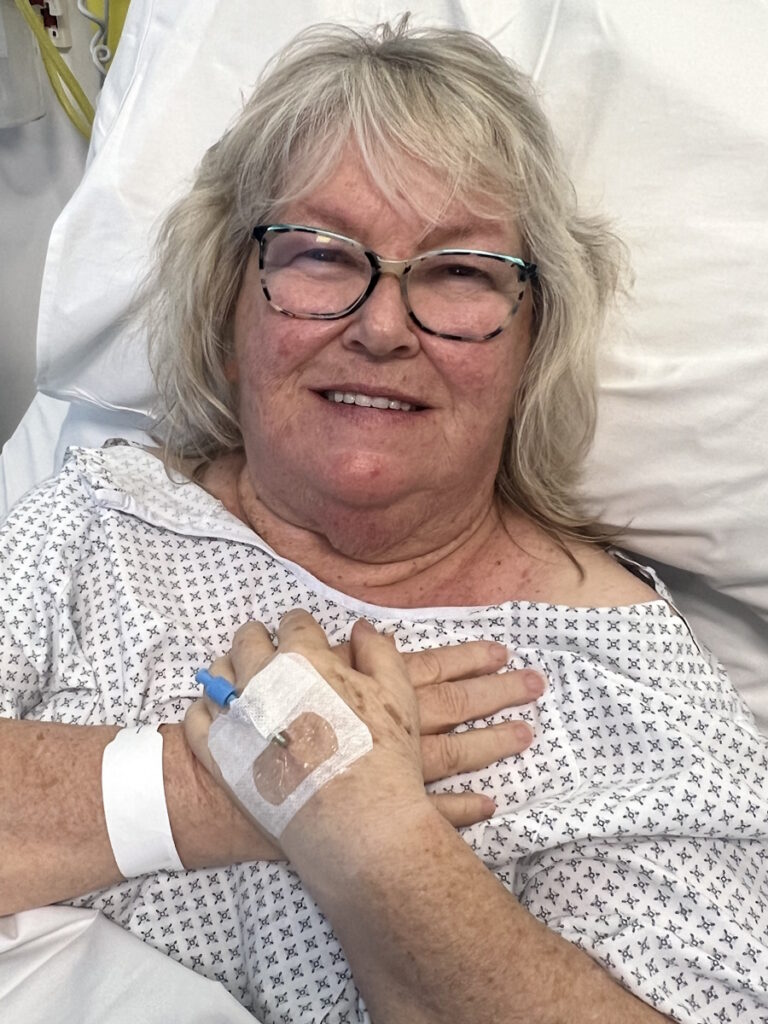
The scan came back with hot spots in my thyroid and my bowel.
Lyn U., Muscle-Invasive Bladder Cancer Patient

My urologist said, “Before we start to talk about any treatment, I want to send you for a PET scan,” which I did in February. The scan came back with hot spots in my thyroid and my bowel. We had seen an oncologist and radiologist by this time, because we decided I would do trimodal therapy, which is chemotherapy and radiation therapy after TURBT. My oncologist said, “We won’t worry about the thyroid; we’ll worry about that after. The bladder is more important. The thyroid can be fixed. But we want you to have a colonoscopy before radiation starts.”
That was clear. They only saw polyps, so they said they’d have me come back in a year. For the thyroid, I was referred to an endocrinologist, but she said, “We’ll wait until you finish the trimodal treatment and then look at that.” It was a big year because I had all the treatment, and by August, I had my thyroid removed completely.
My first question to any doctor who would listen was, “Is it connected to the bladder?” My oncologist said, “No way,” and the urologist said the same. “It has nothing to do with your bladder cancer. You’re just lucky.” My oncologist said I was lucky because if I hadn’t had bladder cancer, they would not have found anything wrong with my thyroid.
After they’d commented, I was aware then that I had this hardness, but I thought that was my neck. After I finished treatment, I had my thyroid totally removed and everything was good. If I hadn’t had it done, it could have progressed further.

The only side effect that I had with chemo was that I felt nauseous and a little bit ill a few mornings after.
Lyn U., Muscle-Invasive Bladder Cancer Patient

Going through chemotherapy and radiation therapy
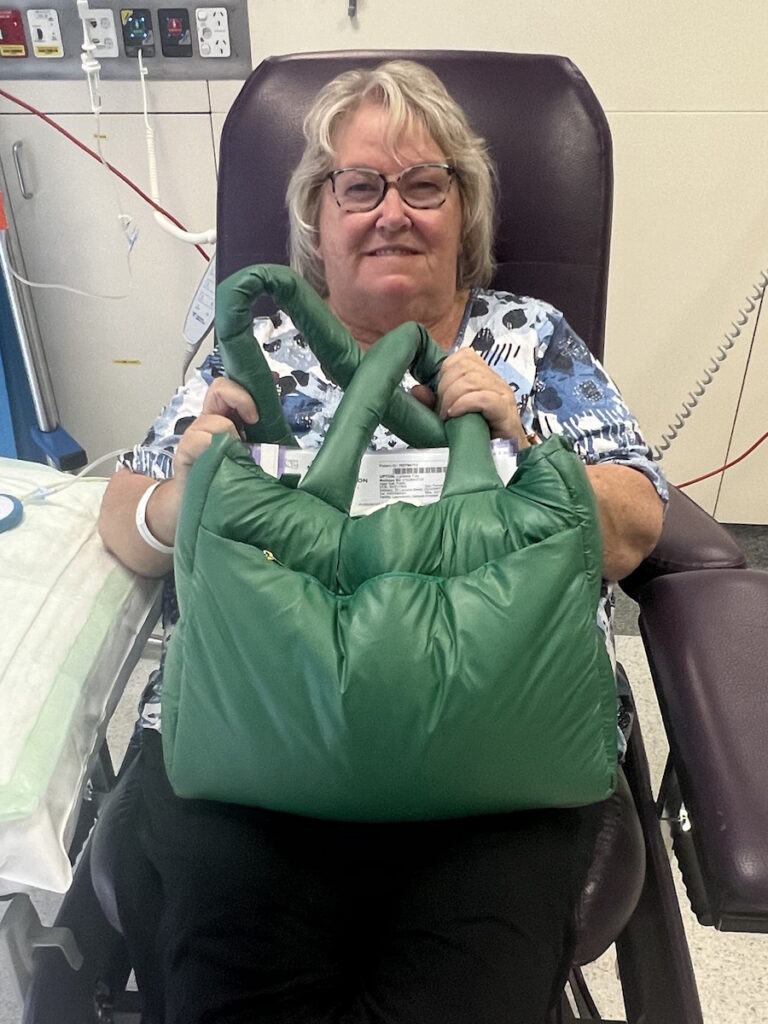
Going through chemo and radiation was probably one of the hardest times of my life. We had to travel an hour to and from the hospital every day. I was very lucky that I went through that well. I had 33 sessions of radiation and seven weeks of chemotherapy, once a week.
The only side effect that I had with chemo was that I felt nauseous and a little bit ill a few mornings after, but the hospital had given me medicines that I could take, and they worked well. Towards the last couple of weeks of radiation, we’d have to stop every 15 minutes. There are no actual toilet stops, so I had to squat on the side of the road with the car doors open. You tend to lose your dignity when it’s bladder cancer, but you get used to that very quickly.
I saw my oncologist and radiologist every week during treatment. I kept saying that I was fine, and they kept saying, “Just wait, it will hit you.” It hit me when I finished treatment. During the first couple of weeks after I stopped, for nearly six weeks, I broke out in a bad rash, which I would never wish on anyone. Plus, I was tired. Whenever I felt like I wanted to sleep, I’d lie down and sleep. But it could have been worse. I’m lucky that I went through it relatively well.
Follow-up cystoscopies and “top and tail” surgery day
Since then, I’ve been having cystoscopies every three months. When I had my thyroid removed, I was due for the first cystoscopy after treatment. They wanted me to wait for three months. I finished in May 2025, but I had to wait for the radiation inflammation in the bladder to settle.

My oncologist also pointed out that exercising as much as we could, even if it was a 10-minute walk, and keeping that strength up was important throughout chemotherapy.
Lyn U., Muscle-Invasive Bladder Cancer Patient

I said to my endocrinologist, who was a brilliant woman, “It’s a shame my urologist can’t do down there while you’re doing up here at the same time, so I only have to have one anesthetic.” She said, “Of course, he can. I’ll organize that with him right now.” They did top and tail at the same time, and I was all clear for any tumors.
The next cystoscopy was two months later, and it was all clear again. I’ve had one in January 2026, and he mentioned a fluffy, squishy area, but I believe that’s from the radiation. There were no tumors present. There was a little bit of blood, but that was only while he had the camera in there. I’m due for my next one in April 2026.
Mindset, movement, and coping with bladder cancer treatment
I’m a very pragmatic person and a big believer in mindset and positive thinking. Leading up to this, every night when we went to bed, I would put on a video about positive thinking and everything being okay. That’s my personality type. I’m very much a believer that mindset in facing cancer of any kind is so important and will help you get through.
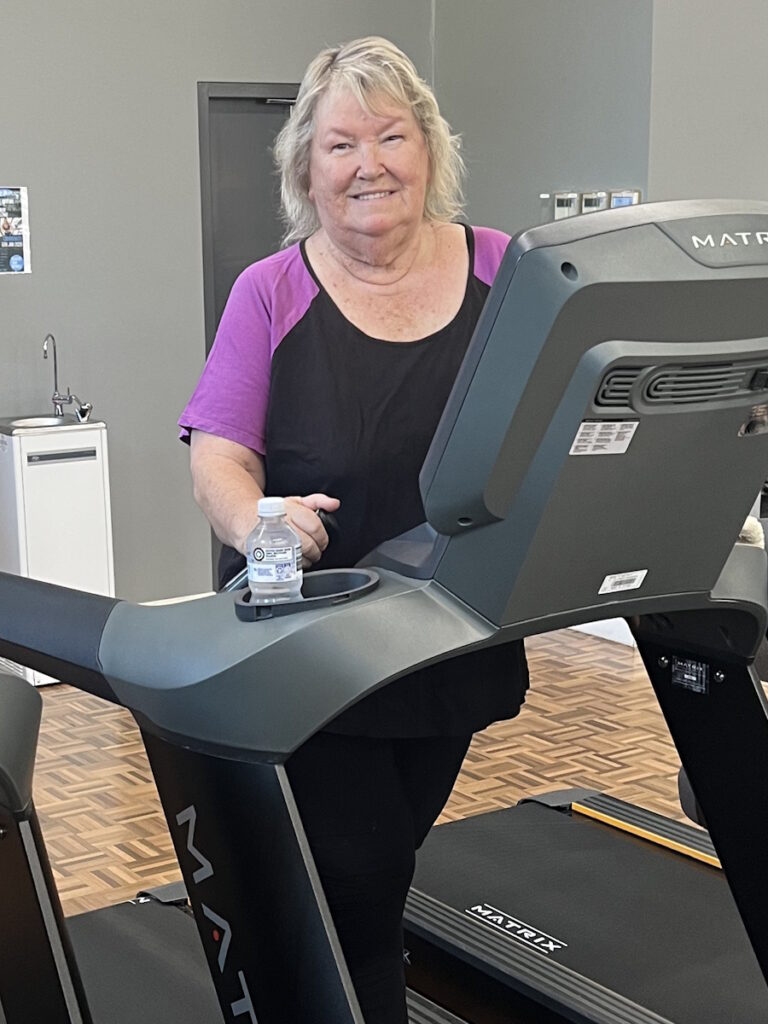
I believe in making ourselves strong. I’ve read and heard a lot, and my oncologist also pointed out that exercising as much as we could, even if it was a 10-minute walk, and keeping that strength up was important throughout chemotherapy. We did go for walks; sometimes it was only 10 minutes because I’d need a toilet break, but getting out in the fresh air and sunshine felt good. I probably coped quite well with my treatment because of my mindset, determination, eating well, and exercising.
There were times towards the end of the radiation when it hurt to go to the toilet. There was a lot of stinging and pain.
Lyn U., Muscle-Invasive Bladder Cancer Patient
Limited treatment options and the emotional impact of chemotherapy
They didn’t present any options. There was only the trimodal therapy because he couldn’t do the surgery. They talked about the side effects I could get.
There was an upsetting, emotional time for me. The chemo room is huge, and my husband was allowed to come in with me.
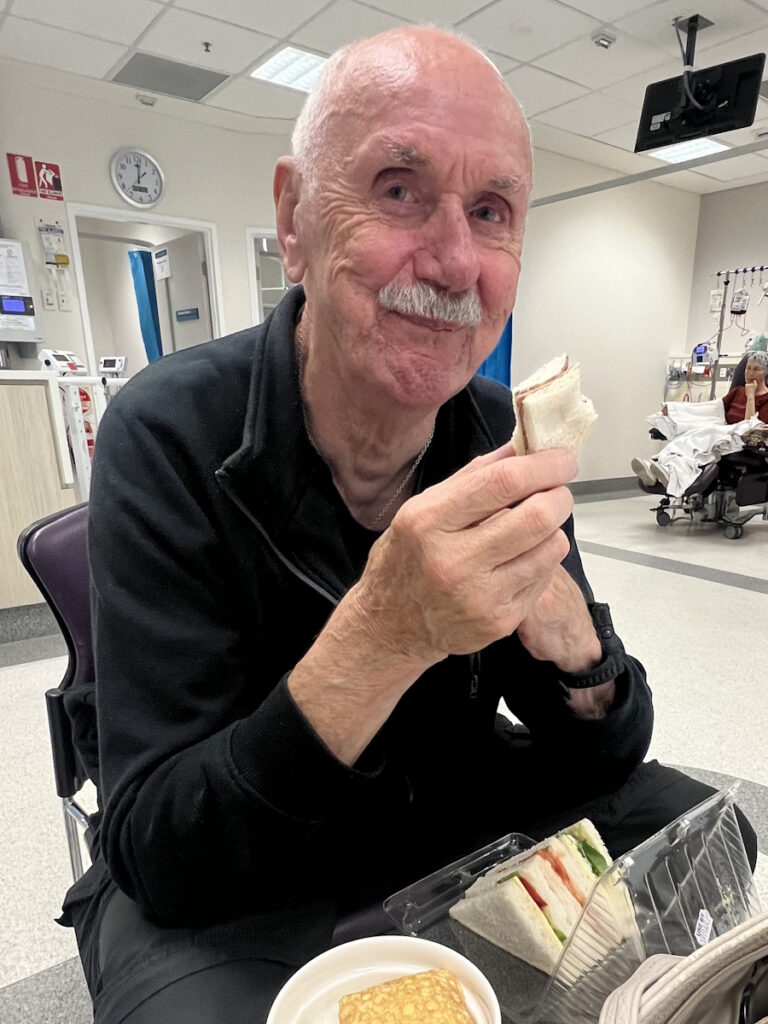
Emotionally, you also need the support of your loved ones. We had a care nurse who talked to John and me about everything that would be happening. John could accompany you and sit beside me the whole time that I was having that treatment for about four hours, which was great. They had tea ladies come around, and he’d have his coffee or tea. He was having a great time, and it was nice to have someone there.
I’d had three or four sessions by then. There had been a head nurse who’d been on a long leave, and when she came back, her protocol was that there would be no visitors allowed in with the people having treatment, unless they needed a translator. That tore at me. I don’t know why, because I already knew what was going to be happening, but I just didn’t want to be alone, so it upset me for the last three weeks of chemo. Luckily, that was only once a week. The thought of John sitting in the waiting room for four hours got to me, too. That was probably my most emotional time.
There were times towards the end of the radiation when it hurt to go to the toilet. There was a lot of stinging and pain when I went. But John was such a huge support. I cannot imagine having gone through it on my own and how much harder it would have been.
I can’t express how grateful I am to the wonderful team that I’ve got.
Lyn U., Muscle-Invasive Bladder Cancer Patient
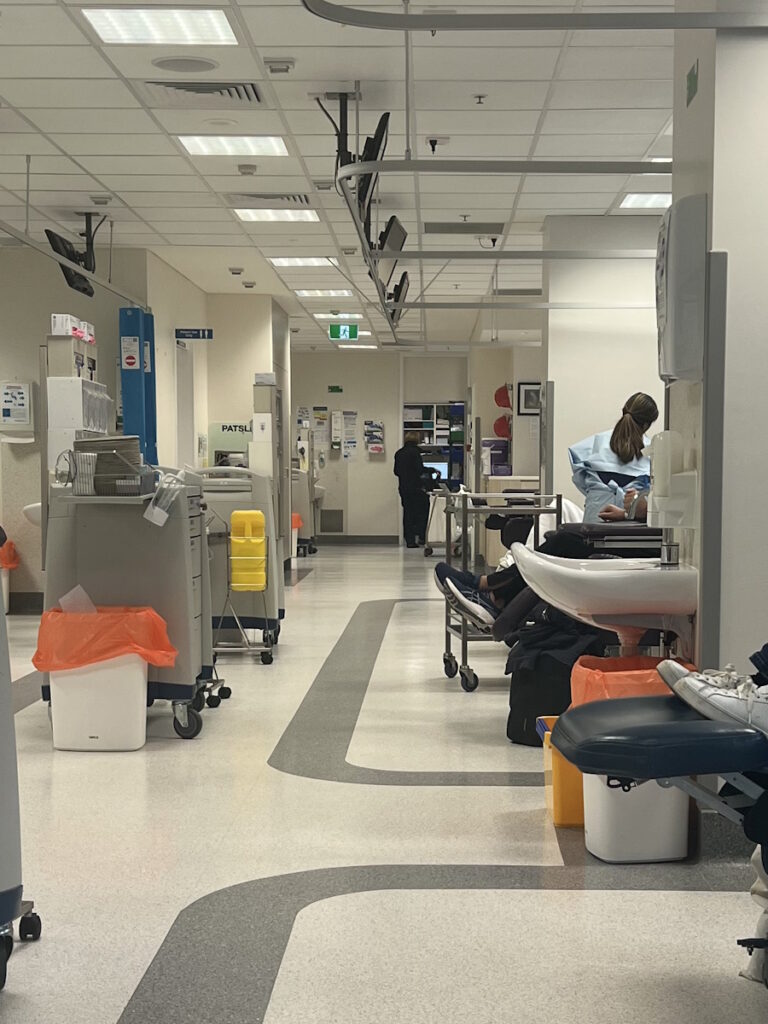
I saw my oncologist and radiologist once a week, and they gave me printouts on what side effects to expect. They were always there. The whole care team was great. When I got a little bit tender in that area, they’d have creams that they’d give you to use. I can’t express how grateful I am to the wonderful team that I’ve got.
Researching my options and trimodal therapy
At my very first appointment with my GP, when he said I had cancer cells in my urine sample, he also said, “Please don’t go consult Doctor Google.” I understood what he said, and I didn’t at that time, until it was absolutely confirmed by the urologist with the pathology report.
But I did do deep dives. I knew all about trimodal therapy. I even asked my oncologist, “Is there immunotherapy that I can have?” He said, “We have to do other treatments first. Unfortunately, a good one that’s in America is not yet available in our medical system.” It’s here, but it would cost like $3,000 a week to have it. It has to go through the system of getting on our Medicare, but I do believe that will happen.
I did understand a lot about having trimodal therapy. I had also done a lot of reading on different websites. I tried to stay away. I didn’t go near Doctor Google. I was on bladder cancer groups and resources where you can get proper advice. For me, the decision between having a bladder removal or the treatment was easier anyway, because from everything I’d read, you have the same percentage of success. I thought I’d do what I can do and what’s available here. I would also go one step at a time, one day at a time, and do what I can to help myself.
In Australia, there are about 3,500 people diagnosed with bladder cancer every year, and only about 800 are women.
Lyn U., Muscle-Invasive Bladder Cancer Patient
Learning about the Signatera test and the financial toll of cancer treatment
I haven’t done genetic testing. I listened to a story on The Patient Story, and she talked about Signatera testing, which I had heard of, but I wasn’t sure. I probed further and asked if it was available in Australia on our Medicare, and apparently, it is, but only for certain cancers. It’s available for bladder cancer if it’s muscle invasive, so I’m going to ask my oncologist when I go next time.
My other concern was stopping my hairdressing straight away. Financially, that was and still is a little bit of a problem. I didn’t have to pay anything medically, but the trips and not having income made things a lot tighter. There’s always that little bit of stress as well.
Discovering the hairdresser–bladder cancer link
I knew more after I stopped working. I might have heard something about it, but like most hairdressers, I didn’t take notice. It was only after that, when I saw my urologist for the first time. His very first question was, “What occupation have you done or do you do?” I said, “I’m a hairdresser. I still am.” He knowingly nodded, but I thought then, “Oh, okay, so he thinks that’s common to be a hairdresser.” Then, as I went into it deeper, I realized more that hairdressing is one of the top professions that are affected by bladder cancer.
In Australia, there are about 3,500 people diagnosed with bladder cancer every year, and only about 800 are women. I’d say a lot of hairdressers don’t get it because they don’t carry on with their career for so long. The girls I employed would get pregnant and leave the profession altogether, or only work once a week. Whereas for me, since I owned the salon, I was there six days a week. A young hairdresser probably has a lower chance if she’s not working as many hours, days, or weeks in a year.
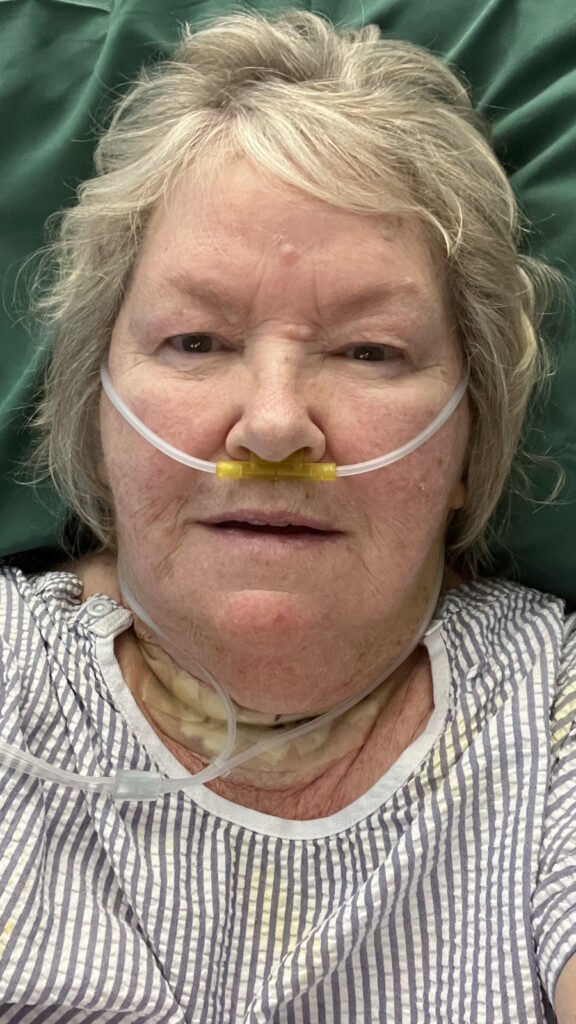
Our family doesn’t have any history of cancer, so I didn’t think it was going to happen to me.
Lyn U., Muscle-Invasive Bladder Cancer Patient
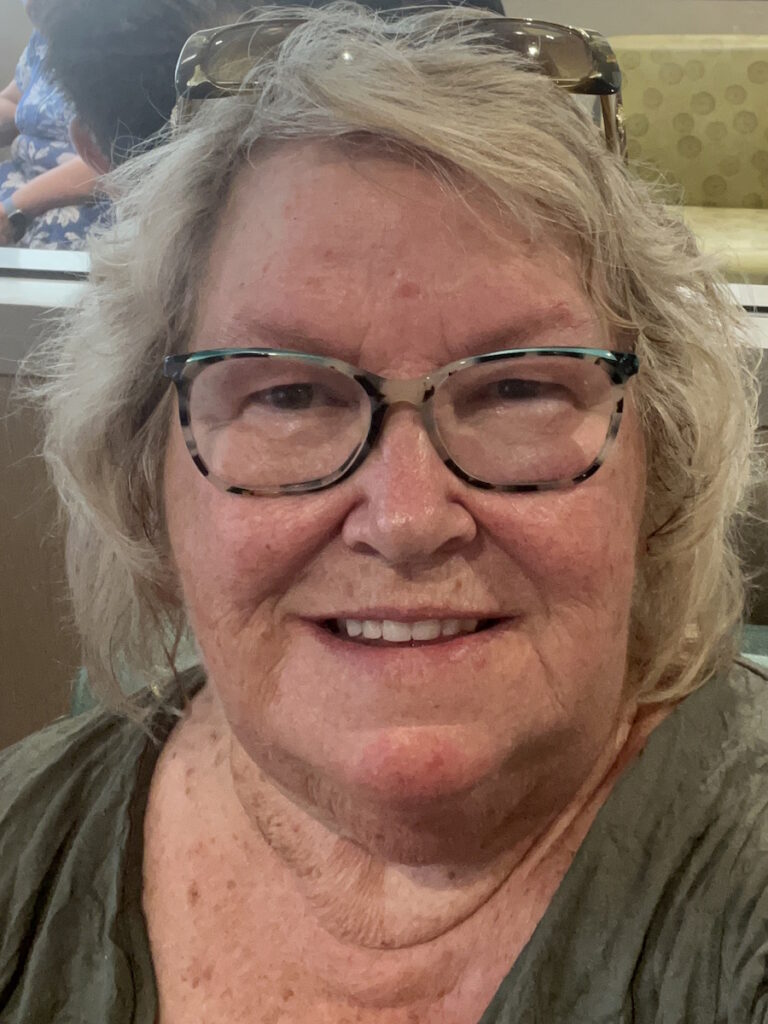
The difficulty of leaving hairdressing
I had dropped to working two days a week before my diagnosis, but it was still hard. I look back at some of the hairstyles that I’ve done, and think, “Oh, I do miss doing that,” because you get great satisfaction out of making someone look absolutely gorgeous and them saying they love their hair. I loved doing weddings. It makes you feel so good to see them so happy.
It’s difficult to step away, but I was realizing that I was going to eventually anyway, because I wasn’t getting any younger. It was eventually going to happen, just not in the way that I imagined. For some reason, I never thought that I would have cancer. I don’t know why I should think that I was going to be special and not get it, but our family doesn’t have any history of cancer, so I didn’t think it was going to happen to me.
I’ve never said, “Why me?” because I think, “Why not me?” It’s life-changing. Now, when we go out, I have to make sure there’s a toilet close by. When we’re leaving a restaurant, I’ll make sure to go before we leave. John jokes, “Never let a toilet stop go to waste.”
The financial side is curtailing our travelling. For example, through my side business, over this last year, even while all this was happening, I earned an overseas trip to Vietnam. But John and I decided not to go because of the ongoing appointments and all of that. I also would not like to land in a hospital in another country. We’ve decided not to take this trip this year, which is a shame because we do love travelling, and have not been to Vietnam.
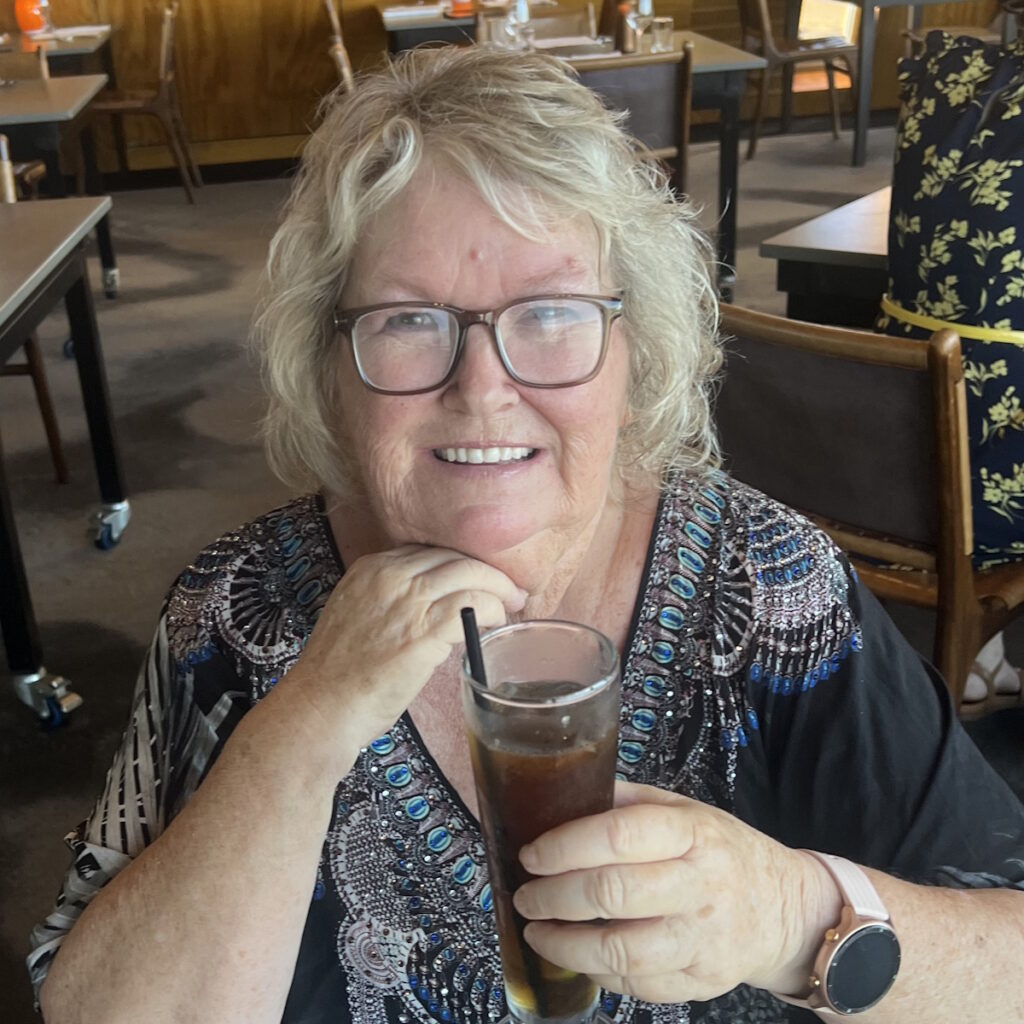
I’m very aware that even though I have no tumors at the moment, they can pop up again at any time. But I still have the mindset that whatever comes, I will face it head-on as it comes, do the best that I can, and hope for the best outcome.
Lyn U., Muscle-Invasive Bladder Cancer Patient
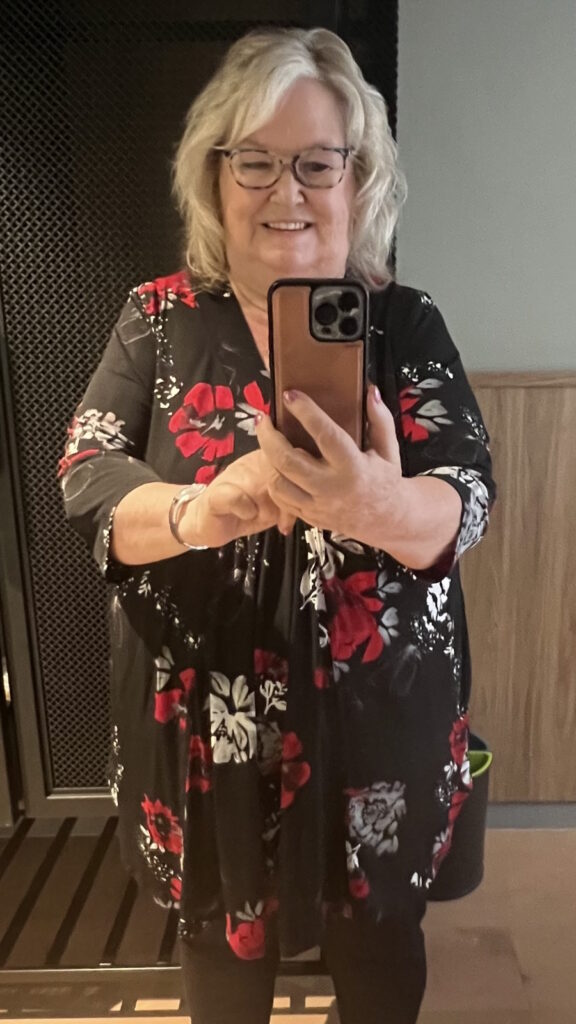
Wishing I had known the risks earlier
Once I learned about the link, I remember thinking I wish I’d known about this because I would have worn a mask. I have no idea how long the cancer has been there. No one can tell you. I had half a dozen tumors. However long ago, if I’d known about the risk of bladder cancer for hairdressers, I would have worn a mask while mixing colors, because I’m 110% certain that it’s the fumes.
Even applying the color on top of someone’s head, I would have worn a mask while that was happening. That would not have worried the clients. It wouldn’t have worried me. I was a little bit angry for a while that I hadn’t been aware. I wished I had been. Then my mindset took over and said, “There’s nothing I can do about that now.”
I’m very aware that even though I have no tumors at the moment, they can pop up again at any time. But I still have the mindset that whatever comes, I will face it head-on as it comes, do the best that I can, and hope for the best outcome.
What I want others to understand
I wish young hairdressers would take precautions when they’re mixing and applying hair color. I wish that others were aware that in this day and age, cancer is not a death sentence. I wish young hairdressers understood they don’t have to give up coloring, but they do need to protect themselves.
Unfortunately, I have an elderly mother who is in aged care and has slight dementia. She knows everything, but it is slight. We decided with the management at the aged care to tell her about my treatment, because I wasn’t sure how ill I was going to be. If I didn’t turn up to visit her every week, she’d assume terrible things. We did tell her, and I kept it very low-key that I did have cancer, but I was having treatment and everything would be fine. But in her age group, that is a death sentence. Whenever she sees me now, and this is 18 months later, she cries because she thinks that might be the last time she sees me. I want people to be aware that it’s not how it used to be.
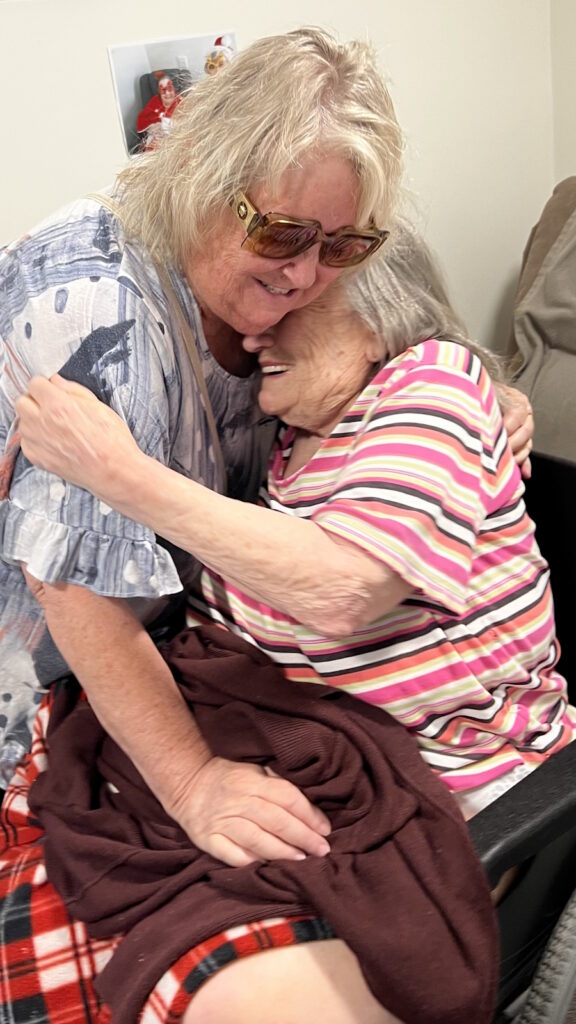
Don’t ever let someone dismiss blood in your urine as just a UTI. Ask to be tested.
Lyn U., Muscle-Invasive Bladder Cancer Patient
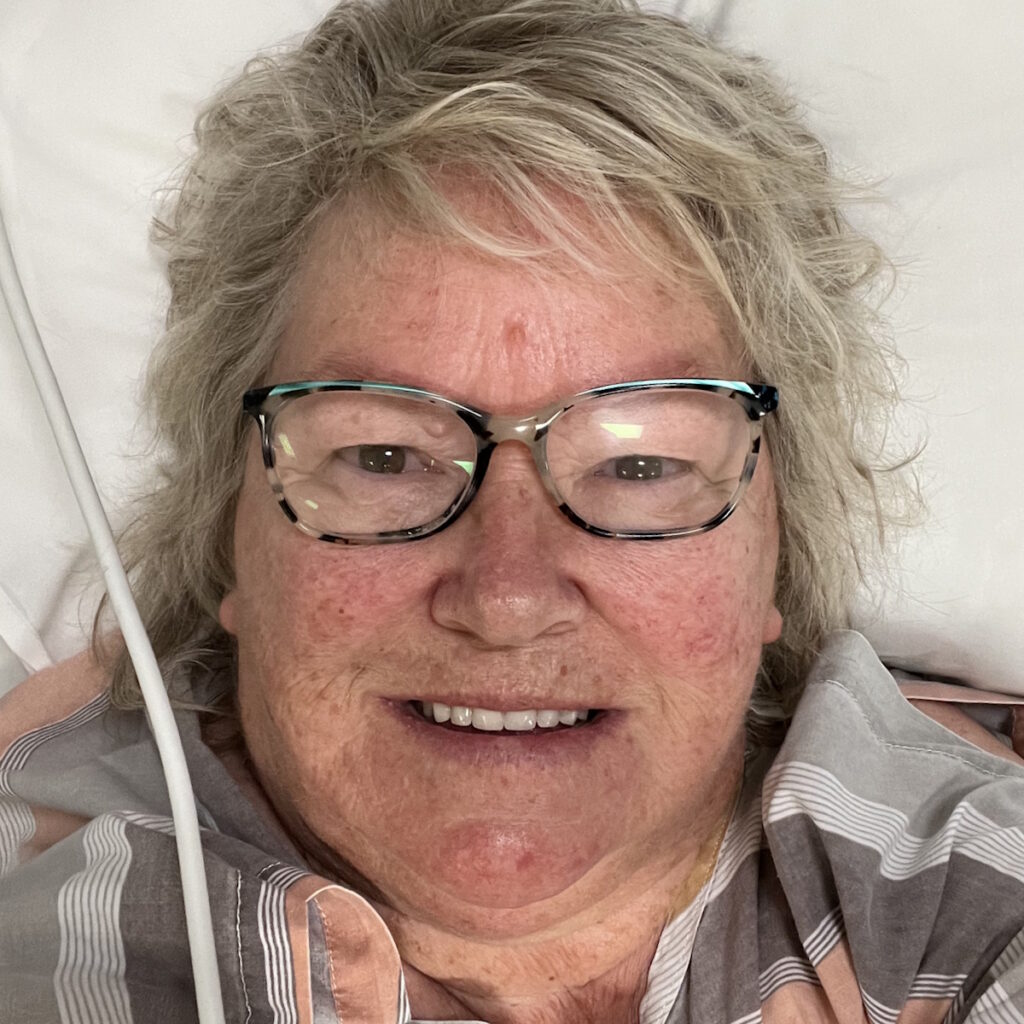
You have to advocate for yourself. I’m a big believer in that, in following up. If I ever went even a week later than I thought it should be for an appointment, I would ring the hospital and say, “Am I still in the system? Am I there?” You can do that very nicely, and they’re all very helpful. I’ve read so many stories about people who’ve been told for years that it was only a UTI because they’re too young to have bladder cancer. Please don’t allow anyone to brush it off. Don’t ever let someone dismiss blood in your urine as just a UTI. Ask to be tested.
Living with uncertainty and learning patience
Looking back at the last 18 months seems like yesterday and an eternity. I’ve learned a lot of patience. Waiting is probably the worst: waiting for the next appointment, the next scan result, and for my cystoscope every three months. I’ve learned to live life in those first two months. As soon as they say, “No, there’s nothing there,” it’s like, “Yay!” Then we go out and do everything we want to do for the next two months.
I still suffer anxiety, building up in the last couple of weeks before having the cystoscopy. I’ve learned to live fully in the all-clear months and accept that waiting will always be the hardest part. I’ve learned to relax in the last couple of months, take the most from each day, and know that I’m going to be anxious.
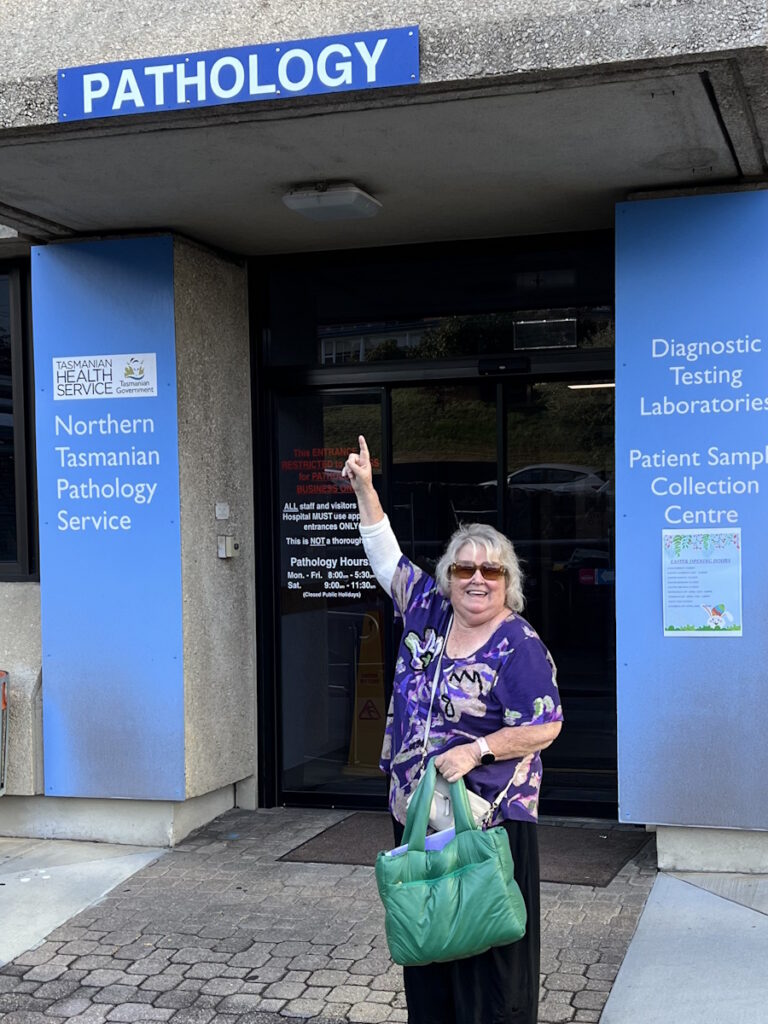
There are a lot of things I wish I’d known about 10 or 20 years ago, but better late than never.
Lyn U., Muscle-Invasive Bladder Cancer Patient
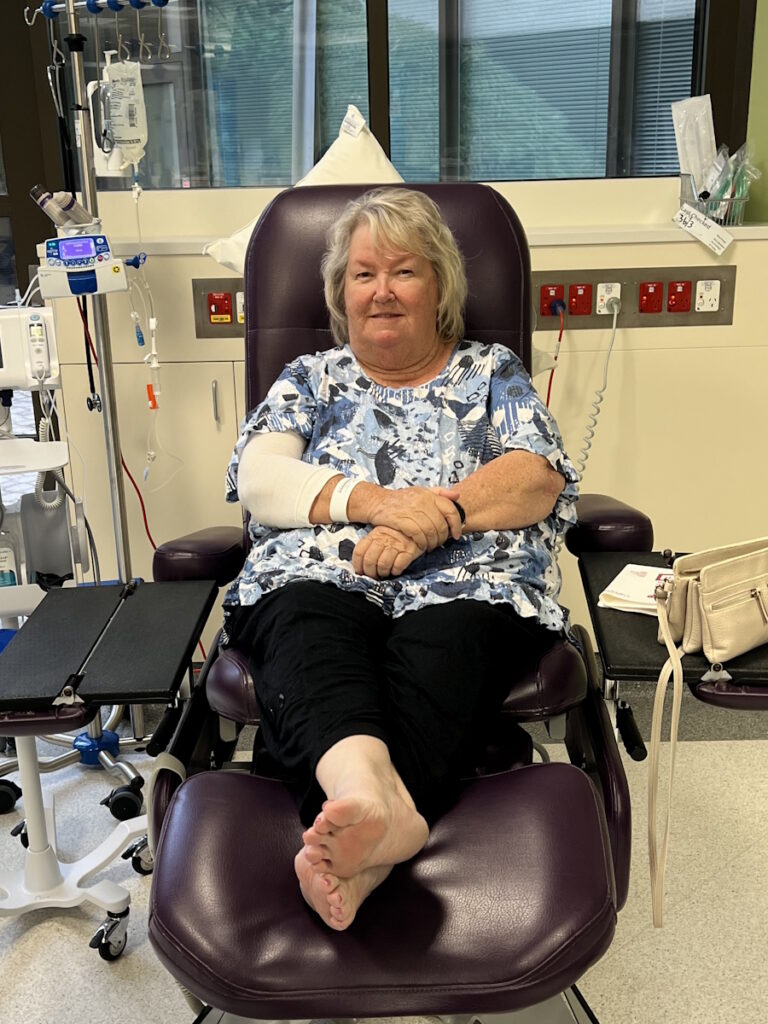
I have a friend with bladder cancer, and for the last two weeks before she had hers, she did housework like crazy. She cleaned all her cupboards. She mowed the lawn to an inch of its life. I’m not that energetic; I’m not into housework that much, but I get very anxious. I’ve learned to try and relax and still keep the mindset of “What will be, will be, and we will handle it and face it whatever way.”
I do believe that you have to live life. For all of us, it’s going to come to an end one day. Most of us who haven’t been diagnosed with something have no idea when. Even with this diagnosis, we still don’t know when. It could be five years, it could be 10, it could be 20, and that’s the same for everyone. It’s just that we’ve got to go through a few little hoops along the way, a little bit of a roller coaster ride. But that makes life interesting.
Focusing on health, strength, and well-being
Looking back, I wish that this health and wellness company that I work with had come into my life 10 years earlier. I found that once I was diagnosed, it was important for me to build my health and my strength, and to have something in reserve if I was to end up having major surgery. I had no idea how I would cope with thyroid surgery. It went well, but I felt the stronger I could be and the less weight I could have, the better I would cope with treatments and surgeries.
Over 18 months, I’ve lost nearly 40 pounds. I’m still a work in progress and I would like to lose another 40 pounds, but I know that will happen because I’m more consistent. I’ve been doing little, consistent tweaks. I look after my gut health and I eat more protein. I wish I’d known how important protein was earlier as well. There are a lot of things I wish I’d known about 10 or 20 years ago, but better late than never.
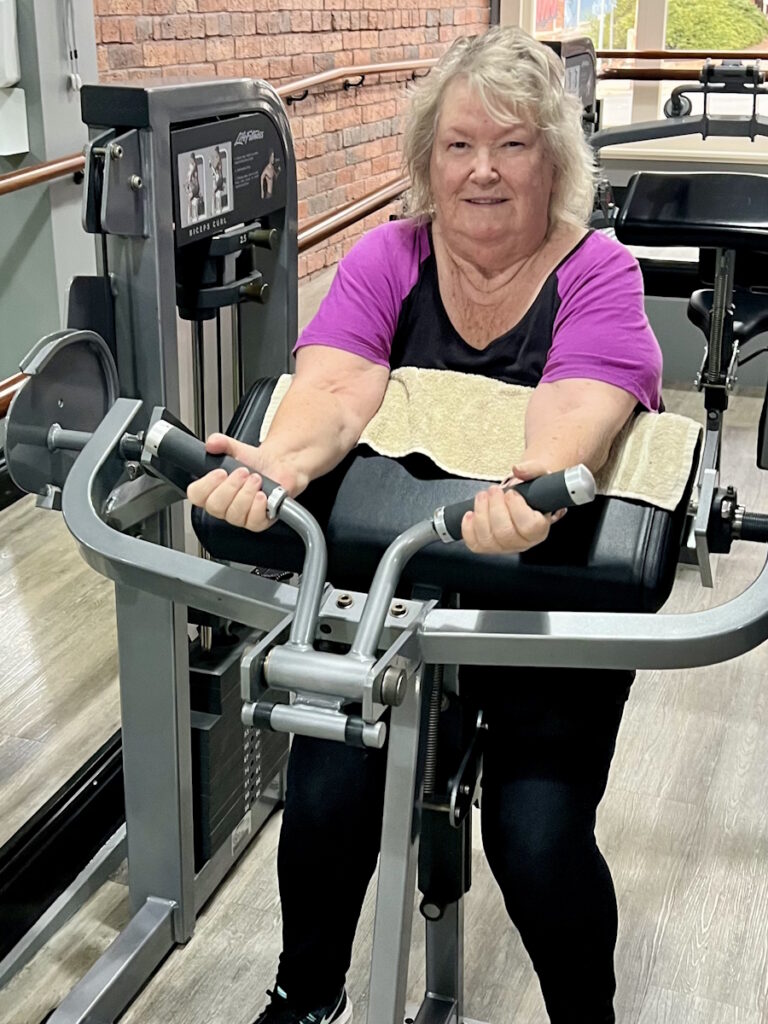
Don’t give up because you’ve been diagnosed. You have to fight for your life, but more importantly, you have to fight for quality of life.
Lyn U., Muscle-Invasive Bladder Cancer Patient
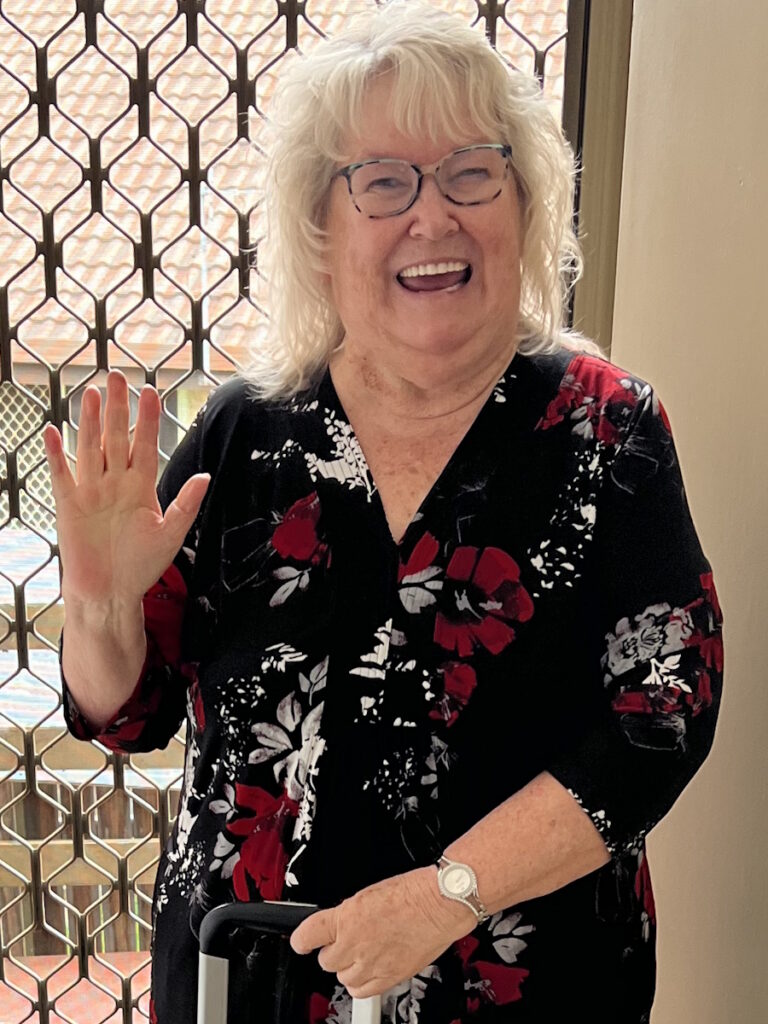
I try to walk when I can, but I also go to the gym three days a week and do a little bit of weightlifting. I have type 2 diabetes, which I’ve had for years. The weight loss, the training, and the extra little tweaks that I’m doing have brought my blood sugar down to a normal level. When I was first diagnosed and started on this weight loss journey, my blood sugar levels were 17 when they should have been about 5 to 6. I’m now down between 6 and 7 consistently.
After everything I’ve been through, I probably feel the healthiest I’ve felt in the last 10 years. I feel alive, more energetic, and healthier. It goes to show that even with a diagnosis of any type of cancer, you can still thrive and grow at the same time.
Fighting for quality of life
Don’t give up because you’ve been diagnosed. You have to fight for your life, but more importantly, you have to fight for quality of life. It’s not just quantity. Yes, I’d like to live another 20 years. I’ll be fairly old, but I want the quality to be there. I want to feel good, have the energy, and be able to move.
My mother’s in aged care and wheelchair-bound. She’s in a recliner that she hasn’t moved out of in five years because she gave up moving. She could have done more. It encourages you to do things for yourself.
Story Sponsors
Thank you to our sponsors for their support of our independent patient education program. The Patient Story retains full editorial control over all content.
This interview has been edited for clarity and length. The views and opinions expressed in this interview do not necessarily reflect those of The Patient Story. This content does not replace professional medical advice.
Inspired by Lyn’s story?
Share your story, too!
Hear from people living with bladder cancer
Real experiences with diagnosis, treatment choices, side effects, and life beyond bladder cancer — in their own words.

Leave a Reply