
Overwhelmed by Early-Stage PCMZL (Lymphoma): Eleanor Found Her Strength
Eleanor, an active lady who loves the outdoors, was diagnosed with early-stage PCMZL (primary cutaneous marginal zone B-cell lymphoma) in October 2008. In 2007, she noticed two knots on her shoulder after a trip with friends. She first thought they were just insect bites and treated them herself. However, the lumps wouldn’t go away. They eventually became painful, broke open, and bled and oozed pus. She sought medical help and had several procedures done — and felt unusually sick afterward, an ominous sign she couldn’t ignore.
Interviewed by: Nikki Murphy
Edited by: Chris Sanchez
Despite these symptoms, it took several months before Eleanor received a definitive diagnosis at Duke University. She consulted dermatologists and an oncology specialist, and underwent a series of tests, including blood work, CT scans, and a bone marrow biopsy. Eleanor received her diagnosis of early-stage PCMZL, a type of non-Hodgkin lymphoma, just as she was preparing for a trip, and was overwhelmed by it.
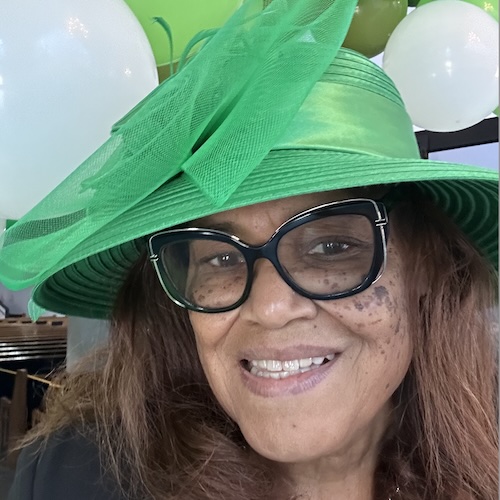
Eleanor’s treatment for early-stage PCMZL included 20 days of radiation. She felt isolated during each session, as she had to have sessions alone in the treatment room, with medical staff observing from behind glass for safety. The process was daunting, but she was relieved that she didn’t need to have chemotherapy, too, having seen its toll on other patients.
That being said, radiation had its side effects. Though she still managed most appointments on her own, the radiation sessions left Eleanor fatigued. The treatment significantly impacted her mental health, too. She candidly shares how she was consumed by fear until her husband sat her down and talked to her gently but firmly.
Eleanor’s husband’s grounding words helped her realize that life’s uncertainties extend beyond illness. His perspective, as well as counseling and advice from her daughter and sister, helped her regain her emotional footing and embrace hope. She resolved to live fully and not be overshadowed by her early-stage PCMZL diagnosis.
In 2019, the lymphoma resurfaced, marked by itching in the areas that were previously treated. Though disheartened by this development, this time, Eleanor was mentally ready. She had another round of radiation and managed the itching with prescribed creams and medicines. She’s had regular skin checks since then, and they’ve shown promising results.
Eleanor urges others never to ignore unusual changes in the body, especially with conditions like early-stage PCMZL. She emphasizes the importance of self-advocacy and early detection, and encourages others to consult doctors right away. Her story highlights the power of community, mental resilience, and proactive healthcare.
Watch Eleanor’s video and take a deep dive into her story:
- See how her love for the outdoors led to her unexpected health discovery.
- Learn the subtle signs Eleanor nearly missed before her early-stage PCMZL diagnosis.
- Find out how her husband’s simple but profound piece of advice helped her change her perspective on life with cancer.
- Explore Eleanor’s honest reflections regarding her mental health.
- Discover how early detection and self-advocacy were game changers in her health story.
Eleanor’s Diagnosis Facts
- Name: Eleanor D.
- Age at Diagnosis:
- 58
- Diagnosis:
- Early-Stage Primary Cutaneous Marginal Zone B-cell Lymphoma (PCMZL)
- Symptoms:
- Itchy, painful, bleeding, and pus-filled knots behind both shoulders and on right side of body
- Strange aftertaste after meals
- Nausea
- Treatment:
- Radiation therapy

This is not medical advice. Please consult with your healthcare provider to make informed treatment decisions.
This interview has been edited for clarity and length. The views and opinions expressed in this interview do not necessarily reflect those of The Patient Story. This content does not replace professional medical advice.
Inspired by Eleanor’s story?
Share your story, too!
Hear from people living with non-Hodgkin lymphoma
Real experiences with diagnosis, treatment choices, side effects, and life beyond non-Hodgkin lymphoma — in their own words.




Leave a Reply