
Navigating an MDS Diagnosis and Severe Fatigue After Losing My Spouse to AML
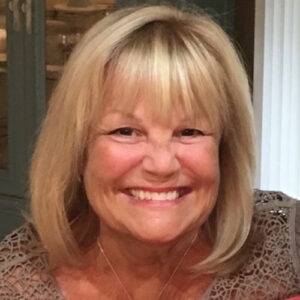
Linda was still reeling from the loss of her husband to acute myeloid leukemia (AML) when she began experiencing severe, unexplained fatigue and breathlessness. She initially brushed off her physical decline due to grief and the stress of moving to another state, but a routine checkup also revealed significant weight loss and severe anemia.
Edited by: Katrina Villareal
After months of only making slow improvement on B12 shots, she was referred to a hematologist-oncologist. A bone marrow biopsy eventually confirmed that she was facing a cancer diagnosis of myelodysplastic syndrome. She was shocked to be diagnosed with a blood cancer so closely related to the AML that took her husband.
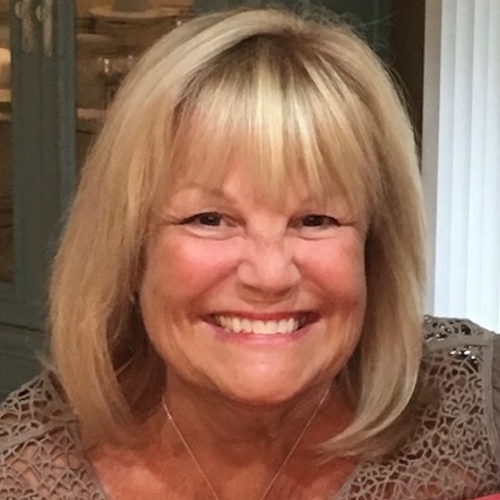
With a diagnosis of lower-risk MDS, Linda entered a phase of treatment commonly known as watch and wait, where you are monitored but do not receive therapy. For someone who’s proactive and with a type-A personality, it felt more like watch and worry. We interviewed Dr. Mikkael Sekeres, an expert in the field, who explained that for lower-risk MDS, early intervention before worsening symptoms severely compromises quality of life and does not improve survival.
Despite her fears of the condition transforming into AML, Linda found a glimmer of hope with biomarker testing. She carries an isolated SF3B1 mutation, which is known to be a good prognosis indicator that often points to a longer survival rate and better compatibility with available therapies. After five years of monitoring, her care team transitioned her to active treatment when her hemoglobin levels went down.
Linda now receives weekly injections of erythropoietin-stimulating agents (ESAs) instead of regular blood transfusions. While MDS remains a treatable but incurable condition, these injections help her maintain a normal routine, allowing her to focus on the joy of her family, leaning on her faith, and choosing to live cheerfully.
Watch Linda’s video or read the edited transcript of her interview to find out more about her story. To learn more, watch this conversation with an MDS expert on achieving transfusion independence.
- The watch and wait protocol for lower-risk MDS can initially seem concerning but is medically sound. Early intervention does not extend survival for patients without severe symptoms. Close monitoring rather than immediate treatment can require a shift in the patient’s mindset to accept that waiting for treatment is the right medical choice.
- Anemia-induced fatigue in MDS can be truly debilitating. The exhaustion is not just typical tiredness. Recognizing this as a core symptom helps validate the physical limitations many adults face with this diagnosis.
- Specific biomarkers, like the SF3B1 mutation, can significantly impact MDS prognosis. Having an isolated SF3B1 mutation is actually a positive prognostic factor in MDS, pointing to a longer life expectancy compared to other genetic profiles. It highlights the importance of biomarker testing to understand your individual disease trajectory.
- ESA injections can provide better in quality of life over blood transfusions. Transfusions require being in a clinic for up to a full day every few weeks, which quickly becomes a burden. Weekly targeted injections offer a much more manageable routine for patients.
- You can grieve your physical losses while still choosing to live fully with a chronic blood cancer. While it’s devastating to live with a disease that’s treatable but incurable, it’s possible to shift your mindset. Finding joy in milestone family events is a step towards not letting the diagnosis define you.
Linda’s Diagnosis Facts
- Name: Linda M.
- Diagnosis:
- Myelodysplastic Syndrome (MDS)
- Mutation:
- SF3B1
- Symptoms:
- Severe fatigue
- Weight loss
- Breathlessness
- Anemia
- Joint pain
- Treatments:
- Vitamin B12 (prior to diagnosis)
- Watch and wait strategy
- Hormone therapy: erythropoietin-stimulating agent (ESA)
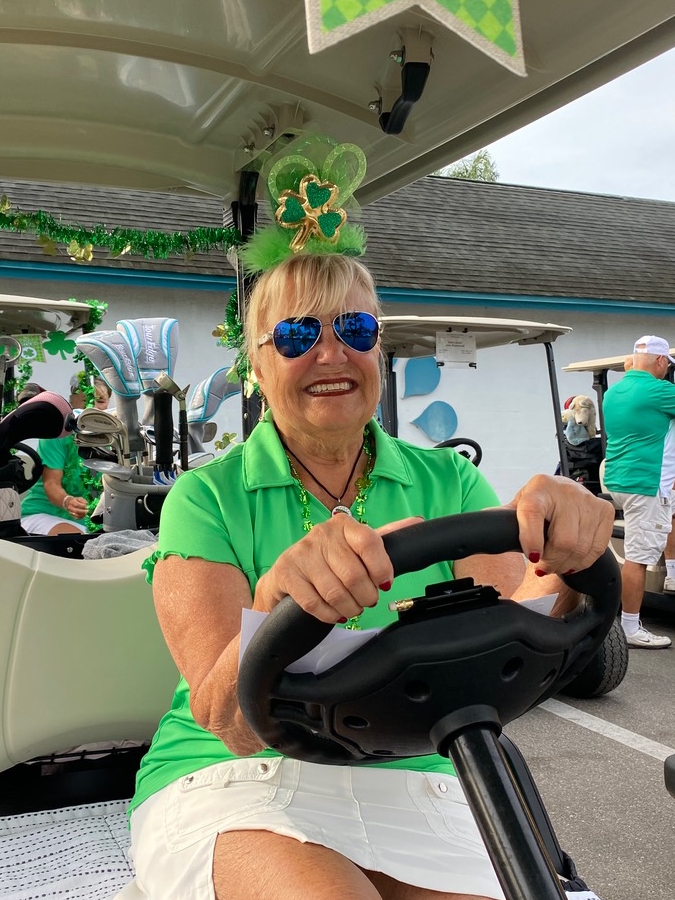
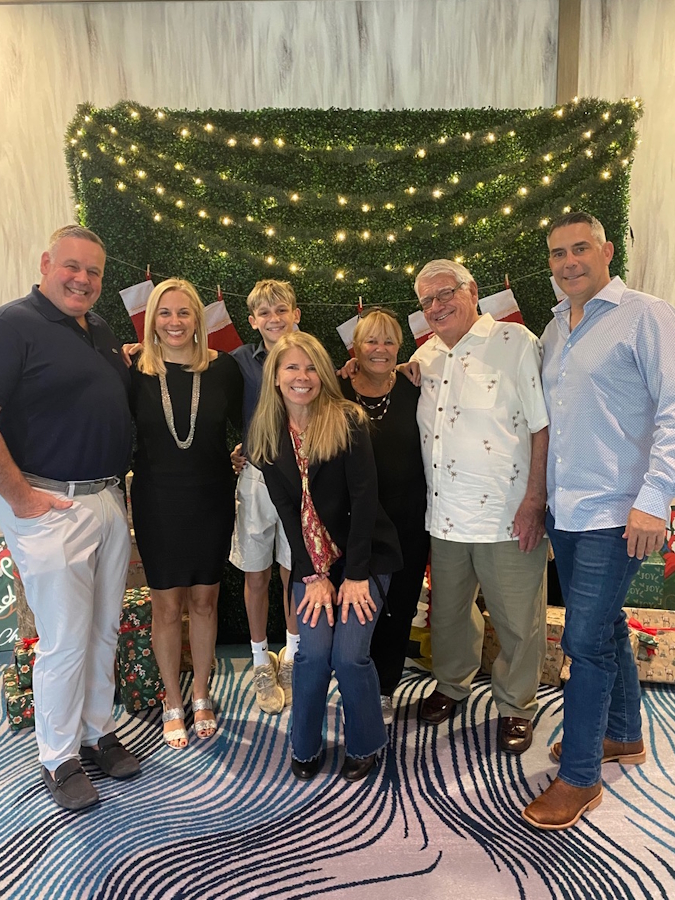
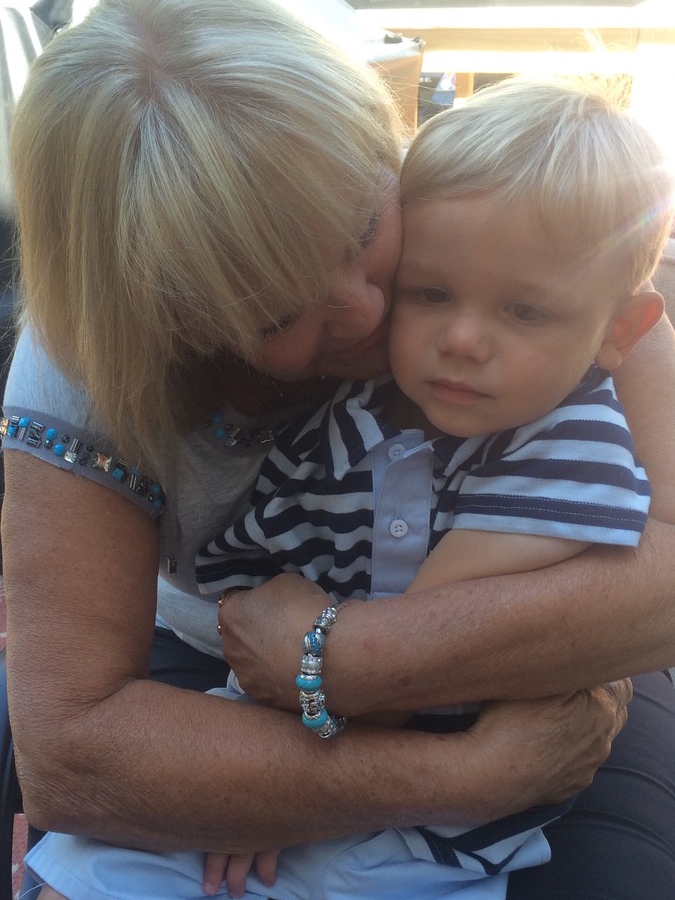
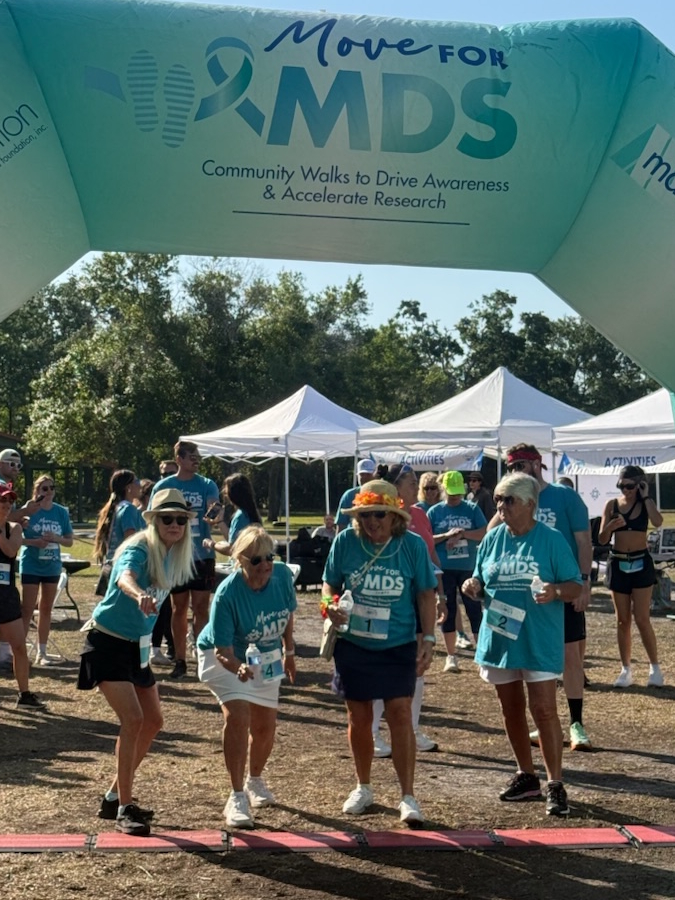
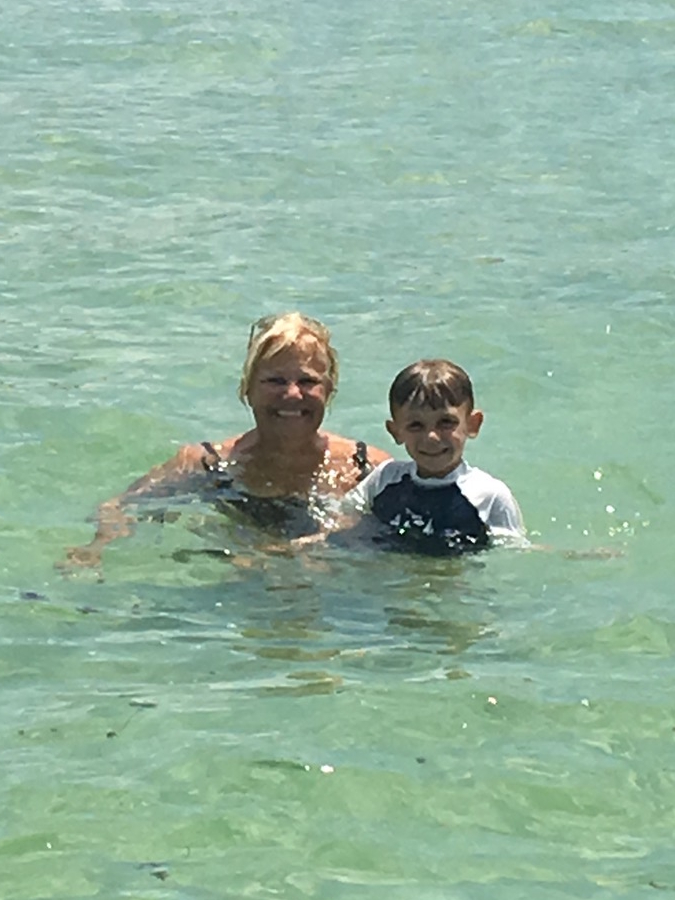
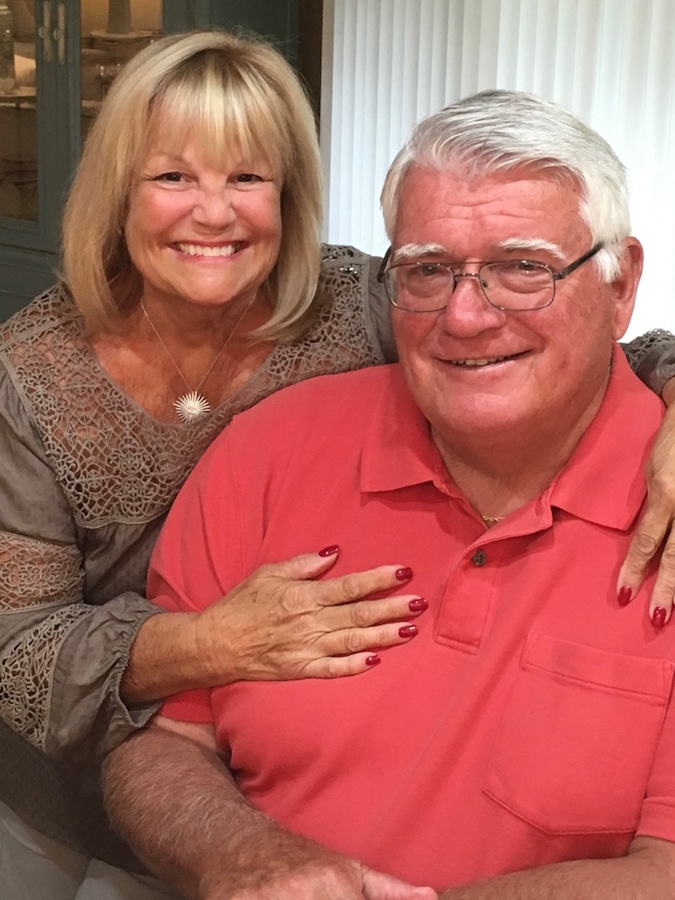
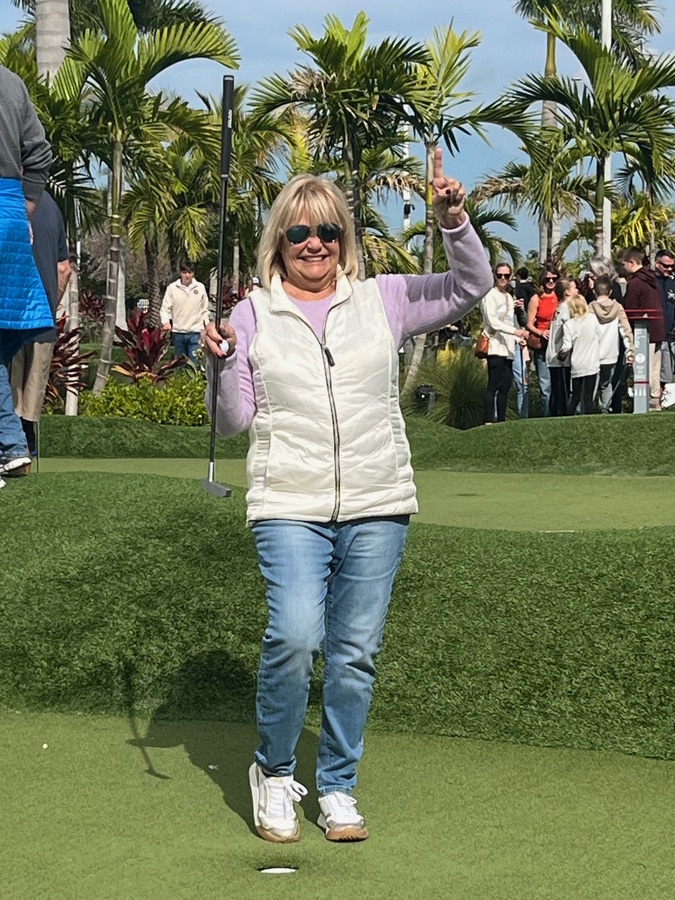

Thank you to Blood Cancer United for their partnership. They are here for you with information about clinical trials, resources, and dedicated support through their Information Specialists.
This is not medical advice. Please consult with your healthcare provider to make informed treatment decisions.
Editor’s Note: Along with Linda’s interview, we separately interviewed Dr. Mikkael Sekeres, the chief of the Division of Hematology and professor of medicine at the University of Miami Sylvester Comprehensive Cancer Center. He’s one of the premier myelodysplastic syndromes (MDS) experts in the world and part of dozens of clinical trials and studies when it comes to this disease. He spoke to The Patient Story about the same condition Linda has, lower-risk MDS.
Learn more by watching the entire expert-led program with the link below. Some of his expert opinion is in Linda’s interview highlighted in orange.

Thank you to our sponsor of the Dr. Sekeres portion of the interview for its support of our independent patient educational content. The Patient Story retains full editorial control over all content.
- Linda’s Diagnosis Facts
- The shocking diagnosis of MDS after losing my husband to AML
- Suspecting bleeding and refusing a bone marrow biopsy
- Returning to the cancer center and facing my diagnosis
- Navigating the frustration of watch and wait in lower-risk MDS
- The fear of my disease transforming to AML and letting go of control
- “I feel like I’m in cement”: The crushing reality of fatigue and anemia
- Managing the emotional toll of a treatable but incurable disease
- Transitioning to treatment: Minimizing blood transfusions
- Living life fully at 78 despite MDS
- Hear from people living with myelodysplastic syndrome
I was shocked, scared, and mostly in disbelief… My husband had just passed from AML, so I thought, ‘This can’t be real.’
Linda M., Myelodysplastic Syndrome Patient
The shocking diagnosis of MDS after losing my husband to AML
Linda M.: I was shocked, scared, and mostly in disbelief because I didn’t think that this could be possible. My husband had just passed from AML, so I thought, “This can’t be real.” Every stage of the journey has a different reaction, but it’s an emotional impact to be diagnosed with a serious illness and not be able to fix it.
When my husband passed away, I was at ground zero, so I lost a lot of weight. I was very fatigued, breathless, and low on energy and mood. But I brushed all of that off because I was attributing it to an interstate move from New Jersey to Florida. It was very hectic. Then my husband landed in the hospital, so I was attributing all of that to the death and the pre-death experiences.
My husband died in November. I went for a regular checkup in December and by then, I had lost about 17 pounds. They did blood work and said, “You are very anemic. We’re going to give you B12 shots for a while and see if that helps you improve.”
They said they needed to do the bone marrow biopsy to get an accurate diagnosis. I said, ‘No, I’m not doing it. You’re chasing a number.’ I was in total denial.
Linda M., Myelodysplastic Syndrome Patient
Suspecting bleeding and refusing a bone marrow biopsy
Linda M.: After about six months of very slow improvement, they said, “We need to send you to a hematologist-oncologist for additional testing.” They did all of the typical testing, including an endoscopy, colonoscopy, and an X-ray, where they saw a little spot on my kidney. They sent me to a nephrologist to see if there was any possible bleeding, but those tests were negative. I knew then that we were going to go into something more and that’s when they thought we should do a bone marrow biopsy.
My hemoglobin was fairly close to normal at that point, in the 11 range. They said they needed to do the bone marrow biopsy to get an accurate diagnosis. I said, “No, I’m not doing it. You’re chasing a number.” I was in total denial. I said I wasn’t doing it and left. I continued to say, “I think if I get acupuncture, if I eat better, if I try to go back to my physical exercise, I’d be feeling stronger. I don’t want to do this.”
Part of the avoidance also was that in order to go to a center of excellence, I had to go to the same center where my husband had passed.
Linda M., Myelodysplastic Syndrome Patient
Returning to the cancer center and facing my diagnosis
Linda M.: Three years later, when I went for my regular checkup, my hemoglobin was now 8.8, so I knew that I couldn’t avoid it any longer. Part of the avoidance was also that in order to go to a center of excellence, I had to go to the same center where my husband had passed. I’d be seeing the same doctors in the same offices. I would walk in there sobbing.
I worked through that and decided that I had to go there because they would get the best results for me and I needed to know. I came back with a diagnosis of MDS with ringed sideroblasts. It was a single lineage. They said we were going to do the watch and wait program, which is the protocol that I’ve read, which many people who have experienced it refer to as watch and worry.
No study in MDS has ever shown that intervening early with a therapy — before somebody has symptoms or a compromise in their blood counts or quality of life — allows somebody to live longer than when we wait before we start therapy.
Dr. Mikkael Sekeres, Hematologist-Oncologist
Navigating the frustration of watch and wait in lower-risk MDS
Dr. Mikkael Sekeres: I try to put it in context with my patients. People who have lower-risk myelodysplastic syndromes (LR-MDS) are going to be living with this diagnosis for years. Some of my patients don’t even require any therapy.
Linda M.: Why aren’t we doing anything? We wanted to get the diagnosis, but we’re not doing anything. That’s difficult for a person who has a type A personality. Can we do something preventive to keep this from getting any worse than it is now?
Dr. Sekeres: No study in MDS has ever shown that intervening early with a therapy — before somebody has symptoms or a compromise in their blood counts or quality of life — allows somebody to live longer than when we wait before we start therapy.
Linda M.: It felt like, “Why are we waiting? What can possibly be gained? What benefit is it to wait? Why did you put me through a bone marrow biopsy so I could wait and see what’s going to happen?” I wanted to be action-oriented. I wanted to get it done, even if I have to have chemo or radiation. Whatever I have to have, let’s do it. That wasn’t the case with this type of cancer and it’s something that you have to accept. I had a hard time with it initially.
Our diagnoses were very different, but having the same kind of tree where they came from was bewildering and upsetting.
Linda M., Myelodysplastic Syndrome Patient
The fear of my disease transforming to AML and letting go of control
Linda M.: When I was diagnosed and started Googling it, I found out that there was a very high percentage of it transforming to AML. Again, it was another shock and another incredible fear that this was going to happen to me. I watched my husband suffer so much and saw the person I love disintegrate before my eyes. It was very hard to be a caregiver and to manage the emotions that come with knowing the person you love more than anything isn’t going to make it.
Our diagnoses were very different, but having the same kind of tree where they came from was bewildering and upsetting, and I started wondering, “How did we get this? Was it environmental?” The why of it, no one knows.
Letting go isn’t easy. I do a lot of self-talk. Every day, I focus on the blessings I have rather than those of other cancer survivors I see in the office each week. Some people have it much harder than I do.
When I’m very tired, I feel like I’m in cement, like a slow-motion movie.
Linda M., Myelodysplastic Syndrome Patient
“I feel like I’m in cement”: The crushing reality of fatigue and anemia
Linda M.: I try to live day by day. The hardest part of this whole disease is the incredible fatigue. MDS isn’t something that most people know about, so they don’t fully understand when I say I’m so tired.
Dr. Sekeres: Over 80% of people with myelodysplastic syndromes have some degree of anemia, so we focus a lot on the signs of anemia.
Linda M.: When I’m very tired, I feel like I’m in cement, like a slow-motion movie. You can’t even think about taking your key out of your purse to go to the driveway to ride the car and drive to the grocery store. It’s literally impossible. You have to admit that you can’t do it, which is very hard for someone who doesn’t like to say they can’t do something. It’s very hard for me.
One of the hardest things is that this is treatable but incurable.
Linda M., Myelodysplastic Syndrome Patient
Managing the emotional toll of a treatable but incurable disease
Dr. Sekeres: The only way we can tell whether fatigue is due to MDS is by giving a blood transfusion. If, after a blood transfusion, the patient says, “I feel like Superman or Wonder Woman for the first time in months,” then we know that the low hemoglobin was causing their fatigue.
Linda M.: I think it’s also very much integrated with aging. Many MDS patients are older. I see some of my peers isolating themselves by not walking, not going anywhere, and staying in the house. Initially, I had a lot of joint pain. That, with breathlessness and not wanting to go anywhere, isn’t good for someone who’s dealing with a potentially non-survivable death. One of the hardest things is that this is treatable but incurable.
It’s very important to read up and stay up to date on what’s going on in the field and to visit the MDS Foundation. Mine was one of the better diagnoses in that I had the SF3B1 mutation, which is more compatible with the therapies that are available to me and with a better shot of survival.
Dr. Sekeres: The SF3B1 mutation is a good prognosis mutation to have. People with an isolated SF3B1 mutation live longer than those with other types of mutations.
After five years of watching and waiting, Linda’s hemoglobin levels dropped significantly, forcing a pivotal decision on treatment.
The ESA is better than a blood transfusion, which takes four or five hours. I never realized how long it takes.
Linda M., Myelodysplastic Syndrome Patient
Transitioning to treatment: Minimizing blood transfusions
Linda M.: When I had my first appointment, I got my blood work done. They do a CBC on the spot and decide whether or not you’re going to receive treatment. For me, it was 6,000 units of erythromycin, a weekly regimen in a doctor’s office. I live very far from the cancer center that I go to, so they prescribe the medication, give the orders, and then a local oncologist does the actual injection.
Dr. Sekeres: The goals of care with lower-risk MDS are to minimize transfusions and improve quality of life, and that’s what we can do with these drugs.
Linda M.: The ESA is better than a blood transfusion, which takes four or five hours. I never realized how long it takes. Now I’m able to be with my family, live a normal life, and enjoy a good quality of life.
Dr. Sekeres: You add all of that time up and you’re talking about a full day to get a blood transfusion. A full day every four weeks starts to add up, which is when my patients start to say to me, “This MDS is starting to get annoying. Is there any treatment that I can take to start to eliminate the frequency of blood transfusions?”
Always prepare a list of questions you want to ask before you walk in the door. I’m a doctor, but when I go to my doctor, my mind goes blank.
I don’t want MDS to define me, yet I want to make sure that if I can help myself or others, I do it because I don’t think people understand this.
Linda M., Myelodysplastic Syndrome Patient
Living life fully at 78 despite MDS
Linda M.: I have to live with this, so I might as well do it cheerfully because there’s no benefit in crying about it daily. I don’t want MDS to define me, yet I want to make sure that if I can help myself or others, I do it because I don’t think people understand this.
I discussed it with my doctor at the cancer center. He said, “You have to live your life if you’re feeling pretty good.” I’m 78 years old, so I have to live my life. For example, in 2025, it was my partner’s granddaughter’s wedding. There have been Christmases when I said, “I don’t care. I only have this child once. This is my only grandchild, so I would take the shot. I’m blessed that I got one.”
There’s always something to take away your pain, some joy that measures out. In general, I’ve been very lucky. I have a beautiful family. I have a very strong faith and I rely on it to get me through. I’m happy with all that I have. I’m very grateful.
This interview has been edited for clarity and length. The views and opinions expressed in this interview do not necessarily reflect those of The Patient Story. This content does not replace professional medical advice.
Inspired by Linda’s story?
Share your story, too!
Thank you to our sponsor of the Dr. Sekeres portion of the interview for its support of our independent patient educational content. The Patient Story retains full editorial control over all content.
Thank you to Blood Cancer United for their partnership. They are here for you with information about clinical trials, resources, and dedicated support through their Information Specialists.
Hear from people living with myelodysplastic syndrome
Real experiences with diagnosis, treatment choices, side effects, and life beyond myelodysplastic syndrome — in their own words.

Leave a Reply