Categories
AC Biologics Breast Cancer Chemotherapy Immunotherapy Mastectomy Patient Stories Surgery Treatments Triple Negative (TNBC)

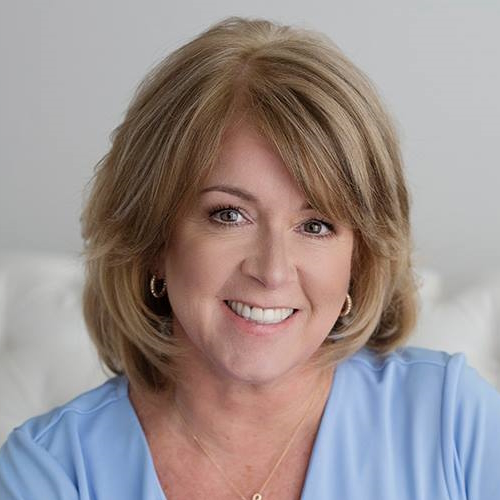
More Than a Diagnosis: Finding Community Became Jes’ Lifeline Through Triple-Negative Breast Cancer

More Than a Diagnosis: Finding Community Became Jes’ Lifeline Through Triple-Negative Breast Cancer

Jes was in her late 30s, busy with motherhood and life in California, when she felt an itch on her chest that led her to discover a lump. Despite fatigue and headaches she thought were the result of a busy lifestyle, her intuition told her something was wrong. After navigating insurance barriers and delays, she was diagnosed with triple-negative breast cancer (TNBC), an aggressive form of the disease.

Interviewed by: Taylor Scheib
Edited by: Katrina Villareal

Her experience began with a shocking misdiagnosis at a clinic where she was initially told she had a noninvasive cancer that would only require surgery. It wasn’t until she met with a surgical oncologist that she learned the true severity of her invasive ductal carcinoma (IDC), which would require chemotherapy, immunotherapy, and surgery.

Jes S. triple-negative breast cancer

Facing a grueling treatment regimen, Jes endured eight rounds of chemotherapy and immunotherapy, followed by a bilateral mastectomy. While the treatment successfully led to a status of no evidence of disease (NED), her experience did not end there.

Jes is candid about the often-overlooked reality of survivorship: the long-term health issues caused by treatment. Her body’s reaction to immunotherapy sent her immune system into overdrive, attacking healthy cells and leaving her with chronic physical challenges that persist years later. She emphasizes that beating cancer doesn’t always mean returning to life as it was before.

Throughout her experience, Jes turned to TikTok. She created her own community under the mantra “my page, my rules.” By sharing her story, she connected with others facing similar isolation. This digital community became a lifeline, leading to deep friendships, including a meaningful bond with stomach cancer advocate Alyssa. Jes’ story is a powerful testament to the necessity of self-advocacy and the healing power of shared experience, proving that even virtual connections can be profoundly real and lifesaving.

Watch Jes’ video or read the edited transcript of her interview to know more about her story:

  • Trust your intuition: Even when symptoms like fatigue seem explainable, knowing your body and acting on changes, like a new lump, are critical.
  • Verify your diagnosis: Miscommunication can happen. Jes discovered she had invasive cancer only after double-checking her initial diagnosis with a specialist.
  • Too young is a myth: Cancer does not discriminate by age, and young adults must advocate for themselves when providers dismiss concerns based on demographics.
  • Survivorship can be chronic: Reaching no evidence of disease does not always guarantee a return to full health. Long-term side effects from treatments like immunotherapy are a valid and challenging part of the experience.
  • Community takes many forms: If local support groups don’t resonate, digital spaces can provide vital connection, understanding, and friendship.
  • Helping others heals you: Transforming personal hardship into advocacy and support for others can be a powerful mechanism for processing one’s own grief and trauma.

  • Name: Jes S.
  • Age at Diagnosis:
    • 38
  • Diagnosis:
    • Triple-Negative Breast Cancer
  • Symptoms:
    • Fatigue
    • Headaches
    • Itch on chest
    • ​Lump
  • Treatments:
    • Chemotherapy: AC (doxorubicin and cyclophosphamide)
    • Immunotherapy
    • Surgery: bilateral mastectomy
    • Biologics
Jes S. triple-negative breast cancer

This interview has been edited for clarity and length. This is not medical advice. Please consult with your healthcare provider to make informed treatment decisions.

The views and opinions expressed in this interview do not necessarily reflect those of The Patient Story.


Who I am

My name is Jes, and I’m a triple-negative breast cancer survivor. I was diagnosed in February 2023. I’m from California.

What community means to me

Community is at the heart of everything that I do and who I am. Even before my cancer diagnosis, every piece of my life has always had a community attached to it. I’m a partner, a mother, and a friend. But through all the different chapters in my life, it’s always been driven and held through community.

I’m an only child. Growing up, I would seek community and be involved in student government and in all the ways that I could help people. Probably a lot of where it stems from is my desire to help.

Community is a place where you’re held and understood without having to explain yourself or go into detail. Community is a place where you show up and people say, “I get it. Me, too. I see you.”

Early warning signs: Fatigue and finding a lump

Before I was diagnosed, I had no idea that I had cancer growing in my body. Looking back now, I know that there were signs based on what I’ve heard other people talk about and from research that I’ve done. But back then, I had no idea that the things that I was experiencing were because I had cancer.

I was super fatigued all the time. But I was also a full-time mom running around all over the place and driving kids to activities, so I didn’t think much of it. I had headaches, but that’s not uncommon for me. A lot of the things that I was experiencing weren’t out of the norm. Honestly, they were easily explained away. As a woman, as a mother, and as a busy person, oftentimes we can explain away our symptoms so readily.

I had not been feeling well, but I didn’t think much of it. When I woke up one morning and rolled over, I had an itch on my chest. When I scratched under my breast, I knew that it wasn’t there before. I don’t remember feeling that. I have always been very intuitive and very familiar with my body. As soon as I felt it, my heart sank. It was almost like I knew immediately that something was wrong.

In hindsight, those pieces didn’t come together until well after my diagnosis. Honestly, probably not even until after I was through treatment. You find the lump and you know something’s not right. At that time, I did not have health insurance; it took several months. I found the mass in November, and it wasn’t until February that I got a diagnosis because of trying to get insured and getting the proper appointments. From that point until starting treatment, you put your head down and try to get through. There wasn’t a whole lot of, “Oh, that was what actually was happening,” until the dust had started to settle a little bit.

Navigating insurance barriers and delays in diagnosis

I wasn’t insured when I found the mass in my breast. I knew that I needed to book an appointment and get it checked out. But I also knew that as soon as I started that process, I was opening the floodgates.

There was a part of me that was putting it off and not wanting to jump in, because I knew all that was going to come from opening that door. But I also knew that I needed to act sooner rather than later, especially if it was something scary like cancer.

A good friend who’s like my little sister was one of the only people whom I told, other than my partner, that I had found this mass. Every few days, she would check in with me and ask, “Hey, did you make that appointment? Did you call?”

I knew from when I was in my early 20s and uninsured that I could access care through Planned Parenthood, so that was going to be my first stop. I knew that because of their income-based fees and where we fell with the income that we would qualify, they would see me, and I would most likely not have to pay much, if anything at all. So I was able to get a breast exam.

Accessing care through community resources

Here in California, they also have a program called Every Woman Counts, which is an amazing program that I honestly felt saved my life. If you’re uninsured, they will connect you with a provider who will do mammograms and biopsies for any gynecological issues you have that may need monitoring, as well as any issues with your breasts. I was referred to a program to get a mammogram. I ended up having to have a second breast exam at a different clinic, because they were the ones who had to refer me to get the mammogram, so there were more delays.

I had that appointment, got scheduled for my mammogram, and had the mammogram. Of course, after, they said, “We’re going to take you into the other room and do a sonogram.” I still didn’t think a ton of it. In my gut, I knew something wasn’t right, but I wasn’t sure what to make of it. They did the sonogram, and the doctor came in. This was all around the holidays, too. I’m in between Christmas shopping and trying to get things done while also trying to manage these appointments. The doctor came in and said, “We’d like to take a closer look at this. We’re going to schedule you to come back and have a biopsy.”

Because it was the holidays, I had to wait and I didn’t end up getting my biopsy until mid-to-late January. Come to find out, I had triple-negative breast cancer, which is extremely aggressive. It grows very fast. I’m lucky that even though it did take a few months for me to get the care that I needed and to get the diagnosis, it happened in enough time before anything had spread.

Managing anxiety during the waiting period

It was difficult. But also, I made the conscious choice not to tell anyone what I was going through because I didn’t want to worry anyone. My mother’s uncle passed away from cancer days before I was diagnosed. A cousin had also passed from cancer about a year and a half before I was diagnosed.

I come from a very small family, so to have cancer take two people from our family and then knowing that it was a possibility that I had cancer, I didn’t want to tell anyone in my family yet. I wanted to hold that information until I knew what was going on and had a plan in place. Because I hadn’t told many people, it was easier to hold that information without having the pressure of everyone asking me how I was doing, if I had heard anything yet, or if we had any answers.

Looking at my pictures, I want to jump in and hug myself because I know how stressed and anxious I was waiting for the other shoe to drop, because I knew it was coming.

Even though I chose not to tell a lot of people that I was going through this diagnostic process, I knew that as soon as I said anything, they would be there and hold me through it. I’m so grateful that, in the midst of everything that was going on at that time, I had access to community resources. Being lower income, not having insurance, and not knowing where to turn, I’m forever grateful that these programs exist.

The shock of misdiagnosis: From “best case” to invasive cancer

Finding out that I had cancer is an interesting thing to look back on and to tell the story of, because the story is twofold. I went to the clinic to get my diagnosis. I knew that what would most likely happen would be that I would have to get surgery. I knew that there was a possibility it could be cancer, but I kept being told at every appointment and every step along the way that I was so young and it was probably benign.

When I went to the office, I was by myself. It was Christmas time. I could hear the staff laughing and talking about a Christmas party. The doctor walked in with a paper and he sat back. He’s young. He held the paper up and said, “I’m sorry, it’s cancer. But the good news is that it’s the best-case scenario out of the worst-case news.”

He continued, “My mom had this same type of breast cancer. All she needed was surgery. She didn’t have to do chemotherapy. She didn’t lose her hair. None of that. We’re going to refer you to a surgical oncologist.” As he handed me the paper, I was in shock. I have cancer, but it’s the best-case scenario. All I have to do is have surgery. Cool. I can handle this, right?

News flash: That’s not what happened. I did, in fact, have to have chemotherapy. I did, in fact, lose my hair. It wasn’t just a surgery. And that clinic doctor gave me the wrong diagnosis.

With breast cancer, you can have invasive ductal carcinoma (IDC) or ductal carcinoma in situ (DCIS). Noninvasive usually means you just have surgery. It’s contained in your ducts and there’s no spread, so you can have it removed and it’s all good. That wasn’t what it was.

He was looking at a paper that had been printed off for him. On that paper were both invasive and noninvasive. Whoever encircled it said that I had noninvasive triple-negative breast cancer. At that time, I didn’t know anything about breast cancer beyond the fact that I knew women get breast cancer. I did not realize that there were different types.

I remember opening up MyChart and looking at the results. I remember reading the word “invasive.” That word jumped out at me. In the back of my head, I knew that something wasn’t right

I finally got an appointment with the surgical oncologist again. I went by myself because I was under the impression that I would be talking to this surgeon about getting surgery to have my breast removed.

The surgeon’s amazing. She was explaining everything to me. She talked about noninvasive ductal carcinoma, and then moved on to talk about invasive ductal carcinoma. I stopped her and said, “But the clinic doctor told me that I have that kind of cancer. Not this one.”

She said, “No, I’m sorry. You have invasive ductal carcinoma. It’s triple-negative. Your only treatment options are going to be chemotherapy and surgery, and potentially radiation and immunotherapy.”

That was the hardest moment for me because it was like finding out I had cancer all over again, but now knowing that not only was it going to be just surgery, I was also going to have chemo. I was going to lose my hair. Our whole lives were going to change.

Breaking the myth: Breast cancer at a young age

Every single appointment leading up to my diagnosis, I was told, “You’re young. We probably don’t need to worry about this.” Looking back, knowing what I know now and all the people that I’ve connected with who have been diagnosed with breast cancer, the statement “you’re too young” should never come out of any doctor’s mouth.

Cancer does not discriminate. It’s no longer an old person’s disease. I feel incredibly lucky that even though I was so young, that didn’t play a role in the delay in my care. Unfortunately, what I have seen happen is if you’re too young to get breast cancer or any kind of cancer for that matter, oftentimes people are pushed off and not taken seriously. Unfortunately, that leads to patients being diagnosed at later stages because they’re not taken seriously.

The treatment journey: Chemotherapy, immunotherapy, and a double mastectomy

I was diagnosed on February 1st. Then I went in to have a port placed in my chest for chemotherapy, which I started in mid-February. I was told that I would have six rounds to start, then surgery, and then radiation therapy, if necessary.

When I got to round three of chemo, I thought, “Okay, I’m halfway there.” We went to my oncologist to get chemo and he said, “We have one more round and then you have four of the next.” I didn’t have three rounds left. I had four more rounds left, so I had eight rounds total. Along with chemotherapy, I had immunotherapy with every round.

Chemo was very hard on my body. I have always been extremely med sensitive. If folks are familiar with the different types of chemo, I was on the “Red Devil,” which people know as harsh chemo. I ended up being hospitalized, which was probably the hardest point of treatment. It was very scary. My oncologist lowered the dosage because my body was having such a hard time handling it.

I successfully finished chemo in August 2023, and then I opted for a bilateral mastectomy. I didn’t have to do that, but I needed to for my peace of mind. I could have opted for a lumpectomy. When we did a breast MRI and a mammogram after chemo, they could not detect the tumor anymore. But for my peace of mind, I chose to have the mastectomy.

After surgery, I found out that there was no evidence of disease. The chemo had done its job. I never had any lymph nodes test positive. The chemo got rid of all of the cancer. I was lucky and did not need radiation.

Life after no evidence of disease: Managing long-term side effects

Oftentimes, when you get to the point of NED as a cancer survivor, there’s so much celebration because you beat it, right? You did it. Now you get to go back to your life, forget all about the cancer, move on, and live happily ever after.

Unfortunately, it does not always go that way for us. I’m one of those patients who have been left with long-term health issues because of cancer treatment.

When I was done with my surgery, because I had triple-negative breast cancer, the recommended course of treatment was to continue with immunotherapy. Every round of immunotherapy that I did after surgery, I continued to get sicker and sicker. Doctors talk about immunotherapy as less aggressive than chemotherapy. You shouldn’t have very many side effects, if any at all. It helps your body to find and fight any little bit of cancer that could be left that is undetectable by scans. Unfortunately, my body took that immunotherapy and ran with it, and it has caused my immune system to go into overdrive and start to attack my healthy cells.

I was put on steroids to try to manage some of the symptoms. My oncologist and I were hopeful that after a few months, things would even out after being off immunotherapy. Unfortunately, every time I would taper off the steroids, a bunch of physical symptoms would come back. I felt sick all the time. The reactions that I was having were not very standard. They were in the lowest percentage of people who have this happen to them. I was able to get an appointment at a clinic that specializes in immunotherapy toxicity.

I’m currently on a monthly injection. It’s a biologic that’s supposed to counteract what immunotherapy has done to my body. Of course, that comes with its own set of side effects. It’s been two years since I finished active cancer treatment, and my life looks nothing like I thought it would two years out. I knew going into treatment that my life would never be the same, but I could never have anticipated the aftermath that I would be dealing with for as long as I have been dealing with it.

Finding and creating support on social media

When I was first diagnosed, I knew that I had a family friend who had gone through the same kind of cancer that I had several years prior. I also knew that I had a distant family relative who had had breast cancer twice, so I connected with them first. They were my first point of contact. I wanted to talk to somebody who has been through it, so I can get my bearings.

I have always been a storyteller. I had an experience when I was in junior high when something happened in my family and I talked to a family friend about it. I remember her telling me vividly: We go through things in our lives that are hard. Sometimes when we go through those things, we’re then able to take those experiences and help other people through what we’ve been through. That has stuck with me since I was 13 years old.

Getting diagnosed with cancer, I knew that I would probably end up sharing my story. I took to TikTok and decided that I’m going to make funny videos about going bald and having to shave my head. I remember getting a comment from somebody who said, “Why would you cut off all of that beautiful hair?” And I said, “There’s my opening. I’m going to tell my story.”

Going into it, my mantra was “my page, my rules.” If somebody leaves a mean comment, I’m going to delete it. I’m going to ignore it. I knew that what I was about to embark on was not going to be easy, and it was going to be extremely vulnerable. But I also knew that I had to protect myself.

What I found quickly was that there were so many people who were going through what I was going through. There were so many people who did not post their stories, but who would comment on my videos and would say, “Oh my gosh, I thought I was the only one.”

I found and created my own support group. Where I live, there’s a high elderly population and at my cancer center, I’m the youngest by 20 to 30 years most of the time. Attending a support group at my cancer center was not exactly what I was looking for. But what I found through TikTok was that I got to craft my own support group for people who could understand where I was and what stage of life I was in.

A bond beyond diagnosis: Friendship and loss in the cancer community

One of the most beautiful things about TikTok and about social media in general is that it brings connections into our lives that we wouldn’t have had otherwise. It’s such a messy thing to think about. If it weren’t for having cancer, there are people whom I would not have known and friendships that I would not have had otherwise, which is very complicated. Nobody wants to go through cancer. If I had it to do all over again, would I? No, not really. But I also have some of the most beautiful, long-lasting friendships and relationships that I wouldn’t have otherwise.

Alyssa and I found each other through TikTok. We were immediately drawn to each other. She had the most magnetic personality ever, and we clicked almost immediately. We followed each other right away. I reached out to her and asked if she would be willing to share her story on TikTok Live with me, and she agreed. That was the beginning of the depths of our friendship.

Things started to turn for her and we knew that things were not going to be good. I knew she had a ginormous fan base that loved and supported her. I knew how important that space was to her, so I told her, “If at any point you need someone to update the community on your behalf, I will do that for you. I know how much it means to you, and I know that you want to keep people informed.”

She wanted to keep telling her story. When there were times she couldn’t, she would reach out to me and say, “Can you share this or let people know what’s going on?”

Honoring Alyssa’s legacy through creativity

When Alyssa was still alive, we had her on our podcast as a guest, and we made a pact. We promised that we would continue to tell her story and keep her legacy alive. When she was in hospice, she sent me markers and some coloring books. In her TikTok videos, she always had the coloring pages she and her partner had colored together. I had gotten into coloring because of her. Here she was in hospice, literally on her deathbed, sending me gifts.

My friends and I, who started a nonprofit together, collectively decided that coloring was part of how we would keep her legacy alive. She inspired us to color, be creative, and use our hands. We’re excited to launch the Alyssa Coloring Fund through our nonprofit to provide coloring supplies to folks going through hard times.

Navigating collective grief and virtual connections

Grief is a funny thing because there are so many different layers that come with it. I thought that I knew what I was getting myself into by offering to be her voice and continue to share updates. But Alyssa had a huge platform of loving, loyal followers. She sent them to me because she trusted me with the community that she had built.

I didn’t realize the complexity that would come with carrying my own grief, while also navigating the collective grief that the community was feeling. Some days were heavy and hard.

We never had the opportunity to meet in person. It’s something that I will forever regret for the rest of my life. That adds a layer of grief to it as well, because I know the relationship and friendship that we had. I found myself scrolling through old text messages, listening to old voice notes, and looking at videos we had sent back and forth to each other. I needed to remind myself and ground myself in the fact that even though we never met in person, the connection that we had was so real. It speaks to the fact that even if our community is virtual, it’s real. The connections that we make are real and meaningful.

The lifesaving power of shared experience

Oftentimes, people will say to me, “I could never do what you do. I could never tell my story so publicly. How do you do it?” To those people, I say, “So did I.” I hated it when I first started. But what I find is that even in the hesitation, you never know who is listening. You never know who you can impact through telling your story.

For the people who don’t even tell their closest friends that they have cancer, you still need community. You need to have someone who can understand what you’re going through, because it will make a world of difference in your experience.

I have had countless people message me over the last several years who have never even told their kids, their friends, or their coworkers that they have cancer. They’ve essentially been navigating it alone. Yet, they’ve reached out to me, a stranger on the internet, to ask their questions and share their stories.

Whether you want to tell your story or not, seeking out community, even if it’s virtual, will be your lifesaver. It will carry you through the roughest waters. I know for a fact that if I did not have the community that I have right now, I would not be where I am today.


Jes S. triple-negative breast cancer
Thank you for sharing your story, Jes!

Inspired by Jes's story?

Share your story, too!


More Triple-Negative Breast Cancer Stories

Maggie C. feature profile

Maggie C., Triple-Negative Breast Cancer, Stage 4 (Metastatic), PD-L1+


Symptoms: Bruising sensation in the breast, soft lump

Treatments: Chemotherapy, clinical trial (antibody-drug conjugate and immunotherapy)

April D.

April D., Triple-Negative Breast Cancer, Stage 4 (Metastatic), BRCA1+


Symptom: Four lumps on the side of the left breast

Treatments: Chemotherapy (carboplatin, paclitaxel doxorubicin, surgery (double mastectomy), radiation (proton therapy), PARP inhibitors
Chance O. feature profile

Chance O., Triple-Negative Breast Cancer, Stage 2, BRCA1+


Symptom: Lump on breast
Treatments: Chemotherapy (doxorubicin, cyclophosphamide, paclitaxel, carboplatin), surgery (double mastectomy), radiation, radical hysterectomy (preventive)
Nicole B. triple-negative breast cancer

Nicole B., Triple-Negative Breast Cancer, Stage 4 (Metastatic)


Symptoms: Appearance of lumps in breast and liver, electric shock-like sensations in breast, fatigue

Treatments: Chemotherapy, surgeries (installation of chemotherapy port, mastectomy with flat aesthetic closure), targeted therapy (antibody-drug conjugate), hyperbaric oxygen therapy, lymphatic drainage
Marina B. triple-negative breast cancer

Marina B., Triple-Negative Breast Cancer, Stage 2, BRCA1+


Symptoms: Month-long twinge of pain in breast (first diagnosis), appearance of lump in armpit (second diagnosis)

Treatments: Chemotherapy (AC and paclitaxel), surgery (mastectomy and reconstruction), radiation therapy
Kelly T. feature profile

Kelly T., Triple-Negative Breast Cancer, Stage 3C


Symptoms: Swollen lymph nodes on the neck, high white blood count
Treatments: Chemotherapy (doxorubicin, cyclophosphamide, paclitaxel, carboplatin, capecitabine), surgery (nipple-sparing, skin-sparing double mastectomy), radiation, hormone therapy (tamoxifen)

Lucy E., Triple-Negative Breast Cancer, Grade 3, BRCA1+


Symptom: Lump in breast


Treatments: Chemotherapy, surgery (double mastectomy)
Melissa sitting in her car

Melissa H., Triple-Negative Breast Cancer, Stage 2B, IDC


Symptom: Lump in left breast

Treatments: Surgery (mastectomy), chemotherapy
Melissa is the founder of Cancer Fashionista
Melissa B., Triple-Negative Breast Cancer, Stage 1

Symptom: Pea-sized lump

Treatments: Chemotherapy, surgeries (bilateral mastectomy, reconstruction)

Categories
AC Breast Cancer Chemotherapy Mastectomy Patient Stories Radiation Therapy Reconstruction Surgery Taxol (paclitaxel) Treatments Triple Negative (TNBC)

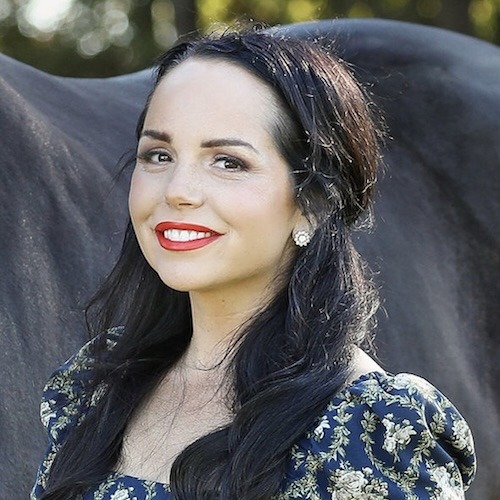
How an Athlete’s Mindset Guided Marina’s Triple-Negative Breast Cancer Experience – Twice

How an Athlete’s Mindset Guided Marina’s Triple-Negative Breast Cancer Experience – Twice

Marina had just qualified for the 2016 Boston Marathon when she received a life-altering diagnosis: stage 2 triple-negative breast cancer. As a 31-year-old with a family history and the BRCA1 mutation, Marina had to pivot from marathon training to an aggressive treatment plan. Throughout her first experience with the disease, she leaned into her identity as a runner, treating chemotherapy as a physical and mental endurance test. She was motivated by the same goal she had before cancer: to reach the ultimate finish line of the Boston Marathon, which she completed just one year after starting treatment.

Interviewed by: Ali Wolf
Edited by: Chris Sanchez

After cancer, Marina’s life continued with beautiful milestones, including marriage and the birth of two children. But after five years of being cancer-free, a new lump led to a second diagnosis of stage 2 triple-negative breast cancer. This second diagnosis was a different experience because it happened during the 2020 pandemic, and while Marina was nursing her two-month-old daughter.

Marina B. triple-negative breast cancer

Facing the challenge of parenting while undergoing chemotherapy and radiation, Marina once again leaned on her “Impossible to Possible” mindset to navigate the physical and emotional hurdles.

Today, Marina uses her experience to empower others through public speaking and her YouTube channel. By sharing and documenting the raw truth of breast cancer, Marina provides a roadmap of hope for those navigating their own cancer journey. Her story is a testament to the power of taking the next step, no matter how daunting the path may seem.

Watch Marina’s videos or read the interview transcript below to know more about her story.

  • Reframing the treatment mindset: Treating chemotherapy as “self-care” or “marathon training” can help alleviate the psychological burden of aggressive medical regimens.
  • Proactive fertility protection: For young patients, discussing options like goserelin injections early can help protect ovarian function during chemotherapy.
  • The importance of body literacy: Marina’s self-checks were vital in identifying her second diagnosis at the five-year remission mark.
  • Accepting help is a skill: Learning to lean on “meal trains” and appointment rotations is essential for maintaining energy, especially for those used to being independent.
  • A universal truth: We cannot always control the diagnosis, but we can control our perspective and the way we choose to show up for the next step.

  • Name: Marina B.
  • Age at Diagnosis:
    • First diagnosis: 31
    • Second diagnosis: 36
  • Diagnosis:
    • Triple-Negative Breast Cancer
  • Staging
    • First diagnosis: stage 2
    • Second diagnosis: stage 2
  • Biomarker:
  • Symptoms:
    • First diagnosis: month-long twinge of pain in breast
    • Second diagnosis: appearance of lump in armpit
  • Treatments:
    • Chemotherapy: AC and paclitaxel
    • Surgery: mastectomy and reconstruction
    • Radiation therapy
Marina B. triple-negative breast cancer

This interview has been edited for clarity and length. This is not medical advice. Please consult with your healthcare provider to make informed treatment decisions.

The views and opinions expressed in this interview do not necessarily reflect those of The Patient Story.


Transcript of Marina’s Interview
  1. Cancer diagnosis and type
  2. Life before cancer: Career, running, and travel
  3. Family history, BRCA1 mutation, and first mammogram at 31
  4. From Boston qualification high to triple-negative breast cancer diagnosis
  5. Surgery, reconstruction, and running Boston as a survivor
  6. Using a “light at the end of the tunnel” to get through treatment
  7. Inspiration from my mom and supporting others on YouTube
  8. Dating, fear, and my partner’s support during treatment
  9. Being asked about future children and choosing goserelin
  10. Learning to accept help and the value of community
  11. Monitoring after the first treatment, and a new lump at year five
  12. Running the 2016 Boston Marathon as a breast cancer survivor
  13. Motherhood, complications, staph infection, and working through things
  14. Second cancer diagnosis during the pandemic, and with a newborn
  15. I started a YouTube channel to share chemo tips
  16. Chemo while parenting newborns, and reframing infusion as self-care
  17. Using an athlete’s mindset and gratitude to get through chemo
  18. Unexpected blood transfusion and learning to let go of control
  19. Resources, chemo checklist, and paying it forward
  20. Cancer stage details for both diagnoses
  21. Chemo hair loss expectations and first tips
  22. Cutting my hair short before chemo hair loss
  23. Using cold caps and hair-preserving devices
  24. Losing my eyebrows, eyelashes, and nose hair
  25. Redefining “survivor” and finding power during treatment
  26. Preventing neuropathy with acupuncture and icing
  27. Dental and mouth care during chemo
  28. Fertility, goserelin injections, and having kids after chemo
  29. Managing nausea with medications and natural aids
  30. Understanding the “wave” of fatigue and chemo brain
  31. My chemo infusion essentials: Ice gloves, eye mask, and headphones
  32. Leaning on support and not feeling alone

Cancer diagnosis and type

I am Marina, and my cancer type was stage 2 triple-negative breast cancer.

Life before cancer: Career, running, and travel

I was a dental hygienist, and I loved my career. I loved to travel and was doing a lot of running. At that time, I was growing more in my running races. I had just run a full marathon. It was my third full marathon here in Arizona, where I am from. I had said I would never run a marathon, by the way. I was one of those people. 

I was dating my husband, and running this third marathon is significant because when I ran my first marathon three years before being diagnosed, I had a really decent time — under four hours — and I thought maybe I could qualify for the Boston Marathon. Then I ran it the next year, and I was five minutes from qualifying, and then in my third marathon, I qualified with just under two minutes to spare. It was within that time frame that I had just had my mammogram the week before, and I was having a biopsy done the week after qualifying for the Boston Marathon.

Family history, BRCA1 mutation, and first mammogram at 31

I was 31, and that is significant. I tell everybody this: really pay attention to their body. I had gone for my first mammogram because I was the age when I was due to go. My mom at that time was a two-time breast cancer survivor, and her first diagnosis came at the age of 41. After her second diagnosis in her 50s, she found out she was BRCA1-positive, so she had the genetic mutation on the breast cancer gene. She was told to tell her family, including her daughters. They basically told me to go at 31, ten years before the age that she had her first diagnosis, and start this whole process — get your first mammogram done, your genetic testing. Could I have done it sooner than 31? I could have. I had the knowledge for maybe a couple of years, but it was just the timeline I was on, and I was on this timeline of running and traveling.

As I was running and training for that marathon, I noticed an ache in my breast. It felt like a little twinge of pain every day that I was noticing, and it was there every day, and it was not going away. In my mind, it reminded me, oh, I am about that age; I need to start this process. So yes, I had some pain, and yes, I had a family history, and I had a timeline given to me of when I should start my screening.

From Boston qualification high to triple-negative breast cancer diagnosis

What happened next was a whirlwind. I was dating my now husband, and he was at the finish of this marathon where I had just run this really fast time to qualify for one of the most popular marathons in the world, Boston. The next week, I had the biopsy and was told I had an aggressive breast cancer, which is triple-negative. It is negative for hormones feeding it, so it typically grows faster. That is the bad news, but the good news is that it responds to chemo well. I went from what I call the top of the mountain — the highest point in my life of achievement as an athlete — to being knocked down, being told I needed to start chemo immediately. I was going to lose my hair. I would be losing my breasts, since it turned out I had the genetic mutation that my mom had, which did not surprise me as much. As soon as I knew I had cancer and the genetic tests were not quite back, I thought, “It’s going to be positive; my mom has had it twice.”

What that prepared me for was knowing I would remove my breasts. I could actually accept that better because I saw my mom go through chemo twice, and I thought, I do not want to do that. So I will remove everything. The hair was really devastating for me. That was something that caused me to process and release. The beautiful thing, though, of going through treatment for six months of chemo was that my husband and I grew closer together, and it brought us closer together. We knew we were meant to be.

Surgery, reconstruction, and running Boston as a survivor

With the determination of getting to Boston, I finished chemo, did surgery to remove my breasts, and did reconstruction. Then I was cleared with four months to start training and ultimately run the Boston Marathon as a survivor one year later. I could not delay. The rules with Boston are that when you qualify, you have to register to run it the next year, or you have to qualify again. In my mind, it took me three years to qualify; there was no way I was going to qualify after treatment. I gained a pound every week during treatment because of steroids. For women with breast cancer, typically, you gain weight because of the medication they give you, versus other cancers, where you might lose weight. I was gaining weight; I was fatigued. There was just no way I was going to qualify again. So, in my mind, I had this timeline of, “I must get through this treatment because I am going to Boston.”

My surgeon and my oncology team honestly never promised me anything. They said, “We just want to keep you alive; that is our goal.” But I had a personal goal, and I had to do things my way, too, and I did.

Using a “light at the end of the tunnel” to get through treatment

It is incredible to have a physical finish line like a race. I call it the light at the end of the tunnel for a lot of people with their treatment. It is really a reminder of why you are going through it. For most people, it will not be because they are going to Boston. For most people, it will be because they want to travel again, they want to play with their kids, they want to find a new sense of normal — just living their life. I remind people of that light at the end of the tunnel: this is why you are going through treatment.

When I lost my hair, I was mad and sad, but then I immediately thought that the chemo was working. When I constantly put things that way, it made going through the process so much easier. I felt like I was fighting, like mad at this medicine, and then I thought, “I am just going to say it is working.”

Inspiration from my mom and supporting others on YouTube

Having someone who had been through the process and someone as close to me as my mom — seeing that she had lost her hair, that she had gone through these surgeries, and that each time she was told she did not have any evidence of disease — showed me that I could get through this. Having that example was so valuable.

It is pretty much what I do on YouTube and what I have done: remind people that I have been through this; others have been through this; you can do this. I will say, though, being told you have cancer will always be shocking and will always be something to process. But when you look to others who have done it, it is really helpful.

Dating, fear, and my partner’s support during treatment

It was everything. I tell people this: I tried to break up with him after I was diagnosed. We had been dating for three months. They had experienced loss in their family. They lost a brother-in-law to colon cancer in his 30s. I almost felt like I was protecting him, too. I wanted to protect him, and I thought, “I cannot get through chemo and lose my hair and go through all this and also have the energy to date somebody.”

When I approached him with that, he said, “Well, no, we are not. That is not why you break up with somebody. You break up because you are not compatible.” He really pushed my fears aside. He literally told me, “If you are afraid of losing your hair and you are afraid of losing your breasts, that is on you, because I do not care about those things.” Having someone alleviate your fears allowed us to move forward with a clean slate and just date as people would. We went to dinner, and we went dancing a lot. We met country dancing, so we continued to date, and it was something that was really beautiful during what would be considered a dark time.

Being asked about future children and choosing goserelin

I think it was so important that it was my oncologist, but also her nurse navigator who asked me about this. Typically, you have a medical team in treatment, but they asked me that question before we started chemo: “You are going to start chemo; you will lose your hair. Do you think you want kids?” To be honest, my answer was, “I think so.” 

It was not 100% yes. A lot was going on. But to even know that you might want that, you need to communicate it, because then they can communicate their options to you. I chose the option of goserelin — doing injections every four weeks to put me into menopause and protect my ovaries. 

It was just so important that I was asked that question. You do not have to 100% know your answer, but to get your options, have the conversation.

Learning to accept help and the value of community

The first time I went through chemo, it was so important to accept help. It is something I learned how to do because I would say I was not good at doing it before. I was 31 when I was diagnosed. I was head of household. I was taking care of my own bills and working, so accepting help was something I had to learn how to do, but it was so valuable.

Since I was a runner, I was going to a running group, and that group of people was so helpful. They set up a meal train. Something I did not realize I needed at the time, but was very helpful, was having somebody go to my appointments with me if I wanted that. At that early age of being diagnosed, my parents were working, my sister was working, my boyfriend was working, so a lot of them could not go to my appointments. Having a rotation of people who offered to take me or pick me up and bring meals was so valuable.

Monitoring after the first treatment, and a new lump at year five

I was just in the queue of what oncology patients might do, which is you return every three or six months. You talk to your oncologist; maybe there is a scan done every six months or year. I was just in this regimen. Being triple-negative, there was no medication to continue at the time. There is something they would use now if I were diagnosed now, but I was just being monitored. My husband and I got married, and we had our two kids, and I was now in year five.

Five is a very important timeline, usually in the cancer world. When you reach remission for five years, your odds of cancer returning drop, so you want to get to five years. It was during that year that I was taking a shower and doing a self-check. I was washing with soap, and I felt a new lump near my ribs, which would be near the breast area. I knew it felt like a lump, and had not been there before, and I knew in my heart and in my body that I had to call my oncology team the next day and get in for an ultrasound. 

Listening to my body and doing that led to a new diagnosis at year five.

Running the 2016 Boston Marathon as a breast cancer survivor

After being diagnosed the first time and going through six months of chemo and surgery, I was cleared in December 2015 to start running, and Boston is in April. I started treatment in April 2015, and I ran Boston in April 2016 as a breast cancer survivor. It was the best feeling in the world. It was incredible. I made a shirt that said “Survivor.” On the back, it said something like, “I just beat cancer,” basically something that made people give me high-fives during the race. Runners running the race with me were patting me on the back, and I was able to chat with some people during the race.

Your whole life changes when you are diagnosed with cancer. You really see the world through a different lens. For me, it is gratitude. It was the best feeling.

Motherhood, complications, staph infection, and working through things

There is a big part between having the two cancers that occurred for me. Getting married — the beautiful, best wedding, people crying, everything, dancing on the dance floor where we actually met at the country bar that my husband and I met at after our wedding.

Having our son — he was a baby when I had a small lump on my breast reconstruction that my surgeon wanted to monitor. We chose the best way to monitor that. We did an ultrasound. You just cannot ever guarantee anything. We removed some of that tissue, and for two weeks, everything seemed fine. At four weeks, I had a staph infection. When my son was a newborn baby, I had to go through staph infection treatment for a lump that was removed.

By the time my son was 14 months, I had had six breast surgeries. I had IV antibiotics for eight weeks. I had been wearing a fanny pack with antibiotics running 24/7. I did not have a port at that time, so now I had a port, like a catheter, and I still worked as a dental hygienist, so it was a tough time.

Motherhood is hard by itself because you have to learn how to be a mom. You have never done it before, and it is changing every day, especially with a baby and their sleep schedule and all the things you worry about. That itself was amazing to me. I think my children have been such a blessing because they are my reason for learning how to get through it, and I just did. My coworker would see me in the break room cleaning my port line from a staph infection that I had to take care of daily, and I would go back and see patients. The medicine was in a black fanny pack under my scrubs and lab coat, and no one could really tell. She said, “I cannot believe you are going through this, and people are out there complaining about traffic.” We all have the right to go through what we go through, but I just did what I had to do. I really did.

Second cancer diagnosis during the pandemic, and with a newborn

I definitely thought I was past it. I was not one of those people who lived with fear every day, which is common for survivors. I was, like I said, just in the queue — I’d go to my appointments and do what they tell me. People around me know I try really hard to shop organic, have a variety of food, and exercise — clearly I am a runner. So it was surprising.

I will paint the picture: it was the end of 2020, the year of the pandemic. I had been home most of that year, pregnant with my toddler son, and then I had just had my daughter. She was two months old. Finding that lump was really surprising, and for a month, it was pretty scary. You can go to my YouTube channel; I have a video where I share part of that diagnosis. I am sitting in the car recording for YouTube, saying, “I am pretty sure I have cancer again,” and then I get the phone call from the cancer center while I am in the car, saying, “We need you to come back tomorrow.” The ultrasound did not look good. They said I needed to be biopsied the next day.

It was a tough time, but going through it the first time still prepared me so much for the hair loss and for the chemo. Everything I learned, I vlogged, and I am so thankful because now it can help so many people with those videos.

I started a YouTube channel to share chemo tips

It is crazy. I started the YouTube channel in March 2020. I had so many people reaching out to me after my first diagnosis through social media — friends saying, “Hey, my mom has been diagnosed,” “My coworker’s friend has been diagnosed,” and they would ask me for tips. I was getting enough of those, and I even offered my phone number if they wanted to call me, but it is weird to call somebody you do not know and ask questions about what to expect.

So I thought, “Why don’t I just record some videos, and then they can send this to their loved one if they need it?” It was just an idea I had. I started watching YouTube videos on my lunch break on how to make YouTube videos. I shot my first two videos on my iPhone in my kitchen with an inexpensive microphone. My husband gifted me a nicer vlogging camera right before I was diagnosed again, a couple of months before. So now I had this nice camera; I had the experience of filming and editing, and it became this natural progression. I started the YouTube channel to help people with chemo tips; here was my chance to really help them because I had been diagnosed again, and the rest is what it was.

Chemo while parenting newborns, and reframing infusion as self-care

It was exhausting. It was tiring. For me, as a breast cancer survivor, I was never able to breastfeed my children. That was just something I knew I was not going to be able to do. Both of my babies were formula-fed. I say, in a small way, since I had accepted that, it was actually easier for me when they were newborns. I just got to enjoy cute babies for the first year, and anybody could feed them a bottle, so that was helpful.

I enjoyed going to chemo. I would say, “Let me go to chemo.” I actually learned this during my first journey. I told a friend, “I have never flown first class, but I like to imagine that going to chemo is like flying first class.” They offer you a warm blanket, and I would say, “Can I have two?” Then I would pull out my headphones, pull out my book, and turn on my Netflix show. The second time, since I was so tired and busy at home, I treated chemo as my self-care time, which is crazy to think. When else can you sit when you are a mom and have little ones? I treated it as self-care time, even though the effects were not good. I did a lot of my video editing at chemo as well.

Using an athlete’s mindset and gratitude to get through chemo

It is really a state of practicing gratitude when you think about it. When I went into chemo the first time, I was a marathon runner. How many people say, “I am going to run 26.2 miles for fun, and I am going to pay to do it, and I am going to train to do it, and I am going to take a lot of time to do it”? Not many people do that. So when I went into chemo with that mindset, I treated it as another marathon. I have to train for this. I have to eat well, sleep well, and keep my mind right. Being an athlete helped me immensely with the chemo process.

It was, “Why am I doing this again? The chemo is working. My hair is falling out — okay, that sucks, but the chemo is working because I am getting to that finish line.” Imagine this, too: I just ran a marathon recently and raised more money for cancer research with that one. It was great. But imagine what it is like to wake up on a Saturday morning and decide that you have to go run 12 miles. It is so easy to say, I do not feel like it today. When you have that mentality going through treatment, you can get through anything. I call it questioning. As an athlete or as a coach — whether it is runners or people going through cancer — it is like, “What can we question today that will help us get to where we need to be?”

Unexpected blood transfusion and learning to let go of control

It was just so great to be done. I would say I have had hiccups through the process. I mentioned having the staph infection at one point, but during the second journey, when I went to have chemo — what I thought would be another chemo, not knowing it would be my last — they did my labs, as they always do before chemo. They check your blood work. They said, “Your hemoglobin is really low. Your iron is incredibly low. We cannot do chemo today.”

I had had that happen before during chemo, where you typically have to pause and might get a shot like pegfilgrastim to boost your white blood cells or your immune system. This time they said, “You need a blood transfusion.” I was not ready to hear that. I thought I was there to get chemo. I was always trying to check them off, like let us get through this as fast as possible. Being told I could not do chemo that day was really upsetting. I sat with that for a minute, and I had a friend call me at that exact moment and say, “What if this blood transfusion makes you feel better because your iron is so low?” I was not even thinking of that, and it was true.

I had a blood transfusion on the 15th chemo of my last journey, and my oncologist said, “You are done. You have done enough. We are going to do this transfusion; you are done.” Unexpectedly, it was my last chemo. I thought it would be after 16. It was another example of trusting the process, trusting your doctors, and trusting where you are. Sometimes we want to control so much, but I think the biggest lesson of cancer is that we actually have to let go of a lot of control. We have to let things happen as they are happening and be able to pivot and go with it. It is going to be okay. It will all go as it should.

Finishing my second treatment, radiation, and speaking about my story
I finished treatment in the summer of 2021. The second journey, I had to do radiation after chemo, so that was new. I went through radiation. I share those tips on my channel. Since then, I continued using YouTube for quite a while. I did one video a week, whether it was a long-form tip video or what, I started doing lives, and I loved that. I love interacting with people, so I committed to two lives a month for quite a while. I got to interact with my YouTube audience and help them feel not alone on the journey, and let them ask their questions.

With my background in healthcare and dental hygiene, I typically answer questions from the perspective of a survivor. I am not going to tell you what medication to take, but I will guide you from that perspective. I really enjoyed that. I continue with at least one live a month now. Life gets busy. As a mom, I have chosen to stay home for the last year and a half with my kids and gain experience raising them. The newest thing I have been doing that is really amazing is getting the opportunity to speak and tell my story. I have made this talk, which I call “Impossible to Possible.” It shares the story about getting to Boston, beating cancer twice, and starting a YouTube channel — all things I would have never, in a million years, at the age of 29, told you I would do at the age of 30. I would not have been able to tell you I would have 31 chemo treatments, 30 radiation treatments, nine surgeries, an infection, and that I would get to Boston and start a monetized YouTube channel. In that 20-minute talk, I get to share with people that we get there by taking the next step. That is my new passion: sharing that story.

Resources, chemo checklist, and paying it forward

If anybody knows somebody who needs the videos, I want them to go to my channel. I have resources there. I do have a free chemo checklist. I think that is really valuable for people because chemo is overwhelming. What do I take? What are the questions I ask? I provide that so they can find it on my channel and feel confident and not have to think about all of that. That is what I do, and I am really happy I can pay it forward.

Cancer stage details for both diagnoses

Both were stage 2. The first diagnosis was stage 2 because of the size of the tumor, but it had not progressed into lymph nodes or other areas, thankfully, and that is something they check after chemo and during surgery.

Chemo hair loss expectations and first tips

The first tip I would offer is to communicate with your medical team. They are going to talk to you about your treatment, and you want to be clear: Is this chemo expected to result in hair loss? Some might just cause thinning of the hair, so it is about setting expectations from the beginning. Then ask about the timeline of when you should expect hair to start falling out. I had aggressive breast cancer. Traditional chemo was used, like AC and then paclitaxel, but for me, it was between 14 and 20 days on each journey, and knowing that timeline was really helpful. So again, it was about managing my expectations, so I knew what it would feel like when I showered and when I put my head on my pillow to go to bed. Those were really important.

Cutting my hair short before chemo hair loss

One tip that helped me with the process was that I had long hair the first time I was diagnosed with breast cancer. I do not remember where I heard it, but it was helpful to cut my hair short before the hair loss, and it helped me process what was coming. I think mainly for after, when the hair started to grow back, I had a new goal. My mind was not like, “Oh, I have to get back to long hair right away.” It was like, “Oh, I can get back to that short bob that I cut before losing it.” That was something that was really helpful.

Using cold caps and hair-preserving devices

This was something I was not aware of the first time I was diagnosed, so I did not even consider it. But the second time I was diagnosed, my cancer center had brought in that service. So if you have a cancer center, again, ask those questions to your medical team or a nurse navigator. It is ideal if they have a device there that you can rent and use. It is typically a higher-end device that will cold cap for you, and you will have better success with results. The other thing to know with that option is that a lot of times, they let you start the process, and it is kind of a pay-per-session model. So if hair loss does start to occur, you are not locked into committing to all of it. For a lot of people who want to consider it, they make it easy to start and try it.

Losing my eyebrows, eyelashes, and nose hair

That was unexpected. I did not think about it. We are just thinking of the hair on our head, which is very important for a lot of us, and that is why it is such a part of the grieving process with treatment. But losing eyebrows and how defining they are to our face is something, and losing eyelashes, and actually something as little as nose hair too. Chemo itself is drying, plus with no nose hair, you can expect nosebleeds and things like that. So again, knowing that beforehand that you can expect that, you can use an ointment in your nose to help. You can learn to draw on eyebrows, which I became really good at because it made me feel more normal going out with eyebrows. I found that I could actually manage the hair loss pretty well. I felt comfortable with that, but I wanted eyebrows when I went out. So I had a friend who was a makeup artist who taught me how to do my eyebrow makeup because I had no idea. Being prepared for that is helpful.

Redefining “survivor” and finding power during treatment

Oh my gosh, there are so many waves that go through being a survivor. To me, a survivor starts, by definition, when you are diagnosed. You do not have to wait to claim being a survivor. So being a survivor is processing. It is knowing that you can be emotional about losing your hair and then having a plan that works for you, like a wig or chemo caps. 

Once you are comfortable with that plan — I would say comfort is different for everybody — but for me, again, knowing how to do my eyebrows, for example, and feeling more comfortable in my skin during treatment, I actually viewed it as a way not that I was trying to make other people feel comfortable, but as a way of giving people some hope. They could probably tell I was a cancer patient if I went out bald, but I still chose to do that, and I still chose to show up to a friend’s birthday or to go to dinner with my husband that I was dating at the time. I chose it as a way of taking some of the power back that we feel like cancer takes from us.

Preventing neuropathy with acupuncture and icing

This is a big one that I learned a lot about. The first time, I addressed neuropathy by having acupuncture done during chemo. It was an option at my cancer center, which was pre-pandemic, and I found it to be very helpful. I had not done acupuncture before treatment; this was not something I was experienced with, but I found that it really helped prevent neuropathy. Neuropathy is experienced as pain, more like tingling — little needlepoint tingling in your hands and feet — from the effects of chemo affecting the nerves. So acupuncture was helpful.

The second time I was diagnosed, I was told by my oncologist to try icing my hands and feet to help prevent the effects of that, and I did that. I would bring a cooler with ice, gloves, and socks with ice packs, and I would put those on during active infusion, and I feel like it helped prevent neuropathy from getting worse. I have still experienced it in some regard, but it helped me.

Dental and mouth care during chemo

This is something I tell people about because I do not think it is at the forefront of our minds, but have a dental check if you can before starting treatment, just to give you a baseline with a dentist that is monitoring your gums. You can expect possible mouth sores because the tissue of the mouth is so sensitive.

It is good to have a dry mouth rinse. That can be very soothing, and those are going to be alcohol-free when you get a gentle one. Also, just keep up with your regular brushing and gentle flossing. It is all related to our immune system, so it really helps to keep up with that. As far as teeth sensitivity, I mentioned that in what I consider my viral video on my YouTube channel. It was unexpected that my teeth would be sensitive, and I cannot even explain to you exactly why, but I did experience that. So pay attention to that, and if you need to, use a sensitivity toothpaste and continue with your oral care just to stay on top of that.

Fertility, goserelin injections, and having kids after chemo

More and more women, unfortunately, are being diagnosed earlier with breast cancer. So women need to talk with their team about whether chemo can cause infertility and, if there is a possibility it can, what they can do to protect their ovaries to have kids after. I was given two options: one, doing fertility treatment — basically collecting eggs before treatment; or two, having injections of goserelin, which would put you into forced menopause and potentially protect your ovaries from chemo, and then allow you to have kids after. Doing the eggs is a timely thing, and typically, if they are trying to get rid of cancer cells, they are going to want you to start treatment.

So doing goserelin was the best option. Every four weeks, I would get it by injection, and I did that every four weeks for six months during chemo. For me, I can say that it worked. Although the idea of getting another injection was not pleasant, it did work, and I was able to have two kids after chemo. 

Managing nausea with medications and natural aids

Probably one of the most common side effects is nausea. Typically, they will prepare you by prescribing medications that you get filled before so you have those on hand that you either take before your appointment or after. At infusion, they will give you a pre-med of anti-nausea in your infusion. Knowing that and asking about it is good. You want to stay ahead of nausea because once it sets in, it is hard to get rid of.

So, being informed — am I taking this at home ahead of time, or is it being infused? — is helpful. They typically give you what to do. Then I used other natural aids to help. I chose to take some ginger chews with me, since ginger is a natural anti-nausea product. I literally took dried ginger that you can get in bulk at your local farmers’ market or grocery store. I also wore those wristbands that you might wear on a cruise ship if you are prone to seasickness. I figured anything additional I could do to prevent it that was not another medication would be helpful. So I wore those wristbands and would wear them the day of infusion all the way until the next day. I do think they might be a mental thing, a placebo, but I believe it did help me.

Understanding the “wave” of fatigue and chemo brain

I will start with fatigue. I think fatigue is one effect of infusion that you will notice the most, and it is very interesting the way it comes on. It can really hit you the day of infusion. I think it is even just from the stress of being at a cancer center and all the things you have been given that day. Then you might start to feel better because of the steroids they give you, and once that regimen is done — midweek — you feel this lull again before you feel better and go back. So learning what I call the wave of fatigue is good because then you can plan around that. You can plan which days you want to run errands and which day you want to schedule the most work if you are still working. So learning that wave of fatigue was important.

Chemo brain is real. It can take a couple of weeks, and you just start to notice this fog. I felt like it got worse when my metabolism was working, so after lunch, I felt fatigued. If you normally feel a little sleepy after lunch, think of chemo brain after lunch. Again, that would not be an ideal time to be making decisions, or if you have children, you would want a grandparent, a friend, or somebody helping you during that time of fatigue and chemo brain.

You will not feel like that all day, every day, and it is the most intense during treatment. It will improve when treatment is done, and it can take up to a solid year of understanding what your new baseline is. I do not really like to say “normal” because nothing is really normal again, but set it as your new baseline, and then go from there. Things that help all of this are movement and staying hydrated. We probably hear it a lot, as people and as patients, but staying hydrated and movement tend to help. If I could get up and do a morning walk or an afternoon walk, that movement helped a lot.

My chemo infusion essentials: Ice gloves, eye mask, and headphones

My essentials were definitely the ice gloves and the ice socks to cool my hands and feet because the effects of neuropathy are real. They can be very unpleasant, and if you can prevent that, it is great. I would just take a lunchbox cooler; nothing big, but enough for those and one refill pack, since I was receiving two hours of infusion.

Those, and an eye mask. Typically, in a cancer center, it might just be one big room; you might have little dividers. It is not common that you will get your own private room. So having an eye mask was so nice to put on and relax, and dim the lights. That leads into my next one, which would definitely be some kind of headphones, whether it is your AirPods or over-the-ear. I think it is great for music, meditation, or watching your favorite show — whatever it is. Having that was definitely essential.

Leaning on support and not feeling alone

It is so important to remember in this process that you are not alone. You might feel alone in your journey, but I really leaned into the people who could help me — family and friends. I really leaned into the people that I would see every day at these appointments, like the nurses, and had conversations with them. They might have tips for you, or even just flipping it and asking them how their day was, or what their favorite show is, or their favorite book. Just connecting with people through this process — when you feel less alone, it is a light at the end of the tunnel. It gives you hope.


Marina B. triple-negative breast cancer
Thank you for sharing your story, Marina!

Inspired by Marina's story?

Share your story, too!


More Triple-Negative Breast Cancer Stories

Maggie C. feature profile

Maggie C., Triple-Negative Breast Cancer, Stage 4 (Metastatic), PD-L1+


Symptoms: Bruising sensation in the breast, soft lump

Treatments: Chemotherapy, clinical trial (antibody-drug conjugate and immunotherapy)
April D.

April D., Triple-Negative Breast Cancer, Stage 4 (Metastatic), BRCA1+


Symptom: Four lumps on the side of the left breast

Treatments: Chemotherapy (carboplatin, paclitaxel doxorubicin, surgery (double mastectomy), radiation (proton therapy), PARP inhibitors
Chance O. feature profile

Chance O., Triple-Negative Breast Cancer, Stage 2, BRCA1+


Symptom: Lump on breast
Treatments: Chemotherapy (doxorubicin, cyclophosphamide, paclitaxel, carboplatin), surgery (double mastectomy), radiation, radical hysterectomy (preventive)
Nicole B. triple-negative breast cancer

Nicole B., Triple-Negative Breast Cancer, Stage 4 (Metastatic)


Symptoms: Appearance of lumps in breast and liver, electric shock-like sensations in breast, fatigue

Treatments: Chemotherapy, surgeries (installation of chemotherapy port, mastectomy with flat aesthetic closure), targeted therapy (antibody-drug conjugate), hyperbaric oxygen therapy, lymphatic drainage
Marina B. triple-negative breast cancer

Marina B., Triple-Negative Breast Cancer, Stage 2, BRCA1+


Symptoms: Month-long twinge of pain in breast (first diagnosis), appearance of lump in armpit (second diagnosis)

Treatments: Chemotherapy (AC and paclitaxel), surgery (mastectomy and reconstruction), radiation therapy
Kelly T. feature profile

Kelly T., Triple-Negative Breast Cancer, Stage 3C


Symptoms: Swollen lymph nodes on the neck, high white blood count
Treatments: Chemotherapy (doxorubicin, cyclophosphamide, paclitaxel, carboplatin, capecitabine), surgery (nipple-sparing, skin-sparing double mastectomy), radiation, hormone therapy (tamoxifen)

Lucy E., Triple-Negative Breast Cancer, Grade 3, BRCA1+


Symptom: Lump in breast


Treatments: Chemotherapy, surgery (double mastectomy)
Melissa sitting in her car

Melissa H., Triple-Negative Breast Cancer, Stage 2B, IDC


Symptom: Lump in left breast

Treatments: Surgery (mastectomy), chemotherapy
Melissa is the founder of Cancer Fashionista
Melissa B., Triple-Negative Breast Cancer, Stage 1

Symptom: Pea-sized lump

Treatments: Chemotherapy, surgeries (bilateral mastectomy, reconstruction)

Categories
Breast Cancer Cancers CDK4/6 inhibitor Chemotherapy Hormone blockers Hormone Therapies Mastectomy Metastatic Metastatic Patient Stories Radiation Therapy Surgery Targeted Therapy Treatments Triple Positive

Live with Hope for Yourself: Deb’s Multiple Breast Cancer Diagnoses

Live with Hope for Yourself: Deb’s Multiple Breast Cancer Diagnoses

Deb has lived with metastatic breast cancer for seven years, originally diagnosed stage 4 triple-positive breast cancer in 2018 while raising her young daughter. Five years later, in 2023, she discovered a new lump and learned she had developed a second, unrelated breast cancer that was early stage and had a different profile.

Her life today is a blend of motherhood, advocacy, and strength. A longtime activist and English–Spanish interpreter, Deb has used her voice to push for understanding, empathy, and better support for people living with breast cancer. What began as two life-altering diagnoses has become a commitment to helping others feel seen, supported, and less alone.

Interviewed by: Taylor Scheib
Edited by: Chris Sanchez

Deb’s story began in 2016, when she found a lump while she was breastfeeding her daughter, but it was dismissed as a clogged milk duct. Two years later, the lump had not only persisted but had also grown, leading to a de novo metastatic breast cancer diagnosis. The “de novo” distinction means the initial diagnosis was already at stage 4 or metastatic. “I didn’t know what metastatic meant,” Deb recalls. Once biomarker testing was complete, she learned it was HER2-positive, hormone receptor-positive breast cancer, or “triple positive breast cancer.” The early months were filled with fear, tests, and treatments, but also immense love from her community, who helped her care for her young daughter. When she reached no evidence of disease in 2018, her optimism clashed with the reality that metastatic breast cancer is often managed, not cured.

Deb O. breast cancer

Living with both bipolar disorder and cancer, Deb describes her reality as one of constant adjustment. “Some days, the mental illness is harder on me than the breast cancer,” she says. Her transparent advocacy helps others balance emotional health with ongoing treatment. 

In 2023, Deb faced a new, separate early-stage breast cancer diagnosis. Treating both simultaneously tested her physically and emotionally, but her resilience remained unshaken.

Deb’s breast cancer experience continues to evolve. Today, her scans again show no evidence of active disease, yet she acknowledges the uncertainty that remains including being on active treatment. What keeps her grounded, she says, is hope: hope for herself, for her daughter, and for a better understanding of metastatic disease. “Do it for you,” she tells others living with this diagnosis. “You deserve to have hope for yourself.”

Watch Deb’s video above and scroll down to read the edited transcript of her interview for more on how:

  • Metastatic breast cancer is lifelong and demands ongoing adaptation
  • Hope can evolve, from doing it for others to valuing one’s own life and wellbeing
  • Mental health challenges can be as significant as physical ones
  • Support networks and advocacy communities provide essential strength
  • Parenthood can coexist with cancer care when boundaries and love guide the balance

  • Name: Deb O.
  • Age at Diagnosis:
    • First Diagnosis: 37
    • Second Diagnosis: 42
  • First Diagnosis:
    • First Diagnosis: De Novo Triple-Positive Breast Cancer
    • Second Diagnosis: ER-Positive, HER-Negative Breast Cancer
  • Staging:
    • First Diagnosis: Stage 4
    • Second Diagnosis: Early-stage
  • Symptoms:
    • First Diagnosis: Appearance of lump that later on increased in size, orange peel-like skin around inverted nipple, persistent ache under right arm
    • Second Diagnosis: Appearance of lump
  • Treatments:
    • First Diagnosis: Chemotherapy, targeted therapy, hormone therapy
    • Second Diagnosis: Surgery (mastectomy), chemotherapy, radiation therapy, CDK 4/6 inhibitor
Deb O. breast cancer

This interview has been edited for clarity and length. This is not medical advice. Please consult with your healthcare provider to make informed treatment decisions.

The views and opinions expressed in this interview do not necessarily reflect those of The Patient Story.


Hi, I’m Deb

I live with metastatic breast cancer, HER2-positive, hormone receptor-positive. I’ve been living with it for seven years. I also have an early-stage breast cancer diagnosis from 2023. I’m living in southern Utah right now.

I’m a mom to a beautiful 11-year-old daughter. Before motherhood, I was an activist for over 20 years. I’m also an English–Spanish translator and interpreter, with much of my time spent volunteering. 

Originally from California, when I moved to Salt Lake City, I found activist groups that interested me and poured my heart into community involvement. Everything changed when I had my daughter, but I continue to do advocacy now, with my focus shifting towards breast cancer. 

Advocacy is incredibly important to me; I’ve moved my background in mental health advocacy into the breast cancer world, because it’s the life I’m living now.

My daughter Estelar—her name means “stellar”—is the biggest-hearted, kindest kid you’d ever meet. She’s in sixth grade and was only four when I was diagnosed, so this is all she’s ever known: mom living with cancer. She’s very mature about it, and I take her to therapy so she has ways to cope. Estelar is a creative kid; she loves Roblox and graphic art, and she’s an artist, though she didn’t get that from me. She’s always trying to bring a smile to everyone she knows and is very protective of me. Sometimes, she takes on a caregiver role, and I have to remind her that I’m the mom and she’s the daughter. She’s incredibly sweet. Sometimes she offers, “Mom, you don’t have to walk me this morning if you’re not feeling well.” But I cherish our walks to school and always try to be there, unless I really can’t. Estelar has adjusted remarkably, though I do worry about her falling into caregiver habits. “I don’t want her to think that’s her job in any way”.

Therapy has helped a lot. When I was diagnosed, a hospital social worker took Estelar around the hospital and explained things in child-friendly terms, even using a doll. She’s always been aware that things are changing. She struggles sometimes, feels sad, but overall has been processing it very well. She’s able to talk to me about her worries, and she calls my infusion days “port medicine day.” It’s super cute. She knows I’ll feel a little worse the next day, but she’s so supportive.

My diagnosis and how my family and I handled it

The story of my diagnosis actually begins before 2018. In 2016, while breastfeeding, I felt a lump in my right breast. At an appointment, my provider told me it was probably just a clogged milk duct, saying I was too young for breast cancer and had no family history, so I let it go. 

Life got busy as a single mom of a two-year-old, and, as is common in Latino families, mothers often put their medical needs aside. But two years later, the lump had grown. In 2018, after encouragement from a new partner, I scheduled an appointment, and things moved quickly.

I was seen at a clinic; the second provider, a female physician, took things seriously. Within a day, I was scheduled for a mammogram and a biopsy at the Huntsman Cancer Institute. I was alone during the biopsy, which was incredibly painful and frightening. 

Soon after, I received the diagnosis call while boarding a train with my four-year-old daughter en route to preschool. I shared the news matter-of-factly with a friend on the train, holding back emotion for my daughter’s sake: “I’m a mom, and the day still had to go on. I would deal with this later.”

Later that day, reality hit as I was walking home, tears streaming down my face, carrying my daughter. It was a slow realization that everything would change. Nothing was ever going to be the same again.

Navigating urgency and my first treatments

That first month after diagnosis was a whirlwind. The hospital scheduled endless tests: PET/CT scans, a bronchoscopy, and port placement for chemotherapy. 

I hadn’t even decided what I wanted to do yet, but there was a sense of urgency. My oncologist reminded me, “You have a four-year-old, and this is aggressive cancer.” Therapy helped, and my top priority was doing whatever it took to be there for my daughter. Three weeks later, I was told my cancer was stage 4, metastatic, throughout the mediastinum and lymph nodes. 

It was a lot of uncomfortable first-time experiences, and honestly, I’m not really sure how I got through that, but I do know that I had a lot of community with me. Community support was invaluable; friends and community members helped with my child, appointments, and rides. 

By June 1st, I started my first chemo. My sister-in-law Jenny left her job to help, especially with my daughter. That summer, despite treatment and illness, we tried to have fun: concerts, dating, and staying active in the community. Through it all, I didn’t know what “metastatic” truly meant and thought I might beat cancer.

After chemo, my first PET scan showed “No Evidence of Disease” (NED). I celebrated, believing I had beaten cancer, but my doctor explained I’d need treatment indefinitely. 

I didn’t have time to feel angry because everyone was so excited by the clear PET scan news. The word ‘indefinitely’ just weighed on me.

Advocating, community, and mental health

Reaching NED was both joyous and sobering. 

For two years, I didn’t seek out other women with metastatic breast cancer; I didn’t want to know. But the pandemic changed things, and I found a strong online community. Treatment, scans, and appointments have become normal over the past seven and a half years.

I also live with bipolar disorder, which complicates everything. Some days, mental illness is harder than cancer. Abigail, an advocate friend, helps lift my spirits, shares memes, and trains me as a mentor for other patients.

My second diagnosis: finding out I had a new cancer

In 2023, I was ready to celebrate five years of living “NED” with metastatic breast cancer. But a month before my scheduled scans, I found a new lump while doing a monthly self-check. 

Scan day came just as Metastatic Breast Cancer Awareness Day arrived. I was hopeful, but my scan wasn’t clear. The whirlwind began again.

This time, I was older, without my in-person community, and faced a changing body from years of medication. After a painful biopsy, my partner by my side, the results showed it was a completely different breast cancer: hormone receptor-positive, HER2-negative. I got a second opinion from my first oncologist, who confirmed that it was a new cancer, not progression.

Treatment required chemo again, a pause in my metastatic regimen, and surgery, which I hadn’t been eligible for during my initial stage IV diagnosis. I had a mastectomy, another course of chemo, and suffered through radiation and new side effects like lung scarring. This time, my daughter had more questions, and could see I wasn’t as strong as the first time. You have to keep adapting, keep adjusting. That’s what it is like, living with multiple breast cancer diagnoses.

Months later, a clear scan brought relief. I could return to my regular treatment schedule for metastatic disease.

Living with metastatic breast cancer

Metastatic breast cancer never really goes away. 

There’s worry; will the earlier-stage cancer come back and metastasize? Will progression happen? 

Doctor appointments and scans consume my time, and sometimes it’s hard to find the fun I used to have.

Advocacy and support organizations

Any type of community you have is so beneficial when you’re going through a diagnosis.

Three organizations have been especially supportive. The first is Project Life, an online wellness house for women with metastatic breast cancer, with programs like journaling, yoga, and support sessions.

The second, Living Beyond Breast Cancer, holds advocacy training and mentorship programs, especially for young women diagnosed under 45.

The third organization, For the Rest of Us, is an online empowering community for women of color, focused on community education and fundraising.

Meeting others with breast cancer, in-person and online, brings joy and helps fight isolation, even though it’s tough losing friends to this disease.

My advice for others

There are many misconceptions about metastatic breast cancer. People need to know it is lifelong and incurable, and we need research for a cure. 

More people are living longer, thanks to medication advances, but also remember we are more than our diagnosis. We are mothers, daughters, partners, and community members.

Hope can be elusive, especially at low moments, even before cancer. But it’s vital. Don’t just have hope for your children or family. Have hope for you, because you matter, exactly as you are.

You’re not alone. Educate yourself, take care of your mental health, and seek counseling or support groups. Don’t wait too long to meet other people who get it. 

Don’t just exist with this illness. Live.


Deb O. triple-positive breast cancer
Thank you for sharing your story, Deb!

Inspired by Deb's story?

Share your story, too!


More Breast Cancer Stories

Amelia

Amelia L., IDC, Stage 1, ER/PR+, HER2-


Symptom: Lump found during self breast exam

Treatments: TC chemotherapy; lumpectomy, double mastectomy, reconstruction; Tamoxifen

Rachel Y., IDC, Stage 1B


Symptoms: None; caught by delayed mammogram

Treatments: Double mastectomy, neoadjuvant chemotherapy, hormone therapy Tamoxifen
Rach smiling against fall leaves

Rach D., IDC, Stage 2, Triple Positive


Symptom: Lump in right breast

Treatments: Neoadjuvant chemotherapy, double mastectomy, targeted therapy, hormone therapy
Caitlin

Caitlin J., IDC, Stage 2B, ER/PR+


Symptom: Lump found on breast

Treatments: Lumpectomy, AC/T chemotherapy, radiation, hormone therapy (Lupron & Anastrozole)

Joy R., IDC, Stage 2, Triple Negative


Symptom: Lump in breast

Treatments: Chemotherapy, double mastectomy, hysterectomy

Callie M., IDC, Stage 2B, Grade 2, ER+


Cancer Details: ER positive = estrogen receptor positive
1st Symptoms:
Dimpling/lump found on breast
Treatment:
Mastectomy, AC/T chemotherapy, hysterectomy, reconstruction
Monica

Monica H., IDC, Stage 2B & Undifferentiated Pleomorphic Sarcoma


Symptoms: Tightness and lump in left breast
Treatments: Chemotherapy, radiation, surgery

Stefanie H., IDC, Stage 3, Triple-Positive


Symptom: Lump in the breast
Treatments: Chemotherapy, surgery (lumpectomy), radiation

Categories
Antibody-drug conjugate Breast Cancer Chemotherapy Chemotherapy port installation Hyperbaric oxygen Lymphatic drainage Mastectomy Metastatic Patient Stories Surgery Targeted Therapy Treatments Triple Negative (TNBC)

Finding Strength Through Art: Nicole’s Stage 4 Triple-Negative Breast Cancer Experience

Finding Strength Through Art: Nicole’s Stage 4 Triple-Negative Breast Cancer Experience

When Nicole was diagnosed with stage 4 triple-negative breast cancer, her world shifted overnight. A jewelry artist, Nicole saw cancer as an unexpected chapter in her human experience. What began as strange “zapping” sensations in her chest quickly revealed a life-threatening reality. After pushing for timely appointments and a rushed mammogram, Nicole learned not only that she had breast cancer but that it had already spread to her liver.

Interviewed by: Taylor Scheib
Edited by: Chris Sanchez

Nicole’s strength lies not only in her resilience but also in her creativity. For over a decade, she has poured her energy into hand-carved jewelry design, using wax carving as a meditative process to find calm through chaos. Even during intense chemotherapy and through treatment fatigue, she continued creating, transforming her pain into purpose. Eventually, after targeted therapy, she began showing results. Nicole underwent a mastectomy with aesthetic flat closure, marking both physical and emotional healing milestones.

Nicole B. triple-negative breast cancer

Nicole’s experience was far from easy. Her first chemotherapy regimen failed, her tumor grew, and she endured infection and significant pain. But she dug deep and proactively self-advocated. She insisted on faster diagnostic testing and remaining deeply engaged in her care, which proved to be lifesaving. Her story underscores how listening to one’s intuition can be critical in the world of complex oncology.

Now responding well to treatment, Nicole continues chemo alongside complementary therapies like hyperbaric oxygen sessions and lymphatic drainage. She also channels her energy into advocacy and is preparing to attend the San Antonio Breast Cancer Symposium as a patient representative. Through her art and voice, she reminds others that stage 4 breast cancer is not a death sentence, but a test of perspective, perseverance, and the power of hope.

Watch Nicole’s video and read the transcript of her interview below. Her story will show you how:

  • Self-advocacy can mean the difference between early treatment and missed opportunity
  • Creativity can become a form of healing and grounding during illness
  • Treatments for metastatic triple-negative breast cancer are improving every year
  • Transformation is possible through both physical healing and renewed purpose
  • Trusting your intuition when something feels wrong is powerful

  • Name: Nicole B.
  • Diagnosis:
    • Triple-Negative Breast Cancer (Metastatic)
  • Age at Diagnosis:
    • 42
  • Staging:
    • Stage 4
  • Mutations:
    • BRCA1 and PTEN
  • Symptoms:
    • Appearance of lumps in breast and liver
    • Electric shock-like sensations in breast
    • Fatigue
  • Treatments:
    • Chemotherapy
    • Surgeries: installation of chemotherapy port, mastectomy with flat aesthetic closure
    • Targeted therapy: antibody-drug conjugate
    • Hyperbaric oxygen therapy
    • Lymphatic drainage
Nicole B. triple-negative breast cancer

This interview has been edited for clarity and length. This is not medical advice. Please consult with your healthcare provider to make informed treatment decisions.

The views and opinions expressed in this interview do not necessarily reflect those of The Patient Story.


My name is Nicole

My name is Nicole. I have stage 4 triple-negative breast cancer. I was diagnosed earlier in 2025.

Cancer was the unexpected part of my human experience, as it is for most people. I’m a fine jewelry designer, and I make primarily engagement rings in 14- and 18-karat gold. I started my business in 2012, and it has evolved since then. I work from home and live with my wonderful partner, Eric, and his son. I love art and nature. I’m a bit of a homebody and enjoy watching films.

Discovering my passion for jewelry

I attended SAIC in Chicago and earned my degree in Visual Communications, focusing on graphic design. After a major surgery, I left that field and began making jewelry for myself — something hands-on to balance the project management aspect of my job. Over time, as I took more classes and gained more experience, my work evolved into whimsical, nature-inspired, hand-carved pieces.

A loss in my life pushed me to fully embrace that artistic style, even though I thought people might find it “weird.” Fortunately, my clients loved it.

For years, I focused on mastering technique. I learned the rules so that I could break them. Hand-carved jewelry uses jeweler’s wax, a harder, plasticized wax. I carve the wax to create models that go through a casting process where the wax is burned away and replaced by gold.

Working in wax is forgiving; you can fix mistakes. If you carve directly in gold and make a mistake, you have to scrap the whole thing. This process allows me to create sculptural, textured, and expressive work.

When I first noticed that something was wrong

In February 2025, I went to the Tucson Gem Show with my best friend, Lindsay. Right before the trip, after my period, I noticed a strange pain when my seatbelt touched my chest. It felt like a shock or zap. I thought it might be a cyst because I have dense breast tissue and have had cysts before.

But over the trip, I felt more zapping and tingling sensations. They didn’t feel normal. When I returned home, I saw my gynecologist. The lump had grown, and during the exam, he became visibly concerned. He said there was even a temperature difference between my breasts and ordered an urgent diagnostic mammogram.

Scheduling the mammogram

Getting scheduled was difficult. I had to advocate fiercely for myself because appointments were booked months out. Once I finally got in, the mammogram tech kept assuring me it was probably nothing. But deep down, I knew something was wrong.

During the ultrasound, the radiologist quickly returned and requested a rush biopsy. While they couldn’t confirm cancer yet, it was clear they suspected it.

The waiting game

Waiting for results was the hardest part. I cried often. I couldn’t sleep, and I was physically and mentally exhausted long before treatment began. Friends told me that waiting is one of the hardest parts, and they were right.

I went through a lot of cognitive dissonance. I had a hard time sleeping. I cried a lot because I was scared.

The diagnosis: stage 4 triple-negative breast cancer

I received a call within 24 hours of my biopsy. The doctor used the phrase “malignant neoplasm,” but didn’t say the word “cancer.” I had to push for answers. They wouldn’t yet tell me the type, but scheduled me for oncology appointments weeks away.

By the time I saw the surgical oncologist, the tumor had grown dramatically. Testing confirmed triple-negative breast cancer, and within weeks, a PET scan revealed it had spread to my liver and possibly my spine. That’s when I was told it was stage 4.

My doctor told me that if I hadn’t been as proactive as I had, I probably wouldn’t be alive today.

Beginning treatment and facing complications

I began chemo in April, right after my port surgery. 

The first treatment didn’t work. The tumor continued to grow and became infected, landing me in the hospital for four days. It was excruciating. 

Eventually, I switched to a targeted therapy, an antibody drug conjugate, and it began working quickly.

I recently had a mastectomy

Once the tumor and lymph nodes shrank, my oncologist agreed that I could undergo surgery. 

On September 22, 2025, I had a mastectomy with an aesthetic flat closure. The surgical team removed 18 lymph nodes, 15 of which tested positive for cancer. 

The recovery went better than I expected. My doctors were supportive, and I felt immense relief knowing the tumor was gone.

Continuing treatment and finding hope

I’m still on chemo. My doctor explained that stage 4 triple-negative breast cancer typically means lifelong treatment, but I’m responding well. I also do hyperbaric oxygen therapy and lymphatic drainage.

Even with treatment fatigue, I try to stay positive. I’ll be attending the San Antonio Breast Cancer Symposium as a patient advocate in December, which gives me purpose and connection.

I try to stay positive, but I will say chemo has affected my mental health so much.

How creativity keeps me alive

Creating helps me cope. 

Jewelry-making is meditative; it lets me focus, breathe, and be present. Even during chemo, when fatigue and brain fog hit hard, I’ve found comfort in carving, designing, and creating meaningful pieces.

I’ve also created silver “Butterfly Portal Pendants,” symbolizing hope and transformation. I donate the proceeds to metastatic breast cancer research.

The wax carving I do is a really meditative process… when I really get into my flow, I can forget about cancer for a little bit.

Stage 4 is not a death sentence

Stage 4 breast cancer is not a death sentence. There are many subtypes, and everyone responds differently. 

Treatments are getting better each year. I know women who’ve been “no evidence of disease” for over five years on their first line of treatment. I hold on to that hope.

Many women have lived beyond ten years, some even twenty-five years, with metastatic breast cancer.

What I want others to know

You are your own best advocate. Doctors are wonderful, but they don’t live in your body. 

Trust your intuition. Push for answers. Seek second opinions if needed. At the end of the day, you’re the one living with the results. Empower yourself.


Nicole B. triple-negative breast cancer
Thank you for sharing your story, Nicole!

Inspired by Nicole's story?

Share your story, too!


More Triple-Negative Breast Cancer Stories

Maggie C. feature profile

Maggie C., Triple-Negative Breast Cancer, Stage 4 (Metastatic), PD-L1+


Symptoms: Bruising sensation in the breast, soft lump

Treatments: Chemotherapy, clinical trial (antibody-drug conjugate and immunotherapy)
April D.

April D., Triple-Negative Breast Cancer, Stage 4 (Metastatic), BRCA1+


Symptom: Four lumps on the side of the left breast

Treatments: Chemotherapy (carboplatin, paclitaxel doxorubicin, surgery (double mastectomy), radiation (proton therapy), PARP inhibitors
Chance O. feature profile

Chance O., Triple-Negative Breast Cancer, Stage 2, BRCA1+


Symptom: Lump on breast
Treatments: Chemotherapy (doxorubicin, cyclophosphamide, paclitaxel, carboplatin), surgery (double mastectomy), radiation, radical hysterectomy (preventive)
Nicole B. triple-negative breast cancer

Nicole B., Triple-Negative Breast Cancer, Stage 4 (Metastatic)


Symptoms: Appearance of lumps in breast and liver, electric shock-like sensations in breast, fatigue

Treatments: Chemotherapy, surgeries (installation of chemotherapy port, mastectomy with flat aesthetic closure), targeted therapy (antibody-drug conjugate), hyperbaric oxygen therapy, lymphatic drainage
Marina B. triple-negative breast cancer

Marina B., Triple-Negative Breast Cancer, Stage 2, BRCA1+


Symptoms: Month-long twinge of pain in breast (first diagnosis), appearance of lump in armpit (second diagnosis)

Treatments: Chemotherapy (AC and paclitaxel), surgery (mastectomy and reconstruction), radiation therapy
Kelly T. feature profile

Kelly T., Triple-Negative Breast Cancer, Stage 3C


Symptoms: Swollen lymph nodes on the neck, high white blood count
Treatments: Chemotherapy (doxorubicin, cyclophosphamide, paclitaxel, carboplatin, capecitabine), surgery (nipple-sparing, skin-sparing double mastectomy), radiation, hormone therapy (tamoxifen)

Lucy E., Triple-Negative Breast Cancer, Grade 3, BRCA1+


Symptom: Lump in breast


Treatments: Chemotherapy, surgery (double mastectomy)
Melissa sitting in her car

Melissa H., Triple-Negative Breast Cancer, Stage 2B, IDC


Symptom: Lump in left breast

Treatments: Surgery (mastectomy), chemotherapy
Melissa is the founder of Cancer Fashionista
Melissa B., Triple-Negative Breast Cancer, Stage 1

Symptom: Pea-sized lump

Treatments: Chemotherapy, surgeries (bilateral mastectomy, reconstruction)

Categories
BRCA2 Breast Cancer Chemotherapy Integrative Invasive Lobular Carcinoma Metastatic PARP Inhibitor Patient Stories Treatments

Finding Comfort: How Marissa Navigates Stage 4 BRCA2+ ILC Breast Cancer

Finding Comfort: How Marissa Navigates Stage 4 BRCA2+ ILC Breast Cancer

This is Marissa’s experience with stage 4 breast cancer. She first noticed that something was wrong when she felt unusually tired, had restless legs leading to sudden painful cramps, and experienced hot flashes at night. Like any busy mom with two little kids, she brushed these symptoms off at first, until a lump in her right breast prompted her to see her doctor. After multiple scans and a biopsy, Marissa learned she had stage 2 invasive lobular carcinoma and carried the BRCA2 gene.

Interviewed by: Nikki Murphy
Edited by: Chris Sanchez

At just 31, with a young family and a recent move, Marissa felt overwhelmed. She found it complicated and challenging to transition into treatment; traditional options like chemotherapy and radiation scared her, especially with all the potential side effects. Initially, she chose integrative care, hoping to support her body naturally. But nine months later, scans showed that the breast cancer had spread to her bones, elevating her to stage 4. This became a turning point; she began hormone therapy and low-dose chemo, and she saw her breast tumors shrink. Looking back, she openly shares the regret of delaying certain treatments, but she also stresses how vital it is to feel comfortable and supported in your care decisions.

Marissa S. breast cancer

Through it all, family has been Marissa’s anchor. Her mom and stepdad even moved states to help with childcare, homeschooling, and daily life, allowing her to focus on her health. Being a mom with cancer comes with heartbreaking worries, which she tries to counter by writing letters and recording her voice for her kids, but it also inspires her to cherish every moment with them. She admits some days are tough with bone aches, fatigue, and migraines, but other days are filled with laughter and gratitude.

Marissa wants others to know that metastatic breast cancer isn’t simple. Treatments work differently for everyone, and emotional support is just as important as medical care. She encourages anyone navigating a diagnosis to seek multiple opinions and choose the path that gives them peace. Comfort, whether from family, a supportive medical team, or a healing space, makes a world of difference.

Watch Marissa’s video and scroll down for the transcript of her interview to delve into:

  • A young mom’s journey from worrisome symptoms to a life-changing diagnosis
  • How one woman balances motherhood and metastatic breast cancer with grace
  • The emotional turning point that shifted Marissa’s treatment approach
  • Why comfort and community became her lifeline through stage 4 breast cancer
  • Marissa’s honest reflections on regret, resilience, and cherishing every moment

  • Name: Marissa T.
  • Diagnosis:
    • BRCA2+ ILC (Invasive Lobular Carcinoma) Breast Cancer
  • Age at Diagnosis:
    • 31
  • Staging:
    • Initially stage 2, progressed to stage 4
  • Symptoms:
    • Appearance of lump in right breast
    • Significant fatigue
    • Hot flashes at night
    • Leg restlessness leading to sudden, unexpected leg muscle cramps
  • Treatments:
    • Chemotherapy
    • Hormone therapy
    • PARP inhibitor
    • Integrative medicine
Marissa S. breast cancer

This interview has been edited for clarity and length. This is not medical advice. Please consult with your healthcare provider to make informed treatment decisions.

The views and opinions expressed in this interview do not necessarily reflect those of The Patient Story.


My name is Marissa

I was diagnosed with invasive lobular carcinoma breast cancer last year. Which would have been February 17th, 2024.

When I first noticed something was wrong

I felt very fatigued, and I was getting hot flashes at night. My legs were restless all the time, so bad that I would pull a muscle. Just giving myself Charley horses at night. I didn’t really think too much of it. I had two small children, and I just thought this was normal. You know, being a mom of little kids and not sleeping well and all those things.

But what really topped it off was that I felt a lump in my right breast, and I had asked my husband to feel it. And he did. I said, “Does this feel normal? And he said, “No, you need to go get that checked out.” 

So I went to my primary care physician, and she did a physical exam, which led to a mammogram and ultrasound. I did three of those in one visit. So it was a lot of back and forth. They had a really hard time just realizing what they were looking at. So they decided it would be better for me to get a biopsy done just to confirm if anything was going on. 

So I did the biopsy a few days after my mammogram and ultrasound. The biopsy confirmed that it was a stage 2 invasive lobular carcinoma in my right breast. And then I also had some lymph nodes that tested positive as well.

Genetic testing revealed that I have the BRCA2 gene

This is how I found out that I had cancer.

My primary care physician called me on the night of February 17th. I’ll never forget it. She said, “I got your results back. It looks like you have breast cancer. But it looks like it’s in an early stage. So we’re going to set an appointment with an oncologist and a surgeon, and they’ll go over all of your testing with you.” 

I set that appointment, and it was a three-hour-long appointment. They went over my diagnosis and the treatment plan that they had for me, which was a double mastectomy if I carried a gene for breast cancer. 

My treatment options were limited, so I pursued integrative care

They were skeptical of chemo because lobular carcinoma doesn’t really respond to chemo. So it would have just been hormone therapy, surgery, and radiation. And that would have been the best plan for me.

But I felt very nervous about it at the time. I was 31 years old. My kids were still really young, and we had actually just moved here from Michigan about a year and a half before all of this happened. We were just getting settled into our new life in Arizona, adjusting to everything. 

I wanted to do some research to see if there was any approach that I would be more comfortable with. But then, it was as effective to look for other options and get a second opinion from other clinics. So that’s what I did. And I found the clinic that I’m going to. It’s integrative. 

I declined all the treatments that I was given because I was just very scared of the side effects from the hormone blockers, including risking osteoporosis and damaging my bones. Because I know that those are potential side effects. I was also scared of the chemo and the radiation. You know, when you do research, you read a lot, and you hear a lot of bad things. It made me really nervous to do those things.

But I also had a very rare situation happen. My BRCA2 gene mutated seven times inside my body, and those genes were resistant to one of the medications I was on. I was on a PARP inhibitor. It’s for BRCA2 and HER2-negative subtypes. So I was on that medicine for about four months before my BRCA2 gene mutated. And basically, the drug was useless at that point. 

I got a scan 9 months later. The cancer had spread

The scan showed progression into my bones, which put me at stage 4. I feel like this had happened because I was just super stubborn. I was determined to heal my body without hormone therapy and chemo, radiation. I do regret not starting the hormone therapy much sooner. Had I done that, I probably wouldn’t have gotten to stage 4. Essentially, once I hit stage 4, I decided that I needed to go on the hormone blockers. And as soon as I got on the hormone blockers, a month later, my breast tumors were gone. And I just had the bone metastasis and the lymph nodes to worry about. Had I done hormone blockers sooner, it probably wouldn’t have spread to the bones. I do regret that. 

So after that, I started a low-dose oral chemotherapy. And we are hoping it will do something with the bones. It’s a low dose, so hopefully it doesn’t damage my good cells, and it will be enough to wipe out the cancer cells. But it’s just an experiment, because we know that lobular carcinoma doesn’t really respond to chemo. We decided to give it a chance. And I have been on that since March this year. 

So I have been on this treatment regimen for a while now, and I feel overall great. It’s just been a challenge trying to figure out what is going to get to my bones now.

How I’m handling the side effects of chemo

I feel like the most I’ve experienced is fatigue. And I try to counter this by taking vitamins. Lots of vitamins that my body needs. I drink extra water, electrolytes, and minerals. I also exercise every day just to keep my body and bones strong. 

I think the most side effects I get are from the hormone blockers. Just being in early menopause, dealing with the hot flashes, and, it’s embarrassing to say, but your sweat smells way different when your hormones are blocked, and it’s not pleasant. So I shower multiple times a day and change my clothes often. I had to buy a neck fan just to help keep myself cool. And my bones ache extra from the hormone blockers.

The hardest challenge I’m facing

That’s getting through the day with the aches and the pains in my bones and fighting migraines that I get due to some lesions in my skull. Being a mom becomes a little bit more challenging when you’re experiencing pain. It’s hard to be super patient all the time and have energy to keep up with my kids all the time. But I do the best I can. I go with the flow every day. 

Some days are better than others. I’m managing with the help of my mom and my stepdad. They sold their house and moved here from Michigan seven months ago. My stepdad got a job, and my mom doesn’t work. She takes care of my kids all day while my husband works. He’s just started truck driving, so he’s gone a lot. Unfortunately, it was very hard for him to work when I was gone for treatment, and it really did put a huge financial strain on our family for a while. We lost two vehicles, and we were just trying to figure out how we’re going to juggle everything. With him earning just one income, it was just about enough until you add medical expenses and me not being able to work. So, extra expenses on top of not having an income were very hard. 

My mom teaches the kids while I’m not able to school them right now. She was a preschool teacher for a long time. So it’s right up her alley. She’s been my rock through it all. She cleans and she helps prep meals, and watches the kids, too. And now my husband’s able to work because she’s able to be with the kids every day. 

It’s been a big blessing to our family to have my mom around. I wouldn’t be able to do this without her here.

My diagnosis saved my marriage

I feel like there was a lot of stress moving to a new state. Being a mom with little kids and my husband working added extra stress. I didn’t have any family out here, so I feel like with all the emotions we were going through, I think we hit a hard point in our relationship, trying to figure out how we can have time for ourselves and spend more time together. 

I feel like when I got diagnosed, my husband and I had a realization that you can’t plan anything. Life can come to an end anytime for anybody, with or without disease. It’s precious to just value your family and make memories with them. I’ve learned that everything that I do with my family makes memories for them. And I cherish everything that I do with them so much more now than I ever have. 

The way that I look at life is completely different, and my husband feels the same way. I feel more appreciated. It was a big eye-opener for both of us. It really did save our relationship.

What people don’t understand about stage 4 breast cancer

It’s not just, “Okay, you do this, do that, and you’re good. It’s done.” It doesn’t happen like that. 

Everybody’s bodies react differently. There’s so much to learn scientifically about what goes on in our bodies. Sometimes our bodies don’t cooperate with meds, and then we run out of options. I mean, there’s only so many lines of treatment that we can utilize before we don’t have anything left. 

I realized that it’s very difficult physically and emotionally. Just the fear of the unknown, not knowing what’s going on inside you all the time, and fearing all the what-ifs. What if it’s spreading? What if I don’t respond well to the treatment? And what if I’m not going to be around much longer? 

I’ve had those thoughts myself before I got more confident and comfortable with my medical team. I wrote letters to my children because I didn’t know how long I was going to be around. I did build-a-bears with my voice recorded in them because I wanted them to have my voice, and I made them blankets because I just felt like I wanted them to be able to have something special that I made them. 

I have faced so many emotional obstacles. My kids are everything to me, and I dedicate all my time to raising them, providing for them. I cherish that more than anything. I love being a mom, and my kids mean everything to me. So the thought of just me disappearing out of their lives really ripped me apart.

I think that a lot of people really don’t know much about cancer. It’s hard for them to sympathize with patients because they just don’t know what it’s really like unless they’ve been around people with it or they’re going through it themselves. I just think that the way many people think of cancer is that you just can do chemo and surgery, and you should be okay. Those things are so hard on your body, too. 

It’s hard to get through the days when you feel so tired and you’re in pain. Sometimes, you feel like you’re a burden on the people around you. 

My advice to others

Get multiple opinions and do whatever you feel in your gut or in your heart that you’re going to have the most peace with and feel the most comfortable. Wherever you feel comfortable is probably where you should be. 

I feel like if I were in a place where I didn’t feel comforted or I didn’t have people who were there supporting me, it would not be a place I would want to be in. That’s very important for recovery and healing: the comfort that people bring you, the peace of mind that your medical team brings you if they’re there to support you, determined to help you recover.


Marissa S. breast cancer
Thank you for sharing your story, Marissa!

Inspired by Marissa's story?

Share your story, too!


More ILC Breast Cancer Stories

Marissa S. breast cancer

Marissa T., ILC, Stage 4, BRCA2+


Symptoms: Appearance of lump in right breast, significant fatigue, hot flashes at night, leg restlessness leading to sudden, unexpected leg muscle cramps

Treatments: Chemotherapy, hormone therapy, PARP inhibitor, integrative medicine
Nikoo M. lobular breast cancer

Nikoo M., ILC, Stage 4 (Metastatic)


Symptoms: Gastrointestinal issues, food sensitivities, nausea

Treatments: Targeted therapy, hormone therapy
Kathleen M. lobular breast cancer

Kathleen M., ILC


Symptoms: Bloody nipple discharge, appearance of “shadow” during breast ultrasound

Treatments: Surgery (mastectomy), hormone therapy
Megan-Claire C., Stage 2 Breast Cancer Diagnosis: Stage 2 Breast Cancer Symptoms: Green bruises, sudden weight gain, brittle hair, zit on breast, mass in breast Treatment: Chemotherapy, surgeries, radiotherapy, hormone therapies

Categories
Breast Cancer Hormone Therapies Mastectomy Oophorectomy Patient Stories Surgery Treatments

How Hormone Replacement Therapy Helped Honey Feel Like Herself Again After Breast Cancer

How Hormone Replacement Therapy Helped Honey Feel Like Herself Again After Breast Cancer

When Honey, a talented artist from Tallahassee, Florida, discovered a lump in her breast, it wasn’t during a routine checkup — she hadn’t had a mammogram in 15 years. In fact, she wasn’t one to visit doctors at all. But something told her to pay attention, and she did. That gut instinct led to a breast cancer diagnosis on her birthday in 2020, which was a shock but also a moment of clarity. As a mom, wife, and creative professional, Honey immediately thought that she didn’t have time for this and took quick, decisive action.

Interviewed by: Taylor Scheib
Edited by: Katrina Villareal

Honey opted for a bilateral mastectomy, skipping chemo and radiation because she felt strongly that they weren’t right for her. Her reconstruction process was full of surprises, from unexpectedly larger implants to feeling sidelined in decisions about her own body. Still, she handled the process with humor, especially during a hilarious family moment when her 98-year-old grandmother loudly asked about her new breast size. But it wasn’t all laughs. Honey felt unheard during the surgical process and wishes more women knew they could (and should) speak up more.

Honey H. stage 2 breast cancer

What Honey didn’t see coming was the long-term impact of surgical menopause after her oophorectomy. Doctors told her it was “no big deal” and necessary to reduce the chance of breast cancer returning. But what followed were debilitating symptoms: nerve pain, insomnia, arm tingling, weakness, and a misdiagnosis of rheumatoid arthritis. Eventually, Honey connected the dots — her body was starved of hormones. She dove into research, discovering thought leaders and the benefits of hormone replacement therapy (HRT) for breast cancer survivors.

Although it took time and persistence, Honey found a local doctor willing to prescribe HRT. That decision changed everything. Her pain subsided, her energy returned, and she felt like herself again — creative, vibrant, and empowered. Now, Honey urges others to question recommendations, understand available treatment options, and advocate fiercely. She believes that doctors often stay in their lane, and it’s up to patients to see the whole picture.

Honey’s story isn’t just about surviving breast cancer; it’s about reclaiming her health, her identity, and her joy. She encourages others not to be silenced, not to feel guilt, and to forgive themselves for what they didn’t know at the time. With hope, gratitude, and light, she continues to paint and share her truth.

Watch Honey’s video to find out more about her story:

  • Discover how her intuition led to a life-changing diagnosis on her birthday.
  • Why Honey said “no” to chemo and radiation, and what she did instead.
  • The surprising truth she uncovered about oophorectomies and hormone loss.
  • What no one tells you about breast reconstruction and how Honey handled it.
  • How hormone replacement therapy gave Honey her energy, art, and identity back.

  • Name: Honey H.
  • Age at Diagnosis:
    • 48
  • Diagnosis:
    • Breast Cancer
    • HER2-, PR+, ER+
  • Staging:
    • Stage 2
  • Symptom:
    • Lump in the right breast
  • Treatments:
    • Surgeries: Bilateral mastectomy with reconstruction, lymph node removal, oophorectomy
    • Hormone replacement therapy (HRT)
Honey H. stage 2 breast cancer

This interview has been edited for clarity and length. This is not medical advice. Please consult with your healthcare provider to make informed treatment decisions.

The views and opinions expressed in this interview do not necessarily reflect those of The Patient Story.


Honey H. stage 2 breast cancer
Thank you for sharing your story, Honey!

Inspired by Honey's story?

Share your story, too!


More Breast Cancer Stories

Tina C., DCIS & LCIS, Stage 3A, ER+


Symptom: Sunken in nipple of right breast

Treatments: Double mastectomy, chemotherapy (AC-T), radiation, hormone therapy (tamoxifen, Zoladex)

Stephanie J., Triple-Negative Breast Cancer, Stage 3, Grade 3, IDC, BRCA1+


Symptom: Lump in left breast

Treatments: Chemotherapy, surgery (double mastectomy, oophorectomy, hysterectomy, breast reconstruction)

Stefanie H., IDC, Stage 3, Triple-Positive


Symptom: Lump in the breast
Treatments: Chemotherapy, surgery (lumpectomy), radiation
Sherrie shares her stage 4 metastatic breast cancer story
Sherri O., Metastatic Breast Cancer, HER2+ & Colon Cancer, Stage 3
Symptoms: Shortness of breath, lump under armpit, not feeling herself
Treatments: Chemotherapy, Transfusions

Categories
Breast Cancer Chemotherapy Immunotherapy Metastatic Patient Stories Treatments Triple Negative (TNBC)

A Second Chance at Life: Maggie’s Stage 4 PD-L1+ Triple-Negative Breast Cancer Story

A Second Chance at Life: Maggie’s Stage 4 PD-L1+ Triple-Negative Breast Cancer Story

When Maggie moved to the United States from the Netherlands to be with her wife, cancer was the last thing on her mind. But in 2022, she was diagnosed with stage 4 triple-negative breast cancer (TNBC). What followed was an unexpected, life-changing experience that reshaped how she saw both the disease and her own resilience.

Interviewed by: Taylor Scheib
Edited by: Katrina Villareal

Maggie’s story started as a bruising sensation in her left breast, which was something she initially attributed to exercise or a tight sports bra. Because she had no family history of breast cancer, she wrongly believed she was not at risk. When the lump grew, her concerns deepened, but as a visitor in the U.S., the cost of medical care made seeking immediate answers difficult. When she finally returned to the Netherlands, her doctor suspected a benign cyst, but ordered further testing just in case.

Maggie C. feature profile

The truth came in stages. A mammogram, an X-ray of her lungs, and a biopsy revealed that while two tumors were benign, one was malignant. The cancer had spread to Maggie’s lymph nodes and lungs. The final diagnosis—stage 4 triple-negative breast cancer—was delivered bluntly, with an expectation that she might not live past two years. But she refused to accept that prognosis as final.

Returning to the U.S., Maggie navigated the complex healthcare system and secured treatment. A clinical trial offered an opportunity she hadn’t considered before. She had never heard of clinical trials in her home country, but in America, they became a lifeline. She was placed on a regimen including an antibody-drug conjugate with immunotherapy. Over time, the cancer receded, and today, she has no evidence of disease.

Throughout her treatment, Maggie learned the power of self-advocacy. Understanding the details of her clinical trial, asking questions, and staying informed about treatment options became crucial. She emphasizes that clinical trials can be a safe space for those with aggressive cancers like stage 4 triple-negative breast cancer because of the constant monitoring and access to cutting-edge treatments.

Beyond medicine, Maggie leaned into her mental resilience. She speaks passionately about shifting perspective—rethinking “Why me?” to “Why not me?” She believes in the importance of self-affirmation, reminding herself daily that she is strong, worthy, and still here. Cancer did not strip her of her identity or her future; instead, she found purpose in advocating for others and embracing life fully.

Maggie encourages others to prioritize physical and mental well-being. Walking, exercising, and staying active helped her through the exhaustion of treatment. She believes in supporting fellow patients by sharing knowledge and breaking down fears surrounding clinical trials and treatments. Maggie’s story is not just about survival—it’s about transformation. Cancer changed her life, but it did not define it. She continues to embrace every moment, proving that no one should be counted out too soon.


  • Name: Maggie C.
  • Age at Diagnosis:
    • 44
  • Diagnosis:
    • Triple-Negative Breast Cancer
    • PD-L1+
  • Staging:
    • Stage 4
  • Symptoms:
    • Bruising sensation in the breast
    • Soft lump
  • Treatments:
    • Chemotherapy
    • Clinical trial: antibody-drug conjugate and immunotherapy
Maggie C.
Maggie C.
Maggie C.
Maggie C.
Maggie C.
Maggie C.
Maggie C.

This interview has been edited for clarity and length. This is not medical advice. Please consult with your healthcare provider to make informed treatment decisions.

The views and opinions expressed in this interview do not necessarily reflect those of The Patient Story.


Maggie C. feature profile
Thank you for sharing your story, Maggie!

Inspired by Maggie's story?

Share your story, too!


More Triple-Negative Breast Cancer Stories

Maggie C. feature profile

Maggie C., Triple-Negative Breast Cancer, Stage 4 (Metastatic), PD-L1+


Symptoms: Bruising sensation in the breast, soft lump

Treatments: Chemotherapy, clinical trial (antibody-drug conjugate and immunotherapy)
April D.

April D., Triple-Negative Breast Cancer, Stage 4 (Metastatic), BRCA1+


Symptom: Four lumps on the side of the left breast

Treatments: Chemotherapy (carboplatin, paclitaxel doxorubicin, surgery (double mastectomy), radiation (proton therapy), PARP inhibitors
Chance O. feature profile

Chance O., Triple-Negative Breast Cancer, Stage 2, BRCA1+


Symptom: Lump on breast
Treatments: Chemotherapy (doxorubicin, cyclophosphamide, paclitaxel, carboplatin), surgery (double mastectomy), radiation, radical hysterectomy (preventive)
Nicole B. triple-negative breast cancer

Nicole B., Triple-Negative Breast Cancer, Stage 4 (Metastatic)


Symptoms: Appearance of lumps in breast and liver, electric shock-like sensations in breast, fatigue

Treatments: Chemotherapy, surgeries (installation of chemotherapy port, mastectomy with flat aesthetic closure), targeted therapy (antibody-drug conjugate), hyperbaric oxygen therapy, lymphatic drainage
Marina B. triple-negative breast cancer

Marina B., Triple-Negative Breast Cancer, Stage 2, BRCA1+


Symptoms: Month-long twinge of pain in breast (first diagnosis), appearance of lump in armpit (second diagnosis)

Treatments: Chemotherapy (AC and paclitaxel), surgery (mastectomy and reconstruction), radiation therapy
Kelly T. feature profile

Kelly T., Triple-Negative Breast Cancer, Stage 3C


Symptoms: Swollen lymph nodes on the neck, high white blood count
Treatments: Chemotherapy (doxorubicin, cyclophosphamide, paclitaxel, carboplatin, capecitabine), surgery (nipple-sparing, skin-sparing double mastectomy), radiation, hormone therapy (tamoxifen)

Lucy E., Triple-Negative Breast Cancer, Grade 3, BRCA1+


Symptom: Lump in breast


Treatments: Chemotherapy, surgery (double mastectomy)
Melissa sitting in her car

Melissa H., Triple-Negative Breast Cancer, Stage 2B, IDC


Symptom: Lump in left breast

Treatments: Surgery (mastectomy), chemotherapy
Melissa is the founder of Cancer Fashionista
Melissa B., Triple-Negative Breast Cancer, Stage 1

Symptom: Pea-sized lump

Treatments: Chemotherapy, surgeries (bilateral mastectomy, reconstruction)

Categories
Breast Cancer Chemotherapy Low-grade appendiceal mucinous neoplasm (LAMN) Patient Stories Treatments

Kate’s Stage 4 Hormone Positive Breast Cancer Story

Kate’s Stage 4 Hormone Positive Breast Cancer Story

Interviewed by: Nikki Murphy
Edited by: Chris Sanchez

Kate, a 35-year-old mother of two from Brantford, Canada, was diagnosed with stage 4 hormone-positive breast cancer in late 2024.

Kate’s journey began in 2022, when she discovered a lump while breastfeeding her daughter. At the time, doctors dismissed it as a cyst, stating she was too young for a mammogram or biopsy. Over the years, doctors repeatedly disregarded her concerns, despite the lump growing significantly.

Balancing her roles as a mother, wife, and student pursuing a master’s in applied disabilities, Kate experienced severe anxiety, insomnia, and high blood pressure. She and her doctors had chalked these symptoms up to her hectic life, but later realized that they were signs of her advancing cancer. After she finally underwent a mammogram, ultrasound, and biopsy in July 2024, her hormone positive breast cancer was diagnosed as stage 3. However, additional scans confirmed that it was instead stage 4, after it had been found to have spread to her hip bone and some lung lymph nodes.

Kate quickly began an aggressive treatment plan, consisting of chemotherapy, a planned double mastectomy, and radiation. Despite the option to transition to palliative care, she chose to continue fighting for her family, especially her young children. Kate faces the physical and emotional toll of treatment, including exhaustion, chemo fog, and hair loss. Losing her hair was particularly difficult, but she found solace in the support of her husband and children, who embrace her unconditionally.

Her children, a 6-year-old son and a 2-year-old daughter, keep her motivated, though she struggles with guilt over their missed activities due to her treatment. Kate stays active in their lives, ensuring normalcy while relying on her strong support system, including family and friends who celebrated her birthday with a surprise party before her chemotherapy began.

Though she mourns the loss of aspects of her femininity, including the prospect of a hysterectomy due to her hormone positive breast cancer subtype, Kate prioritizes survival for her family. She and her husband chose not to freeze her eggs, feeling content with their 2 children.

Kate remains grateful for her oncologist, who has been thorough in diagnostics and treatment planning. She has not sought a second opinion, trusting his expertise. While the road ahead is uncertain and involves continued treatments, Kate draws strength from her determination to see her children grow and her close-knit circle of loved ones. Despite the challenges, her resolve to fight for more time with her family, to live her life to the fullest, and to help others advocate for themselves defines her journey.


  • Name:
    • Kate C.
  • Age at Diagnosis:
    • 34
  • Diagnosis:
    • Breast cancer (hormone receptor positive)
  • Staging:
    • Stage 4
  • Symptoms:
    • Rapidly growing tumor in right breast
    • High blood pressure
    • Insomnia
    • Anxiety
  • Treatment:
    • Chemotherapy

This interview has been edited for clarity and length. This is not medical advice. Please consult with your healthcare provider to make informed treatment decisions.

The views and opinions expressed in this interview do not necessarily reflect those of The Patient Story.


Thank you for sharing your story, Kate!

Inspired by Kate's story?

Share your story, too!


Related Cancer Stories

More Breast Cancer Stories
Erica H. metastatic breast cancer

Erica H., Breast Cancer, Stage 4 (Metastatic)


Symptoms: Stage 1: appearance of lump in left breast; Stage 4: severe pain in hip, ribs, spine, and shoulder blade

Treatments: Surgeries (double mastectomy, reconstruction), chemotherapy, cold caps, radiation therapy, hormone therapy (aromatase inhibitor, letrozole), targeted therapy (CDK4/6 inhibitor, ribociclib), integrative care
Christina W. breast cancer

Christina W., Breast Cancer, Stage 4 (De Novo Metastatic), HER2+, ER-


Symptoms: Extreme fatigue, head and neck felt swollen, clogged lymph nodes, appearance of a lump on the breast

Treatments: Monoclonal antibodies (trastuzumab, pertuzumab), radiation therapy
Deb O. breast cancer

Deb O., Breast Cancer (De Novo Triple Positive and ER+ HER-)


Symptoms: First instance: appearance of lump that later on increased in size, orange peel-like skin around inverted nipple, persistent ache under right arm; second instance: appearance of lump

Treatments: First instance: chemotherapy, targeted therapy, hormone therapy; second instance: surgery (mastectomy), chemotherapy, radiation therapy, CDK 4/6 inhibitor
Tammy U. metastatic breast cancer

Tammy U., Metastatic Breast Cancer, Stage 4


Symptoms: Severe back pain, right hip pain, left leg pain

Treatments: Surgeries (mastectomy, hip arthroplasty), chemotherapy, radiation therapy, hormone therapy, targeted therapies (CDK4/6 inhibitor, antibody-drug conjugate)
Nicole B. triple-negative breast cancer

Nicole B., Triple-Negative Breast Cancer, Stage 4 (Metastatic)


Symptoms: Appearance of lumps in breast and liver, electric shock-like sensations in breast, fatigue

Treatments: Chemotherapy, surgeries (installation of chemotherapy port, mastectomy with flat aesthetic closure), targeted therapy (antibody-drug conjugate), hyperbaric oxygen therapy, lymphatic drainage
Dalitso N. breast cancer

Dalitso N., IDC, Stage 4, HER+


Symptoms: Appearance of large tumor in left breast, severe back and body pain

Treatments: Surgery (hysterectomy), vertebroplasty, radiation therapy, hormone therapy, clinical trial
Marissa S. breast cancer

Marissa T., ILC, Stage 4, BRCA2+


Symptoms: Appearance of lump in right breast, significant fatigue, hot flashes at night, leg restlessness leading to sudden, unexpected leg muscle cramps

Treatments: Chemotherapy, hormone therapy, PARP inhibitor, integrative medicine
Janice C. triple-negative breast cancer

Janice C., Triple-Negative Metastatic Breast Cancer, Stage 4


Symptoms: Appearance of lump in left breast near sternum, fatigue, bone and joint pain

Treatments: Surgery (lumpectomy), radiation therapy (brachytherapy), chemotherapy

Categories
Breast Cancer Chemotherapy Hormone Therapies Lumpectomy Patient Stories Radiation Therapy Surgery tamoxifen Treatments Triple Positive

Anna’s Triple-Positive Breast Cancer Story

Anna’s Triple Positive Breast Cancer Story

Interviewed by: Taylor Scheib
Edited by: Chris Sanchez

Anna, a Brooklyn-based photographer originally from Prague, Czech Republic, shares her personal journey through triple positive breast cancer. On her 37th birthday, Anna discovered a lump in her breast, which led to a breast cancer diagnosis. At the time, her son was 2 and a half years old, and she and her husband, Jordan, were contemplating having a second child. Her experience became a photo-documentation project, capturing her emotional and physical journey.

After discovering the lump, Anna immediately sought medical advice. Despite her gynecologist dismissing the need for immediate concern, Anna pushed for further tests. She learned that 40% of women have dense breast tissue, making mammograms less effective. An ultrasound revealed the tumor, and a biopsy confirmed the diagnosis: triple positive breast cancer. The news was delivered over the phone while Anna was at work, a moment that profoundly affected her. She recounts how Jordan’s mother, who had also survived breast cancer, helped them navigate the situation.

Anna underwent a lumpectomy, followed by chemotherapy and radiation. She describes the physical and emotional toll of the treatments, including the onset of menopause at 37 due to hormone therapy and the devastating impact on her fertility. The prospect of not having a second child was deeply painful for Anna, who felt grief and resentment over the situation. While people often told her to be grateful for her existing child, Anna explains that it’s possible to experience both immense love for one child while grieving the loss of the possibility of another.

Mentally, the experience was overwhelming. After her surgery and treatments, Anna found herself struggling with depression and even suicidal thoughts. She vividly remembers an intense moment, and how this experience convinced her to seek therapy and antidepressants. Jordan also played a crucial role in helping her recognize her mental health struggles, encouraging her to seek help.

Anna found solace in photography, using her camera to document her cancer journey. This project, initially personal, helped her process the trauma and provided a way to visually articulate her experience. She and Jordan collaborated on this project, which eventually turned into a book. The process of creating the book was both therapeutic and challenging, as it forced Anna to confront painful memories. However, the feedback from others who connected with her story through the photographs was incredibly healing.

Anna’s story also highlights the importance of survivorship. She discusses how society often overlooks the ongoing struggles of cancer survivors, assuming that once physical recovery is evident, the person is fully healed. For Anna, the emotional and psychological healing continues long after the treatments have ended, and her photography serves as a powerful tool in that journey.


  • Name:
    • Anna R.
  • Age at Diagnosis:
    • 37
  • Diagnosis:
    • Triple positive breast cancer
  • Grade:
    • Grade 3
  • Symptom:
    • Lump in breast
  • Treatments:
    • Surgery (lumpectomy)
    • Hormone therapy
    • Chemotherapy
    • Radiation

This interview has been edited for clarity and length. This is not medical advice. Please consult with your healthcare provider to make informed treatment decisions.

The views and opinions expressed in this interview do not necessarily reflect those of The Patient Story.


Thank you for sharing your story, Anna!

Inspired by Anna's story?

Share your story, too!


Related Cancer Stories

More Breast Cancer Stories
Tina C., DCIS & LCIS, Stage 3A, ER+


Symptom: Sunken in nipple of right breast

Treatments: Double mastectomy, chemotherapy (AC-T), radiation, hormone therapy (tamoxifen, Zoladex)
Natalie
Natalie W., DCIS, Stage 0, ER+; Paget’s Disease


Symptom: Lump in right breast

Treatments: Lumpectomy, double subcutaneous mastectomy, hormone therapy (tamoxifen)
Margaret A. feature

Margaret A., IDC & DCIS, Stage 2B


Symptoms: Pain in left breast, left nipple inverting

Treatments: Double mastectomy, chemotherapy (AC-T), radiation
LaShae R.

LaShae R., IDC & DCIS, Stage 2B, ER+


Symptoms: Lump in breast, pain
Treatments: Chemotherapy (Taxotere and cyclophosphamide), proton radiation
Dee D. feature profile

Dee D., Metastatic Breast Cancer, IDC & DCIS, ER+


Symptoms: Inability to produce milk on the left breast while breastfeeding, breast pain (palpable and radiating to the back), lumps in the breast and armpit

Treatments: Chemotherapy (AC-T), surgery (bilateral mastectomy & axillary lymph node clearance), radiotherapy, hormone therapy (Zoladex/goserelin), aromatase inhibitor (letrozole), targeted therapy (Kisqali/ribociclib)

Cat L., IDC & DCIS, Stage 2B, ER+


Symptom: Pain in left breast radiating from lump

Treatments: Bilateral mastectomy, chemotherapy, hormone therapy (tamoxifen)
Categories
Adriamycin (doxorubicin) Breast Cancer Chemotherapy Patient Stories Radiation Therapy Taxol (paclitaxel) Treatments

Francina’s Stage 2B Breast Cancer Story

Francina’s Stage 2B Breast Cancer Story

Interviewed by: Taylor Scheib
Edited by: Chris Sanchez

Francina is a breast cancer survivor, a mother of 2, and a grandmother of 4. She enjoys traveling, going on cruises, and spending time with family and friends. Francina is an advocate for cancer awareness, working with the American Cancer Society Cancer Action Network and the Sister to Sister Alliance to educate communities on cancer prevention and the importance of early detection.

Francina discovered her breast cancer during a routine mammogram. After further tests, she was informed that the mass was cancerous. Despite the shock, she remained calm and turned to her faith, vowing to use her journey to bring glory to God. Her treatment journey included two surgeries, chemotherapy, and radiation, and thanks to biomarker testing, she received a treatment tailored to her specific cancer type. After going through these challenges, she is now cancer-free, and has been so for 6 and a half years.

Throughout her journey, Francina relied on her faith, support from family, and her church community. She credits her strength and positive mindset for helping her fight cancer, as well as the help of a close friend who accompanied her through treatment and recovery. She emphasizes the importance of self-breast exams, early detection, and knowing one’s family medical history.


  • Name: Francina B.
  • Diagnosis:
    • Breast Cancer
  • Staging:
    • Stage 2B
  • Symptom:
    • None
  • Treatments:
    • Surgery: lumpectomy; removal of cancerous sentinel nodes
    • Chemotherapy
    • Radiation

This interview has been edited for clarity and length. This is not medical advice. Please consult with your healthcare provider for treatment decisions.


I’m enjoying life.

You know, God has given me another chance and the opportunities afforded me not only enable me to use my voice, but also to enjoy life.

And that’s exactly what I’m doing.

Introduction

My name is Francina. I’m a breast cancer survivor. I am a mother of two, a daughter and a son and a Nana of 4. 2 boys and 2 girls. I am one who loves to travel. I love going on cruises. And I also love spending time with my family and friends. 

I’m also an advocate with the American Cancer Society Cancer Action Network, and also I’m with Sister to Sister Alliance, a support group. We go out into the communities and events like health fairs to empower, to equip, and to enlighten men and women about cancer.

I’m enjoying life. You know, God has given me another chance and the opportunities afforded me enable me not only to use my voice, but also to enjoy life. And that’s exactly what I’m doing.

Pre-diagnosis

Initial Symptoms

Well, I didn’t experience any symptoms. It was my annual routine mammogram, and maybe about a few days, maybe a week later, I got a phone call from my doctor. 

They needed to do another mammogram and also ultrasound because they had seen a mass.

They wasn’t really sure what it was, but they were concerned. 

Diagnosis

So I went and I got my mammogram done. I got my ultrasound done, and I was on my way to the gym.

As soon as I get to the gym, I get a phone call from my doctor that the mass was cancerous. 

And she said, I’m going to set you up with other doctors, you pick what you want and go from there.

… you don’t hear everything that’s being said because you’re still trying to figure out them 3 words. “I have cancer.”

Reaction to the Diagnosis

And so I’m sitting in my car and so I call my pastor and I call her aunt. 

And after that I said, you know what, God? Because I never questioned Him. I never asked Him why. I said, If I’m going to carry this, it’s going to be to Your glory. 

I said, I’m not going to call my children yet because I know they’re going to have many questions. So let me go, wait and see and talk to my doctor, you know, get information so that I can share with them. 

My concern was having to go home and tell my husband. So I went into the gym and I worked out. I went home and my husband was in the bedroom, and I went and told him, and immediately it was negativity. You know, you go there thinking the worst. And so I had to throw my hand up and said, I don’t receive that. And I walked out the room. And so it was a process. 

I had a friend that I went to talk to. I used to take care of her son for 2 and a half years, and he had passed away. So I went to her, you know, and let her know what was going on. And she’s a godsend.

I thought that her son was my reason. No, it was her because she went with me through my whole cancer journey from day 1: treatments, surgery, changing my bandages. I mean, the whole bit. And even took notes that I didn’t even know she had taken. 

Because, you know, when you go to see your doctor and they tell you that you have cancer, you know, your mind is all over the place. And you don’t hear everything that’s being said because you’re still trying to figure out them 3 words: I have cancer. 

Treatment

Options

So my surgeon was very compassionate. He explained everything to me until I understood. He gave me options. 

Then he said, you go home and you pray about it, and you come back and let me know what your decision is. 

Lumpectomy and biopsy

So I elected to have a lumpectomy done. 

And in the process of having the lumpectomy done they found in my sentinel nodes that I had 3 cancerous cells. That means it was outside of the mass. 

And so 2 weeks later, I had to have another surgery where they had to go into my armpit. And you have 3 tiers where they took out 2 tiers of cancers.

And it was clear. Clear margin. So the cancer had not spread. So that was a blessing. 

So then I had to have a biopsy done so they would know what type of cancer I had.

Chemotherapy and radiation

So in the process of finding out what type of cancer I had, I was able to get a treatment that was tailor-made for my specific cancer. So I had the first round. 

I had 4 rounds of chemo every 2 weeks, and then I had to have 12 rounds of another chemo. 

The first chemo was doxorubicin, what we call Red Devil. That’s really a powerful, potent treatment. 

And then I had paclitaxel, which was for 3 months.

After that, I had either 32 or 33 rounds of radiation. 

And from there I was cancer-free. That was 6 and a half years ago. 

Being Cancer-Free

And it was due to biomarker testing that at the time I did not know I had it done. I just found out the early part of this year. And it was that that contributed to the type of treatment that I needed for my specific cancer, which worked. 

And like I said, to God be all the glory because I am cancer-free. I am healed.

And the moment when the doctor pulled me in and said, hey, your scans are clear. Oh, I mean, I was ecstatic, but I already knew because I had a conversation with God, you know, and he gave me 3 words as well. And his 3 words was: I got you. And when God said he got you, he got you. 

So I never was stressed or worried about my cancer journey at all. 

“I had people”

You know, everybody says something different, but it was just the stress mentally, you know, physically and emotionally of going through and the challenges that I had because of it.

I had to stop working, I was no longer able to work. And so in the process, I exhausted my savings. And so I had no health, no health care.

And so I applied for assistance, but I didn’t qualify, and I had no income.

But I had people. 

My social worker was awesome. And she connected me to organizations as well as my niece, because I had a sister that passed away from breast cancer in 2015. So she wasn’t as fortunate.

So I used my voice on behalf of her as well as those that are next to me, but also coming behind me. 

Advice Francina Wants to Share

Get tested

So based on my experience, I now advocate testing. 

You know, we have to advocate. We have to stop being silent, being quiet, and to let people know cancer does not have to be a death sentence. 

Early detection is key. And so, you know, you want to make a point of people to go ahead and get their screenings done. And those that are not old enough to have mammograms to do self-breast exams monthly. 

So I’m about educating and giving information, you know, sharing my story, my journey so that I can help others along the way.

And my advocacy has also extended to me urging my daughter to get tested too. And she does get tested, every 6 months. And I also have a sister on my father’s side who also gets tested. 

My niece also gets tested because it was her mother that passed away, and I’m her aunt. So, you know, you got to look at that connection. So they all are proactive in getting their screenings. They get MRIs and do self-breast exams as well. I have 2 granddaughters I’m trying to teach about doing self-breast checks. 

When we go to health fairs, there are a lot of young adults that are not old enough to get mammograms, don’t know how to do self-breast exams, don’t even know about it. So I’ve asked them, you know, when you go get your physicals, do you talk to your physician? They say, no. 

I said, when you go, you ask them to not only perform it, but to show you how to do it yourself, because a lot of times people find those lumps themselves. Also, they’ll be the first to see a change in their body. 

So they need to know what to look for. So we like to educate and give information so they are aware.

Link with support groups

Connecting with support groups helped, surrounding myself with positive people. And also learning from them about people who beat cancer. Not just seeing the success, but gathering information from them. 

But it was also inspiring to see patients who are now 5 years, 10 years, 20 years cancer free. You know, that was the stuff that gave me something to push forward to. 

That can help you through your journey, because there are a lot of people that have already been through what we’re going through so they can help us.

You know, they can be an encouragement and inspiration to us and also be there to support us.

Cancer doesn’t have me.

I’m going to be in control.

It’s not going to take me. 

Develop a positive mindset

And also having a positive mindset was so important. 

Cancer doesn’t have me. I’m going to be in control. It’s not going to take me. 

I’m going to enjoy my life, you know, and do some of the things that maybe I wouldn’t have normally do. 

But, you know, just to be an inspiration and encouragement to other people that listen, you can fight this, you can beat this, you can overcome this. You can still have quality of life. 

Put your mind to do the things that you want to do, and surround yourself with positive people. Get connected to support groups.

Lean on family and friends 

It was so amazing to be supported by my church family, their prayers, having them rally around you and cheer you on. 

Plus the support from my family was so heartening. Because when I did finally tell my children, my daughter looked at me. Mom, she said, you know, you’re a strong woman, you’re going to beat this. 

My son wanted to run and come to his mama. You know, but they all know that their mama is a fighter.

I’m not one to give up. I’m not one to quit. So I’m going to push. I’m going to press. 

But my daughter, every time I look around, she was leaving Maryland, coming to see about her mama. If I didn’t sound right on the phone, she was there. 

So, like I said, my family means a lot, because they see me doing my journey. But it also helps them too, as we’re creating memories and also leaving legacies that they can follow and continue with.

Be aware of any family history

Another key thing that I tell people is, know your family history. 

See, when I was growing up you didn’t ask questions as a child. So now all your matriarchs and the patriarchs are no longer here.

You know, you don’t have the information. So it has to start from me with educating my children and my grandkids. 

And I’m seeing me when I’m going through and understanding what I do and why I do it.

So with their support and the support of my friends, you know, I’m I believe I’m making a difference.

Learn about biomarkers and why they matter

I also wanted to talk a little bit about biomarkers and their importance. Basically, they get a sample from your tumor and they test it, you know, and then and it determines the type of cancer that you have.

Well, I’m still learning about biomarker testing, but what it did for me was it was able to target the type of cancer that I had. So a lot of people are not aware that they’ve had it done because, you know, you didn’t hear of it. Even my doctors, they didn’t tell me anything about biomarker testing. 

It was my advocacy group that was discussing it because it’s something that we’re trying to get out there trying to talk with our lawmakers. Making that a policy. We’re not there yet. So we’re trying to get petitions and we’re educating, you know, our lawmakers. With personal stories. 

That’s something that we could bring to the table when it comes to insurance companies, because right now, a lot of insurance companies will not pay for it because they feel that it’s experimental. But when you got these positive outcomes from people who have had it done to me, you know that makes it makes a difference.

So now they can go back and see, okay, what treatment would be best to combat this type of cancer. And so for me, that’s what they did.

So the regimen that I was on, even though it was hard, it was something that did what it needed to do. And that’s why I am cancer-free because it was targeted for my specific cancer. 

It’s cost effective because, if you really don’t know what you what you’re dealing with, you don’t really know what type of treatment is best for that. You’re trying different regimens and it puts a lot of stress and strain on the patient. 

But if you’re a doctor and you know something is targeted that this is going to work for this type of cancer, if you use this type of treatment, this medication, then, okay, you’re saving your patient, but you’re also giving that that person quality of life and also extending their life.

I want everybody to be advocates for themselves.

Because who knows your body better than you do? 

Advocate for others—and yourself

Let me finish by sharing the most important efforts in the work I’m doing with the American Cancer Society when it comes to the black and African American community. 

Bringing about awareness, equipping them, empowering them to get out there and to do what they need to do for themselves. Leading by example. Sharing my story with them and letting them know. 

Again, cancer is not a death sentence. Early detection is key. We must get out there and do our screenings, and also do our monthly breast exams, and not allow fear to keep you from getting the care.

Because everybody deserves to have some type of quality care.

I want everybody to be advocates for themselves. Because who knows your body better than you do? 

And sometimes you go to doctors and you tell them things are going on and they push you off. And my thing is, if you go to a doctor and they cannot do what you’re asking or requiring them to do, go somewhere else where somebody will. 

Because there are people that have been diagnosed and they’re already stage 3. Stage 4. Whereas if they would have had it done initially, they may have caught it earlier. 

So we have to also be advocates for ourselves. We deserve to have care. We deserve to be listened to and to be understood.


Thank you for sharing your story, Francina!

Inspired by Francina's story?

Share your story, too!


Related Cancer Stories

Breast Cancer Biomarker Stories

Tina C., DCIS & LCIS, Stage 3A, ER+


Symptom: Sunken in nipple of right breast

Treatments: Double mastectomy, chemotherapy (AC-T), radiation, hormone therapy (tamoxifen, Zoladex)

Stephanie J., Triple-Negative Breast Cancer, Stage 3, Grade 3, IDC, BRCA1+


Symptom: Lump in left breast

Treatments: Chemotherapy, surgery (double mastectomy, oophorectomy, hysterectomy, breast reconstruction)

Stefanie H., IDC, Stage 3, Triple-Positive


Symptom: Lump in the breast
Treatments: Chemotherapy, surgery (lumpectomy), radiation
Sherrie shares her stage 4 metastatic breast cancer story
Sherri O., Metastatic Breast Cancer, HER2+ & Colon Cancer, Stage 3
Symptoms: Shortness of breath, lump under armpit, not feeling herself
Treatments: Chemotherapy, Transfusions

More Breast Cancer Stories

Amelia

Amelia L., IDC, Stage 1, ER/PR+, HER2-


Symptom: Lump found during self breast exam

Treatments: TC chemotherapy; lumpectomy, double mastectomy, reconstruction; Tamoxifen

Rachel Y., IDC, Stage 1B


Symptoms: None; caught by delayed mammogram

Treatments: Double mastectomy, neoadjuvant chemotherapy, hormone therapy Tamoxifen
Rach smiling against fall leaves

Rach D., IDC, Stage 2, Triple Positive


Symptom: Lump in right breast

Treatments: Neoadjuvant chemotherapy, double mastectomy, targeted therapy, hormone therapy
Caitlin

Caitlin J., IDC, Stage 2B, ER/PR+


Symptom: Lump found on breast

Treatments: Lumpectomy, AC/T chemotherapy, radiation, hormone therapy (Lupron & Anastrozole)

Joy R., IDC, Stage 2, Triple Negative


Symptom: Lump in breast

Treatments: Chemotherapy, double mastectomy, hysterectomy