
Diagnosed with Non-Muscle Invasive Bladder Cancer at 21, Brandon Refused to Wait for Answers
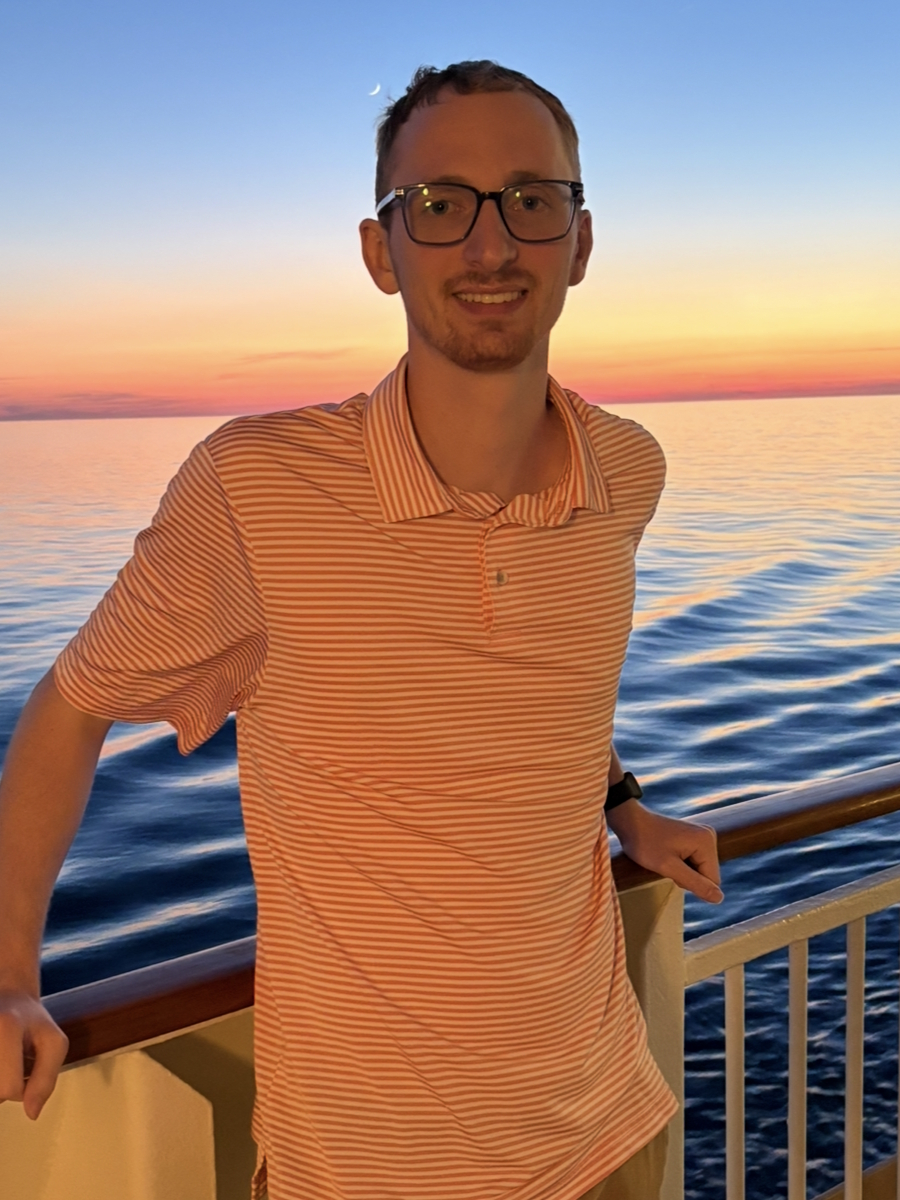
Brandon was diagnosed with non-muscle invasive bladder cancer at 21, in the middle of a chemical engineering degree and a pre-med track. The first sign came almost 18 months earlier: seeing blood in the toilet one night, which he thought was only because of something he had eaten. The bleeding came and went for months with no pain and no other symptoms, so between coursework and medical school applications, he kept pushing it to the back of his mind.
Interviewed by: Tory Midkiff
Edited by: Katrina Villareal
When he started passing clots, he called his mom, who told him to go straight to urgent care. The urgent care doctor found blood in his urine (hematuria), but the rest of his labs were normal. Rather than sending him home with antibiotics, the doctor ordered an ultrasound. The scan revealed an irregularly shaped mass in the bladder with increased blood flow, a result Brandon read alone on his phone before any doctor had reviewed it. Told he might wait up to a year for a urology appointment, he went to an ER and pushed for a CT scan, which confirmed the mass.
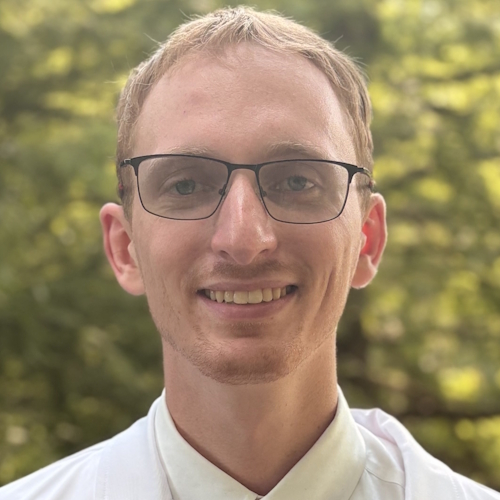
Brandon met his urologist first thing the next morning, and by noon he was in surgery to have the tumor removed. He went home to recover with a catheter. Then Hurricane Helene rolled through and knocked out the power, so he spent those days healing in the dark, doing his engineering homework by flashlight.
The pathology came back high grade rather than the low grade everyone expected, so he underwent a second resection with blue light cystoscopy to help surgeons see cancer cells while they operate, which found no carcinoma in situ. Treatment then moved to a year of BCG immunotherapy, delivered in cycles he nicknamed “Fire Bladder Fridays” because of how hard the side effects hit.
As of this story’s publication, Brandon is in his second year of medical school, having graduated summa cum laude in chemical engineering. He manages the bladder cancer with regular cystoscopies and annual MRIs. Though he lives with the uncertainty of cancer recurrence that comes with being a young patient with no known risk factors, he has set his sights on trying to help others who will be in his shoes by becoming a urologic oncologist!
Watch Brandon’s video or read the edited transcript of his interview to find out more about his experience with bladder cancer:
- The earliest symptom Brandon noticed was painless blood in his urine that came and went for roughly 18 months before diagnosis. Because there was no pain and no other symptom, it was easy to explain away as due to his diet, and easy to keep postponing follow-up.
- When Brandon was told he might wait a year for a urology appointment, he went to an ER and pushed for the CT scan himself. Self-advocacy changed the timeline of his care, moving him from a distant appointment to surgery within days.
- His tumor came back high grade when he and his doctors expected low grade, which meant a second resection and a full year of BCG immunotherapy on top of school. The clinical reality of high-grade non-muscle invasive bladder cancer is more monitoring and more treatment, even when the cancer has not invaded the muscle.
- Brandon rejects the idea that beating cancer means only thinking positively and fighting. For him, the real work was accepting the uncertainty of each scan while still choosing to live the day in front of him.
- The person who steadied him most was another young survivor, matched through the Bladder Cancer Advocacy Network’s Survivor to Survivor program. They walked almost the same path a few years earlier. Brandon says that a connection with someone who has been there and had a similar diagnosis and treatment experience can do a lot more than any search engine can do.
- Getting bladder cancer turned a pre-med student into a future urologic oncologist. Brandon now sees his own experience as something he will be able to offer patients rather than just something that happened to him.
Brandon’s Diagnosis Facts
- Name: Brandon P.
- Age at Diagnosis:
- 21
- Diagnosis:
- Non-Muscle Invasive Bladder Cancer (NMIBC)
- Grading:
- High Grade
- Symptoms:
- Intermittent blood in the urine
- Blood clots in the urine
- Treatments:
- Surgeries: transurethral resection of bladder tumor (TURBT); re-TURBT with blue light cystoscopy
- Immunotherapy: BCG
This is not medical advice. Please consult with your healthcare provider to make informed treatment decisions.
- Brandon’s Diagnosis Facts
- Seeing blood in the toilet and telling myself it was something I ate
- Starting to see clots and the phone call to my mom that changed everything
- The ultrasound tech who checked my bladder twice
- Reading “hypervascular irregular bladder mass” on my phone
- Walking into the ER to demand a CT scan
- Surgery at noon, going home with a catheter, and recovering during a hurricane without power
- Expecting low grade, hearing high grade
- Fire bladder Fridays: A year of BCG immunotherapy
- Graduating to cystoscopies, MRIs, and being somewhat of a guinea pig
- Scanxiety and the battle I felt like I’ve won
- The resource I found: BCAN and a survivor my age
- Why I want to become a urologic oncologist
- Hear from people living with bladder cancer
Seeing blood in the toilet and telling myself it was something I ate
My name’s Brandon. I’m 23 years old and I’m a survivor of non-muscle invasive bladder cancer.
I was diagnosed when I was 21 years old. I was in the middle of a four-year undergraduate program studying chemical engineering. My symptoms, which I didn’t know were symptoms when they began, started about 18 months before I was finally diagnosed.
It started in my sophomore year. One night, when I went to use the restroom, I noticed the toilet was red. I found it confusing. I had carrots with my meal, so I thought it must have been something I ate. I thought, “There’s no way this is blood.” I didn’t have any pain or anything, and I never had issues before. It was late at night, around 11 p.m. There’s no urgent care open, and I didn’t feel like it was an emergency. I decided that if I see it again in the morning, I’ll go to urgent care or the ER. Morning came, and it was completely normal. It was normal for another month or two, even three, then after a good bit of time, it showed up again.
I thought, “Oh, maybe it was something I ate again this time. Maybe it was beets or something.” I like my vegetables and fruits, and they say they can affect the color of your urine sometimes. It took me a while to put two and two together. Eventually, seeing red in the toilet started becoming more frequent. At some point, I realized that it wasn’t from something I was eating. It was blood.
Looking back, I was shocked because I made that realization. But for the longest time, I didn’t do anything about it. I was so busy with my coursework. I was studying engineering. I was doing pre-med because I wanted to become a doctor. I had all these things going on and all the problems that a college student goes through, so I pushed it to the back of my mind. My personal health wasn’t a priority. I was too busy to have this problem. I ignored it for the longest time. I had episodes go on and off for a total of 18 months. I’d have it happen one week and then I’d be fine for three weeks and then it would happen again.
Starting to see clots and the phone call to my mom that changed everything
I never experienced any pain. Then one day, I finally got hit with it because I started seeing clots. I was young and healthy, hiding behind the shield of youth, but I realized that whatever was going on, which I didn’t think was a problem, was getting worse. I was living in an off-campus apartment with some roommates. I called my mother and asked, “Can we get me into the family medicine doctor?” She said, “No, you need to go to urgent care.” That was a great call on her part. She said, “You’re not delaying this. We’re getting this solved tonight. We’re going to figure out what this is.”
I went to urgent care at 6 p.m. They close at 8 p.m. I was one of the later people they saw because they saw people who were much more urgent. By the time I got in, it was close to 7 p.m. They do the urinalysis and saw that there’s blood. They do a blood draw, and all those labs were normal. My kidneys and liver look fine.
The urgent care doctor seemed puzzled. You don’t often see a young man with blood in his urine with no other symptoms. Usually, you would have some pain. It could be a UTI or a kidney stone, but not something where it’s just blood and no other symptoms. He was diligent and I’m thankful for him because he ordered an ultrasound. It would’ve been easy to dismiss me and give me antibiotics. But no, he ordered that ultrasound.
The ultrasound tech who checked my bladder twice
Three days later, I get the ultrasound. The ultrasound tech checks my bladder, my kidneys, and then my bladder again. I didn’t catch it at the time, but she probably was shocked to see a bladder mass in a guy who’s in his early 20s with no risk factors. I never smoked. I didn’t have any genetic issues. I drank clean water. I hadn’t done anything risky that would say I could get this. I didn’t realize until after that it was why she checked twice.
Reading “hypervascular irregular bladder mass” on my phone
After my ultrasound appointment, I finally got my lunch at 3:30 p.m. because I was so busy that morning. When I went home and sat on my bed, a phone notification arrived. I had absolutely no expectation that there was going to be something that said anything like cancer. Sure enough, I pulled it up and saw in all capital letters: hypervascular irregular bladder mass. I didn’t have to be a rocket scientist to say that probably means they think it’s cancer. They said it’s cancer without saying it’s cancer. That was an absolute shock. Nobody was around me. And the doctors hadn’t reviewed it yet.
I started shaking because I was thinking, “This is cancer. There’s no way it’s not.” I was sitting there with a pink marker, my hand aching, and trying to write the details of this and what I needed to do. I called the urology office I was referred to by the urgent care doctor and they said, “We haven’t seen any results yet. But if you’re saying there’s a mass, you need to get a CT scan or we’re not going to see you for another year.”
I wasn’t going to wait a year. That’s not something you do with cancer. I needed that CT. I’ve been pushing this off. I’m not going to be a day late at this point. We’re solving this as soon as we can. I finally snapped into it. I volunteered at an ER at the time and I knew it could be done.
Walking into the ER to demand a CT scan
I went to an ER and said, “I have a bladder mass. I need a CT scan before they’ll see me.” They got me the CT scan. They loaded me up with water because your bladder has to be full. I was having a hard time in that machine. I never had to pee so badly in my life. The tech had to do a little bit of cleaning after that, but we got the scan.
Sure enough, the scan confirmed the bladder mass. The ER doctor called the urologist on call and said, “We have this young guy here, 21 years old. He’s got what’s probably bladder cancer. Can you see him tomorrow morning?” He was semi-retired, but he said yes. I was lucky I got to see him first thing the next morning.
When I went to see him, he said, “Look, you have bladder cancer. It’s probably low grade. It’s super uncommon to see in young people. But it’s probably something we just cut out and it’s not going to be a problem again.” Luckily for us, the orthopedic surgeon was away, so we had their time slot that day. He told me I was going in for surgery at noon.
Surgery at noon, going home with a catheter, and recovering during a hurricane without power
I had no idea I was going to have surgery that day, so I called my professors and my boss. I had a medical school interview the day after, so I asked to reschedule the following week. It was crazy.
I get the tumor removed. The procedure was fine. I went home with a catheter for three days. Where I’m from gets hit with Hurricane Helene or the remnants of it, so we’re without power. I sat there with my catheter bag and a flashlight trying to do my homework for engineering, because professors don’t give you a ton of leniency. I was trying to make it through the hurricane, healing from the TURBT, and getting on with things.
Five days later, we finally get power back. I’m back in college. And the pathology report came back: it’s high grade.
Expecting low grade, hearing high grade
We didn’t expect that. I thought it was going to be low grade. That’s what all the little bits and pieces of literature say when you research young people with bladder cancer. Mine was high grade, but we caught it in the earliest stage, which is non-muscle invasive. It was in the outer lining. It grows like a cauliflower towards the big space in the bladder that urine goes into.
Being high grade, it meant we had to be a little more diligent. It hasn’t invaded the muscle, but it looks aggressive. We had to do a re-TURBT to resect the scar in the same place and make sure there’s nothing left. Or if there’s anything left, it’s just that stage too.
We do that and luckily, that procedure goes well. They did a blue light cystoscopy, which allows them to look for this other type of bladder cancer you can get called carcinoma in situ (CIS), which is a lot harder to see because it’s flat. Mine was growing like a cauliflower. There’s another type that grows flat, like a little single layer of cells. They didn’t find any of that.
Fire bladder Fridays: A year of BCG immunotherapy
I recovered from the re-TURBT. After another six weeks, I started BCG, which is an immunotherapy. It’s the tuberculosis vaccine, but they dial it down a few notches. The first few times you get it, it’s like nothing. It’s like them putting water into your bladder. But then you start noticing it and it hits like a truck.
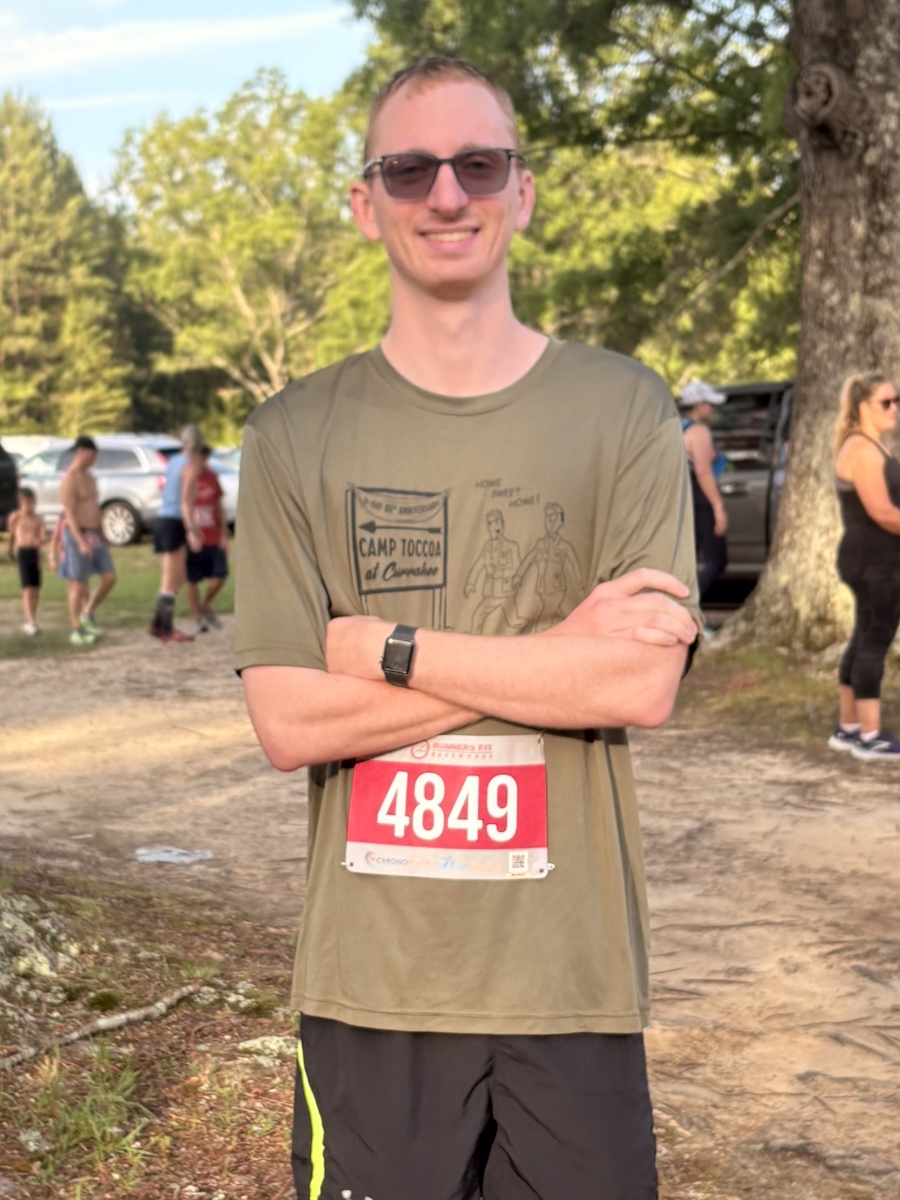
I had to do a year of this. I had it done every Friday, and I would call them “Fire Bladder Fridays.” I was a full-time student. I was trying to get through chemical engineering. I had meetings and labs. This was my senior year of college. I had to design a chemical plant with my group to get my degree. I have med school interviews. I had to have my week open, so I did the treatments on Fridays because it knocks me out for three days.
People react differently, but for me, it’s very localized and very intense. Imagine having a bad UTI, which is the best way to describe it. One cycle was three weeks. Then you would have three months off. They would do a cystoscopy where they would go in with a scope, look at the bladder, see if everything’s good, and then do it all over again.
I did that a total of 15 treatment cycles. Sometimes I’d be fine after the third day for a few hours and then later, I’d have a bladder spasm, so I had to manage that. There were times I had to stay at home because I needed to be within 20 feet of a bathroom. Some of that pain and urge were pretty rough, but I got through it.
Graduating to cystoscopies, MRIs, and being somewhat of a guinea pig
I graduated to getting regular cystoscopies. We’re doing it once every three months and eventually, we’re moving it to once every six months. I do annual MRIs as well. Bladder cancer has a high recurrence rate. It’s also a very variable recurrence rate. Some people have no recurrence and some people have a lot of recurrences. For a young person with no risk factors, we don’t know what that means. There’s no data, so I’m a bit of a guinea pig, but it’s all right. I’ve found a way to manage this diagnosis.
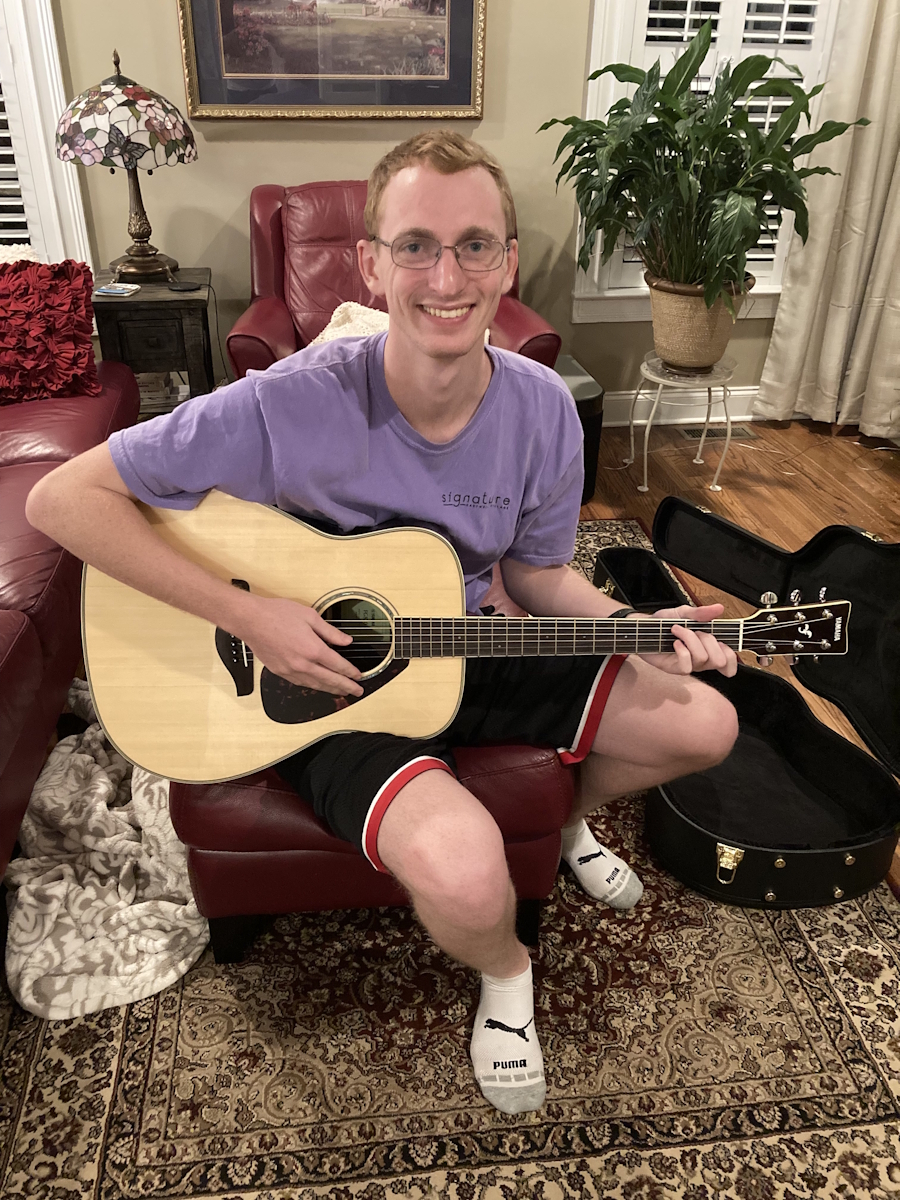
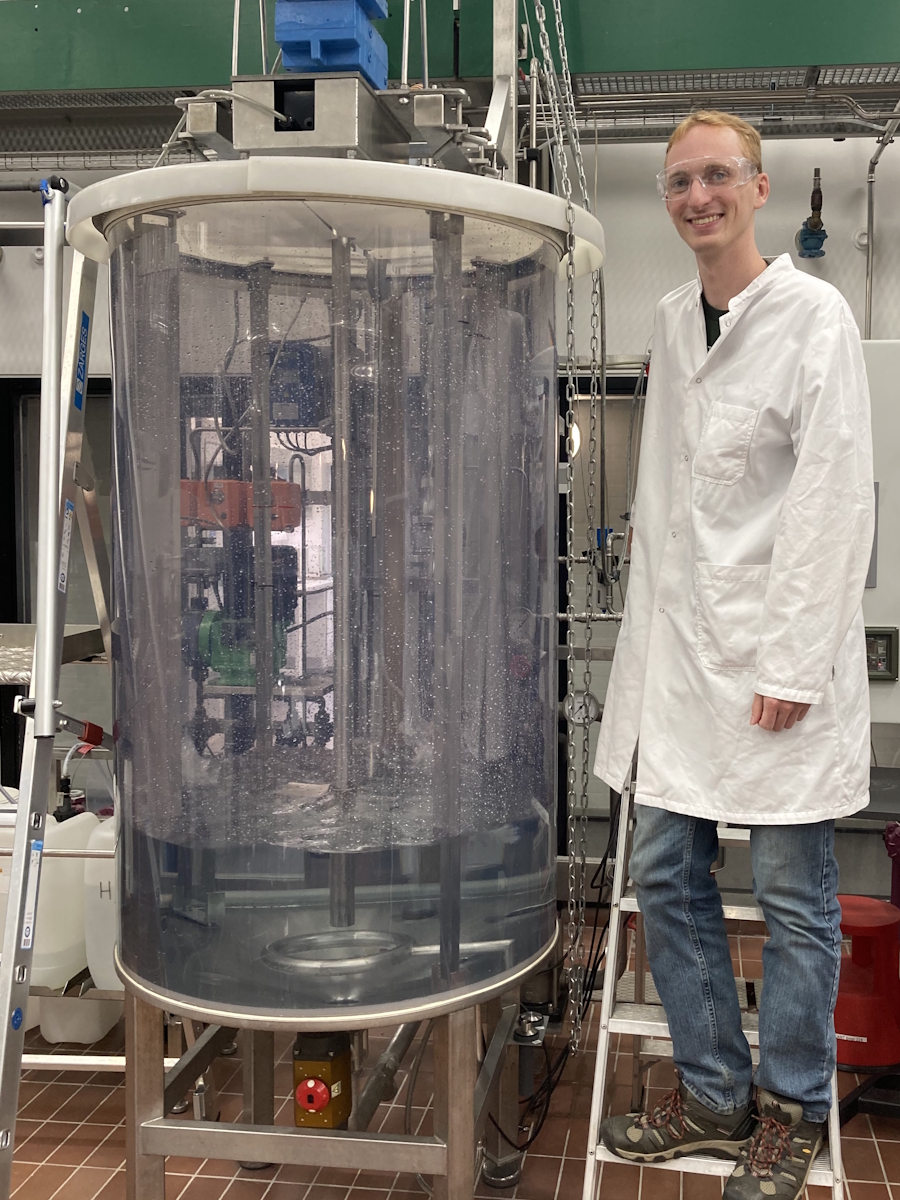
I still do the things that I love to do. I got my degree and graduated summa cum laude in chemical engineering. I’m in medical school. I was able to keep my life intact, find my new normal, and keep the wheels spinning. I also gained a lot more appreciation for my health and my future through the experience. Before, health was in the back seat; now it’s the most important thing. Everything comes second to that. You can’t have anything if you don’t have your health, so you have to start with that. Prioritize your mental and physical health, which is what I’ve been focusing on. It’s made me adapt so much better.
When everything went from slow to fast
At first, everything seemed normal. I had blood in my urine. It didn’t hurt. I felt fine. I could still go on my runs and ride my bike. Then it hit like a truck. I had to reevaluate my priorities. My mental health was taking a back seat. I was trying to get through engineering and pre-med. I worked fewer hours in the lab. I focused on treatment. I talked to my professors to get as much leeway as I could. I reached out to the coordinator for medical school and undergrad. I needed accommodation when I was on BCG, so that I could use the bathroom whenever I needed to during a test or whenever.
The good thing about being so busy was that I didn’t have much time to dwell on some of those negative thoughts. For me, I just focused on the day. Before, it was just to get through the day. Now, it’s to enjoy the day and make the most of it. I don’t let a bad day prevent me from doing something I enjoy. After the diagnosis, I appreciate my time so much more. I made sure I used my time in a way that I enjoy, that my time is spent for me and not dancing through some hoops to do X, Y, or Z.
Scanxiety and the battle I felt like I’ve won
I have scanxiety every time I go in for a cystoscopy and an MRI. I would think, “Are they going to find something? What’s it going to be?” Some people have the fight mindset where they’re only going to think positive thoughts. They’re going to fight and everything’s going to go how they want. That doesn’t resonate with me. People will say to me, “Oh, you’re young. It’s early stage. It’s all fine.” But that’s not something I have control over.
If somebody is fighting, doing everything they can, listening to their doctor, doing all these things, going through all these intensive treatments, and they still have a recurrence or progression, does that mean that they lost? That’s why I don’t like that mindset. The battle that we can fight, the battle I fought, the battle I feel like I’ve won, is accepting the uncertainty with these scans. You learn how to cope.
I was taking a golf class at the end of my senior year. Around the same time, I had a cystoscopy. I thought, “Look, whether they see something or don’t, I’m going to play a round of golf after, no matter what. I’m not going to let it stop me from doing what I enjoy and can do today.”
The resource I found: BCAN and a survivor my age
One of the first things I found after I was diagnosed was the Bladder Cancer Advocacy Network (BCAN). They’re an absolutely wonderful resource. They have all these stories written by bladder cancer survivors, which helped me get through the first few days. There are stories from young people too.
They have a Survivor to Survivor program. I was able to connect with another young man who was diagnosed with bladder cancer at 20. He had the same diagnosis, high-grade Ta, and he had to do BCG too. It was great because we were able to talk to each other. Having him mentor me through the experience was great. He was so excited when he found out — not that you would ever wish somebody had that diagnosis, but that somebody else had been through it too. It was pretty powerful and meaningful for us.
If people can find somebody in a similar position to help guide them through the process, it’s amazing. It’s a lot better to have somebody like that than to Google all these things and try to use AI to tell you your prognosis. All these things you look up will spook you out.
For somebody who’s newly diagnosed, visit organizations that have people who have been through it and reach out for support. They will be more than willing to support you. You’re not a burden at all.
What I’d tell myself the moment that I found out
I would tell myself, “Yes, this is a big moment. Yes, you can cry. Yes, tell people who love and support you that you have this big thing going on and you’re scared about it. It’s okay to express all those feelings. It’s okay to get the accommodations you need. Know that it’s not your fault. It’s not anything you did. Your life’s going to go on. You’re going to adapt to it. You find that new normal. Your normal changes a lot, but you get used to that change. You learn how to adapt to having to adapt. It’s something you can manage. Whatever the outcome is, you’re going to be there every step of the way. You’re going to have your loved ones with you every step of the way. And you’re going to get through it.”
Why I want to become a urologic oncologist
I’m in my second year of medical school. This diagnosis happening during my junior and senior years of college has been very formative. It’s the time when young people are figuring out their professional identities and what they want to do with their career. It’s a big decision.
The experience has driven my interest towards pursuing urologic oncology as a career. It’s more complex than this happening to me and now I have to become the doctor who does something about it. This happened during a formative time in my career. I was always a type of person who, whatever I was dedicating myself to, I always wanted to have skin in the game. I always wanted to have that deep personal connection to what I do. Having been through this experience and the goal to pursue urologic oncology, it would be something meaningful if I could contribute to the field and help patients deal with this big diagnosis.
It was an isolating experience. I was sitting on my bed with nobody around me when I found out I had cancer. Nobody called me; I had to call them. That’s how medical records are released. I knew about bladder cancer, but I don’t think most young people do. Having a physician who can say, “I’ve been in your seat too,” is powerful and something that I hope can help them cope in the early days. I think I can contribute to their care as a physician.
Focusing on the days, not the years
You have to focus on the days, not the years. Our match ceremony is in 1,000 days, but I don’t think about that. I think about today. I think about tomorrow. I want to make good decisions, so I’m set up well, but I want to enjoy the moment a little bit. I don’t ever want to wish away my 20s.
This interview has been edited for clarity and length. The views and opinions expressed in this interview do not necessarily reflect those of The Patient Story. This content does not replace professional medical advice.
Inspired by Brandon’s story?
Share your story, too!
Hear from people living with bladder cancer
Real experiences with diagnosis, treatment choices, side effects, and life beyond bladder cancer — in their own words.
Leave a Reply