
A Lump Jess Found on Her Neck During a Road Trip Turned Out to Be Thyroid Cancer
Jess was 19, a college sophomore, when she felt a small lump on her neck during a 24-hour road trip with her mom. Her mom guessed it was a swollen lymph node from a lingering cold. Jess let it go for a month, until her boyfriend convinced her to see the campus doctor. That single visit set off a chain of tests that would end, within a few months, in a diagnosis of Graves’ disease and papillary thyroid cancer.
Interviewed by: Taylor Scheib
Edited by: Katrina Villareal
The campus doctor found Jess’ heart rate was unusually high and ran bloodwork, which led to a diagnosis of Graves’ disease, an autoimmune condition that causes an overactive thyroid. Her endocrinologist noted that a neck lump was not a typical symptom of Graves’ disease and ordered an ultrasound right away. During the scan, the ultrasound tech became quiet partway through, then, when asked what was on the screen, said, “I’m really sorry. I’m just an ultrasound tech and I can’t say anything further.”
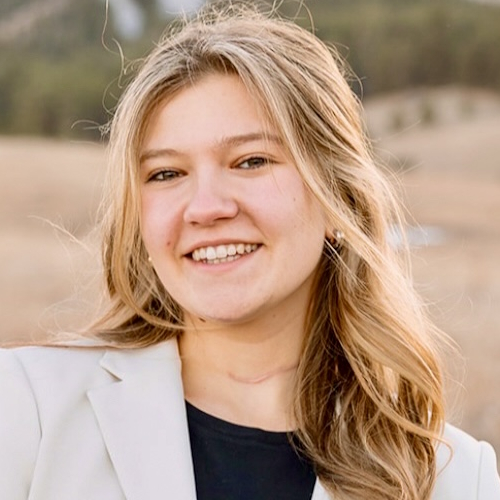
Jess gathered her belongings and left the ultrasound appointment. From the parking lot, while sitting in her car, she searched for “cancer cells on a thyroid ultrasound.” When she saw that what was in the search results looked like what she saw on the ultrasound screen, she started sobbing hysterically. A biopsy would soon confirm her thyroid cancer diagnosis.
In December 2023, Jess had a total thyroidectomy at the University of Virginia with Dr. David Shonka, during which surgeons removed her thyroid along with 59 lymph nodes from her neck. Five months later, after two weeks on a low-iodine diet, she spent five days in isolation for radioactive iodine (RAI) therapy, unable to touch her boyfriend, her parents, or even her dog.
She takes a daily thyroid hormone pill and returns for blood work and scans every six months, which she will have to do for the rest of her life. She credits her parents, her boyfriend, and her friends for getting her through it, and says being open with the people who love you, instead of carrying a diagnosis alone, makes all the difference.
Watch Jess’ video or read the edited transcript of her interview to find out more about her story:
- Jess’ cancer was discovered after her endocrinologist, who’d diagnosed her Graves’ disease, ordered an ultrasound for an unusual neck lump that was different than how Graves’ appears.
- Colorado hospitals couldn’t get her in for a biopsy until February. Her parents got her seen in Virginia within two weeks, and the results, papillary thyroid cancer, came back that same afternoon.
- A total thyroidectomy took Jess’ thyroid and 59 lymph nodes. Six months later came radioactive iodine therapy: two weeks of a low-iodine diet, then five days of isolation so strict that she couldn’t touch her own dog.
- Finishing radioactive iodine felt like the finish line, until her doctors told her they’d see her again in three months. Thyroid cancer doesn’t end with one treatment; it becomes scans, bloodwork, and medication for the rest of her life.
- Jess talks openly with her sorority sisters, her boyfriend, and her family about scan days and blood work the same way other 20-somethings talk about exams. She doesn’t hide the diagnosis, and she doesn’t let it run her days either.
Jess’s Diagnosis Facts
- Name: Jess H.
- Age at Diagnosis:
- 19
- Diagnosis:
- Papillary Thyroid Cancer
- Symptoms:
- Lump on the neck
- Elevated heart rate
- Unintentional weight loss
- Shortness of breath
- Treatments:
- Surgery: total thyroidectomy with removal of 59 lymph nodes
- Nuclear medicine: Radioactive iodine (RAI) therapy
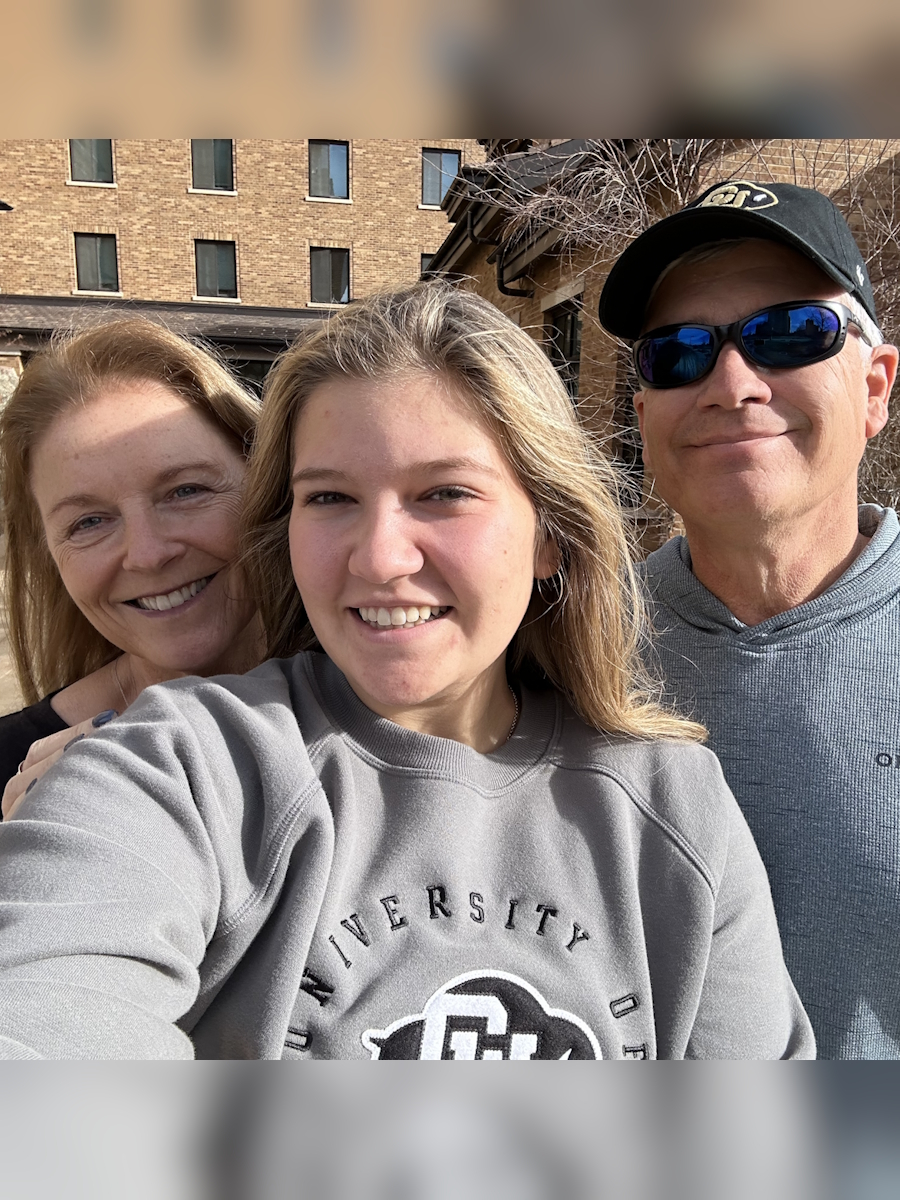
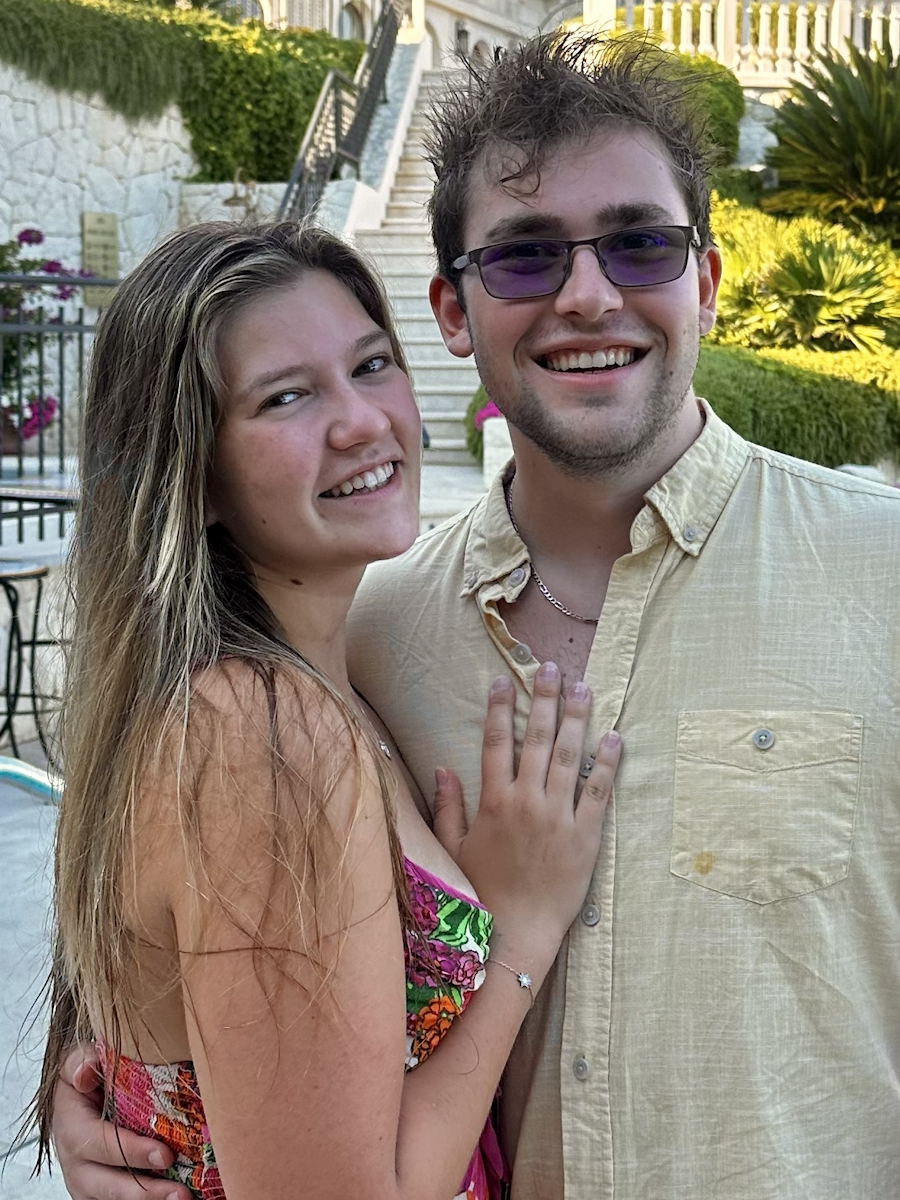
This is not medical advice. Please consult with your healthcare provider to make informed treatment decisions.
- Jess’s Diagnosis Facts
- My life before my papillary thyroid cancer diagnosis
- Finding the lump while on a road trip through Nebraska
- Hearing Graves’ disease for the first time
- An endocrinologist’s gut feeling and an urgent ultrasound
- Waiting on a diagnosis
- Choosing a surgeon: City of Hope, UVA Comprehensive Cancer Center, and Dr. David Shonka
- Five days in isolation: Going through radioactive iodine (RAI) therapy
- Life on daily medication: The side effects no one warns you about
- On being told I had “the good cancer”
- My message to anyone newly diagnosed with cancer
- Hear from people living with thyroid cancer
My life before my papillary thyroid cancer diagnosis
I took a gap semester after I graduated from high school and traveled to Hawaii for four months on a work-study program, living with Native Hawaiians and doing agricultural work. Then I started college, finished my first semester, and I had the most fun. It was so spectacular. I joined a sorority, I had all these new friends, and I was away from home for the first time. I was living the life.
I came back home for the summer and was doing some babysitting and traveling. I had just met my boyfriend then, who I’m still with to this day, but we met in May 2023. My story begins right when I went back to college for the fall semester of my sophomore year.
Finding the lump while on a road trip through Nebraska
I was driving back out for the beginning of my sophomore year with my mom. I had just gotten my first car on my own, which was a truck. I was so excited, and we were driving from Virginia out to Colorado together, which is a 24-hour drive, so we decided to make a whole trip out of it. We were going to stop at all of these crazy sites to see on the side of the road, which there aren’t many of between Virginia and Colorado, but we found them all. We found the world’s largest ball of twine, the world’s largest wooden nickel… anything you could think of, we were there.
My mom is a road-trip-to-the-max person, so I never touched the steering wheel once in the 24 hours in my own car. She drove the whole way. I’m sitting in the passenger seat. We were driving through Nebraska and I put my hand on my neck and felt a little bit of a lump. I thought, “That’s weird.” I had never had any health issues before in my life. No allergies, no nothing, and no procedures. I’m clean as a slate.
I told her, “Mom, I have this lump on my neck. What do you think this is?” She said, “Oh, I don’t know. It could be your lymph nodes. You’re getting over a little cold. Keep an eye on it. It’s probably nothing.” I thought, “Sure, absolutely. It’s probably nothing.” Then I forgot about it.
I was back in Boulder, living the life. A month later, I was driving to a hike with my boyfriend. As I put my hand on my neck, I realized it was still there. I said, “That’s weird. I was in the car with my mom when we were coming out here and I felt this lump on my neck and it’s still there. It’s been a month and a half.” He said, “Please go to the doctor.” I said, “No, it’s nothing, it’s fine. I’m probably a little swollen or whatever.” He said, “Jess, we have an on-campus doctor. Make an appointment. Go and have them tell you it’s nothing.”
My boyfriend and I met on Birthright, which is a trip to Israel for young Jewish kids. We had gone through our college and that’s how we met. A kid on our trip posted on social media over the summer that he’d had some procedure where he had gotten something taken out of his neck, and was sending pictures to our group chat, so I thought I could text him.
I asked, “Hey, weird question. I saw you got something taken out of your neck. I might have to have something taken out of my neck. I don’t even know what it is, but what was your process of going through that?” He said, “Oh, I went to our on-campus doctor and they referred me to a specialist because I’m not from the area,” so that’s what I did. I made that appointment, and that’s where it all began.
“It would never be me”: Choosing optimism over panic
I don’t even come from a medically complicated family. I never personally knew anybody who had cancer. Nothing. Maybe one of my grandfathers had prostate cancer later in life, but I feel like that’s more common than others. When I felt the bump on my neck, it had never even crossed my mind to seek medical attention for it.
Truthfully, when I felt it in the car the first time, I thought cancer. You hear about people getting lumps on their body and that’s what it is. Everything in me said, “No, of course not, it’s not cancer. You don’t have cancer, because that seems so far out. It would never be you.”
That was definitely my first thought, but then you can’t freak out. Truthfully, this is going to be a very common thread through my whole story, but you can’t let yourself spiral into oblivion. That optimism about every step in your process, as long as you can have it, is one of the most valuable tools that you can have when going through something like this.
Now, I definitely was neglectful at first when I said it was nothing, but I wasn’t letting myself think of the what-ifs. I will seek the resources that are available to me, and if they offer me more resources, I will seek those out. But until then, I am here; I am me. It wasn’t inhibiting anything about my day-to-day life, so why would I let it?
A racing heart and a blood clot scare at the campus doctor
I made an appointment to see the on-campus doctor. I had never been before. When I went in, they took my vitals and noticed that my heart rate was high at 115 BPM and I was just sitting. I told them, “I’m here to get a lump on my neck checked out. I’m a little freaked out. I’m sitting here, I’m a little stressed, and I’m not feeling great about this whole thing. I don’t like being here for this.” I’m also not a fan of doctors. I didn’t have any prior medical experience with anything inside my body. I was like, “Sorry, I’m a little worried.”
The doctor came in and said, “We want to do some blood work. But first we’re going to do like a heart test, because your heart rate is so high.” After the test, he said, “Well, that was a little irregular. I’m going to be honest with you. We think that you may have a blood clot. There’s this blood test that we do called a D-dimer, which tells us whether or not you have a blood clot.” I said, “Okay, and then what happens after that?”
He said, “Then we put you in an ambulance and take you to the hospital because you are imminent to having a heart attack.” I said, “Can I call my mom? I thought I was going to come in and you were going to say it’s nothing, here are some antibiotics, goodbye, and have a good rest of your life. What do you mean?”
I was asking all of these questions: “What percent of people that you request this test for are you sending to the hospital? I know you can’t give me a number. Give me a vibe.” He said, “Probably 50%.” Obviously, I didn’t have a blood clot. When they got the results, they called me and said, “No blood clot, no worries,” and then I got a notification because they had done a comprehensive blood panel. They said I don’t have a blood clot, but I was scheduled for an emergency follow-up appointment the following morning at 8 o’clock.
Hearing Graves’ disease for the first time
I came back the next morning and he said, “Your thyroid is working the max, going nuts.” I’m like, “Great. What’s a thyroid?” I didn’t even know what it meant. No idea. He started explaining it to me and said, “When you’re like this, it’s either autoimmune or viral. You’re not sick right now, so one thing leads to another, and I believe that you have Graves’ disease, which is an autoimmune disease.”
I’m 19, I’m in Colorado on my own, and now I have an autoimmune disease. That’s not me. What’s going on? But we’re getting answers and we’re getting this figured out. He said, “I’m going to recommend you to an endocrinologist. He will get everything figured out for you. Here are some medications that will help. In the meantime, you should book an appointment with him ASAP. No huge rush, but get this on the books, and go from there.”
Colorado has a UCHealth organization, so I got connected with somebody who was up in Longmont, which is 20 minutes north of Boulder. I went up there a week or two later when he was able to fit me in.
Is this terrifying? Yes. Do I like that I now have an autoimmune disease? No. But I go back to my sorority house and to my boyfriend, and tell them, “Don’t worry, guys, it’s not cancer. I’m all good. I’m going to see this doctor. Apparently I’m autoimmune.” I’m a 19-year-old sorority girl living my life in Boulder. I wasn’t taking it seriously enough, but not in a bad way; it was more like, “We’re going to be good. This lump on my neck, I’ve never heard of her, don’t even know why she’s there.”
An endocrinologist’s gut feeling and an urgent ultrasound
I went to my endocrinologist and he said, “I did some initial blood work, and you definitely have Graves’ disease and hyperthyroidism, but I have to tell you that a symptom of that is not lumps on your neck. I don’t have anything else to give you. We need to get you an ultrasound. I know they told you at your school that they weren’t worried about it, but I don’t like the look of it. I would like to get this figured out.”
He scheduled my ultrasound in Boulder probably a day or two later. My ultrasound tech is as nice as she could be. Since she’s doing an ultrasound of my neck, I was looking up at her. I’m obviously freaked out again. She said, “These are your lymph nodes over here. Here’s your throat, your thyroid.” Then she goes over to the side and it’s all these massive white lumps. And she goes completely silent.
Losing it in the car and Googling “cancer cells on a thyroid ultrasound”
I thought, “Okay, WebMD is going to be hearing from me in about five minutes.” I pack up and try to keep my composure, even though I want to run out bawling and screaming. I had the ultrasound done on a Thursday and they said, “Your doctor will get back to you in 3 to 4 business days,” so we’re looking at next Thursday. Great.
I go out to my car, pull out my phone, and look up, “cancer cells on a thyroid ultrasound.” What came up looked exactly like what I had seen on the screen and I lost it. I was sobbing hysterically that I couldn’t even get words out. The only person I could think to call was my boyfriend, Gabe. He was in class, but I called him and he asked, “Is everything okay?” I told him, “I think I have cancer.” And he said, “I’ll be right there.”
This is my all-time favorite story. He left class and rode his campus bike to North Boulder to pick me up, because I physically couldn’t drive myself. I was sitting in the backseat of my car, trying to process what was going on, and he came and got me. He calmed me down, drove me home, and made me lunch. We sat around and talked, trying to figure out what was going to happen next.
Obviously, I called my parents, and everybody was doing the perfectly reasonable and right thing by saying, “You cannot tell yourself you have cancer from a Google search.” I know what I saw, and I wasn’t trying to convince them, but the look on the ultrasound tech’s face, what my endocrinologist said, and what I saw online, you would have to believe me.
Truthfully, that moment prepared me so much better for what the rest of my journey was going to look like, because I didn’t have to hear it as a bomb drop from a phone call from somebody or sitting in a room by myself with a doctor. I processed it all in that moment and came to that conclusion on my own, which I am so grateful for.
My boyfriend said that since we had to sit around waiting for the results, we should leave. He booked us a weekend trip to Telluride for the weekend in the off-season and hiked. We didn’t think about anything. He said, “If you’re not going to hear from them, there’s no reason to think about it until you do. If that’s the next step, then let’s do everything we can to not think about it.” We went on this beautiful weekend trip and had the best time together.
Waiting on a diagnosis
Come Monday morning, I called my endocrinologist’s office every hour on the hour and asked them to call me back. By 5 p.m., my doctor finally called me and said, “Okay, apparently you won’t leave my staff alone. Call around. Here are five hospitals. See if one of them can get you in for a biopsy.”
Now, timeline-wise, we were looking at early November. I called these five hospitals, but none of them could get me in for a biopsy until February. I called my parents and they said, “We live on the East Coast. We’ve got Duke, New York, the Medical Center of Virginia, and UVA. You’re coming back and we’re going to get this figured out sooner rather than later.”
They called our local hospital and they were able to get me in for a biopsy two weeks later, which meant I would have to come home early for Thanksgiving break. I was throwing the biggest fit. I was supposed to have formal. I had exams then. My mom said, “I’m not hearing it. Your flight’s booked. You better be at the airport. There will be an Uber outside your house on this day at this time, and you will be on a flight home.”
I was sitting around with a group of my friends, and they were like, “Oh, girl, stop arguing with your mom. This is serious. You’ve got to go home.”
A family friend in the biopsy room and a phone call that brought relief
My biopsy was scheduled for the day before Thanksgiving, so we thought, “Great, here’s another instance where, between the holiday weekend and the actual weekend, we’re not going to hear back for a week.” I go into the biopsy room, and when the doctor walks in, he’s my aunt and uncle’s next-door neighbor.
My parents were with me, so he asked them why I was on the table. He said, “Okay, I’m going to tell you guys now. I’m going to get this figured out. All of the lab techs are off for the long weekend, but I’m going to call my favorite one back and we’re going to run her labs this afternoon.” They were able to get it done. He called my parents and told them that the biopsy came back and it was thyroid cancer. To say it was a relief is an interesting choice of words.
Right before I had gotten the biopsy, my parents set up with their primary care physician in Richmond. She had beaten lymphoma the year before and had gone through chemotherapy and gone through all the things. They wanted me to talk to her. I was still in the I-don’t-have-cancer phase.
Meeting the doctor who’d been there
I met Dr. Kara Foster-Weiss and she is sent from God and heaven. She is one of the most spectacular people I’ve ever met. She was the first person during this whole process to say, “I get that you don’t want to have cancer, but we’re here and we have to get this done. Look at me: I’m here, I’m working, I have a family, I live my life, and I also went through this.”
One of the things that was a symptom I hadn’t even realized was weight loss. When I got on the scale at my initial intake, I realized I had lost 35 pounds. She asked, “You lost a lot of weight. Is everything okay?” I said, “I’m in Colorado now. I hike. I’m in this healthy relationship. I’m taking care of me. Yeah, I’m looking slim and trim.” She said, “That’s one of the leading symptoms of cancer, Jess. Are you making any major health changes in your life or have you just been shedding this weight?” I wasn’t at a low weight that was cause for concern. I thought I was looking a little good.
Looking back at the papillary thyroid cancer symptoms I almost missed
My boyfriend Gabe is spectacular. We had been dating for two months, and I said, “If you’re not ready at 19 to be with a cancer patient — because I’m not ready to be 19 and be a cancer patient — tell me, and no hard feelings. I would love to be your friend. I love your friends. We can still be in the same friend group. But if you do not want to emotionally take this on completely, I get it, because I don’t either. Just tell me and it will be okay and I’ll figure it out.”
He said, “That’s never been a thought that has crossed my mind. I’m here, we’re here, I’m with you. If you get lymphoma and you have to shave your head, I’m shaving my head. If you have to go back to the East Coast, I will take online classes and I will be back on the East Coast with you. I’m here for you.” I have never met a 19-year-old man like that. That was so sweet.
Weight loss would be one of them, but I thought I was living my fit-girl life in Colorado and that’s why I was losing weight. I lost 35 pounds in three months. Looking back, I probably could have asked somebody about that, but I was already in the process of getting checked out, so it didn’t even cross my mind.
The other thing would be a little bit of shortness of breath. But I was able to pretty easily rationalize that with spending the whole summer back in Virginia, which was pretty much at sea level, and then going back to Colorado, which was 6,000 feet of elevation. The walk back from campus to my apartment is like eight flights of stairs and my room’s on the third floor.
I talked to my mom on the phone every day. I would call her when I was leaving class, but I would have to hang up because I wouldn’t be able to talk while walking, as I would be out of breath. But I thought it was the altitude. I’ve only been back two weeks, so that’s why I was short of breath. By November, nothing had gotten better and I thought, “Maybe this is a symptom.”
Again, I had no medical issues, so I’m not even looking for symptoms. I see this thing on my neck, but I don’t pair it with the fact that I can’t breathe or am losing so much weight. I have this weird thing going on and everything else just happens. Like life, things are going on. You never think cancer. Your body fluctuates. We’re women and things change. My boyfriend’s a personal trainer, so I was going to the gym with him, definitely not at the rate that would cause that amount of weight loss. I just thought that things were happening and my weight was changing. I didn’t want to point to it being something so much bigger.
The night before the biopsy
That was the day that I met with my new primary care doctor. She outlined to me and said, “I want to be upfront with you. We think it’s lymphoma or thyroid cancer. I know your endocrinologist explained to you that there’s a night-and-day difference in terms of treatment, usually by the book, between those two. I want to brief you that if you have lymphoma, we’re talking about a sick kid in the hospital. You drop out of school and go back home on the East Coast. You’ll have an oncologist and get chemotherapy. I don’t want all of that to become a surprise to you if that’s what comes back tomorrow. I want you to know that that could be your path forward.”
From the beginning, I had heard, since I had Graves’ disease, they were saying, “Oh, here’s how we treat Graves’ disease. Sometimes we use medication and sometimes we take your thyroid out.” I didn’t even know that was an option. “Sometimes we do this thing called radioactive iodine.” I felt like that was irrelevant to me and I was never going to hear that word again. But I had heard all these things.
I have two half-siblings, but they’re much older than me and have their own lives. I love them. They were great through the whole process. I was living in my childhood home and I remember sitting on the bed, and it felt like that same anxiety as the night before Christmas or the night before a huge exam, when you can’t sleep and you know something big is coming and what comes out of the next day is going to alter everything.
I remember calling all of my girlfriends from Colorado and sobbing to them. I felt so bad because this was something that I harped on so deeply, but it felt so important to me, and I spit it out: I can’t have cancer and be bald; if I have to go through lymphoma and I have to lose all my hair. That’s almost what made it feel real to me. That was partly because of my primary care physician. She has super short hair now because she lost all her hair through chemotherapy. I was researching cold caps and bracing myself for having to go through chemotherapy and trying to think about what I would tell people and what that looks like.
But even if it’s not that, they still think I have cancer. If it’s thyroid cancer, what on earth does that treatment process look like? What does that mean for me? Do I still have to go home? Will I still be able to go on my spring break trip? Will I still be able to do this and that? I probably wore myself out from crying so hard and that probably increased my anxiety so much more going into the day. I woke up so dehydrated when I went to the doctor.
I hated the biopsy process. I’m not medically inclined. Some people say going through this makes you want to be a doctor. No, it doesn’t. I’m very thankful for everybody who does want to be a doctor, who took care of me, and who is born with that love and internal desire to help people. It’s not for me. I do not want to be jabbing needles into people. I remember trying to prepare myself for what was going to come the next day and the complete sense of unknown that lay ahead of me.
When it actually clicked that my life had changed
My family was so optimistic through the whole process: “Whatever diagnosis comes next, we will find you the best doctors in the country. We will be there.” This whole process made me understand my privilege so much more, coming from an affluent white family on the East Coast, that my parents were able to say, “You’re going through this horrible thing. We have the access, the health care, and the insurance to be able to get you whatever level of care you need.”
When I heard thyroid cancer over the phone, my parents kicked into high gear. They were at the computer: “What happens next? Who’s the person that we need to call? Where’s the hospital that we need to go to?” There was never even a beat of, “What does cancer look like for our family?” Because I don’t even think that’s something that crossed their mind. They were just like, “We’re going to beat this, and we’re going to beat this together. We’re going to go full blast until we don’t have to anymore.”
There was that moment when I found out on my own, in the car after the ultrasound, that I had that full realization. I probably spent 20 minutes in the car sobbing. I’m in this club that nobody wants to be a part of. Whatever that looks like, whether it’s thyroid cancer or lymphoma, cancer is cancer. It’s the big C word, and I’m going to have to figure it out.
There was never a point where I thought I wasn’t going to figure it out. Even if it was lymphoma, even if it was stage 3, whatever it was, I was going to get through this. Every single person in my life was like, “I’m here for you. I’ll drop everything for you,” and that meant everything to me. Nobody around me seemed scared. Everybody around me was like, “Okay, we never expected to hear this either, but here we are, and we’re just going to do it. We’re going to do whatever we have to do.” Nobody ever took a beat to slow down or anything. We powered on.
Choosing a surgeon: City of Hope, UVA Comprehensive Cancer Center, and Dr. David Shonka
I’m my parents’ only kid together, so I’m their baby girl. It was so strange to me, because I was 19. You feel like at 19, you know it all. I’m an adult now. I can do anything except go to the liquor store. Everything else in this world, I have access to. But here I am, with both of my parents standing behind me in the doctors’ offices, doing all this. Thank goodness, thank God they were there for me with such resilience. There are definitely so many kids who, when they turn 18 or 19, do not have that parental support anymore. But mine were like, “In our eyes, you’re nine years old, and we are getting our nine-year-old baby girl all the help that she needs.”
My dad said, “We’re going to fly her to City of Hope in LA. I Googled and that’s where the best doctor is.” My mom’s like, “Okay, I love our daughter more than anybody else in the world, genuinely the light of my life. Maybe we could settle for the second-best doctor and find them on the East Coast, so we don’t have to fly her and our entire family to LA. If that’s our only option, I will do it. But why don’t we just research a little bit about it?”
My parents belong to a country club in Richmond, and we thankfully have a very close family friend who has donated millions of dollars to City of Hope. My dad was casually having a conversation with him. I try not to think too much about what my parents were going through this whole process, because it would bring me to shambles to think about your kid getting diagnosed with cancer. But I remember my dad said he was talking to a group of his friends, and he was like, “We don’t know what to do. We have no experience with this. We don’t even know what next steps look like.” This family friend was like, “I love Jessica. Let me call everyone I can at City of Hope and get in contact with somebody.”
We were thankfully able to get on a FaceTime call with an oncologist at City of Hope, who we talked through everything with. He explained all the steps that could be done. We sent over my scans to him, and he said, “Thankfully, the best person that I have ever trained from my time at Duke is Dr. David Shonka at the University of Virginia.”
Thankfully, UVA is an hour away from us. I also went to boarding school in Charlottesville, where I was a competitive cyclist for all of my youth, so we’re very familiar with UVA. We have tons of family, friends, and support in Charlottesville. My parents went to Virginia Tech, and we’re a big Tech family, so there was definitely a little bit of inter-family rivalry, but it could be helpful in this instance.
We were able to make some calls, and I was able to get an appointment with Dr. Shonka for early to mid-December, right when I’d come back from winter break. I fully stayed in school through all of this. I stayed in Colorado, took all my exams, stayed in class, and tried to talk to my professors about it.
But truthfully, telling people that you have cancer is, in my mind, worse than having cancer, because nobody ever thinks that’s what you’re about to say to them. You try and sit down with your friends and your professors, and say, “I have something to talk to you about after class. I know I started this semester perfectly normal…”
As I get back from winter break, I meet with Dr. Shonka and he said, “Perfect. I looked over all your stuff. We’re going to do a total thyroidectomy and take out some lymph nodes. We’re definitely going to take out the affected one and go from there. My team will be in touch on scheduling a surgery date. We’re going to try and do it before you go back to school for second semester, but we’ll see what we can do.” We get a call an hour and a half later and they said they wanted to do it eight days from now, so we schedule it.
I remember sitting around having a big family dinner the week before and asking, “How long do you think a surgery like this takes?” My dad was saying it’s a routine thyroidectomy, so it would take an hour and a half. As we went in for the day, my dad asked Dr. Shonka, “How long do you think it’s going to be?” And he said six or seven hours.
Having a total thyroidectomy and 59 lymph nodes removed
I don’t remember my surgery, but I heard it took a long time and was a stressful six or seven hours.
I’m super social. I’ll talk to anybody, so I’m doing my intake and bonding with all the nurses. At UVA, I genuinely got the best care of my entire life. I could not imagine being anywhere else. I knew my way around Charlottesville. I wasn’t in some foreign city where we don’t even know which coffee shop to go to while waiting or what place to go get breakfast the day after my surgery. We knew all of that, which was such a blessing for my family, to be in a familiar area. We would not have known our way around LA if we were at City of Hope. We would have been like a baby deer in that big city. Both my parents are from Virginia. We are East Coasters at heart.
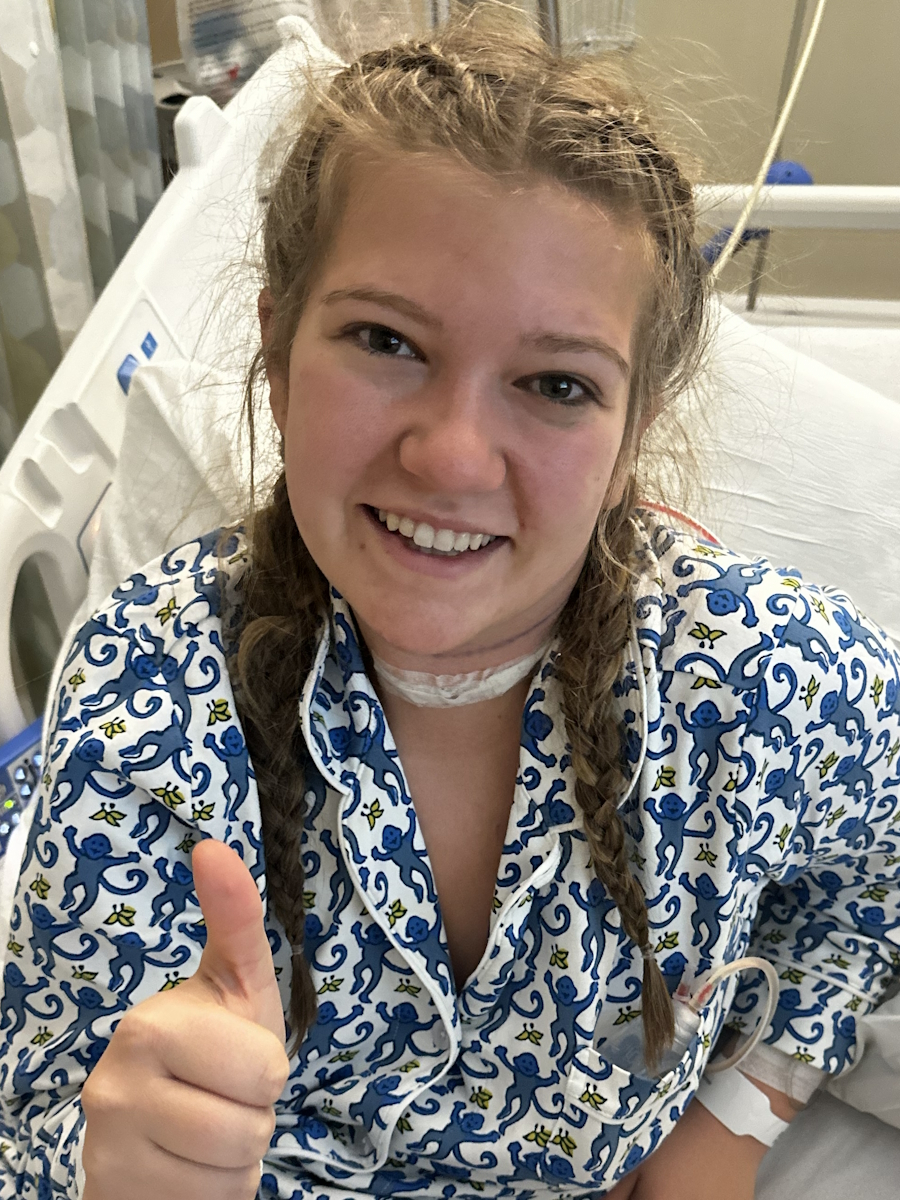
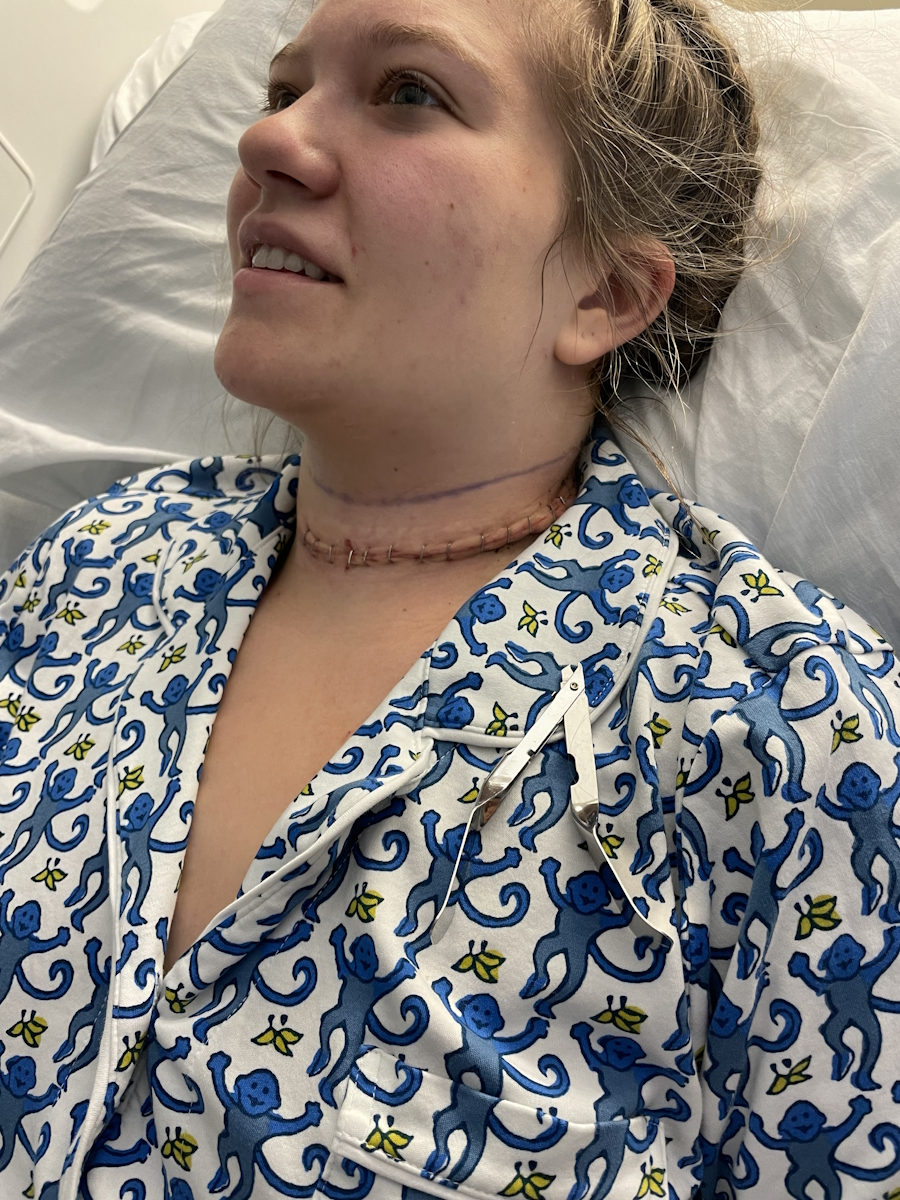
When I woke up after my surgery, I remember not knowing what to expect. I had a tube coming out of my neck. I thought, “Wow. This is a lot.” They said, “Good news. The surgery went well.”
They prepared me before the surgery: “You might wake up and we might have only gotten halfway done, or you might wake up and you might have a totally different voice. We are not expecting any of that,” but they have to tell you everything. Obviously, there’s a risk of death, and you’re like, “Oh, great. Spectacular. Here we go.” But it eventually reaches a point where this is your only option for going forward with treatment, and this is what you have to do.
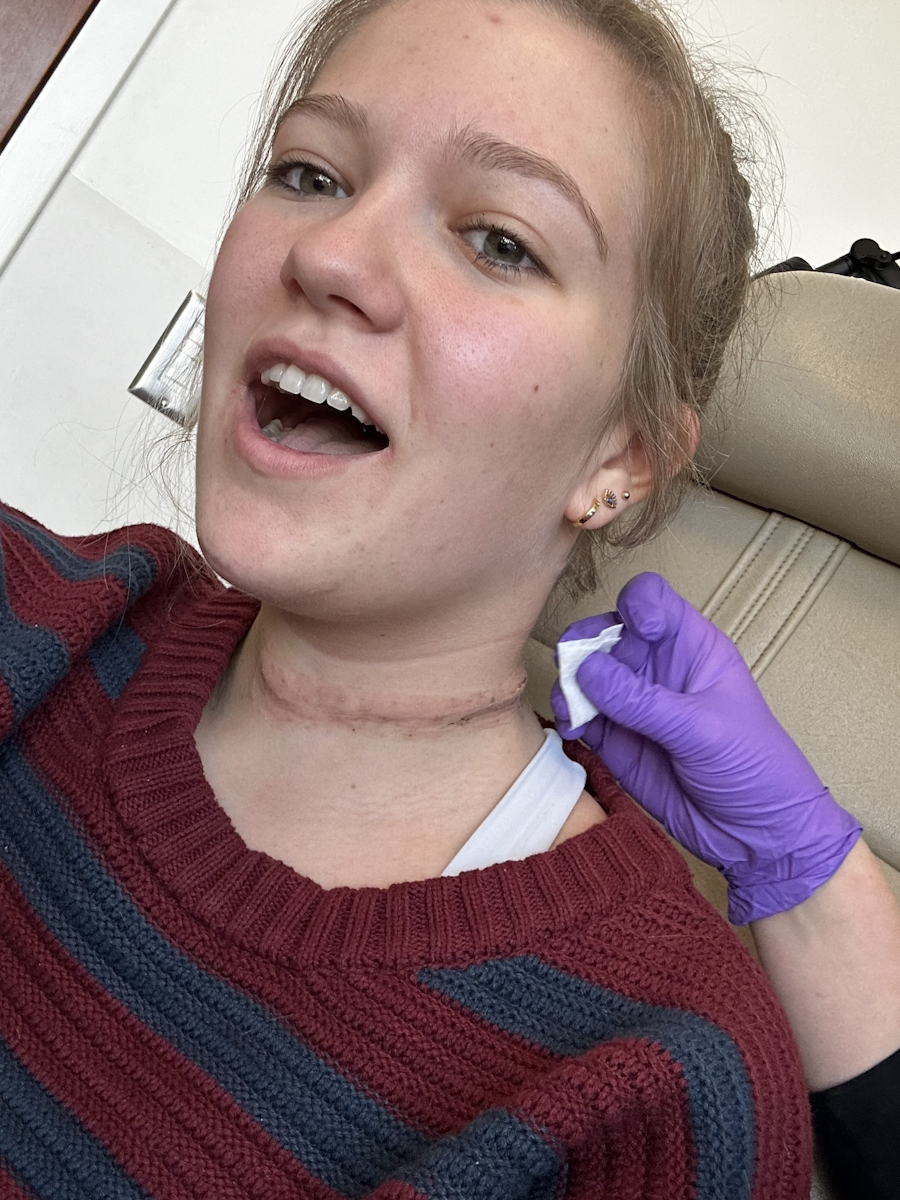
Everything went great. They said, “We got out as much as we could see and took out 59 lymph nodes out of your neck.” I was cut all the way along the side of the neck. It was the biggest blessing of my life to wake up and have them say they did everything they intended to do and got it out exactly how they intended to get it out. If there were any complications, they were so minor. I woke up a little bit in the middle of the procedure at one point, but I don’t even think that happened. We had the most minor of issues we could have possibly had.
The next day, when I woke up, they were like, “Yeah, she’s good. Everything went fine. We didn’t impact her throat or anything. She’s healing well. She can eat anything.” There’s a very famous bagel place in Charlottesville called Bodo’s Bagels, which has the best bagels I have ever eaten in my entire life; so good. My dad said, “Oh, we’re going to get her some.” I remember all of my doctors standing around, saying, “Oh, maybe not bagels. She can eat anything, but I don’t know about a fresh, chewy bagel.” It was so funny. It shows how my family is so out of the loop on medical stuff. We’re like, “Okay, back to normal, here we go.”
My surgery went well. I remember my check-ins afterwards. I don’t even remember the process of how we got back onto the topic, but they had always discussed radioactive iodine and were saying, “We think that your situation is difficult enough that we should go ahead and plan on doing it. There were so many affected lymph nodes.” They have all these sections that they read it by and then the severity of the sections that go back on your neck. Mine had gone almost all the way back; almost every area was affected. They were like, “Yeah, that’s a lot of cancer up in there. We’re just going to do whatever we can to keep clearing it out.”
They had said that they wanted to wait at least six months before we did the radioactive iodine and that was perfect for me, as it puts me back at the end of the semester. I go back to spring semester and ask them, “Can I go on spring break? Can I start skiing again?” They told me to slow down. I can’t. I must live my life. I can’t sit around and be this sick cancer patient. I’m sorry, but I will do this. I’ll show up to my doctor’s appointments, but as soon as you guys say go, I’m gone.
Back to a normal spring semester (and a sorority sister who understood)
I went back for spring semester and lived beautifully. That semester, I got paired with my littles in my sorority, one of whom was born with cancer. She has a rare condition; she was born with it in her face, and has gone through over 30 surgeries in her life to have it removed, and will be monitored for the rest of her life. She was the biggest blessing that was ever sent to me. Thankfully, we’re in this support system together. We both know how horrible scan day is, when you have to go back in and feel like everything’s been normal, but they might find something, and how awful doing blood work is and when it’s a little bit off, they have to completely adjust your medication. Her name is Maya, and I love her so much.
I didn’t know anybody else with cancer. She was growing up with it, had known other children she grew up with who had the same rare disease, but I hadn’t heard of anyone else. Of course, once you start talking about it, you find out who else has it or had it, and then you start hearing about everybody. It makes you realize how little people talk about it. If it’s not the lose-your-hair, in-the-hospital type of experience, people tend to neglect to talk about the struggles they go through or even own up to them. That’s part of what I think is so important about being on here.
People can be so normal, but normal doesn’t even feel like the right word. They look normal-facing to the world. I was in class and doing all these things, and nobody who was sitting next to me in class knew I was going through cancer or that I had my entire neck sliced open. It was winter and I was in hoodies, so nobody could see that I had this massive red scar across my throat.
It gives you a new perspective. You truly do not know what people are going through in the world. All you can do is give people grace. There was no point where I lashed out at people or went through an especially depressive episode, but that is how some people respond. You just have to understand that people are going through deep, horrible things. Sometimes they don’t want to talk about them and sometimes you can’t see them, but that does not mean these people are not struggling or going through life-altering events.
Two weeks of an iodine-free diet
After my normal spring semester, it was radioactive iodine time. We were scheduling it for the end of May 2024. Then we got onto the iodine-free diet. What a life that was for two weeks! It was the worst.
It was so mind-blowing to me how they were able to figure this out. Who on earth was the person who thought about giving someone a radioactive pill to kill off the rest of the cancer, but first, they can’t eat salt or a salt-adjacent chemical? They have to get all the regular iodine out of the body, nuke them, and that will help. That was truly the big medicine feat in my life.
It was this whole thing. I was still being my stubborn 19-year-old self. I wanted to be normal, live in Colorado, and travel before I came back and did all this. My mom’s like, “You have to do this diet for two weeks.” My boyfriend Gabe called my parents, and he was like, “I just want to tell you guys, we have this cookbook. Did you get the cookbook? I do too. I have her cookbook. I will make food for her for two weeks. I will make sure that there is not a sliver of iodine in sight.”
We were traveling across the country and driving back for the summer at that point. He’s from Maryland, so we travel back and forth together. His family has a house in Tennessee, and whenever we can, we stop in Tennessee for a couple of days or a week to hike, relax, and do nothing together after the end of the semester or before we go back. He was like, “We’re planning on going to Tennessee. We’ll have our own kitchen. I will make sure there’s no iodine in the house and I will cook all of her meals for her,” and that is what he did. We made all of the little meals in that cookbook. I tried to make the brownies and they were the worst brownies I’ve ever had in my life, but we laughed and had the best time.
I’m on all these Facebook groups of people who have done it before too, and they’re like, “Oh, you can go to Chipotle, but you have to make sure that the Chipotle has the right kind of salt,” so then I’m arguing with a Chipotle worker, trying to get my food. Then they’re like, “Oh, Panda Express doesn’t use it,” and you don’t believe it at all. You’re maneuvering through it.
Five days in isolation: Going through radioactive iodine (RAI) therapy
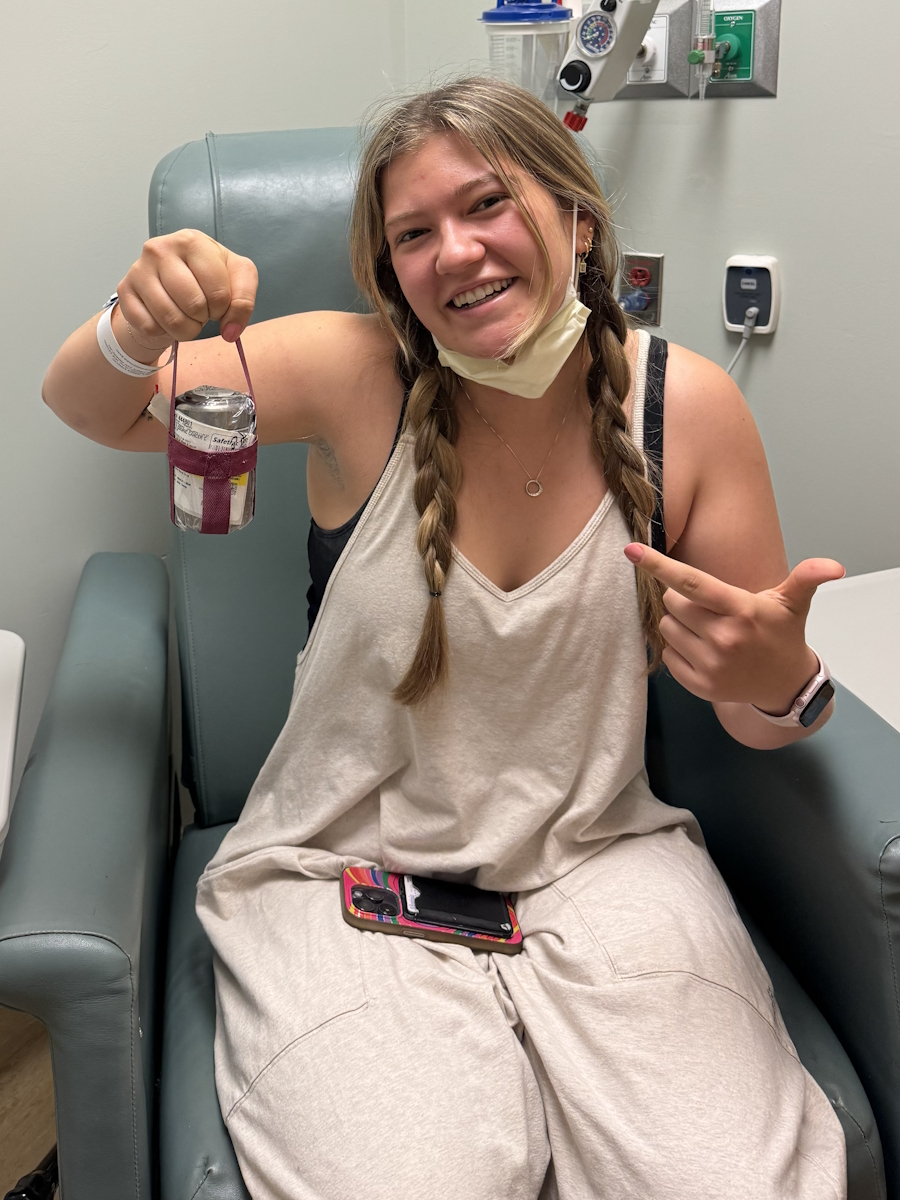
I was stuck in a room for five days. I don’t remember what dosage I was given. The radioactive iodine process is nuts. They bring it in in a tungsten jar that’s 20 pounds. You ask yourself: Is this a health risk to me or to others? Then they tell you that you can’t touch anyone or anything, or that it’s going to give them thyroid issues, and that was so stressful in itself. You can’t touch your pets. My pets love me so much. I remember them coming up to my door, and there’s nothing I could do. You have to walk around with socks, because every secretion from your body is radioactive.
The day that I had my radioactive iodine, my parents asked if I could drive myself. They said it wasn’t going to affect me, but they decided to drive me anyway. My dad drove up with me, and we were chatting with them. We asked, “What’s the risk of my dad being in the car with me?” For the hour-long drive back home, I sat in the rear passenger seat. From what I remember, they said that he was exposed to enough radiation from five back-to-back chest X-rays, sitting in the car with me for an hour.
Life on daily medication: The side effects no one warns you about
I would say the main side effect — other than having to be in my room and being isolated — was that for so long afterwards, I had this thought that everything in my room was now radioactive. I was in my room for so long. You have to wash your sheets, but does that get the radioactivity off? You have to wipe down everything in your bathroom. But what if I miss that one spot and somebody touches it? Or my dog drinks the toilet bowl water? I had this fear that everyone in my life was going to get thyroid issues because of me.
Other than that, I tried to follow the doctor’s orders to a T. With the amount of liquid I had to drink, I was peeing out the wazoo. Thankfully, when I did my post-radioactive scan, they had said that I had great uptake and that it was everything they could have asked for. I don’t think I’ve experienced many side effects. I would say the only thing was that food got stuck in my mouth. I don’t have day-to-day dry mouth where I feel the need to do drops or drink excessive amounts of water, but stuff gets stuck in there so badly.
The constant medication was probably one of the biggest mental barriers for me to overcome. After the radioactive iodine, I had a moment of, “Great, I beat this, it’s over.” Then it was like, “Great, we’ll see you back in three months.” I remember crying to myself and thinking, “I thought this was it.” It’s not and it’s never going to be, and that was something I had to swallow and understand. This is the rest of my life. They will be monitoring me every six months for the rest of my life.
My mom, thankfully, talked me through it so well: “Jess, eventually you reach a point where everybody’s getting scans every year. When you’re my age, you get scans all the time and they’re always checking for something. Think about that the next time something comes up, because in your life, you will have another health issue, as everyone does. They will catch it so fast. There’s not another time that you will be sitting around, something will be wrong in your body, and not know what to do about it. You will have so many doctors around you. You will have an endocrinologist doing your blood work every six months for the rest of your life, checking your levels. When you want to have kids, you will have so much monitoring when you go through all of that. Is it daunting and scary? Yes. But is it also to prevent you from having to go through anything like this again? Yes, and that’s why.” It was the biggest change, because I had my annual physical when I was a kid, and that was it. That was the only time I saw a doctor. I saw a dentist every six months, and that was it.
I love my care team so deeply. My endocrinologist out in Colorado has been spectacular through this whole process; that’s Dr. Mark Bridenstine of UCHealth and Dr. David Shonka at UVA. I look forward to seeing them. Do I look forward to the blood work and ultrasounds? No, but they have always let me ask every single question that I possibly have. They will sit in there for as long as I possibly need. I can ask all my stupid questions, my completely out-of-the-blue questions, and they will answer them with the utmost clarity. If they don’t know, they will say, “I don’t know. I will research this and call you back with the answer,” and they do. They have made it so palatable to have cancer.
I’m going to these people because that’s what these people have studied their entire lives to do and what they specialize in. Other people walk into this office every day and other patients the doctor operates on every day. I’m not some anomaly that they are trying to figure out. Thankfully, I’m another patient that they have an already-set healthcare plan to help get through this life event.
On being told I had “the good cancer”
Cancer is so scary to me. My entire diagnosis process was so scary. Everybody around me saw how blinding and confusing it was. Thankfully, I have never come across somebody who tried to diminish my experience in any way. Some girls in my sorority think, “Oh, she looks so normal, she’s going about her normal life, it can’t be that.” But I don’t even know anyone who knows me who doesn’t know how daunting this process was to me.
I’m so thankful that my treatment was contained to 365 days. I was able and privileged enough to get it done. There was no waiting and no hesitation. It was over and now it’s monitoring. Will things come up? Absolutely. Is there the constant changing of my medication and trying to find the right levels? Yes. But some people are in the hospital, undergoing chemotherapy and all this stuff. My little Maya is still undergoing constant exploratory and removal surgeries for her form of cancer. Is it still cancer? Absolutely. But I don’t worry every day about my next surgery.
Do I think about it? Yes. When I go in for my scan days, am I super worried that they’re going to find something and I’m going to have that same experience with the ultrasound tech where she goes silent because something new has come up? Yes, absolutely. But the fact that I’m able to have the peace in my day-to-day, knowing that my doctors are comfortable enough with where I’m at, that I can go about living my “normal” life with a daily pill, gives me so much peace. Truly.
I’m not five years out yet, so I’m not at the point of no evidence of disease, but the positivity that my doctors have and the faith that I have in my doctors provide so much peace. I’m in the club that nobody wants to be a part of, but there are so many medical resources out there for people who have the privilege to have them.
It made me realize my privilege so deeply, because there are so many people who cannot get access to this health care and who will struggle with this so much more severely for the rest of their lives. After all, they were not able to get the level of care that I did. All of the blessings that I was given in those 365 days allowed me to move forward with such peace and comfort in my experience, and trust in my doctors. It means the entire world to me, and it helps me be able to continue as I do.
My message to anyone newly diagnosed with cancer
Talking to people is what you have to do. Going through cancer is so daunting, and as I said, telling people that you have cancer is probably one of the worst parts. When you go from somebody who was not a cancer patient to all of a sudden, a doctor’s appointment changes everything, that’s the inflection point for everybody.
Talk to the people in your life. The people in your life love you and care about you. There is somebody in your life who will be there with you through every step of your experience, who wants to be in that hospital room with you, and who wants to go to those doctor’s appointments with you. Transparency with the people in my life is what kept me so positive and helped me to get through this. I want to encourage people to talk to the people who love them, because it’s a night-and-day difference when you have a support system around you of people who want to help you get better.
This interview has been edited for clarity and length. The views and opinions expressed in this interview do not necessarily reflect those of The Patient Story. This content does not replace professional medical advice.
Inspired by Jess’s story?
Share your story, too!
Hear from people living with thyroid cancer
Real experiences with diagnosis, treatment choices, side effects, and life beyond thyroid cancer — in their own words.

Leave a Reply