
Raqueal Thought Her Exhaustion Was Normal; Turns Out, It Was Essential Thrombocythemia (ET)
Raqueal was pregnant with her son and tired in the way any expecting mother might be, when a routine glucose test turned up something unrelated to the pregnancy: an unusually high platelet count. She’d been living with fatigue for years before that test, but it felt so ordinary to her that she never thought to name it as a symptom. Her bedtime hasn’t changed since childhood. Her parents only ever knew her as a sleepy kid. What she didn’t know yet was that both the fatigue and that one abnormal lab result were early signs of essential thrombocythemia (ET), a rare, chronic blood cancer it would take her three more years to name.
Interviewed by: Taylor Scheib
Edited by: Chris Sanchez
The concern her doctors flagged during that glucose test turned into a waiting game. She was started on iron medication for a deficiency she didn’t have, then passed between hematologists who drew her labs every six months and offered little else. One detail has stayed with her ever since: Nobody ever used the word “cancer.”
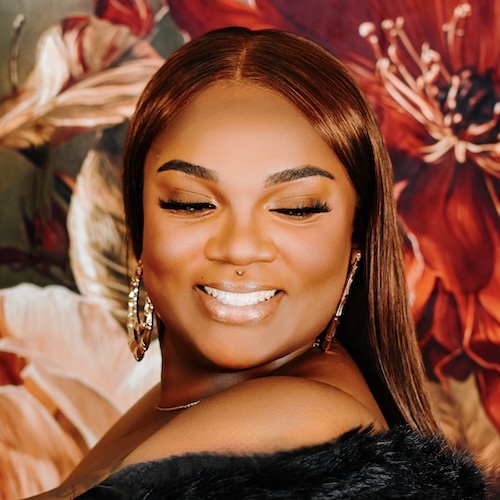
It took three years before a bone marrow biopsy came back JAK2-positive and a doctor in North Dakota finally gave her a diagnosis: essential thrombocythemia. Even then, she says, it felt like a directive, not a conversation. Take a daily baby aspirin. Come back in six months. It would take nearly a decade and a Facebook support group before Raqueal understood that what she’d been living with all along was, in fact, cancer. This year, after a new primary care doctor flagged her platelet count and referred her out, Raqueal advocated for herself for the first time: She called around until she found a hematologist willing to listen, ask questions, and treat her as a partner in her care.
Raqueal remains on watch and wait, the standard approach for many essential thrombocythemia patients whose disease is considered low risk, with labs and a comprehensive checkup every three months. When treatment does come up, she’s clear about what she wants: something that addresses the disease itself and her symptoms, not just her platelet count. Her new hematologist has taken that seriously, offering to advocate on Raqueal’s behalf for the option she researched herself, rather than defaulting to whatever comes first.
Ten years after her diagnosis, Raqueal describes her life in two truths at once: She looks fine, and she’s still managing fatigue, bone pain, and night sweats that no one around her can see. Over the past year, she’s turned a decade of private struggle into public advocacy, joining a patient advisory board, sharing her story on a podcast, and, for the first time, finding a community that doesn’t require her to explain herself. “I became the person that I needed,” she says. “Nothing changes if nothing changes.”
To learn more about Raqueal’s experience with essential thrombocythemia, watch her video and read the edited transcript of her interview.
- Fatigue that feels routine can still be worth naming as a symptom. Raqueal lived with exhaustion since childhood and never connected it to anything until doctors flagged an abnormal platelet count during a pregnancy glucose test.
- A diagnosis delivered without the word “cancer” is still a cancer diagnosis. Raqueal didn’t realize that essential thrombocythemia was a blood cancer until she found a Facebook support group.
- If a doctor makes you feel dismissed, it’s worth looking for another one. Raqueal called three different receptionists until she found a hematologist willing to actually hear her concerns.
- Being included in treatment decision-making changes how care feels, not just what it looks like. When Raqueal’s hematologist said she would advocate for the option she’d researched when it came time for treatment, instead of defaulting to protocol, it rebuilt her trust in her own care team.
- Looking well doesn’t mean feeling well. Raqueal wants people to understand that her fatigue, bone pain, and the effort it takes to keep her commitments are invisible to everyone around her.
- Community doesn’t require people who’ve known you for a long time. After keeping her diagnosis largely private for a decade, Raqueal found real support among strangers in an online support group and at a patient advisory board.
Raqueal’s Diagnosis Facts
- Name: Raqueal P.
- Age at Diagnosis:
- 24
- Diagnosis:
- Essential Thrombocythemia
- Biomarker:
- JAK2
- Symptoms:
- Extreme fatigue
- Abnormally high platelet count
- Treatment:
- Low-dose daily aspirin
- Watch and wait
Program Sponsor

Thank you to our sponsor for its support of our independent patient education program. The Patient Story retains full editorial control over all content.
This is not medical advice. Please consult with your healthcare provider to make informed treatment decisions.
- Raqueal’s Diagnosis Facts
- Meet Raqueal
- The fatigue before anyone had an answer
- A red flag during my pregnancy
- Three years of being dismissed
- A diagnosis of essential thrombocythemia, without an explanation
- Realizing the word was cancer
- Finding the courage to advocate for myself and others
- A hematologist who finally listened
- Shared decision-making around treatment
- How I manage essential thrombocythemia symptoms day to day
- My message for Blood Cancer Awareness Month
- Hear from people living with essential thrombocythemia (ET)
The biggest piece of advice I’d give another patient in this position is: Nothing changes if nothing changes. Don’t let this difficult, hard-to-manage, invisible, isolating cancer define you.
Raqueal P., Essential Thrombocythemia Patient
Meet Raqueal
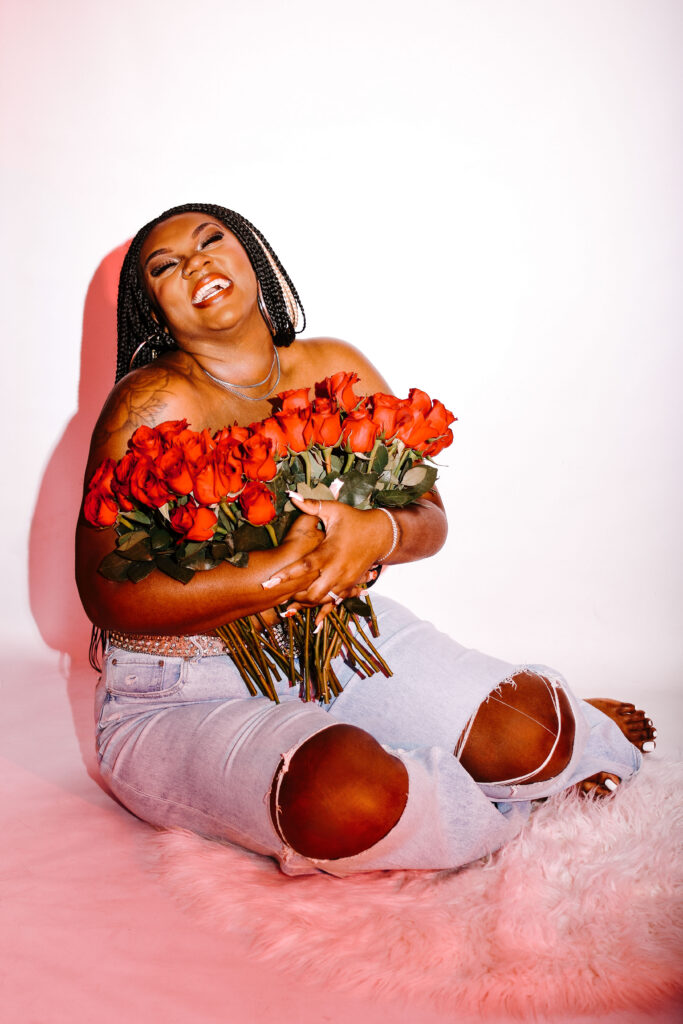
I’m Raqueal. I’m 34 now, a mom of two. My son is 12; he’ll turn 13 in December, and my daughter is five; she just turned five in June. Raising a daughter alongside a son is such a different world.

I come from a law enforcement background. I started in probation, then moved to juvenile detention, then adult detention, where I stayed for about four years. From there, I moved into the federal prison system. I left my law enforcement career in North Dakota, where I’d started it, in 2019, though I’m originally from Las Vegas. I worked in the federal prison system for about three years and left in 2021, when I became pregnant with my daughter.
Outside of being a mom, I’m a huge football fan. Go Ravens. My son has played since he was six, so outside of our summer off-season, football is pretty much always on in our house. He tried baseball once and hated it. So did I. It just wasn’t the space for us. We’re used to fast-moving things.
I’m also a big Animal Crossing fan. I play it on my Nintendo Switch, and I play Call of Duty Mobile too, though I can’t play it on console; don’t even ask. And I love to color. Shopping is my thing, shoes especially. I have so many shoes I actually have to get rid of some.
Looking back at 2016
I never thought I’d be where I am now. They consider you an adult when you turn 18, but if we’re being realistic, that’s just not what it is. It’s unfortunate, because these are the hard things you have to go through, and then you learn, and then you grow.
I made a post about this a couple of months ago: 21-year-old Raqueal would have never thought this is who she’d become, and she would be so proud.
There’s been a lot of moving parts, a lot of change. You just got to keep going. That’s the motivation in it all. Just keep going.
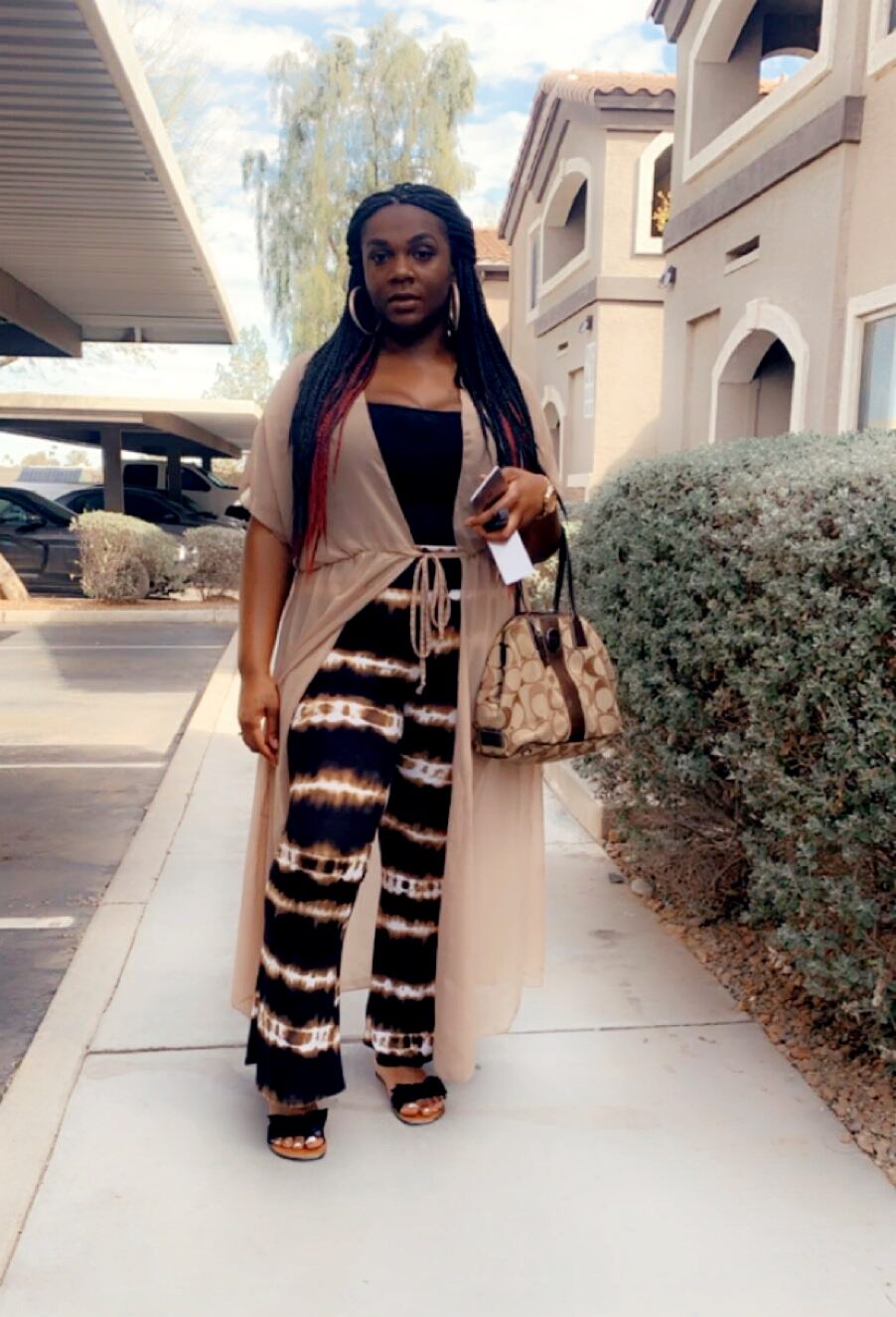
These are the hard things you have to go through, and then you learn, and then you grow.
Raqueal P., Essential Thrombocythemia Patient
The fatigue before anyone had an answer
It was me being extremely tired every single day, but still having to push through. If I’m being honest, there were a couple of moments when I was younger that threw me for a loop, which I only recognize now as an adult. There were times I was dizzy, and I told my grandmother it was because I’d put my glasses on and sat too close to the TV. Now that I’m older, I realize that may have been a symptom the whole time, and nobody ever knew. My parents just knew that I slept all the time. My bedtime from childhood to now is still around 8:30 or 9:00. It hasn’t changed.
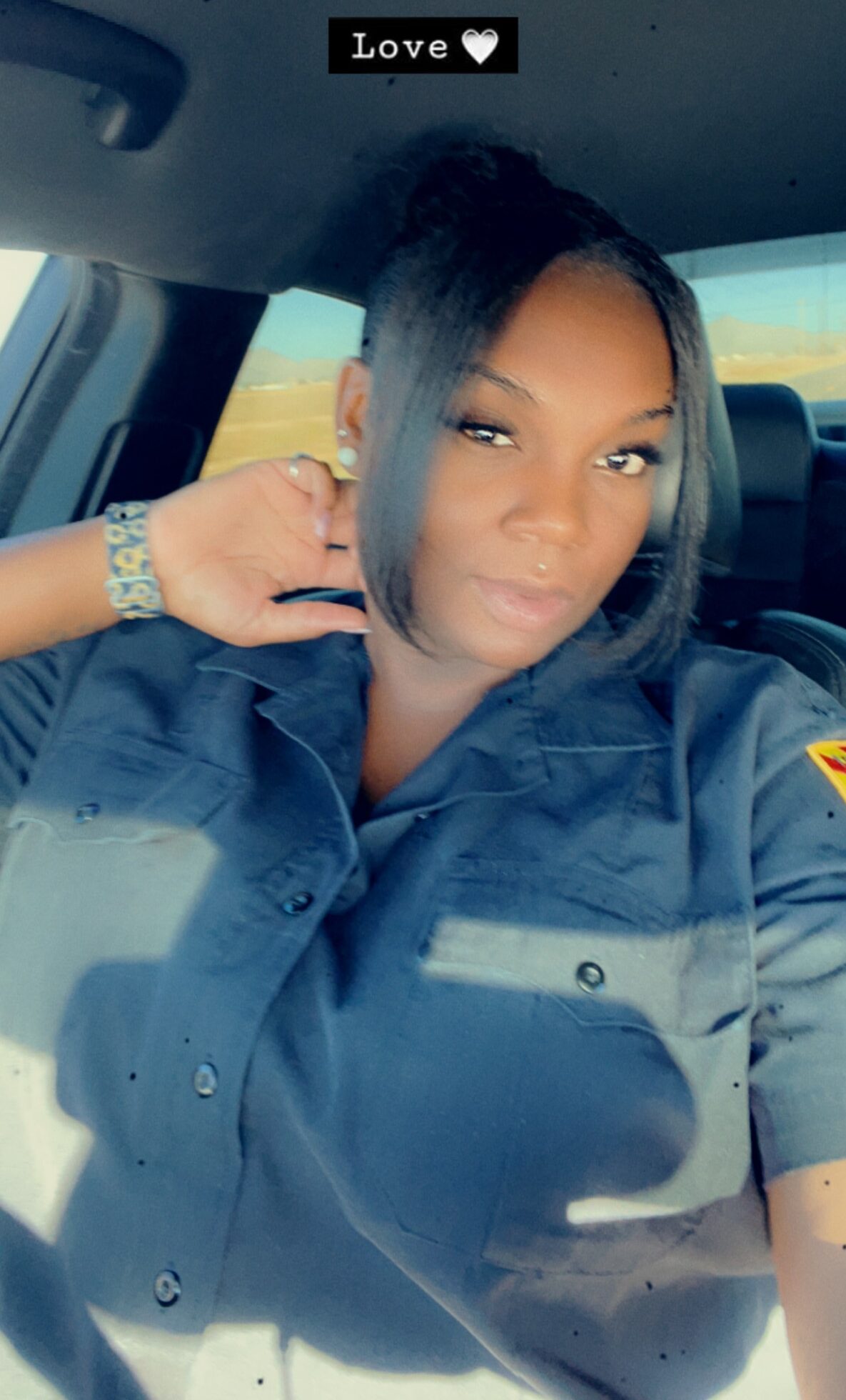
I can’t point to one debilitating moment where I couldn’t function, because I’d dealt with the fatigue for so long that it felt normal to me. I was extremely tired, and I was still pushing through, still getting things done. If it had come on suddenly instead of building over years, it would be a completely different story. But because I’d lived with it for so long, it felt almost natural.
Then I was pregnant on top of it, which women attribute to a lot of things. It was extremely rough. There were days I absolutely could not get up. I also struggled with hydration at that time. Fatigue has been the only symptom I’ve really had up until the last seven or eight years, when new things started showing up. Even my dad used to say, “You’re always so tired,” but it never raised a red flag for anyone to say, “Maybe we should get you checked out.”
It wasn’t until the last three or four years that I started doing my own research, connecting this pain to this condition, this symptom to that one, the night sweats, the bone pain. I didn’t know about any of that until about two or three years ago.
I didn’t know how to feel. 2016 was survival mode. I never had a blueprint. I had to build my life from the ground up, trial and error. I could acknowledge fatigue was a thing, but I never had time to actually sit and process what it was or how it was affecting me, because I couldn’t stop moving. I had to keep building a life for myself. So yes, fatigue affected me, in this way or that way, but it stayed in the background. I had to keep going, one hundred percent.
It’s terrifying. Some days are so much better than others. Some days I can get up, go to the gym, cook, clean, organize, declutter. Other days it’s, dang, I wish I had yesterday’s energy. So I try to dial it back. On the days I do have energy, don’t do too much; I just enjoy it. It’s terrifying because you genuinely never know when it’s going to come. Sometimes it’s there for seven days straight; you feel great, and then two weeks later you’re right back to not feeling your best. It’s a hit and miss.
If someone watching this is experiencing that kind of fatigue, I’d tell them: Sit with it. Sit in the discomfort of feeling invisible and isolated. I look fine. I have my hair. I can sit here and tell you everything I’m feeling in this moment, but people genuinely don’t understand what it does to you on a personal level. They don’t know what goes on inside. You can tell I’m exhausted, and somebody will give you the lamest advice, like, “Go get a Red Bull.” It’s just not that easy. If you have a support system that genuinely doesn’t understand, sometimes the only thing you can tell them is, “This is just what it is; I have to live with this.” You can give me advice, or you can be a listening ear. If you’re a listening ear, this is just what it is, and I’m venting. That’s it.
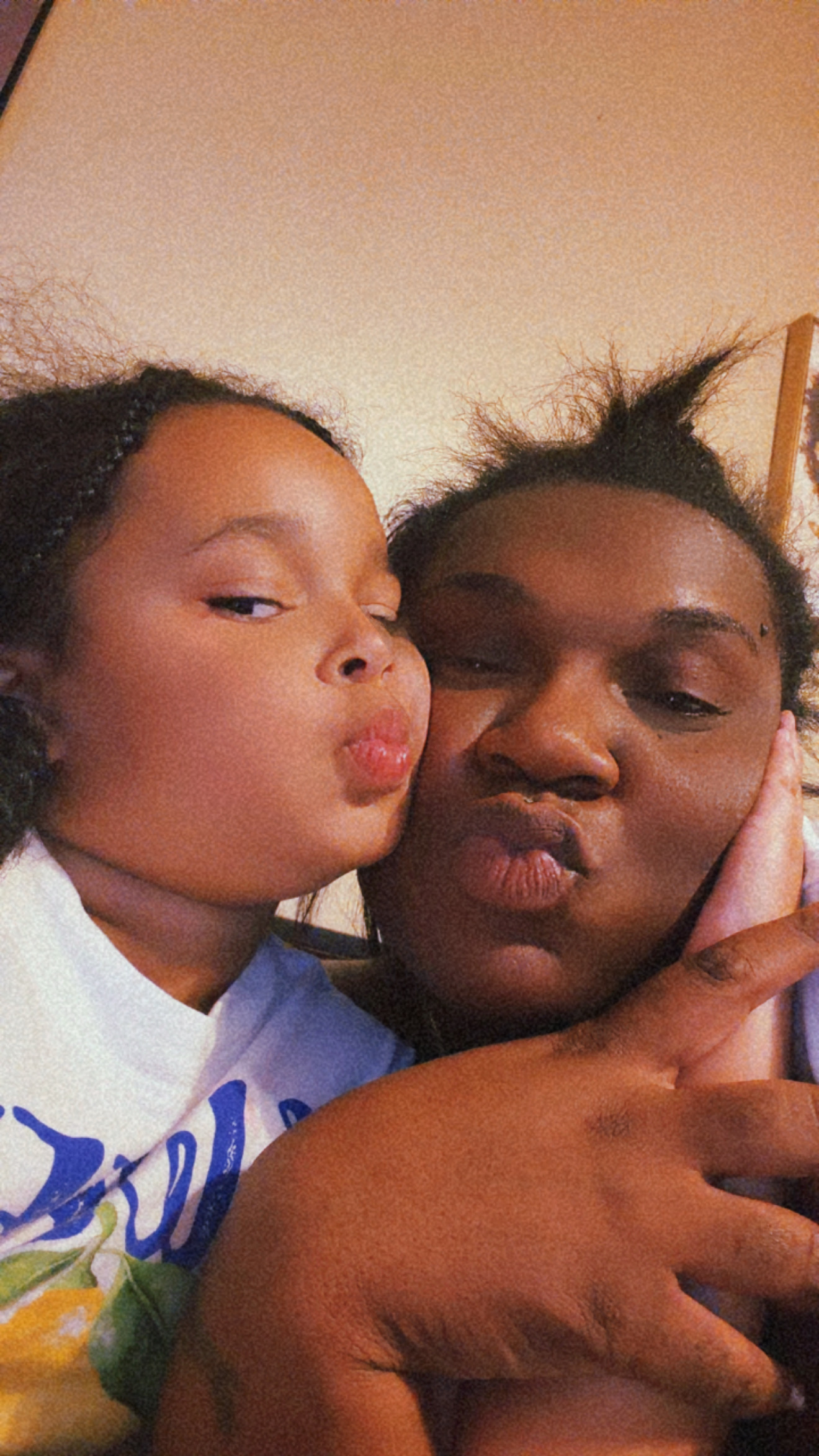
If someone watching this is experiencing that kind of fatigue, I’d tell them: Sit with it. Sit in the discomfort of feeling invisible and isolated.
Raqueal P., Essential Thrombocythemia Patient
A red flag during my pregnancy
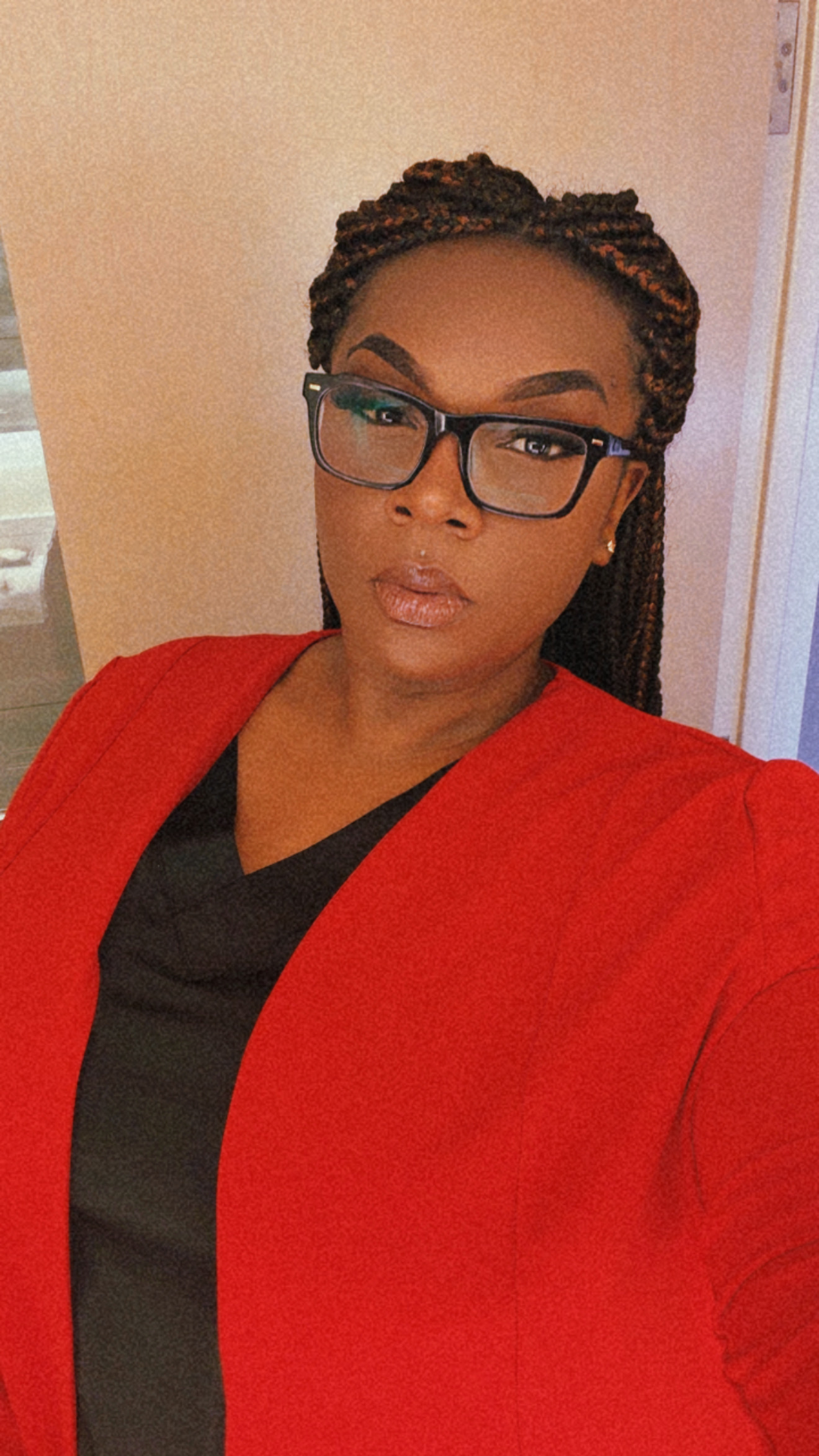
The concern came up during my glucose test when I was pregnant with my son. They did blood work after I drank the drink they give you, and my platelet count was a little over what it should be. Initially, they thought it was iron deficiency, so they put me on iron medication. Some constipation came with it, and it didn’t change my numbers over time. For most of this experience, I expected these people to know exactly what to do, but they didn’t really know what this actually was. They were just trying to figure it out.
The glucose test itself: They put you in a little room, you sit in a chair, they make you drink the drink, and you sit there for about 25 to 30 minutes to let it settle before they draw your blood. It wasn’t presented to me as a real concern, more like, “Okay, your numbers are 495,000; we’ll give you iron medication for now and reevaluate in three months.”
It was a concern for me as a patient, because you’re telling me there’s a concern, my numbers are extremely high, but what does that actually mean? That’s what brings me back to the expectation that the people who were supposed to care for me genuinely didn’t know how. They didn’t know what this was, so it was nerve-wracking through the rest of my pregnancy. That’s also what contributed to the lack of follow-up.
Three years of being dismissed
It was an extremely long period of time, and it shouldn’t have been. Throughout that stretch, there were multiple hematologists, a lot of “Hey, let’s draw labs and see where your numbers are, then follow up in six months.”
At the time, I wasn’t asking questions because I didn’t know how. I didn’t know how to advocate for myself or what to ask. But listening to the people I expected to care for me, I experienced a male-dominated demographic in hematology, and I’m a minority, so healthcare is already a little tricky for us. On top of that, there was a cultural gap. The bedside manner was horrible. It was horrific for me. There were times I went in visibly in distress and told them, “This is nerve-wracking, I don’t have enough information, I don’t know what to ask you, I hope you can give me something to go on.” And I failed every time. Every appointment, I left in tears, feeling dismissed.
That went on for three years, and even once I got my diagnosis in North Dakota, the hematologist there gave me the same experience as the previous doctors. Again, the expectation that they knew what to do with me caused a lot of disappointment on top of the lack of follow-up. There were stretches of the whole experience where I didn’t even follow up. I was just winging it.
Three years. And through all of it, nobody ever used the word “cancer.”

Three years. And through all of it, nobody ever used the word “cancer.”
Raqueal P., Essential Thrombocythemia Patient

A diagnosis of essential thrombocythemia, without an explanation
I moved to North Dakota, and that’s when I started seeing the doctor there who eventually diagnosed me. At that time, it was watch and wait: Do your labs every six months, come back, we’ll figure it out. There was a mention that once I hit a certain platelet count in the millions, we’d start talking about medication, but no real explanation of what that medication would be or how it would affect me.
At one appointment, my platelet count was 865,000, and that’s when she was ready to do a bone marrow biopsy. The results came back JAK2-positive. I asked what that meant. The answer was: You have a blood disorder, you’ll take a baby aspirin once a day, and we’ll recheck in six months. That was the majority of the experience from there: Recheck labs, come back, check labs again. She also sent me to Mayo Clinic once. I didn’t have any biopsies there.
Looking back now, I think it was mainly to have an MPN specialist confirm things. I traveled to Minnesota for that appointment, and the specialist told me essentially the same thing my hematologist had. After that, it was still watch and wait, every six months, and nothing else.
Realizing the word was cancer
I realized it was cancer about two or three years ago, and that was because I found a support group on Facebook.
So many people in there were sharing experiences just like mine: watch and wait, the invisible feeling, the isolation, all of it.
Living invisible and isolated
For the greater part of this experience, it’s just been me. I’m also the oldest of six, and the one who changed the dynamic of how we grew up, so you can imagine how isolating that is on top of everything else.
I look fine. I have my hair. I’m able to get up and live an almost normal life, despite what people don’t see happening in the background. For so long, there were times I’d share the smallest bit, because I’m a very private person, not because I wanted to be, but because I never had anyone. I’d been through this life of trial and error trying to figure it out for so long that it became something extremely sacred to me. I never had support around the invisibility or isolation of it, so I just kept going.
The first time I ever felt safe enough to talk about something this sacred was with strangers, on an advisory board I was invited to join earlier this year. I opened up to my mom around the same time. It wasn’t easy. I’m her child. She had no idea I’d been struggling with something this intense and scary for so long. It’s gotten better since, but that advisory board was the first time in ten years I was able to share the good, the bad, the ugly, the transactional versus the collaborative appointments, all of it. It had been extremely hard to deal with, until recently. This year is when I started actively advocating for myself and participating in my own care.

I think the biggest misconception about this disease is the appearance of it. I’m big on shopping, on keeping myself together, but despite that, you genuinely don’t know what’s happening underneath, especially given how serious this situation actually is the blood clot risk, the stroke risk.
That’s the biggest misconception, in my opinion, and it translates directly into the invisibility of the whole thing. If you don’t look like you’re going through something, some people won’t hear you out or understand how deep it actually goes.
I sit in the lobbies of these doctors’ offices with people who are dealing with different types of cancer and different appearances, some of them on oxygen, with so much going on, and I’m not minimizing my own cancer at all. But I’m always terrified to go in, because I feel like they look at me and think, “She’s so young, what is she doing here?” And I think the same thing. I’m not supposed to be here. But it’s just something I’ve had to deal with.

What people don’t see: the emotional impact, the fatigue, the bone pain. I have stairs in my house. Even going up and down them, nobody has any idea what kind of pain I’m in. It’s my hips down through my legs, and the heel of my left foot specifically. They don’t know that. They don’t know the fatigue. I can absolutely want to get up and go to the gym for an hour and a half, plan to cook dinner, and then sometimes not be able to follow through. That’s not me lying to myself. It’s something I genuinely want to do that I’m sometimes unable to fulfill.
And then there’s the question of whether the people around me — family, friends — think I’m lying or just flaking when that happens. It’s not that. It’s that I said something and then couldn’t follow through, and you don’t know what that’s like. It’s extremely hard to sit in that position and feel the weight of not being able to do what you wanted to do. Everybody’s experience with this looks different. I saw that firsthand with the other people on the advisory board, who had completely different diagnoses and still showed up differently, symptom for symptom, from me.
For the greater part of this experience, it’s just been me… You can imagine how isolating that is on top of everything else.
Raqueal P., Essential Thrombocythemia Patient
Finding the courage to advocate for myself and others
This year I got a new primary care doctor in January for my annual well check. She looked over all of my records, and my platelet count was the one thing that stuck out to her immediately. She said, “We need to get you to a hematologist.” I agreed, and she referred me out.
When the office called to schedule, I asked who would be handling my care, and the receptionist named another male doctor I’d already had a bad experience with. I said no. I called my own doctor back and told her, “I love that you’re trying to put my care team together, but because of how badly I’ve been treated by this specific demographic, I’m not interested.”
So I started calling around, and it turned into a genuinely traumatic experience, because I was already emotional and hadn’t gotten to a place yet where I could share this deep a part of myself with anyone. This was before the advisory board. By the third receptionist I called, I was crying, and I told her straight out: “I need a new hematologist. I don’t want a male doctor of that specific demographic, and I need someone who’s going to give me a safe space, ask me questions, hear me out, and let me sit with it. I’m so tired of not knowing or not having answers.”
She was so kind. I still remember her. I kept apologizing, saying, “I’m sorry, this is just something I’ve been dealing with for so long.” She placed me with a female hematologist who is also African American. That was the start of advocating for myself, and everything else started falling into place after that.


A hematologist who finally listened
My first appointment with her was so emotional, and she just let me sit there. She didn’t rush to fill the silence. She asked what my concerns were and why I was crying. Throughout this whole experience, medication was always the main topic doctors brought up, along with the numbers and the six-month check-ins. She didn’t do that. She asked questions instead.
She noticed my bone marrow biopsy hadn’t shown any MPL mutations. She noticed my ferritin levels had never been checked and ordered them checked immediately. She asked about symptoms I didn’t even know were symptoms, like bleeding gums, something I’d had for a long time and had no idea was connected. It’s since stopped, which I’m so glad about. She explained why I’m considered low risk, something I’d genuinely been questioning: How can this be cancer and still be low risk? That was the path to finding the specialist I’m with now.
She placed me with a female hematologist who is also African American. That was the start of advocating for myself, and everything else started falling into place after that.
Raqueal P., Essential Thrombocythemia Patient
Shared decision-making around treatment
Medication has always been the biggest topic in this experience, and for most of it, appointments felt transactional rather than collaborative. I went into this appointment having already done my own research on the medication that’s typically offered first, and I told her plainly that I wasn’t interested in it. I explained that when the time comes, I’d want to be considered for a different option, because right now we’re still watching and waiting until my platelet count reaches a higher threshold. She asked why I was steering away from the standard first option, and I told her: “It only targets the numbers. It doesn’t target the underlying cause, and it doesn’t target the symptoms. I don’t want to be on something that adds more symptoms than I already have.”
What I described to her instead was a treatment I’d researched that’s given as an injection at home every two weeks, and that targets the numbers, the underlying disease process, and the symptoms together — three things at once instead of one. Rather than just going along with the default, she told me she’d check into whether the standard requirement, which was trying and failing one medication before insurance would approve the one I actually wanted, could be worked around in my case. That meant everything to me. I was participating in my own care. I shared my concerns, and she took them seriously instead of just putting me on the default option.
It’s extremely life-changing. I came from doctors where the expectation was that they knew exactly what to do with me because they went to school for it, and that caused a lot of my disappointment and a lot of the lack of follow-up over the years. It also played into my own acceptance of this. I own the part where I didn’t accept this diagnosis when I probably should have, and that’s part of why it took so long for me to get here. But having someone aligned with you emotionally, not just mentally and physically, changes the entire dynamic.
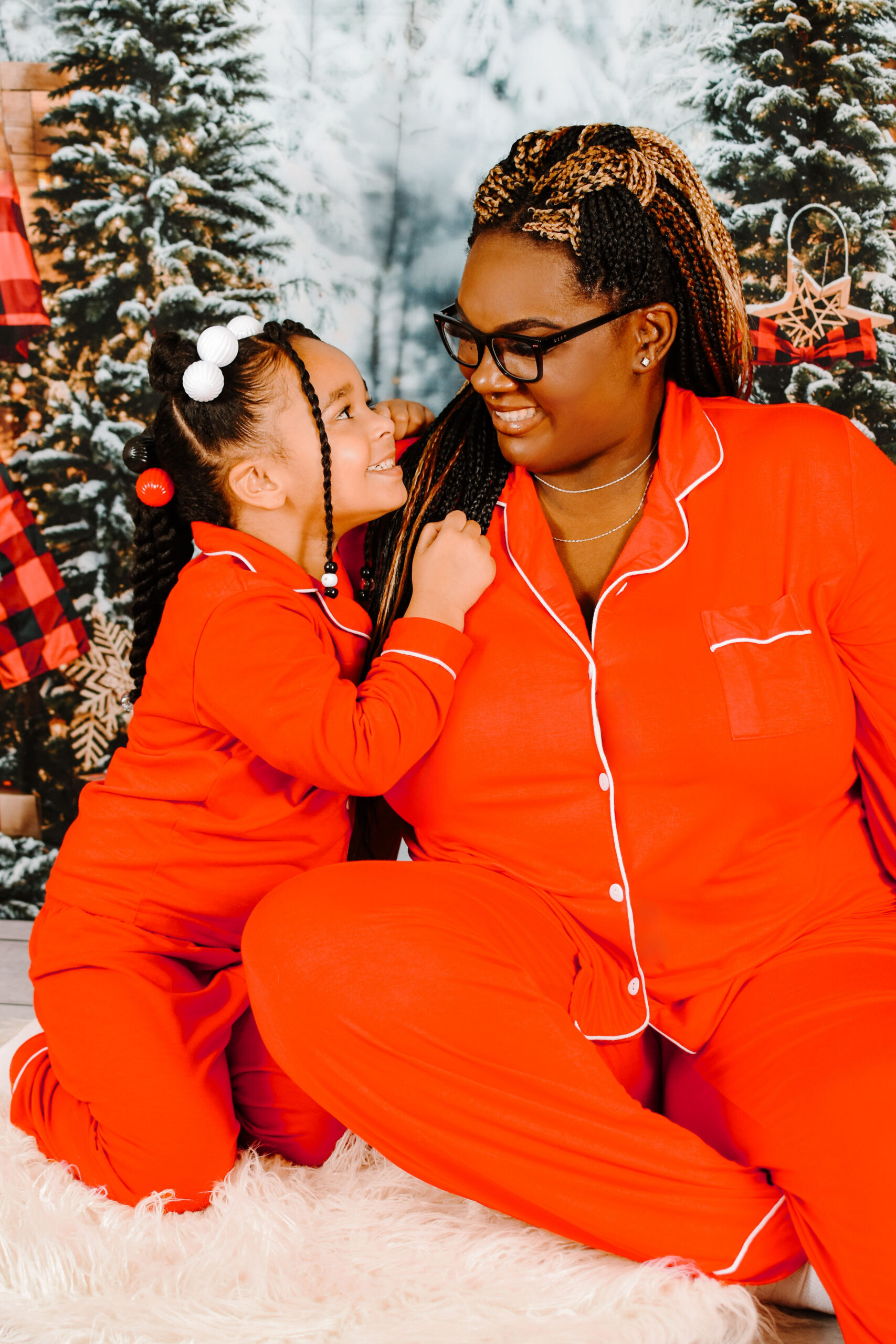
It’s so important to have people in your circle who are aligned with who you are, because if they’re not, there’s always going to be a mismatch.
Finding community
I’m not used to community. It’s never really been a part of my life, and that’s unfortunate.

But between the advisory board, the video I filmed, the podcast, speaking on stage, and doing this interview, it’s given me a completely different view of people, especially the people I don’t know, compared to a lot of the people I do know, who I’d honestly call unsupportive. I’m talking about people from childhood through adulthood, including family. Everybody has their own things going on. But I’ve found real community in all of this, especially given how sacred and private this has been for me for so long.
When I found the support group on Facebook, I was operating on one personal page, and I ended up creating a second one because you have to be able to step away or you’ll get overwhelmed. Reading everyone else’s experiences is terrifying, even when it’s not my exact situation, because it still makes you wonder: “Is this a possibility for me too?” So I have to get off my main page sometimes and scroll on the second one instead, just to step away from that hard space. But being able to ask people what their experience has been like, or the questions they’d ask in their own appointments, or offer a little insight myself, that’s been meaningful. I shared my podcast episode in that group, and the support I got back was something I’d never had before. That community has saved me.
If I’m being honest, the people who invited me into this world of advocacy have no idea how much I’ve actually been through. I’ve dealt with my share of domestic violence. I’ve been through a lot. These people didn’t know me at all when they took a chance on me, just because my story was impactful to them. I’m so grateful for that, and for the space it’s given me to meet people who don’t know the deeper parts of my life but are still fully supportive of who I am. It wasn’t hard to share my story, because as long as I’m being authentic, I’m good. I don’t go by a script. I’m an emotional person, and having a space to be that person with people I don’t know has been the first time in my life I’ve felt loved and supported despite everything I’ve gone through.
It’s so important to have people in your circle who are aligned with who you are.
Raqueal P., Essential Thrombocythemia Patient
How I manage essential thrombocythemia symptoms day to day
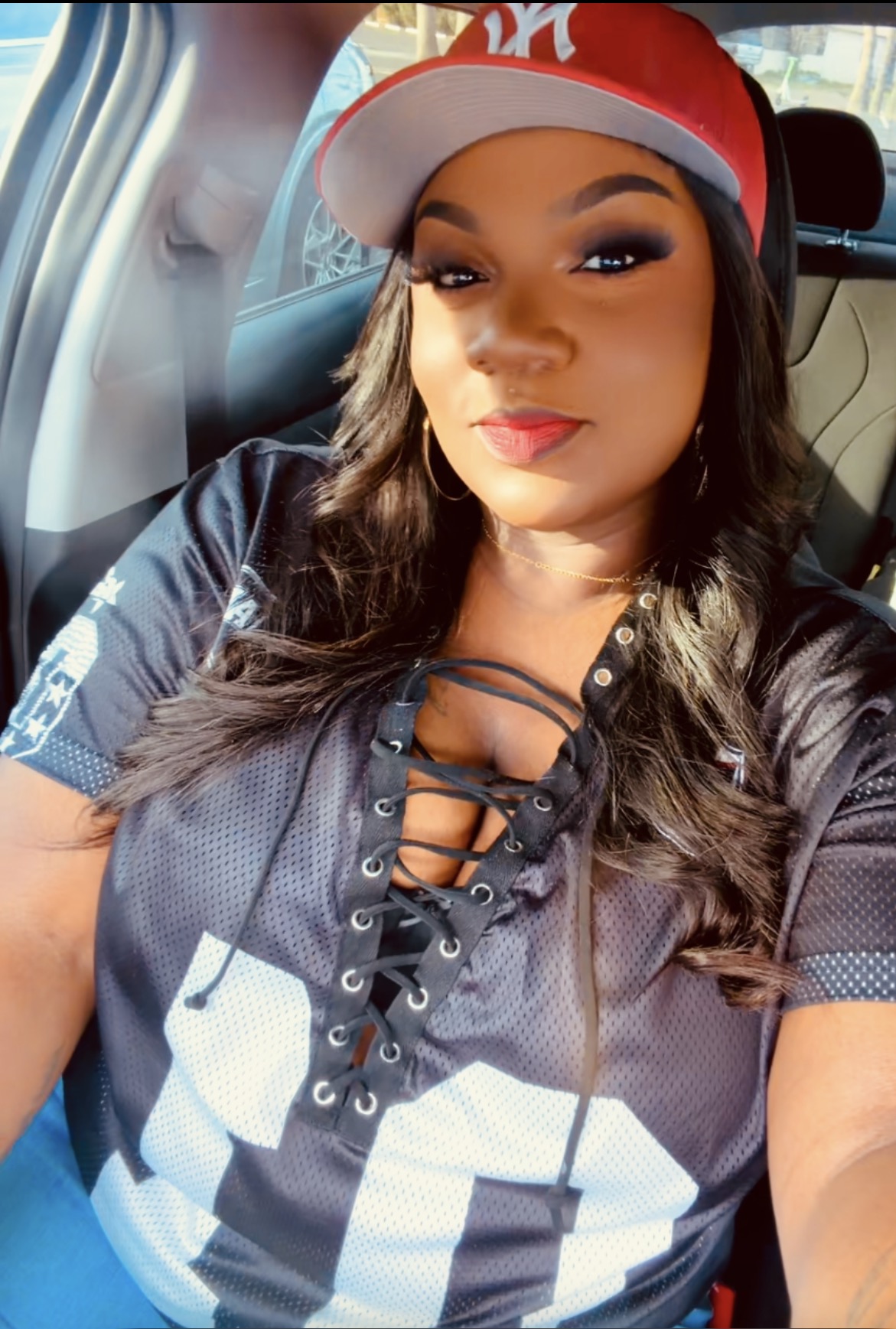
Honestly, I don’t formally track my symptoms. I know what shows up for me. I know when my body is changing, after ten years of living with this.
I only recently figured out that night sweats are a symptom of mine. I used to wonder if I was running a fever. So I’ve learned to tell the difference between what’s old and what’s new. Fatigue and bone pain — I’ve dealt with those for a long time. The night sweats are newer. The bleeding gums I’d had for years without knowing they were connected. It’s really just a matter of paying attention to changes in your body.
I know going to the gym for 30 minutes gives me more energy for the rest of the day. Can I do that every single day? No, it’s not feasible. But I know when something’s shifting, so I’ve never felt the need to formally track it. If something new shows up, that’s what gets my attention.
You have to be confident in your own voice with your care team. That confidence changes the entire trajectory of how your care goes. Without it, everything feels more overwhelming, more emotional, harder. On the days you don’t feel like you have the courage, sit in that. It’s okay. But because I know who I am now, and I know what I want my care to look like, it’s so much easier to say, “This is happening; we need to address it,” than it was before, when I had no idea what to expect or ask. I own the part where I didn’t do enough research early on, and where I expected my doctors to already know what to do with me. But you have to build the strength and the courage.
The biggest piece of advice I’d give another patient in this position is: Nothing changes if nothing changes. Don’t let this difficult, hard-to-manage, invisible, isolating cancer define you. It’s hard, but keep pushing. Keep moving. Nothing changes if nothing changes.
What care looks like now
Right now I’m seen every three months. I get labs done a week before each appointment, and we go over everything together.
She checks my spleen, my enzymes, my ferritin levels, and monitors for acquired von Willebrand syndrome or von Willebrand disease, which can develop with a platelet count like mine.
That’s what it looks like right now: every three months, and she always asks if I have any new concerns or questions.
Who I am today
This experience has changed how I see other people, their pace, their growth. It’s taught me that some people don’t have the strength or the courage to fight the way I have.
I became the person that I needed. I became the person I needed to feel seen, heard, and supported, even by people who don’t know me.
That might be the greatest lesson in all of this, alongside learning to communicate and advocate for myself: Be supportive. You genuinely don’t know what people are going through. Be compassionate. You have no idea what someone is struggling with in the background.
Somebody can be the brightest person in the room and still be fighting the hardest thing in their life, and you’ll never know, because they’re not going to show it. So be kind, be compassionate, be supportive, because you genuinely don’t know what people are going through.
That might be the greatest lesson in all of this, alongside learning to communicate and advocate for myself: Be supportive.
Raqueal P., Essential Thrombocythemia Patient
My message for Blood Cancer Awareness Month
It’s a milestone for me, and an accomplishment. I’ve come from the pits of this. I’ve overcome the dismissal, the isolation, the invisibility of it. I’m proud of who I am. I’ve had to endure some hard things, but I’m here, and I’m thriving, despite the fatigue that’s still in the background, despite the bone pain, despite the night sweats and headaches that show up here and there, despite the days I can’t function the way I want to. I made it, and I’m still thriving, and I’m not allowing it to define who I am.
Keep pushing. Keep trying. Don’t let this change the trajectory of your life. Live how you want to live. Communicate how you need to. Advocate for yourself. That’s it.
Program Sponsor
Thank you to our sponsor for its support of our independent patient education program. The Patient Story retains full editorial control over all content.
This interview has been edited for clarity and length. The views and opinions expressed in this interview do not necessarily reflect those of The Patient Story. This content does not replace professional medical advice.
Inspired by Raqueal’s story?
Share your story, too!
Hear from people living with essential thrombocythemia (ET)
Real experiences with diagnosis, treatment choices, side effects, and life beyond ET — in their own words.

Leave a Reply