Chronic Lymphocytic Leukemia (CLL) Overview
CLL is a slow-progressing cancer of the blood and bone marrow that affects lymphocytes – the white blood cells that help your body fight infection.
Navigating CLL: Your Video Guide
CLL Patient Advocates, Jeff Folloder and Michele Nadeem-Baker, answer top CLL questions for empowered living.
Play
Play
Play
Play
Play
Play
Play
Play
Previous
Next
“Whoever you are. Don’t care what your life is. Don’t care what your disease is. Don’t care if you’re sitting in a prison cell right now. You deserve to be alive and healthy.”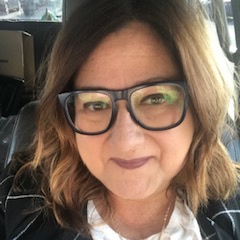
Hannah D.
CLL Patient
What is Chronic Lymphocytic Leukemia (CLL)?
According to Dr. Jacqueline Barrientos, Chronic Lymphocytic Leukemia (CLL) is the most common chronic leukemia in America and Europe with 15,000 new cases in the US every year. She explains that the disease has two parts: the “leukemia” component and the “lymphoma” component.
The difference between a leukemia and lymphoma is that leukemia sees cancer cells circulating in the blood. Lymphoma cells tend to show up in lymph nodes or organs.
CLL cells live and proliferate by going to the lymph nodes to grow. Once they grow in the lymph nodes, they go out into the blood. As the medical field advances, so do treatment options. CLL is just one cancer of many that is making some big leaps in research recently.
Read on to learn about the difference between CLL and ALL, how CLL is diagnosed, what to look our for, and the most important thing you can do for yourself during treatment.
“For the most part, it’s found by doing a routine blood check by an internist. Usually, they first notice that the white blood cell count is a little high, so they send the patient for a referral,” Barrientos says.
“Sometimes, people might be shaving or washing their face and notice they have an enlarged lymph node. In that case, we’d do a biopsy, and the biopsy would show leukemia.“
This means that CLL can present in your blood, your lymph nodes, or both.
Dr. Barrientos explains that there are three major categories of patients.
One-third won’t develop symptoms, but they will be affected in the sense that they will be at a high risk for infections and malignancies.
Another third won’t need treatment right away, but they usually start up to three years after diagnosis.
The last third of patients will be showing problematic symptoms like anemia, low platelets, or painful, enlarged lymph nodes. They will require treatment immediately. In these cases, not only is their age and medical history taken into account, but also things like their lifestyle and how the patient will tolerate the prescribed treatment.
What are some things to look out for?
“There’s a marker called 17p deletion. That’s a very bad mutation. It not only tells you that the disease will be more aggressive, but it also does not respond to chemotherapy,” Dr. Barrientos says.
A very small number of patients have the 17p deletion mutation when they are diagnosed, but it can develop over time. It’s important to know if you have this marker because it will tell you what kinds of treatment will and will not work for you.
“Another important marker is called IgHV mutation status,” she says. “As a patient, I would want to know my status. You can be either mutated or unmutated. Mutated patients usually have a very slow-growing disease, and on average, they don’t require therapy for the first eight years after their diagnosis.
If you are not mutated, most people require therapy within the first three years. It’s more aggressive. When treated with chemo, these are the patients that will have a shorter time in remission compared to mutated patients.”
It’s helpful to know where you stand. Knowing which markers you have narrows down the guesswork. Make sure your doctor has the means to run these kinds of tests. That way, you get the most accurate treatment plan possible. If you doctor can’t find out this information for you, maybe try seeing a specialist who can.
What’s the difference between CLL and ALL?
According to Dr. Tim Fenske, M.D., “The ‘C’ in CLL stands for chronic, whereas the ‘A’ in ALL stands for acute. You have acute leukemias and chronic leukemias. Acute leukemias come on pretty quickly. Typically, there’s a shorter lead up. The patient usually won’t have had months or years of symptoms. Usually what happens is they start getting sick and somebody eventually checks some blood counts, and they’re way outside of the normal range. “
“With chronic leukemias, people can have an elevated white blood cell count for three, four or even 10 times the normal level for years and not have to have it treated because it’s a very slow moving disease.”
“Acute leukemias are fast moving. We would almost never delay treatment for acute leukemia. You see it, and you treat it.”
What’s the most important thing patients can do for themselves during treatment?
“The field is changing so quickly that I think the most important thing you can do is to be an advocate for yourself.
It’s very important to educate yourself so you know if something doesn’t feel right. Go get the second and third opinions.” Dr. Barrientos says.
People react to diagnoses differently. Some want all the information so they can research because they’re scared. Others just want to let the doctors do their job and not be told anything because they’re scared.
Dr. Rafael Fonseca is a myeloma specialist and shows that doctors across all specialties generally agree that an informed patient is the best kind.
“I would rather see a patient in my office who knows a lot about their disease where we can spend our time talking about specific aspects of treatment rather than waste their time having to go back to the basics with them. It’s a better return on investment for you,” Dr. Fonseca says.
CLL Patient Past Events
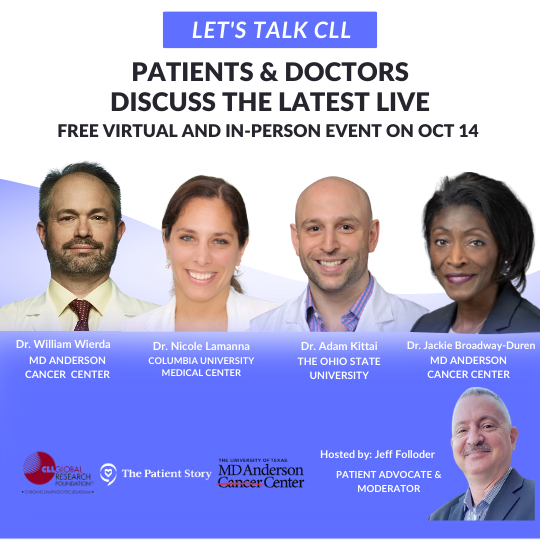
Let’s Talk CLL: Patients & Doctors Discuss the Latest Live
Let’s Talk CLL: Patients & Doctors Discuss the Latest LIVE
Patients, care partners, and a panel…
Learn More
CLL,Patient Events
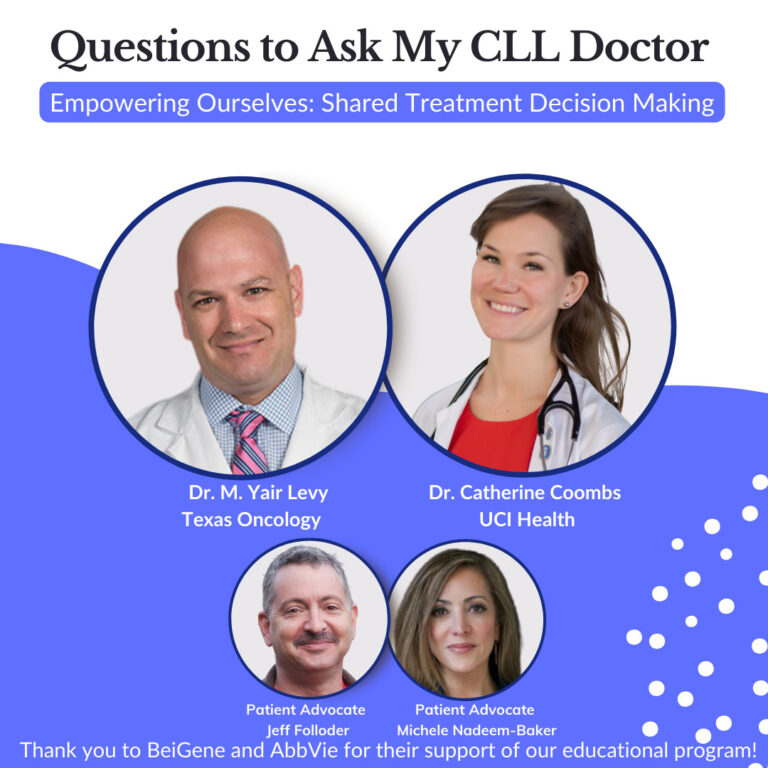
Shared Treatment Decision Making in CLL
Shared Treatment Decision Making: How To Be An Empowered Patient
Hematologist oncologists, Dr. M…
Learn More

CLL,Medical Experts,Medical Update Article
How to Work With a CLL Specialist
How to Build a Strong CLL Team
Nicole Lamanna, MD, from Columbia University Medical Center…
Learn More

CLL,Patient Events
What is Watch and Wait in CLL or SLL?
Watch & Wait: What Patients Need To Know Now From red-flag symptoms to safe activities, learn…
Learn More

CLL,Medical Experts,Oncologist,Uncategorized
CLL Treatment (2022)
Latest on CLL Treatment (2022)
Featuring: Nicole Lamanna, MD; William Wierda, MD, Ph.D Hosted…
Learn More
CLL Articles
What is the Difference Between Lymphoma and Leukemia?
What is the Difference Between Lymphoma and Leukemia? A leading oncologist offers clarity on…
Learn More
How Long Can You Live with Chronic Lymphocytic Leukemia
How Long Can You Live with Chronic Lymphocytic Leukemia? Dr. Adam Kittai and Dr. Joanna Rhodes share…
Learn More
Latest Data on Newly Approved CLL Drug Pirtobrutinib Presented at ASH 2023
Latest Data on Newly Approved CLL Drug Pirtobrutinib Presented at ASH 2023 Top CLL doctors share…
Learn More
Should CLL Patients get Vaccines?
Should CLL Patients Get Vaccines? Patients with chronic lymphocytic leukemia (CLL)/small lymphocytic…
Learn More
Should Cancer Patients Reconsider CAR T-cell Therapy?
Should Cancer Patients Reconsider CAR T-cell Therapy? Explore CAR T-cell therapy insights with Dr…
Learn More
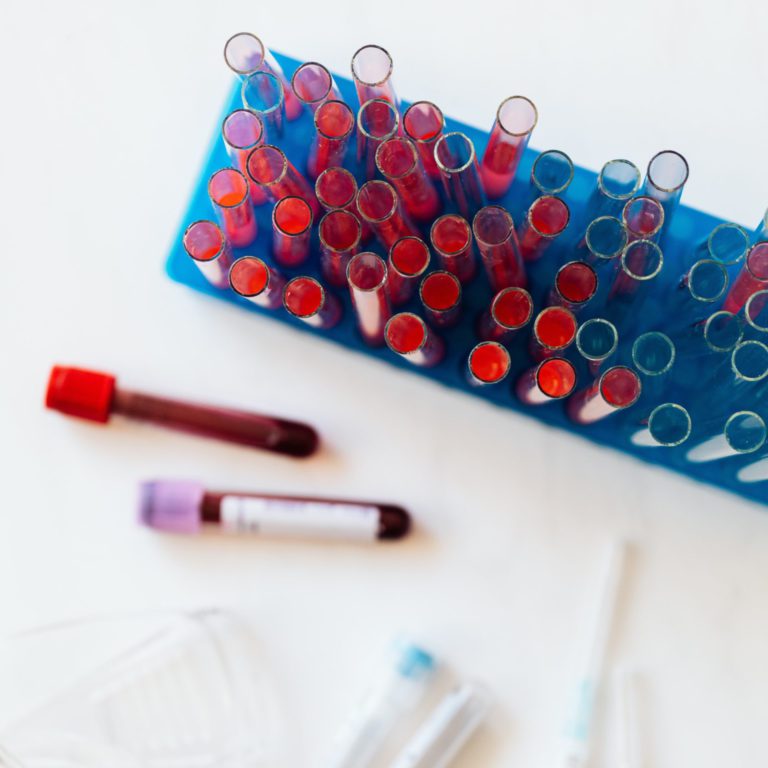
What is a CBC Test?
What is a CBC Test?r
Learn about what a CBC test is and how the test can be used to help diagnose…
Learn More

Medical Gaslighting: Warning Signs and Advocacy as a Cancer Patient
Empowering Your Voice: Signs of Medical Gaslighting as a Cancer Patient Nadia was repeatedly told…
Learn More

Fatigue Relief in CLL: Expert Tips from Dr. Shazia K. Nakhoda
Read how physical activity can play a crucial role in enhancing overall well-being…
Learn More
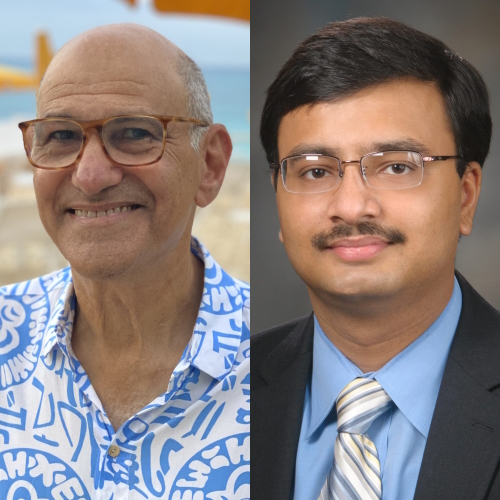
CLL Highlights from ASH 2022
CLL Highlights from ASH 2022
Patient advocate Andrew Schorr and hematologist Dr. Nitin Jain…
Learn More
CLL Expert Interviews

CLL,Leukemia,Medical Experts,Oncologist
Dr. William Wierda
William Wierda, MD, PhD
Role: Hematologist, Med. Dir., Dept of LeukemiaFocus: Chronic lymphocytic…
Learn More
CLL,Hematology,Medical Experts,Oncologist
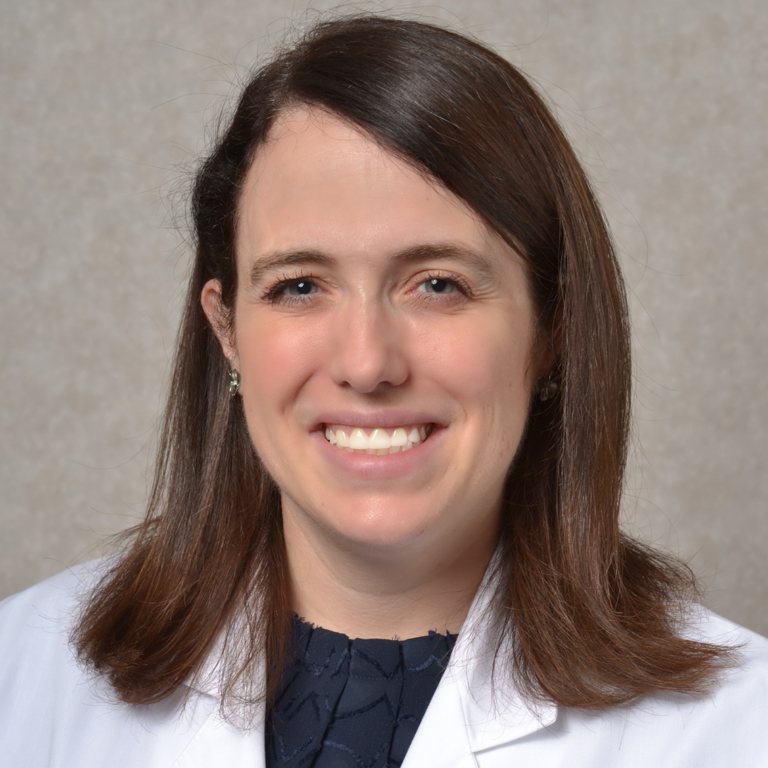
Dr. Kerry Rogers
Kerry Rogers, MD
Role: Hematologist, researcherFocus: Chronic lymphocytic leukemia (CLL), Hairy…
Learn More

Calquence (acalabrutinib),CAR T-Cell Therapy,Caregivers,CLL,Hematology,Ibrutinib (Imbruvica),Leukemia & Lymphoma,Oncologist,Venetoclax,Zydelig (idelalisib)
Dr. Tim Fenske
Tim Fenske, MD, MS
Role: Hematologist-OncologistFocus: chronic lymphocytic leukemia (CLL) &…
Learn More

Calquence (acalabrutinib),CAR T-Cell Therapy,CLL,Hematology,Ibrutinib (Imbruvica),Medical Experts,Northwell Health Cancer Institute,Obinutuzumab,Oncologist,rituximab (Rituxan),Venetoclax
Dr. Jacqueline Barrientos
Jacqueline Barrientos, MD
Role: Hematologist, researcher; Focus: Chronic lymphocytic leukemia…
Learn More
Hear from people living with CLL
Real experiences with diagnosis, treatment choices, side effects, and life beyond CLL — in their own words.