Categories
Hormone Therapies Lymphadenectomy Metastatic Neck dissection Papillary Patient Stories Radiation Therapy Radioactive Iodine (RAI) Surgery Thyroid Cancer Thyroid hormone suppression therapy Total thyroidectomy Treatments

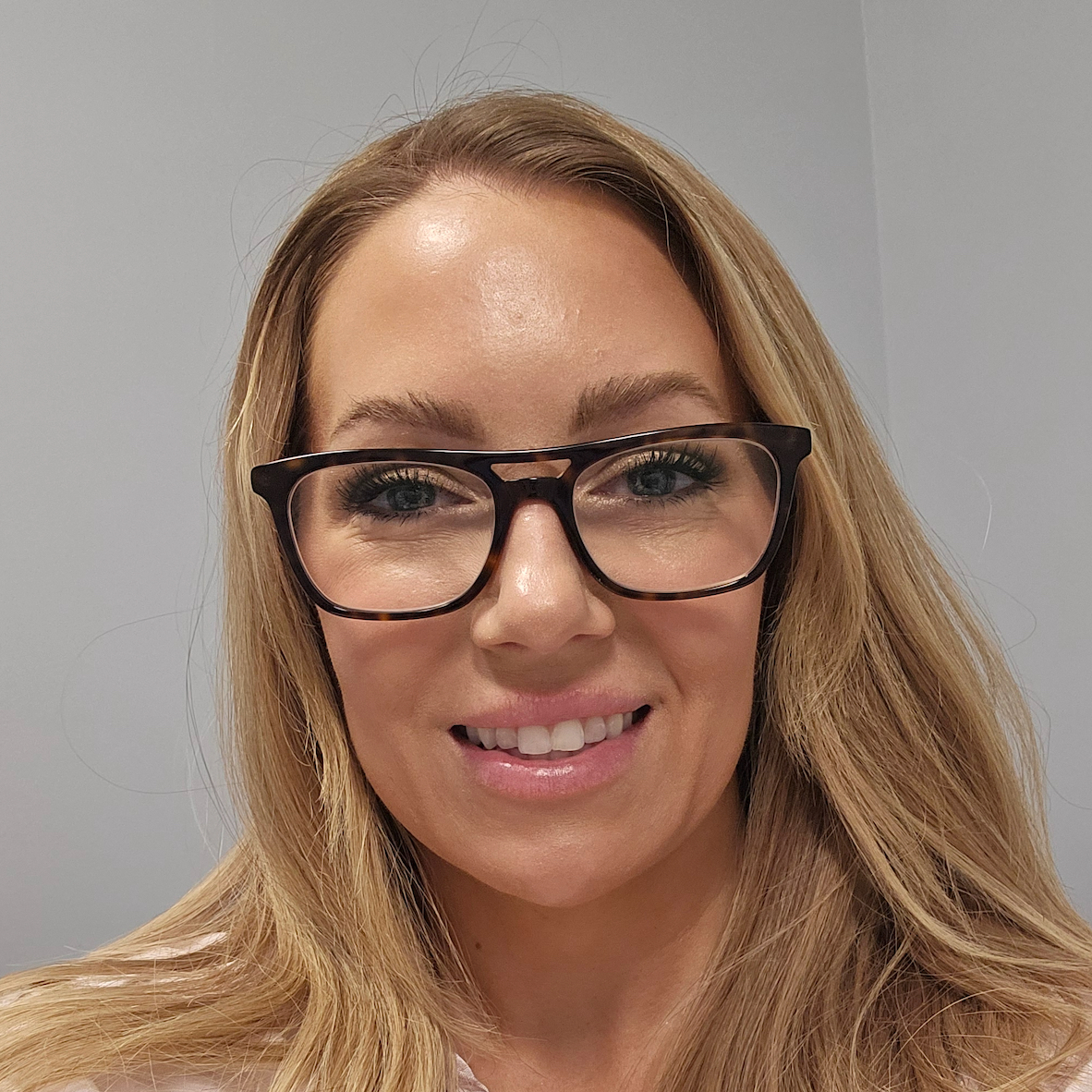
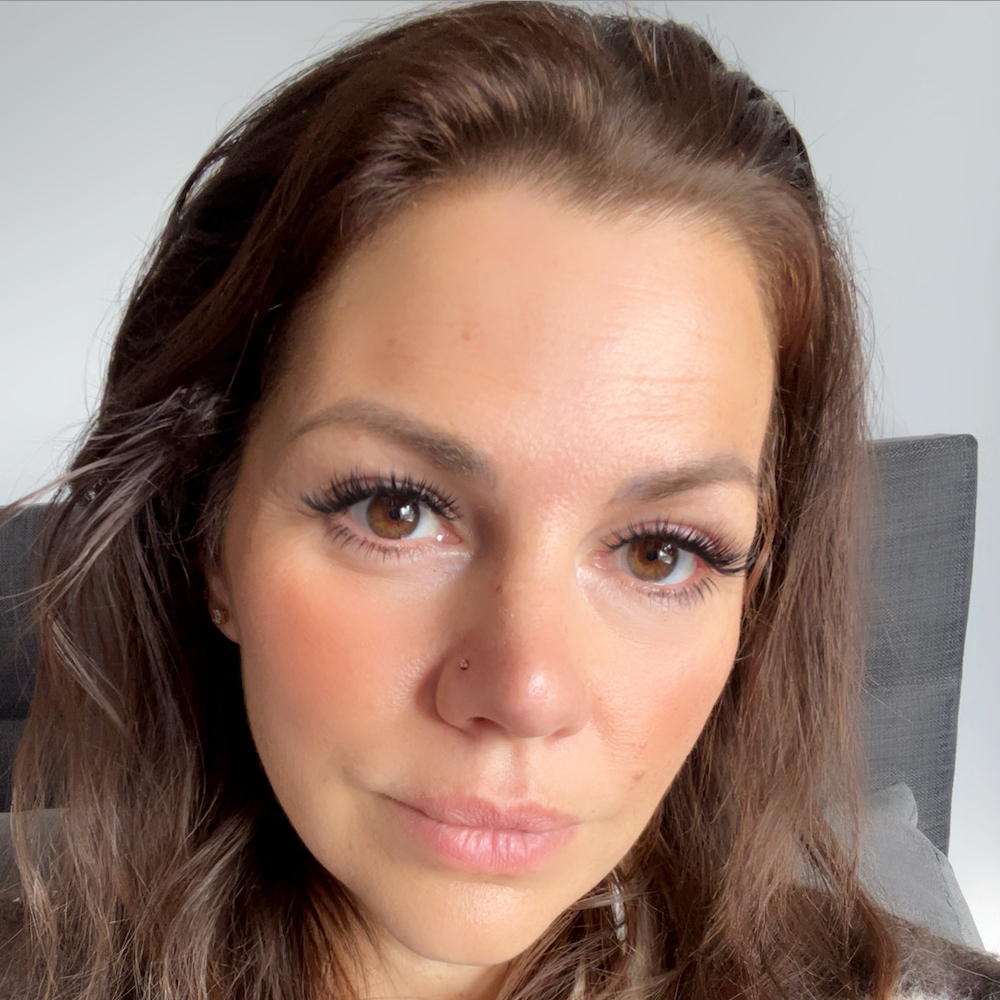
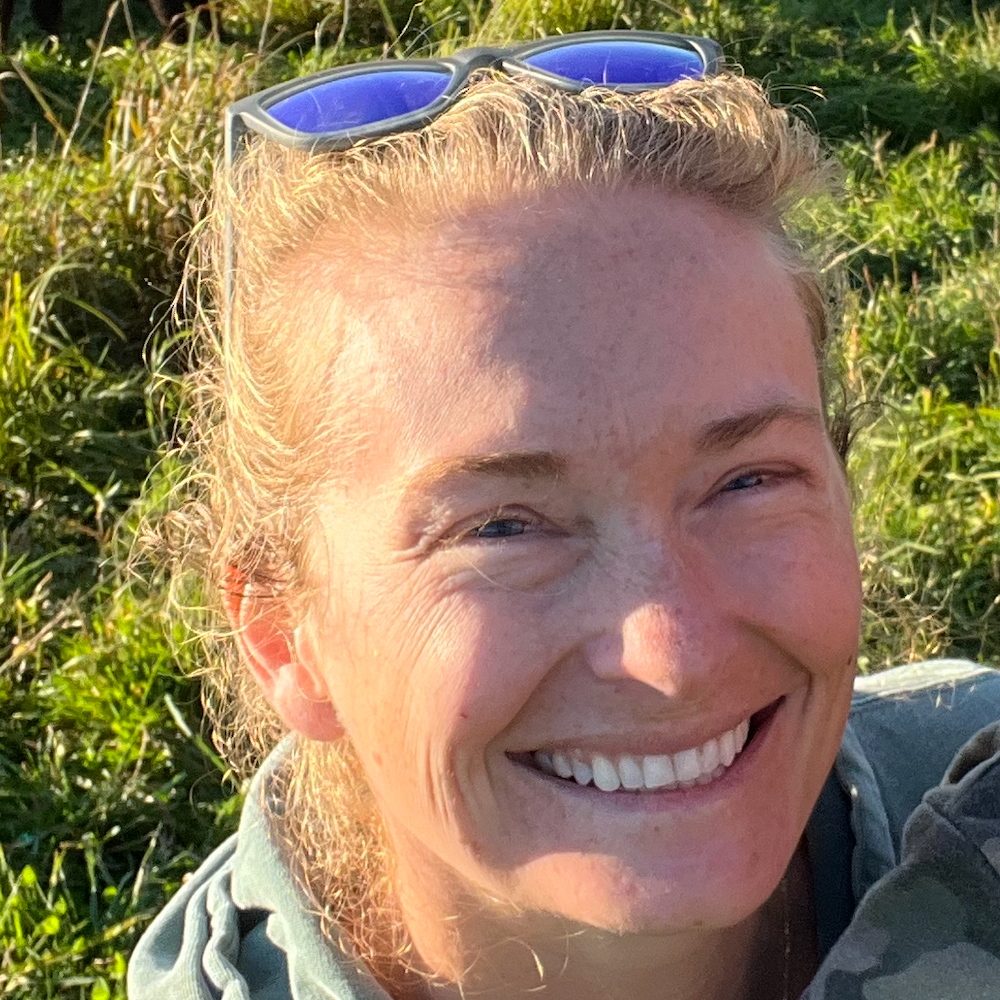
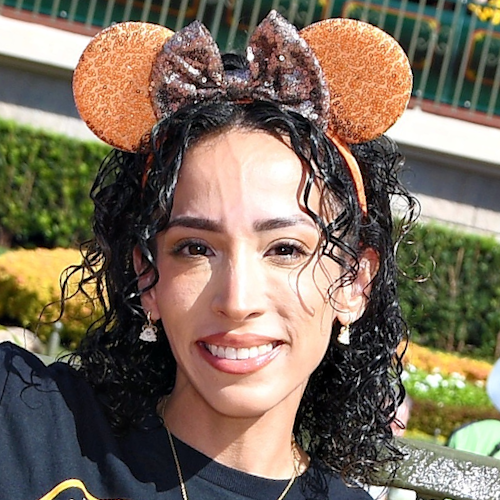
Family, Loss, and a Second Chance: Valerie’s Metastatic Thyroid Cancer Story

Family, Loss, and a Second Chance: Valerie’s Metastatic Thyroid Cancer Story

Valerie was diagnosed with metastatic thyroid cancer (papillary thyroid carcinoma) in January 2025 after a series of concerning changes in her body, including unexplained bruising, persistent weight loss, and extreme cold intolerance. Her first concern, had her previously-fought leukemia come back? And while these aren’t typical symptoms of thyroid cancer, looking back, they were early signs that something in her thyroid system wasn’t functioning normally. As a registered nurse and devoted family advocate, she drew strength from her loved ones while navigating one of the most challenging periods of her life.

Interviewed by: Taylor Scheib
Edited by: Chris Sanchez & Jeff Forslund

Valerie was concerned her symptoms could be attributed to her history of having had leukemia. But new tests came back negative. After an unrelated car accident and neck pain that was getting worse days after the accident, radiology colleagues recommended scans that revealed suspicious thyroid findings. The diagnosis of thyroid cancer, which was confirmed through a needle biopsy, brought news of a malignant form with a gene mutation associated with rapid progression and lymph node spread. Valerie’s support system mobilized: her husband returned home from a work trip, and her family rallied around her.

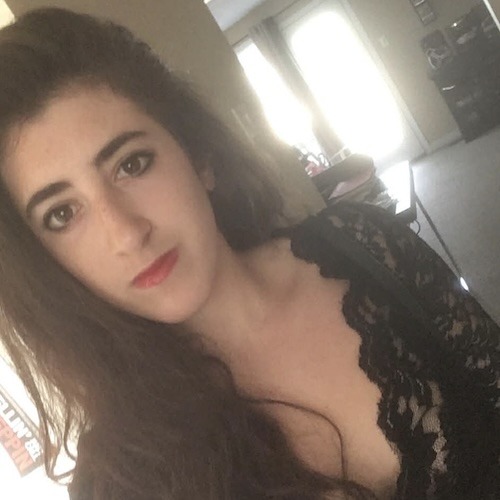
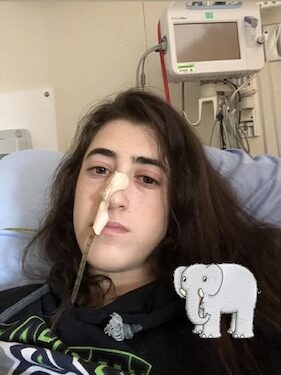
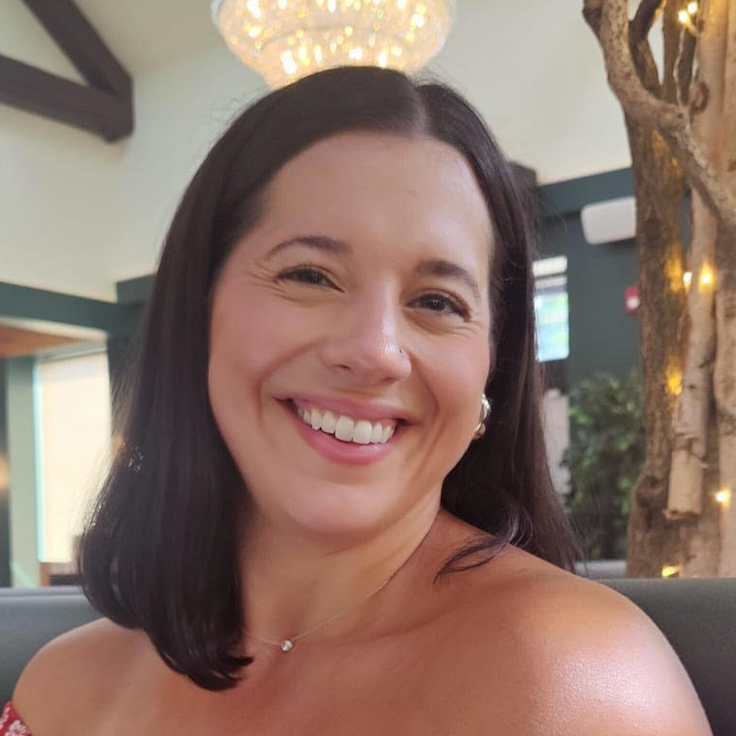
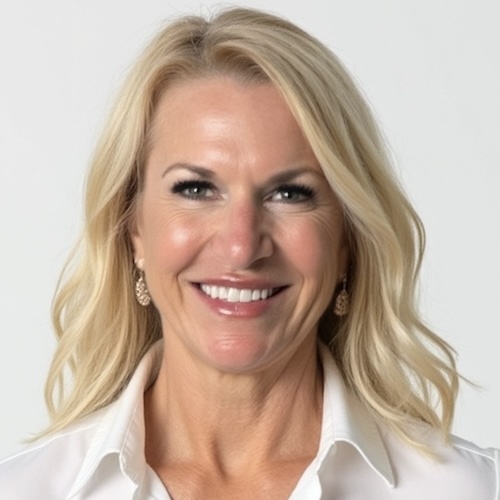
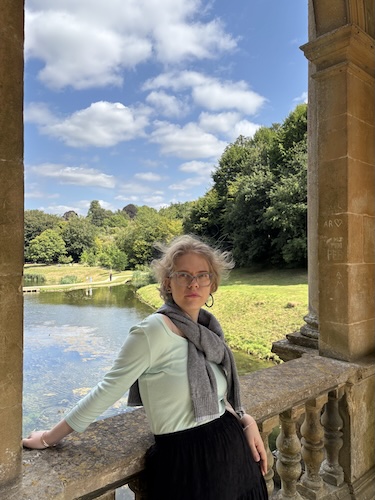
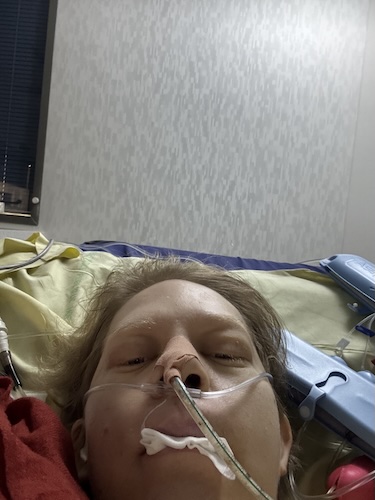
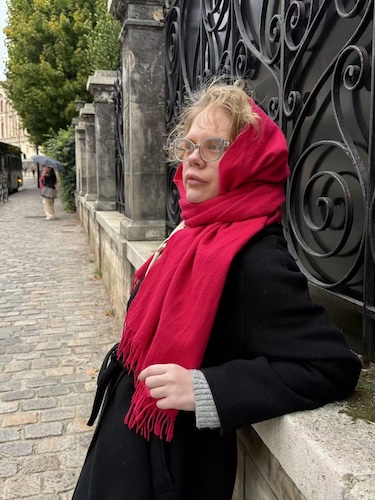
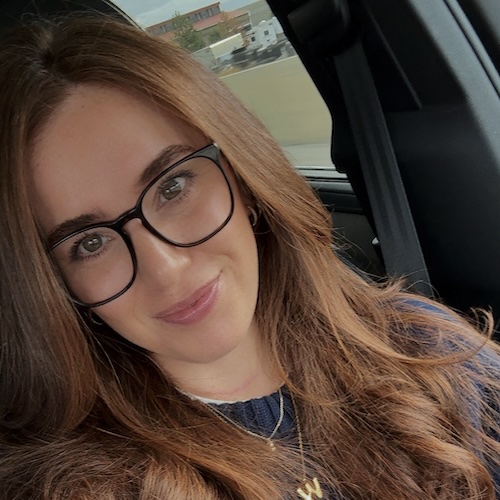
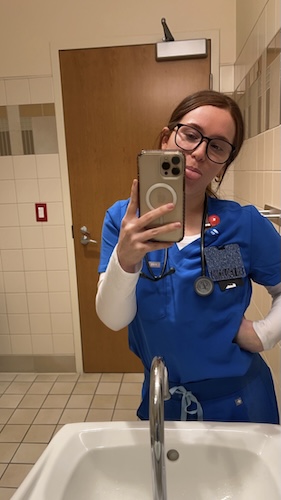
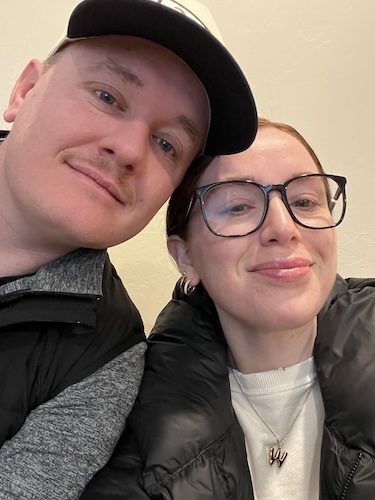
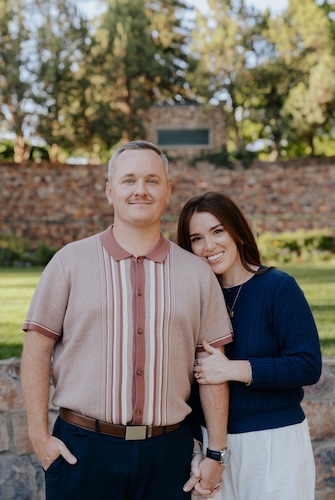
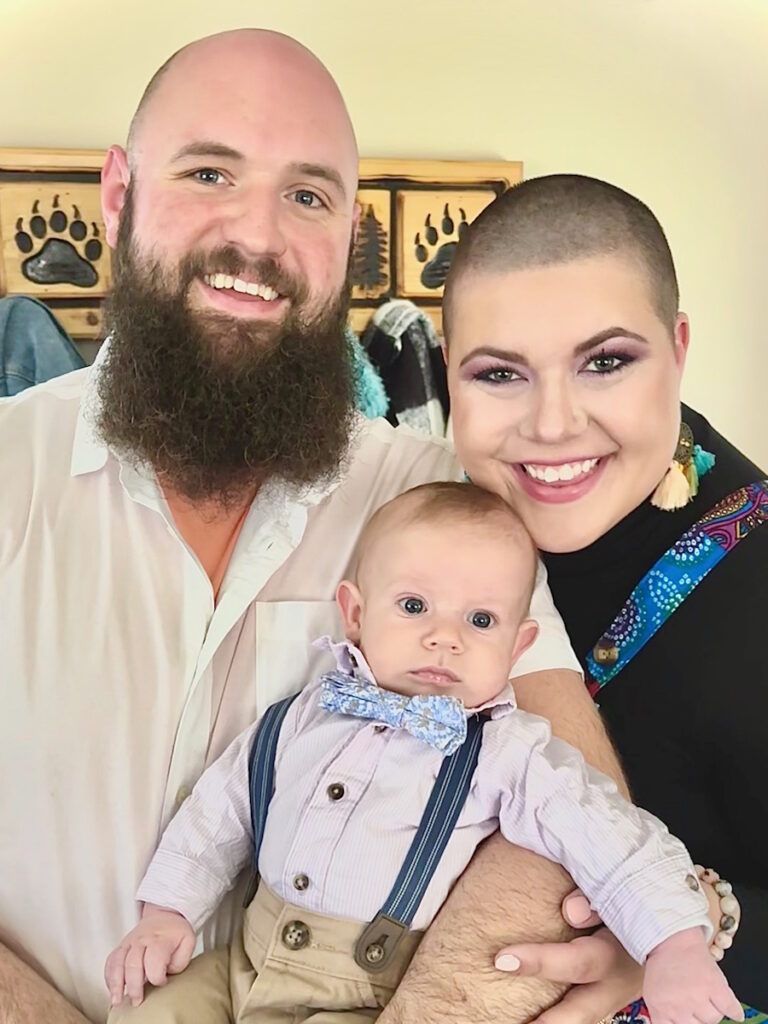
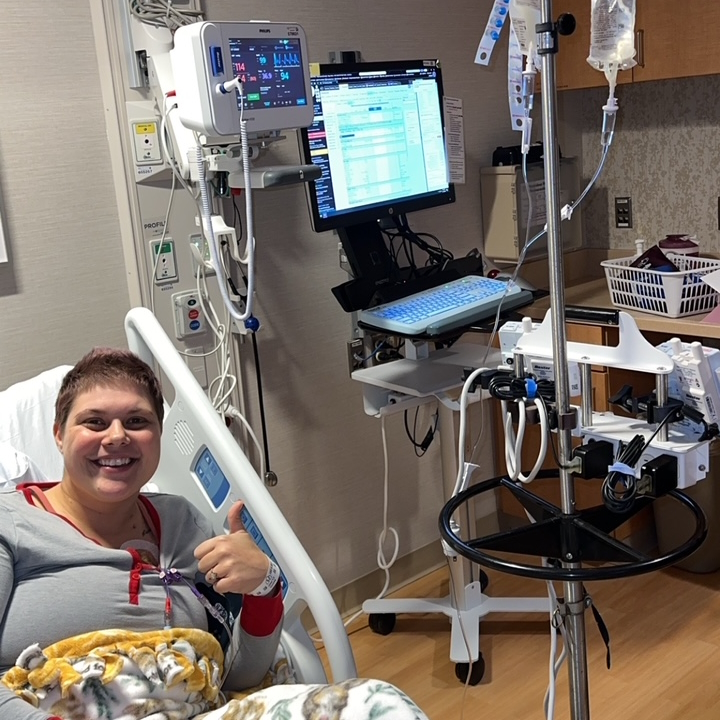
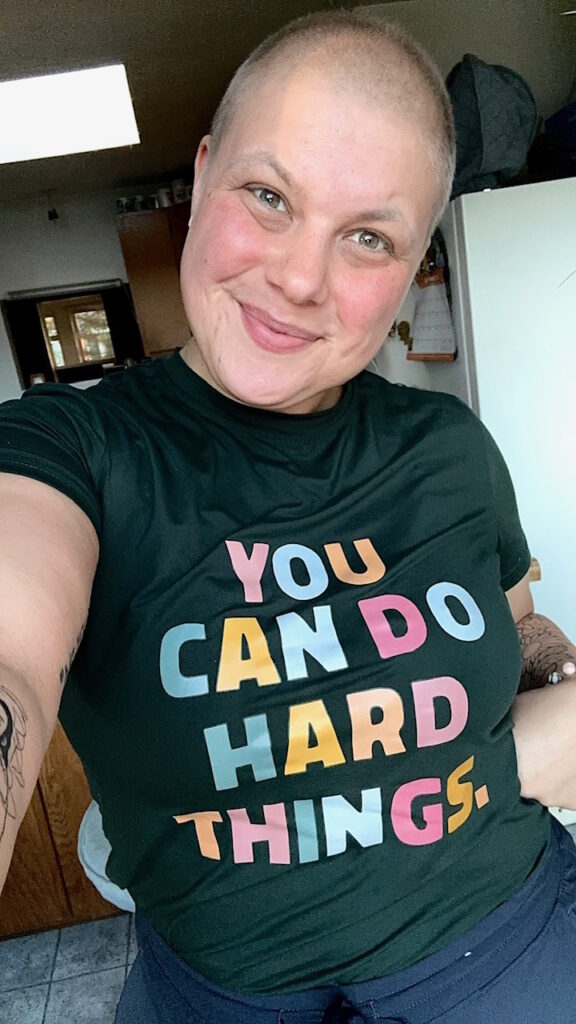
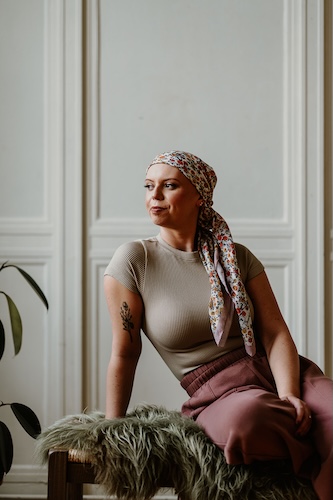
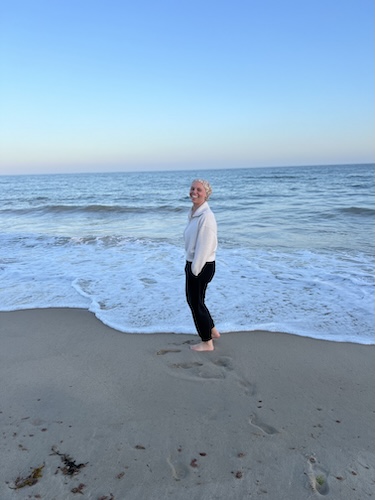
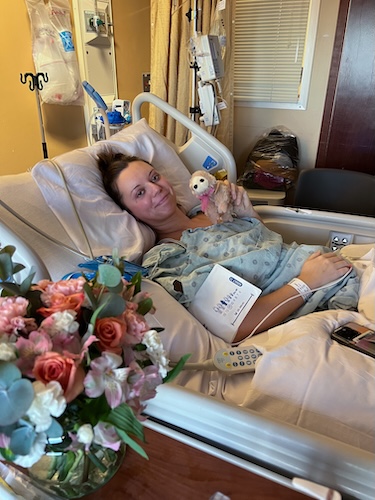
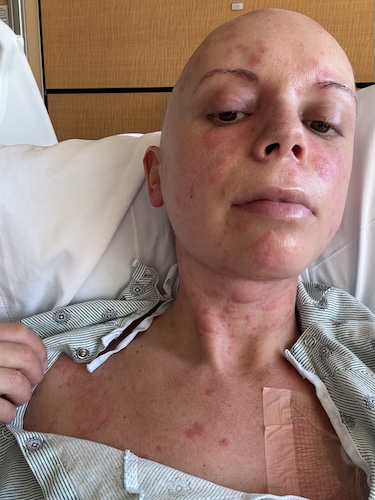
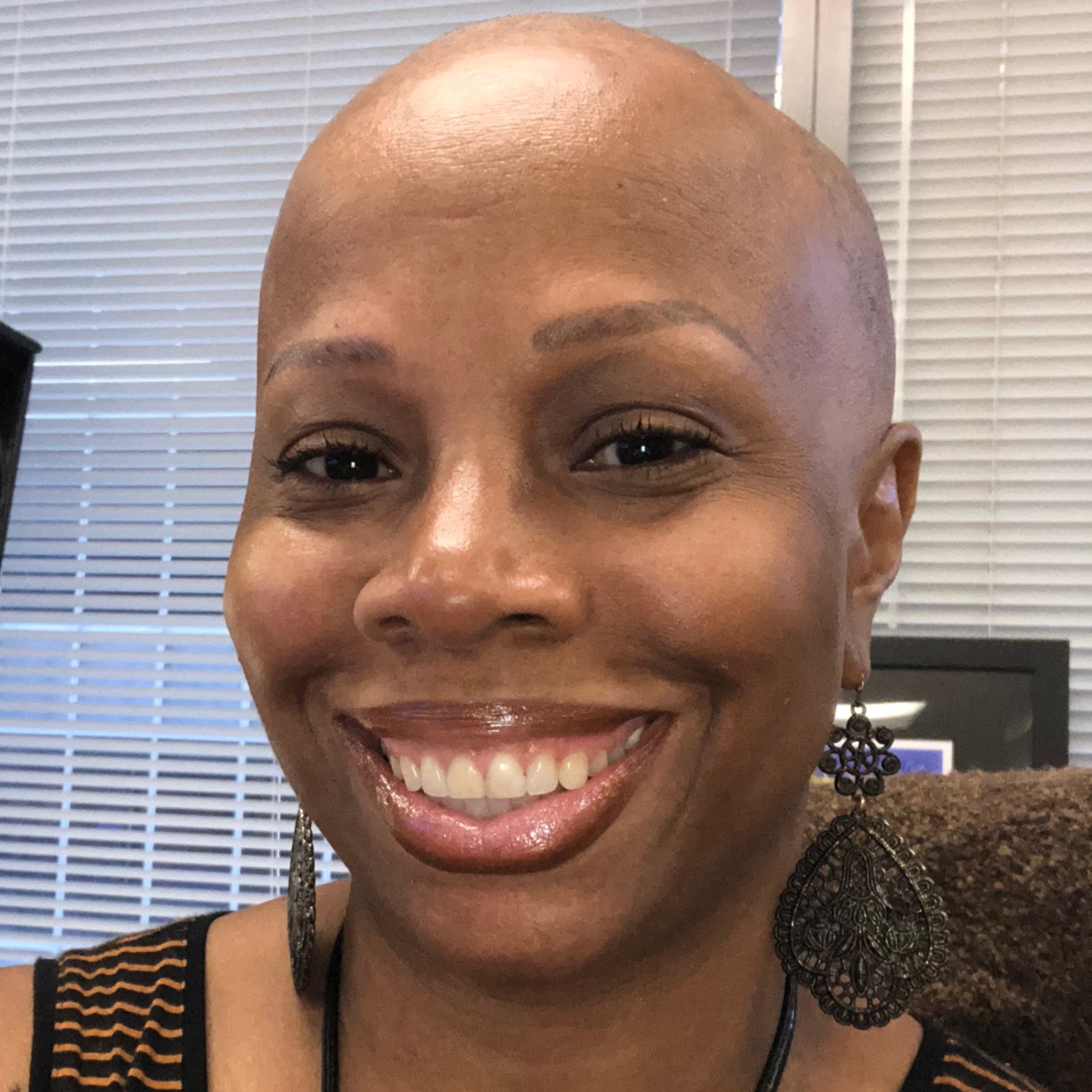
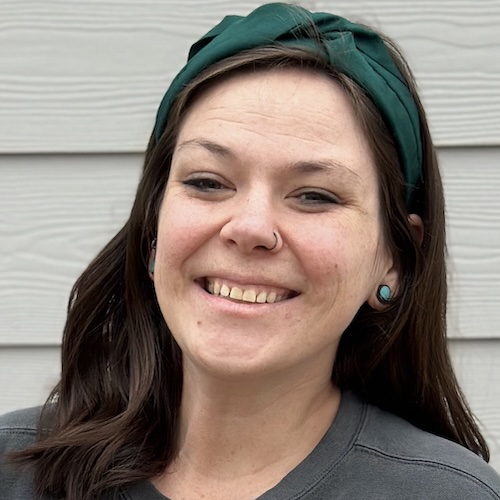
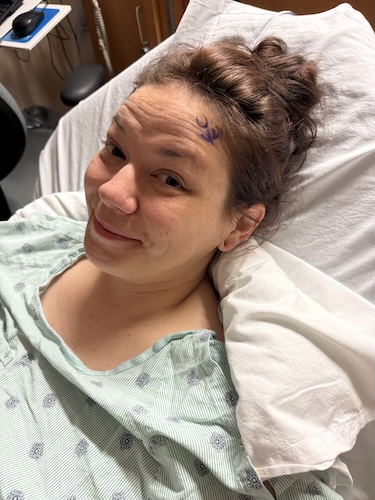
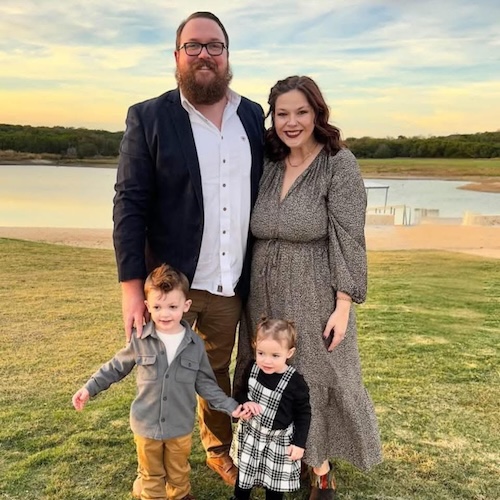
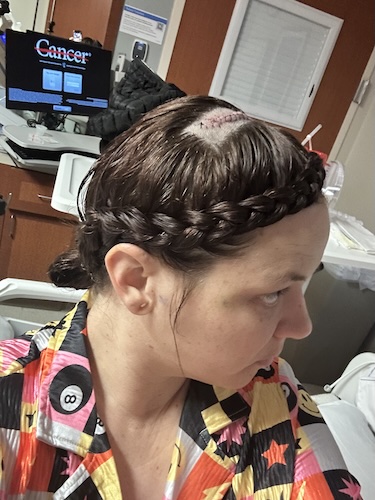
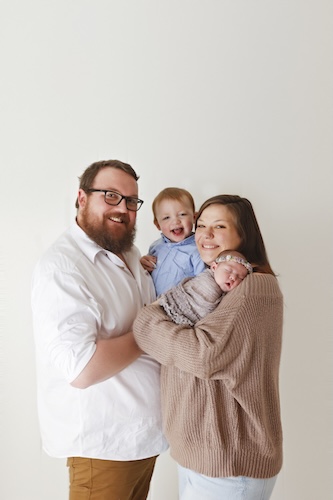
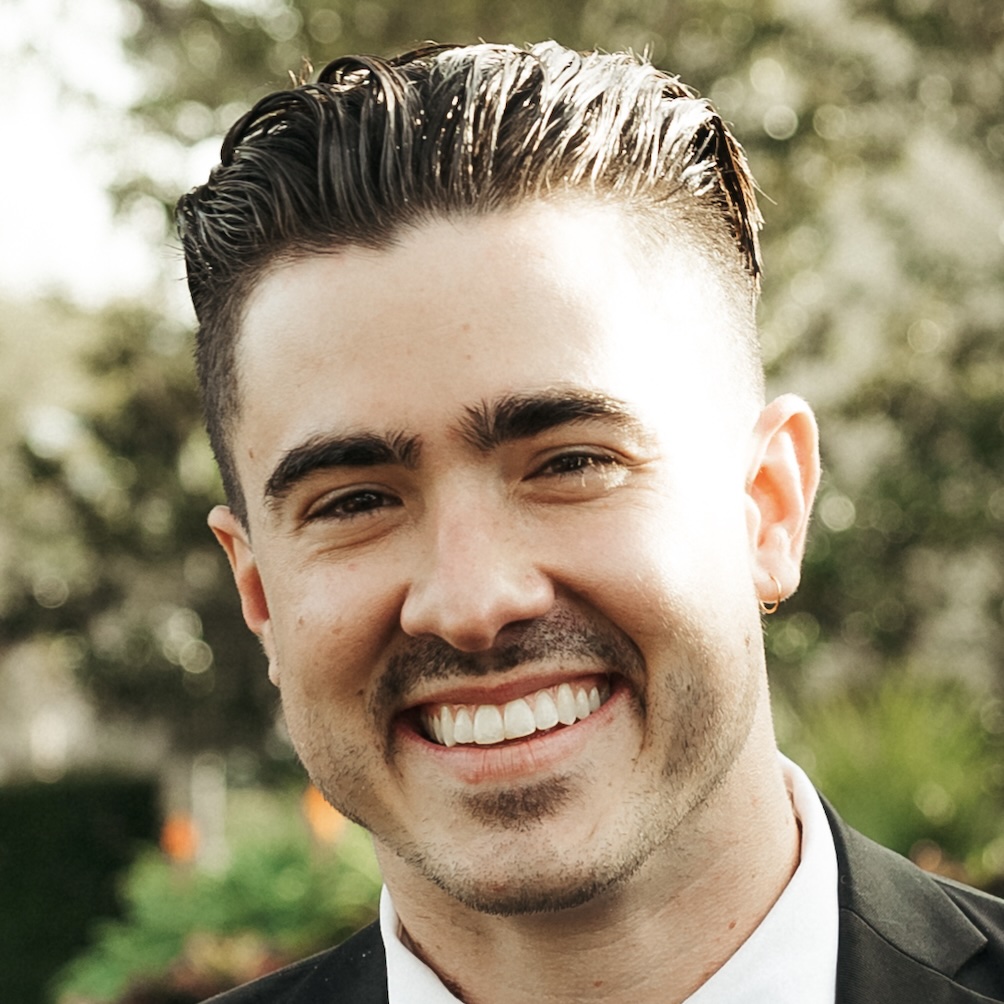
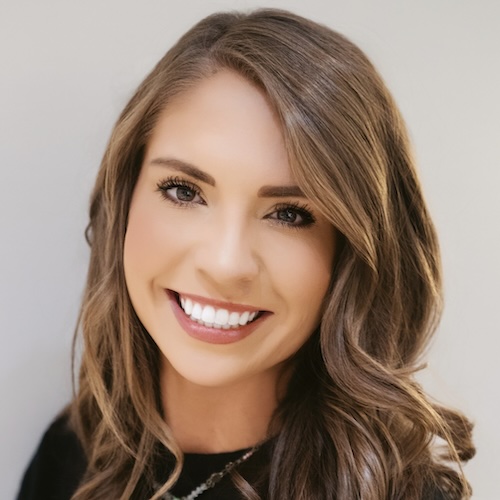
Valerie V. thyroid cancer

Valerie’s treatment was supposed to begin with a thyroid lobectomy, but it escalated to a total thyroidectomy when scans showed that the cancer had spread to her entire thyroid gland. While surgery margins were clear, subsequent bloodwork and imaging soon revealed that it had also spread to various lymph nodes, making further biopsies necessary and ultimately requiring lymphadenectomy and neck dissection surgery. Valerie encountered the possibility of voice loss and the need for radioactive iodine therapy. Side effects were difficult, including loss of taste and fatigue.​

Throughout her experience, Valerie has remained proactive and reflective. She adjusted to the need for lifelong medication, adopted daily routines to ensure consistency, and processed layers of grief from infertility and family loss. She met each setback with gratitude and by focusing on small wins, thanks to her community and the comfort of advocacy. She now manages regular monitoring and medication while emphasizing emotional resilience, acceptance, and the power of patient support. Valerie’s experience offers a powerful lesson: with self-advocacy, support, and inner strength, patients can find meaning and healing even in the face of formidable illness.​

Valerie’s video and the edited transcript of her interview provide key insights and lessons from her experience:

  • Early, persistent symptoms such as bruising and cold intolerance should always prompt a thorough investigation for thyroid cancer and similar conditions
  • Advocacy within healthcare, whether through using medical connections or self-advocacy, can accelerate diagnosis and timely treatment
  • Emotional and family support underpin resilience through the challenges of advanced cancer treatment
  • Lifelong management (such as thyroid hormone suppression therapy) is common after total thyroidectomy and can be a major adjustment
  • Healing is not linear, but finding moments of gratitude and hope is always possible, regardless of circumstance

  • Name: Valerie V.
  • Age at Diagnosis:
    • 29
  • Diagnosis:
    • Thyroid Cancer (Papillary Thyroid Carcinoma)
  • Staging:
    • Stage 4
  • Warning Signs & Symptoms:
    • Bruising
    • Extreme fatigue
    • Cold intolerance
    • Weight loss
  • Treatments:
    • Surgeries: total thyroidectomy, neck dissection, lymphadenectomy
    • Radiation therapy: radioactive iodine therapy
    • Hormone therapy: thyroid hormone suppression therapy
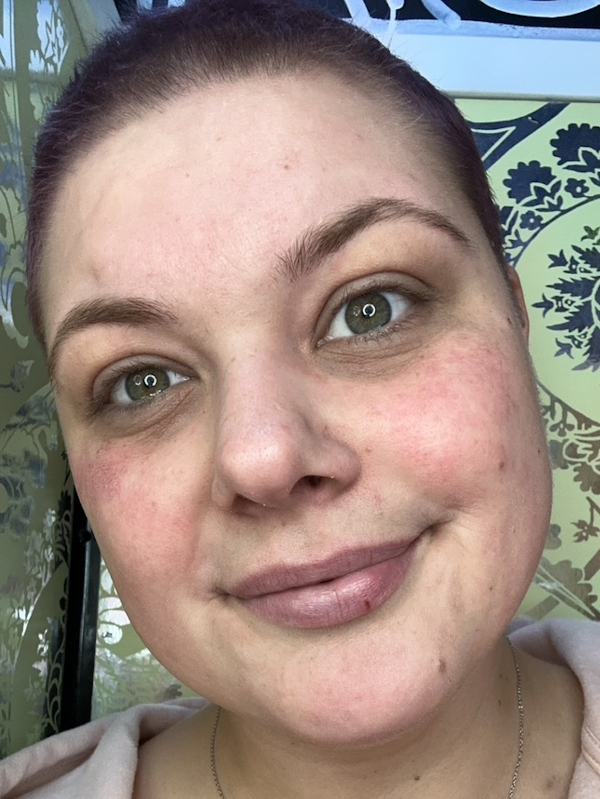
Valerie V. thyroid cancer

This interview has been edited for clarity and length. This is not medical advice. Please consult with your healthcare provider to make informed treatment decisions.

The views and opinions expressed in this interview do not necessarily reflect those of The Patient Story.


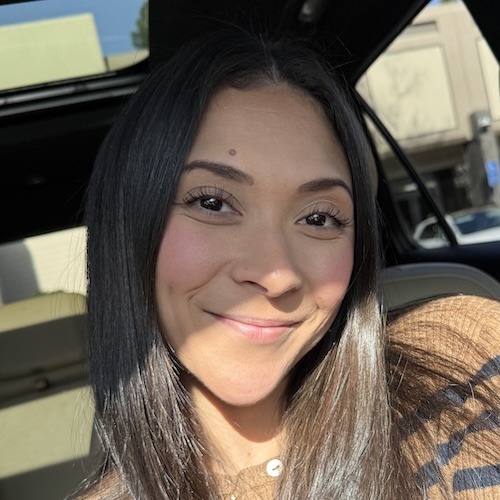
My name is Valerie

I was diagnosed with metastatic papillary carcinoma [thyroid cancer] in January 2025. I’m from Houston, Texas.

Family, nursing, and what matters most to me

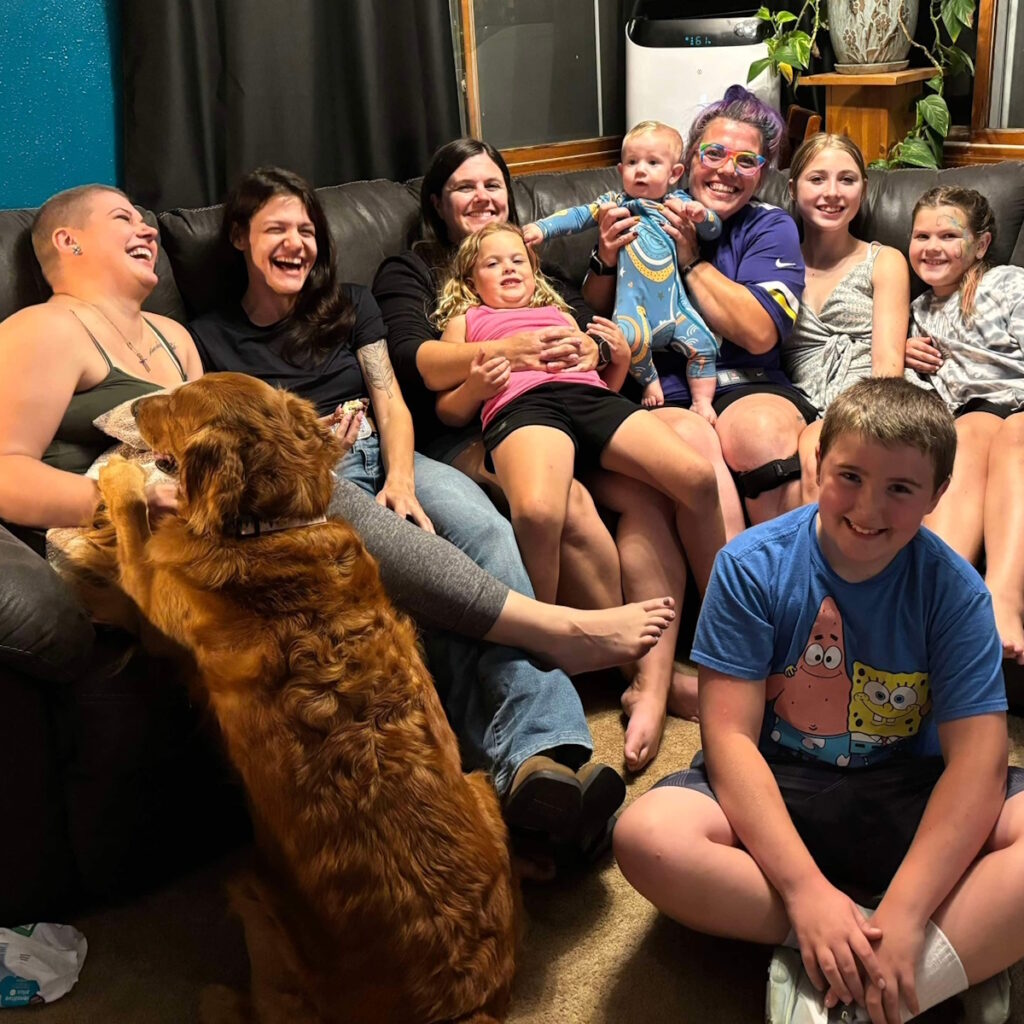
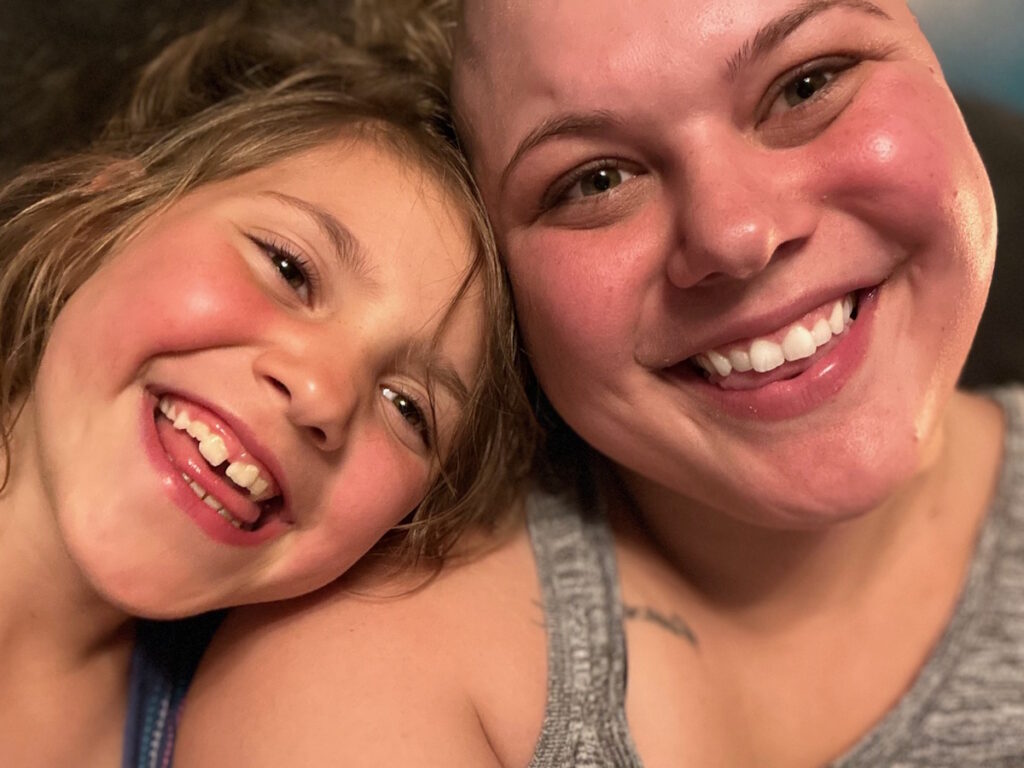
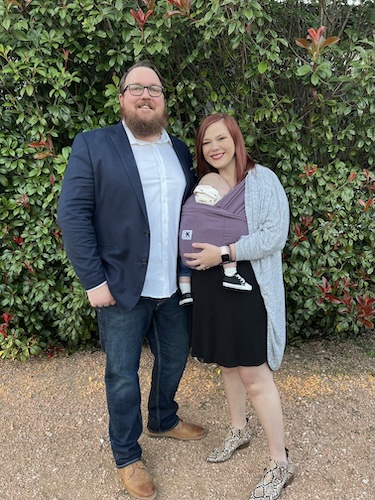
I am a big family person. I adore and I’m obsessed with my little family. But also my siblings and my parents and my in-laws, and the siblings I’ve gained from them. I love doing anything and everything with family. That’s probably what occupies my time most. If I’m not with my family, I’m at work. I am a registered nurse, and I just try to balance that whole nurse life and family life because they are very important to me.

I am probably most passionate about being present for my family and my patients. I love my role as a radiology nurse in interventional radiology and how it lets me support people at really vulnerable moments, but nothing compares to being with my husband and our dogs.

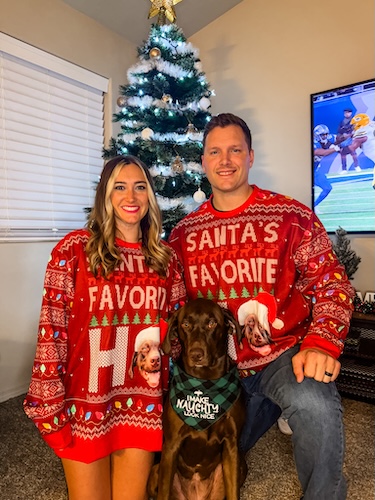
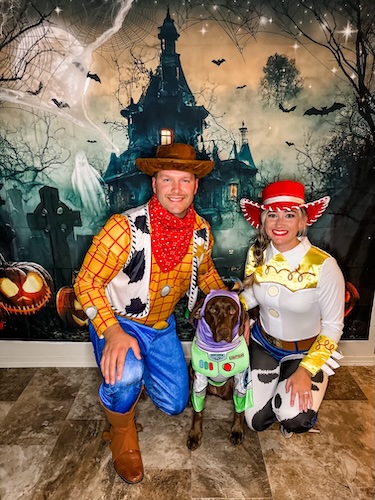
One of my favorite photos is probably a picture with my dogs, or of my dogs, or of my husband and my two dogs. Like I said, I’m obsessed with the little family that we’ve created. I am that person who is like, “These are my four children, these are my two daughters.” People think I’m crazy, or people love it. I don’t care.

My early warning signs

The only symptoms I had that made me suspicious that something was going on in my body started before the official diagnosis. I have had leukemia in the past, and I remember that I was bruising so much. It was so random. I would wake up with so many bruises. I went back into that mindset of, “Oh my gosh, is this leukemia?” It could have been a million things, but leukemia was at the top of my mind.

I went to my doctor because I had been experiencing weight loss. I had lost these 10 pounds that I could not, for the life of me, gain back. When you lose weight, it’s not like every time you’re begging to gain it back, but those 10 pounds were so tricky because I am pretty active. I also had extreme cold intolerance. I would be wearing four layers, with a heating machine at work. I could not control my body temperature.

When I went to the doctor, I initially said, “I think I have leukemia.” We did a leukemia workup, but did not check my thyroid. She came back and said, “No, you’re good.” I thought, okay, maybe this is just weird stuff, and I just have to live with it.

Losing my son, and the car accident that changed everything

Then I got pregnant with my son. He was stillborn. I gave birth to him at the end of December. Two weeks after that, as I was leaving my doctor’s appointment for my clearance postpartum appointment, I got into a car accident.

I work in radiology as a radiology nurse in interventional radiology. A couple of days after the accident, I went to work and told my team, “You guys, my neck is killing me. Something’s going on with my neck. I feel like there’s a lot of pressure.” They said, “Get yourself on the CT. Let’s scan you and do it all. Let’s get the X‑rays and the CT.”

I know I am so fortunate and blessed to be in that position. I know it’s not like that for every patient. Typically, with thyroid cancer, you are advocating to the ends of the earth just for someone to scan you or take you seriously. After I did that CT scan, I went to the radiologist and asked if he had time to look at it really quickly, to see if I had any fractures or whiplash.

The scan revealed something suspicious about my thyroid

He immediately pulled up my scan and said that my thyroid did not look good. I asked, “Can you elaborate on that? What do you mean?” He said, “I think we need to do a biopsy.” I explained that I have a history of Hashimoto’s and that thyroids can look lumpy when you have Hashimoto’s. I asked why he wanted to do a biopsy and what he was seeing.

I will never forget his face. He turned back and said, “I’m not going to alarm you, but I just want to get a biopsy done.” I said, “Okay, great. Let’s do it.” They were so quick. That same day or the next day, I was in the ultrasound room getting the biopsy. It’s never fun to have a needle in your neck around all those important structures.

It took about five days to a week to come back. Those five to seven days, you’re trying to be calm, but you are thinking of everything it could be.

Hearing “You have thyroid cancer” at work

I was at work the day the results came back. The same radiologist who had looked at my scan initially and did the biopsy found me in the middle of the hallway and said, “Hey, when you have a moment, I need you to come into my office.” I think I knew then and there that it wasn’t good news. If it had been good, he probably would have just high‑fived me and handed me my report.

My husband was out of town for work. I went into the radiologist’s office. He had my scans up and the pathologist on the phone. He said, “Val, I think you should call your husband.” I said, “No, just tell me. I don’t like what’s happening. Just tell me what’s going on.”

The radiologist told me it came back positive: I had cancer. He explained that there is almost a scoring level for how malignant or dangerous it can be, and mine was the most malignant possibility. With papillary carcinoma, it’s pretty common to have a gene mutation that makes it spread faster or have the potential to spread faster. He held my hand and stayed with me. I am so grateful for the medical team that has been with me on this journey.

The pathologist explained that people can live with papillary carcinoma for years before it becomes a problem, but with the mutation I have, it has the potential to spread and metastasize to my lymph nodes. I asked if I needed to get it removed, and he said he would not wait any longer than a month to remove it. I said, “Okay, great. Let me call my husband.”

My adrenaline was rushing. I was focused on action: getting on the schedule with the surgeon, getting recommendations, and doing any scans I needed. It wasn’t until later, after talking to the doctors, that it truly hit.

Telling my husband: “There’s no good kind of cancer.”

I called my husband and said, “Babe, I have thyroid cancer.” At the time, life felt really heavy. We had just lost our son. My husband was working out of state. And then you hear the C‑word. No matter what kind of cancer, even thyroid cancer, which is considered a “good kind” of cancer, there is no good kind of cancer.

Making that call to my husband, telling him, “Honey, I have cancer, thyroid cancer, and they said I shouldn’t wait longer than a month to get it out,” was heartbreaking. He flew home immediately and was on a red‑eye about three and a half hours later just to be with me. My family also supported us, and I am very thankful for that.

From there, I got more scans to check for lymph node involvement. I had another CT scan with contrast to better visualize my thyroid. I met with a general ENT surgeon in the area who was very reassuring.

My surgery plan changed overnight from a half- to a total thyroidectomy

At first, scans showed cancer only on the left side of my thyroid. The surgeon said we would just remove one side, so I wouldn’t have to go on levothyroxine every day. That sounded amazing. I know how much the thyroid does for every aspect of your body, so I wanted to preserve whatever we could.

About two to two and a half weeks passed after the diagnosis, meeting with the surgeon, and getting scheduled. The night before surgery, my surgeon called and said he needed me to get one more scan. I told him I had already had two scans in the last two and a half weeks. He insisted.

The stat scan that night showed the cancer had actually spread completely onto the right side of my thyroid and was covering my thyroid. I remember thinking, “That’s so crazy.” The plan changed from a half-thyroidectomy to a full, total thyroidectomy.

He reassured me they would get it out, but I would have to be on medication for the rest of my life. No one wants to be on medication forever, and I wasn’t looking forward to it, but surgery went great. 

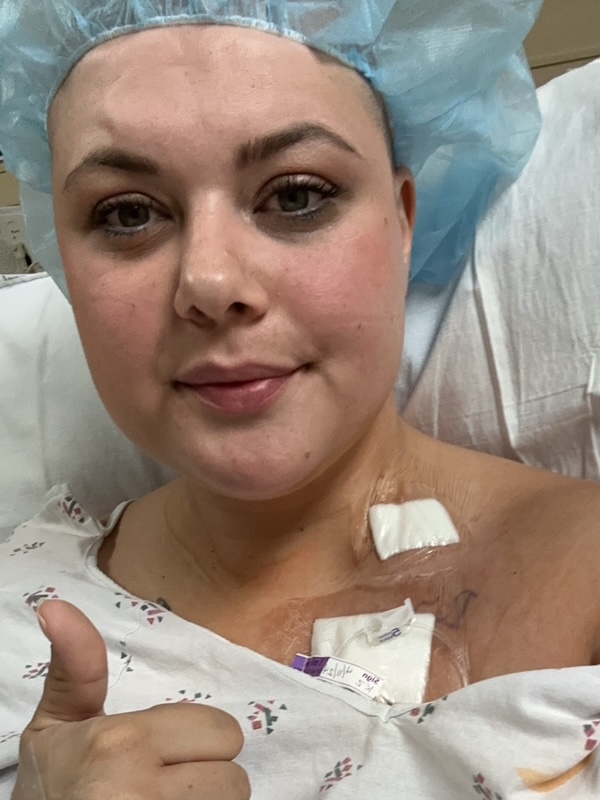
My margins looked good. It was a very successful surgery, and I healed well.

“You’re cancer‑free” — and then a shocking recurrence

After surgery, I was referred to my first endocrinologist. I followed up three weeks after my total thyroidectomy and did blood work. She told me my cancer marker, thyroglobulin, was undetectable. She wanted to keep me in suppression. She said I would be considered in remission for thyroid cancer after three years, though my most recent endocrinologist later told me five years.

I asked, “If it’s undetectable, are you saying the cancer is gone?” She said, “Yeah, Val, you’re cancer‑free.” I was ecstatic. I thought, “This is the end of it.” Even though it was annoying to deal with, it felt like a short cancer journey that I could handle. We celebrated with my family.

Then that endocrinologist moved out of state, and I had to find another one. I hadn’t even met the new endocrinologist yet. He was brand new to the area and had just opened his practice. Around that time, I started feeling like something was pushing against my throat. I couldn’t swallow well. My thyroid pill is so tiny, but I was starting to choke on food and on thicker liquids like smoothies. I told myself it would go away.

At my first appointment with the new endocrinologist, I don’t think he even asked my name. He said, “Sit on the table. We’re going to do another ultrasound.” We laugh about it now because I told him later, “Did you realize you didn’t even ask my name?” He said he had business to take care of and needed to check things.

He pressed so hard with the ultrasound probe and then said, “This is not good.” I responded, “What do you mean? Hi, my name is Val. Can you tell me your name before you tell me this is not good?” He looked at his medical assistant and asked for a fine needle aspiration kit. He said we needed to do a biopsy.

I felt whiplash. I had already celebrated and accepted being cancer‑free. I asked him to explain what was going on. He finally told me I had suspicious lymph nodes and needed to check if the cancer had spread. I said, “No, I don’t have cancer. I was told I don’t have it anymore.”

He said it was up to me if I wanted to do the biopsy, but I had a really big lymph node right up against my vocal nerve. He said, “If anything, let me biopsy that one. That’s probably why you feel such pressure there.” I agreed.

I called my husband, and he didn’t believe me at first. He thought I was joking because my bloodwork had come back negative, and we were told I was in the clear. The biopsy was expedited and came back in about three days.

I was getting false negatives from my thyroglobulin, and it happened twice. He ended up doing about three biopsies. They all came back positive for papillary carcinoma. I asked what I needed to do, and he said I needed those lymph nodes removed with a neck dissection.

“I don’t think anyone will touch you”: I had risky lymph node surgery

I did another CT scan to see how many lymph nodes were involved. I called my original surgeon after he read the CT. He told me, “Val, I can’t even touch you.” I had lymph nodes in my chest, some on my vocal nerve, on my carotid artery, and on my aortic arch. He said the surgery was so risky he didn’t think anyone would touch me.

I remember feeling intense anger. I am not usually an angry person, but I felt like, “You told me my margins were good. You told me there were no lymph nodes. How did we miss this?” The lymph nodes were large, and my endocrinologist said, “You’ve had this the whole time.”

After I calmed down, I reminded myself that I work with some of the greatest radiologists. It may have been at such a cellular level that it didn’t appear earlier, and because of my mutation, it grew very fast. The confusing part was the false-negative thyroglobulin results.

I asked my original surgeon who I should go to. He recommended a second surgeon, Dr. Jason Diaz, an oncologic ENT who studied at Huntsman Cancer Institute. This is his specialty — anything around the neck; it’s his bread and butter.

When I called his office, they said his next available appointment was in six months. I thought, “Great, I’ll just let it fester in my body.” I didn’t trust anyone else. My husband told me I couldn’t wait six months. We called back and asked for a cancellation list. Forty‑eight hours later, they called and said he had an opening on Monday. I said yes immediately.

I went with all my paperwork, scans, and reports. He was so detail‑oriented. Surgeons aren’t always the warmest personalities, but I appreciated his honesty. He said, “Listen, I’m going to take such good care of you, but this is what’s going to happen.”

He told me the chances of my ever talking again were probably slim to none if he had to remove the lymph nodes around my vocal nerves because it would damage the nerve. He also said he was debating whether to touch the lymph nodes near my carotid and aortic arch. They were millimeters away. He said the risk of my not making it out of surgery was too high to remove those. I respected that honesty. I told him to tell me what I needed to do, and I would do it.

He showed me an implant he might place to help my vocal cord so I could talk somewhat, but I would never sound the same or be able to sing. Going into surgery, I knew I might still have cancerous lymph nodes left that could continue to spread. He explained the chances of metastasis to my lungs or bones would be higher.

In my mind, I kept hearing people say thyroid cancer is an “easy cancer,” yet I was sitting in a room being told I might lose my voice or not make it out of surgery. Everyone says it’s an easy cancer, yet I’m sitting in this room, potentially losing my voice and potentially not even making it out.

My high-risk neck dissection surgery and radioactive iodine

When I had the surgery, it went better than expected. He was very successful in getting all of the lymph nodes, even the ones in my chest. Later, he told me I had basically been positioned upside down, with my head tilted back 180 degrees, which helped lift those lymph nodes so he could reach them. He came out of surgery so happy and said, “I did it. I got all of them.”

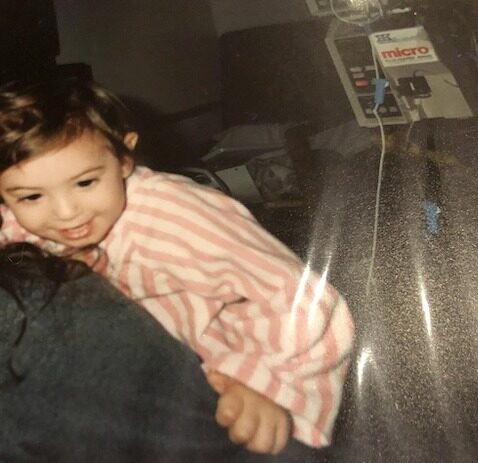
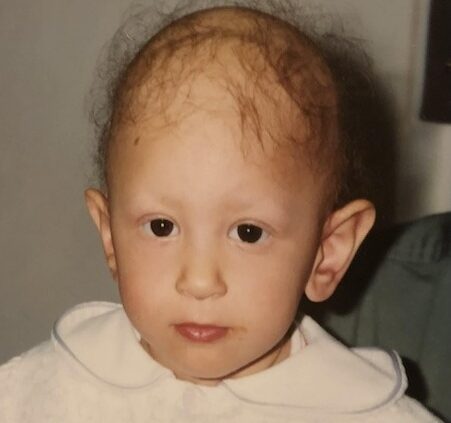
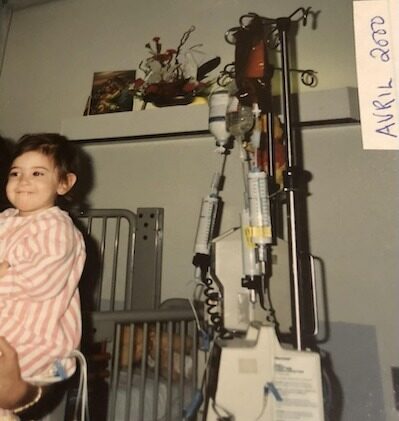
Because it had already spread to my lymph nodes, I needed radioactive iodine. From my second surgery, which I am incredibly grateful also went well, to radioactive iodine, it has been a lot. My mom always joked because even when I had leukemia as a kid, every time they listed the “less than 1%” side effects, I would get them.

For radioactive iodine, I had to do Thyrogen injections. I got blurred vision and called my endocrinologist, saying, “I think I’m going blind.” My peripheral vision was completely blurred. He said it happens to less than 2% of people. My mom was right again. I had extreme nausea, bone‑deep fatigue from going from high suppression to being stimulated, and a sore throat and fever the first time. The second injection went a bit better because I was prepared with my Zofran ready to go.

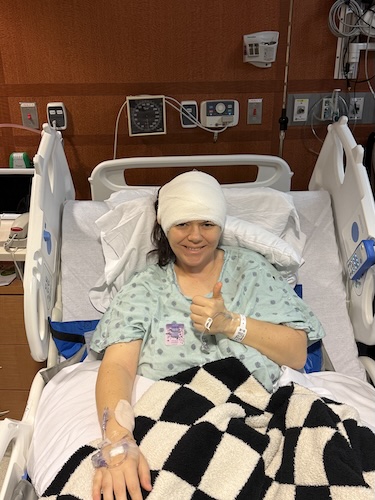
Then I went in for the radioactive iodine and was put in isolation for a week. I had neck swelling, jaw pain where I thought my teeth would fall out, runny eyes, and a choking sensation from inflammation. I couldn’t taste good food, so I joked that I was on the salad and kale diet until my taste came back.

My PET scan results: “As of now, you’re cancer-free.”

I did a full‑body PET scan. The big concern was that the cancer might spread to my lungs or bones. I opened the results on my phone after a workout class, sweaty and not feeling my best. It said there was no indication that the cancer had moved and no indication of active cancer in the lymph nodes.

I read it to my husband, and he asked, “Does that mean it worked? Does that mean your cancer is gone?” I still didn’t quite trust it yet. A few days later, I met with my endocrinologist. She said that, as of now, I am cancer‑free, but we would continue checking every three months because recurrence with thyroid cancer is fairly common. You can never remove every single piece of thyroid tissue from the body.

My TSH or thyroid-stimulating hormone had stopped responding to the previous dose, so she increased my levothyroxine to keep me in a suppressed, hyperthyroid state as long as I can tolerate it. The side effects of being hyperthyroid are real, but if it means avoiding another surgery or radiation, I would choose the side effects most days.

My daily life after treatment: scars, pills, and small routines

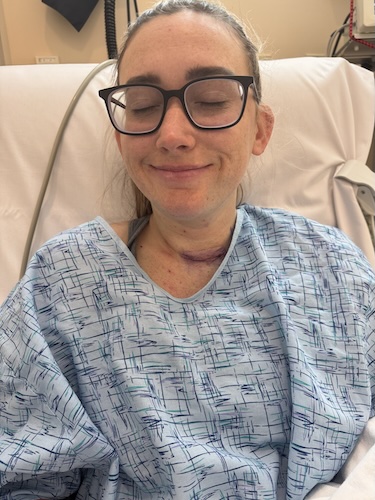
The plan now is to keep me in suppression and monitor me closely every three months. In the meantime, I am rocking my scar and dealing with everything that comes with remembering to take a pill every day before eating. That is honestly one of the worst parts.

I am not a 5:00 a.m. person, but I try to get into routines. I joke that there is one reason I’m grateful I don’t have to take birth control, because remembering a pill at the same time every day is hard. But with thyroid cancer, you’re told, “You’re going to have to take a pill for the rest of your life anyway.”

My thyroid regulates so many vitamin levels that I now have a full regimen. I have a little pill container I refill every Sunday night, like I’m 80 years old. There’s nothing wrong with 80‑year‑olds and pill containers, but it’s not what I pictured as a 30‑year‑old. It’s been a wild ride.

The emotional toll on my parents and the burden of being a survivor

Navigating this again with my family has been complicated. With my first surgery, the total thyroidectomy, I barely shared anything with my parents. The way I felt scared, I knew my mom would feel it times a thousand. She’s just a mom. The doctors were so confident that I downplayed it.

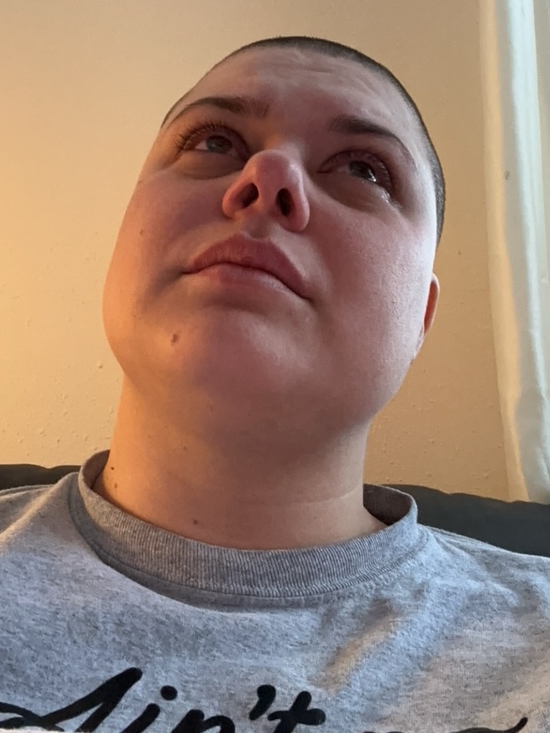
When the cancer came back and I was told I needed another surgery in very risky locations, I broke down like a kid again and just wanted my mom. I called her at midnight, 1:00 a.m. her time in Houston. The phone barely rang before she answered.

We were FaceTiming, and I said, “Promise not to freak out.” She said, “I’m already freaking out, so go ahead and tell me.” I told her, “Mom, it came back, and the risks are a lot higher.” I was so beaten down and exhausted after everything this year that I reverted to being her little girl who needed her mom.

My parents flew out the following week, arriving the day before my surgery. I had tried to keep it from her, but eventually I said, “Listen, I’m having surgery again on this day,” and she said, “Okay, we’ll show up on Sunday.”

When I saw her at the airport, she broke down and cried, and we cried together. I kept saying, “I’m sorry.” There is a guilt you feel as a cancer survivor: the burden you put on your family.

My mom reminded me to stop apologizing. She was grateful I let her in. She said her reaction is her own and that I should know she loves me, is worried for me, and believes I’ll get through this. Seeing her and remembering how terrifying it was when I had leukemia as a child brought all those emotions back.

Grieving our son, infertility, and being forced to wait

On top of cancer, my husband and I have been dealing with infertility, partly from my history with leukemia, and then losing our son. Earlier this year, there were times when I physically could not get out of bed. We hadn’t fully processed his loss because two weeks after his stillbirth, I was thrown into this cancer fight.

We recently talked about how we have to wait a full year before trying to get pregnant again. He said, “Let’s use this year to honor him and think about how beautiful life really is. Let’s find different ways to honor him.”

Strangely, we are grateful for having to wait a year. We want to fill it with ways to honor our son, to find joy even when it hurts. We also have another chance to try to be healthy, and we have each other. I’m very aware that not everyone has a supportive spouse, so I don’t take that for granted.

We hope to use this next year to learn how to breathe again and find our new normal; still getting scans and bloodwork every three months, hoping we don’t need more surgery… but truly trying to heal.

What survivorship means to me now

Survivorship, to me, is choosing every day to see life as a gift, even when it doesn’t feel like one. After hitting five‑year remission from childhood leukemia, I used to tell myself that everything is a gift — trials, heartache, and joy. You have to continuously choose to see the lighter days and take every emotion as it is. Where there is a lot of heartache, there is also a lot of joy and love.

Somewhere in my 20s, I think I lost some of that perspective. I got more inward, more focused on my own world, letting weeks go by without talking to family or friends. After dealing with infertility, losing our son, and then a second round of cancer, that earlier sense that “everything is a gift” has been reignited.

Now survivorship looks like using my time intentionally: showing gratitude, loving the people in my circle, and serving where I can. It means accepting that there will be scans every three months, side effects from being in a hyperthyroid state, and days when the emotions are heavy and I can’t pull myself out of a sad moment. But it also means celebrating tiny wins.

My message to others living with cancer

If someone came to the end of my story and I had one piece of advice or one message to leave with people, it would be this: find the happiness and gratitude in the small things. 

Life can be full of a lot of unfairness, but there is good out there. Keep going, even when it’s hard.


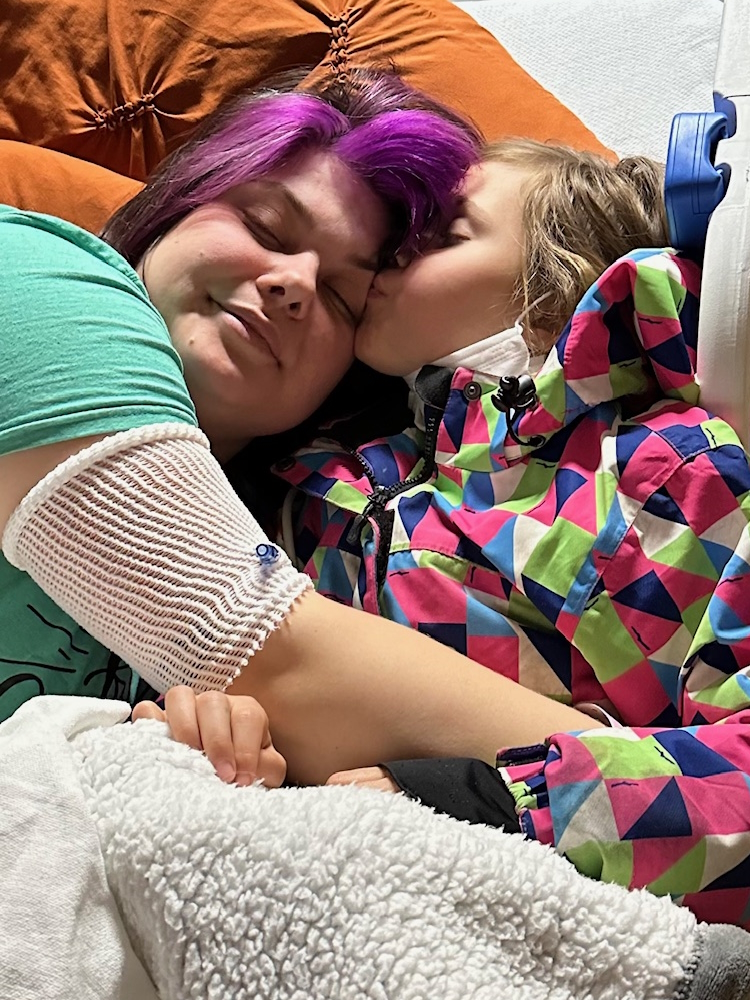
Valerie V. thyroid cancer
Thank you for sharing your story, Valerie!

Inspired by Valerie's story?

Share your story, too!


More Thyroid Cancer Stories

Alyse V. thyroid cancer

Alyse V., Thyroid Cancer (Papillary Thyroid Carcinoma, Tall Cell Variant, Metastatic)


Symptoms: None per se, lump discovered during thyroid examination

Treatments: Surgeries (neck dissection, lymphadenectomy), integrative therapies
...
Valerie V. thyroid cancer

Valerie V., Thyroid Cancer (Papillary Thyroid Carcinoma), Stage 4 (Metastatic)


Warning Signs: Bruising, extreme fatigue, cold intolerance, weight loss

Treatments: Surgeries (total thyroidectomy, neck dissection, lymphadenectomy), radiation therapy (radioactive iodine therapy), hormone therapy (thyroid hormone suppression therapy)
...
Jannette J. thyroid cancer

Jannette J., Thyroid Cancer & Chronic Myeloid Leukemia


Symptoms: (thyroid cancer) recurring sore throat, worsening throat pain, difficulty swallowing, swelling in the neck; (chronic myeloid leukemia) fatigue, nausea, vomiting, blood with bowel movements
Treatments: Surgery (thyroidectomy), radiation, chemotherapy
...
Michelle L. papillary thyroid cancer

Michelle L., Papillary Thyroid Cancer, Stage 1


Symptoms: Hormone imbalances, mood swings, depression & anxiety, unexplained weight changes, chronic digestive issues, weakened immune system, painful/irregular periods, insomnia, fatigue and low energy, lump in the neck, difficulty singing/voice changes, shortness of breath, physical weakness, arm pain
Treatments: Surgeries (lymphadenectomy, total thyroidectomy, partial right neck dissection), radioactive iodine therapy, ethanol ablation
...

Categories
CAR T-Cell Therapy Chemotherapy Diffuse Large B-Cell (DLBCL) Metastatic Non-Hodgkin Lymphoma Patient Stories Radiation Therapy Treatments

Non-Hodgkin Lymphoma at 29: How Ashley Navigated Motherhood and DLBCL

Non-Hodgkin Lymphoma at 29: How Ashley Navigated Motherhood and DLBCL

Ashley’s experience with diffuse large B-cell lymphoma (DLBCL), a type of non-Hodgkin lymphoma, began during a period that should have been filled with new beginnings and joy – the arrival of a new baby into her life. Instead, Ashley, now a mother of three, confronted a growing list of symptoms shortly after her pregnancy when dizziness, cardiac complications, and difficulties breastfeeding all led up to an unexpected, and life-altering cancer diagnosis.

Interviewed by: Keshia Rice
Edited by: Katrina Villareal

Being diagnosed with DLBCL weeks before her 30th birthday set Ashley apart from the typical patient profile, as most individuals face this diagnosis later in life. Her youth contributed to challenges in being heard by her medical team, intensifying her frustration as treatments like chemotherapy caused debilitating side effects. Emotional struggles compounded Ashley’s physical battles: fear of leaving her children, grief over lost moments with her newborn, and the continual responsibilities of motherhood that do not pause for illness.

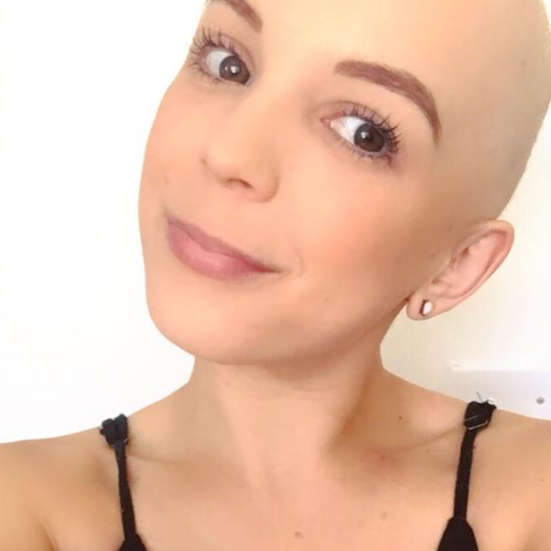
Ashley P. stage 4 DLBCL

Despite assurances from leading cancer doctors regarding advances in treatment options, Ashley’s cancer responded poorly to initial therapy, necessitating additional interventions, including CAR T-cell therapy, which required extended separation from her family. The transition from hope to uncertainty was difficult, but new developments with bispecific antibodies and ongoing research provide Ashley and other patients reasons to hold onto hope for recovery and better outcomes even amid refractory disease.

Ashley’s experience is marked by transformation, not just physically but emotionally and spiritually. She learned to lean on her family and faith for support, grappled with feelings of guilt and anger, and emerged with the conviction to advocate for herself and encourage others to trust their intuition. Her story is a testament to the unseen emotional dialogue cancer patients navigate, and to the importance of self-advocacy, community, and accessible innovations in cancer care.

Key Story Takeaways:

  • Trust and advocate for your own body; patients know their symptoms best and should persist until they are heard.
  • Emotional struggles, like fear, guilt, and anger, are often invisible but just as challenging as the physical aspects of disease.
  • Family support and faith provided critical anchors for Ashley, helping her endure even the most difficult days.
  • DLBCL can affect patients of any age, and younger individuals may face unique challenges in being taken seriously by the medical team.
  • New therapies, including CAR T-cell therapy and bispecific antibodies, offer hope even in refractory cases.
  • Advocacy and self-acceptance are vital; patients experiencing life-altering conditions deserve compassionate care and respect for their experience.

  • Name: Ashley P.
  • Age at Diagnosis:
    • 29
  • Diagnosis:
    • Diffuse Large B-Cell Lymphoma (DLBCL)
  • Staging:
    • Stage 4
  • Symptoms:
    • Feeling like holding breath when bending down or picking up objects from the floor
    • Waking abruptly at night, feeling “off”
    • One episode of fainting (syncope)
    • Presence of a large mass in the breast
  • Treatments:
    • Chemotherapy
    • Bridge therapy of chemotherapy and radiation
    • CAR T-cell therapy
Ashley P. stage 4 DLBCL

Genmab-AbbVie logo

Thank you to Genmab and AbbVie for their support of our independent patient education program. The Patient Story retains full editorial control over all content.

This interview has been edited for clarity and length. This is not medical advice. Please consult with your healthcare provider to make informed treatment decisions.

The views and opinions expressed in this interview do not necessarily reflect those of The Patient Story.


I didn’t realize how big the lump was. It was literally the size of a baseball. But it didn’t raise any red flags.

Ashley P., Stage 4 DLBCL Patient

Facing the Unexpected: Early Signs and Diagnosis

Ashley P.: I’m not afraid to die by any means. I would say I fear leaving my children and leaving them without a mom.

What should have been one of the happiest times in her life became filled with worry when Ashley was diagnosed with a cancer she hadn’t heard of before: non-Hodgkin lymphoma, specifically diffuse large B-cell lymphoma or DLBCL.

Ashley: I started having symptoms while I was pregnant. I had our baby in December 2023 and at the end of my pregnancy, I was having a lot of complications with my heart rate. In February 2024, I started to feel super lightheaded, as if I was hanging upside down for a very long time. It reached a point where I was getting concerned about being alone with the baby. I felt like I was going to pass out. What if I’m holding him and something happens?

Ashley P. stage 4 DLBCL

Dizziness wasn’t her only concern. Ashley also started to have trouble breastfeeding. A trip to see her midwife helped lead to the diagnosis.

Ashley: I went to nurse him one day and I couldn’t extend my nipple. It was completely caved in. I tried everything to get it unclogged, like hot showers and massages, but they didn’t work, so I reached out to my midwife.

I didn’t realize how big the lump was. It was literally the size of a baseball. But it didn’t raise any red flags. When I saw my midwife, she looked at it and said, “Ashley, this is very, very large. You need to go to the breast cancer center,” which was wild to me.

I went in and they did biopsies on both breasts and the lymph nodes in my armpits, and that’s how I found out.

We have more FDA-approved medicines for lymphoma than for any other cancer… It’s awesome because it means we have more options for patients

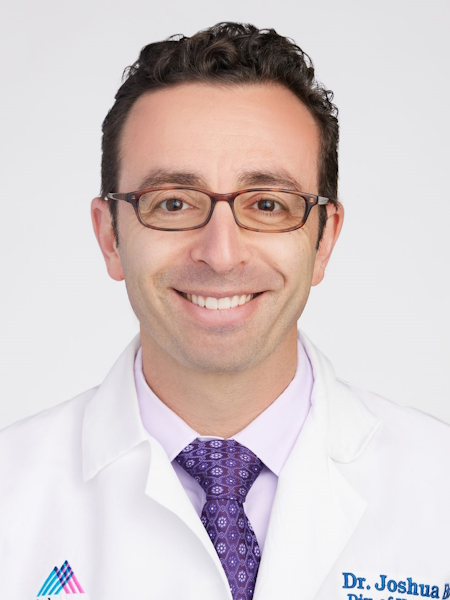
Dr. Joshua Brody, Hematologist-Oncologist

A Young Mother and a Rare Diagnosis

The average age for a DLBCL diagnosis is in the mid- to late-60s. Ashley says being diagnosed at a much younger age made the treatment process even more frustrating.

Ashley: I found out I had cancer literally two weeks before my 30th birthday. They said that I was so young and that everybody they usually see with this cancer is in their late 70s. They told me that it was going to be an absolute breeze.

I had a very hard time being heard because I was so young. Chemotherapy rocked my world. I was extremely sick. I barely had time to recover between rounds. I kept telling my oncologist that I was so sick and miserable, and the response that I kept getting was, “You’re young. You shouldn’t be.”

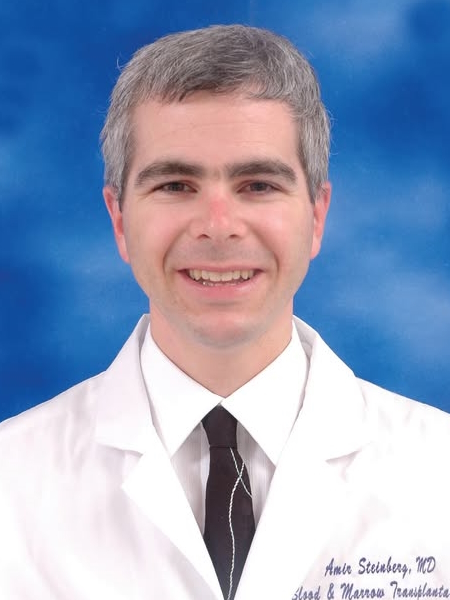
DLBCL can be a devastating diagnosis. But top cancer doctors, Dr. Amir Steinberg from Westchester Medical Center and Dr. Joshua Brody from Mount Sinai, want people to know that there’s a lot of hope. Watch their discussion.

Ashley P. stage 4 DLBCL
Dr. Joshua Brody

Dr. Joshua Brody: We’re very lucky because, even though lymphoma is technically the fifth most common cancer in America, we have more FDA-approved medicines for lymphoma than for any other cancer, even more than for breast cancer, which is so incredibly common. It’s awesome because it means we have more options for patients

Dr. Amir Steinberg: There’s so much that’s changed in the last 20 to 30 years, most especially in the last five years. Things are changing for the better so rapidly for patients. As doctors, we have so much to catch up on and stay up on in terms of the knowledge out there, but it’s totally worth it because it will make patients’ lives better and more fulfilling.

Despite assurances from doctors, treatment was daunting.

Ashley: I don’t think people understand that you can see all the physical changes. You can see the hair loss, the bloating, the puking, and even the literal color draining from their face. But you cannot see their inner dialogue. You can’t see them fighting for their lives. You can’t see the anger or the conversations with God about why. Questions of, “Did I do something wrong to deserve this?”

The world doesn’t stop… You still have to show up and be a mom and a wife… and that is such a hard challenge.

Ashley P., Stage 4 DLBCL Patient

The Unseen Struggle: Emotions Behind the Experience

As a mom of three, Ashley dealt with mixed emotions of guilt, stress, and sadness over the experiences she lost.

Ashley: I honestly think I got robbed of the joy. He’s my last baby and I had this huge goal of nursing. It was easy with him. I had all these plans, but I was in so much pain from my cancer.

Then I have a nine-year-old and an almost five-year-old, so it was difficult juggling that and trying to figure out the best way to tell them what I was going through. That was probably the roughest part.

Ashley P. stage 4 DLBCL

The world doesn’t stop and that thought came into my head so many times while I had cancer. You still have to show up and be a mom and a wife. You still have to be all of these things while battling the biggest physical challenge that you’ll ever go through and the biggest emotional and mental struggle that you’ll ever have to battle. You still have to show up for everybody around you and that is such a hard challenge.

One of the hardest emotions Ashley had to deal with was anger.

Ashley: I knew that I was mad and not the best version of myself. Then you have this feeling of complete guilt. What if you die and this is who you showed up as and who you left as? This is how you treated your fiancé and your kids? Don’t you value life? Didn’t you say that you wanted to show up differently? Didn’t you say that you were going to be a completely different person because now you know the value of life and how it can be taken away? Now, you have this complete guilt trip of who you’re showing up as. But at the same time, you’re so mad. You’re so mad.

I thought, ‘What if I go through all of this and then I still have cancer?’ That was something that I didn’t want to face.

Ashley P., Stage 4 DLBCL Patient

During those moments, Ashley leaned into her family and her faith.

Ashley: I’ve seen other people talk about it, but there is a sense of peace and knowing that I have not experienced in my life. Definitely not the peace that carried me through. I had to be here for my kids. There were so many times when I thought that if I were doing this for myself, I wouldn’t have gone through it. It was too much. It was so hard that I truly don’t know if I would have shown up in the same capacity.

Ashley P. stage 4 DLBCL

CAR T-cell Therapy and Next Steps

After six rounds of chemo, Ashley thought the hardest part was over. But her DLBCL was refractory, meaning it did not respond well to initial treatment.

Ashley: When I did my chemo, they didn’t even talk to me about the steps and what they would do. Again, age was a huge factor. We did have conversations about other things out there. It went from a 70% chance of beating this and the odds are good of going to Mayo, to my odds going down to 10%. The biggest concern was waiting for the CAR T-cell therapy. But after, they told me, “This is your last option. If this doesn’t work, there isn’t anything more out there for you to do.”

CAR T-cell therapy came with new challenges.

Ashley: When you go through CAR T-cell therapy, you have to be gone and by the hospital for 47 days, away from your family. I thought, “What if I go through all of this and then I still have cancer?” That was something that I didn’t want to face. I didn’t even want to have that be a possibility. I just wanted to be done.

Whenever possible, we try to offer trials because that’s how we advance the science and get higher cure rates. They’re essential.

Dr. Amir Steinberg, Hematologist-Oncologist

Ashley’s experience reflects the complexity of DLBCL treatment. It’s one of the reasons why doctors are constantly looking to new research in clinical trials for answers. One of the answers is a newer option in immunotherapy called bispecific antibodies.

Dr. Brody: Even for people who relapse in the first year or in their third line, there is great evidence for bispecific antibody plus chemotherapy. Overall, it certainly seems to be a bit safer than transplant, maybe even safer than CAR T-cell therapy, and it’s a lot more accessible to folks who are being treated in the community when they don’t have a CAR T-cell therapy center nearby. If you’re getting more options, then that can only be a good thing. People would rather have a clear answer. But they would rather have better therapies and better options.

Dr. Steinberg: Whenever possible, we try to offer trials because that’s how we advance the science and get higher cure rates. They’re essential.

Dr. Amir Steinberg
Ashley P. stage 4 DLBCL

Advocacy and Self-Empowerment: Lessons Learned

While Ashley eventually found a great and supportive medical team, she wishes she had advocated for herself more from the beginning.

Ashley: That is one thing I regret and one thing I always tell somebody. You have to advocate for yourself. I’m not that person. I’m very shy. I don’t want to make people upset. I want to make everybody happy. I struggled very much with advocating for myself.

Advocate for yourself. If something doesn’t feel right, if you know something’s wrong, or if you feel sick or in pain, talk about it until you’re blue in the face and somebody listens to you.

Ashley P., Stage 4 DLBCL Patient

Advice for Others: Faith, Family, and Resilience

Ashley’s advice to others? Advocate for yourself, lean into your faith, and learn to accept the changes.

Ashley: Be honest with how you feel. Have those hard conversations. Lean into God as much as you possibly can because at times, that’s literally all you have. You would be very surprised at what you’re willing to go through and what you’re willing to overcome for the people that you love. It’s almost like an adrenaline rush to make it through.

Advocate for yourself. If something doesn’t feel right, if you know something’s wrong, or if you feel sick or in pain, talk about it until you’re blue in the face and somebody listens to you. You know your own body. You have that intuition for a reason and you know when something is wrong.

Moving Forward: Transformation and Community

Ashley: You make it. You make it out alive. You will never be this version of yourself again and that is completely okay. Sometimes we have to go through something completely terrifying and life-changing to figure out who we want to show up as and what’s important to us. It’s going to suck so badly. But you find out who your people are. So many people love you. And you make it.

Ashley P. stage 4 DLBCL

Ashley P. stage 4 DLBCL
Thank you for sharing your story, Ashley!

Inspired by Ashley's story?

Share your story, too!


Looking to the Future: Treatment Paths for Relapsed/Refractory DLBCL
Hosted by The Patient Story Team | 1h 9m 30s
Hear Dr. Joshua Brody and Dr. Amir Steinberg discuss new treatments for relapsed/refractory DLBCL and how academic–community collaboration helps patients access the best care. Moderated by DLBCL Advocate Stephanie Chuang.

Genmab-AbbVie logo

Thank you to Genmab and AbbVie for their support of our independent patient education program. The Patient Story retains full editorial control over all content.

This interview has been edited for clarity and length. This is not medical advice. Please consult with your healthcare provider to make informed treatment decisions.

The views and opinions expressed in this interview do not necessarily reflect those of The Patient Story.


More DLBCL Patient Stories

Ashley P. stage 4 DLBCL

Ashley P., Diffuse Large B-Cell Lymphoma (DLBCL), Stage 4


Symptoms: Feeling like holding breath when bending down or picking up objects from the floor, waking abruptly at night feeling “off,” one episode of fainting (syncope), presence of a large mass in the breast


Treatments: Chemotherapy, bridge therapy of chemotherapy and radiation, CAR T-cell therapy
Melissa B. DLBCL

Melissa B., Relapsed Diffuse Large B-Cell Lymphoma (DLBCL)


Symptoms: Lump in the left breast, persistent rash (started near the belly button and spread), intense fatigue and energy loss

Treatments: Chemotherapy (R-EPOCH), Neulasta, radiation therapy, surgery (to remove scar tissue and necrosis), autologous stem cell transplant
Jen N. stage 4B DLBCL

Jen N., Diffuse Large B-Cell Lymphoma (DLBCL), Stage 4B


Symptoms: Blood-tinged phlegm, whole-body itching, shortness of breath, lump near collarbone, night sweats, upper body swelling, rapid weight loss

Treatments: Chemotherapy, immunotherapy, lumbar puncture, autologous stem cell transplant
Jim Z. feature profile

Jim Z., Diffuse Large B-Cell Lymphoma (DLBCL)


Symptoms: Sudden and severe head and neck swelling, purplish facial discoloration, bulging neck veins

Treatments: Surgery (resection and reconstruction of the superior vena cava), chemotherapy
Load More

Categories
AYA Patient Advocates Patient Stories self-advocacy Thyroid Cancer

The Patient Story Podcast: I’m a Young Cancer Patient

The Patient Story Podcast: I’m a Young Cancer Patient

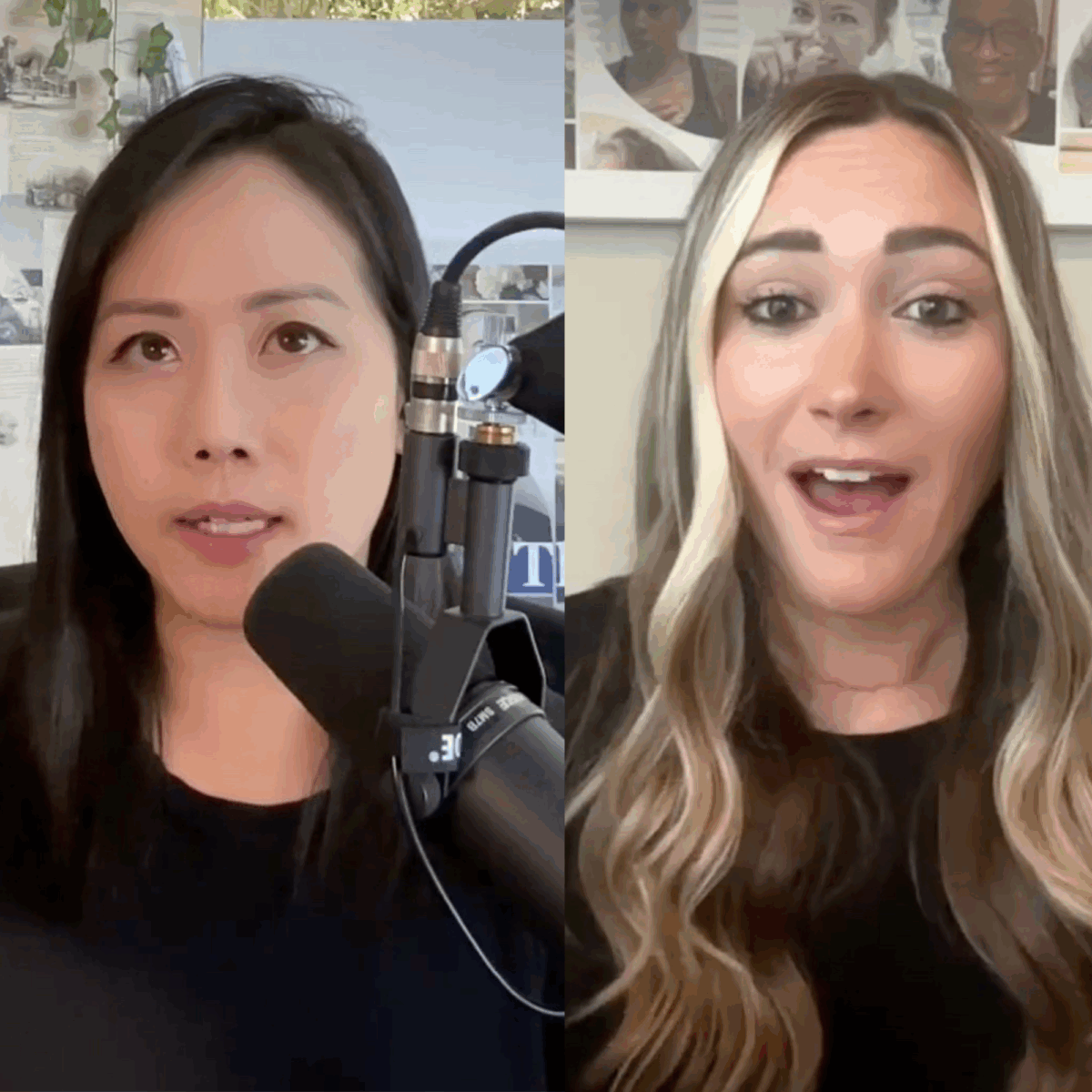
(Ep. 01) From Cancer Caregiver to Patient: Taylor’s Story

What do you do when you get a cancer diagnosis? Where do you go? Whom do you call? How do you become your own patient advocate?

There are so many overwhelming questions that hit the people who’ve been diagnosed and those in their closest circles. Here is the first-ever episode of a new video podcast hosted by The Patient Story founder and lymphoma survivor Stephanie Chuang.

This inaugural episode features a special guest: Stephanie’s colleague at The Patient Story and fellow former TV journalist, Taylor Scheib, who shares her experience navigating a cancer diagnosis, shifting from her role as a patient advocate and the daughter of a cancer survivor — her mom, Kelly — to becoming a cancer patient, herself.

Interviewed by: Stephanie Chuang
Edited by: Chris Sanchez, Stephanie Chuang

Taylor shares the moment she discovered her diagnosis. She was sitting on her couch and casually checking her MyChart when the words “oncocytic carcinoma of the thyroid gland” appeared. (Editor’s Note: Oncocytic carcinoma of the thyroid gland is a rare, aggressive kind of thyroid cancer. It’s also known as Hürthle cell carcinoma.)

She was devastated by the diagnosis, but her background in patient advocacy helped her regain her footing. Her experience and knowledge built from working closely with both patients and caregivers helped her recognize symptoms and push for answers. This reinforces a crucial message: You are your own best advocate.

Taylor S. patient advocate

Taylor’s ability to listen to her body played a pivotal role in her experience. She had first noticed a nodule in her neck three years before her diagnosis, and had continued monitoring it through regular check-ups. When the nodule grew, she trusted her instincts and insisted on further evaluations, even when her concerns weren’t met with urgency. This underscores the vital lesson of trusting your body and speaking up when something feels off.

Taylor experienced further challenges when she tried to navigate the healthcare system. Her patience was tested by insurance hurdles, delays in scheduling surgeries, and having to wait for tumor board evaluations. She candidly discusses the frustration of feeling like just another case number. But her experience and resilience won through as she managed both the system and the mental toll of cancer. She found strength in support from her husband, family, and friends.

Taylor’s patient advocate experience also underscores the power of storytelling. At the start, it wasn’t easy for her to share her story publicly, but when she did so, she found it cathartic. Through opening up, she not only helped herself heal but also offered enlightenment and hope to others with similar struggles. Taylor’s authenticity is a good reminder that behind every social media highlight reel, real struggles do exist, and sharing them can be profoundly empowering.

Please scroll below to read the full transcript from The Patient Story Podcast Episode 1!


  • Name:
    • Taylor Scheib
  • Age at Diagnosis:
    • 30
  • Diagnosis:
    • Thyroid Cancer (Oncocytic Carcinoma of the Thyroid Gland)
  • Staging:
    • Stage 1
  • Symptom:
    • Appearance of neck nodule that grew over three years
  • Treatments:
    • Surgery: thyroidectomy
    • Radiation therapy: iodine therapy (upcoming)
Taylor S. patient advocate


Give yourself grace. But do it on your own time.

Editor’s Note: This transcript has been edited only for simple clarity.

Podcast Summary

  • When It Rains, It Pours
    • Taylor shares her mom’s own brush with cancer and how this was her first touch point in joining The Patient Story.
    • Taylor and Stephanie talk about the unpredictability of medical challenges, including those faced by cancer patients.
  • Introducing Taylor: A Patient Advocate Becomes the Patient
    • Taylor discusses her role at The Patient Story and how it made her more aware of cancer and its impact.
    • Taylor and Stephanie delve into the unexpected turn Taylor’s cancer experience took.
  • The Shock of Diagnosis: Getting News from MyChart
    • The moment Taylor learned about her diagnosis and the emotions that welled up.
    • The challenges associated with getting life-changing news like she did over a digital platform like MyChart.
  • Emotional Fallout: Processing a Cancer Diagnosis
    • The immediate emotional impact when Taylor heard the word “carcinoma.”
    • The questions that surfaced afterwards.
  • Self-Advocacy: Trusting Your Instincts and Pushing for Answers
    • Taylor discusses the importance of self-advocacy and being a patient advocate in healthcare, as well as the power of listening to one’s body.
    • She also opens up about her persistence in getting her nodule checked and how it helped her get results.
  • Barriers and Delays: Navigating the Healthcare System
    • Taylor and Stephanie delve into the problems many patients experience when they try to navigate the healthcare system, including systemic delays and provider shortages.
    • They also explore the frustration patients can experience when urgent concerns face logistical roadblocks.
  • The Waiting Game: Coping with Uncertainty and Lack of a Plan
    • Taylor and Stephanie discuss how difficult it can be to wait for clear next steps post-diagnosis.
    • They outline and explore strategies to help manage mental health during periods like these.  
  • Community and Connection: Reaching Out and Trauma Bonding
    • Taylor shares how reconnecting with old friends and the support from her community have been vital during her journey.  
    • “Give yourself grace, but also do it on your own time.”
  • Telling Others: Navigating Reactions and Support Systems
    • Taylor and Stephanie reflect on how to talk about a new diagnosis, the variety of reactions from others, and maintaining boundaries in relationships.  
  • Supporting a Loved One: Tips for Friends and Family
    • They offer tangible advice for supporters: what to say, what not to say, and how to truly show up.  
    • “The small stuff means more.” — Some of the most thoughtful and meaningful gifts aren’t the most expensive ones.
  • Sharing the Journey Publicly: The Power and Healing of Storytelling
    • Taylor explains why she chose to be open on social media and the cathartic role of storytelling.
    • She offers advice for those who are also considering sharing their experiences.  
  • Give Yourself Grace: Final Reflections and Words of Wisdom
    • In closing, Taylor and Stephanie share uplifting thoughts on the importance of being a patient advocate, self-compassion, and owning one’s narrative.

Introducing Taylor: A Patient Advocate Becomes the Patient

Stephanie Chuang: Hi, everyone. It’s Stephanie here with The Patient Story. I’m just starting something new here. Wanting to be able to touch base more with everyone out there who’s finding us. If you remember, I had my own cancer experience when I was diagnosed suddenly with a non-Hodgkin lymphoma. Diffuse large B-cell lymphoma. I was 31 at the time, two months from getting married, and it was a complete whirlwind, to say the least. 

But joining me today, I’m so excited to introduce someone who many people may be familiar with on our channel, Taylor. Taylor is on our team at The Patient Story. An amazing leader. And Taylor’s joining us for not-so-great reasons, but I am so grateful that she’s coming on to share her story. So, Taylor, do you want to share a little bit about yourself first, of course, outside of the cancer diagnosis?

Taylor S. patient advocate

Taylor Scheib:  Stephanie, thank you so much for the warm welcome. So crazy being on this side instead of being the one guiding the conversation. I live in the Pacific Northwest with my amazing husband Justin and our dog Sage. She is our world. She’s our Chocolate Lab. And we love to hike. We love to be outdoors, and we love to camp. I’m originally from Illinois, from a really small town. My high school graduating class was 30 people, and so I’m from a very rural area. And I’m so grateful where I grew up, though I have amazing friends and family back home, I’ve lived away from home for a long time, so that’s been an interesting part of navigating my situation. But yeah, my mom is a colorectal cancer survivor. She was diagnosed with stage 3 colon cancer in November of 2023.

Stephanie Chuang:  Taylor has been someone who’s led so many of these conversations with people, with patients, caregivers, care partners, and you know, the first personal touch point in joining The Patient Story was you introducing your mom, Kelly, to the process. She shared her story of going through colorectal cancer. And I’m so grateful again to both of you for being so open about that. But you may see that Taylor has a throat scar. Yep. And that her voice sounds hoarse. She doesn’t normally sound like that. I was on a work trip, actually, and then, got a late text from Taylor, and that was, of course, not usual. So, Taylor, just walk us through what was happening at the time.

The Shock of Diagnosis: Getting News from MyChart

Taylor Scheib: Yeah, it was a Monday night. 5:15 p.m.. I was about two weeks post partial thyroidectomy for a nodule on the right side of my thyroid. And that night, I just got a message from MyChart with my pathology results. And when I got the pathology results, it was out of sight, out of mind, from my surgery. Because not once did anyone say, “Hey, be on the lookout for your pathology.” I knew that the nodule and the mass were going to be sent off, of course, but I never thought that when I got those results, it would read anything but benign. And unfortunately, when I got those results, I was sitting on my couch, my husband’s cooking dinner. I get into MyChart, and the first thing I see is “oncocytic carcinoma of the thyroid gland.”

I immediately shoot up. I’m crying. My husband is like turning off the burners in the kitchen because I just bluntly, out loud go, “I’m pretty sure I have cancer.” And my husband goes, “What? What do you mean?” And that word ‘carcinoma’. I know what that means. And I don’t know if, before starting at The Patient Story and dealing with my mom’s diagnosis that I would have known what carcinoma meant. And so, because I am educated, because I’m privileged to work for such an amazing company where I’m learning so much every single day, I knew carcinoma meant cancer. We immediately came to this very spot, right where I’m sitting. We got on my laptop, we started researching, and the word oncocytic was a word I had never heard. I’d never seen or heard anything. Yeah, you start to Google. And that’s where my patient advocate story began, with my diagnosis.

Taylor S. patient advocate

Stephanie Chuang: Oh, wow. Yeah, there’s a lot there, I know. When I got the message, and then I got on the phone with you and you told me, first of all. I mean, it just took me right back to that feeling of, wait a minute. What’s going on? Right. And cancer and all the things. 

And of course, my diagnosis was years previous. I was diagnosed back in December of 2016 and into January 2017. So it’s been a minute, which I’m very grateful for. But really, no matter how long the time, I remember that feeling of, What the hell just happened? And in your case, to spell it out for people, they would go, “Oh, you have this nodule, and you need to get it removed.” It’s benign, though, and nowhere, never did anyone ever say it might be something. 

Now, I can understand, by the way, why, without the information of a biopsy and without other, maybe contextual clues that they might say this is benign. But at the same time, there’s this whole thing of, oh, my God, you said the results had actually been in for a while, and then it just popped up on MyChart. What was hitting you in that moment about your life? What were the thoughts and the emotions?

Emotional Fallout: Processing a Cancer Diagnosis

Taylor Scheib: Yeah. I already have tears in my eyes thinking about this answer. Because when you work for an amazing organization like The Patient Story, you’re hearing these stories every single day. You’re writing scripts and you’re creating this beautiful content. The underlying thing is tragic, and that is a cancer diagnosis. And so I would be lying if I said I never thought I’d get cancer. I’ve thought it. And you become just so much more aware of your body and the feelings that you’re feeling, and going to the doctor and getting your checks, getting your women’s health exams when you’re listening to these incredible people every single day. 

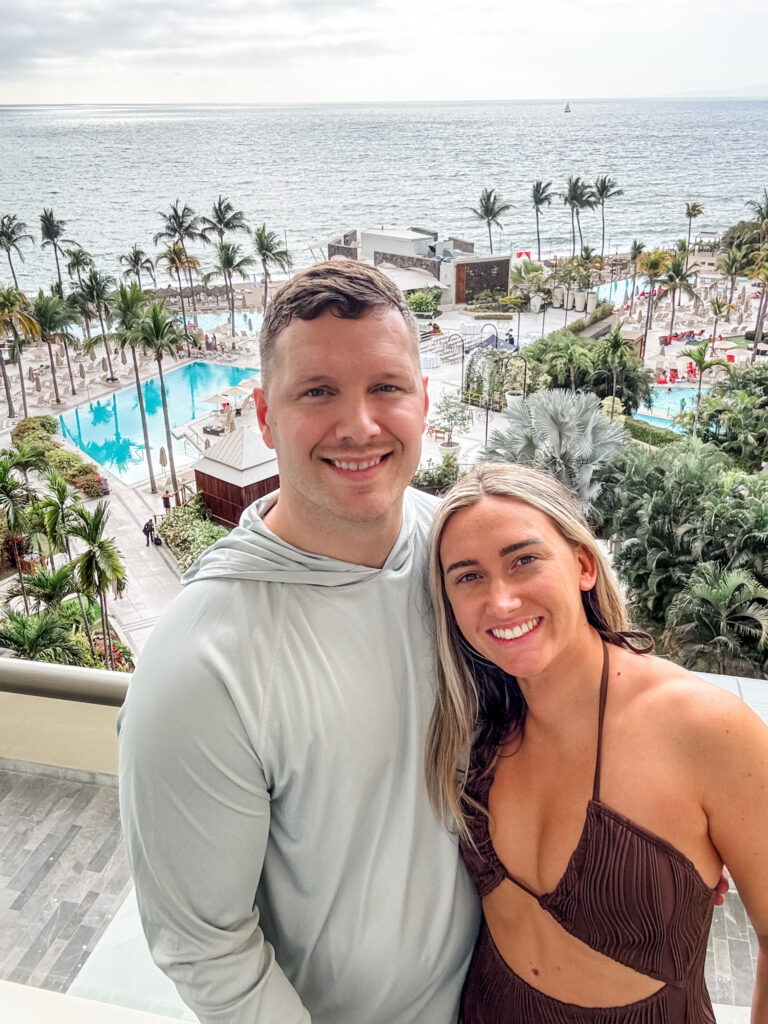
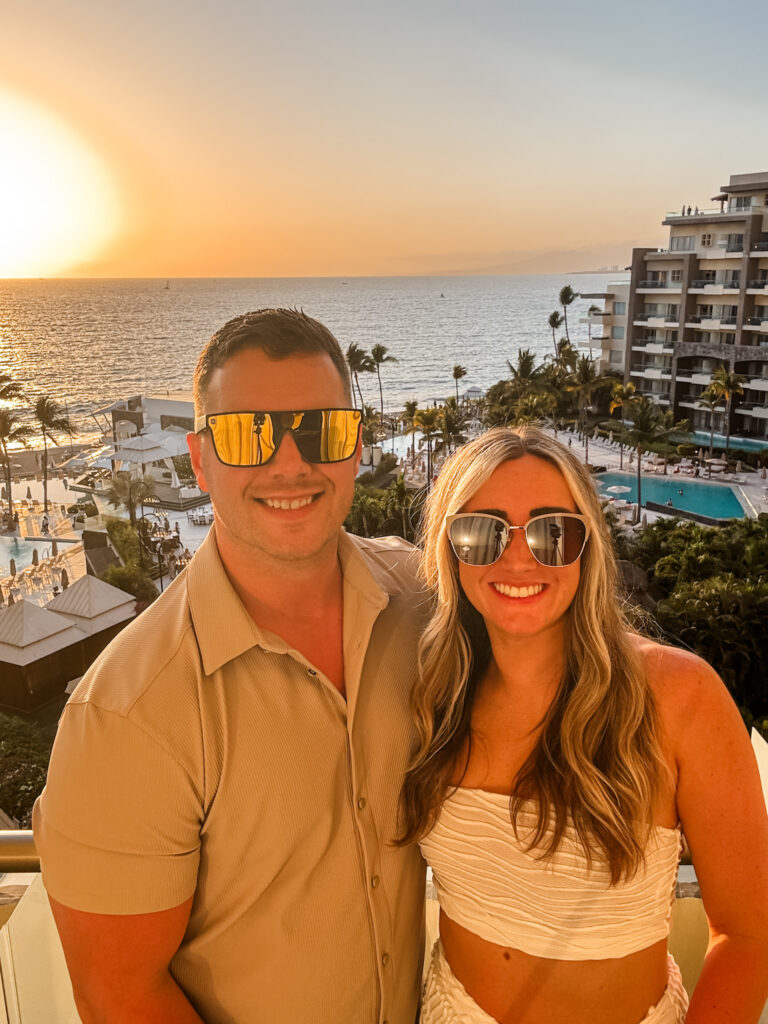
And then when your mom goes through it as well. So I was shocked. But when the dust settled, I wasn’t that shocked because cancer can happen to anybody. And so being so young, I had just turned 30. My husband and I just came back from this incredible trip to Puerto Vallarta that he planned for my 30th birthday.

And this year was going to be filled with amazing trips and celebrating friends who are getting married. And you know, we’re doing all of those things still, of course. But in that moment, I just thought, what are the next six months going to look like? I’m such a planner, as Stephanie knows.

And I just kept thinking, what is this going to look like for me? And then the unknowns started. That started the spiral of, How do we know for sure that it’s all gone? But, going back to the emotional part of it, it was devastating for my husband and me. We have heard about cancer a lot in our families, so cancer was not new to us even before starting my job. But it was still just heartbreaking, devastating. 

Taylor S. patient advocate

How could cancer be growing in my body for three years and I not know it, because I found the nodule three years ago? And so it was a hard moment. But because of my husband and his personality, and how just fun and outgoing and level-headed he is. It didn’t take me long from the initial spiral to come down and realize, this is not going to be my whole life. This is hopefully going to just be a moment in time. That was sad and devastating, but we’re going to look back at the beauty of it.

Stephanie Chuang: Yeah, that is so beautifully said. Thank you, Taylor. What I’m hearing you say is a few things. And by the way, I think this applies to people outside of cancer diagnoses. It’s like anything, anything in general, but definitely with healthcare, something that is about your body, maybe feeling like I’ve heard people, including myself, you know, talk about betraying us, you know, in a way. And you have the initial shock. There’s a lot of sadness, and there’s a lot of, how did this happen? 

And then for you, what I’m hearing is that you went, okay, well, now it’s time to tackle this. This is not going to be my life. This is one thing that I’m just going to look at and get and get through. Right. And one of the things I know you exemplify, and I think you did before you started here, and maybe even more so now. But this idea of self-advocacy, which we hear so much about for you, started really early on because no one was really that concerned about your nodule except for you. And I think there’s a message in there. And what is that message for other people?

… you know your body best, and you know how comfortable you are with something inside your body or making a decision.

Self-Advocacy: Trusting Your Instincts and Pushing for Answers

Taylor Scheib: Yeah, that message would be, you know your body best, and you know how comfortable you are with something inside your body or making a decision. And for me, when I found the nodule. It was after my 27th birthday. We had just karaoke all night. It’s one of my favorite pastimes.

And I immediately went to the doctor, got bloodwork, got an ultrasound of the lump, and from there, it was my choice, what I would do with that information. So I continued getting my yearly exams, getting full blood work done. And last year was when I was like, okay, this is getting bigger. People are starting to notice it. 

And I want to say this part as well, because I had a friend who, and this is where advocacy comes in many different ways, not only for yourself, but other people doing it for you. She noticed the lump, and her dad had thyroid cancer. So she asked me, “Have you gotten that checked out?” And I said, “Yes, I have.” But at that point, I realized that it’s been a year since I had done it previously. Why not get it done again? So I started the process all over. Routine blood work, ultrasound, you know, did that. And then I just wanted to get it out at that point because it was really large. It ended up being 5.7cm.

And so after that ultrasound, it was up to me to schedule the ENT appointment. You know, getting into the ENT took months. As we all know, those specialty appointments just take a long time to get into. So I finally got into the appointment in November, and my ENT was very casual about it. Looked at the ultrasound. 

Taylor S. patient advocate

At this point, no one ever said, “Let’s do a biopsy,” and we don’t know if the biopsy even would have caught it anyway, so I’m not going to dwell on that. But she went, “Yeah, this is benign. The features are all normal. It’s your choice to get it out. Are you ready to have a scar? And I said, “Yeah, let’s go.” I just couldn’t do abs anymore. Like working out without it choking me. Being in bed, lying on it. I could feel it all the time at that point. So I advocated to get it out because I knew that was the best choice of action for me. It was also something my mom was telling me, “Maybe you should just get it out.”

But at this point, it had compromised that whole side of my thyroid. So I was going to have to get a partial thyroidectomy. So I was a little scared. But coming back to the self-advocacy part of this, you know your body best, and it’s okay to push and not necessarily get it removed. Did I push because they got me on the schedule, but I was non-emergent, so very limited spots to get. Surgery was scheduled for surgery in January. My insurance referral did not go through in time. So the morning of that original surgery in January, I’m on the phone with my ENT, and they’re like, well, you could just chance it. And I’m like, facing a large medical bill without the correct referral.

Stephanie Chuang: Right.

Taylor Scheib: And my husband’s in the military, so I knew there were a little bit more hoops to jump through with that type of insurance. And so I was on the books for April. It just automatically got pushed back three months.

Barriers and Delays: Navigating the Healthcare System

Stephanie Chuang: Yeah. So I just have to interject there because I feel like that part of the patient advocate story, right, is like it’s one of the parts of the experiences that we all experience to some degree, but isn’t talked about a lot, which is when you’re dealing with cancer. I remember, you know, getting told that this might be cancer and then being like, but it’s probably mono. And I was like, mono? And then it was like, but you need an ultrasound to one here, one here.

I got on the call to get it scheduled. And they said, “We don’t have an appointment for weeks.” And I’m thinking, you can’t tell me that there’s this thing and that I have to wait. So my point is that there’s the system, there’s like our situations, and this message of self-advocacy is, it truly is the squeaky wheel gets the grease or whatever, because you know, you know your body best what you just said and also you I mean, there’s some things that are out of our control. But you see, the system we’re working with and the unexpectedness of being like, how come I’m the only one who’s concerned about this? Did you feel that?

Taylor Scheib: Yes, I felt that. And it was. That’s been the whole thing over the last six months of seeing the NT. Getting the surgery scheduled is why there is no sense of urgency behind this. Every time I’ve seen my ENT. She’s so busy. When I had my follow-up for my surgery, it was not her. It was her [physician’s assistant] PA.

And it continued past my diagnosis. First of all, I found out through MyChart, which is a story I’ve heard, unfortunately. And every time someone I’m talking to tells me that story, instant goosebumps. Instant. Just feeling what they’re feeling through the screen. Then it was okay. Your case is going to be presented to the tumor board, and I want to make sure that I’m explaining what a tumor board is correctly. 

So Stephanie, please help me with this color. But basically, when you have a unique case like mine, where we thought it was benign for three years, the mass was 5.7cm. And then on top of that, it is a less common subtype of thyroid cancer. It’s being presented to the tumor board. Well, they only meet once a month. So and it was at the end of the month when this happened in April, so it wasn’t going to be until a month for the tumor board.

Taylor S. patient advocate

Stephanie Chuang:  You talked about self-advocacy, which we’ll talk about throughout the entire conversation. But this idea of waiting, waiting for your appointment, waiting for insurance to approve or not approve, waiting for a tumor board. For me, it was like getting a diagnosis on the phone and then being told by a family friend. You know, oncology is going to take forever at your large academic institution, so just go to the emergency department. 

So that’s another tip for people, by the way: just get into the system. So you get seen, and then they put you somewhere that you’re supposed to be. But I was waiting to understand. I remember they did so many procedures, I had biopsies and bone marrow biopsies and lymph node extractions and blood tests upon blood tests. And then it was the whole week in the hospital. What is it like? We know it’s lymphoma. Is it Hodgkin or non-Hodgkin? Are we talking about, you know, aggressive or indolent? Are we talking… So? Not this period, and you’re still in it. That’s what I want to acknowledge, is you’re still in it, is it feels like there’s still no plan of action. 

And I think for different people who are dealing with a diagnosis that it varies. Like sometimes it’s very short and, you know, right away for other people like you, you’re waiting weeks to understand, well, what are we going to do about this? So how have you been able to manage the mental part of that, the waiting part of it?

I have my good days. I have my bad days, more good than bad days, which is good. But it’s just about occupying your mind.

The Waiting Game: Coping with Uncertainty and Lack of a Plan

Taylor Scheib: It’s so hard, honestly, and I have my good days. I have my bad days, more good than bad days, which is good. But it’s just about occupying your mind. And when I was diagnosed and I started telling my close friends and family, I think, like trauma bonding, it’s very powerful. I have some friends that I don’t talk to every day, of course, but they’re your best friends no matter what. You pick up right where you left off. 

So, as crappy as this was to get this diagnosis, it gave me a chance to actually kind of get closer with some of my friends. That has been such an amazing distraction since my diagnosis, catching up with old friends, catching up with your family again. My dad is calling me so much more, he calls all the time in general, but even more so now, my grandparents are reaching out like every so often. So I would say that’s been one solid thing.

Then the other part has been my husband. He has been my rock, of course, through this. Then we’re super active people. So we went and bought really expensive bikes to get on the trails. Stay active. And we’re just trying to find ways to continue living our lives. And for us, that is planning a trip. So, sorry, Stephanie, in the next year or so, I’m going to be going on some trips.

Stephanie Chuang: Oh, 100%. And you should go out and live your life 100%. No apologies. That’s 100% what you should be doing. And it makes me so happy to hear that. Those are the steps that you guys are taking. So many things came up when you were talking about that. You know, when you talk about trauma bonding, I’ll talk about the flip side of some of the experiences I’ve had, too. But this is the question of why we need a reason? But we do. I love that it just automatically gave this a thumbs up. 

Taylor S. patient advocate

Community and Connection: Reaching Out and Trauma Bonding

Stephanie Chuang: People come from different places, whether you’re close. My friends started a campaign called #SpicyStrong. And I think it’s because when I was in my delirium, when they put me under for the lymph node biopsy, I had to go under full anesthesia, and I don’t know if I was going in or coming out, but I was super loopy. And so I was talking to the nurse. And I went, “I’m so spicy and strong,” or something, I mean, ridiculous. And then that just became the hashtag. 

They printed shirts, and it got to people, and they were posting on social media. This is making me remember a lot of things I forgot. But people who are super close to me, people who I hadn’t seen in years. And that is such a beautiful part of this, right? One of the silver linings. I’d rather not have this, but the fact that I do and people like me are showing how much they think about me. I mean, what was the most powerful? I mean, I know you had lots of people reach out, but is there one situation where it took you by surprise, or a message that came from someone you hadn’t talked to in a while?

Taylor Scheib: Yeah, there’s one example where, and I’m sure you can relate to this, being formally in the news. You bounce around all these towns and cities, and you have friends everywhere, like I mentioned. And even when I just had the partial thyroidectomy, a group of friends in Denver sent me a care package, and that was before I even got my diagnosis. And so I was just so taken aback and just so thankful for them sending that. And so that was one thing. And then the other has been again, when I was in sports broadcasting, and I’ve heard from so many people from the little towns that I was covering, you know, seven, eight, nine years ago. And they’re commenting on my post, just saying, you know, we’re supporting you. This community is supporting you. 

That’s just meant the world to me. And so those have been instances where it kind of stops you in your tracks. I don’t know if you’ve felt that way, but you just think, humanity is good. Yeah, yeah. Decency still. And there is a way to break through the screen. There’s a way to break through the phone call, the FaceTime, the message. And so I’m not sure if you felt that same way in those instances, but it stops you in your tracks, and you just realize, I have so many amazing people in my life.

Stephanie Chuang: Yes, 100%. It does resonate. Taylor. It’s 100% humanity is amazing. These are the beautiful moments of humanity when people come out. And, you know, I think a lot of the social stuff might be we are scared to, you know, reach out to someone from before because we think, well, what if they think I’m weird or they don’t even remember me or whatever? And these situations just take us completely out of that. Right. It’s like, no, I care about this person, or I just want them to know that I’m thinking about them, and it’s okay if they don’t reply or all those things. I think that is beautiful, and I wish more of us could get to that. 

Yes, 100%. It does resonate. Taylor. It’s 100% humanity is amazing. These are the beautiful moments of humanity when people come out. And, you know, I think a lot of the social stuff might be that we are scared to reach out to someone from before because we’re like, well, what if they think I’m weird or they don’t even remember me or whatever? And these situations just take us completely out of that. Right. No, I care about this person, or I just want them to know that I’m thinking about them, and it’s okay if they don’t reply or all those things. I think that is beautiful, and I wish more of us could get to that. 

Taylor S. patient advocate

… whatever other people’s reaction is, it is not about you. It is, of course, about concern for you and what you’re going through for the people who love you.

Taylor S. patient advocate

Telling Others: Navigating Reactions and Support Systems

Stephanie Chuang: I do want to touch on just because, for anyone who’s tuning in who is dealing with something again, it could be a diagnosis, cancer, or otherwise. It could be something else. When you have something to tell other people that they’re not familiar with. So I don’t know, sometimes I’ve found that military people find that with civilians. It’s like a walking-around language with sickness. Or maybe if someone’s announcing, say, a divorce and other people aren’t familiar with it, it could be any of those things. 

I think the way other people react is very – it can be very jarring. And so I’d like to spend some time here, which is that, you know, people have different kinds of people in their lives. Some people have tons of friends, some people have a tighter circle and and all these things. I’ll start with an example, which is a newer friend, but I’d known her for a few years at least. More of a social friend, maybe. 

But when I was diagnosed, she kind of disappeared, and she was one of the people I saw more often in that time frame. You know, a lot of my friends, to your point, are scattered around the country. And so it was very disappointing, and it was hurtful because here I am thinking about my mortality, not sure about what I’m going to do, worried about my hair loss, and all these things. I’m 31, and she just dropped off. 

I just want to say this, not to harp on her as a person, but really to say, I think what I learned in that is whatever other people’s reaction is, it is not about you. It is, of course, about concern for you and what you’re going through for the people who love you. But for any of the weird stuff or the things that might be surprising, I would just say, broad strokes, the reaction is about their discomfort. They don’t know how to show up. They do care about you, but they’re worried about how they’re going to come across. 

Maybe they think other people are talking a bunch to you, and so they’re trying to be respectful of you. Not right or wrong. But I do feel like that’s something I’d want to share with other people who are going through something, because it can be very tough when it’s unexpected. I don’t know if there’s something that resonated for you there a lot.

Taylor Scheib: It is. When I first started telling people, I realized very quickly, the way you present it will help determine how they react. So in the first couple of conversations I had, it was kind of very emotional. A lot of information, whoa, what is going on? But then the more I told people, the more I started setting the precedent of, right at the beginning, I’m going to be fine. I’m going to be okay. And then that’s when I think people went, okay, she’s she’s she’s going to be okay. And I have been very positive throughout this whole situation. And I think that has helped the way people are reacting. 

Now, I will say on the positive side, kind of the opposite of what you experienced was I’ve gotten a lot closer to one of my high school best friends, like my childhood best friends. We have been friends literally since kindergarten. Wow. And we talk every once in a while. And when we see each other, we pick up right where we left off, like I’ve said. But we’ve talked more since this happened to me. And even when I just did the partial thyroidectomy, she called me that weekend, and I sounded like crap. Did not have a voice. 

Taylor Scheib: She was crying on the phone. And it makes me emotional because that’s an experience where she’s showing up for me. And that, and her mom, and her. They are like my OGs, but I don’t see them very often. And so it’s kind of the flip side of what you experienced. But what you experienced with someone dropping off like that is likely going to happen for me in the next six months or however long this process ends up being. 

But my mom experienced that. She was shocked by the people who she didn’t hear from again, or they didn’t show up for, you know, she had a benefit. They didn’t show up for that, or just a text message or a phone call. She was shocked by the couple of people. And you don’t forget those things, but I think it makes you become a better human in a way, and it makes you check up on your people a little bit more. That’s how I’m trying to spin it, at least.

Stephanie Chuang: And knowing you from what I know of you, Taylor, I don’t even think it’s a spin. I think you have that. That’s just the way you approach life. And I appreciate that. Yeah. No, 100%. I would say that was the only example of that. And everything was largely positive. I think I do want to call out that it may not happen to you, by the way. Right. I think it’s good to understand that if it does, though, that it’s normal and it’s not about you. It’s about them. And the other drop off, someone had warned me when I was just going through it, and she had gone through the same cancer just six months before I did. And she said, “Look, I’m struggling now that I’m done with treatment. People are like, you’re fine now.”

And then, the medical help drops off, and then the support also, because, well, you’re all good. And so that’s another conversation for another day. But I think my point is that at different parts of this, you know, it doesn’t mean, oh, I’m past this now. It’s that there’s different versions depending on where we are as patients, as people supporting other people, that these same emotions can come up or these same situations can come up. I also want the chance to drop in this video of my best friend in New York, she flew out with her husband, and at the time, I had to give myself blood thinner injections every day.

And those are freaking large. You know, I did IVF shots to freeze embryos at the same time. So I had to do the little needles and then the spring needles for the blood thinners. And, oh my God, it was terrible. And there’s a video of the way they supported me, trying to make fun sometimes. So, you know, the song that goes, shots, shots, shots, shots, shots, shots, shots. Yeah. So I was about to give one, and they go, “Oh, we’re just gonna sing the song for you.” And those are moments for sure where this is me getting loved on by people who are trying to lighten the situation for me in the way that they think might be helpful. So anyway, I think that’s awesome. 

Taylor S. patient advocate

Stephanie Chuang: I want to ask about your mom. I know other people may not have this specific example where it’s like their parent also went through a similar diagnosis, but in terms of other people’s reaction to when you’re telling people what that was like, what’s your guidance to other people who feel like there’s an extra layer there? Whatever the reason is for you, it was that your mom had gone through her cancer recently, even. But for anyone who feels like there’s an added pressure in making sure the other person’s okay, what is your guidance there?

Taylor Scheib: Yeah, I would just say the biggest thing is give yourself grace, but also do it on your own time. That is so important. Yes, there’s pressure to tell people and update people and do all the things. I totally get that. But do it on your own time. You and I also think that what helped as well is I just I’m a very factual person. I’m blunt. I’m not going to sugarcoat things. So I think it was my messaging to them. These are the facts, I know. I don’t know anything else. And then I think that helps with them asking a bunch of questions. 

You know, like deep dive spiraling. I think it’s just about giving yourself grace and giving the situation grace and not feeling like you have to always be giving updates to your friends and family or talking to them. Or it can take about a day to respond to someone. And my friends and family know that. They know that I’m very busy. My husband and I, Justin. We live a very active life. We are always doing something. And so yeah, I think it’s also if you get a text message, don’t feel like you have to respond right away or call them back or anything, right? This is on your own time, and that goes beyond just your friends and family. I’ve heard this so many times from people that I interview. You are the CEO of your life, of your body, of what you do. You are the leader of your own life. And I think that’s just so important.

Stephanie Chuang: Yeah. I mean, in the future conversations, I’m going to be pulling up from our patient advocate interviews because they have so much wisdom in what they’re saying. I mean, there are so many things that I want to talk to you about. Let’s talk for three hours. No, that’s fine with the audience. No. But I think, you know, whatever way you want to look at it. In terms of tips. There are some tips for the person who’s dealing with the diagnosis. Diagnosis? I agree with you, Taylor. 100% of the give yourself grace. I think in life in general, we could stand to hear that more often anyway, right? We give other people the compassion we don’t give ourselves. But on that note, give yourself grace and do not worry as much as you can about the other person’s reaction. You don’t have that space to carry that burden. So don’t tip on the other side. 

Supporting a Loved One: Tips for Friends and Family from a Patient Advocate

Stephanie Chuang: I would give to people who are looking to support patients, because I’ve heard that a lot. Right? They might go, “Oh my gosh, my friend, my family member was just diagnosed. How can I support them?” I think in terms of messaging, I would always lead with whatever. If it’s an email or a text or whatever, or a voicemail.

No pressure to respond. I just wanted to, and that just takes off the pressure. So you get to send the message, and you’re letting them know. I get that you’re super busy and you’re occupied, and I’m not trying to take away your bandwidth. Another tip would be people ask about, “What can I send someone who’s just been diagnosed with cancer?” I’m going to ask you about this, too, so you can brainstorm. But I’ve often thought, if you can figure out if they know their treatment, I would base the care package on that. So if you know that they’re going through radiation, you can look, and we’re going to create this online to have some guides at The Patient Story, but it is to really look at what that modality of treatment is, and then try to send stuff. So, you know, I’ve sent organic lotions to people because they were going to get dry skin, blankets because one of the side effects was going to be feeling cold, things like that. I don’t know if there are things that you feel would be great advice for people trying to help people dealing with the new diagnosis.

Taylor Scheib: Yeah. You made such a great point. Blankets, things like that. But then I also think, like anything, that the person who’s going through the treatment or diagnosis, self-care, they should just put self-care out there.

So yeah, if it’s maybe organic products or maybe it’s a bath bomb, or of course, depending on their treatment, like we said. But for me, everyone knows I’m going through the waiting period. So I think a lot of people went, “How does she want to relax and sew face masks and bath bombs and electrolytes and different things like that?” So I would say anything that you can think of that person likes, that is self-care. 

Books, a journal. You can never have enough journals. Something to preoccupy them, too, whether that’s like a coloring book or, you know, crossword puzzles. Not that I do any of that, I’m not going to lie. But if you know that person enjoys that kind of pastime. Right. Or maybe something like, this is old school, but a CD with their favorite songs on it.

Stephanie Chuang: Right, right.

Taylor Scheib: And I also think, too, when it comes to what you could give that person or send them in these moments, it does not have to be elaborate. The small stuff means more. And so maybe it’s a Spotify playlist, maybe it’s a $15 Amazon gift card, maybe it’s a gift card to their favorite restaurant. The self-care food. 

Don’t overthink it. When you want to give something to that person. It can be something very small, even just a Venmo. I had a good friend, one of my best friends from home, send me a Venmo the day of my follow-up ENT appointment, and the caption was, Go get a cheeseburger after this.

Stephanie Chuang: Oh no, I love that it is. It’s the small things. It is that thought that counts. It is true. I think there are a couple of things that came to mind, too. And then we’ll and then we’ll wrap this conversation, which, by the way, I’ve enjoyed having with you. I think one quick note is if people are waiting. You’re not in the hospital. I know when I was waiting, and I was in the hospital for a shorter period of time, the nurses at one point said, “Don’t send flowers, or we’re telling people, don’t send flowers.” And that’s for when people are immunocompromised. 

The knee-jerk sometimes is like beautiful flowers, but just to make sure. 

Taylor S. patient advocate

… why I decided to share my story so openly was because at the core of who I am, I’ve always been very transparent, very honest, and I am an empath. I need empathy at the core of who I am, and that’s where the storytelling part of my life, like my whole life, has been storytelling at the core.

Taylor S. patient advocate

Sharing the Journey Publicly: The Power and Healing of Storytelling

Stephanie Chuang: The other point that happens to matter both in terms of support, but also in terms of talking about messaging and not having to respond to text messages right away. What was helpful for me was to designate people who knew the information, and if other people needed to know or wanted to know about the diagnosis or where I was in that, specifically, they would go through those people. You know, it’s funny, we both were on TV before, but we were also very private people, actually, and I never imagined that I would bare my soul online or continue to have a presence after my news career.

But I had a blog, and the initial point of the blog was a it just helped. It was cathartic to get stuff out on, like just journaling, essentially. But then it was like, well, two things: if I can help other people not feel alone. And also then it helped in terms of people getting updates without me having to like constantly. But then that slowly became cathartic as a storytelling mechanism. 

And by the way, you know, we’ll have like the storytelling, you could share yours. There are the prompts below in the description. But for you, Taylor, what has it been? This is my last question to you. What has it been like? I guess, how did you decide to want to share? I didn’t even realize you were going to share your story on social media. And it happened. But like what? What drove you to want to do that? And what has been maybe the most cathartic part of the process, especially a message for people who do feel like I’m private. I don’t think this is for me. Right?

Taylor Scheib: Yeah. I resonate so much with when you get out of a job that is so public, like we were in in TV, I don’t find myself posting at all anymore, but why I decided to share my story so openly was because at the core of who I am, I’ve always been very transparent, very honest, and I am an empath. I need empathy at the core of who I am, and that’s where the storytelling part of my life, like my whole life, has been storytelling at the core. I’ve always been a storyteller. You know, I can get along with anyone, and I just am amazed and mesmerized by other people. 

I just love people so much, and they teach me so much about life and about the way you should live life. You know, there’s no guidebook to that, of course, but when I decided to share it publicly, I just wanted people to know that we say it all the time, that they’re not alone. They might be going through anything, and they’re like, “Wow, this person feels just a little bit like I do.” And that’s what keeps people going. And so behind sharing my story and trying to keep people up to date, I just. It’s kind of. It’s hard to explain. I just wanted people to know that everyone is going through something that is a big part of it, and to social media.

If you look at my Instagram, you will see my husband, my friends and family, my dog, and you go, wow, that girl has a really good life, and I do. We live an amazing life. But behind the curtain, behind social media. I’m going through something that really sucks, and I’m still finding ways to navigate that. So why not be open about that conversation? Let people in. I have a big tribe. I have a lot of people in my corner. I’m so thankful for that. But. Those strangers. Those are the strangers who come to you. Those are so impactful. Just the little comments of, “Wow, I thank you so much for sharing your story.” I’ve had so many people say, “Thank you so much for sharing your story.”

Taylor Scheib: And it’s not even about the cancer. It is about making sure you are getting your physical exams, that you are getting your women, your women, health, health exams, your PAP smears, your full blood work, whatever it may be. 

I’m getting emotional about it because I feel like people get so lost in how they’re feeling, and they don’t know if it’s something, if it’s their life, because they’re really busy, or if it’s something underlying. And so I just want people to know that it’s okay to go to the doctor. It’s really scary. I totally get it. I was so scared to get this surgery, and now I’m dealing with voice loss, and I can’t get my voice back. So trust me. 

Oh my gosh, it’s so, so scary. But it doesn’t have to be. And find your partner, find your friend. Find your family. Find someone like The Patient Story who can hold your hand through that. So that was really the ‘why’ behind sharing the story publicly. The most therapeutic thing for me in this process, honestly, has been talking freely like this. When I posted those videos, they were maybe 15 minutes long, and I had to cut them down. 

But talking so freely about it has been so cathartic and so therapeutic for me. Those are like my blogs, like you did. I’m just doing it as a vlog. And after I get done, I go, “Wow, I kind of look cute.” I’m going to take a couple of selfies, you know? Yeah, go do things anymore.

You know, like those moments. You go, “Wow, I just feel so stinking good.” Yeah. And so that’s been super helpful. And then just keeping the lines of communication open with me, with my partner, with my husband, with my friends and family. You know, I just want to say this one part fast. My mom and I are best friends. We talk all the time, but recently we haven’t been able to talk a whole lot because she’s two hours ahead of me. We don’t work the same hours, or we do work the same hours. So, we’re constantly working. We’re not finding time to talk. 

And last night, I told her, I said, “I’m sorry. I have not been able to call you. I have just been so busy. There’s been so much going on.” And she goes, “It’s okay.” And I go, “But it’s not okay.” She goes, “I know, but I don’t know what to say.” And so it’s there, that balance of course, she knows I’m busy. She’s not pressuring me, but she just wants to have a conversation like this. She wants to just openly have the conversation. And we did talk today, and it was very therapeutic for me. So open communication and just kind of setting up my phone and talking. But that’s also because I’ve been doing that for so long, and I’m a storyteller by nature.

Stephanie Chuang: So you are. You really are. 

Taylor S. patient advocate

Give Yourself Grace: Final Reflections and Words of Wisdom

Stephanie Chuang: Taylor, I thank you so much for opening up, being vulnerable. You are such an empath. I know you bring it to your life and also to work every day, and I’m so grateful that you’re part of The Patient Story team doing that. Yeah. For anyone who’s you know, wants to hear the tips that were part of this conversation, I think we can come up with something that you can download. We’ll put it into a link somewhere on the description, not at the time of this discussion. Thank you for being such an open book. And looking forward to being able to share more of your incredible voice throughout all of this. So thank you.

Taylor Scheib: Yes. Thank you. And I’ll just leave this here. We’ll talk about it more, of course. But when I got my diagnosis, I didn’t feel overwhelmed. And that’s because, of course, in moments I did, but I didn’t overall because of The Patient Story. And I’ve said this so many times to my friends and family and to people who I’ve told my story to when I’m interviewing them, because now I’m openly sharing my story, is that when someone gets a diagnosis, I never want them to feel overwhelmed, and I want them to have a place like The Patient Story where they can go and think, wow, okay, I have someone, I have an organization that can support me. So when I got that diagnosis, I didn’t feel overwhelmed. And I want other people to feel that way. And that’s why I’m so passionate about our work at The Patient Story.

Stephanie Chuang: Yay! I couldn’t say that better. That was amazing. Thank you. Taylor. All right. And this was like the first of many conversations that will happen with Taylor with different folks. Really looking forward to this. All right. Great. So for The Patient Story, that’s Taylor. I’m Stephanie. Gift yourself grace. Take care. And we hope to see you next time.

Taylor S. patient advocate

This interview has been edited for clarity and length. This is not medical advice. Please consult with your healthcare provider to make informed treatment decisions.

The views and opinions expressed in this interview do not necessarily reflect those of The Patient Story.


Thank you for sharing your story, Taylor!

Inspired by Taylor's story?

Share your story, too!


More Patient Advocate Stories

Alyssa B. hospice update

Finding Peace in Hospice: Alyssa’s Stage 4 Stomach Cancer Experience

Alyssa B., Stomach Cancer, Stage 4 (Metastatic) (Hospice Update) Symptoms: Fatigue, elevated resting heart rate, heartburn...
Sorcha B. stage 3 synovial sarcoma

Finding Light Through Advocacy in Stage 3 Synovial Sarcoma: Sorcha’s Experience

Sorcha B., Synovial Sarcoma, Stage 3 Symptoms: Right upper quadrant pain, changes in the right breast...
Hunter D. desmoplastic small round cell tumors

“Hope Always” — Hunter’s Inspiring Rare Desmoplastic Small Round Cell Tumors Story

Hunter D., Desmoplastic Small Round Cell Tumors (DSRCT) Symptoms: Abdominal pain, nausea, vomiting, fatigue Treatments: Surgeries...
Lysa B. stage 4 ROS1+ lung cancer

Biomarker Testing Gave Lysa New Hope with Stage 4 ROS1+ Lung Cancer

Lysa B., Non-Small Cell Lung Cancer, ROS1+, Stage 4 (Metastatic) Symptom: Severe but intermittent back pain Treatments:...
Load More

More Young Adult Thyroid Cancer Stories

Alyse V. thyroid cancer

Alyse V., Thyroid Cancer (Papillary Thyroid Carcinoma, Tall Cell Variant, Metastatic)


Symptoms: None per se, lump discovered during thyroid examination

Treatments: Surgeries (neck dissection, lymphadenectomy), integrative therapies
...
Valerie V. thyroid cancer

Valerie V., Thyroid Cancer (Papillary Thyroid Carcinoma), Stage 4 (Metastatic)


Warning Signs: Bruising, extreme fatigue, cold intolerance, weight loss

Treatments: Surgeries (total thyroidectomy, neck dissection, lymphadenectomy), radiation therapy (radioactive iodine therapy), hormone therapy (thyroid hormone suppression therapy)
...
Jannette J. thyroid cancer

Jannette J., Thyroid Cancer & Chronic Myeloid Leukemia


Symptoms: (thyroid cancer) recurring sore throat, worsening throat pain, difficulty swallowing, swelling in the neck; (chronic myeloid leukemia) fatigue, nausea, vomiting, blood with bowel movements
Treatments: Surgery (thyroidectomy), radiation, chemotherapy
...
Michelle L. papillary thyroid cancer
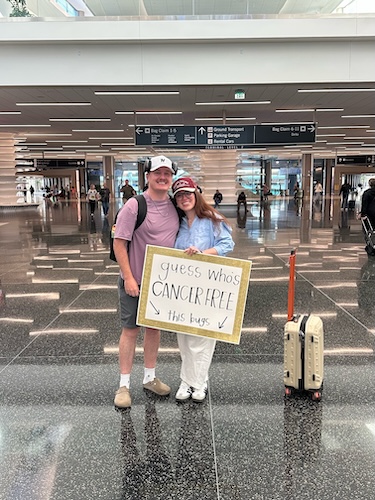
Michelle L., Papillary Thyroid Cancer, Stage 1


Symptoms: Hormone imbalances, mood swings, depression & anxiety, unexplained weight changes, chronic digestive issues, weakened immune system, painful/irregular periods, insomnia, fatigue and low energy, lump in the neck, difficulty singing/voice changes, shortness of breath, physical weakness, arm pain
Treatments: Surgeries (lymphadenectomy, total thyroidectomy, partial right neck dissection), radioactive iodine therapy, ethanol ablation
...