Bile Duct Cancer at 27: Morgan’s Path to Answers, Care, and No Evidence of Disease
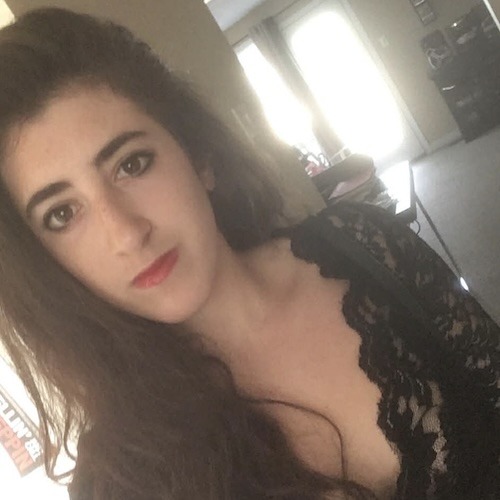
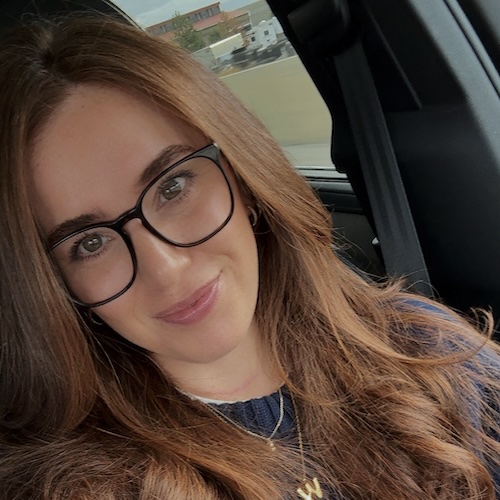
When Morgan first began her bile duct cancer (intrahepatic cholangiocarcinoma) experience, she was 27 years old, thriving as a full-time hairstylist, and working 10- to 12-hour days. (Editor’s Note: Intrahepatic cholangiocarcinoma is a kind of bile duct cancer that forms in the liver.) She describes those late-20s years as the best time of her life, until subtle but alarming symptoms started to show up. Fatigue, dark urine, itching, clay-colored stools, and unintentional weight loss crept in, while photos later revealed early jaundice she hadn’t recognized in real time. Even as her body signaled that something was deeply wrong, her concerns were dismissed as possible urinary tract infections, lupus, or stress.
Interviewed by: Taylor Scheib
Edited by: Chris Sanchez
As her bile duct cancer experience unfolded, Morgan repeatedly sought care from primary care clinicians, urgent care clinics, and emergency rooms. She kept hearing that her blood work looked normal, that she was “young and healthy,” and that she should hydrate, rest, or even change laundry detergent. Inside, she knew that this did not add up. Months later, severe pain under her right ribs woke her very early one morning, and a trip to the hospital led to scans that showed something blocking her bile duct. She was initially told that it was a tumor but a noncancerous one, scheduled for a liver resection, and reassured. After surgery, a physician walked in and said, “I’m so sorry I failed you.” The tissue showed intrahepatic cholangiocarcinoma, and 75% of her liver had been removed.

That moment transformed her life. Morgan talks about a light switch flipping: from then on, she saw each day differently and felt determined not to leave her loved ones behind. When her first oncology team hesitated about chemotherapy and seemed unfamiliar with this rare cancer, she decided to get a second opinion. Research led her to Mayo Clinic, where a coordinated team created a clear plan: fertility preservation at 27, chemotherapy, and a second major surgery to remove her main bile duct and perform another liver resection.
Today, Morgan has no evidence of disease. However, she lives with the reality that intrahepatic cholangiocarcinoma is often described as a terminal illness with a high chance of recurrence. She speaks openly about “scanxiety,” PTSD-like triggers, and the emotional weight of ongoing surveillance. At the same time, she has chosen to live as fully and presently as possible. She serves on the board of the nonprofit Team Cure Cholangio, investing in research and awareness, nurturing her relationships, and encouraging other young adults to listen to their bodies, seek second opinions, and put their health first.
Watch Morgan’s video above and scroll down to browse the edited transcript of her interview for more on her story.
- Listening to persistent symptoms like fatigue, dark urine, itching, clay-colored stools, and weight loss was crucial in her bile duct cancer experience, even when early tests appeared “normal.”
- Self-advocacy made a life-changing difference: Morgan kept returning to clinicians, asked for more testing, and ultimately sought a second opinion at a major cancer center when care did not feel aligned with the seriousness of her disease.
- Comprehensive cancer centers can offer coordinated, multidisciplinary care, including fertility preservation counseling, chemotherapy planning, surgery, and radiology review — all aligned around patients’ goals.
- A universal truth reflected in Morgan’s story is that patients know their bodies best; when something feels wrong, it is important to keep speaking up until someone truly listens.
- Morgan describes a clear transformation: From wanting to “crawl into a cave” and stay quiet about feeling unwell, to becoming an outspoken advocate, living in the present, setting boundaries, and helping other people with cholangiocarcinoma find hope and community.
- Name:
- Morgan O.
- Age at Diagnosis:
- 27
- Diagnosis:
- Bile Duct Cancer (Intrahepatic Cholangiocarcinoma)
- Symptoms:
- Fatigue
- Nausea
- Severe abdominal pain
- Dark urine
- Itching
- Clay-colored stool
- Significant weight loss
- Jaundice
- Treatments:
- Surgeries: liver resections
- Chemotherapy
This interview has been edited for clarity and length. This is not medical advice. Please consult with your healthcare provider to make informed treatment decisions.
The views and opinions expressed in this interview do not necessarily reflect those of The Patient Story.
- Why I share my bile duct cancer (intrahepatic cholangiocarcinoma) story
- My life at 27 and getting diagnosed
- Early symptoms and red flags before diagnosis
- My long path to a rare cancer diagnosis
- Having to self-advocate when doctors dismiss symptoms
- How undiagnosed symptoms affected my daily life
- The night everything changed: getting my cancer diagnosis
- Being told it was “not cancer” and then hearing “I failed you”
- Processing a rare cancer diagnosis at 27
- My mindset: choosing to fight and refusing to give up
- Why I sought a second opinion and chose Mayo Clinic
- Putting myself first to get the best cancer care
- Moving to Mayo Clinic: My experience at a comprehensive cancer center
- My treatment plan: Chemotherapy and two major liver surgeries
- Ongoing healing: Physical recovery, PTSD, and “scanxiety”
- The day I heard “No Evidence of Disease”
- The hard aftermath: Living with a “terminal” diagnosis and fear of recurrence
- How I mentally prepare for scans and blood work
- Choosing to truly live my life after cancer
- Finding meaning, community, and love through cancer
- Advice for young adults diagnosed with cancer
- What young adult cancer awareness and better care mean to me
- The hardest part of the last few years
- Learning to set boundaries and put myself first
- My final message: Be present, and be grateful
Why I share my bile duct cancer (intrahepatic cholangiocarcinoma) story
I want to raise awareness of this awful disease.
I was 27 when I was diagnosed, and I think the more awareness, the more research this cancer will get.
My life at 27 and getting diagnosed
So I was 27 years old, and I was a hairstylist full-time, working 10 to 12-hour days. Crazy. Honestly, it was the best time of my life, my late 20s.
And then I was diagnosed with intrahepatic cholangiocarcinoma, which is a bile duct cancer that forms in the liver.
So yeah, that happened, and then it just changes your life.
Early symptoms and red flags before diagnosis
I was fatigued. I had dark urine at the time. And then eventually I started turning jaundiced, but I didn’t realize it. Now that I look back, I see it in pictures.
But it was the itching of the skin which was another red flag, and your stool starts to get a clay color. So those were all the symptoms.
My long path to a rare cancer diagnosis
So I was just going to my primary care, and I’m just like, “Listen, I might have a UTI. My urine’s a weird color, and I’m just tired.” You just know your body and how you don’t feel well. There would be random times where I was just nauseous here and there. So then they were like, “All right, we’ll do blood work, we’ll do this, we’ll do that.” And I just went to my primary. I went to MinuteClinics because you’re always on a busy schedule.
But they just dismissed me and said I had lupus, and, “Eat right, make sure you stay hydrated,” all those things, when really, I knew something was not right. Staying hydrated, yes, I was hydrated; it didn’t make sense.
Having to self-advocate when doctors dismiss symptoms
I was going to the emergency room, and I was just like, “I don’t feel right. Something’s wrong. Can you just do all this blood work? My primary care doctor is saying I have lupus.”
And they were telling me, “Well, your blood work isn’t showing that you have lupus, so you’re just a healthy individual, and we just don’t know what to tell you. If you’re itching, maybe change your detergent or get more rest.”
Honestly, you really have to tell them and just keep going and going and telling them something is not right. You can’t just dismiss it and let it go.
How undiagnosed symptoms affected my daily life
I honestly wanted to crawl into a cave and never come out because my family was worried about me. They could see that I was losing a ton of weight. And everyone, I think, was getting annoyed at the fact that I just didn’t feel well.
But I didn’t want to say I didn’t feel well anymore because I felt like everyone was just tired of me saying I didn’t feel well. So I just kept it in, and I’m like, “Well, this is normal.” And the last thing you think about is having a diagnosis, the way I had.
But you have to keep going to every doctor, check your boxes, and you have to be your own advocate. That is my main message. I will never go back and just let them tell me what I have. You have to make sure you know.
The night everything changed: getting my cancer diagnosis
So after almost, I want to say, 9 to 10 months of just going to the doctors and just being like, “Hey, I don’t feel well. This and that. Oh, it might be a UTI. Whatever. Change your detergent, put lotion on, it’ll stop the itching,” I woke up at like one in the morning, and I was super nauseous, having severe, severe pain on my upper right area, right under my ribs.
And I’m like, “I’ve got to go to the hospital. Something’s not right.” So I call my mom, and I’m like, “Hey, Mom, does anyone have any kidney stones or anything crazy in the family that it could be?” And she’s like, “No, you’ve got to go to the hospital.”
And once I went to the hospital, that’s when my entire life just shattered. I got a CT scan, I got an MRI, and an ultrasound, and they’re just like, “Listen, you have something blocking your main bile duct, we see, but it doesn’t look like anything to worry about. So we’ll send you in an ambulance to Philadelphia to get it more looked at for an ERCP.”
Being told it was “not cancer” and then hearing “I failed you”
And that’s when I woke up, and they were like, “Hey, we tested your tumor, and it is non-cancerous, but just a little tiny bit of the edge was precancerous. Nothing to worry about.” And they were like, “Listen, we’re going to cut it out, get a resection in four weeks, and you’ll be fine.”
So, in February of 2023, I woke up from my resection. It was 6.5 hours. And they were like, “Surgery went okay, we’ll touch base tomorrow.” And the doctor walked in, and he said, “I’m so sorry I failed you.” And I’m like, “What? What do you mean?”
And he said, “You have cholangiocarcinoma, and you will see an oncology team tomorrow morning.” And that’s when my entire life changed. They ended up taking 75% of my liver at that time because they cut it open and realized that they had cut through my cancer tumors and spread everything. So that was bad. And I was 27. So you don’t want to Google “cholangiocarcinoma.”
Processing a rare cancer diagnosis at 27
It changes you.
From the moment that they told me that to today, it’s definitely like a light switch went off, and I look at life with a whole different view, and I really am grateful for every day.
My mindset: choosing to fight and refusing to give up
I was in shock. Literally in shock. But in my head, I knew I was going to beat it. In my head, I knew I wasn’t going to let this end my life.
Whether they were going to tell me, “Listen, you only have a percentage to live for the next five years,” I just didn’t even listen to anyone. I just knew in my heart I wasn’t going to leave anybody behind. “In my head, I knew I was going to beat it.”
I’m stubborn, and I just know what I want. I guess I was born with it.
Why I sought a second opinion and chose Mayo Clinic
I saw the oncology team, and they were kind of just like, “We could do this, we could do that. You’re not strong enough for chemo, so we might wait a few months.” And I felt like they didn’t know the type of cancer. They didn’t really understand that type of cancer because it’s so rare, and only like 10,000 people are diagnosed with it a year.
So I was like, “You know what? I need a second opinion. Something’s just not right.” So I highly, highly suggest for anybody out there, always, always, always get a second opinion, no matter what. Even if you love that person, it doesn’t matter. Always get a second opinion.
And that’s when they really told me, “They cut through your tumors and spread it, and this is a real big situation. You need to be on chemo right away so it doesn’t spread.” So I just googled “top ten hospitals in the United States,” and Mayo Clinic showed up as one for cholangiocarcinoma. So that’s when I just said, “I don’t care, I’m going to move out to Minnesota, see what they say, and get treatment.”
Putting myself first to get the best cancer care
Honestly, do whatever you have to because that should be your main priority. You’ve got to change your mindset and just say, “Listen, I want to be here, and I’m going to do whatever I have to do to be here in this life,” and just honestly fight.
You can’t go back into feeling sorry for yourself, and I know that’s so hard, and you do get in those moments, but then you’ve got to pull yourself back up, whether it’s having a good family, friends, just people that support and love you. Just try not to get in that mindset and do whatever you have to do to basically survive, 100%.
Moving to Mayo Clinic: My experience at a comprehensive cancer center
So I literally just got in the car and just drove to Minnesota, and I lived out there for about seven months. My parents, everyone, were back home, and it was just one of those things where I’m like, “Mom, Dad, I love you, but if you want me to be here, I’ve got to do this.”
So when I went out there, they read my case, took me right away, which I was so grateful for. They made sure I was getting fertility treatments because I was 27 at the time, and they were like, “Listen, this is not going to be fun on your reproductive system, so we want to schedule all your appointments for that to make sure, because you’re a woman in your late 20s, you want to make sure that if you want a family one day, just have a consultation at least, and do that.”
They did that, and then I went to oncology, and they just said, “Listen, this is your game plan. We’re going to start you on chemo in two weeks.” They had a surgeon right there, and they were like, “If we can operate again, this is what we’re going to do.” I saw radiology. They just had a great team of doctors that, no matter what angle it went, they were able to figure it out and have me survive, basically. So very grateful.
My treatment plan: Chemotherapy and two major liver surgeries
So I started chemotherapy, which was not fun at all. But I did that for a few months, and then they were going to irradiate the spot in my liver where I still had positive margins. They looked and said it was not strong enough to radiate because radiation is super hard.
So they were like, “We can’t do that. The only thing we can do is do another operation and take your main bile duct out and hook up your intestines with it, and then cut a little bit more, just get a resection basically of the liver.” At that time, my liver did grow a little bit, so they were able to do that.
But they were worried about scar tissue and just a major operation like that a couple of months after. So my first resection was in February, and then the next one was in July. So it was two major surgeries back to back, which was a little tough. But again, I was willing to do whatever I had to do, and thank God they were able to operate because I probably wouldn’t be here today if they hadn’t.
Because unfortunately, if you irradiate the liver like that, especially after a long-term resection, the bile ducts, there would just be complications.
Ongoing healing: Physical recovery, PTSD, and “scanxiety”
It is still a healing journey, in a way. I think every day you get triggered by something, whether it’s a smell or just a touch, or if someone touches my arm, and that’s where the chemo was. There are definitely little triggers like that, like a PTSD, I want to call it.
Especially getting scans every three months to make sure you’re all right. Just walking in the hospital, your heart just drops. You just know. And honestly, I think every day is still a healing journey, and you’ve just got to wake up and look in the mirror and just say, “I’ve got this, and I’m okay,” and just be in the moment and be present.
The day I heard “No Evidence of Disease”
It was July, my goodness. I want to say the 20th or the 29th. Yeah, it was at the end of July.
It was honestly a blur when I look back at it. It becomes a blur just from everything and going through that shock, almost.
To go from where I was and all my symptoms to moving to Minnesota to being no evidence of disease…
I have no words. I have no words for it. That’s just that. It’s a feeling. It’s just that feeling of, like, “Thank you, God.” It’s unbelievable, honestly. It’s a miracle.
The hard aftermath: Living with a “terminal” diagnosis and fear of recurrence
Unfortunately, this cancer is a terminal illness, so it never really goes away in a sense. And the percentage rate of it coming back is high. So those are the mind games that it will play with you a little bit.
You want to look for the symptoms that you had before, and of course, there are some days where you wake up, and you’re like, “I don’t feel right. Something feels off.” And then your mind just goes back to, “Oh no, is it back?” Or, “Do I have to go get scanned real quick to make sure?” Because knowing that it’s a terminal illness and it can come back at any time, those are the mind games it plays.
How I mentally prepare for scans and blood work
I just tell myself, “Nothing’s happening to me, nothing’s happening to me, and I’m going to have amazing scans.” It’s just a routine.
I have to look in the mirror and say, “Everything’s going to be fine. It’s going to be clear. We’re clean. Everything’s good,” because it will bring you to a dark place if you let your mind go there and think about it.
Choosing to truly live my life after cancer
I honestly wake up every day, and I just tell myself I’m grateful for today and just be present. That’s just the first thing I do when I wake up. Because again, your mind wanders and you’re like, “Oh, well, I have this tomorrow, and I have this this weekend,” and I think it’s so easy that your mind wanders and goes to the future rather than just being in the present.
So I do that in the morning. And then currently I am on the board for a nonprofit fundraiser foundation, for a 501(c), and it is called Team Cure Cholangio. We raise awareness, of course, but we fund research for a cure for cholangiocarcinoma.
I really got involved with that and helping others, because when I was diagnosed, I just felt like I was lost. You’re on the internet, you’re searching, and you’re trying to have inspiration or hope or something to give you at least just something to get inspired or hope or anything, because you can go through a dark hole. So I really have been putting my time and energy into that.
Finding meaning, community, and love through cancer
Honestly, if I hadn’t gotten sick, I wouldn’t have met my boyfriend today. I met him at a fundraiser for, unfortunately, his father, who passed from the same cancer.
It honestly just brings you into a group of people who just appreciate day-to-day life. And if I didn’t get sick, I probably wouldn’t have met him and so many other warriors who help make a difference in the world today.
I hate to say that I went through this journey, but it honestly was all meant to be. And we can help make a difference in other people’s lives. So honestly, that’s just what I want to do.
Advice for young adults diagnosed with cancer
Honestly, when I was told, “Listen, I’m sorry I failed you, you have cancer,” in my head, I thought of things I should have done. I shouldn’t have put the things I wanted to do on the back burner in the moment, whether it was because of money or something else.
Just do what you want to do. Don’t care about what other people want to do. Do what you want to do, because you don’t want to look back and regret, “I should have gone to that concert, that’s my favorite musician,” “I should have, could have, would have.” Just do it.
Obviously, don’t do things above your means, but do things so you don’t look back and regret. Because I looked back and I was like, “I should have bought that dress for that event,” or, “I should have done this.” Just do what you want to do.
What young adult cancer awareness and better care mean to me
Sit and listen. Refer someone to another doctor. Don’t just tell them and dismiss them, “Oh well, I’m sorry, you’re healthy, you’re young,” whatever. Don’t dismiss their symptoms.
They’re literally coming out and telling you, “I don’t feel right,” and you know your body the best. So the doctor can’t tell you, “No, you’re fine.” They should just sit and listen and try to make sure they’re thoroughly going through every single symptom.
Because at the end of the day, it’s your life. It’s not their life. It’s not his, her, whatever. It’s your life. And you’ve got to be the strong one and be like, “Listen, this is my health, and that comes first.”
The hardest part of the last few years
I would say putting others first before myself, even though I was going through the hardest times of my entire life. I was never putting myself first and being like, “You know what, do this, do that for yourself.” It was always for others.
And I love everybody, but I think you should put your health first. Whether it’s your sleeping — eight hours, seven, eight hours a day — or whatever it is, always put yourself first. Always, always, always. That’s definitely number one.
Learning to set boundaries and put myself first
Definitely set boundaries. Definitely be like, “You know what…,” because going through something like that definitely changes you. You’re tired, your body doesn’t feel the same way it did prior to everything that happened.
So definitely set boundaries and be like, “Listen, today’s just not a good day. I’m sorry, but I have to do this for me. Bottom line. It doesn’t mean I don’t love you, but I just have to do this for me.”
And it’s hard. It’s really hard. But that is just the main thing. Definitely put yourself first.
My final message: Be present, and be grateful
Just live in the moment and be present. Be grateful.

Inspired by Morgan's story?
Share your story, too!
More Bile Duct Cancer Stories
Dania M., Colon Cancer, Stage 4, with Liver and Peritoneal Carcinomatosis
Symptoms: Constipation, diarrhea, severe bloating, swollen belly as if pregnant
Treatments: Surgery, immunotherapy
Brittany B., Liver and Bile Duct Cancer, Stage 4
Symptoms: Amenorrhea, unexplained weight loss, loss of appetite, pain in right upper quadrant of abdomen
Treatments: Surgery, immunotherapy