
“That’s Unacceptable”: Jim Fought for More Time After a Stage 4 Prostate Cancer Diagnosis
Jim, a former Marine and seasoned union electrician, was used to high-stress environments and dangerous work. However, nothing could have prepared him for the sudden onset of symptoms like a limited urine stream, exhaustion, and persistent back pain that led to a stage 4 prostate cancer diagnosis. After learning his PSA was 114, Jim was told he had only two to five years to live, a prognosis he immediately deemed unacceptable.
Interviewed by: Taylor Scheib
Edited by: Chris Sanchez
Jim’s emotional turning point occurred during a consultation with his oncologist, where he shifted from being a passive recipient of a terminal timeline to an active partner in his own care. Drawing on the discipline of his military training, he pushed his medical team to look beyond standard protocols. By treating his team as collaborators rather than authorities, Jim was able to “throw everything but the kitchen sink” at prostate cancer through a combination of radiation, chemotherapy, and hormone therapy.
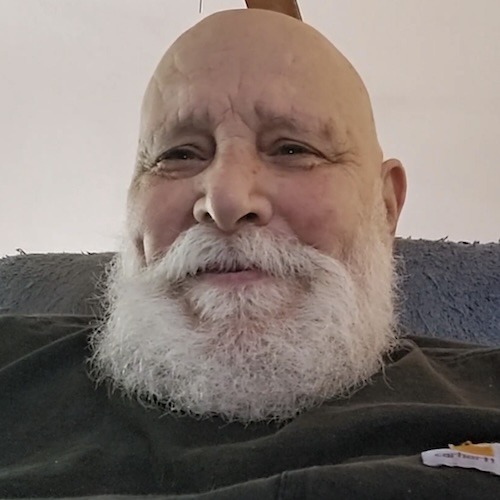
Jim’s experience emphasizes the necessity of self-advocacy and maintaining a sense of humor in the face of a devastating disease. Despite facing significant side effects and physical setbacks, including a spiral fracture in his leg due to cancer-related bone weakening, Jim remains focused on reclaiming his quality of life and intimacy with his wife. His story serves as a powerful reminder that while cancer may indeed be formidable, patients have the agency to fight for every possible day.
Watch Jim’s video or read the edited interview transcript below to find out more about his story.
- Advocate fiercely for yourself. Jim challenged his 2-to-5-year prognosis by telling his doctor that it was unacceptable, forcing a deeper dive into more aggressive and targeted treatment options.
- Treat your doctor as a partner. Viewing your medical team as partners rather than “gods” allows for a collaborative environment where patient research and expert insight meet.
- Humor as a shield. Maintaining a sense of humor, even during grueling biopsies or radiation, can prevent the disease from consuming your entire emotional life.
- Prepare for physical side effects beyond cancer. Jim experienced a spiral leg fracture because he was not initially warned about the risks of osteoporosis and bone density loss associated with his condition and treatment.
- A universal truth: Life is not fair and will present obstacles that feel insurmountable, but the chance to fight back, alongside discipline and a plan, allows a person to maintain their dignity through the “meat grinder” of illness.
- Name: Jim D.
- Age at Diagnosis:
- 75
- Diagnosis:
- Prostate Cancer
- Staging:
- Stage 4 (Metastatic)
- Symptoms:
- Limited urine stream
- Back pain
- Treatments:
- Chemotherapy: docetaxel
- Radiation therapy
- Hormone therapy: abiraterone, leuprorelin
This interview has been edited for clarity and length. This is not medical advice. Please consult with your healthcare provider to make informed treatment decisions.
The views and opinions expressed in this interview do not necessarily reflect those of The Patient Story.
- My red flags and initial symptoms
- Prostate biopsy and maintaining humor
- Receiving a stage 4 diagnosis
- Radiation and aggressive treatment
- My experiences with chemotherapy and hormone therapy
- My professional background and emotional resilience
- Facing bone fractures and osteoporosis
- Rejecting the 2-to-5-year prognosis
- Deciding to take a break from hormone therapy
- Reclaiming intimacy and final advice
My red flags and initial symptoms
I had two major red flags. There was a third involved, too, but the first major one was that I had a limited urine stream, and it just came on suddenly. And then I had persistent back pain. And then I was tired. I mean, I wasn’t just tired, I was exhausted, even though I was sleeping well and eating well and everything, I just could not get enough rest. So that’s what brought me onto it.
I was working out of state, and I came home because the project was finished, and very much looking forward to seeing my wife. I had been away from home for three months, and I immediately made an appointment with the doctor. We did a PSA test and found out my PSA was 114.
Prostate biopsy and maintaining humor
Well, the first test was a biopsy of the prostate. And a little bit of humor here — you know, I’m standing at the desk to check in, and the gal’s asking me all these questions I’d filled out online. I said, “Why are you asking me these questions when I already answered them all online?” She looks at me and says, “Well, we want to make sure that you are who you are.” And I said, “That’s the guy I want to be. I want to be the surrogate for the guy getting a prostate biopsy. Yeah, I’m the guy who wants to go through that.”
You have to have humor because this is serious business. If you want to have it consume your life, then you need to have the humor and the research into things that most people have no idea what’s going on.
Receiving a stage 4 diagnosis
I had a follow-up with the urologist, and he says, “Look, Jim, you have a pretty serious condition here. You need to get treatment.”
He got his nurse to come in and gave me two shots in my abdomen. Then I was referred to the oncologist. I had a bone scan, and I had lesions all over my body. They ranged from my pelvic area to the top of my head, and I had them in a lot of my rib cage and in my spine.
We finally went to see the radiology oncologist, and she said, “Jim, you have stage 4 metastatic prostate cancer, and you have 2 to 5 years to live.” My wife just lost it. It wasn’t just crying; it was sobbing and rocking. She was beside herself. It was just devastating to her.
Radiation and aggressive treatment
My regular oncologist, Dr. Haghighat, had just received my PET CT scan. There was this large lesion up towards my shoulder blades, about eight inches down from my neck, and it was pushing up against my spinal cord.
He said, “We need to get this guy into radiation therapy right now.” He added, “Look, Jim, this is pretty serious. We’re going to have to really throw everything we have at it with the kitchen sink. And then we’re going to add a bag of chips on top of it. Are you up to it?” And I said, “Sure, I’m up to it.”
I went through the radiation treatment, and it was a piece of cake.
My experiences with chemotherapy and hormone therapy
I started my abiraterone and my leuprolide therapy, which is hormone therapy. Then I started my chemotherapy, and I took docetaxel. It wasn’t hard on me.
I’m a pretty friendly person, so I’d sit in the chair, and the snack gal would come by, and I’d say, “It’s time for my orange juice and my shortbread cookies.” I made it a joyful thing to go get the chemotherapy because I saw it as a means to the end.
I had a cumulative effect from the chemotherapy. I didn’t have any blisters in my mouth or throw up, but the inside of my mouth was sore. I lost my taste ability; everything tasted like cardboard. I also had fatigue and chemo fog. My short-term memory didn’t exist anymore, but it all came back.
My professional background and emotional resilience
I went to military school, ROTC training, very disciplined. Then I went into the Marine Corps for six years. I earned that title as a marine because they just don’t give it to you; you have to earn it. Then I became a Journeyman Inside Wireman Electrician. I worked very dangerous jobs: oil platforms, tunnel boring machines, and refineries.
You had to be fearless to do what I did. And cancer is hard to be fearless. It strikes your heart. I say that cancer is the dragon, and he’s out to devour you every single day. It’s your job that you have to spit in his eye and tell him to get away from you.
Facing bone fractures and osteoporosis
I found out I got osteoporosis, or something between osteopenia and osteoporosis. I was at my front gate in my front yard, it weighs nothing, and I went to close it and turned to walk away, and I spiral fractured my left leg. All caused by the cancer. And no one had made me aware of it.
I told my doctor, “You let me down. I’m the one who has the broken leg.” I have a titanium plate that’s three-quarters of the length of my leg and 15 screws. It hurts every day.
You need to advocate for yourself to prove that cancer is not winning in your life.
Rejecting the 2-to-5-year prognosis
I’m a real matter-of-fact person. When I got the diagnosis, I was more concerned about consoling my wife. But when I got that prognosis of 2 to 5 years, I stuck my finger out, I pointed at the doctor, and I said, “That’s unacceptable. We’re not going to go there. You’ve got to work harder, and I’m going to work harder.” I brought up theranostics, which I had researched.
My doctor is my partner. He’s not my God; he’s my partner. I helped Dr. Haghighat learn some things, and I learned some things.
Deciding to take a break from hormone therapy
Hormone therapy was difficult. Prostate cancer’s food is testosterone. It was explained to me that we need to get rid of it. The tiredness and chemotherapy are cumulative.
Two weeks ago, I spent a whole week crying and sobbing, which is not my personality. I was weak and frustrated. I told my doctor, “I’ve had it.” He said, “Jim, let’s take a break.”
We have an appointment on the 23rd of March to check everything. Half of what I was feeling was the cancer alone, not just the hormone treatment. That gives me a more positive attitude to be able to continue.
Reclaiming intimacy and final advice
I told my wife I really miss the intimacy we had. We had to discover how we can be intimate again. We have discovered our form of intimacy; it doesn’t involve intercourse, but we have that closeness.
Cancer has made me softer, made me kinder. Life is not fair. Life has obstacles in it. Cancer doesn’t care about your status, your money, or how cool you think you are. It’s going to put you through the meat grinder, but you have a chance to fight that problem.
Inspired by Jim’s story?
Share your story, too!
More Prostate Cancer Stories
Jim D., Prostate Cancer, Stage 4 (Metastatic)
Symptoms: Limited urine stream, back pain
Treatments: Chemotherapy (docetaxel), radiation therapy, hormone therapy (abiraterone, leuprorelin)
Jamel Martin, Son of Prostate Cancer Patient
“Take your time. Be patient with the loved one that you are caregiving for and help them embrace life.”

Joseph M., Prostate Cancer
When Joseph was diagnosed with prostate cancer, the news came as a shock and forced him to face questions about his health, future, and faith. He shares how he navigated his diagnosis, chose robotic surgery, and learned to open up to his loved ones about his health.
Rob M., Prostate Cancer, Stage 4
Symptoms: Burning sensation while urinating, erectile dysfunction
Treatments: Surgeries (radical prostatectomy, artificial urinary sphincter to address incontinence, penile prosthesis), radiation therapy (EBRT), hormone therapy (androgen deprivation therapy or ADT)
John B., Prostate Cancer, Gleason 9, Stage 4A
Symptoms: Nocturia (frequent urination at night), weak stream of urine
Treatments: Surgery (prostatectomy), hormone therapy (androgen deprivation therapy), radiation


Eve G., Prostate Cancer, Gleason 9
Symptom: None; elevated PSA levels detected during annual physicals
Treatments: Surgeries (robot-assisted laparoscopic prostatectomy & bilateral orchiectomy), radiation, hormone therapy

Lonnie V., Prostate Cancer, Stage 4
Symptoms: Urination issues, general body pain, severe lower body pain
Treatments: Hormone therapy, targeted therapy (through clinical trial), radiation

Paul G., Prostate Cancer, Gleason 7
Symptom: None; elevated PSA levels
Treatments: Prostatectomy (surgery), radiation, hormone therapy
Tim J., Prostate Cancer, Stage 1
Symptom: None; elevated PSA levels
Treatments: Prostatectomy (surgery)
Mark K., Prostate Cancer, Stage 4
Symptom: Inability to walk
Treatments: Chemotherapy, monthly injection for lungs

Mical R., Prostate Cancer, Stage 2
Symptom: None; elevated PSA level detected at routine physical
Treatment: Radical prostatectomy (surgery)
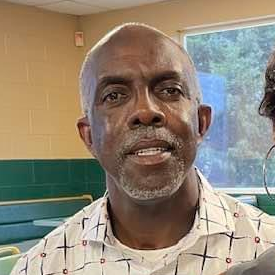
Jeffrey P., Prostate Cancer, Gleason 7
Symptom: None; routine PSA test, then IsoPSA test
Treatment: Laparoscopic prostatectomy

Theo W., Prostate Cancer, Gleason 7
Symptom: None; elevated PSA level of 72
Treatments: Surgery, radiation

Dennis G., Prostate Cancer, Gleason 9 (Contained)
Symptoms: Urinating more frequently middle of night, slower urine flow
Treatments: Radical prostatectomy (surgery), salvage radiation, hormone therapy (Lupron)

Bruce M., Prostate Cancer, Stage 4A, Gleason 8/9
Symptom: Urination changes
Treatments: Radical prostatectomy (surgery), salvage radiation, hormone therapy (Casodex & Lupron)
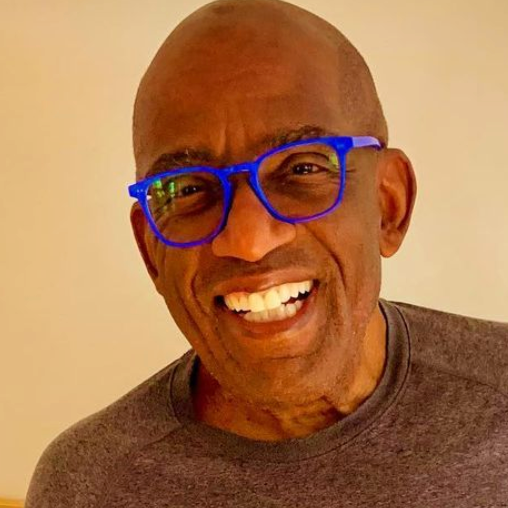
Al Roker, Prostate Cancer, Gleason 7+, Aggressive
Symptom: None; elevated PSA level caught at routine physical
Treatment: Radical prostatectomy (surgery)

Steve R., Prostate Cancer, Stage 4, Gleason 6
Symptom: Rising PSA level
Treatments: IMRT (radiation therapy), brachytherapy, surgery, and lutetium-177

Clarence S., Prostate Cancer, Low Gleason Score
Symptom: None; fluctuating PSA levels
Treatment: Radical prostatectomy (surgery)



Leave a Reply