
Leukemia and Myelodysplastic Syndrome Stories from Patients
What is leukemia? Leukemia is a broad term for cancers of the blood cells, most often occurring in adults over 55, but also a common cancer in children under 15.
The type of leukemia depends on the type of blood cell that becomes cancer and whether it grows quickly or slowly. (NCI)






Explore below for leukemia stories from real patients, from symptoms, diagnosis, to treatment.
Myelodysplastic Syndromes (MDS)
Myelodysplastic syndromes (MDS) are a group of rare blood cancers related to leukemia that affect the bone marrow’s ability to produce healthy blood cells, leading to symptoms like fatigue, frequent infections, and anemia. While not a leukemia, some forms of MDS can progress to acute myeloid leukemia over time.
Myelodysplastic syndromes (MDS) often develop slowly, and symptoms can be subtle at first. Many are tied to low blood counts (anemia, neutropenia, thrombocytopenia).
Acute Lymphoblastic Leukemia (ALL)
- Common symptoms: Fatigue, weakness, drenching night sweats, fever, easy bleeding or bruising, shortness of breath, loss of appetite or weight loss, bone or stomach pain, pain or feeling of fullness below ribs, painless lumps in neck, underarm, stomach, groin, lots of infections



Acute Myeloid Leukemia (AML)
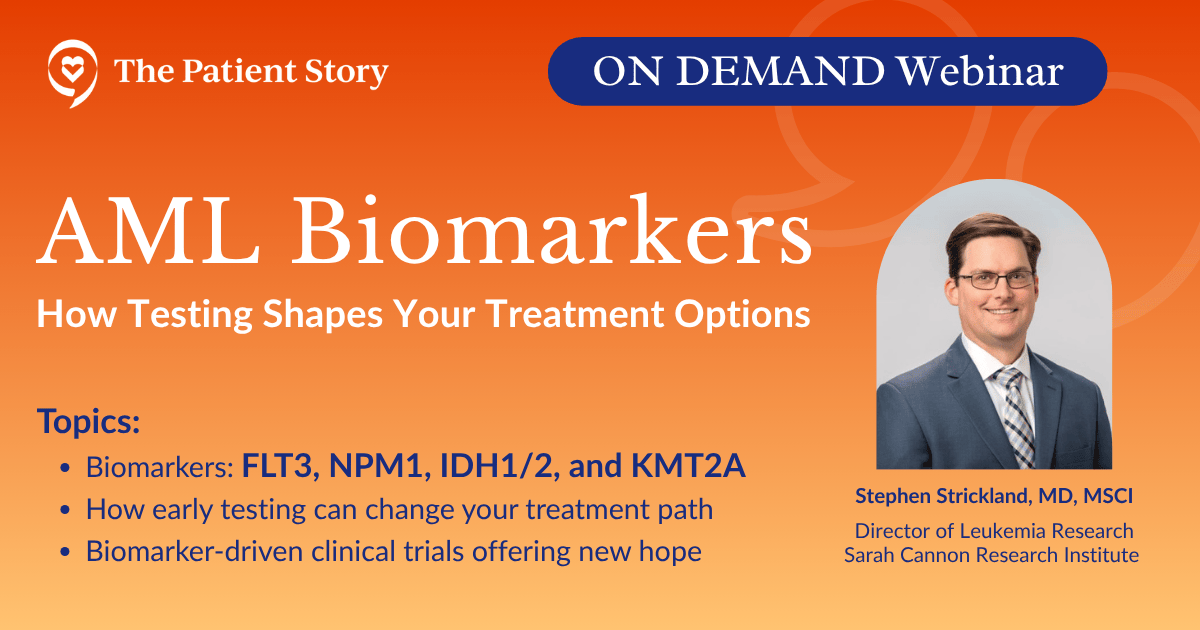
AML is a cancer in which the bone marrow makes immature white blood cells, known as myeloblasts. AML is the most common type of acute leukemia in adults.
Acute Myeloid Leukemia is one of our newest conditions to get it’s own page – come help us build it. Visit the AML Homepage.


Chronic Lymphocytic Leukemia (CLL)
CLL is the most common form of leukemia in the U.S. It’s a cancer in which the bone marrow makes too many lymphocytes (a type of white blood cell).
Chronic lymphocytic leukemia (also called CLL) is a blood and bone marrow disease and usually progresses slowly as opposed to acute leukemias. It is the most common type of chronic leukemia in adults.
More on CLL:
- Chronic Lymphocytic Leukemia Page
- What is CLL?
- Treatment options for CLL
- Dr. Kerry Rogers on CLL
- Dr. Jacqueline Barrientos on CLL
- Dr. Timothy Fenske on CLL