Categories
Chemotherapy Colon Colorectal FOLFOX (folinic acid, fluorouracil, oxaliplatin) Partial colectomy Patient Stories Surgery Treatments

Colon Cancer at 24: Meagan’s Story of Listening to One Symptom

Stage 3C Colon Cancer at 24: Meagan’s Story of Listening to One Symptom

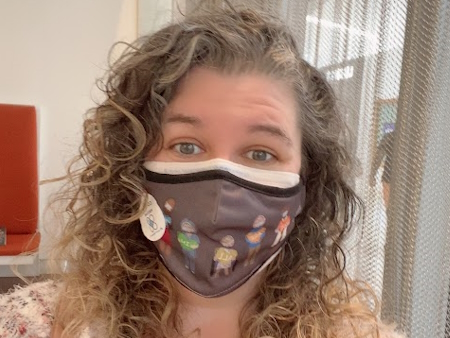
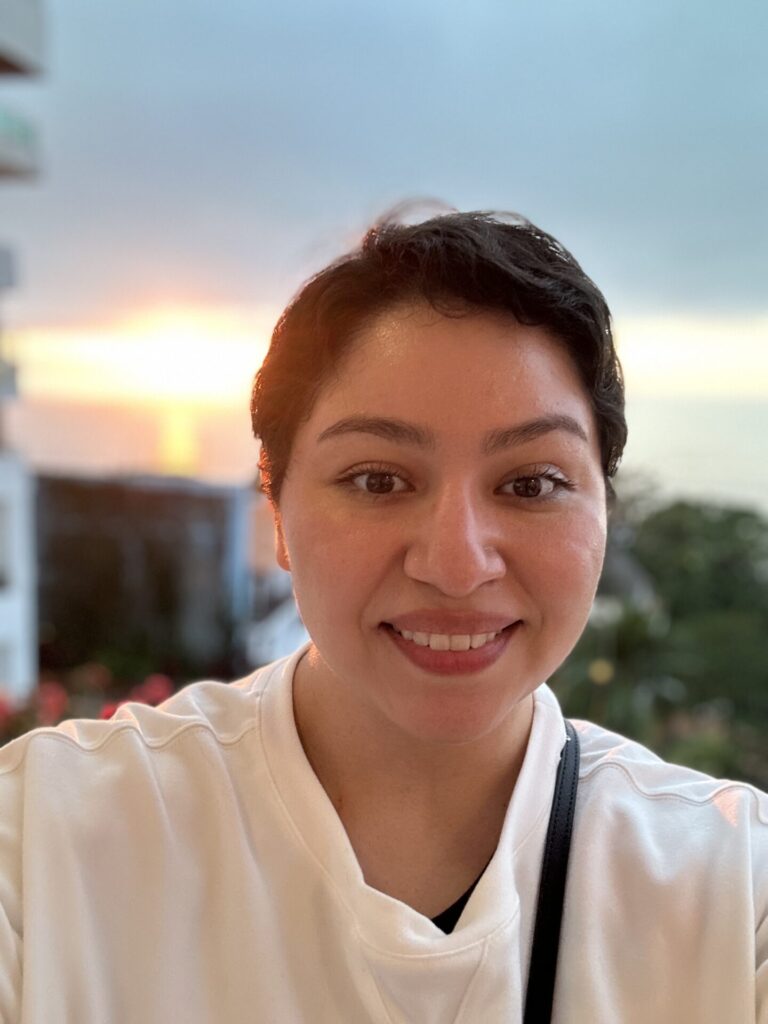
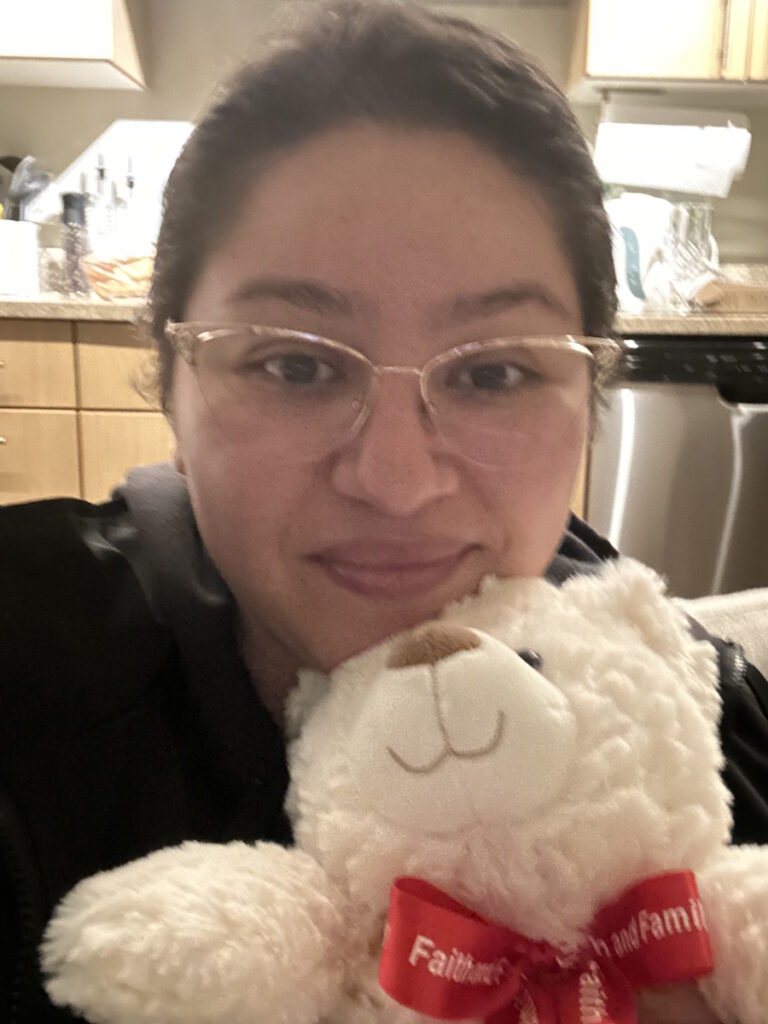
At 24, Meagan was a busy graduate student and substitute teacher whose life revolved around lesson plans, a long-term relationship, and building her future. However, she was diagnosed with stage 3 colon cancer after months of noticing small amounts of blood in her stool. She had no abdominal pain, cramping, or major digestive changes. She initially assumed the bleeding was from hemorrhoids, especially as friends and family echoed that explanation. Even as TikTok videos about colon cancer and blood in the stool kept surfacing on her feed, the idea that this symptom could mean cancer still felt distant and unreal.

Interviewed by: Nikki Murphy
Edited by: Chris Sanchez

When Meagan finally saw her primary care physician, she felt heard and taken seriously immediately. Her doctor ordered blood work, a fecal calprotectin test, a CT scan, and a referral to a gastroenterologist (GI specialist), but everything came back essentially normal except for slight anemia. Embarrassed and questioning whether she had pushed too hard, Meagan still kept her GI visit, where the specialist recommended going “all the way” to a colonoscopy. That test revealed a 4-centimeter tumor in her sigmoid colon, and a subsequent surgery showed that seven of 20 lymph nodes were positive, confirming that she had high-risk stage 3C colon cancer at just 24.
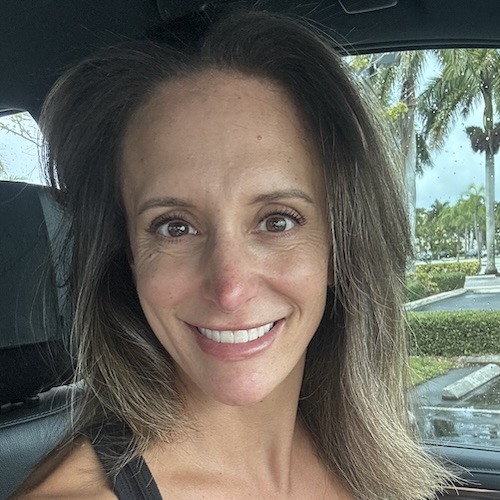
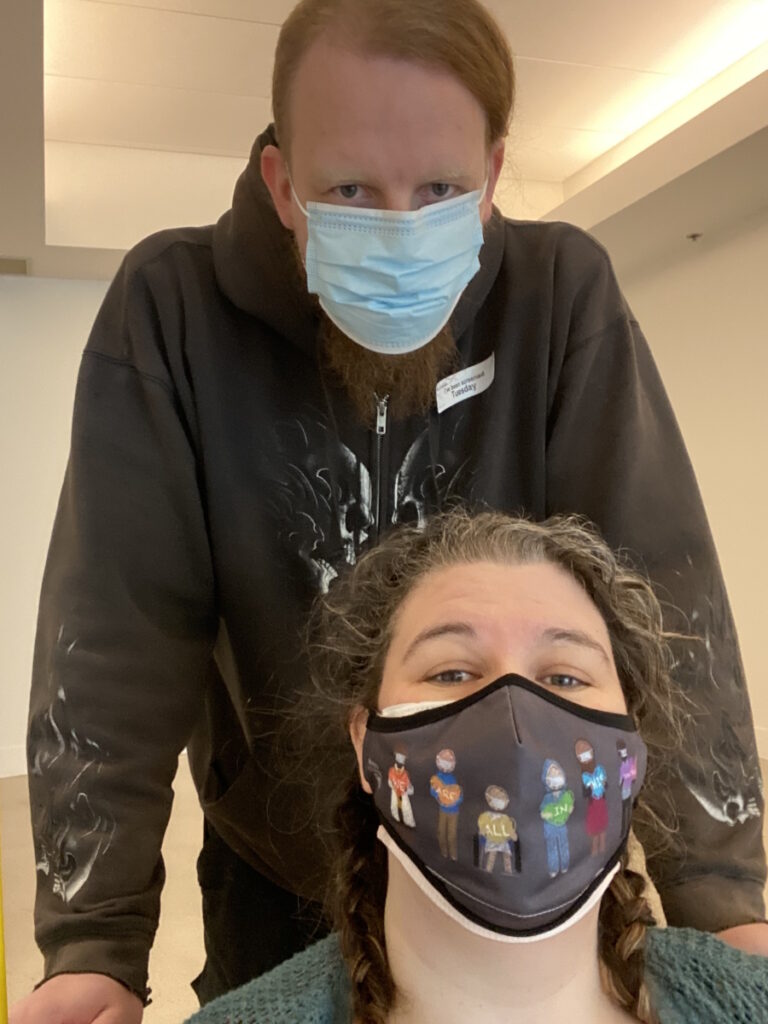
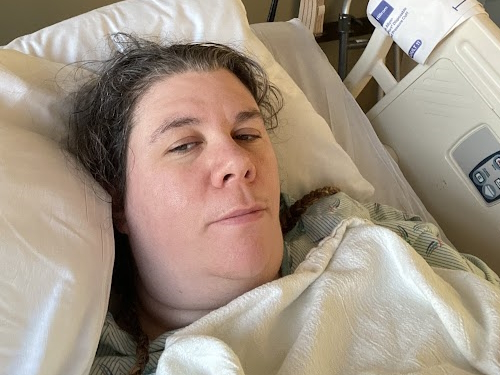
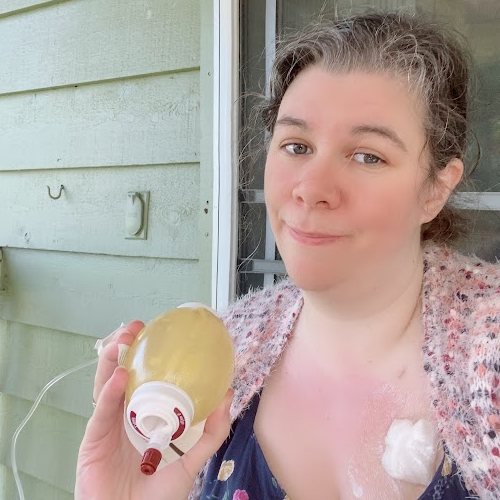
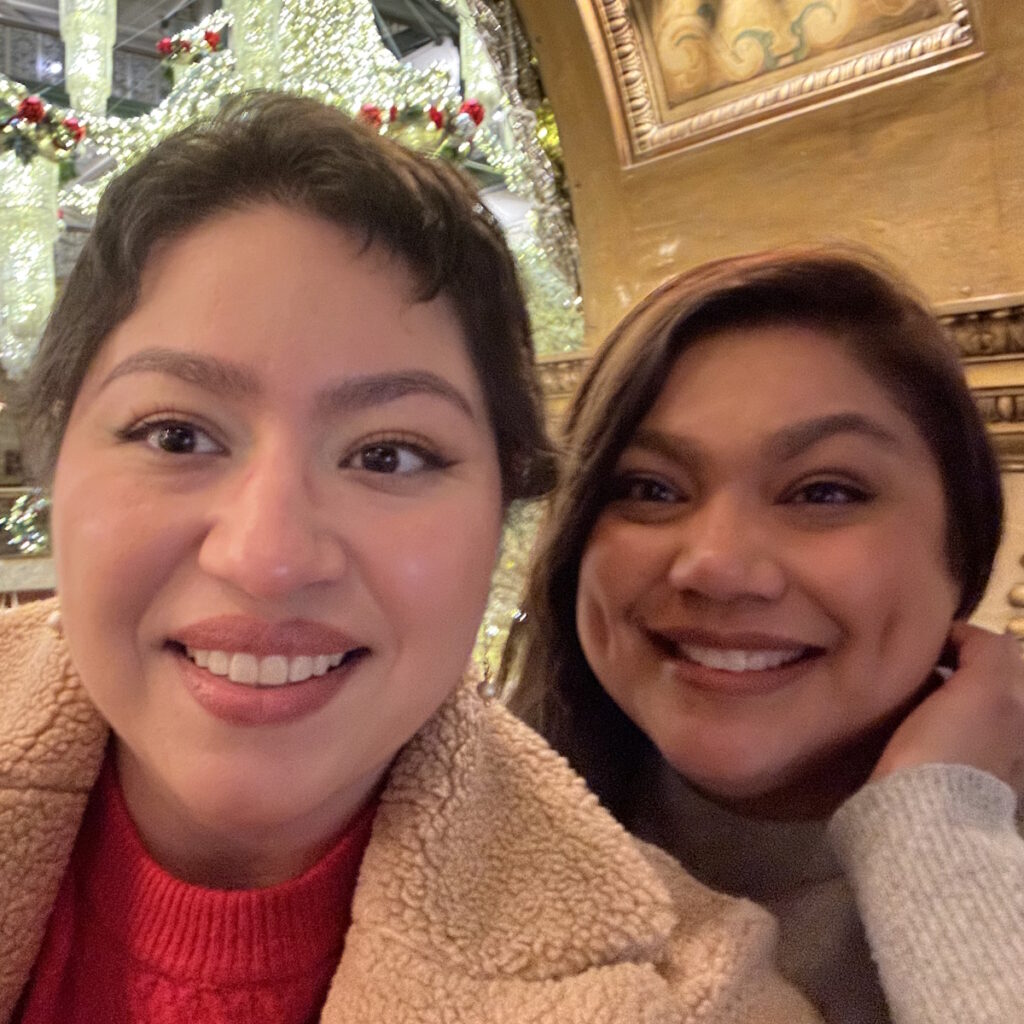
Meagan M. colon cancer

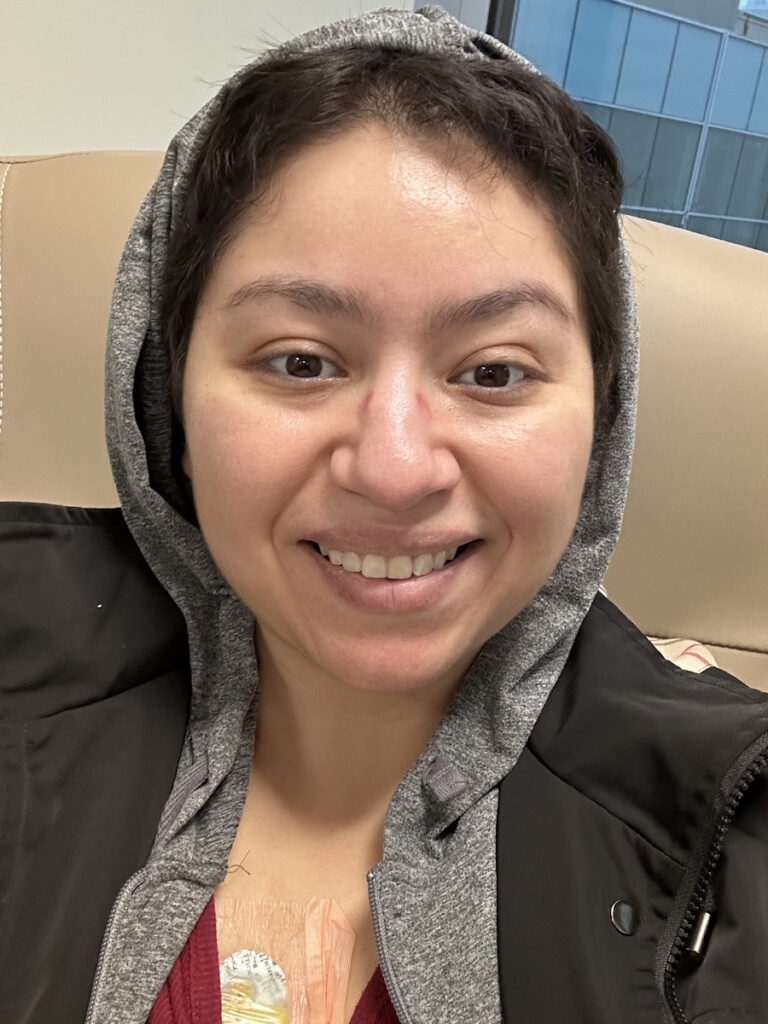
Meagan began six months of FOLFOX chemotherapy, an experience that challenged her physically and mentally. Treatment cycles left her nauseated, without appetite, and dealing with severe cold sensitivity and lasting neuropathy in her hands and feet. She also navigated the emotional whiplash of watching friends live “normal” 24‑year‑old lives while her own plans, such as launching a teaching career, moving in with her partner, and starting a family, were put on hold.

Now in remission, Meagan is reshaping her life with intentionality: delaying motherhood so she can prioritize scans and monitoring, committing to exercise and nutrition changes, and seeking therapy and support groups to manage the ongoing fear of recurrence. She is clear that she does not yet call herself a survivor. However, she is learning to give herself grace, accept that she will never be exactly who she was before stage 3C colon cancer, and trust that she can still build a meaningful, joyful future.

Watch Meagan’s video and read the edited transcript of her interview below to take a deeper dive into her story.

  • Even one subtle symptom, like intermittent blood in the stool with no pain, can signal something serious, and getting it checked may lead to an earlier colon cancer diagnosis.
  • A primary care physician and GI specialist who take concerns seriously and push for full diagnostic testing, including colonoscopy, can be lifesaving when other tests appear normal.
  • FOLFOX chemotherapy for stage 3 colon cancer can cause intense side effects like nausea, cold sensitivity, and long-term neuropathy, making everyday tasks and mental health support especially important.
  • Being diagnosed with colon cancer in your 20s can disrupt career, relationship, and motherhood plans, but it can also lead to intentional decisions about fertility preservation, work flexibility, and prioritizing health.
  • For all patients: You may never feel exactly like your old self after cancer, yet with time, self-compassion, and support, you can still move forward and build a meaningful life.
  • Meagan’s transformation shows her shift from brushing off symptoms and assuming she was fine to advocating for herself, restructuring her future, and redefining what it means to live fully while in remission.

  • Name:
    • Meagan M.
  • Age at Diagnosis:
    • 24
  • Diagnosis:
    • Colon Cancer
  • Staging:
    • Stage 3C
  • Symptom:
    • Appearance of blood in stool
  • Treatments:
    • Surgery: partial colectomy
    • Chemotherapy: FOLFOX
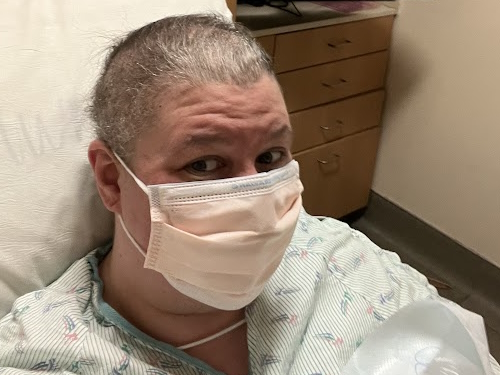
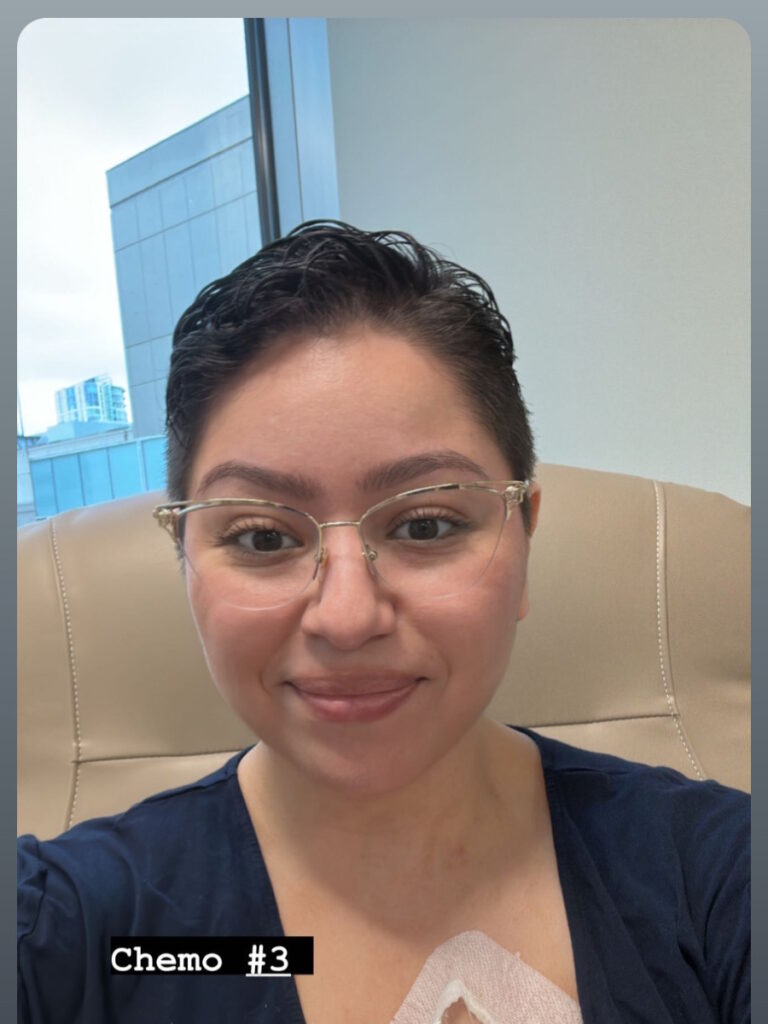
Meagan M. colon cancer

This interview has been edited for clarity and length. This is not medical advice. Please consult with your healthcare provider to make informed treatment decisions.

The views and opinions expressed in this interview do not necessarily reflect those of The Patient Story.


Transcript of Meagan’s Interview

Meet Meagan: Stage 3 colon cancer at 24

My name is Meagan, I’m 24 years old, and I was diagnosed with stage 3 colon cancer in 2025, when I was 24 years old.

Life before my colon cancer diagnosis

Before my diagnosis, I was very busy. I was in school to become a teacher, so I was student teaching, which is basically when you teach without pay. It is kind of like an internship. I was doing that the entire full semester before my diagnosis. For the two years prior, I was also doing a master’s program, so I was very busy with school.

I was excited to finish school and be able to actually be a teacher with my own classroom. I am in a serious relationship, so I was looking forward to after graduation and what our life together would look like in terms of moving in, getting engaged, all those things.

First symptoms and taking action

First signs of colon cancer: Blood in my stool

I first started having my only symptom in August of 2024. I noticed a little bit of blood in my stool, but I did not think anything of it. I also was not the greatest in terms of diet, exercise, and water intake, so my family and friends all suggested that it was most likely hemorrhoids, because I also would not go to the bathroom very often. They were thinking it was related to that.

The blood would not be there every time, which was another reason I was not concerned, and it was not in large amounts. Sometimes I almost never noticed it at all. I really, truly — even all the way until when I went to see my doctor in February of 2025 — did not think anything deeper than hemorrhoids. I did not have stomach issues. I did not have pain, cramping, or any inconsistencies. I was just a very constipated girl, so I did not think anything other than hemorrhoids.

Living with symptoms for months before seeing a doctor

From August to February, I did not go to the doctor. I was not using hemorrhoid cream or anything at home. I honestly was just thinking that the symptoms would go away on their own.

By the time I went to the doctor, I had finally gotten to a point where I thought, “Wow, these are very stubborn hemorrhoids. They are not resolving. It is continuing to be something that I am noticing.” So I decided I might as well go see the doctor and see if there was something she could give me or do for me that would help resolve the situation.

Most of that time, I was just in school regularly and working as a substitute teacher. My mind was in a totally different place. I was not focused on my health or thinking that it could be anything serious.

Shortly before I went to the doctor, I started getting a lot of TikTok videos of people having colon cancer. I did slightly have that in my mind. I did not think I was going to have it, but I thought maybe I should think about getting something looked at, because everyone would talk about the symptoms, and blood in the stool was the biggest symptom they mentioned. But because I did not have other symptoms, I still did not think it would be something that would affect me.

TikTok, Google, and the push to see a doctor

I was not searching for my symptoms on TikTok. I had Googled my symptom, but I never did anything related to TikTok, so I was confused how that connection got there. It felt like it was meant to be for me to go to the doctor and for me to see those things.

It honestly felt like it was meant to be that TikTok started showing me colon cancer videos and pushed me to go to the doctor.

Path to diagnosis

The primary care doctor who took my concerns seriously

I saw my primary care physician in February, and luckily, she was amazing. She took my concern seriously and ordered every single step for me from the beginning. I have heard a lot of people say they saw their primary care and were told, “Okay, let’s do blood work and then see what happens,” but she just ordered everything — boom, boom, boom.

I had blood work, a fecal calprotectin test (to detect inflammation in the colon), a CT scan, and an appointment with a GI specialist to refer me for a colonoscopy.

I got the blood work done. The only abnormal thing was slight anemia, not full-blown anemia, but slight anemia, which is also a symptom. The fecal calprotectin test came back normal and did not show any inflammation in my colon. The CT scan also came back normal, but I did have a lot of stool in my body, so I am assuming that had something to do with why it came back normal, because maybe they were not able to see the mass because it was blocked.

After all those tests came back normal, I was feeling a little embarrassed. I still had my GI appointment booked, and I went anyway. I told her, “You know what? I honestly think that I am just fine. I do not know why I went this far. I was having this symptom, and it is still happening, but I do not know.”

Luckily, she took me very seriously, even though I was not taking myself seriously. She said, “We have gone this far. Let us go all the way and do the colonoscopy. There is no harm in it. It is not fun, but at least we can see physically what is happening inside and figure something out for you.”

Those were my steps, and then I got my colonoscopy at the beginning of June, where they found the tumor.

Colonoscopy prep and the day of the procedure

My GI specialist was very kind and did not want me to have to do the Golytely jug, because a lot of people struggle with that. I did SUPREP for my colonoscopy prep, which is two smaller bottles, and most of the prep involves drinking water as opposed to drinking a large, bad-tasting solution.

Even with Suprep, I still had a really hard time. It does not taste good. I got pretty sick drinking it, but I made it through and drank all of it. My parents were very encouraging. They kept telling me, “You are this far. You are doing the prep. You need to push through, keep doing it, go in for the colonoscopy, and have this be over.”

My colonoscopy was very early in the morning, so I went in first thing and went from there.

Hearing “We found a tumor” after my colonoscopy

I was rolled into the room for my colonoscopy and saw the doctor beforehand. He said, “Hey, Meagan, nice to meet you. I am just going to get in here really quickly, check everything out, and we will get you out super quickly. It should be easy-peasy.”

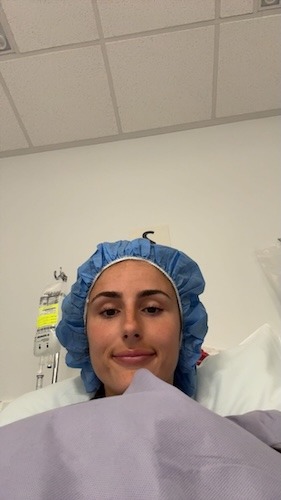
I fell asleep right away. When I woke up in the recovery room, the nurse came in and said they had called my mom to come back, and that the doctor was going to talk to both of us about how the colonoscopy went. That is not typically normal at my clinic. Usually, the person who picks you up just gets you to the car; they never come inside. The fact that they said my mom was coming inside should have been a red flag, but I was still groggy from anesthesia. I was just thinking, “Okay, great, my mom will be here,” and I did not think anything serious was coming.

The doctor came in and said, “Okay, I found something. It is honestly taking a lot for me to gather my words to say this because I have not seen anyone your age in this situation, but I found a tumor.” He said it was four centimeters. The next step was 100% surgery to remove it. He could not take it out during the colonoscopy because it was too large.

He was very hopeful and left it up in the air that it could be cancer or a very advanced polyp. Leaving the appointment, I was terrified, but I was not 100% sure it was cancer. He told me he had taken biopsies from the tumor and was sending them to the lab, and that I would hear in a few days whether it was cancer or not.

How I found out I had colon cancer: My biopsy results online

He sent the biopsies to Quest Diagnostics, and I have an account with them, so I can see my results for blood work and biopsies. He told me we would hopefully get the biopsy results by Friday, since my colonoscopy was on a Tuesday, but if we did not have them by Friday, I would have to wait until Monday, which felt like torture.

On Friday, I was checking Quest every five minutes, just hoping the results would be there. Five o’clock rolled around, and the results still were not there, so I knew he would not be calling me with results that day, and I would have to wait.

At 9 p.m. on Friday, June 6th, I saw the results on Quest. It said it was a moderately differentiated ulcerated adenocarcinoma in the sigmoid colon. Essentially, it meant it was cancer. I had to digest that information without having spoken to the doctor yet.

I was with my mom, my dad, and my best friend, Sarah. I was hysterical. My initial reaction was the same as most people who find out they have cancer: my first thought was, “I do not want to die.” I was absolutely terrified. Looking back, I feel terrible for the people who were there in that moment, because there is nothing you can say that will make the person feel better.

The doctor who performed my colonoscopy took it upon himself to call me on Saturday. He told me it was cancer, thinking I had not seen the results yet. He took time out of his weekend to call me because he knew I was being tortured by the wait. He was really kind to do that, and I appreciated it so much. He told me it was cancer, and that my next steps would be with a surgeon and an oncologist.

Staging, surgery, and treatment decisions

Fears about staging and waiting for surgery

After the colonoscopy, I had to wait a lot. I woke up not knowing if it was cancer and had to wait for biopsy results. Once I found out it was cancer, I had to wait for surgery to find out the stage.

I did have a CT scan following my colonoscopy that showed the lymph node right next to my sigmoid colon, where the tumor was, was enlarged. My colonoscopy doctor told me not to let myself spiral yet, because I was very young and my immune system is extremely active, so my lymph nodes could just be reacting to the tumor and trying to fight it. That could be why they looked enlarged and did not automatically mean they had cancer. That made me feel a little better.

Deep down, though, I had a fear of it being stage 3. At that point, I knew it most likely was not stage 4 because the CT scan did not show anything distant in my body, just in those lymph nodes. It was scary not knowing if it would be stage 3 or not, because stage 3 and stage 4 are later stages, and that sounds very terrifying to hear at 24.

Colon cancer surgery, and finding out it was stage 3C

After finding out it was cancer, my first step before seeing an oncologist was to see a surgeon, because they did not know how to treat me until they knew the stage. Surgery was the main indicator of my next step.

My surgery was scheduled for a couple of weeks after my colonoscopy. They took out 25 centimeters of my colon and 20 lymph nodes around the area to be biopsied. Seven lymph nodes came back positive, which is a lot, so I was considered high-risk stage 3, technically stage 3C.

I then went to see my oncologist. She told me I needed to do six months of FOLFOX chemotherapy, no matter what, because we wanted to really make sure the cancer would not be able to come back. In my surgery, we had clear margins, so all visible cancer was removed, but with stage 3, there could be microscopic cells that are not visible on scans or during surgery. Chemotherapy’s purpose was to kill anything that might not have been removed.

I had a second opinion at UCSD, and that doctor agreed with my oncologist’s treatment plan. For stage 3, FOLFOX chemotherapy is the standard of care. The main difference tends to be how long you do it. In my case, I had to do the longest course to make sure we were being as aggressive as possible.

Chemotherapy and side effects

My FOLFOX chemotherapy schedule and side effects

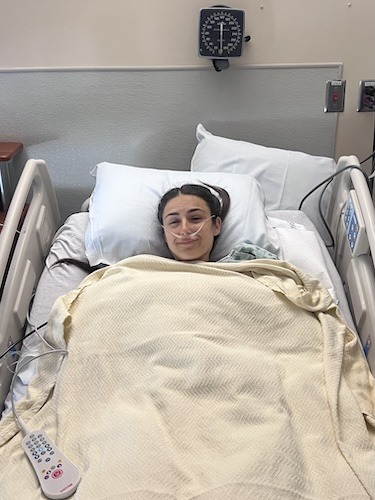
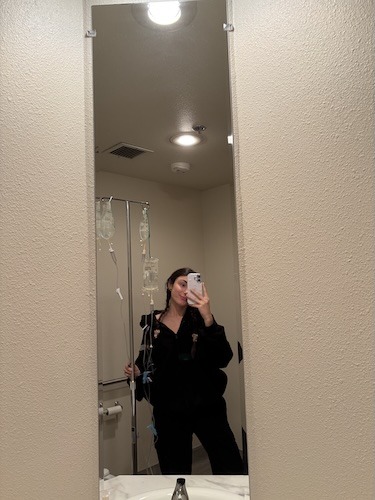
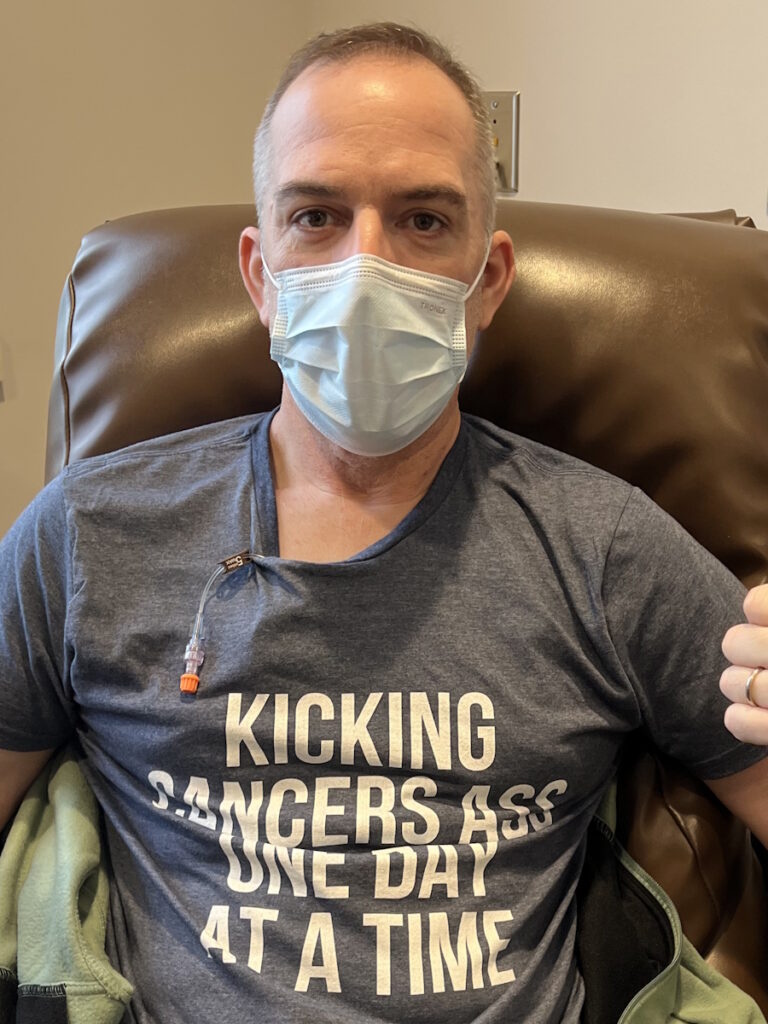
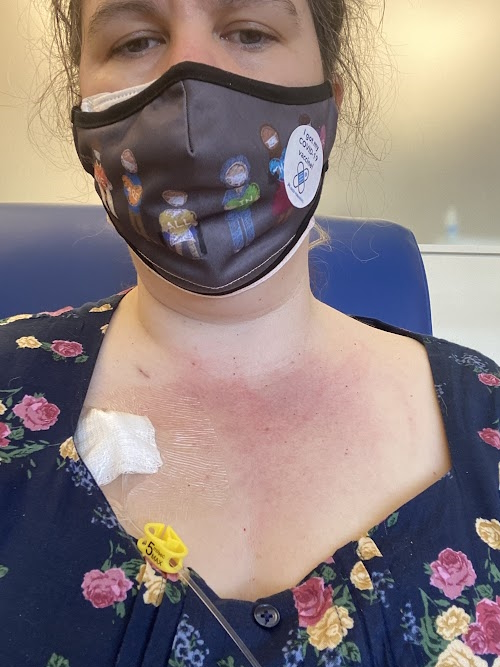
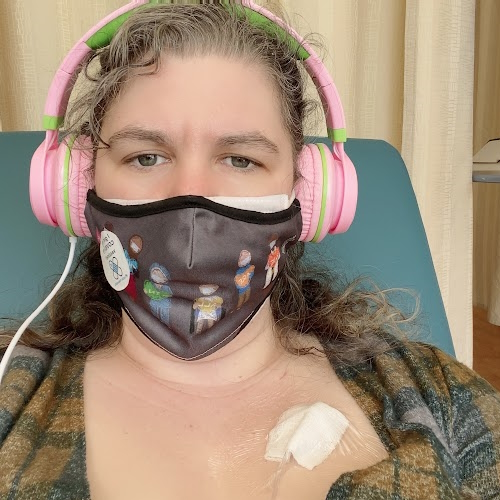
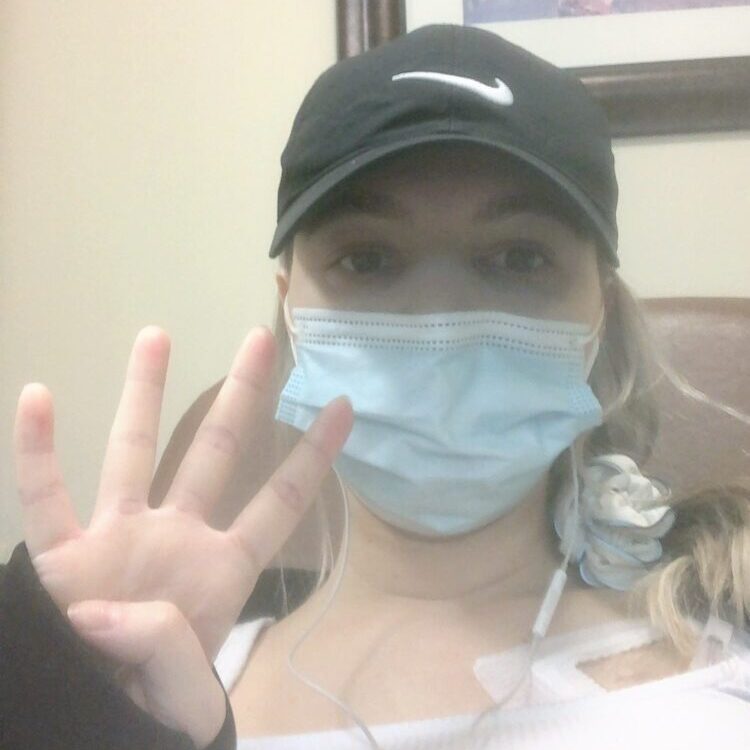
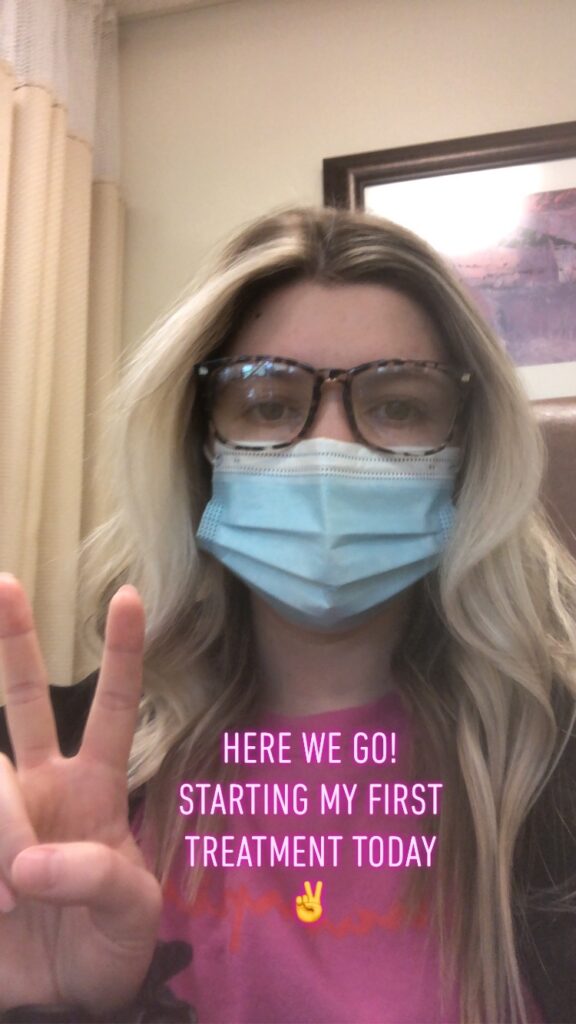
Chemotherapy was really hard. I struggled a lot. I had to go every other week for six months. I would go in on Wednesday and be connected to an overnight pump that I slept with on Wednesday night and Thursday night. On Friday, I was disconnected from the pump. Usually, I felt very sick from Wednesday through Sunday of my treatment week.

My main side effects were nausea, very little appetite, and severe cold sensitivity from one of the chemo drugs, which meant I could not touch, eat, or drink anything cold.

I even struggled to drink room temperature water after treatment because it felt like I was swallowing razor blades. It was very uncomfortable and made daily tasks hard because I could not touch anything cold.

Another lasting side effect I still have is neuropathy. I cannot feel my fingers or my toes. I have really struggled to do daily tasks now that I am done with treatment. It feels like the gift that keeps on giving from chemo.

The toughest days of treatment: Physical and mental

The thing I struggled with most during treatment was the mental aspect. You feel very sick physically, which makes it hard to stay mentally strong. I had days when I was so nauseous I could not drink water or eat anything. I was just lying on the couch, in and out of sleep.

It was really hard to stay strong mentally and get through those days, but I reminded myself that the following week I would feel better. The breaks between cycles helped me feel more like myself. If I had had six straight months of constantly feeling sick, it would have been a lot harder to get through.

Knowing there was an end in sight, each round, and that it was not too far away, helped me keep going. I tried to look forward to my week off from treatment, make plans, and do things I could look forward to. That helped me move forward through the rough days. I still had days when I was very physically sick, and my stomach was so sensitive that eating was difficult.

Realizing “This is my reality” at 24

I think reality hit me pretty quickly. From the beginning, I was very aware of what I was dealing with. It hit even harder once I started treatment. With surgery, everything was very quick — boom, boom, boom — and then it was done.

During treatment, there was a long stretch of time where I was watching all my friends continue their lives. Their lives kept going, and mine was completely put on pause. That hit me very hard. This was my reality — and it was not a fun reality to be part of.

I also struggled in some friendships. It is frustrating seeing your friends being happy and doing normal 24-year-old things when you are stuck at home, feeling sick, and struggling.

Young adult life, plans, and fertility

How colon cancer disrupted my 20s

Being diagnosed with later-stage cancer in your 20s is especially hard because your 20s are such a pivotal time. There is so much that happens — career, relationships, independence — that cancer completely disrupts.

No one is usually aware of their own mortality until they are in a situation like mine. I get frustrated knowing I have friends who can live as normal 24-year-old women as I used to, where death and mortality feel so far away and not real. When you are young, you feel disconnected from that.

When you get diagnosed with late-stage cancer, you think, “Oh my gosh, I have my entire life left to live. I am not ready for this.” It feels like an immediate threat you have never had to confront before. It is really hard to make that adjustment, especially when you want a career, marriage, and a family, and all of that suddenly feels very out of reach.

How cancer changed my career and motherhood plans

I had planned to become a full-time teacher much sooner. After going through treatment and everything else, I am delaying that. I am going to stick to being a substitute teacher a little longer, because I appreciate the flexibility of readjusting to “normal” life. I can work when I want to or not work when I do not want to, and I do not have a big obligation to a full-time job. I am still employed but can work as much or as little as I want.

In terms of my relationship and motherhood, I had hoped to have kids much sooner than I will now, or at least much sooner than I will be comfortable with. I am now in the monitoring phase and have to get scans every six months, usually PET or CT scans, which are not safe to get when pregnant. So I will have to delay having kids by maybe three to five years because I want to show up for myself, do those scans, and catch anything early if it comes back.

I do not want to put my own health on the back burner for the sake of starting a family, even though that is something I really want. I want to make sure I will be okay before making the choice to bring a life into the world.

Egg freezing before chemotherapy

My oncologist told me in my initial appointment that chemotherapy could damage my eggs. Because I am young, she said that is somewhat in my favor — my ovaries are more resilient than if I were older — but she still recommended that I freeze my eggs just in case. It is much better to have the option there if I cannot naturally conceive.

I went through the egg-freezing process, and now I have eggs frozen, so if I need them, I will be able to use them.

Relationships, friends, and mental health

What my friends do not understand about life after cancer

I think a lot of people my age do not understand the constant fear and anxiety after treatment. During treatment, they do not fully understand how you feel physically or emotionally. They do not understand what it is like to watch them live their normal lives while you cannot, and they do not understand what it is physically like to go through chemo.

They also do not understand what it feels like not to be able to use your hands for daily tasks because of neuropathy. One of the biggest things I struggle with is that they do not understand the constant fear and anxiety that follows you after treatment is over. Being in remission can feel almost debilitating because you live with the worry of, “What happens if it comes back? What am I going to do? I do not want to die.”

People say, “You are in remission. Why would you be worried about dying?” But death is still a very real possibility in stage 3 cancer. It can come back. It does not mean it will, but it can. Everyone says you cannot worry because no amount of worrying will change the outcome. I know that, but it does not change the fact that the worry is there.

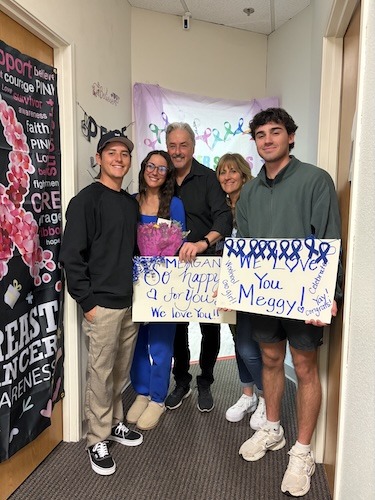
Finishing chemotherapy and ringing the bell

Ringing the bell was mostly a really good day. I felt very happy and proud of myself because I had been looking forward to that moment and wanted to give myself some grace. Throughout this journey, I have been very hard on myself mentally.

That day, I felt like I was able to give myself more grace than I ever had because I went through something so hard — something most people do not understand — and I felt like I handled it well. I was proud of how I went through it, and proud of how I maintained my relationship and friendships. Most of that day was good.

Toward the end of the day, the fear started creeping in. It happened quickly — I moved from, “I am proud of myself,” to, “Okay, now what am I supposed to do? I feel like I do not have control over anything.”

I finished treatment and rang the bell on February 6th, which was very recent — just about a week ago.

What survivorship means to me right now

I am very wary of using the term “survivor.” My mom has always been involved in Relay For Life every year, where they raise awareness and do a survivor walk. She asked if I would be willing to participate in the survivor walk, and I told her I am not comfortable with that yet.

It is a mental game for me. I am not comfortable calling myself a survivor before it truly is what it is. I do not think I will consider myself a true survivor until I go five years without it coming back, because that is when I would be considered cured. Right now, I am just in remission.

Survivorship is hard. It is hard to be post-treatment and see people on TikTok — because I am very active on TikTok — who are newly going through the journey, and to try to help them, because so many people helped me. It is also hard to see people who have it worse than you. Your heart aches, and you almost do not know how to speak to them.

I think, “If that were me and someone else had it not as bad, and they were struggling, I would want to say, ‘Be grateful for what you have.’” It is just hard all around. It is a whole complex journey.

How I support myself in remission

Top ways I support my mental health after treatment

Right now, I am trying to be gentle with myself mentally. I am in therapy, where I talk through my feelings, struggles, and anxieties, and I try to stay on top of that. I am planning on joining support groups and being more present in the aftermath of treatment by talking to other people and getting different perspectives.

Most people I am close to — friends, my partner, and family — do not understand certain aspects of what I am going through. They are amazing in many ways, but certain things are only understood by people who have been through it themselves. Support groups help me feel more understood and supported.

I am also working out. I have never been a person who goes to the gym, but I have done a lot of research and learned that exercise can actively lower recurrence risk in colon cancer. I am committing to 120 to 160 minutes of moderate exercise, focusing mostly on brisk walking for a couple of miles at least five times a week.

I am paying more attention to what I consume. I try to limit additives in my food, eat the rainbow with more fruits and vegetables, increase my fiber intake, and really listen to my body — while giving myself grace that my body is trying to recalibrate and learn how it is supposed to be now.

What I eat in a day to support my gut and colon

A typical day of food for me looks like this:

  • Breakfast: Probiotic yogurt, because probiotics promote regularity in bowel movements.
  • Before the gym: A protein bar, since I prefer going in the early or middle part of the day.
  • After the gym: A fruit bowl or avocado toast — something with fruits or vegetables so I have a solid, nourishing lunch.
  • Dinner: This is what I have been working on most. I have never been a big cook, so I am trying to improve in the kitchen and make really healthy meals. I incorporate a lot more fish and chicken now and try to limit red meat, because red meat takes longer to digest and is harder on the colon. I try to have a vegetable in every meal — things like salmon bowls, chicken pasta, and similar meals.

How social media helps me with food and lifestyle changes

I get most of my inspiration and advice from social media. It gives me a lot of good recipes to follow. I am not the type of person who can just grab random ingredients and create a dish. I need a picture and a recipe to follow, so having those examples on social media is really helpful for me.

Honestly, I do not know how I would eat this well without social media giving me recipes and visuals to follow.

Becoming a “workout girl” after treatment

It is nice to be in the gym now, even though I always struggled with working out before. The gym atmosphere used to feel very intimidating. Luckily, I go to a gym that is not very busy. If it were packed and I had to wait for everything I wanted to use, I probably would not go.

Because it is quiet, I can get in, do what I want to do, not talk to anyone, and leave. Since I am very early in my post-treatment phase, I have been focusing only on walking and have not done strength-building exercises yet, because I know I have almost no muscle to work with. I am starting by increasing my endurance with a few miles of walking on the treadmill.

It honestly feels really good to go and be productive. My boyfriend has always been into the gym, and I used to say I did not like going and did not find it fun. But it actually is therapeutic to go, and you feel really good afterward. It is nice to feel good physically, because before I was more lazy and would not do anything. Now I feel like a whole new person.

Giving myself grace and dealing with neuropathy frustration

One of the main things I would tell other people going through this journey is to never stop reminding yourself that it is okay to be gentle with yourself. Now that I am done with treatment, the mental health aspect has been the hardest.

I am extremely grateful for my boyfriend, my family, and his family, because I have not been the best version of myself since finishing treatment. Honestly, I felt like I was better during treatment than I have been afterward. I struggle a lot with neuropathy. It really frustrates me, and I get angry when I cannot open a jar, make the bed, or do the dishes — things I should be able to do and used to be able to do before all of this.

I really appreciate everyone for being so patient. My biggest advice for others is that it is okay, and nothing is going to happen overnight. You are not going to go back to who you were; you never will be who you were. But you will be better eventually. It just takes time.

Genetics and family history

Genetic testing and biomarkers

I did have genetic testing done, but I do not have any genetic mutations.

My family history of cancer

My mom’s mom had gastric cancer. She was in her 70s when she was diagnosed, and it was stage 4 because it had already spread to her liver and lungs. She ended up passing away.

I have talked to my doctors about whether that history is relevant for me. They said that, considering she was diagnosed later in life, they would not necessarily classify it as relevant family history for my situation.


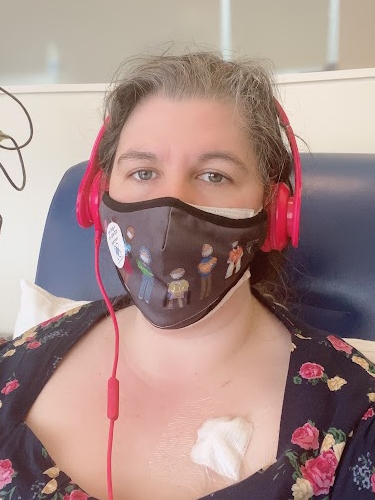
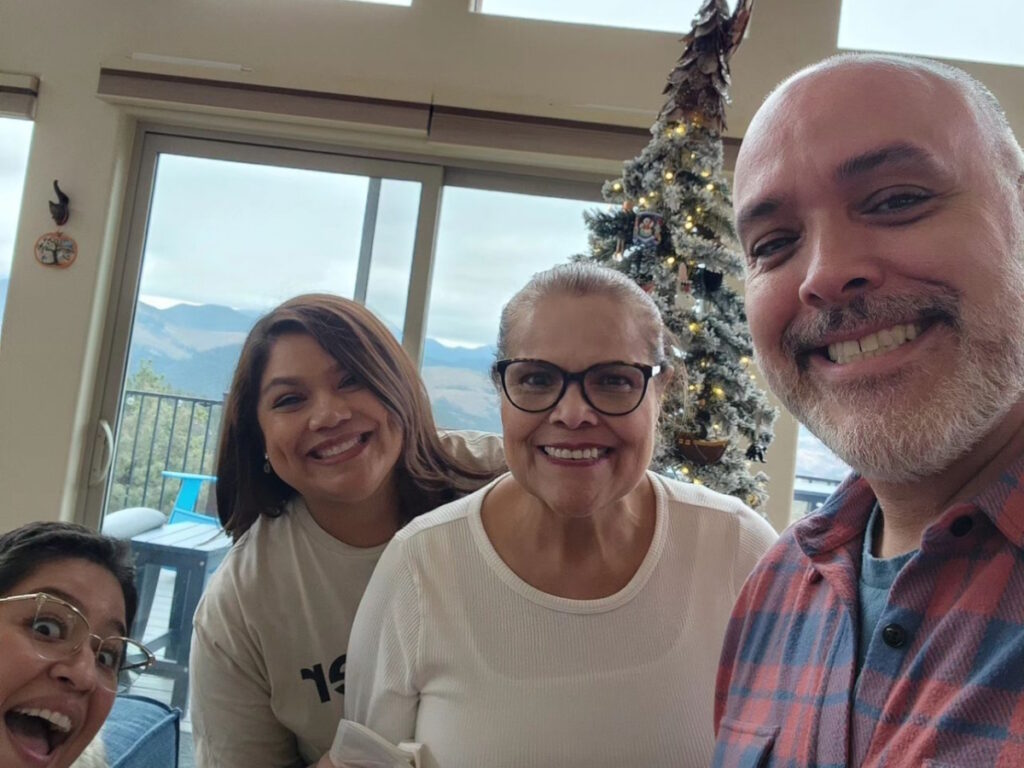
Meagan M. colon cancer
Thank you for sharing your story, Meagan!

Inspired by Meagan's story?

Share your story, too!


More Colon Cancer Stories

 
Meagan M. colon cancer

Meagan M., Colon Cancer, Stage 3C


Symptom: Appearance of blood in stool

Treatments: Surgery (partial colectomy), chemotherapy (FOLFOX)
Joe C. colon cancer

Joe C., Colon Cancer, Stage 4 (Metastatic)


Symptoms: Loss of appetite, fatigue, malaise, severe pain in the abdominal/liver area, back and shoulder pain, lightheadedness

Treatments: Surgery (colon resection), chemotherapy (FOLFOX, capecitabine, FOLFIRI), targeted therapy (panitumumab, a monoclonal antibody), radiation therapy, immunotherapy through a clinical trial
Sydney S. colon cancer

Sydney S., Colon Cancer, Stage 4 (Metastatic)


Symptoms: Constant stomachaches that only went away after bowel movements, pain after eating, changes in bowel size and shape

Treatments: Surgeries (colectomy, temporary ileostomy, ileostomy reversal), chemotherapy (FOLFOX, FOLFIRI, trifluridine and tipiracil), monoclonal antibody (bevacizumab), radiation therapy, hormone therapy
Kristie C. colon cancer

Kristie C., Colon Cancer, Stage 4 (Metastatic)


Symptoms: None per se that she noticed; she experienced constipation and passed narrow stool, but had been experiencing constipation most of her life, and thought that these digestive issues could also have resulted from perimenopause

Treatments: Chemotherapy (including adjuvant chemotherapy), radiation therapy, ablation therapy (liver ablation), surgeries (colectomy, temporary ileostomy, ileostomy reversal, scheduled liver resection)

Briana H. stage 3 colorectal cancer

Briana H., Colorectal Cancer, Stage 3


Symptoms: Periods of constipation initially lasting one week and then extending to two weeks, nausea, pain in lower left abdomen, lack of appetite, vomiting and inability to keep fluids down

Treatments: Surgeries (colon resection, tumor removal, colostomy placement, colostomy reversal), chemotherapy

Kailee O. stage 4 colorectal cancer

Kailee O., Colorectal Cancer, Stage 4 (Metastatic)


Symptoms: Sensitive stomach sometimes leading to vomiting after eating, bleeding during bowel movements, persistent fatigue, back pain, abdominal pain, anemia, significant symptom flare-up during second pregnancy

Treatments: Surgery (colectomy), chemotherapy, targeted therapy
Categories
Chemotherapy Colorectal Patient Stories Radiation Therapy Rectal Treatments

Heart and Humor: Jeanine’s Stage 3 Rectal Cancer Story

Heart and Humor: Jeanine’s Stage 3 (T3bN0M0) Rectal Cancer Story

Jeanine found out she had stage 3 rectal cancer (stage T3bN0M0) in January 2025, but her health experiences goes much further back. She had been experiencing rectal bleeding in her mid-20s. She had a colonoscopy back then, but it found nothing more serious than hemorrhoids. This made it easy for her to attribute these recurring symptoms over the years. As time passed, there were new symptoms and they worsened, including urgency to use the restroom, mucus in her stool, and stool that was narrower than usual.

Interviewed by: Taylor Scheib
Edited by: Chris Sanchez

Her intuition told her that she was experiencing something far more serious than just hemorrhoids now. Jeanine looked up her symptoms online, and based on her research, began to suspect cancer even before she was properly diagnosed. She consulted doctors, and her research paid off when a new colonoscopy revealed that she had stage 3 rectal cancer (T3bN0M0). (Editor’s Note: A T3bN0M0 tumor has grown into the outermost layers of the rectum, but hasn’t spread to nearby lymph nodes or distant sites.)

Jeanine B. stage 3 rectal cancer

Jeanine didn’t feel overwhelmed by this diagnosis. She instead felt that it validated her concerns and knew that this was a big step forward in helping her get better. She tirelessly and fearlessly advocated for herself, pushing for answers, seeking second opinions, and switching medical teams to feel more understood by a team that also understood another medical condition she had. Her experience shows how important it is to feel comfortable with healthcare providers and communicate effectively with them.

Her treatment for stage 3 rectal cancer included chemotherapy (with adjustments to manage severe side effects) and radiation therapy. Although Jeanine may need to undergo the surgical procedure known as abdominal perineal resection or Barbie butt surgery, there’s a chance she won’t need it if the tumor responds well. 

One of Jeanine’s biggest strengths is her positive outlook. It shines through her creative coping mechanisms, like naming her tumor “Chester McButt Sprout” and sharing funny updates on social media. These approaches not only help her process her experience but also help her loved ones stay informed, amused, and connected.

Jeanine’s identity has evolved through her diagnosis and treatments. It’s not defined by cancer, and is enriched by her perspectives regarding life, joy, and connection. She draws strength from her late mother’s resilience and tries to live authentically through all of the challenges she faces.

Watch Jeanine’s video for more on:

  • How she transformed her stage 3 rectal cancer diagnosis into a story of empowerment
  • Jeanine’s surprising (and funny) creative approaches to coping with cancer
  • Why self-advocacy can be life-saving — her bold healthcare decisions
  • From confusion to clarity: Jeanine’s 20-year health puzzle
  • How her resolve and resilience helped her take her cancer experience forward

  • Name:
    • Jeanine B.
  • Age at Diagnosis:
    • 46
  • Diagnosis:
    • Rectal Cancer
  • Staging:
    • Stage 3 (T3bN0M0)
  • Symptoms:
    • Rectal bleeding
    • Pain in the tailbone
    • Urgent need to use the restroom
    • Unusually narrow stools
    • Presence of mucus in stools
    • Fatigue
  • Treatments:
    • Chemotherapy (FOLFOX)
    • Radiation therapy (coming soon)
Jeanine B. stage 3 rectal cancer

This interview has been edited for clarity and length. This is not medical advice. Please consult with your healthcare provider to make informed treatment decisions.

The views and opinions expressed in this interview do not necessarily reflect those of The Patient Story.


Jeanine B. stage 3 rectal cancer
Thank you for sharing your story, Jeanine!

Inspired by Jeanine's story?

Share your story, too!


More Rectal Cancer Stories

Kalei M. rectal cancer

Kalei M., Rectal Cancer, Stage 4 (Metastatic)


Symptoms: More frequent bowel movements, presence of mucus, tissue-like substance, and blood in stool, stomach cramping and sharp pains

Treatments: Radiation therapy, chemotherapy (FOLFOX), surgeries (two lung resections)
Sarah G. rectal cancer

Sarah G., Rectal Cancer, Stage 2A


Symptom: Minor and inconsistent rectal bleeding

Treatments: Surgery (low anterior resection or LAR), chemotherapy (FOLFOX)
Kalei M. stage 4 rectal cancer

Kalei M., Rectal Cancer, Stage 4 (Metastatic)


Symptoms: Presence of mucus and tissue-like substance and blood in stool, stomach cramping

Treatments: Radiation therapy, chemotherapy, surgeries (two lung resections)
Jessica A. rectal cancer

Jessica A., Rectal Cancer, Stage 4 (Metastatic)


Symptoms: Changes in bowel movements, blood in stool, abdominal pain, back pain, difficulty sitting comfortably, constipation, feeling of incomplete evacuation (as if some stool remained after bowel movements), mucus-like stool consistency, bloating

Treatment: Immunotherapy under a clinical trial
Shiva S. T2 rectal cancer

Shiva S., Rectal Cancer, T2, and Renal Cancer, T3


Symptoms: Pressure and urgency of bowels, back pain
Treatments: Chemoradiation (for rectal cancer), surgery (ileostomy, combined bowel and kidney surgery), immunotherapy (for kidney cancer)

Jeanine B. stage 3 rectal cancer

Jeanine B., Rectal Cancer, Stage 3 (T3bN0M0)


Symptoms: Long history of bleeding that was blamed on hemorrhoids, pain in the tailbone, urgent need to use the restroom, unusually narrow stools, presence of mucus in stools, fatigue

Treatments: Chemotherapy, radiation therapy
Load More

Categories
Avastin (bevacizumab) CAPOX (capecitabine, oxaliplatin) Chemotherapy Colectomy Colorectal CRC Immunotherapy Keytruda (pembrolizumab) Patient Stories Surgery Treatments

Nick’s Stage 4A Colorectal Cancer Story

Nick’s Stage 4A Colorectal Cancer Story

Interviewed by: Taylor Scheib
Edited by: Katrina Villareal

Nick S. feature profile

Nick’s symptoms began a year or two before his diagnosis, including changes in bowel habits, size, and consistency, blood in the stool, and abdominal pain, which he initially attributed to aging or irritable bowel syndrome. After experiencing fatigue and escalating pain, he went to the ER where he was diagnosed with diverticulitis and sepsis. Despite initial treatment, he required a laparoscopic washout due to a perforated colon and subsequent complications, including an abscess.

During a follow-up colonoscopy, doctors found a mass, which was later confirmed as adenocarcinoma. He underwent a sigmoid resection, removing part of his colon. While clear margins were achieved, 19 of 49 lymph nodes tested positive for cancer.

Nick began CAPOX chemotherapy, experiencing severe side effects like fatigue, neuropathy, and an acne rash due to the addition of Avastin (bevacizumab). When they noticed an elevation in his tumor marker and growth in his lymph nodes, he was switched to Keytruda (pembrolizumab), an immunotherapy, to reduce the cancer to a manageable level.

Nick emphasizes the importance of mental health support to manage anxiety. He advises listening to your body, advocating for yourself, and using support systems. He encourages seeking thorough medical evaluation for unexplained symptoms and finding strength in support groups, hobbies, and loved ones, stressing perseverance and finding reasons to keep fighting.


  • Name: Nick S.
  • Diagnosis:
    • Colorectal Cancer
  • Staging:
    • Stage 4A
  • Initial Symptoms:
    • Change in bowel habits, size & consistency
    • Blood in stool
    • Abdominal pain
    • Fatigue
  • Treatment:
    • Surgery: sigmoid colectomy
    • Chemotherapy: CAPOX (capecitabine & oxaliplatin),
    • Immunotherapy: bevacizumab, pembrolizumab
Nick S.

This interview has been edited for clarity and length. This is not medical advice. Please consult with your healthcare provider to make informed treatment decisions.

The views and opinions expressed in this interview do not necessarily reflect those of The Patient Story.


My symptoms started a year or two before diagnosis. It started with a change in bowel habits, size, consistency, some blood in the stool, and abdominal pain.

Introduction

I’m a stage 4A colorectal cancer fighter. My wife and I live in Chippewa Falls, Wisconsin. We have a wonderful 28-year-old daughter.

I’m a full-time firefighter and critical care paramedic. I’ve been doing firefighting for about 16 years and paramedicine for about 13 of those 16 years.

Nick S.
Nick S.

Pre-diagnosis

Initial Symptoms

My symptoms started a year or two before diagnosis with stage 4A colorectal cancer. It started with a change in bowel habits, size, consistency, some blood in the stool, and abdominal pain. I had some acid reflux type of reactions that my wife and I chalked up to aging and not being as healthy as I could be. My wife has irritable bowel syndrome and I thought some of it was IBS because some foods would trigger some reactions in me.

I was working full-time for the department for about a decade and a couple of years later, I decided to change over to a neighboring department. For these jobs, we have to pass a physical agility test.

I have been working by myself daily. I was in pretty good shape. The test is a pretty rigorous test to be able to do what we do. I was 48. I was doing this at an older age than the 20-year-olds they were usually hiring.

I was diagnosed with diverticulitis and sepsis, so they started me on antibiotics right away.

A couple of months later, we responded to a house fire. At some point, my battalion chief pulled me off the line and said, “You look wiped out. I’m going to sit you out for a little bit to catch your breath.” I felt a little tired, but, again, I was getting a little older.

I sat out and went back in for another round. This time, the chief was on the scene and said, “Nick, take your gear off. You don’t look good. Go back to the ambulance. You’re going to be doing rehab, making sure everyone else is doing okay, but we don’t want you going back in.” I thought something was weird.

I called my wife to meet me in the ER. I didn’t know what was going on. I’ve got bad abdominal pain. I haven’t slept. I’m going to go get checked out.

Nick S.
Nick S.
Diverticulitis & Sepsis

I was diagnosed with diverticulitis and sepsis, so they started me on antibiotics right away. They weren’t sure if surgery was going to be necessary, but they transferred me to another hospital. At that point, I was stable.

When I got transferred, I met with a thoracic surgeon and started to realize that things were serious. He said, “We’re not going to go in right away. We’re going to keep an eye on you tonight. Hopefully, things will subside with some more antibiotics and some steroids, if we have to. But we’re going to keep an eye on you and evaluate you. We’d like to avoid surgery.”

The next day, when they were getting my vitals, the nurses said, “We see you’re slated for surgery.” That turned into a laparoscopic washout. They found that I had a perforated colon in the sigmoid area, the area right before the rectum, but that had healed itself.

All of a sudden, I heard the doctors say, ‘That’s not good.’ I remember seeing a black mass on the screen.

They went in through a couple of small incisions, washed everything out to make sure there was no fecal matter, and stitched me back up. I had a couple of surgical drains. I was in the hospital for five or six days and then I was sent home to heal.

I ended up getting readmitted a couple of days later because I had some drainage coming from my drain sites. After a CT scan, they found I had an abscess. I believe E coli was one of the culprits. There was something else too, so they needed heavy-hitter antibiotics.

After another two weeks of antibiotics, the PICC line was removed. I met with the surgeon and everything was looking great. He said, “Let’s do a follow-up colonoscopy to check how the diverticulitis is.”

Nick S.
Nick S.
Colonoscopy

I wanted to sleep through it. I was joking with them and we were all relaxed when all of a sudden, I heard the doctors say, “That’s not good.” I remember seeing a black mass on the screen. He tried advancing past it and I said, “Ow,” but I didn’t feel it. I said “ow” instinctively. He said, “We can’t get past this mass. We’re going to pull out.” The tone changed. You could have heard a needle drop in that procedure room.

They wheeled me back into the recovery room where my wife was waiting. On the way there, one of the nurses handed me a polished stone that had the word “hope” stamped on it. I didn’t think that choked me up, but I carry it wherever I go. In hindsight, it meant a lot and drove home the seriousness of the situation. We didn’t know exactly what was going on, but something wasn’t right. I have enough medical training and field experience to read the room and know it wasn’t good.

The doctor eventually came back in and said they couldn’t diagnose it yet. They took a small sample to send off for testing to confirm what they thought it was. He wouldn’t say whether it was cancer or not.

The good news was they got the tumor with clear margins. They felt it hadn’t spread far…

Diagnosis

Getting the Biopsy Results

I was waiting for the results at home. When I finally got the notification on my phone, I checked it and it said adenocarcinoma. Now we know what we’re dealing with. It’s cancer of some sort. I never thought about it as a possibility.

Treatment

Sigmoid Colectomy

During the colonoscopy, he said we were going to have surgery because what it was had to come out. He referred me to surgery right away. Luckily, it was the same surgeon who performed my earlier surgery who I trusted with my life. 

I met with him about a week later. They were going to do an exploratory surgery until they knew exactly what it was in there and then do their thing.

Nick S.
Nick S.

I remember being in the room when my mother-in-law came out too. My wife was there, of course. They wheeled me in, put in the IVs, and told me to start counting back from 100. I don’t think I hit 95. Hours later, I woke up in my hospital room with a slightly sore throat. They performed a sigmoid resection. I can’t remember how much of my colon they took out, but I didn’t require an ostomy, thankfully. They were able to resect it and reconnect it right away.

The good news was they got the tumor with clear margins. They felt it hadn’t spread far, at least in the tissue of the colon. But the surgeon sampled some lymph nodes right next to the tumor site. They took out 49 and 19 of them tested positive for cancer.

I stayed positive. The whole reason I’m in this fight is my family.

CAPOX Chemotherapy

At that point, I was referred to oncology. I met with my oncologist. His nurse was a former ER nurse who I was familiar with and seeing a familiar face went a long long way.

He explained what he planned on doing based on the CT scans. They saw some inflammation in other lymph nodes and they weren’t sure if that was post-surgical. They wanted to do another CT scan to check, but they were happy about the margins being clear. I was staged at 3C then. It metastasized a little bit past the point of origin but not very far.

The first day of chemo was going to include labs and a CT scan to see where we were at. The plan was to do CAPOX: capecitabine, an oral medication, and oxaliplatin, an IV medication. I would do the oral chemo for two weeks and then on the third week, I would go in for the IV chemo. They would do labs on those days to make sure everything was okay.

Nick S.
Nick S.

Unfortunately, the doctor didn’t like what he saw on the CT. He wanted to get a little more defined imaging, so he set me up for a PET scan and delayed the chemo. A couple of days later, we came back to start chemo again and get the PET scan read.

The doctor confirmed that it had spread to the lymph nodes in the abdominal area, along my aorta, and up to my left shoulder. It had spread a lot further than we thought it had.

I felt like every time we made a plan to move forward, we were getting kicked back a couple of steps, but I stayed positive. The whole reason I’m in this fight is my family. I believe that someday, this cancer will get me, but I’m not going down without a fight. I’m stubborn, so it’s going to be a long fight. I won’t go down without swinging.

I have a four-day weekend so I tried to time my infusion, so I had a couple of days to recover post-infusion and feel somewhat human before returning to work.

Side Effects of CAPOX Chemotherapy

Chemo wasn’t fun. It knocks you out. I felt fatigued on the first day. For probably a week and a half, when you start getting the infusion, you can’t drink cold drinks. It felt like swallowing glass shards. A lot of fatigue and neuropathy kicked in.

I didn’t like being out in the cold and I love ice fishing. You’ll catch me outside at -20°F on a normal day, but with chemo, not a chance. I had to be bundled all the time.

My eyes were always drying out, so they hurt a lot. I had insomnia, joint pain, and muscle pain.

They added Avastin (bevacizumab), which is an immunotherapy, to my chemo routine. That caused a bad acne rash on my back from the waistline up to my neck. The doctor had never seen nor heard of it, but we can only attribute it to Avastin.

Nick S.
Nick S.

Working While in Treatment

I was able to go back to work full-time as a firefighter. I have a four-day weekend so I tried to time my infusion, so I had a couple of days to recover post-infusion and feel somewhat human before returning to work.

My work was very accommodating. We’re firefighters, so we don’t sleep all day, but the chief said if I needed to rest, I could go to the dorm, which I appreciate. I never took him up on it. I tried to stay with my brothers and sisters training or doing calls, and that worked great.

I was going to be on treatment for the rest of my life. I might get some time off if we get no evidence of disease at any point, but it will come back at some point and I’ll have to go back on treatment.

Switching to Immunotherapy

The initial plan was for six months or eight cycles of chemo and Avastin. Unfortunately, because of the restaging, I was going to be on treatment for the rest of my life. I might get some time off if we get no evidence of disease at any point, but it will come back at some point and I’ll have to go back on treatment.

My tumor marker was through the roof when this all started and it was dropping with chemo. We were seeing shrinkage in the lymph nodes. Chemo sucks, but it’s doing what it’s doing, so we stayed very positive.

When we got to cycle six, we noticed my CEA was going up a little bit. We were doing CT scans every three months and we noticed some growth in the lymph nodes. The doctor said, “We’re going to stop the chemo. It’s not working. You can only receive so much oxaliplatin before it becomes completely ineffective. This saves us a couple of cycles where if we need to go back to it, we can go back to it. We’re going to switch over to an immunotherapy called Keytruda (pembrolizumab).”

Nick S.
Nick S.

The side effects of immunotherapy are supposed to be much less than chemo and I’m all for that. I switched from chemotherapy to immunotherapy in August 2023. I still have very slight neuropathy every now and then in my toes and my fingertips. Nothing debilitating but a reminder that I was on chemo at one point and that probably won’t get any better or any worse, hopefully.

Keytruda is a half-hour infusion. Side effects are minimal. Between cycles two and three, while we were camping, I noticed that my resting heart rate was higher than it should be. I was not exercising as much and a little out of shape, but I shouldn’t have a resting heart rate of 130-140 beats a minute. I was sweating a lot without doing anything, so I couldn’t figure it out. I talked to the oncologist and they ran some thyroid tests.

One of the known side effects of Keytruda is thyroid burn. It’ll cause hyperthyroidism until the thyroid burns out and then it’ll cause hypothyroidism.

The support of my family, my work family, and my friends is what gets me through this.

Treatment Plan

We want to do Keytruda for 18 more months. It’s a two-year plan. We’ll see what it does and go from there. Hopefully, the response brings everything down to normal levels, I won’t have evidence of disease, and I can ride that out for a while.

Fingers crossed, maybe Keytruda is the cure for colon cancer, but realistically, I don’t think so. I think it’ll be a lifetime battle, but it’s going to be a long life. The support of my family, my work family, and my friends is what gets me through this.

Nick S.
Nick S.

Managing Scanxiety

As a paramedic, I’ve dealt with patients with panic attacks and anxiety. Anxiety’s a real thing. A lot of times, it doesn’t seem like it with the patients you’re dealing with, but now that I’m put in that position, it’s a real thing. I’ve dealt with it even before cancer through another set of unfortunate circumstances and luckily, I have a great support group in place.

We see a lot of things as paramedics and firefighters, so after a while, you realize things aren’t normal. I had to start paying closer attention to my mental health. I started seeing a therapist and she’s great. She taught me how to deal with stress, anxiety, and my feelings.

What we go through as cancer patients is not something most people go through nor is it something they understand.

Stay strong and recognize that the stress is real. What we go through as cancer patients is not something most people go through nor is it something they understand. Take a deep breath. Listen to what your mind and body are telling you.

Your feelings are valid. Don’t try to brush it off and try to be strong by pushing your way through it. Rely on your support team. If you have a therapist, talk to that therapist.

Most oncology teams come with a social worker. Use that resource. Rely on your family for strength. Tell your spouse what you’re feeling even when you don’t want to. Sometimes talking about it gets it out there and puts it away, as opposed to it weighing you down.

What helps me is retreating home, spending time with family, or staying busy with work. Rely on your hobbies if you have any. If you don’t, find some. I’m a big fisherman. I love fishing. You could put me on a lake and even if I couldn’t catch a fish for days, I would be in my happy place. Find something that helps you disconnect from the cancer and what you’re going through.

Nick S.
Nick S.

Words of Advice

For anyone who might be experiencing symptoms that you’re not quite sure of, listen to your body. Talk to your doctor. Advocate for yourself. If you feel something’s not right, push for tests to try and figure out what’s going on. The answer, “We don’t know what’s wrong with you,” is not acceptable. Push to find answers.

For cancer warriors who are going through this, keep going. You’re not alone. There’s support beyond your family, friends, and coworkers. There are a ton of support groups online. There are social workers available. There are platforms like The Patient Story.

(For more support options, please visit one of our many partners such as Colontown or the Colon Cancer Coalition.

You’re not in this alone. Some days, it may feel like it. Some days, I get down in the dumps, but I find something to get me back up. I find a reason to keep going. There are a million reasons to keep going and even if you find just one, that’s all it takes.

Listen to your body. Talk to your doctor. Advocate for yourself.


Nick S. feature profile
Thank you for sharing your story, Nick!

Inspired by Nick's story?

Share your story, too!


More Colorectal Cancer Stories

Cora V. stage 4 colorectal cancer

Cora V., Colorectal Cancer, Stage 4 (Metastatic)


Symptoms: Fatigue, unintentional weight loss, blood and mucus in stool

Treatments: Chemotherapy, chemoradiation, surgeries (temporary ileostomy and reversal, liver surgeries and ablation)
Monica D. feature profile

Monica D., Colorectal Cancer, Stage 1


Symptoms: None; caught at a routine colonoscopy
Treatment: Surgery (low anterior resection with temporary diverting ileostomy)

Edie H. feature profile

Edie H., Colorectal Cancer, Stage 3B


Symptom: Chronic constipation

Treatments: Chemotherapy, radiation, surgeries (lower anterior resection & temporary ileostomy)
Shayla L. feature profile

Shayla L., Colorectal Cancer, Stage 4


Symptoms: Stomach sensitivity, food intolerances, exhaustion, blood in stool
Treatments: Chemotherapy, surgery (hepatectomy)
Tracy R. feature profile

Tracy R., Colorectal Cancer, Stage 2B


Symptoms: Bloating and inflammation, heaviness in the rectum, intermittent rectal bleeding, fatigue
Treatments: Chemotherapy, radiation, surgery
Paula C. feature profile

Paula C., Colorectal Cancer, Stage 3


Symptoms: Painful gas, irregular bowel movements, blood in stool, anemia, severe pain, weight loss, fainting spells
Treatment: Surgery (tumor resection)

Categories
Chemotherapy Clinical Trials Colon Colorectal FOLFOX (folinic acid, fluorouracil, oxaliplatin) FOLFOXIRI Immunotherapy Patient Stories Surgery Treatments

Amy’s Stage 4 Colon Cancer Story

Amy’s Stage 4 Colon Cancer Story

Interviewed by: Taylor Scheib
Edited by: Katrina Villareal

Amy L. feature profile

Amy initially noticed a slight change in her stool consistency, which persisted despite normal test results. After a year-long delay due to the COVID-19 pandemic, a colonoscopy revealed a 6-cm mass in her colon. Although the initial biopsy showed no cancer, surgery confirmed cancer in the tumor center and 11 out of 21 lymph nodes. It was stage 4 colon cancer.

She began treatment with FOLFOX, experiencing severe side effects like jaw pain, cold sensitivity, and neuropathy. Despite completing the regimen, a slight increase in CEA levels prompted further tests. A CT scan and MRI revealed cancer in her liver, leading to a relapse diagnosis. Unhappy with her initial oncologist’s pessimism, she sought a second opinion and switched to a more supportive doctor.

Her new oncologist initiated FOLFOXIRI, which shrank the tumors but wasn’t enough to eradicate the cancer, leading to surgery and an ablation. When the cancer resurfaced, she joined an immunotherapy clinical trial. The difference between chemotherapy and immunotherapy was substantial, providing her with a significantly improved quality of life.

Throughout her stage 4 colon cancer journey, Amy emphasized the importance of a supportive medical team, listening to her body, advocating for her health, and maintaining movement and proper nutrition during treatment. She also stressed the need for open communication with healthcare providers about side effects and health concerns.


  • Name: Amy L.
  • Diagnosis:
    • Colon Cancer
  • Staging:
    • 4
  • Symptoms:
    • Slight change in stool consistency
  • Treatments:
    • Chemotherapy: FOLFOX, FOLFOXIRI
    • Clinical trial: immunotherapy
Amy L.

This interview has been edited for clarity and length. This is not medical advice. Please consult with your healthcare provider to make informed treatment decisions.

The views and opinions expressed in this interview do not necessarily reflect those of The Patient Story.


What might be normal for somebody else might not be for you. If there’s a change, it’s important to talk to your doctor about it.

Introduction

I’m from the Seattle Pacific Northwest area and I was diagnosed with stage 4 colon cancer.

Pre-diagnosis

Initial Symptoms

I only had one symptom, which was a very small change in my stool. It became slightly looser, but it wasn’t consistent. For most people, that might not be a big deal, but I hadn’t changed my diet. The first time I noticed it was when I had just come back from Spain and I thought it was from traveling. I gave it a few weeks, but it wasn’t getting better.

Amy L.
Amy L.
PCP Appointment

I listened to my body and talked to my doctor about it within a month of this first symptom. My doctor at the time thought it was food sensitivity. They did autoimmune testing for Crohn’s and celiac disease, but those came up negative. They did an allergy panel to see if I developed any new food allergies. That came back normal. I also had my first CEA test, but I had no idea what that was and that also came back normal.

I was blessed to have a doctor who was very proactive and didn’t ignore my symptoms. They knew that I knew my body. What might be normal for somebody else might not be for you. If there’s a change, it’s important to talk to your doctor about it.

Unfortunately, they couldn’t get me in for a colonoscopy. They did the fecal immunochemical test (FIT) test. They did all these tests and everything was coming back normal.

He recommended me to a dietician who started looking at what I was eating and what we could change that might explain the stool change. My doctor said that since everything’s coming back normal, he wanted to do due diligence to make sure that there’s nothing they might be missing. He said, “Let’s get you in for a colonoscopy.” That was in the end of 2019.

They called in and said my procedure was non-essential and not COVID-related, so I needed to be put on hold… Unfortunately, I ended up waiting for a whole year.

Getting a Colonoscopy

They were booked back a few months. I wasn’t considered urgent. Nobody thought I had cancer. I was 39. They said they’ll get to me at the end of January or early February 2020. Then the COVID pandemic happened.

A week before my appointment, they called in and said my procedure was non-essential and not COVID-related, so I needed to be put on hold. They would call when they could make it happen again. Unfortunately, I ended up waiting for a whole year.

During that year, I was furloughed, so I was staying at home. My symptoms went away, which confirmed to me that maybe it was something I was eating since I wasn’t eating out.

By January 2021, I got a phone call asking if I wanted to schedule my colonoscopy again. I almost said no and that I didn’t need it anymore because the problem had gone away, but a little voice inside me told me to go ahead and do it. The “worst” thing that they could tell me is that nothing’s going on. I had nothing to lose, so I told them to go ahead and schedule it. They scheduled me for the first week of February 2021.

Amy L.
Amy L.

I didn’t have any other symptoms, like pencil-thin stools, bloating, or pain. Nobody was looking for cancer, especially colon cancer. Most people who get colon cancer are in their 70s and 80s. The first oncologist I had even told me that I was the youngest patient he ever had. Most of his patients were 60 and older, so it wasn’t on anyone’s mind that I could have cancer.

When I did the prep for my first colonoscopy, it was worse than the colonoscopy itself, but it’s a small drop in the bucket out of all the days in my life. On the day I came in, everything proceeded as normal. I got onto the table and they told my husband that the procedure could take up to 30 to 45 minutes. He couldn’t stay with me, so he dropped me off and left.

They put me in twilight sedation so I’m out of it, but the doctor’s voice and tone cut through. She turned to her nurses and said, “Where is her husband? Get him back here right now. Call him. We need him back here right now.”

She didn’t say anything, but because of her tone, I knew something was wrong. I felt my heart dropped to my stomach. I was half awake and the anesthesiologist was trying to put me back to sleep because my eyes were open and I was starting to ask questions. I didn’t feel anything, so it wasn’t traumatic.

The biopsy results showed there was cancer in the center of the tumor and 11 of 21 lymph nodes.

Diagnosis

Biopsy

When they wheeled me back into a curtained area, my husband was already there waiting for me. The doctor came and said they found a 6-cm mass in my colon.

I waited for the biopsy results to come back and when she finally called, she said they biopsied the tumor, but there was no cancer. However, they were extremely concerned given the size. It was either going to turn into cancer soon or there would be cancer in the center and not on the outside, so they wanted to get me in quickly. Everything was indicating that they had “caught this in time” and that I would just need surgery and might not even need chemo.

Amy L.
Amy L.
Surgery

They scheduled the surgery within three weeks of that conversation. They were on top of it and wanted to get it out.

The surgeon came in to talk to me. The biopsy results showed there was cancer in the center of the tumor and 11 of 21 lymph nodes. The tumor hadn’t broken through the colon, like they usually see with more advanced cancer, so they were not expecting to see cancer in my lymph nodes. He was very shocked it was stage 4 colon cancer.

I made an appointment with a doctor at Fred Hutchinson Cancer Center to get a second opinion because I wanted to know more.

Oncologist Appointment

My mom was an ER nurse. She also has leukemia, so she hasn’t worked while dealing with that. My mother-in-law is a hematology-oncology nurse at the Mayo Clinic. I’m fortunate to have knowledgeable people who helped me through the next process.

They referred me to my regular oncologist and said he’d go through my stage 4 colon cancer treatment plan. I had a meeting with him and it went okay, but I ended up switching. He told me that I would need clean-up chemo or adjuvant chemotherapy. Everything looked fine. He wasn’t hugely concerned.

Amy L.
Amy L.

Treatment

FOLFOX Chemotherapy

They said I was going to do FOLFOX (folinic acid, fluorouracil, and oxaliplatin) and then we would do a CT scan. They did a CT scan right after the colonoscopy where they found the mass, but they didn’t find anything else. He said it’ll be good.

Getting a Second Opinion

I made an appointment with a doctor at Fred Hutchinson Cancer Center to get a second opinion because I wanted to know more. I knew nothing. Is FOLFOX the standard treatment? What were my treatment options for stage 4 colon cancer?

Different doctors have different preferences and I wanted to ensure I was getting all the information. I made an appointment and brought all of my medical records to make sure. The doctor said they would do the same treatment.

I had a very rare side effect where I had jaw pain… This was a rare side effect of oxaliplatin.

Side Effects of FOLFOX

I did 12 and it was terrible. Before my second round, I had a very rare side effect where I had jaw pain. It was the most excruciating pain I’d ever experienced in my entire life. It radiated from my jaw back up around my neck and felt like somebody had put my head into a vice.

They didn’t know what was going on. I didn’t find out until I switched oncologists that this was a rare side effect of oxaliplatin. They sent me to a jaw specialist to make sure there wasn’t something else going on. I spent the rest of my treatment switching back and forth between morphine and oxycodone because the pain was so horrific.

Amy L.
Amy L.

On top of the nausea and hair loss, the cold sensitivity was bad. I like my drinks either really hot or cold. I don’t like lukewarm drinks. Chemo, especially oxaliplatin, made everything taste like pennies and dirt. I’m a big water drinker and I couldn’t drink water because the taste would make me gag. I started drinking electrolyte drinks to mask the taste. I don’t like sugary drinks, but I needed to get fluids in me so I don’t end up in the hospital. You have to do what you have to do to survive, I guess.

I also developed bad neuropathy in my hands and feet, and that came on suddenly. I was doing fine, but by cycle 10, the pain in my feet started to get bad. I was having trouble gripping things. I couldn’t wash the dishes. I would pick something up and drop it.

When the CT scan results came back, they found something in my liver… they didn’t think the cancer had come back, even though my CEA was up to 5 or 5.5.

Post-Treatment Follow-Up

After they finished, they did my scan and didn’t notice anything, so they sent me on my way and said they’d see me in six months. I wanted to see him in three, but he said he didn’t think that was necessary. I said I did, so he scheduled me for a three-month visit, which ended up being fine.

During my six-month visit, my CEA went up to 2 and that was my first flag. My CEA was still perfectly normal, but my CEA had never gone above 1.7. When I had the appointment with my oncologist, I told him this was concerning for me and he said it was a little concerning for him too. It’s a little bit of an increase, but it could still be normal, so he scheduled a blood draw after four weeks.

In four weeks, my CEA was 4.6 and that was abnormal for me. It was still within the normal range because anything under 5 is still normal, but I thought it was concerning. He said we could do another blood draw in four weeks.

By this time, it was around July and he said I wasn’t due for my CT until October. I said I didn’t want to wait until then.

Amy L.
Amy L.

Relapse

When the CT scan results came back, they found something in my liver. They thought it was a lesion because they said cancer usually looks like billiard balls but this looked like a zucchini. At that point, they didn’t think the cancer had come back, even though my CEA was up to 5 or 5.5, so something was going on.

They did an MRI and the results looked more like cancer. When they did a PET scan, the results looked even more like cancer. The biopsy confirmed it.

He said, “It’s looking more like it could be cancer.” They hadn’t done the biopsy yet at this point. He said, “If it’s cancer, there’s only a 20% chance you’ll make it to old age. That’s what the statistics tell us.”

I needed a doctor who I felt was on my side. I needed someone who I felt was going to fight for me.

Reaction to the Relapse

I walked out, got in my car, closed the door, and broke down crying. I was done with this oncologist. This is a horrific journey in itself. I needed a doctor who I felt was on my side. I needed someone who I felt was going to fight for me. I don’t care what the statistics say. There’s always somebody that’s on one side or the other.

Amy L.
Amy L.

Looking at Statistics

When you get these statistics, they mean something to doctors and researchers, but they don’t mean anything to people personally because you don’t know which side of that line you’re going to fall on. You could have the worst diagnosis and still survive.

I didn’t want to hear the statistics not because I was blind to it but because I knew it didn’t matter to me. The doctors are guessing which side of the line I’m going to end up on and I don’t want to hear their guess. I wanted to know if my treatment was working and if not, what my next steps would be.

She noticed the lymphatic system near my kidneys was getting larger so they thought that there was cancer there.

Switching Oncologists

I went back to the oncologist from whom I got a second opinion and she’s fantastic. She’s the best decision I ever made. One of the first things she did was get all of my scan results. She called my former doctor, requested all of my scan results, and sent them to a couple of different specialists so they could look at all of them. My new oncologist is on top of it and doing CT scans every eight weeks.

She noticed the lymphatic system near my kidneys was getting larger so they thought that there was cancer there. My first oncologist hadn’t even looked at that and it was one of the first things she noticed. It confirmed to me that I made a good decision.

I have this bad luck of getting things that look favorable but don’t end up being favorable. When I had my relapse, they looked at it and said I had a single liver lesion, which isn’t common. At that point, I was still considered curable.

Amy L.
Amy L.

Relapse Treatment

FOLFOXIRI Chemotherapy

She put me on FOLFOXIRI (folinic acid, fluorouracil, oxaliplatin, and irinotecan). I did FOLFOX a few times, but it wasn’t shrinking, so they added irinotecan and it started to shrink.

I went back on the full treatment for six months with very low node shrinkage but with slow growth.

Side Effects of FOLFOXIRI

I was miserable on oxaliplatin. It was terrible. I was sick all the time. The neuropathy in my hands had gotten better, but my feet had gotten worse. I could still do stuff with my hands, but my feet are pretty bad. I also had cold sensitivity, like not being able to eat cold food. Breathing in cold air was like breathing in shards of glass. My oncologist said they didn’t see any shrinkage with oxaliplatin, so she decided to remove it.

I had treatment until February 2023. It was shrinking and looking good, but it wasn’t going away, so they wanted to do surgery to remove the lymph system that had cancer in it. They did an ablation on one spot.

Amy L.
Amy L.

My oncologist wanted to do the ctDNA test to see if I had circulating tumor DNA in my blood. Four weeks later, that came out positive.

She said they usually wait 8 to 10 weeks before doing the first scan post-treatment, but she wanted to go ahead and do an MRI six weeks after surgery. She wanted to make sure because it looked like there was residual cancer.

Unfortunately, my liver lit up. They did a PET scan and there are a couple of spots now. I went back on the full treatment for six months with very low node shrinkage but with slow growth.

The difference between immunotherapy and chemotherapy is like night and day.

Joining a Clinical Trial

I started with an immunotherapy clinical trial in December 2023. The difference between immunotherapy and chemotherapy is like night and day. I’m not sick and tired all the time, so I’m able to go out and do normal activities. I feel like I’m able to have more of a normal life. It’s been fantastic, but I’m still fighting.

This is why it’s important to have a doctor who’s on your side. As soon as my recurrence happened, she went ahead and signed me up for every single trial that they offered. She didn’t ask me because she knew that these trials could have a year’s wait list. She figured that wherever I was, at least I was on the wait list. If a spot opened up, we could have a conversation about it.

Amy L.
Amy L.

When it comes to treatment, you do have a say. Your doctor may have a recommendation, but you have a say in what your treatment plan is going to be. You can tell them if you want an alternative.

A lot of people are intimidated, so they don’t want to tell their doctor what to do. It’s important to remember that your doctor is working for you. Find someone who’s working for you. My oncologist definitely was working for me.

Future Treatment Plans

My cancer is still growing. At any time, I can say I want to try something different. My oncologist and I have had those conversations. Because I’m on a trial, it’s not going to last forever. Unfortunately, I can’t be on this for the next five years. Having been off chemo, I’m hesitant about going back to it. I wanted to find out if there were non-chemo options we could explore, so we’ve talked about other options that are on the table.

With cancer, a lot of times, people sit and suffer in silence so by the time symptoms start rearing their big ugly heads, it’s often in the advanced stages.

Words of Advice

Know your body and trust your body. If something changes and there’s no warrant for that change, talk to your doctor. Don’t talk to your friends. Don’t go to social media. For everyone else, it might be normal, but if it’s not normal for you, it does warrant a conversation with your doctor. If it turns out to be nothing, you’re not out that much. I don’t think any doctor’s going to be mad that you wasted their time coming to them with your concern. Get rid of that fear. Know your body and know what’s normal for your body.

If anything comes up abnormal, don’t be afraid to go to your doctor and advocate for yourself. Tell them you want to find out what’s going on. With cancer, a lot of times, people sit and suffer in silence so by the time symptoms start rearing their big ugly heads, it’s often in the advanced stages.

People ignore the early symptoms. Maybe they’re busy, maybe they’re afraid, but I think primarily it’s because people think it’s not a big enough issue to warrant seeing a doctor. If it’s not normal for you, speak up and say something. The best thing that could happen is they tell you it’s nothing. The worst thing that could happen is they tell you it’s something, but maybe they found it before it’s something big and problematic.

Amy L.

Amy L. feature profile
Thank you for sharing your story, Amy!

Inspired by Amy's story?

Share your story, too!


More Colon Cancer Stories

 
Meagan M. colon cancer

Meagan M., Colon Cancer, Stage 3C


Symptom: Appearance of blood in stool

Treatments: Surgery (partial colectomy), chemotherapy (FOLFOX)
Joe C. colon cancer

Joe C., Colon Cancer, Stage 4 (Metastatic)


Symptoms: Loss of appetite, fatigue, malaise, severe pain in the abdominal/liver area, back and shoulder pain, lightheadedness

Treatments: Surgery (colon resection), chemotherapy (FOLFOX, capecitabine, FOLFIRI), targeted therapy (panitumumab, a monoclonal antibody), radiation therapy, immunotherapy through a clinical trial
Sydney S. colon cancer

Sydney S., Colon Cancer, Stage 4 (Metastatic)


Symptoms: Constant stomachaches that only went away after bowel movements, pain after eating, changes in bowel size and shape

Treatments: Surgeries (colectomy, temporary ileostomy, ileostomy reversal), chemotherapy (FOLFOX, FOLFIRI, trifluridine and tipiracil), monoclonal antibody (bevacizumab), radiation therapy, hormone therapy
Kristie C. colon cancer

Kristie C., Colon Cancer, Stage 4 (Metastatic)


Symptoms: None per se that she noticed; she experienced constipation and passed narrow stool, but had been experiencing constipation most of her life, and thought that these digestive issues could also have resulted from perimenopause

Treatments: Chemotherapy (including adjuvant chemotherapy), radiation therapy, ablation therapy (liver ablation), surgeries (colectomy, temporary ileostomy, ileostomy reversal, scheduled liver resection)
Briana H. stage 3 colorectal cancer

Briana H., Colorectal Cancer, Stage 3


Symptoms: Periods of constipation initially lasting one week and then extending to two weeks, nausea, pain in lower left abdomen, lack of appetite, vomiting and inability to keep fluids down

Treatments: Surgeries (colon resection, tumor removal, colostomy placement, colostomy reversal), chemotherapy
Kailee O. stage 4 colorectal cancer

Kailee O., Colorectal Cancer, Stage 4 (Metastatic)


Symptoms: Sensitive stomach sometimes leading to vomiting after eating, bleeding during bowel movements, persistent fatigue, back pain, abdominal pain, anemia, significant symptom flare-up during second pregnancy

Treatments: Surgery (colectomy), chemotherapy, targeted therapy
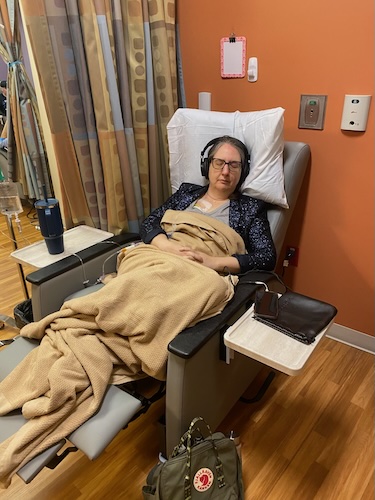
Categories
Chemotherapy Colon Colorectal Eloxatin (oxaliplatin) Patient Stories Treatments Xeloda (capecitabine)

Courtney’s Stage 3A Colorectal Cancer Story

Courtney’s Stage 3A Colorectal Cancer Story

Courtney, a high school English teacher from Spokane, experienced symptoms such as fatigue and blood in her stool that led her to suspect she had colon cancer. Despite initial dismissals from multiple doctors due to her age and lack of family history, Courtney persisted in advocating for herself, ultimately undergoing a series of tests, including colonoscopies and scans, which confirmed her suspicions. Diagnosed with stage 3A colorectal cancer, Courtney underwent surgery to remove the tumor and lymph nodes, followed by chemotherapy as a precautionary measure.

Throughout her treatment journey, Courtney faced various challenges, including side effects from chemotherapy such as hand-foot-and-mouth sores and neuropathy. Despite these obstacles, she pushed forward, continuing to teach full-time and engaging in physical therapy to regain her strength. Three years into remission, Courtney emphasizes the importance of self-advocacy, listening to one’s body, and pushing for answers, especially when faced with medical dismissals or ambiguity. She encourages others to trust their instincts, seek support from loved ones, and persevere in navigating the healthcare system to ensure proper diagnosis and treatment.
Courtney shares her stage 1 colorectal cancer story
  • Name: Courtney H. 
  • Diagnosis (DX):
    • Colon Cancer
  • Staging:
    • 3A
  • Symptoms:
    • Blood in stool
    • Fatigue
  • Treatments:
    • Surgery
    • Chemotherapy
      • Capecitabine
      • Oxaliplatin
Courtney shares her colorectal cancer story timeline

Advocate for yourself, know your body, listen to your body, and keep pushing until you find answers.

Courtney H.

This interview has been edited for clarity. This is not medical advice. Please consult with your healthcare provider for treatment decisions.


Symptoms

Tell us about yourself

My name is Courtney. I am a teacher. I teach high school English – specifically honors 9 English and mythology. I am a big lover of reading. I like to play outdoor volleyball, garden, and explore. I live in Spokane, in the Pacific Northwest. It’s so beautiful. We have four seasons and lots of activities and different things to do. I like to spend time with my niece and nephew. 

Courtney is a teacher
What were your first symptoms?

I took an anatomy and physiology class in college, and one of the only things I remember from that was that the professor said, “Most often when you have internal bleeding of some sort, it is your body’s inability to heal itself, and that usually comes in the form of a tumor.” 

What had happened was I had gotten a teaching job in Othello, where I grew up, and I moved down there. This was August of 2020. I was a very busy new teacher. I was the head cheer coach for a cheer program. I worked a lot of jobs in grad school, and so I just was very used to being on the go all the time and having a busy and packed schedule.

I knew I was sick. I knew I had colon cancer, so I just kept pushing.

When I moved to Othello, I started showing one symptom – I had blood in my stool, and I instantly knew. I knew instantly that I had colon cancer. Moving down to Othello, I had to get all of my records and everything transferred down there, including all my medical stuff. So I wasn’t able to go in and see a doctor until October. My symptoms kept progressing, and I just knew when that started happening. I was trying to find somebody that could help me find the exact diagnosis. The answer. 

Did you have any additional symptoms?

Just blood in the stool and fatigue. My friend’s mom, who’s a nurse, did a blood test on me and she said I was very anemic. What we ended up finding out when they had taken the tumor out is the blood flow was feeding the tumor, and that’s why I was so anemic. 

Colorectal symptoms included fatigue and blood in stool

Colonoscopy

Experiencing medical gaslighting

The first general practitioner doctor I went to, he dismissed all my symptoms and said, “There’s nothing wrong with you. You’re thin, you don’t have a family history. You just need to make some dietary changes.” I was like, “Well, I’m going to keep trying to find answers.” It was in the middle of COVID, so everything was pushed back. Then symptoms kept getting worse. When I came home for Christmas break – home was Spokane – I saw a different doctor and it was the same thing. He spent about an hour with me, ran some tests, dismissed all my symptoms, but I knew I was sick. I knew I had colon cancer, so I just kept pushing. 

The first doctor in Richland, he actually had put in a referral for me to see a GI specialist. I was able to see a GI in January of 2021 and [experienced] the same thing. She dismissed all my symptoms. Finally I said, “Listen, this isn’t about you being right or me being right. This is about figuring out what’s wrong. You’re speculating and I’m speculating.” They were all saying, “We think you have Crohn’s or diverticulitis, diverticulosis, or a bleeding hemorrhoid.” 

Courtney was raised to listen to her body and to advocate for herself

One of the greatest skills that my parents ever taught me was the ability to advocate for myself and to know your body.

I said, “No, I think that I’m sick. What can we do?” She said, “Well, we can give you a colonoscopy. You’re too young and they’re very expensive.” I said, “Well, I’m a teacher. I have great health insurance. We need to do this. I think it’ll give me peace of mind knowing that we have tried everything.” 

Receiving a colonoscopy

Months later, she did a colonoscopy and found the tumor. That was February of 2021. That whole month and a half that I went through 9 different tests. I did 3 colonoscopies, a sigmoidoscopy, 2 CAT scans, a PET scan, and an MRI. There’s another one I did but I can’t remember the name of it. All of those tests brought me to the diagnosis. Now what are we going to do? What’s the plan of action going to be? I got a team together. 

What tests did the first doctors do?
Doctors assumed Courtney was healthy and hesitated to do extensive testing

He did a blood test and some general stuff. He felt my stomach to see if I had any lumps or bumps. Then he went through and looked at family history. Obviously, I don’t have a family history of it. He said, “You’re thin, you’re not pre-diabetic.” I was in Richland, Spokane, and then I went to Kennewick. So three different cities, three different doctors. The doctor in Spokane pretty much did the same thing. They didn’t do anything extensive because you can’t really diagnose it unless you actually get a colonoscopy.

The problem was, neither one of those two doctors could perform that. Then they just dismissed my symptoms. They said, “Well, we’re not going to put in a referral for you to have a colonoscopy because we don’t think, from our experience, that you have it. I really had to beg the GI specialist to give me one. 

We did a blood test with the first doctor and he didn’t see anything abnormal. Then the doctor in Spokane didn’t really see anything abnormal. But my friend’s mom, who’s a nurse, knew what to look out for because I told her what was going on. She did her own test and said, “You are severely anemic. Something’s going on.”

Did your insurance cover the cost of the colonoscopy?

I paid a little bit out of pocket, but it was mostly covered. The problem was, and this is something that I think a lot of people run into when they’re getting tests done, especially a colonoscopy or sigmoidoscopy. My insurance company did not want to pay for the right type of drugs. I didn’t know that. I didn’t hear the confirmation. They actually had to tell my parents, and it took 8 hours for the drugs that they gave me to wear off. So I actually didn’t find out about the tumor until the next day. My parents waited to call because they tried to talk to me after the procedure and I was just bonkers. 

Surgery

The importance of advocating for yourself

They dismissed the symptoms because I didn’t fit the profile, but one of the greatest skills that my parents ever taught me was the ability to advocate for myself and to know your body. I just knew I was sick. I had that feeling in my stomach. Sometimes science can only go so far, and sometimes you have to put it in your own hands and keep pushing for it. It was a unique set of circumstances, because when I did my colonoscopy, COVID cases were very light, so I was able to go in and get a colonoscopy. When I had my surgery, COVID cases were really light, so they didn’t push my surgery back. These were just perfect little windows where things ended up really working out in my favor. 

Formulating a treatment plan

Because I didn’t have the right drugs, she couldn’t finish the colonoscopy. I would have to come back 4 days later and do another one. I came back that Friday. I had [the first one] done on a Monday, came back that Friday, and everything else looked clear. She said, “I’m 98% sure that this is a cancerous tumor. We’re going to send it off to have it biopsied.” 

It took two weeks to get back. The next conversation, I said, “I know a surgeon who saved my dad’s best friend’s life. He had stage 4 rectal cancer and he’s been in remission for 20 years. I want that guy.” She was going to put in a referral for somebody else. I said, “No, I want this guy.” Then everything started to move, all the tests. 

After all of the tests came back – because the original plan was to do some radiation, 6 weeks of chemo, and then do surgery after the MRI, – the radiologist called me and said, “This is miraculous, but your tumor is a lot smaller than we thought, so we’re going to operate. Nothing else is lining up in your body, so we’re just going to go for it and operate.” So they did. 

Describe your surgery

Dr. Holbrook went in and did a lower anterior resection and took out part of my colon, 21 lymph nodes, and my appendix. He said, “I had a stage 4 appendectomy patient who’s 17 years old last week. I just thought I’d take your appendix out.” He spent about 4 hours in surgery. He just retired last year, but he’s one of the best in Spokane. I trusted him.

»MORE: Cancer Surgery Treatments 

Did you have to prepare for your surgery?

The prep work was I had to go onto a liquid diet about 48 hours before. They gave me some things that they wanted me to take prior. After I was in the hospital for about 4 days, I had a series of things that I had to go through to get out of there. I had round the clock bloodwork. They would come in at 2 a.m., they’d come in at 6 a.m.. They were checking fluids and different things like that. 

As far as the procedure, he just went in. He didn’t tell me how much of my colon he took out, but he took out the sigmoid region of the colon. That’s the end. He took that part out and did the lymph node pluck. After that, I was on a liquid diet for about 3 weeks, giving my bowels a break and allowing things to heal. He was able to go in and do it minimally. The incision where he went in was about this big. He was able to go in right underneath my stomach and do it.

Chemotherapy
What stage were you in?

We got a really good prognosis back. I had a stage one tumor. There were just a few little cancer cells that had broken off and gone into one lymph node, so I had a really good prognosis. 

Preserving fertility before starting chemo

I had my 3 week clearance from surgery, and then I actually harvested my eggs, and then I did chemo. It was boom, boom, boom. My body had been through some things. Harvesting your eggs is quite an interesting process. I didn’t know this. When you go through and you do all the things, they monitor you, they take your temperature, they do all the things. 

The day before my procedure, they did a COVID test on me and it came back positive. I didn’t know I was asymptomatic. Seattle Reproductive had to fight with Seattle to advocate to harvest my eggs because it’s a $15,000 procedure. They ended up saying, we’re going to suck it up, risk it, and do her procedure. Then I started chemo right after I was cleared from COVID. 

»MORE: Fertility After Cancer Diagnosis

Beginning chemotherapy

I didn’t have to do chemo because of my prognosis, but my surgeon and team recommended that I do it as an insurance policy. I was prescribed 2 different types. I had an infusion chemo which entered through a port and a pill chemo. I would do one infusion every 3 weeks. Then I was on pill chemo for 2 weeks at a time and I’d get a break at the end of it. 

»MORE: Chemotherapy FAQs & Patient Stories

Chemo Side Effects

Which chemos were you on and did you have side effects?

Capecitabine. The infusion chemo was called oxaliplatin. I had side effects with each. With capecitabine, I had hand-foot-and-mouth, where you get really bad sores everywhere. The other chemo was oxaliplatin. It’s a platinum chemo. It had some really strange side effects. You couldn’t touch anything cold. You couldn’t ingest anything cold. I couldn’t drive in my car with the AC on or it could close my throat. Everything had to be room temperature or hot. 

Courtney discusses her chemo side effects

It was in the middle of the summer, so one of the biggest issues I ran into was I was dehydrated a lot. I was hospitalized 2 different times for dehydration which was scary. I lost a lot of weight. I think I lost about 25 pounds. I tried to eat when I wasn’t hungry. I had to watch what I ate. They tell you you can’t have raw fruits and vegetables while you’re on chemo, which is so weird because you should be eating healthy foods, and they said to eat what I could. 

The first two days after infusion chemo and pill chemo, you’re the sickest, you’re nauseous. It’s really, really hard to get up and move around. With oxaliplatin, like I said, it’s a platinum chemo so it causes neuropathy. You have a lot of tingling going on in your body. It got to the point where my eyes were affected by it. I could taste it in my mouth. It was very all-consuming throughout my body. 

Stopping oxaliplatin

I did my own research about my particular prognosis and I decided to stop oxaliplatin after 4 rounds. That’s the infusion chemo. A lot of patients push past that, and there are some patients that end up disabled from doing that chemo. I did not want to do that. I didn’t want to risk that. It was making me so sick that I could barely eat. 

Did anything help alleviate your chemo symptoms? 

When I was dehydrated, I would go in and get pumped with fluids. That helped. I did take Zofran to help with the nausea. You can’t be in the sun either when you’re on chemo. You have all these things that you can’t do. 

»MORE: Managing Nausea and Vomiting from Chemotherapy
The best thing that helped with the side effects was to get my mind off of it.

I think for me, the best thing that helped with the side effects was to get my mind off of it. I taught full time while I was on it. That was my choice. I didn’t want to lay in bed every day and dwell on it. That’s just my personality so I decided that I was going to work and let that be the thing that would help get my mind off of it. I did oxaliplatin for 3 months and capecitabine for 6 months. 

When I went back to school to teach, I did physical therapy and that helped a lot. It helped me build up strength because I had lost so much muscle mass and lost so much weight and it helped with getting through those days.
Courtney worked through chemo treatments to stay distracted from the side effects
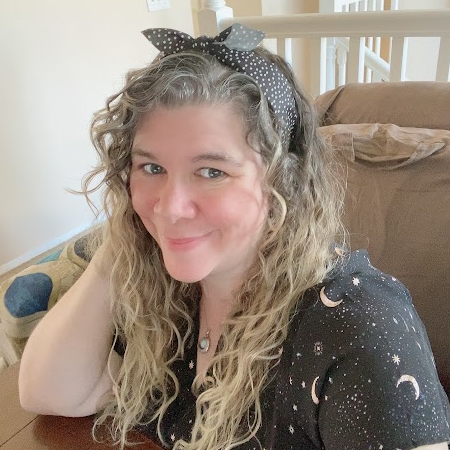
Reflections

How long have you been in remission?

I am almost at the 3 year mark of being in remission. I count it as April. My oncologist counts it as November because that’s when I finished chemo, but I think that the surgeon got everything. 

How often do you get scans and do you experience scanxiety?

I don’t think that it ever really leaves you. I think that it stays with you.

I just hit the 2.5 year mark, so now I go every 6 months. I think that’s one of the hardest parts. I was joking with a friend that I’m a part of an exclusive club now because it doesn’t really ever leave you. With scanxiety, I just do my best to just try and stay positive. It’s always quite exhausting because it’s a 4-day process – blood work, scan, and meet with your doctor. 

My aunt is a phlebotomist, so she’s always encouraging, giving me tips on how to stay positive and hydrate, make sure you’re ready to go. But it is a real thing, and I honestly don’t think that it ever gets any better. I think that you learn how to manage, how to live with it. The farther out that you get, you feel better. But I don’t think that it ever really leaves you. I think that it stays with you. 

What advice do you want to share with cancer patients? 
Courtney encourages everyone to advocate for themselves

Advocate for yourself, know your body, listen to your body, and keep pushing until you find answers.

You need to advocate for yourself and you need to be able to listen to your own body. Science only goes so far. Knowing, understanding, and listening to your body is really important. Because if you’re sitting in front of this doctor that doesn’t know you, you’re just a statistic. They’re trying to see where you fit, and if you don’t fit the category, you don’t fit the profile, of course they’re not going to suspect anything. 

I also think that you have to hold on to your faith and keep pushing through roadblocks and things that are in your way. You just have to keep going until you find the answers that you really desire to have. For me, that was, I’m sick of hanging out in ambiguity. I know I have it. You are speculating, but that’s why we have science. That’s why we have these things. We shouldn’t be profiling people based on their age or the way that they look. We should be listening to the patient and to their concerns. 

Advocate for yourself, know your body, listen to your body, and keep pushing until you find answers. That’s why I’m alive and well today, because I advocated, and I continued to push until I got the answers that I needed. I don’t blame any of them. They’re doctors, they’re human, but I do think that they need to listen to patients better. I think that they need to listen to their patients, listen to the concerns that they have, and really do a better job of putting something in place that is going to help. Help eliminate this ambiguity. For people that may not feel as comfortable to advocate, you just have to remember that you know your body. So even if it’s something that’s totally foreign, talk to somebody about it and try and find those answers that you are desiring to look for.

More Colorectal Cancer Stories

Cora V. stage 4 colorectal cancer

Cora V., Colorectal Cancer, Stage 4 (Metastatic)


Symptoms: Fatigue, unintentional weight loss, blood and mucus in stool

Treatments: Chemotherapy, chemoradiation, surgeries (temporary ileostomy and reversal, liver surgeries and ablation)
Monica D. feature profile

Monica D., Colorectal Cancer, Stage 1


Symptoms: None; caught at a routine colonoscopy
Treatment: Surgery (low anterior resection with temporary diverting ileostomy)

Edie H. feature profile

Edie H., Colorectal Cancer, Stage 3B


Symptom: Chronic constipation

Treatments: Chemotherapy, radiation, surgeries (lower anterior resection & temporary ileostomy)
Shayla L. feature profile

Shayla L., Colorectal Cancer, Stage 4


Symptoms: Stomach sensitivity, food intolerances, exhaustion, blood in stool
Treatments: Chemotherapy, surgery (hepatectomy)
Tracy R. feature profile

Tracy R., Colorectal Cancer, Stage 2B


Symptoms: Bloating and inflammation, heaviness in the rectum, intermittent rectal bleeding, fatigue
Treatments: Chemotherapy, radiation, surgery
Paula C. feature profile

Paula C., Colorectal Cancer, Stage 3


Symptoms: Painful gas, irregular bowel movements, blood in stool, anemia, severe pain, weight loss, fainting spells
Treatment: Surgery (tumor resection)
Categories
Chemotherapy Colorectal CRC Eloxatin (oxaliplatin) fluorouracil 5fu Irinotecan Metastatic Patient Stories Treatments

Raquel’s Stage 4 Colorectal Cancer Story

Raquel’s Stage 4 Colorectal Cancer Story

Interviewed by: Alexis Moberger
Edited by: Katrina Villareal

Raquel A. feature profile

Raquel first noticed symptoms in 2019, like pencil-thin stools, pain, bloating, and blood in her stool. She then started getting full quickly after eating.

When she finally went to the doctor after developing severe pain, she was dismissed and told, “It was just anxiety.” She then ended up in the emergency room and was later diagnosed with stage 4 colorectal cancer, which had spread to her liver, ovaries, and lungs.

In sharing her story, she aims to raise awareness about rising colorectal cancer rates in young people and the importance of listening to your body.

In addition to Raquel’s narrative, The Patient Story offers a diverse collection of colorectal cancer stories. These empowering stories provide real-life experiences, valuable insights, and perspectives on symptoms, diagnosis, and treatment options for cancer.


This interview has been edited for clarity and length. This is not medical advice. Please consult with your healthcare provider to make informed treatment decisions.

The views and opinions expressed in this interview do not necessarily reflect those of The Patient Story.


  • Name: Raquel A.
  • Diagnosis:
    • Colorectal cancer
  • Staging:
    • 4
  • Initial Symptoms:
    • Frequent bowel movements
    • Pin-thin stools
    • Mild red blood in stool
  • Treatment:
    • Chemotherapy: oxaliplatin, 5-FU (5-fluorouracil), and irinotecan

I feel so confident that whether I can heal from this or not, I’m going to be able to handle it well. It’ll be okay. I’ve overcome other things in life and I hope that I can be an inspiration to people who are struggling.


Introduction

I’m 33 years old with terminal colorectal cancer. It has been such a huge part of my life that I have to remind myself that there are other parts outside of that.

I currently work in the tech industry and I’m very blessed to be able to do so.

In my spare time, I like reading and drawing. I’m very artistic and very recently, I’ve been posting more. I’ve been finding great connections on social media with other people who are going through the same thing as me.

I didn’t take my symptoms more seriously because they would come and go.

Pre-diagnosis

Initial Symptoms

I first started noticing symptoms in 2019. I was roommates with my best friend and she started to notice how often I was going to the bathroom. At the time, I was working in restaurant management so I figured I was probably eating too much of the food at work or eating too many processed foods.

I started changing my diet, trying to eat healthier and more protein but also using fiber supplements. I figured I wasn’t eating enough fiber and that’s one of the first things you read online about how to resolve diarrhea or bowel issues. That did help. The symptoms went away, but they would come back to plague me again.

Raquel A.
Symptoms Worsened

In 2022, I was working as a contractor in the tech industry. I made really good friends with people on my team. One of them noticed how often I was going to the bathroom and she said, “Raquel, are you okay?” I said, “Yeah, I’m fine. Maybe it’s the dairy in my coffee. Maybe I have a gluten sensitivity.”

At the time, I wasn’t concerned and wrote myself off. I dismissed my symptoms. But knowing what I know now, I was having classic colorectal cancer symptoms.

I experienced frequent bowel movements and pin-thin stools. In addition, any kind of blood in your stool is a huge red flag. It means something is wrong. The color, whether it’s dark or mild red, pinpoints where exactly that bleed is located. Mine was mild red. I didn’t have heavy bleeding, which is why I thought there wasn’t something wrong.

But another classic sign is getting full quickly after eating and that was a huge red flag that something was wrong. That happened from 2022 until when I got diagnosed in May 2023. Every time I took a couple of bites of something, I immediately felt so bloated.

I was actively dieting before my diagnosis, but despite how healthy I was eating, I could not lose weight, which I thought was strange. My stomach was so round and hard. I would later find out that the cause of some of my bloating was ascites. When you have cancer that is as advanced as mine, especially with colorectal cancer, the tumors start secreting free fluid. I had about a gallon of fluid in my stomach that they had to drain. That immediately relieved so many symptoms I was having with eating.

I didn’t take my symptoms more seriously because they would come and go. 

They’re not going to think of cancer when they see somebody who visually looks very healthy and young so I don’t necessarily blame her. At the same time, this dismissal of people who are like me is widespread because I know I’m not alone.

Symptoms Dismissed by Primary Care Doctor

It’s important to note that as a millennial—and I have statistically looked into this—half of us don’t have a primary care provider. That was the story of my 20s. I was blessed to land a permanent role in the tech industry where I had good healthcare and was able to schedule my first physical in 10 years back in May of 2023.

When you don’t go to the doctor for that long, there is a lot to talk about. I let my primary care physician know all of my symptoms, especially my bowel symptoms, and that I had severe abdominal pain somewhat recently. It wasn’t in one spot and felt very abnormal.

When I was talking to her about this, I could tell that she thought it was in my head. She scheduled me for a psychiatric appointment after my physical because she thought I had anxiety.

But now that I know so much about my disease, I know that they were classic colorectal cancer symptoms. Because I was so young, a woman, and a minority, statistically speaking, even just one of those categories is going to make you more likely to be dismissed in a medical setting and that is absolutely what I experienced.

Raquel A.

It was maybe three weeks after that physical when my cancer was found to be completely metastatic and had spread all over. I know that she probably felt some guilt because, after my diagnosis, they sent the information to my primary care provider before I was assigned to an oncologist.

I’m sure once she saw how bad it was, she felt guilty at the same time. She’s not the only doctor who has done that, especially when you’re young. Medical doctors are taught these statistics of colorectal cancer being an older person’s disease. They’re not going to think of cancer when they see somebody who visually looks very healthy and young so I don’t necessarily blame her. At the same time, this dismissal of people who are like me is widespread because I know I’m not alone.

It wouldn’t be until I had a liver biopsy that they would find the primary source of my cancer, which was colorectal, and I wouldn’t find out until later how incredibly it had advanced.

Raquel A.

Diagnosis

Getting the Cancer Diagnosis in the Emergency Room

I finally went to the ER. I remember that day so clearly.

I had severe abdominal pain that was migrating to my lower back and I almost fainted in my apartment. My intuition was saying that something was wrong so I went to the ER.

They did a full blood panel on me, which included the cancer markers CEA, CA 125, and CA 19. Mine were elevated. My CEA alone was in the 700s and anything above 30 is already a sign of cancer activity in your body. For mine to be that high means that my cancer was so advanced.

When I was in the ER, I felt that they took me seriously that’s why my cancer was found. The doctor knew something was wrong so she did that blood panel. I had an MRI, a CT scan, and an ultrasound. They did all those tests immediately.

The ER doctor told me that I had ovarian cancer because that’s where they found it initially. Based on the CT scan, the cancer was pretty advanced in my ovaries and my liver. It wouldn’t be until I had a liver biopsy that they would find the primary source of my cancer, which was colorectal, and I wouldn’t find out until later how incredibly it had advanced.

The metastases are in my colon, ovaries, liver, lungs, peritoneal cavity, and omentum. They found them through those tests within a week.

Everything happened so fast. I feel truly blessed that when I went to the ER, my cancer and the type of cancer was diagnosed so quickly. They ran all these tests, found my cancer, and immediately referred me to an oncologist. The next day, I was talking to an oncologist who then referred me to have a liver biopsy. A couple of days later, they found the primary source of my cancer.

Even though it’s very, very unfortunate how late my cancer was found, what an incredible experience for them to take me so seriously and find out what was going on. Kudos to the hospital that I went to. They took me very seriously.

Reaction to the Diagnosis

I don’t think I reacted like a normal person would have and that’s because I’ve had a lot of things happen in my life. I have a very calm demeanor. When things go wrong, I’m your go-to person to think logically and that’s how I processed my cancer diagnosis.

Even the doctor seemed really surprised that she said, “Raquel, you’re not even crying. I’m so sorry I’m not telling you good news.” I said, “You know what? It’s okay because no matter what happens, I’m going to get through it.”

I feel so confident that whether I can heal from this or not, I’m going to be able to handle it well. It’ll be okay. I’ve overcome other things in life and I hope that I can be an inspiration to people who are struggling. I feel like everything’s going to be okay. I told myself that even at the beginning of my diagnosis.

Raquel A.

My liver and lung metastases aren’t responding to chemo, but the metastases in my ovaries and colon are responding moderately well. My oncologist and I are trying to see what combination could help with wherever else my cancer is.

Raquel A.

Treatment

The treatment protocol and how they’re going to approach your diagnosis depends on your hospital. When I first got diagnosed, I was at a different hospital but for insurance purposes, I had to switch to a different one.

My treatments would have been a little bit different if I stayed with the first hospital because they wanted to start surgeries right away. They said, “You’re going to have a full hysterectomy. I’m going to be doing this in collaboration with one of our very renowned liver surgeons and we’re going to do this at the same time.”

But then when I switched to a different hospital, they told me, “We’re going to focus on chemotherapy. Let’s see how you react, shrink what we can, and then talk about surgery.” I understand the reasoning for that because they want to shrink as much as they can to lessen things going wrong during surgery or make it a little bit less risky.

Because I ended up switching hospitals, I’ve just been primarily I’ve been chemotherapy.

Being on Chemotherapy for Life

I first started with oxaliplatin. The side effects are not pleasant. It causes neuropathy.  Fortunately for me, we stopped that in December. I was on it for six months until the side effects started affecting my quality of life too much.

I have switched to 5-FU (5-fluorouracil) and irinotecan. They introduced irinotecan to see if that’s going to help my liver metastases because so far, I’m having a mixed response to chemotherapy.

My liver and lung metastases aren’t responding to chemo, but the metastases in my ovaries and colon are responding moderately well. My oncologist and I are trying to see what combination could help with wherever else my cancer is.

I have chemotherapy bi-weekly and for Christmas, I pushed back my chemotherapy because I didn’t want to be sick during the holidays. My CEA, one of my cancer markers, jumped when I wasn’t strictly on my bi-weekly regimen. If I ever stopped chemotherapy, decided I didn’t want to continue, or changed my protocol at all, my cancer would jump at that opportunity to be aggressive.

Raquel A.

I don’t have a choice as of right now. Chemotherapy is keeping me alive so I’m going to continue being on it bi-weekly. Fifty percent of people who have chemotherapy might need what’s called GRANIX shots.

The white blood cell count gets so low with chemotherapy that medications are needed to boost the white blood cell count to continue treatment. I, unfortunately, fall under that category so not only do I have my chemotherapy, but I have to have those shots to even have chemotherapy because my white blood cells get too low.

I’m very actively looking to find and get second opinions from hospitals that are willing to touch me and get some of this out because I know it would help me in the long run.

Looking for Other Opinions

As of now, they’re telling me that they don’t want to do surgery because of how incredibly advanced my cancer is. They’re saying that it might not be worth it.

However, I’ve read and seen from other people with colorectal cancer that they have better survivability with surgery because the more cancer is in your body, the more opportunities it has to spread and be aggressive.

I’m very actively looking to find and get second opinions from hospitals that are willing to touch me and get some of this out because I know it would help me in the long run. I will be traveling to MD Anderson and Memorial Sloan Kettering, hoping that they can do surgery on me, which will help extend my life. Even though I know it’s risky, I’m willing to do it because the alternative is being on chemo forever.

Raquel A.

Getting Help & Support as a Cancer Patient

Having the support of family and friends has been such a huge help and I give so much thanks to the incredible people in my life who have helped me through this.

Some things have personally made it a little bit easier, like trying to buy foods that are pre-cut or pre-chopped. I like getting frozen oatmeal because I can just microwave it.

I’m sicker some days than others and I have found that it helps to have plastic utensils so that I’m not thinking about washing the dishes. To alleviate some of the guilt of buying disposables, I buy the biodegradable kind. You never think about how much something like that would make your life a little bit easier, but it does.

Give yourself grace and find the little things that you deserve to make your life easier.

If I had advocated for myself sooner, my cancer would have been found sooner… Listen to your intuition. You know your body more than anybody else.

Importance of Self-Advocacy

Self-advocacy has been such a big part of my cancer journey because if I had advocated for myself sooner, my cancer would have been found sooner. A lot of people who are as young as me or even younger don’t have a primary care provider.

Maybe they don’t have health insurance and I understand that there is a money barrier to getting treatment for a lot of people. That’s why I’ve been speaking to people who are younger than me and are getting diagnosed with advanced colorectal cancer because of those barriers.

One of the reasons why I started to be so outspoken about my diagnosis is to encourage people to go to the doctor. It’s never normal to have blood in your stool, even if it’s a little bit. Something’s wrong.

Unfortunately, if you’re young, a woman, or a person of color, you have to advocate for yourself so much more than people in different demographics. I hope to inspire people to get the medical help that they need for their symptoms because I was invalidating myself.

Raquel A.

I went to my primary care provider and had my physical. I told her all of my digestive issues and bowel symptoms, and she said it was all in my head and that it was anxiety.

Other young people say in the comments on my social media, “This happened to me, too.” That’s one of the reasons why I’m trying to be so outspoken and raise awareness. I want people who have had the same experience to hear my story and say, “I need to take this seriously. Even if a medical professional says that I have nothing to worry about, I need a second opinion. I need to go to a GI specialist.” That is my goal in sharing my story. Don’t let anybody write you off. Get seen. Go to a GI specialist.

All it takes is one who will listen to you and help you. They’re out there. We just have to find them.

Raquel A.

Words of Advice

Listen to your intuition. You know your body more than anybody else. A medical professional is diagnosing you based on generalities, but you know yourself better than anybody so if you are having these problems, you deserve to see a specialist and get a second opinion. Don’t listen to the first doctor. Get opinions from a second or a third, especially if your symptoms are persistent.

If your symptoms are persistent and aren’t going away, then something is wrong, especially if you have blood in your stool. That should never be written off. Any kind of blood in your stool is a huge red flag. Pay attention to it.

You deserve to be listened to and taken seriously in a medical setting. If the first doctor isn’t taking you seriously, all it takes is one who will listen to you and help you. They’re out there. We just have to find them.

If you have been invalidated about your bowel health or your symptoms, follow your intuition. As much as we want to completely trust that they have our best interests, that they went to medical school and they’re knowledgeable, that doesn’t mean that they aren’t sometimes wrong and don’t make mistakes or misdiagnoses.

Go out there and fight for yourself. Fight for your health. I hope everybody who hears my story feels very validated to go and seek help.


Raquel A. feature profile
Thank you for sharing your story, Raquel!

Inspired by Raquel's story?

Share your story, too!


More Colorectal Cancer Stories

Cora V. stage 4 colorectal cancer

Cora V., Colorectal Cancer, Stage 4 (Metastatic)


Symptoms: Fatigue, unintentional weight loss, blood and mucus in stool

Treatments: Chemotherapy, chemoradiation, surgeries (temporary ileostomy and reversal, liver surgeries and ablation)
Monica D. feature profile

Monica D., Colorectal Cancer, Stage 1


Symptoms: None; caught at a routine colonoscopy
Treatment: Surgery (low anterior resection with temporary diverting ileostomy)

Edie H. feature profile

Edie H., Colorectal Cancer, Stage 3B


Symptom: Chronic constipation

Treatments: Chemotherapy, radiation, surgeries (lower anterior resection & temporary ileostomy)
Shayla L. feature profile

Shayla L., Colorectal Cancer, Stage 4


Symptoms: Stomach sensitivity, food intolerances, exhaustion, blood in stool
Treatments: Chemotherapy, surgery (hepatectomy)
Tracy R. feature profile

Tracy R., Colorectal Cancer, Stage 2B


Symptoms: Bloating and inflammation, heaviness in the rectum, intermittent rectal bleeding, fatigue
Treatments: Chemotherapy, radiation, surgery
Paula C. feature profile

Paula C., Colorectal Cancer, Stage 3


Symptoms: Painful gas, irregular bowel movements, blood in stool, anemia, severe pain, weight loss, fainting spells
Treatment: Surgery (tumor resection)