Categories
Chemotherapy Colon Colorectal FOLFOX (folinic acid, fluorouracil, oxaliplatin) Partial colectomy Patient Stories Surgery Treatments

Colon Cancer at 24: Meagan’s Story of Listening to One Symptom

Stage 3C Colon Cancer at 24: Meagan’s Story of Listening to One Symptom

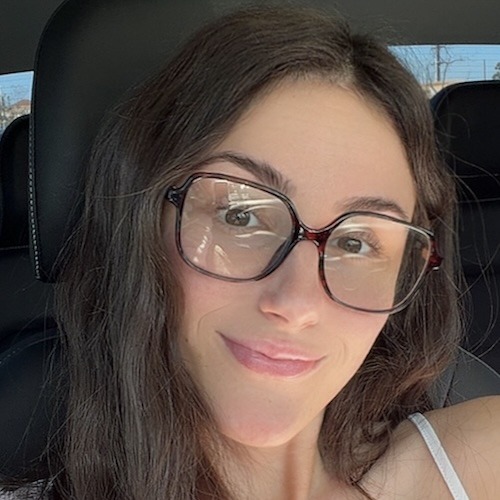
At 24, Meagan was a busy graduate student and substitute teacher whose life revolved around lesson plans, a long-term relationship, and building her future. However, she was diagnosed with stage 3 colon cancer after months of noticing small amounts of blood in her stool. She had no abdominal pain, cramping, or major digestive changes. She initially assumed the bleeding was from hemorrhoids, especially as friends and family echoed that explanation. Even as TikTok videos about colon cancer and blood in the stool kept surfacing on her feed, the idea that this symptom could mean cancer still felt distant and unreal.

Interviewed by: Nikki Murphy
Edited by: Chris Sanchez

When Meagan finally saw her primary care physician, she felt heard and taken seriously immediately. Her doctor ordered blood work, a fecal calprotectin test, a CT scan, and a referral to a gastroenterologist (GI specialist), but everything came back essentially normal except for slight anemia. Embarrassed and questioning whether she had pushed too hard, Meagan still kept her GI visit, where the specialist recommended going “all the way” to a colonoscopy. That test revealed a 4-centimeter tumor in her sigmoid colon, and a subsequent surgery showed that seven of 20 lymph nodes were positive, confirming that she had high-risk stage 3C colon cancer at just 24.

Meagan M. colon cancer

Meagan began six months of FOLFOX chemotherapy, an experience that challenged her physically and mentally. Treatment cycles left her nauseated, without appetite, and dealing with severe cold sensitivity and lasting neuropathy in her hands and feet. She also navigated the emotional whiplash of watching friends live “normal” 24‑year‑old lives while her own plans, such as launching a teaching career, moving in with her partner, and starting a family, were put on hold.

Now in remission, Meagan is reshaping her life with intentionality: delaying motherhood so she can prioritize scans and monitoring, committing to exercise and nutrition changes, and seeking therapy and support groups to manage the ongoing fear of recurrence. She is clear that she does not yet call herself a survivor. However, she is learning to give herself grace, accept that she will never be exactly who she was before stage 3C colon cancer, and trust that she can still build a meaningful, joyful future.

Watch Meagan’s video and read the edited transcript of her interview below to take a deeper dive into her story.

  • Even one subtle symptom, like intermittent blood in the stool with no pain, can signal something serious, and getting it checked may lead to an earlier colon cancer diagnosis.
  • A primary care physician and GI specialist who take concerns seriously and push for full diagnostic testing, including colonoscopy, can be lifesaving when other tests appear normal.
  • FOLFOX chemotherapy for stage 3 colon cancer can cause intense side effects like nausea, cold sensitivity, and long-term neuropathy, making everyday tasks and mental health support especially important.
  • Being diagnosed with colon cancer in your 20s can disrupt career, relationship, and motherhood plans, but it can also lead to intentional decisions about fertility preservation, work flexibility, and prioritizing health.
  • For all patients: You may never feel exactly like your old self after cancer, yet with time, self-compassion, and support, you can still move forward and build a meaningful life.
  • Meagan’s transformation shows her shift from brushing off symptoms and assuming she was fine to advocating for herself, restructuring her future, and redefining what it means to live fully while in remission.

  • Name:
    • Meagan M.
  • Age at Diagnosis:
    • 24
  • Diagnosis:
    • Colon Cancer
  • Staging:
    • Stage 3C
  • Symptom:
    • Appearance of blood in stool
  • Treatments:
    • Surgery: partial colectomy
    • Chemotherapy: FOLFOX
Meagan M. colon cancer

This interview has been edited for clarity and length. This is not medical advice. Please consult with your healthcare provider to make informed treatment decisions.

The views and opinions expressed in this interview do not necessarily reflect those of The Patient Story.


Transcript of Meagan’s Interview

Meet Meagan: Stage 3 colon cancer at 24

My name is Meagan, I’m 24 years old, and I was diagnosed with stage 3 colon cancer in 2025, when I was 24 years old.

Life before my colon cancer diagnosis

Before my diagnosis, I was very busy. I was in school to become a teacher, so I was student teaching, which is basically when you teach without pay. It is kind of like an internship. I was doing that the entire full semester before my diagnosis. For the two years prior, I was also doing a master’s program, so I was very busy with school.

I was excited to finish school and be able to actually be a teacher with my own classroom. I am in a serious relationship, so I was looking forward to after graduation and what our life together would look like in terms of moving in, getting engaged, all those things.

First symptoms and taking action

First signs of colon cancer: Blood in my stool

I first started having my only symptom in August of 2024. I noticed a little bit of blood in my stool, but I did not think anything of it. I also was not the greatest in terms of diet, exercise, and water intake, so my family and friends all suggested that it was most likely hemorrhoids, because I also would not go to the bathroom very often. They were thinking it was related to that.

The blood would not be there every time, which was another reason I was not concerned, and it was not in large amounts. Sometimes I almost never noticed it at all. I really, truly — even all the way until when I went to see my doctor in February of 2025 — did not think anything deeper than hemorrhoids. I did not have stomach issues. I did not have pain, cramping, or any inconsistencies. I was just a very constipated girl, so I did not think anything other than hemorrhoids.

Living with symptoms for months before seeing a doctor

From August to February, I did not go to the doctor. I was not using hemorrhoid cream or anything at home. I honestly was just thinking that the symptoms would go away on their own.

By the time I went to the doctor, I had finally gotten to a point where I thought, “Wow, these are very stubborn hemorrhoids. They are not resolving. It is continuing to be something that I am noticing.” So I decided I might as well go see the doctor and see if there was something she could give me or do for me that would help resolve the situation.

Most of that time, I was just in school regularly and working as a substitute teacher. My mind was in a totally different place. I was not focused on my health or thinking that it could be anything serious.

Shortly before I went to the doctor, I started getting a lot of TikTok videos of people having colon cancer. I did slightly have that in my mind. I did not think I was going to have it, but I thought maybe I should think about getting something looked at, because everyone would talk about the symptoms, and blood in the stool was the biggest symptom they mentioned. But because I did not have other symptoms, I still did not think it would be something that would affect me.

TikTok, Google, and the push to see a doctor

I was not searching for my symptoms on TikTok. I had Googled my symptom, but I never did anything related to TikTok, so I was confused how that connection got there. It felt like it was meant to be for me to go to the doctor and for me to see those things.

It honestly felt like it was meant to be that TikTok started showing me colon cancer videos and pushed me to go to the doctor.

Path to diagnosis

The primary care doctor who took my concerns seriously

I saw my primary care physician in February, and luckily, she was amazing. She took my concern seriously and ordered every single step for me from the beginning. I have heard a lot of people say they saw their primary care and were told, “Okay, let’s do blood work and then see what happens,” but she just ordered everything — boom, boom, boom.

I had blood work, a fecal calprotectin test (to detect inflammation in the colon), a CT scan, and an appointment with a GI specialist to refer me for a colonoscopy.

I got the blood work done. The only abnormal thing was slight anemia, not full-blown anemia, but slight anemia, which is also a symptom. The fecal calprotectin test came back normal and did not show any inflammation in my colon. The CT scan also came back normal, but I did have a lot of stool in my body, so I am assuming that had something to do with why it came back normal, because maybe they were not able to see the mass because it was blocked.

After all those tests came back normal, I was feeling a little embarrassed. I still had my GI appointment booked, and I went anyway. I told her, “You know what? I honestly think that I am just fine. I do not know why I went this far. I was having this symptom, and it is still happening, but I do not know.”

Luckily, she took me very seriously, even though I was not taking myself seriously. She said, “We have gone this far. Let us go all the way and do the colonoscopy. There is no harm in it. It is not fun, but at least we can see physically what is happening inside and figure something out for you.”

Those were my steps, and then I got my colonoscopy at the beginning of June, where they found the tumor.

Colonoscopy prep and the day of the procedure

My GI specialist was very kind and did not want me to have to do the Golytely jug, because a lot of people struggle with that. I did SUPREP for my colonoscopy prep, which is two smaller bottles, and most of the prep involves drinking water as opposed to drinking a large, bad-tasting solution.

Even with Suprep, I still had a really hard time. It does not taste good. I got pretty sick drinking it, but I made it through and drank all of it. My parents were very encouraging. They kept telling me, “You are this far. You are doing the prep. You need to push through, keep doing it, go in for the colonoscopy, and have this be over.”

My colonoscopy was very early in the morning, so I went in first thing and went from there.

Hearing “We found a tumor” after my colonoscopy

I was rolled into the room for my colonoscopy and saw the doctor beforehand. He said, “Hey, Meagan, nice to meet you. I am just going to get in here really quickly, check everything out, and we will get you out super quickly. It should be easy-peasy.”

I fell asleep right away. When I woke up in the recovery room, the nurse came in and said they had called my mom to come back, and that the doctor was going to talk to both of us about how the colonoscopy went. That is not typically normal at my clinic. Usually, the person who picks you up just gets you to the car; they never come inside. The fact that they said my mom was coming inside should have been a red flag, but I was still groggy from anesthesia. I was just thinking, “Okay, great, my mom will be here,” and I did not think anything serious was coming.

The doctor came in and said, “Okay, I found something. It is honestly taking a lot for me to gather my words to say this because I have not seen anyone your age in this situation, but I found a tumor.” He said it was four centimeters. The next step was 100% surgery to remove it. He could not take it out during the colonoscopy because it was too large.

He was very hopeful and left it up in the air that it could be cancer or a very advanced polyp. Leaving the appointment, I was terrified, but I was not 100% sure it was cancer. He told me he had taken biopsies from the tumor and was sending them to the lab, and that I would hear in a few days whether it was cancer or not.

How I found out I had colon cancer: My biopsy results online

He sent the biopsies to Quest Diagnostics, and I have an account with them, so I can see my results for blood work and biopsies. He told me we would hopefully get the biopsy results by Friday, since my colonoscopy was on a Tuesday, but if we did not have them by Friday, I would have to wait until Monday, which felt like torture.

On Friday, I was checking Quest every five minutes, just hoping the results would be there. Five o’clock rolled around, and the results still were not there, so I knew he would not be calling me with results that day, and I would have to wait.

At 9 p.m. on Friday, June 6th, I saw the results on Quest. It said it was a moderately differentiated ulcerated adenocarcinoma in the sigmoid colon. Essentially, it meant it was cancer. I had to digest that information without having spoken to the doctor yet.

I was with my mom, my dad, and my best friend, Sarah. I was hysterical. My initial reaction was the same as most people who find out they have cancer: my first thought was, “I do not want to die.” I was absolutely terrified. Looking back, I feel terrible for the people who were there in that moment, because there is nothing you can say that will make the person feel better.

The doctor who performed my colonoscopy took it upon himself to call me on Saturday. He told me it was cancer, thinking I had not seen the results yet. He took time out of his weekend to call me because he knew I was being tortured by the wait. He was really kind to do that, and I appreciated it so much. He told me it was cancer, and that my next steps would be with a surgeon and an oncologist.

Staging, surgery, and treatment decisions

Fears about staging and waiting for surgery

After the colonoscopy, I had to wait a lot. I woke up not knowing if it was cancer and had to wait for biopsy results. Once I found out it was cancer, I had to wait for surgery to find out the stage.

I did have a CT scan following my colonoscopy that showed the lymph node right next to my sigmoid colon, where the tumor was, was enlarged. My colonoscopy doctor told me not to let myself spiral yet, because I was very young and my immune system is extremely active, so my lymph nodes could just be reacting to the tumor and trying to fight it. That could be why they looked enlarged and did not automatically mean they had cancer. That made me feel a little better.

Deep down, though, I had a fear of it being stage 3. At that point, I knew it most likely was not stage 4 because the CT scan did not show anything distant in my body, just in those lymph nodes. It was scary not knowing if it would be stage 3 or not, because stage 3 and stage 4 are later stages, and that sounds very terrifying to hear at 24.

Colon cancer surgery, and finding out it was stage 3C

After finding out it was cancer, my first step before seeing an oncologist was to see a surgeon, because they did not know how to treat me until they knew the stage. Surgery was the main indicator of my next step.

My surgery was scheduled for a couple of weeks after my colonoscopy. They took out 25 centimeters of my colon and 20 lymph nodes around the area to be biopsied. Seven lymph nodes came back positive, which is a lot, so I was considered high-risk stage 3, technically stage 3C.

I then went to see my oncologist. She told me I needed to do six months of FOLFOX chemotherapy, no matter what, because we wanted to really make sure the cancer would not be able to come back. In my surgery, we had clear margins, so all visible cancer was removed, but with stage 3, there could be microscopic cells that are not visible on scans or during surgery. Chemotherapy’s purpose was to kill anything that might not have been removed.

I had a second opinion at UCSD, and that doctor agreed with my oncologist’s treatment plan. For stage 3, FOLFOX chemotherapy is the standard of care. The main difference tends to be how long you do it. In my case, I had to do the longest course to make sure we were being as aggressive as possible.

Chemotherapy and side effects

My FOLFOX chemotherapy schedule and side effects

Chemotherapy was really hard. I struggled a lot. I had to go every other week for six months. I would go in on Wednesday and be connected to an overnight pump that I slept with on Wednesday night and Thursday night. On Friday, I was disconnected from the pump. Usually, I felt very sick from Wednesday through Sunday of my treatment week.

My main side effects were nausea, very little appetite, and severe cold sensitivity from one of the chemo drugs, which meant I could not touch, eat, or drink anything cold.

I even struggled to drink room temperature water after treatment because it felt like I was swallowing razor blades. It was very uncomfortable and made daily tasks hard because I could not touch anything cold.

Another lasting side effect I still have is neuropathy. I cannot feel my fingers or my toes. I have really struggled to do daily tasks now that I am done with treatment. It feels like the gift that keeps on giving from chemo.

The toughest days of treatment: Physical and mental

The thing I struggled with most during treatment was the mental aspect. You feel very sick physically, which makes it hard to stay mentally strong. I had days when I was so nauseous I could not drink water or eat anything. I was just lying on the couch, in and out of sleep.

It was really hard to stay strong mentally and get through those days, but I reminded myself that the following week I would feel better. The breaks between cycles helped me feel more like myself. If I had had six straight months of constantly feeling sick, it would have been a lot harder to get through.

Knowing there was an end in sight, each round, and that it was not too far away, helped me keep going. I tried to look forward to my week off from treatment, make plans, and do things I could look forward to. That helped me move forward through the rough days. I still had days when I was very physically sick, and my stomach was so sensitive that eating was difficult.

Realizing “This is my reality” at 24

I think reality hit me pretty quickly. From the beginning, I was very aware of what I was dealing with. It hit even harder once I started treatment. With surgery, everything was very quick — boom, boom, boom — and then it was done.

During treatment, there was a long stretch of time where I was watching all my friends continue their lives. Their lives kept going, and mine was completely put on pause. That hit me very hard. This was my reality — and it was not a fun reality to be part of.

I also struggled in some friendships. It is frustrating seeing your friends being happy and doing normal 24-year-old things when you are stuck at home, feeling sick, and struggling.

Young adult life, plans, and fertility

How colon cancer disrupted my 20s

Being diagnosed with later-stage cancer in your 20s is especially hard because your 20s are such a pivotal time. There is so much that happens — career, relationships, independence — that cancer completely disrupts.

No one is usually aware of their own mortality until they are in a situation like mine. I get frustrated knowing I have friends who can live as normal 24-year-old women as I used to, where death and mortality feel so far away and not real. When you are young, you feel disconnected from that.

When you get diagnosed with late-stage cancer, you think, “Oh my gosh, I have my entire life left to live. I am not ready for this.” It feels like an immediate threat you have never had to confront before. It is really hard to make that adjustment, especially when you want a career, marriage, and a family, and all of that suddenly feels very out of reach.

How cancer changed my career and motherhood plans

I had planned to become a full-time teacher much sooner. After going through treatment and everything else, I am delaying that. I am going to stick to being a substitute teacher a little longer, because I appreciate the flexibility of readjusting to “normal” life. I can work when I want to or not work when I do not want to, and I do not have a big obligation to a full-time job. I am still employed but can work as much or as little as I want.

In terms of my relationship and motherhood, I had hoped to have kids much sooner than I will now, or at least much sooner than I will be comfortable with. I am now in the monitoring phase and have to get scans every six months, usually PET or CT scans, which are not safe to get when pregnant. So I will have to delay having kids by maybe three to five years because I want to show up for myself, do those scans, and catch anything early if it comes back.

I do not want to put my own health on the back burner for the sake of starting a family, even though that is something I really want. I want to make sure I will be okay before making the choice to bring a life into the world.

Egg freezing before chemotherapy

My oncologist told me in my initial appointment that chemotherapy could damage my eggs. Because I am young, she said that is somewhat in my favor — my ovaries are more resilient than if I were older — but she still recommended that I freeze my eggs just in case. It is much better to have the option there if I cannot naturally conceive.

I went through the egg-freezing process, and now I have eggs frozen, so if I need them, I will be able to use them.

Relationships, friends, and mental health

What my friends do not understand about life after cancer

I think a lot of people my age do not understand the constant fear and anxiety after treatment. During treatment, they do not fully understand how you feel physically or emotionally. They do not understand what it is like to watch them live their normal lives while you cannot, and they do not understand what it is physically like to go through chemo.

They also do not understand what it feels like not to be able to use your hands for daily tasks because of neuropathy. One of the biggest things I struggle with is that they do not understand the constant fear and anxiety that follows you after treatment is over. Being in remission can feel almost debilitating because you live with the worry of, “What happens if it comes back? What am I going to do? I do not want to die.”

People say, “You are in remission. Why would you be worried about dying?” But death is still a very real possibility in stage 3 cancer. It can come back. It does not mean it will, but it can. Everyone says you cannot worry because no amount of worrying will change the outcome. I know that, but it does not change the fact that the worry is there.

Finishing chemotherapy and ringing the bell

Ringing the bell was mostly a really good day. I felt very happy and proud of myself because I had been looking forward to that moment and wanted to give myself some grace. Throughout this journey, I have been very hard on myself mentally.

That day, I felt like I was able to give myself more grace than I ever had because I went through something so hard — something most people do not understand — and I felt like I handled it well. I was proud of how I went through it, and proud of how I maintained my relationship and friendships. Most of that day was good.

Toward the end of the day, the fear started creeping in. It happened quickly — I moved from, “I am proud of myself,” to, “Okay, now what am I supposed to do? I feel like I do not have control over anything.”

I finished treatment and rang the bell on February 6th, which was very recent — just about a week ago.

What survivorship means to me right now

I am very wary of using the term “survivor.” My mom has always been involved in Relay For Life every year, where they raise awareness and do a survivor walk. She asked if I would be willing to participate in the survivor walk, and I told her I am not comfortable with that yet.

It is a mental game for me. I am not comfortable calling myself a survivor before it truly is what it is. I do not think I will consider myself a true survivor until I go five years without it coming back, because that is when I would be considered cured. Right now, I am just in remission.

Survivorship is hard. It is hard to be post-treatment and see people on TikTok — because I am very active on TikTok — who are newly going through the journey, and to try to help them, because so many people helped me. It is also hard to see people who have it worse than you. Your heart aches, and you almost do not know how to speak to them.

I think, “If that were me and someone else had it not as bad, and they were struggling, I would want to say, ‘Be grateful for what you have.’” It is just hard all around. It is a whole complex journey.

How I support myself in remission

Top ways I support my mental health after treatment

Right now, I am trying to be gentle with myself mentally. I am in therapy, where I talk through my feelings, struggles, and anxieties, and I try to stay on top of that. I am planning on joining support groups and being more present in the aftermath of treatment by talking to other people and getting different perspectives.

Most people I am close to — friends, my partner, and family — do not understand certain aspects of what I am going through. They are amazing in many ways, but certain things are only understood by people who have been through it themselves. Support groups help me feel more understood and supported.

I am also working out. I have never been a person who goes to the gym, but I have done a lot of research and learned that exercise can actively lower recurrence risk in colon cancer. I am committing to 120 to 160 minutes of moderate exercise, focusing mostly on brisk walking for a couple of miles at least five times a week.

I am paying more attention to what I consume. I try to limit additives in my food, eat the rainbow with more fruits and vegetables, increase my fiber intake, and really listen to my body — while giving myself grace that my body is trying to recalibrate and learn how it is supposed to be now.

What I eat in a day to support my gut and colon

A typical day of food for me looks like this:

  • Breakfast: Probiotic yogurt, because probiotics promote regularity in bowel movements.
  • Before the gym: A protein bar, since I prefer going in the early or middle part of the day.
  • After the gym: A fruit bowl or avocado toast — something with fruits or vegetables so I have a solid, nourishing lunch.
  • Dinner: This is what I have been working on most. I have never been a big cook, so I am trying to improve in the kitchen and make really healthy meals. I incorporate a lot more fish and chicken now and try to limit red meat, because red meat takes longer to digest and is harder on the colon. I try to have a vegetable in every meal — things like salmon bowls, chicken pasta, and similar meals.

How social media helps me with food and lifestyle changes

I get most of my inspiration and advice from social media. It gives me a lot of good recipes to follow. I am not the type of person who can just grab random ingredients and create a dish. I need a picture and a recipe to follow, so having those examples on social media is really helpful for me.

Honestly, I do not know how I would eat this well without social media giving me recipes and visuals to follow.

Becoming a “workout girl” after treatment

It is nice to be in the gym now, even though I always struggled with working out before. The gym atmosphere used to feel very intimidating. Luckily, I go to a gym that is not very busy. If it were packed and I had to wait for everything I wanted to use, I probably would not go.

Because it is quiet, I can get in, do what I want to do, not talk to anyone, and leave. Since I am very early in my post-treatment phase, I have been focusing only on walking and have not done strength-building exercises yet, because I know I have almost no muscle to work with. I am starting by increasing my endurance with a few miles of walking on the treadmill.

It honestly feels really good to go and be productive. My boyfriend has always been into the gym, and I used to say I did not like going and did not find it fun. But it actually is therapeutic to go, and you feel really good afterward. It is nice to feel good physically, because before I was more lazy and would not do anything. Now I feel like a whole new person.

Giving myself grace and dealing with neuropathy frustration

One of the main things I would tell other people going through this journey is to never stop reminding yourself that it is okay to be gentle with yourself. Now that I am done with treatment, the mental health aspect has been the hardest.

I am extremely grateful for my boyfriend, my family, and his family, because I have not been the best version of myself since finishing treatment. Honestly, I felt like I was better during treatment than I have been afterward. I struggle a lot with neuropathy. It really frustrates me, and I get angry when I cannot open a jar, make the bed, or do the dishes — things I should be able to do and used to be able to do before all of this.

I really appreciate everyone for being so patient. My biggest advice for others is that it is okay, and nothing is going to happen overnight. You are not going to go back to who you were; you never will be who you were. But you will be better eventually. It just takes time.

Genetics and family history

Genetic testing and biomarkers

I did have genetic testing done, but I do not have any genetic mutations.

My family history of cancer

My mom’s mom had gastric cancer. She was in her 70s when she was diagnosed, and it was stage 4 because it had already spread to her liver and lungs. She ended up passing away.

I have talked to my doctors about whether that history is relevant for me. They said that, considering she was diagnosed later in life, they would not necessarily classify it as relevant family history for my situation.


Meagan M. colon cancer
Thank you for sharing your story, Meagan!

Inspired by Meagan's story?

Share your story, too!


More Colon Cancer Stories

 
Meagan M. colon cancer

Meagan M., Colon Cancer, Stage 3C


Symptom: Appearance of blood in stool

Treatments: Surgery (partial colectomy), chemotherapy (FOLFOX)
Joe C. colon cancer

Joe C., Colon Cancer, Stage 4 (Metastatic)


Symptoms: Loss of appetite, fatigue, malaise, severe pain in the abdominal/liver area, back and shoulder pain, lightheadedness

Treatments: Surgery (colon resection), chemotherapy (FOLFOX, capecitabine, FOLFIRI), targeted therapy (panitumumab, a monoclonal antibody), radiation therapy, immunotherapy through a clinical trial
Sydney S. colon cancer

Sydney S., Colon Cancer, Stage 4 (Metastatic)


Symptoms: Constant stomachaches that only went away after bowel movements, pain after eating, changes in bowel size and shape

Treatments: Surgeries (colectomy, temporary ileostomy, ileostomy reversal), chemotherapy (FOLFOX, FOLFIRI, trifluridine and tipiracil), monoclonal antibody (bevacizumab), radiation therapy, hormone therapy
Kristie C. colon cancer

Kristie C., Colon Cancer, Stage 4 (Metastatic)


Symptoms: None per se that she noticed; she experienced constipation and passed narrow stool, but had been experiencing constipation most of her life, and thought that these digestive issues could also have resulted from perimenopause

Treatments: Chemotherapy (including adjuvant chemotherapy), radiation therapy, ablation therapy (liver ablation), surgeries (colectomy, temporary ileostomy, ileostomy reversal, scheduled liver resection)
Briana H. stage 3 colorectal cancer

Briana H., Colorectal Cancer, Stage 3


Symptoms: Periods of constipation initially lasting one week and then extending to two weeks, nausea, pain in lower left abdomen, lack of appetite, vomiting and inability to keep fluids down

Treatments: Surgeries (colon resection, tumor removal, colostomy placement, colostomy reversal), chemotherapy
Kailee O. stage 4 colorectal cancer

Kailee O., Colorectal Cancer, Stage 4 (Metastatic)


Symptoms: Sensitive stomach sometimes leading to vomiting after eating, bleeding during bowel movements, persistent fatigue, back pain, abdominal pain, anemia, significant symptom flare-up during second pregnancy

Treatments: Surgery (colectomy), chemotherapy, targeted therapy

Categories
BRCA1 Chemotherapy Cholecystectomy Gastrectomy HIPEC (Hyperthermic Intraperitoneal Chemotherapy) Hysterectomy Metastatic PARP Inhibitor Partial colectomy Partial gastrectomy Partial hepatectomy Patient Stories Radiation Therapy Splenectomy Stomach Cancer Surgery Targeted radiation therapy Targeted Therapy Treatments

Niccole is Redefining Life After Stage 4 Stomach Cancer

Niccole is Redefining Life After an Stage 4 Stomach Cancer

Niccole is a stage 4 stomach cancer survivor who embraced traveling the world after her diagnosed in 2021. After experiencing stomach pain, acid reflux and vomiting, she went to the doctor for testing that revealed her cancer. Ultimately, Niccole had 80% of her stomach removed, changing the way she lives each day.

Interviewed by: Nikki Murphy
Edited by: Chris Sanchez

Niccole’s tumor was blocking her stomach’s pyloric sphincter, and stomach cancer surgery meant that she might lose her stomach altogether. She initially underwent a chemotherapy regimen that worked by shrinking her tumor before surgery. Through biomarker testing, Niccole also learned that she carries the BRCA1 mutation, inherited from her mother’s side, linking her diagnosis to a known familial risk. 

Niccole B. stomach cancer

Niccole underwent surgery to remove her gallbladder and 80 percent of her stomach. Life afterward required a complete lifestyle change, requiring her to eat much smaller meals.

Two years later, Niccole’s cancer metastasized in her ovaries, liver, spleen, and peritoneum. She faced another uphill climb through HIPEC treatment and further surgery. Now on ongoing immunotherapy and ctDNA monitoring, she continues to live fully in the present, knowing that time is uncertain. Her story embodies acceptance, grit, and the power of patient advocacy. Through Debbie’s Dream Foundation and Hope for Stomach Cancer, Niccole mentors others navigating the unknown. She proves that life after a life-altering diagnosis can still be full of purpose.

Niccole’s story delves into:

  • Small, early symptoms can signal deeper issues. Listening to your body can save your life
  • Treatments may eradicate disease, but often transform how patients live afterward
  • Advocacy and patient communities provide essential emotional support and empowerment
  • True strength is not found in control but in embracing uncertainty with purpose
  • Niccole’s transformation unfolded not just through healing, but through redefining what it means to truly live

  • Name: Niccole B.
  • Age at Diagnosis:
    • 37
  • Diagnosis:
    • Stomach Cancer
  • Staging:
    • Stage 4
  • Mutation:
    • BRCA1
  • Symptoms:
    • Stomach pain after having alcoholic drinks
    • Eating less
    • Slight weight loss
    • Acid reflux
    • Vomiting
    • Getting full fast
  • Treatments:
    • Chemotherapy: hyperthermic intraperitoneal chemotherapy (HIPEC), open HIPEC with cytoreductive surgery
    • Surgeries: partial gastrectomy, cholecystectomy, splenectomy, partial colectomy, partial hepatectomy
    • Radiation therapy: targeted radiation therapy
    • Immunotherapy
    • Targeted therapy: PARP inhibitor
Niccole B. stomach cancer

This interview has been edited for clarity and length. This is not medical advice. Please consult with your healthcare provider to make informed treatment decisions.

The views and opinions expressed in this interview do not necessarily reflect those of The Patient Story.


My name is Niccole

I am a stage 4 stomach cancer survivor. I was diagnosed in August of 2021 at the age of 37, and I live in Arizona.

So, I am huge into travelling. Ever since my diagnosis, we have decided that we are going to travel the world because we do not know who is going to make it to what age. I am a realtor here in the Valley, and I love what I do. I do residential real estate. I work with buyers and sellers out here in the Phoenix metro area. I have two dogs. They are my pride and joy. I love them. No kids, so they are my fur babies. 

Originally, the first trip that we ended up doing was on my bucket list. After I finished my chemo in 2022, we booked a cruise. We did a seven-day cruise to Alaska in May of 2022, and it was amazing. It was beautiful. We want to go back, and we want to do a land and sea cruise.

More recently, last year, we did a Mediterranean cruise. We started in Barcelona. We spent three days in Barcelona and then travelled the whole little coastal area. We went to Pisa and Florence, which were amazing. We ended in Rome, and we spent an additional three days in Rome. I think we were out there for about sixteen days. We have been to Ireland. We went to Lisbon, Portugal. We have been to the Canary Islands, so we have been all over the place. We still have a bunch of stuff to do on our bucket list, but those are some of the most recent trips.

Just getting to learn about the culture is why travel means so much to me. I really think it is important that we get outside of the United States because I really think it opens up our eyes. We really like seeing the churches and the history and just getting to understand where we came from, honestly. It is a lot of fun to see the different sights. There are so many cool things out there that are old.

Ireland was pretty cool. It was very, very wet. It rained a lot. We went in October of 2023, I think. We did a cruise. We are big into cruising, so we have done a lot of different cruises. It allows you to see multiple areas versus going to one location and then trying to figure out your travel and your stay and all that kind of stuff. The cruise line is pretty much your food and driver, and the place you lay your head.

I had a quiet travel year after a cancer recurrence and HIPEC treatment

This year has been quiet because I got busy with work, and then with the recurrence, I had surgery. We are coming up on a year in November. I had surgery in November because I did HIPEC with CRS, and that recovery was really, really rough. It was not until probably March that I was really back into—I do not even want to say normalcy, because I am still somewhat a little different—but I got more consistent with being able to do things and getting my energy back and all those types of things. So this year has been a little bit quieter on the travel front for us.

We have done a couple of things. We just got back from Holden Beach, North Carolina. But otherwise, it has been a soft travel year for us.

My early symptoms, and the first signs that something was wrong

At the beginning of 2021, none of the things that I had were really extremely “boom, in your face.” I was 37. I chalked up a lot of the things that I had going on to maybe stress with work, and just that, as we age, things happen.

We used to go and enjoy margaritas with the girlfriends. We would go out, and I would have a drink, and I would be in agonizing pain. I remember a couple of times we went out with some couples to have drinks. They were going to go out afterwards, after we did dinner and everything. They were going to go to another place, and I had to go home, because I was literally curled up in the fetal position because my gut felt so bad. So that was kind of the start of it.

I had lost a little bit of weight, but it was not significant. It was not a super extreme weight loss. I was struggling a little bit with getting full faster, and then it kind of progressed. That was probably all at the beginning of 2021, January, February time frame.

I had worsening symptoms, including acid reflux

Then things started progressing. Probably about the March-April time frame, I started to get a lot of acid reflux, and I had never experienced acid reflux before. It got to the point where I could not even lie down in my bed anymore. I would have to go sleep in our living room on the sofa, because the sofa was able to prop me up, so I was not lying down. If I lay down, I would wake up vomiting in my mouth.

I had started to take some over-the-counter medications. My family is all kind of in the medical field in one aspect or another. I had reached out to my uncle when I was having some of these problems and asked, “What can I take to calm some of this acid reflux and these intense symptoms? I am just feeling sick.” He advised me and helped me with some stuff, and I started taking some medication.

I am one of those people who reads the bottle and only takes it if I need it. That goes for pain medication and all that kind of stuff. I took it for 14 days, and it made me feel a little bit better. I thought, “Okay, this is great. I am feeling good.” The acid reflux had calmed down.

As soon as I came off of it, it got severely worse, to the point where if I ate anything by mouth, even drinking water, it made me vomit. It was making me so sick. The entire month of July 2021, I essentially spent on the sofa. I could not eat anything. We tried everything from crackers to chicken noodle soup, all of your grandmother’s secrets to help you feel better.

Of course, at the age that I was and with COVID going on, I had been healthy before all of this happened. I had no idea that I would be facing stomach cancer. So I did not have a built-up primary care physician or know where to turn. I was Googling and talking to people, and asking where I should go.

To get into anything then was insane because nobody was taking new patients. I finally got into a GI place.

My initial GI visit and missed testing opportunities

The woman I saw, her first plan for me was, “Okay, we are going to get you in for an endoscopy.” Nothing was leading up to that. We did not talk about H. pylori possibilities. We did not do a breath test. We did not do all these things.

She put me on pantoprazole. I have now learned, after the fact, that the first thing we should have done was test for these things, which I did end up coming back negative for—H. pylori and all that stuff. But I would have had to come off the pantoprazole, which was helping me with some of my acid reflux symptoms. I would have had to come off it for two weeks for them to actually even do the test.

The advice I had gotten from my family was, “Before we go to this extreme where they have to put you under to do the endoscopy, let us see what else we need to do first,” because that is a pretty extreme first step. So I ended up getting into a primary care office about a week after I went for this GI consultation, and that was even worse than my GI thing.

I had an alarming ultrasound and was urged to go to the ER

The only good thing the primary care provider did for me was to send me for an ultrasound of my stomach area. When I went in to get that done, the tech who did it asked, “When was the last time you ate?” I said, “I followed your directions. I have not eaten or drunk anything in the last 12 to however many hours. Why?” She said, “Because your stomach is full.”

She showed me the picture, and it was big and full. I was advised to go to the ER. I thought, “I am not going to go spend $1,000 at the ER when the estimate for doing this endoscopy was like seven or eight hundred bucks. I will just go back to the GI.”

It was a bit of a fight on that aspect, too, because the PCP was saying, “You need to go to the ER right now,” and was very insistent. I ended up going back and getting in with the GI. Instead of seeing one of the physician assistants, the GI actually called me to get me in almost immediately because he looked at my chart and the notes that the other provider had taken, and he got me in immediately.

Rapid escalation: scope, CT, and oncology referral

I went in, I think it was a Thursday, and met with him. The following week, he got me in for my scope. I think I went on a Wednesday for my scope. Friday, he had me in for a CT. The following Monday, he had me connected with his oncologist partner, who I still see today—my current oncologist.

I went in for my oncology consult and my surgical consult on Monday. By that following Thursday—so the same week—after my Monday consult, they had me in for a diagnostic laparoscopy and to place my port. This was all done before we even had my pathology back. We got my pathology back the same day that I met with my oncologist.

My oncologist called it without even having the pathology report back. He said, “You are either going to be a stage two or stage three, depending on what they find—how much it has gone into the stomach lining.” I ended up being a stage three when they went in and did the diagnostic laparoscopy.

The phone call, my panic attack, and hearing “oncologist”

Before I actually went in to meet with the oncologist, I received a phone call. I did not have any idea that it was going to be a cancer diagnosis. My GI doctor did not have the results yet, and he did not have the pathology. He said, “It could be cancer,” but there was no real discussion yet.

He wanted to fast-track me. I received a call from the oncologist’s office. I looked up what an oncologist was because I had no idea, and I literally almost died—or at least it felt like it. I looked it up, and, as I said, I had been struggling to eat. I had lost a bunch of weight.

I think I was at 109 pounds. I used to be about 130–135 pounds. When I started getting sick, I was about 120. By the time I actually got in and was diagnosed, I think I was at about 109 pounds, maybe 105. I cannot remember exactly now. I was not eating, and every time I ate, I was throwing up.

When I got that call, I had a panic attack. I literally had a panic attack to the point where I almost felt like I was going to black out. I could not move my hands. I was trying to text my boyfriend when I got this, and I was just really freaking out about it.

I am very blessed that I have some friends who live really close to me. Instead of me calling 911, I had a girlfriend who came over, and I had a couple of friends who came and visited with me and soothed me and calmed me down. It was a pretty freaky experience. It is not an easy diagnosis to get.

Involving my family and getting a second opinion

My second opinion was pretty much my uncle’s. When all of this started coming down the pipeline, I called him because he is essentially my dad—my dad is not in the picture. 

My uncle has a medical background. He is a retired pediatrician and did a lot of education and other things, so he was my go-to for all of this.

When I found out about this, I called him immediately, and he actually flew out here to be with me for my first appointments.

Understanding the tumor location and the possible removal of my stomach

It is interesting when I talk to different people. When I talk to my significant other, he remembers things a little differently, but we both remember how intense it was.

When we went and met with the surgeon—again, this was all before having the actual pathology report back—my stomach cancer was at the base of my stomach. It was covering my pyloric sphincter. That was why nothing was going through, and it was all coming back up. Nothing could pass into my small intestine. I was not passing bowel movements or doing any of those types of things. It was all coming back up as vomit.

When I met with the surgeon, we were sitting in his office, and he was showing me this diagram. He said, “Okay, I am going to have to cut out probably at least 50, if not more, percent of your stomach. This is where your tumor is. It is at the bottom of the stomach, and down here is where everything is supposed to come through. This is all being blocked off. I am going to have to get clear margins and come up higher to wherever I get clear. I may have to take your entire stomach.”

That was freaky in and of itself. I asked, “What if the chemo works?” We were now having a conversation about both. We would start with chemotherapy and then go into surgery if chemo shrank the tumor, because essentially the plan was: start with chemo, shrink the tumor, and then go in and do the stomach removal to whatever portion he needed to — 30, 40, 50, or even 100 percent of my stomach.

Facing life without a stomach, and my initial treatment plan

My biggest question was, “How am I going to live without a stomach?” It is one of your most needed organs for processing food and nutrition and all those types of things. There are definitely ways around that, because I am still here. But it was terrifying.

We did the surgeon consult with that fear of his taking my stomach out, and then we went and met with my oncologist. The process was to do four rounds of chemotherapy and then have an endoscopy to see how much the tumor had shrunk or reduced in size. Then we would make the plan for getting me in for surgery.

I am a BRCA1-positive. I have BRCA1, which is the gene mutation that usually puts you at a predisposition for either ovarian or breast cancer. I actually do have breast cancer in my family. My mom passed away from breast cancer when I was seven years old. Her mom passed away about a year after her. I have multiple family members on either side who have had breast cancer.

Honestly, I thought that was going to be my cancer. It turned out that BRCA actually caused my stomach cancer.

Tumor disappearance, major surgery, and creating a new stomach pouch

My tumor actually shrank and was gone by the time we did my endoscopy before my surgery in November. I am coming up on four years celebrating my 80 percent removal of my stomach and my gallbladder. On November 4th of this year, it will be four years.

When we did my endoscopy before my surgery, my tumor was completely gone. I was very blessed that my response to chemotherapy was pretty much 100 percent. The surgeon went in and did an 80 percent removal of my stomach. They brought my small intestine up and attached it to my esophagus to whatever is remaining of my stomach up there. Then he created a little pouch for me. I no longer have a full stomach; I have a little pouch that they made with a hole in it that goes down into my small intestine.

He also removed my gallbladder at that time, too. There was no metastasis there, but they say that the gallbladder tends to become an issue with some of the things we have going on with this specific cancer. I am actually very grateful he took it.

Completing chemo and radiation, and my first declaration of NED

We did four rounds of chemotherapy, the surgery, and then I ended up having 25 rounds of targeted radiation. Then I had four more rounds of chemo. It was a process.

I got my first NED—no evidence of disease—in March of 2022. We continued on a PARP inhibitor that is supposed to target the mutation, my genetic mutation. We had me on that for about a year. We continued with scans to make sure nothing was showing up.

A suspicious PET scan and surprise hysterectomy findings

I had a PET scan that came back looking really weird in, I think, August or September of 2023. My oncologist was on me to get my ovaries removed because the PET scan was showing some weird stuff down by my ovarian area. They were uncertain exactly what it was or what it could be.

I finally decided to do a total hysterectomy. In April of 2024, I got scheduled and went in for my total hysterectomy. That surgery was estimated to be an hour and a half, but ended up taking four hours. He brought in a second surgeon because I had metastases to my ovaries, my tubes, and my peritoneal lining. It was on my spleen and my liver. We also found out there was some in my small bowel.

Again, I have been very blessed with my team of doctors. He could have easily said, “I am not touching this,” with the amount of metastases he found. Instead, he brought in somebody else to help, and they removed everything they could within the scope of the hysterectomy.

We proceeded to start me on chemotherapy again, just on a different drug. I asked my oncologist, because it went into my peritoneal area, if we were going to do something called HIPEC.

HIPEC and major cytoreductive surgery

We found the recurrence, and we decided to get me back on the old chemo drug. I talked to my oncologist about doing HIPEC. He referred me to my HIPEC surgeon, who was amazing. We got me qualified.

I think I had five or six treatments of that one particular chemo drug. We ended up having to take me off one of those drugs because I was having some really bad allergic reactions to it. That kind of chemotherapy is intense. It really affects your body.

I met with my HIPEC surgeon in, I think, July of last year and went in to get my PCI score done to make sure that I could qualify for HIPEC, which I did. I think I ended up with a score of 10 or 11. I qualified for HIPEC.

The first HIPEC that we scheduled was at the end of September last year. It was done laparoscopically. They did three incisions, one on either side of my abdomen and one in the middle so they could have the camera in there. Then, five weeks later, they had me come back and do open surgery. He did open HIPEC with CRS, cytoreductive surgery. He went in and removed all of the tumors that he could see or cancerous areas that were questionable.

He also did a splenectomy. They removed my spleen, two feet of my small intestine, the spot that was on my liver, and anything else they could find. That was my big surgery back in November last year.

Ongoing immunotherapy and close surveillance

We have had me on immunotherapy since my recurrence in April of last year. We are also doing a ctDNA blood test called Signatera. Unfortunately, my last Signatera test just came back showing positive. We do not know if it is a false positive or not.

Right now, the plan is to have me on immunotherapy for two years, starting last April when we started it. I still have probably another 6 to 8 months, potentially more, depending on how my body holds up to it. Currently, I go every six weeks for immunotherapy.

We do all the scans. I had a PET scan done in June. We just did a CT scan. I am going for another endoscopy and colonoscopy here in the next month or so. We are on surveillance at this point, along with the immunotherapy.

They cannot really do anything with any of the positive tests until they see something again. That is kind of where we are sitting. Every three months, I am doing a scan. Unfortunately, none of my stuff shows up on my scans. A CT scan is just protocol with this, but I do not ever expect to see anything.

If my next Signatera test comes back positive, the plan would be to go in for another diagnostic lap to see if they can find what or where the potential cause of the DNA showing cancer circulating in my bloodstream is.

I’ve adapted to life without a stomach

The biggest challenge has been the lifestyle change. Losing your stomach is huge. When they first did my stomach removal, there were a lot of things I could not eat. You have to be very cautious and conscientious about what you are putting into your body, which, I mean, we all should be, but especially after this kind of surgery.

When I first had my surgery, I would go into severe dumping if I ate certain things. The first six to eight weeks after my stomach removal, I could not eat any bread products or pastas or those types of things. I could not have coffee because it would just put me in the bathroom.

Now, four years out, I have gotten used to my new way of eating and drinking. I have to have a plan. I feel like I am always continually thinking about eating because I have a very small pouch. I do not have a stomach, so I have to continually eat throughout the day. If I forget, you will know, because “hangry” is definitely a thing. My boyfriend will say, “When was the last time you ate?” and I am like, “Oh, was I that mean? I am so sorry.”

I live with the fear of recurrence, but I’ve chosen joy

It is always at the back of my mind: When is the next recurrence going to happen? I will be completely honest. I live my life, and I live my life to the fullest, but it is always going to be there.

When people ask me, and we talk about it, and I say, “Oh yeah, I have been NED since last year,” they say, “Oh, congratulations, that is great.” And it is. I will live my life to the fullest, and I will do everything every day. I tell people that we could all walk out tomorrow and get hit by a car, to be honest. 

But I feel like I live my life differently because I know that I may not make it another twenty years.

Finding strength and support through family, friends, and stomach cancer communities

I am much more on Facebook than I ever was before this diagnosis, but I had the same question as a lot of people: I had no idea. Stomach cancer is not a very well-known or talked-about cancer. It was actually quite difficult for me in the beginning to find people who were like me.

My family was all very helpful. My cousin’s wife recommended that I get on Facebook and look at some of the different groups that were specific to stomach cancer. I ended up connecting with a couple of different organizations.

One that I am really involved with is called Debbie’s Dream Foundation: Curing Stomach Cancer. They are based out of Florida. We do a lot together. I do mentorship with them because they offer a mentorship program. If people want or need help and want to know about treatment and different things, I am really active with them for that, and for advocacy.

We go to Washington, D.C. every year to talk to our legislators to make sure that they continue funding stomach cancer research and allocate funds to our specific disease. Stomach cancer is one of the top five deadliest cancers, yet it receives a very minimal amount of funding for research.

We go every year for advocacy with them. I am also part of a smaller group called Hope for Stomach Cancer. They also do a lot of education—so does Debbie’s Dream—with different symposiums and things. Hope for Stomach Cancer also does the same thing.

We call each other family, to be completely honest. Next month, I am going out [to Los Angeles] because November is Stomach Cancer Awareness Month, and Hope for Stomach Cancer is doing a patient summit in LA. I am going to see some of my “family” and get some good knowledge on what is going on in the stomach cancer world.


Niccole B. stomach cancer
Thank you for sharing your story, Niccole!

Inspired by Niccole's story?

Share your story, too!


More Stomach Cancer Stories

Andy G. stomach cancer

Andy G., Stomach Cancer, Stage 4 (Metastatic)


Symptoms: Stomach pain, back pain, chest pain, extreme exhaustion, shortness of breath after short walks

Treatments: Chemotherapy, immunotherapy
...
Alyssa B. feature profile

Alyssa B., Stomach Cancer, Stage 4 (Metastatic)


Symptoms: Fatigue, elevated resting heart rate, heartburn, difficulty swallowing, weight loss
Treatments: Chemotherapy, immunotherapy, surgeries (total gastrectomy; partial esophagus removal; bilateral oophorectomy and fallopian tube removal), clinical trial
...

Brittany D., Stomach Cancer, Stage T1b


Symptoms: Choking suddenly while eating and attempting to speak, neck and right shoulder pain, neck tightness, trouble swallowing certain food items

Treatments: Surgeries (subtotal gastrectomy, D1 lymphadenectomy, gastric bypass)
...
Camilla C. stage 4 stomach cancer

Camilla C., Stomach Cancer, Stage 4 (Metastatic)


Symptoms: Issues swallowing, swollen gland in the neck

Treatments: Palliative chemotherapy was offered but declined, nutritional changes to support her comfort and energy, meditation and mindfulness practices, self-directed healing methods

...
Emily D. stage 4 stomach cancer

Emily D., Stomach Cancer (Gastric Adenocarcinoma), Stage 4 (Metastatic)


Symptoms: Persistent postpartum stomachache, early satiety, difficulty swallowing, vomiting

Treatments: Chemotherapy, immunotherapy

...
Alyssa B. hospice update

Alyssa B., Stomach Cancer, Stage 4 (Metastatic) (Hospice Update)


Symptoms: Fatigue, elevated resting heart rate, heartburn, difficulty swallowing, weight loss
Treatments: Chemotherapy, immunotherapy, surgeries (total gastrectomy; partial esophagus removal; bilateral oophorectomy and fallopian tube removal), clinical trial
...

Categories
Chronic Diseases Colectomy Colostomy Crohn's Disease Inflammatory Bowel Disease Patient Stories Proctectomy Surgery Treatments

What Does Crohn’s Disease Look Like? Kristin: Body Positivity!

Kristen Opens Up About Crohn’s Disease, Her Ostomy, and Owning Her Story

Kristen was diagnosed with Crohn’s disease at just 12 years old. For anyone wondering what does Crohn’s disease look like, her story offers a vivid picture. Living with this chronic illness so young meant navigating growing pains and medical challenges simultaneously. She talks about how her world shifted from being a sports-loving, active kid to someone grappling with daily pain, blood in her stool, and emotional isolation. Her story is a heartfelt reminder that chronic illness changes more than your body — it affects how you relate to the world.

Interviewed by: Taylor Scheib
Edited by: Katrina Villareal

Throughout her teenage years, Kristen faced mounting symptoms and emotional struggles. By high school, her condition had worsened significantly. She bounced between treatments and doctors, often feeling let down. When she was in college, everything changed during an appointment when a doctor told her she needed an ostomy.

With her health deteriorating, Kristen agreed. That surgery, though overwhelming and unknown to her at the time, saved her life. She had no prior education about ostomy care and struggled initially, but she and her mom figured it out together.

Kristen F. Crohn's disease

Kristen is honest about the mental health toll of chronic illness, including medical PTSD and anxiety. She didn’t always advocate for herself, but she learned how to speak up. That shift empowered her. She realized that her voice mattered, especially when navigating multiple surgeries, including a total colectomy that made her ostomy permanent. While that decision was emotionally heavy, especially after being told it would be temporary, she eventually accepted it as necessary for her well-being.

Instead of letting shame or misinformation define her, Kristen started sharing her story online to educate and empower others. She uses Instagram as a blog, breaking stigmas around ostomy bags and showing the reality of life with one. She answers common questions about intimacy, product use, and body image. Kristen keeps it real but is always supportive, encouraging others to ask questions and never feel ashamed.

Body positivity plays a huge role in Kristen’s story. She’s chosen to love and appreciate her body for all it has endured. Even with an ostomy, she’s traveled the world, held full-time jobs, enjoys paddleboarding and rollerblading, and continues to thrive. She’s all about hope, mental health awareness, and creating inclusive spaces for people with invisible illnesses. Her message is clear: don’t be afraid to advocate for yourself, embrace your body, and know that even in the hardest moments, you’re not alone.

Watch Kristen’s video to find out more about her story:

  • What products she swears by for stoma care, and which ones she skips.
  • Her reaction when she found out that her ostomy, which she was initially told would be temporary, was going to be permanent.
  • What does Crohn’s disease look like and life with an ostomy, and how she lives fully and freely.
  • From hospital anxiety to medical PTSD, how Kristen’s mental health was impacted and how she’s healing.
  • How a single doctor changed Kristen’s entire life trajectory.

  • Name: Kristen F.
  • Age at Diagnosis:
    • 12
  • Diagnosis:
    • Crohn’s Disease
  • Symptoms:
    • Fatigue
    • Abdominal cramps
    • Blood in stool
    • Loss of appetite
    • Frequent, painful bathroom visits
    • Perianal disease (open wound)
    • Mouth sores
    • Joint pain
  • Treatments:
    • Multiple medications
    • Surgeries: Temporary ostomy, total colectomy (permanent ostomy), Barbie butt surgery (proctectomy)
Kristen F. Crohn's disease

This interview has been edited for clarity and length. This is not medical advice. Please consult with your healthcare provider to make informed treatment decisions.

The views and opinions expressed in this interview do not necessarily reflect those of The Patient Story.


Kristen F. Crohn's disease
Thank you for sharing your story, Kristen!

Inspired by Kristen's story?

Share your story, too!


More Crohn’s & Colitis Stories

Kristen F. Crohn's disease

Kristen F., Crohn’s Disease (IBD)


Symptoms: Fatigue, abdominal cramps, blood in stool, loss of appetite, frequent and painful bathroom visits, perianal disease (open wound), mouth sores, joint pain

Treatments: Multiple medications, surgeries (temporary ostomy, total colectomy and permanent ostomy, Barbie butt surgery or proctectomy)


Jess G. Crohn's disease

Jess G., Crohn’s Disease (IBD)


Symptoms: No appetite even when offered a favorite dessert, weight loss

Treatments: Steroids, blood transfusions, biologics, surgeries (colectomy, small bowel resection, colostomy)

Ariel D. ulcerative colitis

Ariel D., Ulcerative Colitis (IBD)


Symptoms: Overactive bowel, heavy cramps in stomach area, abdominal pain

Treatment: Surgery (ileostomy)

Alli R. ulcerative colitis

Alli R., Ulcerative Colitis


Symptoms: Blood in stool, unexplained weight loss, stomach pain, constant defecation

Treatment: Surgery (ileostomy)

Sarah A.

Sarah A., Ulcerative Colitis


Symptoms: Bowel irregularity, severe stomachaches, blood in stool

Treatments: Surgery (ostomy surgery), steroids, anti-inflammatory medication (mesalamine), biologic therapy

Dana D., Crohn’s Disease (IBD)


Symptoms: Abdominal pain, diarrhea, blood in stool

Treatments: Surgeries (colon resection, total proctocolectomy with end ileostomy,
abdominal perineal resection, myocutaneous flap), steroids, biologic therapy
Load More

Categories
Ablation therapy Chemotherapy Colectomy Colon Colorectal Hepatectomy Patient Stories Surgery Treatments

Self-Advocacy and Stage 4 Colon Cancer: Jay’s Story

Jay’s Path to Self-Advocacy and Healing Beyond Stage 4 Colon Cancer

Jay, an ex-athlete and father of three, was diagnosed with stage 4 colon cancer when he was 43. It all started with a symptom many might overlook: intermittent blood in his stool. But rather than dismiss it, Jay consulted his doctor. This touched off a series of medical tests. A CT scan and colonoscopy revealed a mass, marking the beginning of his life-altering experience.

Interviewed by: Nikki Murphy
Edited by: Chris Sanchez

Despite the shock, Jay embraced the process with resilience, navigating surgeries, chemotherapy, and countless medical procedures. His ordeal wasn’t just physical. The mental toll of living with stage 4 colon cancer reshaped his identity. He describes feeling like the sole survivor of a plane crash, grappling with survivor’s guilt as he watched fellow patients succumb to the disease.

Jay W. stage 4 colon cancer

This emotional weight prompted Jay to seek mental health support, helping him process not just survival but the loss and changes around him. He discovered that PTSD doesn’t only follow traumatic events like war — it can also stem from enduring a significant illness.

Throughout his treatment for stage 4 colon cancer, Jay focused on self-advocacy. He actively participated in treatment decisions and opted for advanced tests like the KRAS test to personalize his care. This approach to self-advocacy also meant embracing help from family and friends, acknowledging that support isn’t a sign of weakness but an integral part of healing. Jay noted that in his view, his wife and close family bore emotional burdens just as heavy as his own.

Physically, the long-term side effects of treatment linger. Jay describes his fatigue, altered taste sensations, and sensitivity to cold drinks— all reminders of what his body has been through. Yet, his mindset remains empowered. He stresses the importance of being active and cherishes the people who walked beside him, whether offering physical or emotional support.

Jay’s story isn’t just about surviving stage 4 colon cancer — it’s about what he did starting at his diagnosis. From the moment he received the news, Jay became a fierce advocate for his own care. He asked questions, sought out advanced testing, and made sure his voice was part of every treatment decision.

Watch Jay’s story and discover:

  • The importance of listening to your body
  • The role of self-advocacy in shaping a treatment path
  • The unexpected mental hurdles that can come from beating stage 4 colon cancer
  • Why accepting help is one of the strongest things you can do
  • How it might be possible to turn an unsettling diagnosis into a life of gratitude and self-awareness

  • Name:
    • Jay W.
  • Age at Diagnosis:
    • 43
  • Diagnosis:
    • Colon Cancer
  • Staging:
    • Stage 4
  • Symptom:
    • Occasional presence of blood in stool
  • Treatments:
    • Chemotherapy
    • Surgery: installation of port and liver infusion pump, colectomy, hepatectomy, liver ablation, removal of liver infusion pump
Jay W. stage 4 colon cancer

This interview has been edited for clarity and length. This is not medical advice. Please consult with your healthcare provider to make informed treatment decisions.

The views and opinions expressed in this interview do not necessarily reflect those of The Patient Story.


Jay W. stage 4 colon cancer
Thank you for sharing your story, Jay!

Inspired by Jay's story?

Share your story, too!


More Colon Cancer Stories

 
Meagan M. colon cancer

Meagan M., Colon Cancer, Stage 3C


Symptom: Appearance of blood in stool

Treatments: Surgery (partial colectomy), chemotherapy (FOLFOX)
Joe C. colon cancer

Joe C., Colon Cancer, Stage 4 (Metastatic)


Symptoms: Loss of appetite, fatigue, malaise, severe pain in the abdominal/liver area, back and shoulder pain, lightheadedness

Treatments: Surgery (colon resection), chemotherapy (FOLFOX, capecitabine, FOLFIRI), targeted therapy (panitumumab, a monoclonal antibody), radiation therapy, immunotherapy through a clinical trial
Sydney S. colon cancer

Sydney S., Colon Cancer, Stage 4 (Metastatic)


Symptoms: Constant stomachaches that only went away after bowel movements, pain after eating, changes in bowel size and shape

Treatments: Surgeries (colectomy, temporary ileostomy, ileostomy reversal), chemotherapy (FOLFOX, FOLFIRI, trifluridine and tipiracil), monoclonal antibody (bevacizumab), radiation therapy, hormone therapy
Kristie C. colon cancer

Kristie C., Colon Cancer, Stage 4 (Metastatic)


Symptoms: None per se that she noticed; she experienced constipation and passed narrow stool, but had been experiencing constipation most of her life, and thought that these digestive issues could also have resulted from perimenopause

Treatments: Chemotherapy (including adjuvant chemotherapy), radiation therapy, ablation therapy (liver ablation), surgeries (colectomy, temporary ileostomy, ileostomy reversal, scheduled liver resection)
Briana H. stage 3 colorectal cancer

Briana H., Colorectal Cancer, Stage 3


Symptoms: Periods of constipation initially lasting one week and then extending to two weeks, nausea, pain in lower left abdomen, lack of appetite, vomiting and inability to keep fluids down

Treatments: Surgeries (colon resection, tumor removal, colostomy placement, colostomy reversal), chemotherapy
Kailee O. stage 4 colorectal cancer

Kailee O., Colorectal Cancer, Stage 4 (Metastatic)


Symptoms: Sensitive stomach sometimes leading to vomiting after eating, bleeding during bowel movements, persistent fatigue, back pain, abdominal pain, anemia, significant symptom flare-up during second pregnancy

Treatments: Surgery (colectomy), chemotherapy, targeted therapy

Categories
Chemotherapy Colectomy Colon Colorectal Hepatectomy Hysterectomy Patient Stories Radiation Therapy Surgery Treatments

Life Despite Stage 4 Colon Cancer: Albita’s Honest, Hopeful Story

Living Fully with Stage 4 Colon Cancer: Albita’s Honest, Hopeful Story

When vibrant Albita noticed symptoms like stomach pain and blood in her stool back in 2019, she brushed them off, attributing them to stress, diet, and an active lifestyle. It wasn’t until 2024, at the age of 32, that she received the life-altering diagnosis: stage 4 colon cancer.

Interviewed by: Nikki Murphy
Edited by: Chris Sanchez

Albita’s path to diagnosis was filled with delays due to fear, financial concerns, and misattribution of symptoms to conditions like irritable bowel syndrome (IBS). She experienced persistent weight gain in her midsection, fatigue, and worsening digestive issues. Despite hesitation, she eventually scheduled a colonoscopy, which revealed a tumor. Further scans showed metastases in her liver, confirming stage 4 colon cancer.

Albita G. stage 4 colon cancer

Albita’s reaction was a mix of shock and an odd sense of relief. Finally, there was a name for the mysterious health issues she had been facing. As a pharmacy technician, she understood medical jargon but found the reality of cancer overwhelming. Yet, her oncologist offered hope, emphasizing that stage 4 isn’t hopeless. Treatments are available, and many people continue to live full lives.

Albita underwent multiple treatments, including several rounds of chemotherapy, liver resections, and a colon resection with a hysterectomy. That’s when Stella entered her life — her ileostomy, which she’s learned to embrace. Living with an ileostomy has been an adjustment, reshaping her relationship with food, body image, and self-care. She now pays attention to her hydration, nutrient intake, and manages the daily logistics of having a stoma.

Despite the physical toll and side effects of her treatments — fatigue, brain fog, hair loss, and skin issues — Albita’s mindset remains her strongest asset. She acknowledges grief for the life she had before but finds strength in her growth. “I feel stronger as a human being,” she shares, highlighting how facing stage 4 colon cancer has revealed an inner resilience she never knew she had.

Albita’s message to others is clear: listen to your body. Don’t dismiss symptoms like persistent stomach pain, unusual weight changes, or blood in your stool. Early detection can make a significant difference. She also advocates for mental health support, therapy, and maintaining a positive mental attitude, which helps her navigate the emotional waves of living with cancer.

Watch Albita’s video to find out more about:

  • How important it is to listen to our bodies.
  • How a diagnosis of stage 4 colon cancer changed everything — and nothing — for her.
  • Albita’s powerful take on living with an ileostomy.
  • Why she named her stoma Stella, and other inspiring insights.
  • The symptoms Albita initially ignored that you shouldn’t.

  • Name:
    • Albita G.
  • Age at Diagnosis:
    • 32
  • Diagnosis:
    • Colon Cancer
  • Staging:
    • Stage 4
  • Symptoms:
    • Blood in stool
    • Pain during defecation
    • Constant constipation
    • Steady weight gain in the midsection despite exercising
  • Treatments:
    • Surgeries: colectomy, hepatectomy, hysterectomy
    • Chemotherapy
    • Radiation
Albita G. stage 4 colon cancer

This interview has been edited for clarity and length. This is not medical advice. Please consult with your healthcare provider to make informed treatment decisions.

The views and opinions expressed in this interview do not necessarily reflect those of The Patient Story.


Albita G. stage 4 colon cancer
Thank you for sharing your story, Albita!

Inspired by Albita's story?

Share your story, too!


More Metastatic Colon Cancer Stories

 
Raquel A. feature profile

Raquel A., Colorectal Cancer, Stage 4 (Metastatic)


Symptoms: Frequent bowel movements, pin-thin stools, mild red blood in stool
Treatment: Chemotherapy

Steve S., Colorectal Cancer, Stage 4 (Metastatic)


Symptoms: Blood in stool, changes in bowel habits, feeling gassy and bloated

Treatments: Surgery, chemotherapy, monoclonal antibody, liver transplant
Jessica T. feature profile

Jessica T., Colon Cancer, BRAF+, Stage 4 (Metastatic)


Symptoms: Severe stomach cramps, diarrhea, vomiting, anemia (discovered later)

Treatments: Surgery (hemicolectomy), chemotherapy

Jennifer T. feature profile

Jennifer T., Colon Cancer, Stage 4 (Metastatic)


Symptoms: Weight loss, coughing, vomiting, sciatica pain, fatigue

Treatments: Surgeries (colectomy, lung wedge resection on both lungs), chemotherapy, immunotherapy

Kasey S. feature profile

Kasey S., Colon Cancer, Stage 4 (Metastatic)


Symptoms: Extreme abdominal cramping, mucus in stool, rectal bleeding, black stool, fatigue, weight fluctuations, skin issues (guttate psoriasis)
Treatments: Surgeries (colectomy & salpingectomy), chemotherapy


Categories
Chemotherapy Colorectal CRC ileostomy Patient Stories Radiation Therapy Surgery Treatments

Edie’s Stage 3B Colorectal Cancer Story

Edie’s Stage 3B Colorectal Cancer Story

Edie was diagnosed with stage 3B colorectal cancer at 52, after a positive Cologuard test and subsequent colonoscopy. Initially, she had experienced years of constipation but attributed it to various factors, like medication and scoliosis. When she turned 50, despite not having any risk factors or family history, her doctor recommended a Cologuard test, which came back positive. She initially dismissed it as a false alarm, but a follow-up colonoscopy revealed a mass, prompting further tests. Soon after, she was diagnosed with colorectal cancer, which required urgent treatment.

Interviewed by: Taylor Scheib
Edited by: Katrina Villareal

Edie’s treatment plan included chemotherapy and radiation, which began in April 2021. The chemotherapy was administered in eight rounds, spaced two weeks apart, to reduce cancer in her lymph nodes. She utilized a technique of icing her hands and feet during treatments to reduce the risk of neuropathy. Radiation therapy followed in September, involving daily sessions for six weeks. While Edie experienced some GI symptoms, the treatments were largely manageable.

Edie H. feature profile

Afterward, scans showed significant shrinkage of the tumor, leading to surgery in January 2022, which included a lower anterior resection and a temporary ileostomy. Unfortunately, the ileostomy was poorly formed, and Edie required a reversal seven weeks later. Following her surgery, Edie experienced a full recovery. The lymph nodes removed during surgery were negative for cancer and the tumor margins were clean. She continued with regular follow-up care, including scans and colonoscopies, all of which have returned clear since her treatment.

Edie emphasized the importance of screening and self-advocacy, as early detection can greatly improve treatment outcomes. She is also an advocate for colorectal cancer awareness, stressing the need for open conversations about the disease to reduce stigma. Throughout her treatment and recovery, Edie found solace in connecting with others who had cancer and building a supportive community for herself.

In terms of survivorship, Edie has adjusted to a new perspective on life, valuing the present moment and focusing on enjoying life rather than worrying about the future. She encourages others to give themselves grace and seek out support, especially from those who understand the emotional and physical challenges of cancer. Edie’s story highlights the importance of screening, early detection, and staying positive through difficult times.


  • Name: Edie H.
  • Age at Diagnosis:
    • 52
  • Diagnosis:
    • Colorectal Cancer
  • Staging:
    • Stage 3B
  • Symptom:
    • Chronic constipation
  • Treatments:
    • Chemotherapy
    • Radiation
    • Surgeries: lower anterior resection & temporary ileostomy (reversed after 7 weeks)
Edie H.
Edie H.
Edie H.
Edie H.
Edie H.
Edie H.
Edie H.

This interview has been edited for clarity and length. This is not medical advice. Please consult with your healthcare provider to make informed treatment decisions.

The views and opinions expressed in this interview do not necessarily reflect those of The Patient Story.


Edie H. feature profile
Thank you for sharing your story, Edie!

Inspired by Edie's story?

Share your story, too!


More Colorectal Cancer Stories

Cora V. stage 4 colorectal cancer

Cora V., Colorectal Cancer, Stage 4 (Metastatic)


Symptoms: Fatigue, unintentional weight loss, blood and mucus in stool

Treatments: Chemotherapy, chemoradiation, surgeries (temporary ileostomy and reversal, liver surgeries and ablation)
Monica D. feature profile

Monica D., Colorectal Cancer, Stage 1


Symptoms: None; caught at a routine colonoscopy
Treatment: Surgery (low anterior resection with temporary diverting ileostomy)

Edie H. feature profile

Edie H., Colorectal Cancer, Stage 3B


Symptom: Chronic constipation

Treatments: Chemotherapy, radiation, surgeries (lower anterior resection & temporary ileostomy)
Shayla L. feature profile

Shayla L., Colorectal Cancer, Stage 4


Symptoms: Stomach sensitivity, food intolerances, exhaustion, blood in stool
Treatments: Chemotherapy, surgery (hepatectomy)
Tracy R. feature profile

Tracy R., Colorectal Cancer, Stage 2B


Symptoms: Bloating and inflammation, heaviness in the rectum, intermittent rectal bleeding, fatigue
Treatments: Chemotherapy, radiation, surgery
Paula C. feature profile

Paula C., Colorectal Cancer, Stage 3


Symptoms: Painful gas, irregular bowel movements, blood in stool, anemia, severe pain, weight loss, fainting spells
Treatment: Surgery (tumor resection)

Categories
Cetuximab Chemotherapy Colectomy Colon Colorectal FOLFIRI (folinic acid, fluorouracil, irinotecan) FOLFOX (folinic acid, fluorouracil, oxaliplatin) Immunotherapy Lung wedge resection Metastatic Patient Stories Surgery Treatments

Jennifer’s Stage 4 Colon Story

Jennifer’s Stage 4 Colon Cancer Story

Jennifer was diagnosed with early onset colon cancer in 2017 (stage 3) at the age of 23, which progressed to stage 4 in 2020. Her diagnosis came after an iron deficiency flagged by her endocrinologist led to further testing and a colonoscopy revealing a 5 cm tumor. Before her diagnosis, she experienced scattered symptoms including weight loss, coughing, vomiting, sciatica pain, and persistent fatigue, which were initially attributed to depression, stress, and other conditions.

Interviewed by: Taylor Scheib
Edited by: Katrina Villareal

Treatment began with a colectomy in December 2017, followed by six months of FOLFOX chemotherapy. Despite an initial remission, Jennifer’s cancer returned in her lungs in 2020, discovered during post-stroke scans after a medical complication left her blind in one eye. Subsequent treatments included FOLFIRI chemotherapy, cetuximab immunotherapy, and two lung wedge resections to remove nodules.

Jennifer T. feature profile

Jennifer candidly discusses the challenges of navigating complex medical care that came with her early onset colon cancer diagnosis, including periods of insufficient oncology support, medical advocacy struggles, and emotional tolls. She credits her recovery to persistence, family support, and pushing for surgeries against her oncologist’s preference for extended chemotherapy. A wake-up call from her health crises led her to improve her lifestyle, take control of her medical care, and stay deeply involved in her treatment plans.

Reflecting on her experiences, Jennifer emphasizes the importance of advocating for oneself, accepting past circumstances, and maintaining a focus on the present. Her message to others is clear: trust your medical team but actively participate in decisions, avoid panic over statistics, and focus on actionable steps toward treatment and recovery.


  • Name: Jennifer T.
  • Age at Diagnosis:
    • 23
  • Diagnosis:
    • Colon Cancer
  • Staging:
    • Stage 3 (2017)
    • Stage 4 (2020)
  • Symptoms:
    • Weight loss
    • Coughing
    • Vomiting
    • Sciatica pain
    • Fatigue
  • Treatments:
    • Surgeries: colectomy, lung wedge resection on both lungs
    • Chemotherapy: FOLFOX, FOLFIRI
    • Immunotherapy: cetuximab
Jennifer T.
Jennifer T.
Jennifer T.
Jennifer T.
Jennifer T.
Jennifer T.
Jennifer T.

This interview has been edited for clarity and length. This is not medical advice. Please consult with your healthcare provider to make informed treatment decisions.

The views and opinions expressed in this interview do not necessarily reflect those of The Patient Story.


Jennifer T. feature profile
Thank you for sharing your story, Jennifer!

Inspired by Jennifer's story?

Share your story, too!


More Metastatic Colon Cancer Stories

 
Raquel A. feature profile

Raquel A., Colorectal Cancer, Stage 4 (Metastatic)


Symptoms: Frequent bowel movements, pin-thin stools, mild red blood in stool
Treatment: Chemotherapy

Steve S., Colorectal Cancer, Stage 4 (Metastatic)


Symptoms: Blood in stool, changes in bowel habits, feeling gassy and bloated

Treatments: Surgery, chemotherapy, monoclonal antibody, liver transplant
Jessica T. feature profile

Jessica T., Colon Cancer, BRAF+, Stage 4 (Metastatic)


Symptoms: Severe stomach cramps, diarrhea, vomiting, anemia (discovered later)

Treatments: Surgery (hemicolectomy), chemotherapy

Jennifer T. feature profile

Jennifer T., Colon Cancer, Stage 4 (Metastatic)


Symptoms: Weight loss, coughing, vomiting, sciatica pain, fatigue

Treatments: Surgeries (colectomy, lung wedge resection on both lungs), chemotherapy, immunotherapy
Kasey S. feature profile

Kasey S., Colon Cancer, Stage 4 (Metastatic)


Symptoms: Extreme abdominal cramping, mucus in stool, rectal bleeding, black stool, fatigue, weight fluctuations, skin issues (guttate psoriasis)
Treatments: Surgeries (colectomy & salpingectomy), chemotherapy