
From Breast Surgeon to Breast Cancer Patient: Liz O’Riordan’s Surreal Story with Rare Mixed Ductal-Lobular Breast Cancer (MDLC)
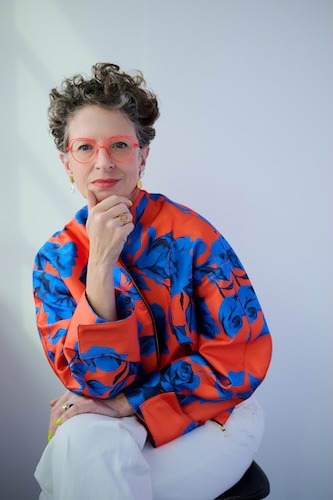
Liz O’Riordan was a breast surgeon when she unexpectedly became the patient. Her story began when she found a lump in her left breast at 40, after a normal mammogram. She says she had dense breasts, prior cysts, and every reason to believe the new lump was harmless, until an ultrasound revealed mixed ductal-lobular breast cancer (which combines invasive ductal carcinoma (IDC) and invasive lobular carcinoma (ILC) components) and set off a cascade of decisions about chemo, surgery, and long‑term treatment.
Interviewed by: Stephanie Chuang
Edited by: Chris Sanchez
Liz opens up about the emotional whiplash of diagnosis when you “know too much.” She talks about dissociating as if the news belonged to “patient Liz,” not the real her, and describes how fear of recurrence quickly drove her into a very dark mental space. Chemotherapy shrank her tumor, but pathology later showed breast cancer, specifically mixed ductal-lobular breast cancer, and spread to lymph nodes. She went through radiotherapy, experienced chronic pain around an implant, and eventually had a local recurrence on her chest wall.
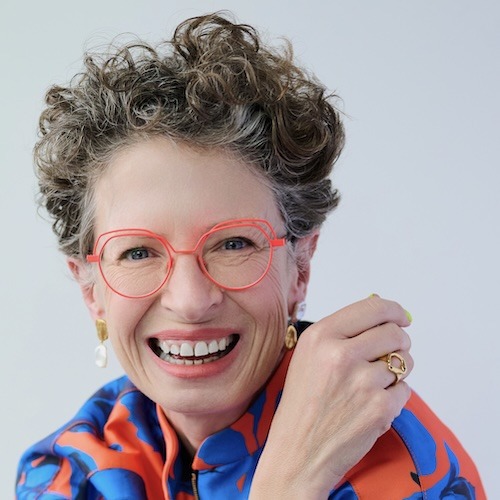
Liz’s experience reveals how cancer can reshape your identity, sexuality, and relationships. She discusses losing her hair, ovaries, fertility, libido, and sense of femininity — saying that “everything that makes me feel feminine was gone overnight.” She describes negotiating intimacy with her husband when sex became painful or absent, and how the couple redefined their connection.
As both surgeon and patient, Liz brings rare insight into gaps in cancer care. She emphasizes the terror of scanxiety, the loneliness after active treatment when doctors say “see you in a year,” and the need to talk about wills, recurrence, and death with clear, adult honesty. She also focuses on debunking cancer misinformation about sugar, parasites, parabens, miracle diets, and supplements that can lead some patients away from effective treatment.
Today, Liz uses her online platform to share writing and videos that offer what she once went looking for: clear, evidence‑based information, validation that “it’s not your fault,” and permission for patients to advocate fiercely for themselves while honoring the complexity of their own experience.
Watch Liz’s video and read the transcript of her interview for more about her story.
- She describes how dense breasts and a recent “normal” mammogram delayed her own breast cancer diagnosis, highlighting why self‑advocacy and triple assessment of breast changes matter.
- Liz’s experience shows that cancer can alter every part of life, including body image, sexuality, work, and mental health. But over time, it is possible to rebuild a sense of self, even after going flat.
- Her perspective shifted from surgeon to patient, revealing a wide gap between what doctors have time to explain and what people actually need to live with cancer day‑to‑day.
- A universal truth in Liz’s story: there is no single “right” decision in cancer care — only the right decision for you in that moment, made with the best information available and aligned with your life.
- Over time, she transformed her fear and survivor’s guilt into advocacy, using books, blogs, and social media to empower others with practical tools to think critically and feel less alone.
Liz’s Diagnosis Facts
- Name: Liz O’Riordan
- Age at Diagnosis:
- 40
- Diagnosis:
- Mixed Ductal-Lobular Breast Cancer (MDLC)
- Staging:
- Stage 3
- Symptom:
- Appearance of lump in breast
- Treatments:
- Chemotherapy
- Surgeries: lumpectomy, breast reconstruction, mastectomy
- Radiation therapy
- Hormone therapy
- Targeted therapy
This is not medical advice. Please consult with your healthcare provider to make informed treatment decisions.
- Liz’s Diagnosis Facts
- My long training journey to become a consultant surgeon
- My first breast cysts and early breast cancer fear
- Discovering the lump before my breast cancer diagnosis
- Finding reliable information and a cancer “tribe”
- How to perform a breast self-exam effectively
- Advocating for yourself when doctors dismiss concerns
- Understanding dense breasts and mammograms
- Deciding between reconstruction and going flat
- Facing major surgery and the loss of control as a surgeon learns to be a patient
- Breast cancer’s impact on femininity and body image
- Owning treatment decisions
- Key warning signs of breast cancer
- Living with ongoing treatment and survivor’s guilt
- Finding a flirty, funny voice to debunk “nutri-bollocks”
- Mainstream, functional, and integrative medicine
- Questions to ask about claims you see online
- Why I wrote my book on cancer and misinformation
- Hear from people living with breast cancer
My long training journey to become a consultant surgeon
Oh, crikey. I’m kind, caring, and stubborn at times. I don’t like being wrong. I like to be in control. Definitely the surgeon in me.
I was about 7 or 8. My dad was a surgeon, my mum was a nurse, and when we learned biology at school, he’d give me all the extra bits. Like, there’s not just a small bowel; there are three parts of the small bowel. And I was just fascinated. I loved hearing his stories.
And then when I was 17, we had work experience, and I got to go and watch a bowel cancer operation. And being in that theater while the rugby lads fainted behind me, seeing the bowel being lifted out of the abdomen. This is amazing. It was just, this is what I need to do.
I had no time for ward rounds where they’d spend ten minutes discussing increasing a beta blocker based on the latest trials. I wanted to get in and get my hands dirty. So I think in medicine, you know that you’re a pajama wearer or you’re not, you know, you want to be in that room doing something or you really, really don’t.
So it was five years of medical school, and then it was another 15 years of training. I took four years out to do a PhD in molecular oncology. And then it was another six years. So I became a consultant, which is the highest level, 20 years after I first went to medical school. It’s been a long time. Yeah.
My first breast cysts and early breast cancer fear
So I’ve actually had a couple of cysts before.
Talking about the first one, my husband had just proposed, and he’d gone to sail the Northwest Passage around the top of Greenland. He’d left me for eight weeks, and I found a lump.
And I remembered that evening. I was 36. I was lying on the sofa screaming, howling, “I’ll be dead in a year. He won’t want to marry me, and I won’t be able to wear a wedding dress. My breasts will be cut off.” Just hysterics. But it was just a cyst, and I had very dense breasts full of cysts.
Discovering the lump before my breast cancer diagnosis
And then when I was 40. I’d had a normal mammogram six months before, and I’d had a cyst seen nine months before, and I came out of the shower, and I just saw a lump in my left cleavage, and I thought, “That’s a cyst.” And I never checked my breasts like most women.
“I’m a breast surgeon. It’s not going to happen to me. I’m invincible.” And it was only my mum who said, “Look, just get it checked out. You never know.” And I said, “Oh, fine, but it’ll be nothing.” And I didn’t get seen in my own hospital. I went to the hospital down the road, where I’d actually trained as a junior and a senior doctor, because I wasn’t expecting it to be anything. So the woman who examined me was a mentor, a friend, and a trainer.
Seeing my own cancer on the ultrasound and the dissociation and emotional numbness after diagnosis
So we were on first-name terms, and she examined me. “It’s probably a cyst.” The mammogram was normal. I had dense breasts. Then I went through to have an ultrasound, and I turned to look at the screen, and I saw a cancer. And while they were drawing up the local anesthetic for the biopsy, my surgeon came in and said, “Right, where do you want to be treated? Because I don’t know if I can treat you.” That’s before the biopsy. We knew.
And she then rang my husband, who worked in the same hospital, to come down because I’d gone alone, thinking it was just a cyst. And she said, “It’s cancer.”
I’ve looked after women younger than me who’ve died. I knew what treatment I’d need. I had a rough idea whether I’d be alive in ten years. I have all that information, more than my parents and my husband ever need to know. And it was really hard dealing with that.
It wasn’t real. And part of me still thinks I haven’t had breast cancer three times. And I think it’s me protecting myself from what I’ve seen with patients and my mum.
It was like everyone was crying when they gave me the news, and I was floating, looking down. This is happening to patient Liz, but it’s not real Liz.
There was this definite dissociation. When I was telling my mum about it, she said, “You just sound like you’re talking about a patient. Why aren’t you crying? Why aren’t you upset?” And it was just my way of trying to hang on to some form of control, I guess. Yeah.
Shock, numbness, and fear of recurrence
It was a shock. It was like, “My mammogram was normal. I’m a breast surgeon. I can’t have breast cancer.” Oh. Oh, okay. And then it was, “Right, I’m going to need a scan, and I’m going to need things. I’m going to need treatment.”
It was just that sense of numbness. It’s a really, really great word. And then a bit of denial, a bit of excitement, weirdly, to see what chemo might be like. And I know it doesn’t make any sense, but kind of intrigue and curiosity. And then the fear of recurrence hit really quickly because I knew I’m young, I’m 40. It was 2.5cm on an ultrasound. It was five and a half on an MRI.
I was going through metastatic cancer blogs, trying to find out all the information I could about what might happen to me, that awful fear. And I had to go to a very, very, very dark place so I could then come up from there. But it was just, it was really hard. It wasn’t real. And I think it only became real, even during chemo, but I think it became real when I had the mastectomy.
Coping by expecting the worst
I think I’ve always been a cup-half-empty person. I always imagine the worst, always the worst that’s going to happen. I never think of the positive. That’s just who I am.
Again, I’ve looked after women younger than me who’ve died of breast cancer. And I just wanted to scare myself. I needed to know. And it wasn’t healthy. It wasn’t good for me. I couldn’t stop myself. But there was something like, “I need to do this, and then I can stop because I’ve seen what it might be, and then I hope it’ll never happen, rather than pretending I’ll be fine.”
Because everyone says you’ll be fine. It’s not going to come back. You’re the one who’s cured. And I’m like, you can’t promise me that because I know.
What I tell newly-diagnosed breast cancer patients
I think the first thing I say is. “It’s not your fault,” because there’s lots of information out there: you did this, you drank, you smoked, you did this.
And, “It’s going to change every single aspect of your life physically, mentally, emotionally, spiritually. Your sex life. Your relationships. Friends are going to come. Friends are going to go. Nothing can prepare you for what is going to happen.”
And, “There are no rules. All you can do is get through it the only way you can.”
Finding reliable information and a cancer “tribe”
I would tell anyone to try to find sensible sources of information from places you can trust, because there’s a lot of nonsense out there, and people will ask you, “What can we do to help?” And you won’t know because you’ve never had this before. And that’s reaching out to people, finding other women or men going through it at the same time, learning what’s normal.
The crazy thoughts in your head are actually normal, and your mum won’t understand them, but those other people will. And that’s why it’s important to find a tribe of people you can have those difficult conversations with. So when you go back to your family, you don’t get as upset when they say you’ll be fine or, you know, you might not die.
But it’s really hard because my mum had bone cancer, she had her arm amputated, and I didn’t know how to talk to her. But her cancer situation is very, very different. And I think people don’t know what to say because they’re not trained, and they say the wrong thing. We say stupid things, and we back off. And it’s kind of thinking that the fact that they’re saying something is good. Don’t get angry that they’ve said something to upset you. The fact that they are still staying in touch is really, really good.
I mean, what do you say? I’m having chemo. Oh my God, are you going to die? Will you lose your hair? I don’t know what to say. My friend had that, and she died. And it’s just… You don’t know. So I always used to say, “Just reach out to people and say, I’m thinking of you.”
You don’t need to reply, because often we’re knackered and we don’t have the energy just to type a text, and then you get really upset. Why haven’t they replied? I know they’ve been on WhatsApp, and I’ve seen they’ve read it. It’s just, be guided by the person with cancer, if you’re listening.
The impact of my cancer on my husband
I wanted to protect him. I didn’t want him to know what I know because hopefully it wouldn’t happen. He’s a surgeon. He was my boss; now I am. And he was like most parents, husbands, and partners are: “I want you to be fine. You are going to be fine because I cannot imagine the worst.” And I was like, I’ll be telling you in a week, it’s cancer. “No, you won’t.” “Yes, I will.” This is my world. And you just have to trust me.
It’s really, really hard, because they’re really, really hoping it’s not. And I think it was hard for him when I was going through chemotherapy. I remember him saying he felt impotent because he couldn’t make me better. He had to leave and watch me cope at home alone. And as a doctor, when you can’t make someone better, and as someone you love, you can’t make them better.
And it’s all about me. I had cards and flowers and people visiting, and no one said anything to my husband. I felt that really acutely.
He’s part of it. We’re a couple. It’s just as hard for us. And I was asking my mum, “Can you send my husband a card?” I said to his friends, “Can you take him out so he’s got somewhere to go, because he’s in it with me?”
It’s really hard to have those conversations that I might die. This could kill me. I might not be here in a few years, and we need to admit that and move on between us. And that can be really hard to do.
Why triple assessment of breast lumps matters
It’s really hard. So I had expert hands. I’m a consultant breast surgeon. I’ve been feeling breasts for ten years, and I didn’t realize I had cancer.
Any lump has to be assessed in three ways. You have an experienced person’s hands, but you can have off days. We have imaging with a mammogram or an ultrasound, and then we have a biopsy. And all three have to agree that it’s a cancer or it’s not. That’s why we have this triple assessment, because one by itself isn’t enough. Because cancers can feel like harmless lumps as well as feel like cancers. Most lumps in young women aren’t cancer, but we know it’s on the rise in the 20, 30 and 40-year-olds.
My mixed ductal and lobular breast cancer
Most harmless lumps are smooth and round like marbles, and cancers are generally knobbly. But mine? I had a mixed cancer of ductal tissue and lobular tissue, and the ductal tissue was quite smooth and round, and that was actually about 5.5cm. But I also had lobular cancer, which grows in sheets throughout the breast rather than as a lump. So it had kind of infiltrated the whole of my breast. And there was actually 13cm of lobular cancer still left after chemo at the mastectomy.
My dense breast just became denser, and I couldn’t tell. But I think it’s like most of my women said, “I only found the lump last week.” I think, why didn’t you see it earlier? And it’s a bit like when people are pregnant, that suddenly the bump appears overnight. The cancer has just suddenly grown big enough to see or big enough to feel, because it can take ten years for it to grow.
But the answer is, your hands can’t tell you anything. Your hands can say there’s a change. You need to have the other tests to find out what it is.
How to perform a breast self-exam effectively
I think a lot of us learn from videos on social media, and that’s fine if you are very small-breasted and you can’t hold a pencil underneath. But most women aren’t like that.
I think the first thing you need to do is to look in a mirror. Lift your breasts. You’re looking for changes, and you lift your hands above your head. And you put your hands on your shoulders. What that does is cause dimples to form when the muscles tense. That’s another way of seeing if you have breast cancer early.
When you examine them, and those videos tell you to do this, you feel with the flat of your four fingers, you bend at the knuckles, and you are squishing your breast tissue against your rib cage, trying to feel a lump underneath. Now, if you’ve got really small breasts, you can do that standing up in the shower; it doesn’t matter. But if you’ve got breasts that droop — and I hate the word droop, I used to say “heading south for winter” — if they double over and you feel it standing up, you are actually feeling two thicknesses of breast tissue where it’s folded over and gone back, and you’re going to miss things on the other side. So that’s where we say to lie flat, ideally on a bed with a couple of pillows or in the bath.
And what that does is lift the breast onto your chest wall. If your breasts head off to the side, you can roll towards the middle, and that will bring them onto the chest. And you may need to use one hand to hold your breast there, but having them flat so you can feel all the breast tissue. And the breast tissue starts at your armpit, and it’s like a teardrop that goes around.
The final thing people say is to check your armpits. Now, I can often not feel lymph nodes when they’re seen on an ultrasound scan. They’re really, really hard to feel. But what you don’t do is have your hand up in the air and feel your arm. Your armpit needs to be really, really relaxed when you do it. If you’re going to do it, it’s just making sure you know what you’re feeling, and you know how you’re doing. And you do it every month because breast cancers can appear week to week.
You’re pushing the breast tissue against your rib cage, trying to find something underneath your fingers, a bit like feeling a carrot underneath some dough. Oh, there’s something hard there that shouldn’t be there. It’s that kind of feeling. So you are pressing quite firmly.
What to do if you find a breast change
The first thing I say is to check the other side because it may be the same. Your breasts are hardest and lumpy in the bit heading up towards your armpit. We kind of call it the upper outer part of the breast and the tail going up towards your armpit. You’re often very lumpy there. If you feel something and it’s different, I want you to wait for two weeks. I want you to make a note in your diary, because often your breasts can change with your menstrual cycle.
If you’re still having periods, you should ideally check in the middle of your cycle when your breasts are less hormonal. Everyone says the first of the month, but that could be the worst time for you. And you just make a note in your diary, and then you set an alarm to feel it again in a couple of weeks. Otherwise, you’re checking every day, and you’re pushing your breasts, and it gets sore, and then you think it’s bigger.
So I’ve noticed it. I’m going to try to ignore it for another seven to ten days. If it’s still there and it’s not gone away, then you go and see your family doctor, and you say, “I found a change in my breast. I think I have breast cancer.” And then that doctor knows what you are worried about, and they can then answer your questions or concerns when you see them.
Advocating for yourself when doctors dismiss concerns
It’s really, really hard because we know it is happening in 20-year-olds. Breast cancer is on the rise. And I think you say, “If you can’t prove that this is not breast cancer, I want to be seen by someone who can,” and most doctors can’t, and it’s hard. But generally, doctors will refer anyone up to the breast clinic. And most of the people we see in our breast clinic do not have breast cancer. Ninety-five percent of the women we see are okay, but the only way to prove it is with an exam, imaging, and a biopsy.
So you just go, “If you can’t prove it’s not cancer, then I don’t believe you. I need to be sent up.” It’s being really firm because this is your life and cancers are missed. It is okay to advocate for yourself and actually write that sentence down: I think I have breast cancer; I want to prove that it’s not. I’m not going until you refer me.
Understanding dense breasts and mammograms
Your breasts are made up of the breast tissue that produces milk, the hormonal tissue, and fat. In your 20s, your breasts are predominantly hormonal because your body still thinks you’re going to have children. When you reach the menopause, most women’s breasts turn to fat, so you don’t have a lot of hormonal tissue. They’re mainly fatty.
So young women have dense breasts. Some women have dense breasts throughout their life, but generally around 40 or 50, they start to get a bit less dense. Now, this is a reason why we don’t mammogram women regularly in their 20s, 30s, and 40s, because mammograms work by picking up white cancer on a black background. Now fat looks black. Cancer looks white, but dense breast tissue looks white as well. So on a normal mammogram of a dense breast, there might be a cancer there that they can’t see, and there’s no other imaging. We know that dense breasts slightly increase your risk of getting breast cancer in the future. We don’t know exactly why it happens, but that’s a fact.
There are things you can do to reduce your risk of getting breast cancer. You can’t stop your breasts from being dense. That’s just how you were made. And if you go on HRT, that can increase the density of your breasts. But exercising regularly, aerobic and strength work, not drinking alcohol, and trying to keep your weight at a healthy range can all greatly reduce your risk of getting breast cancer, so it’s useful to know. It means that you really need to keep checking your breasts between mammograms. Do what you can to reduce the risk, but you can’t change it.
Deciding between reconstruction and going flat
I had chemotherapy first to try to shrink it down, to try to get away with a mastectomy. But also because I was young, there was a high risk of it coming back in the future. So I kind of had five months to decide whether to have a mastectomy and go flat or have a breast reconstruction. And I struggled with this because I do breast reconstructions. What will my patients think if I don’t have one myself?
But a lot of it was vanity. I used to wear V-neck dresses at work, and if you wear a bra with a prosthesis, they’re full cup. It would show. But I struggle with the idea that vanity was the reason for having the op. Yet that’s one of the reasons that I love being able to reconstruct breasts.
Radiotherapy, implant problems, and local recurrence
I had the reconstruction with an implant, and sadly, when I got the results of my surgery, my chemotherapy had made my cancer disappear completely. There was nothing left, except for 13cm hiding. It had spread to my lymph nodes, so I needed radiotherapy.
What that did was start to form a hard capsule around my implant, and I knew it might happen. And that led to a lot of chronic pain. It meant more auxiliary surgery. And eventually, I was planning to go flat, to have it removed because I was in so much pain, but I had a nodule of scar tissue on my chest wall. This was a couple of years after my first diagnosis, and that scar tissue was a local recurrence. It was 2.5cm of cancer on my chest wall, and that was two and a half years after being treated.
And suddenly I’m going flat because my cancer has come back, and I wasn’t prepared. And I was walking around shops crying, thinking, “What am I going to wear? How do I cope?” And that fear of stage 4 disease being even more prominent now, that was really, really hard.
Facing major surgery and the loss of control as a surgeon learns to be a patient
I’ve consented to people for operations all my life. But when you are the one signing that form, agreeing to have a general anesthetic with a risk of heart and kidney problems and the risk of death, it’s very different. And when you are being wheeled down in your paper knickers and your gown, when you don’t have any hair, and you’ve not got your glasses on, it’s scary.
That loss of control, what’s going to happen? Am I going to be okay? And I think the fear of starting tamoxifen and how bad the menopausal side effects will be. And I knew too much. I knew all the bad things. It’s like TripAdvisor. And it was really, really hard just letting go and being a patient and doing what I’m told.
I think my surgeon told me to stop telling her what to do. I wanted to tell her what stitches to use and where to put the drain, and she said, “Stop it.”
I realized I know everything there is about how to treat breast cancer, but I have never been a patient before, and I bought 20 books. It’s why I wrote my own, because there was so much misinformation out there, and I had to learn to be patient and realize I don’t know how to cope with chemotherapy side effects, and I don’t know what to do after a mastectomy. And it was a massive, massive learning curve to realize that the hardest part for patients is when your doctor says, “Goodbye, I’ll see you in a year,” and you’re left alone to live your life. And is my cough a cough, or do I need to see somebody? And what do I eat, and do I need to exercise? And how do you get your relationships back? And what do you wear? And the mental side of it. And it’s like this huge gap between what the doctors have the time to tell you and then what you need when you live the rest of your life.
Breast cancer’s impact on femininity and body image
I describe it like this. Breast cancer took everything from me that you might give someone who’s transitioning. But it took more.
It took my hair, including the eyelashes and eyebrows. My face just looked like an alien. It took my breasts. It took the erogenous zone away. It took my ovaries away. It took my fertility away. I’d never had a child. It took my sex drive away. It took my libido away. It took away my ability to wear sexy clothes and a bra. Everything that makes me feel feminine was gone overnight, and we don’t really think about what our breasts mean to us unless they’ve got cancer. And then you can’t think rationally because they’ve got cancer. And it’s like, do I need it? Do I not? Do I miss it? Does it define me now?
Five years later, when I’d gone flat, I actually didn’t care. I was happy being flat because I’d gotten used to it, but I wouldn’t let my husband see me naked for five months because I hated the flat scar. And it’s like, “How do you learn to dress and how do you flirt when you can’t tuck your hair behind your ears and you don’t have eyelashes?”
And I just think it’s the whole thing. It’s not just a scar, it’s how it impacts you as a woman. And I was kind of fighting with that. And part of me says, “I don’t care anymore. I’m just going to live in hoodies for the rest of my life and become a hermit.” And then, I thought, “No, I’m 40. I want to feel pretty and attractive.”
Just dealing with all of that emotion on top of the fact that I’ve got a really big cancer and I might not be here in three years, and you want to make the right decision, and there is no right decision. There’s only the right decision for you at that moment. But you still want to please people.
Owning treatment decisions
I’d say to never decide on your health because of what someone else tells you. I see a lot of women whose husbands want them to do this, or their parents want them to do this. And I say, “You leave the room, I’ll just talk to the patient.”
It is your choice. It is your body. You have to live with the side effects if they happen and the consequences. And you can deal with the husband not being happy because you haven’t done A or B, but it is your choice and your body, and you do have time because breast cancer isn’t an emergency. You can have a couple of months to make those decisions, but it is your body.
Choosing treatment that fits your life
It is your choice. What you want now may be very different from what you want 2 or 3 years down the line, but you don’t know that yet. All you can do is kind of trust your gut. But removing the cancer is one thing; you have to think about how it affects your lifestyle.
Do you want to get back to work tomorrow, or do you want to have six months recovering from a massive operation? What commitments do you have? How is this going to fit in with your life? You may not be able to have the operation you want because you smoked and you drank, and your skin is really bad. It’s really, really hard. But you choose for yourself. Only you.
How breast cancer affects sex and intimacy
I started talking about sexual health during COVID because I was getting so many questions. I started blogging during my diagnosis to make it real. And people started listening, doctors, students, and the general public. And that led me to write and grow a community online where I just answer people’s questions.
The biggest thing is how to cope with a lack of intimacy. And for most people with breast cancer who have cancers that are sensitive to estrogen, we give you treatments so you don’t make any. Now it’s overnight, rather than the slow five to six years. It means a drop in your libido, a drop in your sex drive. It also means that your vagina is less lubricated, so it’s dry and it’s painful, and penetrative sex can be very, very sore.
And I’ve had women say, “I told my husband to divorce me, go and find a woman with two breasts who wants to have sex because I don’t. I literally just want a cup of tea.”
I don’t get turned on physically anymore. I have no estrogen. I’ve had two recurrences, so I’m on treatment. And that’s really hard to explain to someone. If you’re newly married, you’re in a new relationship, you’re single, and you’re dating. I don’t work as I did before; no one talks about it.
But it’s not just the penetrative side of sex. It’s how you feel about your body. Do you want to be touched? It can make you really, really nervous. And we don’t talk about it. We don’t talk about it with our doctors.
It comes down to communication between you and your partner and working out how you find the way. And it’s almost going back to dating again, where you just start holding hands and kissing on the sofa, and that’s it for tonight, and just finding other ways to be intimate. And there are ways that you can go back to penetrative sex, but it involves lubricants. And yes, vaginal estrogen is safe. And some great dilators and vibrators can help, but it may never be spontaneous again.
Realizing that illness changes intimate life
That is a massive change in a relationship if that’s a really important part, that’s the glue that keeps you together. And I had no idea. I never talked about this with my patients, and it was only when I went back, having had it, that I would start those discussions, because I think any illness, any operation you’ve had, will affect your intimate life.
Even an appendicectomy with a little scar on someone’s tummy, they may think, I don’t want to show that. What do you do if you’ve had bowel cancer and you have a stoma? How do you have sex then? And it just never crossed my mind as a surgeon.
I assumed people knew what to eat, and I assumed people knew what the side effects of a recurrence were. The big thing for me was the impact of cancer on mental health. I had no idea that depression, anxiety, and post-traumatic stress disorder were common and could happen years after the diagnosis.
Scanxiety and the mental health toll of cancer
Scanxiety, if you don’t know what that is, that’s the awful, gut-wrenching feeling that you get when you have a scan coming up, or you’ve found something, and you’re awaiting a scan, or you’re awaiting the results. Some people can’t sleep, feel sick, can’t concentrate, and are wrecks. I have learned to tell my husband I am going to be an irritable, moody cow until I get the results.
There’s nothing he can say to make me feel better because he doesn’t know the answer. So just deal with it, and I’ll be lovely when I know.
But it’s not just that. It’s almost getting good news can be an anti-climax because I spent three weeks imagining the worst. It’s going to say it’s come back. It’s going to say I’m incurable when it’s not. It’s like, I’m going to have to go through this again at some point in the future. I can’t do it. I had no idea just how bad that would be. Isn’t it? Everybody feels it. It’s just horrible.
Talking about death, wills, and recurrence
And the fact that we’re all going to die. We didn’t do our wills until my cancer came back the first time. I had to get my husband to admit that I might die before him. We’re adults. We are all going to die. We don’t talk about it. Now, it’s terrifying.
If you’re young and your cancer comes back and you’ve got young children, it’s really, really, really hard. But we should all have wills. We should all talk about what we want. And actually doing that and saying, “This is how I want my funeral to be,” I could then put it to bed because we’d had that discussion.
We need to talk to people because most patients don’t realize their cancer can come back. They think they’re cured. They don’t know what to do. But it’s hard as a conversation to have as a doctor.
When do you tell someone, great results, it’s all out, you look fantastic. By the way, in ten years, if you get a headache, it could be this. It’s really hard. And it’s that, it’s talking about the sensible adult stuff that just makes sense.
Practical planning and “death boxes”
So it took me three years because that’s how long it was when my cancer came back the first time. The second time was a couple of years ago. And it was more of, “We need to be open and honest, and I need you to admit that my cancer might come back, and none of us wants it to happen. But I need to know that you admit that.” And I’d had enough. I had that conversation.
But I think you could say, “Look, we’re adults. We should get our wills sorted. We should know what’s going to happen, you know?” Do you know my Instagram password? And do you know how to work the washing machine? And where have you hidden the spare keys to the car? And the practical little things. It’s almost like a death box, you know, and just, we should just get this done because it’s sensible. No one knows what’s going to happen in the future, but it would give me peace of mind. And there are great tools now where you can go and actually plan your funeral. Because when my mum and dad died, mum didn’t talk about it.
She said she thought she knew when her cancer would come back, and it happened before she had time to talk. When you’re trying to imagine a funeral for someone you love with no idea, it’s really hard. But there are websites now where you can plan your funeral. Because my husband will have no idea which of my friends to invite from my phone book. You know, “God, don’t invite those particular folks; I should have deleted them years ago.” You can say, “These are the people I want, and these are the songs I want, and I want everyone to wear pink or for them to sing this.” You can actually do that and send an email to somebody. Just common practical things that we should do, whether we have cancer or not.
Key warning signs of breast cancer
So there are, depending on how you count them, between 7 and 12 signs of breast cancer. The first thing you do is look in the mirror. So, a change in the nipple. You can get bleeding from the nipple. Now, you may only see that when you get out of bed, and you can see blood on your bra or your nightshirt. That can be a sign of cancer in the nipple. Some women’s nipples can go in and out. Some people are born with one nipple that is in. But if your nipple has gone in and you cannot pull it out, that could be breast cancer. You may see a lump.
I talked about dimples earlier. So your breast tissue has strands of connective tissue, a bit like string, that go from your chest wall muscles through to the skin. And if there’s cancer in there, what it can do is just tighten those strings. But you can’t see that when your breasts are naturally sitting there. By putting your hands in the air or putting them on your waist and pushing in, you are stretching the strings. And if it’s a cancer, it causes a dimple, a very small dimple or dent. And that could be the earliest sign of breast cancer. So it’s important to look.
You may see a rash. Now, the breasts can look very red, and that’s a bit like mastitis. That’s an inflammation that can happen during pregnancy and breastfeeding. It’s also a very common sign of inflammatory breast cancer. If you have a rash and it’s not getting better with antibiotics, that could be cancer. Some breast cancers can cause a change in breast size and shape. Now, it’s normal for some women to go up a cup size. And your sisters are… your breasts are sisters, not twins. So you may normally be different sizes, but if one suddenly gets bigger, that should be checked out. So by looking in the mirror, you can get an awful lot of information. And I should say breast pain by itself is very, very, very rarely a sign of breast cancer.
If there are other symptoms as well, then it can be part of it. But on its own, 99% of women do not need to worry. And that’s why I say make a note, come back in two weeks. If it’s still there, and you’re still worried, get it checked out.
Living with ongoing treatment and survivor’s guilt
It’s really hard. So I am coming up to three years since my second local recurrence, so I’m technically cancer-free. And that was just a little spot on my mastectomy scar I saw coming out of the shower one day. I’m on treatment for life to try to stop me getting metastatic disease. And that means two big needles in each of my bum cheeks every month for life. It’s not fun, but at the moment it’s doing its thing.
I spend a lot of my time in Doctor Liz mode with my community. When I’m writing my fifth book at the minute, the podcast, I’m answering their questions. I’m in doctor mode, and I’m trying to keep that barrier up because it’s a privilege that people share their stories, and some of them are heartbreaking. And I hear stories, I have friends whose cancer comes back, friends whose cancer takes their life. And there’s survivor’s guilt, which we can talk about, where you wish it was you who was dying and not them. But that’s really hard. And there are moments when it gets me, and I have a small group of friends who I can just be Liz the patient with and say, “I’m really scared, I’m worried.” And they ground me, and they say, “Right, go and see the doctor. Come on now.” Yes. Okay, I’ll go and get a scan.
Compartmentalizing, triggers, and stepping back from social media
Most of the time in the beginning, I’d think about my cancer coming back every day, and I think it took 5 or 6 years before that stopped. And I try to ground myself. I’m a bit sad, I’ve just bought a spinning wheel. I like to knit. I like to swim in cold water, things that kind of ground me. But it’s trying to compartmentalize and say, this is my job, I’m helping people, I’m being a doctor, but knowing when I need to retreat.
And in October, I’ll often switch off the internet. In October, I’ll often switch off social media because it’s everywhere. I’m very aware of breast cancer. I don’t need to know about it. I just need to be a patient and hide. And it’s saying it’s okay if you are triggered by what you’re seeing online. You don’t need to post. You don’t owe anybody anything. Because there are people out there making a living from cancer, and they need to post, and we need to share the innermost aspects. You don’t owe anybody anything. You can switch off and leave it alone if that’s what’s right for you and your mental health at the moment.
Finding a flirty, funny voice to debunk “nutri-bollocks”
As a surgeon, I wrote academic papers; they were very serious. I got funny and flirty when I was drinking at night, but that wasn’t me. But I’ve kind of had to grow. I grew my Instagram community so I could crowdfund my second book, and I’ve discovered how to do the videos. And I love being creative and explaining stuff using oranges and lemons.
And it’s fun. I’ve learned when it comes to debunking BS online that the rage-bait doesn’t work. When you get angry, it creates the wrong views, and it’s almost debunking and finding a way to do it without blaming anybody. But it’s fun.
Why people turn to alternative “cures”
I think when you get cancer, you are frightened. And your doctor, your mainstream traditional doctor, cannot promise you a cure. The only way to promise you a cure is if you die of something else. And you want control. You want certainty. You want hope. And doctors like me have to tell you the good, the bad, and the ugly. We have to tell you all the side effects, what might happen, what could happen. That’s part of informed consent. But you don’t want to hear that. You want to hear hope. You want to hear stories of things that have worked, promises of a cure. And this industry has grown of people who are coaching and talking and selling and saying, hey, and there are new branches of medicine.
It’s like, oh, they said they cured someone who had what I had, and they said this might do it, then they said that might do it, and the things your doctors aren’t telling you. And the more you look at that, the more you see. So it must be true because that’s all you’re seeing, and it’s just feeding into this fear. I will do anything I can to stay alive. And I remember when I was first diagnosed, my mum said — she’s a nurse — if someone on Facebook said they could cure you with a thing that costs 50 grand, I’d find the money. But when she got bone cancer and had her arm amputated, and she was told by people, she said, “They’re all idiots, I now know it doesn’t work. But I was a desperate mother who didn’t want my daughter to die.”
So you can get the pressure from family and friends, and it becomes all-encompassing. And I don’t judge anybody for believing what they see because I’m not in their situation. What I want to do is just help them research and take a bit more time over what they do, because you wouldn’t buy a car or a house like that.
How to check if a “doctor” or cancer claim is legit
Okay. So I think the first thing to do is if someone says they’re a doctor, find out what kind of doctor they are, because you’ve got medical doctors, you’ve got PhDs — which actually I have — but they can have a PhD in pharmacy. But that doesn’t mean they’re a medical doctor, and you can get doctors of chiropractic and osteopathy. So, actually find out if they are a doctor. But not just that, what is their specialty? Because they could be a doctor of respiratory medicine or pulmonology. They’ve got no expertise in cancer.
But the problem is with ChatGPT and Claude, anyone can find anything and assume they know the details. But actually, do they have any training in cancer? That’s really important. When a video says they can cure cancer, you need to stop and think because there are over 200 different types of cancer. There are over 50 potential varieties of breast cancer. You do not get one oncologist who treats every cancer. They specialize. You’ve got lung cancer oncologists and bowel cancer oncologists. One drug cannot cure them all.
If they say it’s the one thing your doctors are hiding from you, do you really think doctors don’t want to cure cancer? If it worked, we would give it to you. We would demand that you have it. It’s not to do with money. It’s not to do with pharma hiding it from you. That is another red flag. If it sounds too good to be true, and if they are making money off you. I think that’s a big reason — as I know in the States — that you have to pay for your healthcare, but it comes through the hospital.
But if someone outside is making money from you, and you’ll often find there’s a medical disclaimer at the back, “I can’t give medical advice.” That’s their get-out-of-jail card. That’s not true. And the final thing, they’ll often say there’s research to show that matcha tea kills breast cancer cells. Start drinking it. Where did that data come from? You ask them, challenge them in the comments. It often comes from cells in a lab or mice and rat studies. That is not the same as humans. And often these studies, what they’re doing is pouring a massive dose of matcha tea on cells in a lab. For you to get that dose, you’d need to drink 135 cups. It’s not equivalent, but they’re cherry-picking studies to sell stuff.
So just bear all of that in mind. And finally — this is the third final — can you replicate what they’re saying on an independent website like the American Cancer Society, like CRUK? Can you find it on two separate independent websites that will say, yes, matcha cures cancer? If you can’t, it’s probably not worth it. But, sorry, the power of the testimonial is now the strongest form of evidence we have. As a doctor, we rely on trials where we test one thing against the current gold standard. Is it better? Does it work? We assume it’s not going to work. That’s how we do trials. But people don’t care about those. They want to hear about Fred, who took ivermectin and fenbendazole and methylene blue, and now he’s cured.
Well, Fred’s only cured if he doesn’t die of cancer. And how long after taking those pills did he take it? And was he paid to take it? And actually, did he have surgery and chemotherapy as well? People can say anything. There are deep fakes now. There are fake websites on Facebook of me selling these drugs. You can’t trust anything, but testimonials prey on our emotions. It’s why we buy face cream from an ad because you want to look like a supermodel, you know, and they know what emotions to pull. And you just have to stop and just be a bit logical if you can.
Debunking myths about sugar, dairy, soy, and “cancer diets”
So sugar is the big one. “Sugar feeds cancer, so cut sugar out of your diet to cure cancer.” And it’s based on misinterpretation of evidence from the 1920s. And cancer cells are actually really clever. So I’m going to try and explain this for you. Most cells in the body, when there’s oxygen around, use sugar molecules to make fuel. Some cancer cells make it without oxygen. That’s like when you’re running at the end of a sprint and you can’t breathe, and you feel that lactic acid making you burn.
What they do is they need a lot more sugar to get their fuel. You think, “Well, why are cancer cells doing that? Surely the sugar is making them grow. They need more sugar, therefore we should cut it out of the diet.” The cancer cells are doing that because when they make energy without oxygen, they get more building blocks like Lego because they are growing, they need more scaffolding to grow. And the lactic acid creates an environment outside the cancer cell that pushes your immune cells away. So it’s really clever. It’s the cancer cell doing it, not the sugar. And every cell in your body uses sugar for food — your brain, your heart, your lungs. And sugar is not just donuts and cookies and crisps. It’s carrots and vegetables and fruits and nuts and seeds. Every carb is broken down to sugar, so it’s nonsense.
But there’s a lone 70-year-old oncologist who is going on podcasts all around the world saying that this is true. It’s not. And if you do the diet he says, which is keto, very, very high protein, very high fat, you’re not getting the fibre you need for your microbiome. You’re not getting half the nutrients you need. It’s dangerous. People lose weight, they die of starvation. So it’s not true.
Dairy — the big thing saying that dairy causes breast cancer — was from a woman who’d actually had tamoxifen, but she didn’t say that in her book. She said she cut dairy to beat the breast cancer. It’s completely safe. They worry about the hormone levels in the milk, but the hormone levels are actually really, really small compared to the normal estrogen you make.
Soy is another good one. People worry about soy because soy has a chemical called a phytoestrogen. The estrogen sounds scary and estrogen causes breast cancer, but it doesn’t. Estrogen can fuel breast cancer cells; it doesn’t cause it. And the amount of estrogen you get from soy is microscopic, it’s tiny. Soy foods — edamame, tofu, tempeh — are all completely safe. It can actually lower your risk of breast cancer. But soy supplements you shouldn’t take because we don’t know what the strength is in them.
Eating after cancer: The 80–20–1 rule
When I finished chemo, I was going to juice and go green and go vegan and be really healthy, but I was just glad to enjoy cake again. And chocolate. There’s no miracle diet. We want something that’s easy, but the only place to go for research is the World Cancer Research Fund that have looked at all the evidence over the last 10–20 years. The only diet you should follow is the one we should all be following, whether we have cancer or not. It’s a Mediterranean diet. Half a plate of fruit and veg, good protein source, lots of colours of fruit and veg — and that can be onion, carrots and peas.
It doesn’t need to be expensive. Limit fast food, limit alcohol. But I have a framework that I use in my last book, The Cancer Roadmap. Am I allowed to swear with Saint Patrick’s Day? I’ll do the three F’s. So if you want to eat fresh food that you cook yourself, it costs a lot of time, energy and money. It’s much cheaper to buy a ready meal, especially if you’re a single mum looking after kids. So I kind of say 80% of your diet should be the fuel. It should be the good, healthy stuff that you all know you should be having. Twenty percent should be fun because you’ve had cancer. So go and have a glass of wine, have the cake, go out for a meal with a friend, go and live it up for two weeks on holiday. As long as it’s not every week of your life, it’s fine. We have to enjoy ourselves. It’s not going to do anything to you.
And the 1%—and I know the maths doesn’t add up—is the f*** it, when you just need to eat a packet of chocolate biscuits because you have an emotional hole that needs filling. It’s fine. It’s not going to make your cancer come back. It’s really, really not. And I think it’s just being sensible.
The dangers of extreme alternative diets
But we want that cure. The problem is there was a case in the UK of a 23-year-old girl who had Hodgkin’s lymphoma in her chest, and her mother was a conspiracy theorist and persuaded her to juice — to drink 13 pounds of fresh vegetable juices a day — and she died weighing 30–35kg because the cancer kept growing. But people believe it, and you don’t see the horror stories. You don’t see the stories of the families of people who went to the clinics in Mexico who died. And I know 50 grand is much cheaper than what chemo can cost in the States. But you don’t see the stories when it didn’t work. They don’t reach the media, but they are there.
Mainstream, functional, and integrative medicine
So I’ll start with the different breeds of medicine, if you like. So mainstream is what I practice, what most doctors in hospitals practice. Functional medicine is the medicine that people like Mark Hyman practice. It was actually invented by a businessman in the 1990s who wanted to sell supplements. And it believes that our body gets healthy because we have terrains, like what you eat and how you feel and your negative emotions and your stress, and you have to repair all of those. And it’s your fault that your cancer came back. And they tend to do 500 blood tests looking at heavy metals and parasites and all this kind of thing. And it’s not based on medical science. Integrative medicine is like a blend of mainstream medicine and lifestyle medicine with a little bit of functional nonsense.
They say that doctors like me don’t care about what you eat and how you sleep, but we do. They’re just trying to make us look bad. And a lot of what they practice isn’t good.
How different non-mainstream approaches to cancer care work
There are some good doctors, but not everybody is. You’ve got naturopathic medicine, which is based on folklore and superstition, again very similar to functional medicine. It’s your fault that you got sick because your roots weren’t healthy, and let me help you cure them. They are very convincing because they are selling their businesses online to get people to come, to make money, which is why they say that they care about you. But it’s not the same as traditional mainstream medicine. Complementary medicine is things that you can do to make yourself feel better, to help with the side effects — things like tai chi, yoga, acupuncture, aromatherapy, hypnotherapy, all these things that can help you heal, can help you cope with what you’re going through. They work with medicine. We recommend them. They are great. I had a lot during chemo. Alternative medicine is anything that a doctor wouldn’t recommend that you have instead of mainstream treatment, or that can work against it. And there’s a massive, massive list, things like vitamin C and mushrooms and electromagnetic mats and the juicing and the colonic enemas and the crazy diets. It doesn’t work. There is no proof that it works. And there was a study that came out a couple of years ago that showed people who only use alternative medicine are twice as likely to die from their cancer.
For breast, bowel and lung, they were 5 or 6 times more likely to die if they chose alternative medicine. And these were women who were educated with money making these decisions. And another problem is people are taking a lot of these alternative medicines, the supplements, but they can interact with the drugs that you’re taking, and they don’t tell the doctors and they could be doing more harm than good. And most of what you take ends up in the toilet. The high-dose vitamin C drips — your body only needs a tiny amount. You’re basically feeling better because you’ve had a litre of fluid and you’ve given someone $300.
Why doctors need to “pre-bunk” misinformation
I think doctors need to realize that this is out there. As a doctor, I had no idea what information my breast cancer patients were getting online because I’m not a patient, and I wasn’t interested. And I think raising awareness that many people are promoting alternative cures, clinics, and diets that do more harm than good. So I think it’s important to let them know. I think the way to go about targeting it is what I call pre-bunking, by telling people ahead of time, “Look, there is no magic cancer diet. This is what you need to eat.” Supplements may help with side effects, but they’re not going to cure you.
And then they need to be digitally signposted to the sensible websites that can answer all their questions, because patients are going there. And one of the problems with things like Claude and ChatGPT is there’s so much information about these alternative cures that medical doctors aren’t saying anything, so they think it’s right, and they think it’s real. The problem is that doctors are working a full-time job. It takes a lot of time and hours to create this kind of content, and they don’t depend on it because people come in, they may have some private practice, but when you’ve got all these other people who are making millions off vulnerable cancer patients, they do the PR, they do the marketing because their job depends on it.
We can’t tackle that. And I wonder whether we need — and we are trying — to get a group of doctors together just to go out there and try and get into the communities and say, “Hey, this is real.” But when I say, “Don’t take medicinal mushrooms, and do exercise,” it’s boring, it’s not sexy. There is no money in advertising common sense, and people don’t want to listen because it sounds like hard work. And I think we need to start the education at a younger level to talk about cancer and health, and how to interpret what you see online. But it’s really, really hard. There are women dying today who do what someone on Instagram said.
Parasites, parabens, and other persistent myths
Oh, there’s a couple. So bras, underwire bras, do not cause breast cancer. They are completely safe. But the two doing the rounds at the minute are parasites and parabens.
So suddenly, parasite cleanses are everywhere. Everyone in the Western world is infested with parasites. And I got an email from a breast surgeon today — I’m on her mailing list for research — who said parasites can actually attach to you spiritually and drain your energy and make you fatigued, and you should do a parasite cleanse. And that’s why they believe that ivermectin and fenbendazole, parasite drugs, can cure cancer, can cure all your symptoms. And it’s nonsense. Yes, parasites cause cancer, but that’s if you live in certain parts of Asia and you drink water infested with liver fluke, and that’s 2 or 3 or 4 years of that. They don’t cause cancer here. We don’t have parasite infestations. We don’t need to take ivermectin. But they’re clever, because what they’re basically doing is stripping your gut, and then they sell you the probiotics to put the bacteria back.
And it wasn’t helped by things like this. Joe Rogan interviewed Mel Gibson, who said three of his friends cured themselves of stage 4 cancer by taking ivermectin, fenbendazole, and methylene blue. Vets can’t get hold of fenbendazole, it’s a dog de-wormer, because people are taking it, but it’s not absorbed in the bloodstream. It’s just… It’s really, really hard.
The next one is parabens. People are telling you that you should get rid of anything in your house that has this chemical in it. So you should only have clean cosmetics, moisturizers, toiletries, and deodorant and perfume, don’t use anything. And there are two or three aisles in Sephora now — these are the clean cosmetics. It’s nonsense. It started from research where someone observed that breast cancer cells have a high level of parabens in them. Therefore, parabens cause cancer.
A paraben is a preservative. It stops fungi and bacteria from growing in your moisturizer, your toothpaste, and your shampoo. It’s really important. And it can act like estrogen, but when you put moisturizer on your face, you only absorb 1% of the parabens, and that 1% is 1000 times less strong than the estrogen in the oral contraceptive pill. And the pill doesn’t really increase your risk of cancer. So the impact is tiny, but people hear paraben, phytoestrogen, dangerous, and they are making millions with these clean cosmetics, scaring people.
You can put what you like on your face, buy clean cosmetics if you want, but it’s not going to cause cancer. And the alternatives to parabens only stop fungi growing; they don’t stop bacteria. So there’s a shorter shelf life, so you have to throw your moisturizer out every three months because your hands are completely clean when you dip in. It’s crazy.
How clever marketing exploits fear
It’s really clever marketing, you know. I’m a bit of a geek. When I went deep into the research —okay, what is the effect, what is the strength, do they actually work, why do I need them? — I found that they don’t work. Yeah. It takes time.
People can be very persuasive. They can say anything. And with fake AI and scripts, it’s all clever marketing aimed at getting the sale. They want you to buy something from them. It’s like, “What is in it for them? Why are they telling me this? Why are all these people telling me this?” Because they want me to buy their products. That’s what it is. Because they want the name, the influence. They want to get the money. This is what it is. Your doctor hasn’t told you this. If moisturizers caused cancer, you’d have to be over 18 to buy them. You’d need an ID as you do with cigarettes and alcohol. If deodorants caused cancer, there’d be a huge label on them saying they cause cancer, but there’s not.
But we get caught up in that moment. Oh my goodness, it’s scary. They’re preying on our emotions, and suddenly, click, you’ve thrown everything out in your cupboard, and you’ve gone to get new stuff. You can go to Google, Claude, ChatGPT, and say, “I saw a video saying that parabens cause cancer. Is it true? Find me the evidence in humans,” and something as simple as that should tell you, actually, this is the truth.
Questions to ask about claims you see online
Is this true? What do the big cancer organizations say? The wellness industry is worth four times what Big Pharma is. Trillions. It’s huge. They want to make money from us because we’re vulnerable and desperate. It’s like collagen.
Collagen is made from the abattoir byproducts of meat and fish processing. That’s what collagen powders and supplements are. And when your body breaks it down, you have no control over where it puts that collagen. It could go to your skin, it could go to your joints. But you can get collagen by eating meat, fish, dairy, and milk products, and it tastes nice, and it does the same job. There is no evidence to show that it works.
I think collagen is fairly safe. It’s just basic proteins. But you have no control over what the body does. And yes, every company has its own research to say it works. But when you get rid of those and do independent trials, there’s no real benefit. And it takes 3 to 6 months to see a benefit from collagen, if you’re going to get one. That’s three or four hundred dollars, and you’re eating chicken cartilage and boiled cowhide. Marine collagen, that’s fish scales. And vegan collagen isn’t a thing because plants don’t have collagen. You don’t see that on the boxes.
Why misinformation will persist and how to protect yourself
I don’t think misinformation will go away, sadly. I think the more followers you have, the more truthful people think you are. It takes a hell of a lot of time to do this, and when you’re not producing clickbaity viral videos, they’re not going to get there. The world of deep AI and fakes is going to get worse. And because as long as people want to make money, it’s going to continue. And I can go from looking at hedgehogs on Instagram to researching matcha tea, and suddenly the feed is following and following and following.
And I think we need to stop thinking of social media as somewhere to find a cure for your cancer. You have to learn to double-check everything because you can’t trust anything. As I said, there are two Facebook accounts of me selling worm cures for cancer. You can’t trust anything. And I think it will get worse. But by educating people, telling them to stop and think and double-check, that will help.
For me, I think there is hope in educating people so that they know what to do. They know the right thing, that doctors signpost them to good sources of information, and they learn to think for themselves.
Why I wrote my book on cancer and misinformation
That book was aimed at anyone over the age of 7 or 8, really, to be kind of the counterpart to all the myths online. I want to explain what actually causes cancer, why it happens, what doesn’t cause cancer, why it’s treated, the different branches of medicine — alternative, complementary — how to spot “nutri-bollocks” online, why cancer comes back, why we can’t cure it, and just give people that common sense understanding. So when they see something online, they can go, “Oh,” or they can send their mum or their best friend there. “Now I understand. Now I know it’s not my fault. Now I know what to do.”
It’s been really important for me because, again, there’s so much information out there. The diets. And it’s almost become like a religion and a cult. And the people who need to read my book probably won’t because they believe something different. But at least I know it’s out there.
This interview has been edited for clarity and length. The views and opinions expressed in this interview do not necessarily reflect those of The Patient Story. This content does not replace professional medical advice.
Inspired by Liz’s story?
Share your story, too!
Hear from people living with breast cancer
Real experiences with diagnosis, treatment choices, side effects, and life beyond breast cancer — in their own words.

Leave a Reply