
Why “Doing Nothing” is Actually a Plan: Nicky Greenhalgh and Dr. Jonathan Friedberg on Watch and Wait (Active Surveillance for Follicular Lymphoma)
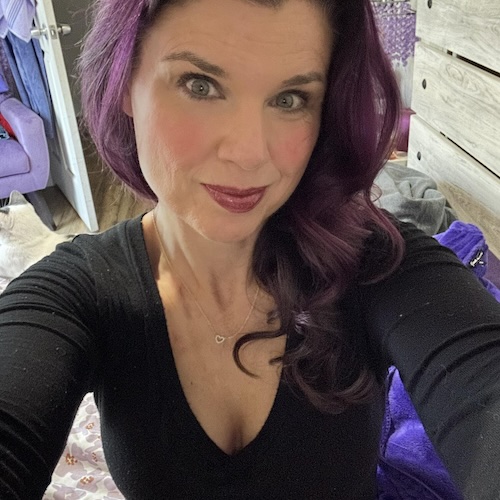
When Nicky Greenhalgh first heard she would need to watch and wait, the idea felt almost unbearable. She had been diagnosed with follicular lymphoma at 32, told she had stage 4 disease, and moved straight into treatment, which felt reassuring because it meant “doing something” about cancer. Years later, as she navigates her first relapse, she finds herself on active surveillance and is genuinely grateful for this approach. Her experience reframes watch and wait not as passive, but as a thoughtful, evidence-based strategy that can protect the immune system and preserve future treatment options.
Edited by: Katrina Villareal
In a candid conversation with Dr. Jonathan Friedberg of the Wilmot Cancer Institute, Nicky helps unpack what it means to live under active surveillance. Dr. Friedberg explains that follicular lymphoma is a blood cancer that is often widespread at diagnosis, and that stage 4 disease in this context is common and compatible with survival measured in decades. He emphasizes that, for many people, mortality is really not going to be the issue, and that early observation teaches the care team how fast the disease is growing and how best to tailor treatment to the individual.
Nicky and Dr. Friedberg also address the emotional side of watch and wait for follicular lymphoma: the anxiety of not treating the disease, the weight of scanxiety, and the constant urge to scrutinize every symptom. Together, they normalize concerns about night sweats, fevers, and weight loss, while reminding patients that part of the goal of active surveillance is to allow them to live their lives. Nicky highlights how this time can be used to learn about the disease, connect with others, and build a strong care team that includes not just a hematologist, but also supportive professionals like a nurse, nutritionist, and psychologist.
Over time, Nicky’s perspective has shifted from fear to empowerment. She now sees watch and wait for follicular lymphoma as a marathon rather than a sprint. It’s a chance to protect a still-recovering immune system, lean on a trusted care team, and access newer, more effective treatments when they are truly needed. Her experience offers both hard-won reassurance and practical tips to help others feel less alone while living under active surveillance.
Watch the video or read the edited transcript below to find out more:
- Watch and wait for follicular lymphoma is a deliberate, evidence-based strategy, not “doing nothing,” and can help preserve the immune system and future treatment options.
- Survival for advanced-stage follicular lymphoma is now often measured in decades, and for many people with this disease, mortality may not be the primary concern.
- Using the watch and wait period to learn about the disease, track key symptoms, and connect with the community can transform a frightening diagnosis into a more empowered, informed experience.
- Building a trusted, long-term care team, including specialists like Dr. Jonathan Friedberg and other supportive clinicians, allows patients to share the burden of monitoring so they can live as normally as possible between visits.
- Feeling anxious about “not treating” is common and valid, and it is still possible to find real comfort, confidence, and meaning inside an active surveillance experience.
Nicky’s Diagnosis Facts
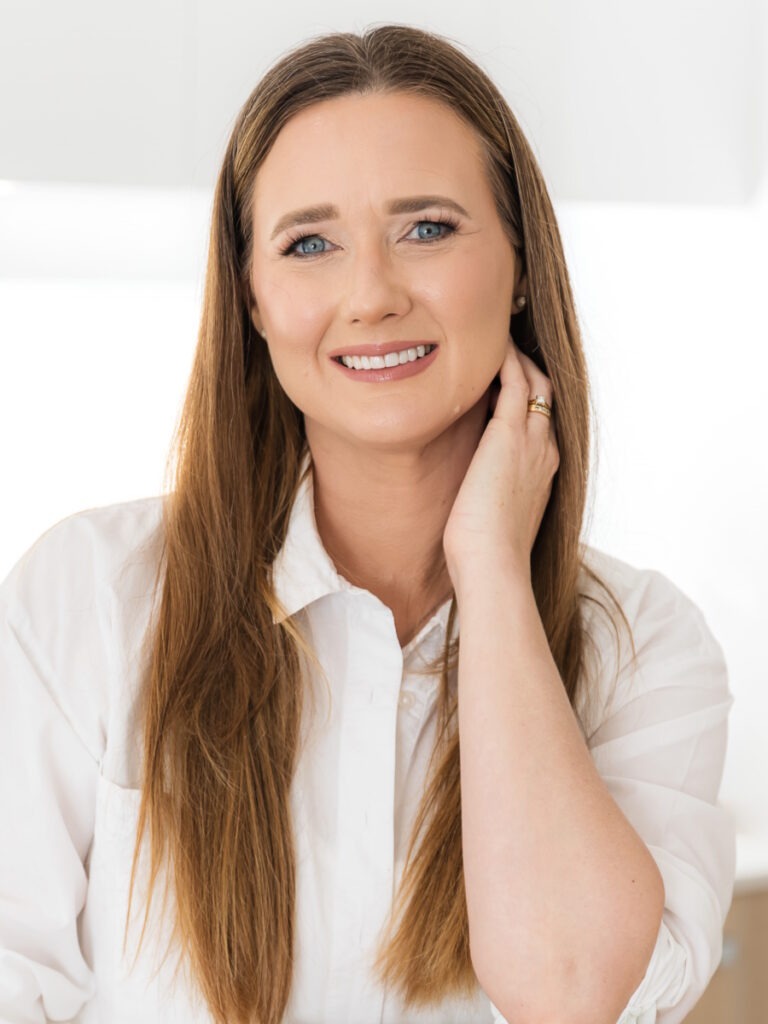
- Name: Nicky Greenhalgh
- Age at Diagnosis:
- 32
- Diagnosis:
- Follicular Lymphoma
- Staging:
- Stage 4 (Metastatic)
- Symptoms:
- Fatigue
- Weight loss
- Lumps in the neck and groin
- Treatments:
- Monoclonal antibody: rituximab
- Watch and wait
This interview has been edited for clarity and length. This is not medical advice. Please consult with your healthcare provider to make informed treatment decisions. The views and opinions expressed in this interview do not necessarily reflect those of The Patient Story.
- Nicky’s Diagnosis Facts
- Introduction
- Meet Nicky and the “watch and wait” expert team
- Why “watch and wait” can be the safest first step
- Treating follicular lymphoma like a marathon, not a sprint
- What to watch for and what not to obsess over
- Self-advocacy, second opinions, and building your care team
- Final tips, hope, and where to find support
- Watch the full program
- Hear from people living with follicular lymphoma
Follicular lymphoma is very different from other cancers.
Dr. Jonathan Friedberg
Introduction
Nicky Greenhalgh: We are diving into one of the most psychologically and clinically complex topics in the follicular lymphoma journey: watchful waiting.
I’m a follicular lymphoma patient myself. I was diagnosed in 2014 and was immediately put into treatment. At the time, I was extremely grateful to be doing something about it. But as I’m experiencing my first relapse, I’m on watch and wait or, as many like to call it, active surveillance, and I cannot tell you how grateful I am for that.
Meet Nicky and the “watch and wait” expert team
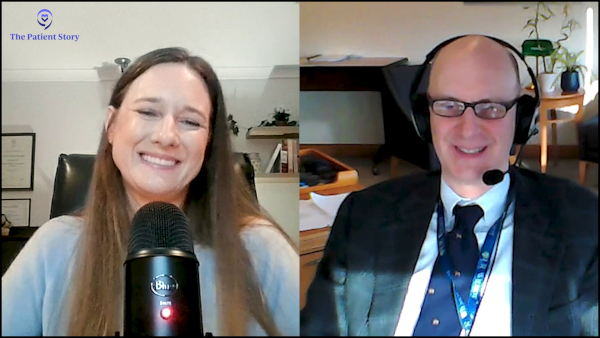
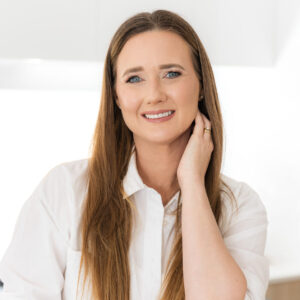
Stephanie Chuang: Our moderator is Nicky Greenhalgh, a follicular lymphoma patient herself who also started the Living with Follicular Lymphoma Facebook group, one of the largest FL patient communities in the world.
We’re also so lucky to have our lymphoma expert guest, Dr. Jonathan Friedberg, Director of the Wilmot Cancer Institute at the University of Rochester. He is a hematologic oncologist who has led lymphoma care and research for more than 20 years.
Nicky: Dr. Friedberg has spent over 20 years at the forefront of lymphoma research and treatment. What makes him the perfect guest is his balanced philosophy of care. While he is an expert in the most advanced therapies available, he is also a leading voice in the clinical argument for active surveillance.
Since follicular lymphoma is a blood cancer, it’s in many places at diagnosis… I tell patients that they’ve probably had it for months to years before meeting me, without realizing it.
Dr. Jonathan Friedberg
Why “watch and wait” can be the safest first step
Nicky: When a patient is newly diagnosed and told they need to go watch and wait, the anxiety about not treating the disease can be debilitating. How have you dealt with that with your patients?
Dr. Jonathan Friedberg: The first thing I emphasize is that follicular lymphoma is very different from other cancers. We are programmed to find cancer early and cut it out. The reason you do mammograms is to find breast cancer early and treat it quickly to prevent it from spreading.
Since follicular lymphoma is a blood cancer, it’s in many places at diagnosis. There isn’t a concern about spreading. I tell patients that they’ve probably had it for months to years before meeting me, without realizing it. What we’re doing during observation is learning. How fast is it growing? What’s the best way to treat this disease in this person? That initial observation period of three to six months gives us incredibly valuable information.
The survival of patients with advanced-stage follicular lymphoma is now measured in decades, not months or years… For a large number of patients with follicular lymphoma, mortality is not going to be the issue.
Dr. Jonathan Friedberg
Nicky: When I was newly diagnosed, I was told I had stage 4 follicular lymphoma, which was a terrifying moment. I was 32 years old. But in follicular lymphoma, it’s quite common for patients to be diagnosed at stage 4, isn’t it?
Dr. Friedberg: Yes, the survival of patients with advanced-stage follicular lymphoma is now measured in decades, not months or years, and that’s with stage 4 disease. The concept of staging in follicular lymphoma is much less relevant to treatment decision-making than it may be in other cancers.
Nicky: When I was first diagnosed, I was told my prognosis was 10 years, which was absolutely terrifying for a 32-year-old. But new research is coming and the statistics are changing. It’s important from the get-go that patients are reassured that this cancer is completely different from most cancers we know about.
Dr. Friedberg: It’s far better than that now. When I trained in the ‘90s, we used to tell patients that six to eight years was the median survival. That’s completely changed.
We just published 15-year follow-up data showing overall survival exceeds 70%, with one-third of patients having no progression after their initial treatment. For a large number of patients with follicular lymphoma, mortality is not going to be the issue.
Treating follicular lymphoma has to be considered a marathon, not a sprint… If you give all your treatment too early, over the decades, you’ll have this disease, you may run out of options, or the disease may become resistant.
Dr. Jonathan Friedberg
Treating follicular lymphoma like a marathon, not a sprint
Nicky: The way I think about it: Watch and wait allows your immune system to stay fresh for when the time comes to have more serious treatments. Would you agree?
Dr. Friedberg: The analogy I give patients is that treating follicular lymphoma has to be considered a marathon, not a sprint. If you sprint, you’ll be leading at mile two or three, but you’re not going to win because you’ll run out of energy. If you give all your treatment too early, over the decades, you’ll have this disease, you may run out of options, or the disease may become resistant. Because of those complexities and the lack of survival benefit, active surveillance remains a very viable option.
This is such an exciting time in follicular lymphoma. We’re using the word “cure,” which we never thought would be possible with several different modalities. For people on watch and wait, you can think about deferring treatment as we’re refining these approaches, so you’ll have access to some of the latest treatments when you need them.
Nicky: I had rituximab over 12 years ago and my immune system still hasn’t fully recovered. Watch and wait means keeping that immune system intact for when it matters.
Part of the goal of watch and wait is to allow you to live your life… so that they can feel as normal as possible between visits.
Dr. Jonathan Friedberg
What to watch for and what not to obsess over
Nicky: The main things I look out for are B symptoms: unexplained fevers, drenching night sweats, and unintentional weight loss. Would you agree?
Dr. Friedberg: That’s definitely true. But I try to reassure patients that I’m going to see them frequently enough that between visits, the likelihood of lymphoma coming back and causing a big problem is extremely low.
Part of the goal of watch and wait is to allow you to live your life. To a degree, we can carry some of that burden by seeing patients, examining them, and reviewing symptoms during office visits. Hopefully, that lifts some of that responsibility so that they can feel as normal as possible between visits.
Nicky: There’s another type of anxiety with watch and wait: scanxiety. How often would you tend to scan during watch and wait?
Dr. Friedberg: That’s changed quite a bit as far as recommendations over the years. Historically, we were doing more scans than we probably should and many were low-yield. A single CT scan does not have dangerous amounts of radiation. But if you’re going to have follicular lymphoma for 40 or 50 years and you’re getting scanned multiple times a year, then that starts to add up.
Watch and wait gives you time to educate yourself… There are so many more available resources now compared to when I was diagnosed, when I couldn’t find much at all.
Nicky Greenhalgh
Generally, I’ll do a scan six to eight months after we start observing to understand how the disease is behaving. If things are stable, it may be a couple of years before we repeat imaging.
More imaging isn’t necessarily better. Whether you start treatment at 4 centimeters versus 5 centimeters isn’t going to make any difference. But getting into that monitoring cycle creates a lot of anxiety that doesn’t help.
Nicky: Watch and wait gives you time to educate yourself. Find your people. Find other patients who are diagnosed and see where they’re at. There are so many more available resources now compared to when I was diagnosed, when I couldn’t find much at all.
Anybody newly diagnosed with cancer should get an opinion from a specialist in that cancer, even if it requires travel.
Dr. Jonathan Friedberg
Self-advocacy, second opinions, and building your care team
Nicky: I want to talk about being a proactive patient during active monitoring. I know that a lot of patients start to panic and scrutinize every symptom, which is great, but also causes a lot of anxiety. What does it look like to stay on top of your health while you’re watching and waiting?
Dr. Friedberg: Over time, I encourage patients to learn about their disease. That gives you confidence that you’re doing the right thing and the feeling of control over the situation. You understand why you’re doing what you’re doing and can genuinely participate in decision-making.
Anybody newly diagnosed with cancer should get an opinion from a specialist in that cancer, even if it requires travel. It’s important to ensure that the diagnosis is accurate and that the decision-making is correct.
Ensure that you have confidence in your care team.
Dr. Jonathan Friedberg
Nicky: Make sure that you’ve got an amazing team around you. Not just the clinician, but also a nutritionist, a psychologist, and a nurse. Make sure you’re comfortable with your entire team.
When I was initially diagnosed, my hematologist was ready for retirement. As lovely as he was, it was pointed out to me that I was very young and that I was going to have this condition for a long time. I did the research and found the best clinician who was also going to be in the field long enough to grow with me.
Dr. Friedberg: Some of the longest visits I have are when we’re contemplating watch and wait, trying to reassure patients that they’re not harming themselves by taking some time. Interestingly, sometimes my second-longest visits are when those same patients need to start treatment. They have become so accustomed to observation that they don’t want to stop. To me, that’s a success story.
If you do get the opportunity to go on watch and wait, it’s such a benefit to you as a patient.
Nicky Greenhalgh
Final tips, hope, and where to find support
Nicky: Before we finish up, what are the must-know tips for somebody newly diagnosed and going onto watch and wait?
Dr. Friedberg: It’s important that over time — and it doesn’t have to be immediate — they understand the rationale for it, what to look for, and develop a comfort level with it. The most resistant people I’ve had to the concept of watch and wait ultimately are people who didn’t want to give it up because they felt so comfortable with it.
It’s appropriate to be patient. Most important is to ensure that you have confidence in your care team. If you can put some of the burden of follow-up on the care team, and the care team is following you closely enough that you’re comfortable and can go on and live your life, that’s the best situation.
Nicky: Use the watch and wait phase to absorb all the new information. Having to be thrown straight into treatment while you’re trying to take all of this in is not ideal. If you do get the opportunity to go on watch and wait, it’s such a benefit to you as a patient.
Stephanie: If there’s one thing I hope you walk away with, it’s this: Active surveillance is not giving up. It’s not passive. It is a deliberate, evidence-based strategy that can help preserve your options, protect your immune system, and give you time to prepare for whatever comes next.
And on the note of whatever comes next, there’s a lot of great news. We’re in one of the most exciting times when it comes to follicular lymphoma research and treatment options. Waiting may mean walking into better options when you truly need them.
Watch the full program
The Living with Follicular Lymphoma Facebook group has more than 15,000 members. You can also visit the Follicular Lymphoma Foundation website, which is dedicated to follicular lymphoma. If you’re looking for free, personalized support, Blood Cancer United (formerly The Leukemia & Lymphoma Society) is another great partner of ours. Also, The Patient Story has more follicular lymphoma content at thepatientstory.com and on our YouTube channel. The goal is to dive deep into real stories, so you know you’re not alone.
Hear from people living with follicular lymphoma
Real experiences with diagnosis, treatment choices, side effects, and life beyond follicular lymphoma — in their own words.

Leave a Reply