
Chemotherapy
FAQs & Patient Stories
Chemotherapy or chemo is one of the most common types of cancer treatments that uses drugs to destroy cancer cells.
Below, find answers to popular chemotherapy questions and experiences of chemotherapy shared by The Patient Story community.
- FAQs & Patient Stories
- General Chemotherapy FAQ
- Chemotherapy Stories and Experiences
- ABVD
- Adriamycin (doxorubicin)
- BEP (Bleomycin, etoposide, platinum)
- CAPOX (capecitabine, oxaliplatin)
- Carboplatin
- Cytoxan (cyclophosphamide)
- Eloxatin (oxaliplatin)
- Etoposide
- FOLFOX
- Fluorouracil (5FU)
- Gemzar (gemcitabine)
- Herceptin (trastuzumab)
- Idamycin (idarubicin)
- Melphalan
- Methotrexate
- Navelbine (vinorelbine)
- Oncovin (vincristine)
- Perjeta (pertuzumab)
- Platinol (cisplatin)
- R-EPOCH
- Taxol (paclitaxel)
- Taxotere (docetaxel)
- TCHP (Taxotere, Carboplatin, Herceptin, Perjeta)
- Xeloda (capecitabine)
General Chemotherapy FAQ
How does chemotherapy work?
Chemotherapy or chemo is used to stop or slow down growth of cancer cells. It can cure or treat cancer, control cancer, and/or help ease the symptoms of cancer (palliative care).
- Cure or treat cancer: This is when chemotherapy is able to destroy cancer cells to the point where your medical team cannot see or detect them in your body, and they do not grow back.
- Control cancer: This is when chemotherapy is able to stop the spread of cancer, slows cancer cell growth, or destroy cancer cells in the spread to other parts of your body (metastasis).
- Easing symptoms (palliative care): This is when chemotherapy is able to shrink down tumors that cause pressure, discomfort, and pain.
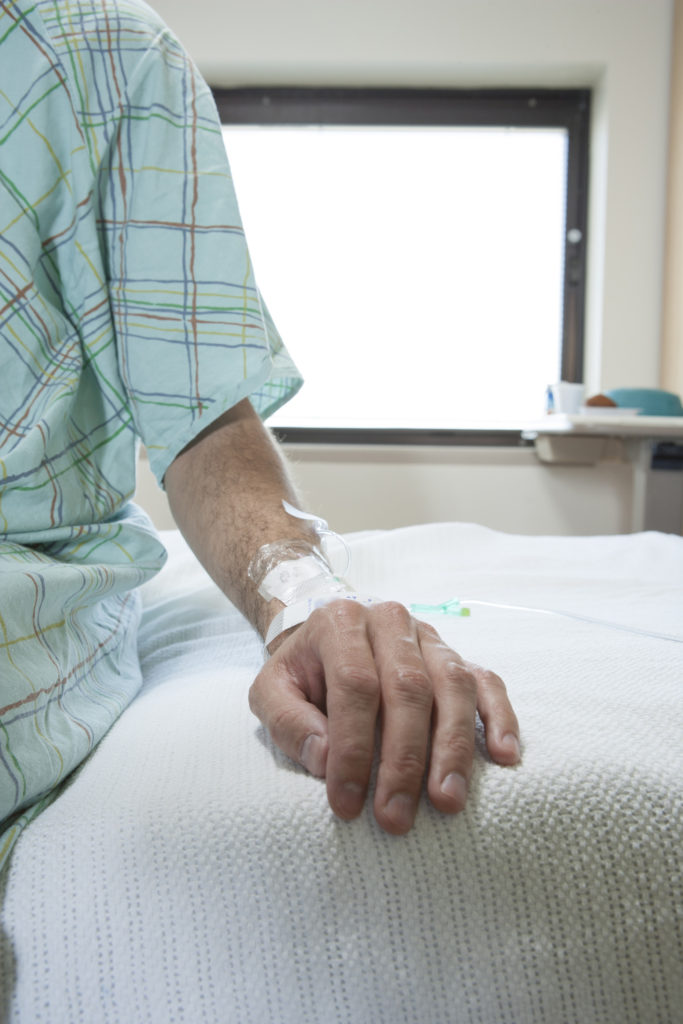
Who should get chemotherapy?
This depends case by case. Chemotherapy can be given alone, but many times it is used alongside other cancer treatments and therapies based on the cancer type and behavior.
How does chemo work alongside other therapies and treatments?
Used as a part of a treatment plan, chemo can act in multiple ways:
- Neoadjuvant chemotherapy: Shrinks tumors before radiation therapy or surgery.
- Adjuvant chemotherapy: Destroys cancer cells that may linger even after other treatment, like radiation therapy or surgery.
- Chemo can make other treatments more effective.
- Chemo can destroy cancer cells that have spread to other parts of your body (metastasis) or that have returned (refractory and relapsed cases of cancer).
Chemotherapy side effects
Chemotherapy works by using drugs to kill rapidly-growing cancer cells. That means it also kills or slows the growth of healthy fast-growing cells, like those in your intestines, scalp, and mouth lining.
This leads to many side effects, which usually lessen and disappear after you’ve finished chemotherapy.
For more on various side effects with different cancers, check out these cancer treatment side effect stories from our community.
Here’s a list of the most common (but not all) side effects:
- Anemia
- Appetite loss
- Bleeding and bruising (Thrombocytopenia)
- Constipation
- Delirium
- Diarrhea
- Edema (Swelling)
- Fatigue
- Fertility issues
- Flu-like symptoms
- Hair loss (Alopecia)
- Infection and neutropenia
- Lymphedema
- Memory, concentration problems (“Chemo Brain/Fog”)
- Mouth and throat problems
- Mucositis (mouth sores)
- Nausea, vomiting
- Nerve problems (peripheral neuropathy)
- Immunotherapy and organ-related inflammation
- Pain
- Sexual health issues
- Skin and nail changes
- Sleep problems, insomnia
- Urinary and bladder problems
Chemotherapy Stories and Experiences
Here are different experiences with chemotherapies and chemotherapy regimens, as told by our TPS community members.
ABVD
Get all the information about the ABVD chemotherapy regimen, used to treat Hodgkin lymphoma.
ABVD patient stories
Adriamycin (doxorubicin)
Adriamycin, also known for the generic name doxorubicin, is a chemotherapy drug used for treating a variety of cancers. It is sometimes known as the “Red Devil” because of its bright red color and typically more harsh side effects.
Click here to go to our Adriamycin (doxorubicin) page
Cancers commonly treated:
- Breast
- Ovarian
- Leukemia: acute myeloid leukemia (AML), acute lymphoblastic leukemia (ALL)
- Hodgkin lymphoma
- Non-Hodgkin lymphoma
- Sarcoma
- Wilms tumor
- Neuroblastoma
Adriamycin patient stories



BEP (Bleomycin, etoposide, platinum)
Cancers commonly treated: Testicular
Learn more about BEP chemotherapy →
BEP patient stories
CAPOX (capecitabine, oxaliplatin)
Cancers commonly treated: Colorectal
CAPOX patient stories
Carboplatin
Cancers commonly treated:
- Ovarian
- Head
- Neck
Carboplatin patient stories
Cytoxan (cyclophosphamide)
Cancers commonly treated:
Cytoxan patient stories

Eloxatin (oxaliplatin)
Cancers commonly treated: Colorectal
Etoposide
Cancers commonly treated:
Etoposide patient stories
FOLFOX
Cancer details: Folinic acid, fluorouracil, oxaliplatin
Cancers commonly treated: Colorectal
FOLFOX patient stories


Fluorouracil (5FU)
Cancers commonly treated:
- Anal
- Breast
- Colorectal
- Stomach
- Head and neck
Fluorouracil patient stories
Gemzar (gemcitabine)
Cancers commonly treated:
- Breast
- Ovarian
- Lung (non-small cell)
- Pancreatic cancer
Gemzar patient stories
Herceptin (trastuzumab)
Cancers commonly treated:
Herceptin patient stories
Idamycin (idarubicin)
Cancers commonly treated: Leukemia
Idamycin patient stories
Melphalan
Cancers commonly treated:
Melphalan patient stories
Methotrexate
Cancers commonly treated:
Methotrexate patient stories
Navelbine (vinorelbine)
Cancers commonly treated: Lung
Navelbine patient stories
Oncovin (vincristine)
Cancers commonly treated:
- Ewing’s sarcoma
- Leukemia
- Hodgkin Lymphoma
- Non-Hodgkin lymphoma
- Multiple myeloma
- Thyroid
- Brain
- Wilms’ tumor
Oncovin patient stories
Perjeta (pertuzumab)
Cancers commonly treated: Breast, HER2-Positive. Usually administered alongside other chemo drugs.
Perjeta patient stories
Platinol (cisplatin)
Cancers commonly treated:
- Breast
- Cervical
- Head and neck
- Hodgkin lymphoma
- Lung
- Melanoma
- Multiple myeloma
- Non-Hodgkin lymphoma
- Neuroblastoma
- Ovarian
- Sarcoma
- Testicular
Platinol patient stories
R-EPOCH
- R – Rituximab
- E – Etoposide Phosphate
- P – Prednisone
- O – Vincristine Sulfate (Oncovin)
- C – Cyclophosphamide
- H – Doxorubicin Hydrochloride (Hydroxydaunorubicin)
R-EPOCH patient stories
Taxol (paclitaxel)
Cancers commonly treated:
Taxol patient stories
Taxotere (docetaxel)
Cancers commonly treated:
Taxotere patient stories
TCHP (Taxotere, Carboplatin, Herceptin, Perjeta)
Cancer details:
- T – Taxotere® (docetaxel)
- C – Carboplatin
- H – Herceptin® (trastuzumab)
- P – Perjeta® (Pertuzumab)
Cancers commonly treated: Breast (early-stage)
TCHP patient stories
Xeloda (capecitabine)
Cancers commonly treated:
Xeloda patient stories
References