
Jazz’s Stage 3/4 Colorectal Cancer Story
Interviewed by: Nikki Murphy
Edited by: Chris Sanchez

Jazz, a resident of Texas, shares his journey of being diagnosed with stage 3, borderline stage 4 colorectal cancer. His story began during a vacation in Hawaii when he experienced frequent bowel movements, discomfort, and rectal bleeding. Initially attributing his symptoms to hemorrhoids, Jazz delayed seeking medical attention until his girlfriend noticed his weight loss and urged him to see a doctor.
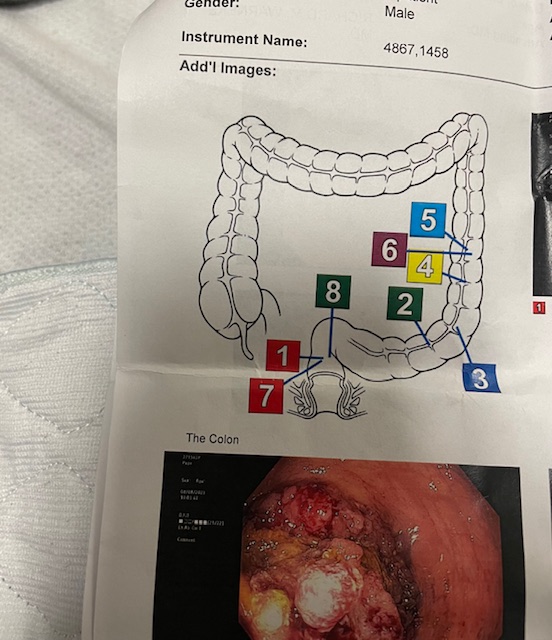
After a visit to the ER, Jazz’s hemoglobin count was dangerously low, leading to the discovery of a tumor causing internal bleeding. He underwent a colostomy surgery and learned that the tumor was cancerous. Despite the overwhelming emotions, Jazz remained positive, focusing on the support of his girlfriend and healthcare team. Over time, he also encountered other cancer patients, finding strength in their resilience and the uplifting environment in the chemo room.
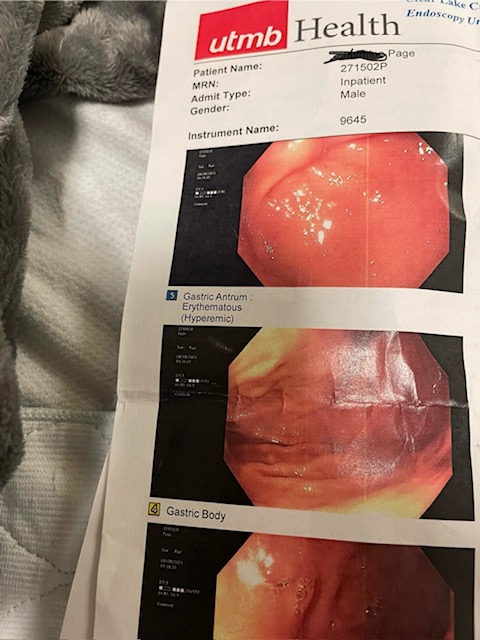
Jazz describes his experience with chemotherapy, noting that although it was exhausting, he avoided severe side effects like hair loss or vomiting. He also reflects on the emotional toll of having a colostomy bag, which initially caused feelings of depression, but he learned to adapt. During his treatment, another tumor was discovered in his stomach, but doctors were able to remove it.
As part of his ongoing treatment, Jazz underwent chemotherapy, radiation, and will eventually have surgery to remove the remaining tumor. Despite the challenges, Jazz remains optimistic about his future, crediting his girlfriend’s unwavering support and the care of his doctors. He emphasizes the importance of never giving up, trusting in medical professionals, and finding strength in loved ones.
Jazz advises others to listen to their bodies, seek support, and never lose hope, believing that with the right mindset and help, it’s possible to overcome even the toughest battles.
- Name:
- Jazz P.
- Diagnosis:
- Colorectal cancer
- Staging:
- Stage 3/4
- Initial Symptoms:
- Constant urge to defecate
- Slight anal bleeding
- Weight loss
- Treatment:
- Surgery (removal of tumor)
- Chemotherapy
- Radiation















This is not medical advice. Please consult with your healthcare provider to make informed treatment decisions.
Inspired by Jazz’s story?
Share your story, too!
Related Cancer Stories
More Colorectal Cancer Stories

Caroline M., Colorectal Cancer, Stage 4 (Metastatic), Juvenile Polyposis Syndrome (JPS), BMPR1A, SMAD4
Symptoms: Shoulder pain, rapid weight loss, abdominal cramping and pain, jaundice
Treatments: Chemotherapy, surgeries (colon tumor removal, multi‑stage liver surgeries including hepatectomy, liver transplant), clinical trial (HAI pump/floxuridine)

Jeffrey R., Colorectal Cancer, Stage 3B
Symptoms: None; diagnosed through routine screening colonoscopy
Treatments: JANUS clinical trial (radiation therapy, oral chemotherapy, chemotherapy infusions)

Helen D., Colon Cancer, Stage 4 (Metastatic)
Symptoms: Pelvic pressure and pain, burning with urination, bloating, constipation for a short period, low energy or fatigue, discomfort sitting, night sweats
Treatments: Chemotherapy (FOLFOX, FOLFIRI, hepatic artery infusion pump therapy), targeted therapy (panitumumab), surgeries (liver resection and ablations, colon resection, full hysterectomy)

Joe C., Colon Cancer, Stage 4 (Metastatic)
Symptoms: Loss of appetite, fatigue, malaise, severe pain in the abdominal/liver area, back and shoulder pain, lightheadedness
Treatments: Surgery (colon resection), chemotherapy (FOLFOX, capecitabine, FOLFIRI), targeted therapy (panitumumab, a monoclonal antibody), radiation therapy, immunotherapy through a clinical trial

Sydney S., Colon Cancer, Stage 4 (Metastatic)
Symptoms: Constant stomachaches that only went away after bowel movements, pain after eating, changes in bowel size and shape
Treatments: Surgeries (colectomy, temporary ileostomy, ileostomy reversal), chemotherapy (FOLFOX, FOLFIRI, trifluridine and tipiracil), monoclonal antibody (bevacizumab), radiation therapy, hormone therapy

Cora V., Colorectal Cancer, Stage 4 (Metastatic)
Symptoms: Fatigue, unintentional weight loss, blood and mucus in stool
Treatments: Chemotherapy, chemoradiation, surgeries (temporary ileostomy and reversal, liver surgeries and ablation)



Leave a Reply