Cancer Disparities
Cancer impacts everyone differently. Unfortunately, it impacts some groups more than others. If this unequal impact is preventable it is known as a cancer disparity. Cancer disparities can be caused by inequities in health care and coverage due to social, economic, and environmental impacts.
What is Health Equity?
If you don’t work in health care or haven’t spent much time around the health industry, you may not have heard of the term “health equity.”
Simply put, health equity is when every person has the opportunity to attain their full health potential. Equity is achieved by addressing cancer disparities to remove the barriers preventing access to equitable health care.
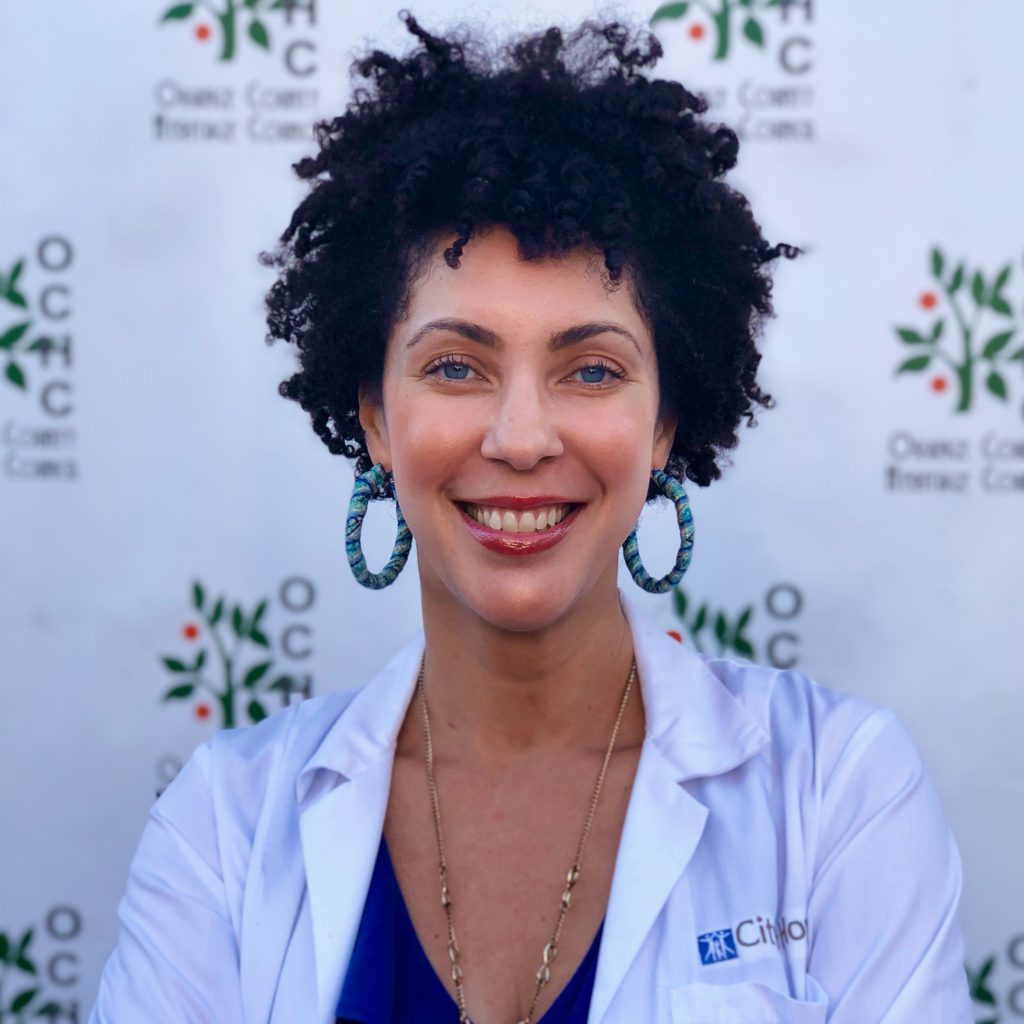
Of course, if you have better access to healthcare, you’re going to have earlier screening, maybe a better team of doctors who will treat your case with a precision medicine approach, and you’ll have access to newer cutting-edge treatments.
Dr. Leanne Burnham | Read more about inequities in prostate cancer.
Is Health Equity the Same as Health Equality?
Health equality means treating all patients the same way, while health equity prioritizes treatment and care based on need.
Health equity provides equal access to health care for all genders and races. In contrast, health equity offers extra resources to groups in need to ensure they are given an equal opportunity to receive the same health care as everyone else.
What are Cancer Disparities?
Cancer disparities are the preventable differences in the burden of a disease caused by social, environmental, and economic impacts. According to the NIH, some of the commonly tracked measures of cancer disparities among different groups include:
- Mortality (deaths)
- Incidence (newly diagnosed cases)
- Stage at diagnosis
- Prevalence (total existing cases)
- Morbidity (cancer-related health complications)
- Survival after diagnosis
- Financial burden of care
- Screening rates
When there is a significant difference in the rates in one of the measures listed above between different groups, there is a potential disparity among the different groups

I don’t know if that’s an oversimplification, but it should be almost demanded that doctors do that for people that are at risk. Because that is the first step; it’s the least costly, it’s the least invasive. It’s the least threatening thing you could do that gives you the information you need to take care of yourself.
Theo W. | Read more about actions the health care community can take to reduce cancer disparities.
Diversity in Cancer Care
Diversity places a significant role in cancer care. Racism, whether intentional or not, has impacted generations of cancer studies, which in turn has impacted cancer treatment for minority groups. This section examines how racism plays a role in cancer and its role in creating cancer disparities.
Racism in Cancer Care
In 2021, the director of the CDC, Rochelle P. Walensky, declared racism a serious public health threat. In the media statement, Dr. Walensky acknowledged that racism has been the cause of several health inequities across the United States.
Racism can work on several levels to create systematic disparities for minority groups within the health system. Some of these levels include:
- Structural – some of the key areas of society are structured to benefit the group in power.
- Institutional – practices and policies that block racial and minority groups from gaining access to resources and opportunities.
- Interpersonal – an individual’s conscious or unconscious racial prejudices
- Internalized – when racial or ethnic minority groups accept stereotypes and allow them to shape their identity.
The healthcare systems need to recognize the disparity caused by racism and create policies to address the inequities.
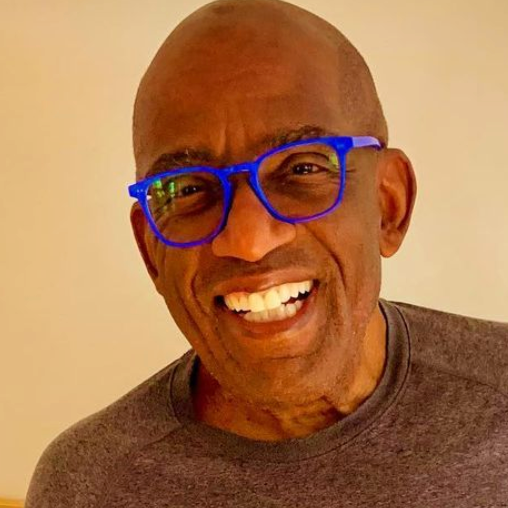
I think from a research standpoint, especially given that this is far more impactful to men of color, the studies have to reflect that, as well.
– Al Roker | Read more about disparities in prostate cancer.
Diversity in Clinical Trials
One way to start addressing cancer disparities is being intentional about the patients recruited for clinical trials. Achieving diversity in clinical trials is essential to the success of a new treatment. Having a wide variety of representation helps researchers understand how a treatment may impact different races, ages, and ethnicities.
However, in a 2018 report released by the FDA, it was found that only 5% of clinical trial participants were Black Americans despite them making up 13.4% of the US population. Additionally, only 1% were Hispanic/Latino despite making up 18.1% of the US population.
Another 2020 study that focused explicitly on oncology clinical trials found that the participants of these trials were:
- 68% white/European
- 38% women
- 15% Asian American
- 4 % black American
- 4% Hispanic/Latino
In addition, 48% of the studies could not reach their target recruitment goals even when studies tried to regulate the participants to encourage diversity.
Cancer Disparities Patient Stories
Cancer patients share their opinions on health equity and cancer disparities in cancer care.


Medical Professionals on Cancer Disparities
Medical professionals share their opinions on health equity and cancer disparities in cancer care.