Categories
AC Breast Cancer Chemotherapy Mastectomy Patient Stories Radiation Therapy Reconstruction Surgery Taxol (paclitaxel) Treatments Triple Negative (TNBC)

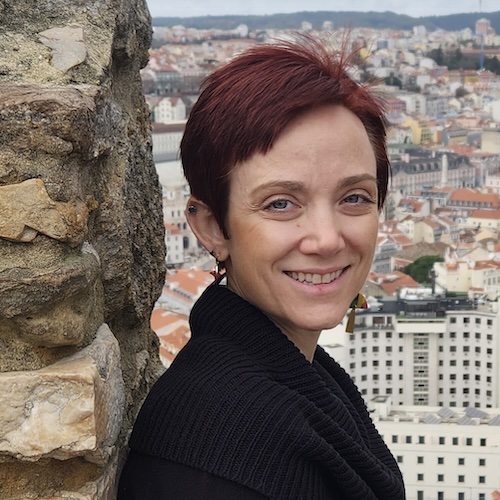
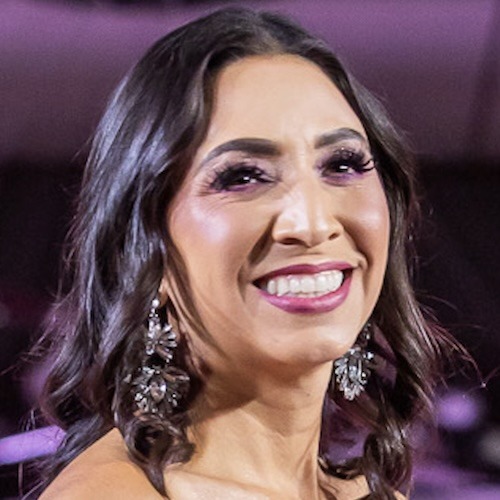
How an Athlete’s Mindset Guided Marina’s Triple-Negative Breast Cancer Experience – Twice

How an Athlete’s Mindset Guided Marina’s Triple-Negative Breast Cancer Experience – Twice

Marina had just qualified for the 2016 Boston Marathon when she received a life-altering diagnosis: stage 2 triple-negative breast cancer. As a 31-year-old with a family history and the BRCA1 mutation, Marina had to pivot from marathon training to an aggressive treatment plan. Throughout her first experience with the disease, she leaned into her identity as a runner, treating chemotherapy as a physical and mental endurance test. She was motivated by the same goal she had before cancer: to reach the ultimate finish line of the Boston Marathon, which she completed just one year after starting treatment.

Interviewed by: Ali Wolf
Edited by: Chris Sanchez

After cancer, Marina’s life continued with beautiful milestones, including marriage and the birth of two children. But after five years of being cancer-free, a new lump led to a second diagnosis of stage 2 triple-negative breast cancer. This second diagnosis was a different experience because it happened during the 2020 pandemic, and while Marina was nursing her two-month-old daughter.

Marina B. triple-negative breast cancer

Facing the challenge of parenting while undergoing chemotherapy and radiation, Marina once again leaned on her “Impossible to Possible” mindset to navigate the physical and emotional hurdles.

Today, Marina uses her experience to empower others through public speaking and her YouTube channel. By sharing and documenting the raw truth of breast cancer, Marina provides a roadmap of hope for those navigating their own cancer journey. Her story is a testament to the power of taking the next step, no matter how daunting the path may seem.

Watch Marina’s videos or read the interview transcript below to know more about her story.

  • Reframing the treatment mindset: Treating chemotherapy as “self-care” or “marathon training” can help alleviate the psychological burden of aggressive medical regimens.
  • Proactive fertility protection: For young patients, discussing options like goserelin injections early can help protect ovarian function during chemotherapy.
  • The importance of body literacy: Marina’s self-checks were vital in identifying her second diagnosis at the five-year remission mark.
  • Accepting help is a skill: Learning to lean on “meal trains” and appointment rotations is essential for maintaining energy, especially for those used to being independent.
  • A universal truth: We cannot always control the diagnosis, but we can control our perspective and the way we choose to show up for the next step.

  • Name: Marina B.
  • Age at Diagnosis:
    • First diagnosis: 31
    • Second diagnosis: 36
  • Diagnosis:
    • Triple-Negative Breast Cancer
  • Staging
    • First diagnosis: stage 2
    • Second diagnosis: stage 2
  • Biomarker:
  • Symptoms:
    • First diagnosis: month-long twinge of pain in breast
    • Second diagnosis: appearance of lump in armpit
  • Treatments:
    • Chemotherapy: AC and paclitaxel
    • Surgery: mastectomy and reconstruction
    • Radiation therapy
Marina B. triple-negative breast cancer

This interview has been edited for clarity and length. This is not medical advice. Please consult with your healthcare provider to make informed treatment decisions.

The views and opinions expressed in this interview do not necessarily reflect those of The Patient Story.


Transcript of Marina’s Interview
  1. Cancer diagnosis and type
  2. Life before cancer: Career, running, and travel
  3. Family history, BRCA1 mutation, and first mammogram at 31
  4. From Boston qualification high to triple-negative breast cancer diagnosis
  5. Surgery, reconstruction, and running Boston as a survivor
  6. Using a “light at the end of the tunnel” to get through treatment
  7. Inspiration from my mom and supporting others on YouTube
  8. Dating, fear, and my partner’s support during treatment
  9. Being asked about future children and choosing goserelin
  10. Learning to accept help and the value of community
  11. Monitoring after the first treatment, and a new lump at year five
  12. Running the 2016 Boston Marathon as a breast cancer survivor
  13. Motherhood, complications, staph infection, and working through things
  14. Second cancer diagnosis during the pandemic, and with a newborn
  15. I started a YouTube channel to share chemo tips
  16. Chemo while parenting newborns, and reframing infusion as self-care
  17. Using an athlete’s mindset and gratitude to get through chemo
  18. Unexpected blood transfusion and learning to let go of control
  19. Resources, chemo checklist, and paying it forward
  20. Cancer stage details for both diagnoses
  21. Chemo hair loss expectations and first tips
  22. Cutting my hair short before chemo hair loss
  23. Using cold caps and hair-preserving devices
  24. Losing my eyebrows, eyelashes, and nose hair
  25. Redefining “survivor” and finding power during treatment
  26. Preventing neuropathy with acupuncture and icing
  27. Dental and mouth care during chemo
  28. Fertility, goserelin injections, and having kids after chemo
  29. Managing nausea with medications and natural aids
  30. Understanding the “wave” of fatigue and chemo brain
  31. My chemo infusion essentials: Ice gloves, eye mask, and headphones
  32. Leaning on support and not feeling alone

Cancer diagnosis and type

I am Marina, and my cancer type was stage 2 triple-negative breast cancer.

Life before cancer: Career, running, and travel

I was a dental hygienist, and I loved my career. I loved to travel and was doing a lot of running. At that time, I was growing more in my running races. I had just run a full marathon. It was my third full marathon here in Arizona, where I am from. I had said I would never run a marathon, by the way. I was one of those people. 

I was dating my husband, and running this third marathon is significant because when I ran my first marathon three years before being diagnosed, I had a really decent time — under four hours — and I thought maybe I could qualify for the Boston Marathon. Then I ran it the next year, and I was five minutes from qualifying, and then in my third marathon, I qualified with just under two minutes to spare. It was within that time frame that I had just had my mammogram the week before, and I was having a biopsy done the week after qualifying for the Boston Marathon.

Family history, BRCA1 mutation, and first mammogram at 31

I was 31, and that is significant. I tell everybody this: really pay attention to their body. I had gone for my first mammogram because I was the age when I was due to go. My mom at that time was a two-time breast cancer survivor, and her first diagnosis came at the age of 41. After her second diagnosis in her 50s, she found out she was BRCA1-positive, so she had the genetic mutation on the breast cancer gene. She was told to tell her family, including her daughters. They basically told me to go at 31, ten years before the age that she had her first diagnosis, and start this whole process — get your first mammogram done, your genetic testing. Could I have done it sooner than 31? I could have. I had the knowledge for maybe a couple of years, but it was just the timeline I was on, and I was on this timeline of running and traveling.

As I was running and training for that marathon, I noticed an ache in my breast. It felt like a little twinge of pain every day that I was noticing, and it was there every day, and it was not going away. In my mind, it reminded me, oh, I am about that age; I need to start this process. So yes, I had some pain, and yes, I had a family history, and I had a timeline given to me of when I should start my screening.

From Boston qualification high to triple-negative breast cancer diagnosis

What happened next was a whirlwind. I was dating my now husband, and he was at the finish of this marathon where I had just run this really fast time to qualify for one of the most popular marathons in the world, Boston. The next week, I had the biopsy and was told I had an aggressive breast cancer, which is triple-negative. It is negative for hormones feeding it, so it typically grows faster. That is the bad news, but the good news is that it responds to chemo well. I went from what I call the top of the mountain — the highest point in my life of achievement as an athlete — to being knocked down, being told I needed to start chemo immediately. I was going to lose my hair. I would be losing my breasts, since it turned out I had the genetic mutation that my mom had, which did not surprise me as much. As soon as I knew I had cancer and the genetic tests were not quite back, I thought, “It’s going to be positive; my mom has had it twice.”

What that prepared me for was knowing I would remove my breasts. I could actually accept that better because I saw my mom go through chemo twice, and I thought, I do not want to do that. So I will remove everything. The hair was really devastating for me. That was something that caused me to process and release. The beautiful thing, though, of going through treatment for six months of chemo was that my husband and I grew closer together, and it brought us closer together. We knew we were meant to be.

Surgery, reconstruction, and running Boston as a survivor

With the determination of getting to Boston, I finished chemo, did surgery to remove my breasts, and did reconstruction. Then I was cleared with four months to start training and ultimately run the Boston Marathon as a survivor one year later. I could not delay. The rules with Boston are that when you qualify, you have to register to run it the next year, or you have to qualify again. In my mind, it took me three years to qualify; there was no way I was going to qualify after treatment. I gained a pound every week during treatment because of steroids. For women with breast cancer, typically, you gain weight because of the medication they give you, versus other cancers, where you might lose weight. I was gaining weight; I was fatigued. There was just no way I was going to qualify again. So, in my mind, I had this timeline of, “I must get through this treatment because I am going to Boston.”

My surgeon and my oncology team honestly never promised me anything. They said, “We just want to keep you alive; that is our goal.” But I had a personal goal, and I had to do things my way, too, and I did.

Using a “light at the end of the tunnel” to get through treatment

It is incredible to have a physical finish line like a race. I call it the light at the end of the tunnel for a lot of people with their treatment. It is really a reminder of why you are going through it. For most people, it will not be because they are going to Boston. For most people, it will be because they want to travel again, they want to play with their kids, they want to find a new sense of normal — just living their life. I remind people of that light at the end of the tunnel: this is why you are going through treatment.

When I lost my hair, I was mad and sad, but then I immediately thought that the chemo was working. When I constantly put things that way, it made going through the process so much easier. I felt like I was fighting, like mad at this medicine, and then I thought, “I am just going to say it is working.”

Inspiration from my mom and supporting others on YouTube

Having someone who had been through the process and someone as close to me as my mom — seeing that she had lost her hair, that she had gone through these surgeries, and that each time she was told she did not have any evidence of disease — showed me that I could get through this. Having that example was so valuable.

It is pretty much what I do on YouTube and what I have done: remind people that I have been through this; others have been through this; you can do this. I will say, though, being told you have cancer will always be shocking and will always be something to process. But when you look to others who have done it, it is really helpful.

Dating, fear, and my partner’s support during treatment

It was everything. I tell people this: I tried to break up with him after I was diagnosed. We had been dating for three months. They had experienced loss in their family. They lost a brother-in-law to colon cancer in his 30s. I almost felt like I was protecting him, too. I wanted to protect him, and I thought, “I cannot get through chemo and lose my hair and go through all this and also have the energy to date somebody.”

When I approached him with that, he said, “Well, no, we are not. That is not why you break up with somebody. You break up because you are not compatible.” He really pushed my fears aside. He literally told me, “If you are afraid of losing your hair and you are afraid of losing your breasts, that is on you, because I do not care about those things.” Having someone alleviate your fears allowed us to move forward with a clean slate and just date as people would. We went to dinner, and we went dancing a lot. We met country dancing, so we continued to date, and it was something that was really beautiful during what would be considered a dark time.

Being asked about future children and choosing goserelin

I think it was so important that it was my oncologist, but also her nurse navigator who asked me about this. Typically, you have a medical team in treatment, but they asked me that question before we started chemo: “You are going to start chemo; you will lose your hair. Do you think you want kids?” To be honest, my answer was, “I think so.” 

It was not 100% yes. A lot was going on. But to even know that you might want that, you need to communicate it, because then they can communicate their options to you. I chose the option of goserelin — doing injections every four weeks to put me into menopause and protect my ovaries. 

It was just so important that I was asked that question. You do not have to 100% know your answer, but to get your options, have the conversation.

Learning to accept help and the value of community

The first time I went through chemo, it was so important to accept help. It is something I learned how to do because I would say I was not good at doing it before. I was 31 when I was diagnosed. I was head of household. I was taking care of my own bills and working, so accepting help was something I had to learn how to do, but it was so valuable.

Since I was a runner, I was going to a running group, and that group of people was so helpful. They set up a meal train. Something I did not realize I needed at the time, but was very helpful, was having somebody go to my appointments with me if I wanted that. At that early age of being diagnosed, my parents were working, my sister was working, my boyfriend was working, so a lot of them could not go to my appointments. Having a rotation of people who offered to take me or pick me up and bring meals was so valuable.

Monitoring after the first treatment, and a new lump at year five

I was just in the queue of what oncology patients might do, which is you return every three or six months. You talk to your oncologist; maybe there is a scan done every six months or year. I was just in this regimen. Being triple-negative, there was no medication to continue at the time. There is something they would use now if I were diagnosed now, but I was just being monitored. My husband and I got married, and we had our two kids, and I was now in year five.

Five is a very important timeline, usually in the cancer world. When you reach remission for five years, your odds of cancer returning drop, so you want to get to five years. It was during that year that I was taking a shower and doing a self-check. I was washing with soap, and I felt a new lump near my ribs, which would be near the breast area. I knew it felt like a lump, and had not been there before, and I knew in my heart and in my body that I had to call my oncology team the next day and get in for an ultrasound. 

Listening to my body and doing that led to a new diagnosis at year five.

Running the 2016 Boston Marathon as a breast cancer survivor

After being diagnosed the first time and going through six months of chemo and surgery, I was cleared in December 2015 to start running, and Boston is in April. I started treatment in April 2015, and I ran Boston in April 2016 as a breast cancer survivor. It was the best feeling in the world. It was incredible. I made a shirt that said “Survivor.” On the back, it said something like, “I just beat cancer,” basically something that made people give me high-fives during the race. Runners running the race with me were patting me on the back, and I was able to chat with some people during the race.

Your whole life changes when you are diagnosed with cancer. You really see the world through a different lens. For me, it is gratitude. It was the best feeling.

Motherhood, complications, staph infection, and working through things

There is a big part between having the two cancers that occurred for me. Getting married — the beautiful, best wedding, people crying, everything, dancing on the dance floor where we actually met at the country bar that my husband and I met at after our wedding.

Having our son — he was a baby when I had a small lump on my breast reconstruction that my surgeon wanted to monitor. We chose the best way to monitor that. We did an ultrasound. You just cannot ever guarantee anything. We removed some of that tissue, and for two weeks, everything seemed fine. At four weeks, I had a staph infection. When my son was a newborn baby, I had to go through staph infection treatment for a lump that was removed.

By the time my son was 14 months, I had had six breast surgeries. I had IV antibiotics for eight weeks. I had been wearing a fanny pack with antibiotics running 24/7. I did not have a port at that time, so now I had a port, like a catheter, and I still worked as a dental hygienist, so it was a tough time.

Motherhood is hard by itself because you have to learn how to be a mom. You have never done it before, and it is changing every day, especially with a baby and their sleep schedule and all the things you worry about. That itself was amazing to me. I think my children have been such a blessing because they are my reason for learning how to get through it, and I just did. My coworker would see me in the break room cleaning my port line from a staph infection that I had to take care of daily, and I would go back and see patients. The medicine was in a black fanny pack under my scrubs and lab coat, and no one could really tell. She said, “I cannot believe you are going through this, and people are out there complaining about traffic.” We all have the right to go through what we go through, but I just did what I had to do. I really did.

Second cancer diagnosis during the pandemic, and with a newborn

I definitely thought I was past it. I was not one of those people who lived with fear every day, which is common for survivors. I was, like I said, just in the queue — I’d go to my appointments and do what they tell me. People around me know I try really hard to shop organic, have a variety of food, and exercise — clearly I am a runner. So it was surprising.

I will paint the picture: it was the end of 2020, the year of the pandemic. I had been home most of that year, pregnant with my toddler son, and then I had just had my daughter. She was two months old. Finding that lump was really surprising, and for a month, it was pretty scary. You can go to my YouTube channel; I have a video where I share part of that diagnosis. I am sitting in the car recording for YouTube, saying, “I am pretty sure I have cancer again,” and then I get the phone call from the cancer center while I am in the car, saying, “We need you to come back tomorrow.” The ultrasound did not look good. They said I needed to be biopsied the next day.

It was a tough time, but going through it the first time still prepared me so much for the hair loss and for the chemo. Everything I learned, I vlogged, and I am so thankful because now it can help so many people with those videos.

I started a YouTube channel to share chemo tips

It is crazy. I started the YouTube channel in March 2020. I had so many people reaching out to me after my first diagnosis through social media — friends saying, “Hey, my mom has been diagnosed,” “My coworker’s friend has been diagnosed,” and they would ask me for tips. I was getting enough of those, and I even offered my phone number if they wanted to call me, but it is weird to call somebody you do not know and ask questions about what to expect.

So I thought, “Why don’t I just record some videos, and then they can send this to their loved one if they need it?” It was just an idea I had. I started watching YouTube videos on my lunch break on how to make YouTube videos. I shot my first two videos on my iPhone in my kitchen with an inexpensive microphone. My husband gifted me a nicer vlogging camera right before I was diagnosed again, a couple of months before. So now I had this nice camera; I had the experience of filming and editing, and it became this natural progression. I started the YouTube channel to help people with chemo tips; here was my chance to really help them because I had been diagnosed again, and the rest is what it was.

Chemo while parenting newborns, and reframing infusion as self-care

It was exhausting. It was tiring. For me, as a breast cancer survivor, I was never able to breastfeed my children. That was just something I knew I was not going to be able to do. Both of my babies were formula-fed. I say, in a small way, since I had accepted that, it was actually easier for me when they were newborns. I just got to enjoy cute babies for the first year, and anybody could feed them a bottle, so that was helpful.

I enjoyed going to chemo. I would say, “Let me go to chemo.” I actually learned this during my first journey. I told a friend, “I have never flown first class, but I like to imagine that going to chemo is like flying first class.” They offer you a warm blanket, and I would say, “Can I have two?” Then I would pull out my headphones, pull out my book, and turn on my Netflix show. The second time, since I was so tired and busy at home, I treated chemo as my self-care time, which is crazy to think. When else can you sit when you are a mom and have little ones? I treated it as self-care time, even though the effects were not good. I did a lot of my video editing at chemo as well.

Using an athlete’s mindset and gratitude to get through chemo

It is really a state of practicing gratitude when you think about it. When I went into chemo the first time, I was a marathon runner. How many people say, “I am going to run 26.2 miles for fun, and I am going to pay to do it, and I am going to train to do it, and I am going to take a lot of time to do it”? Not many people do that. So when I went into chemo with that mindset, I treated it as another marathon. I have to train for this. I have to eat well, sleep well, and keep my mind right. Being an athlete helped me immensely with the chemo process.

It was, “Why am I doing this again? The chemo is working. My hair is falling out — okay, that sucks, but the chemo is working because I am getting to that finish line.” Imagine this, too: I just ran a marathon recently and raised more money for cancer research with that one. It was great. But imagine what it is like to wake up on a Saturday morning and decide that you have to go run 12 miles. It is so easy to say, I do not feel like it today. When you have that mentality going through treatment, you can get through anything. I call it questioning. As an athlete or as a coach — whether it is runners or people going through cancer — it is like, “What can we question today that will help us get to where we need to be?”

Unexpected blood transfusion and learning to let go of control

It was just so great to be done. I would say I have had hiccups through the process. I mentioned having the staph infection at one point, but during the second journey, when I went to have chemo — what I thought would be another chemo, not knowing it would be my last — they did my labs, as they always do before chemo. They check your blood work. They said, “Your hemoglobin is really low. Your iron is incredibly low. We cannot do chemo today.”

I had had that happen before during chemo, where you typically have to pause and might get a shot like pegfilgrastim to boost your white blood cells or your immune system. This time they said, “You need a blood transfusion.” I was not ready to hear that. I thought I was there to get chemo. I was always trying to check them off, like let us get through this as fast as possible. Being told I could not do chemo that day was really upsetting. I sat with that for a minute, and I had a friend call me at that exact moment and say, “What if this blood transfusion makes you feel better because your iron is so low?” I was not even thinking of that, and it was true.

I had a blood transfusion on the 15th chemo of my last journey, and my oncologist said, “You are done. You have done enough. We are going to do this transfusion; you are done.” Unexpectedly, it was my last chemo. I thought it would be after 16. It was another example of trusting the process, trusting your doctors, and trusting where you are. Sometimes we want to control so much, but I think the biggest lesson of cancer is that we actually have to let go of a lot of control. We have to let things happen as they are happening and be able to pivot and go with it. It is going to be okay. It will all go as it should.

Finishing my second treatment, radiation, and speaking about my story
I finished treatment in the summer of 2021. The second journey, I had to do radiation after chemo, so that was new. I went through radiation. I share those tips on my channel. Since then, I continued using YouTube for quite a while. I did one video a week, whether it was a long-form tip video or what, I started doing lives, and I loved that. I love interacting with people, so I committed to two lives a month for quite a while. I got to interact with my YouTube audience and help them feel not alone on the journey, and let them ask their questions.

With my background in healthcare and dental hygiene, I typically answer questions from the perspective of a survivor. I am not going to tell you what medication to take, but I will guide you from that perspective. I really enjoyed that. I continue with at least one live a month now. Life gets busy. As a mom, I have chosen to stay home for the last year and a half with my kids and gain experience raising them. The newest thing I have been doing that is really amazing is getting the opportunity to speak and tell my story. I have made this talk, which I call “Impossible to Possible.” It shares the story about getting to Boston, beating cancer twice, and starting a YouTube channel — all things I would have never, in a million years, at the age of 29, told you I would do at the age of 30. I would not have been able to tell you I would have 31 chemo treatments, 30 radiation treatments, nine surgeries, an infection, and that I would get to Boston and start a monetized YouTube channel. In that 20-minute talk, I get to share with people that we get there by taking the next step. That is my new passion: sharing that story.

Resources, chemo checklist, and paying it forward

If anybody knows somebody who needs the videos, I want them to go to my channel. I have resources there. I do have a free chemo checklist. I think that is really valuable for people because chemo is overwhelming. What do I take? What are the questions I ask? I provide that so they can find it on my channel and feel confident and not have to think about all of that. That is what I do, and I am really happy I can pay it forward.

Cancer stage details for both diagnoses

Both were stage 2. The first diagnosis was stage 2 because of the size of the tumor, but it had not progressed into lymph nodes or other areas, thankfully, and that is something they check after chemo and during surgery.

Chemo hair loss expectations and first tips

The first tip I would offer is to communicate with your medical team. They are going to talk to you about your treatment, and you want to be clear: Is this chemo expected to result in hair loss? Some might just cause thinning of the hair, so it is about setting expectations from the beginning. Then ask about the timeline of when you should expect hair to start falling out. I had aggressive breast cancer. Traditional chemo was used, like AC and then paclitaxel, but for me, it was between 14 and 20 days on each journey, and knowing that timeline was really helpful. So again, it was about managing my expectations, so I knew what it would feel like when I showered and when I put my head on my pillow to go to bed. Those were really important.

Cutting my hair short before chemo hair loss

One tip that helped me with the process was that I had long hair the first time I was diagnosed with breast cancer. I do not remember where I heard it, but it was helpful to cut my hair short before the hair loss, and it helped me process what was coming. I think mainly for after, when the hair started to grow back, I had a new goal. My mind was not like, “Oh, I have to get back to long hair right away.” It was like, “Oh, I can get back to that short bob that I cut before losing it.” That was something that was really helpful.

Using cold caps and hair-preserving devices

This was something I was not aware of the first time I was diagnosed, so I did not even consider it. But the second time I was diagnosed, my cancer center had brought in that service. So if you have a cancer center, again, ask those questions to your medical team or a nurse navigator. It is ideal if they have a device there that you can rent and use. It is typically a higher-end device that will cold cap for you, and you will have better success with results. The other thing to know with that option is that a lot of times, they let you start the process, and it is kind of a pay-per-session model. So if hair loss does start to occur, you are not locked into committing to all of it. For a lot of people who want to consider it, they make it easy to start and try it.

Losing my eyebrows, eyelashes, and nose hair

That was unexpected. I did not think about it. We are just thinking of the hair on our head, which is very important for a lot of us, and that is why it is such a part of the grieving process with treatment. But losing eyebrows and how defining they are to our face is something, and losing eyelashes, and actually something as little as nose hair too. Chemo itself is drying, plus with no nose hair, you can expect nosebleeds and things like that. So again, knowing that beforehand that you can expect that, you can use an ointment in your nose to help. You can learn to draw on eyebrows, which I became really good at because it made me feel more normal going out with eyebrows. I found that I could actually manage the hair loss pretty well. I felt comfortable with that, but I wanted eyebrows when I went out. So I had a friend who was a makeup artist who taught me how to do my eyebrow makeup because I had no idea. Being prepared for that is helpful.

Redefining “survivor” and finding power during treatment

Oh my gosh, there are so many waves that go through being a survivor. To me, a survivor starts, by definition, when you are diagnosed. You do not have to wait to claim being a survivor. So being a survivor is processing. It is knowing that you can be emotional about losing your hair and then having a plan that works for you, like a wig or chemo caps. 

Once you are comfortable with that plan — I would say comfort is different for everybody — but for me, again, knowing how to do my eyebrows, for example, and feeling more comfortable in my skin during treatment, I actually viewed it as a way not that I was trying to make other people feel comfortable, but as a way of giving people some hope. They could probably tell I was a cancer patient if I went out bald, but I still chose to do that, and I still chose to show up to a friend’s birthday or to go to dinner with my husband that I was dating at the time. I chose it as a way of taking some of the power back that we feel like cancer takes from us.

Preventing neuropathy with acupuncture and icing

This is a big one that I learned a lot about. The first time, I addressed neuropathy by having acupuncture done during chemo. It was an option at my cancer center, which was pre-pandemic, and I found it to be very helpful. I had not done acupuncture before treatment; this was not something I was experienced with, but I found that it really helped prevent neuropathy. Neuropathy is experienced as pain, more like tingling — little needlepoint tingling in your hands and feet — from the effects of chemo affecting the nerves. So acupuncture was helpful.

The second time I was diagnosed, I was told by my oncologist to try icing my hands and feet to help prevent the effects of that, and I did that. I would bring a cooler with ice, gloves, and socks with ice packs, and I would put those on during active infusion, and I feel like it helped prevent neuropathy from getting worse. I have still experienced it in some regard, but it helped me.

Dental and mouth care during chemo

This is something I tell people about because I do not think it is at the forefront of our minds, but have a dental check if you can before starting treatment, just to give you a baseline with a dentist that is monitoring your gums. You can expect possible mouth sores because the tissue of the mouth is so sensitive.

It is good to have a dry mouth rinse. That can be very soothing, and those are going to be alcohol-free when you get a gentle one. Also, just keep up with your regular brushing and gentle flossing. It is all related to our immune system, so it really helps to keep up with that. As far as teeth sensitivity, I mentioned that in what I consider my viral video on my YouTube channel. It was unexpected that my teeth would be sensitive, and I cannot even explain to you exactly why, but I did experience that. So pay attention to that, and if you need to, use a sensitivity toothpaste and continue with your oral care just to stay on top of that.

Fertility, goserelin injections, and having kids after chemo

More and more women, unfortunately, are being diagnosed earlier with breast cancer. So women need to talk with their team about whether chemo can cause infertility and, if there is a possibility it can, what they can do to protect their ovaries to have kids after. I was given two options: one, doing fertility treatment — basically collecting eggs before treatment; or two, having injections of goserelin, which would put you into forced menopause and potentially protect your ovaries from chemo, and then allow you to have kids after. Doing the eggs is a timely thing, and typically, if they are trying to get rid of cancer cells, they are going to want you to start treatment.

So doing goserelin was the best option. Every four weeks, I would get it by injection, and I did that every four weeks for six months during chemo. For me, I can say that it worked. Although the idea of getting another injection was not pleasant, it did work, and I was able to have two kids after chemo. 

Managing nausea with medications and natural aids

Probably one of the most common side effects is nausea. Typically, they will prepare you by prescribing medications that you get filled before so you have those on hand that you either take before your appointment or after. At infusion, they will give you a pre-med of anti-nausea in your infusion. Knowing that and asking about it is good. You want to stay ahead of nausea because once it sets in, it is hard to get rid of.

So, being informed — am I taking this at home ahead of time, or is it being infused? — is helpful. They typically give you what to do. Then I used other natural aids to help. I chose to take some ginger chews with me, since ginger is a natural anti-nausea product. I literally took dried ginger that you can get in bulk at your local farmers’ market or grocery store. I also wore those wristbands that you might wear on a cruise ship if you are prone to seasickness. I figured anything additional I could do to prevent it that was not another medication would be helpful. So I wore those wristbands and would wear them the day of infusion all the way until the next day. I do think they might be a mental thing, a placebo, but I believe it did help me.

Understanding the “wave” of fatigue and chemo brain

I will start with fatigue. I think fatigue is one effect of infusion that you will notice the most, and it is very interesting the way it comes on. It can really hit you the day of infusion. I think it is even just from the stress of being at a cancer center and all the things you have been given that day. Then you might start to feel better because of the steroids they give you, and once that regimen is done — midweek — you feel this lull again before you feel better and go back. So learning what I call the wave of fatigue is good because then you can plan around that. You can plan which days you want to run errands and which day you want to schedule the most work if you are still working. So learning that wave of fatigue was important.

Chemo brain is real. It can take a couple of weeks, and you just start to notice this fog. I felt like it got worse when my metabolism was working, so after lunch, I felt fatigued. If you normally feel a little sleepy after lunch, think of chemo brain after lunch. Again, that would not be an ideal time to be making decisions, or if you have children, you would want a grandparent, a friend, or somebody helping you during that time of fatigue and chemo brain.

You will not feel like that all day, every day, and it is the most intense during treatment. It will improve when treatment is done, and it can take up to a solid year of understanding what your new baseline is. I do not really like to say “normal” because nothing is really normal again, but set it as your new baseline, and then go from there. Things that help all of this are movement and staying hydrated. We probably hear it a lot, as people and as patients, but staying hydrated and movement tend to help. If I could get up and do a morning walk or an afternoon walk, that movement helped a lot.

My chemo infusion essentials: Ice gloves, eye mask, and headphones

My essentials were definitely the ice gloves and the ice socks to cool my hands and feet because the effects of neuropathy are real. They can be very unpleasant, and if you can prevent that, it is great. I would just take a lunchbox cooler; nothing big, but enough for those and one refill pack, since I was receiving two hours of infusion.

Those, and an eye mask. Typically, in a cancer center, it might just be one big room; you might have little dividers. It is not common that you will get your own private room. So having an eye mask was so nice to put on and relax, and dim the lights. That leads into my next one, which would definitely be some kind of headphones, whether it is your AirPods or over-the-ear. I think it is great for music, meditation, or watching your favorite show — whatever it is. Having that was definitely essential.

Leaning on support and not feeling alone

It is so important to remember in this process that you are not alone. You might feel alone in your journey, but I really leaned into the people who could help me — family and friends. I really leaned into the people that I would see every day at these appointments, like the nurses, and had conversations with them. They might have tips for you, or even just flipping it and asking them how their day was, or what their favorite show is, or their favorite book. Just connecting with people through this process — when you feel less alone, it is a light at the end of the tunnel. It gives you hope.


Marina B. triple-negative breast cancer
Thank you for sharing your story, Marina!

Inspired by Marina's story?

Share your story, too!


More Triple-Negative Breast Cancer Stories

Maggie C. feature profile

Maggie C., Triple-Negative Breast Cancer, Stage 4 (Metastatic), PD-L1+


Symptoms: Bruising sensation in the breast, soft lump

Treatments: Chemotherapy, clinical trial (antibody-drug conjugate and immunotherapy)
April D.

April D., Triple-Negative Breast Cancer, Stage 4 (Metastatic), BRCA1+


Symptom: Four lumps on the side of the left breast

Treatments: Chemotherapy (carboplatin, paclitaxel doxorubicin, surgery (double mastectomy), radiation (proton therapy), PARP inhibitors
Chance O. feature profile

Chance O., Triple-Negative Breast Cancer, Stage 2, BRCA1+


Symptom: Lump on breast
Treatments: Chemotherapy (doxorubicin, cyclophosphamide, paclitaxel, carboplatin), surgery (double mastectomy), radiation, radical hysterectomy (preventive)
Nicole B. triple-negative breast cancer

Nicole B., Triple-Negative Breast Cancer, Stage 4 (Metastatic)


Symptoms: Appearance of lumps in breast and liver, electric shock-like sensations in breast, fatigue

Treatments: Chemotherapy, surgeries (installation of chemotherapy port, mastectomy with flat aesthetic closure), targeted therapy (antibody-drug conjugate), hyperbaric oxygen therapy, lymphatic drainage
Marina B. triple-negative breast cancer

Marina B., Triple-Negative Breast Cancer, Stage 2, BRCA1+


Symptoms: Month-long twinge of pain in breast (first diagnosis), appearance of lump in armpit (second diagnosis)

Treatments: Chemotherapy (AC and paclitaxel), surgery (mastectomy and reconstruction), radiation therapy
Kelly T. feature profile

Kelly T., Triple-Negative Breast Cancer, Stage 3C


Symptoms: Swollen lymph nodes on the neck, high white blood count
Treatments: Chemotherapy (doxorubicin, cyclophosphamide, paclitaxel, carboplatin, capecitabine), surgery (nipple-sparing, skin-sparing double mastectomy), radiation, hormone therapy (tamoxifen)

Lucy E., Triple-Negative Breast Cancer, Grade 3, BRCA1+


Symptom: Lump in breast


Treatments: Chemotherapy, surgery (double mastectomy)
Melissa sitting in her car

Melissa H., Triple-Negative Breast Cancer, Stage 2B, IDC


Symptom: Lump in left breast

Treatments: Surgery (mastectomy), chemotherapy
Melissa is the founder of Cancer Fashionista
Melissa B., Triple-Negative Breast Cancer, Stage 1

Symptom: Pea-sized lump

Treatments: Chemotherapy, surgeries (bilateral mastectomy, reconstruction)

Categories
BRCA1 Chemotherapy Cholecystectomy Gastrectomy HIPEC (Hyperthermic Intraperitoneal Chemotherapy) Hysterectomy Metastatic PARP Inhibitor Partial colectomy Partial gastrectomy Partial hepatectomy Patient Stories Radiation Therapy Splenectomy Stomach Cancer Surgery Targeted radiation therapy Targeted Therapy Treatments

Niccole is Redefining Life After Stage 4 Stomach Cancer

Niccole is Redefining Life After an Stage 4 Stomach Cancer

Niccole is a stage 4 stomach cancer survivor who embraced traveling the world after her diagnosed in 2021. After experiencing stomach pain, acid reflux and vomiting, she went to the doctor for testing that revealed her cancer. Ultimately, Niccole had 80% of her stomach removed, changing the way she lives each day.

Interviewed by: Nikki Murphy
Edited by: Chris Sanchez

Niccole’s tumor was blocking her stomach’s pyloric sphincter, and stomach cancer surgery meant that she might lose her stomach altogether. She initially underwent a chemotherapy regimen that worked by shrinking her tumor before surgery. Through biomarker testing, Niccole also learned that she carries the BRCA1 mutation, inherited from her mother’s side, linking her diagnosis to a known familial risk. 

Niccole B. stomach cancer

Niccole underwent surgery to remove her gallbladder and 80 percent of her stomach. Life afterward required a complete lifestyle change, requiring her to eat much smaller meals.

Two years later, Niccole’s cancer metastasized in her ovaries, liver, spleen, and peritoneum. She faced another uphill climb through HIPEC treatment and further surgery. Now on ongoing immunotherapy and ctDNA monitoring, she continues to live fully in the present, knowing that time is uncertain. Her story embodies acceptance, grit, and the power of patient advocacy. Through Debbie’s Dream Foundation and Hope for Stomach Cancer, Niccole mentors others navigating the unknown. She proves that life after a life-altering diagnosis can still be full of purpose.

Niccole’s story delves into:

  • Small, early symptoms can signal deeper issues. Listening to your body can save your life
  • Treatments may eradicate disease, but often transform how patients live afterward
  • Advocacy and patient communities provide essential emotional support and empowerment
  • True strength is not found in control but in embracing uncertainty with purpose
  • Niccole’s transformation unfolded not just through healing, but through redefining what it means to truly live

  • Name: Niccole B.
  • Age at Diagnosis:
    • 37
  • Diagnosis:
    • Stomach Cancer
  • Staging:
    • Stage 4
  • Mutation:
    • BRCA1
  • Symptoms:
    • Stomach pain after having alcoholic drinks
    • Eating less
    • Slight weight loss
    • Acid reflux
    • Vomiting
    • Getting full fast
  • Treatments:
    • Chemotherapy: hyperthermic intraperitoneal chemotherapy (HIPEC), open HIPEC with cytoreductive surgery
    • Surgeries: partial gastrectomy, cholecystectomy, splenectomy, partial colectomy, partial hepatectomy
    • Radiation therapy: targeted radiation therapy
    • Immunotherapy
    • Targeted therapy: PARP inhibitor
Niccole B. stomach cancer

This interview has been edited for clarity and length. This is not medical advice. Please consult with your healthcare provider to make informed treatment decisions.

The views and opinions expressed in this interview do not necessarily reflect those of The Patient Story.


My name is Niccole

I am a stage 4 stomach cancer survivor. I was diagnosed in August of 2021 at the age of 37, and I live in Arizona.

So, I am huge into travelling. Ever since my diagnosis, we have decided that we are going to travel the world because we do not know who is going to make it to what age. I am a realtor here in the Valley, and I love what I do. I do residential real estate. I work with buyers and sellers out here in the Phoenix metro area. I have two dogs. They are my pride and joy. I love them. No kids, so they are my fur babies. 

Originally, the first trip that we ended up doing was on my bucket list. After I finished my chemo in 2022, we booked a cruise. We did a seven-day cruise to Alaska in May of 2022, and it was amazing. It was beautiful. We want to go back, and we want to do a land and sea cruise.

More recently, last year, we did a Mediterranean cruise. We started in Barcelona. We spent three days in Barcelona and then travelled the whole little coastal area. We went to Pisa and Florence, which were amazing. We ended in Rome, and we spent an additional three days in Rome. I think we were out there for about sixteen days. We have been to Ireland. We went to Lisbon, Portugal. We have been to the Canary Islands, so we have been all over the place. We still have a bunch of stuff to do on our bucket list, but those are some of the most recent trips.

Just getting to learn about the culture is why travel means so much to me. I really think it is important that we get outside of the United States because I really think it opens up our eyes. We really like seeing the churches and the history and just getting to understand where we came from, honestly. It is a lot of fun to see the different sights. There are so many cool things out there that are old.

Ireland was pretty cool. It was very, very wet. It rained a lot. We went in October of 2023, I think. We did a cruise. We are big into cruising, so we have done a lot of different cruises. It allows you to see multiple areas versus going to one location and then trying to figure out your travel and your stay and all that kind of stuff. The cruise line is pretty much your food and driver, and the place you lay your head.

I had a quiet travel year after a cancer recurrence and HIPEC treatment

This year has been quiet because I got busy with work, and then with the recurrence, I had surgery. We are coming up on a year in November. I had surgery in November because I did HIPEC with CRS, and that recovery was really, really rough. It was not until probably March that I was really back into—I do not even want to say normalcy, because I am still somewhat a little different—but I got more consistent with being able to do things and getting my energy back and all those types of things. So this year has been a little bit quieter on the travel front for us.

We have done a couple of things. We just got back from Holden Beach, North Carolina. But otherwise, it has been a soft travel year for us.

My early symptoms, and the first signs that something was wrong

At the beginning of 2021, none of the things that I had were really extremely “boom, in your face.” I was 37. I chalked up a lot of the things that I had going on to maybe stress with work, and just that, as we age, things happen.

We used to go and enjoy margaritas with the girlfriends. We would go out, and I would have a drink, and I would be in agonizing pain. I remember a couple of times we went out with some couples to have drinks. They were going to go out afterwards, after we did dinner and everything. They were going to go to another place, and I had to go home, because I was literally curled up in the fetal position because my gut felt so bad. So that was kind of the start of it.

I had lost a little bit of weight, but it was not significant. It was not a super extreme weight loss. I was struggling a little bit with getting full faster, and then it kind of progressed. That was probably all at the beginning of 2021, January, February time frame.

I had worsening symptoms, including acid reflux

Then things started progressing. Probably about the March-April time frame, I started to get a lot of acid reflux, and I had never experienced acid reflux before. It got to the point where I could not even lie down in my bed anymore. I would have to go sleep in our living room on the sofa, because the sofa was able to prop me up, so I was not lying down. If I lay down, I would wake up vomiting in my mouth.

I had started to take some over-the-counter medications. My family is all kind of in the medical field in one aspect or another. I had reached out to my uncle when I was having some of these problems and asked, “What can I take to calm some of this acid reflux and these intense symptoms? I am just feeling sick.” He advised me and helped me with some stuff, and I started taking some medication.

I am one of those people who reads the bottle and only takes it if I need it. That goes for pain medication and all that kind of stuff. I took it for 14 days, and it made me feel a little bit better. I thought, “Okay, this is great. I am feeling good.” The acid reflux had calmed down.

As soon as I came off of it, it got severely worse, to the point where if I ate anything by mouth, even drinking water, it made me vomit. It was making me so sick. The entire month of July 2021, I essentially spent on the sofa. I could not eat anything. We tried everything from crackers to chicken noodle soup, all of your grandmother’s secrets to help you feel better.

Of course, at the age that I was and with COVID going on, I had been healthy before all of this happened. I had no idea that I would be facing stomach cancer. So I did not have a built-up primary care physician or know where to turn. I was Googling and talking to people, and asking where I should go.

To get into anything then was insane because nobody was taking new patients. I finally got into a GI place.

My initial GI visit and missed testing opportunities

The woman I saw, her first plan for me was, “Okay, we are going to get you in for an endoscopy.” Nothing was leading up to that. We did not talk about H. pylori possibilities. We did not do a breath test. We did not do all these things.

She put me on pantoprazole. I have now learned, after the fact, that the first thing we should have done was test for these things, which I did end up coming back negative for—H. pylori and all that stuff. But I would have had to come off the pantoprazole, which was helping me with some of my acid reflux symptoms. I would have had to come off it for two weeks for them to actually even do the test.

The advice I had gotten from my family was, “Before we go to this extreme where they have to put you under to do the endoscopy, let us see what else we need to do first,” because that is a pretty extreme first step. So I ended up getting into a primary care office about a week after I went for this GI consultation, and that was even worse than my GI thing.

I had an alarming ultrasound and was urged to go to the ER

The only good thing the primary care provider did for me was to send me for an ultrasound of my stomach area. When I went in to get that done, the tech who did it asked, “When was the last time you ate?” I said, “I followed your directions. I have not eaten or drunk anything in the last 12 to however many hours. Why?” She said, “Because your stomach is full.”

She showed me the picture, and it was big and full. I was advised to go to the ER. I thought, “I am not going to go spend $1,000 at the ER when the estimate for doing this endoscopy was like seven or eight hundred bucks. I will just go back to the GI.”

It was a bit of a fight on that aspect, too, because the PCP was saying, “You need to go to the ER right now,” and was very insistent. I ended up going back and getting in with the GI. Instead of seeing one of the physician assistants, the GI actually called me to get me in almost immediately because he looked at my chart and the notes that the other provider had taken, and he got me in immediately.

Rapid escalation: scope, CT, and oncology referral

I went in, I think it was a Thursday, and met with him. The following week, he got me in for my scope. I think I went on a Wednesday for my scope. Friday, he had me in for a CT. The following Monday, he had me connected with his oncologist partner, who I still see today—my current oncologist.

I went in for my oncology consult and my surgical consult on Monday. By that following Thursday—so the same week—after my Monday consult, they had me in for a diagnostic laparoscopy and to place my port. This was all done before we even had my pathology back. We got my pathology back the same day that I met with my oncologist.

My oncologist called it without even having the pathology report back. He said, “You are either going to be a stage two or stage three, depending on what they find—how much it has gone into the stomach lining.” I ended up being a stage three when they went in and did the diagnostic laparoscopy.

The phone call, my panic attack, and hearing “oncologist”

Before I actually went in to meet with the oncologist, I received a phone call. I did not have any idea that it was going to be a cancer diagnosis. My GI doctor did not have the results yet, and he did not have the pathology. He said, “It could be cancer,” but there was no real discussion yet.

He wanted to fast-track me. I received a call from the oncologist’s office. I looked up what an oncologist was because I had no idea, and I literally almost died—or at least it felt like it. I looked it up, and, as I said, I had been struggling to eat. I had lost a bunch of weight.

I think I was at 109 pounds. I used to be about 130–135 pounds. When I started getting sick, I was about 120. By the time I actually got in and was diagnosed, I think I was at about 109 pounds, maybe 105. I cannot remember exactly now. I was not eating, and every time I ate, I was throwing up.

When I got that call, I had a panic attack. I literally had a panic attack to the point where I almost felt like I was going to black out. I could not move my hands. I was trying to text my boyfriend when I got this, and I was just really freaking out about it.

I am very blessed that I have some friends who live really close to me. Instead of me calling 911, I had a girlfriend who came over, and I had a couple of friends who came and visited with me and soothed me and calmed me down. It was a pretty freaky experience. It is not an easy diagnosis to get.

Involving my family and getting a second opinion

My second opinion was pretty much my uncle’s. When all of this started coming down the pipeline, I called him because he is essentially my dad—my dad is not in the picture. 

My uncle has a medical background. He is a retired pediatrician and did a lot of education and other things, so he was my go-to for all of this.

When I found out about this, I called him immediately, and he actually flew out here to be with me for my first appointments.

Understanding the tumor location and the possible removal of my stomach

It is interesting when I talk to different people. When I talk to my significant other, he remembers things a little differently, but we both remember how intense it was.

When we went and met with the surgeon—again, this was all before having the actual pathology report back—my stomach cancer was at the base of my stomach. It was covering my pyloric sphincter. That was why nothing was going through, and it was all coming back up. Nothing could pass into my small intestine. I was not passing bowel movements or doing any of those types of things. It was all coming back up as vomit.

When I met with the surgeon, we were sitting in his office, and he was showing me this diagram. He said, “Okay, I am going to have to cut out probably at least 50, if not more, percent of your stomach. This is where your tumor is. It is at the bottom of the stomach, and down here is where everything is supposed to come through. This is all being blocked off. I am going to have to get clear margins and come up higher to wherever I get clear. I may have to take your entire stomach.”

That was freaky in and of itself. I asked, “What if the chemo works?” We were now having a conversation about both. We would start with chemotherapy and then go into surgery if chemo shrank the tumor, because essentially the plan was: start with chemo, shrink the tumor, and then go in and do the stomach removal to whatever portion he needed to — 30, 40, 50, or even 100 percent of my stomach.

Facing life without a stomach, and my initial treatment plan

My biggest question was, “How am I going to live without a stomach?” It is one of your most needed organs for processing food and nutrition and all those types of things. There are definitely ways around that, because I am still here. But it was terrifying.

We did the surgeon consult with that fear of his taking my stomach out, and then we went and met with my oncologist. The process was to do four rounds of chemotherapy and then have an endoscopy to see how much the tumor had shrunk or reduced in size. Then we would make the plan for getting me in for surgery.

I am a BRCA1-positive. I have BRCA1, which is the gene mutation that usually puts you at a predisposition for either ovarian or breast cancer. I actually do have breast cancer in my family. My mom passed away from breast cancer when I was seven years old. Her mom passed away about a year after her. I have multiple family members on either side who have had breast cancer.

Honestly, I thought that was going to be my cancer. It turned out that BRCA actually caused my stomach cancer.

Tumor disappearance, major surgery, and creating a new stomach pouch

My tumor actually shrank and was gone by the time we did my endoscopy before my surgery in November. I am coming up on four years celebrating my 80 percent removal of my stomach and my gallbladder. On November 4th of this year, it will be four years.

When we did my endoscopy before my surgery, my tumor was completely gone. I was very blessed that my response to chemotherapy was pretty much 100 percent. The surgeon went in and did an 80 percent removal of my stomach. They brought my small intestine up and attached it to my esophagus to whatever is remaining of my stomach up there. Then he created a little pouch for me. I no longer have a full stomach; I have a little pouch that they made with a hole in it that goes down into my small intestine.

He also removed my gallbladder at that time, too. There was no metastasis there, but they say that the gallbladder tends to become an issue with some of the things we have going on with this specific cancer. I am actually very grateful he took it.

Completing chemo and radiation, and my first declaration of NED

We did four rounds of chemotherapy, the surgery, and then I ended up having 25 rounds of targeted radiation. Then I had four more rounds of chemo. It was a process.

I got my first NED—no evidence of disease—in March of 2022. We continued on a PARP inhibitor that is supposed to target the mutation, my genetic mutation. We had me on that for about a year. We continued with scans to make sure nothing was showing up.

A suspicious PET scan and surprise hysterectomy findings

I had a PET scan that came back looking really weird in, I think, August or September of 2023. My oncologist was on me to get my ovaries removed because the PET scan was showing some weird stuff down by my ovarian area. They were uncertain exactly what it was or what it could be.

I finally decided to do a total hysterectomy. In April of 2024, I got scheduled and went in for my total hysterectomy. That surgery was estimated to be an hour and a half, but ended up taking four hours. He brought in a second surgeon because I had metastases to my ovaries, my tubes, and my peritoneal lining. It was on my spleen and my liver. We also found out there was some in my small bowel.

Again, I have been very blessed with my team of doctors. He could have easily said, “I am not touching this,” with the amount of metastases he found. Instead, he brought in somebody else to help, and they removed everything they could within the scope of the hysterectomy.

We proceeded to start me on chemotherapy again, just on a different drug. I asked my oncologist, because it went into my peritoneal area, if we were going to do something called HIPEC.

HIPEC and major cytoreductive surgery

We found the recurrence, and we decided to get me back on the old chemo drug. I talked to my oncologist about doing HIPEC. He referred me to my HIPEC surgeon, who was amazing. We got me qualified.

I think I had five or six treatments of that one particular chemo drug. We ended up having to take me off one of those drugs because I was having some really bad allergic reactions to it. That kind of chemotherapy is intense. It really affects your body.

I met with my HIPEC surgeon in, I think, July of last year and went in to get my PCI score done to make sure that I could qualify for HIPEC, which I did. I think I ended up with a score of 10 or 11. I qualified for HIPEC.

The first HIPEC that we scheduled was at the end of September last year. It was done laparoscopically. They did three incisions, one on either side of my abdomen and one in the middle so they could have the camera in there. Then, five weeks later, they had me come back and do open surgery. He did open HIPEC with CRS, cytoreductive surgery. He went in and removed all of the tumors that he could see or cancerous areas that were questionable.

He also did a splenectomy. They removed my spleen, two feet of my small intestine, the spot that was on my liver, and anything else they could find. That was my big surgery back in November last year.

Ongoing immunotherapy and close surveillance

We have had me on immunotherapy since my recurrence in April of last year. We are also doing a ctDNA blood test called Signatera. Unfortunately, my last Signatera test just came back showing positive. We do not know if it is a false positive or not.

Right now, the plan is to have me on immunotherapy for two years, starting last April when we started it. I still have probably another 6 to 8 months, potentially more, depending on how my body holds up to it. Currently, I go every six weeks for immunotherapy.

We do all the scans. I had a PET scan done in June. We just did a CT scan. I am going for another endoscopy and colonoscopy here in the next month or so. We are on surveillance at this point, along with the immunotherapy.

They cannot really do anything with any of the positive tests until they see something again. That is kind of where we are sitting. Every three months, I am doing a scan. Unfortunately, none of my stuff shows up on my scans. A CT scan is just protocol with this, but I do not ever expect to see anything.

If my next Signatera test comes back positive, the plan would be to go in for another diagnostic lap to see if they can find what or where the potential cause of the DNA showing cancer circulating in my bloodstream is.

I’ve adapted to life without a stomach

The biggest challenge has been the lifestyle change. Losing your stomach is huge. When they first did my stomach removal, there were a lot of things I could not eat. You have to be very cautious and conscientious about what you are putting into your body, which, I mean, we all should be, but especially after this kind of surgery.

When I first had my surgery, I would go into severe dumping if I ate certain things. The first six to eight weeks after my stomach removal, I could not eat any bread products or pastas or those types of things. I could not have coffee because it would just put me in the bathroom.

Now, four years out, I have gotten used to my new way of eating and drinking. I have to have a plan. I feel like I am always continually thinking about eating because I have a very small pouch. I do not have a stomach, so I have to continually eat throughout the day. If I forget, you will know, because “hangry” is definitely a thing. My boyfriend will say, “When was the last time you ate?” and I am like, “Oh, was I that mean? I am so sorry.”

I live with the fear of recurrence, but I’ve chosen joy

It is always at the back of my mind: When is the next recurrence going to happen? I will be completely honest. I live my life, and I live my life to the fullest, but it is always going to be there.

When people ask me, and we talk about it, and I say, “Oh yeah, I have been NED since last year,” they say, “Oh, congratulations, that is great.” And it is. I will live my life to the fullest, and I will do everything every day. I tell people that we could all walk out tomorrow and get hit by a car, to be honest. 

But I feel like I live my life differently because I know that I may not make it another twenty years.

Finding strength and support through family, friends, and stomach cancer communities

I am much more on Facebook than I ever was before this diagnosis, but I had the same question as a lot of people: I had no idea. Stomach cancer is not a very well-known or talked-about cancer. It was actually quite difficult for me in the beginning to find people who were like me.

My family was all very helpful. My cousin’s wife recommended that I get on Facebook and look at some of the different groups that were specific to stomach cancer. I ended up connecting with a couple of different organizations.

One that I am really involved with is called Debbie’s Dream Foundation: Curing Stomach Cancer. They are based out of Florida. We do a lot together. I do mentorship with them because they offer a mentorship program. If people want or need help and want to know about treatment and different things, I am really active with them for that, and for advocacy.

We go to Washington, D.C. every year to talk to our legislators to make sure that they continue funding stomach cancer research and allocate funds to our specific disease. Stomach cancer is one of the top five deadliest cancers, yet it receives a very minimal amount of funding for research.

We go every year for advocacy with them. I am also part of a smaller group called Hope for Stomach Cancer. They also do a lot of education—so does Debbie’s Dream—with different symposiums and things. Hope for Stomach Cancer also does the same thing.

We call each other family, to be completely honest. Next month, I am going out [to Los Angeles] because November is Stomach Cancer Awareness Month, and Hope for Stomach Cancer is doing a patient summit in LA. I am going to see some of my “family” and get some good knowledge on what is going on in the stomach cancer world.


Niccole B. stomach cancer
Thank you for sharing your story, Niccole!

Inspired by Niccole's story?

Share your story, too!


More Stomach Cancer Stories

Andy G. stomach cancer

Andy G., Stomach Cancer, Stage 4 (Metastatic)


Symptoms: Stomach pain, back pain, chest pain, extreme exhaustion, shortness of breath after short walks

Treatments: Chemotherapy, immunotherapy
...
Alyssa B. feature profile

Alyssa B., Stomach Cancer, Stage 4 (Metastatic)


Symptoms: Fatigue, elevated resting heart rate, heartburn, difficulty swallowing, weight loss
Treatments: Chemotherapy, immunotherapy, surgeries (total gastrectomy; partial esophagus removal; bilateral oophorectomy and fallopian tube removal), clinical trial
...

Brittany D., Stomach Cancer, Stage T1b


Symptoms: Choking suddenly while eating and attempting to speak, neck and right shoulder pain, neck tightness, trouble swallowing certain food items

Treatments: Surgeries (subtotal gastrectomy, D1 lymphadenectomy, gastric bypass)
...
Camilla C. stage 4 stomach cancer

Camilla C., Stomach Cancer, Stage 4 (Metastatic)


Symptoms: Issues swallowing, swollen gland in the neck

Treatments: Palliative chemotherapy was offered but declined, nutritional changes to support her comfort and energy, meditation and mindfulness practices, self-directed healing methods

...
Emily D. stage 4 stomach cancer

Emily D., Stomach Cancer (Gastric Adenocarcinoma), Stage 4 (Metastatic)


Symptoms: Persistent postpartum stomachache, early satiety, difficulty swallowing, vomiting

Treatments: Chemotherapy, immunotherapy

...
Alyssa B. hospice update

Alyssa B., Stomach Cancer, Stage 4 (Metastatic) (Hospice Update)


Symptoms: Fatigue, elevated resting heart rate, heartburn, difficulty swallowing, weight loss
Treatments: Chemotherapy, immunotherapy, surgeries (total gastrectomy; partial esophagus removal; bilateral oophorectomy and fallopian tube removal), clinical trial
...