
Diagnosed with CLL, Lynn’s Experience as An Oncology Nurse Leads to Patient Advocacy in Congress
The phrase “chronic lymphocytic leukemia” or CLL can conjure images of fear and uncertainty, but Lynn’s CLL experience is rooted in perspective as a retired oncology nurse navigator. Originally from Brooklyn and now living in rural Central New York state, Lynn discovered that she had CLL by accident in 2012. Coworkers in the infusion room all had low white blood cell counts and so she was asked to get her bloodwork for comparison. That simple draw revealed elevated white blood cells, and her oncologist later told her she had likely lived with undetected CLL for more than a decade.
Interviewed by: Keshia Rice
Edited by: Chris Sanchez
As someone who spent years caring for people with life-threatening cancers, Lynn understood that CLL, one of the most common types of leukemia in adults, is a chronic illness without a cure but with many effective therapies. She felt grateful rather than devastated by the diagnosis. Her initial IV chemotherapy session landed her in the hospital, but a shift in treatment standards for older adults opened the door to targeted therapy through a BTK inhibitor, which she has taken continuously since 2018. Along the way, lung cancer discovered during hospitalization led to surgery and a year-long delay, reinforcing for her how complex modern cancer care can be.
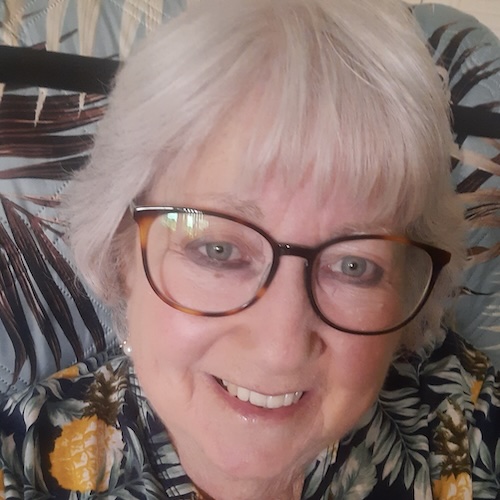
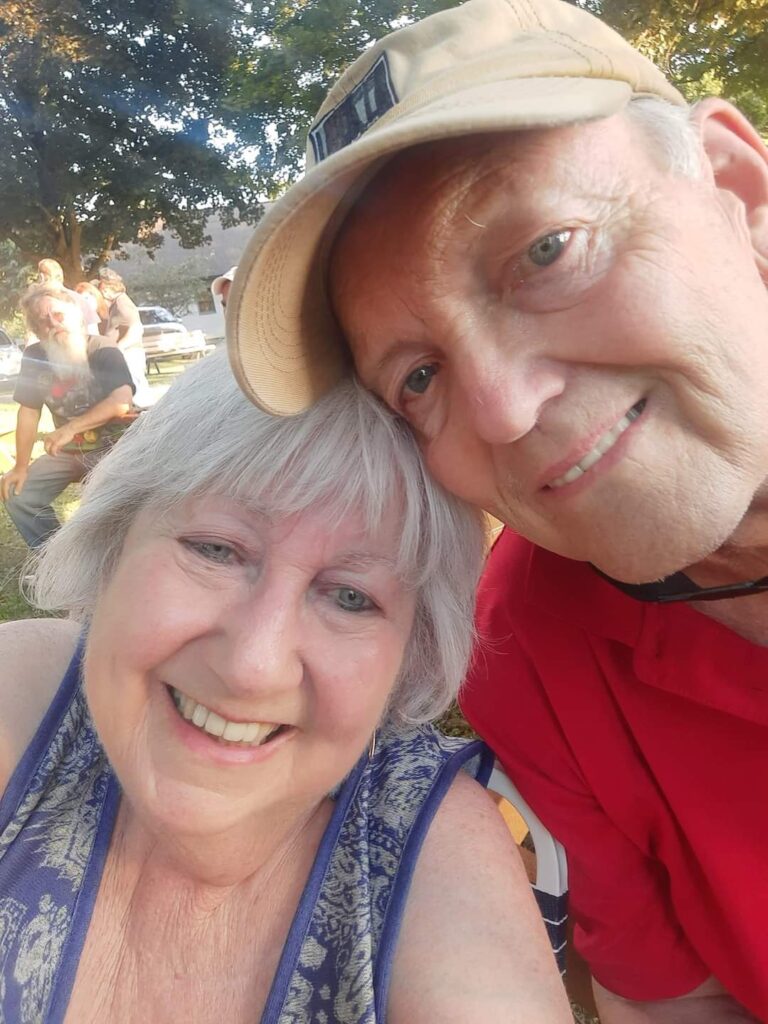
Lynn’s experience is also deeply shaped by support and community. Her significant other, Bob, drives her to appointments now that she no longer drives, and close friends in pharmacy and nursing understand both the science and the emotions behind a cancer diagnosis. She stays engaged in her small town, enjoying cooking, puzzles, photographing flowers, and free outdoor concerts at the park. These everyday joys keep her grounded and remind her that life is bigger than labs and scans.
Perhaps most importantly, Lynn has transformed her CLL experience into advocacy. She testified in front of Congress about the high cost of her BTK inhibitor, and now educates others about Medicare, drug coverage, grants, and the importance of getting information from reliable sources. For Lynn, teaching and supporting others with CLL is “the ultimate anti-anxiety medication,” and she hopes people take away strength, maturity, and a commitment to living life fully, no matter what their health looks like today.
Watch Lynn’s video and read her story below to learn more about how:
- A CLL diagnosis can arrive unexpectedly and long after the disease first appears in bloodwork, but effective treatments can help people live well for years with it
- Treatment plans can evolve, moving from traditional chemotherapy to targeted therapies like BTK inhibitors when side effects or age make older regimens less appropriate
- A strong support system, composed of partners, friends, and healthcare colleagues, can make medical appointments, treatment decisions, and day-to-day life with CLL more manageable and less isolating
- Becoming an informed, empowered patient through asking questions, learning about medications, and understanding insurance can reduce anxiety and improve care
- Lynn’s transformation from oncology nurse navigator to CLL patient advocate shows how lived experience with disease can fuel meaningful advocacy around drug costs, Medicare, and access to care for others
- Name: Lynn S.
- Age at Diagnosis:
- 62
- Diagnosis:
- Chronic lymphocytic leukemia (CLL)
- Symptom:
- Elevated white blood cell count
- Treatments:
- Chemotherapy
- Targeted therapy: BTK inhibitor
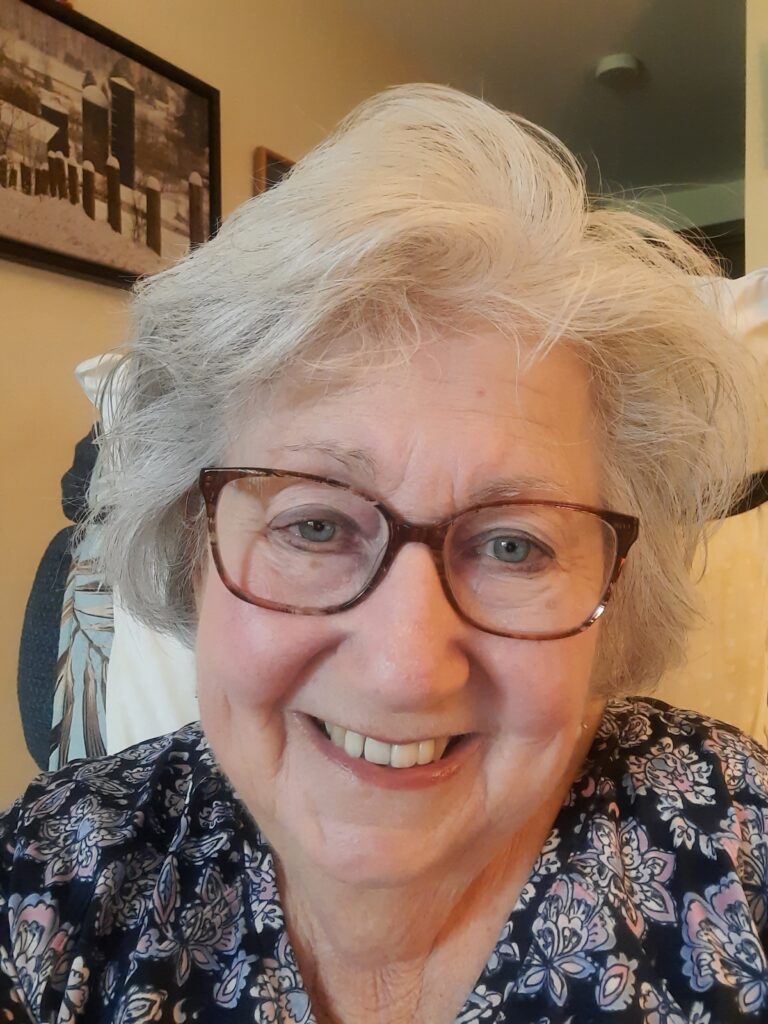

Thank you to AbbVie for supporting our patient education program. The Patient Story retains full editorial control over all content.
This interview has been edited for clarity and length. This is not medical advice. Please consult with your healthcare provider to make treatment decisions.
- About Me
- How I Found Out I Had CLL
- How I Reacted to My CLL Diagnosis
- My CLL Diagnosis and Treatment Timeline
- My Support System: Family, Friends, and Finances
- I Advocate for Drug Cost and Insurance Coverage
- How I Live With CLL
- My Thoughts on Clinical Trials and Who They Are Best For
- Program Highlight: Building a CLL Game Plan: Strategies for Treatment, Trials, and Team Building
- I'm Seeing Cancer in Younger People
- The Side Effects of BTK Inhibitor Therapy That I Experienced
- My Family History, Other Conditions, and Vaccinations
- Staying Mentally Grounded and Finding Peace
- How Advocacy and Educating Others Help Me Cope
- What I Hope Others Take from My Story
- Why It’s Important to Be Informed and Empowered as a Patient
- Resources I Trust and My Final Thoughts
“Every day, you have to live life to its fullest, no matter what your health issues are.”
Lynn S. – CLL patient
About Me
My name is Lynn. I am originally from Brooklyn, New York, and I moved upstate to Central New York in the year 2000.
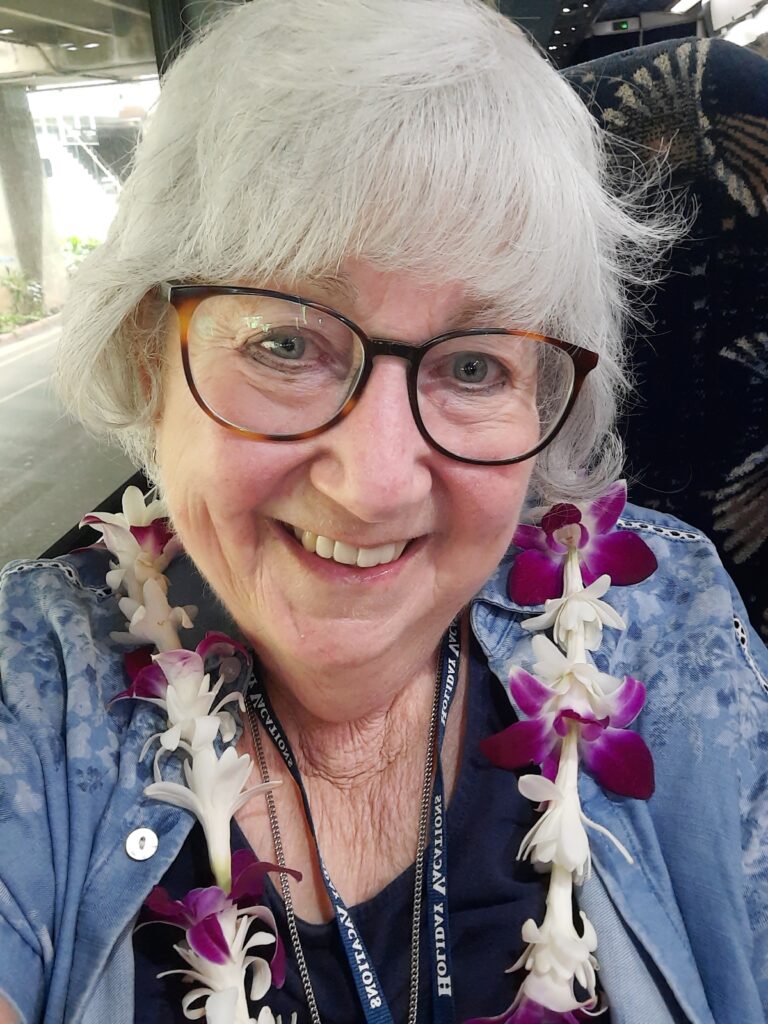
I am a retired R.N. with experience in the operating room and oncology. I was the very first oncology nurse navigator in my cancer center. And I love to photograph flowers.
I have a daughter who works in healthcare as well, with a school for at-risk children. She has diabetes and is in control of her own health. She’s on an insulin pump and has a continuous glucose monitor. She’s upfront with me about health issues, and we discuss them all the time.
My significant other, Bob, has his own son, who lives in Vermont, and his granddaughter just turned 13. I have a grandson who just turned 34 and who does not have diabetes. He’s very healthy and lives independently.
Do we get to spend as much time with them as we like? No. Driving is a big issue for us now that we’re older. But we do speak with them a lot. It’s good to stay in touch and yet maintain a level of independence. We don’t hover over our kids.
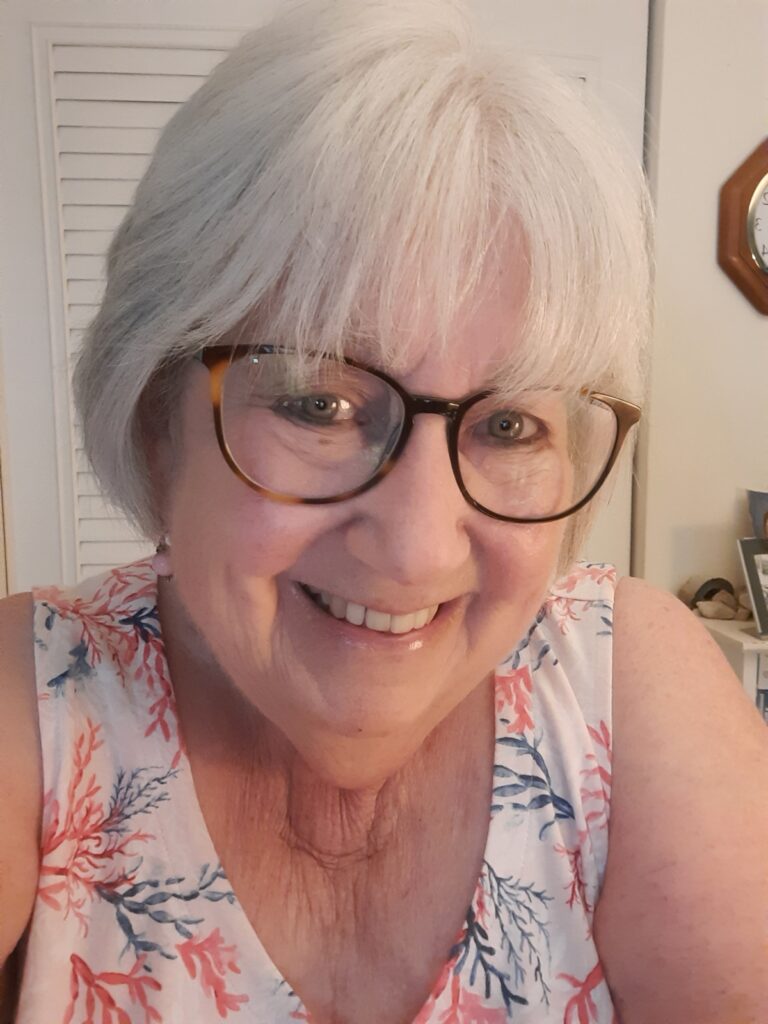
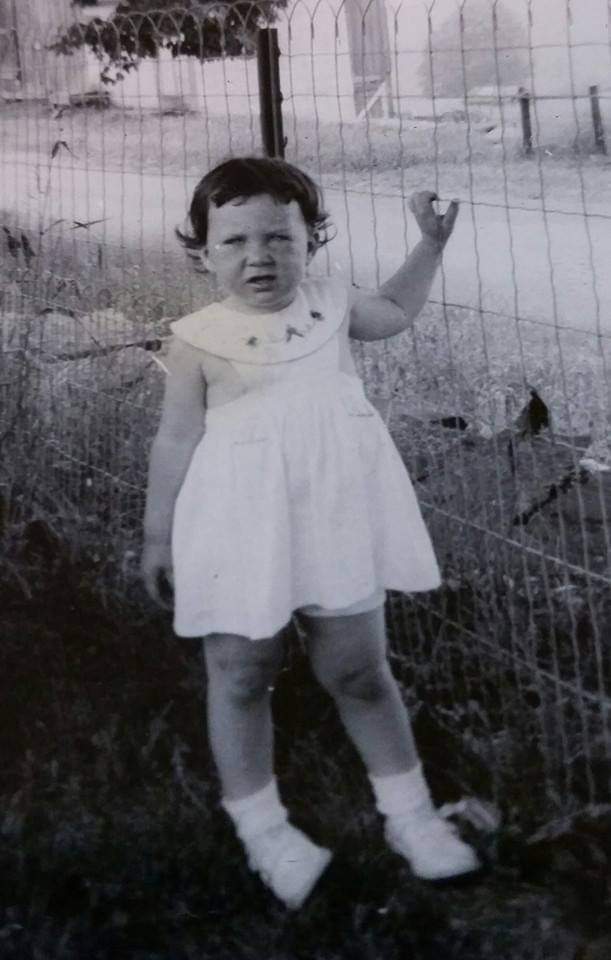
How I Found Out I Had CLL
Back in 2012, the nurses in our treatment room, in our oncology infusion room, had low white blood cell counts. We don’t know why. So they asked me to go have my blood drawn, which my primary care doctor agreed to do, just as a comparison. My white blood cell count and everything else was very high.
So I made an appointment to see my oncologist, and he said, “Lynn, you’ve likely had CLL for more than ten years, and nobody picked up on it.” That is how I was diagnosed.
When I look back, I realize that I never really paid attention to my white blood cell count. Although as a teenager, I had several instances where I had very high, elevated white blood counts. My primary care doctor at one point thought I had gallbladder issues, and he sent me for all these scans, and whatever happened, it resolved.
At one point, I had an abscess in my tooth that had an off-the-charts white blood cell count, and my primary care physician had to give me a million units of penicillin via intramuscular injection.
So I never paid much attention. The doctor said it was fine; I never looked. I never looked at my platelets, my red blood cell counts, my hemoglobin, hematocrit, anything. Now I look all the time.
I have not had the sequencing and testing that some people have had.
How I Reacted to My CLL Diagnosis
Well, having been a nurse for many years, I realized that it was a chronic illness and that there was no cure. I was not upset at all.
It was much better for me than being diagnosed with acute leukemia as an adult. Many who are diagnosed often succumb to the disease. People with other solid tumor cancers also ended up succumbing to their disease. So I was grateful at that point, when I knew that I would likely have to take medication for the rest of my life.
I said, “Well, I’m on Synthroid. I have coronary artery disease. I take blood pressure medication. So why not? It doesn’t matter.”
My CLL Diagnosis and Treatment Timeline
I started with watch and wait, and ultimately progressed to the point where my lymph nodes were all getting large and I needed treatment.
My treatment was a little complex. I started treatment, I believe, in 2015 or late in 2016, when I had one round of IV chemo, which put me in the hospital.
Luckily, the oncologist said at the last American Society of Hematology (ASH) conference that they were no longer treating people over 65 with traditional cytotoxic chemotherapy. Another drug had just been approved, and he put me on that. But that was also interrupted because when I was in the hospital, they found a very small lung cancer, and I had to stop for surgery. So I had almost a year’s delay.
I have been on continuous therapy since 2018 with that new drug, and I’ve never been off it.
My Support System: Family, Friends, and Finances
I have a significant other, Bob, who’s extremely supportive. Because I can no longer drive, he takes me to all my many appointments.
I just saw my oncologist as well, so he has been very supportive.
My very best friends, one was the oncology pharmacist and my other is also an R.N., are both very, very supportive.
Thankfully, I do not need financial support. There are grants available for the medication.
I Advocate for Drug Cost and Insurance Coverage
I had the opportunity to speak before Congress at one point to Speaker Nancy Pelosi. I testified that my BTK inhibitor at that time was about maybe $12,000 a year. It’s now $17,000 a year. And who could afford it? Nobody, not even a retired R.N.
Medicare, fortunately, had the provision in it to hit an out-of-pocket max this past year of $2,000. This upcoming year, it’s $2,100. Being a nurse navigator, I was fortunate enough to navigate myself into a grant with the Patient Access Network Foundation. A lot of people go through the Leukemia and Lymphoma Society, which has now changed its name to Blood Cancer United. They are also very generous with grants.
Because I’ve been on a grant for these years, it’s almost automatically renewed, so I don’t have to worry about that yet.
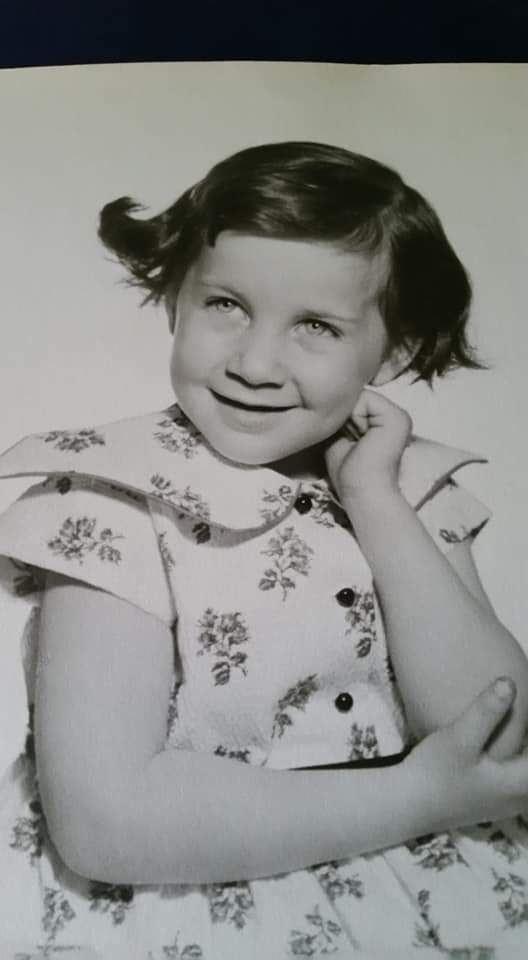
I realized that it was a chronic illness and that there was no cure. I was not upset at all.
Lynn S. – CLL patient
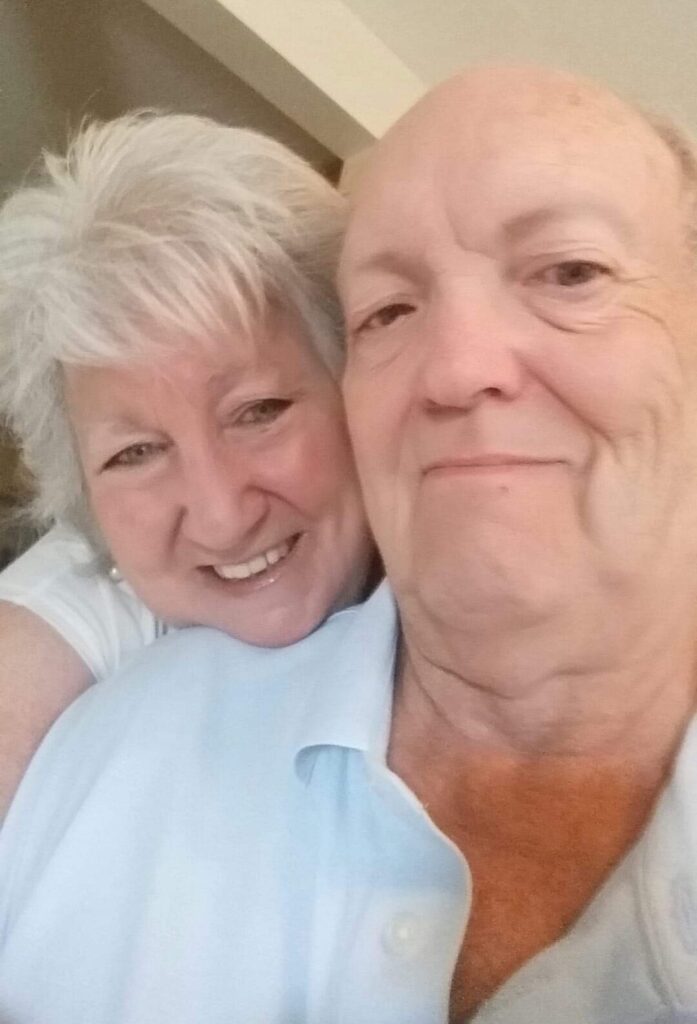
How I Live With CLL
Every day, you have to live life to its fullest, no matter what your health issues are.
I continue to enjoy cooking, watching game shows on TV, going out in nature, and taking car rides. We live in a very rural area. Thankfully, it is now the 200th anniversary of the Erie Canal, which we are a good part of, and I take pride in that. In a smaller community, other than Brooklyn, New York, which has millions of people, there’s a big connection to the community here. We have a series of arts in the park every Monday night starting in May. We have musicians who come to the local public park, and they do performances. We have food trucks, and we get to meet all these people. We have become very friendly with some of the band members. There’s a mobile fruit and vegetable truck that comes around. There are daily events all over the place. Now, for leaf peeping on Columbus Day weekend, which has just passed, there’s going to be a trunk or treat at a neighboring farm. So, it’s dairy country. It’s beautiful.
Genetically, we are predisposed to neither blood cancers nor very many solid tumor cancers. But I truly believe that God doesn’t give us anything that we cannot handle.
I like to educate people about leukemia and bone marrow cancers, and that basically, the only so-called cure would be a stem cell transplant. Those have additional problems and complications, and at 75 years old, I’m not willing to go through any of those. So I’m staying where I am.
My oncologist has told me I’m going to stay on my current drug until it no longer works, and then there are other options. There are so many options.
When it first came out, my oncologist told me it needed to be in a doublet, a combination of two BTK inhibitors. Now there are so many choices. There are triplets, doublets. There are infusions with BTK inhibitors, and there’s another one as well. So there are a lot more different programs in the air right now that I could ultimately get if I needed to.
My Thoughts on Clinical Trials and Who They Are Best For
My doctor was head of the research department at our hospital, so I would be open to joining a clinical trial. But because I’m stable, I’m not willing to give it a chance. I have so many comorbidities: coronary artery disease, for one. That’s a big issue. So I’m just going to stay with the program.
But I do support clinical research. I do support people getting involved in trials. I think those are for people with much fewer comorbidities or other medical issues, and those who are younger.
Actually, CLL used to be a disease of the elderly. If you live long enough, you’re going to get it. But now it’s a disease that is being diagnosed in the 30s, 40s, and 50s. So it’s different. I don’t know if it’s because of our environment or spontaneous mutations. It’s very complicated.
My CLL Story Continues Below
Program Highlight: Building a CLL Game Plan: Strategies for Treatment, Trials, and Team Building
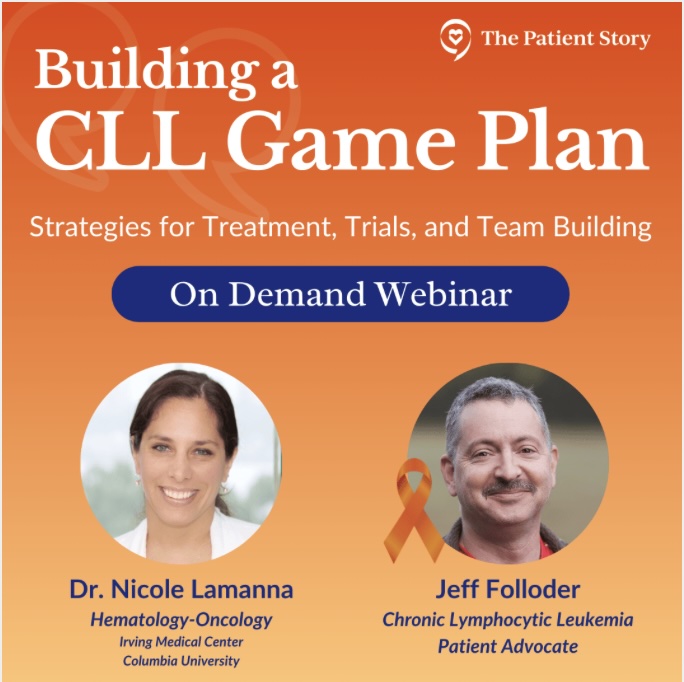
Chronic lymphocytic leukemia (CLL) care is getting more personalized than ever.
CLL patient advocate Jeff Folloder and expert hematologist-oncologist Dr. Nicole Lamanna (Columbia University Irving Medical Center) explain how today’s innovative targeted therapies, time-limited treatment options, and emerging clinical trials can help patients craft a care strategy that truly fits their needs. The conversation dives into how to assemble a strong, collaborative medical team, at both local hospitals and major centers, so patients and families feel empowered at every step.
Program Topics
- Set Your Treatment Strategy: Understand targeted therapies (BTK and BCL-2 inhibitors), their benefits, and when time-limited options fit your journey
- Explore Clinical Trials: Discover how and where clinical trials fit in the CLL landscape, plus how to find the right match — whether at a major center or community clinic
- Build an Empowered Team: Learn how to connect with local doctors and specialists from top centers for a coordinated plan, and what roles nurses, advocates, and social workers play
- Get Organized: Practical tips for tracking labs, sharing results, and communicating with your care team
- Prioritize Quality of Life: Find resources to manage daily challenges like fatigue, infection risk, and stress, while keeping your goals central to treatment talks
- Join Your CLL Community: How support groups and partnerships can boost health literacy, advocacy, and your decision-making power
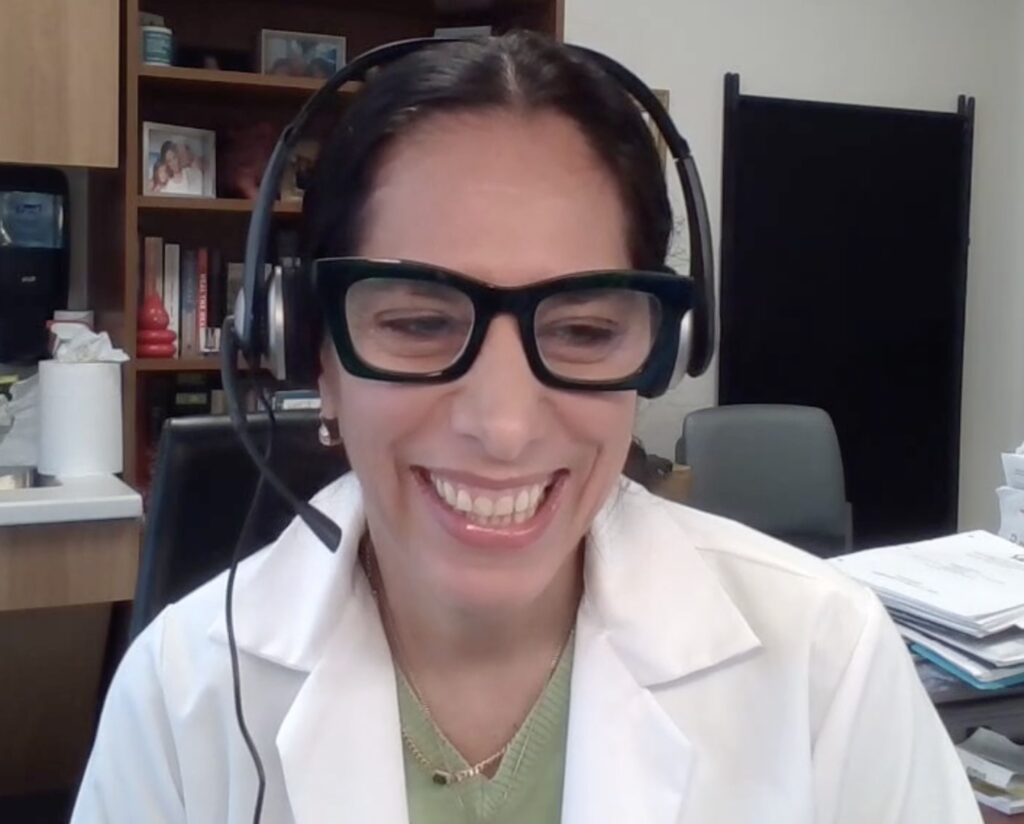
Dr. Nicole Lamanna: “I love taking care of this disease and patients with this disease, and trying to figure out therapies that will improve your life and the quality of your life.
“Now we have really good options for patients. Some patients, if they want, can take a chronic continuous therapy. And we’ll talk about that. Or some people could take a time-limited therapy.
“And this really does become a discussion between the provider, your provider and you. Because the good news is these are really great treatment options, both of them.”
Dr. Lamanna recommends that CLL patients find specialists.
Dr. Lamanna: “I think it’s always good to touch base with the CLL specialist and have them part of your team because they can be helpful. They can… bring up treatment ideas that maybe the local physician hasn’t thought of or can partner with the local physician.
“This is a rare disease. I am not knocking the community docs. They work really hard, but they might see a variety of different diseases, and… they may not know the most up-to-date information about CLL per se if they’re treating many, many diseases.”
She wants patients to be open-minded about clinical trials.
Dr. Lamanna: “I think that there’s a big misconception out there about clinical trials… we can only move the field forward through clinical trials.”
Dr. Lamanna wants all patients to feel empowered and prepared.
Dr. Lamanna: “It’s always important to write a list down because you don’t always remember when you go to the office. And then… maybe you’re a little scared. You just had your blood drawn. You forget things… you’re anxious, totally normal during a visit.”
For the rest of this interview, watch our program replay ON DEMAND.
Learn what’s changing, how it impacts treatment decisions, and what it all means for patients today.
Back to My CLL Story
I’m Seeing Cancer in Younger People
I’m seeing more young people with colon, breast, and pancreatic cancer. I have friends who have been nurses and worked at cancer centers and have ultimately gotten some type of cancer. Thankfully, we know what to do. We don’t freak out about it as much as some individuals.
I belong to a CLL support group on Facebook, and some people who are diagnosed in their 30s are often very freaked out to think that they could be on medication for the rest of their lives. I compare this with insulin-dependent type 1 diabetes. My daughter has type 1 diabetes. She’s had it since she was 12. She’s 55, thank God, and she is very well controlled. She can’t live without that medication, just as I can’t live without mine. It’s better to take medication for the rest of your life than to succumb to something that is perfectly treatable in this day and age.
Doctors are promising other combinations for five or even more years of remission from CLL, but that wouldn’t be good enough for me. Remission for life is the ultimate goal.
The Side Effects of BTK Inhibitor Therapy That I Experienced
I’ve had the usual bruising and bleeding that comes with BTK inhibitors. When I was initially taught, I was told, “Don’t use a razor. Be careful in the kitchen with knives.” I’m old, and the skin on my hands is very thin, so I easily cut myself. I have Band-Aids all over. My hands are very bruised.
I’m grateful now for the winter because I can wear long sleeves. People don’t say, “Are you on a blood thinner?” and I go, “Yes, I am.” It’s quite consistent with being on a blood thinner, like when I was taking Plavix after a cardiac event. So, I bruise very easily. I bump into things. I wake up, and I have black and blue marks, but my platelets are good. I always check them.
My Family History, Other Conditions, and Vaccinations
I have a small family, and I made sure I told my cousins about my situation. My sister has a different hematologic disorder. It’s TTP, thrombotic thrombocytopenic purpura. She had zero platelets, so that was very, very serious. I’m grateful I don’t have that.
Diabetes and cardiac issues do run in our family. So we’re very upfront with each other as to health and maintaining our health, trying to eat a healthy lifestyle.
No diet can reduce my risk of CLL or make it go away. Some people in our support group say, “Oh, I can’t eat blue cheese,” and I say, “Well, blue cheese is made with bacteria, so maybe there’s a reason. I don’t know. I’m sure you could eat a little bit of blue cheese.”
Some people are worried about yogurt with lactobacillus. I know that we cannot get any live vaccines like measles. Of course, I’m immune; I had it as a child.
I’m very proactive, and I am pro-vaccination. I know that we’re under-responsive in terms of vaccinations. Because we’re immunocompromised, we don’t get 100% coverage. I’ve had Covid three times. I just got my COVID-19 booster. I got RSV. I’ve had shingles. I’ve just had the flu, so I get them all.

It’s better to take medication for the rest of your life than to succumb to something that is perfectly treatable in this day and age.
Lynn S. – CLL patient
Staying Mentally Grounded and Finding Peace
I take anxiety medication. Does it help me? I guess it does.
I like to do puzzles, word puzzles, New York Times puzzles, and mini crosswords. I like to appreciate the beauty and the uniqueness that surrounds us.
I’ve said that I love taking pictures of flowers. I call the center of the flower the heart, the heart of the matter, and in its uniqueness, it often has patterns, like the sunflower: it’s concentric, like the bearded iris that has its tongue sticking out. I love hummingbirds as well. I enjoy them, even from May through September. I feed them. I have such wonderment about God’s tiniest creation, a bird that can hover as well as sit still.
I appreciate the beauty of life and the fact that I am alive.
How Advocacy and Educating Others Help Me Cope
They help me a lot. Most recently, I gave a public service announcement, a PSA, on my CLL Facebook group about Medicare open enrollment, which is now open from October 15th through December 7th. I am a healthcare expert, so I advise people and try to teach them about the A, B, C’s of Medicare. It’s actually A, B, C, D, E, F, so it’s quite complex, but I try to simplify it for people. You have to look, especially when you’re going for insurance, especially at 65, where you may or may not be able to change your original decision depending on where you live, your family, and your lifestyle.
Are you a smoker? Are you a drinker? Are you morbidly obese? I’m overweight; I know that. I still try every day to get out and do some walking, but I think teaching and educating people is the ultimate anti-anxiety medication for me.
What I Hope Others Take from My Story
I hope other people can get strength and encouragement from my story.
I could walk across the parking lot and get run over by a delivery truck. So every day, you have to live life to its fullest, no matter what your health issues are. You have to take the best care of your health to the best of your ability and with what we know in medical science.
I hope that other people are upbeat and can gain some level of maturity, knowing about their illness and what to expect down the line.
Once you have support from even one person, they can make all the difference in the world. Kindness goes very far.
Lynn S. – CLL patient
Why It’s Important to Be Informed and Empowered as a Patient
I think with education and information, you can make a difference in the world. You can make a difference to others. You can certainly make a difference to yourself.
I truly believe that there’s a reason why we cross paths with the people that we meet in life. What that reason is, I don’t know. But, for example, you might need help getting insurance one day, and you might say, “Hey, I remember Lynn. She has a lot of experience with insurance.”
As long as you’re an educated consumer, I think you have the best chance of surviving in today’s world with so much foolishness and mismanagement of health sciences and medicine. I think it’s very important to be well-informed about vaccinations, about medications, about contraception, about other issues, like political issues, which I won’t get into. It’s a tough world that we are all living in now.
Once you have support from even one person, they can make all the difference in the world. Kindness goes very far.
Resources I Trust and My Final Thoughts
Go to the best sources available. When I’m doing a search online, I’m always looking for information from Cleveland Clinic or Mayo Clinic. For CLL, CLL Society has the most up-to-date information, as well as the National Comprehensive Cancer Network (NCCN) guidelines for patients. They have the latest and the best up-to-date information, what’s new and what’s fascinating. We like to share all that information in our group.
I am grateful to be helpful to the group. Some people don’t like me being so forward, I guess. I’m from Brooklyn. You can leave Brooklyn, but you can’t take Brooklyn out of me. New York City is a tough place to grow up in, and I am street smart, and I’m quite smart as well.
Special thanks again to AbbVie for its support of our independent patient education content. The Patient Story retains full editorial control.
Inspired by Lynn's story?
Share your story, too!
More Chronic Lymphocytic Leukemia (CLL) Stories
Lynn S., Chronic Lymphocytic Leukemia (CLL)
Symptom: Elevated white blood cell count
Treatments: Chemotherapy, targeted therapy (BTK inhibitor)
Serena V., Chronic Lymphocytic Leukemia (CLL)
Symptoms: Night sweats, extreme fatigue, severe leg cramps, ovarian cramps, appearance of knots on body, hormonal acne
Treatment: Surgery (lymphadenectomy)
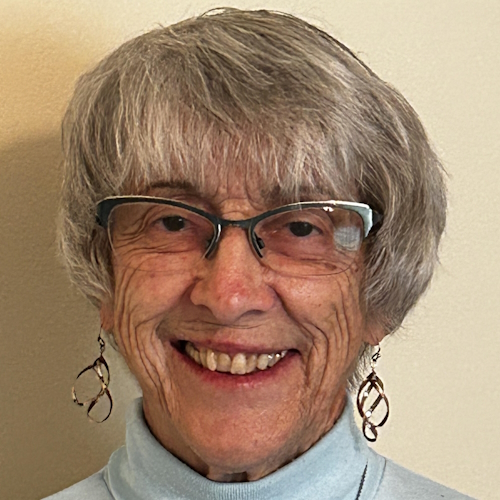
Margie H., Chronic Lymphocytic Leukemia
Symptoms: Large lymph node in her neck, fatigue as the disease progressed
Treatment: Targeted therapy
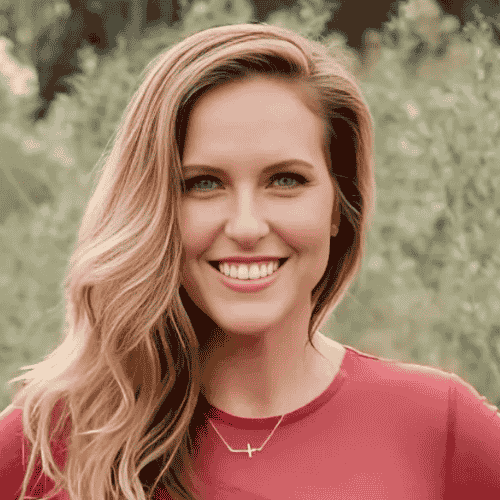
Nicole B., Chronic Lymphocytic Leukemia
Symptoms: Extreme fatigue, night sweats, lumps on neck, rash, shortness of breath
Treatments: BCL-2 inhibitor, monoclonal antibody