
From Fitness-Focused to Stage 4 Melanoma: Jenn’s Cancer Story
Jenn’s stage 4 melanoma experience began with what looked like a healthy, active life in Ohio. A self-described avid worker-outer, she spent the COVID years building strength, working out daily, and prioritizing wellness alongside her close-knit family and friends. When cancer entered the picture, it clashed jarringly with the identity she’d built as someone who rarely got sick and took her health seriously.
Interviewed by: Taylor Scheib
Edited by: Katrina Villareal
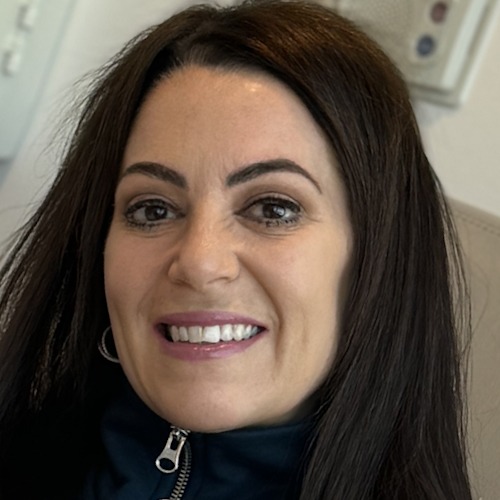
Jenn was completely asymptomatic when she noticed a tiny lump in her groin in early 2023. At first, it seemed like a pulled muscle or ingrown hair. Multiple visits to primary care led to reassurance that it might be a benign lipoma. As the lump grew, changed color, and spread to additional baby lymph nodes, Jenn and her husband pushed for more answers.
An ultrasound raised concerns, and a combined surgery for a scheduled, non-related hysterectomy and lymph node removal finally revealed the truth: metastatic malignant melanoma. Soon after, a PET scan showed that it had spread to her lungs, and an MRI confirmed lesions in her brain.
That’s when Jenn’s experience with advanced melanoma treatment began in earnest. At the Cleveland Clinic, Jenn met a melanoma specialist who recommended immunotherapy. Jenn advocated for the more aggressive combination of Opdivo (nivolumab) and Yervoy (ipilimumab), along with Gamma Knife radiosurgery for seven brain lesions.
The combination therapy triggered life-altering side effects, which included fever, severe rash, colitis, profound fatigue, and weight loss from 126 to 90 pounds. Still, she kept telling herself, “I may have cancer, but cancer doesn’t have me,” and pushed through three intensive combination doses before switching to maintenance Opdivo alone for two years.
Finishing 24 Opdivo treatments without abnormal blood work marked a turning point. Jenn slowly rebuilt her strength, returning to Pilates and working out four to five times a week. Today, she has regular PET scans and MRIs, lives with deep gratitude for everyday moments, and emphasizes sun safety and self-advocacy. She urges others to wear sunscreen, avoid tanning beds, and insist on biopsies of concerning skin changes. For Jenn, the experience has crystallized her purpose of being a mentor who reminds others, “You’ve got this,” and that choosing hope is always worth it.
Watch Jenn’s video or read the edited interview transcript below to know more about her stage 4 melanoma story.
- Listening to your body matters: A small, painless groin lump in an otherwise healthy person turned out to be stage 4 melanoma involving lymph nodes, lungs, and brain.
- Being your own advocate is essential: When initial providers dismissed her concerns, Jenn and her husband persisted, sought additional opinions, and pushed for imaging and specialist care.
- Immunotherapy can be both powerful and punishing: The Opdivo (nivolumab) and Yervoy (ipilimumab) combination caused intense side effects and hospitalizations, but it also contributed to Jenn’s positive results.
- A universal truth: Medical scans and test results matter, but so does mindset. Jenn’s focus on “cancer doesn’t have me” helped her navigate fear, side effects, and uncertainty.
- Transformation: Jenn went from a stunned, newly diagnosed 49-year-old reading “metastatic malignant melanoma” on her phone to a resilient mentor who works out again, celebrates every scan, and supports others through their own experiences.
- Prevention and awareness save lives: Jenn now champions sun safety, strongly discourages tanning beds, and urges everyone to push for biopsies of any skin spot that doesn’t look or feel right.
- Name:
- Jenn F.
- Age at Diagnosis:
- 49
- Diagnosis:
- Melanoma
- Staging:
- 4
- Symptoms:
- Initially asymptomatic, then a lump in the groin enlarged and changed color
- Treatments:
- Surgery: lymphadenectomy (lymph node removal)
- Radiation therapy: Gamma Knife radiosurgery
- Immunotherapy: Opdivo (nivolumab) and Yervoy (ipilimumab)
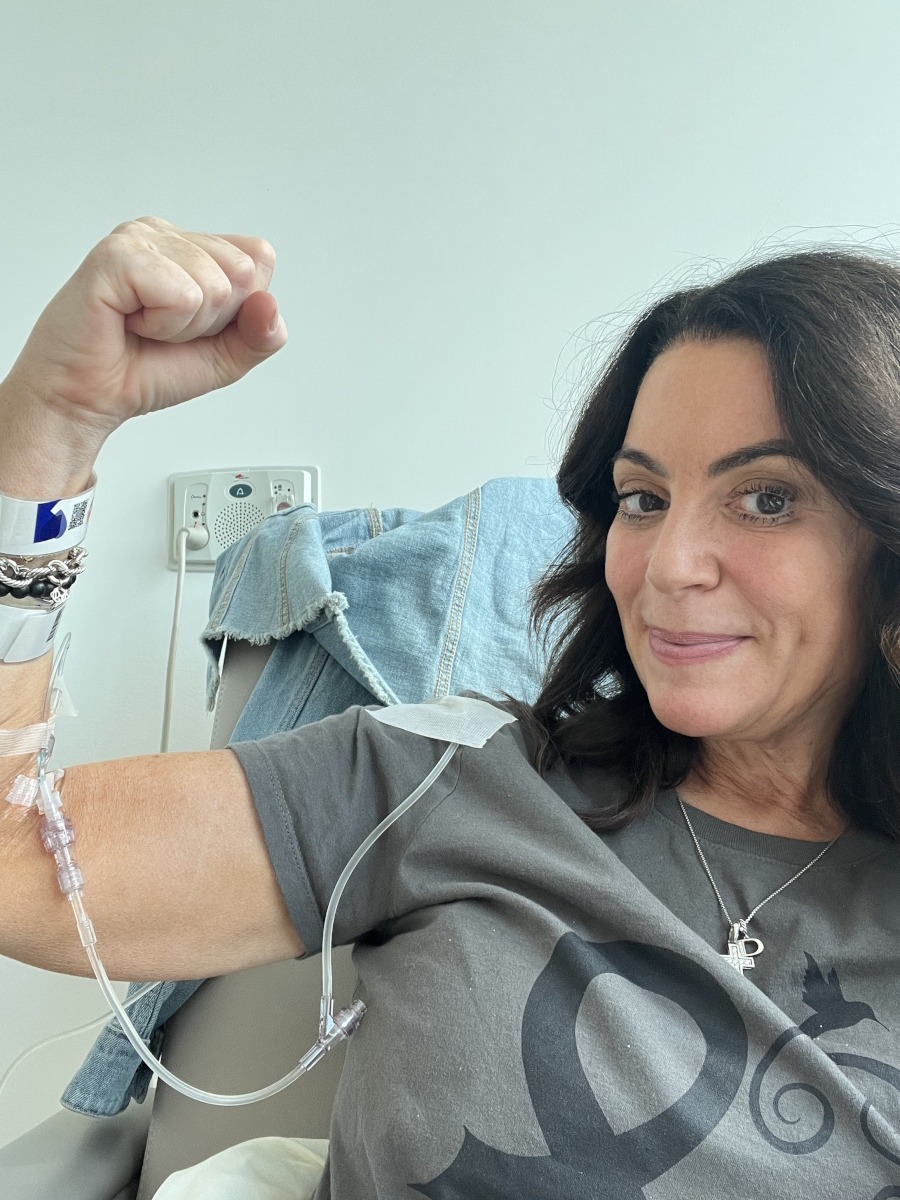
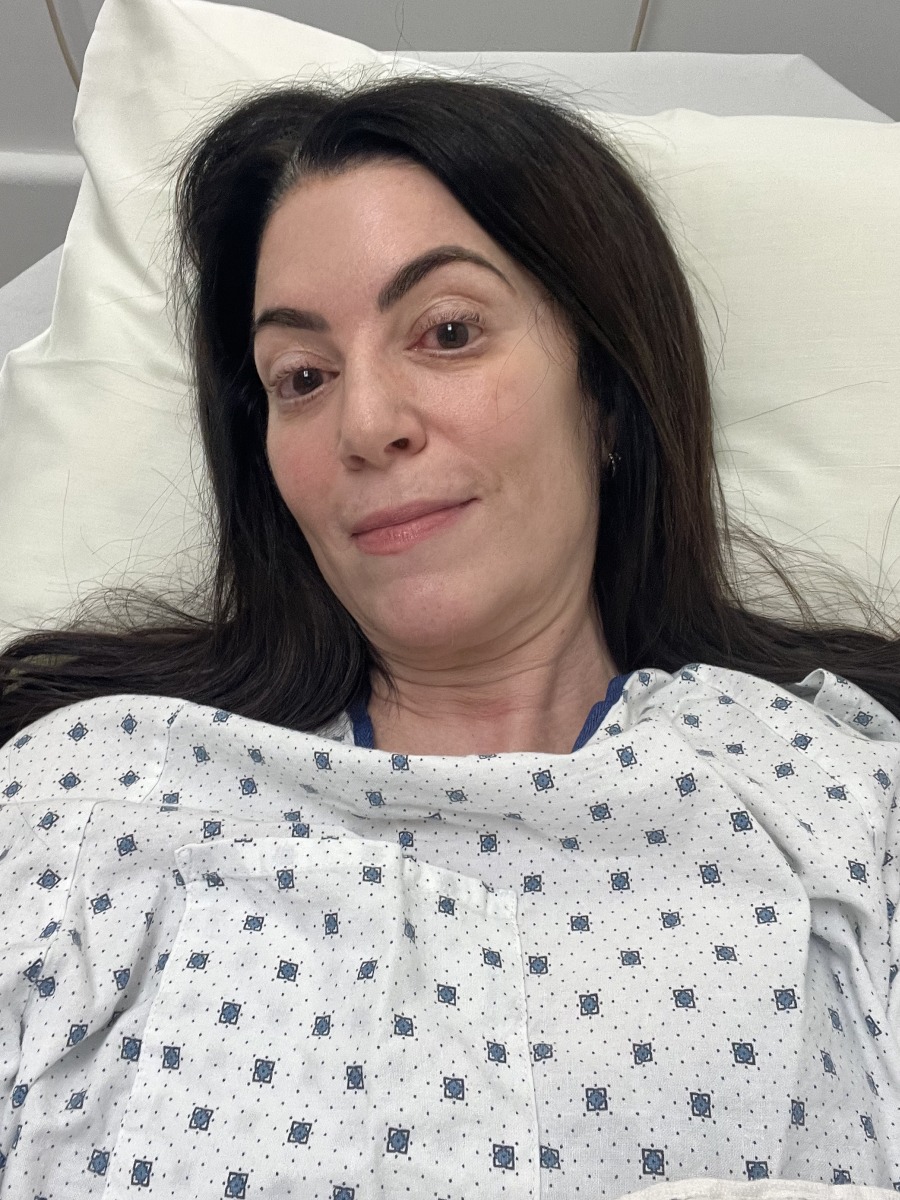
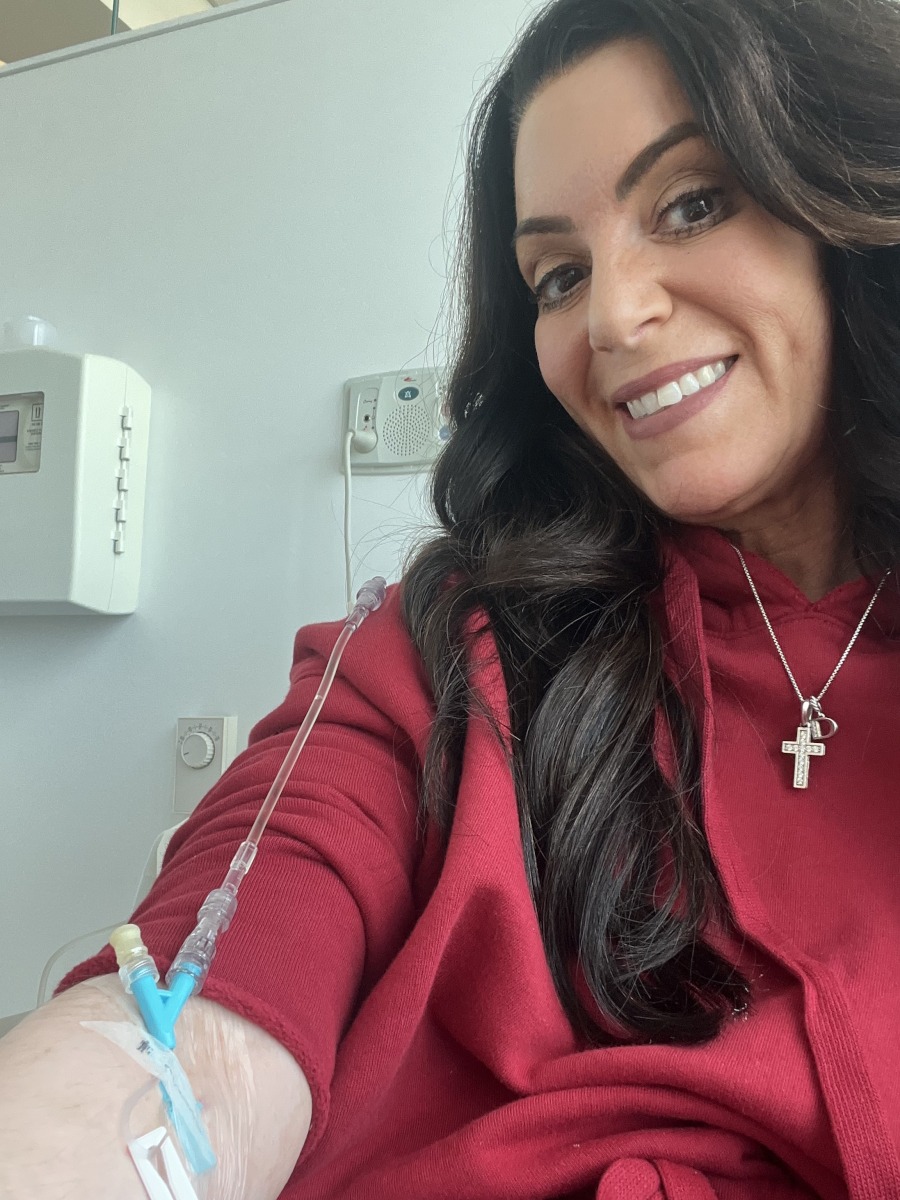


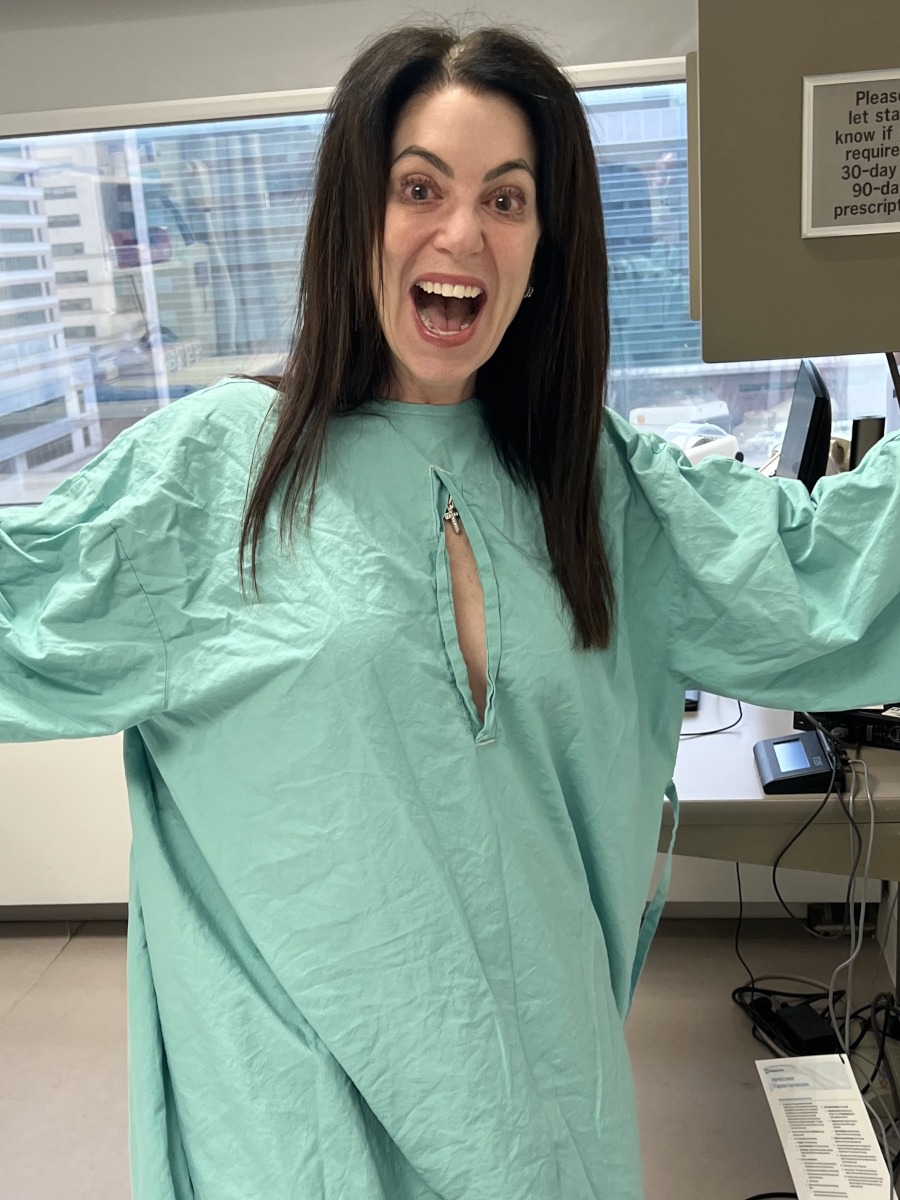
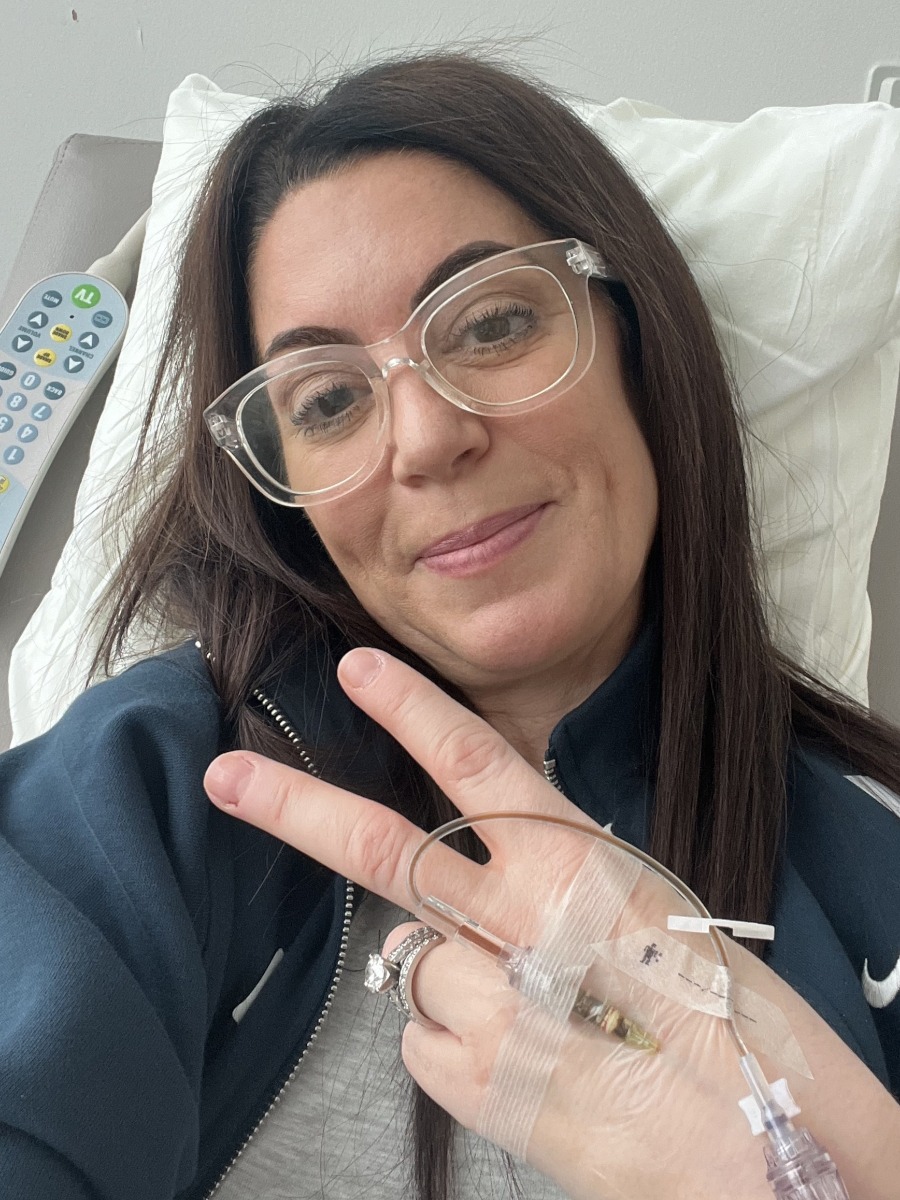
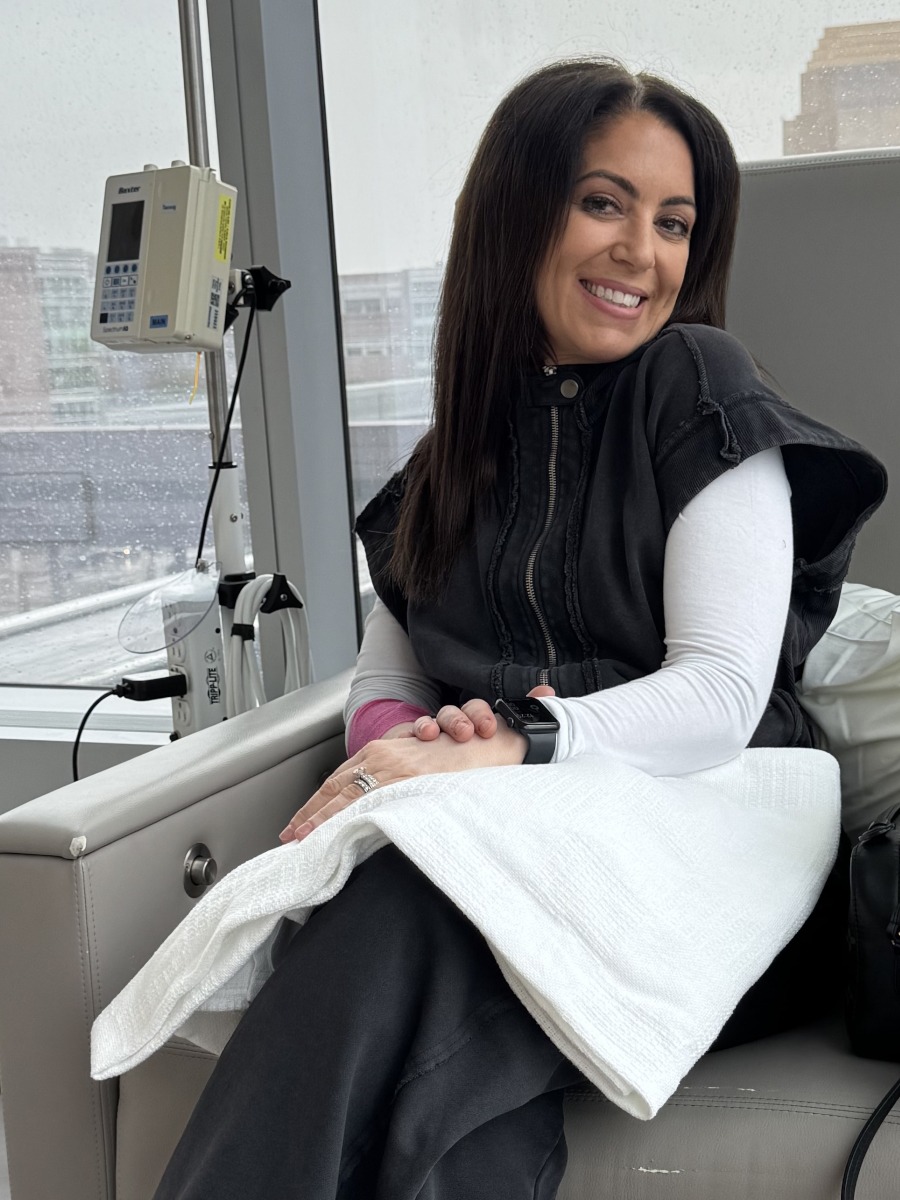
This interview has been edited for clarity and length. This is not medical advice. Please consult with your healthcare provider to make informed treatment decisions.
The views and opinions expressed in this interview do not necessarily reflect those of The Patient Story.
- Who I am
- Before cancer: My life and fitness journey
- The shock of my melanoma diagnosis
- How my stage 4 melanoma was discovered
- The moment everything changed
- Hearing “stage 4” and what came next
- Choosing aggressive immunotherapy and discovering it had spread to my brain
- Gamma Knife for brain lesions and starting Opdivo + Yervoy
- Brutal side effects from combination immunotherapy
- Finishing immunotherapy treatment
- Rebuilding after cancer
- How cancer changed my life
- What I wish people knew
- My purpose now
Who I am
My name is Jenn. I’m from Ohio. I’m 51 years old and I was diagnosed with stage 4 melanoma in December 2023.
Before cancer: My life and fitness journey
I was a happy-go-lucky person. I was very sociable with good close friends and family. We were always having get-togethers with family and friends. A very close-knit friend group is very important to me as well as to my husband. Before cancer, I was a very avid gym person; an avid work-outer, I would say. I worked out all the time.
During COVID, I worked out every single day. I did, too, before that, but not as hard. I wanted to get my health in check, even though I was very healthy. It was important to me that since I had the time, the structure, and a super fit husband, I knew that this was my chance to become healthy and in the best shape of my life. I became super healthy and felt great
Working out was my life for a while. It gives me clarity and I see results in the end. It’s a challenge for me to do heavy workouts and some things I’ve never done before. It’s always a challenge, but when that workout is over, I feel so good when I’m done. At the end of the day, I’m like, “Oh my gosh. I conquered a goal that I set out for myself.” You feel healthy and strong. For me, that was super important. I felt that during this journey. I felt strong, healthy, and rewarded. It’s very rewarding.
The shock of my melanoma diagnosis
It’s so crazy to hear stories of someone who was training, in the best shape of their life, and had their health intact, get slapped with a stage 4 cancer diagnosis. It is very bizarre. I can’t even explain it.
When I was diagnosed, I was taken aback because I didn’t understand how such a healthy, fit individual could be diagnosed with such a scary cancer that not many people are educated on. Cancer was never a thought.
When my husband and I would hear of people getting diagnosed, we would talk about it and I would say, “If I were ever diagnosed with cancer, I don’t know how I would be able to handle that news.”
I thought that the healthier I was, the less chance of becoming sick or even coming down with a diagnosis of cancer. I was extremely dumbfounded and didn’t understand how this could happen to somebody as healthy and in as good of shape as I was in. It was a surprise to me.
I didn’t understand it. I have stage 4 melanoma. I’ve got skin, but I didn’t understand how I could have it. I knew skin cancer and melanoma are very different, and a lot of people don’t know that. I was one of them. I had no idea. I never educated myself on that. It was a surprise to me to find that out.
How my stage 4 melanoma was discovered
I was 100% asymptomatic. I never had headaches or trouble breathing, even though my cancer spread to my brain and lungs. I never had any issues. I was a person who was never sick. I never felt anything.
At the beginning of 2023, I noticed a lump in my groin. It was a very small lump, smaller than a dime. When I felt it, I thought it might be a pulled muscle or an ingrown hair from shaving my legs. I brushed it off and decided I’ll wait a little bit.
As time went on, I would say two to three months, the lump was getting bigger. By that time, it was as big as a nickel. I said to my husband, “This is weird. Should I have this checked?” He said, “I think it would be a good idea to get it checked.”
I started with my primary care doctor, who was a friend of ours. I said, “Let me call him and get an appointment. I want him to check this out.” I had to wait a month, which was very understandable. I didn’t take that relationship with him to mean that I had to be more important than others. When I got in, he checked it and said, “It may be a lipoma. I don’t see anything significant with it. It doesn’t hurt you. It doesn’t look like it’s an infection,” because it was just a lump. There was no redness. My blood work was great. So I moved on and never thought anything of it.
Two months go by. By now, we’re probably six months from the beginning of me feeling this. It started to change color a little bit, and now it’s the size of a quarter. This was when I started feeling a little bit nervous. Unfortunately, the same thing happened. I went to my primary care doctor and it was brushed off. Looking back, it was disappointing, but I don’t look back anymore. At that point in time, it was very disappointing because this was a friend.
Luckily, my husband is in the medical field, so he reached out to some of his colleagues and said, “Hey, I want you to look at this bump that Jenn has in her groin, and now she’s developed one in the inner thigh.” It’s not a hard lump. It gets big and then gets small, and it was very warm. At this point, I was thinking, “Do I have an infection in my leg, and we just don’t have a clue as to what this is? We need to act on this.”
My husband’s friend, who’s a surgeon, felt it and said, “You need to get to a dermatologist because this is skin-related. I’m a spine surgeon. This has nothing to do with the spine, but I know that something is wrong.” I was a person who regularly had skin checks. When I got to my dermatologist, I explained what the issue was, and they got me in right away.
The first thing they wanted to do was an ultrasound. They wanted to see because they felt it was so deep in my skin. They didn’t think it was something they could address as a simple in-office surgery, because there are surgeries like Mohs surgery, where they remove it and see how deep it is in your skin. By the feel of it, they said, “I don’t think we should do anything like that. We need to act upon this.” They did the ultrasound. They didn’t even do a biopsy, which was fine. I was okay with that.
When they got the ultrasound results back, the sizes and color were very concerning to them. They then decided, “You need to get these removed. Then a biopsy can take place.”
The general surgeon who looked at them said there looked to be more than those two. They traveled up my leg — from my inner thigh, right above my knee, to my groin. He said that he called them “baby lymph nodes.” Again, cancer was never even mentioned at this point. That wasn’t even a thought.
The moment everything changed
It was now December. I had a non-related hysterectomy scheduled. The surgeon I was going to works at the same surgical center where my gynecologist was. I asked, “Instead of having two surgeries, can I just have one?” I was able to have one surgery. He said, “I’ll get with your gynecologist. I’m going to come into the room. I’ll have him do his part first. Then we’re going to go in.”
When the day came, he marked every place where my lymph nodes were. He said that there were almost 12, but he didn’t want to remove them all because he didn’t want to mark up my leg. He said, “You’re young and healthy. I don’t want to mark up your leg because you’ll have scars.” I said, “Do what you have to do.” I had never had surgery before, so to have a hysterectomy and that at the same time, I was pretty nervous, but there was nothing I could do. I just dealt with it.
Both surgeries went great. I stayed the night in the hospital and was sent home the next day. Then I had my follow-up checkup for my hysterectomy. On my way there, the results came across on my MyChart, which I didn’t even expect. I thought I was just going to be scheduled for a follow-up appointment with my surgeon after my gynecologist. MyChart has its pros and cons. It sent me my test results and, at that time, it wasn’t good.
I opened it up and had no idea what “metastatic malignant melanoma” meant. Honest to God. I consider myself a pretty intelligent person, but I was in shock when I saw that. I didn’t understand. I know malignant and metastatic are cancer terms.
I get to my gynecologist and as soon as he walked in the room, he looked like he was nervous and up in arms. I said, “Doc, I have to show you this.” I showed him the MyChart and said, “Can you tell me what this means?” He said, “I’m not at liberty to discuss that part because it wasn’t my part of the surgery.” Now I’m freaking out. He said, “I just got off the phone with the surgeon. You can call his office after, and they’re going to schedule an appointment with you.”
My husband was at the surgery center and saw the surgeon who did the lymph node removal. The surgeon told him everything. I still had to go to an appointment the next day, which is how I found out. I found out through a general surgeon. At this point, I didn’t know where it had traveled. I didn’t know the staging. I just knew that it was cancer.
We figured that if it’s metastatic, it traveled. He explained that the reason it’s metastatic is that it went to multiple lymph nodes, but he said, “I’m not 100% privy into cancer, so I don’t want to go deep into that. I don’t want to give you false information.” I think he knew, but he didn’t want to say, which I’m completely fine with.
At that point, I was dumbfounded. I thought, “I’m healthy. How did this happen to me?” I did a little bit of research when I got home, which was the worst thing I could have possibly done, so I shut my computer and said I wasn’t doing it.
Hearing “stage 4” and what came next
The next day, I was able to get a PET scan through my husband’s friend. I got the results immediately because he was able to go in and check them. He called my husband and said, “Buddy, I don’t have the greatest news for you. Is Jenn around?” My husband put it on speaker and he said, “It traveled. It’s in her lungs. It’s stage 4.”
I dropped to my knees and immediately said, “I’m going to die. But I feel so good. When is it going to hit me? When am I going to start feeling like I have cancer? Because I feel good.” That’s when everything changed for me.
That day, we called my family to come over and my entire family came. I was a wreck. Anybody who hears, “You have stage 4 melanoma,” instantly thinks you’re going to be given so many months to live. I thought, “I’m done. I’m dead, I’m going to die. I’m 49 years old and I’m living with cancer inside of me.” I had a very difficult time understanding.
We were now at Christmas time. Not only was I diagnosed with cancer, but I had to be happy-go-lucky at Christmas. I didn’t have to, but I wanted to be. I’m with my family and my husband.
I was extremely blessed to get an appointment at Cleveland Clinic in Cleveland, Ohio. My family has a friend who works there. My brother sent out an email and I was lucky enough to get an appointment with an on-call melanoma specialist on December 29th. That is when my journey started: December 29th, with the medical director of the oncology division of melanoma. I was so happy because I didn’t want to waste any time.
I wanted to get all my medical records from every single doctor: the MRIs that I had on my back at one point in time, my primary care physician, and my PET scan. I had everything ready to take to my oncologist. On December 29th, I walked in and said to myself, “I’m not going to cry. I’m not going to use the word ‘death.’ I’m not going to ask for a timeframe. I’m going to educate myself on this and rely on her because she is the professional to get me to the place where I can say, ‘I beat this.’” December 29th is when I started my journey.
Choosing aggressive immunotherapy and discovering it had spread to my brain
At this point, I did not know yet that it had spread to my brain. When I met her, she saw my PET scan and went through what type of treatment she recommended and what she thought would be best for me, considering my age and being so healthy. She talked about just doing Opdivo (nivolumab). She said, “I think 30% of people respond well to this.”
I said, “No. I don’t want to be that. I want to be the miracle girl. I want to be known as the girl who was more of a percentage. I want to be the face of melanoma that’s going to beat this. Please be more aggressive with me. I have stage 4. Is there a way that you can be more aggressive?”
She said, “There’s a combination regimen: Opdivo (nivolumab) and Yervoy (ipilimumab). I’m not sure I want to do that to you because the side effects are extremely tough. I don’t want you to have to go through that. I think you would be fine just on Opdivo (nivolumab). But stage 4 melanoma and melanoma itself loves the brain, so I’m going to send you down to get an MRI.” At this point, I was thinking, “You’re the professional. You’re the doctor. I trust you with my life or I wouldn’t be sitting here.”
She called down and I was able to go and get my MRI. She said, “Let’s wait for the results. I’m going to watch for it. As of right now, the plan for you is just Opdivo (nivolumab).” She gave me the side effects. They weren’t as bad as I thought they would be; typical flu-like symptoms. You get an IV and sit there for an hour. She went through a lot more information. She gave me booklets and pamphlets. She went through what she expects from me in terms of side effects: if you get this side effect, call this line; we want to treat it as quickly as possible.
As I’m sitting there, I’m thinking again, “I’m healthy. I don’t feel sick. Why do I have this?”
At the end of our appointment and on our way home, my husband and I went to meet with my nephews to have lunch with them. Probably 25 minutes into our lunch, I get a call on my phone from the Cleveland Clinic. Right away, I knew. They said it was her nurse. She said, “Hey, Jenn. How far away are you?” I live an hour and 20 minutes from the Cleveland Clinic, but we were 30 minutes away. She said, “Can you come back?” We knew then. I could tell by her voice.
When we got back, my doctor said, “It spread to your brain.” I was still in shock. No headaches, cognitive issues, or brain fog. I was myself. When she told me that, she said, “I think I’m going to change your treatment plan.” I said, “Thank you. Be as aggressive as you can, please.”
She said, “We don’t treat melanoma like you’re done, even though you’re stage 4 and it went to your lungs and brain. You’re a healthy individual. We can do immunotherapy. That’s the first line for patients who have what you have.” I said, “Okay, when can I get this? When do we start this? Can I come back tomorrow?” I was so determined. She said, “I’ve never had a patient who wanted to start this and was so positive about this.” I said, “This cancer isn’t taking me, so let’s go.”
Gamma Knife for brain lesions and starting Opdivo + Yervoy
She said, “What I want to do is deal with your brain first.” She called neurology and set me up with a neurosurgeon. She works with a bunch of neurologists because melanoma loves the brain. I was able to walk downstairs and meet with the neurologist.
She said, “Gamma Knife is the way to go.” I had seven lesions on my brain. They do Gamma Knife surgery for people who have fewer than 10 lesions. I didn’t have to have them surgically removed because they were small and weren’t close to the brain stem. The neurosurgeon said, “This should do the trick.”
They went through the whole procedure, talked about my mask, and what way I wanted to go. He thought they could do a smaller dose because there is a maximum dose you can get, but I was on the lower dose because he felt, with the size and whatnot, that they would dissolve themselves. We scheduled that and also my first immunotherapy. I was going to start four treatments of immunotherapy with Opdivo (nivolumab) and Yervoy (ipilimumab). She said, “We are going to try to get you through all four treatments, but let’s do your Gamma Knife first.”
I had Gamma Knife on January 7th. You go into this machine and have to wear a mask. I called it my superhero mask. I lie in the machine and it’s as tight as can be. The mask is on your face and you literally can’t move. Nobody can be in the room with you because all these beams shoot into your head, right into those lesions.
I had to be on a very small dose of a steroid for five days. I started my first immunotherapy treatment on January 17th. It would have been too much for me to have that strong treatment earlier.
Brutal side effects from combination immunotherapy
Immunotherapy was a butt kicker. I could only make it through three treatments. The percentage of people making it through one treatment is extremely low. I should have stopped at two, but I pushed myself to three.
After my first, I started getting bad side effects. I felt like I had the worst flu imaginable. I couldn’t even touch my skin because my bones ached. I had a fever. On my inner thigh to my groin, it looked like a snake had traveled from point A to point B. It was the immunotherapy attacking all of those lymph nodes in my leg. I called it in because when you have a fever over 100.1°F, you have to call in and report all your side effects. I thought I had an infection in my leg because of how red it was. They said, “No, that’s the immunotherapy working.”
The side effects continued to get worse. There’s nothing you can do except take acetaminophen. You can’t take other medications because they would interfere with immunotherapy, so I just fought through it.
On the week of my second treatment, they had to do blood work to ensure that my kidneys, liver, and blood counts are good, because immunotherapy is tough on your organs. I had great blood work, so I was cleared to get the second one.
I immediately started getting a rash from head to toe. It was so severe that I was in and out of the hospital because it got so inflamed that it also caused colitis, which I didn’t know then. I was vomiting and going to the bathroom up to 25 times a day. I ended up at the local hospital. I said, “I’m still getting treatment, but I don’t care. This has to go away.”
Fast forward to my third treatment, I pushed myself. I probably shouldn’t have gotten the third treatment, but looking back, I’m glad that I did because I wouldn’t be right here today if I didn’t. It was the strongest one of all and put me in the hospital, which was when I found out I had colitis. It was attacking my gastrointestinal tract. I had to see a gastroenterologist. I couldn’t keep food down. I was in the hospital for 34 days, I think.
I had to get transported to Cleveland Clinic, even though I was admitted locally, because I couldn’t make an hour-and-a-half car ride. At the local hospital, they said, “We’re transporting you because you need to be with your care team. They need to treat you.” I spent 24 days there and 10 days at the local hospital. That’s where I started to get treated. I stopped the double dose of immunotherapy and had to be off it for two months because my body had to get strong enough for me to continue with just Opdivo (nivolumab).
I kept saying to myself, “I may have cancer, but cancer doesn’t have me. Stay positive, Jenn, even though you feel like you’re going to die.” I stayed positive and kept a positive mindset. I had the best support system, but my biggest hero was my husband. Outside of my care team, he got me through all of it.
It was a very brutal treatment. It’s pretty unheard of for people to even get to three doses, but I did, and I will never look back. If I had to do it again, I would, because I wouldn’t be here today if I didn’t get that treatment. All those side effects meant that it was working. I knew that, so there was a positive side to it.
Finishing immunotherapy treatment
I did 24 treatments of Opdivo (nivolumab) in two years. She told me, “If you get any horrible side effects where it’s attacking your organs, I’m stopping it.” I said, “It’s not going to, and you’re not stopping it, because I’m getting through it and I’m going to get to the finish line. and I’m going to prove to everybody that I can do it.” And I did.
I finished my last treatment in January, and boy, did I celebrate. I celebrated every single treatment that I had because I was able to get through it. I still had major fatigue, and I would get rashes here and there that looked like chickenpox.
Before every treatment of Opdivo (nivolumab), I had my blood work done, and I never had any bad blood work results. They were all in the green every single time. Twenty-four treatments and I never had bad blood work. All of my results were good. That told me that all that hard work and dedication of working out and staying healthy contributed to this, and I was able to get through them all.
Rebuilding after cancer
During that time, it was hard for me to work out because of the fatigue. The days that I felt good, I walked on the treadmill, but I had major weakness in my legs. I lost all muscle mass. I went from a healthy 126 pounds to 90 pounds because of the colitis, so I lost all muscle mass in my legs. I couldn’t even make it up my steps.
During the first week of being home, my husband had to carry me up the steps. I said, “You’re not carrying me again. I’ll sit and push myself up the steps. I have to get this back,” because I was so determined. Now I’m back working out four to five times a week and doing Pilates again. I feel great. I feel wonderful. I’m getting stronger each day. I reward myself with good food and dinners. I reward myself with anything that I can. I’m a warrior. I deserve that.
How cancer changed my life
I get PET scans and MRIs every three months, but because I’m done with treatment, the MRIs have been moved to every four months. Every single time I have one, it’s successful, and it reminds me: I may have cancer, but cancer doesn’t have me. Life is such a beautiful thing, and we only get one life.
I love my family so much. I am such a family-oriented person. I cherish it and I celebrate it every day. I wake up every day so thankful that I’m waking up. Every single night my husband and I go to bed, we pray. We’re so thankful that we can see each other, walk, drive, eat, shower, talk, and see. Life is such a beautiful thing, and I never lose sight of that. I’ve always been a very positive person, but this made me appreciate the small things even more.
If my husband’s talking to me about his job and venting about something, I say, “It’s going to be okay. Everything’s going to be fine.” If I have to get my PET scan, I say, “Please, this is going to be fine. I’ve got this.” Nothing is worth stressing about. I know that sounds crazy because there are things you can stress about, but in the grand scheme of things, there aren’t. There’s nothing to stress about. If you keep a positive mindset and say to yourself, “I can do this,” or, “Why be sad today? You can choose happiness,” it’s your choice. You can choose happiness, so that’s what I choose. My husband’s the same way.
All of this has taught me I can do it. It taught me how to be a warrior going through the most difficult thing in my life. I beat it. I’m two and a half years out from this. I’m alive and well. My doctor said, “Live your life,” and I have. I live my life.
Whether you have any stage of cancer or are struggling in life with something else, always say to yourself, “I’ve got this,” because you do. I said that to myself every day: “Jenn, you can do this.” I love life and I’ve learned to love it even more.
What I wish people knew
If I were in front of a group of people who didn’t know a whole lot about melanoma, the first thing I would say is: stay very safe in the sun. Wear sunscreen. It doesn’t matter if it’s a cloudy day or a rainy day. Protect yourself and wear sunscreen. I’ll never tell somebody to stay out of the sun, but protecting yourself is so important to do so.
Do not go in a tanning bed. That is one thing I am very passionate about. It’s the worst thing. I did it. I was a sun worshiper. I did it, and I think that’s why I’m here today. It didn’t come from a mole. I don’t have a primary location.
Be your own advocate with your skin. If you see something on your skin that you don’t like, you make your dermatologist remove it or biopsy it. You have to be your own advocate. I look back and if I were my own advocate when I first had this all checked, maybe I wouldn’t be in this situation. I’ve learned to be my own advocate. There are Google doctors out there; don’t pay attention to that. Find good resources, but be your own advocate.
My purpose now
I don’t care what type of cancer they have; if anybody feels the need or wants to reach out to me to talk, ask questions, or share concerns about cancer in general, the mental aspect of it, and how to move forward from it, know that I’m very available at any time. It’s a passion of mine. I’m a mentor. It’s my calling in life to help others. If that’s something that I can do to give back, I’m here for anybody. I’m available anytime.
Inspired by Jenn's story?
Share your story, too!
More Melanoma Stories
Jenn F., Melanoma, Stage 4
Symptoms: Initially asymptomatic, then a lump in the groin enlarged and changed color
Treatments: Surgery (lymphadenectomy), radiation therapy (Gamma Knife radiosurgery), immunotherapy (Opdivo/nivolumab and Yervoy/ipilimumab)
...
Tara S., Melanoma, Stage 1B
Symptom: Mole on back that became thicker and changed color
Treatments: Surgeries (wide local excision, sentinel lymph node biopsy)
...
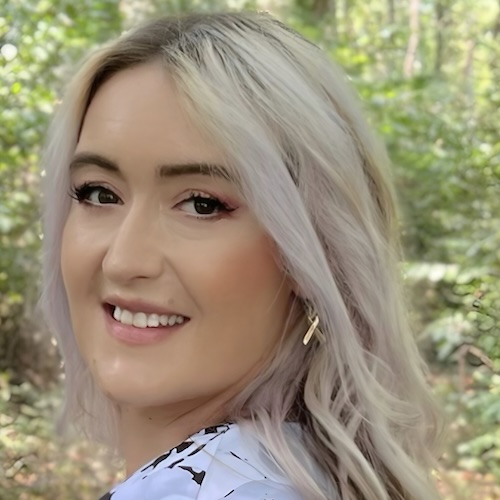
Brittanny G., Skin Cancer (Melanoma), Stage 3A
Symptoms: Mole that enlarged, changed shape, and became dry, patchy, and flaky, fatigue
Treatments: Surgeries (wide local excision, lymphadenectomy), immunotherapy
...
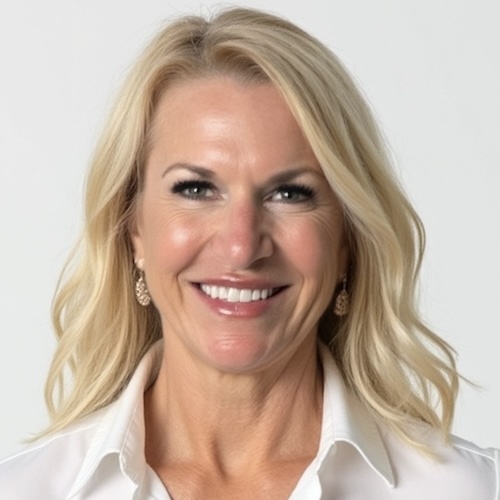
Teresa B., Recurrent Breast Cancer (Hormone-Positive), Oral Cancer (Lip Cancer), and Skin Cancer (Melanoma)
Symptoms: Lip cancer: chapped lips & a pimple-like growth on lip, breast cancer: enlarged left breast with lump, melanoma: none
Treatments: Surgeries (bilateral mastectomy with reconstruction, lumpectomy, craniotomy, Mohs, surgery, wide local excision), hormone therapy, radiation therapy
...
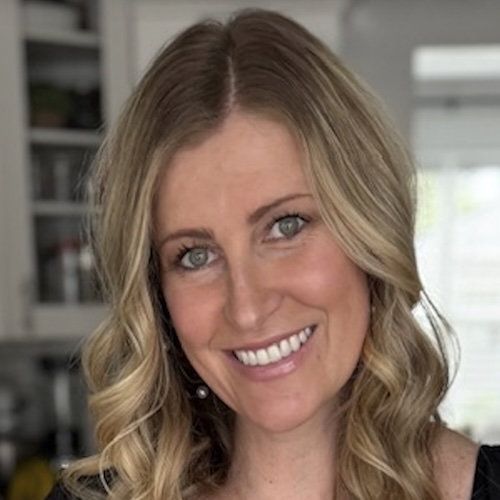
Jennifer M., Melanoma, Stage 4 (Metastatic)
Symptom: Persistent cough, body and chest aches and pains, night sweats, fatigue
Treatments: Immunotherapy, surgeries (lung resection, pericardiectomy)
...
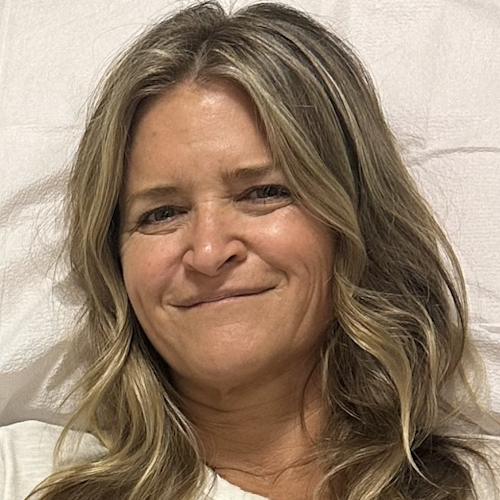
Cheyenne E., Melanoma, Stage 3B
Symptom: Itchy mole on her back that changed in appearance
Treatments: Surgeries (wide local excision, sentinel lymph node biopsy, lymph node removal), immunotherapy
...