
“It’s Just Constipation” Turned Out to Be Stage 2 Small Bowel Cancer: John’s Fight to Be Heard
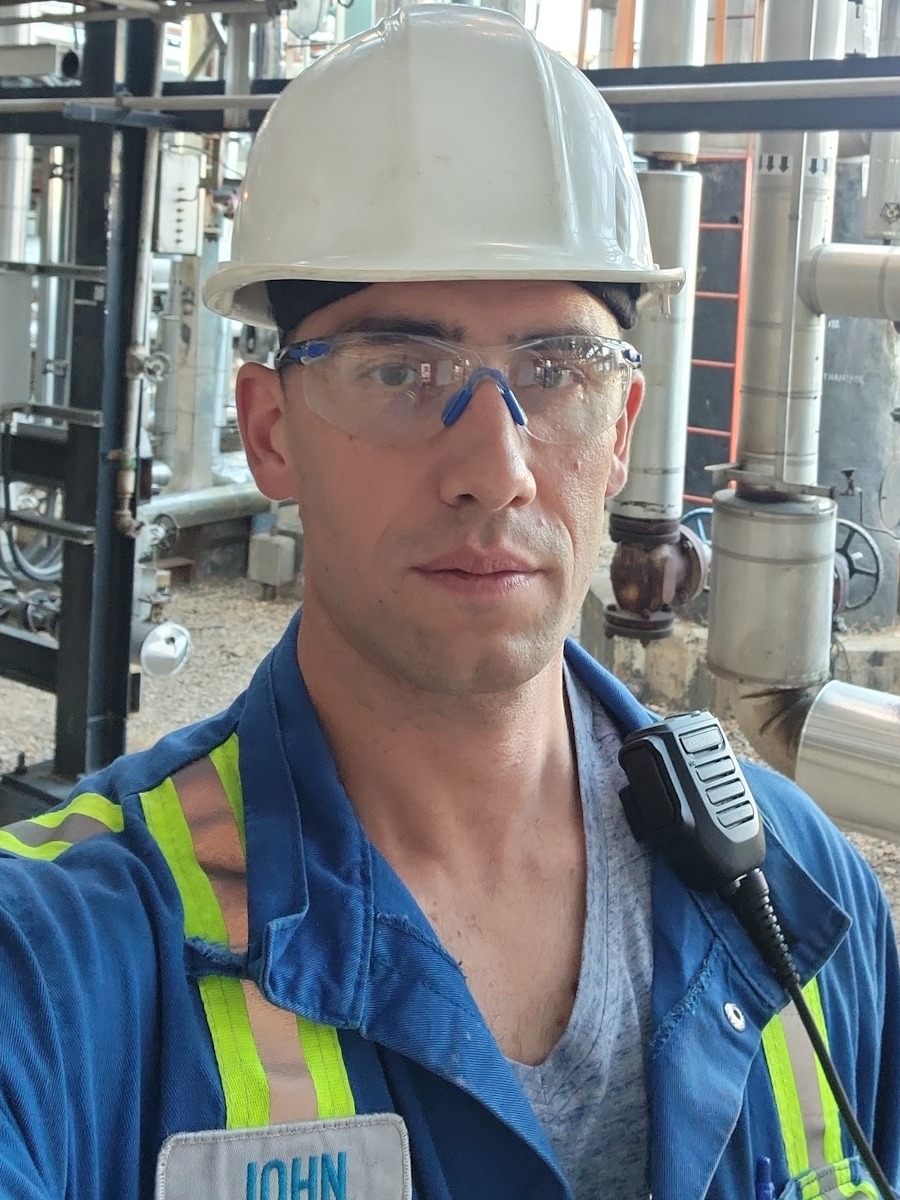
John’s small bowel adenocarcinoma experience begins with a nagging sense that something was wrong in his otherwise vibrant, active life. A power engineer in Alberta, Canada, who loves backcountry skiing, snowboarding, and international travel, John started having excruciating gastrointestinal pain after meals and vomiting frequently. The pain was so intense that he would lie in his remote work camp room screaming, while coworkers checked in, worried by what they heard. Despite clear symptoms of what would later be diagnosed as a bowel obstruction, early visits to the emergency room were dismissed as constipation, anxiety, or even “psychosomatic,” and initial imaging and scopes missed the tumor completely.
Interviewed by: Keshia Rice
Edited by: Katrina Villareal
Over months, the small bowel adenocarcinoma experience took more from John’s life. Eating solid food became impossible, so he lost around 40 pounds and had to switch to a liquid-only diet just to get through the day. He felt deeply hopeless and unseen, even as a family full of physicians encouraged him to keep pushing.
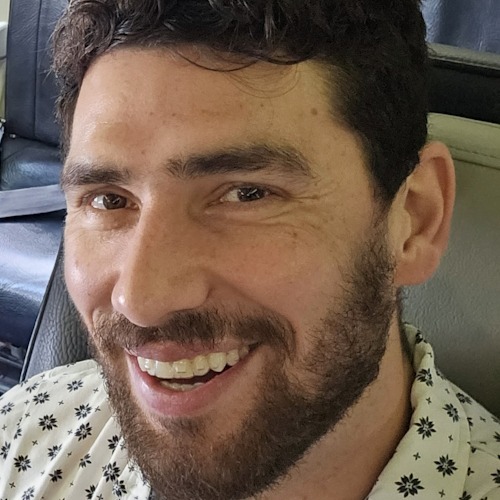
Eventually, he decided to try one last time at a larger university hospital, where a CT scan finally confirmed a bowel obstruction. Emergency surgery removed a portion of his small bowel, and, for the first time in months, he could eat solid food again. Pathology then revealed stage 2 high-risk small bowel adenocarcinoma.
Because the first surgery was an emergency, it did not include a full oncologic resection with lymph node removal, leaving questions about staging. John went through three months of CAPOX chemotherapy at higher doses to condense treatment. The regimen came with intense nausea, cold sensitivity that made even opening the fridge painful, and hand-foot syndrome that caused blisters and sores on his hands and feet. Later, a second laparoscopic resection and lymph node removal finally confirmed there was no remaining cancer in the nodes, bringing enormous relief.
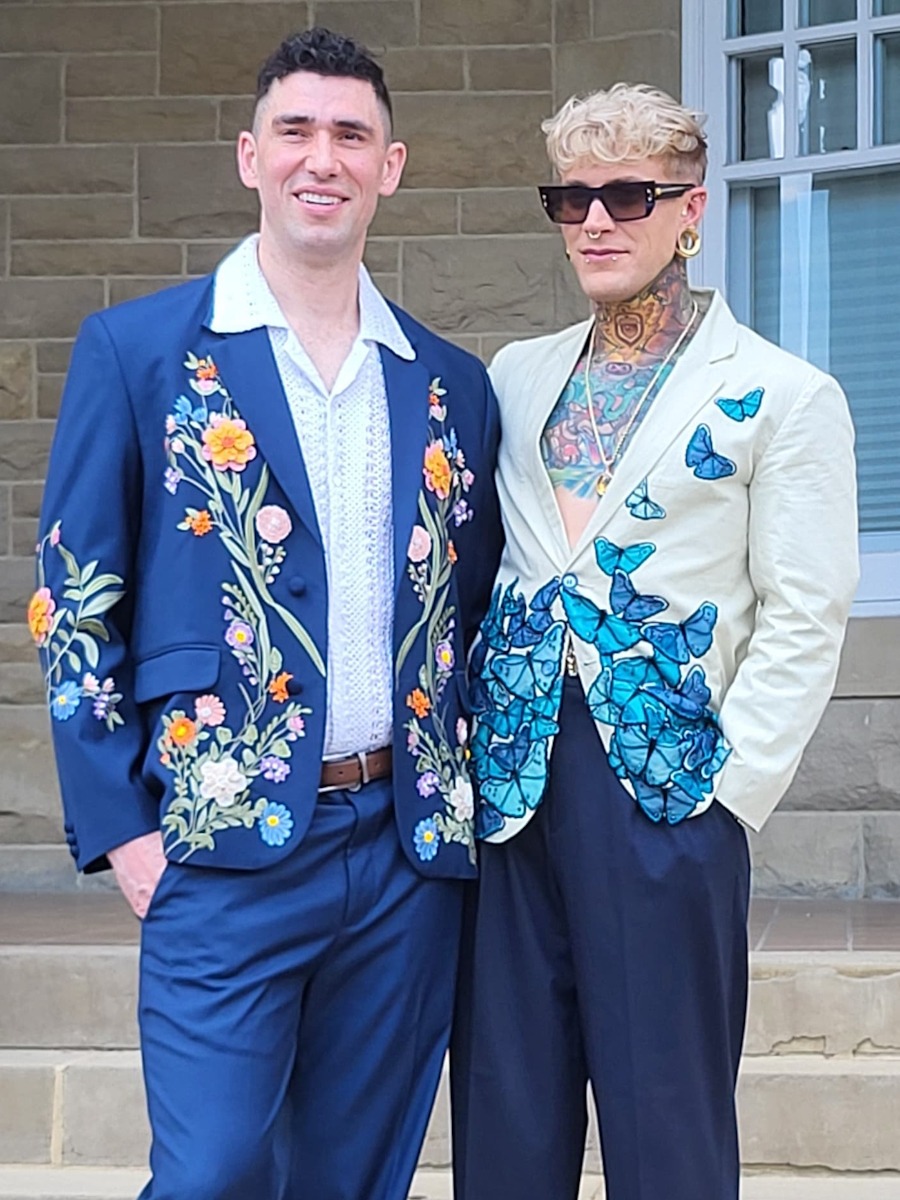
Throughout this small bowel adenocarcinoma experience, John leaned heavily on his husband, Mitchell, his medically trained family, and his roommate, Matthew. He also relied on self-advocacy, insisting on further evaluation despite being dismissed. He even used tools like ChatGPT to research his rare disease, understand SMAD4-related GI cancer risk, and prepare for conversations with his clinicians. Today, he is focused on returning to work, getting back on the slopes, traveling again, and reshaping future plans to live more fully in the present.
Watch John’s video or read the edited transcript below to learn more about his story:
- Why it’s important to trust your body and your experience, especially when you experience persistent or escalating symptoms, even when early tests look “normal”
- How self-advocacy can change outcomes
- Why support systems matter
- Why, when something feels wrong, continuing to ask questions and seek care is not complaining, but necessary and valid.
- The shift from feeling discounted and hopeless to feeling heard, informed, and more present-focused as he rebuilds his life after treatment.
- Name: John R.
- Age at Diagnosis:
- 38
- Diagnosis:
- Small Bowel Adenocarcinoma
- Staging:
- Stage 2 (High Risk)
- Mutation:
- SMAD4 (associated with hereditary hemorrhagic telangiectasia)
- Symptoms:
- Severe abdominal pain, especially after eating
- Vomiting
- Significant weight loss (about 40 pounds)
- Inability to tolerate solid food, requiring a liquid-only diet
- Treatments:
- Surgeries: small bowel resection, lymphadenectomy (lymph node removal)
- Chemotherapy: CAPOX



This interview has been edited for clarity and length. This is not medical advice. Please consult with your healthcare provider to make informed treatment decisions.
The views and opinions expressed in this interview do not necessarily reflect those of The Patient Story.
- Introduction and Diagnosis
- First Symptoms and Severe GI Pain
- Life Before Diagnosis
- Delayed Diagnosis and ER Visits
- Emotional Impact and Hopelessness
- Age, Fitness, and Being Dismissed
- Relief at Finally Having a Cancer Diagnosis
- Treatment Timeline and Pathology
- CAPOX Chemo Details and Second Surgery
- Recovering from Surgeries and Chemo Side Effects
- Identity, Activity, and Acceptance
- Support System: Husband, Family, Roommate
- Boundaries and “Glass Factory” Treatment
- Self‑Advocacy, Rare Genetic Condition, and Persistence
- Coping With Hopelessness
- Masculinity, Strength, and Asking for Help
- Supporting the Supporters
- Marriage and Relationship Through Cancer
- Family Cancer History and Risk
- Rethinking Long‑Term Health and Future Plans
- Looking Forward: Travel, Work, and Routine
- Advice to His Past Self: Advocate Earlier
- Advice for Newly Diagnosed Patients
- AI, Research, and Using ChatGPT
Introduction and Diagnosis
My name is John. I live in Alberta, Canada. And I was diagnosed with stage 2 high-risk small bowel adenocarcinoma.
The official diagnosis came after my bowel resection, which was in June, but the symptoms started many, many months before that. Also, at the initial diagnosis, they did not do a full oncological resection, so my lymph nodes were not removed, and they could not do a full staging at that point. I have since had a second surgery where they removed the lymph nodes in the area to confirm that it was just a high-risk stage 2 and not a stage 3.
First Symptoms and Severe GI Pain
It started in 2024, probably in the fall. We went on a trip to South Korea as well as Japan. While we were on the trip, I did not have any symptoms. Before the trip, there were a couple of periods where I had pretty significant gastrointestinal (GI) pain, which I felt was attributed to constipation or something like that. I was not really sure. As time progressed, the symptoms became more severe.
The number one symptom I had was severe GI pain, followed by some vomiting as well, after having a meal or after eating any solid food. Those were the two main symptoms I experienced over the entire period. When I say severe pain, it was the worst pain I had ever felt in my life, to be honest.
I work in a remote facility up north, so I would go back to my camp room and lie there, screaming in pain. That was how severe the pain was after eating. My coworkers would come and check on me and say, “Are you all right?” and I would say, “Yeah, I am just dealing with this severe pain.”
Life Before Diagnosis
I had an appendectomy in 2023, and that was uneventful. They did not see anything when they were in there. Before that, I am an extremely active guy. I do a lot of winter sports: snowboarding, skiing, backcountry snowboarding, and backcountry skiing.
We also do a lot of traveling and hiking. This year, we already have seven trips booked, so it is a full schedule. Previous to this, it was a lot of traveling, trips, and outdoor activities, primarily in the winter, but also some summer hiking as well.
Delayed Diagnosis and ER Visits
When the pain became pretty severe, starting around November, I began visiting emergency departments. Being in a northern facility, there is only one hospital that is close by. It is about an hour away from our facility.
I would go to the hospital emergency department. They did an X-ray. At the initial visit, the X-ray showed potential bowel obstruction; I had dilated loops of small bowel. The ER physician at the time said, “Oh, it is just constipation,” gave me an enema, and sent me on my way.
I started presenting to the ER more frequently. I was also seeing my GP. He told me, “Take (psyllium fiber). You need more fiber.” I was trying all these different things, like the FODMAP diet, because they thought it was maybe IBS (irritable bowel syndrome) at first.
When I was in these severe pain episodes at the hospital, I was often discounted. They did not really think I was in any danger. They did not believe it was a bowel obstruction. I even had one interaction with an emergency physician where he told me to go see a holistic practitioner, implying that it was psychological, psychosomatic pain, that it was not actually real. It was quite frustrating.
After four trips to the emergency department within about two months and that last interaction, I stopped going to the ER.
They told me, “Just go see your GP and go through the outpatient system.” So I started trying to do that. I was referred to a GI specialist. He did an endoscopy and a colonoscopy. They do not visualize the small bowel with those scopes; they only visualize your colon, stomach, and the first part of your small bowel, just a small portion. Those were all fine.
I had to wait again for a CT scan, which took another two months. Now we are looking into March or April. The CT did not show anything. The MRI did not show anything. They said, “We think you are fine, but we are going to keep going.”
They scheduled a capsule endoscopy. This was during these severe pain episodes. The capsule endoscopy ended up being canceled because they were worried it would get stuck, since there were some indications of potential bowel obstruction, but they were not confident. They were sending me for a bunch of other tests.
What actually got the cancer found and led to surgery was that I said, “I am going to try the hospital one more time.” I flew back from work to my home city and went to the university hospital, the largest hospital in the city. They did a CT scan and definitely found a bowel obstruction.
Emotional Impact and Hopelessness
I was experiencing this pain four or five times a week at least. In the last couple of months, I switched to a completely liquid diet. I felt extremely hopeless. I felt like none of the physicians I had seen really cared or believed what I was telling them. I have a family of physicians — I am very lucky in that way — and they were saying, “No, this is serious, you have to keep following up on this.” But when I actually went to the hospital and to see my GP at the time (I have switched since then), no one seemed to really take me seriously.
There was this large, overwhelming feeling of hopelessness that was very mentally troubling.
Age, Fitness, and Being Dismissed
I am 38 years old, which I think was one of the issues. When I presented to the emergency department, I was a very fit guy. I am very active. I go to the gym multiple times a week.
The physicians would see me, even though I had lost 20, 25, up to 30 pounds, depending on which hospital visit you are referring to, I think they said, “Okay, this is a young, healthy guy. Small bowel cancer is such a rare subset of cancer.” If you are going to have GI cancer, it is generally stomach or colon — those are the most common.
I think they thought it was not really possible or probable that I had anything more severe going on than either a psychosomatic presentation of pain or maybe anxiety-related issues. I am not really sure what their thoughts were, but that is the impression I got. It definitely played a role in how long the diagnosis took, even though I was presenting multiple times to the hospital.
Relief at Finally Having a Cancer Diagnosis
Honestly, it was a relief. Knowing that it was cancer did not trouble me that much. Just knowing that I finally had an actual diagnosis, that something serious was going on that they could actually see, and I was believed by my care team.
All the physicians were surprised by the diagnosis and what ended up happening. I will be honest; I think my family and friends took the cancer diagnosis much worse. They were more emotionally troubled by it than I was. I had been dealing with severe pain for so long that once I had the cancer diagnosis, I felt better about the whole situation, not worse. That is the honest truth.
Treatment Timeline and Pathology
I had the initial emergency bowel resection on June 23rd. They removed a fairly small piece of my bowel. They did not do a full oncological resection because it was an emergency surgery for the obstruction. They did not actually know it was cancer. By looking at it, my surgeon thought it was maybe scar tissue, a cyst, or something of that sort, so they did not do a full oncological resection.
Immediately after the surgery, I could eat solid food again. It had been from November to June of severe pain, and the last two months on a liquid-only diet. That was immediately resolved, which was a big relief.
About two or three weeks later, in July, I got the pathology result. In Alberta, we get it through a provincial application where we receive results immediately, at the same time the doctors do. I got the pathology result before I had even received a call. I actually did not speak with my surgeon about it until about two weeks after I had the pathology. I knew that I had cancer.
When I saw my surgeon, he said, “Yes, there is definitely an adenocarcinoma, small bowel adenocarcinoma.” The staging was unsure. Because they did not remove lymph nodes and it was a high-risk tumor — there was lymphovascular invasion and potential lymphatic invasion — they decided that adjuvant chemotherapy was the right course.
About two more weeks after that, so around a month after the surgery, I saw an oncologist at the cancer institute here. He recommended a three-month run of CAPOX.
CAPOX Chemo Details and Second Surgery
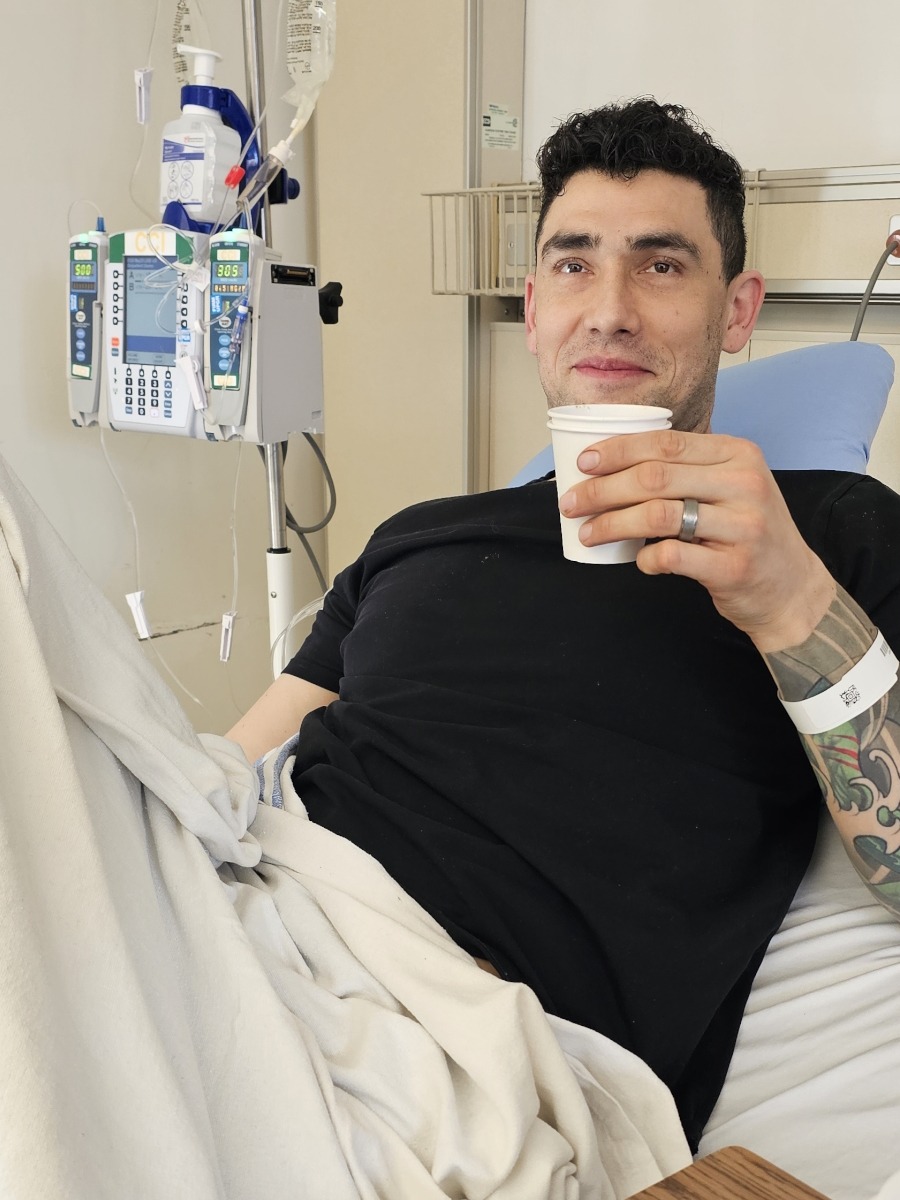
CAPOX is oxaliplatin and capecitabine. Capecitabine is the oral drug that you take. For my cycles, it was two weeks of capecitabine. The oxaliplatin was on the first day; I would go in for an infusion. I did not get a port; they did it via IV. It would be the infusion, then capecitabine for two weeks, and then one week off. In total, it was a three-week cycle, and I had four of these cycles. The total duration was about three months.
After that, I saw the surgeon, and they were discussing that we did not really have a true pathology result or staging for my cancer. They wanted to go back in. I am fairly young, so they wanted to ensure that if there were any cancer cells in the lymph nodes, I could be properly staged and that any remaining cancer in those lymph nodes would be removed.
I had an exploratory resection. They cut out the piece they had cut out before, plus a little bit more. I had that surgery at the end of November, and the pathology came back negative for any cancer in the lymph nodes. They cannot say for sure if it was a result of the chemotherapy, but they are saying there is no more cancer there at all that they can see. Very good news for me.
Recovering from Surgeries and Chemo Side Effects
The bowel resections themselves were not bad at all. I had two bowel resections — both laparoscopic, not open surgeries. There were small incisions, maybe one to three inches for the largest one. Healing was normal. There was some severe pain initially from where the sutures were, but that felt fine after about six or seven weeks.
The chemotherapy was quite a bit tougher. My oncologist used a higher dosage of CAPOX than he does for most patients because it was a shortened duration, to reduce long-term side effects for someone my age. Also, it’s cold here in Canada, so the cold weather impacted me as well.
Some of the most severe side effects from chemo were nausea, which is common, and something called cold sensitivity. Even when you are going into your fridge to grab a drink or milk, you have to wear gloves because it causes severe pain in your fingers and hands. When you go outside and it’s close to 32°F or 0°C, they recommend wearing a face mask or balaclava and breathing through that, because cold air can cause quite a bit of throat pain. I had a lot of cold sensitivity from oxaliplatin.
The two-week duration of capecitabine caused quite a bit of nausea. The antiemetics were helpful and managed the nausea fairly well. However, the cold sensitivity was very present and would diminish after about the second week and a half, then I would start the next cycle and it would start all over again. Every cycle, it became more severe.
Another side effect was something called hand-foot syndrome. Chemotherapy targets fast-replicating cells, and some of those are skin cells in your hands and feet. I was getting blisters and open sores on my hands and feet. The doctor recommended using Voltaren (diclofenac) and moisturizing, which helped, but I still had many sores. Near the end of my third and fourth cycles, it was sometimes difficult to walk. It was something you just had to live with for the duration of chemo.
The last surgery was much like the first one. I had it almost a month ago and still have some pain when bending over, coughing, or sneezing. Overall, I am feeling a lot better. In about two more weeks, I will be able to start exercising again, which I am very excited about. It has been almost five months.
Identity, Activity, and Acceptance
When I was going through the severe pain episodes, even leading up to the diagnosis, we were still trying to go on trips. We were skiing. We went on a backcountry trip to this remote hike-only-in mountain lodge that had no mechanized snowmobiles or lifts.
We had a steak dinner the first night there and after I ate, before I switched to a liquid diet, I had severe pain. I was rolling around in the cabin on the bunk bed and could not ski. It was awful. We had this whole multi-day backcountry trip, then planned to do a couple of other resorts on what is called the Powder Highway in Canada, and the whole trip was a complete wash for me because I was in such severe pain.
I knew early on that I could not do the things I normally did. It was not so much that I felt a loss, but I knew I had to accept it. There was a level of acceptance, and I knew this was temporary — hopefully — and that I would get past it once they found out what was going on.
Support System: Husband, Family, Roommate
I’m married; I have a husband. His name is Mitchell. We have had so many amazing adventures together. We have been together for almost 14 years now, and he was definitely my rock. He saw me in this pain. We were both frustrated by the situation, but he was always there to support and comfort me during this long period of pain, not knowing what was going on, waiting for a diagnosis, and then going through cancer treatment. He has been amazing and I am super grateful for him.
I also have family, though they do not live in my province; they live a couple of provinces over. My parents and my brothers are all physicians, so I had an impromptu medical team helping walk me through a lot of the steps. I am very blessed and lucky to have people with medical experience and a loving partner.
I have a roommate named Matthew. He was extremely helpful, especially when there were things to do around the house and I was immobilized in bed or recovering from surgery. All these people in my life were very helpful in my journey — not only with daily tasks, but also psychologically: having people to talk to about what I was going through and how I felt really helped me in the darkest times, especially just before I was diagnosed.
Boundaries and “Glass Factory” Treatment
My husband cares for me, but he also knows I am independent and that sometimes I want to work through things myself or know that it is all being taken care of. He is respectful of that.
When I got the diagnosis, my parents were very concerned. As physicians, you see a lot of people dying from cancer, so especially initially, there was a huge amount of concern — so much so that sometimes they would cross a boundary and I would have to say, “You do not need to call my physicians for me; I can call them myself. Please let me take care of it.”
It came from a place of love and concern. During that time, it was hard for me, but I tried to remember that when I got diagnosed, it was not just me going through it — it was everyone close to me. It was hard for everyone. Even though there were a few moments where boundaries had to be set, it was from a place of love.
Self‑Advocacy, Rare Genetic Condition, and Persistence
I have a physician who manages a condition I have called hereditary hemorrhagic telangiectasia (HHT). I have some deformed blood vessels in my lungs, and my specific mutation is SMAD4, so I am prone to having polyps in my GI tract. I actually knew before this cancer that I had a 50% chance of a GI cancer in my lifetime; that was something I had already been told.
This physician said, “You have this rare condition; you always have to advocate.” She was pushing that from the beginning, before I even had this pain period and journey. But when I tried to advocate for myself at the hospital, going to the ER, and talking to my family doctor, it felt like no one cared, even though I was trying to push. I felt lost and hopeless.
I kept pushing — that is the answer. I kept pushing and talking to my clinicians, and ended up presenting again to the ER, even though I had been discouraged by previous physicians. I learned that you know your body best. I knew something was wrong; I was sure of it. I thought it was potentially a bowel obstruction.
I kept going back to clinicians saying, “This has gone on too long.” By the end, I had lost 40 pounds. My persistence really did pay off, because I kept presenting to the emergency room, and that is when they actually found the bowel obstruction and the cancer. Persistence pays off.
Coping With Hopelessness
The biggest thing was the connection I had to people. I would call my husband and talk with him on the phone, telling him how I was feeling — “I do not know what to do.” He could not do anything; there was nothing he could do. We were just working our way through the medical system to get the diagnosis. But having the support of talking to someone, like my close friends and family, was what got me through that really painful period, physically and mentally.
If you’re feeling hopeless and in pain, keep reaching out to the people around you. Most people around you care about you and want to help you, even if they are just there to listen.
Masculinity, Strength, and Asking for Help
When I was at work on the remote site, I would tell coworkers, “I have some pain; I have to go lie down,” then go to my room and start rolling around screaming — that was how bad it was. You put up a bit of a face in front of others.
What really got me through was reaching out. To other men who do not want to appear weak, I think the strength is actually in reaching out. There is no weakness in talking to others and advocating for yourself because that is what will help you and get you through tough periods.
Supporting the Supporters
I talked to my parents a lot; I think that helped them. As I mentioned, we had to set some boundaries during the journey, but overall, having an open line of communication helped them get through this as well. I would talk to my parents every single day or almost every day during this period.
There were times when they had trouble letting go and allowing me to be independent. They said, “We are going to fly out there; we are going to live with you,” and we said, “I appreciate the care; I love you, but I am going to be okay here. We can take care of ourselves. I have Mitchell and my roommate Matthew, so we are going to be okay.”
Communication is what really helps everyone stay grounded. You talk to them and give updates while still maintaining boundaries, and everyone can heal on the journey and become more relaxed about the reality of the situation.
Marriage and Relationship Through Cancer
I work out of town, a week on, week off. I fly out and then I am back in a week, so my husband and I have a lot of independent time from each other. During the last five months, I have been at home.
There were times of crankiness, when you see more of the other person. Even though we talked every day when I was working out of town, there were some periods of tension. But we worked through it; it was nothing serious. We have a strong relationship and have had one before this.
Our relationship is just as strong as it was when the cancer started. We have been together for a long time and actually got married recently. We had planned the wedding before my diagnosis. We have been together for almost 14 years and engaged for 10. We planned the wedding for this summer and cancer did not stop that. We were still getting married — and we did.
It was another step in our relationship. I do not think it had any negative impact. If anything, it made us stronger. Nothing really changed, to be honest. It was tough and emotional, but we worked through it together and communicated.
Family Cancer History and Risk
With this specialist, the family history was documented in my medical records, and I knew there was an increased risk. When my grandfather got colon cancer, I was a young child and did not really know what was happening. I only really learned about it six or seven years ago.
I know that with my risk, my age, and his colon cancer, there was a probability that increased due to that. It did not really concern me. I accepted that I had a lifetime cancer risk of 50% or more due to additional familial risks. It was something I accepted. I am not going to live in fear; that is not what I do. I live for today and enjoy the time I have.
Rethinking Long‑Term Health and Future Plans
Physically, I was taking care of myself quite well before this diagnosis and pain period. I already had a group of clinicians I was seeing. I think they will be more focused on my case now that I have had cancer once.
When I got the diagnosis, my husband and I discussed quite a few things. We tried to get more insurance and were denied because I have cancer. There were things we set up to ensure the financials are in order. We had always had a big retirement plan — to move to Vancouver Island or somewhere nearby, have a little acreage, and do some homesteading with chickens, that kind of thing.
Now we have pivoted. We are more focused on our life here, today. Financially, we are still trying to save as much as we can, but we are not focused on looking for property out west. If we want that experience, we will rent a place in retirement.
Day to day, not much has changed, but our future plans have changed. We think, “What if we move out there and then get another cancer diagnosis or some medical issue where we cannot live in a remote location?” It changed our perspective on our future.
Looking Forward: Travel, Work, and Routine
I’m excited to get back to my routine. We go on lots of ski and snowboard trips. We have four more trips booked between now and April, and then one to Turkey as well. We are going all over the place. I am excited to start traveling again.
I have been off work, which is another big part of my life. I really like what I do for work. I am a power engineer at an oil and gas facility, operating it. That part of my identity feels like it has been missing during treatment. I am very excited to get back to that, see the guys up there, and have that companionship that was missing during treatment. So: trips, work, and getting back into shape.
Advice to His Past Self: Advocate Earlier
During the initial visits to the hospital, when I had the first X-ray that showed a potential bowel obstruction and the doctor said, “Oh, it is constipation,” I wish I had pushed for more imaging and advocated for myself earlier.
Part of it was that I trusted the medical system. I trusted they would know what was going on right away. But being an advocate for yourself is extremely important, especially in the Canadian medical system. You know your body best. If you can get earlier treatment, it is usually a better prognosis in the end.
Advice for Newly Diagnosed Patients
Reach out and communicate with the people around you. That is the number one thing that got me through it emotionally.
If you have medical resources, try to use them. I went to the Mayo Clinic for a second opinion to make sure all my bases were covered. In Canada, they did not order a PET-CT because they did not think the cancer had progressed far enough. At Mayo, they did it right away. I had some ability to do things above and beyond what our system has.
Reach out to those around you; they are there to support you. There are support groups — in my city, online, and in person. If you feel like you have no one to talk to, reach out to your oncologist or cancer team and ask, “What groups can I join?” They are out there. Always reach out for support.
AI, Research, and Using ChatGPT
One thing that was very helpful was that I used ChatGPT a lot during this process. I do not know if you have heard this before, but ChatGPT diagnosed me right from the start. It knew what was going on and said, “You need to go to the ER; you have a bowel obstruction.” This was right off the bat. I was so surprised; it ended up being completely right.
Technology has progressed in a way that I have a resource. That can be taken too far, especially if you start reaching outside of what is actually happening, but for me, it was very helpful in communicating with clinicians and having a resource to find studies about what I was going through. I read countless studies about small bowel adenocarcinoma, prognosis, and statistics. Using a language model to find and discuss those studies was extremely helpful and helped me get through it as well.
Inspired by John's story?
Share your story, too!
Related Cancer Stories
Cora V., Colorectal Cancer, Stage 4 (Metastatic)
Symptoms: Fatigue, unintentional weight loss, blood and mucus in stool
Treatments: Chemotherapy, chemoradiation, surgeries (temporary ileostomy and reversal, liver surgeries and ablation)
Monica D., Colorectal Cancer, Stage 1
Symptoms: None; caught at a routine colonoscopy
Treatment: Surgery (low anterior resection with temporary diverting ileostomy)
Edie H., Colorectal Cancer, Stage 3B
Symptom: Chronic constipation
Treatments: Chemotherapy, radiation, surgeries (lower anterior resection & temporary ileostomy)

Shayla L., Colorectal Cancer, Stage 4
Symptoms: Stomach sensitivity, food intolerances, exhaustion, blood in stool
Treatments: Chemotherapy, surgery (hepatectomy)

Tracy R., Colorectal Cancer, Stage 2B
Symptoms: Bloating and inflammation, heaviness in the rectum, intermittent rectal bleeding, fatigue
Treatments: Chemotherapy, radiation, surgery
Paula C., Colorectal Cancer, Stage 3
Symptoms: Painful gas, irregular bowel movements, blood in stool, anemia, severe pain, weight loss, fainting spells
Treatment: Surgery (tumor resection)