
From Teacher to Advocate: Natasha’s Life with EGFR+ Stage 4 Lung Cancer
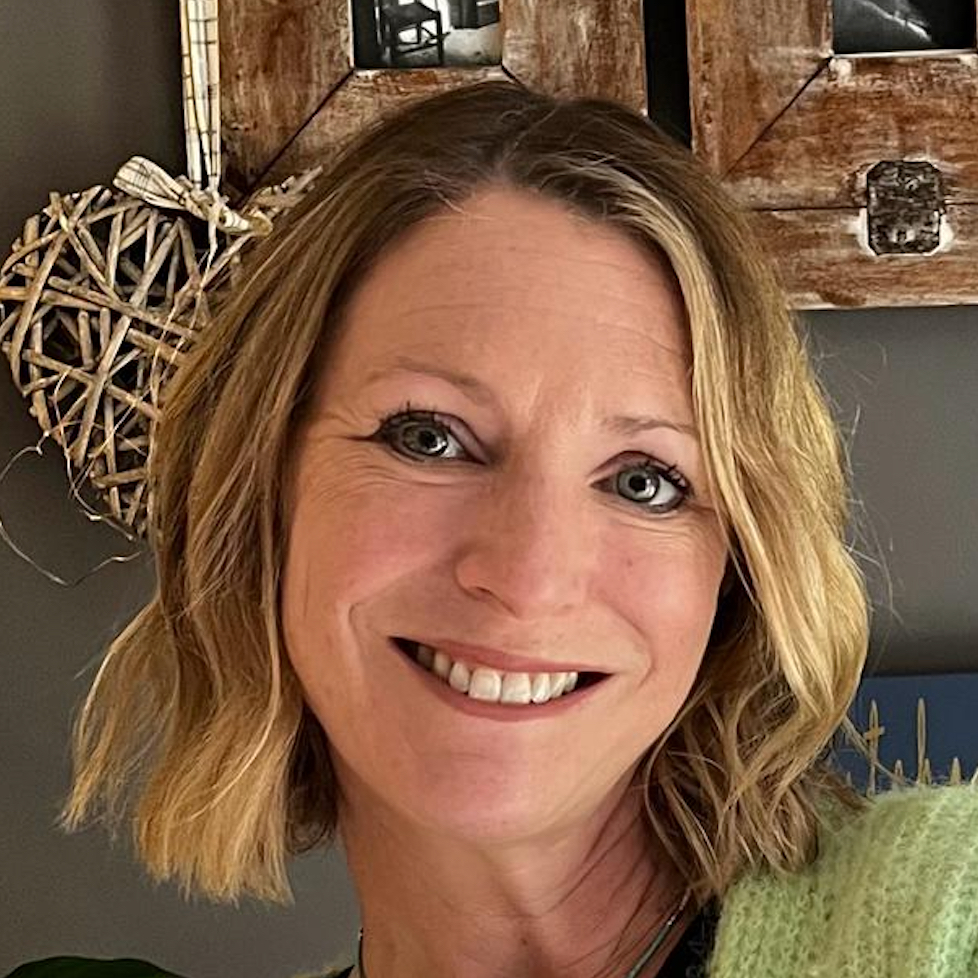
Natasha, a vibrant teacher and mom, never imagined her life would pivot so dramatically before she was diagnosed with stage 4 lung cancer in January 2023. Before her diagnosis, Natasha led an active life filled with doing the things she loved most: teaching young children, mountain biking, and hiking. Her symptoms began subtly — a hoarse voice in May 2022, followed by a persistent dry cough and squeaky, wheezy breathing. Despite her active lifestyle and being a non-smoker, Natasha’s symptoms persisted, leading her to eventually consult her doctor.
Interviewed by: Nikki Murphy
Edited by: Chris Sanchez
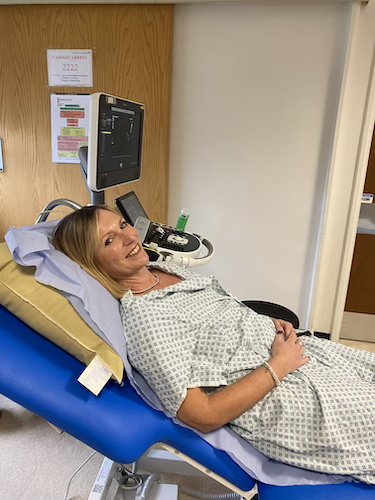
Natasha’s doctor noticed something amiss and advised her to have a chest X-ray right away. This led to a whirlwind of tests, including CT scans and a bronchoscopy. The doctors initially suspected tuberculosis due to her teaching exposure. However, when infections were ruled out, doctors considered a more severe possibility: lung cancer.
Scans revealed a 6.5cm tumor and, later, brain metastases, escalating her diagnosis to EGFR-positive stage 4 lung cancer. (EGFR, short for epidermal growth factor receptor, is a protein found on the outside of cells that helps them grow. If the gene that makes EGFR changes or mutates, it can cause cells to grow too much, which may lead to cancer.)
The news shook Natasha to her core, especially as she thought of her two teenage daughters. Despite the emotional turmoil, she found hope in targeted therapy, a treatment designed to manage her condition effectively by homing in on affected cells and ignoring healthy ones. Starting the medication brought a renewed sense of optimism. While she faces side effects like skin issues, headaches, and fatigue, Natasha manages them with daily medications and lifestyle adjustments.
Losing her ability to drive, which she felt curtailed her independence, and retiring from her beloved teaching career were among the toughest challenges. Teaching had been a significant part of her identity, providing joy and purpose. To fill that void, Natasha became deeply involved with the organization EGFR Positive UK, advocating for lung cancer awareness and supporting others facing similar diagnoses.
Natasha’s perspective on life has shifted. She acknowledges the carefree days before her diagnosis but embraces her current reality with resilience and positivity. Her advocacy work highlights the urgent need to dismantle stereotypes about lung cancer, particularly the misconception that it’s solely a smoker’s disease. She passionately shares that lung cancer can affect anyone with lungs, regardless of age, gender, or lifestyle.
Natasha urges everyone to know the symptoms of lung cancer, including persistent coughs, hoarse voices, unexplained backaches, and breathing changes, and seek medical advice without delay. Early detection can be life-saving. Her story is a powerful reminder that awareness, early diagnosis, and support can make a significant difference.
Watch Natasha’s video and find out more about:
- How Natasha lives fully with stage 4 lung cancer.
- How her persistent cough led to a life-changing diagnosis.
- Why lung cancer isn’t just a smoker’s disease — Natasha’s story breaks the stigma.
- From classrooms to advocacy: Natasha’s inspiring stage 4 lung cancer story.
- The symptom she ignored that turned out to be lung cancer.
- Name:
- Natasha L.
- Age at Diagnosis:
- 48
- Diagnosis:
- Lung Cancer
- Mutation:
- EGFR+
- Staging:
- Stage 4
- Symptoms:
- Hoarse voice
- Squeaky breathing
- Cough
- Weight loss
- Fatigue
- Treatment:
- Targeted therapy


This interview has been edited for clarity and length. This is not medical advice. Please consult with your healthcare provider to make informed treatment decisions.
The views and opinions expressed in this interview do not necessarily reflect those of The Patient Story.
Inspired by Natasha's story?
Share your story, too!
More EGFR+ Lung Cancer Stories
Jennifer M., Lung Cancer, EGFR+, Stage 4 (Metastatic)
Symptoms: None per se; discovered during physical checkup for what seemed to be a sinus infection
Treatments: Radiation therapy (stereotactic body radiation therapy or SBRT), targeted therapy

Samantha V., Lung Cancer, EGFR+, Stage 2, Grade 3
Symptoms: Breathlessness, hoarseness, sinus infections, fatigue, pain in left side
Treatments: Clinical trial (targeted therapy)

Natasha L., Lung Cancer, EGFR+, Stage 4
Symptoms: Hoarse voice, squeaky breathing, cough, weight loss, fatigue
Treatment: Targeted therapy

Jeff S., Lung Cancer, EGFR+, Stage 4 (Metastatic)
Symptom: Slight cough
Treatments: Surgery, radiation, chemotherapy, targeted therapy

Jill F., Lung Cancer, EGFR+, Stage 1A
Symptom: Nodule found during periodic scan
Treatments: Surgery, targeted therapy, radiation
3 replies on “Natasha’s Life with EGFR+ Stage 4 Lung Cancer”
I, too, have stage IV EGFR lung cancer with a metastasis to the brain. I think the hard thing for me, besides trying to move forward from my previous oncologist missing the brain metz for so many months, and telling me instead, that it was just anxiety and disordered eating, is learning to trust my new oncologist. I went through 6 months of agony, lost my job, friends and family, because of the Dr’s mishandling of my situation, and her refusal to order a simple MRI. I know that the targeted medication will stop working at some point, and I’m now 2.5 years out from the surgery and start of the medication. I’m often fatigued, and have headaches. However, I am alive, and have none of the bad side effects of common to the medication, and so far, no more tumors! I’ve started new hobbies that I can do without worrying about being tired! I’ve would like to find a community that understands and supports the me that has cancer as my family – even my husband and son don’t comprehend living under the sword of Damocles. My husband, even though my Dr. has explained it to him, doesn’t believe I have stage IV cancer. I’ve explained that once it travels to far places in the body it’s considered stage IV, and this particular cancer is incurable> treatable, yes, but incurable. He doesn’t get it. He says things like “oh, your okay.” And “I’m older than you, so I’ll die before you” when I try to discuss what I want for my future. Not helpful.
What a moving story your resilience after treatment and your honest optimism reminded me that strength isn’t just surviving, it’s redefining life on your terms. Thank you for sharing, Natasha.
How can I advocate for myself to make the doctors hear me !! I feel dismissed