
Intuition, Self-Advocacy, and Support: Key Lessons from Mark’s Experience with Stage 3B Colon Cancer
Mark found out he had stage 3B colon cancer at 35, a life-altering diagnosis. He began having cramping episodes of varying intensity in 2020. Doctors initially mistook these for appendicitis. However, his intuition pushed him to get more tests. His hunch proved correct after a colonoscopy revealed a tumor that was later confirmed as cancerous.
Interviewed by: Nikki Murphy
Edited by: Chris Sanchez
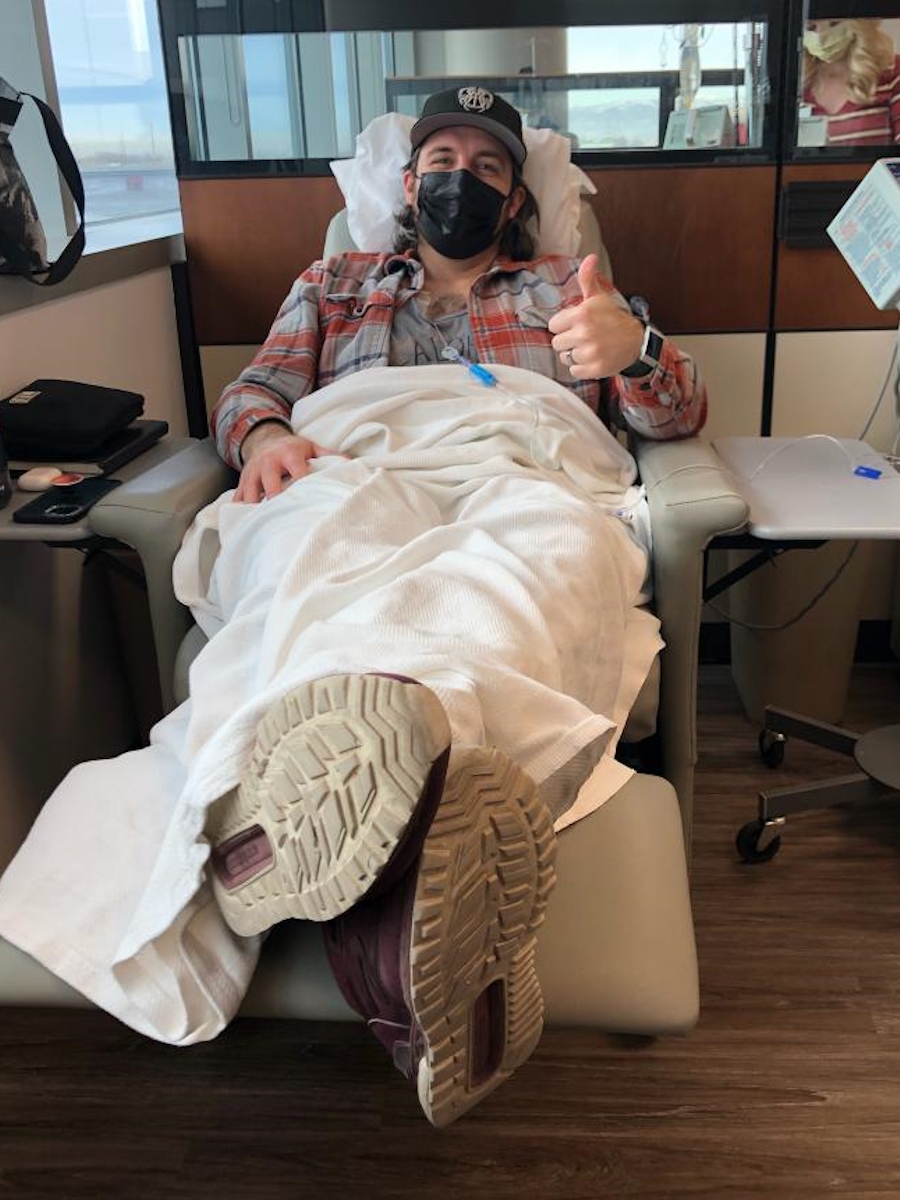
Mark had surgery to remove a section of his intestines and several lymph nodes. Although his stage 3B colon cancer was negative for a genetic component like Lynch syndrome, it had spread to his lymph nodes, making chemotherapy necessary. Mark had to choose between a prolonged or intense chemo regimen and opted for the latter, enduring side effects like neuropathy and fatigue.
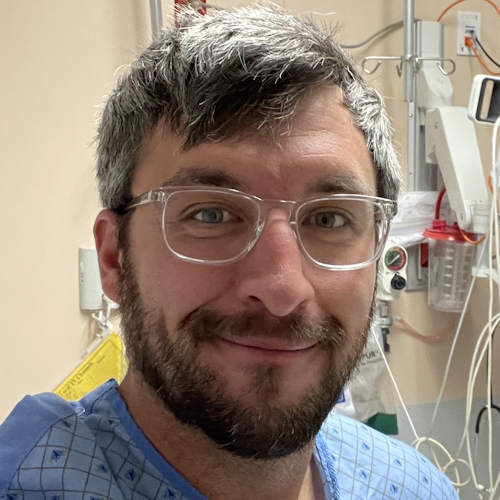
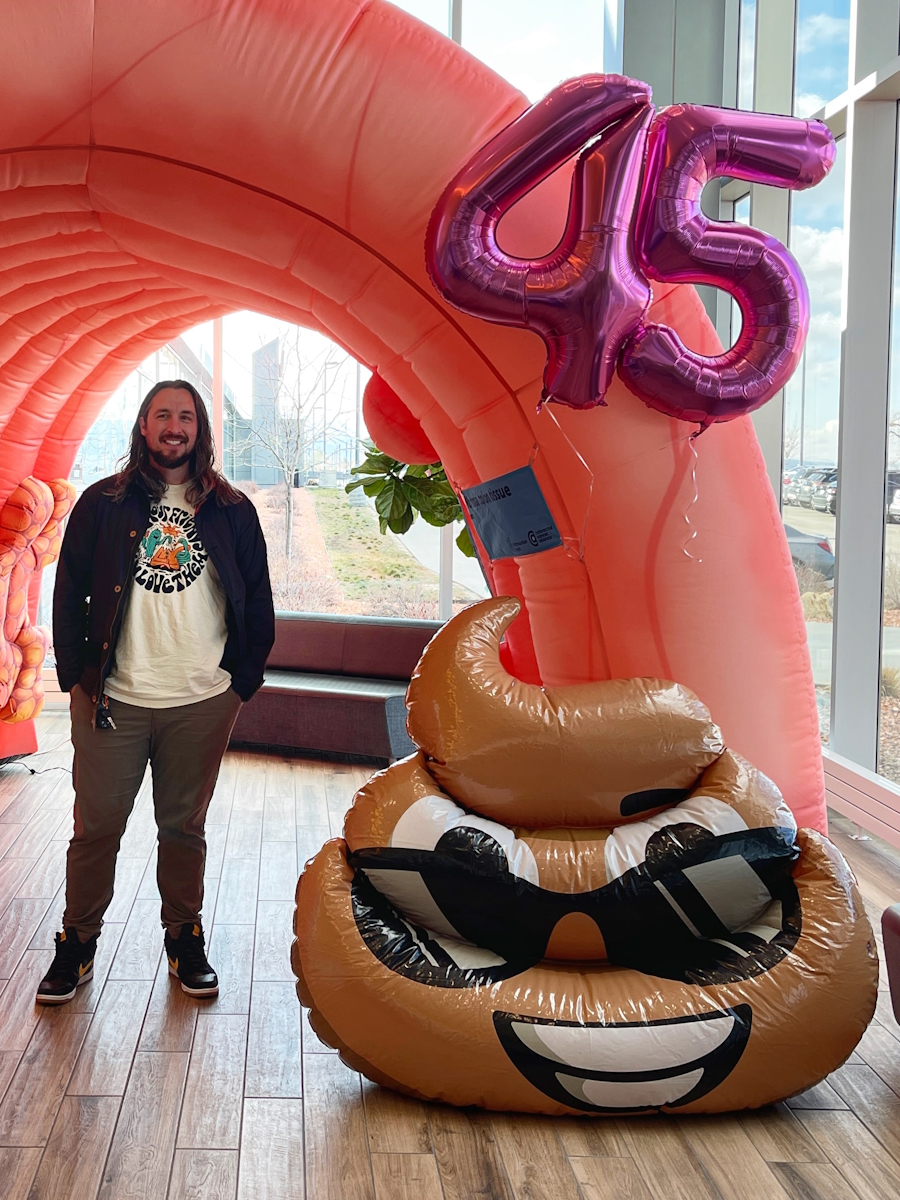
The physical challenges Mark had to overcome and the psychological strain of accepting help reshaped his outlook on life. After his treatment for stage 3B colon cancer, he was declared to have no evidence of disease in 2021. Mark now shares his story to raise awareness of cancer and inspire others.
Watch Mark’s story to find out more about:
- The value of trusting one’s instincts and surrounding oneself with a supportive network.
- Developing a more mindful approach to life and health maintenance through emphasizing physical fitness and intuition.
- The importance of self-advocacy in health.
- The significance of maintaining low stress and cherishing every moment.
- Name:
- Mark S.
- Age at Diagnosis:
- 35
- Diagnosis:
- Colon Cancer
- Staging:
- Stage 3B
- Symptom:
- Intermittent cramping of varying intensity, localized on the right side
- Treatments:
- Surgery: colon resection
- Chemotherapy





This interview has been edited for clarity and length. This is not medical advice. Please consult with your healthcare provider to make informed treatment decisions.
The views and opinions expressed in this interview do not necessarily reflect those of The Patient Story.
Inspired by Mark's story?
Share your story, too!
More Colon Cancer Stories

Joe C., Colon Cancer, Stage 4 (Metastatic)
Symptoms: Loss of appetite, fatigue, malaise, severe pain in the abdominal/liver area, back and shoulder pain, lightheadedness
Treatments: Surgery (colon resection), chemotherapy (FOLFOX, capecitabine, FOLFIRI), targeted therapy (panitumumab, a monoclonal antibody), radiation therapy, immunotherapy through a clinical trial

Sydney S., Colon Cancer, Stage 4 (Metastatic)
Symptoms: Constant stomachaches that only went away after bowel movements, pain after eating, changes in bowel size and shape
Treatments: Surgeries (colectomy, temporary ileostomy, ileostomy reversal), chemotherapy (FOLFOX, FOLFIRI, trifluridine and tipiracil), monoclonal antibody (bevacizumab), radiation therapy, hormone therapy

Kristie C., Colon Cancer, Stage 4 (Metastatic)
Symptoms: None per se that she noticed; she experienced constipation and passed narrow stool, but had been experiencing constipation most of her life, and thought that these digestive issues could also have resulted from perimenopause
Treatments: Chemotherapy (including adjuvant chemotherapy), radiation therapy, ablation therapy (liver ablation), surgeries (colectomy, temporary ileostomy, ileostomy reversal, scheduled liver resection)

Briana H., Colorectal Cancer, Stage 3
Symptoms: Periods of constipation initially lasting one week and then extending to two weeks, nausea, pain in lower left abdomen, lack of appetite, vomiting and inability to keep fluids down
Treatments: Surgeries (colon resection, tumor removal, colostomy placement, colostomy reversal), chemotherapy

Kailee O., Colorectal Cancer, Stage 4 (Metastatic)
Symptoms: Sensitive stomach sometimes leading to vomiting after eating, bleeding during bowel movements, persistent fatigue, back pain, abdominal pain, anemia, significant symptom flare-up during second pregnancy
Treatments: Surgery (colectomy), chemotherapy, targeted therapy

Starr S., Colon Cancer, Stage 4 (Metastatic)
Symptom: Abdominal pain
Treatments: Chemotherapy, surgeries (colectomy, hepatectomy, lymphadenectomy), targeted therapy