
Macy on Parenting, Pain, and Self-Advocacy With Stage 3B Cervical Cancer
Macy’s cervical cancer experience is a powerful reminder of the many challenges patients and families face when symptoms persist or a diagnosis takes unexpected turns. Diagnosed with stage 3B cervical cancer, Macy’s story began with months of unexplained pain, irregular bleeding, and escalating symptoms that doctors initially thought were due to urinary issues or typical cycle problems.
Interviewed by: Keshia Rice
Edited by: Chris Sanchez
A busy mother of three, Macy describes the physical and emotional toll her cervical cancer diagnosis and treatment took, not only on her body, but also on her relationships and home life. She endured chemotherapy and daily radiation, followed by arduous internal radiation procedures that she says she “would not wish on my worst enemy.” Throughout these treatments, Macy relied on her family, particularly her mother, children, and supportive boss, to help manage daily life and responsibilities when she could barely get out of bed or up the stairs, let alone care for her children like she was used to doing.
For Macy, the mental health impact of her experience was as profound as its physical effects. She endured nightmares and anxiety over recurrence, and also struggled to put herself first after years of putting her family ahead of her own needs. While she missed social events and lost friendships due to her symptoms and recovery, the experience ultimately taught her the value of true support networks, what it means to receive real help and connection when you need it most.
Now in remission and on maintenance therapy, Macy stresses the importance of self-advocacy, regular screenings, and being heard by one’s medical team. Her cervical cancer experience is a testament to resilience and the power of speaking up, both for yourself and others. She hopes that sharing her experience will help empower other patients to act early and not suffer in silence.
Watch Macy’s video above, and read through the edited transcript of her interview below. You’ll gain insights into how:
- Early and persistent symptoms like pain and unusual bleeding should never be ignored. Self-advocacy is critical
- The support of family, friends, and empathetic workplaces can make a significant difference in a patient’s cervical cancer experience
- Emotional well-being and mental health are just as important to address as the physical aspects of cervical cancer
- Realizing that “you never know” what someone is going through, respecting unseen struggles, can help cultivate compassion for others
- Macy’s experience taught her to put herself first and to accept support, evolving from someone “who never put myself first” to embracing self-care and connection
- Name: Macy L.
- Diagnosis:
- Cervical Cancer
- Staging:
- Stage 3B
- Symptoms:
- Bleeding for a month
- Passing large clots of blood
- Severe pain in lower back
- Treatments:
- Chemotherapy
- Radiation therapy

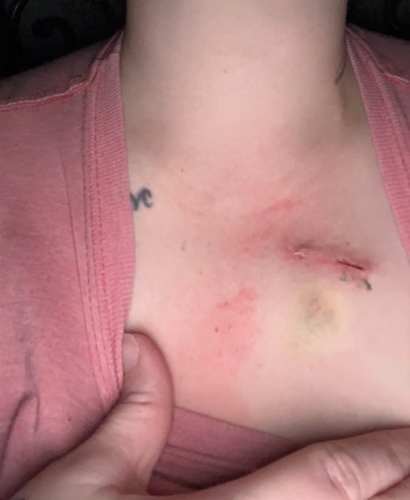
This interview has been edited for clarity and length. This is not medical advice. Please consult with your healthcare provider to make informed treatment decisions.
The views and opinions expressed in this interview do not necessarily reflect those of The Patient Story.
- My name is Macy
- When I first knew something was wrong
- Getting the official diagnosis
- I found out I had HPV in 2018
- Screenings and my medical team
- My treatment: from chemo to internal radiation
- Recovery, remission, and ongoing treatment
- Mental health, self-care, and support
- What survivorship means to me
- Trust in my body and wanting a hysterectomy
- Cancer changed my priorities and motherhood
- What I want others to know
My name is Macy
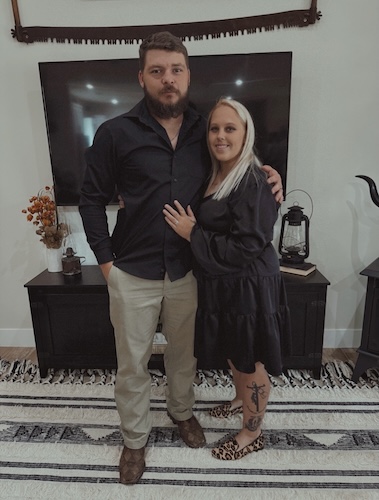
I’m from Houston, Texas. I was diagnosed in 2025 with stage three cervical cancer.
I am a mom. I have three kids, aged 12, seven, and two. I play softball on the weekends; well, I did, but I don’t really do much of it anymore. Other than that, I teach preschool-age children, three and four-year-olds.
That’s pretty much all I’ve got going on. I don’t have a whole lot of a life right now.
When I first knew something was wrong
Well, first it was just pains in my lower back and things like that. So I just thought it was nothing, just the day, or whatever. Then it progressed. That was at the end of last year. Then it progressed a bit to where I was bleeding. It was just spotting, nothing crazy. So I thought it was normal, as I used to not be very regular.
Then, probably around October of last year, 2024, the bleeding started getting worse to the point that I was passing really bad clots, and I was having to get blood transfusions because I was losing a lot of blood. My pain also got worse around then to where I was constantly on high, strong pain medicine, not just over-the-counter medication.
Around the end of November last year, I went to see a urologist because they believed I had issues with my bladder and kidneys. I had been misdiagnosed with kidney infections, UTIs, bladder diseases, and all kinds of things. He ended up saying nothing was wrong with those, and then I couldn’t do anything else until January 2025 because of my insurance.
In January 2025, I finally saw my OB, and he was talking to me about just getting a hysterectomy; we thought maybe I had endometriosis until he did my biopsy. That’s when he found it at the very beginning of January 25th.
Getting the official diagnosis
When I went in for my biopsy, that’s when he actually told me.
I was at the hospital, and they did my biopsy in the hospital because I have a very low pain tolerance, so they put me to sleep to do it. Also, because of all the bleeding, they didn’t want anything to happen. Afterwards, my mom came into the room and I asked her if she had talked to the doctor because he said he would give an update when I was out of surgery. And she told me all he told her was that it didn’t look good.
Then, a week or so later, he called me on the phone. I was actually at work; I had to step out of my classroom and answer his call. He told me that I, in fact, did have cancer. He didn’t tell me the stage or anything like that. He just told me that I for sure had a tumor that covered my whole cervix and that he would get me in touch with an oncologist.
When he told my mom that it wasn’t good, I kind of already knew what he was going to tell me. I’m really big on not getting emotional in front of people, so I just sat there and froze. My husband and my mom were there, so I really didn’t show any emotion that day. I just went on about my day because I didn’t, you know, get told, “Oh, you have cancer today.” I got told it wasn’t good, so I just floated through the next week. Then, when he told me and I was in my classroom and had to step out, I didn’t cry or anything, but the first thing that went through my mind was just my kids — like, what was I going to do?
This was going to be hard because my husband works out of town a lot, so I’m kind of just like a single mom.
I found out I had HPV in 2018
I wasn’t very knowledgeable about HPV at all. When I was told I had HPV when I had my second son in 2018, the doctor wrote it off, like it was fine, that it would handle itself. He didn’t tell me that I needed to do anything, so I just forgot about it. There were no symptoms. There was nothing. I just lived with it, and I was with the same person, so I didn’t have an issue with who I was with. It just disappeared; I forgot I even had it.
And then, when they told me it was HPV-positive cancer, I think they called it squamous cells. I put two and two together, and basically, they told me that having my third child made my HPV react, and my HPV developed into cancer after that.
HPV itself, I honestly don’t know. But as for cervical cancer prevention, yeah. If I had known the two coincided, since I knew I had HPV, I think I would have taken more precautions, gotten examined more often. My pain wouldn’t have been there for so long. I probably would have gotten checked out sooner, or figured something out a lot sooner, because the first bit of pain, I was just too busy. I just pushed it under the rug.
Screenings and my medical team
I was getting annual screenings, but I skipped one after I had my third child, my second son. He did my post-op check a couple of weeks later, and after that, I didn’t get the next one that was supposed to be the following year. They didn’t really remind you — most of the time, they remind you, but he didn’t really remind me. Most of the time, they tell you now that you don’t need them every year, so they don’t remind you. But I think no matter what, you should do them every year.
I trusted my medical team. Once my OB found it — my OB and my wellness doctor (I also have a wellness doctor that I was seeing for my blood levels because I have thyroid disease as well) — both recommended the same doctor, so I figured she had to be pretty good.
At my first visit, she conducted an exam and brought my mom, my sister, and me into the room. She told me the stage that hour, 3B cervical cancer, and that I would need radiation and chemo because the tumor surrounded my whole cervix, and there was no way to do surgery.
My treatment: from chemo to internal radiation
In the first phase, I went to chemo every Tuesday for nine weeks, and at the same time, I was doing radiation five days a week for 25 treatments, Monday through Friday; I only had weekends off.
The very first chemo treatment took me out: I went to work the next day thinking I would be fine, but I was on the ground, sick, lying on a pillow in my classroom. My boss had to tell me to go home because I was trying to stay at work. That first one was hard, but after that, they got really easy. I didn’t really have much going on after the first chemo.
Radiation every day, the side effects didn’t really start until after maybe the second week. I had bad stomach issues with that, but that’s pretty much all. It made me really tired, obviously. I live in a two-story house and couldn’t get up my stairs, so my 12-year-old was very much the second mom of the house. She helped because all the kids’ rooms are upstairs. I could barely walk around my classroom without being out of breath.
After those two treatments, I moved on to internal radiation. I would not wish that on my worst enemy. Internal radiation is when I got really emotional. My mom took me to every single one. Since I had all the problems with bleeding, they did half of the treatment in the hospital. So I went in, and they would insert all the little things they needed. Then I went by ambulance, had to lie flat, and couldn’t move because everything was in place for the radiation. They took me to the radiation office, and I lay in that room on my back for two to four hours while they made a plan for the radiation. That wasn’t too bad the first time; it was just lying there. It gets painful lying there because you have to stay in the same position and not move. A couple of times I fell asleep, so that was good.
The actual treatment only lasted about ten minutes, so once that was over, they took everything out, and you’d get dressed and leave. The first three were okay; the fourth one, though, my medicine didn’t take, so I didn’t have any pain medicine. I cried for all four hours lying in bed flat. When it was finally done, they took everything out, took my IV out, and when I went to change, blood just went everywhere from my arm. The bathroom was covered. I was just crying, and blood was everywhere, and I didn’t know why. I guess they didn’t stop it well enough after taking the IV out. This was one of my most painful sessions, so I was already emotional. Then I started bleeding everywhere, called for my mom, and we both cried while she helped me clean up. It was probably one of the worst things I’ve ever experienced.
Luckily, with the job I have, I think with any regular job, I probably wouldn’t have been able to do it. I teach, but it’s also a place my family owns, so my boss was very helpful. She let me be off whenever I needed to if I didn’t feel good. If I had an appointment, she would immediately call someone to cover me and let me know my schedule weeks in advance. I barely worked back then; she did a lot for me.
Recovery, remission, and ongoing treatment
Right now, they have me in remission.
Every six weeks, I go in and get my labs done. If they look good, I have my treatment that day or the next. Every six weeks, that’s the routine.
I have a full-body CT, PET/CT scan coming up in November. That will be my next scan, and if it’s clear, I will still be in remission; if not, we’ll have to make a new plan.
So for now, I’m doing treatment every six weeks and a scan every couple of months. The treatment gives me joint pain — it hurts to open my toddler’s cups, so my daughter or husband has to do it often.
I’ve also been put into menopause at 31. I get hot sweats and night sweats and don’t have a cycle anymore. I guess that’s the only positive thing out of this.
Mental health, self-care, and support
I’ve never put myself first; it’s always been my kids, my husband, everyone else, then me. I’ve learned to put myself first.
If I’m not feeling well, I’m not going to do whatever is being asked. There’s a lot I miss out on because I know I wouldn’t be able to get through it. For example, my husband took our family to the river for the day, but I knew I wouldn’t be able to last, so I stayed home. He told me to have a day for myself, to relax, do what I wanted, or just sleep. So, I have just learned to put myself first now.
Obviously, my family is where I have found support. My mom was there through the whole thing, and my husband was too. Lana, my boss and family member, helped a lot, giving hugs even though I hate physical affection because “she just knew I needed it.” My friend Morgan would bring my kids home if I couldn’t make it after treatment. My friend Cheyenne threw a whole benefit for me, raising money that helped cover medical and household bills while I missed work. Basically, everyone was very supportive.
The friends I lost, some we reconciled and are okay now. I think a big thing was, they thought it was personal that I wasn’t showing up to events, but I was always in pain, even before the diagnosis. My husband would go to his friends’ houses (wives who were my friends), and I wouldn’t go with him, and they took it personally. I can see where they were coming from, but they didn’t know how I was feeling. A lot were misunderstandings. It wasn’t a dramatic falling out, but more just drifting apart.
Some friends and I have sat and talked and have repaired things. I let them know where I was coming from, and after a bit, they understood. Some of them are back around, and we are trying to fix our relationships. At the same time, I feel like they should have understood anyway. Nobody chooses to go through this. I would rather have been tired at their house all night than at home crying in pain. It taught me that you learn who your friends are.
I don’t think I had any new communities join my life, but that was kind of on me because I stayed to myself. I was introduced to a cancer support group at the hospital, where you could do wigs or just be around people, use the kitchen, etc., but I never went. I have anxiety and don’t go to new places much. I did make a couple of new friends via social media. Strangers would comment on my story, and one girl having the same diagnosis and treatment reached out, and we talked each other through it, even though she was in another state. We both were having internal radiation at the same time.
What survivorship means to me
I don’t really feel like I’ve survived yet, not until after remission. They tell you that you’re in remission for three years, and it could come back any time. You’re not really “cured” until after that three-year mark.
I haven’t rung the bell; I’m saving that for after my three years, once I’m truly done. Then I’ll feel like a survivor.
I don’t really manage the fear of recurrence; it comes and goes. I have bad dreams almost every night about my cancer coming back, not being there for my kids. They are so young. My husband is amazing, but dads don’t remember everything. I worry: what will they do if I’m not around? He works out of town so much.
If it does come back, I think about whether I would do the treatment again — I’m honestly not sure. It would depend on how bad it was.
Emotionally, it feels like a roller coaster. One day, I may look okay and people think I’m better, but five minutes later, I could be alone in bed crying, in pain. Most of the time, you fake it in front of people. Physically, it’s about the same — others don’t really know.
Trust in my body and wanting a hysterectomy
No, I don’t have trust in my body now. Any pain, I immediately think it’s cancer. My back hurts, and I automatically go there because that’s where it all started. I was even hospitalized for two weeks this past summer due to kidney swelling, and I immediately panicked that it was cancer spreading, but it was just a bad infection. My immune system just couldn’t handle it.
I would love to have a hysterectomy. I’m done having kids, all of that. It’s chopped, fried, radiated, I’m done. They told me I could not have one. After all the poison in my body, they said if they cut in there, it could spread the cancer, so it’s out of the question.
Even after three years of remission, I was told it’s really not an option.
Cancer changed my priorities and motherhood
Motherhood — I have learned how to treat my kids better.
I was never a horrible mom, but I was very stern, had schedules and chores, just as I was raised. I’ve really eased up on my kids about things like that.
The chores are still there, but if there are dishes in the sink or toys on the floor, it’s okay. I’ve realized you never know what’s next.
What I want others to know
If your doctors recommend internal radiation, do not turn it down. It is an option to refuse, and they said more cases return because people opted out. That’s the only reason I made myself go through it; I didn’t want there to be a greater chance of the cancer coming back.
I felt alone a lot after being diagnosed with cervical cancer, even when surrounded by people. Nobody really knows what you’re feeling or going through, no matter how hard you try to explain. Honestly, the only thing that got me through was social media. If I posted anything, the positive comments, people praying for me, boosted my confidence and made me feel like everything would be okay. If there’s nobody physically next to you, social media literally made me feel like I had people surrounding me.
If I could speak to myself at diagnosis, I’d probably tell myself that it’ll be over soon. And that you’ll get through it. That’s pretty much it.
“It felt like it would never end. I literally told my mom, ‘This feels like it’s never going to end.’ But it finally did.”
Lastly, if you don’t advocate for yourself, that’s about it. My doctors were amazing, so I didn’t have too many issues, but I know some doctors don’t listen. That’s what caused me to wait so long for a correct diagnosis because I just assumed, “Oh, you’re a doctor, you know what you’re talking about.” Sometimes, they don’t. So, if you don’t think that’s the answer or what they’re saying isn’t working, speak up for yourself.
Inspired by Macy's story?
Share your story, too!
More Cervical Cancer Stories
Willow B., Pelvic Cancer, Grade 1, Stage 2.5
Symptoms: Persistent fever-like chills, scratchy throat, fatigue, post-orgasm pain, heavy bleeding, severe cramping
Treatments: Surgery (radical hysterectomy), radiation, chemotherapy, hormone replacement therapy (HRT)
...

Samantha R., Adenocarcinoma Cervical Cancer, Early Stage
Symptoms: Irregular bleeding, pain
Treatments: Surgery (radical hysterectomy, pelvic exenteration), chemotherapy, immunotherapy, radiation therapy, hormone replacement therapy, hyperbaric oxygen therapy
...

Amanda L., Cervical Cancer, Stage 3
Symptoms: Heavy periods, abnormal bleeding, large blood clots, severe cramping, severe abdominal pain, pain radiating down the left leg, loss of mobility in the left leg, loss of appetite, fatigue
Treatments: Chemotherapy, radiation therapy (external beam radiation therapy & brachytherapy)
...

Mila L., Squamous Cell Cervical Cancer, Stage 1B1
Symptoms: Abnormal lump in cervix area, bleeding after sex
Treatments: Chemotherapy (cisplatin), radiation, adjuvant chemotherapy (carboplatin & paclitaxel
...
McKenzie E., Cervical Cancer, Stage 3C2
Symptoms: Severe abdominal & back cramping, persistent & extreme pain, heavy discharge & bleeding
Treatments: Radiation, chemotherapy (cisplatin), brachytherapy, immunotherapy (Keytruda)
...
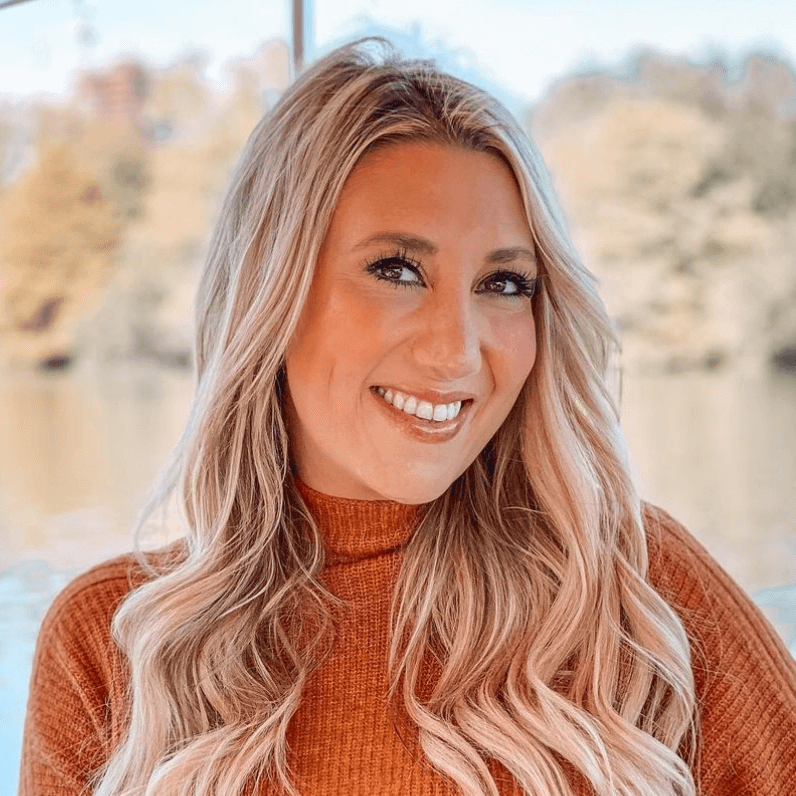
Marissa N., Squamous Cell Cervical Cancer, Stage 3B
Symptom: Excessive and prolonged vaginal bleeding
Treatments: Chemotherapy (cisplatin), radiation, brachytherapy
...
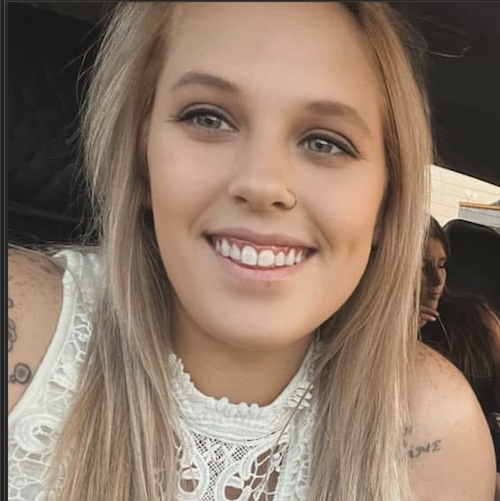
Alicia P., Bile Duct Cancer (Cholangiocarcinoma), Stage 4 (Metastatic)
Symptoms: Bleeding for a month, passing large clots of blood, severe pain in lower back
Treatments: Chemotherapy, radiation therapy
...
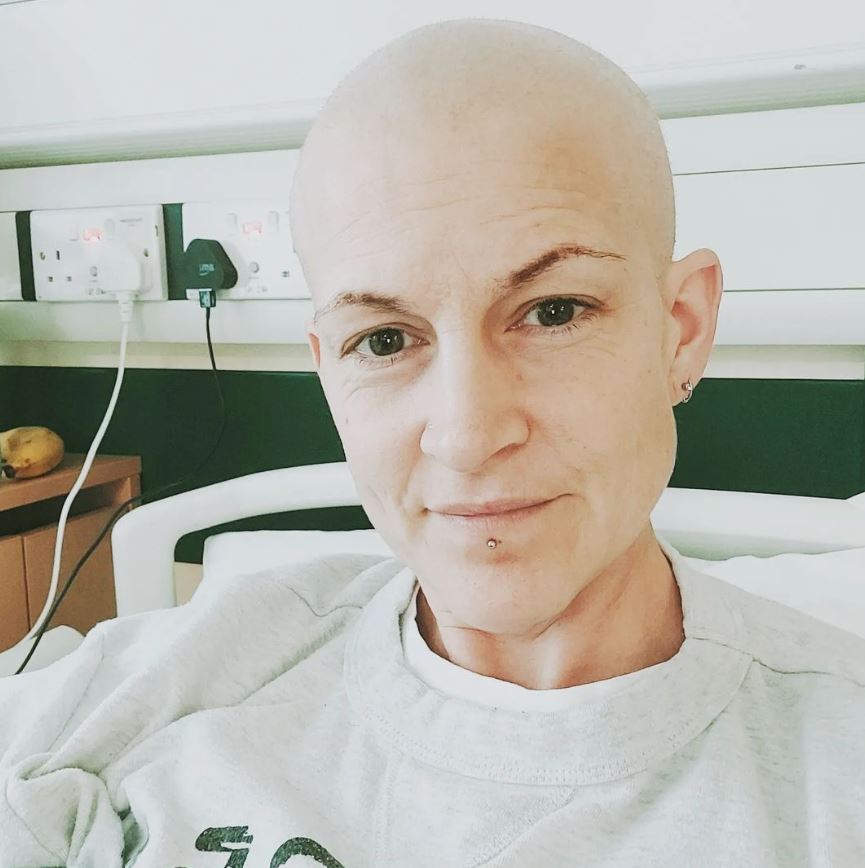
Leanne B., Cervical Cancer, Stage 4
Symptoms: Fatigue, irregular periods, pain after sex
Treatments: Radiotherapy, brachytherapy, chemotherapy (carboplatin & paclitaxel)/p>
...
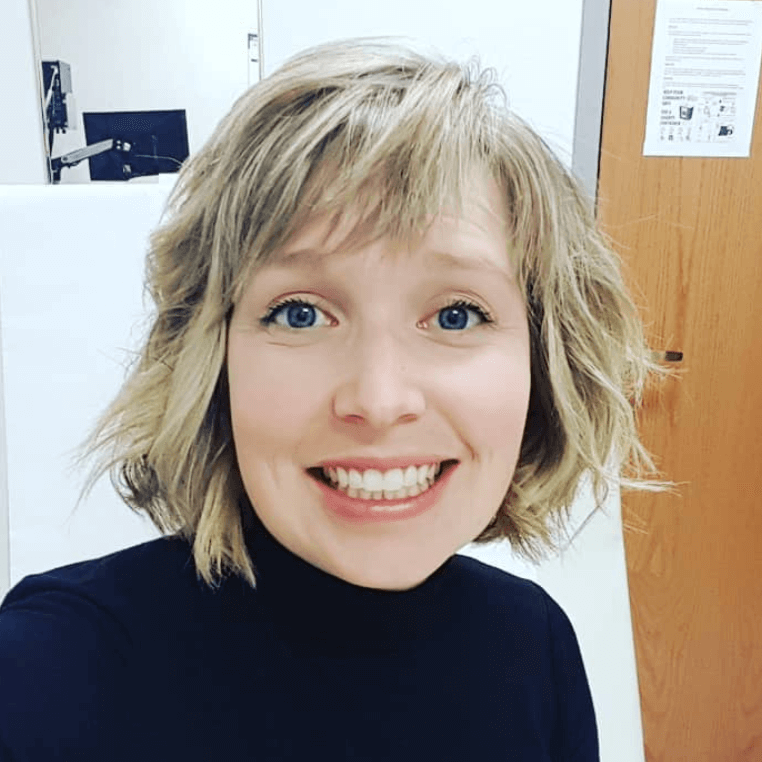
Kristine M., Adenocarcinoma Cervical Cancer, Stage 2B
Symptom: Tumor found during postpartum pap smear
Treatments: Colposcopy with endocervical curettage, cone biopsy, total abdominal radical open hysterectomy with lymph node removal
...