
More Than a Diagnosis: Finding Community Became Jes’ Lifeline Through Triple-Negative Breast Cancer
Jes was in her late 30s, busy with motherhood and life in California, when she felt an itch on her chest that led her to discover a lump. Despite fatigue and headaches she thought were the result of a busy lifestyle, her intuition told her something was wrong. After navigating insurance barriers and delays, she was diagnosed with triple-negative breast cancer (TNBC), an aggressive form of the disease.
Interviewed by: Taylor Scheib
Edited by: Katrina Villareal
Her experience began with a shocking misdiagnosis at a clinic where she was initially told she had a noninvasive cancer that would only require surgery. It wasn’t until she met with a surgical oncologist that she learned the true severity of her invasive ductal carcinoma (IDC), which would require chemotherapy, immunotherapy, and surgery.
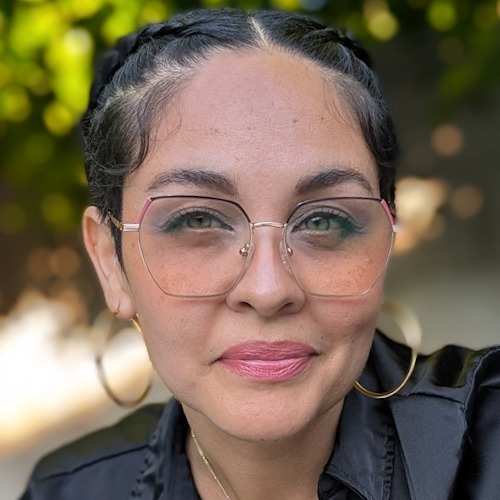
Facing a grueling treatment regimen, Jes endured eight rounds of chemotherapy and immunotherapy, followed by a bilateral mastectomy. While the treatment successfully led to a status of no evidence of disease (NED), her experience did not end there.
Jes is candid about the often-overlooked reality of survivorship: the long-term health issues caused by treatment. Her body’s reaction to immunotherapy sent her immune system into overdrive, attacking healthy cells and leaving her with chronic physical challenges that persist years later. She emphasizes that beating cancer doesn’t always mean returning to life as it was before.
Throughout her experience, Jes turned to TikTok. She created her own community under the mantra “my page, my rules.” By sharing her story, she connected with others facing similar isolation. This digital community became a lifeline, leading to deep friendships, including a meaningful bond with stomach cancer advocate Alyssa. Jes’ story is a powerful testament to the necessity of self-advocacy and the healing power of shared experience, proving that even virtual connections can be profoundly real and lifesaving.
Watch Jes’ video or read the edited transcript of her interview to know more about her story:
- Trust your intuition: Even when symptoms like fatigue seem explainable, knowing your body and acting on changes, like a new lump, are critical.
- Verify your diagnosis: Miscommunication can happen. Jes discovered she had invasive cancer only after double-checking her initial diagnosis with a specialist.
- Too young is a myth: Cancer does not discriminate by age, and young adults must advocate for themselves when providers dismiss concerns based on demographics.
- Survivorship can be chronic: Reaching no evidence of disease does not always guarantee a return to full health. Long-term side effects from treatments like immunotherapy are a valid and challenging part of the experience.
- Community takes many forms: If local support groups don’t resonate, digital spaces can provide vital connection, understanding, and friendship.
- Helping others heals you: Transforming personal hardship into advocacy and support for others can be a powerful mechanism for processing one’s own grief and trauma.
- Name: Jes S.
- Age at Diagnosis:
- 38
- Diagnosis:
- Triple-Negative Breast Cancer
- Symptoms:
- Fatigue
- Headaches
- Itch on chest
- Lump
- Treatments:
- Chemotherapy: AC (doxorubicin and cyclophosphamide)
- Immunotherapy
- Surgery: bilateral mastectomy
- Biologics
This interview has been edited for clarity and length. This is not medical advice. Please consult with your healthcare provider to make informed treatment decisions.
The views and opinions expressed in this interview do not necessarily reflect those of The Patient Story.
- Who I am
- What community means to me
- Early warning signs: Fatigue and finding a lump
- Navigating insurance barriers and delays in diagnosis
- Accessing care through community resources
- Managing anxiety during the waiting period
- The shock of misdiagnosis: From “best case” to invasive cancer
- Breaking the myth: Breast cancer at a young age
- The treatment journey: Chemotherapy, immunotherapy, and a double mastectomy
- Life after no evidence of disease: Managing long-term side effects
- Finding and creating support on social media
- A bond beyond diagnosis: Friendship and loss in the cancer community
- Honoring Alyssa’s legacy through creativity
- Navigating collective grief and virtual connections
- The lifesaving power of shared experience
Who I am
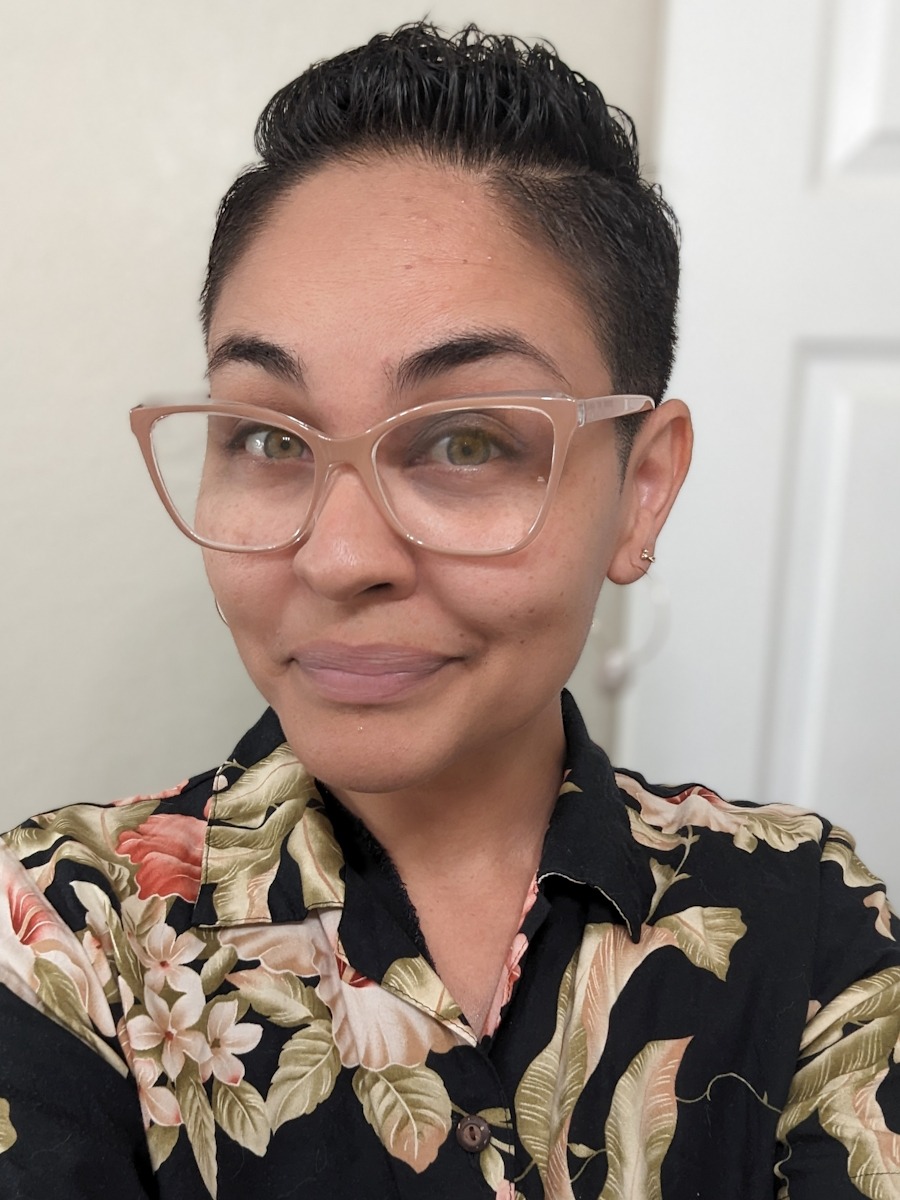
My name is Jes, and I’m a triple-negative breast cancer survivor. I was diagnosed in February 2023. I’m from California.
What community means to me
Community is at the heart of everything that I do and who I am. Even before my cancer diagnosis, every piece of my life has always had a community attached to it. I’m a partner, a mother, and a friend. But through all the different chapters in my life, it’s always been driven and held through community.
I’m an only child. Growing up, I would seek community and be involved in student government and in all the ways that I could help people. Probably a lot of where it stems from is my desire to help.
Community is a place where you’re held and understood without having to explain yourself or go into detail. Community is a place where you show up and people say, “I get it. Me, too. I see you.”
Early warning signs: Fatigue and finding a lump
Before I was diagnosed, I had no idea that I had cancer growing in my body. Looking back now, I know that there were signs based on what I’ve heard other people talk about and from research that I’ve done. But back then, I had no idea that the things that I was experiencing were because I had cancer.
I was super fatigued all the time. But I was also a full-time mom running around all over the place and driving kids to activities, so I didn’t think much of it. I had headaches, but that’s not uncommon for me. A lot of the things that I was experiencing weren’t out of the norm. Honestly, they were easily explained away. As a woman, as a mother, and as a busy person, oftentimes we can explain away our symptoms so readily.
I had not been feeling well, but I didn’t think much of it. When I woke up one morning and rolled over, I had an itch on my chest. When I scratched under my breast, I knew that it wasn’t there before. I don’t remember feeling that. I have always been very intuitive and very familiar with my body. As soon as I felt it, my heart sank. It was almost like I knew immediately that something was wrong.
In hindsight, those pieces didn’t come together until well after my diagnosis. Honestly, probably not even until after I was through treatment. You find the lump and you know something’s not right. At that time, I did not have health insurance; it took several months. I found the mass in November, and it wasn’t until February that I got a diagnosis because of trying to get insured and getting the proper appointments. From that point until starting treatment, you put your head down and try to get through. There wasn’t a whole lot of, “Oh, that was what actually was happening,” until the dust had started to settle a little bit.
Navigating insurance barriers and delays in diagnosis
I wasn’t insured when I found the mass in my breast. I knew that I needed to book an appointment and get it checked out. But I also knew that as soon as I started that process, I was opening the floodgates.
There was a part of me that was putting it off and not wanting to jump in, because I knew all that was going to come from opening that door. But I also knew that I needed to act sooner rather than later, especially if it was something scary like cancer.
A good friend who’s like my little sister was one of the only people whom I told, other than my partner, that I had found this mass. Every few days, she would check in with me and ask, “Hey, did you make that appointment? Did you call?”
I knew from when I was in my early 20s and uninsured that I could access care through Planned Parenthood, so that was going to be my first stop. I knew that because of their income-based fees and where we fell with the income that we would qualify, they would see me, and I would most likely not have to pay much, if anything at all. So I was able to get a breast exam.
Accessing care through community resources
Here in California, they also have a program called Every Woman Counts, which is an amazing program that I honestly felt saved my life. If you’re uninsured, they will connect you with a provider who will do mammograms and biopsies for any gynecological issues you have that may need monitoring, as well as any issues with your breasts. I was referred to a program to get a mammogram. I ended up having to have a second breast exam at a different clinic, because they were the ones who had to refer me to get the mammogram, so there were more delays.
I had that appointment, got scheduled for my mammogram, and had the mammogram. Of course, after, they said, “We’re going to take you into the other room and do a sonogram.” I still didn’t think a ton of it. In my gut, I knew something wasn’t right, but I wasn’t sure what to make of it. They did the sonogram, and the doctor came in. This was all around the holidays, too. I’m in between Christmas shopping and trying to get things done while also trying to manage these appointments. The doctor came in and said, “We’d like to take a closer look at this. We’re going to schedule you to come back and have a biopsy.”
Because it was the holidays, I had to wait and I didn’t end up getting my biopsy until mid-to-late January. Come to find out, I had triple-negative breast cancer, which is extremely aggressive. It grows very fast. I’m lucky that even though it did take a few months for me to get the care that I needed and to get the diagnosis, it happened in enough time before anything had spread.
Managing anxiety during the waiting period
It was difficult. But also, I made the conscious choice not to tell anyone what I was going through because I didn’t want to worry anyone. My mother’s uncle passed away from cancer days before I was diagnosed. A cousin had also passed from cancer about a year and a half before I was diagnosed.
I come from a very small family, so to have cancer take two people from our family and then knowing that it was a possibility that I had cancer, I didn’t want to tell anyone in my family yet. I wanted to hold that information until I knew what was going on and had a plan in place. Because I hadn’t told many people, it was easier to hold that information without having the pressure of everyone asking me how I was doing, if I had heard anything yet, or if we had any answers.
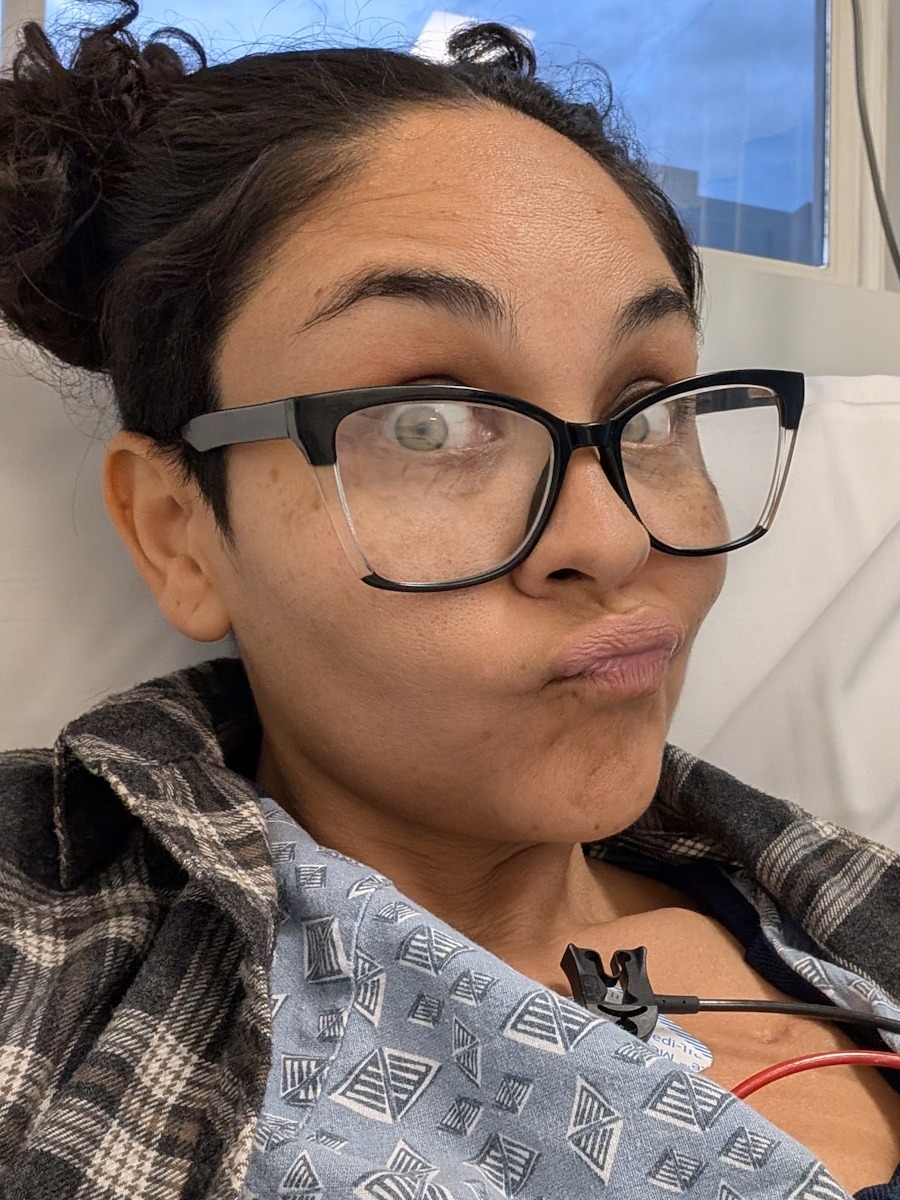
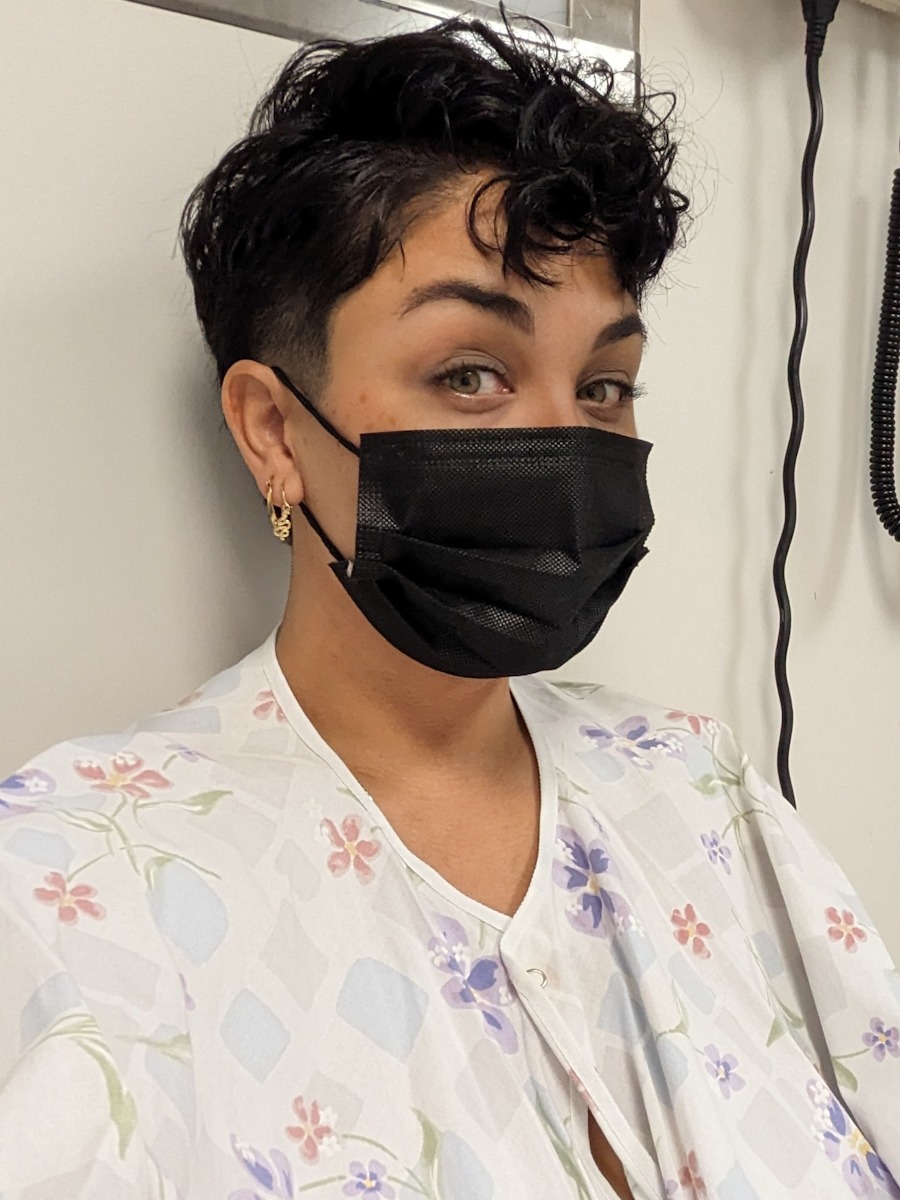
Looking at my pictures, I want to jump in and hug myself because I know how stressed and anxious I was waiting for the other shoe to drop, because I knew it was coming.
Even though I chose not to tell a lot of people that I was going through this diagnostic process, I knew that as soon as I said anything, they would be there and hold me through it. I’m so grateful that, in the midst of everything that was going on at that time, I had access to community resources. Being lower income, not having insurance, and not knowing where to turn, I’m forever grateful that these programs exist.
The shock of misdiagnosis: From “best case” to invasive cancer
Finding out that I had cancer is an interesting thing to look back on and to tell the story of, because the story is twofold. I went to the clinic to get my diagnosis. I knew that what would most likely happen would be that I would have to get surgery. I knew that there was a possibility it could be cancer, but I kept being told at every appointment and every step along the way that I was so young and it was probably benign.
When I went to the office, I was by myself. It was Christmas time. I could hear the staff laughing and talking about a Christmas party. The doctor walked in with a paper and he sat back. He’s young. He held the paper up and said, “I’m sorry, it’s cancer. But the good news is that it’s the best-case scenario out of the worst-case news.”
He continued, “My mom had this same type of breast cancer. All she needed was surgery. She didn’t have to do chemotherapy. She didn’t lose her hair. None of that. We’re going to refer you to a surgical oncologist.” As he handed me the paper, I was in shock. I have cancer, but it’s the best-case scenario. All I have to do is have surgery. Cool. I can handle this, right?
News flash: That’s not what happened. I did, in fact, have to have chemotherapy. I did, in fact, lose my hair. It wasn’t just a surgery. And that clinic doctor gave me the wrong diagnosis.
With breast cancer, you can have invasive ductal carcinoma (IDC) or ductal carcinoma in situ (DCIS). Noninvasive usually means you just have surgery. It’s contained in your ducts and there’s no spread, so you can have it removed and it’s all good. That wasn’t what it was.
He was looking at a paper that had been printed off for him. On that paper were both invasive and noninvasive. Whoever encircled it said that I had noninvasive triple-negative breast cancer. At that time, I didn’t know anything about breast cancer beyond the fact that I knew women get breast cancer. I did not realize that there were different types.
I remember opening up MyChart and looking at the results. I remember reading the word “invasive.” That word jumped out at me. In the back of my head, I knew that something wasn’t right
I finally got an appointment with the surgical oncologist again. I went by myself because I was under the impression that I would be talking to this surgeon about getting surgery to have my breast removed.
The surgeon’s amazing. She was explaining everything to me. She talked about noninvasive ductal carcinoma, and then moved on to talk about invasive ductal carcinoma. I stopped her and said, “But the clinic doctor told me that I have that kind of cancer. Not this one.”
She said, “No, I’m sorry. You have invasive ductal carcinoma. It’s triple-negative. Your only treatment options are going to be chemotherapy and surgery, and potentially radiation and immunotherapy.”
That was the hardest moment for me because it was like finding out I had cancer all over again, but now knowing that not only was it going to be just surgery, I was also going to have chemo. I was going to lose my hair. Our whole lives were going to change.
Breaking the myth: Breast cancer at a young age
Every single appointment leading up to my diagnosis, I was told, “You’re young. We probably don’t need to worry about this.” Looking back, knowing what I know now and all the people that I’ve connected with who have been diagnosed with breast cancer, the statement “you’re too young” should never come out of any doctor’s mouth.
Cancer does not discriminate. It’s no longer an old person’s disease. I feel incredibly lucky that even though I was so young, that didn’t play a role in the delay in my care. Unfortunately, what I have seen happen is if you’re too young to get breast cancer or any kind of cancer for that matter, oftentimes people are pushed off and not taken seriously. Unfortunately, that leads to patients being diagnosed at later stages because they’re not taken seriously.
The treatment journey: Chemotherapy, immunotherapy, and a double mastectomy
I was diagnosed on February 1st. Then I went in to have a port placed in my chest for chemotherapy, which I started in mid-February. I was told that I would have six rounds to start, then surgery, and then radiation therapy, if necessary.
When I got to round three of chemo, I thought, “Okay, I’m halfway there.” We went to my oncologist to get chemo and he said, “We have one more round and then you have four of the next.” I didn’t have three rounds left. I had four more rounds left, so I had eight rounds total. Along with chemotherapy, I had immunotherapy with every round.
Chemo was very hard on my body. I have always been extremely med sensitive. If folks are familiar with the different types of chemo, I was on the “Red Devil,” which people know as harsh chemo. I ended up being hospitalized, which was probably the hardest point of treatment. It was very scary. My oncologist lowered the dosage because my body was having such a hard time handling it.
I successfully finished chemo in August 2023, and then I opted for a bilateral mastectomy. I didn’t have to do that, but I needed to for my peace of mind. I could have opted for a lumpectomy. When we did a breast MRI and a mammogram after chemo, they could not detect the tumor anymore. But for my peace of mind, I chose to have the mastectomy.
After surgery, I found out that there was no evidence of disease. The chemo had done its job. I never had any lymph nodes test positive. The chemo got rid of all of the cancer. I was lucky and did not need radiation.
Life after no evidence of disease: Managing long-term side effects
Oftentimes, when you get to the point of NED as a cancer survivor, there’s so much celebration because you beat it, right? You did it. Now you get to go back to your life, forget all about the cancer, move on, and live happily ever after.
Unfortunately, it does not always go that way for us. I’m one of those patients who have been left with long-term health issues because of cancer treatment.
When I was done with my surgery, because I had triple-negative breast cancer, the recommended course of treatment was to continue with immunotherapy. Every round of immunotherapy that I did after surgery, I continued to get sicker and sicker. Doctors talk about immunotherapy as less aggressive than chemotherapy. You shouldn’t have very many side effects, if any at all. It helps your body to find and fight any little bit of cancer that could be left that is undetectable by scans. Unfortunately, my body took that immunotherapy and ran with it, and it has caused my immune system to go into overdrive and start to attack my healthy cells.
I was put on steroids to try to manage some of the symptoms. My oncologist and I were hopeful that after a few months, things would even out after being off immunotherapy. Unfortunately, every time I would taper off the steroids, a bunch of physical symptoms would come back. I felt sick all the time. The reactions that I was having were not very standard. They were in the lowest percentage of people who have this happen to them. I was able to get an appointment at a clinic that specializes in immunotherapy toxicity.
I’m currently on a monthly injection. It’s a biologic that’s supposed to counteract what immunotherapy has done to my body. Of course, that comes with its own set of side effects. It’s been two years since I finished active cancer treatment, and my life looks nothing like I thought it would two years out. I knew going into treatment that my life would never be the same, but I could never have anticipated the aftermath that I would be dealing with for as long as I have been dealing with it.
Finding and creating support on social media
When I was first diagnosed, I knew that I had a family friend who had gone through the same kind of cancer that I had several years prior. I also knew that I had a distant family relative who had had breast cancer twice, so I connected with them first. They were my first point of contact. I wanted to talk to somebody who has been through it, so I can get my bearings.
I have always been a storyteller. I had an experience when I was in junior high when something happened in my family and I talked to a family friend about it. I remember her telling me vividly: We go through things in our lives that are hard. Sometimes when we go through those things, we’re then able to take those experiences and help other people through what we’ve been through. That has stuck with me since I was 13 years old.
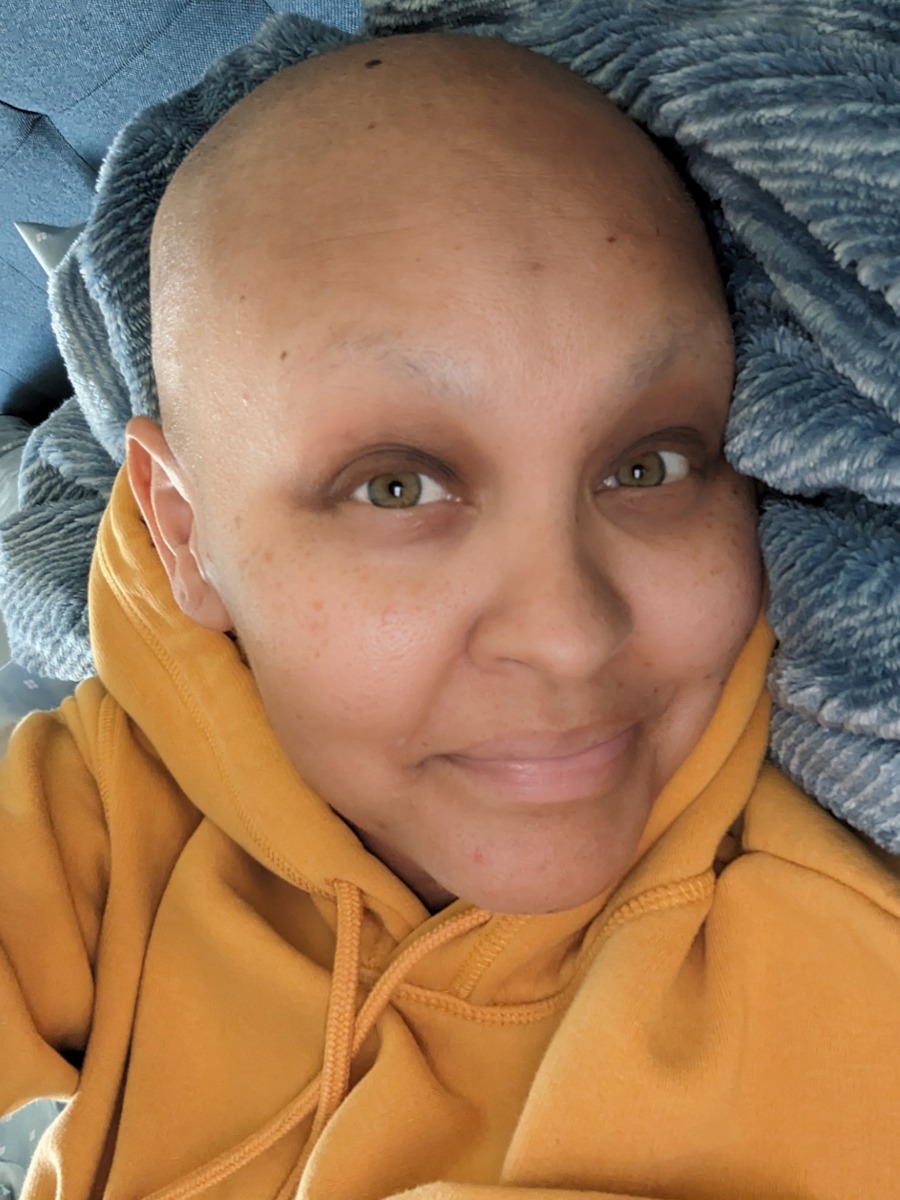
Getting diagnosed with cancer, I knew that I would probably end up sharing my story. I took to TikTok and decided that I’m going to make funny videos about going bald and having to shave my head. I remember getting a comment from somebody who said, “Why would you cut off all of that beautiful hair?” And I said, “There’s my opening. I’m going to tell my story.”
Going into it, my mantra was “my page, my rules.” If somebody leaves a mean comment, I’m going to delete it. I’m going to ignore it. I knew that what I was about to embark on was not going to be easy, and it was going to be extremely vulnerable. But I also knew that I had to protect myself.
What I found quickly was that there were so many people who were going through what I was going through. There were so many people who did not post their stories, but who would comment on my videos and would say, “Oh my gosh, I thought I was the only one.”
I found and created my own support group. Where I live, there’s a high elderly population and at my cancer center, I’m the youngest by 20 to 30 years most of the time. Attending a support group at my cancer center was not exactly what I was looking for. But what I found through TikTok was that I got to craft my own support group for people who could understand where I was and what stage of life I was in.
A bond beyond diagnosis: Friendship and loss in the cancer community
One of the most beautiful things about TikTok and about social media in general is that it brings connections into our lives that we wouldn’t have had otherwise. It’s such a messy thing to think about. If it weren’t for having cancer, there are people whom I would not have known and friendships that I would not have had otherwise, which is very complicated. Nobody wants to go through cancer. If I had it to do all over again, would I? No, not really. But I also have some of the most beautiful, long-lasting friendships and relationships that I wouldn’t have otherwise.
Alyssa and I found each other through TikTok. We were immediately drawn to each other. She had the most magnetic personality ever, and we clicked almost immediately. We followed each other right away. I reached out to her and asked if she would be willing to share her story on TikTok Live with me, and she agreed. That was the beginning of the depths of our friendship.
Things started to turn for her and we knew that things were not going to be good. I knew she had a ginormous fan base that loved and supported her. I knew how important that space was to her, so I told her, “If at any point you need someone to update the community on your behalf, I will do that for you. I know how much it means to you, and I know that you want to keep people informed.”
She wanted to keep telling her story. When there were times she couldn’t, she would reach out to me and say, “Can you share this or let people know what’s going on?”
Honoring Alyssa’s legacy through creativity
When Alyssa was still alive, we had her on our podcast as a guest, and we made a pact. We promised that we would continue to tell her story and keep her legacy alive. When she was in hospice, she sent me markers and some coloring books. In her TikTok videos, she always had the coloring pages she and her partner had colored together. I had gotten into coloring because of her. Here she was in hospice, literally on her deathbed, sending me gifts.
My friends and I, who started a nonprofit together, collectively decided that coloring was part of how we would keep her legacy alive. She inspired us to color, be creative, and use our hands. We’re excited to launch the Alyssa Coloring Fund through our nonprofit to provide coloring supplies to folks going through hard times.
Navigating collective grief and virtual connections
Grief is a funny thing because there are so many different layers that come with it. I thought that I knew what I was getting myself into by offering to be her voice and continue to share updates. But Alyssa had a huge platform of loving, loyal followers. She sent them to me because she trusted me with the community that she had built.
I didn’t realize the complexity that would come with carrying my own grief, while also navigating the collective grief that the community was feeling. Some days were heavy and hard.
We never had the opportunity to meet in person. It’s something that I will forever regret for the rest of my life. That adds a layer of grief to it as well, because I know the relationship and friendship that we had. I found myself scrolling through old text messages, listening to old voice notes, and looking at videos we had sent back and forth to each other. I needed to remind myself and ground myself in the fact that even though we never met in person, the connection that we had was so real. It speaks to the fact that even if our community is virtual, it’s real. The connections that we make are real and meaningful.
The lifesaving power of shared experience
Oftentimes, people will say to me, “I could never do what you do. I could never tell my story so publicly. How do you do it?” To those people, I say, “So did I.” I hated it when I first started. But what I find is that even in the hesitation, you never know who is listening. You never know who you can impact through telling your story.
For the people who don’t even tell their closest friends that they have cancer, you still need community. You need to have someone who can understand what you’re going through, because it will make a world of difference in your experience.
I have had countless people message me over the last several years who have never even told their kids, their friends, or their coworkers that they have cancer. They’ve essentially been navigating it alone. Yet, they’ve reached out to me, a stranger on the internet, to ask their questions and share their stories.
Whether you want to tell your story or not, seeking out community, even if it’s virtual, will be your lifesaver. It will carry you through the roughest waters. I know for a fact that if I did not have the community that I have right now, I would not be where I am today.
Inspired by Jes's story?
Share your story, too!
More Triple-Negative Breast Cancer Stories
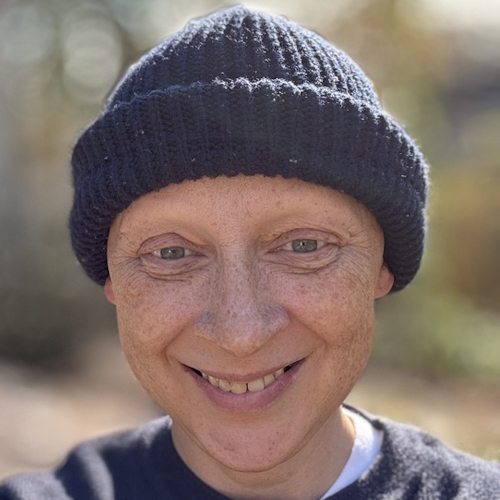
Maggie C., Triple-Negative Breast Cancer, Stage 4 (Metastatic), PD-L1+
Symptoms: Bruising sensation in the breast, soft lump
Treatments: Chemotherapy, clinical trial (antibody-drug conjugate and immunotherapy)
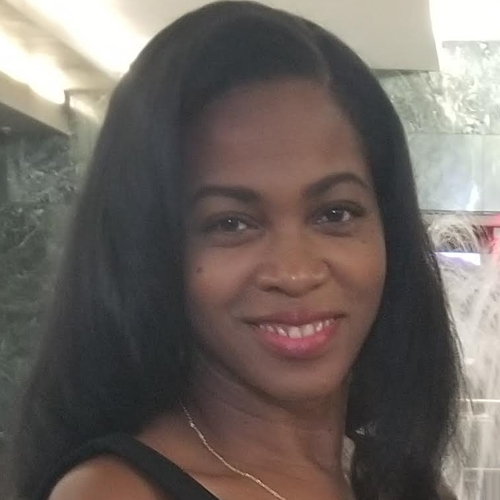
April D., Triple-Negative Breast Cancer, Stage 4 (Metastatic), BRCA1+
Symptom: Four lumps on the side of the left breast
Treatments: Chemotherapy (carboplatin, paclitaxel doxorubicin, surgery (double mastectomy), radiation (proton therapy), PARP inhibitors
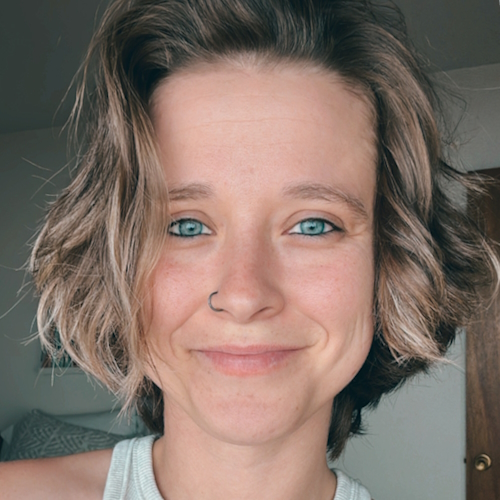
Chance O., Triple-Negative Breast Cancer, Stage 2, BRCA1+
Symptom: Lump on breast
Treatments: Chemotherapy (doxorubicin, cyclophosphamide, paclitaxel, carboplatin), surgery (double mastectomy), radiation, radical hysterectomy (preventive)
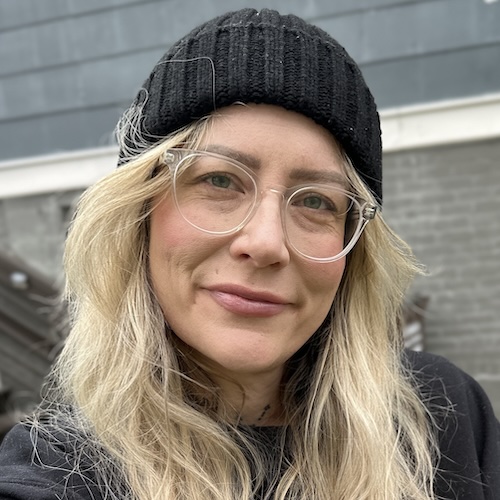
Nicole B., Triple-Negative Breast Cancer, Stage 4 (Metastatic)
Symptoms: Appearance of lumps in breast and liver, electric shock-like sensations in breast, fatigue
Treatments: Chemotherapy, surgeries (installation of chemotherapy port, mastectomy with flat aesthetic closure), targeted therapy (antibody-drug conjugate), hyperbaric oxygen therapy, lymphatic drainage
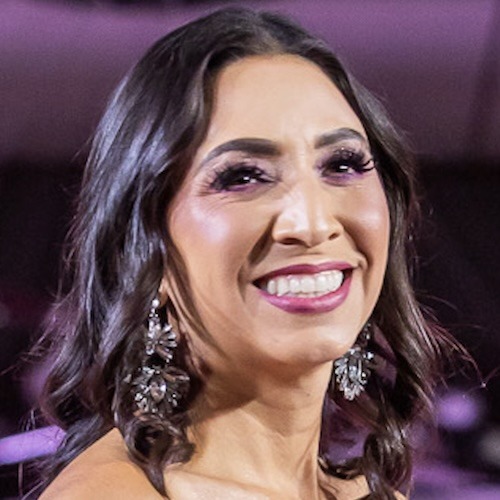
Marina B., Triple-Negative Breast Cancer, Stage 2, BRCA1+
Symptoms: Month-long twinge of pain in breast (first diagnosis), appearance of lump in armpit (second diagnosis)
Treatments: Chemotherapy (AC and paclitaxel), surgery (mastectomy and reconstruction), radiation therapy
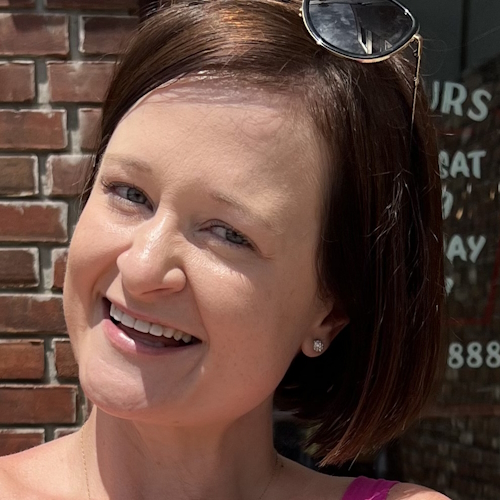
Kelly T., Triple-Negative Breast Cancer, Stage 3C
Symptoms: Swollen lymph nodes on the neck, high white blood count
Treatments: Chemotherapy (doxorubicin, cyclophosphamide, paclitaxel, carboplatin, capecitabine), surgery (nipple-sparing, skin-sparing double mastectomy), radiation, hormone therapy (tamoxifen)
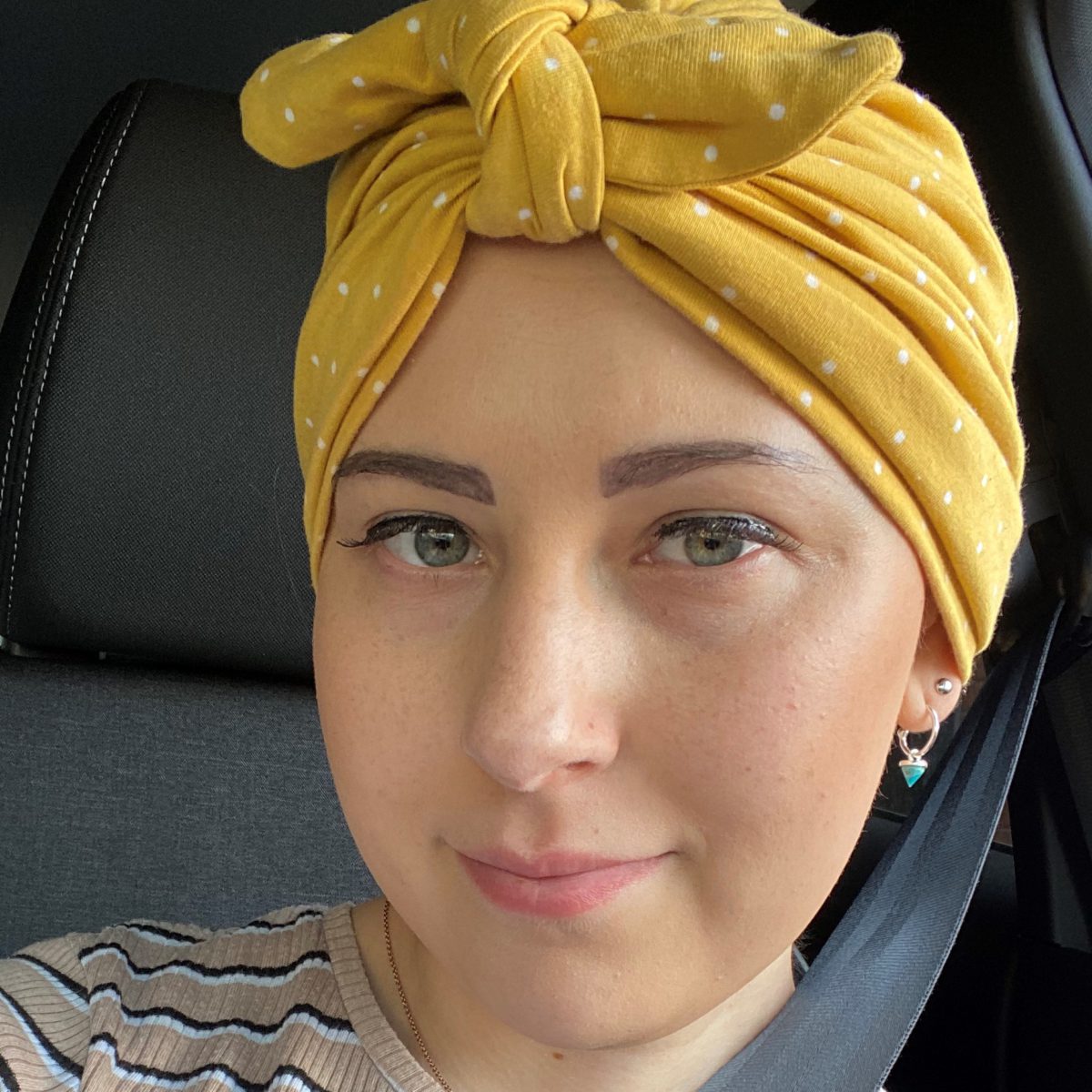
Lucy E., Triple-Negative Breast Cancer, Grade 3, BRCA1+
Symptom: Lump in breast
Treatments: Chemotherapy, surgery (double mastectomy)
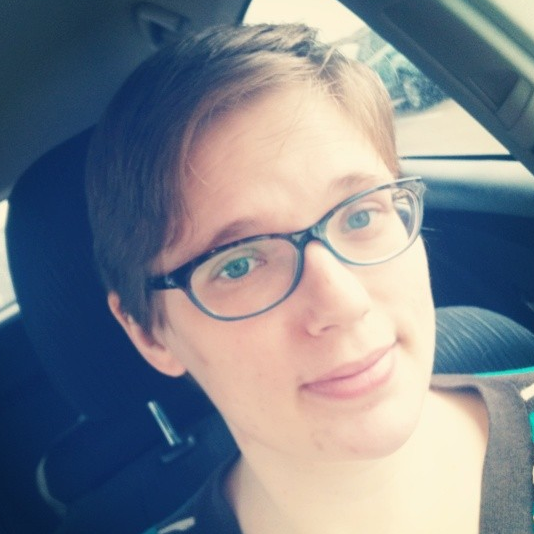
Melissa H., Triple-Negative Breast Cancer, Stage 2B, IDC
Symptom: Lump in left breast
Treatments: Surgery (mastectomy), chemotherapy
Symptom: Pea-sized lump
Treatments: Chemotherapy, surgeries (bilateral mastectomy, reconstruction)