
From Confusing Symptoms to Motherhood and Advocacy: Taja’s Polycythemia Vera Story
Living with polycythemia vera, a rare myeloproliferative neoplasm, changed Taja’s path entirely. She was diagnosed in 2015 after fainting spells and abnormal lab results. For months, doctors dismissed her concerns, telling her she was too young for cancer. By tracking her own labs and bringing them to a clinical director, she finally received the correct diagnosis.
Interviewed by: Ruth Fein Revell
Edited by: Katrina Villareal
At the same time, Taja was caring for her grandmother with pancreatic cancer. Experiencing illness both as a patient and a caregiver shaped her belief that gratitude reveals hidden beauty, even during pain and uncertainty.
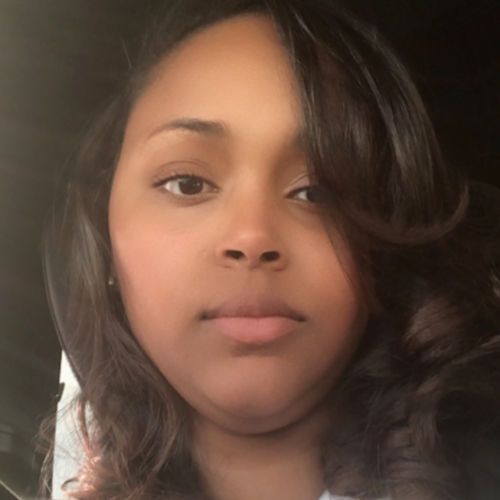
When told she could not safely become pregnant, Taja and her husband sought specialists and pursued IVF (in vitro fertilization) during the COVID pandemic. Their efforts succeeded and they welcomed their daughter, Miracle. Afterward, her disease accelerated and she underwent a bone marrow transplant with her father as the donor.
Though the transplant caused ongoing side effects, Taja chooses to use her voice through Miracle Circle Hands, an advocacy group that supports people with invisible illnesses. Her hope is to show that even in hardship, life can still offer light and connection.
Key Story Takeaways
- Self-advocacy can be life-saving when symptoms are overlooked or dismissed.
- Gratitude became Taja’s core practice, helping her find meaning through illness.
- IVF gave her and her husband the chance to welcome their daughter, Miracle, despite doubts from doctors.
- The bone marrow transplant brought difficult side effects but also a path forward.
- Taja transformed her experience into advocacy, creating support networks for others with invisible illnesses.
- Name: Taja S.
- Age at Diagnosis:
- 23
- Diagnosis:
- Polycythemia Vera (PV)
- Symptoms:
- Chronic fatigue
- Fainting
- Stroke-like episodes
- Elevated hemoglobin, hematocrit, and platelet count
- Treatments:
- Emergency surgery for ruptured cyst & bowel obstruction
- Chemotherapy
- Radiation
- Bone marrow transplant


Thank you to PharmaEssentia for supporting our independent patient education program. The Patient Story retains full editorial control over all content.
This interview has been edited for clarity and length. This is not medical advice. Please consult with your healthcare provider to make informed treatment decisions.
The views and opinions expressed in this interview do not necessarily reflect those of The Patient Story.
Meet Taja
Friends and family describe me as compassionate, caring, and someone with a giving heart. I am very concerned about others, often less about myself.
When My First Symptoms Started
During my junior year of college, I was working two jobs. I was feeling off and not feeling like myself. I had multiple visits to emergency room doctors, primary care doctors, and a GI specialist (gastroenterologist).
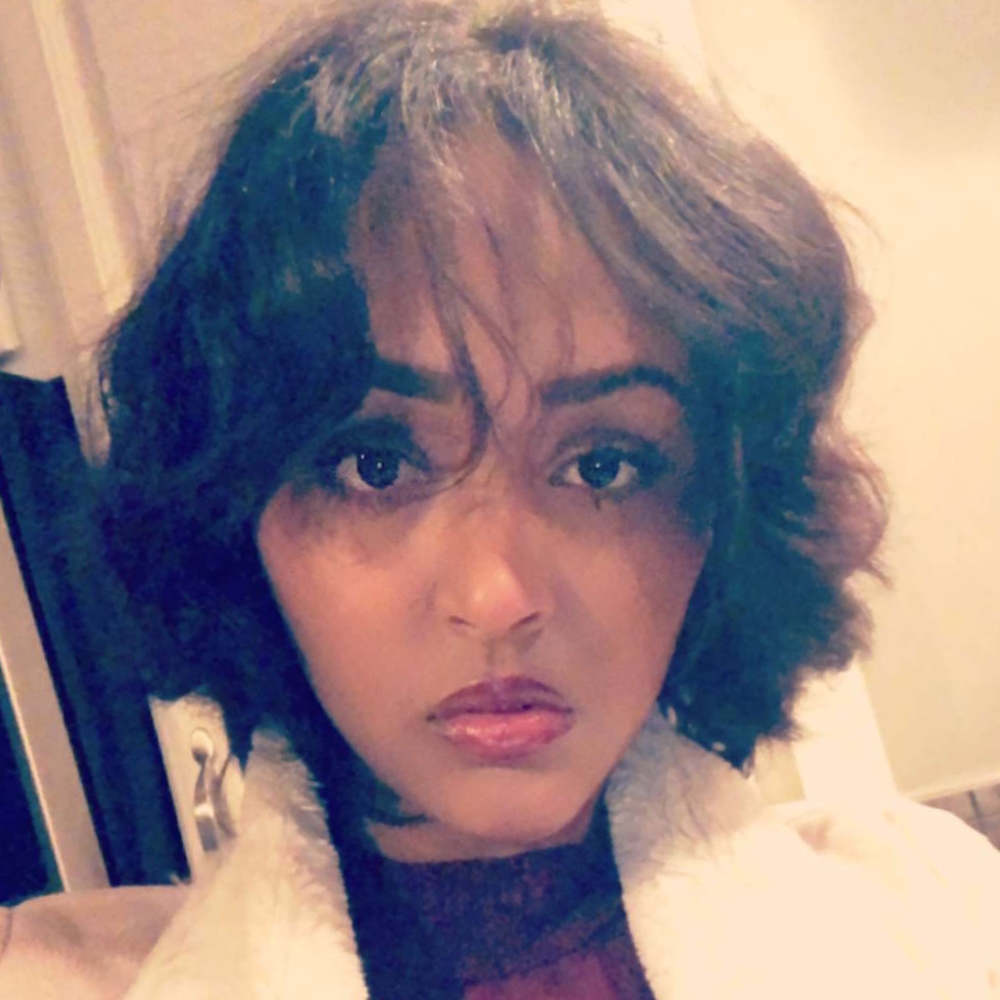

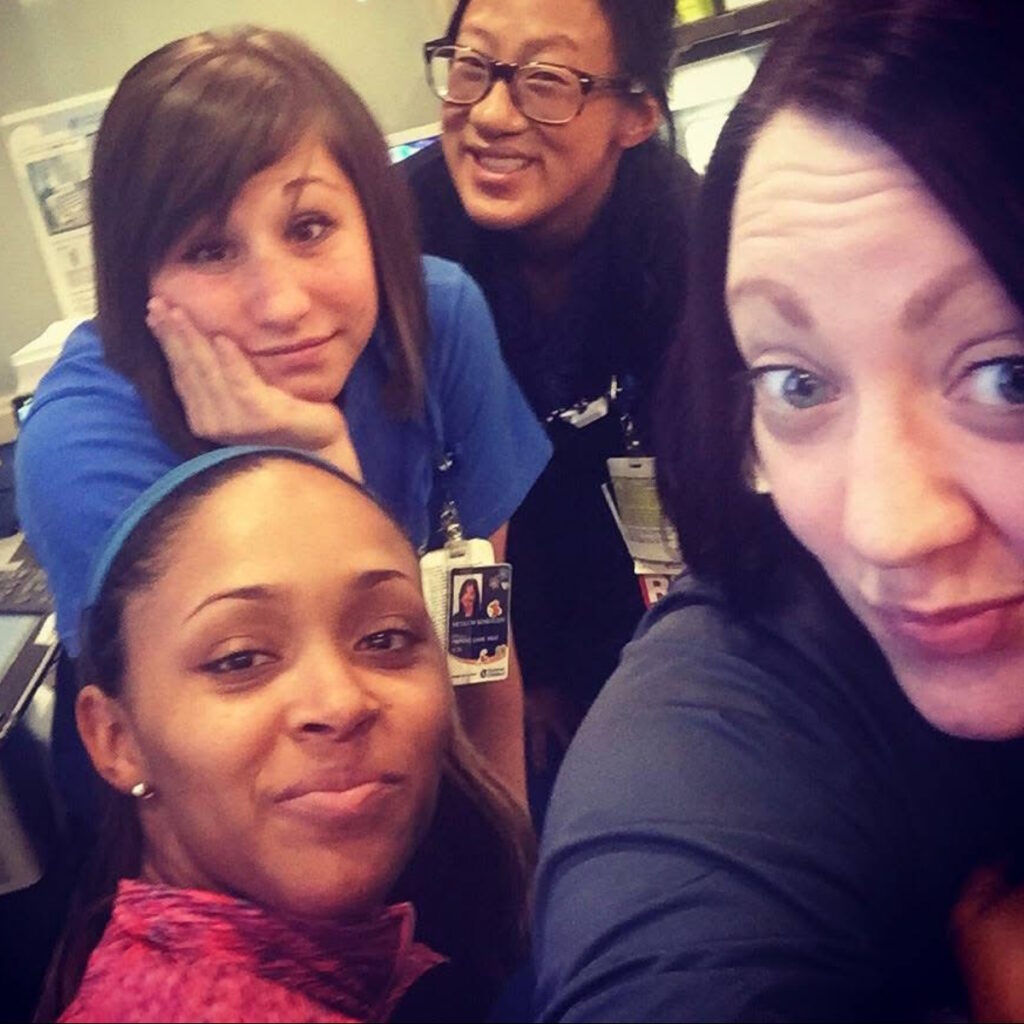
The GI doctor wasn’t concerned about any gut issues, but he pulled up some lab work and he was extremely concerned about my red blood cells, my hemoglobin, my hematocrit, and my platelet count. At that time, I was working for the bone marrow transplant unit at a children’s hospital, which was pretty amazing and is why I’m where I am today.
My numbers were extremely high and very alarming, so I went to my primary care doctor and said, “I went to my GI doctor and he was extremely concerned.” But she blew me off, said that I was too young, and that there was nothing to worry about. She said it was probably an infection, so she would put me on antibiotics and I should be fine, and everything should level out. Afterward, I went back to my daily routine of going to school and work.
Then I had a car accident where I blacked out, which was alarming and extremely concerning. It wasn’t like I was deprived of sleep or it wasn’t my routine. At that point, I took it upon myself to do some research within my chart. I pulled some labs and got a visual of exactly what I was dealing with.
I was a health unit coordinator and doing a clinical rotation for social work. I brought my labs to the doctor, and then she looked at me and said, “You need to leave right now. You need to go see my husband,” who was also a hematologist. One of my coworkers took me straight to see him. He looked over my labs and gave me an idea that something was definitely going on, but he wasn’t quite sure what. But he drew some labs, did a full work-up and a week later, on February 14, 2015, I was diagnosed with polycythemia vera.
When Life Throws Everything at You at Once
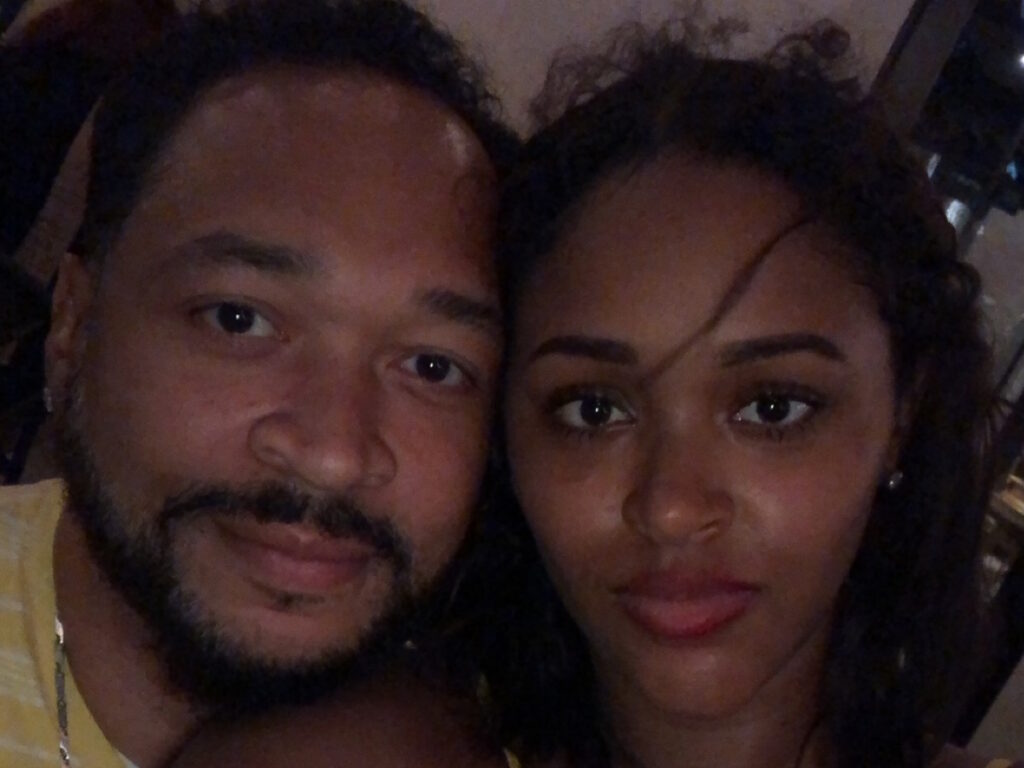
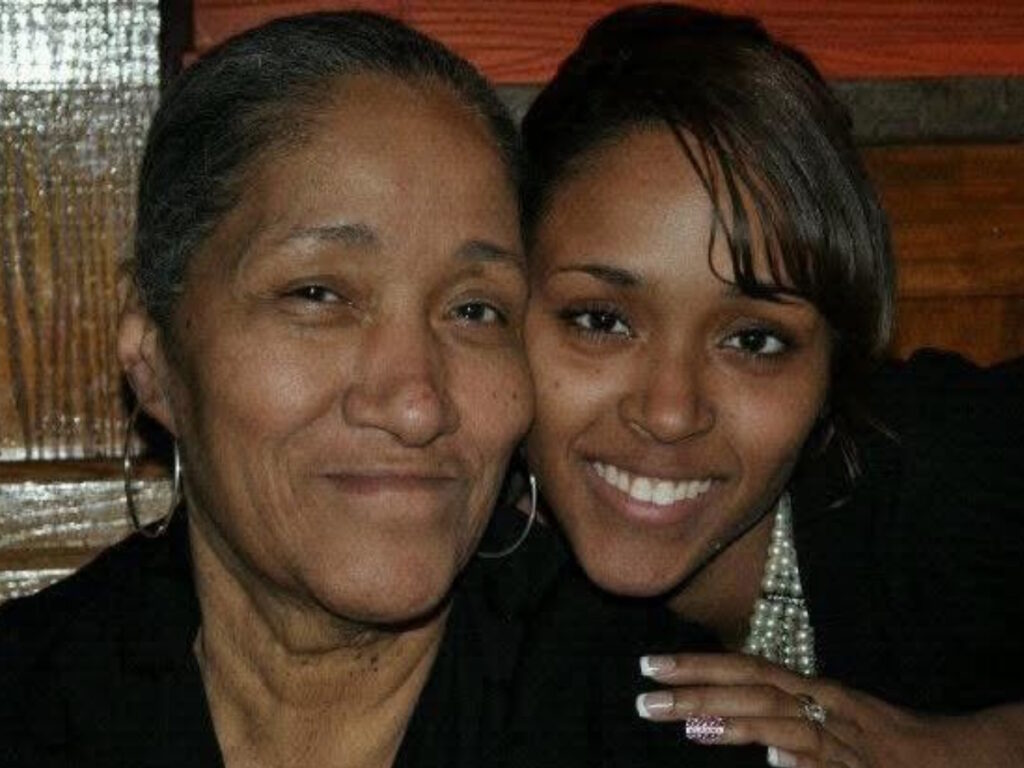
My grandmother was diagnosed with pancreatic cancer around the time that I was diagnosed. At that time, her diagnosis was considered to be a death sentence. They told her that she had six months to live. But I took it upon myself to be there for her as much as I could, even while being in my last year of college and trying to be there for my family.
I was experiencing headaches and feeling fatigued. I couldn’t figure out what was wrong with me. I felt completely off. I was having fevers here and there. I was also having itchy skin and redness. Showers would bother me. I was getting extremely frustrated. But outside of that, I was so concerned about my grandmother and being there for her. I didn’t feel as if my family was on the same page, so I found myself overextending myself to make sure that I was there for my grandmother.
She was planning on retiring soon. One day, I noticed her eyes were yellow, so I asked her, “Why are your eyes yellow? Have you been at work all day and no one told you your eyes were yellow?” We were supposed to go to a family outing and I said, “No, we’re going to the emergency room.” Within that hour or two of being in the emergency room, she was diagnosed with pancreatic cancer.
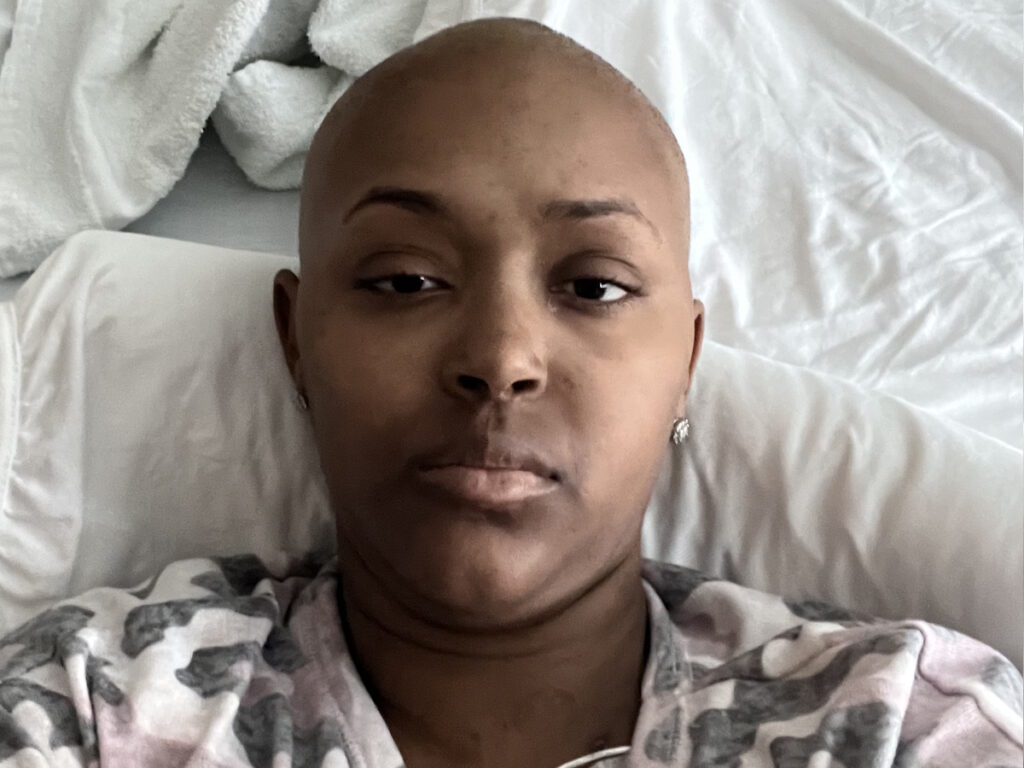
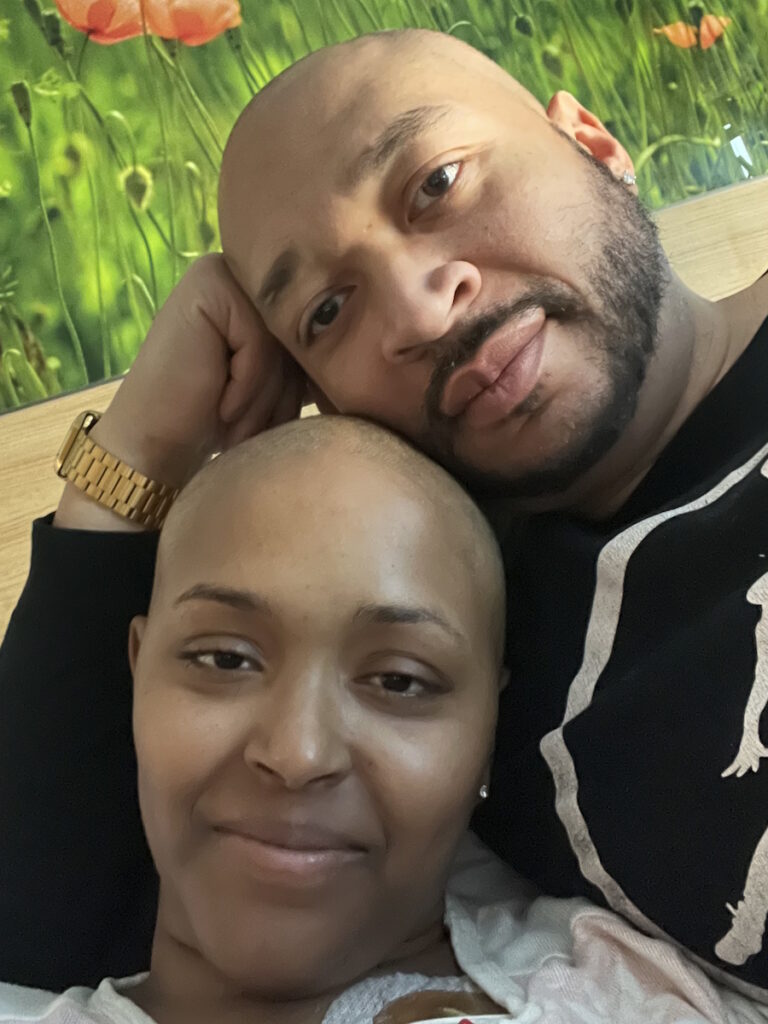
Could I Start My Own Family?
I was told that pregnancy wasn’t an option and that I shouldn’t get pregnant because it wasn’t safe for me. At the time, research studies were very limited, so I didn’t have much information on what would happen if I were to bear a child. I got a second opinion at the hospital where I was at the time and they told me the same thing.
I went to my hematologist at the time because my fiancé and I were discussing it with her. After all, we were concerned about having children and we both wanted to have children, but she was totally against it. She said, “No, I don’t advise it.” She was so concerned.
I don’t think there’s enough conversation around reproductive health when it comes to women who have either had cancer or have been through cancer treatment. There are options.
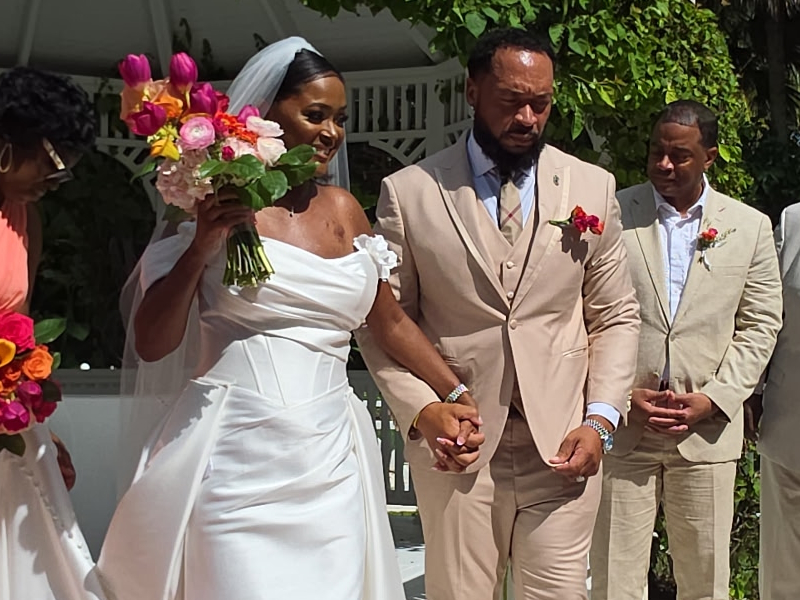
My husband and I are faith-based people and understand that God has the last say. We went and did our due diligence and research, so we went to a reproductive specialist to get a second opinion. They did share some concerns with me about having children, but it wasn’t impossible, so we went through the IVF process. They told us, “This usually doesn’t happen on the first try, so don’t be upset if it doesn’t happen for you,” and put an emphasis on that. Knowing who God is and my relationship with God and how I’ve always tried to align who I am with God’s purpose, I put it in His hands.
We started the IVF process and did it during the COVID-19 pandemic, so a lot of the things were done at home. My husband and I did the process together, which was pretty amazing. He did all my shots and went to all the appointments.
After they did the implantation of the embryo, two weeks later, I found out I was pregnant.
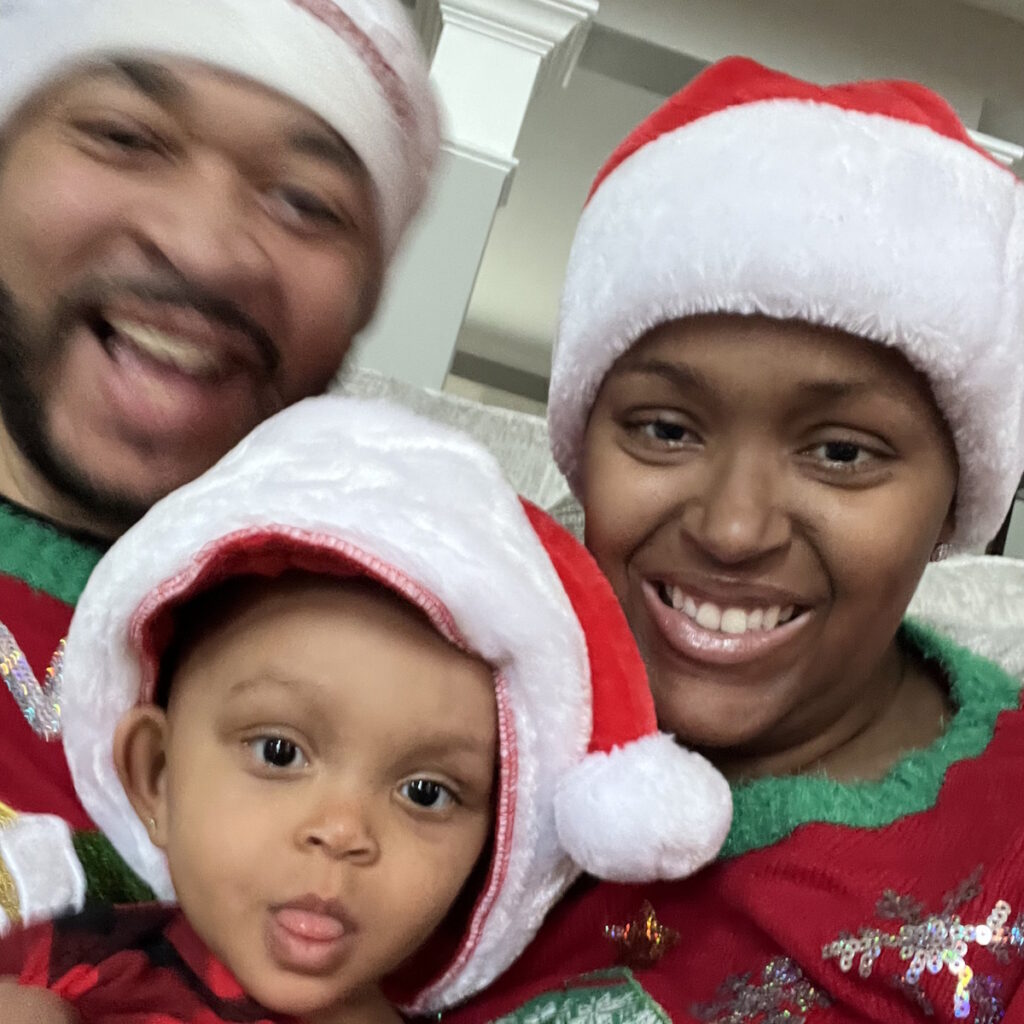
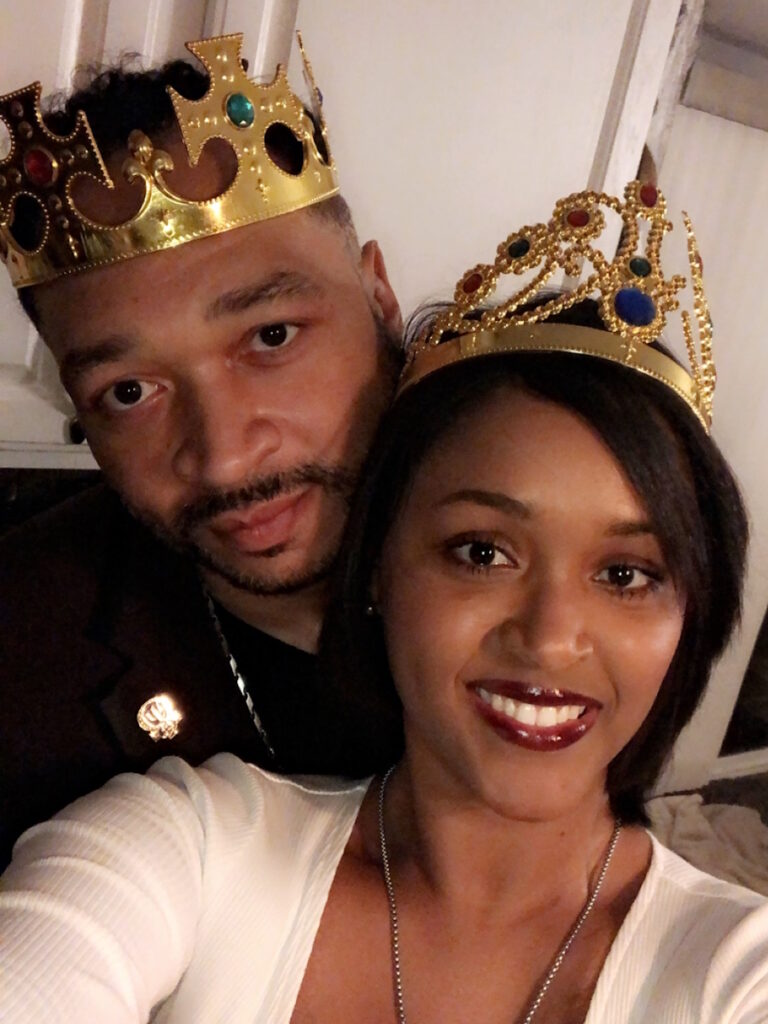
Navigating My Pregnancy While Having Cancer
What’s funny, which I thought was eye-opening, was that during my pregnancy, my condition became dormant. I had no symptoms of polycythemia vera. All my numbers were normalized, which was pretty cool. I would go in weekly for labs and everything was normal throughout my pregnancy. No issues at all. No signs of stroke and no headaches. All I had were the typical pregnancy symptoms.
First, they told me that I couldn’t have children. Then, I had her, but I went through a traumatic experience of having a cyst rupture while six weeks pregnant and in the midst of COVID. Then they told me that our child may not live through the procedure. Her making it to this world was the main reason we call her Miracle. And she’s every bit of her name.
My Disease Progressed After Having Our Baby
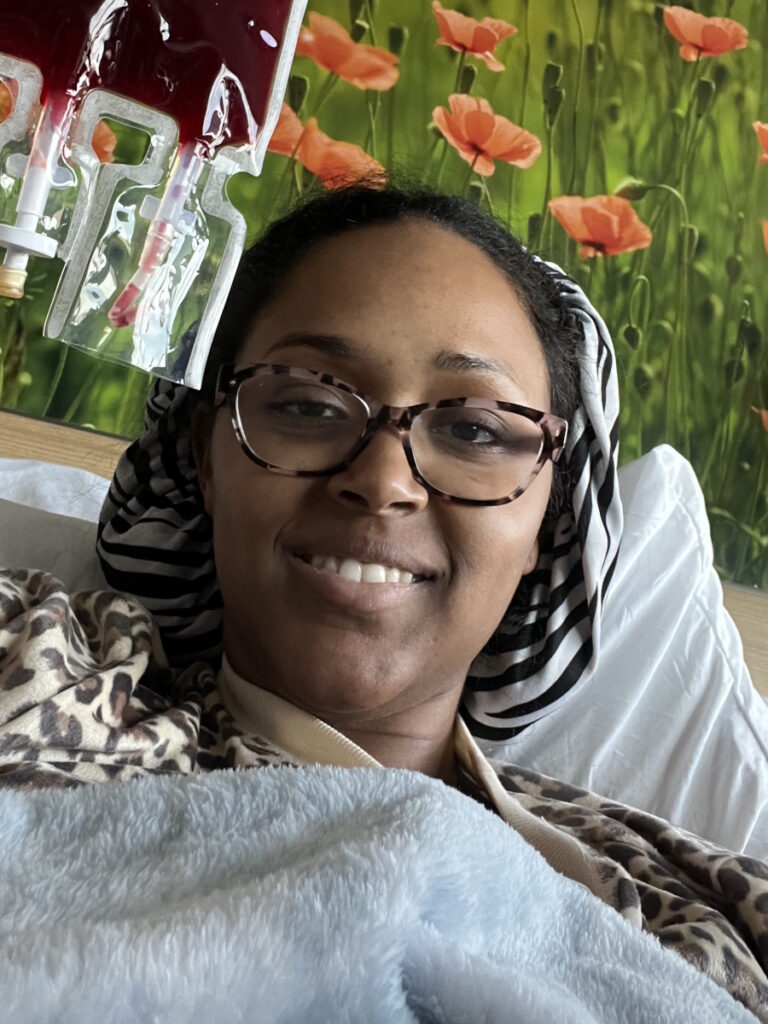
Right after having our daughter, Miracle, my disease went haywire. Weeks after giving birth, my numbers skyrocketed. My platelet count was in the 2 million range weekly. They were also doing plateletpheresis (a procedure where platelets are separated from whole blood and collected) weekly. At the start of the week, I would have plateletpheresis and I would go down to a normal range, but by the end of the week, my platelet count was back to 2 million.
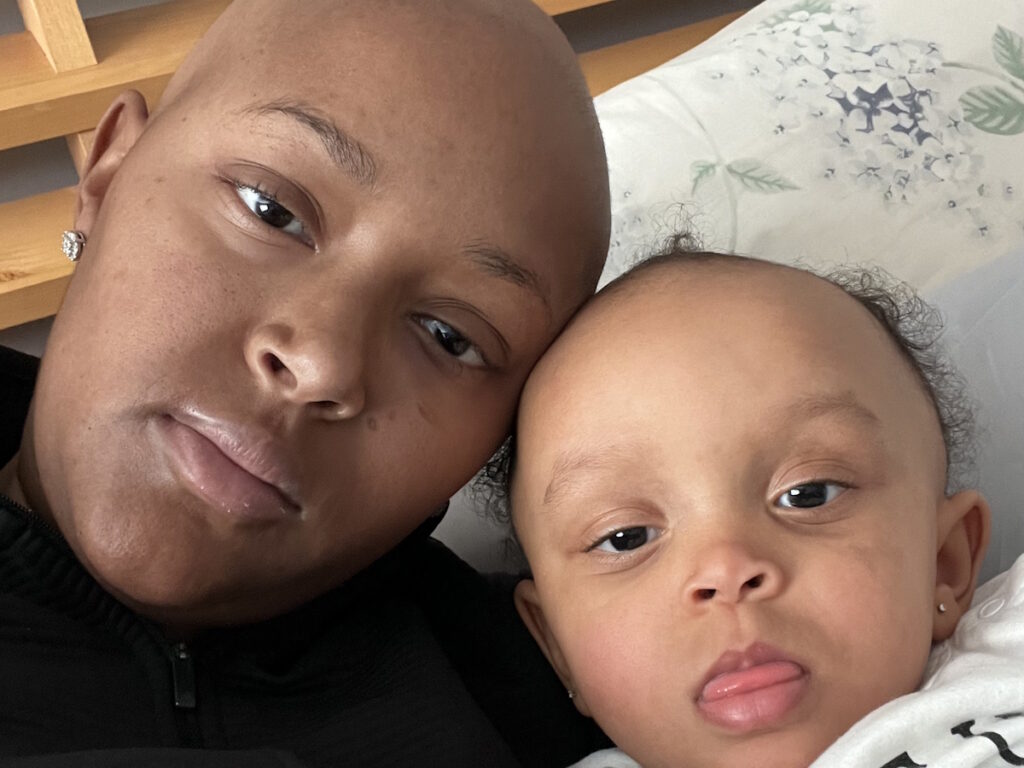
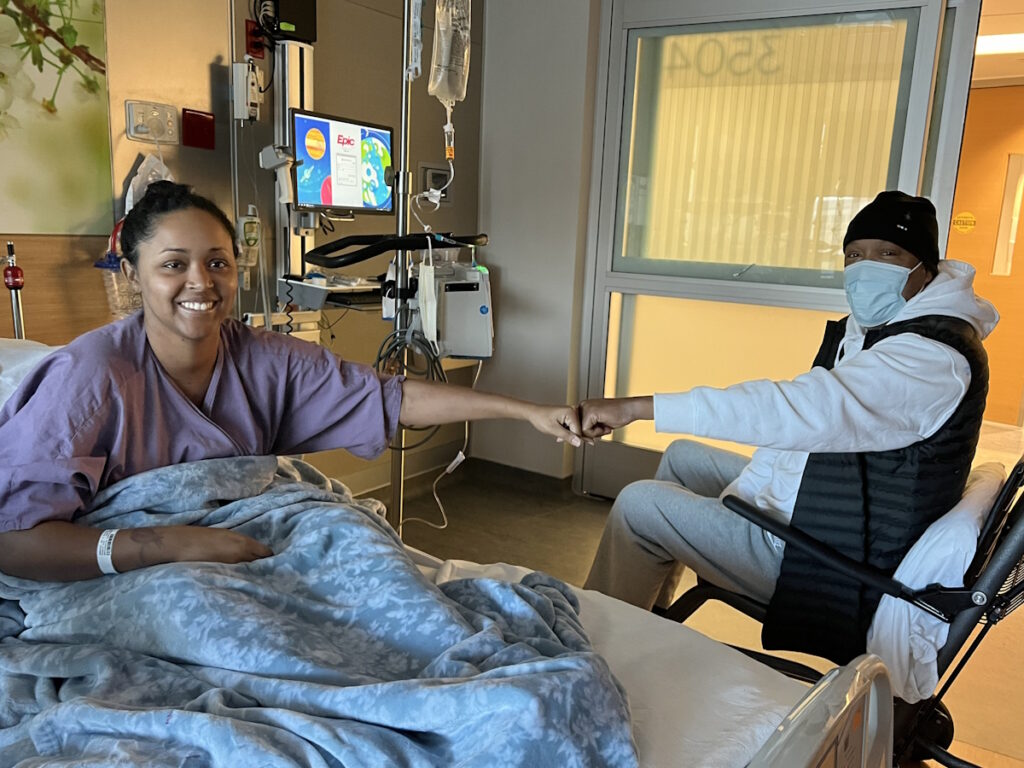
At that point, life-threatening things could occur. My hematologist said, “There’s no other option outside of having a bone marrow transplant.” He wanted me to understand exactly what would happen.
They started the process of preparing me for transplant, but mentally, I thought that we should probably speed it up. They felt that as well because my platelets continued to be in the 2 million range and a high number of platelets can cause clotting. They said that my blood was like syrup. Whenever they would draw blood for my labs, it would clot in the tube, which created an issue for them as they needed to do my labs weekly and had to repeat draws over and over.
Making the Decision to Do a Stem Cell Transplant
I had no options other than a stem cell transplant. I wouldn’t wish it on anyone. Being a person of color, I had no donors. There were no matches.
I had my bone marrow transplant at 29 years old. Having a transplant at 29 came with many uncertainties, especially not knowing whether I would ever be able to have children. Thankfully, because we decided to do IVF, my eggs had already been retrieved and frozen. However, for many young women who undergo a bone marrow transplant, things move so quickly that there’s often no time to consider fertility preservation.
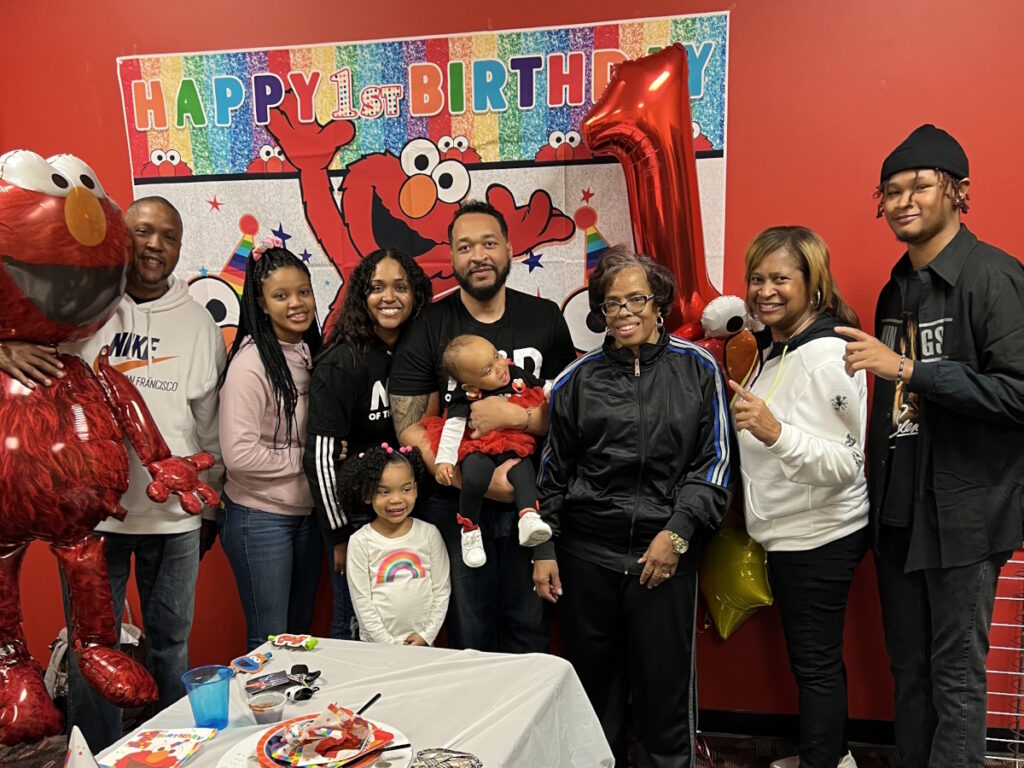
In my case, if I hadn’t had Miracle when I did, I wouldn’t have had the chance to freeze my eggs at all. My only choices were to proceed with the transplant or not survive. My experience taught me how crucial it is for women to take charge of their reproductive health early in life, because without that foresight, I may never have had the option to have children.
After I had my transplant, my body was thrown into menopause. My hormones are completely shot. I don’t have a sex drive whatsoever and I’m only 34, which is hard being married. Being a woman, it’s hard for your hormones to be off because you experience moodiness, hot flashes, and irregularities within your body. It’s extremely difficult. I’ve spent a lot of time researching different options, trying to understand what might work best or be most helpful for me.
I will be forever grateful that I was able to have the transplant and that I’m here, but it’s definitely stressful to be in this space now. The uncertainty I faced before the transplant — wondering whether I would survive or not — still weighs more heavily on me than where I am today. I’m extremely grateful that I did the transplant, but it has taken a toll on my mental health. I now try to raise awareness and help others understand the challenges that come with the experience.
Life After a Stem Cell Transplant
During my transplant, I had to go on disability. After a year, like many corporate organizations, they put someone else in my role. I eventually went on full disability and haven’t been able to return to work, as it’s been one challenge after another. However, following my heart and pursuing what I believe I was meant to do led me to create the organizations I now run, allowing me to give back to the community and find purpose again. While I’m a mother and a caregiver, I still feel a deep desire to do more because I believe my voice and experiences have meaning and need to be heard.
In my advocacy work, I focus on starting those uncomfortable but necessary conversations. Yes, the main goal is to save your life, but what happens after the transplant? What does life look like then? I believe those are the kinds of questions that need to be discussed from the very beginning.
From the research I’ve done, I’ve learned that many marriages end either during or after a transplant, which is partly because families and loved ones aren’t given enough information upfront about what to expect. Mental health support is so important from the very start. I truly believe it’s essential to find a therapist, counselor, or someone who can help you navigate those challenges — whether that means starting antidepressants or just having someone ready to talk about it.
During my transplant, I was on antidepressants and even then, it was very lonely. No one really prepares you for that part. You feel completely isolated because no one can truly understand what you’re going through except for another patient. But since you’re immunocompromised, you can’t even connect with them in person. I lost a lot of friends during that time; they just disappeared and no one warned me that might happen. Honestly, there should be a survey asking, “After your transplant, what did you go through? How did you feel? What could we do differently?”
Right now, I’m focusing on helping others in the community, not just myself. I previously had an organization called “Invisible to the Eye,” but I’m now in the process of creating “Miracles Circle Hands.” This new organization is all about building advocacy in the community, not only for those living with invisible illnesses, but also for seniors. I’m dedicated to speaking up for those who can’t advocate for themselves.
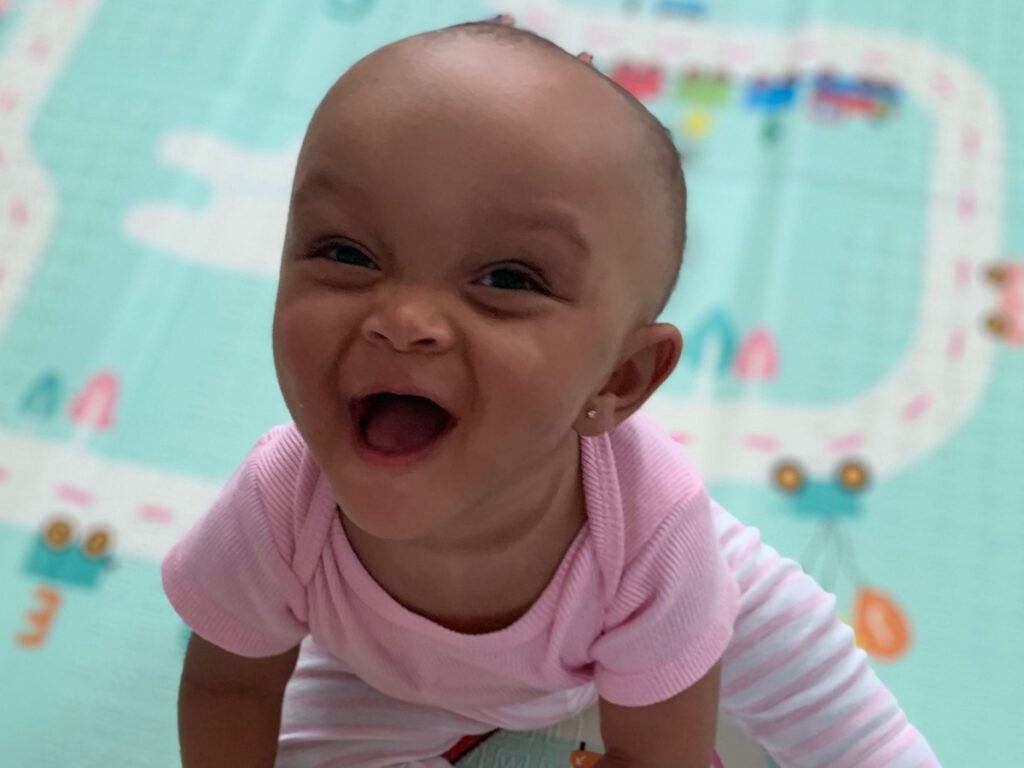
I named the organization after my daughter because she’s truly been our miracle. The “Circle Hands” part represents the idea of coming together — when you’re advocating for people, you’re out in the community connecting resources and joining hands to make sure patients, loved ones, or anyone in need gets the support they deserve. To make that possible, we have to create a safe space where people feel comfortable being vulnerable and sharing what they’re really going through. Unfortunately, many individuals are taken advantage of — whether because of illness or age — and I want to be someone who steps in to help. My goal is to show families, loved ones, and people in the community that they’re not alone, that someone truly cares, and that there are resources available to help them find their way.
My Message of Hope
My hope is simply to wake up each day. I hope to pour back into others and to do what My Father did for me: give someone else another chance at life, something I’ll always be grateful for. I remind myself every day that the more grateful your heart, the more beauty you see, and I truly live by that. Even though I face challenges, I’m thankful to still be here. The more gratitude I have, the bigger my heart feels, and the more I can give back to my community and serve others. I also want people to know that there is light at the end of the tunnel. Yes, there are ups and downs, but that’s part of life. And when you finally reach that mountaintop, you realize you’ve triumphed. I was told many times that I wouldn’t still be here, but I am.
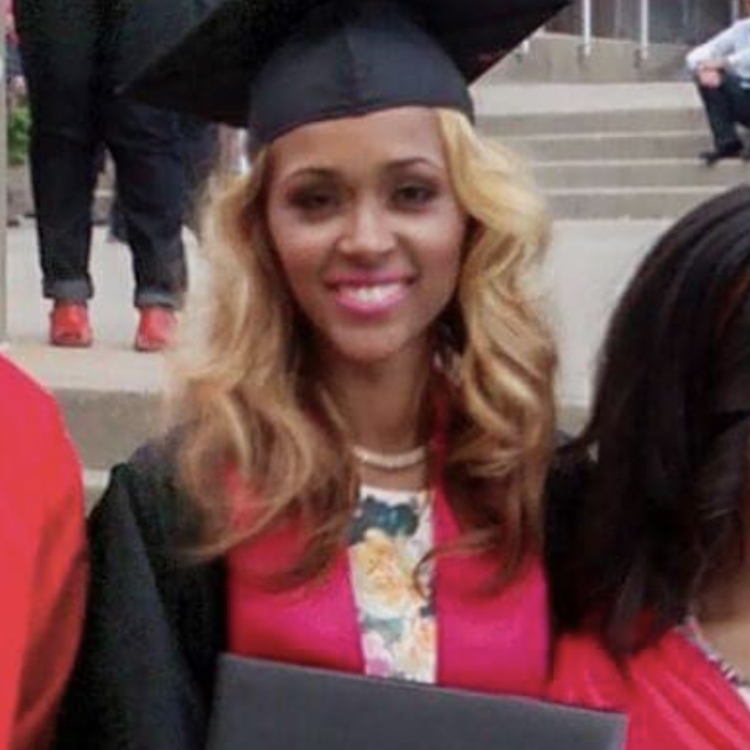
Inspired by Taja's story?
Share your story, too!
Thank you to PharmaEssentia for supporting our independent patient education program. The Patient Story retains full editorial control over all content.
This interview has been edited for clarity and length. This is not medical advice. Please consult with your healthcare provider to make informed treatment decisions.
The views and opinions expressed in this interview do not necessarily reflect those of The Patient Story.
More Polycythemia Vera Stories
Taja S., Polycythemia Vera
Symptoms: Chronic fatigue, fainting, stroke-like episodes, elevated hemoglobin, hematocrit, and platelet count
Treatments: Emergency surgery for ruptured cyst & bowel obstruction, chemotherapy, radiation, bone marrow transplant
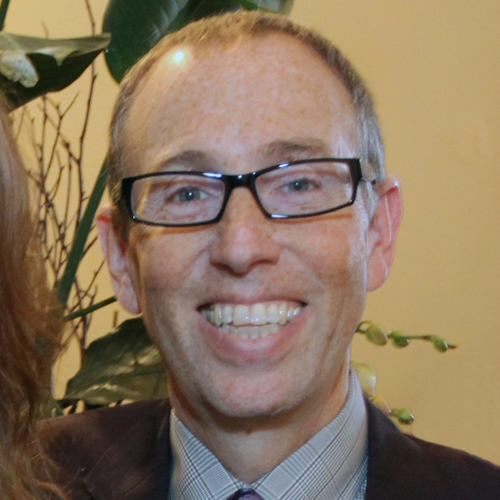
Jeremy S., Polycythemia Vera
Jeremy Smith and Dr. Angela Fleischman share empowering insights on living well with polycythemia vera, from symptoms to treatment and patient advocacy.
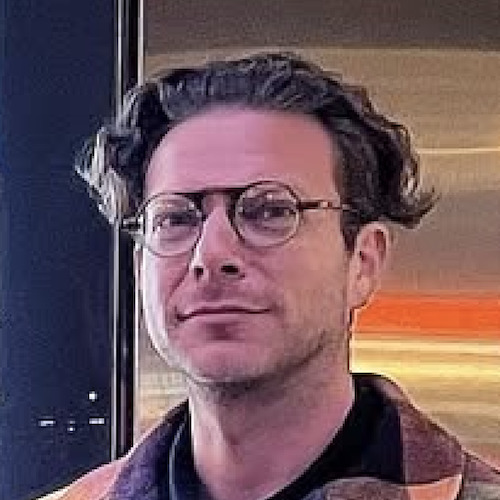
Todd S., Polycythemia Vera
Symptoms: None, discovered during a routine physical that uncovered extremely high blood counts
Treatments: Phlebotomy, aspirin
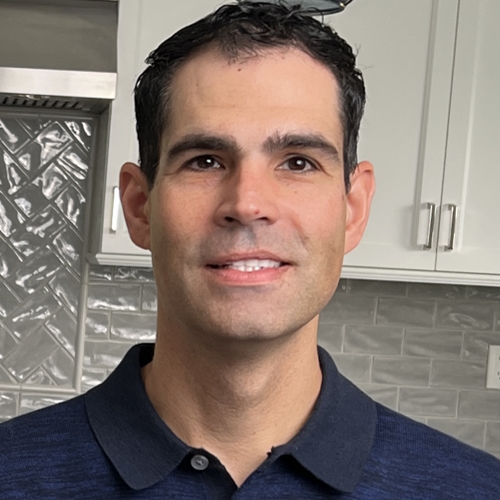
Nick N., Polycythemia Vera
Symptoms: None, caught at routine physical
Treatments: Phlebotomy, Besremi