
From Hospice to Hope: Eugenia’s Fight Against Stage 4 Lung Cancer
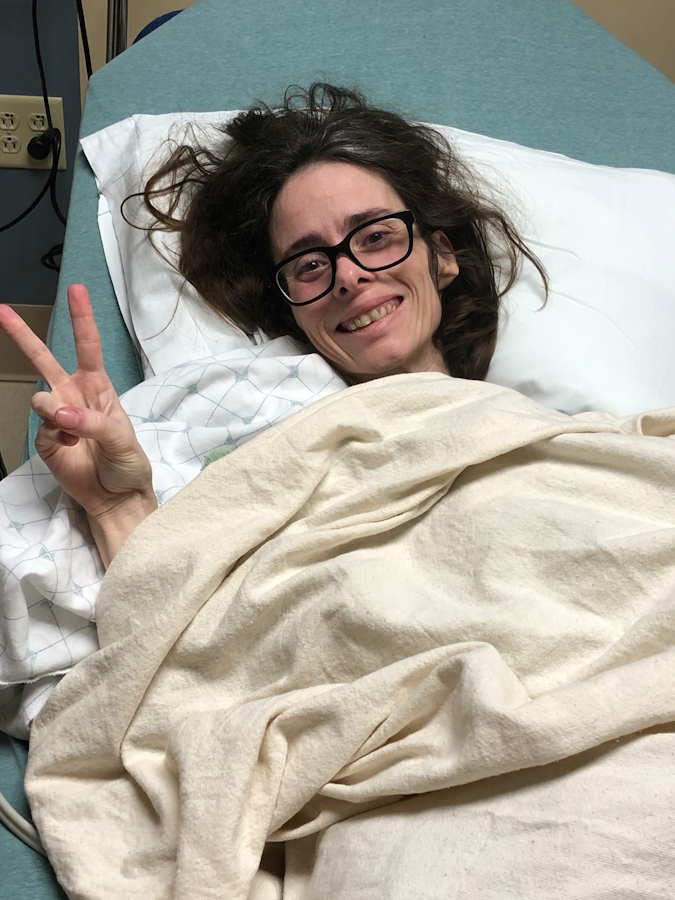
Eugenia was diagnosed with poorly differentiated stage 4 non-small cell lung cancer at the age of 46. Her symptoms began around Christmas 2018 with a lingering illness, followed by chest tightness and coughing up blood. She initially dismissed her symptoms, but after experiencing significant bleeding, she sought medical attention in February 2019. Despite her concerns, her doctor initially attributed her symptoms to anxiety. However, blood tests indicated abnormalities, prompting further scans that revealed a 5 cm mass at the apex of her right lung and another tumor compressing her bronchi.
Interviewed by: Taylor Scheib
Edited by: Katrina Villareal
Initially skeptical of the non-curative treatment options presented to her, Eugenia sought alternative medical opinions. When her condition worsened, she finally met an oncologist who admitted her for further evaluation. A biopsy was performed but was later deemed ineffective due to an error in sampling. By this time, her tumor had expanded, obstructing 95% of her trachea, leading to severe respiratory distress.

Doctors started her on chemotherapy in June 2019, administering small doses due to concerns that the tumor might break apart and cause fatal complications. Despite the treatments, her condition continued to deteriorate, culminating in respiratory failure by mid-July. She was transferred to a higher-level care center where she underwent brachytherapy, external radiation, repeated cryotherapy, and CyberKnife treatment. These interventions successfully removed the tumor after nine days of intensive procedures.
During her recovery, another setback emerged: a bowel obstruction that required emergency surgery. The obstruction turned out to be cancerous, escalating her condition to stage 4 non-small cell lung cancer. Following this diagnosis, her treatment plan was abruptly halted, and she was placed in hospice care. Despite this, she remained determined to fight for her life.
Eugenia learned about an immunotherapy drug and insisted on trying it, despite her oncologist’s reluctance due to her frail condition. With limited time left, she convinced her doctor to administer the treatment, starting the immunotherapy on August 29, 2019. Over time, this treatment proved to be the key factor in her survival. Five years later, Eugenia remains alive, defying the terminal prognosis she was given. She challenges the notion of “incurable” cancer and shares her experience to inspire others to advocate for their care.
- Name: Eugenia H.
- Age of Diagnosis:
- 46
- Diagnosis:
- Poorly Differentiated Non-Small Cell Lung Cancer
- Staging:
- 4
- Symptoms:
- Chest tightness
- Wheezing
- Weight loss
- Persistent high pulse rate (150 bpm)
- Coughing up blood
- Severe bleeding from the mouth
- Treatments:
- Chemotherapy
- Radiation therapy: external beam radiation therapy, brachytherapy & CyberKnife
- Cryotherapy
- Surgeries: tracheostomy & emergency bowel obstruction surgery
- Immunotherapy
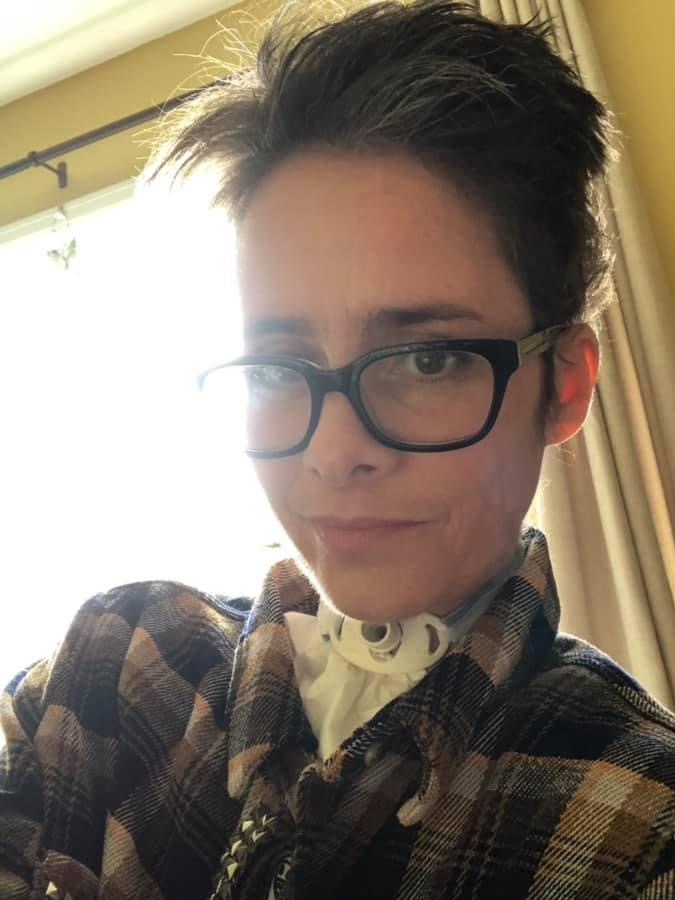


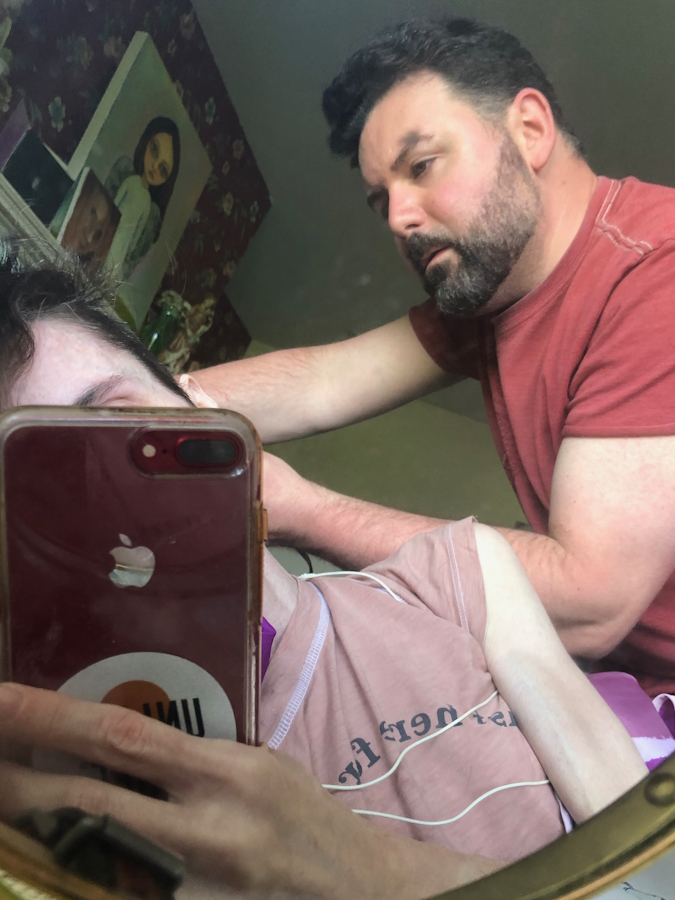
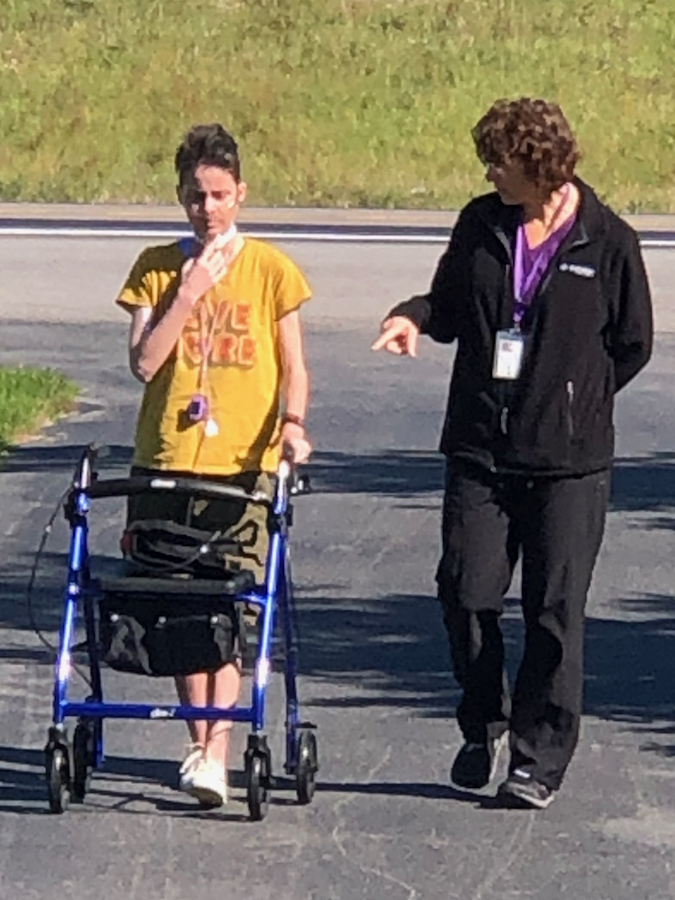
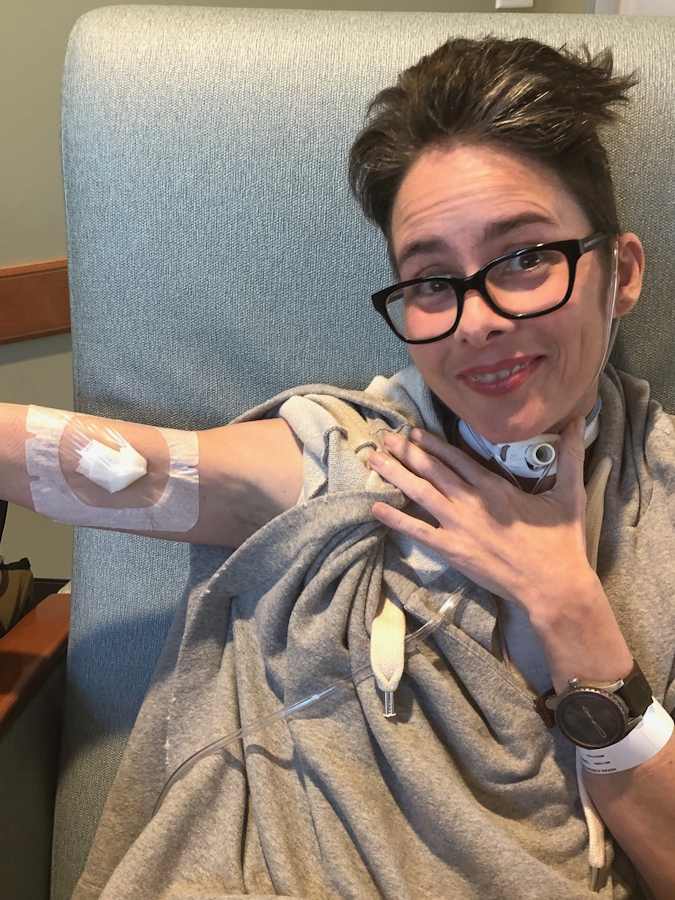
This is not medical advice. Please consult with your healthcare provider to make informed treatment decisions.
Inspired by Eugenia’s story?
Share your story, too!
More Non-Small Cell Lung Cancer Stories

Tiffany F., Non-Small Cell Lung Cancer (NSCLC), Stage 4 (Metastatic), EGFR+, T790M
Symptoms: Immense fatigue, over 70 pounds of unintentional weight loss, migraines and ocular migraine, vision changes, seizure
Treatments: Surgery (craniotomy), radiation therapy (CyberKnife), targeted therapy (erlotinib, osimertinib)

Jessica W., Non-Small Cell Lung Cancer (NSCLC), Stage 4 (Metastatic), ALK+
Symptoms: Left-sided rib pain, fatigue with the need for daytime naps, interruptive and persistent cough
Treatments: Radiation therapy, targeted therapy (alectinib, lorlatinib)

Shannon M., NSCLC, Stage 4 (Metastatic)
Symptoms: Persistent neck pain, lingering cough
Treatments: Radiation therapy, chemotherapy, targeted therapy

Jill Feldman, Non-Small Cell Lung Cancer (NSCLC), Stage 4 (Metastatic), EGFR+
Symptoms: None; nodule found during periodic scan
Treatments: Surgery, targeted therapy, chemotherapy

Roy B., Non-Small Cell Lung Cancer (NSCLC) (Adenocarcinoma of the Lung with Mucinous Features), Stage 2B
Symptom: Nighttime chest rattle when lying prone
Treatments: Surgery (VATS lobectomy), chemotherapy (cisplain), immunotherapy


Leave a Reply