
Rebuilding After Pediatric Cancer: Anxiety, Isolation, and Finding Purpose Through Storytelling
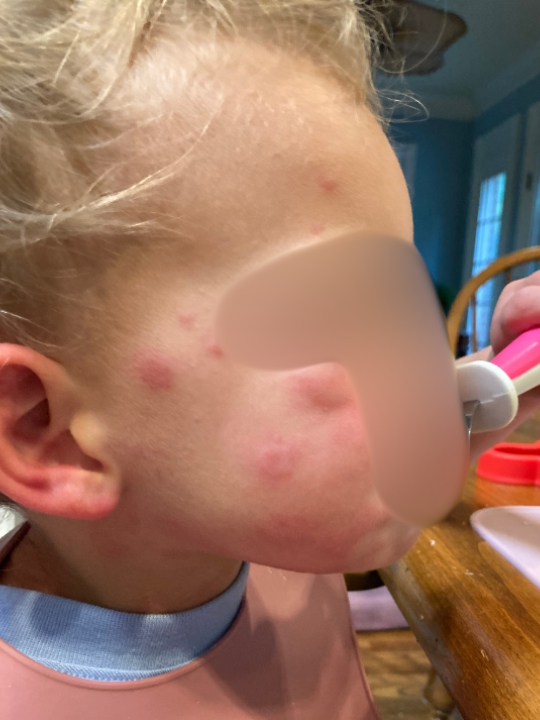
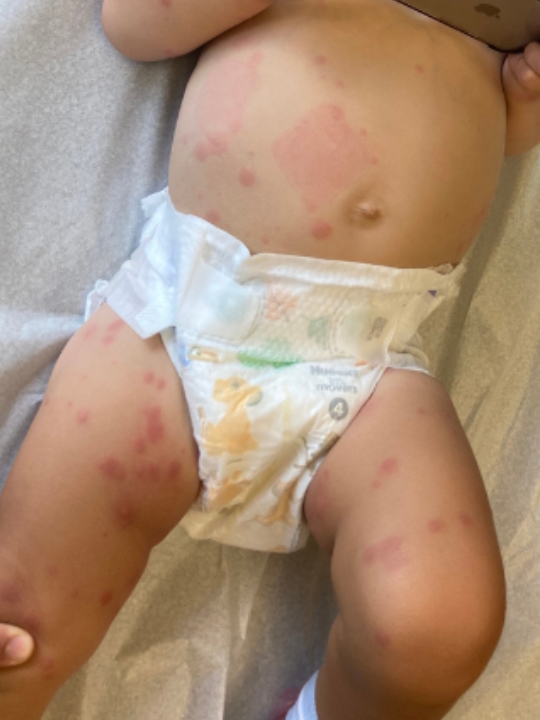
For Ali Wolf and her toddler, having a little potbelly, picky eating habits, and a rash that resembled bug bites seemed like part of everyday childhood. But when the hives spread up her little girl’s belly and face, Ali and her husband rushed to the emergency room. There, an attending physician ordered blood work and imaging that revealed an 8-centimeter mass on their daughter’s liver that would soon be a pediatric cancer diagnosis. (Note: The hives were most-likely not a symptom of hepatoblastoma (a rare liver cancer); it was simply what brought them to the ER.)
Edited by: Katrina Villareal
The next day, MRI and CT scans confirmed a rare, one-in-a-million diagnosis: hepatoblastoma, a liver cancer that usually appears in very young children. Ali, who was eight months pregnant at the time, described feeling “frozen,” half asleep, and hoping it was all a mistake as the family tried to hold on to the idea that the mass might be benign.
Her daughter quickly underwent extensive imaging and then a major liver resection to remove more than half of her liver, followed by six weeks of chemotherapy. This early-stage hepatoblastoma experience forced Ali to navigate sleepless hospital nights, terrifying scans, and clinical decisions while also preparing to give birth.
After surgery and chemotherapy ended and her second daughter arrived, Ali realized that life at home could feel harder than life in the hospital. She moved between preschool drop-offs and dance classes and then back to the infusion center every three months for scans. Flashbacks, insomnia, health anxiety, and panic attacks followed her home, long after her daughter’s hepatoblastoma experience shifted from active treatment into surveillance.
With talk therapy, writing, yoga teacher training, and acts of giving like donating her own hair, Ali began to rebuild a sense of self that cancer and its treatments had shaken. Eventually, The Patient Story opened a path for Ali to bring her storytelling skills and lived experience together. Today, she uses that experience in her work, where she helps create space for other patients and caregivers to feel less alone.
Watch Ali’s video or read the interview transcript below to know more about her and her daughter’s story:
- Ali shows how a seemingly simple toddler rash can lead to the discovery of hepatoblastoma, underscoring the importance of listening to caregiver instincts when something feels off
- Her experience highlights how diagnosing and treating pediatric liver cancer can collide with major life events like pregnancy, compounding emotional and physical strain on caregivers
- Ali’s reflections reveal that once treatment ends, many caregivers face intense anxiety, insomnia, and isolation as they adjust from constant medical oversight to “normal” life at home
- Healing is not linear; time, therapy, creativity, and community support can slowly help people live alongside fear rather than be defined by it
- Over time, Ali transforms her pain into purpose by becoming a yoga instructor, returning to writing, and using her role at The Patient Story to honor her daughter’s privacy while uplifting other patients’ voices
- Name: Ali Wolf (caregiver)
- Diagnosis:
- Hepatoblastoma (daughter)
- Staging:
- Stage 1
- Symptoms:
- Toddler potbelly
- Extreme pickiness with food
- Recurrent colds and low-grade fevers
- Rash and hives spreading across the legs, belly, and face
- Treatments:
- Surgery: hepatectomy (liver resection to remove over half of the liver)
- Chemotherapy


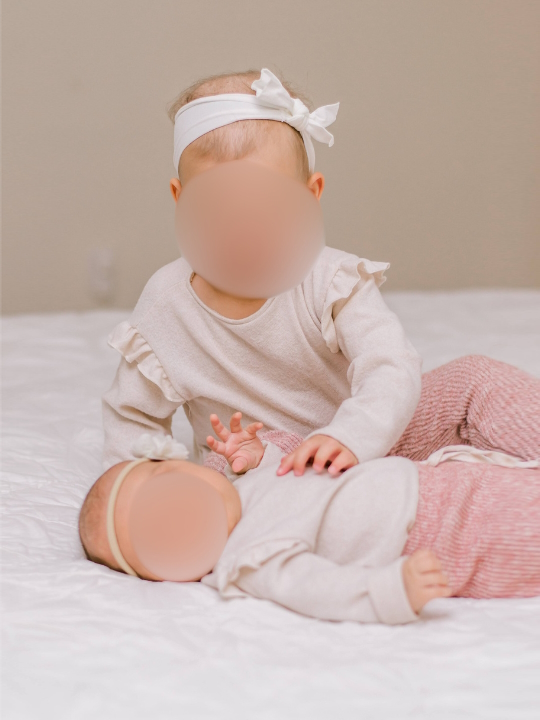
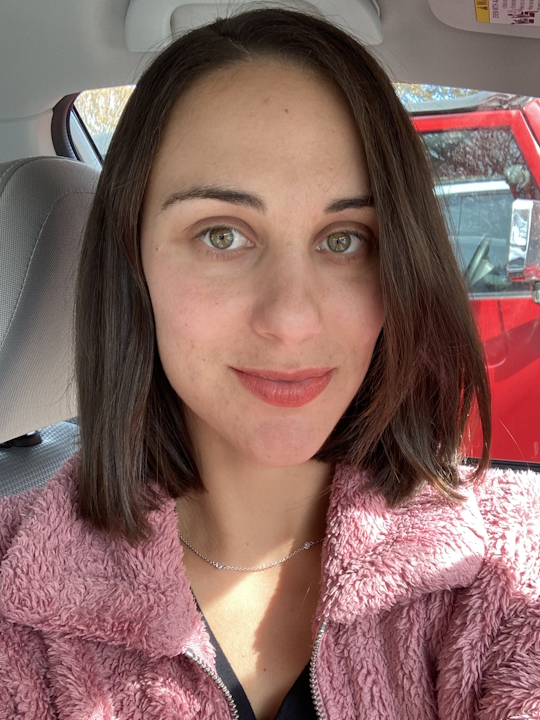
This interview has been edited for clarity and length. This is not medical advice. Please consult with your healthcare provider to make informed treatment decisions.
The views and opinions expressed in this interview do not necessarily reflect those of The Patient Story.
- Terrible News in the ER
- Sharing My Personal Patient Story
- Before Cancer and Early Career
- Early Pandemic Pregnancy and Identity Loss
- Early Symptoms and a Mysterious Rash
- June 25, 2022: ER Visit for Spreading Rash
- The ER Attending Who Changed Everything
- First Hearing About the Liver Mass
- June 26, 2022: MRI, CT Scan, and Heartbreak
- Small Acts of Kindness in the Hospital
- Preparing for Major Liver Surgery While Pregnant
- July 7, 2022: A 12-Hour Liver Surgery
- Breaking Point at Home and Feeling Unbearable Weight
- Choosing Standard Chemotherapy Over a Clinical Trial
- Treatment and a New Baby Arriving Together
- End of Chemo While Caring for a Newborn
- Survival Mode After Treatment
- Balancing “Normal” Life with Cancer Follow-Ups
- Realizing It Was Time to Rebuild
- Transformation: Healing Through Movement, Creativity, and Giving Back
- Health Anxiety, Panic Attacks, and Mental Health Struggles
- Time, Work, and Learning to Live With the Fear
- Joining The Patient Story and Finding Purpose
- Invitation to Connect and Subscribe
Terrible News in the ER
I was asleep. My daughter was lying on my chest when the doctor walked in and woke us with terrible news: there was an 8-centimeter mass on her liver. In her next breath, she said, “The silver lining is you were here and we caught it.
My daughter was just shy of two years old. I was eight months pregnant at the time. In my journal, I wrote, “I felt my vision glaze over in total shock.”
It would take years to unpack the deep well of emotions I experienced from then on, as a mom of a very young cancer patient.
Sharing My Personal Patient Story
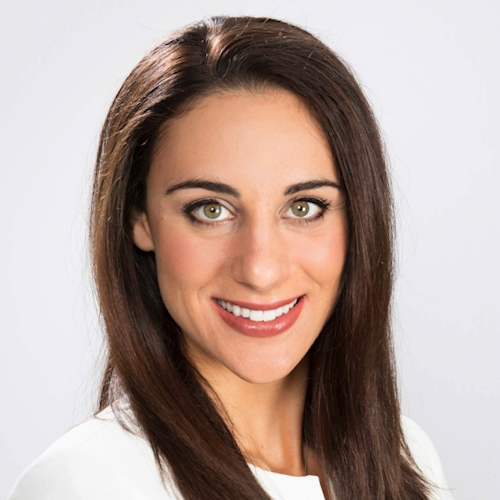
Hi, I’m Ali Wolf with The Patient Story. I’ve spent my career as a TV journalist. I believe in the power of stories and how they help us learn about life, each other, and ultimately, ourselves.
While storytelling is so important to me, I have kept my personal pain private… until now. I felt broken, but now I’m finally sharing my story. It’s one about trauma, anxiety, isolation, and ultimately, fixing what cancer broke.
Before Cancer and Early Career
I have always loved expressing myself and connecting with people. I felt most alive dancing, then cheerleading.
In college, I discovered broadcast journalism, which led to jobs as a TV writer and producer, then reporter and anchor… until I burned out. I quit so I could start a family. I got pregnant in December 2019.
Early Pandemic Pregnancy and Identity Loss
The pandemic was my first brush with depression, anxiety, and isolation, made worse by my loss of identity after leaving my career. But I had my baby, a little girl who showed me a new side of life. She was born with a sparkle in her eye. The postpartum nurse told me, “She’s a spirited child.”
I had no idea what she meant until I did. This baby was feisty, sharp, and deeply connected to her world. She also hated to sleep. It was like she didn’t want to miss a second of her life.
She was 100% healthy. She didn’t even have a cold in her first year of life.
Early Symptoms and a Mysterious Rash
Just before she turned two, she had that toddler potbelly and was extremely picky with food. Then she started getting colds and little fevers, but nothing crazy.
When she went on amoxicillin for strep throat, little hives popped up on her legs. But it was June, summer in Nashville, so we thought they were bug bites. At several urgent care visits, we were told to give diphenhydramine and wait.
June 25, 2022: ER Visit for Spreading Rash
One night during dinner, we noticed the rash spread up to her belly and her face. We immediately dropped our forks and left for the emergency room.
I will never forget that night.
Turning into the hospital, I started crying and told my husband, “Something isn’t right.” I’m not a big crier, but something inside me knew. In my journal, I wrote, “Could this be something more serious? I cried out of fear. I had no clue the storm I was about to walk through. But maybe somewhere deep inside, I did.”
Inside the ER, I remember seeing sick kids and hearing ambulances arrive, thinking how thankful I was that we were just there for a rash. Hours later, we were finally seen. I’ll never forget that room: bright wallpaper, stiff chairs, a small TV playing Hallmark Christmas movies in June. For hours, we were told it was just serum sickness and that we would likely be on our way soon… or so we thought.
The ER Attending Who Changed Everything
Then they called in the attending doctor, who would be our lifesaver. She came in for a physical. She pressed on my daughter’s stomach and called for blood tests and an ultrasound. The energy shifted.
Hours later, with my daughter lying on my belly, I opened her chart on my phone and started seeing the labs come through. The numbers were off and I knew it. I told my husband, “Something is very wrong.”
Still, I managed to doze off. I wrote it was, “The last time I slept without fear, before the floor caved in from beneath me and life as I knew it shattered.”
First Hearing About the Liver Mass
When we got the news that there was a mass, it felt like a bad dream. It was unbelievable. I said I was “frozen, half asleep, scared, yet hoping it was a mistake, wanting to escape reality.”
We held out hope that it was a cyst or benign. I wrote, “I guess it was denial or a way to protect myself from breaking down.”
June 26, 2022: MRI, CT Scan, and Heartbreak
By morning, my daughter had an MRI and a CT scan. I sobbed as she screamed, “Mama,” as she was pulled from my arms. I wrote, “My heart broke, but I was too numb to have the full force of emotions.”
Next, we met our amazing oncologist, who told us he thought he knew what it was but needed to confirm with imaging. By midday, the MRI results confirmed a rare, one-in-a-million cancer diagnosis: hepatoblastoma.
It was a rollercoaster of bad news and good news. Bad news: tumor. Good news: one that only occurs in young kids. I reflected that, “The promise of a long, healthy life served as a life raft, keeping us afloat and preventing us from sinking into deep grief and fear.” Bad news: another night in the hospital for more scans to see the tumor and make sure there was no cancer in the lungs. Good news: other organs were clear.
At this time, my daughter was unrecognizable, still covered in her rash, her body and face puffy.
Small Acts of Kindness in the Hospital
I remember the moment a nurse brought us a backpack filled with toys — unexpected kindness. I wrote that when my daughter beats this, I want to do something similar in our own way, to inspire others through her strength, bravery, and sweetness in the face of this terrifying diagnosis.
Then, more imaging, and more tears as my daughter screamed for me when getting taken away. A nurse hugged me, gave me tissues, and put a small charm in my hand, a Mother Mary. She told me Mary was a mother who made a sacrifice; it would give me strength and protection. I’ll never forget her.
Preparing for Major Liver Surgery While Pregnant
We went home for a few weeks to prepare for surgery to remove over half of my daughter’s liver, including the tumor — a massive procedure for anyone, let alone her tiny body.
I remember being told I was so strong, so brave, and so tough. I was about to give birth and care for a child with cancer. People meant well, but still, this filled me with rage. Every time I was alone, I went into my closet to cry. I cried myself to sleep every night, feeling scared and frustrated that this was my reality. I had no choice but to face this. I didn’t feel strong; I felt unlucky.
I was surrounded by so many people who loved me, but I felt so alone inside. Still, I wrote, “I have the strength and the resilience… this will not break us.”
But it got worse before it got better.
July 7, 2022: A 12-Hour Liver Surgery
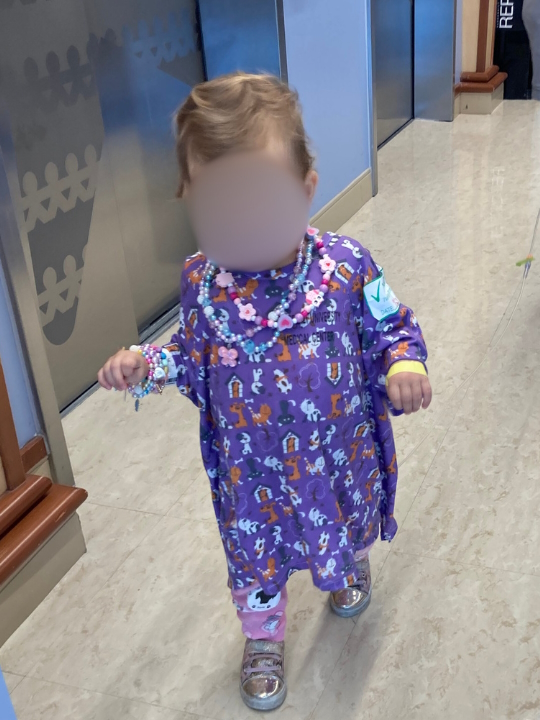
At 6 a.m. on July 7th, we showed up at the hospital, my daughter still in her Minnie Mouse nightgown as we waited. Going into surgery, she happily pointed out the butterflies on the ground — “fly flies” as she called them — with no clue what was about to happen, while I lost it.
The surgery lasted 12 hours. It’s hard to put into words just how brutal that day was: waiting, not wanting to leave the hospital, glued to the phone waiting for any update. We did crafts, I beaded necklaces, and my husband made Mickey Mouse sketches.
Waiting helplessly was simply torturous.
Finally, in the evening, we got the call that it was all over. We held our breath until we were taken into a tiny room with our surgeons, who told us surgery was successful.
But recovery was long and slow. Amidst sleepless nights in the hospital, we celebrated every triumph: sitting up, walking, and having a bite of food.
Breaking Point at Home and Feeling Unbearable Weight
One night, I went home alone to sleep in my own bed. It was another hot Nashville summer night. I took a shower and started sweating. The A/C went out. The only cool spot in the house was in the dining room. I blew up an air mattress. Angry, I kicked it down our steps. I wrote, “I burst into tears. Why can’t I catch a break? I let myself feel sorry for myself. It was all so heavy, so unbearable.”
My daughter was the strongest one. In the hospital, she looked at us with the most genuine smile and said, “Happy.” What a lesson for us all.
Choosing Standard Chemotherapy Over a Clinical Trial
Then, bad news: we learned chemotherapy was necessary, so we left the hospital with a huge decision to make. Clinical trial, which involved fewer rounds of chemo and one drug, or standard of care, which meant more rounds of chemo, more drugs, and more time.
We opted for the standard of care.
Treatment and a New Baby Arriving Together
My new baby would arrive just before chemo ended.
Chemo with a toddler was as awful as you would expect: six terrible weeks with a couple of nights in the hospital for infusions.
She was sick, lethargic, tired, and vomiting. I spent hours sitting next to her on the couch, watching Mickey Mouse. That’s when I wrote in my journal and filled every last page.
At home, there were so many medicines we had to give and so many things to monitor, mostly just a lot of fear, anxiety, and isolation.
Then it was over.
I gave birth on a Monday in late August. We got home from the hospital on Tuesday.
End of Chemo While Caring for a Newborn
On Thursday, it was my daughter’s last day of chemo. I wasn’t there. I had to be home with the brand-new baby. When I look at this video, I’m so sad. She didn’t know what was happening. I see her looking for me on FaceTime.
Friday of the same week, she got a fever and had to be rushed to the ER because she still had a port. I stayed home with the baby, scared, with my fears triggered again.
Survival Mode After Treatment
In many ways, life at home was so much harder than life during cancer treatment. Under constant care and constant watch in the hospital, to then just us.
I look at my face in pictures, holding babies. I was still strong. I hadn’t broken yet. I was still in survival mode.
I started breaking when my daughter’s hair fell out. She barely had any going into chemotherapy. That didn’t matter. She looked like a typical toddler. But weeks after treatment ended, her hair fell out in clumps. It broke my heart. I didn’t want cancer to define her.
Balancing “Normal” Life with Cancer Follow-Ups
Life went on. On the outside, everything was great: preschool, dance class, soccer. On one hand, I was a normal mom of two little girls. But every three months, I was a cancer mom who had to go to the hospital.
The ironic thing is that the more “normal” things got, the more intensely I struggled. I got flashbacks as I saw the sick children in the chemo infusion center. I often struggled to connect with other moms.
From the outside, I was the same person. Inside, I was nothing like I was before my daughter’s cancer. It shook something up deep inside me that made it harder to relate to people who I once felt close to.
I felt I was trauma dumping on people when I shared about her cancer because people don’t always know what to do with it. “I can’t imagine,” they say. Yeah, you can’t. Even my own parents have no idea how dark and scary it got in my own head. It became a scary place.
I managed to get through the days, but despite being so tired and needing to lie down, nights were the worst. I became an insomniac.
Realizing It Was Time to Rebuild
I still remember the day I took my daughter to a play. I didn’t sleep a wink the night before. I didn’t have the tools to readjust to daily life. It was time to rebuild from the ground up. I felt totally broken, walking through life as a shell of my former self.
I knew that I was a creative, driven, successful, and energetic person, but I had nowhere to put that. I decided that I could let myself wither away and let my mental health suffer, or I could take action for my kids.
I began talk therapy and went back to one thing I’ve always loved: writing.
I realized that learning to love myself and rebuild myself was not selfish. Self-love is the greatest gift I could give my children as their role model. I wanted to feel proud of myself. I wanted to feel fulfilled. I wanted to feel alive again.
Transformation: Healing Through Movement, Creativity, and Giving Back
Moving my body and being creative have always made me feel most alive, so I started there. I became a certified yoga instructor. I read, studied, moved, and shared what I learned on YouTube and in yoga studios. This was me reaching out, expressing myself, and connecting with others.
Another way I tried to heal was to cut 12 inches off my hair and donate it to children who have lost their hair. This also helped me part with some of the pain that continued to haunt me.
Health Anxiety, Panic Attacks, and Mental Health Struggles
But still, during this time, my mental health was rough. I began to struggle with health anxiety. At first, it was for my daughter. Every follow-up test, every time she got a cold or a rash, I spiraled.
Then, as she got stronger and remained healthy, I transferred my health anxiety about her onto myself. Every sore throat, every slight ailment in my body spiraled into fears that it was my turn to get sick. This became so real in my head. I went to such dark places.
I had my first-ever panic attack. My heart would beat out of my chest for days, sometimes weeks at a time. Again, nights were the worst. Before falling asleep, my legs would shake during my panic attacks.
I saw my doctor a few times and had my heart checked. Physically, I was all good. Mentally, I was struggling.
My hands and feet started to tingle and go numb, like pins and needles. When one thing got better, another started, prompting a new spiral. I went on a selective serotonin reuptake inhibitor (SSRI), which helped for a bit. (Editor note: SSRIs are commonly used to treat depression, anxiety disorders, and panic disorder, and a healthcare provider helps determine whether they’re appropriate for a given person.)
Time, Work, and Learning to Live With the Fear
What helped most was time and learning to live with and fight my demons as I rebuilt my life. Eventually, I began sleeping better. I started working full-time again in the YouTube space. Months passed and I felt like myself again.
I was able to stay calm as I returned to the places that triggered me, places I connected to my daughter’s cancer experience. Life was not perfect, but it was working.
Joining The Patient Story and Finding Purpose
One day, I got a message out of the blue from a woman named Stephanie, the founder of The Patient Story. She didn’t know about my connection to cancer; only a few people did.
It was meant to be. She hired me and I’m so grateful to be here and to help bring these important stories to the world. I have been so inspired by the people who have bravely faced things far more severe than I did, with strength and grace.
The Patient Story helps us all understand that we are not alone. Being here has truly given me the strength to finally share my own story, while still maintaining my daughter’s privacy so she can choose whether or not she wants to do the same when she’s ready.
Invitation to Connect and Subscribe
If you connected to any part of my story, I would love to hear from you in the comments.
And if you enjoyed this, I think you’ll also love Stephanie’s story. Remember, subscribe to The Patient Story newsletter, and subscribe to our YouTube channel to be among the first to know about our new videos.
Inspired by Ali's story?
Share your story, too!
More Caregiver Stories
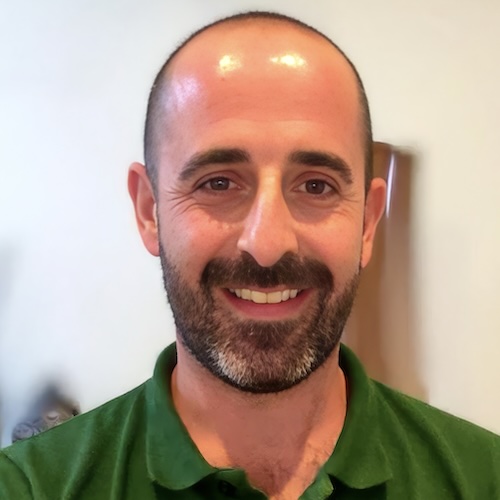
David Garrigues Ronda, Spouse of Laurent Gemenick, Bladder Cancer Patient
“Talk to family, talk to friends. Ask for help. Don't be alone. And above all, don’t miss any doctor's appointments.”
...
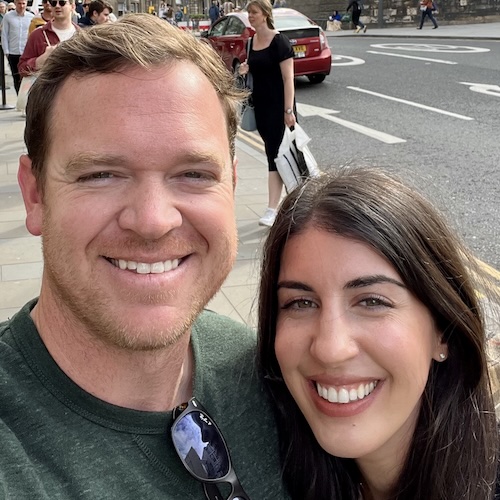
Lung Cancer Caregiver Series Episode 2: Stephen and Emily Huff's Candid Conversation
"We talked, and I remember saying, "What if we have kids and what if I die?" And you were like, "What if you live?"
...
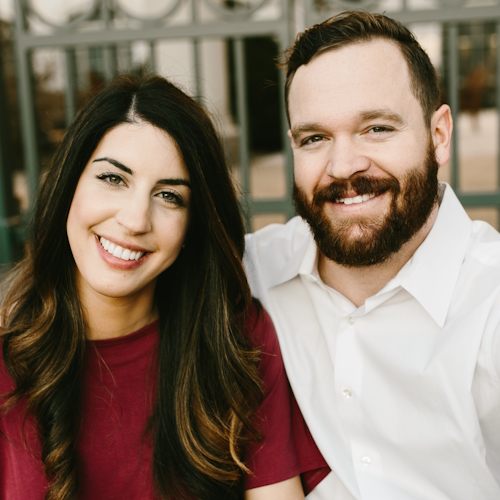
Emily Huff, Spouse of Stephen, Lung Cancer Patient
“Emily's the reason why I’m alive today. The treatments have kept the cancer at bay, but she's the one who’s kept me living, breathing, and enjoying life.”
...
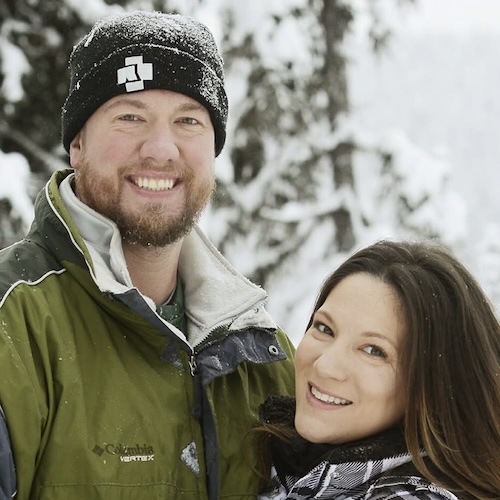
Blair D., Spouse of Brain Cancer Patient
“Find other people who are going through the same thing you are. This journey is very isolating and very lonely.”
...
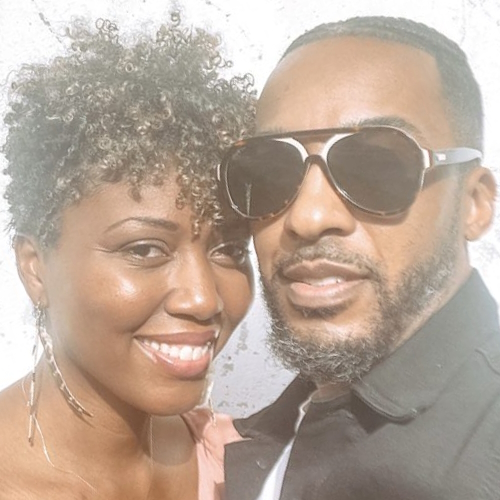
Nat G., Spouse of Bladder Cancer Patient
“You have to become selfless as a caregiver. You have to assure that person that you are there for them.”
...
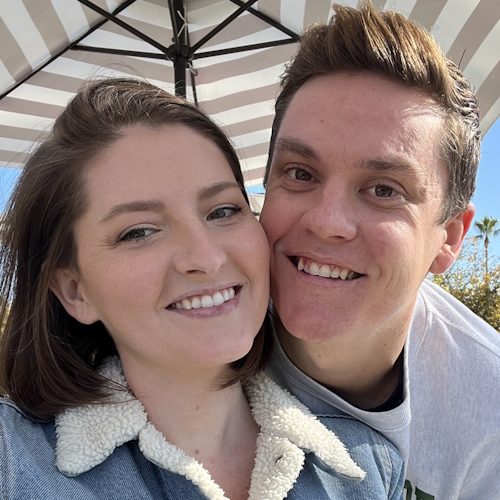
Kyle Appleford, Spouse of Lung Cancer Patient (Metastatic) with No History of Smoking
“Ask for help. Don’t be too prideful to accept the help. I wouldn’t be here without all the support from family and friends.”
...
“A critical ingredient we need throughout our lives in all circumstances is hope. Hope can exist and persist even when a cure is not possible. You can attach hope to anything.”...
“Cancer can make you really angry. It’s okay to be mad. It’s okay to have feelings. I chose to get my anger out in positive ways.“...
Kris Curl Johnston, Program Manager
Program Manager: primary contact for area oncologists and patients needing a phase I trial.
Experience: ~20 years
Hospital size: Large teaching institution
...
Jamel Martin, Son of Prostate Cancer Patient
“Take your time. Be patient with the loved one that you are caregiving for and help them embrace life.”
...